admin

Mads Mikkelsen’s Tattoos: H.J. Initials and Pusher Ink

Mads Mikkelsen’s tattoo story is easy to mix up because the images most people recognize belong to a character. The actor is reported to have a small real tattoo of the initials H.J., associated with his wife, Hanne Jacobsen. The bolder images come from Pusher II, where Mikkelsen played Tonny, a troubled Copenhagen criminal with a shaved head, an elaborate back piece and ink running down his arms.

That distinction is important. A tattoo can look completely real on screen and still be part of a character’s costume. The RESPECT lettering, “Blood & Honour” and the winged design were made for Tonny’s look. They help tell the story of a fictional man searching for status, approval and control.

The small H.J. tattoo has a different feel: personal, quiet and easy to miss. Reports place it on Mikkelsen’s wrist and connect it to Hanne. Tattoo-focused sources have also credited a Danish artist and called it his first tattoo. The documentation is limited, so it’s best to treat it as a reported personal design rather than infer a large permanent collection from film stills.

The screen tattoos can be described clearly; the H.J. initials should stay separate. This keeps the actor’s tattoos distinct from makeup and costume work.

The RESPECT tattoo on Tonny’s scalp
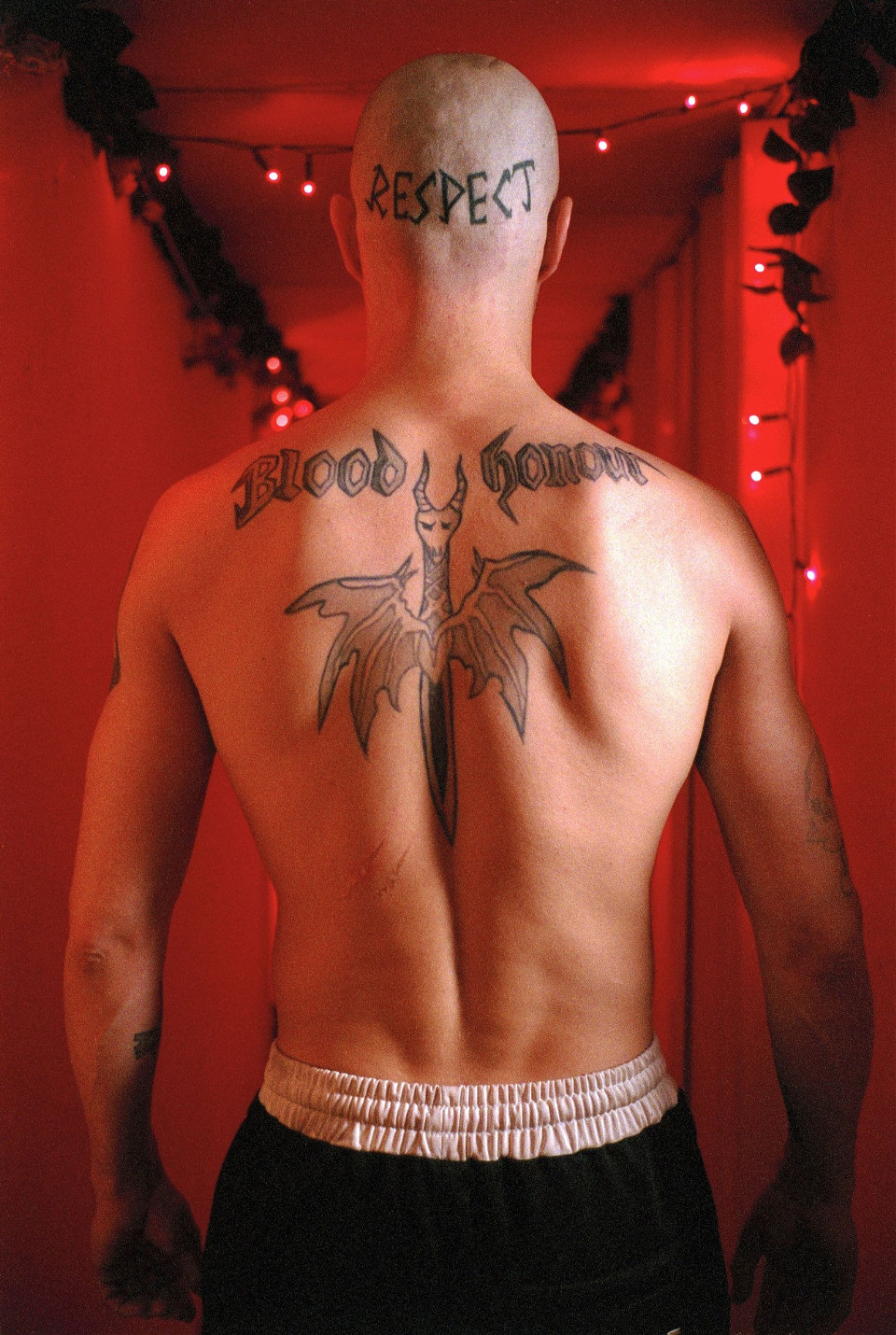
Mads Mikkelsen as Tonny showing the RESPECT tattoo across the back of his shaved scalp

The word RESPECT across the back of Tonny’s shaved head is the detail many viewers remember first. Its large, angular lettering is hard to miss when the camera moves behind him. The placement carries its own irony: someone who truly has respect wouldn’t need to announce it in block letters, and Tonny keeps chasing approval from people who withhold it.

Mikkelsen later described the idea as ironic and tied to Tonny’s need for approval. That gives the design more depth than a standard gangster look. The scalp placement adds to the idea: everyone behind Tonny can read the word, while he can’t see it himself. He has to trust other people to take in the message.

“Blood & Honour” across the upper back
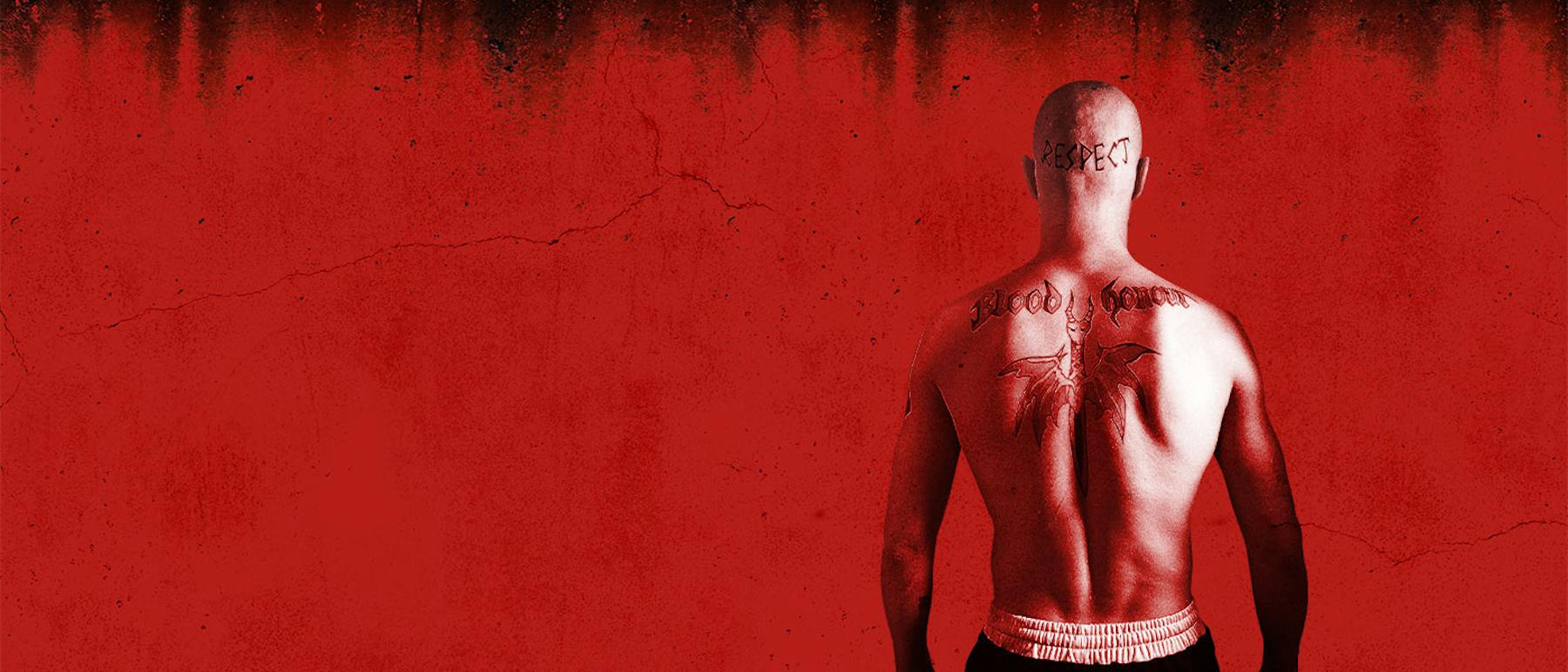
Mads Mikkelsen as Tonny with RESPECT, Blood and Honour lettering and a winged back tattoo

Below the scalp lettering, “Blood & Honour” curves across Tonny’s shoulders. A dark winged figure and long central blade sit between the shoulder blades. In the wider promotional image, the ink reads as one composition rather than a collection of unrelated designs.

The scale gives the character a presence before he speaks. The tattoo makes Tonny look like he belongs to a violent world, while the story reveals his insecurity and confusion. The design is blunt because Tonny wants to seem dangerous; the film keeps showing the fear beneath that performance.

The forearm tattoos in the dockside scene
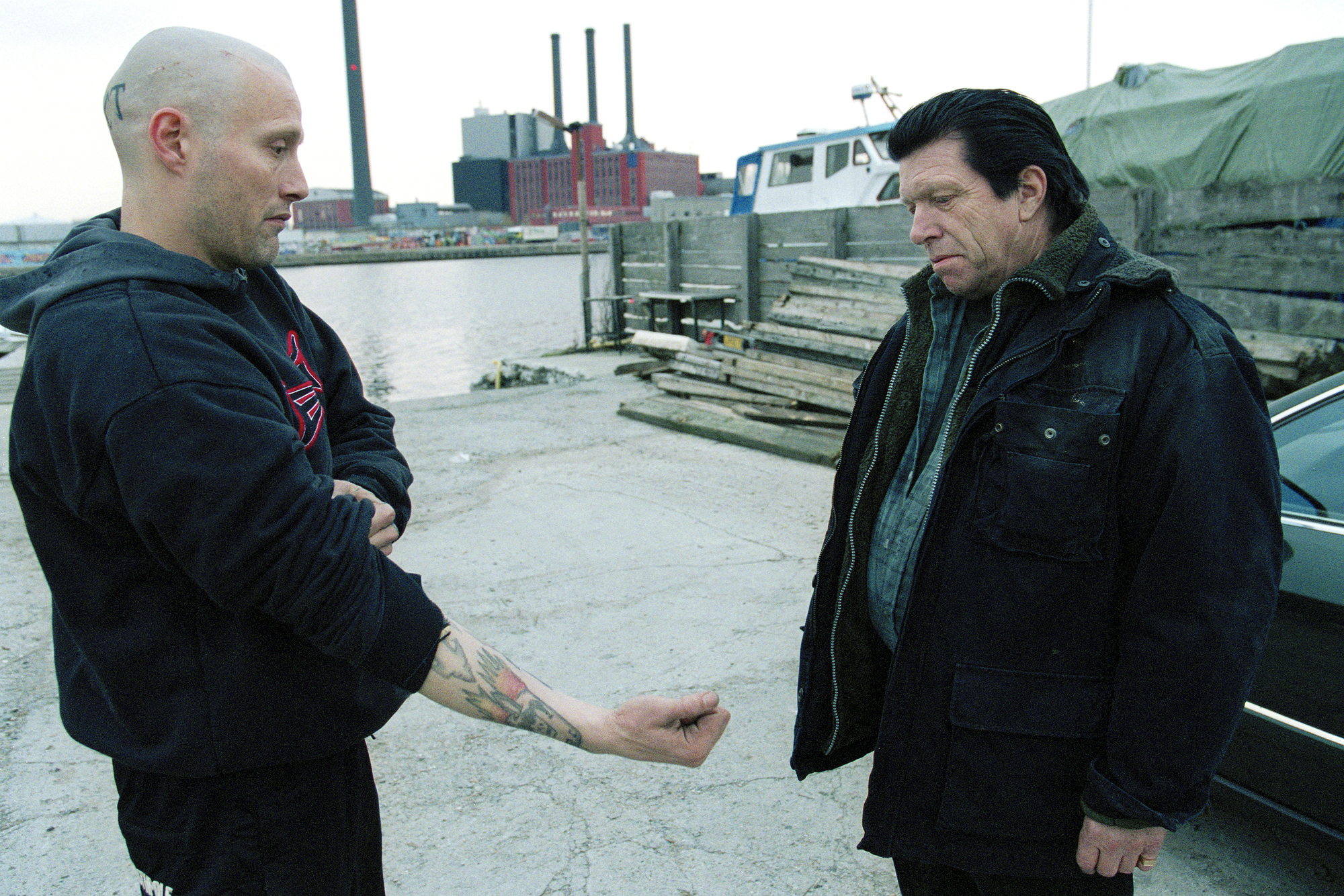
Mads Mikkelsen as Tonny extending his tattooed forearm during a Pusher II scene

A useful still shows Tonny extending his forearm toward his father at the waterfront. It isn’t a clean catalogue photo, but it shows the character’s ink continuing beyond his head and back. The forearm tattoos appear during a tense family exchange, giving the placement more weight than a simple close-up.

Tonny is trying to prove himself. His body becomes part of the argument, and the ink reinforces the street-hardened image he wants to project. Yet his posture and the exchange with his father show how little power he has there. He looks tough, but still wants to be taken seriously by his dad.

A close view of the RESPECT lettering
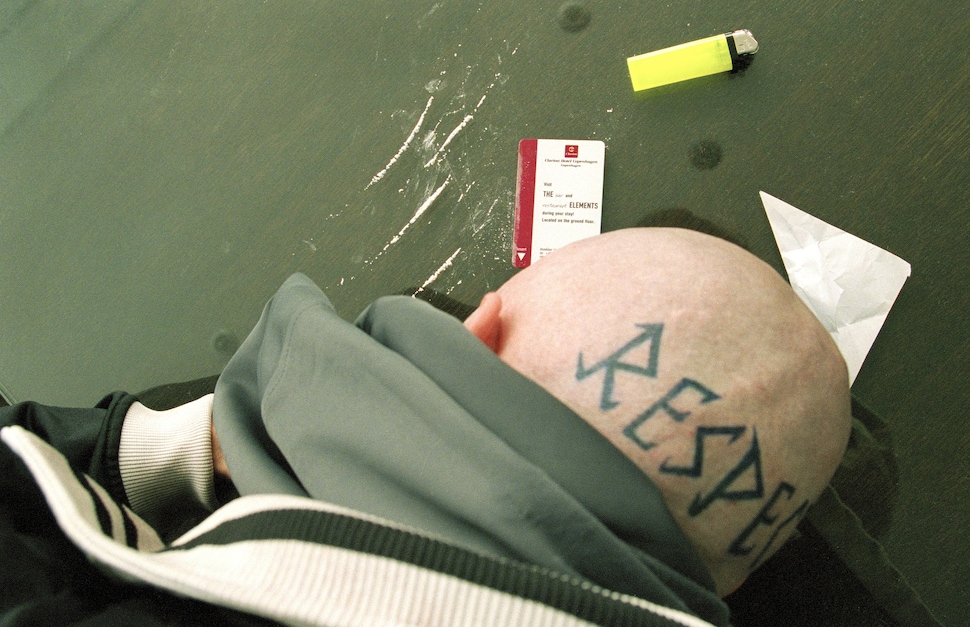
Close view of Mads Mikkelsen as Tonny with the RESPECT tattoo visible on his shaved head

The close-up over the table shows how rough the lettering is meant to look. The lines are uneven and jagged, in keeping with the film’s low-level criminal world. It has none of the polish of luxury tattooing; the mark is built for speed, attitude and instant recognition.

That rough finish suits Tonny. He’s impulsive, bruised and desperate to be noticed, and the tattoo reduces that feeling to one word. The camera catches it for a moment, then returns to the table, the drugs and the decisions that keep worsening his life.

The arm ink in the blue-lit room
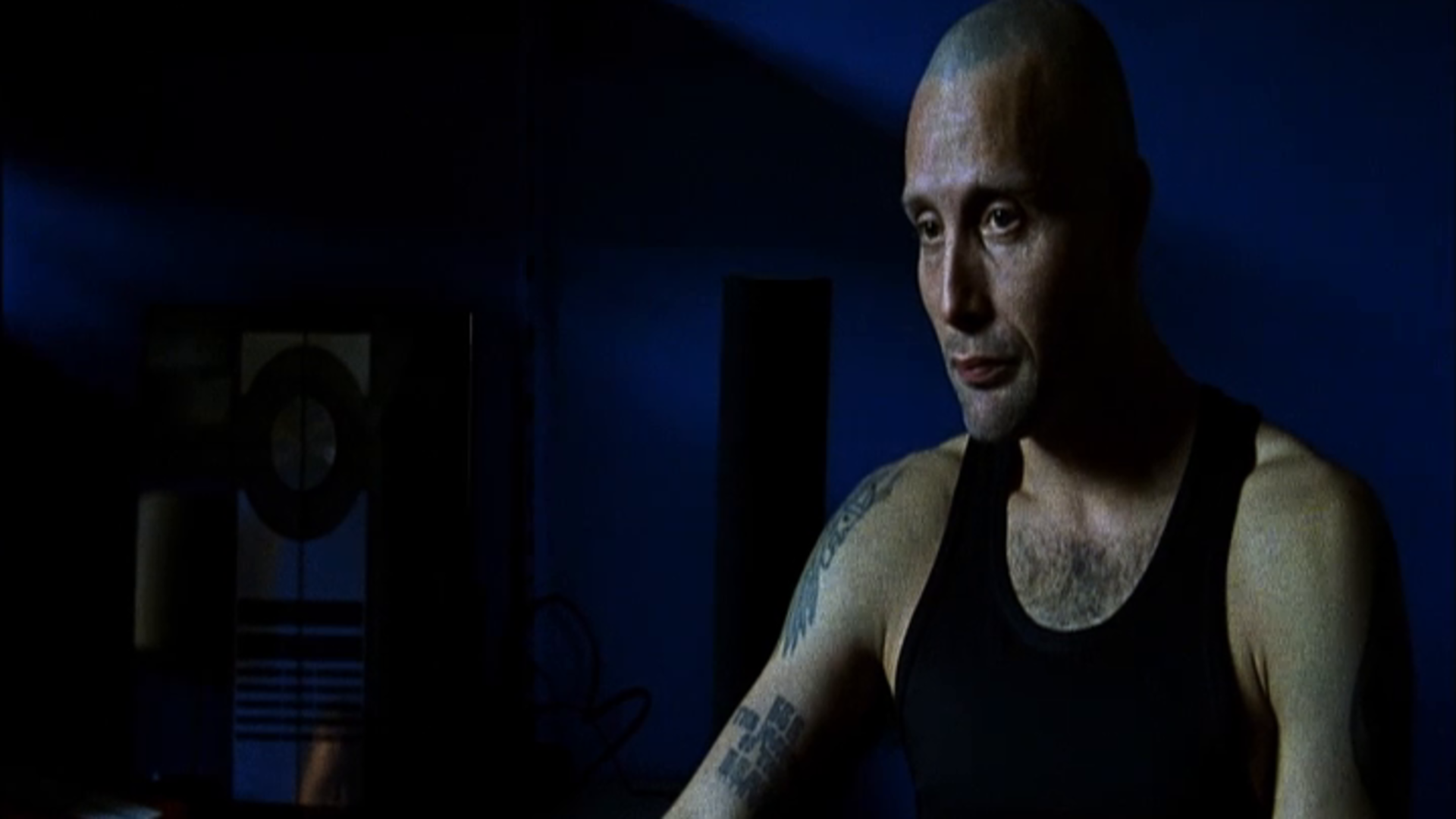
Mads Mikkelsen as Tonny seated in blue light with visible shoulder and arm tattoos

Another still from the darker interior scenes shows Tonny seated in a blue-lit room, with tattoos across his shoulders and forearms. The mood differs from the red-lit back shot. There’s no dramatic pose or broad display of the lettering; the ink is simply part of his everyday silhouette, visible because his vest leaves his arms bare.

That’s why the tattoo work in Pusher II stays memorable. The designs return as part of Tonny’s physical presence, not only for one reveal. The red room makes the back piece confrontational; the blue room makes the arm ink feel lived in. Both images belong to one fictional collection, but they show different sides of him.

How the film tattoos differ from Mads Mikkelsen’s real ink
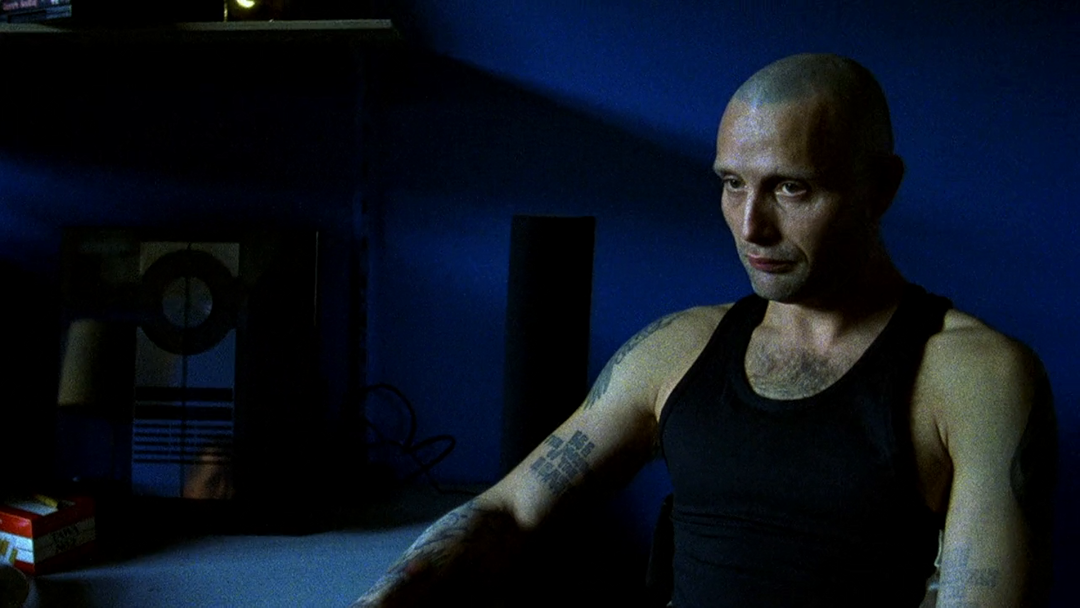
Mads Mikkelsen as Tonny in a close portrait with visible shoulder and arm tattoos

The RESPECT lettering, “Blood & Honour,” winged back design and arm tattoos shown here belong to Tonny, Mikkelsen’s character in the Pusher films. They were created for the role. Mikkelsen’s reported H.J. wrist initials are a separate, much quieter detail; public evidence doesn’t establish a full catalogue of dramatic permanent tattoos.

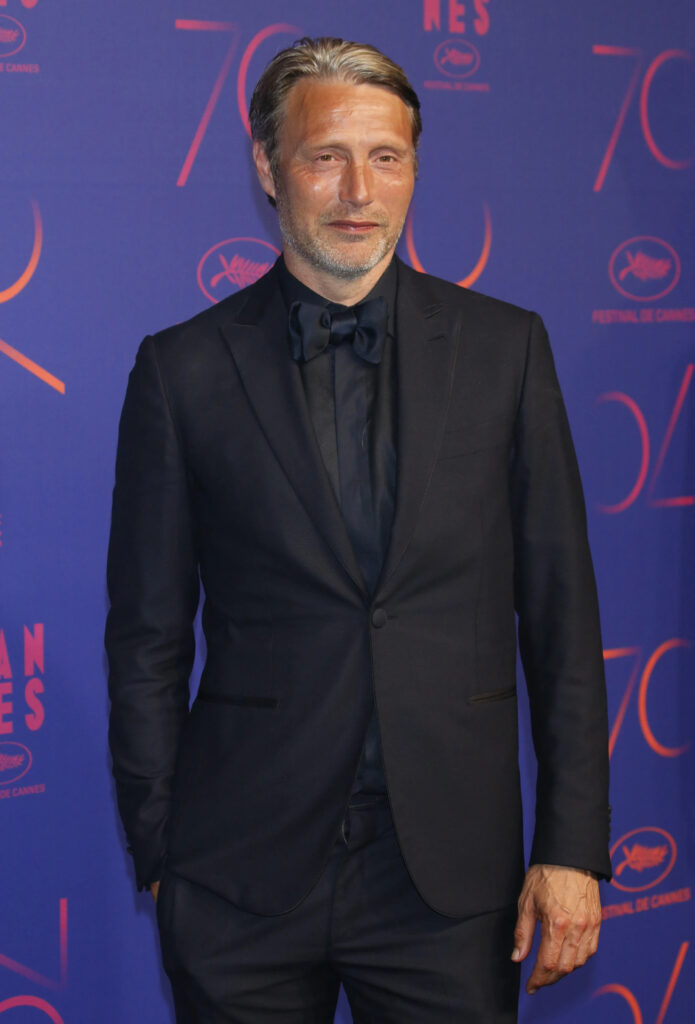
That difference should be clear in headlines, captions and the article itself. A generic Cannes portrait doesn’t prove an actor has a tattoo, and a film still doesn’t show what he wears off camera. Good tattoo research follows the image instead of bending it to fit a rumor. The pictures are most useful when labeled honestly: Mads Mikkelsen as Tonny, with the character’s ink doing much of the storytelling.

What’s confirmed: Mikkelsen’s real tattoo record appears limited, with the H.J. wrist initials the clearest reported personal design. His more famous tattoo images come from Tonny, whose scalp, back and arms were marked to show insecurity hidden beneath toughness. That’s why searches for Mads Mikkelsen tattoos return such striking pictures, even though many show a role.

Watch a relevant Mads Mikkelsen interview: The video below accompanies the article with a look at the actor’s public persona and intense character work.

More actor tattoo guides

Young Miko’s Ink Carries Her From the Tattoo Chair to the Stage

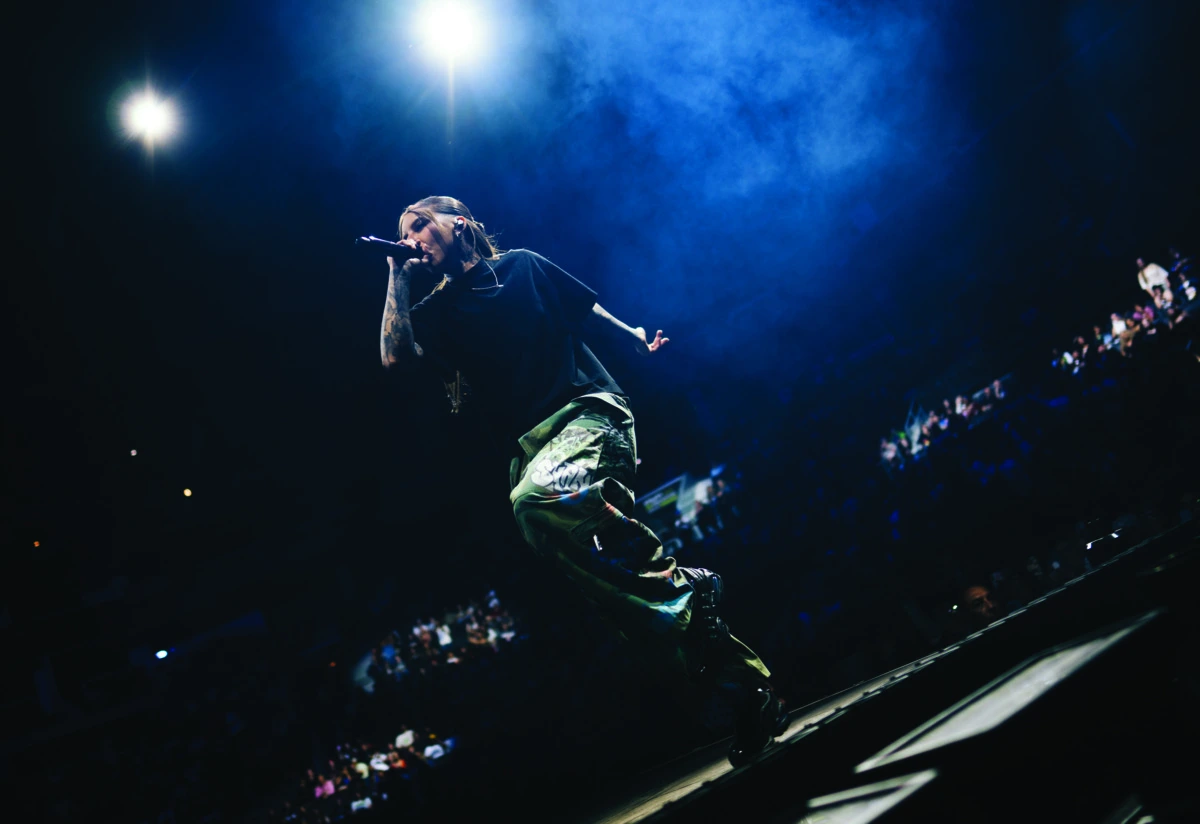
Young Miko spent time working as a tattoo artist before music became her full-time life. In a shop in Mayagüez, Puerto Rico, she learned what goes into a tattoo: planning, patience and trust. That experience gives her own collection a little more context. She knows the care behind the needle as well as the feeling of wearing the result.

Young Miko arm tattoos

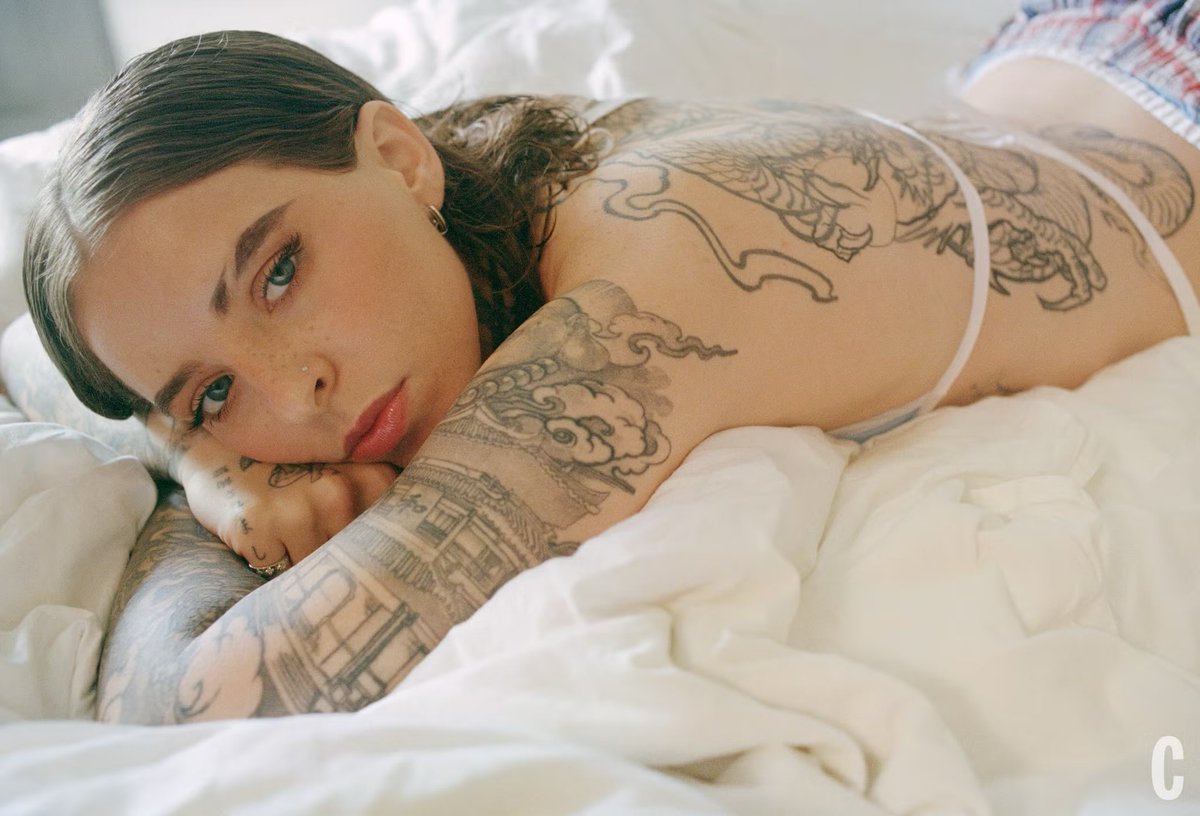
In her GQ Tattoo Tour, Young Miko talks through a few of the pieces that matter most to her. A Japanese-traditional dragon covers much of her back, and a temple on her arm stands for family, home and protection. She has also said that she wants intention behind what she does. That idea runs through the tattoos she has explained.

This guide sticks to what Young Miko has shared herself. Her collection is bigger than any single photo, and some details are hard to make out in performance shots. Where she has not explained a design, it is better to leave its meaning open.

The dragon on her back is the collection’s biggest chapter

Young Miko Japanese dragon back tattoo

The largest and most striking piece is a Japanese-traditional dragon across much of Young Miko’s upper back. In a 2026 Inked Magazine profile, she connected the design to her love of anime and the animated shows she watched growing up. Before the dragon, she had a blue-and-red jersey from Puerto Rico’s national women’s soccer team tattooed on her back.

Soccer was a real part of her life: she played right back and defensive midfield before music took her in a new direction. The jersey marked that chapter. The dragon reflects the interests and work that came later, while the old tattoo remains part of the story behind it.

Young Miko dragon back tattoo process

The dragon links her childhood imagination with the art she makes now. Young Miko has recalled watching Yu-Gi-Oh!, Pokémon and Cartoon Network with her older brother. Those shows stayed with her and fed the interest in drawing that eventually led her toward tattooing. The dragon brings some of that early visual world onto her skin.

Japanese-traditional dragons come with plenty of familiar symbolism, but Young Miko’s own account is more useful than a generic list of meanings. For her, the design connects to childhood, anime and her eye for images. Its size gives the rest of her collection room to sit around it, and the piece shifts as she moves.

Replacing the soccer jersey with the dragon changed the look of her back, but it did not make the earlier chapter disappear. The jersey belonged to a team and a country; the dragon draws on family memories and the interests she carried into adult life. Both are part of how she got here.

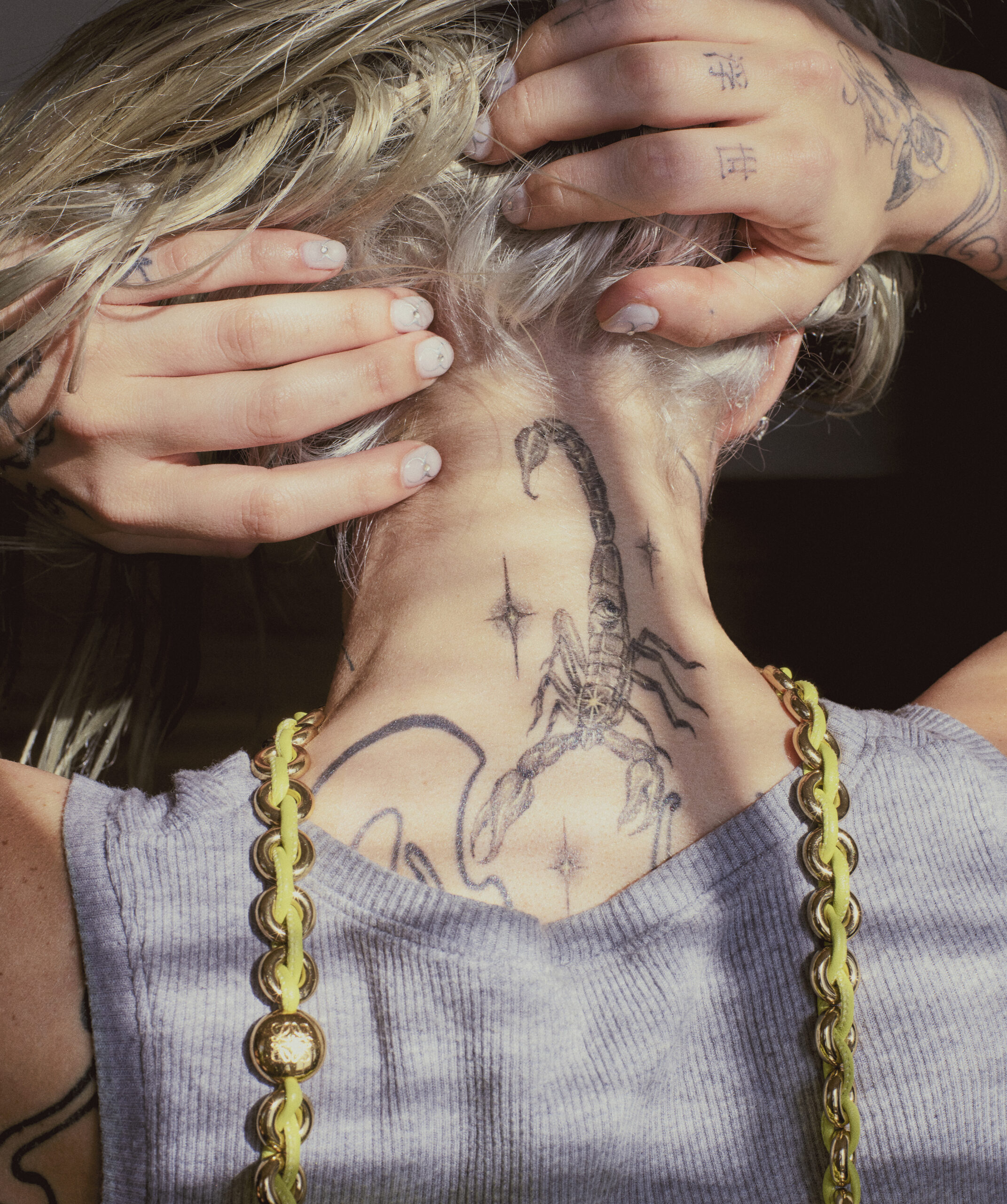
Young Miko scorpion neck tattoo

Her time as a tattoo artist helps explain the thought behind the placement.

Before her music career took off, Young Miko was tattooing in Puerto Rico. That experience helps explain why she talks about intention and composition. Working in a shop means thinking about how a design will feel to the person wearing it long after the appointment is over.

She started tattooing in Puerto Rico before her music career took off. Inked Magazine’s profile also traces how the discipline and creative confidence she developed there carried into music. In both fields, she takes an idea and gives it a shape people can connect with.

That background makes the dragon feel considered, rather than like a design chosen on a whim. It grew from the images she loved well before she became known as a musician.

The temple on her arm is about family and home.

Young Miko has described the temple on her arm as a symbol of the sacredness of family and home, and of wanting to protect the people who gave her a place to return to. It is smaller than the dragon, but its meaning is just as clear.

With a career that takes her from one city to another, home can mean more than an address. The tattoo holds onto the people, routines and memories that keep her grounded as life changes around her.

The image does not have to look fierce to suggest protection. Its meaning comes from the way she connects it to family and responsibility. Set beside the dragon, the temple adds a quieter note: one design reaches back to imagination and childhood, the other to the people who make home feel safe.

She has said that intention matters in every tattoo.

Young Miko has said her tattoos are meaningful and that she puts thought into each one. That does not mean every line needs a public explanation. She has spoken about the dragon and the temple; other details seen in photos are best left as details unless she chooses to explain them.

Her influences show up in the collection.

The stories she has shared touch on her older brother, the shows they watched, Puerto Rico, soccer, tattooing and the importance of family. Her back piece is expansive and imaginative; the temple is close and protective. They come from different parts of her life, but both carry those earlier chapters forward.

Young Miko full sleeve tattoos

A note on what is confirmed.

The clearest public explanations are for the dragon and the temple. Young Miko discusses her tattoos in the GQ Tattoo Tour, and Inked Magazine’s profile gives more background on soccer, anime and her earlier work as an artist. Those sources offer plenty to follow without guessing at the smaller designs that appear in photos.

Taken together, the tattoos she has explained reflect several parts of her life: the soccer player, the tattoo artist, the kid watching cartoons with her brother and the musician performing onstage. Each chapter stays with her as the next one begins.

Watch Young Miko explain her tattoos

In her GQ Tattoo Tour, Young Miko shares the stories behind some of her tattoos in her own words.

More musician tattoo guides

Marc E. Bassy Turned His Music Into a Tattoo Archive

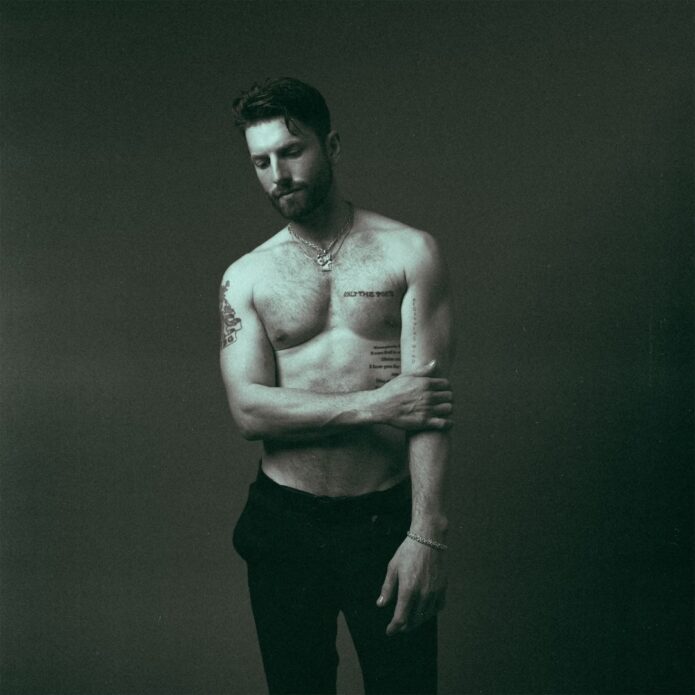
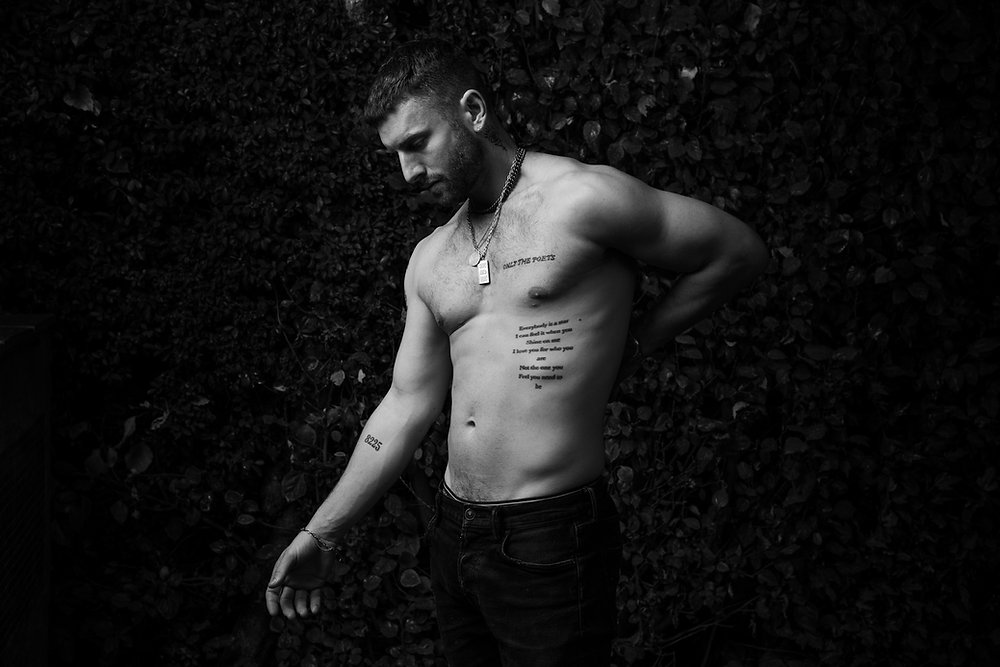
Marc E. Bassy’s tattoos trace the people and music that have stayed with him. He has a tribute to his father, a microphone from the years he was deciding to become a singer, lyrics from Sly and the Family Stone, and words tied to his first solo project. Some pieces are easy to spot; others are personal enough that he only shares them when he tells the story.

In his tattoo tour, Bassy is open about how the collection grew. He got his first tattoo young and figured out the rest over time. Moves, records and relationships each gave him a reason to add something. There was no single plan for how it would all look together.

That is part of the appeal: the tattoos follow his life as it happened. They read like reminders he chose to keep close.

The first piece was a Griffin with a family story behind it

Marc E. Bassy lyrics tattoos

Bassy says he got his first tattoo around his 18th birthday. A close friend had drawn a personal family crest, and he wanted a design with a story of its own. He chose a Griffin, a mythical creature that also connects to his name.

The tattoo was a tribute to his father, who had died a couple of years earlier. His father’s initials are part of the design, giving the Griffin a meaning that goes beyond the creature itself. It also carries grief and memory, and gave him a way to keep his father close.

The Griffin has some of the bravado of a first tattoo, but its family meaning is specific. As Bassy’s earliest piece, it sets the tone for a collection that grew around people, records and turning points. One tattoo led to another as his life changed.

It does not explain everything about his later work, but it is where the story begins.

An old school microphone marked the move to Los Angeles

Marc E. Bassy Only the Poets chest tattoo

After moving to Los Angeles, Bassy got an old school microphone. He was 18 or 19, he says, and had committed to becoming a singer. He spotted the design in a tattoo artist’s book and felt it suited the direction he was taking.

The reason was straightforward: singing was becoming more than a hobby, and the microphone represented that decision. It is the tool that takes a song from private writing to a voice other people can hear.

Alongside the Griffin, the microphone marks a change in focus. The first tattoo honoured his father; this one pointed toward the artist Bassy was trying to become.

The rib lyrics came from Sly and the Family Stone

Marc E. Bassy rib lyrics tattoo

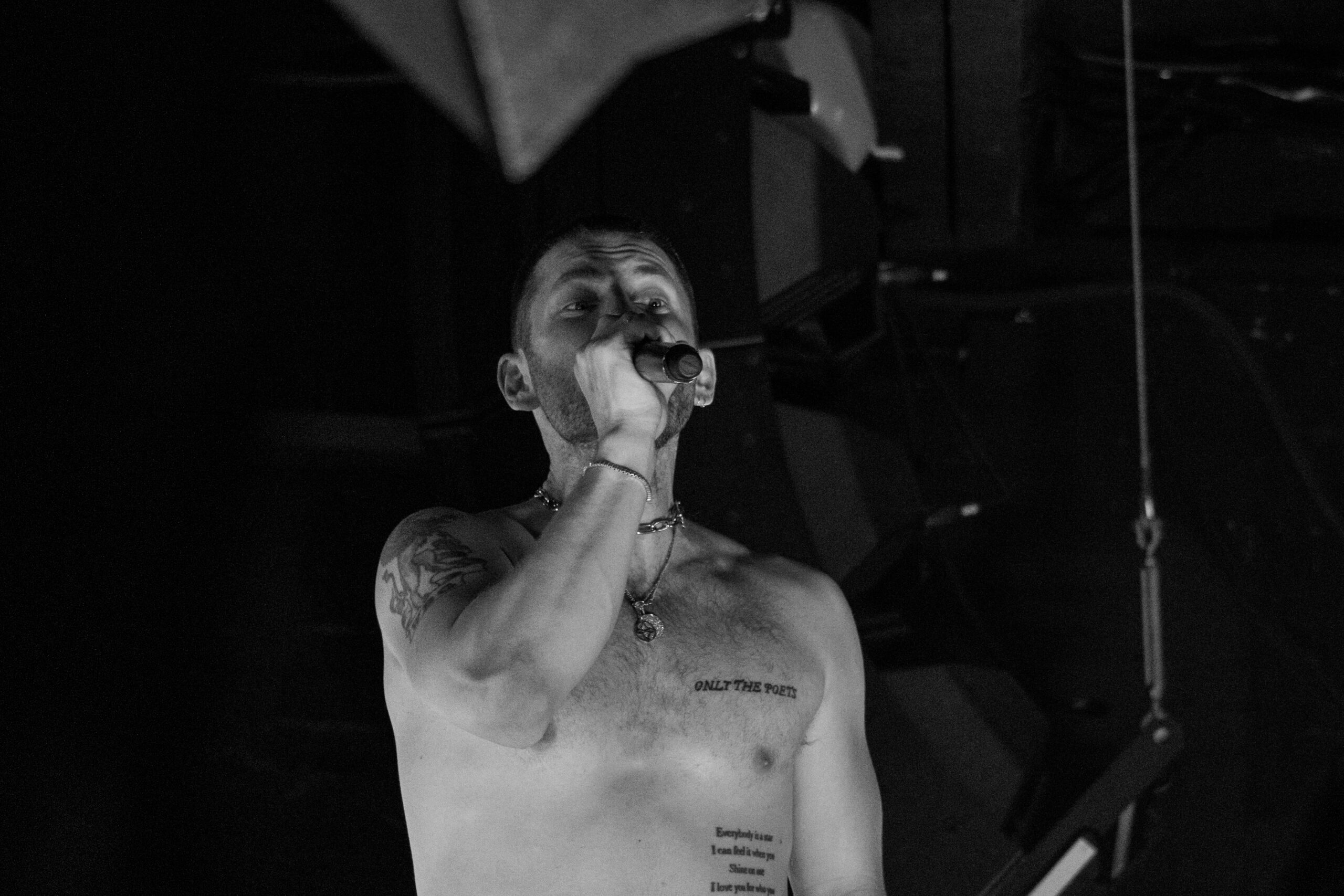
Bassy got the lettering on his ribs while he was listening closely to classic soul. The words are from Sly and the Family Stone’s “Everybody Is a Star,” a song he says he loves.

He chose a line about accepting people as they are. Bassy has said its plain message stayed with him. His girlfriend was there when he got the tattoo, tying a relationship memory to the song as well.

The lyrics sit in a private spot, close to the body and usually out of view. They are more than a nod to a favourite group: they preserve a feeling he connected with at the time. The placement suits a lyric about being accepted without having to put on an act.

The lettering is both an homage to Sly and a reminder for Bassy. It reflects the way a song can offer a simple thought that matters more as life goes on.

Only the Poets ties his chest to his first album

Marc E. Bassy tattooed torso during a live performance

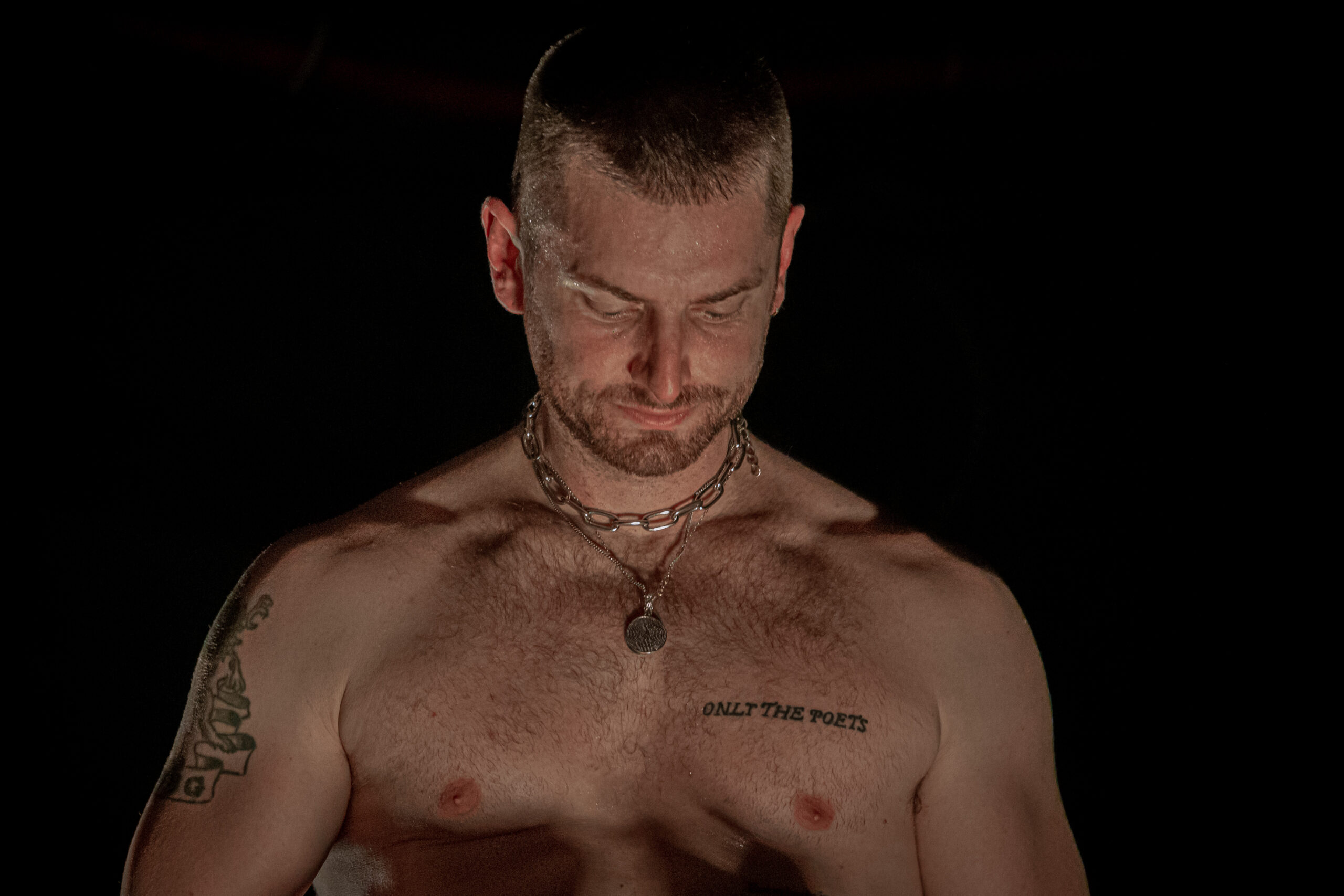
The words Only the Poets run across Bassy’s chest. They refer to his first mixtape and connect to a line associated with James Baldwin, one of his favourite writers. Bassy has said Baldwin’s idea about poets understanding the truth of people stayed with him, and he eventually made the phrase part of his own story.

The tattoo marks the start of his solo career and says something about the artist he wanted to be: a songwriter who pays attention to people and writes honestly. Its chest placement also makes it one of his most visible pieces.

There is a time-capsule quality to it. A mixtape belongs to a particular moment; the tattoo stayed as his music moved on. It keeps that early chapter in view.

He has kept adding meaning instead of chasing a perfect layout

Marc E. Bassy live tattoos

Photos from Bassy’s tattoo sessions show him in the chair with flash sheets nearby. They look like working-shop moments, not a carefully staged campaign. That fits a collection that has grown one decision at a time rather than following a design laid out in advance.

The tattoos he has explained include the Griffin and his father’s initials, the microphone, the Sly and the Family Stone lyrics, and Only the Poets. Other small marks show up in photos, but their meanings are not clearly documented. Without his explanation, there is no need to turn them into stories.

Taken together, the known pieces point to family, music and the people who have influenced him. Bassy has left room for new work without trying to make every tattoo part of a matching set.

What Marc E. Bassy’s tattoos say as a group

The collection brings together his father, his decision to sing, a song he loves and the project that began his solo career. Each piece marks something he wanted to remember. The Griffin carries a family tribute, the microphone reflects his choice of work, and the lyrics and chest lettering keep music and writing close.

That is enough to see a thread through the tattoos without treating every mark as a puzzle. Some are bold and public; some have a more personal story. Their meanings come from the life Bassy has described, not from a perfect layout.

His collection is still growing. The documented pieces already show how it has followed him from a first tribute tattoo to a career built around songs, records and words that matter to him.

Watch Marc E. Bassy talk about his work

This interview offers more of Bassy’s background and perspective alongside the tattoos he has discussed.

More musician tattoo guides

Sanjay Dutt’s Ink Tells the Story in Names, Gods and Family

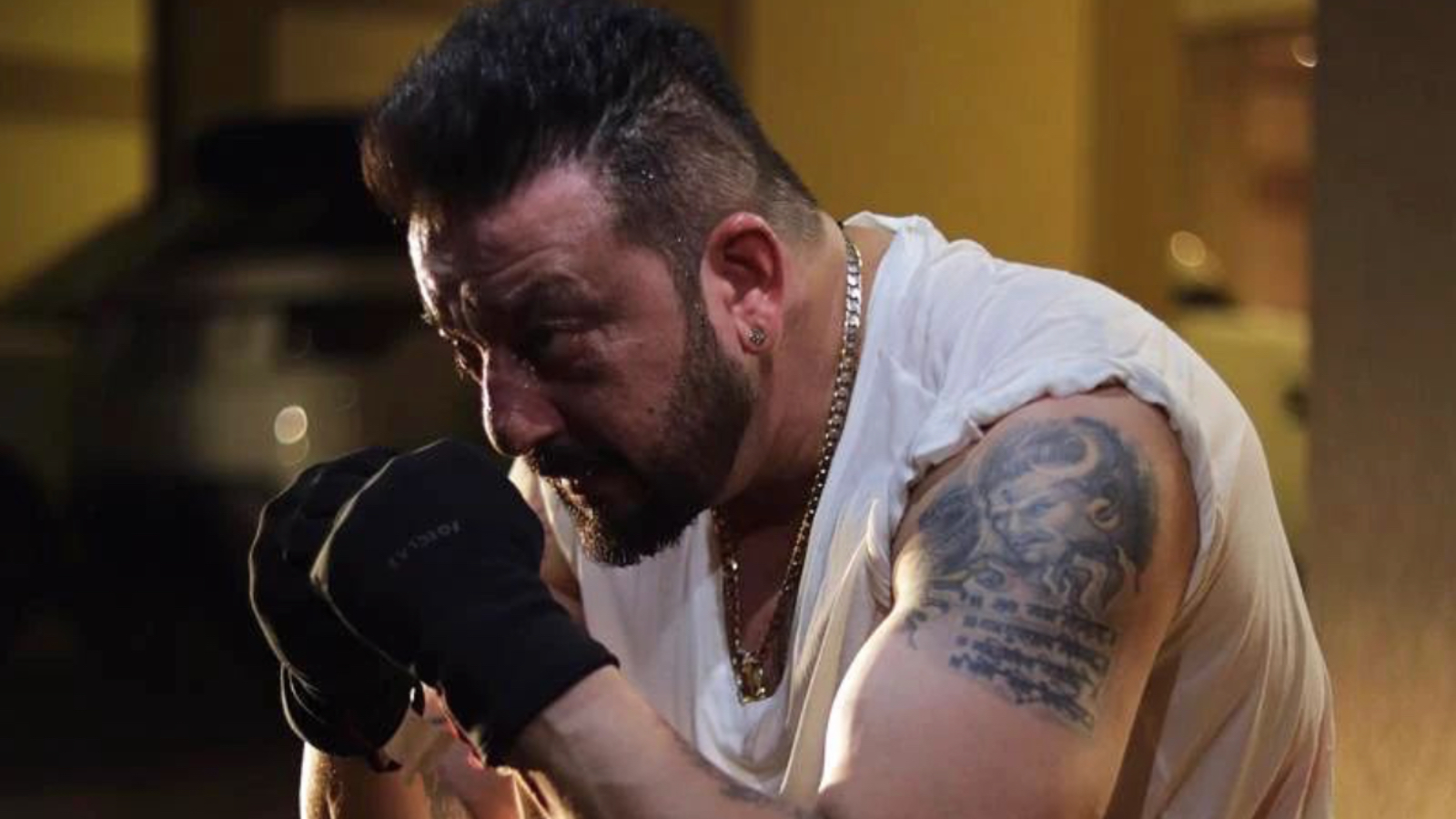
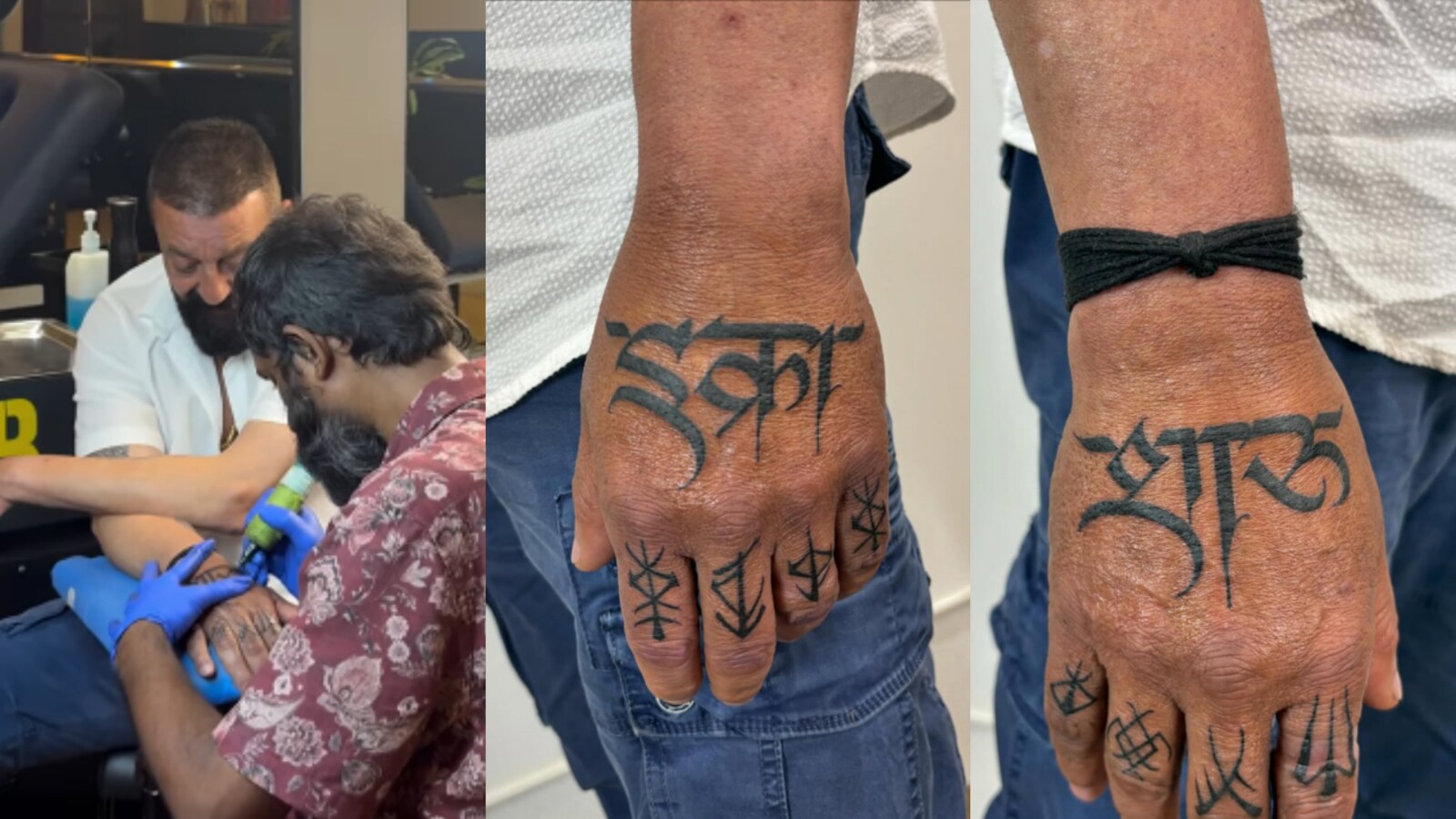
Sanjay Dutt’s tattoos reflect several parts of his life: family, spiritual imagery, films and symbols that have appeared in tattoo features over the years. The newest widely reported additions are his twins’ names, Shahraan and Iqra, tattooed in bold letters on the backs of his hands. Older coverage also identifies a Shiva design, family references, Simba and samurai imagery.

The collection has been described in interviews, photographs and tattoo features, though the details are not always consistent. This guide focuses on what has been shown or discussed in identifiable coverage and flags the parts that remain uncertain.

The first tattoo came from a 2003 Goa plan

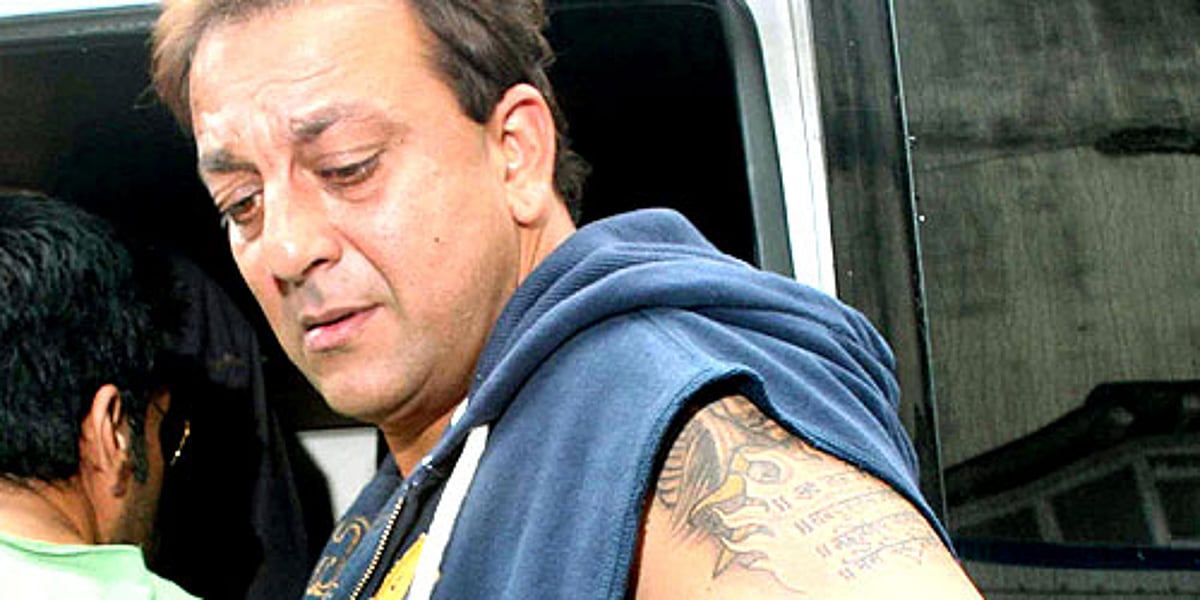
Sanjay Dutt arm tattoo

Dutt’s first tattoo is generally dated to 2003, around the time he was working on Musafir. Tattoo artist Deepak Vetal has described meeting him through the film. The early plan was reportedly to build a sleeve, which may explain why the tattoos look more connected than a set of unrelated pieces.

The tattoo predates the current celebrity tattoo-tour era. Dutt was drawn to the look, got the work done in Goa and added to the collection over time. The early pieces set a tone that continued through later work: bold black lines, clear symbols and designs that remained visible in public appearances.

Photos from different years can make the tattoos appear sharper or less defined. Lighting, camera angle and the age of the ink all affect how the work looks, so a difference between two pictures does not necessarily mean a new tattoo.

Shiva gives the collection its spiritual centre

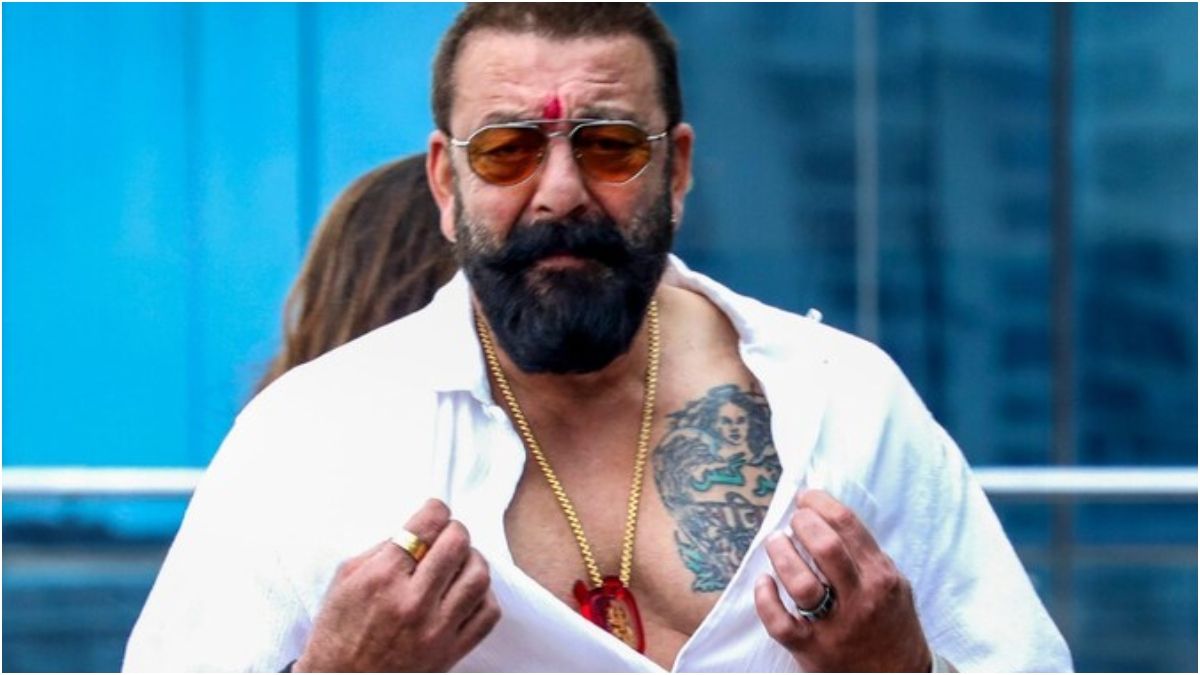
Sanjay Dutt Shiva tattoo

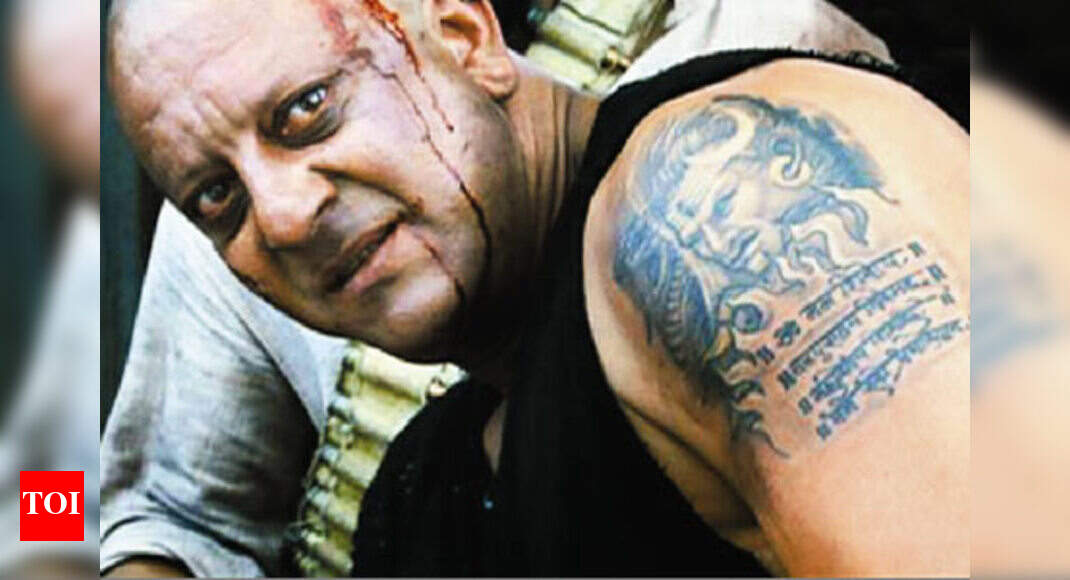
The design most often associated with Dutt’s collection is a Shiva tattoo. Video coverage and Bollywood tattoo features connect it with his devotion and the importance of Shiva imagery in Indian culture. Some sources also mention Sanskrit or other devotional details, but descriptions of the exact wording and placement vary.

The image is large and visually prominent, giving the collection a clear focal point. Dutt’s public image has often been tough, and the tattoo fits that presence while also carrying a spiritual association.

It is safer to stick with the meaning sources identify than to guess at every line in a blurry photograph. Shiva is consistently named; finer claims about nearby marks are less certain.

His family names are the most direct tattoos

Sanjay Dutt Shahraan and Iqra hand tattoos

The newest clearly documented pieces are the names of Dutt’s twins, Shahraan and Iqra. Reports in 2026 showed the names in bold black lettering across the backs of his hands. The placement is easy to see in photos and public appearances, making the tribute part of his everyday look.

The timing gives the tattoos another layer: reports described them as a New Year addition, years after his first tattoo session. Even after building a substantial collection, Dutt chose to add something direct and personal.

Older articles also mention tattoos connected with his parents. Those details are repeated in some coverage, but without a clear image or direct quote they are harder to confirm precisely. The names on his hands, by comparison, are visible and clearly identified.

Simba and samurai references add a different mood

Sanjay Dutt samurai tattoos

Tattoo features and video explainers have also described designs in Dutt’s collection as references to Simba and samurai warriors. These motifs bring a different feel from the family lettering and Shiva imagery. Simba is associated with courage and royalty in The Lion King, while samurai designs often draw on ideas of discipline and loyalty.

The sources do not always provide close-ups or explain who designed each piece. It is best to describe these as motifs linked to Dutt in tattoo coverage, rather than present every interpretation as something he has personally confirmed.

Together, the reported designs span religious imagery, family, popular culture and warrior symbolism. They do not all need to share one style to feel like part of the same collection.

The older pieces still carry much of the collection’s character.

Sanjay Dutt chest tattoo

Dutt’s older tattoos have remained visible through different stages of his career. They read clearly in photographs, whether he is on set, at an event or in a casual interview. The exact combination on view changes depending on what the picture shows.

One photo might include most of an arm while another crops it at the elbow. Images may also be mirrored or filtered. That does not automatically mean the tattoo has changed. The year, angle, lighting and aging ink can all affect how it appears.

Because several designs sit close together, headlines sometimes label a photo as a single “Shiva tattoo” even when it shows more of the collection. It helps to separate what is visible from what a caption claims.

Recent additions show that the collection is still growing.

The names on Dutt’s hands are a clear example of a new, visible tribute to his family. They sit alongside much older work and bring his current life into the collection. For another look at a celebrity collection with its own well-documented stories, see our Halsey tattoo guide.

Recent videos also bring the older tattoos back into view. A clip focused on one new design can show how it sits beside the Shiva imagery and other symbols, giving a sense of how the collection has changed over time.

The collection is still a work in progress. Some choices date back years, some have been added recently, and a few details are best left unconfirmed.

The bigger picture

The documented picture brings together Shiva imagery, family references, motifs described as Simba and samurai, and the newer hand tattoos for Shahraan and Iqra. Dutt’s first tattoo is generally dated to the early 2000s; the collection has grown well beyond the original reported plan for a sleeve.

The tattoos span family and belief as well as imagery that suits Dutt’s larger-than-life film roles. There is no need to assign a hidden meaning to every mark to see those threads.

For design inspiration, the most noticeable features are the bold lettering on the hands, the scale of the Shiva piece and the mix of recognizable symbols across different eras. For exact meanings, it is best to rely on details Dutt or a reliable tattoo feature has identified.

Video companion

This tattoo-focused video gives a closer look at Dutt discussing his ink and at how the older pieces sit across his body.

Tory Lanez Wears His Story on His Skin

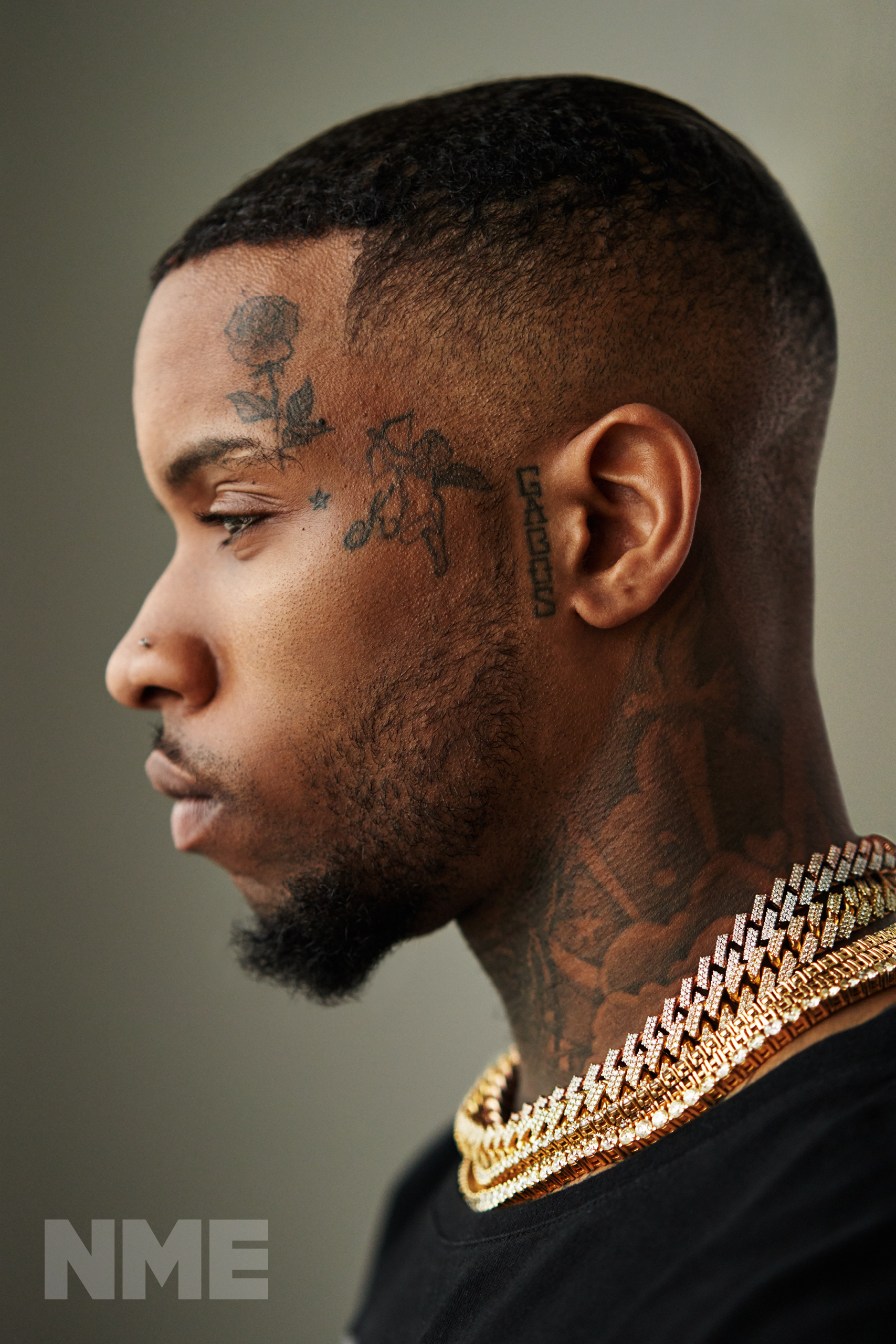
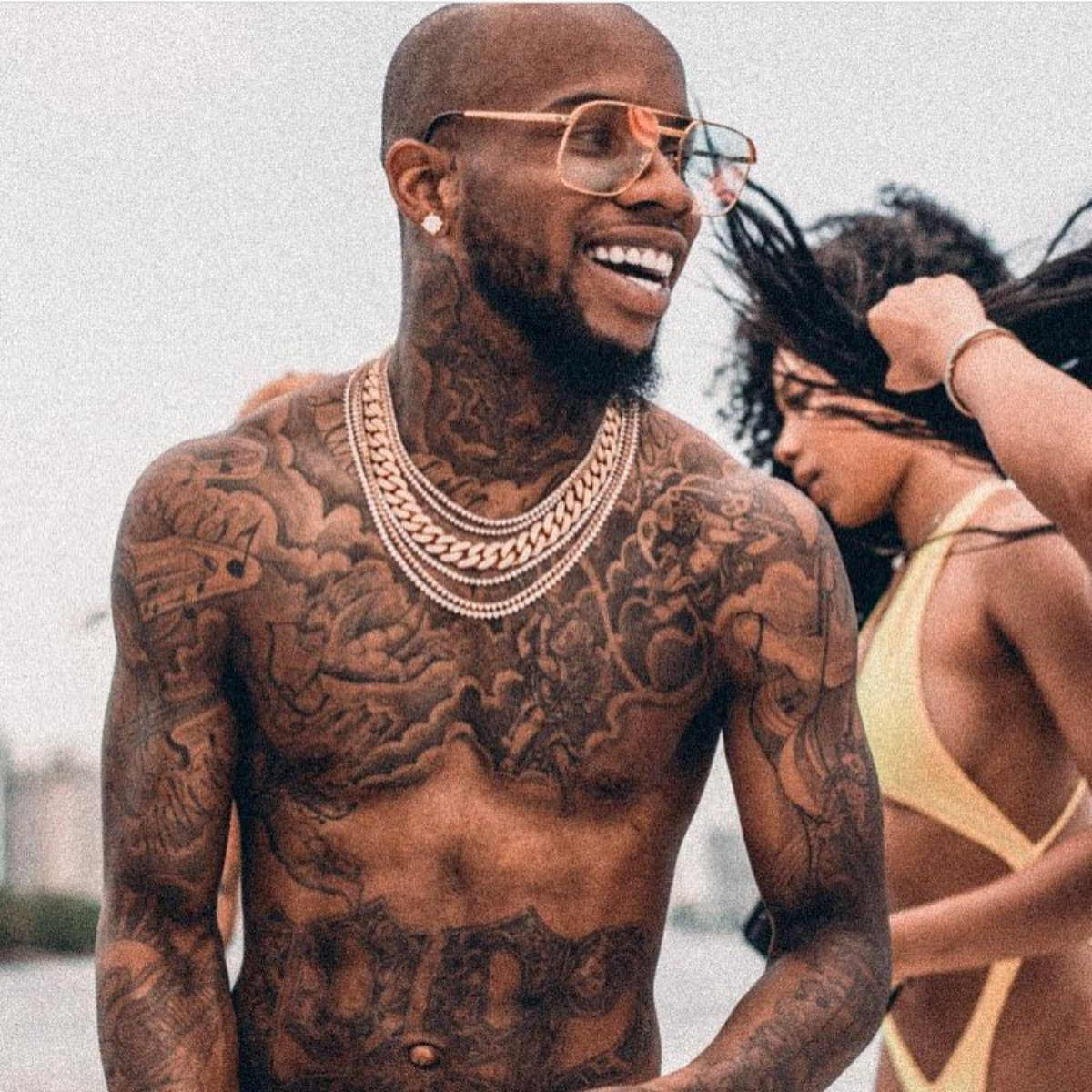
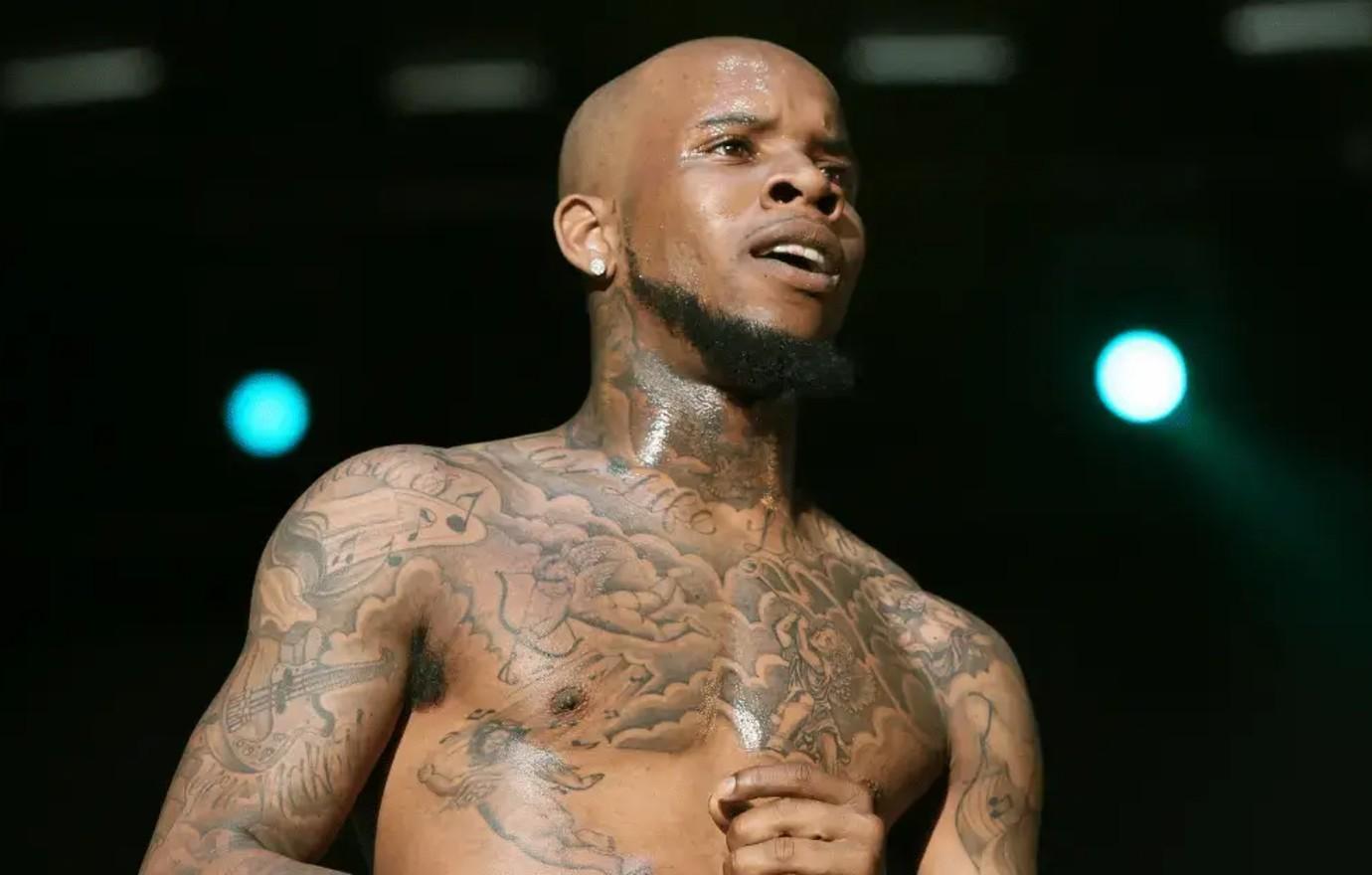
Tory Lanez’s tattoos cover his face, neck, chest, stomach, arms and wrists. Across the collection, he has combined faith, family, music and references to Toronto, using both large shaded images and bold lettering.

He has discussed several designs in an iHeartRadio tattoo interview. “GABOS,” “416” and “1992,” the phrase “Live Life Love God,” music notes, angels and rays each connect to a part of his life. The collection is striking at a glance, but many of the stories behind it are personal.

The GABOS tattoo sits right beside his face

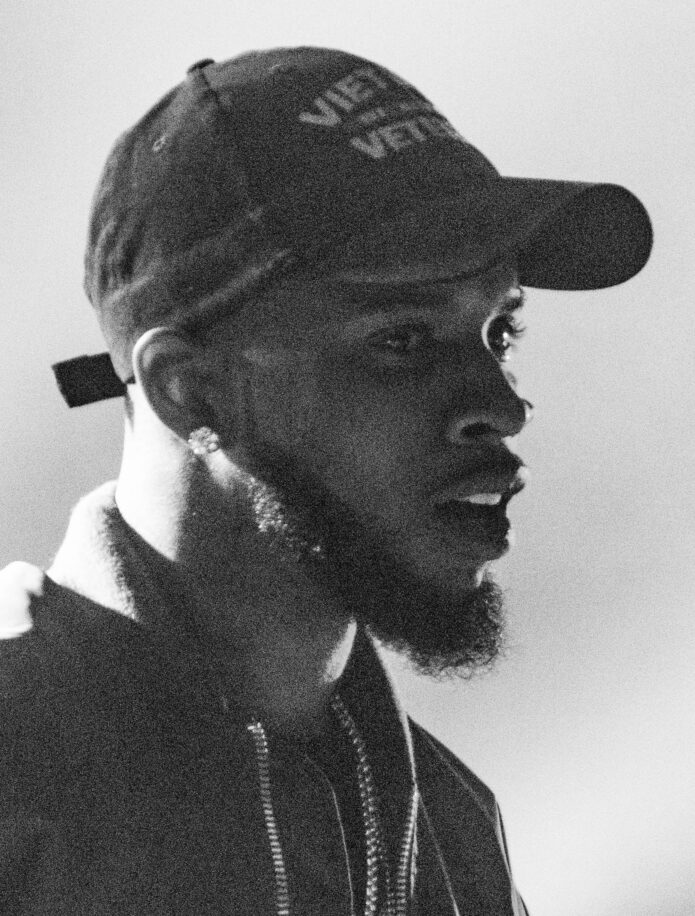
Tory Lanez profile face tattoos

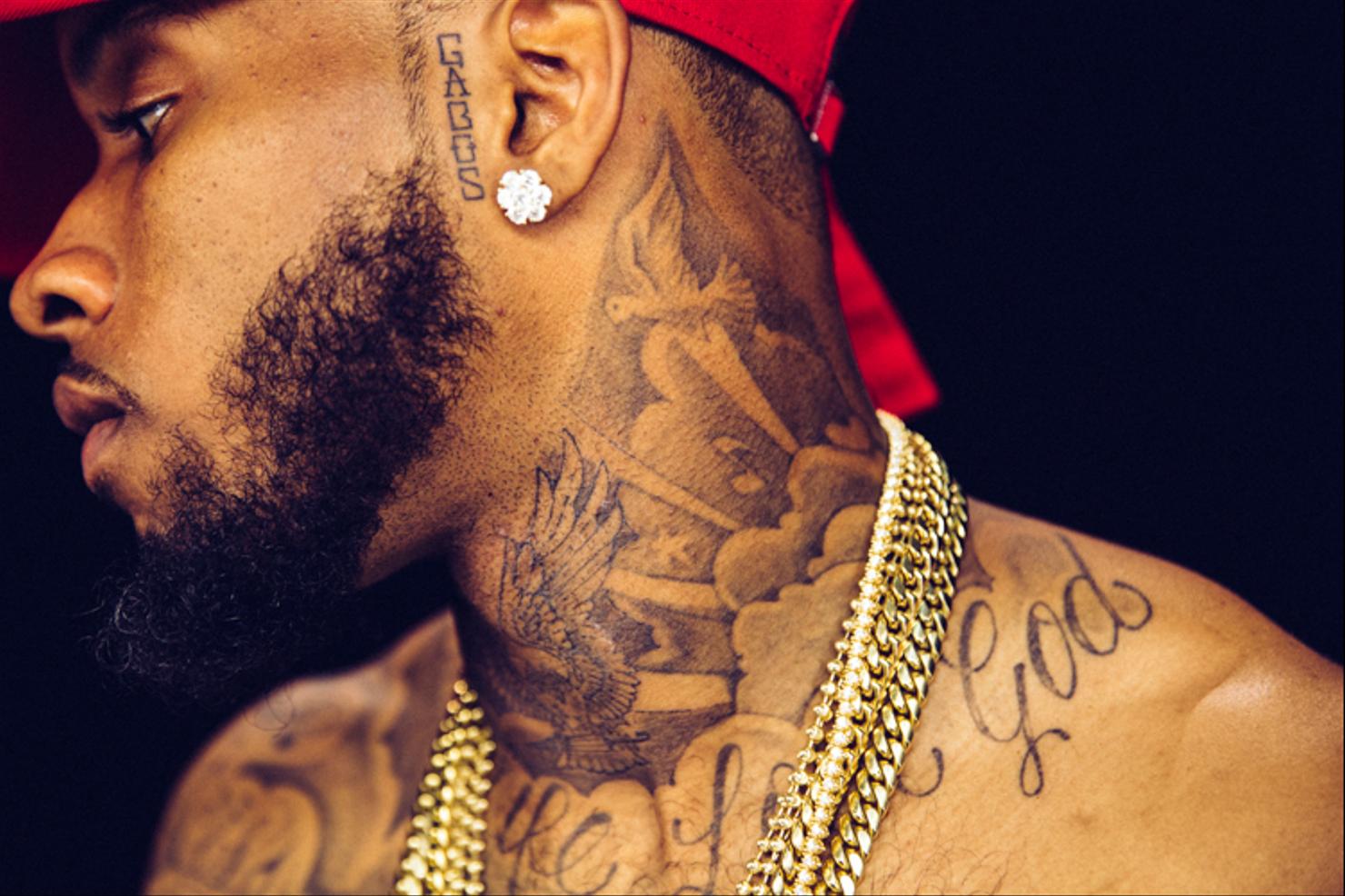
The vertical GABOS tattoo beside Lanez’s ear and jaw is one of his most recognizable pieces. He has explained the letters as “Gaming Based On Sympathy.” Placed so close to his face, the lettering is hard to miss, and the phrase gives it more meaning than an acronym alone.

The same profile shows a rose and script near his temple, a small star by the eye and darker work down his neck. The pieces sit close together and connect his face to the rest of the tattoos across his neck and shoulders.

From a distance, the letters are what stand out. Knowing how Lanez has explained them gives the design a more personal dimension.

Faith is written across his neck and chest

Tory Lanez torso and arm tattoos

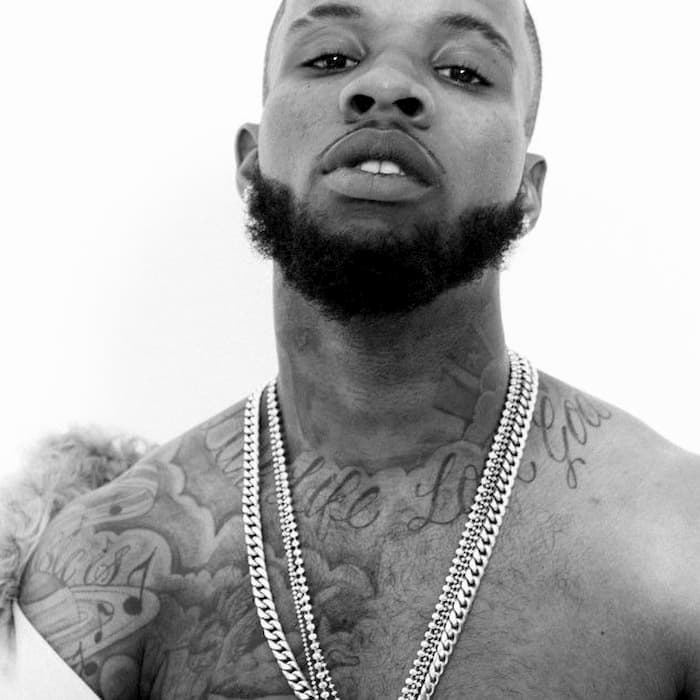
Faith runs through several of Lanez’s tattoos. “Live Life Love God” is written across his upper chest, with angels, clouds and rays around it. The phrase is simple, but its size and placement make it a central part of the collection.

Lanez has connected angel imagery to his faith and his mother. That context makes the figures more than decoration: they sit alongside memories of family and protection. The grey shading gives them a softer look than the heavier outlines and lettering nearby.

In photographs, the chest piece can appear differently as clothing, chains and camera angles shift. The words still anchor the composition. Faith and family are recurring ideas in the collection.

His first music tattoo points back to the beginning

Tory Lanez live portrait tattoos

Lanez has said that his first tattoo came when he was 16: music notes on his wrist. It is smaller than much of the work he added later, but it points directly to music, the career that would become central to his life.

The notes remain easy to spot when he performs or holds a microphone. They also give the collection a starting point. Before the portraits, numbers and face lettering, there was a small mark connected to music. Compared with the larger chest pieces, the wrist design is modest, but its place in the timeline is clear.

A first tattoo can lead to a much larger collection. In Lanez’s case, later designs added family, faith and hometown references around that early music symbol.

The 1992 stomach tattoo marks a birth year

Tory Lanez 1992 chest tattoo

The numbers “1992” across Lanez’s stomach mark his birth year. Unlike the angels and clouds, the reference is direct. It gives the eye a clear point among the surrounding images and lettering.

The tattoo may be partly covered by clothes or chains in a close portrait, but it is easy to see in shirtless photos. Looking at several images helps show where the numbers sit in relation to the chest work.
Toronto appears in the details

Tory Lanez stage chest tattoos

Lanez’s “416” tattoo refers to Toronto’s area code. The number is inked on his cheek, making a hometown reference part of his most visible work.
The “416,” the GABOS lettering and the music notes each say something different: where he is from, a phrase he has explained, and the career he chose. Together, they sketch out some of the identity behind the stage name.

These tattoos are in public view on his cheek, neck, chest and hands. Their placements make them part of his look wherever his music takes him.

Angels, clouds and rays fill the open spaces

The religious imagery around Lanez’s shoulders and neck forms a backdrop for the lettering. Angels, clouds and rays carry the faith theme through different parts of the collection. Grey shading and lighter areas keep the figures distinct from the bolder text.

He has linked some of the designs to his faith and his late mother. That gives the images a personal setting, alongside their religious associations.

The open areas between the figures also help the larger arrangement read as a whole. Although the tattoos were added at different times, the shading and outlines connect them across the neck and torso.

How the collection grew into one connected look

The timeline remains visible in Lanez’s tattoos. The wrist notes date back to his teens; the face lettering and cheek number make his public identity more visible; the chest words and angel imagery bring in faith, family and memory.

Some marks are harder to identify with confidence. Where a design is unclear, it is better to describe what can be seen than to assign it a meaning without evidence. Lighting can make a faded line look like a different symbol.

Overall, the tattoos bring together lettering, numbers, music and religious imagery. The pieces do not match exactly, but their placement connects the face, neck and torso. Some are private in meaning and very public in appearance.

The contrast is clear in the small wrist notes and the larger GABOS and 416 tattoos. One is a modest reminder of music; the others are visible whenever Lanez turns his head. The chest lettering sits between those scales, personal in meaning and hard to miss.

That mix gives the collection its character. The individual designs vary, but they return to music, faith, family and Toronto.

Watch Tory Lanez talk through the tattoos

In the iHeartRadio tattoo interview below, Lanez discusses his wrist music notes, “1992,” “416” and his faith-inspired pieces.

More musician tattoo guides

Kevin Durant Tattoos: Tupac, Rick James and His Biblical Back Piece

Kevin Durant’s tattoos cover his chest, back, legs and arms, with designs tied to faith, family, music and basketball. Some are easy to spot during a game; others appear in photos away from the court.

The collection has grown over time, so it brings together different styles rather than one matching design. The best-known pieces include a large religious back tattoo and portraits of Tupac and Rick James on his legs. Smaller marks and lettering fill the spaces between them.

Here is a guide to the tattoos that have been documented, while keeping the less certain details in perspective.

The huge biblical back tattoo is the centrepiece

Kevin Durant biblical back tattoo

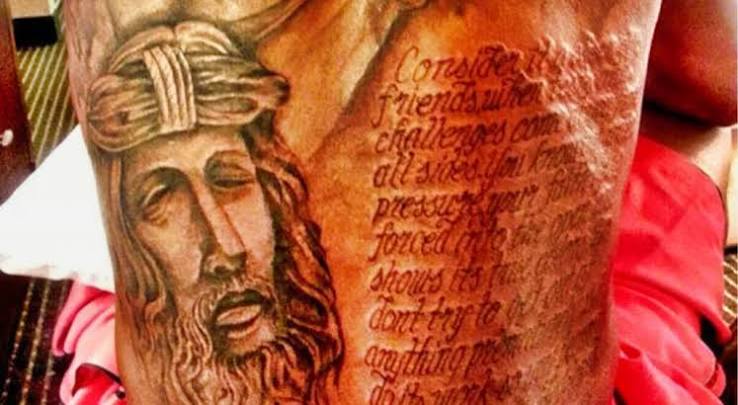
The largest piece in Durant’s collection is a biblical scene across his back, with a prominent religious figure, wings and a long section of script. The design reads as one image from a distance, while the smaller details are easier to see up close.

Its size gives the tattoo real presence. Depending on the angle and light, the portrait or lettering may stand out first. Reports have also pointed out a misspelling in part of the text, which drew attention beyond basketball coverage.

The back piece fits with the importance Durant has given to faith and family. It is bold, but its place in the collection goes beyond appearance.

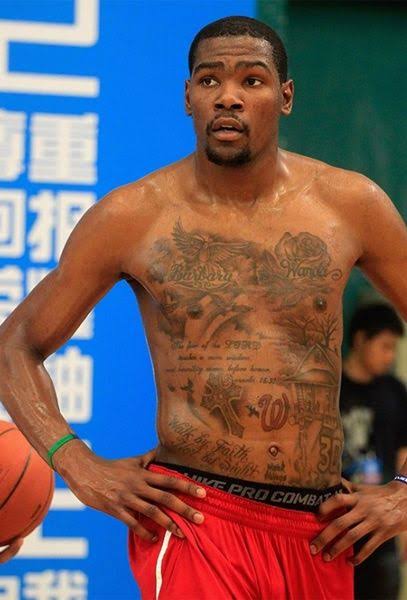
His chest ink mixes words, numbers and smaller symbols

Kevin Durant chest tattoos

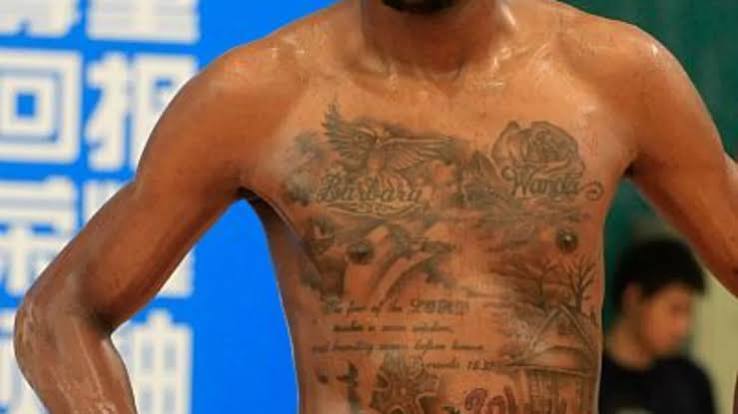
Durant’s chest has lettering, numbers and smaller symbols placed alongside one another. The result feels layered: rather than one large image, separate designs fill the area.

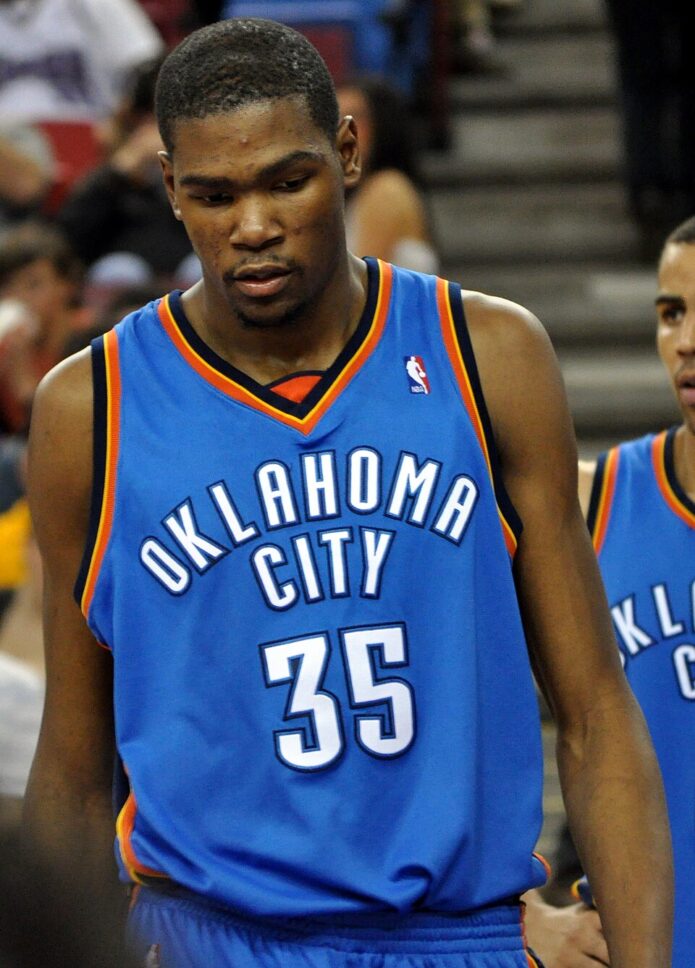
Number references appear across his collection, including the jersey number that became part of his identity in basketball. Some of the chest lettering is difficult to read in a game photo, so closer images show more detail.

There are religious elements around the chest and stomach too. The tattoos were added over time, and not every small mark has a public explanation. Photos can also make the work look different as clothing, sweat, shadows and camera quality obscure the finer lines.

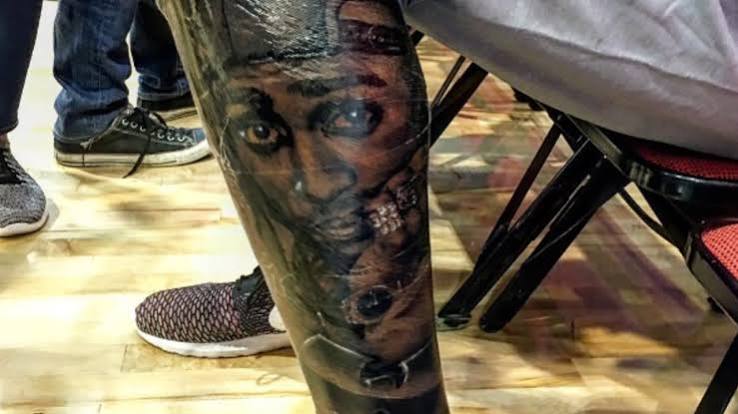
The Tupac tattoo puts music on his leg

Kevin Durant Tupac tattoo on his leg

The portrait of Tupac Shakur on Durant’s leg is one of his best-known tattoos outside basketball. It is a detailed portrait rather than a small reference, and it is easy to see when he wears shorts.

The tattoo has appeared in GQ, sports coverage and tattoo features. The shading gives the portrait depth and makes it feel like a tribute rather than a quick likeness.

Durant has spoken about his connection to hip-hop, and the tattoo brings that interest into view. The placement also gives him some choice over when it shows: it is usually covered during games, but appears in off-court photos and interviews.

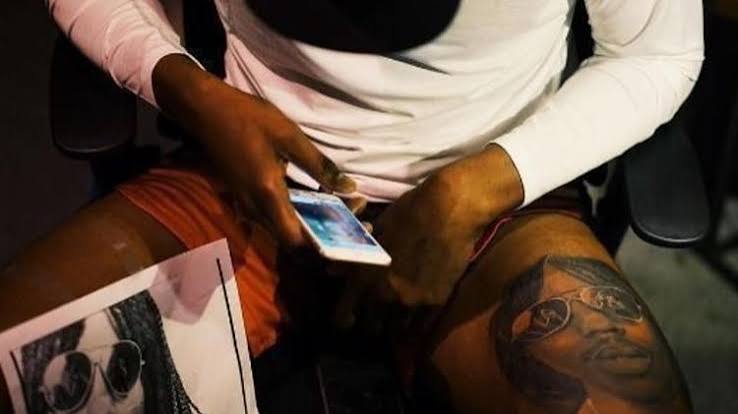
Rick James gives the other leg a completely different feel

Kevin Durant Rick James tattoo on his leg

Durant’s Rick James portrait adds another music reference to the collection. It has a different feel from Tupac’s image and points to funk and soul.

The portrait is large, with the face at the centre. Photos show detailed shading in the hair and features, much like the Tupac tattoo.

Durant has described the two portraits as connected to his taste in music. Together, they show influences that are separate from his career in basketball. Both are realistic, prominent pieces, giving his legs a story of their own.

The hidden torso ink fills in the spaces around the main pieces

Kevin Durant hidden torso tattoos

Alongside the better-known pieces, Durant has smaller tattoos across his torso and sides. They are easiest to spot when he lifts his jersey or in older photos from his early NBA years.

Some sit between the larger designs; others use lettering or small images. The collection includes references to faith, music and his personal background, though not every mark has been explained publicly. A tattoo can matter to its wearer without becoming a story for the press.

Much of this work stays covered by a jersey or shorts during games. That is why interviews, training photos and off-court images reveal more of the collection than a standard game photo.

The smaller torso designs connect the larger pieces. Alongside the back scene and leg portraits, they make the collection more than just a few headline tattoos.

Kevin Durant’s large back tattoo with Maryland lettering and shaded figures

What Kevin Durant’s tattoos say about his style

Durant’s collection combines realistic portraits, religious imagery, script, numbers and smaller symbols. The styles do not all match, but they reflect different parts of his life rather than a single planned theme.

Faith, family, music and basketball recur throughout the collection. The large back piece carries the religious imagery; the chest and torso have words and other personal marks; Tupac and Rick James represent music; basketball remains part of the wider story.

Reports of the misspelling in the back tattoo became part of the conversation too. The detail did not erase the care in the rest of the design, but it gave fans another reason to look closely.

The collection has grown like a personal record rather than a finished catalogue. Some meanings are public and others remain private. The larger tattoos draw attention, while smaller numbers, script and symbols reward a closer look.

Together, the back piece, music portraits and torso tattoos show interests that do not always come through in game highlights.

Watch Kevin Durant explain the Tupac tattoo

https://www.youtube.com/watch?v=qw7Z-chVAt4

More athlete tattoo guides

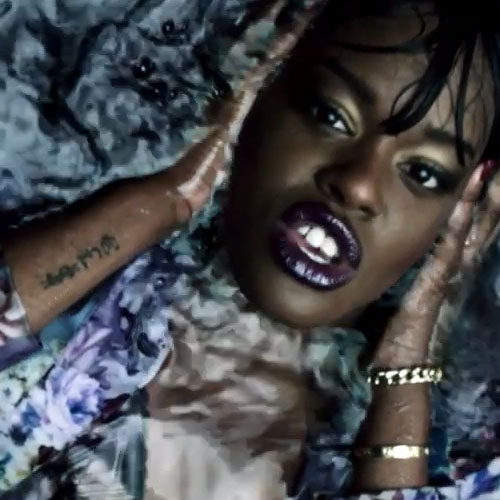
Azealia Banks Tattoos: Symbols, Words and Hearts

Azealia Banks’ tattoos are varied but easy to follow: currency signs on her wrist, a word down her back, hearts on her stomach, a birth date at her collarbone, and smaller designs that appear in photos from time to time. Some sit in plain view; others only show when her clothes or pose reveal them.

The stories attached to the tattoos are often straightforward. A date marks a birthday; a word can stand on its own; a design can simply appeal to her. This guide sticks to the pieces that have been photographed or described and keeps their locations clear, without reading meaning into every blurry detail.

The currency symbols sit together on her wrist

Azealia Banks currency symbols wrist tattoo

One of Banks’ most recognizable pieces is a small row of currency symbols on her wrist: the euro, pound and dollar signs. They are simple, easy-to-read designs that catch the eye in a close-up.

The symbols invite different interpretations, but the documented detail is the trio itself. They may also play off Banks’ public use of money language and the spelling of her name, though no deeper meaning needs to be assumed. Their wrist placement keeps them visible without taking over the whole look.

The design is quite different from the more emotional pieces elsewhere. It is a clean little group of icons, chosen for how it looks as much as for what anyone might read into it.

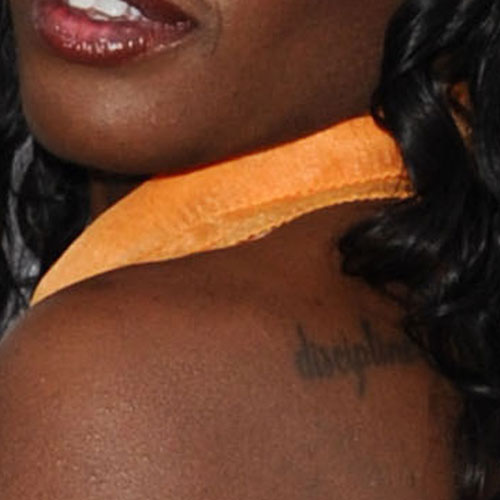
“Discipline” runs down the left side of her back

Azealia Banks discipline back tattoo

The word “discipline” runs vertically down the left side of Banks’ back. It follows the line of her body and stays mostly covered by everyday clothes, so the message is personal without being hidden completely.

Banks has not given a confirmed public explanation for it. The word can speak for itself as a value, reminder or mood she wanted close; anything beyond that would be guesswork.
There is little else around the lettering to compete with it. The clear space lets the word stand on its own, a contrast with the decorative hearts and animal imagery elsewhere in the collection.

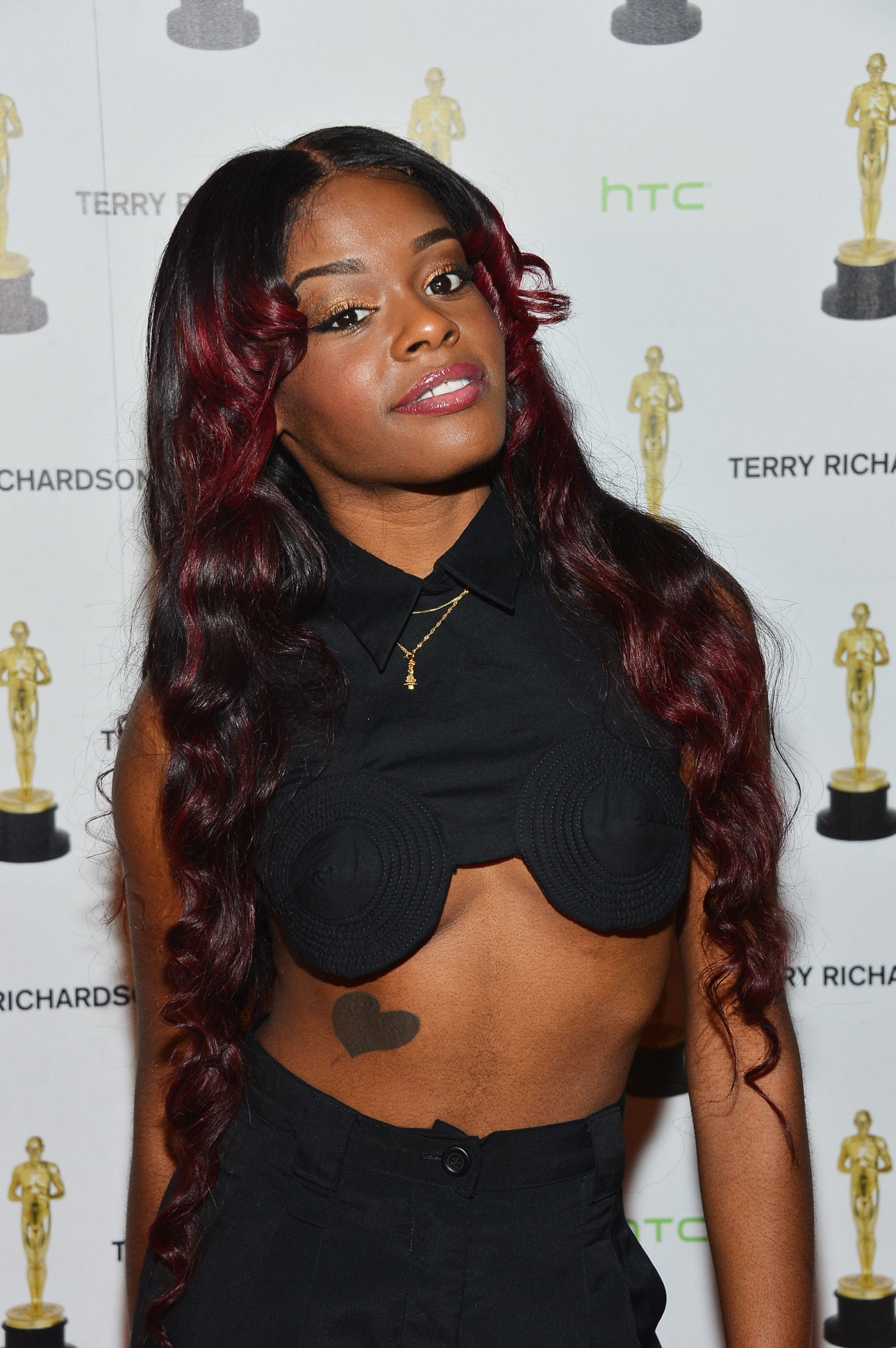
A solid black heart fills the right side of her stomach

Azealia Banks black heart stomach tattoo

Banks has a solid black heart on the right side of her stomach. The shape is simple, but the heavy fill makes it stand out as a bold block of black.

The tattoo appears in photos when her outfit or pose leaves her midsection uncovered. The location gives her some choice over when it is seen, even though the design itself is unmistakable.

This is separate from the trail of hearts on the left side of her stomach. The two tattoos differ in both weight and placement, so they are better understood as distinct pieces.

Her birth date is written across the collarbone

Across her collarbone, Banks has the Roman numerals V – XXXI – MCMXCI, representing May 31, 1991, her birth date. It is one of the collection’s clearest references: the numbers can be read as a date and checked against her biography.

The horizontal placement gives the numerals room to sit along the collarbone. They can show with a low neckline and disappear under a T-shirt, keeping the tattoo personal while still visible at times.

The documentation connects the tattoo to Tattoos By Cake in Coney Island, New York. That gives the design some context beyond the photograph: the studio or artist associated with the piece has been identified.
A second heart shows on the left side of her stomach

Azealia Banks second heart stomach tattoo

On the left side of Banks’ stomach is a trail of hearts following the line of her body. The separate shapes look lighter than the solid heart on the opposite side.

The two stomach tattoos can be seen together, but they are not a matching or symmetrical pair. One is a filled-in heart; the other is a series of smaller shapes. The contrast helps explain why a wider photo can show more of the collection than a tight close-up.

The heart trail has a softer, more affectionate look. Its placement and design are clear, while any more personal meaning has not been firmly documented.
What the full collection says when the pieces are viewed together

The documented tattoos include the currency signs on Banks’ wrist, “discipline” on her back, the birth date at her collarbone and two different heart designs on her stomach. A tiger and the number seven are also mentioned among the visible pieces, though their personal stories are less clearly documented here.

The collection mixes text, numerals, small icons and bold shapes. Some designs are tiny, others carry more visual weight, and not all are visible in every photo. It does not look like a single matched set; each piece has its own placement and style.

The date has a clear meaning, and its documentation names Tattoos By Cake. The symbols, word, hearts, tiger and seven can be described by what is visible, but their deeper personal meanings should not be invented.

Banks’ tattoos do not all speak in the same voice. A birth date records a fact; “discipline” states a word; the money signs and hearts work as graphics. The uneven mix is part of what makes the collection feel personal rather than carefully coordinated.

Taken together, the tattoos read as a series of choices across different parts of her life, not a design planned all at once. The visible details make the set recognizable while leaving space for meanings she has not shared.

Watch a relevant Azealia Banks interview

This Hot 97 conversation is not a tattoo tour, but it offers useful interview context about Banks.

More musician tattoo guides

Chase Stokes carries a new reminder across his back

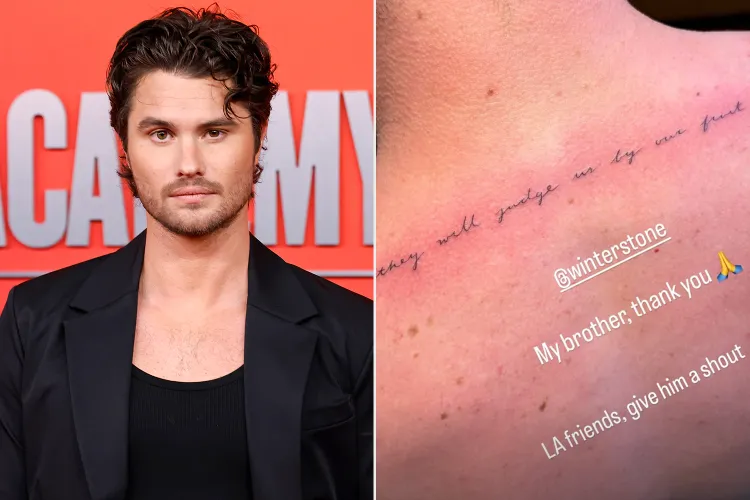
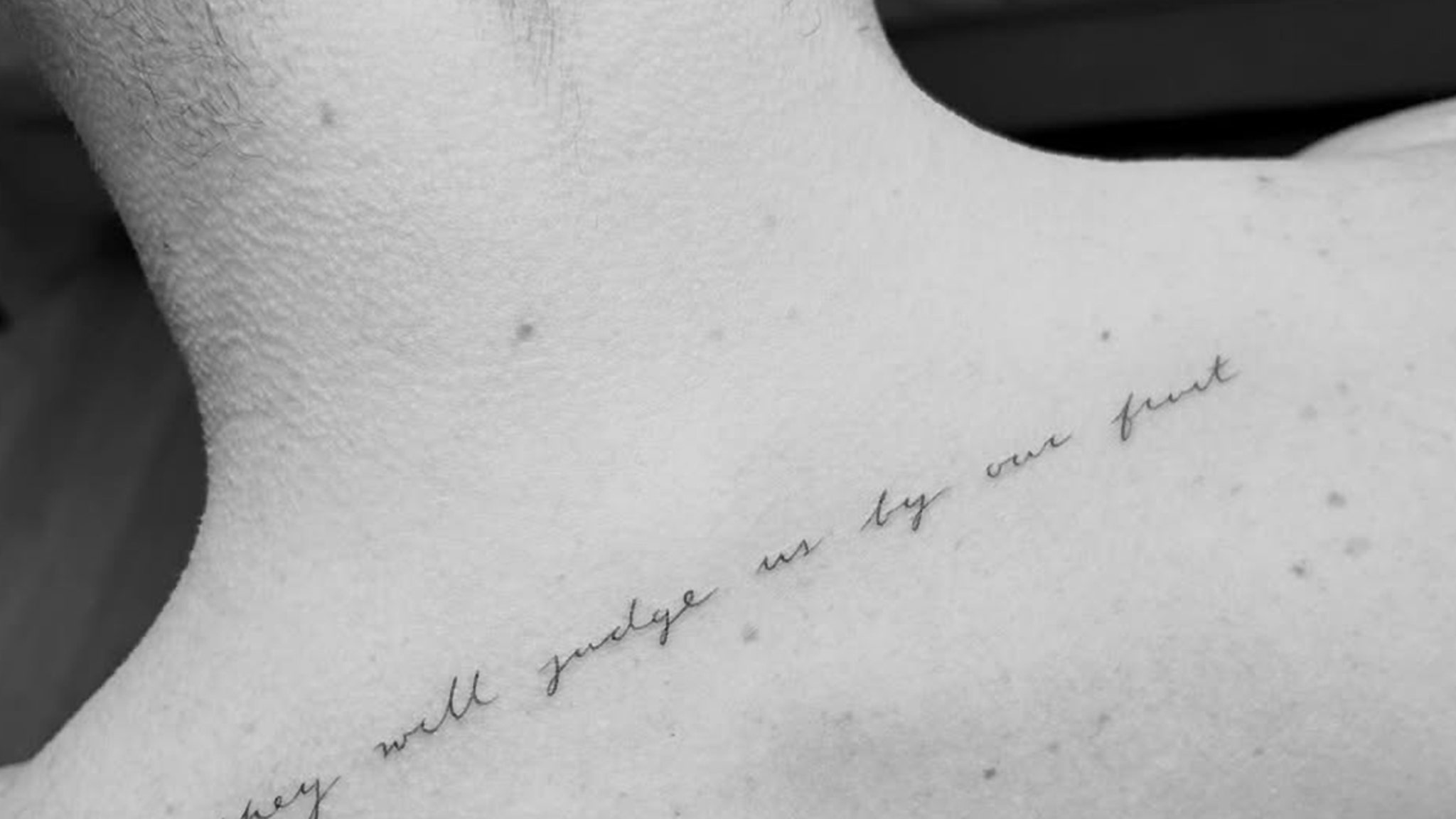
In March 2026, tattoo artist Daniel Winter, known as Winterstone, shared a new tattoo across Chase Stokes’s upper back: “They will judge us by our fruit.” Winterstone said Stokes wanted a phrase that could serve as a personal reminder.

The timing drew attention because Stokes had recently split from Kelsea Ballerini, but the tattoo should not be treated as a message to her. Its words are broader, pointing to character and the results of a person’s actions.

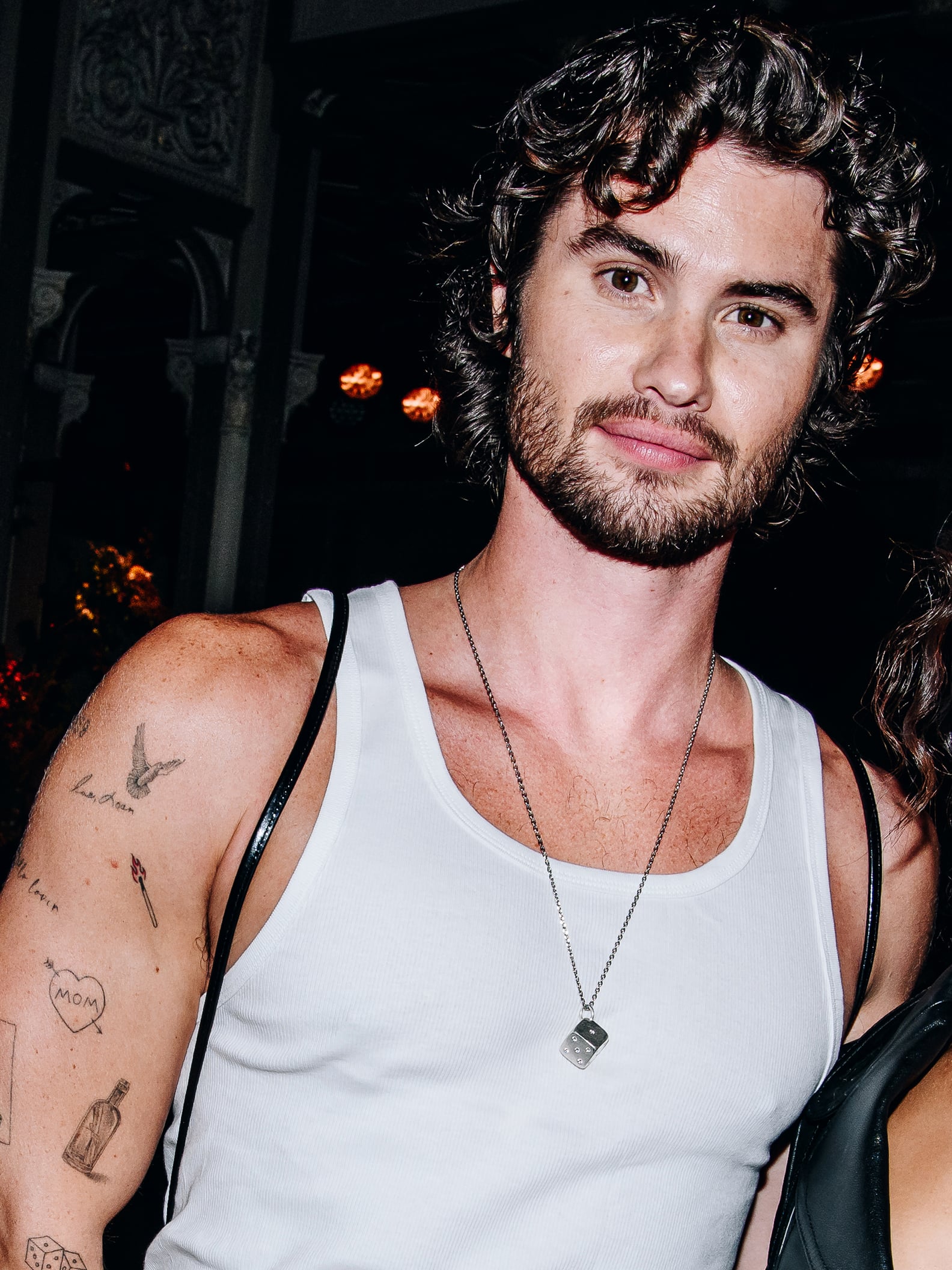
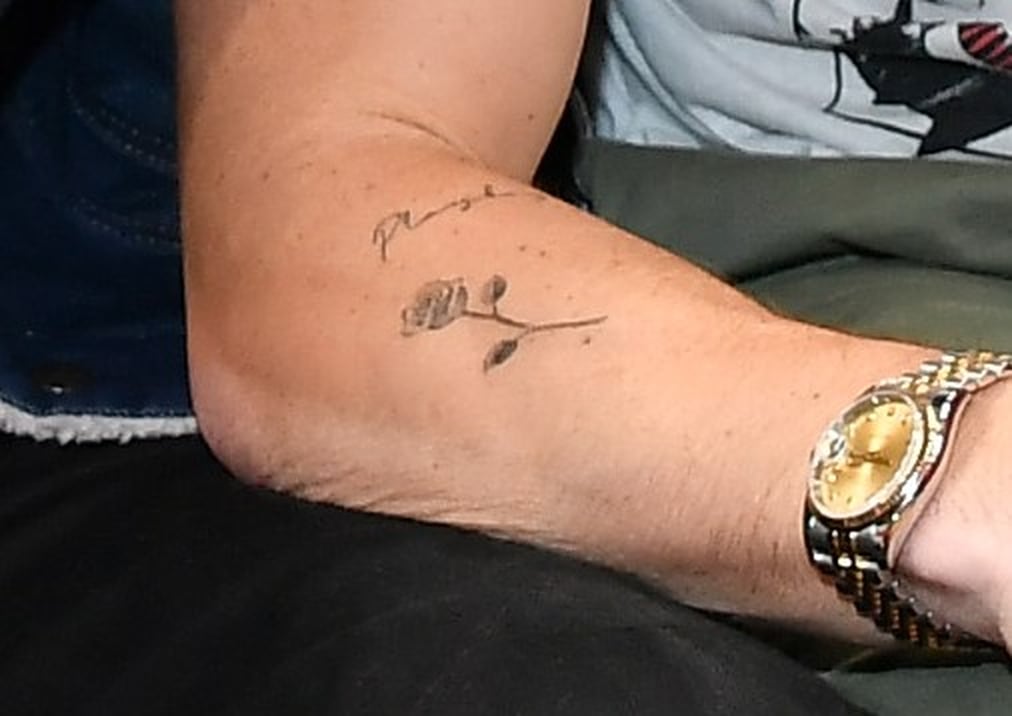
Other documented pieces include “Dear me” on his hand, a small bird, a matchstick, a rose and a heart-and-arrow design. Some appear in older photos without a public explanation, so the guide distinguishes what is known from what is only visible.

The new upper-back tattoo quotes scripture

Chase Stokes upper-back scripture tattoo close-up

The new design is a line of fine script high across Stokes’s back, just below the neck. It reads “They will judge us by our fruit.” The narrow lettering gives the phrase room to stretch across the skin without becoming a heavy block.

The wording echoes the biblical idea that a person’s character can be judged by the results of their actions. Stokes’s phrasing is slightly different from the familiar wording, but the central idea is similar.

The line can have a spiritual meaning, or work as a reminder to focus on what one’s choices produce. Winterstone’s comments described it as a “moving forward” tattoo. Although it appeared after Stokes and Ballerini ended their relationship, neither the artist nor Stokes said it was aimed at her.

The upper back is easy to cover and visible in an open shirt or shirtless photo. It can stay personal until Stokes chooses to show it.

Winterstone shared the work and is credited as the tattoo artist. His photos established the wording and placement before entertainment coverage repeated the details. The artist’s credit does not, by itself, establish every reason Stokes chose the phrase.

Chase Stokes’s Dear Me hand tattoo

Chase Stokes Dear Me hand tattoo

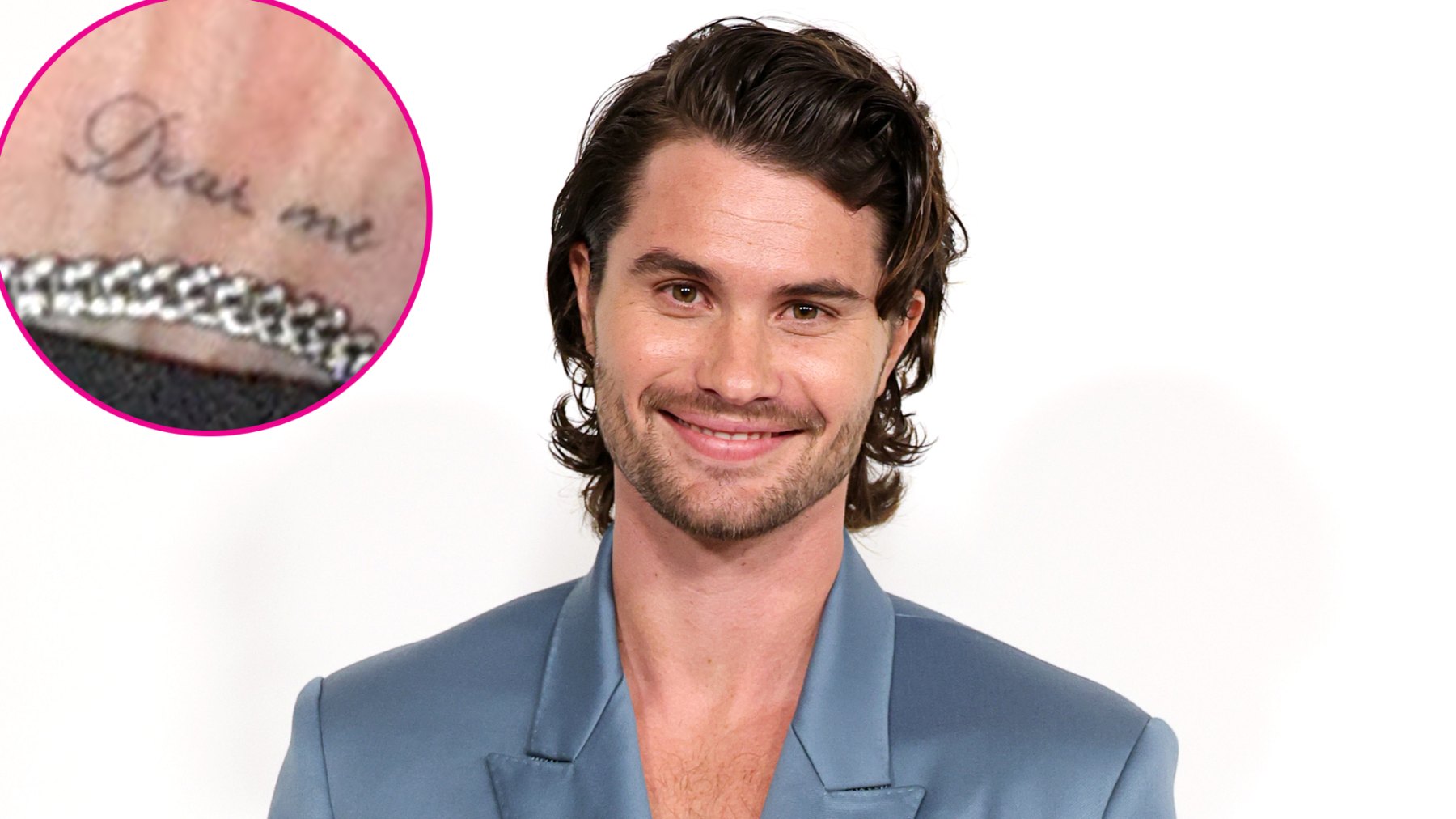
The new back piece joins one of Stokes’s most openly explained tattoos: “Dear me” on his hand. He has described it as a reminder to be kinder to himself and quiet his inner critic. It reads like a short note addressed to the person wearing it.

Stokes has discussed the hand tattoo in connection with imposter syndrome and being too hard on himself. The phrase is for his own everyday use, rather than a slogan aimed at fans.

The two tattoos work in different directions. “Dear me” turns inward and encourages self-kindness; “They will judge us by our fruit” looks outward to actions and their results. For another example of personal phrases in ink, see our Bobby Green tattoo guide.

The bird tattoo and his smaller pieces

Chase Stokes bird shoulder tattoo
Chase Stokes matchstick and arm tattoos

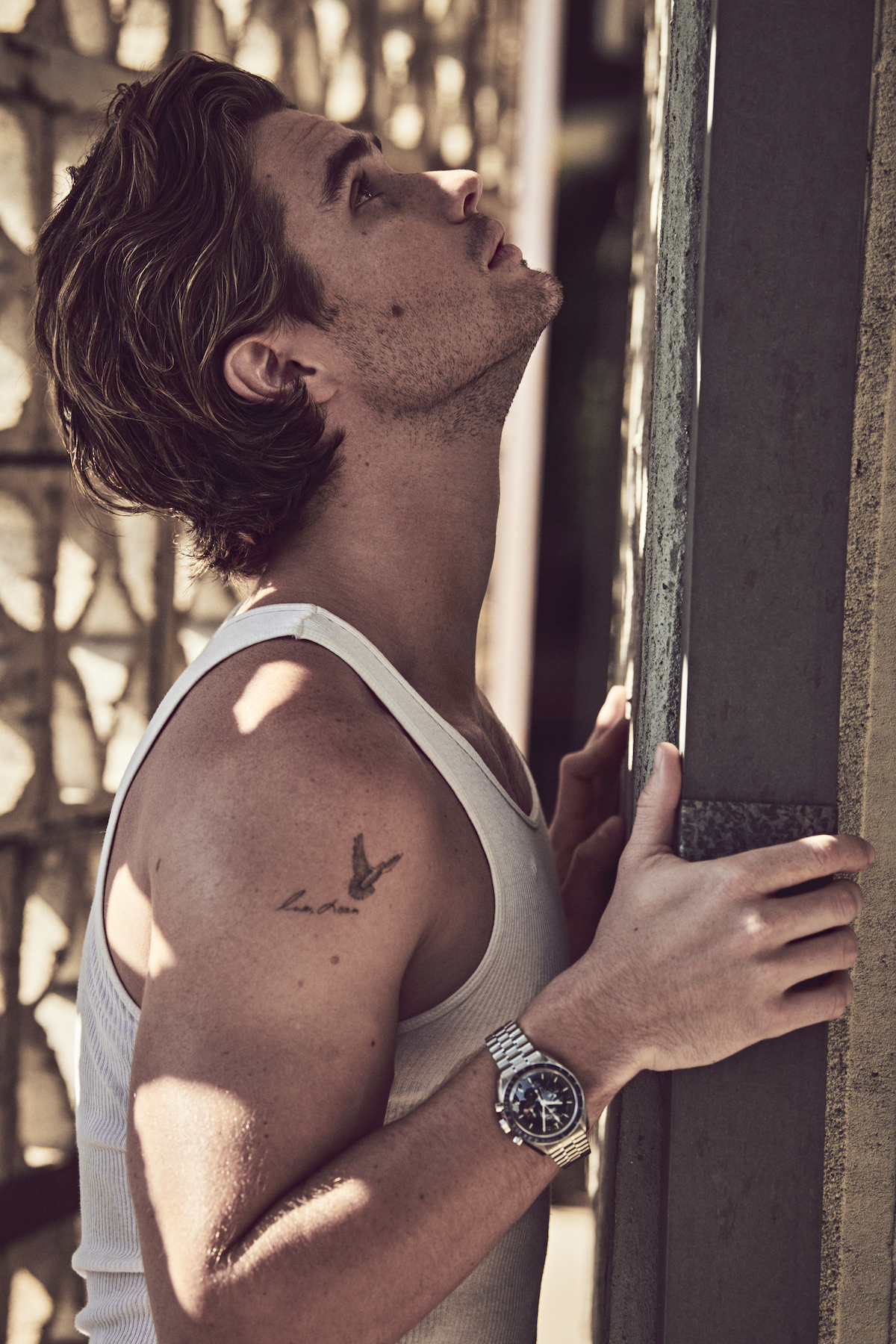
A small bird tattoo is visible on Stokes’s shoulder or upper arm in older editorial photos, including a VMAN portrait. The image does not show enough detail to identify the species or its meaning.

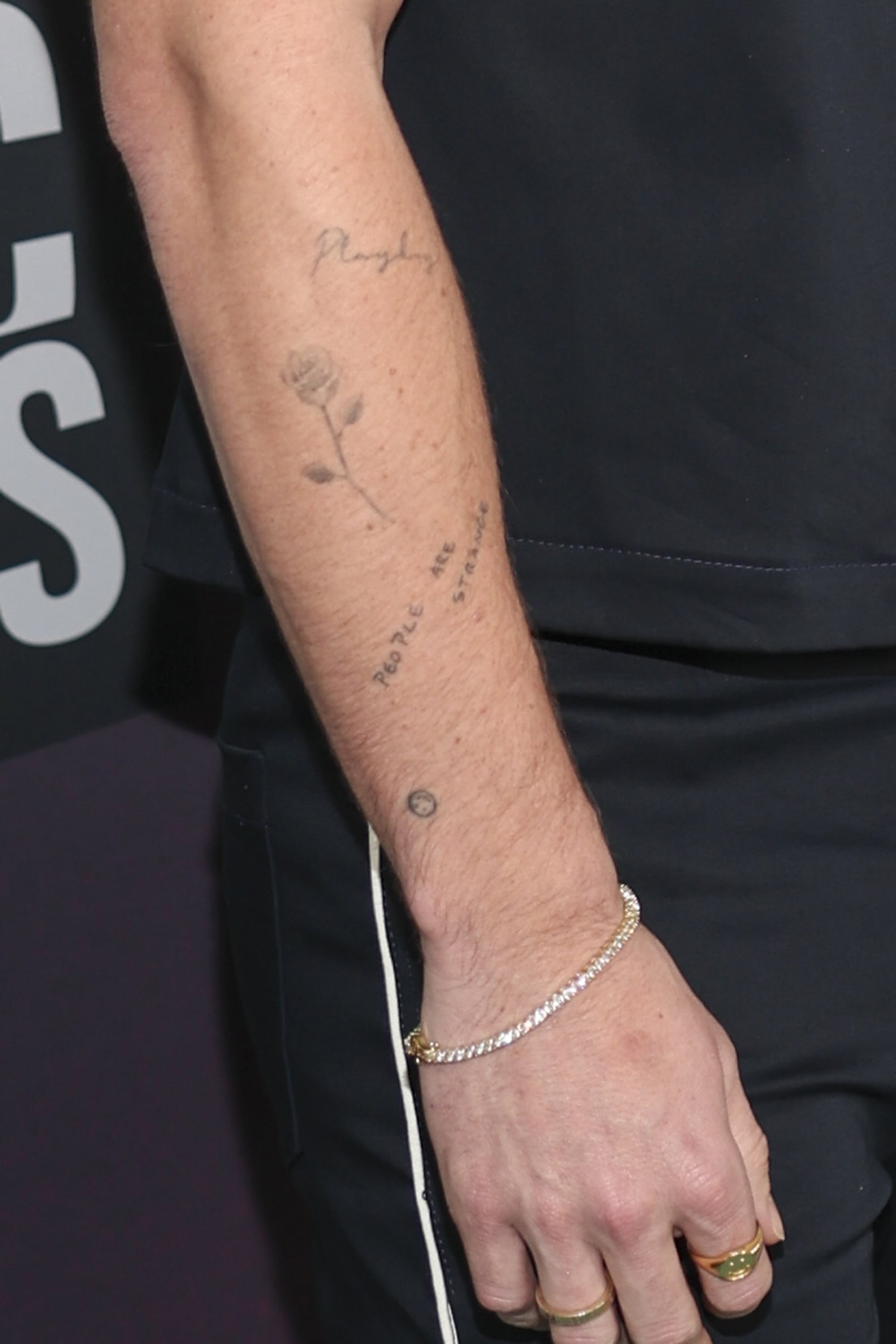
Other photographs show smaller tattoos on his arms and hands. A matchstick, a rose and a “Mom” heart-and-arrow design are also visible. Stokes has not publicly explained each piece.

The available images do not add up to a complete catalogue. “Dear me” has a public explanation, and Winterstone identified the new scripture tattoo. The bird and other small designs can be described by appearance, but their stories should remain open unless Stokes shares more.

What the tattoo says about his approach to ink

Chase Stokes People Are Strange arm tattoo

Stokes has said that tattoos should carry specific meaning for the person wearing them. The designs he has discussed fit that view: short phrases tied to self-talk, belief and personal reminders.

The new back tattoo is not a name or date tying it to one moment. Its message can continue to matter through different jobs, relationships and stages of life. The timing after his split with Ballerini was noted in coverage, but it does not establish that the words were about her.

That leaves room for the tattoo to mean something different to Stokes over time, while its central idea remains the same: pay attention to what your actions produce.

What is confirmed and what is still unclear

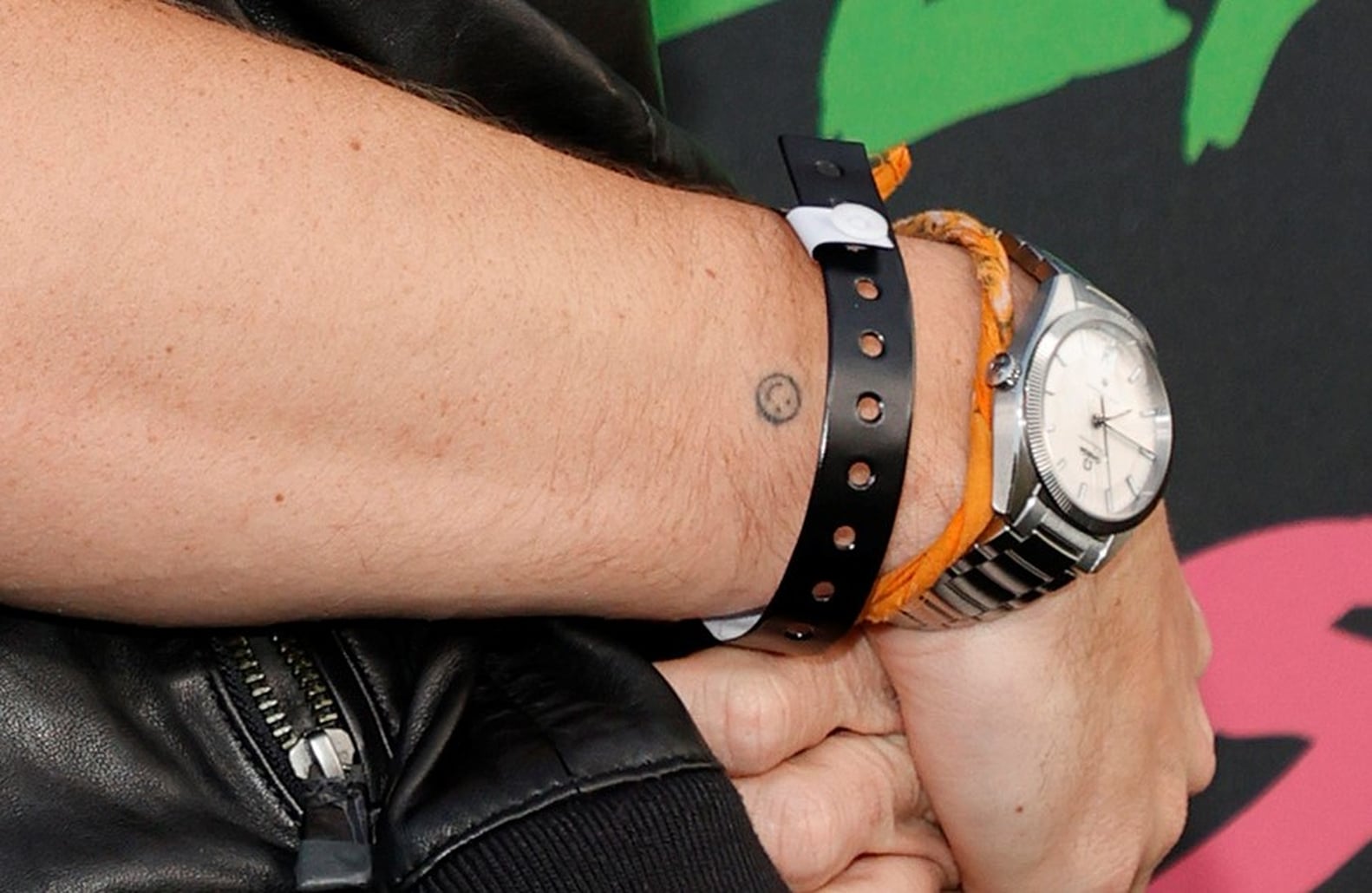
Chase Stokes smiley wrist tattoo

The clearest details are the back tattoo’s wording, placement and artist credit, and Stokes’s explanation of “Dear me.” Older photos show a bird and other small designs, but no complete official tattoo count has been established.

The breakup connection should be treated as context from the timing and media coverage, not a direct statement from Stokes. The scripture phrasing is clear, but the exact Bible translation or verse number has not been confirmed.

It is possible to describe what the photos show without claiming to know more than the sources do.

Chase Stokes tattoo checklist

Chase Stokes rose arm tattoo
  • Upper back: “They will judge us by our fruit,” fine-line script credited to Daniel Winter, or Winterstone.
  • Hand: “Dear me,” a self-kindness reminder Stokes has discussed in relation to self-criticism and imposter syndrome.
  • Shoulder or upper arm: a small bird visible in older editorial photos.
  • Other small pieces: a matchstick, rose and “Mom” heart-and-arrow design appear in photos, but the meanings are not fully documented.
  • Public total: no complete official count has been confirmed.

Stokes’s tattoos are easy to describe and harder to reduce to one explanation. The new back phrase is about actions and character; “Dear me” is about how he talks to himself. Other marks add visual detail without needing invented meanings. His best-known tattoos read like reminders, not announcements.

Watch the new tattoo reveal

Chase Stokes new upper-back tattoo reveal

This E! News video covers Stokes’s upper-back tattoo and the context around its March 2026 reveal.

Ice Spice puts Saint and Sinner on opposite sides of the story

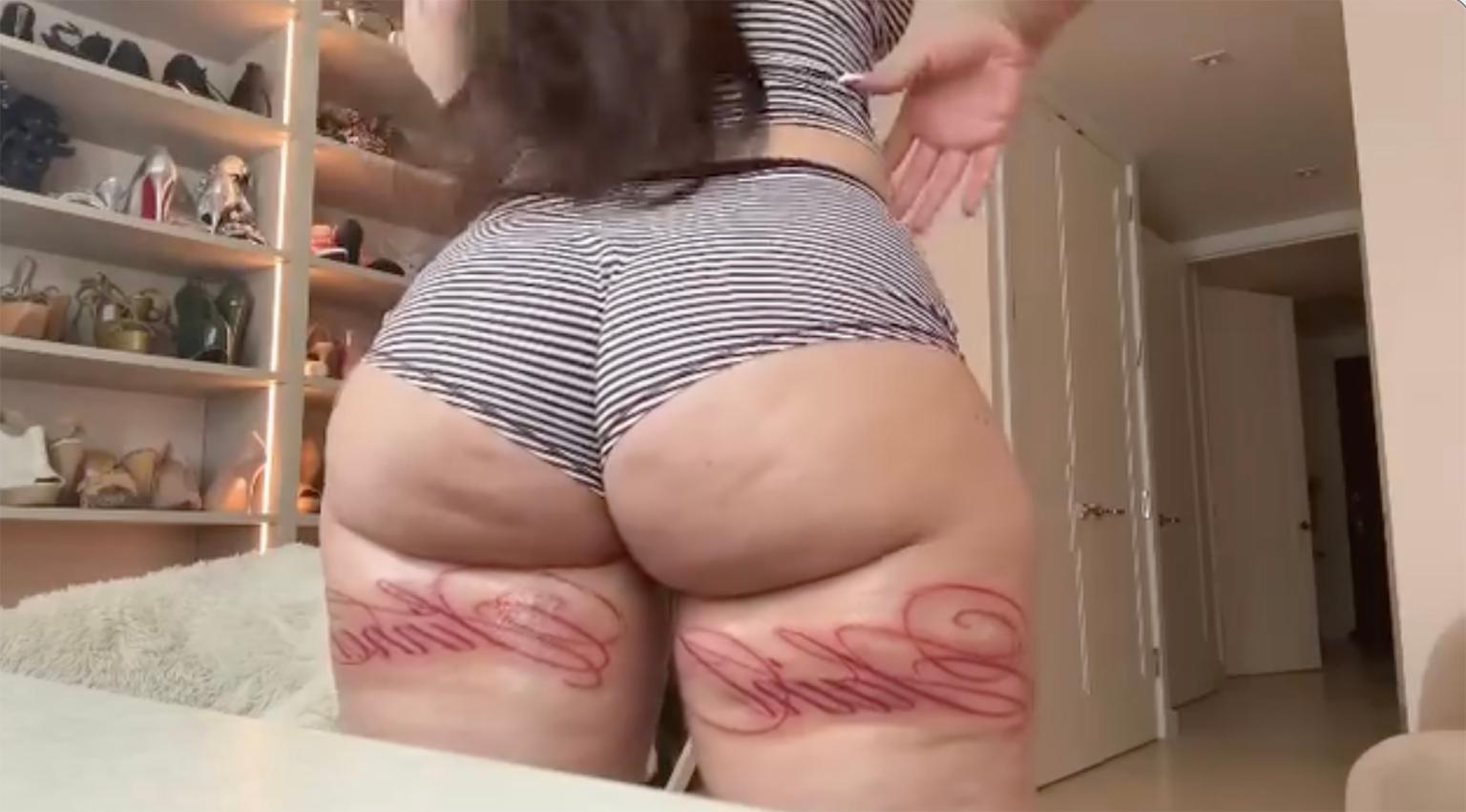
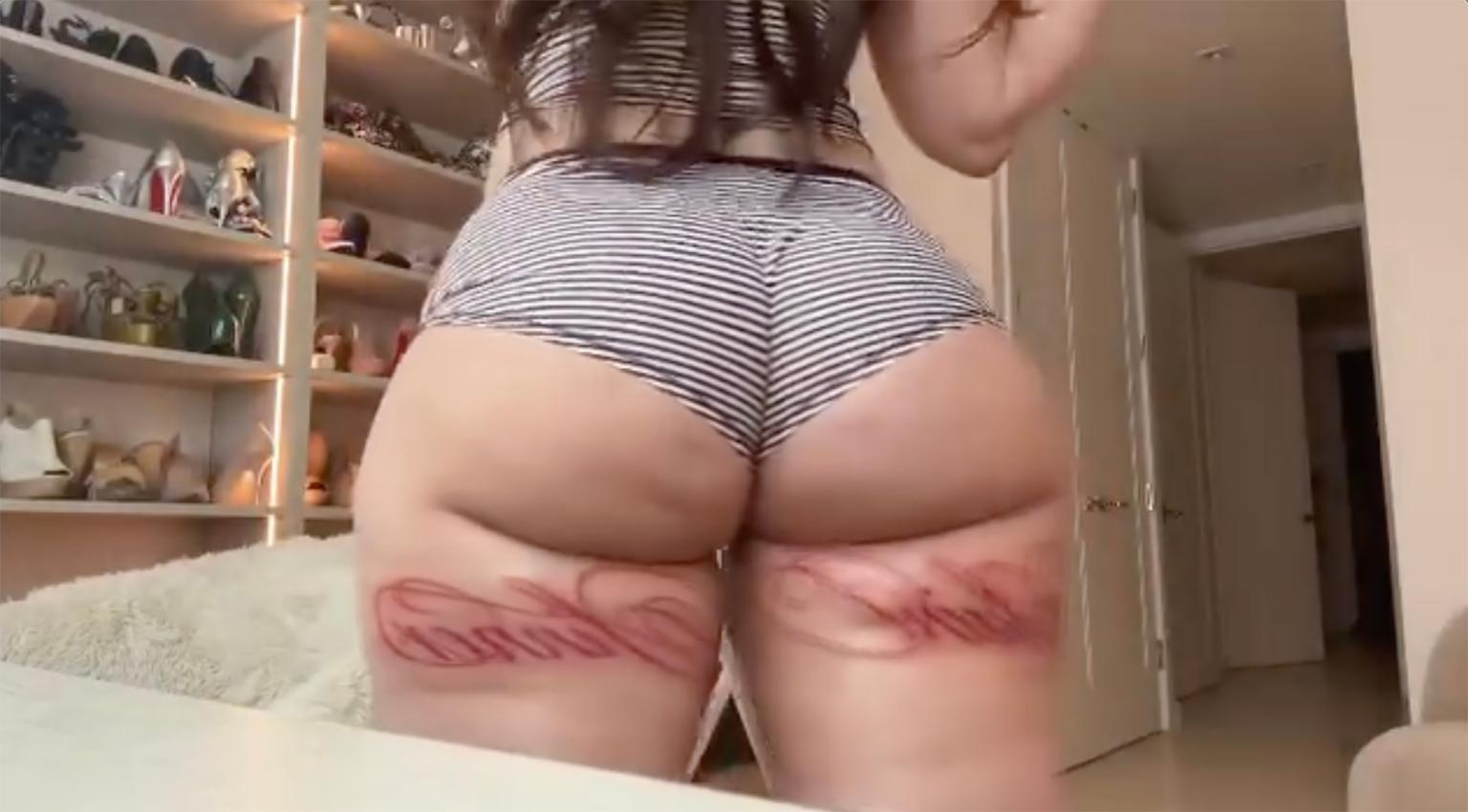
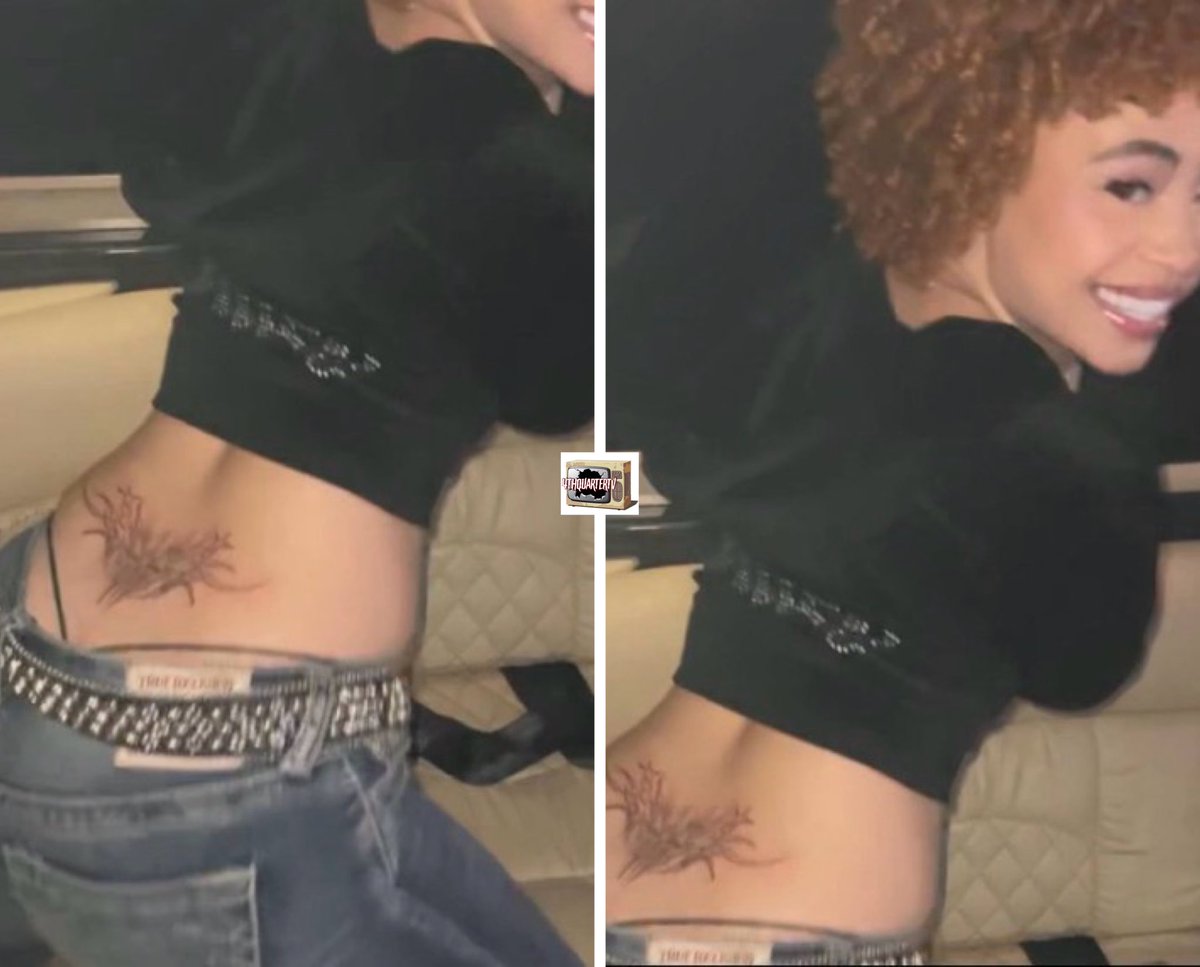
Ice Spice’s tattoos mix short phrases, colour and imagery. A red “Munch” sits on her pinky, a butterfly is on her forearm, and an ornate lower-back design fits her Y2K styling. In September 2026, she showed two new words in red script on the backs of her upper thighs: “Saint” and “Sinner.”

She revealed the pair in a video and captioned it “for the love of the game.” The look is playful, but the tattoos also continue a pattern in her collection: brief words and clear designs that invite a reaction without explaining everything about her.

Saint and Sinner sit as a matched pair

Ice Spice Saint and Sinner thigh tattoos
Ice Spice Saint and Sinner thigh tattoos second view

These are two separate tattoos, placed on opposite sides of the upper thighs beneath her backside. “Saint” is on one side and “Sinner” on the other. Seen together, the words create a deliberate contrast.

Reports describe the script as red or reddish, linking it visually to the red “Munch” tattoo on her left pinky. The matched placement matters as much as the words: each label gets its own side.

Ice Spice has not explained the pair in detail. Her caption gives a sense of the mood, but it does not establish that the words refer to a specific person, song, religion or relationship. The clearest description is a visual one: two contrasting labels in red script.

The religious language is playful, but its meaning is not fully explained.

“Saint” and “Sinner” are familiar religious opposites, which helps explain the attention the reveal received. Ice Spice has not said that the tattoos are a statement about faith, sin or redemption. It is reasonable to say she is playing with religious language; anything beyond that remains interpretation.

The contrast also fits her public style, which often moves between sweetness and provocation. The joke works because the words are opposites, while the private meaning remains hers.

The Munch pinky tattoo ties the collection to her breakout.

Before the new thigh tattoos, her best-known word design was “Munch” on the side of her left pinky. It refers to “Munch (Feelin’ U),” the 2022 track that helped bring Ice Spice’s Bronx drill sound to a wider audience.

The pinky placement makes the tattoo easy to show in a selfie or close-up. It is small, but the reference is clear to fans. Like the new pair, it uses short lettering to connect a design with a moment in her career.

The older arm photos show the butterfly clearly

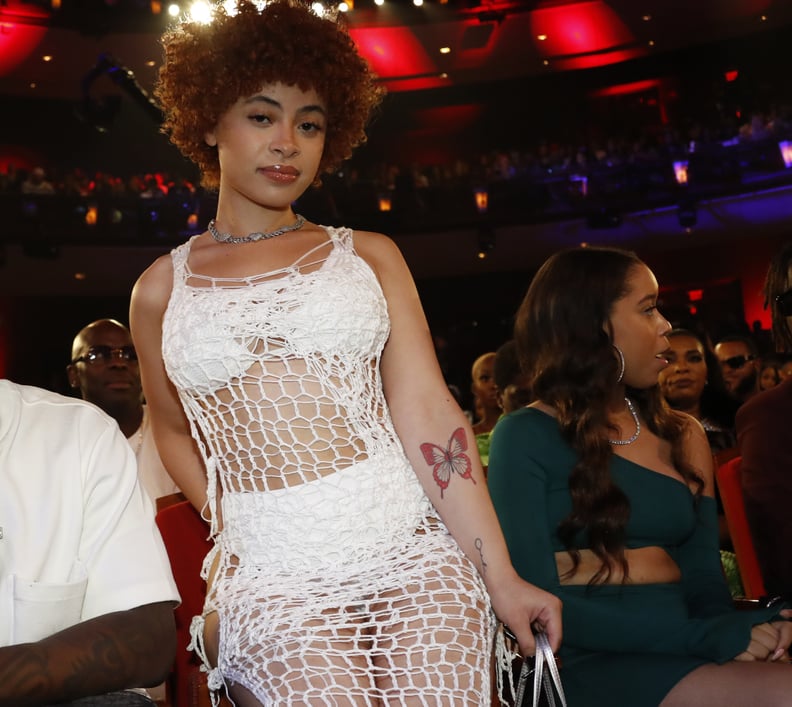
Ice Spice butterfly arm tattoo at an event

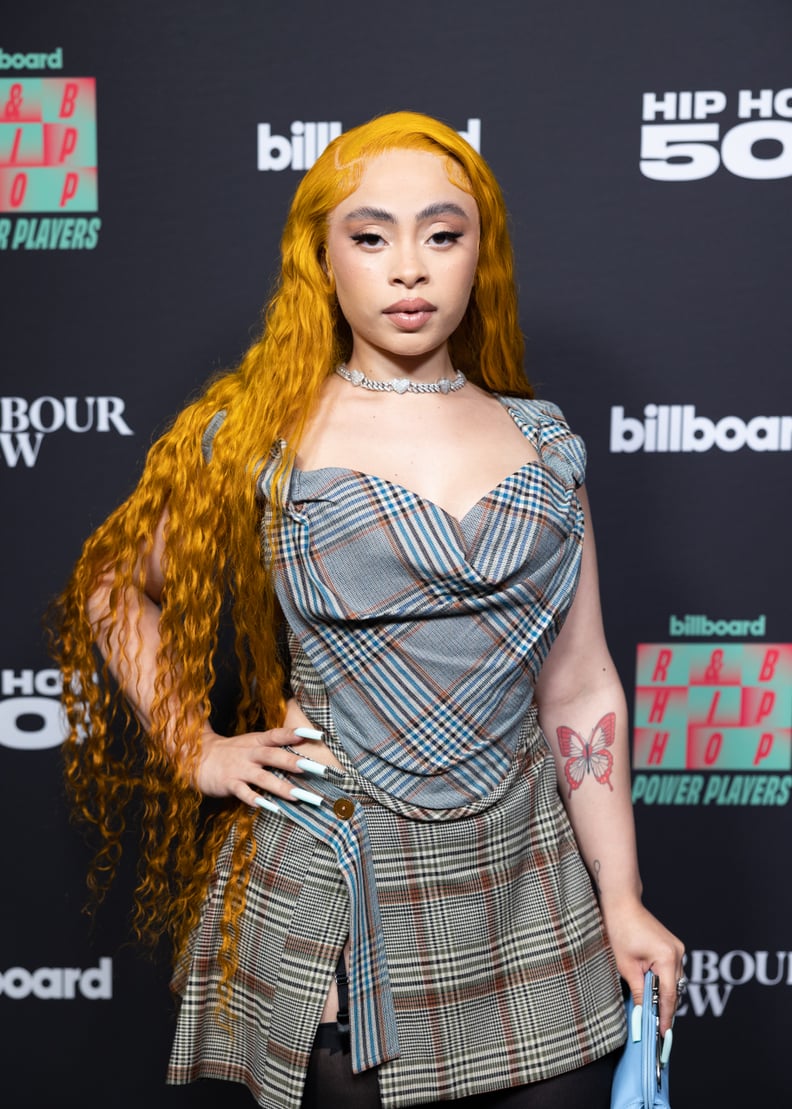
The butterfly on her forearm

Ice Spice butterfly arm tattoo second view

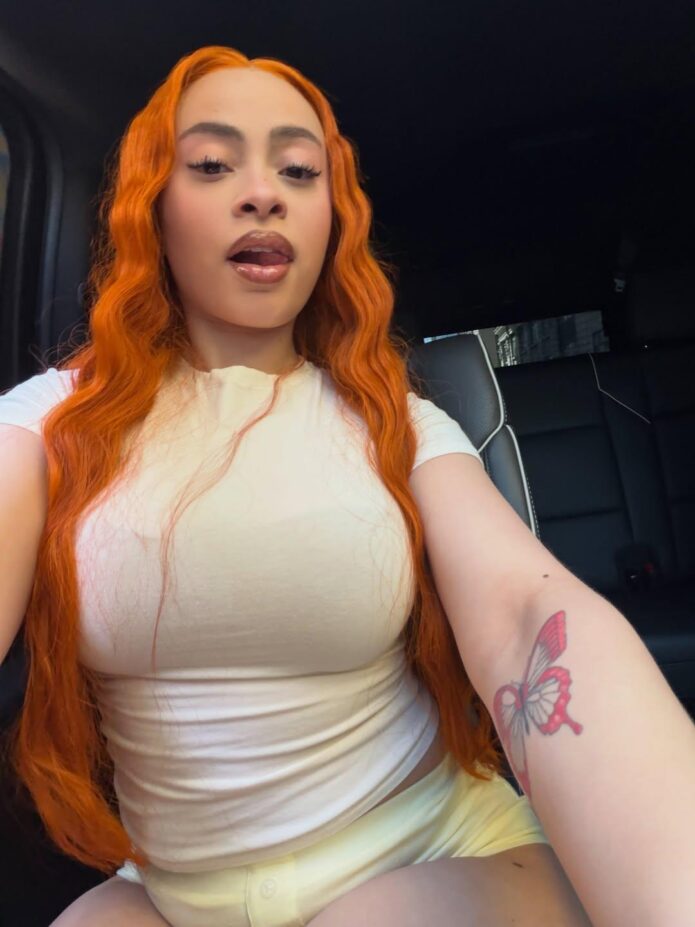
Ice Spice has a red-and-black butterfly on her left forearm. It adds an illustrated shape to a collection that also includes several word tattoos.

Butterflies are often associated with change, growth or freedom, but Ice Spice has not given this design a detailed public explanation. The most reliable description is the visible one: a red-and-black butterfly on her left forearm. For another celebrity butterfly tattoo, see our Ariana Grande tattoo guide.

The butterfly is more open-ended than “Munch,” which points to a specific track, or “Saint” and “Sinner,” which form a clear contrast. That mix of image and words keeps the collection from feeling like a single campaign.

The Y2K lower-back design

Ice Spice Y2K lower-back tattoo

Ice Spice showed an ornate lower-back design in 2023-era coverage. She captioned the reveal with “Y2K” and a date-like sequence that fans read as a possible reference to her debut album era. That connection is an interpretation of the post, not a confirmed explanation from Ice Spice.

The placement fits the Y2K styling she has used in outfits, jewelry and low-rise silhouettes. The newer thigh tattoos take a different approach: they are words rather than an ornate design, but they are also positioned to be revealed when she chooses.

It is easy to reduce any lower-back tattoo to a trend label. In Ice Spice’s case, the placement also sits within a wider visual style. The design is hers, even if it draws on a period of fashion and body art she has helped bring back.

What the new pair adds to her tattoo story

“Saint” and “Sinner” are more theatrical than “Munch,” but they keep to Ice Spice’s use of short, readable language. They could be a joke about public perception, a play on contradiction, or simply words she liked. She has not chosen one explanation publicly.

The placement shapes the reveal. The pinky tattoo is tiny; the butterfly is visible on her forearm; the lower-back design fits the Y2K look. The thigh words stay hidden until she turns around, making the video part of how people first saw them.

Her caption, “for the love of the game,” may refer to music or the game of celebrity image-making, but it could also be a playful line. It does not settle the meaning of the tattoos.

How many tattoos does Ice Spice have?

There is no official master list. Recent reporting puts the number at at least six publicly documented tattoos, counting the two thigh words, “Munch,” the butterfly, the lower-back design and other previously shown pieces. Treat that as a minimum, not a final total; galleries may count the same composition more than once or repeat the same photo.

“Saint” and “Sinner” are separate tattoos even though they were revealed as a pair. For older pieces, it is best to distinguish designs that can clearly be seen and avoid counting a blurry mark as a confirmed tattoo.

The collection may grow, and new pieces can appear in a Story, video or fashion shoot without an explanation of who did them. The available reporting has not identified the artist for the new pair.

The complete Ice Spice tattoo inventory

  • Upper thighs: “Saint” and “Sinner” in matching red script, revealed in September 2026.
  • Left pinky: “Munch,” tied to “Munch (Feelin’ U).”
  • Left forearm: a red-and-black butterfly.
  • Lower back: an ornate Y2K-style design shown in 2023-era coverage.
  • Public count: at least six documented tattoos; the full total is unconfirmed.
  • Artist for the new pair: not identified in the available reporting.

Ice Spice’s tattoos are easy to recognize, even when their meanings remain open. “Munch” connects to a career moment; the butterfly is open to interpretation; the lower-back piece appears in her Y2K visual world; and “Saint” and “Sinner” make a matched contrast. She keeps the words simple and lets people react.

Watch the new tattoo reveal.

This video discusses Ice Spice’s latest ink and the “Saint” and “Sinner” reveal.

One small tattoo says a lot about Eva Mendes and Ryan Gosling

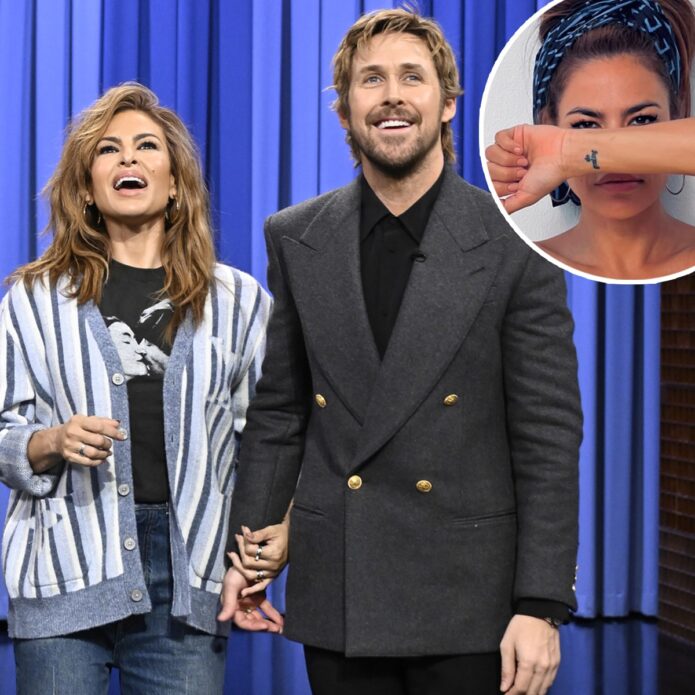
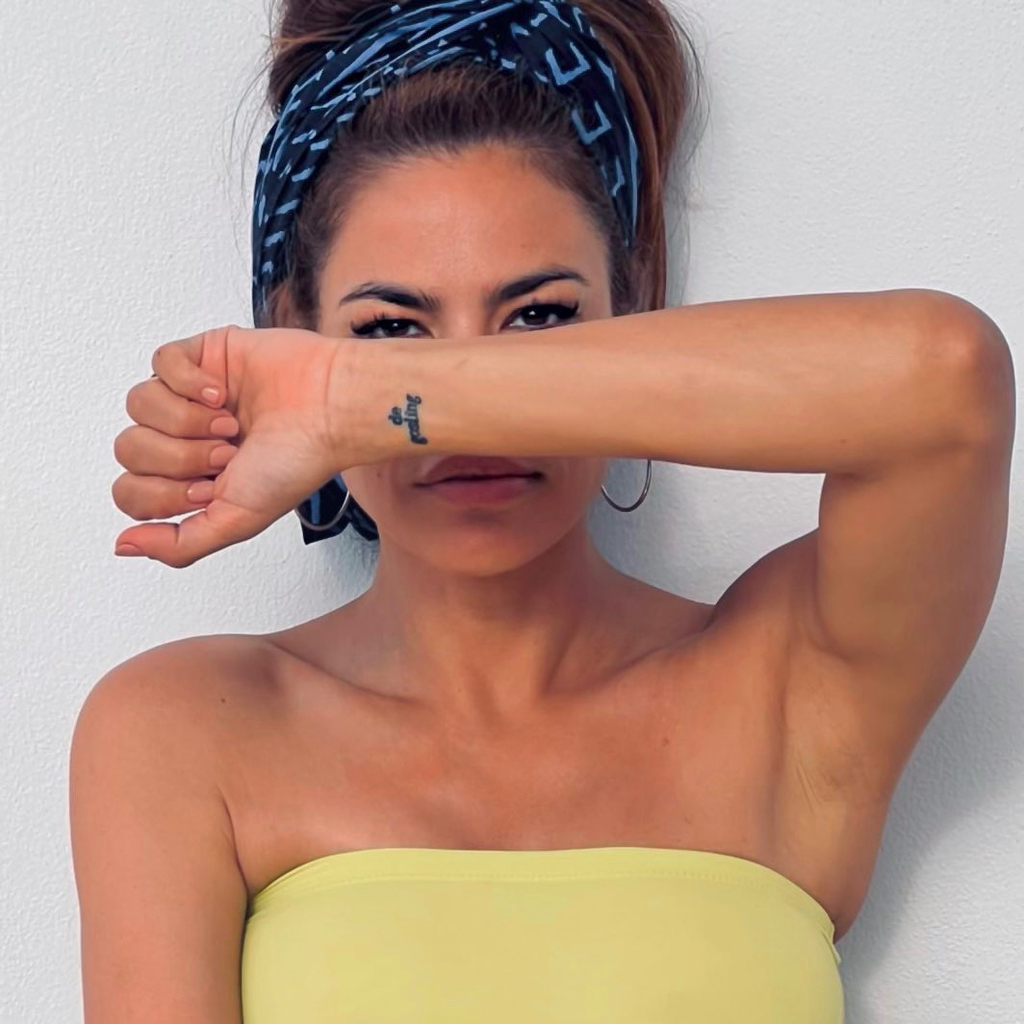
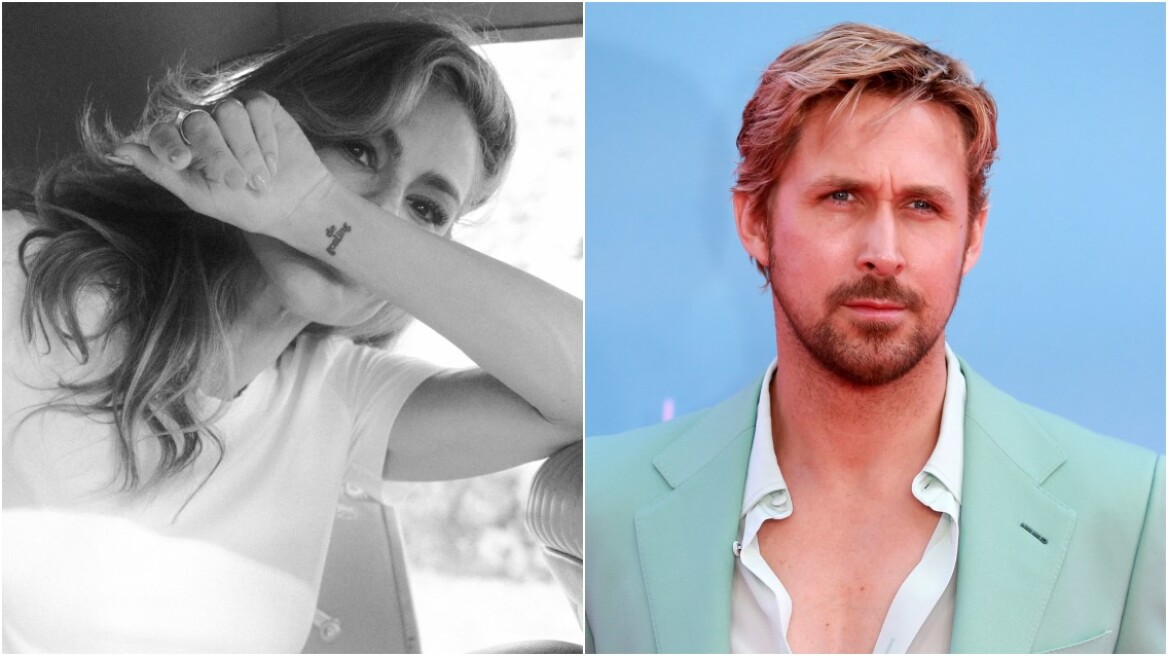
Eva Mendes has one publicly documented tattoo, a small inscription on the inside of her wrist. The words, “de Gosling,” connect her to Ryan Gosling, but the design is quiet enough to stay personal.

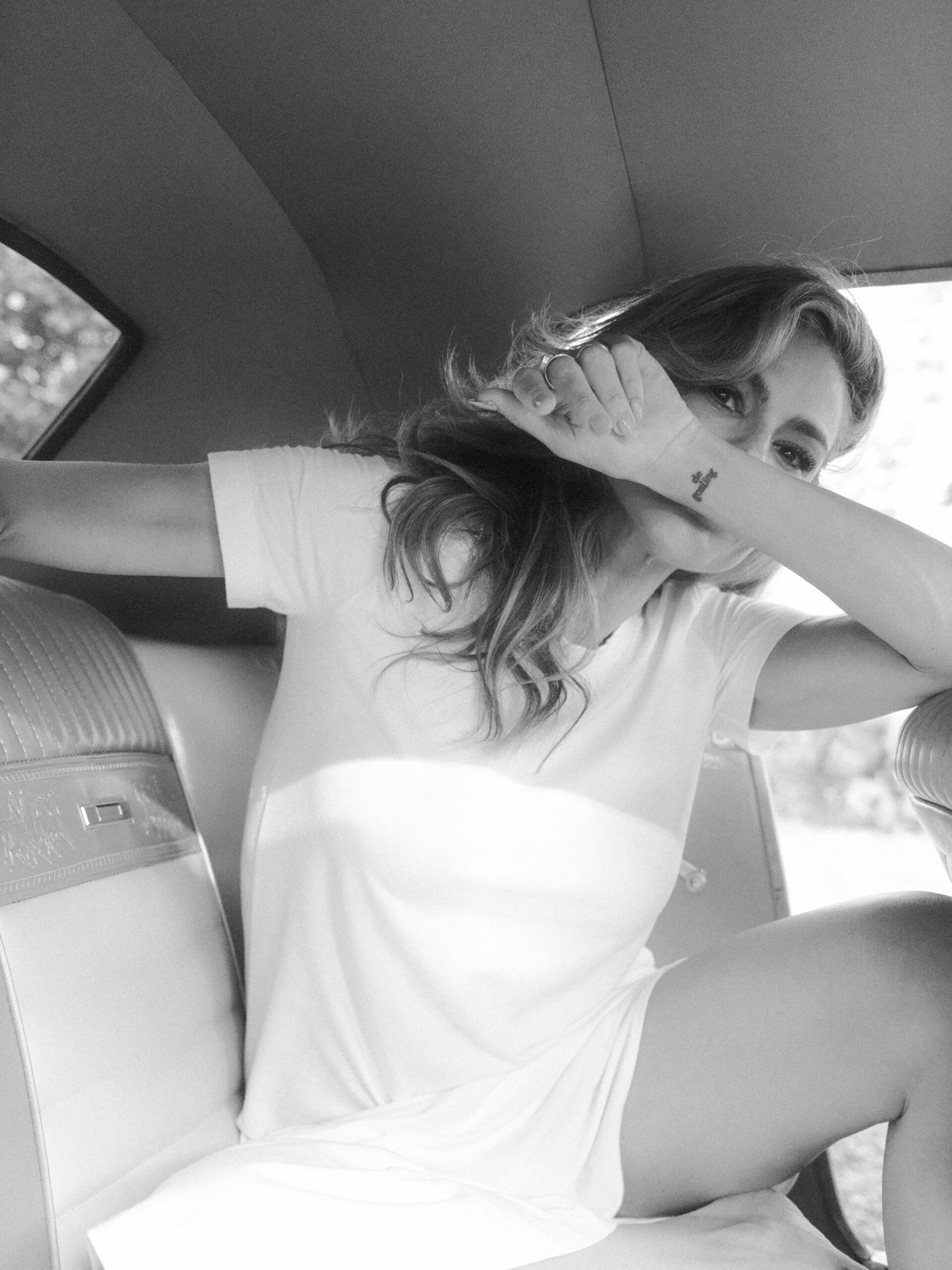
The tattoo drew fresh attention in August 2026 when Mendes shared black-and-white photos from a photoshoot. After a fan noticed the ink, she replied: “It’s the only one I have, the only one I’ve ever wanted.”

The one tattoo Eva Mendes has confirmed

Eva Mendes de Gosling wrist tattoo

The only confirmed design is “de Gosling” on the inside of Mendes’s wrist. The small lettering can be hard to see in a red-carpet photo or a tightly framed interview, but it becomes clear when she turns her arm toward the camera.

Mendes’s comment sets this tattoo apart from the rumours and blurry sightings that often grow into supposed celebrity collections. The wording and placement are visible, and she has said it is the only tattoo she has and the only one she ever wanted. There is no reliable evidence of another piece elsewhere on her body.

What “de Gosling” means

Eva Mendes de Gosling wrist tattoo original photo

In Spanish naming traditions, “de” can appear before a husband’s surname. The phrase can be read as “of Gosling” or “belonging to the Gosling family,” which is why the tattoo prompted questions about whether Mendes and Gosling had formalized their relationship.

The inscription is a personal tribute, but it does not prove a specific legal timeline. Mendes has called Gosling her husband in conversation, and media reports have described them as married at different times; neither has given a detailed explanation of the tattoo’s connection to their legal status. The clearest reading is that Mendes chose a familiar naming form to mark her bond with him.

That keeps the tattoo affectionate without turning it into a public statement about every part of the relationship. The phrase leaves space for family tradition, humour and private meaning.

Why the wrist placement feels personal

Eva Mendes wrist tattoo and Ryan Gosling

The inner wrist is easy to cover and easy to show. Mendes can see the lettering herself and reveal it when she chooses. It is a small design, and its impact comes from the name rather than scale or shading.

A hand near her face can bring the tattoo into focus; a relaxed arm can hide it. It feels more like a personal note than a billboard.

How Ryan Gosling fits into the story

Mendes and Gosling met while making The Place Beyond the Pines in 2011. They share two daughters, Esmeralda and Amada, and have generally kept family life out of public view. That privacy is part of why a few words on Mendes’s wrist attracted attention.

The tattoo is one small expression within a longer relationship. Mendes described it as the only tattoo she has ever wanted; she did not say she had suddenly become interested in a larger collection. Gosling has tattoos of his own, but those belong in a separate profile.

What is not documented

There is no well-supported evidence of a second tattoo on Mendes’s shoulder, hip, back or ankle. The public record does not name the artist, date the appointment or give exact dimensions. Reports say she showed the tattoo years before her 2026 comment, but the date it was done is not established.

“De Gosling” suggests a connection to Ryan Gosling and uses a recognizable naming convention, but it is not proof of a particular legal status. The meaning Mendes has confirmed is that it is her only tattoo and the only one she ever wanted.

The complete Eva Mendes tattoo inventory

Here is what the public record supports:

  • Inner wrist: “de Gosling,” a small text tattoo connected to Ryan Gosling and Spanish naming tradition.
  • Number of documented tattoos: one.
  • Publicly named artist: not documented.
  • Confirmed date: not documented; the tattoo was shown publicly before Mendes’s 2026 comment.
  • Confirmed additional designs: none.

One tattoo is enough to tell the story Mendes has chosen to share. The lettering is small, the placement is intimate and the meaning is personal. It does not need a larger collection around it to feel complete.

Why one tattoo is enough

Mendes has been direct about why this piece matters to her: it is the only one she has ever wanted. The phrase marks her relationship while keeping the rest of her body out of the public conversation. One well-chosen inscription can carry a lot of meaning.

The video below is an E! News clip about Mendes’s tattoo. For a separate look at his own ink, see our Ryan Gosling tattoo guide.