
Young Miko spent time working as a tattoo artist before music became her full-time life. In a shop in Mayagüez, Puerto Rico, she learned what goes into a tattoo: planning, patience and trust. That experience gives her own collection a little more context. She knows the care behind the needle as well as the feeling of wearing the result.
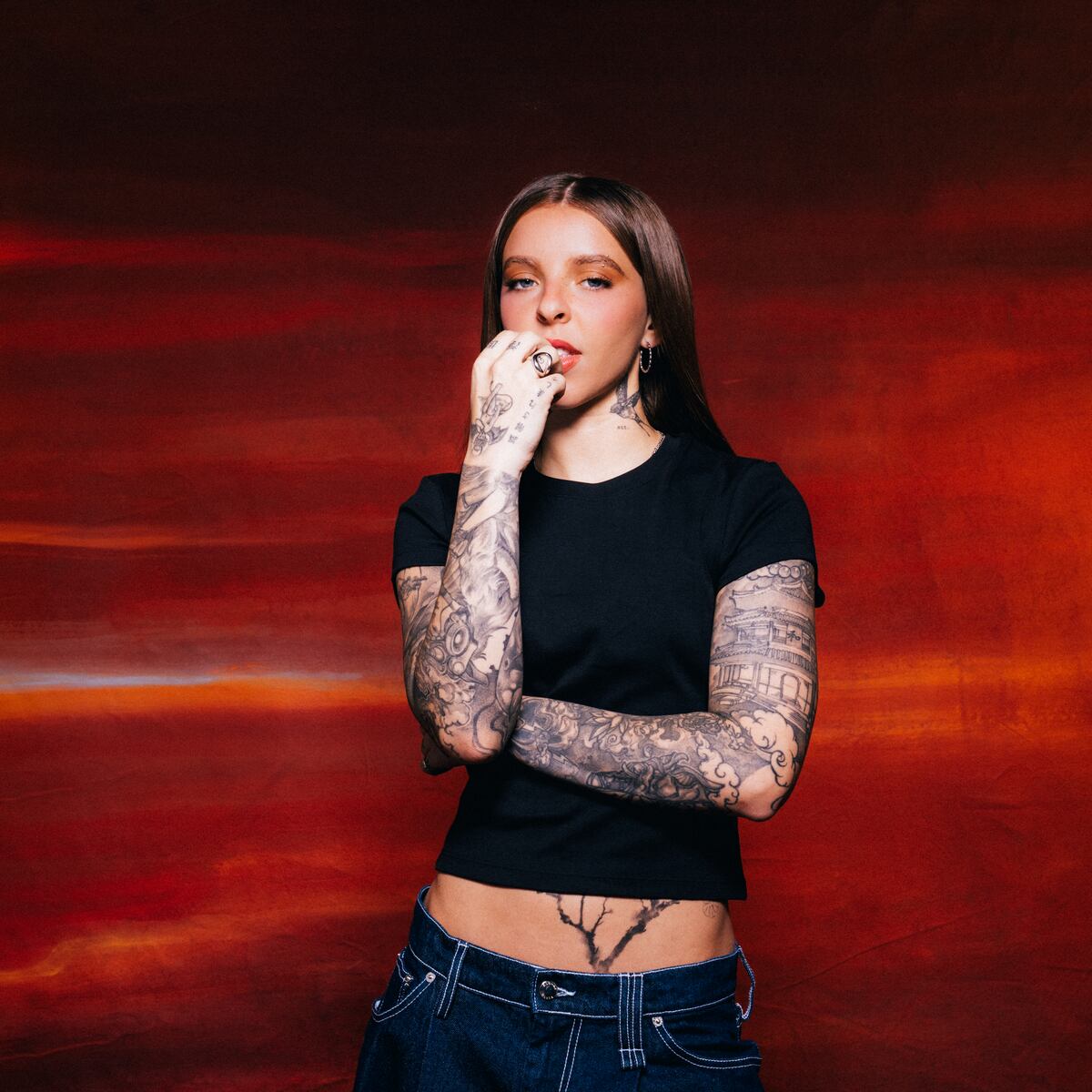
In her GQ Tattoo Tour, Young Miko talks through a few of the pieces that matter most to her. A Japanese-traditional dragon covers much of her back, and a temple on her arm stands for family, home and protection. She has also said that she wants intention behind what she does. That idea runs through the tattoos she has explained.
This guide sticks to what Young Miko has shared herself. Her collection is bigger than any single photo, and some details are hard to make out in performance shots. Where she has not explained a design, it is better to leave its meaning open.
The dragon on her back is the collection’s biggest chapter
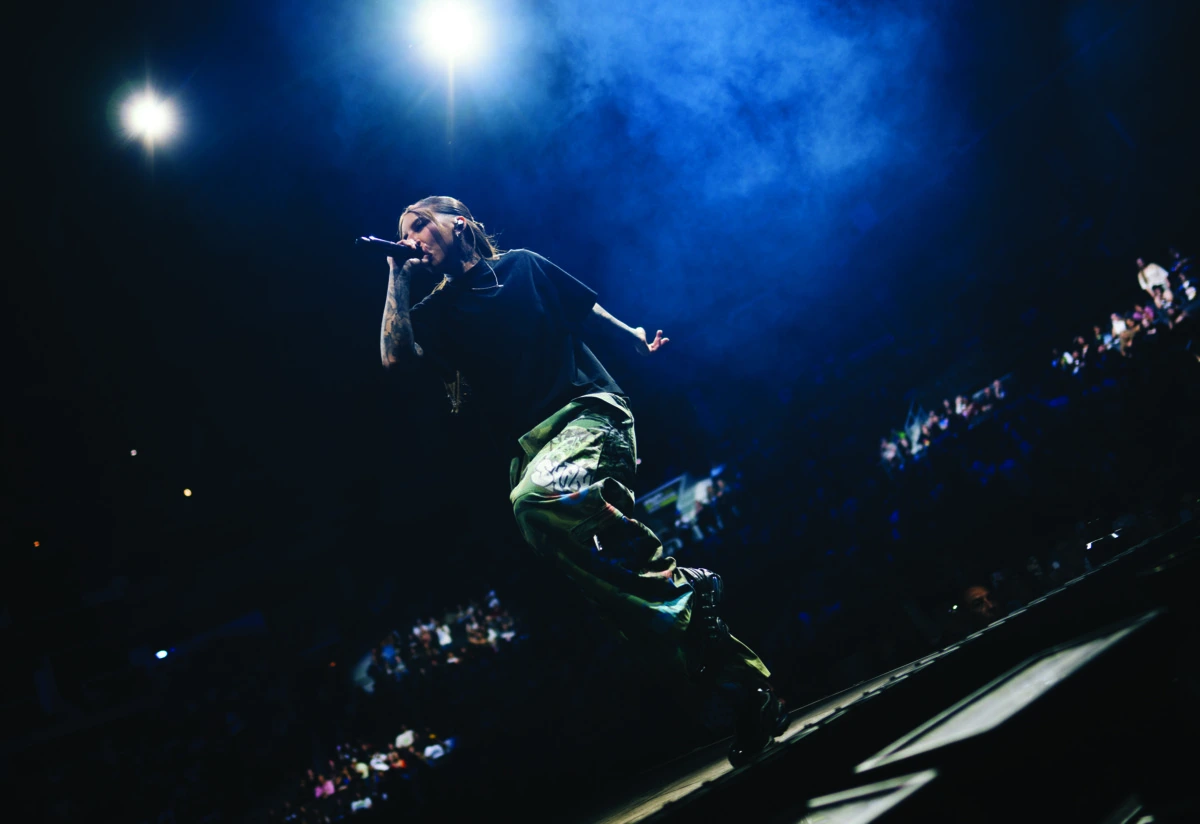
The largest and most striking piece is a Japanese-traditional dragon across much of Young Miko’s upper back. In a 2026 Inked Magazine profile, she connected the design to her love of anime and the animated shows she watched growing up. Before the dragon, she had a blue-and-red jersey from Puerto Rico’s national women’s soccer team tattooed on her back.
Soccer was a real part of her life: she played right back and defensive midfield before music took her in a new direction. The jersey marked that chapter. The dragon reflects the interests and work that came later, while the old tattoo remains part of the story behind it.

The dragon links her childhood imagination with the art she makes now. Young Miko has recalled watching Yu-Gi-Oh!, Pokémon and Cartoon Network with her older brother. Those shows stayed with her and fed the interest in drawing that eventually led her toward tattooing. The dragon brings some of that early visual world onto her skin.
Japanese-traditional dragons come with plenty of familiar symbolism, but Young Miko’s own account is more useful than a generic list of meanings. For her, the design connects to childhood, anime and her eye for images. Its size gives the rest of her collection room to sit around it, and the piece shifts as she moves.
Replacing the soccer jersey with the dragon changed the look of her back, but it did not make the earlier chapter disappear. The jersey belonged to a team and a country; the dragon draws on family memories and the interests she carried into adult life. Both are part of how she got here.
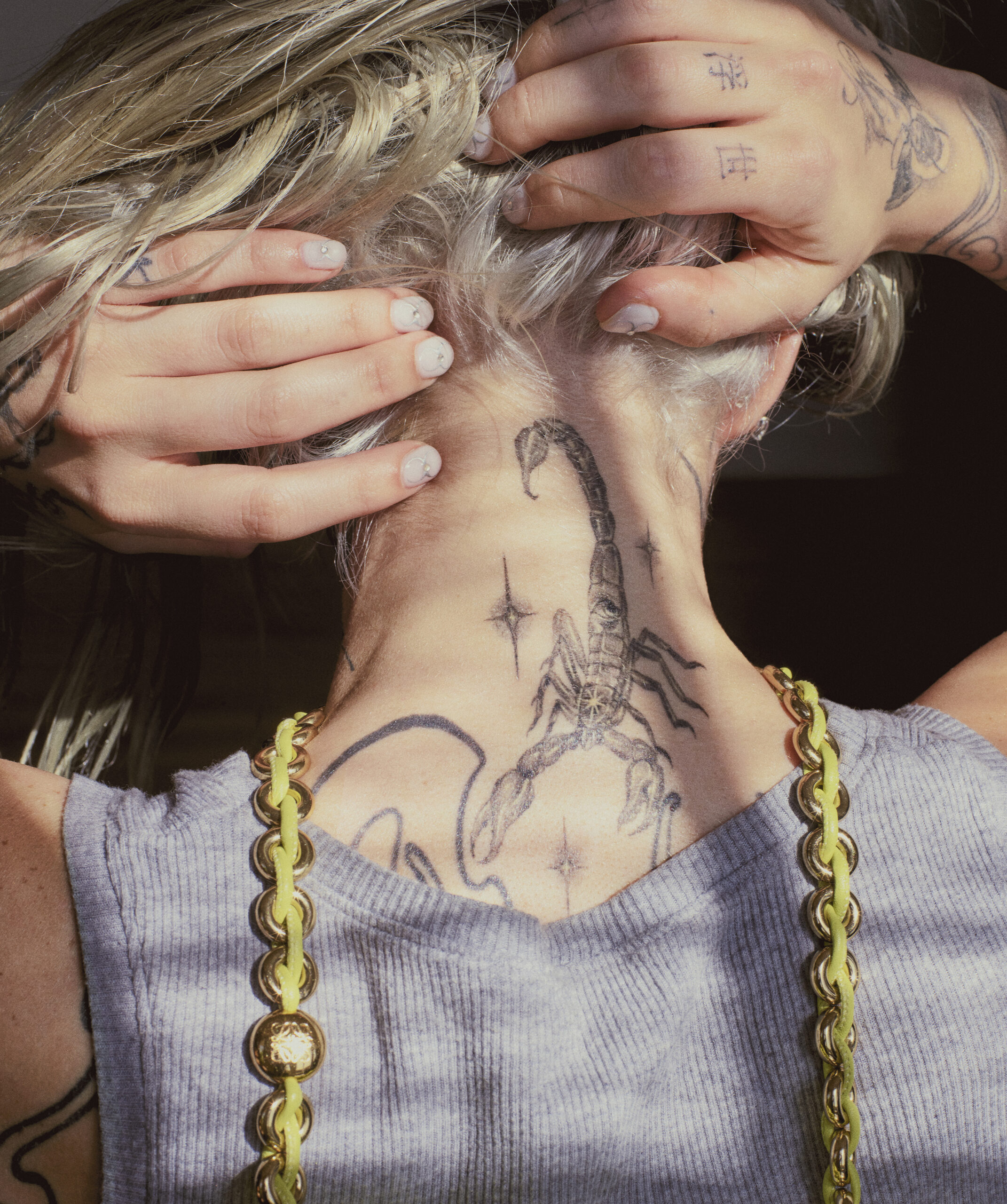
Her time as a tattoo artist helps explain the thought behind the placement.
Before her music career took off, Young Miko was tattooing in Puerto Rico. That experience helps explain why she talks about intention and composition. Working in a shop means thinking about how a design will feel to the person wearing it long after the appointment is over.
She started tattooing in Puerto Rico before her music career took off. Inked Magazine’s profile also traces how the discipline and creative confidence she developed there carried into music. In both fields, she takes an idea and gives it a shape people can connect with.
That background makes the dragon feel considered, rather than like a design chosen on a whim. It grew from the images she loved well before she became known as a musician.
The temple on her arm is about family and home.
Young Miko has described the temple on her arm as a symbol of the sacredness of family and home, and of wanting to protect the people who gave her a place to return to. It is smaller than the dragon, but its meaning is just as clear.
With a career that takes her from one city to another, home can mean more than an address. The tattoo holds onto the people, routines and memories that keep her grounded as life changes around her.
The image does not have to look fierce to suggest protection. Its meaning comes from the way she connects it to family and responsibility. Set beside the dragon, the temple adds a quieter note: one design reaches back to imagination and childhood, the other to the people who make home feel safe.
She has said that intention matters in every tattoo.
Young Miko has said her tattoos are meaningful and that she puts thought into each one. That does not mean every line needs a public explanation. She has spoken about the dragon and the temple; other details seen in photos are best left as details unless she chooses to explain them.
Her influences show up in the collection.
The stories she has shared touch on her older brother, the shows they watched, Puerto Rico, soccer, tattooing and the importance of family. Her back piece is expansive and imaginative; the temple is close and protective. They come from different parts of her life, but both carry those earlier chapters forward.

A note on what is confirmed.
The clearest public explanations are for the dragon and the temple. Young Miko discusses her tattoos in the GQ Tattoo Tour, and Inked Magazine’s profile gives more background on soccer, anime and her earlier work as an artist. Those sources offer plenty to follow without guessing at the smaller designs that appear in photos.
Taken together, the tattoos she has explained reflect several parts of her life: the soccer player, the tattoo artist, the kid watching cartoons with her brother and the musician performing onstage. Each chapter stays with her as the next one begins.
Watch Young Miko explain her tattoos
In her GQ Tattoo Tour, Young Miko shares the stories behind some of her tattoos in her own words.