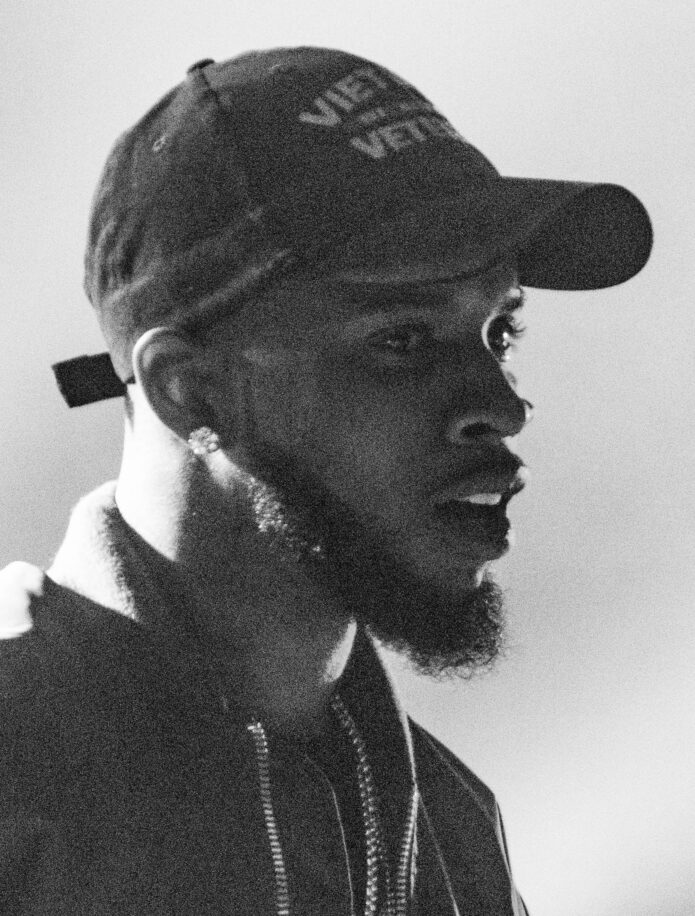
Tory Lanez’s tattoos cover his face, neck, chest, stomach, arms and wrists. Across the collection, he has combined faith, family, music and references to Toronto, using both large shaded images and bold lettering.
He has discussed several designs in an iHeartRadio tattoo interview. “GABOS,” “416” and “1992,” the phrase “Live Life Love God,” music notes, angels and rays each connect to a part of his life. The collection is striking at a glance, but many of the stories behind it are personal.
The GABOS tattoo sits right beside his face
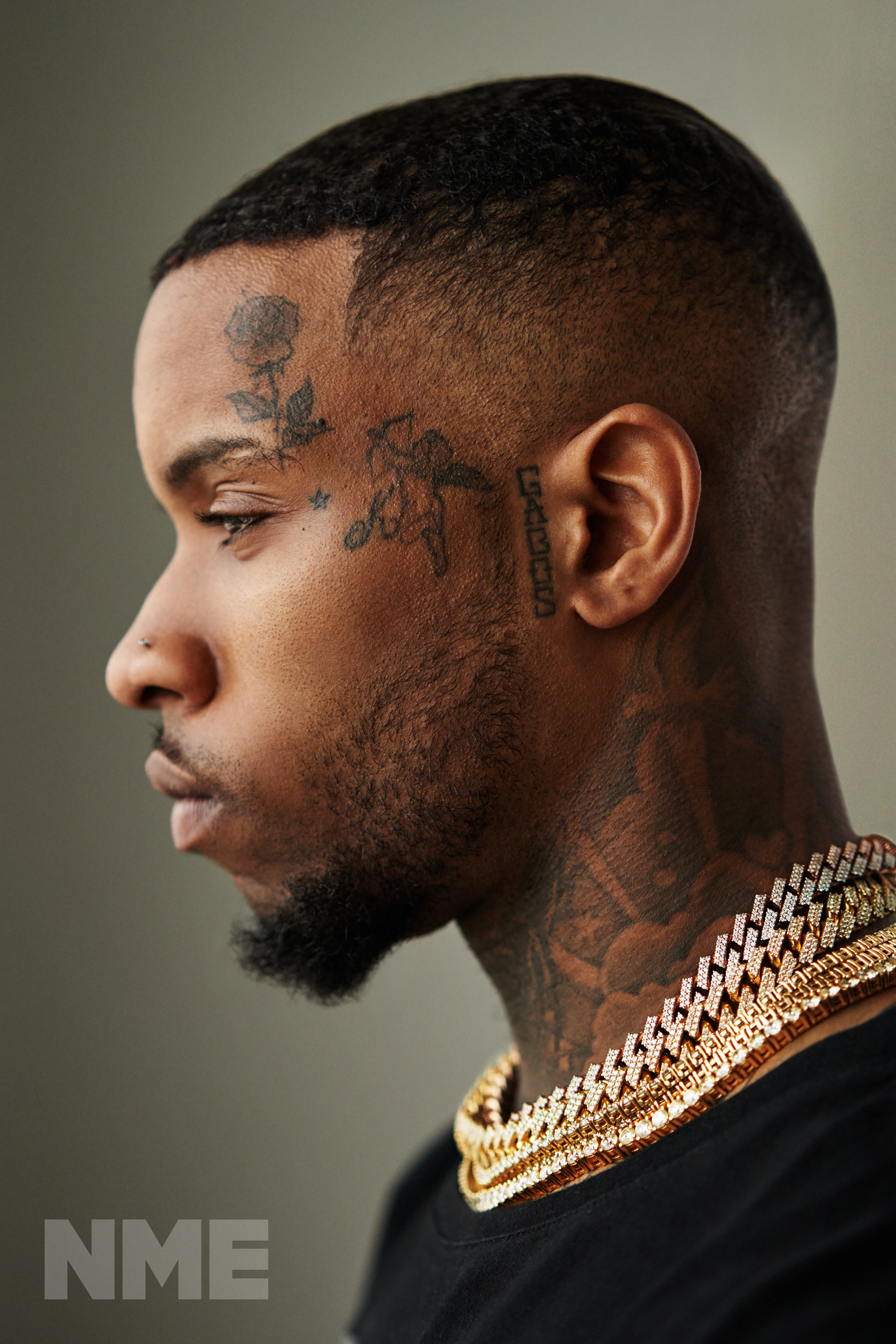
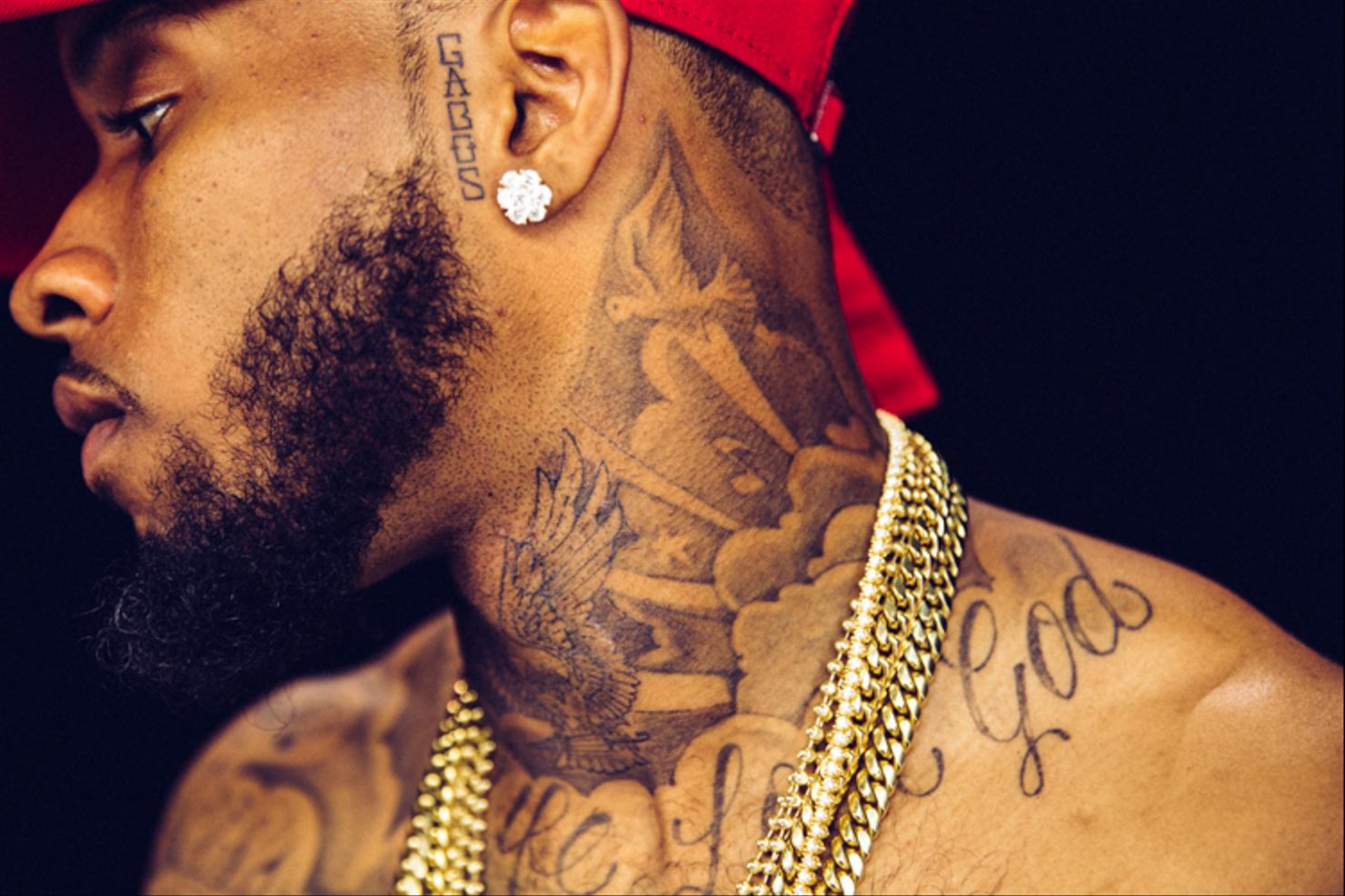
The vertical GABOS tattoo beside Lanez’s ear and jaw is one of his most recognizable pieces. He has explained the letters as “Gaming Based On Sympathy.” Placed so close to his face, the lettering is hard to miss, and the phrase gives it more meaning than an acronym alone.
The same profile shows a rose and script near his temple, a small star by the eye and darker work down his neck. The pieces sit close together and connect his face to the rest of the tattoos across his neck and shoulders.
From a distance, the letters are what stand out. Knowing how Lanez has explained them gives the design a more personal dimension.
Faith is written across his neck and chest
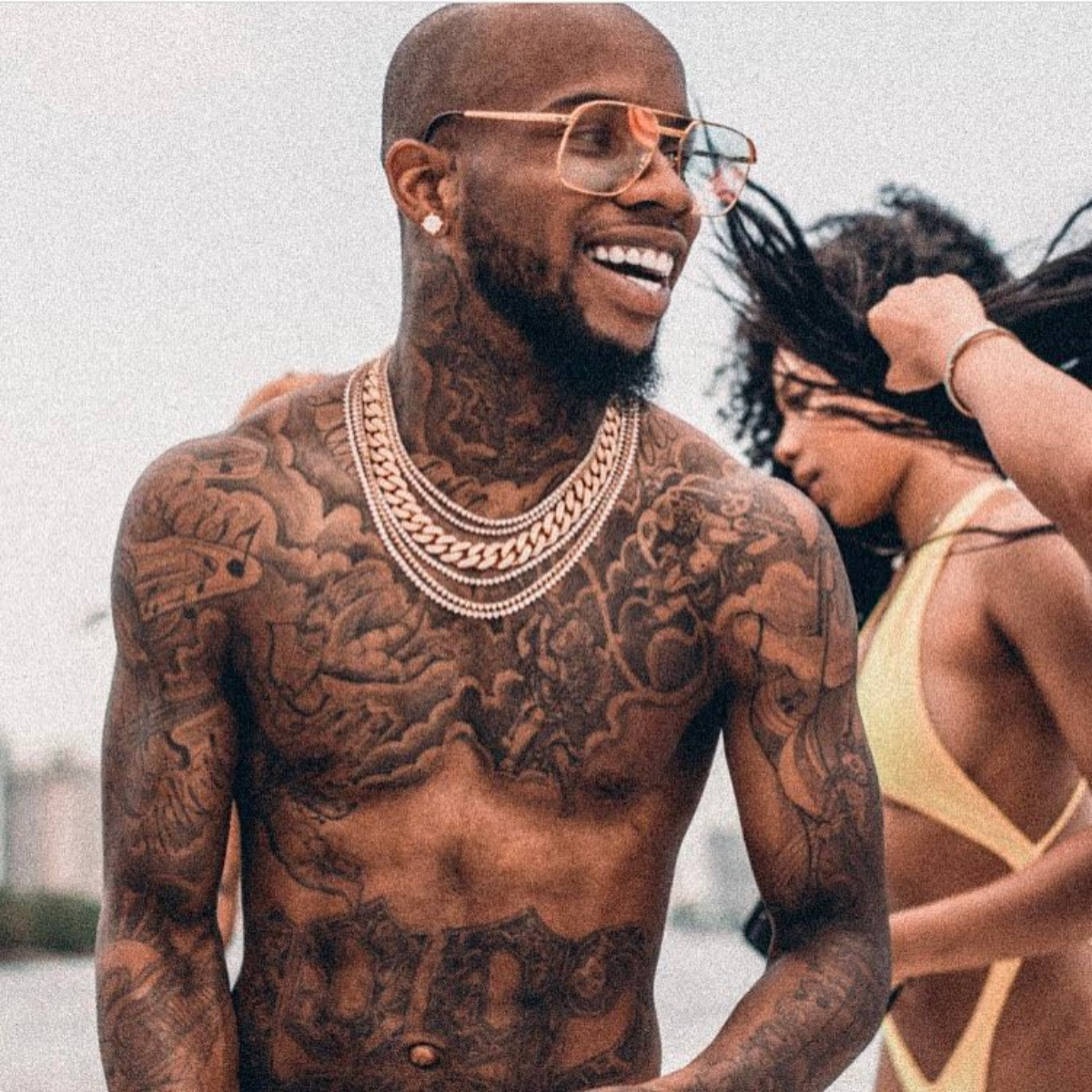
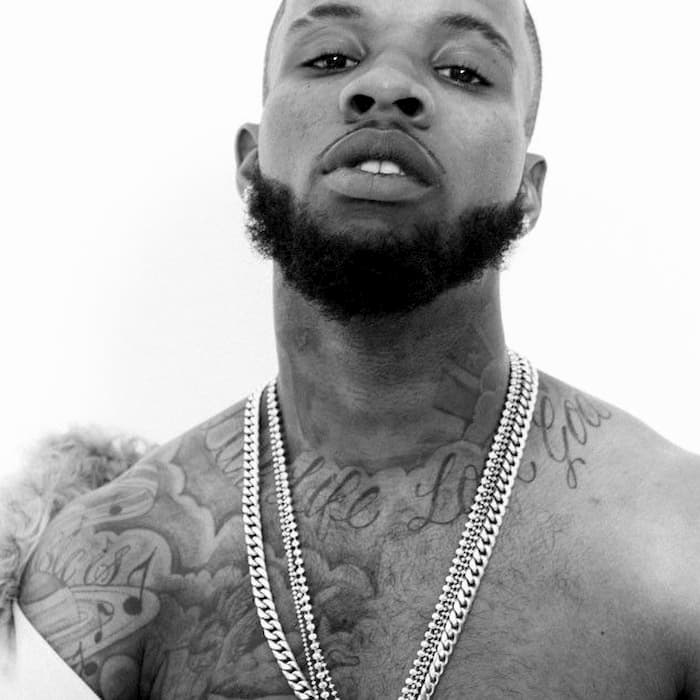
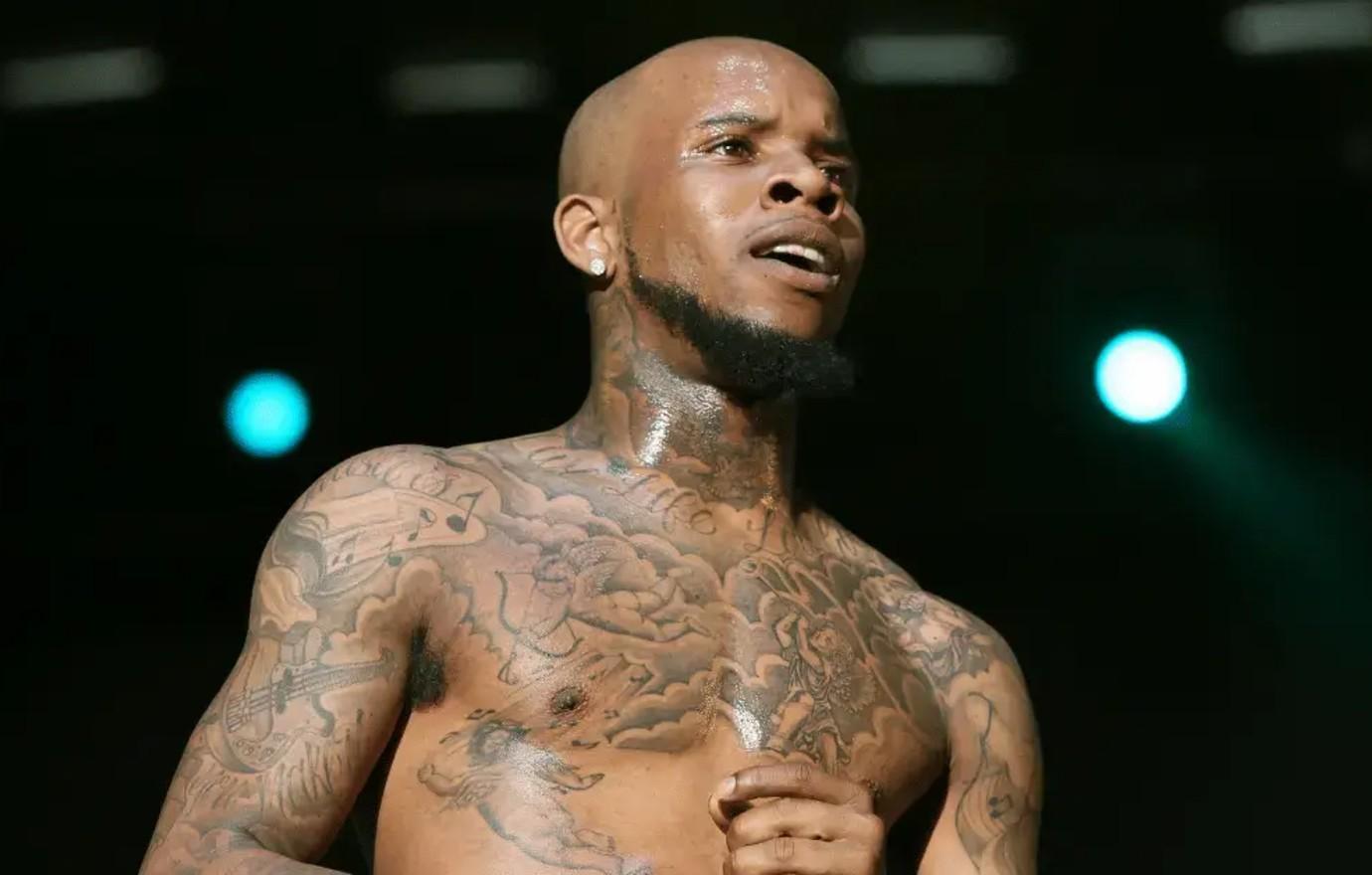
Faith runs through several of Lanez’s tattoos. “Live Life Love God” is written across his upper chest, with angels, clouds and rays around it. The phrase is simple, but its size and placement make it a central part of the collection.
Lanez has connected angel imagery to his faith and his mother. That context makes the figures more than decoration: they sit alongside memories of family and protection. The grey shading gives them a softer look than the heavier outlines and lettering nearby.
In photographs, the chest piece can appear differently as clothing, chains and camera angles shift. The words still anchor the composition. Faith and family are recurring ideas in the collection.
His first music tattoo points back to the beginning
Lanez has said that his first tattoo came when he was 16: music notes on his wrist. It is smaller than much of the work he added later, but it points directly to music, the career that would become central to his life.
The notes remain easy to spot when he performs or holds a microphone. They also give the collection a starting point. Before the portraits, numbers and face lettering, there was a small mark connected to music. Compared with the larger chest pieces, the wrist design is modest, but its place in the timeline is clear.
A first tattoo can lead to a much larger collection. In Lanez’s case, later designs added family, faith and hometown references around that early music symbol.
The 1992 stomach tattoo marks a birth year
The numbers “1992” across Lanez’s stomach mark his birth year. Unlike the angels and clouds, the reference is direct. It gives the eye a clear point among the surrounding images and lettering.
The tattoo may be partly covered by clothes or chains in a close portrait, but it is easy to see in shirtless photos. Looking at several images helps show where the numbers sit in relation to the chest work.
Toronto appears in the details
Lanez’s “416” tattoo refers to Toronto’s area code. The number is inked on his cheek, making a hometown reference part of his most visible work.
The “416,” the GABOS lettering and the music notes each say something different: where he is from, a phrase he has explained, and the career he chose. Together, they sketch out some of the identity behind the stage name.
These tattoos are in public view on his cheek, neck, chest and hands. Their placements make them part of his look wherever his music takes him.
Angels, clouds and rays fill the open spaces
The religious imagery around Lanez’s shoulders and neck forms a backdrop for the lettering. Angels, clouds and rays carry the faith theme through different parts of the collection. Grey shading and lighter areas keep the figures distinct from the bolder text.
He has linked some of the designs to his faith and his late mother. That gives the images a personal setting, alongside their religious associations.
The open areas between the figures also help the larger arrangement read as a whole. Although the tattoos were added at different times, the shading and outlines connect them across the neck and torso.
How the collection grew into one connected look
The timeline remains visible in Lanez’s tattoos. The wrist notes date back to his teens; the face lettering and cheek number make his public identity more visible; the chest words and angel imagery bring in faith, family and memory.
Some marks are harder to identify with confidence. Where a design is unclear, it is better to describe what can be seen than to assign it a meaning without evidence. Lighting can make a faded line look like a different symbol.
Overall, the tattoos bring together lettering, numbers, music and religious imagery. The pieces do not match exactly, but their placement connects the face, neck and torso. Some are private in meaning and very public in appearance.
The contrast is clear in the small wrist notes and the larger GABOS and 416 tattoos. One is a modest reminder of music; the others are visible whenever Lanez turns his head. The chest lettering sits between those scales, personal in meaning and hard to miss.
That mix gives the collection its character. The individual designs vary, but they return to music, faith, family and Toronto.
Watch Tory Lanez talk through the tattoos
In the iHeartRadio tattoo interview below, Lanez discusses his wrist music notes, “1992,” “416” and his faith-inspired pieces.
2 thoughts on “Tory Lanez Wears His Story on His Skin”