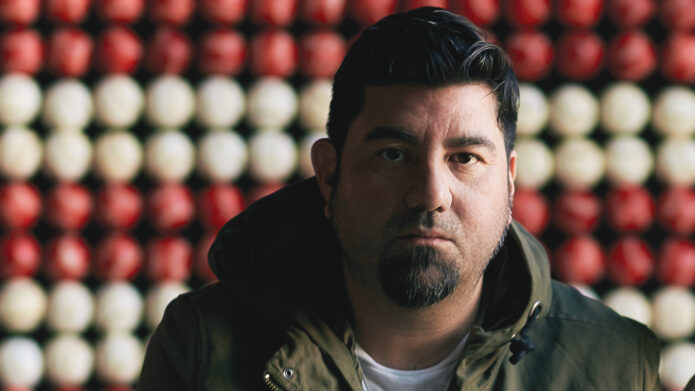
Chino Moreno’s tattoos fit the mood he has carried through Deftones for decades: heavy, romantic, strange and open to more than one reading. He has talked about religious art without presenting himself as conventionally religious, which helps make sense of the ink. He is drawn to sacred and forbidden imagery for its visual force, even when theology isn’t the point.
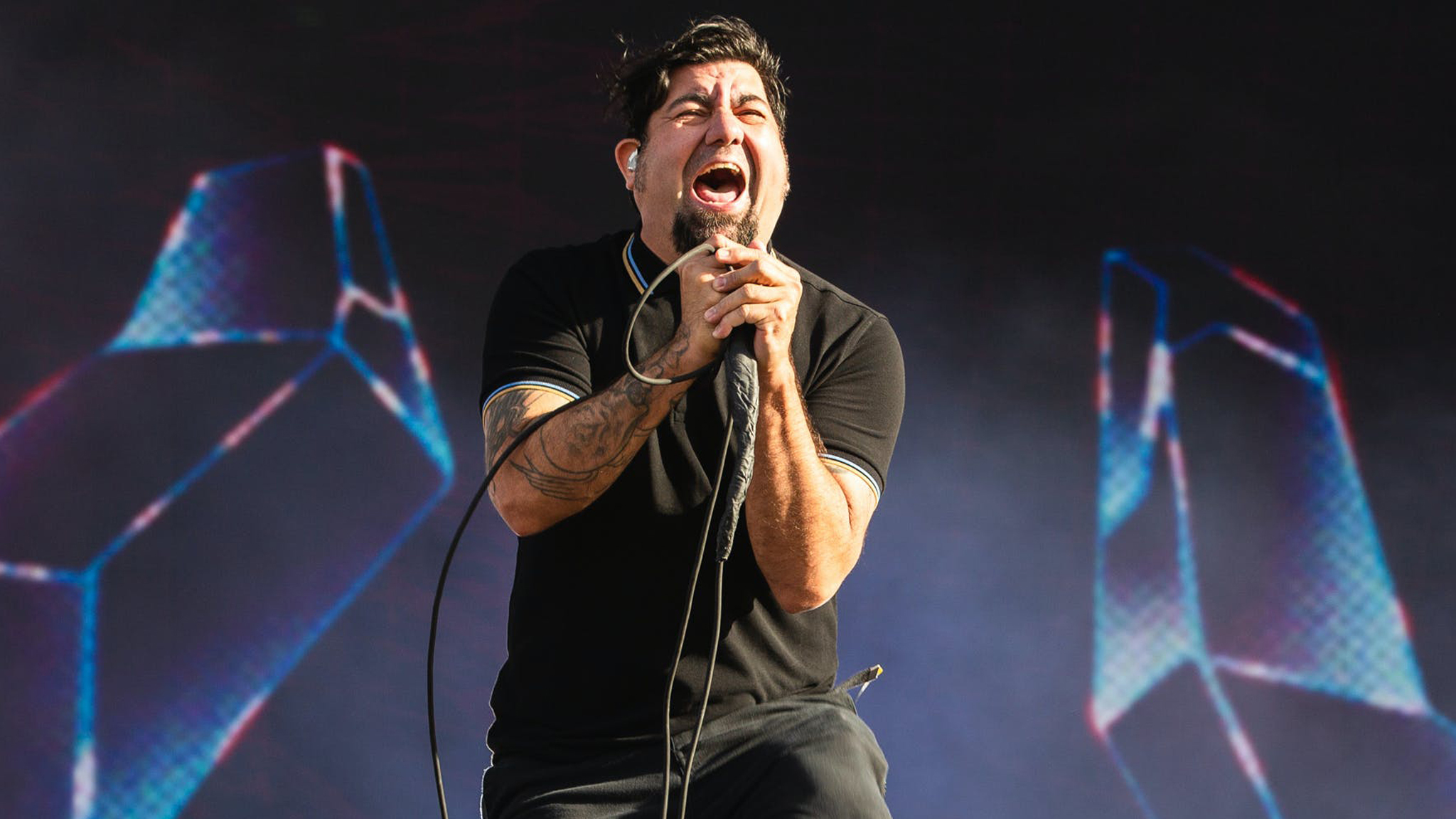
The best-documented piece is the Baphomet tattoo he discussed in Loudwire’s Tattoo Reveal series. Moreno said he wanted a Baphomet, a figure often shown with a horned goat’s head and layers of occult symbolism. It fits his interest in religious art, though he didn’t describe it as a statement of faith. The image can appeal to him as art before it becomes an argument about belief.

That context matters because Baphomet is often reduced to a simple shock symbol. Moreno’s explanation is more easygoing: he likes how religious imagery is drawn, staged and remembered, without adopting every interpretation attached to it. The tattoo sits somewhere between fascination, theatre and personal taste.
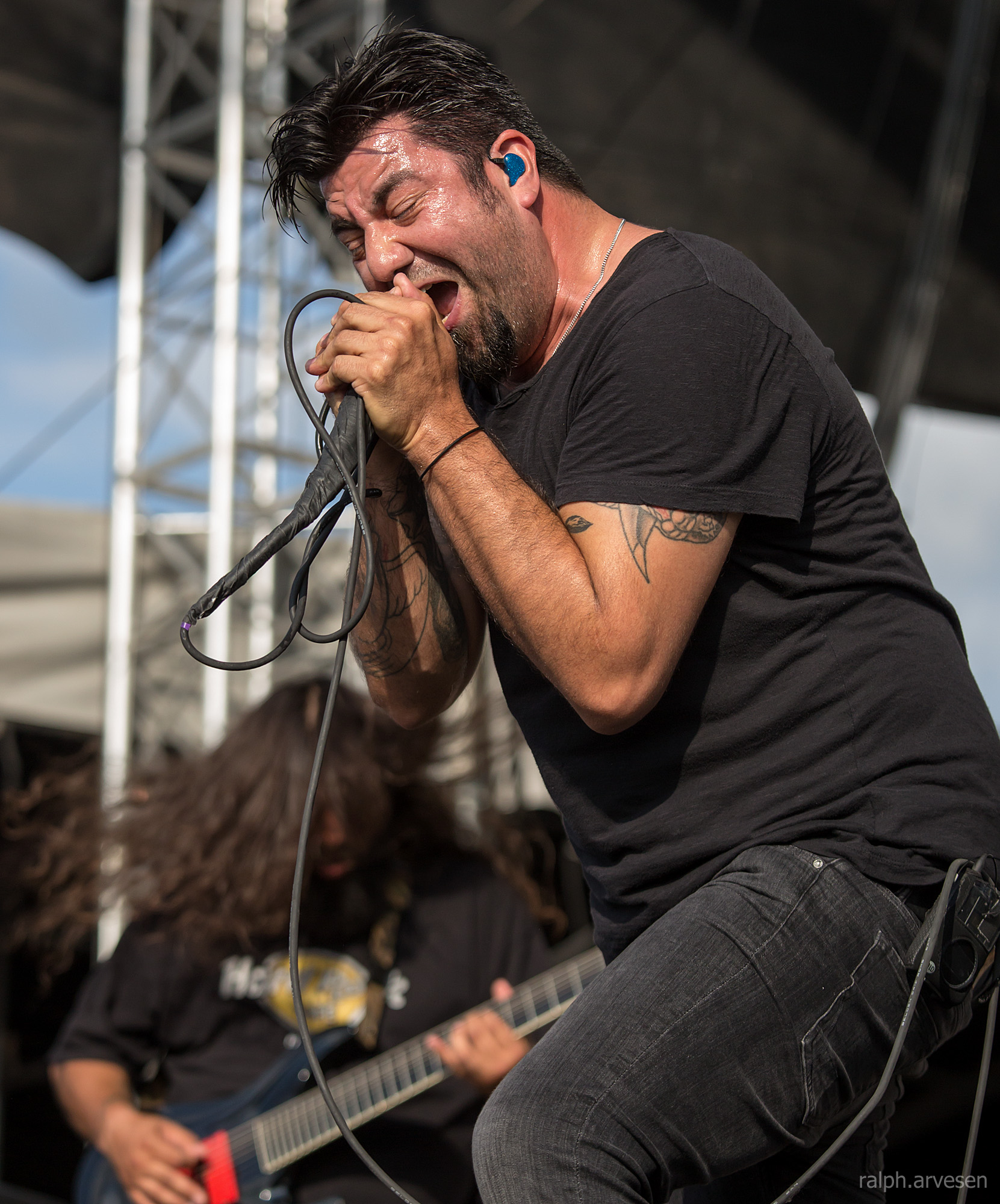
Older interviews fill in a little more about the collection. In a discussion about Deftones, Moreno said he has other religious tattoos and enjoys the art, though the religious meaning itself isn’t especially important to him. That keeps the inventory grounded in his own words. The images matter to him without requiring a literal creed.
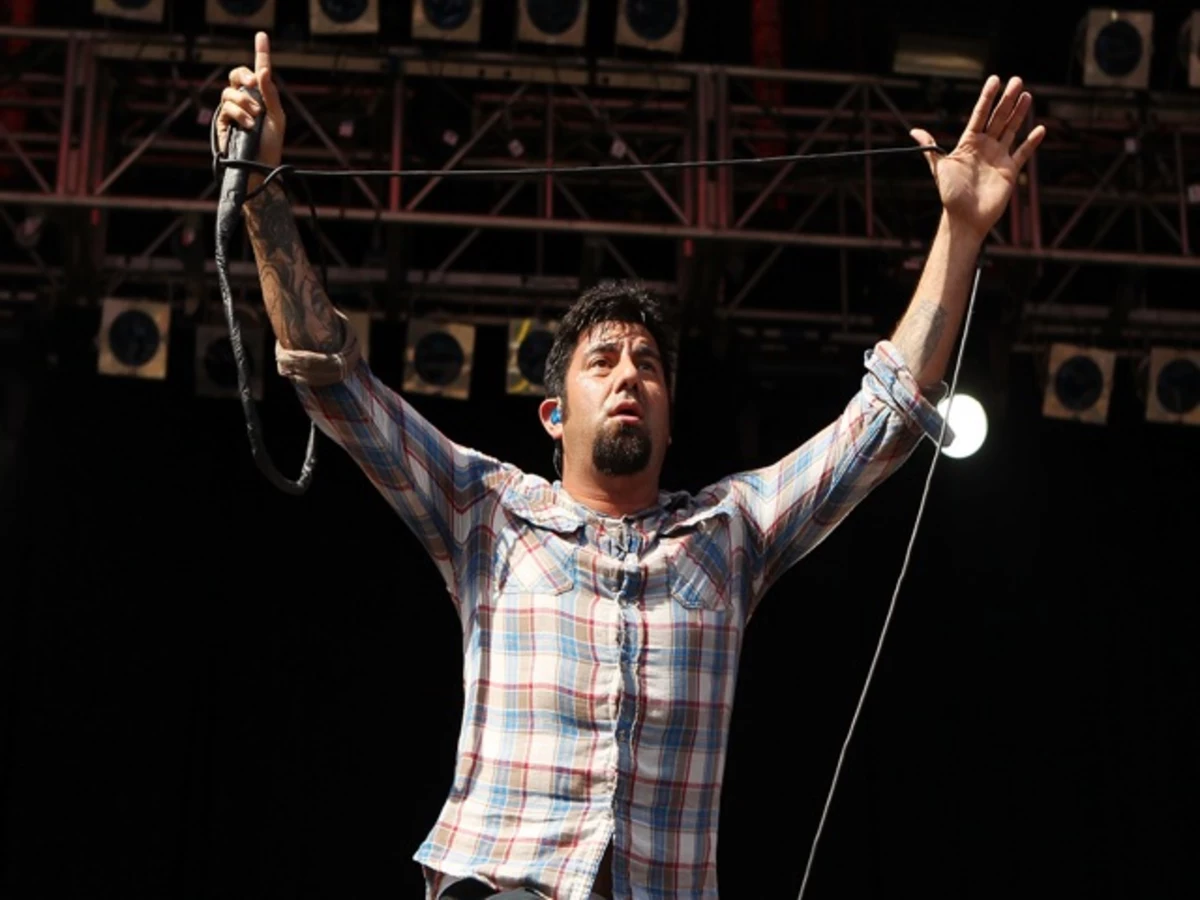
It can be hard to catalogue Moreno’s ink from performance photos. Stage lights flatten fine lines, microphones and clothes obscure his arms, and he’s rarely still long enough for a clear tattoo portrait. A festival shot may confirm a design is there without telling us its exact placement or when he got it. It takes several views to be sure of a detail.
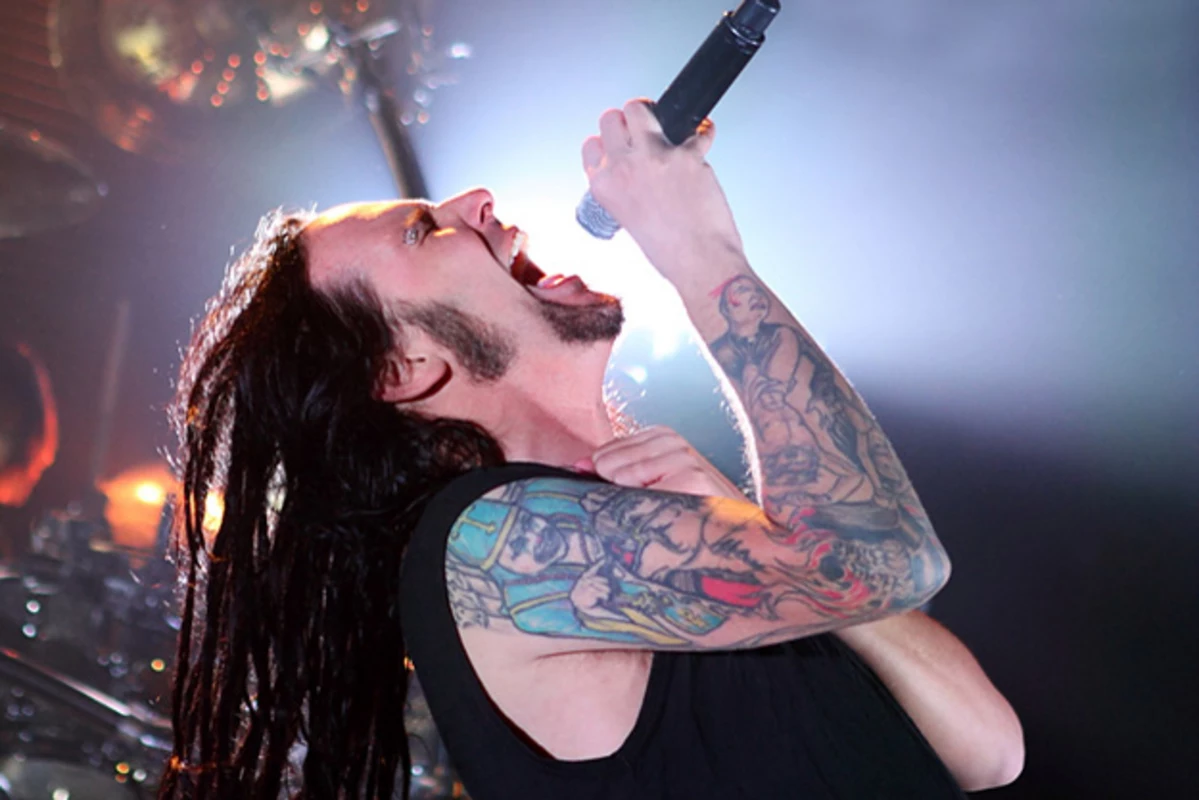
The tattoos also look different across Deftones’ eras. A photo from the 2000s has a different feel from a recent festival portrait, but the ink remains part of the same silhouette. It fits the band because it isn’t too polished: religious figures, dark shapes and illustrative marks can seem tender in one light and menacing in another. That ambiguity is what ties them together.
Fans have pieced together detailed lists from live shots and close-up posts. Some identifications may be right, but the public record doesn’t always name a tattoo, its artist or its story. It’s useful to keep confirmed pieces separate from work that is visible but undocumented. Interviews support the Baphomet and Moreno’s interest in religious art; smaller designs should remain tentative until he or an artist identifies them.
A tattoo’s subject and its meaning to the wearer aren’t necessarily the same. A horned figure may draw on a broad artistic tradition, while its owner may simply love the drawing. A cross or saint might connect to family, art history or a place. Moreno’s comments are a reminder not to force one explanation onto every religious image. The collection can feel spiritually charged without making a doctrinal statement.
That openness connects the tattoos with Deftones’ wider visual world, where beauty and menace often share the same space. Soft vocals can float over crushing guitars; a romantic lyric can sit beside violent imagery. Moreno’s ink follows a similar pattern: it draws the eye with its beauty, then unsettles you.
Mood and evidence make the soundest guide to the collection. Start with the Baphomet he has named, add the religious tattoos he has acknowledged and the importance he places on the artwork, then use photos to note what’s visible. There’s no need to assign meanings that haven’t been made public. This leaves room for the tattoos to stay personal.
Religious imagery also carries a history of its own. A symbol arrives with centuries of associations before the wearer adds anything private. Moreno seems interested in that meeting point: he can use a familiar figure, shift its emotional tone and leave the audience to wonder what comes from the tradition and what comes from him.
Baphomet is especially open to different readings. Depending on the drawing, it can seem threatening, theatrical or almost elegant. That range echoes Deftones’ movement between intimacy and force. The tattoo doesn’t explain the music, but it belongs to the same emotional weather.
There are practical reasons to be cautious with detailed tattoo maps. Performers are often photographed from a distance, and pictures online may be cropped, mirrored or heavily edited. A line that looks like lettering in one shot may be a shadow in another; a sleeve can cover part of a design. The careful record may be less dramatic than a fan theory, but it holds up better.
Moreno hasn’t tried to reduce the tattoos to a slogan. They carry taste, memory and atmosphere, and some may remain undocumented. Still, the confirmed stories give us a glimpse of a musician who likes religious art, darker symbols and the freedom for an image to mean more than one thing.
That art-first approach fits Moreno’s public style. He hasn’t needed every visual choice to serve as autobiography. Sometimes a shape is appealing because it looks right, belongs to a tradition he’s been exploring or gives him a different energy onstage. A tattoo can be personal without being a confession.
That’s why the collection doesn’t settle into a neat religious identity. The images work as references and textures as much as statements of belief. A horned figure can sit beside another sacred image without forming a tidy system. The contradictions are part of what make the tattoos feel like Moreno’s rather than a themed flash sheet.
Fans also see how the ink moves during a performance. When Moreno leans into a microphone, his neck and arms catch the light. Behind a keyboard or drums, a different piece may come into view. The audience gets fragments because his body is always moving. Those glimpses build atmosphere before they build a catalogue.
Deftones’ long history adds another layer. A tattoo in an old photograph may belong to a very different period of Moreno’s life than one seen in a current interview. Without dates, it’s easy to project today’s meaning backward. A good account leaves the timeline a little open.
That uncertainty gives Moreno room to keep parts of the collection to himself while still offering fans a few clear starting points. The Baphomet has a story he has shared; his appreciation for religious art is documented. The other designs can be appreciated as visible work without claiming them as public property. A tattoo doesn’t need a caption to carry weight.
That balance may be the most Deftones-like quality of the collection. The tattoos are heavy without being blunt, beautiful without feeling safe, and personal without being fully explained. Baphomet is the clearest anchor, while the surrounding religious imagery creates a wider emotional field. They reward a second look.
In the end, Moreno’s ink offers invitations rather than a rulebook. The symbols invite curiosity, the artwork invites interpretation and the interviews call for some restraint. That’s enough for a useful tattoo guide: clear facts where they exist, with unanswered questions left as part of the atmosphere.
The collection rewards attention over quick conclusions. It’s dark, artistic and deliberately unresolved.
Even the confirmed Baphomet story leaves room for parts of the rest of his skin to remain private.
A documented inventory of Chino Moreno’s tattoos
The strongest public record includes the Baphomet tattoo discussed with Loudwire, other religious imagery Moreno has mentioned in interviews, and dark or illustrative designs visible in Deftones performance photos. The names, dates and meanings of many smaller pieces aren’t consistently documented. A careful inventory should mark those as visible rather than inventing a private explanation.
Why the religious imagery is more complicated than shock value
Moreno’s comments make the collection less literal. He appreciates religious art and the look of its symbols, but hasn’t described himself as deeply committed to the beliefs behind each one. That tension gives the tattoos their depth. They can be beautiful, eerie and meaningful without serving as a manifesto.
Watch a Chino Moreno interview
The interview below is a useful companion, placing Moreno’s tattoo discussion alongside the wider story of his music and visual identity.
One thought on “Chino Moreno’s tattoos lean into religious art and darker symbols”