Nancy Mace’s tattoo reveal showed a large collection at once. In a sleeveless top, she displayed both arms: colorful flowers, a bird, a religious figure, lettering and a line from Virginia Woolf. Reports counted nine tattoos, though not every design has been named or explained. The visible details are clearer than the meaning behind each one, so it helps to keep those separate.
The tattoos don’t form one carefully matched sleeve. Color, black linework and text share the same space, giving the collection a layered look that seems to have come together over time.
The flowers and bird that anchor the arm designs
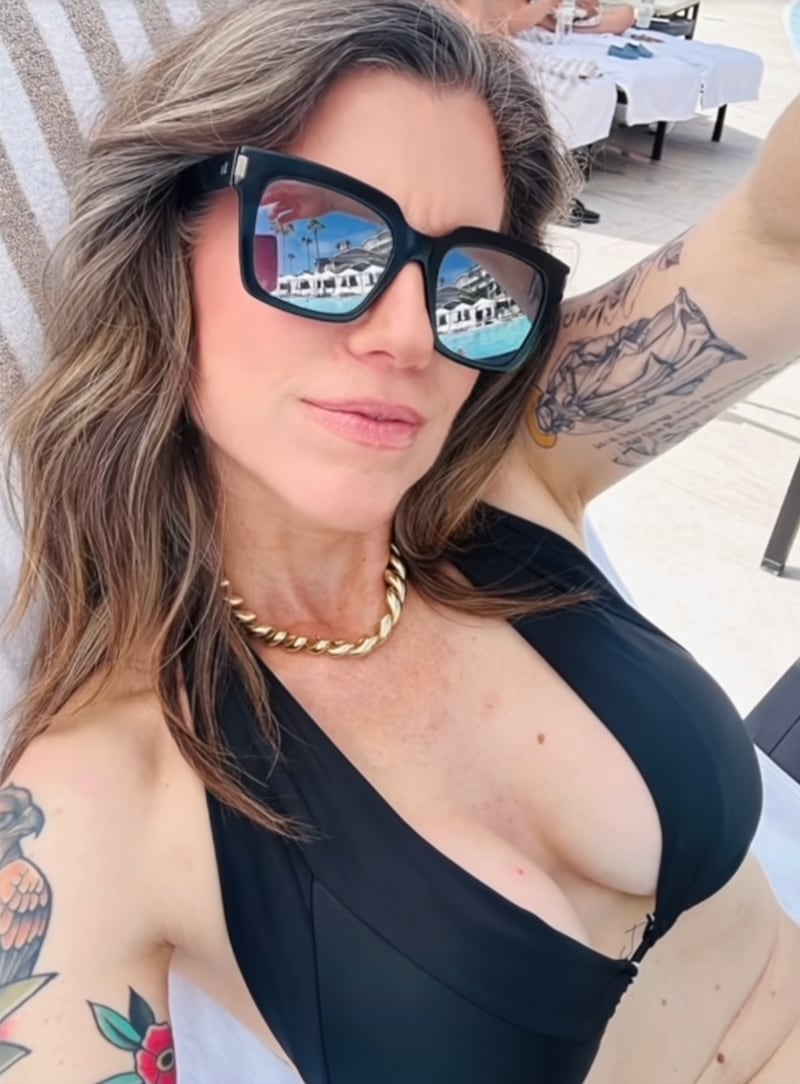
The clearest focal point is a large bird surrounded by bright flowers. Its dark outline gives the figure a strong shape, while red petals and green leaves soften the area around it. Together, they make a design that reads clearly from a distance but has finer details to look at up close.
Bird tattoos can carry ideas about freedom, travel or change, but Mace hasn’t said that those meanings apply here. The photograph supports a more straightforward description: a prominent bird, vivid floral color and a composition that follows the curve of her arm. The flowers also help connect this centerpiece with nearby pieces, so it reads as part of a larger collection rather than a standalone stamp.
How the tattoos read together across both arms
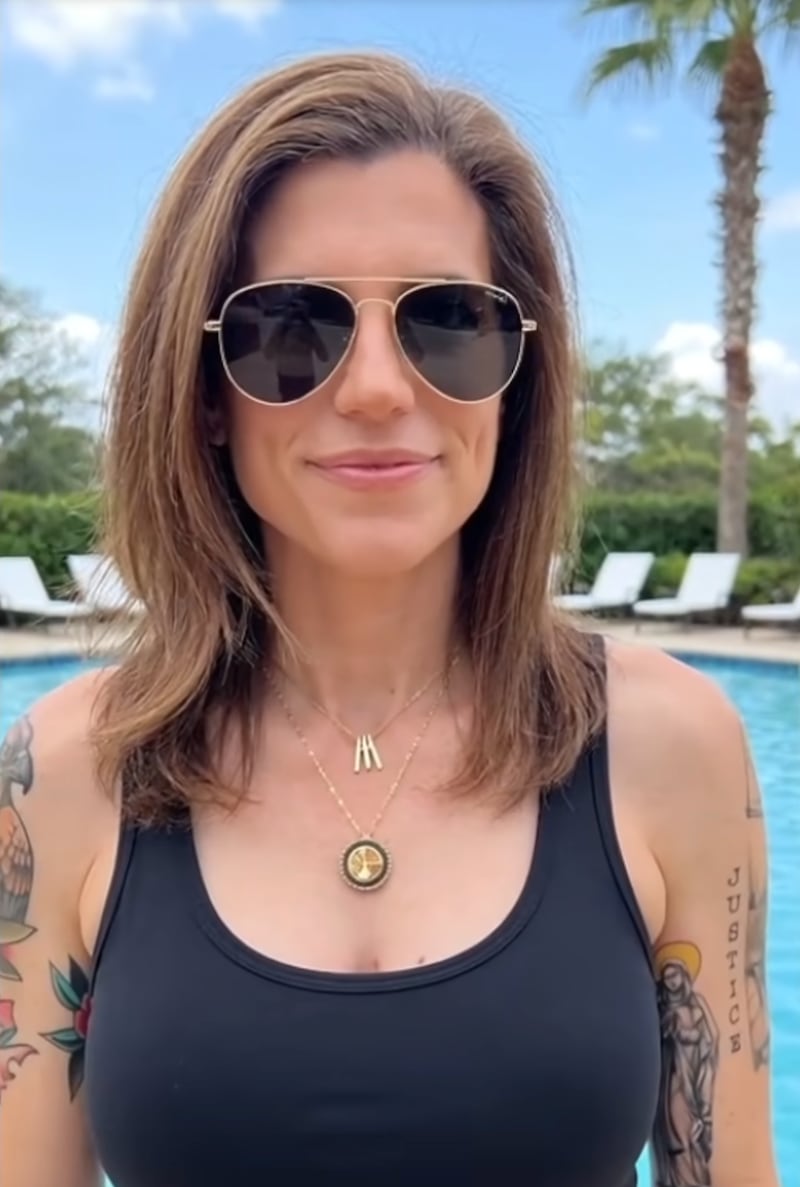
A wider view shows how the pieces sit across both arms. Colorful images appear beside black outlines and lettering, without a repeated border or pattern tying everything together. The arm provides the common frame; the designs themselves keep their own styles.
Mace’s tattoos drew wider attention when she showed them together. Earlier public appearances often showed her in sleeves, so people saw the collection all at once instead of gradually. That change prompted discussion about her appearance, but it doesn’t establish a story of reinvention. The simplest account is that she chose to wear a sleeveless top and make the tattoos visible.
A closer look at the arm tattoos
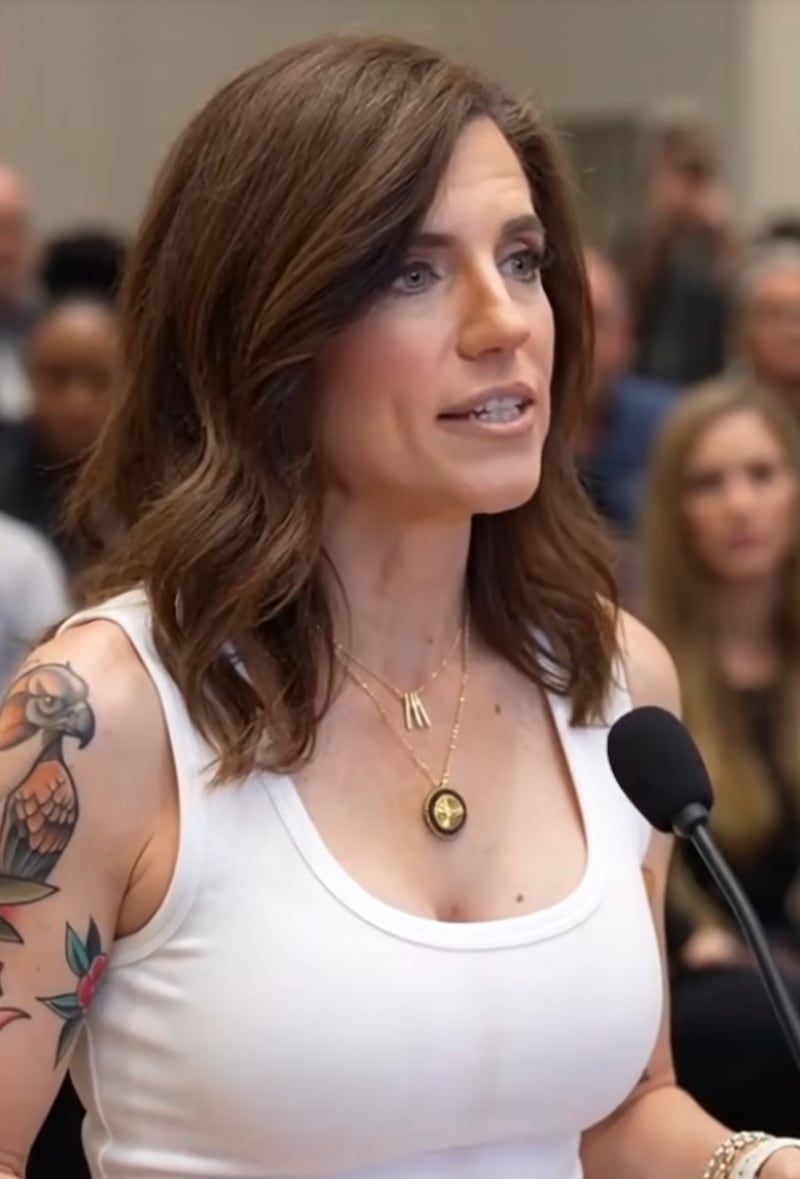
Another prominent piece is a detailed religious figure, shown beside floral work. The face and clothing give it a portrait-like focus, different from the bird’s bolder outline. Mace hasn’t publicly assigned a specific meaning to this design. Faith, family, memory and visual appeal can all shape someone’s choice, but without her explanation, those possibilities should remain possibilities.
Some of the smaller marks are difficult to identify in the available photographs. A wide shot, a crop or a change in lighting can hide details, and a brief glimpse isn’t enough to name a tattoo confidently. The clearest views show the bird, flowers, religious figure and lettering; this guide sticks to those rather than guessing at the rest of the reported nine.
The literary line and the word justice
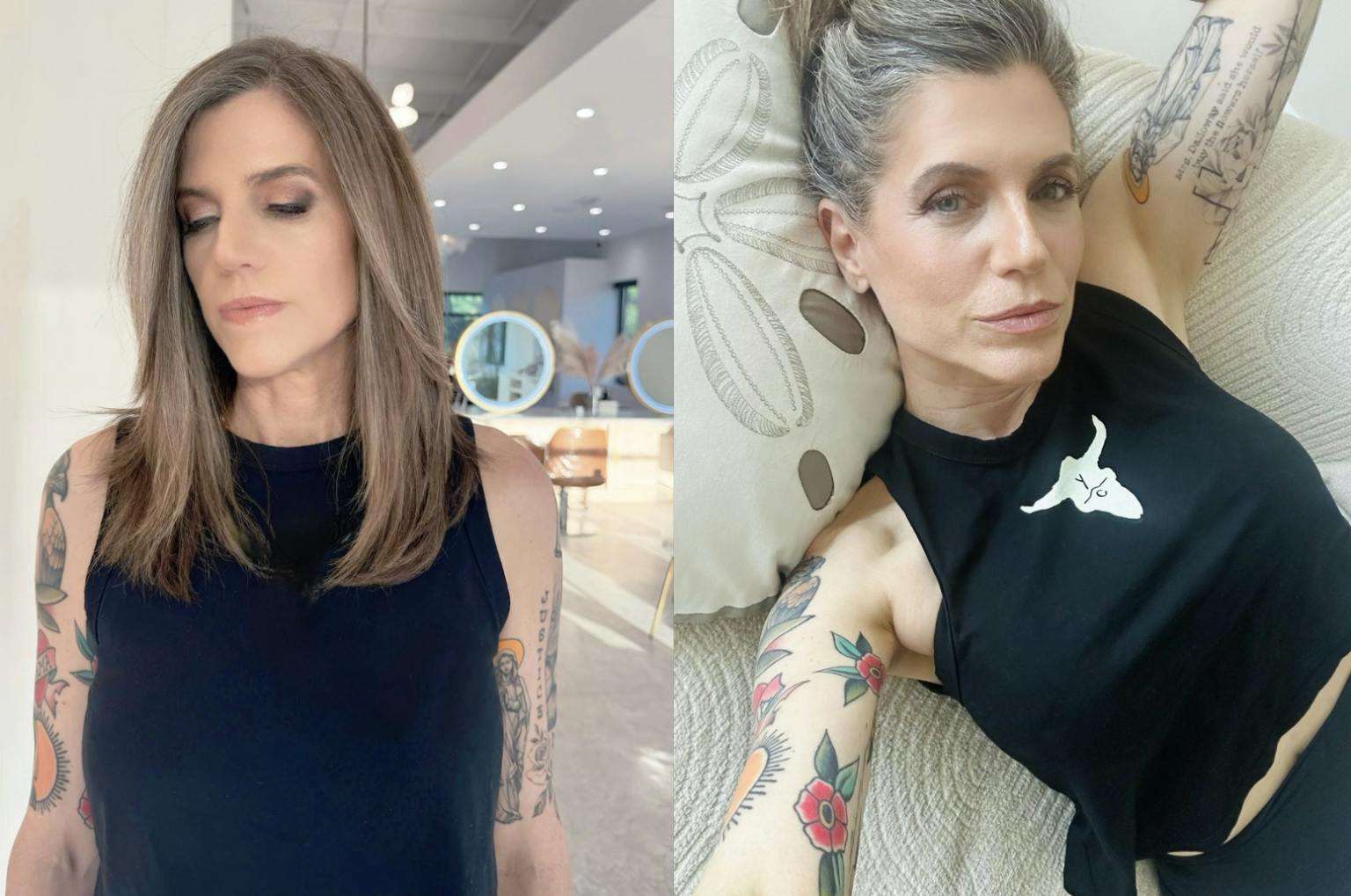
One visible text tattoo quotes the opening line of Virginia Woolf’s Mrs. Dalloway: “Mrs. Dalloway said she would buy the flowers herself.” It’s an ordinary thought delivered with quiet decisiveness, not a grand declaration. The line’s meaning for Mace is personal, even for readers who recognize the novel.
Mace has described getting tattooed during a difficult period and reporting has connected the collection with her effort to reclaim a sense of ownership over her body. That context helps explain why the quote may feel intimate, but it doesn’t reveal every reason she chose it. The literary reference is identifiable; its private associations are hers.
The word “justice” is another visible design. It reads more directly than the longer quote and has an obvious connection to Mace’s public life as a politician and lawyer. Still, a photograph can’t tell us whether that public connection is the whole reason she chose the word. Beside the images and literary line, it gives the collection a different kind of emphasis.
Why the reveal felt like a change in style
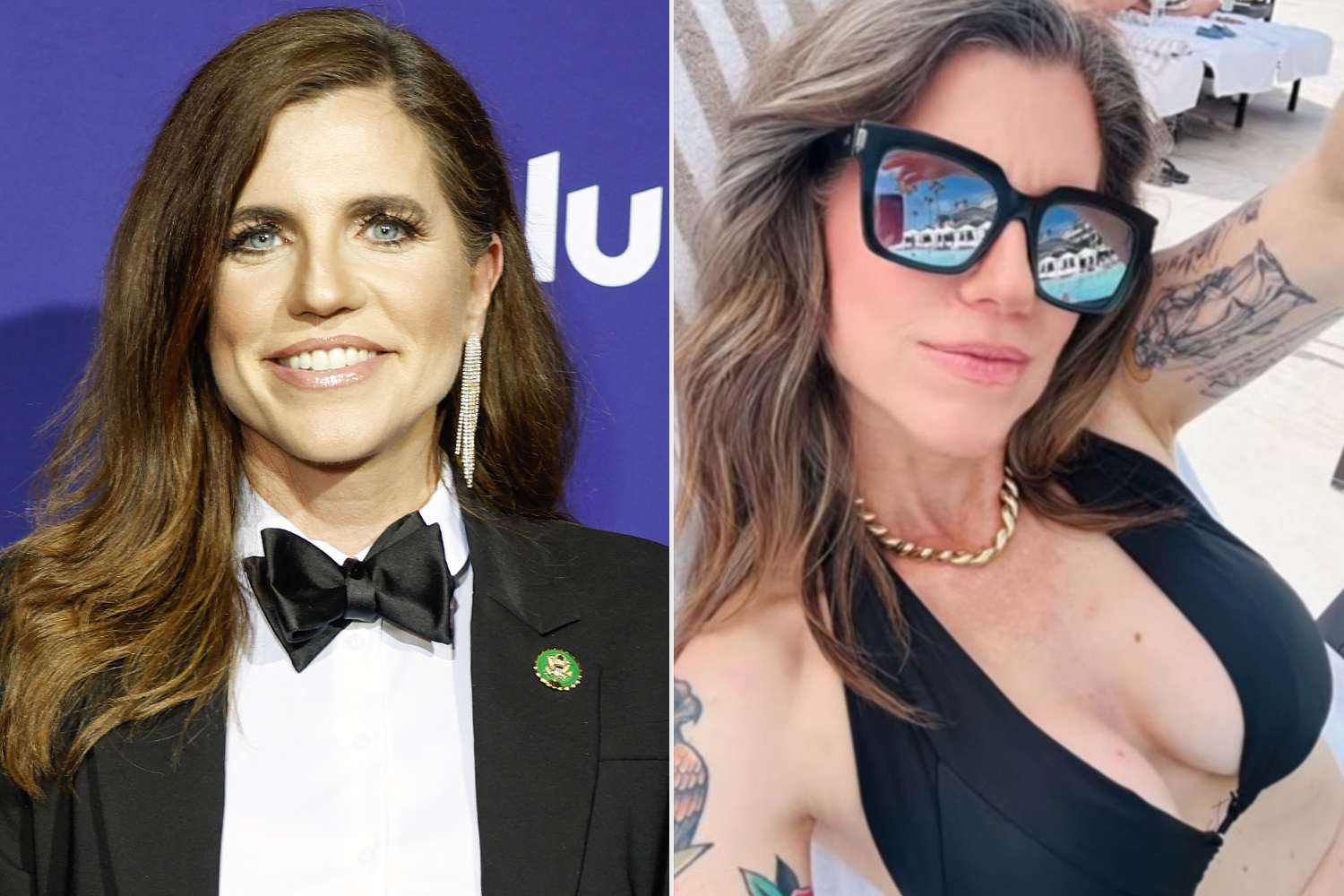
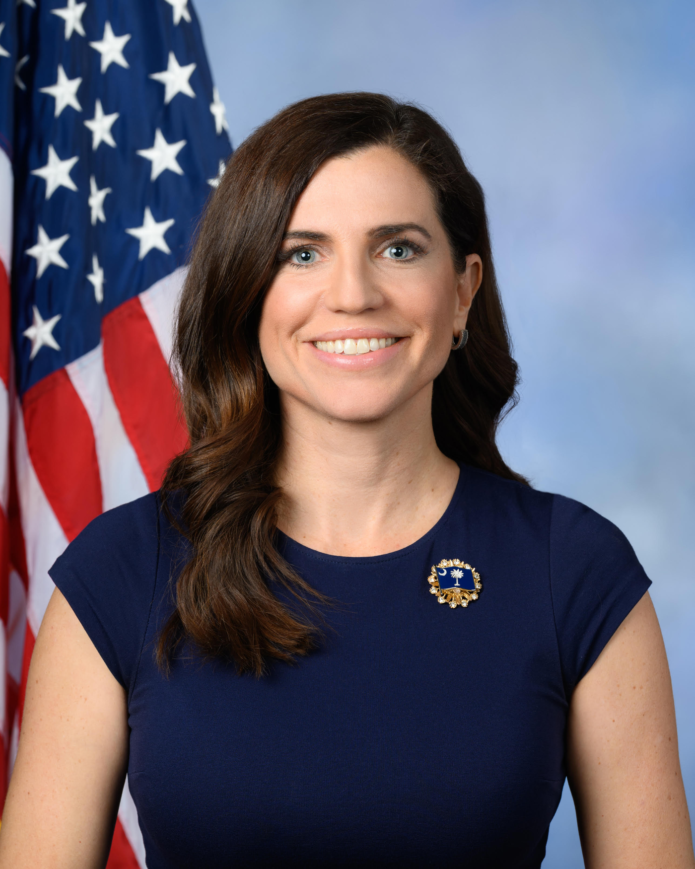
This formal portrait is included for context; it doesn’t show tattoo evidence. It contrasts with the sleeveless photos that brought the designs into view and with the campaign and hearing images many people already knew. The change in setting helped turn the reveal into a conversation about public image and what counts as “professional” for a woman in politics.
Tattoos on women in public life can draw attention that the same designs might not get elsewhere. People had strong reactions to Mace’s pictures, but the basic point is uncomplicated: they are her tattoos, and she chose to show them. Whether someone likes the look is a separate question from her right to wear it.
Different angles also make the collection easier to understand. Lighting can shift the color, a pose can stretch the skin, and a crop can hide where one piece ends. Anyone considering a similar mix of color, text and blackwork can use photos as references, then talk with a tattoo artist about scale, spacing and how the colors may age.
What the reveal leaves us with
The collection brings together bright color, blackwork, pictures and words. Mace has described tattooing as part of a personal effort to reclaim her body during a difficult period; the meaning behind each mark remains hers to explain. The designs can stand as art without forcing them into one story.