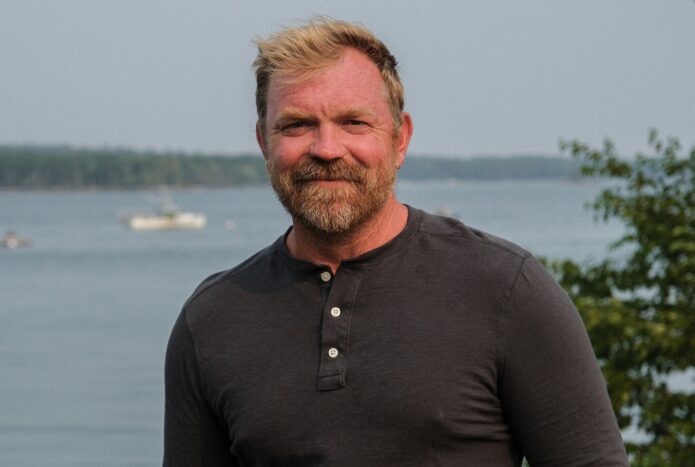
The covered-up Celtic knot and dog tattoo
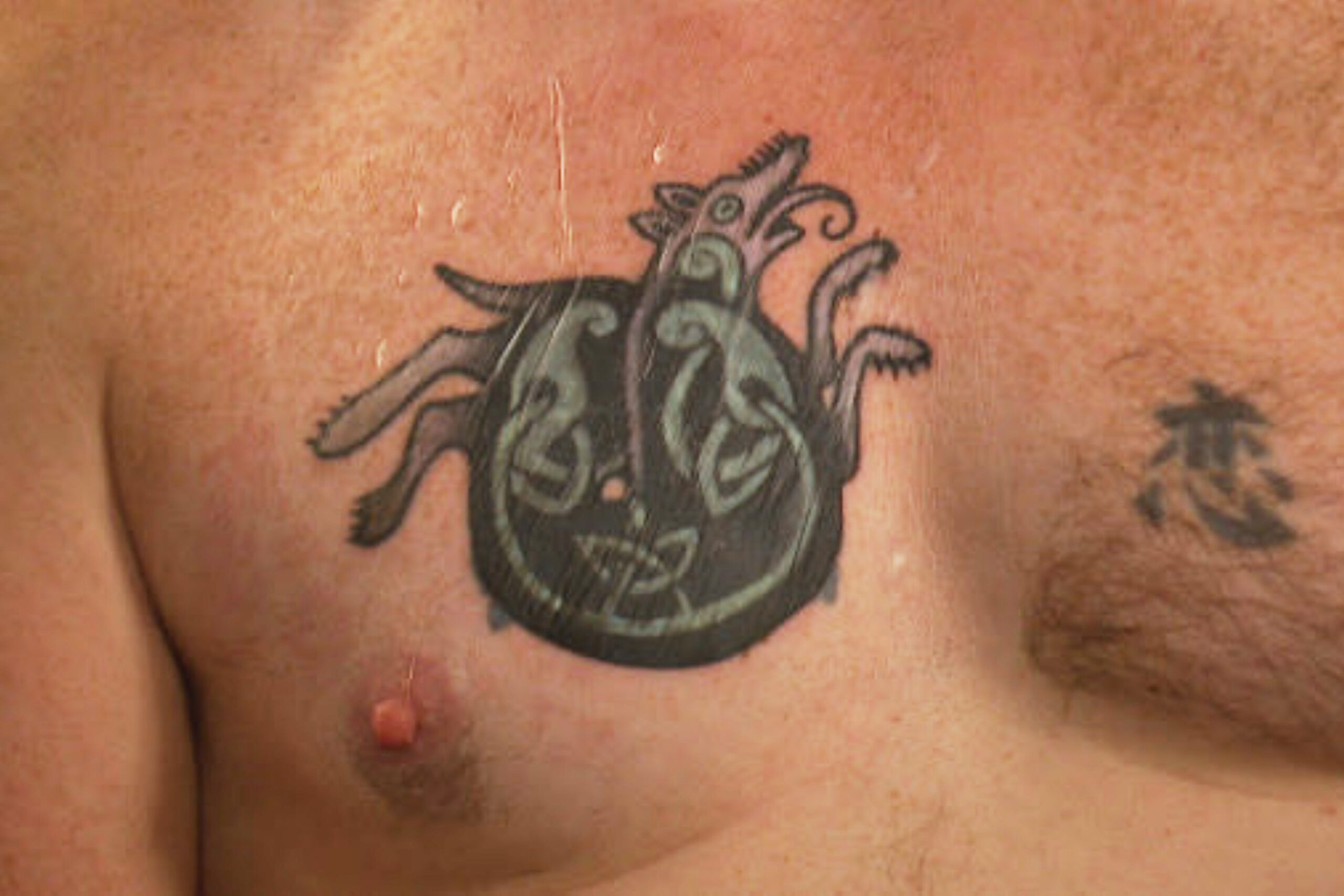
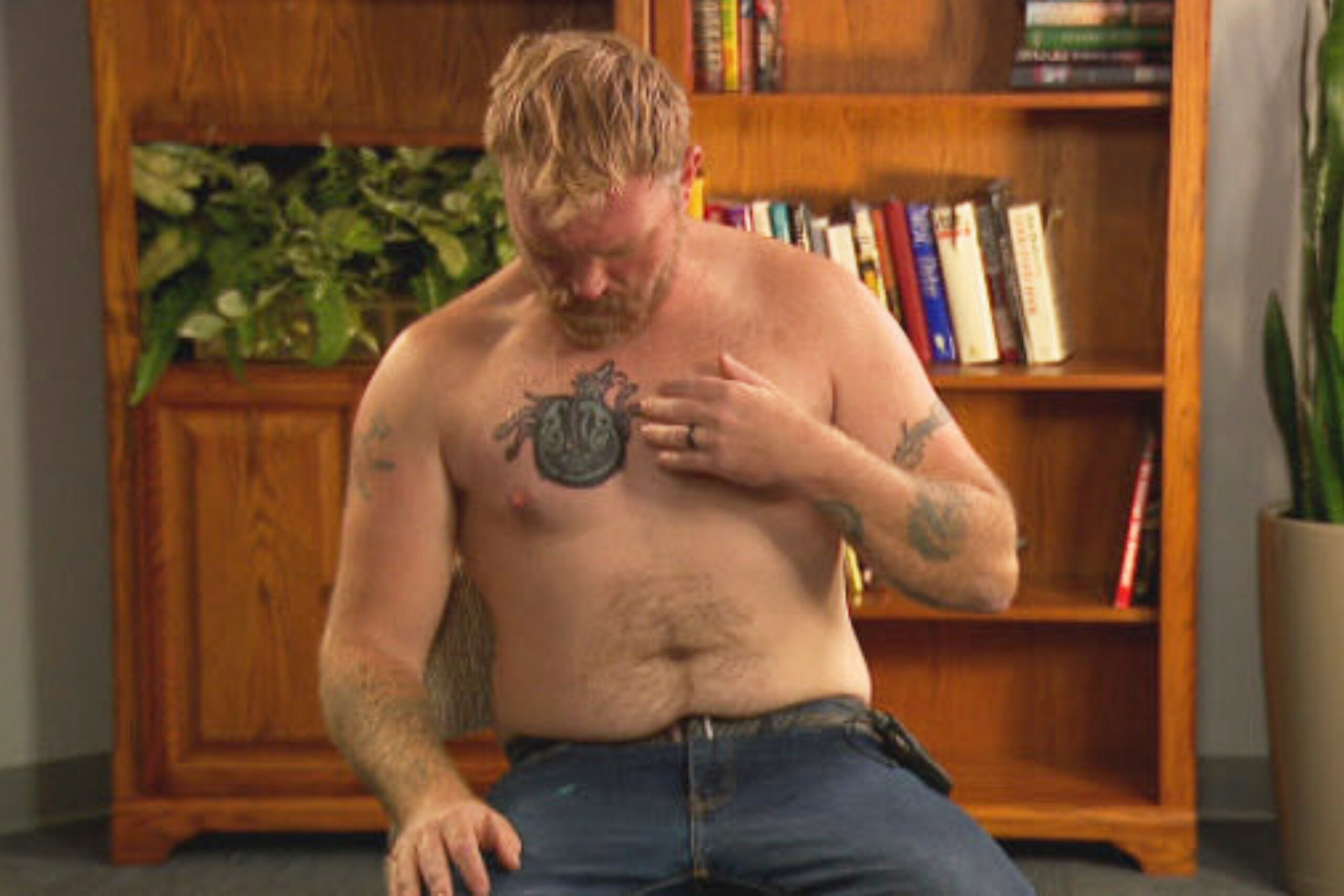
In October 2025, Maine Senate candidate Graham Platner showed a chest cover-up after his earlier tattoo drew attention for resembling Nazi imagery. The replacement is a dark Celtic knot with a dog-like figure and green details, placed high on the chest over the old design.
Platner told the Associated Press that he got the original skull-and-crossbones tattoo in 2007, while in the Marine Corps and on leave in Croatia, without knowing its connection to Nazi police. He first discussed removal, then said a cover-up was more practical because removal could take years and the tattoo was large.
The knot’s interlocking bands create areas for strong outlines and dark coverage. AP described the animal as having four long legs, an elongated head and a curly tongue. The dense shapes help the new design cover the old ink.
Most of the piece reads as black, with green in the knotwork. That color helps distinguish the looping bands from the central figure without making the whole tattoo bright.
The design spans the upper chest where the earlier tattoo sat. A piece this large has to follow the sternum, collarbones and pectoral muscles; here it reads as one broad panel rather than several smaller patches.
Who is Graham Platner?
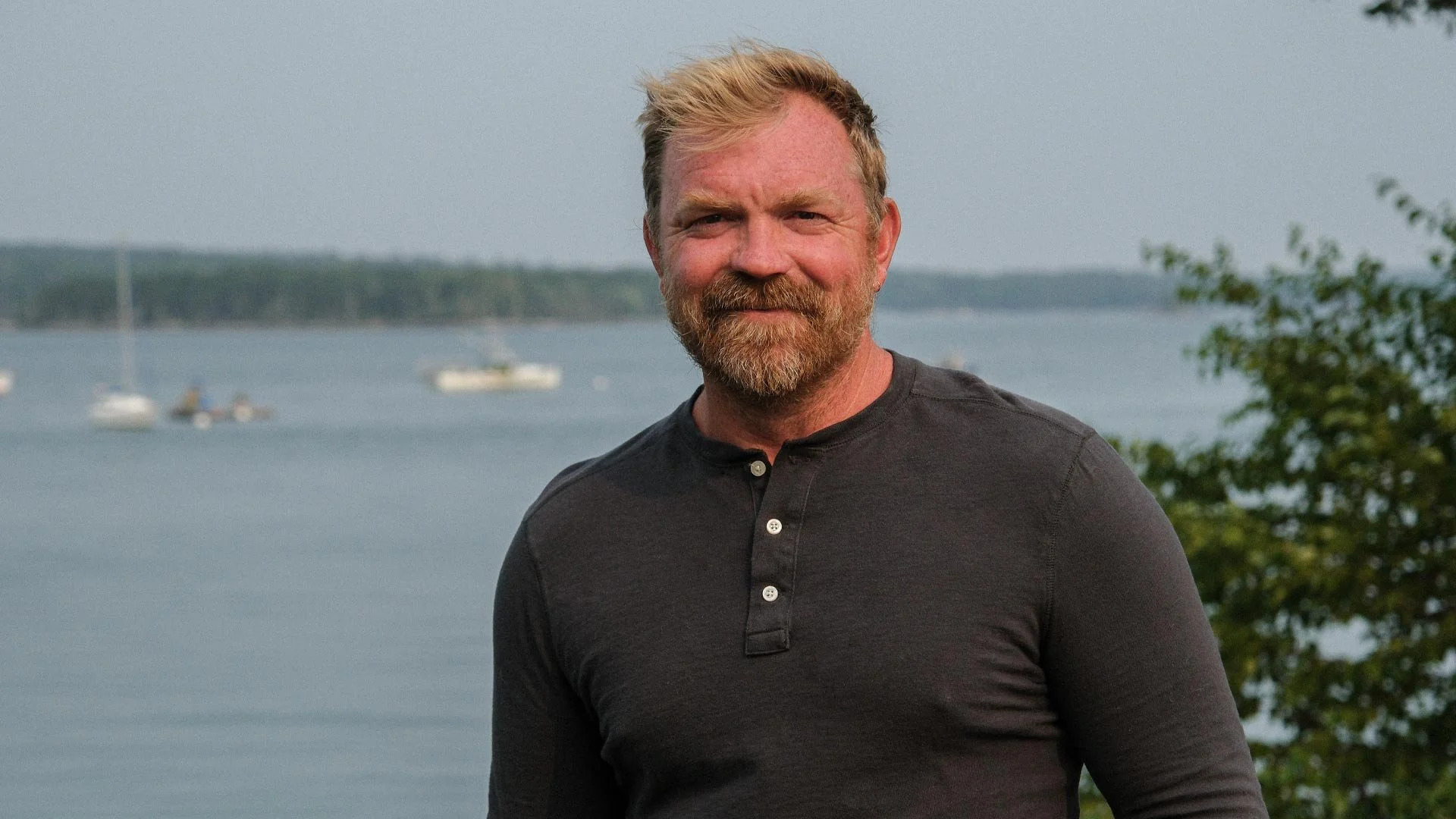
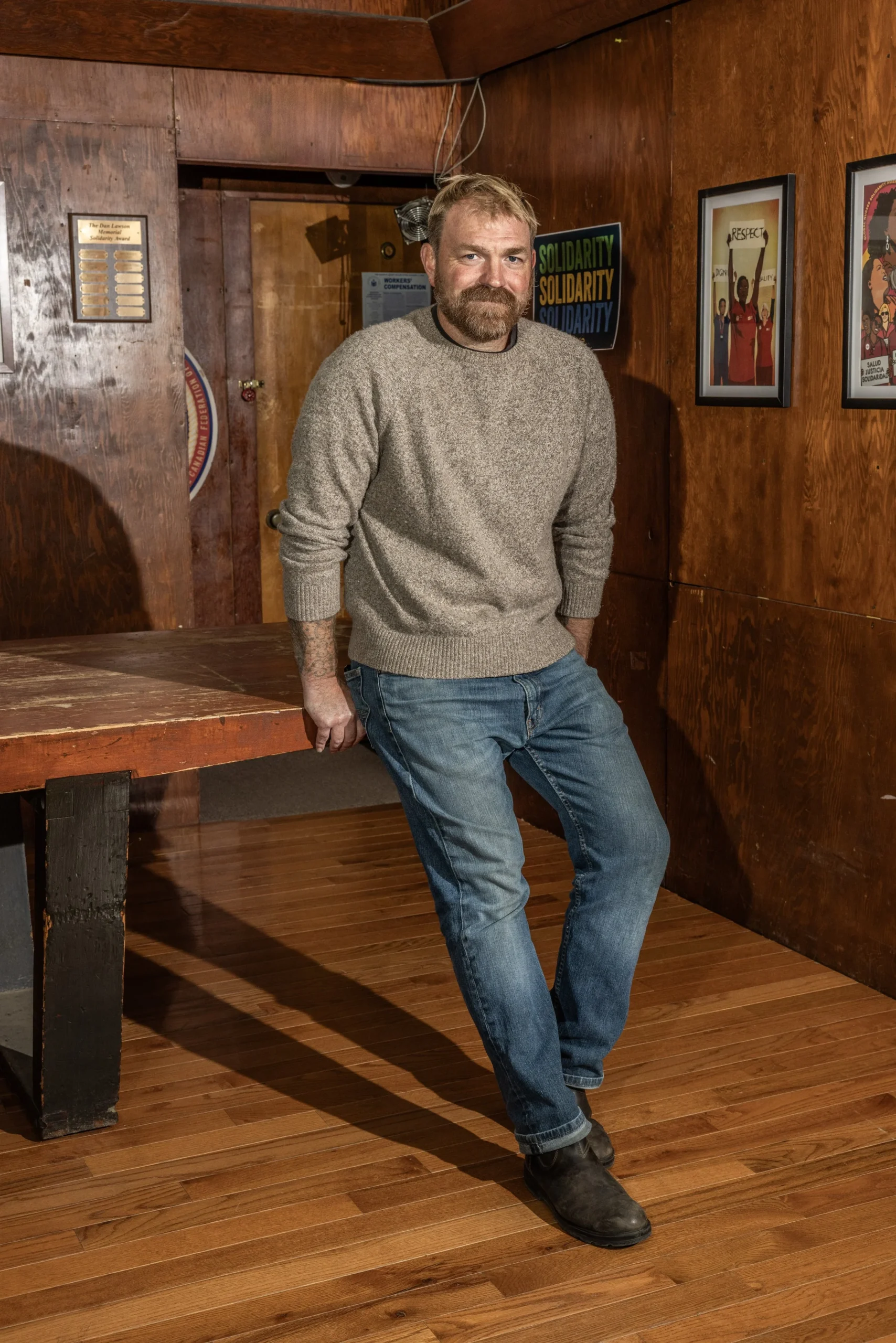
Platner is a Maine political candidate and former Marine. That background is relevant to how the original tattoo entered the public record, but contextual portraits aren’t close evidence for the cover-up’s details.
The original symbol became controversial because it resembled Nazi imagery. Platner said he hadn’t known that association when he chose it. Researching an image’s history and current use before getting it can prevent that kind of discovery later.
Platner said he wanted the old image off his body. The replacement keeps the chest placement but changes the design. The visible knot and dog-like figure can be described without assigning them a private meaning he hasn’t shared.
His working-life context
If you like knotwork, open spacing and simpler curves can make a smaller version easier to read. Tightly packed fine lines may blur over time, especially on an area that bends and moves.
Cover-ups need enough dark or layered detail to work with the ink beneath them. A clear photo in even light helps an artist assess what can show through and whether fading or a different design could help.
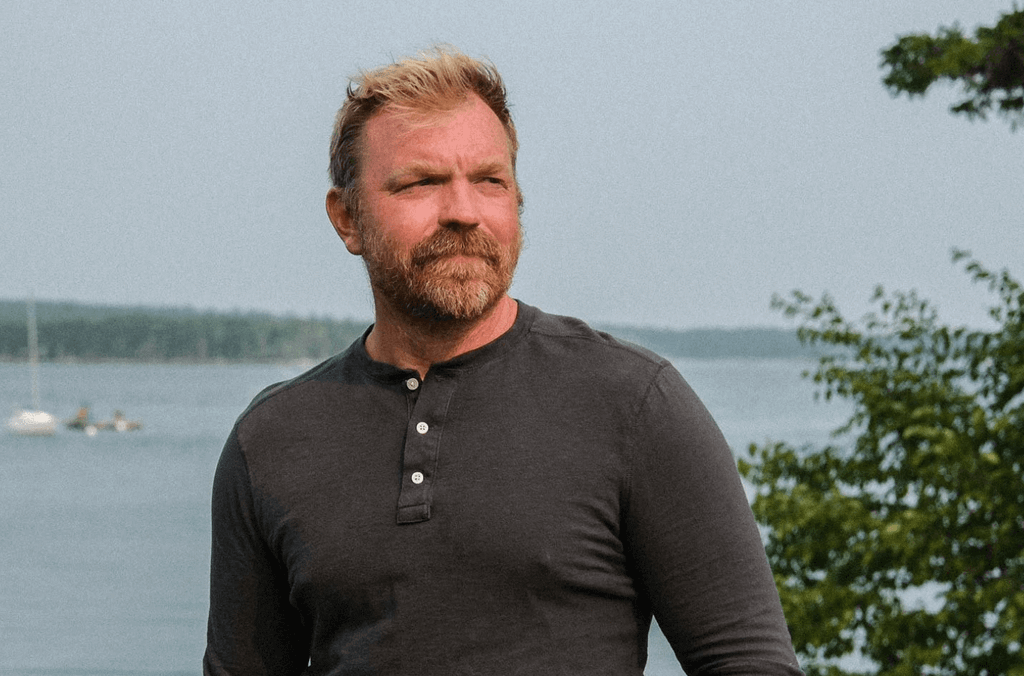
Contextual images show tattoos on Platner’s arms and his overall, casual look, but not every detail. The two AP images used as direct evidence show the original chest tattoo and the later interview photo of the cover-up.
The story reaches the campaign
The design balances a regular frame with an irregular figure: the knot gives it structure, while the animal keeps it from reading as a repeated border. That contrast is a clear feature of this particular piece.
Before committing to a cover-up, ask to see healed work and discuss how the old ink may affect the new colors. An artist can talk through a full cover, a partial laser fade or another approach based on the actual tattoo.
What the public photos show
The replacement’s main design choices are its broad chest placement, dark coverage, strong outline and central figure. It was built around the existing tattoo, not simply placed over blank skin.
The original controversy is part of the record: the tattoo was reported to resemble a Nazi symbol, Platner said he didn’t know that history, and he later covered it. The design can be discussed without turning the harm behind the association into a novelty.
For a chest piece, use the photos to study scale and coverage, then bring knotwork or animal references separately to an artist. A custom design should follow your body and the ink it must cover, rather than copy Platner’s exact solution.