Tiera Kennedy’s tattoo record centers on a fine-line blackbird in a cowgirl hat and boots. It was one of four related designs made for the singers on Blackbiird from Beyoncé’s Cowboy Carter. Each woman received a different version.
The blackbird with the cowboy hat
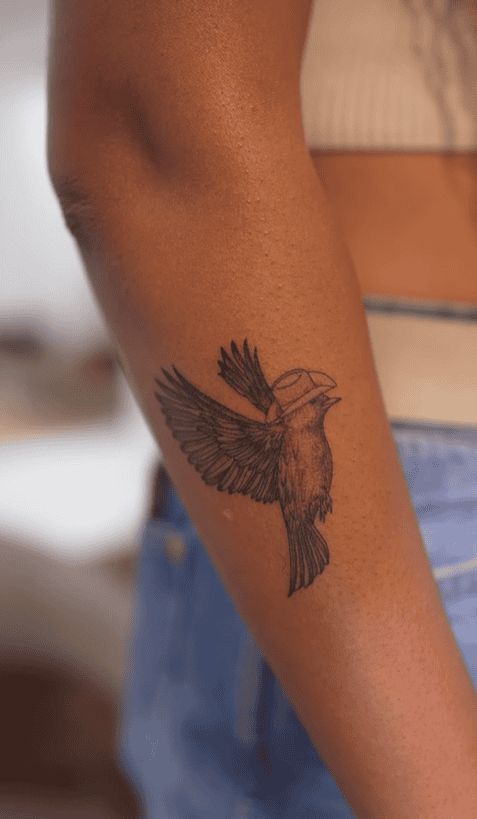
The clearest close-up shows the bird in profile, with its wings spread, a long tail and narrow strokes for feathers. The small hat sits above its head; boots anchor the bottom. It runs vertically along the outer arm.
The open linework keeps the figure light: feather strokes remain visible instead of blending into a block of black ink.
Fine-line details on Tiera Kennedy’s arm
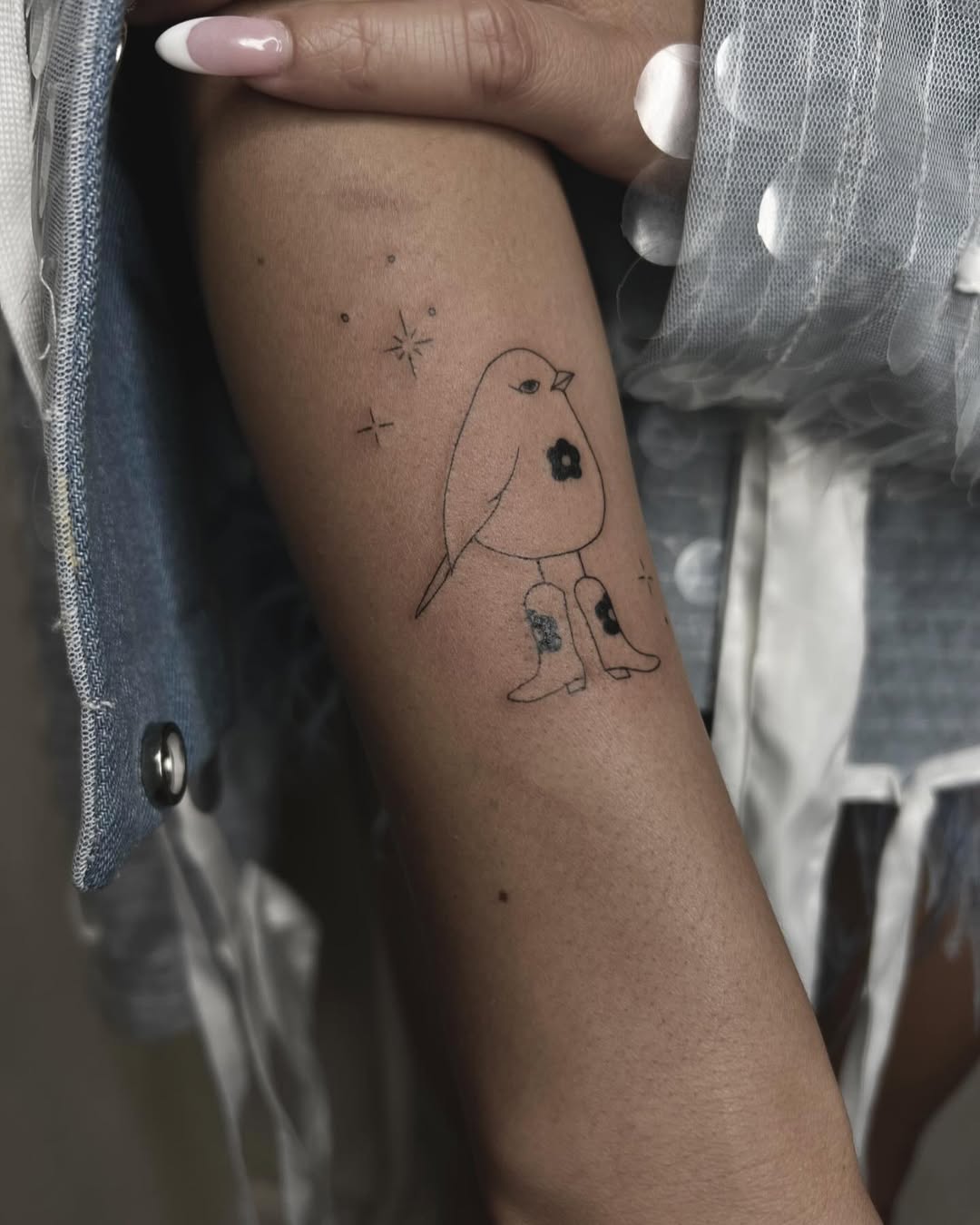
A second close photo gives more detail: a light outline, dark eye, simple beak and short feather marks. Boots sit below the bird, with small star-like marks around it. The image reads as an illustration, not a heavy blackwork piece.
The small stars and feather accents are visible, but the published interviews do not give them separate meanings.
The second tattoo in the documented record
Kennedy told Audacy the blackbird was her second tattoo, a notable addition to the limited ink publicly documented before this project.
She also said the tattoo and song reminded her of her strength and her belief that she could do anything with the Lord. That is the clearest first-person explanation in the reporting.
The matching tattoo moment at the CMT Music Awards
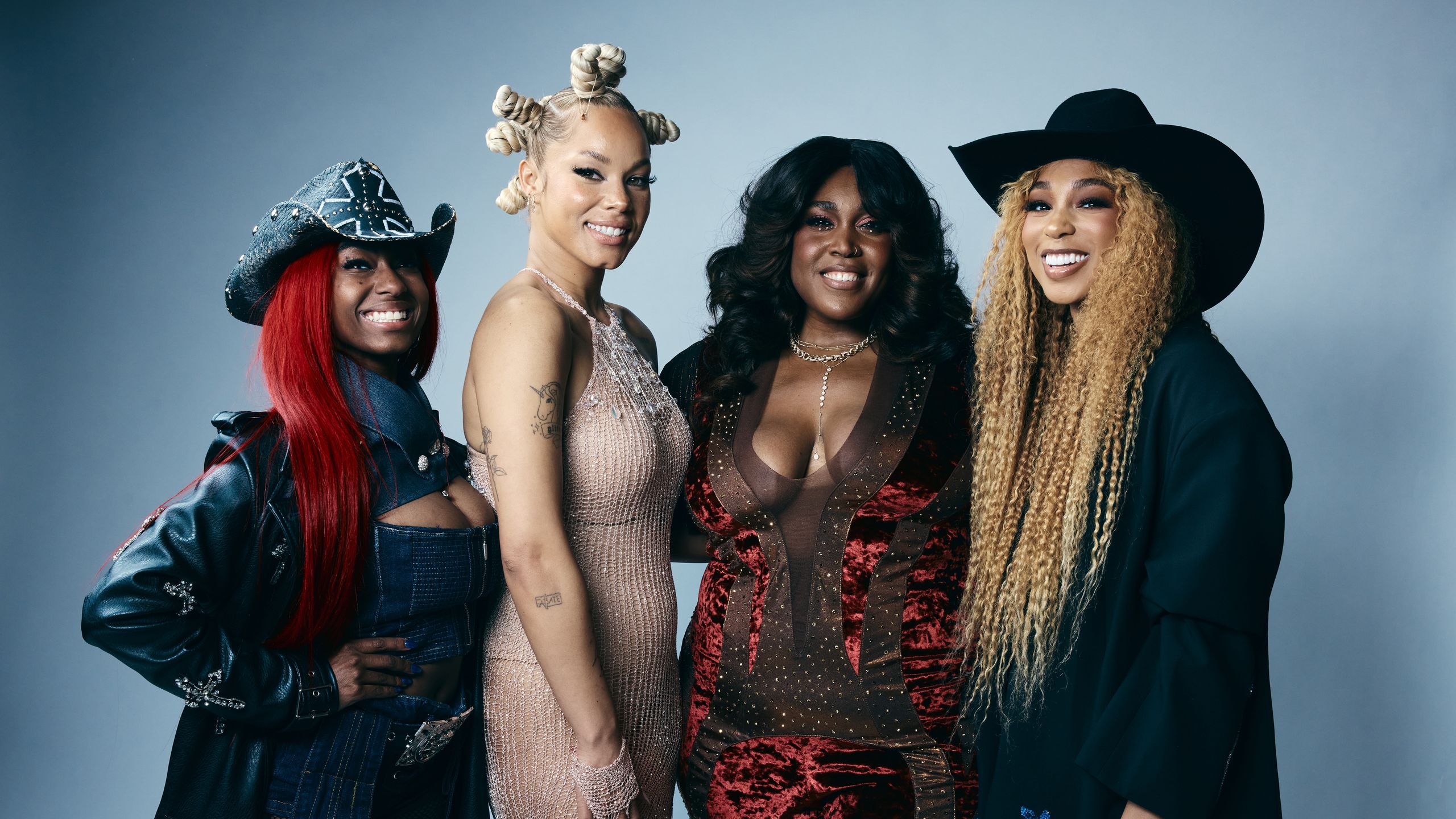
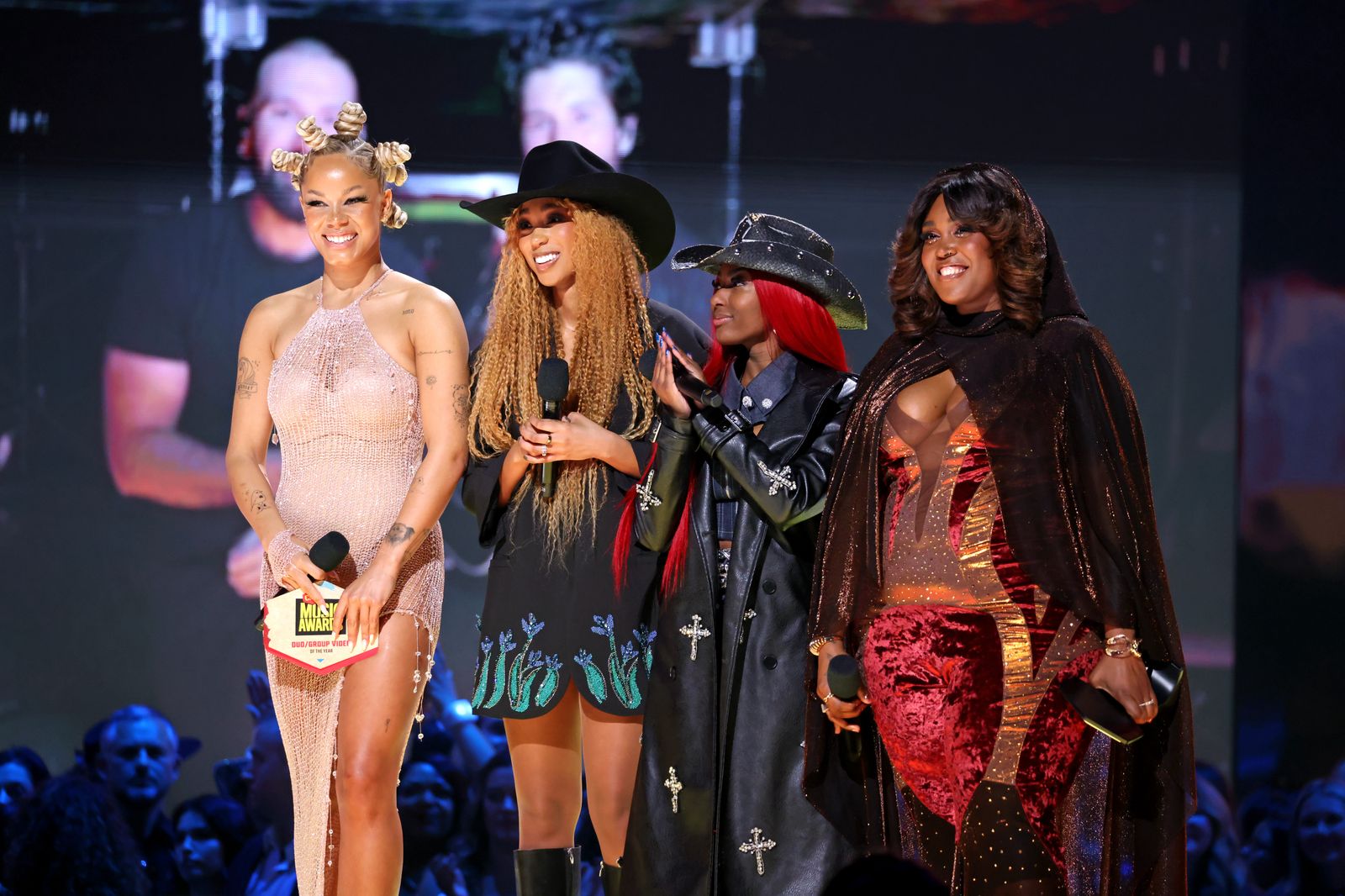
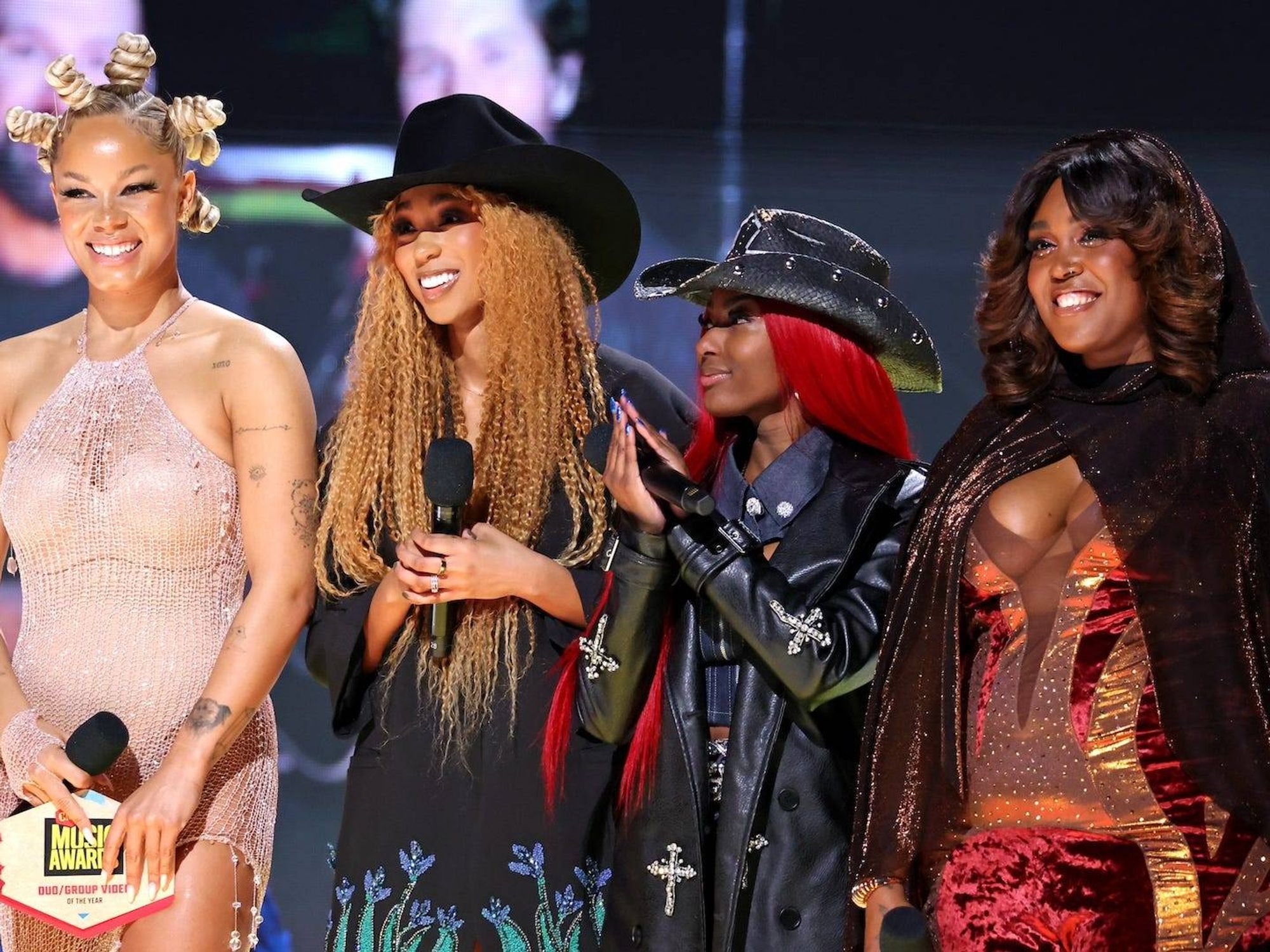
CMT Music Awards photos show Kennedy with Tanner Adell, Reyna Roberts and Brittney Spencer after Cowboy Carter’s release. They document the project in a public setting; the close-up remains the useful view of Kennedy’s arm.
How the four blackbird tattoos differ
Audacy and Teen Vogue describe four tattoos made for the project, with tattoo artist Hannah Matthews credited with designing and applying them. The bird is shared, but the versions differ in pose, lettering, accessories and linework.
They match at the level of the subject and collaboration, not by sharing one drawing.
The album moment behind the song
Kennedy told Audacy that the hat and boots connect her blackbird to her song I Ain’t A Cowgirl. The bird points to Blackbiird, which brought her together with Adell, Roberts and Spencer on Cowboy Carter. That connection comes from her account, not a reading of the photos.
What the interviews establish
Audacy preserves Kennedy’s account of the tattoo’s place in her collection and its connection to strength and faith. Teen Vogue compares the four pieces; Country Now ties the tattoo to the album and her song.
That is a focused record of this project, not a full catalogue. Any other marks remain undocumented unless a source identifies them.
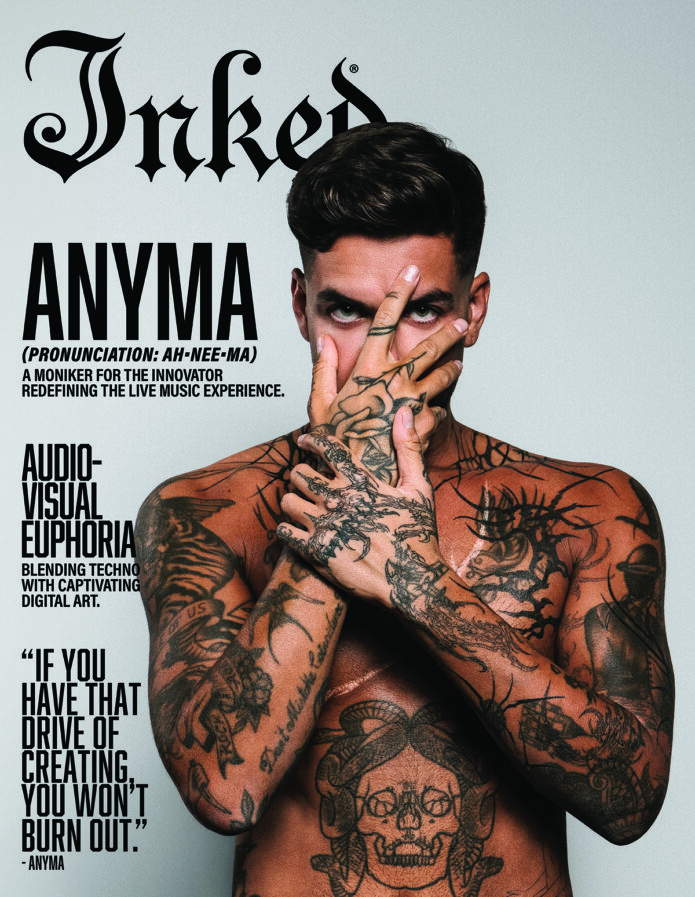
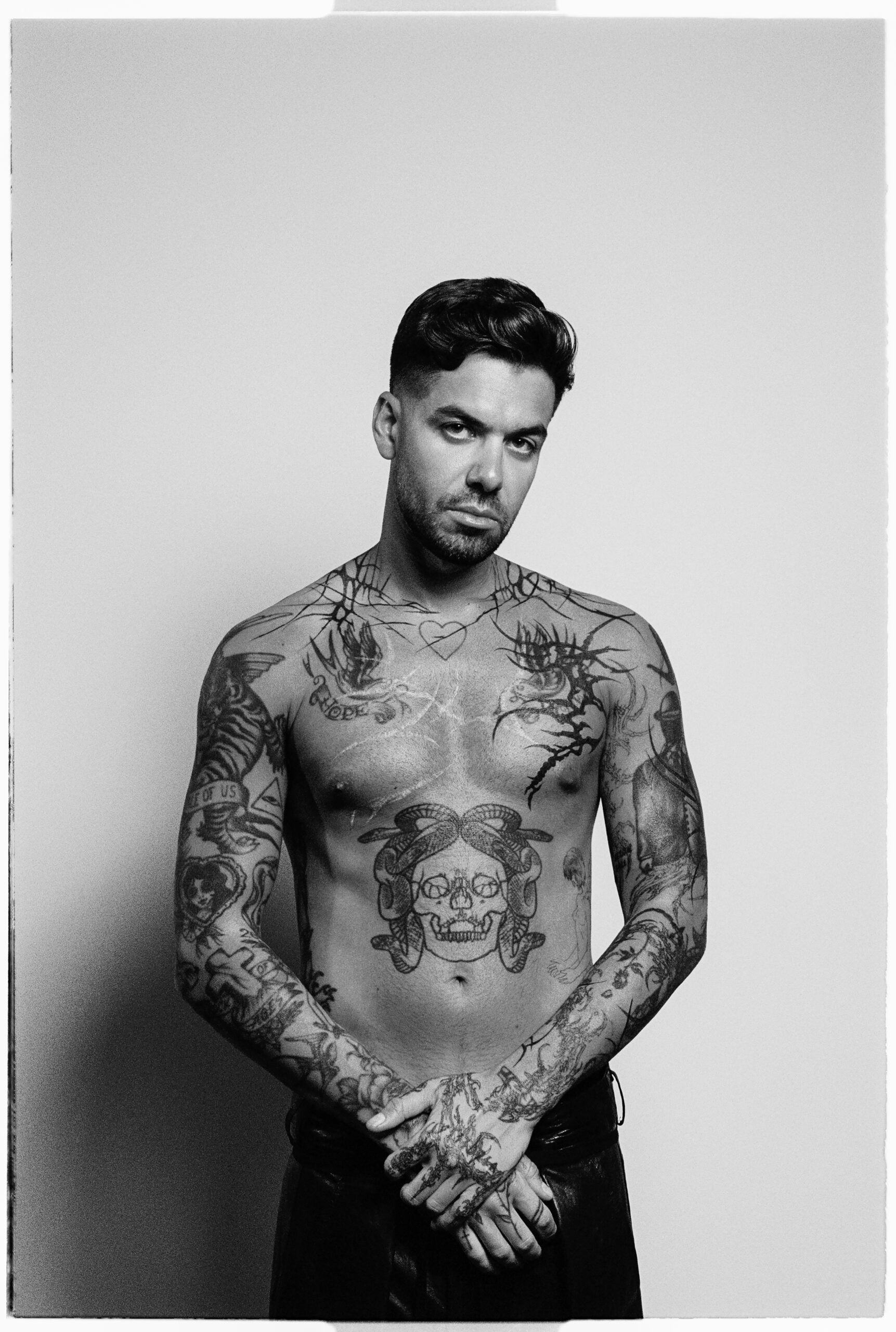
Anyma, born Matteo Milleri, has described tattoos as coming in phases: “Tattoos for me come in phases.” Inked’s portraits trace the collection across his arms, chest, neck and hands. Some motifs have an explanation from him; others are visible only in photographs.
Anyma’s roses, swallows, and early traditional ink
He told Inked that tattoo culture first caught his attention in Italy when he was 16, through the Sailor Jerry-inspired movement. Roses, swallows and Rock of Ages were among the designs he associated with that early period.
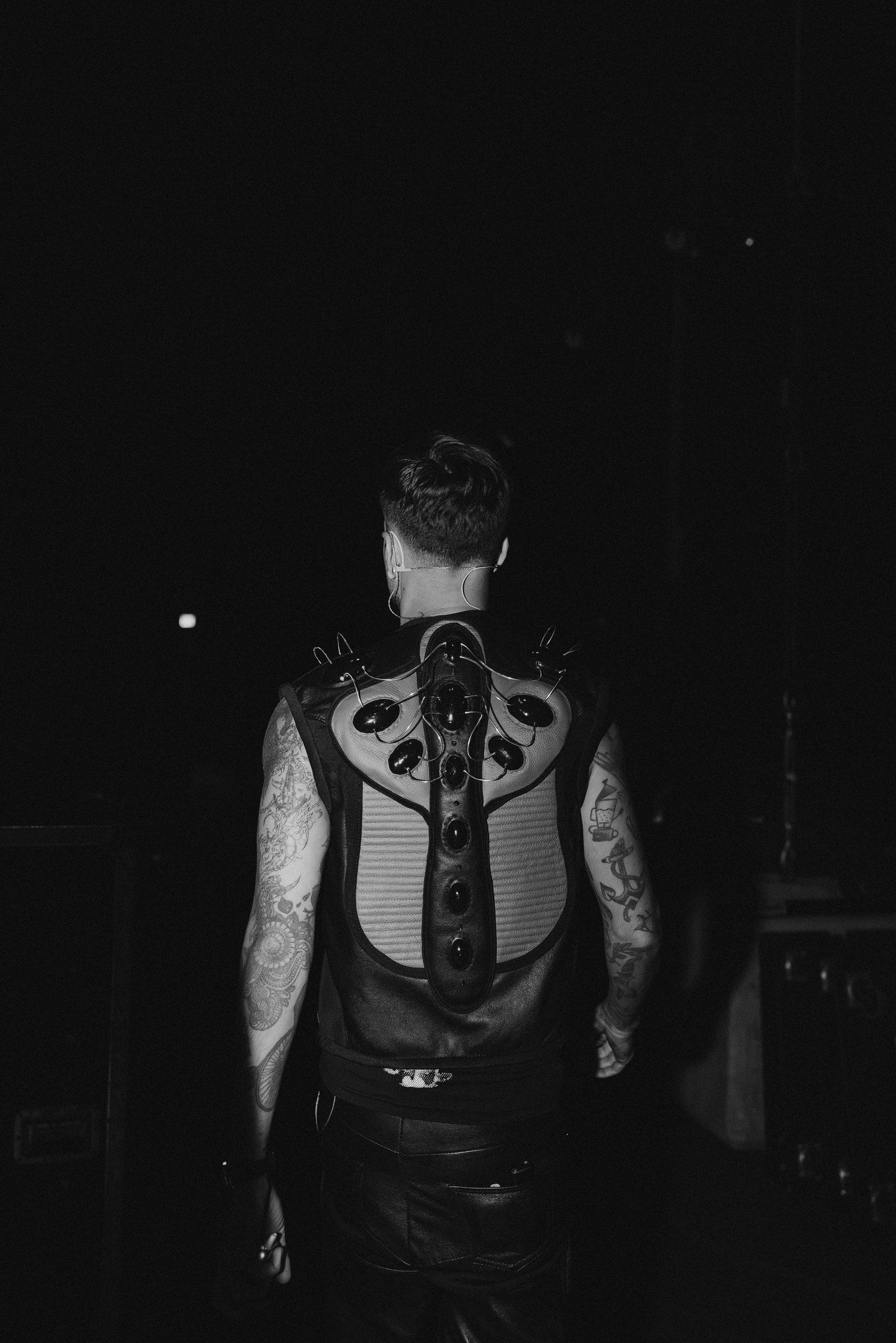
The back-view portrait shows extensive work across both arms, with linework changing from shoulder to forearm. It records the scale and layering, but does not identify every design or give each one a separate meaning.
Anyma’s performance portrait
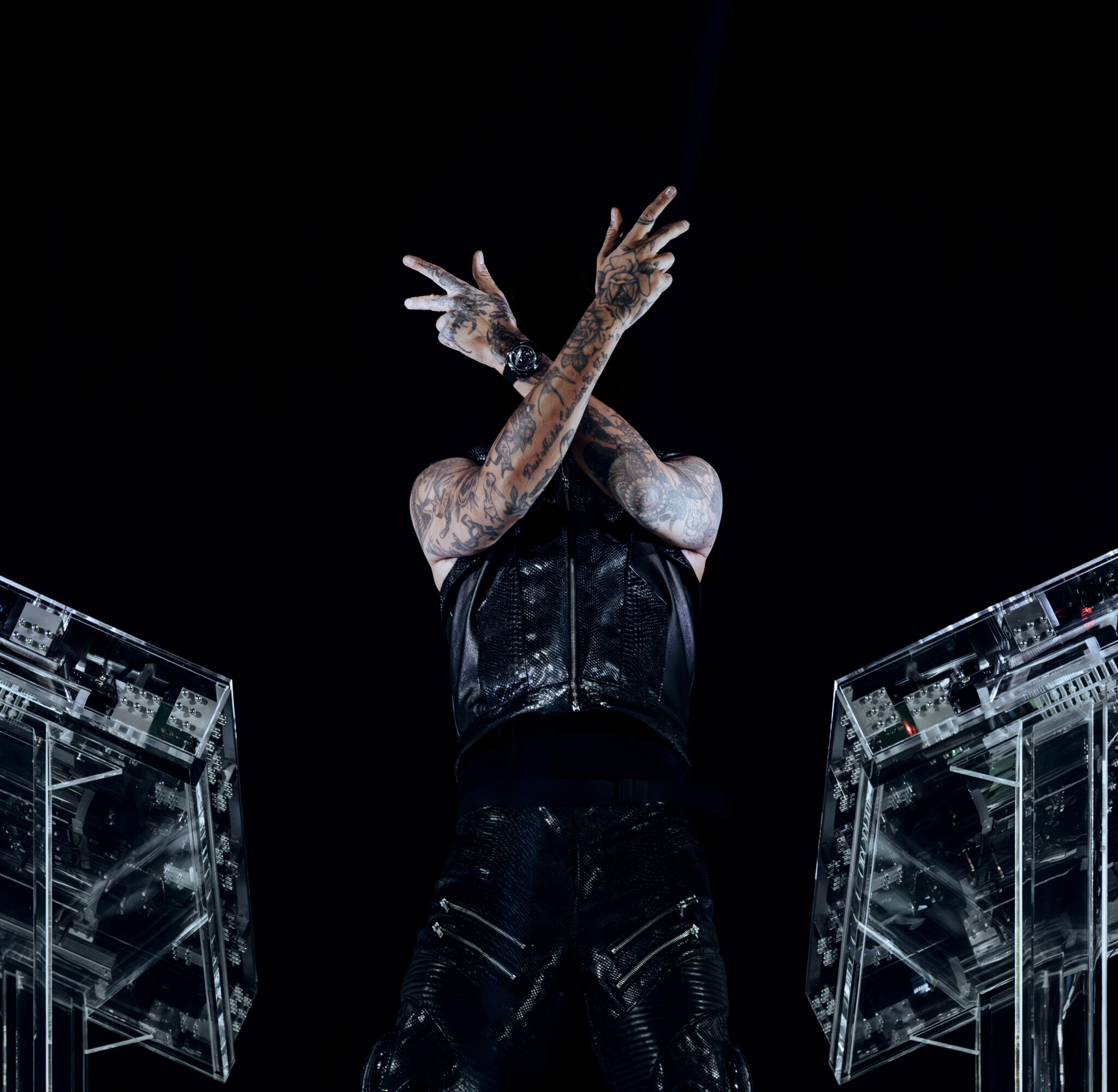
Inked’s performance portrait shows Anyma at a console, with tattoos visible from his neck through his arms and hands. It captures the ink in the setting where his gestures and equipment share the frame, though it does not isolate a specific design.
The photograph also gives a sense of how the outlines and darker areas read from a distance. Some neck work disappears beneath his shirt; the sleeves continue toward his hands.
Anyma’s blackwork tattoo evolution
After moving to Berlin, Anyma said his style shifted toward blackwork and dotwork. He named barbed wire, a pickaxe and the word “doom” among the imagery from that period.
The front-facing portrait shows denser dark areas across the shoulders and arms, with smaller drawings and lettering between them. “Doom” is a word he identified himself; the other visible shapes are not all named in the interview.
Anyma’s chest, skull, and illustrative motifs
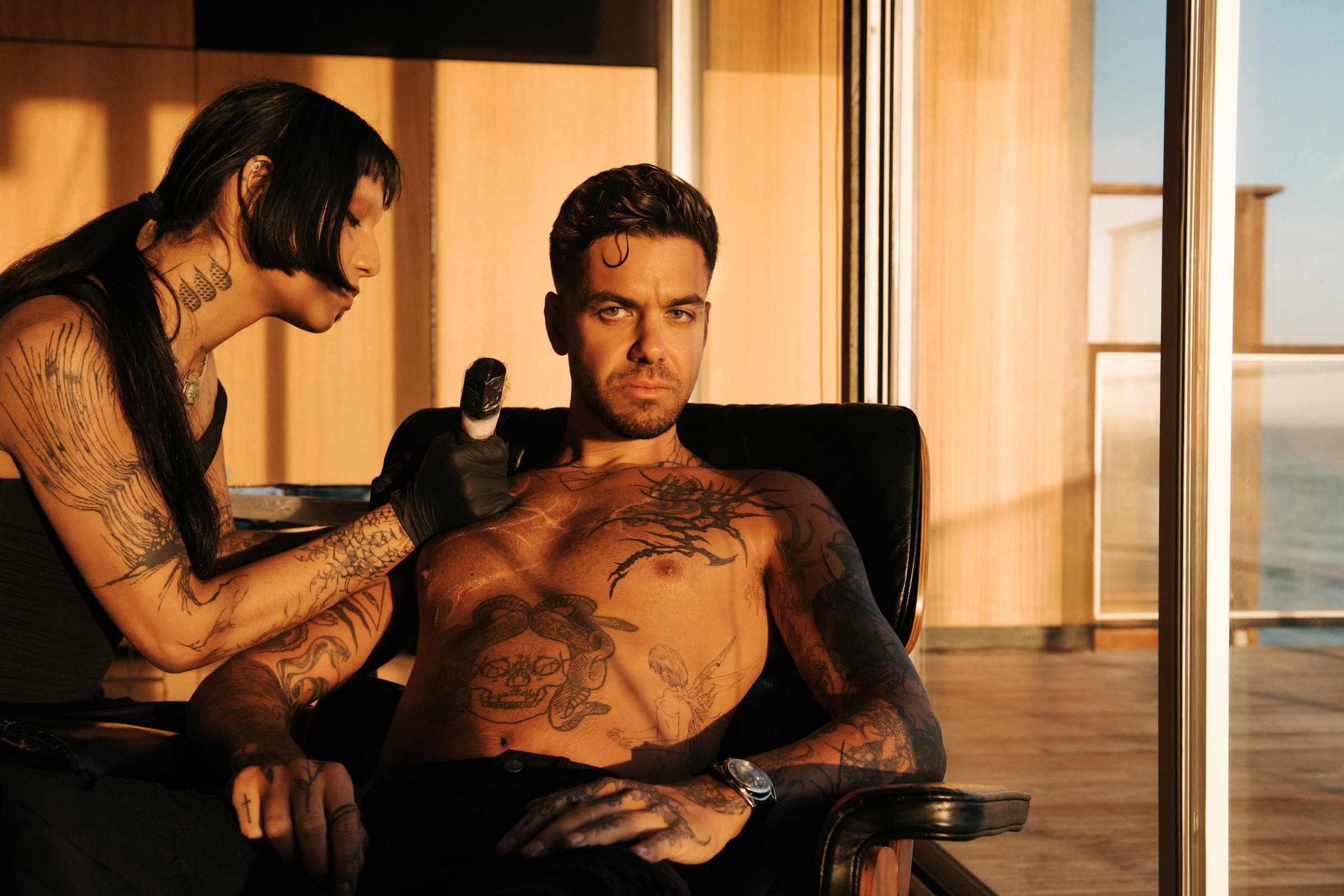
The tattoo-session image shows an artist working near Anyma’s upper chest. Across the chest, a large skull sits among other illustrative figures and linework.
The surrounding ink shifts between heavy black shapes and thinner outlines. Inked gives no separate meaning for the skull, so it is best described by its size and placement.
Anyma in the studio
The session photo adds a view of work in progress; the other Inked portraits show the same body from the back, front and stage. Together they document different areas without presenting the collection as one uninterrupted design.
Anyma’s hands, glyphs, and newer layers
Anyma linked his newer neo-tribal glyphs to quantum ideas, entanglement and the visual concept for Sphere. He described “blasting over” older tattoos and compared the process to a composition or “a remix of a remix,” framing the glyphs as another layer.
The stage photograph brings the hand and forearm coverage into focus. DJ Mag separately identified an eye tattoo on the palm of his right hand, a detail that is easy to miss in wider portraits.
The documented sequence
The interviews and photographs give a clear sequence: roses, swallows and Rock of Ages in the traditional period, blackwork and dotwork after the move to Berlin, then glyphs linked to quantum themes and Sphere. The images show where the designs sit; Anyma’s comments explain the phases and the newer layer, not the meaning of every motif.
Canadian musician Jutes, born Jared Gutstadt, has tattoos that range from a line he wrote as a teenager to small stick-and-pokes he made himself during quarantine. In interviews, he’s explained several favorites, including a bear linked to his grandfather and a playing-card king on his hand.
Jutes’ first forearm quote tattoo
Jutes got his first tattoo at 17 or 18: “Even when there’s nothing to do, there’s no time to waste.” He says he came up with the line in the shower. It became a motto among friends in the small town where they felt there was little to do, but still found ways to get into trouble and have fun.
He says the line was his own, not a lyric or famous quotation.
The bear on Jutes’ shoulder
Toronto tattoo artist Mike Storey made the bear on Jutes’ shoulder, one of Jutes’ favorite pieces. He connects it to his grandfather, who loves bears and asks, “Do you still have the bear?” when they see each other.
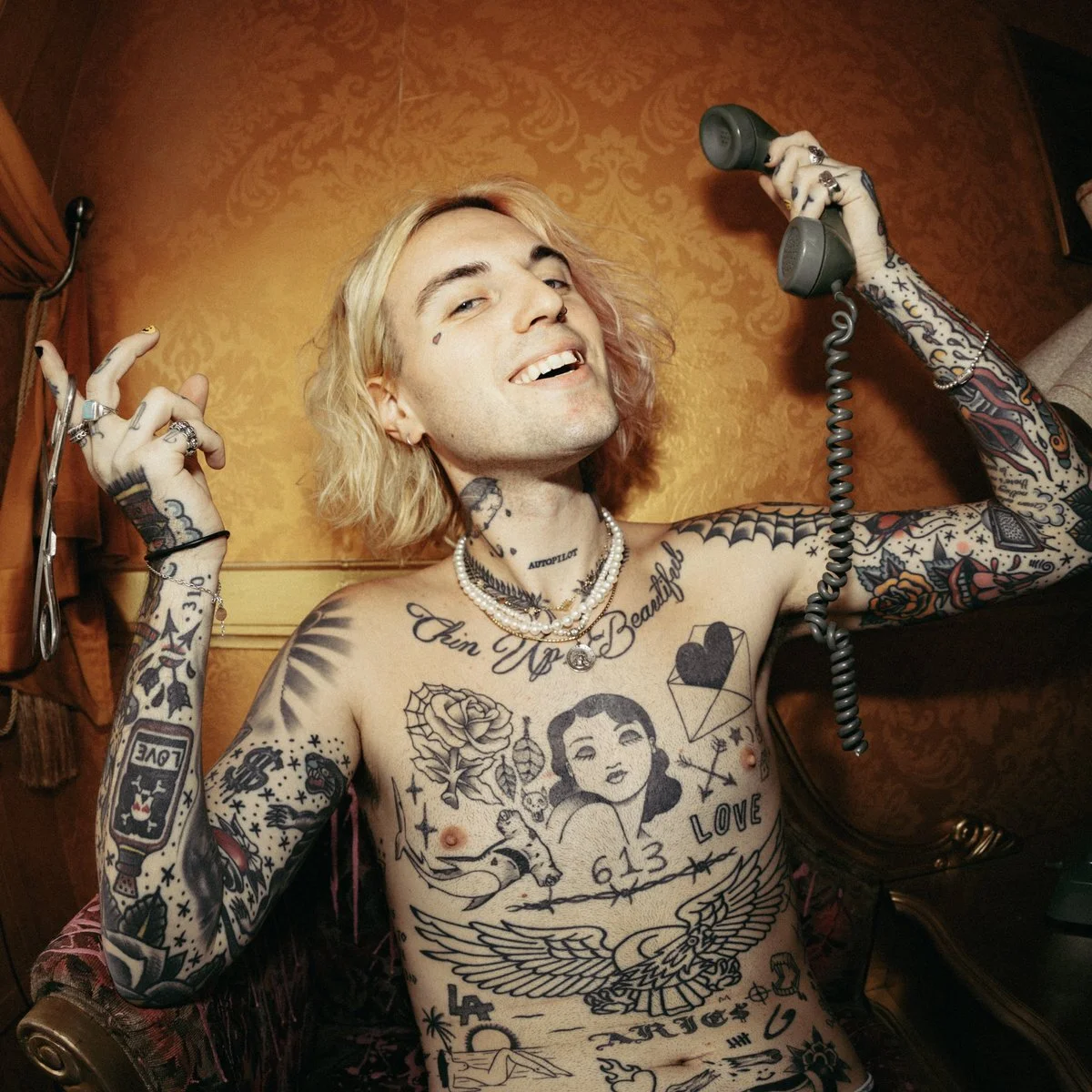
One shirtless portrait shows the bear against the surrounding shoulder, chest and sleeve ink.
The suicide king on Jutes’ hand
Jutes points to the suicide king on his hand as a favorite. Toronto tattooer Matt Vanasse did the playing-card design; Jutes doesn’t give it a more elaborate meaning in the interview.
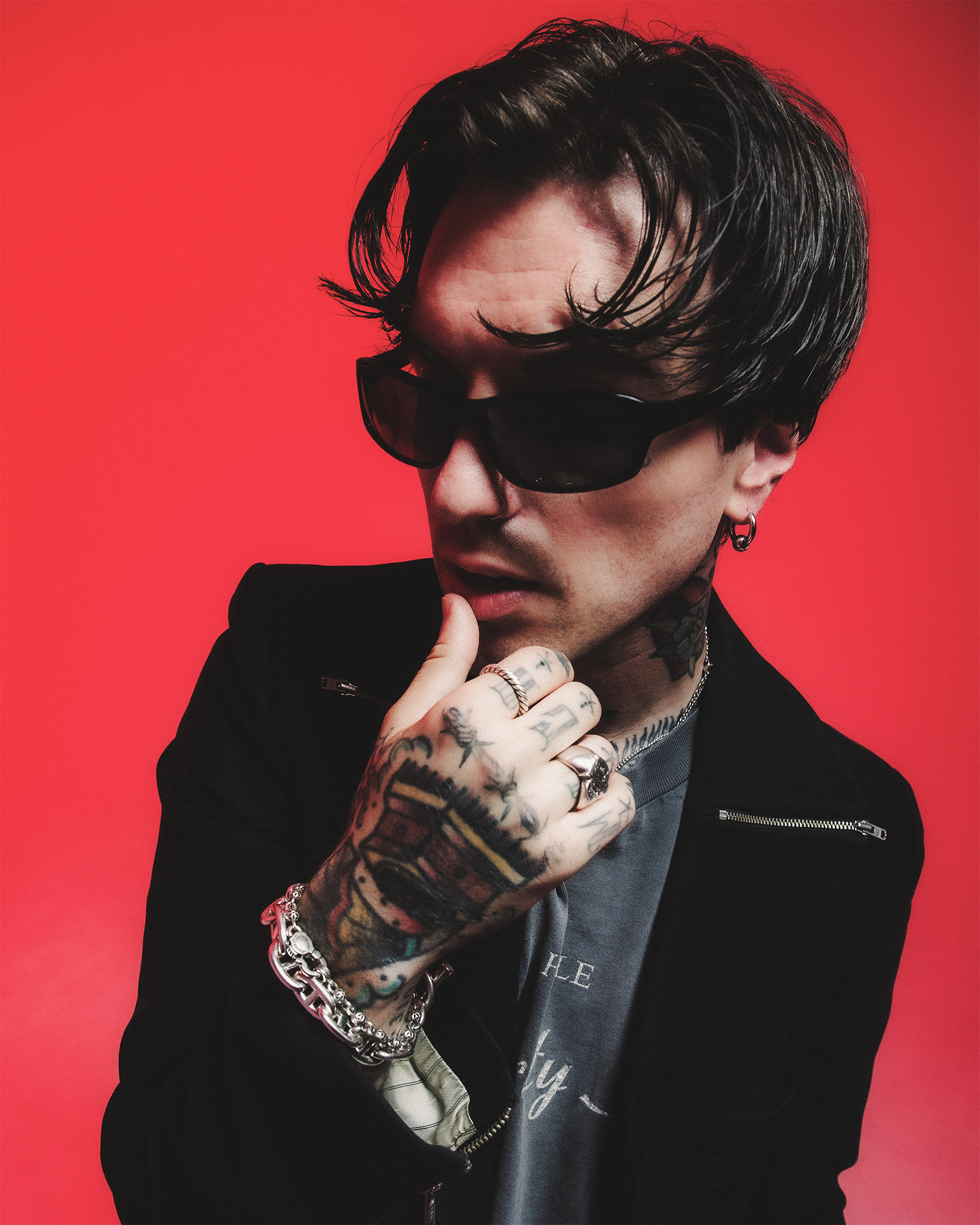
Close portraits, including one for Revolver, show the king beside the other small marks on his hand and fingers, with neck tattoos in the same frame.
Jutes’ self-done stick-and-poke tattoos
During quarantine, a friend from Toronto visited Jutes in Los Angeles and left him needles and ink. Jutes says he went on to make more than 10 stick-and-pokes himself. He named a heart, crosshairs, dice, stars, a skull, leaves, the number 613 and a large “LA.”
The 613 refers to Ottawa’s area code; “LA” marks the city where he was living and working. He described some of the other small designs as fun rather than deeply symbolic. The hand-poked marks sit alongside work by Storey and Vanasse, with a different scale and finish.
Neck, chest and sleeve tattoos in editorial portraits
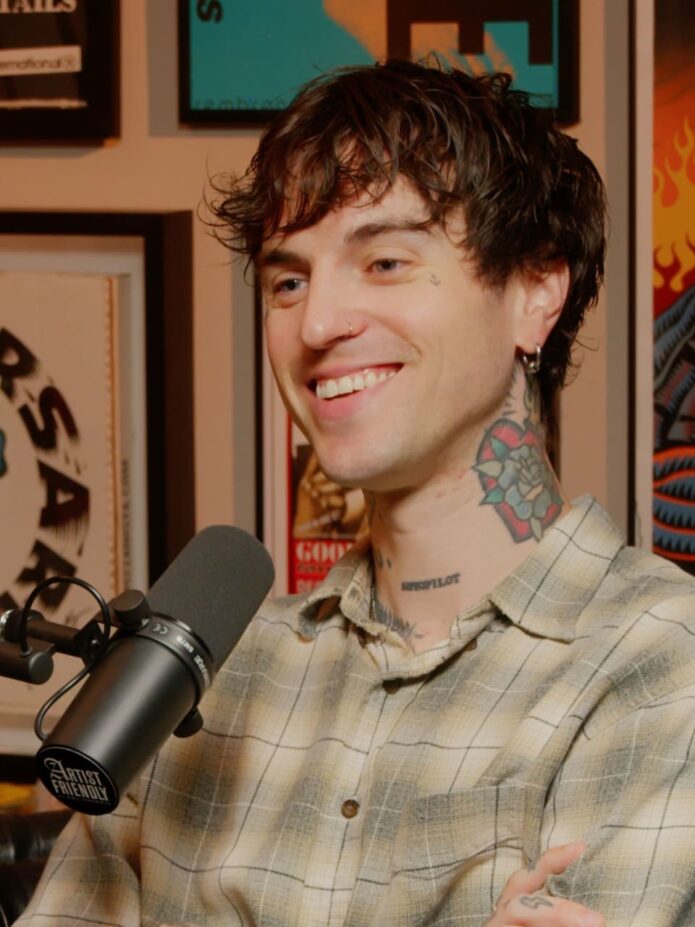
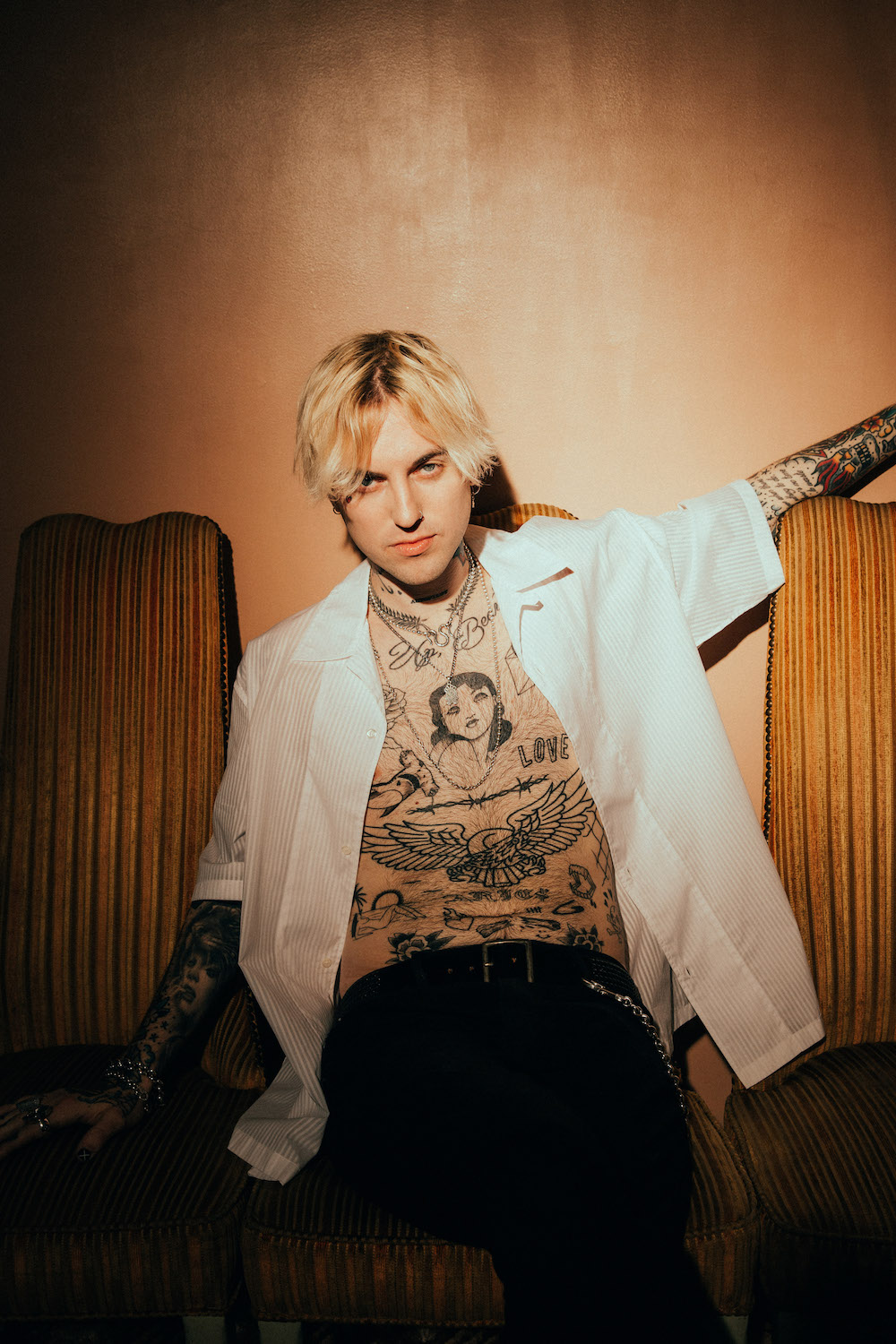
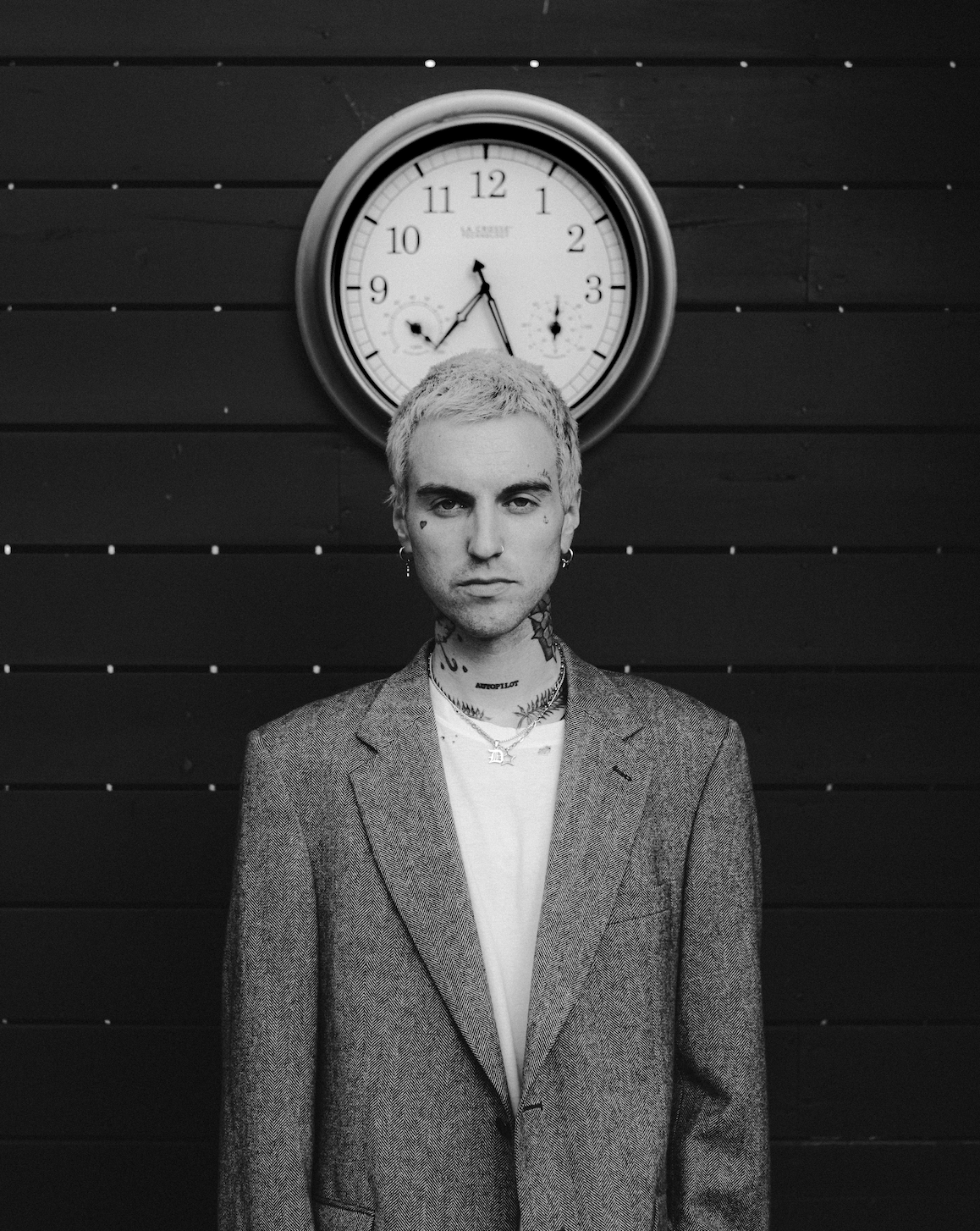
Portraits show “Chin Up Beautiful” across Jutes’ chest, along with “LOVE,” illustrated figures and dense arm work. “AUTOPILOT” and other linework appear on his neck. A small mark beside his eye is visible in several photos.
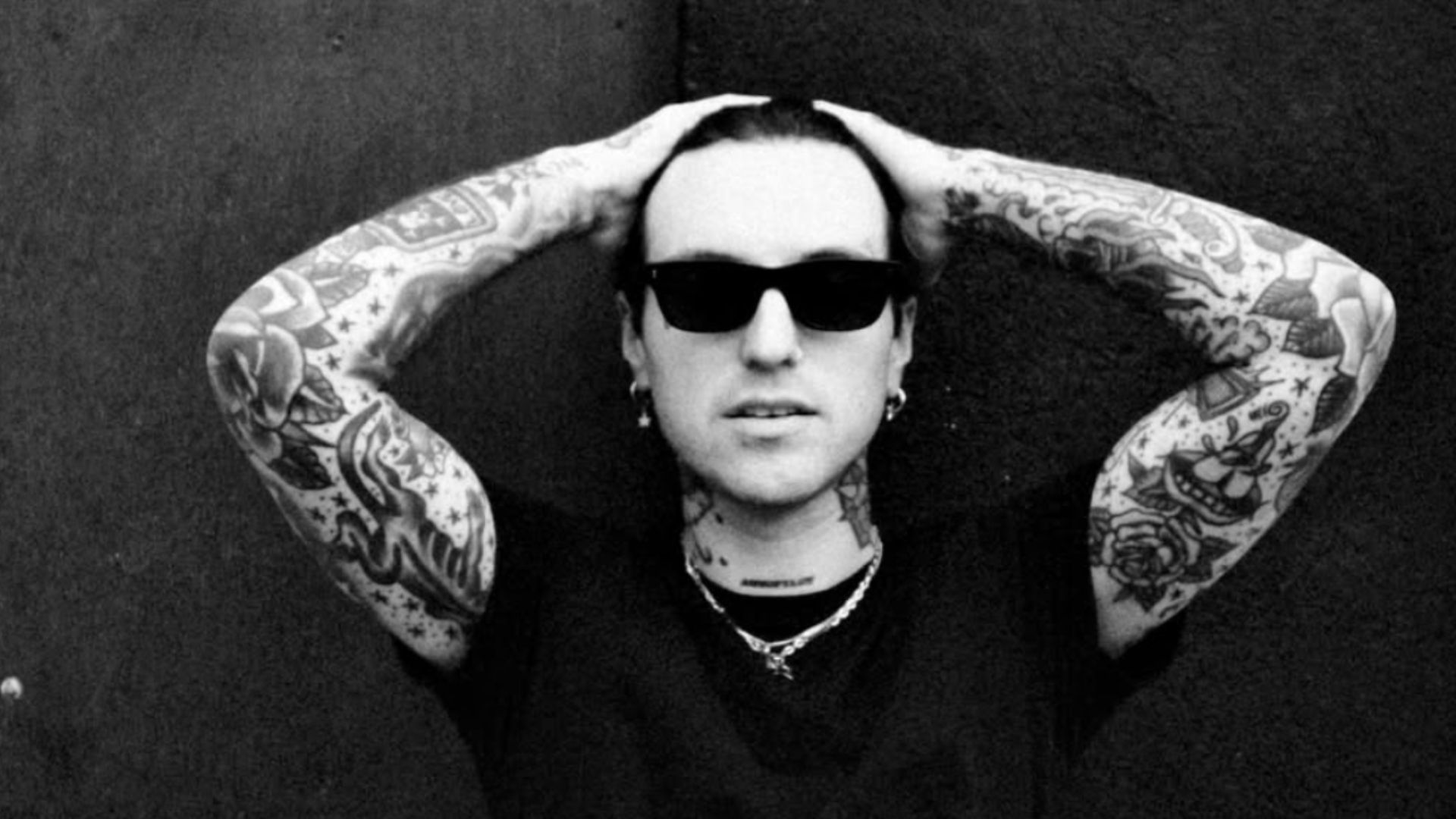
Images from Veeps and Revolver show the neck and hand; a black-and-white portrait gives a different view of the chest and forearms. The tattoos cover several adjoining areas, though the images don’t identify every figure or small mark.
A playful visual language built from small stories
His collection mixes professional work with tattoos he made himself. The interviews give some designs a personal backstory and leave others at “fun,” without forcing every small mark into a larger story.
Portraits published by outlets including Nuance, The Hype Magazine and Blunt show lettering, larger figures and small marks together. The coverage is extensive, but the designs don’t follow one matching pattern.
What remains visible in the images
The interviews explain a few of the tattoos, while the photographs show more than the sources identify. They establish placement and visible detail, but not the story behind every figure.
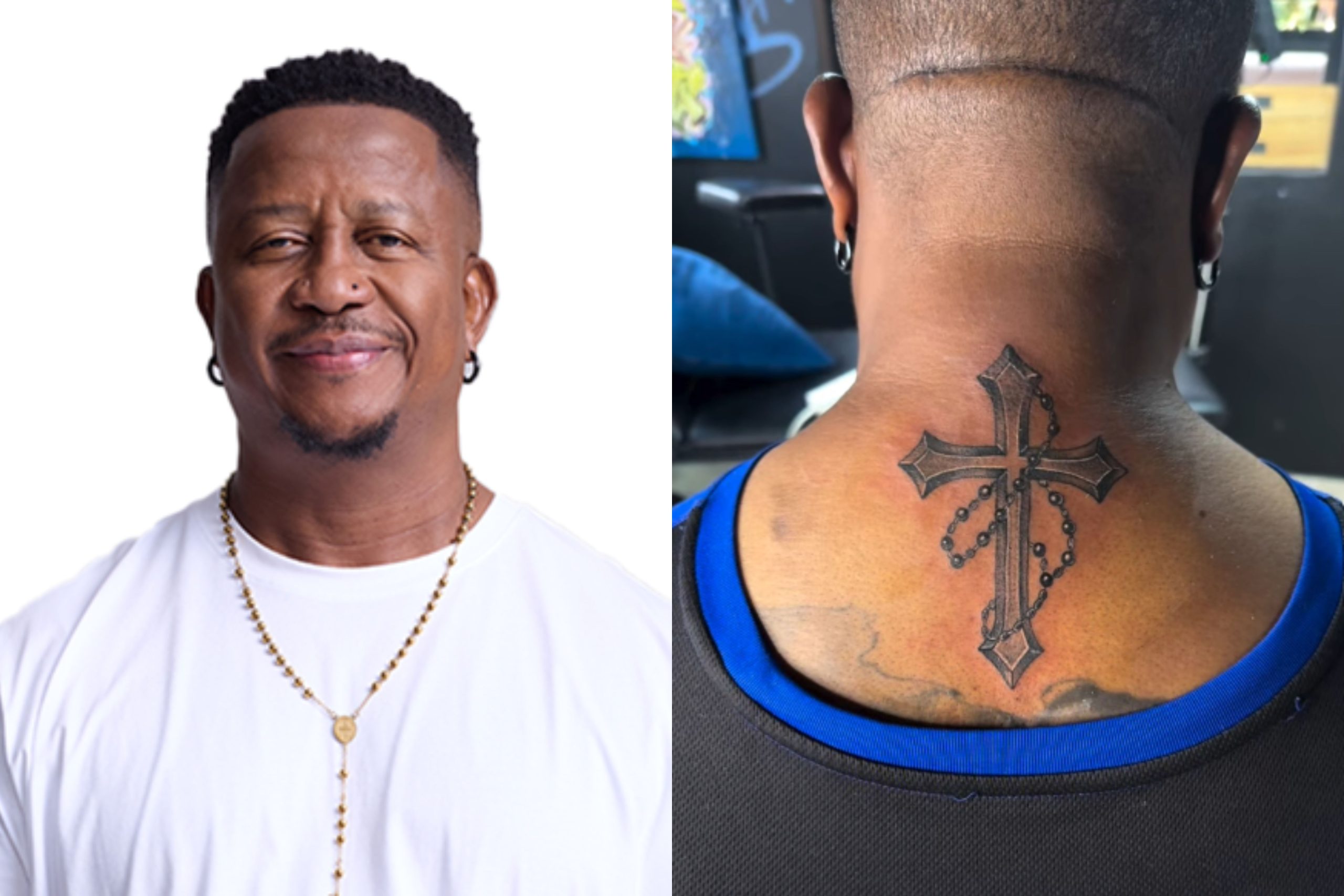
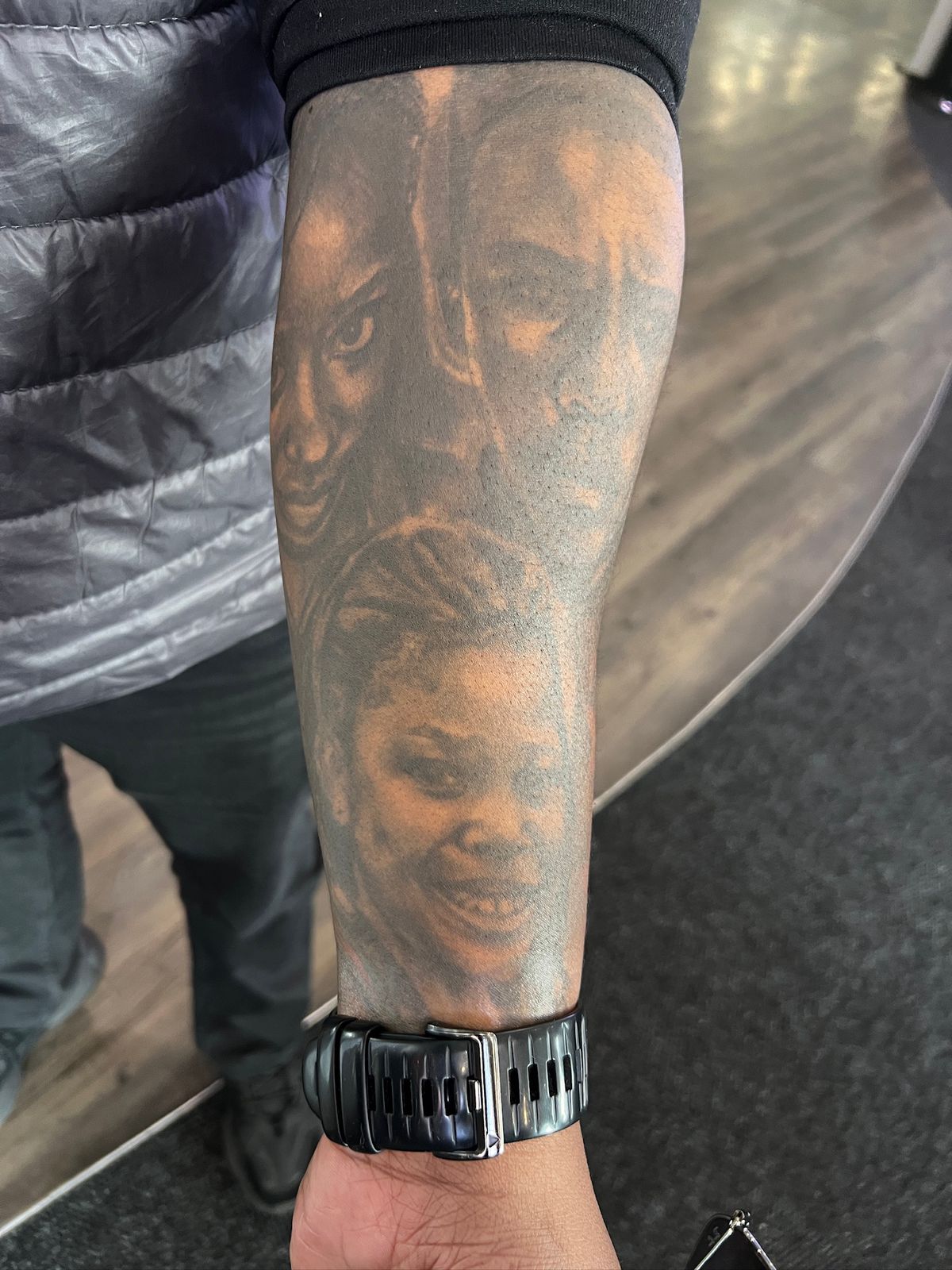
DJ Fresh’s tattoo history begins with a black panther on his upper arm and includes an outline of Africa filled with portraits on his back. Reports also describe full sleeves and tattooed legs. Fresh has said he won’t get a face tattoo because he lives in a conservative society and wants to keep his ink coverable.
DJ Fresh’s panther tattoo began the collection
Kaya 959 reports that Fresh got his first tattoo, a black panther on his upper arm, in early 1998. Fellow broadcaster Thomas Msengana had a matching panther tattooed the year before. Fresh has said the design was connected to the Black Panther movement and its resistance to racial segregation in the United States.
He later joked that his panther looked healthier than Msengana’s. The remark is part of the story Fresh tells about the first tattoo and the friendship behind the matching designs.
The African map across DJ Fresh’s back
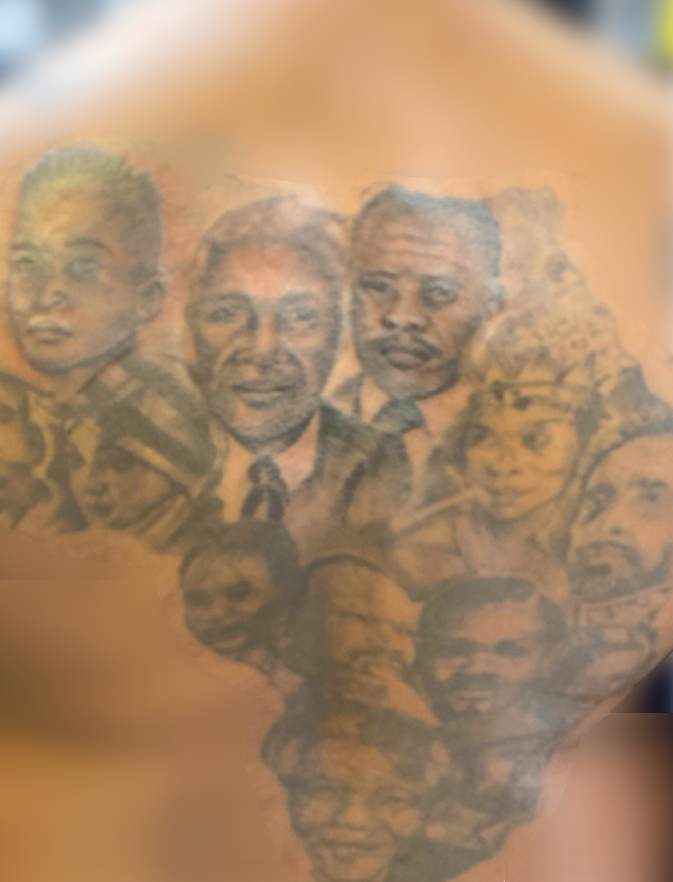
The back piece is an outline of Africa filled with portraits. Daily Sun reported that the early design included Fresh’s son Lefika, his late grandfather Kgosi Mmipi, former Botswana president Quett Ketumile Joni Masire and Nelson Mandela.
Fresh later added Winnie Madikizela-Mandela. Daily Sun reported that he visited Juan-Pierre Le Roux at RisingDragon Tattoo and Piercing for the portrait. The added face extends the gallery inside the same map.
In photographs, the continent’s outline reads from a distance; the portraits become clearer up close. The map and the faces are part of one design.
Portraits, faces and family history in the body art
The portraits bring family members and public figures into the same piece. Lefika and Kgosi Mmipi sit alongside leaders Fresh regards as important to African history. Fresh has said that his tattoos represent chapters of his life, his values, people he loves and causes he believes in.
The accounts identify several people in the map, but don’t name every face or explain every detail in the wider collection.
The full sleeves and the visible arm language
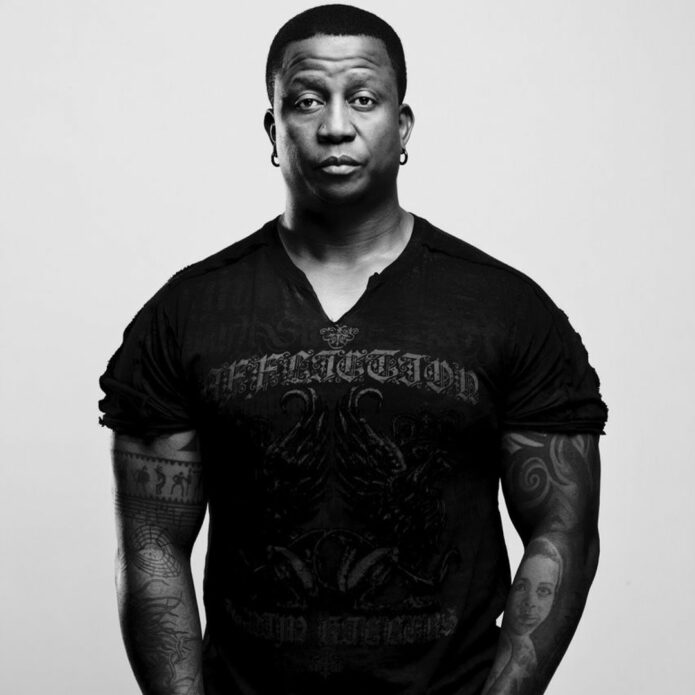
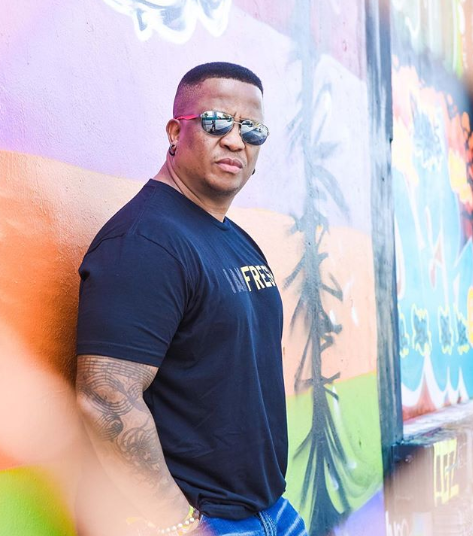
Fresh’s arms are covered in sleeves. Photographs show bands, portraits, curved forms and black-and-grey shading, though they don’t identify every smaller design. The Daily Sun image shows one arm against a colourful wall, with the tattoos visible beside his jewellery and clothing.
The arm tattoos in older broadcast portraits
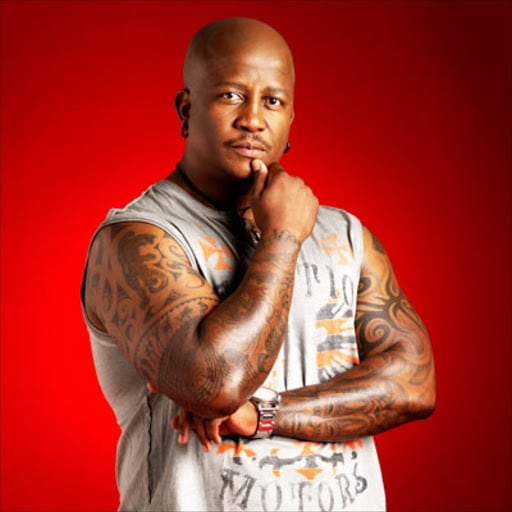
A Sowetan portrait from the period when Fresh moved from 5FM to Metro FM shows both tattooed arms in a sleeveless top. The photo places the sleeves in his broadcast career well before his more recent portraits. Bands and shaded areas are visible, but the image doesn’t provide a full inventory of the designs.
The collection reaches beyond the back and arms
Kaya 959 reports that Fresh’s legs are tattooed and that he has lost count of the number of pieces. He has said he doesn’t want a face tattoo: he prefers ink he can cover, given the conservative society he lives in.
How the collection changed
The first panther dates to 1998; over time, the sleeves and the rest of the collection grew around it. The back map has also changed as Fresh added portraits, including Winnie Madikizela-Mandela. In the accounts that describe it, the map is the most detailed record of people and history in his tattoos.
Fresh’s work as a broadcaster, producer and DJ has taken place across South Africa and Botswana. The portraits named in the reporting connect the back piece to people and places in both countries, as well as to African history more broadly.
What remains uncertain
The reports explain the panther’s history and name several people in the African map. They don’t identify every mark in the sleeves or legs. The photographs show how much of Fresh’s body is tattooed, but not the story behind every design.
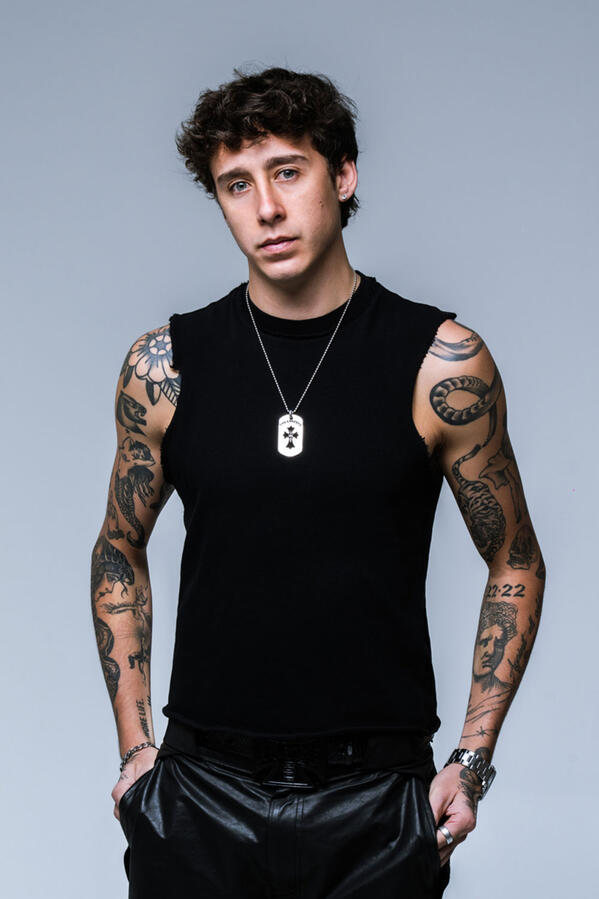
ZUEZEU describes his tattoos as markers of different chapters in his life. Most of the collection is visible across his arms, hands and torso: a broad flower, a long serpent, a standing figure, lettering, a portrait-like face and smaller symbols. The back piece is tied to his debut album, More Life, though he has kept its personal meaning to himself.
The shoulder tattoos set the visual tone of ZUEZEU’s collection
A large flower with rounded petals and a dark centre spreads across one shoulder and upper arm. On the other side, a thick curved band and nearby linework make a heavier shape. The tattoos don’t mirror each other, and the difference gives each shoulder its own outline.
More black-and-grey work continues below the flower. Some details are hard to make out in wider photographs, but they become clearer in the close-ups. Together, the shoulder pieces mix open space with darker, denser marks.
A serpent and standing figure occupy the most readable arm spaces
A long serpent runs along one upper arm. Its outline is heavy, with interior lines dividing the body, and the curved placement makes it visible when the arm turns toward the camera. On the opposite arm, a standing female figure is drawn in finer lines, with open skin around it separating the figure from the denser pieces nearby.
Other photographs show more figures, animals and ornamental marks. Their subjects are visible, but ZUEZEU hasn’t assigned a public meaning to each one. The collection brings different styles together without forcing them into a single story.
The forearms carry lettering, portraits and compact blackwork
Script runs along one forearm. The other has smaller drawings, dark outlines and symbols around the wrist, with a portrait-like face among the lower-arm tattoos. Large letters also cross the torso, while smaller writing sits closer to the hands. The gallery doesn’t identify the text, so its exact wording remains unclear.
The close-ups show several kinds of work sharing the same space: lettering, a face, ornamental shapes and compact marks. Some lines are fine and open; others are darker and more crowded.
The hands and fingers bring the tattoos into portrait close-up
Dark symbols cross ZUEZEU’s fingers, with more linework on the back of the hand and around the wrist. The marks are smaller than the arm pieces, but they’re clear in portraits where his hands sit near his face or chest. They add detail to photographs that show little of the torso.
The More Life back piece connects the tattoos to his music
ZUEZEU has called the back piece his favourite tattoo. It draws on the cover art for his debut album, More Life, and connects the design to a period in his music. He has chosen to keep its more personal meaning private, so the album artwork is the part he has publicly linked to it.
The back piece is less visible in the front-facing portraits, where the arm, shoulder and hand tattoos take focus. It gives the collection another scale: the arms hold separate images, while the back carries one design associated with an album.
How the official gallery changes the mood of the story
The official gallery includes a close portrait, a seated photograph and a full standing frame. Each shows a different part of the collection. The close view brings out the shoulder and hand details; the wider images make the spread of the arm and torso work easier to see.
The artist’s own account of the work
ZUEZEU has described his tattoos as markers of moments and chapters in his life. Beyond connecting the back piece to More Life, he hasn’t explained every design. The photographs show where the tattoos are and what they depict; their private meanings remain his to share or keep.
The collection is defined by contrast rather than one repeated motif
Flowers, a serpent, a standing figure, lettering, a portrait and small hand marks give the collection a mix of shapes and line weights. The largest designs are easy to spot in a full-body image, while the finer details emerge in close-ups. The More Life back piece adds the clearest link to ZUEZEU’s music, but the rest of the work remains open to view without assigning it meanings he hasn’t shared.
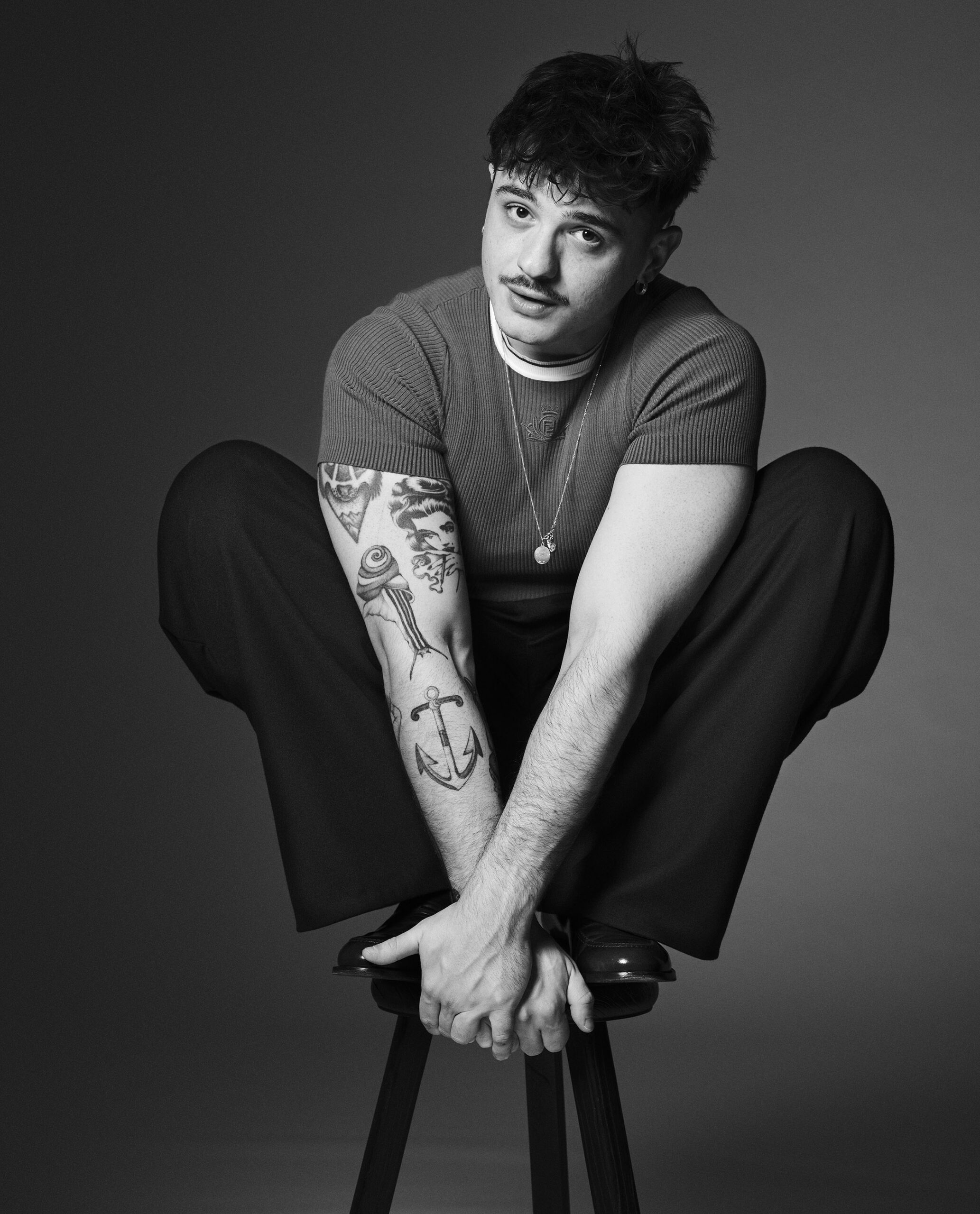
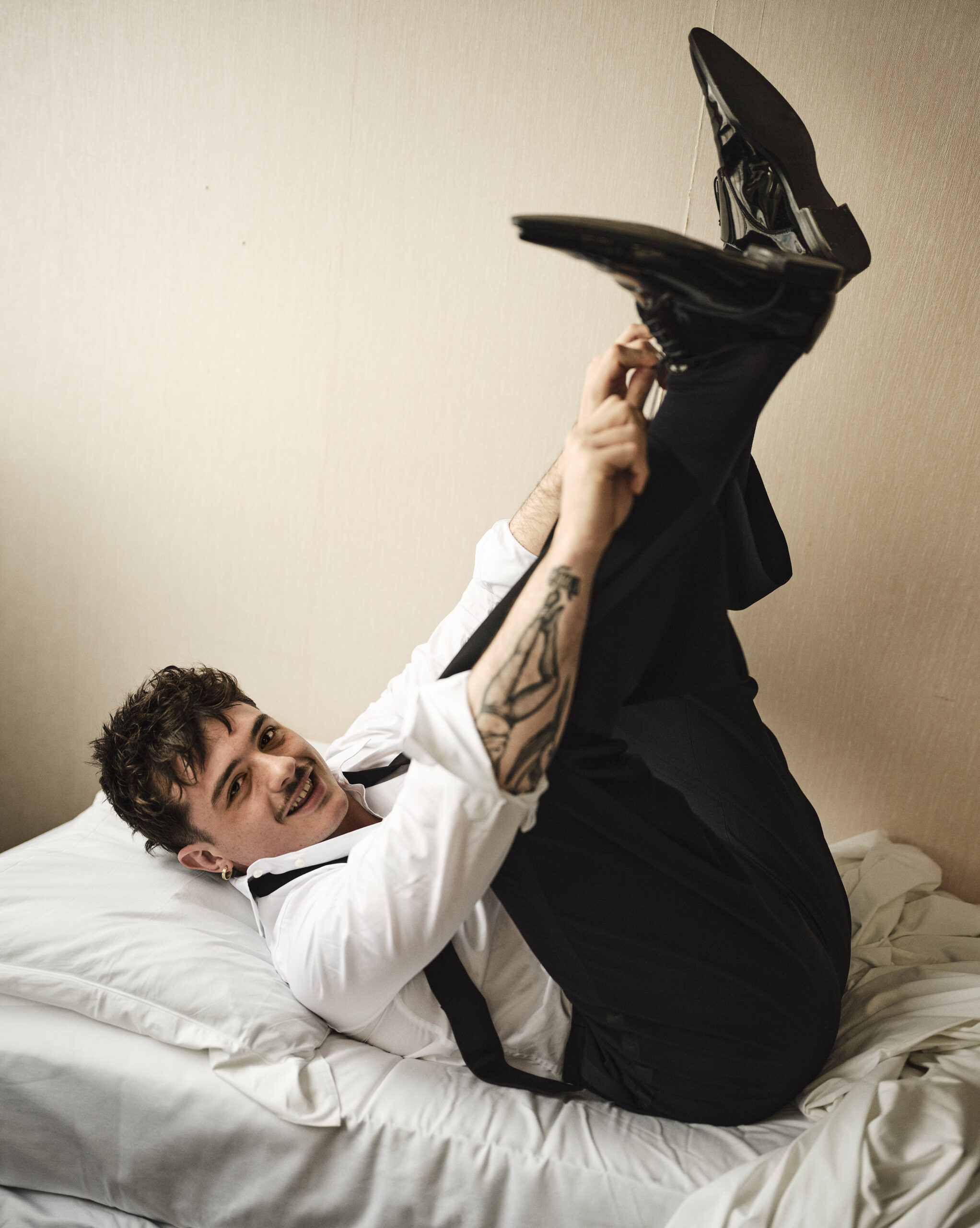
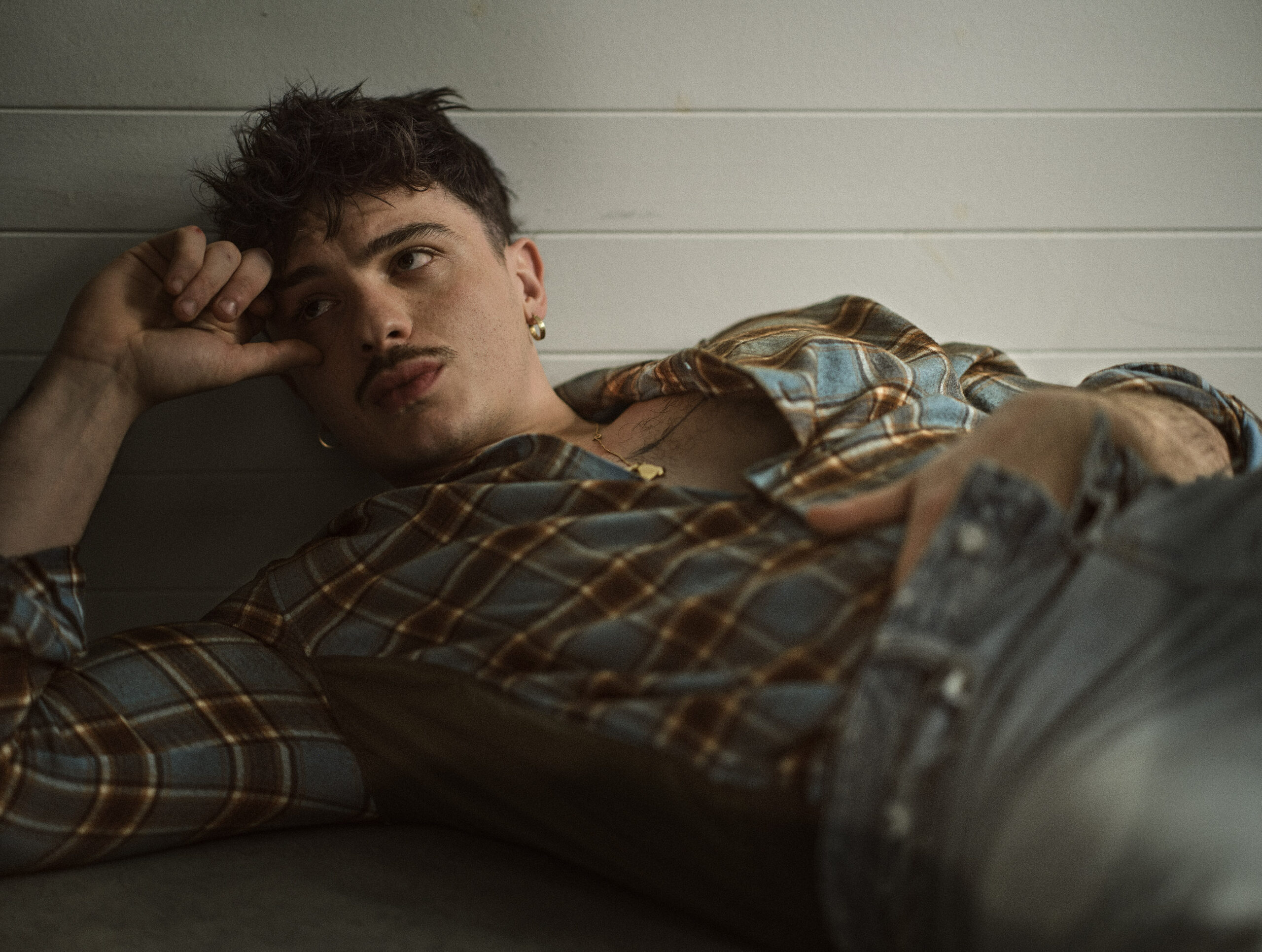
Olly’s tattoos range from a smoking woman and a wolf to short phrases and smaller personal references. The singer, whose name is Federico Olivieri, has a dense cluster on his right arm, with other designs reaching across his shoulder and chest. His exact tattoo count isn’t clear, and he hasn’t explained every piece.
Profiles and photographs help identify the designs, though pose and clothing can hide or distort their placement. The descriptions below stick to what Olly or the reporting has connected to each tattoo, and leave the rest open.
Olly’s Smoking Woman Tattoo
One of the early designs on Olly’s right arm is a neo-traditional woman smoking. The illustrated face, hair and cigarette make it a compact portrait among the lettering and smaller marks around it.
Chi connects the cigarette to the smoking imagery in Olly’s songs, including Balorda nostalgia. Above the woman are the words È festa, which the profile describes as one of his mottos. The phrase and portrait sit near each other, but remain separate designs: one is lettering, the other a shaded figure.
Olly’s Wolf and Gira Tattoo
A wolf and the word Gira appear among the right-arm tattoos. The wolf is discussed alongside Olly’s 2022 song Canto alla luna. Its lyric presents the animal as more than a simple sign of danger, including its protective bond with the pack.
The nearby Gira is linked in the profile to a word Olly favors and to the album title Il mondo gira. The two designs share space on the arm, though the animal and lettering remain distinct. Photos don’t always show their exact boundaries clearly.
Olly’s Hanged Man Tattoo
Olly has described this forearm design as having two readings. Depending on how he turns his arm, it can look like the tarot figure known as the hanged man or like a person lying on a lawn. The angle changes what stands out in a photograph.
The profile records that visual double reading, but doesn’t give a single personal meaning for the tattoo. Its placement and shifting orientation are enough to explain why it can look different from one image to another.
Olly’s Anchor and Cupid Tattoo
The anchor on Olly’s forearm has a familiar nautical outline. The profile suggests a connection to Genoa’s maritime identity and mentions a possible Popeye reference, but those are contextual readings rather than a confirmed explanation from Olly.
A Cupid sits on his right shoulder, with an arrow that continues across the chest toward the heart. The figure and arrow form one connected design across two placements. Photos that crop the shoulder or chest can make the arrow look detached, so a wider view gives a clearer sense of the composition.
Olly’s Mystic Eye and Dalmatian Tattoos
A mystic eye is documented on Olly’s back near the shoulder, but the profile doesn’t give its personal meaning. The visible subject and placement are clear; anything beyond that would be guesswork.
Under his arm is a Dalmatian that Olly has tied to Disney’s One Hundred and One Dalmatians and his graduation result of 101. The small dog is a playful reference with a specific story behind it. A snail is also described as a later filler tattoo on the arm, though no particular reason for choosing it is given.
Photography and perspective
The photographs show different parts of Olly’s collection. A seated interview image reveals a small wrist mark, while fashion portraits show more of the right arm. Side views can help locate the shoulder, chest and under-arm designs that disappear in a straight-on shot. The Icon images range from formal tailoring to relaxed clothes; a Radio Italia gallery provides another interview view.
Posture changes how the tattoos read. The forearm bends and turns, and the hanged-man image shifts with it. Clothing can cover the Dalmatian or the eye on his back, while a cropped frame can interrupt the Cupid’s arrow. Comparing views helps establish placement without treating every angle as a separate design.
Light, clothing and the visible details
Lighting can make fine lines look heavier or hide an edge in shadow. Black-and-white portraits also change the apparent contrast. Those limits matter most when trying to identify a small mark or trace where one tattoo ends and another begins; for the larger pieces, the photos still show how the arm and upper-body designs sit together.
What Olly has explained about the collection
The published accounts connect the smoking woman to recurring cigarette imagery in Olly’s music, and describe È festa as a motto. The wolf is discussed alongside Canto alla luna; Gira connects to a favored word and album title. Olly’s own explanation of the hanged man centers on its two visual readings, while he has linked the Dalmatian to his 101 graduation result.
Other meanings remain unconfirmed. The source profile doesn’t explain the mystic eye or give a reason for the snail. Olly also said in a 2025 Radio Italia interview that he had considered getting another tattoo in Genoa from his trusted tattooist. That was a possibility he mentioned, not a completed design to add to the collection.
The known collection in brief
The sources don’t establish a final count. They document a smoking woman, phrases, a wolf, the hanged man, an anchor, Cupid and an arrow, a mystic eye, a Dalmatian and a snail. Some have stated links to songs, an album, Genoa or a personal milestone; others are described only by their appearance.
Olly’s tattoos have accumulated across different parts of his body and different moments in his life. The clearest account is to name what can be seen, keep reported explanations attached to the right design, and leave unknown meanings unresolved.
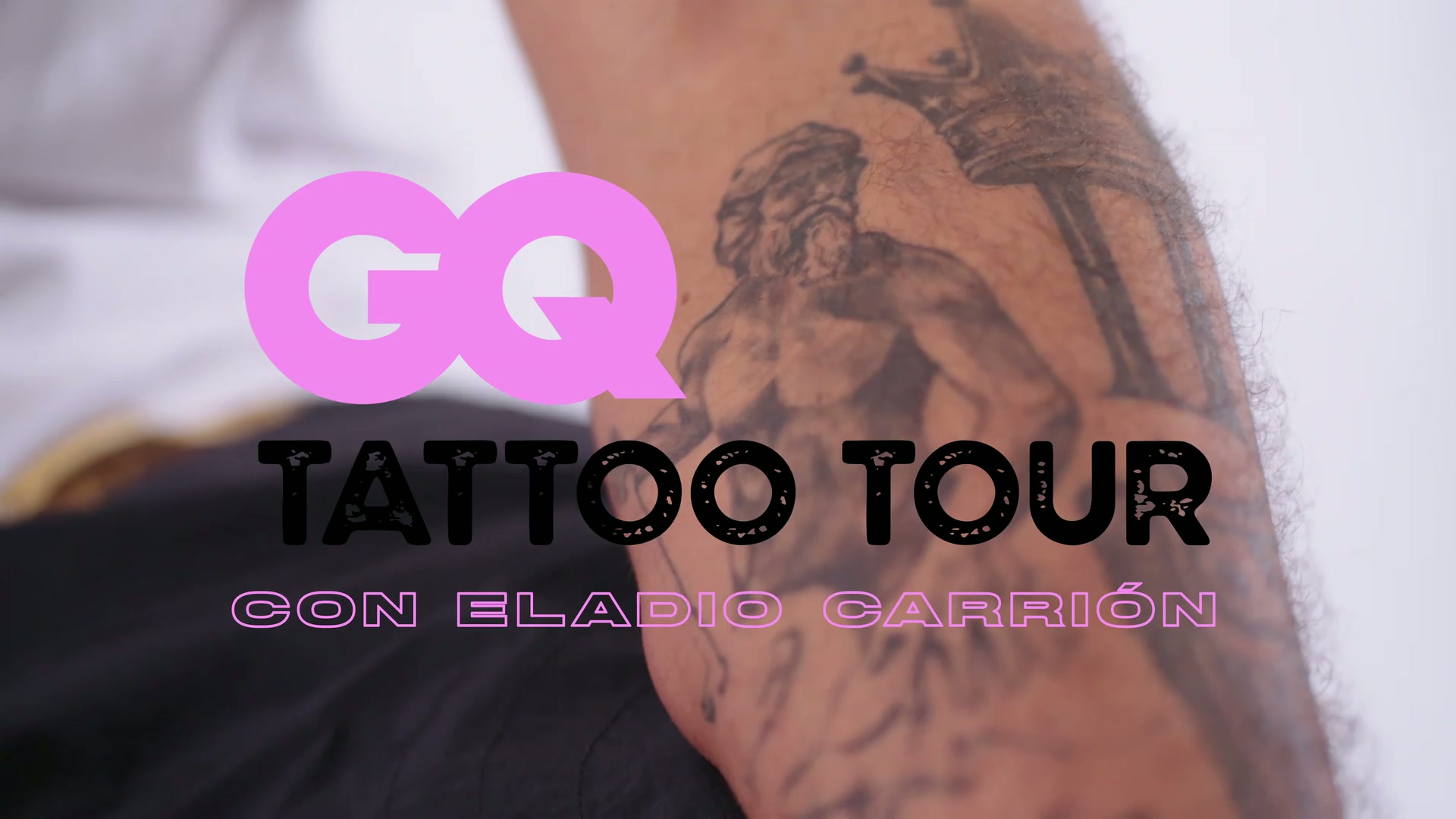
Eladio Carrión says he has roughly 25 tattoos in GQ México’s tattoo tour. They cover his hands, arms, torso and fingers, with subjects ranging from swimming and music to family, faith and his hometown.
He connects many pieces to people or chapters in his life. Poseidon recalls the Olympic goal he once pursued, while another tattoo marks his first show. He sums up the tour with “Cada tatuaje tiene su historia”—every tattoo has a story.
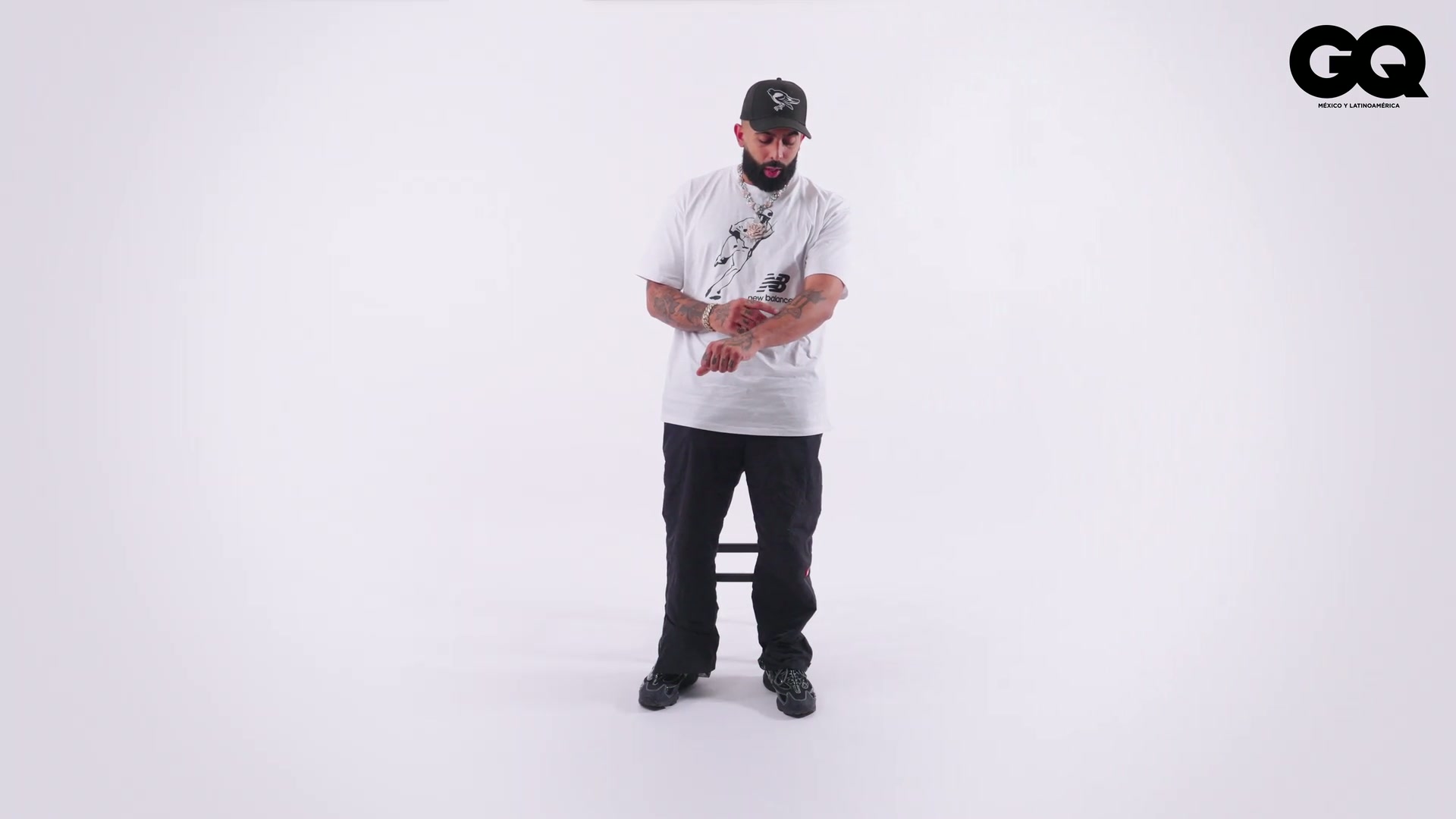
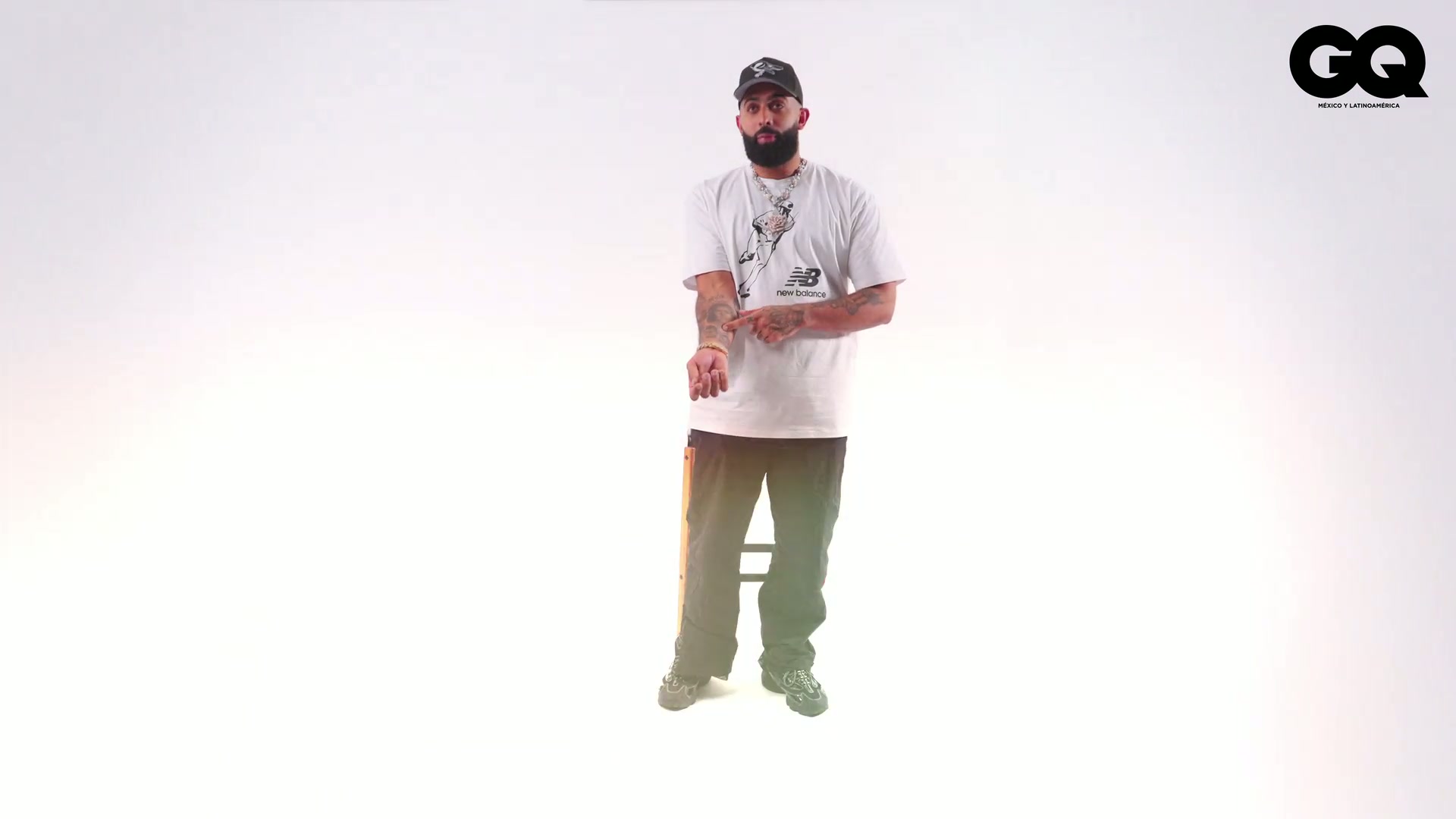
The footage alternates wide views with close-ups. From a distance, his arms look almost fully covered; up close, portraits, script and smaller marks separate into individual pieces. Carrión explains some tattoos directly, while others remain unidentified in the tour.
Eladio Carrión’s Poseidon tattoo connects his arm to swimming
Poseidon takes up a large part of Carrión’s arm. In the GQ footage, a shaded face and flowing forms stand out among the smaller lettering and symbols. The design remains recognizable in a wider shot, unlike some finer details on his hands.
Carrión says Poseidon recalls his years competing in swimming and the Olympic goal he had then. That gives the image a direct connection to an earlier part of his life. Its dark shading also makes it one of the most prominent pieces on his arm.
His forearms carry portraits, lettering and layered blackwork
Across both forearms, the tour shows shaded faces, dark outlines, script and compact symbols. Some areas are densely filled with black-and-grey work; others use lighter lines and leave more skin visible. From a distance the ink can look like one continuous sleeve, but closer views reveal separate designs and different styles.
The pieces wrap around each forearm: some face forward, while others appear only when Carrión turns his wrist. The video catches that distribution better than a still photograph, which can flatten the designs into one surface.
The finger lettering makes the collection immediately legible
Dark block lettering crosses Carrión’s knuckles. In close-up, it forms a compact band across the fingers, visually distinct from the portraits and shading on his arms. The tour doesn’t make the wording clear, but the placement is easy to see.
The hand ink stays visible when sleeves cover the forearms and moves whenever Carrión gestures or closes his hands. The letters vary slightly in density, a small detail visible in the close shot.
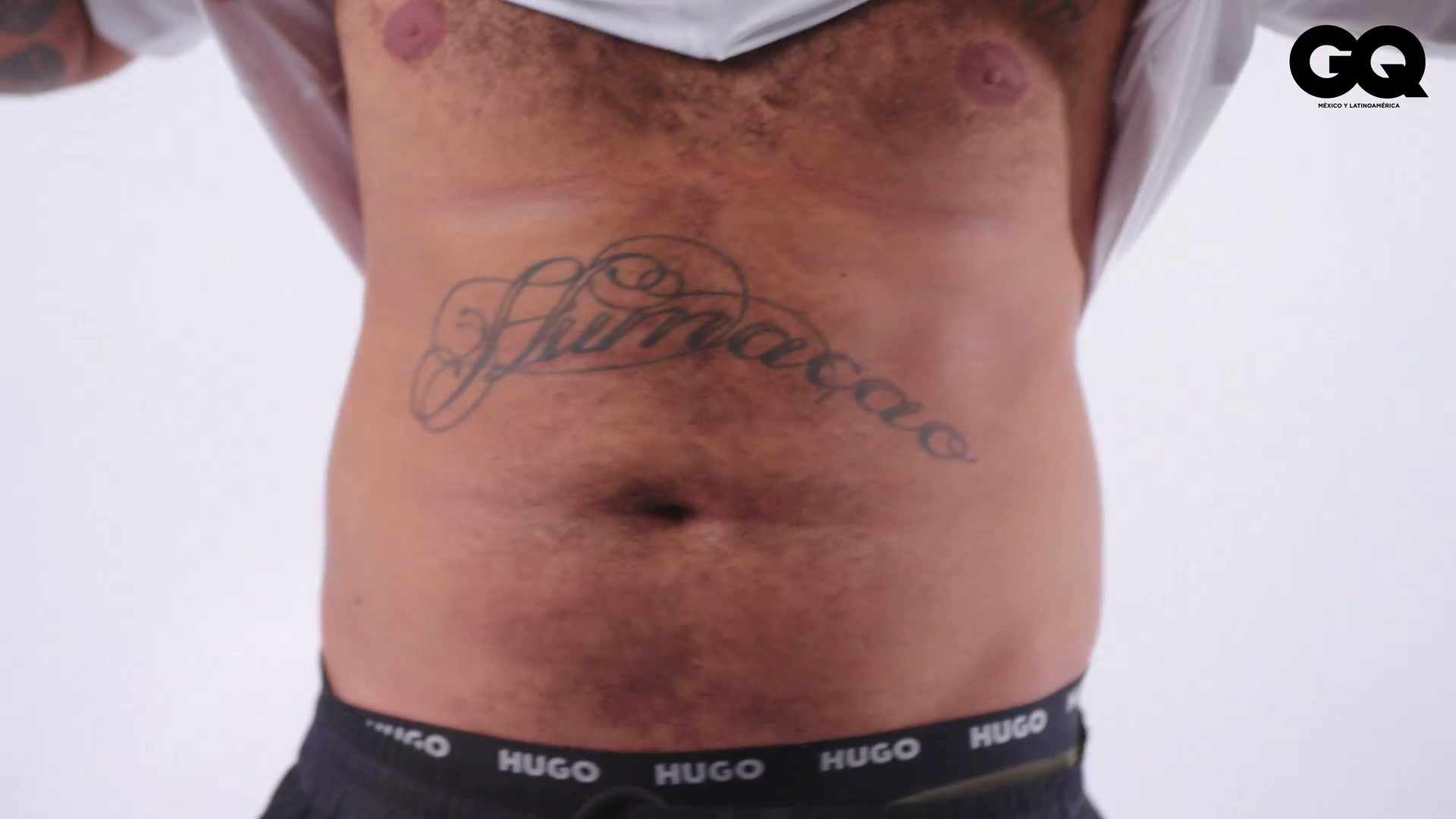
A curved torso tattoo records a first-show reference in music
A broad script-and-image tattoo curves across Carrión’s lower torso. Large outlined lettering runs through the centre, with an illustrative form above it. The design stretches horizontally across his body, unlike the smaller lettering on his fingers or the taller Poseidon image on his arm.
Carrión connects a tattoo to the time of his first show, placing it in the transition from swimming to music. The camera doesn’t make every letter clear, so that story comes from what he says during the tour rather than a reading of the design. The close-up shows a piece that appears less often than the arm and hand tattoos.
Family, saints and hometown tattoos fill the remaining space
Carrión names family members, Catholic saints and his hometown among the collection’s recurring subjects. Those references sit alongside the swimming and music memories. In the footage, faces, script and shaded shapes share the same crowded space across his hands and arms.
The pieces aren’t a matching set of icons. They have accumulated over time, with one memory or relationship beside another. Carrión’s account connects those varied designs to the people and places he names.
The full collection reads as a personal timeline
No single style ties the tattoos together. Some are shaded portraits; others use script, outlines or compact symbols. What connects them is the set of memories Carrión attaches to the designs.
The pieces also differ in scale and angle, so a wide shot can’t show what a close view reveals. The roughly 25 tattoos read as a personal timeline through the stories he shares, while the video leaves some visible designs without an explanation.
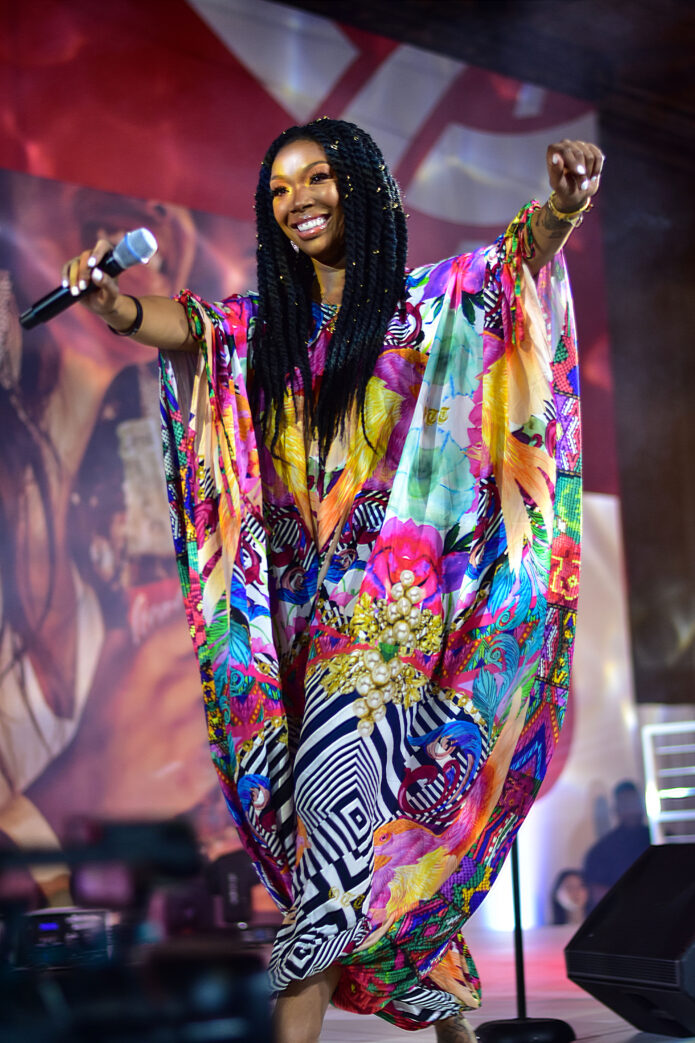
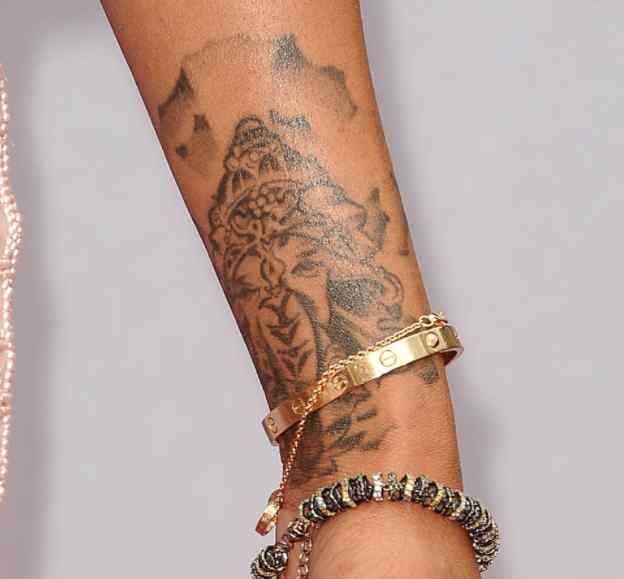
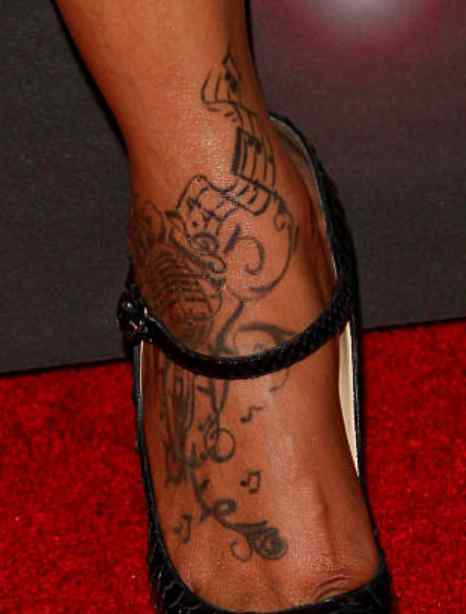
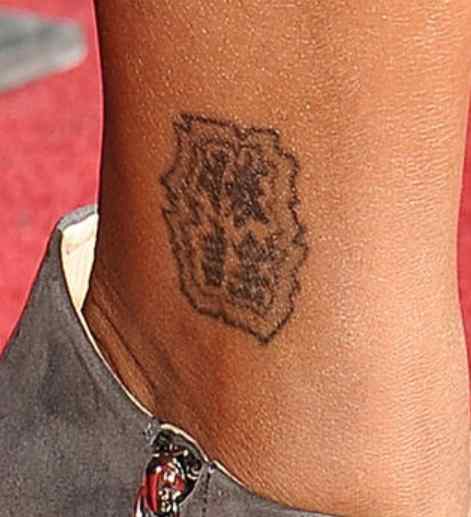
Brandy Norwood’s documented tattoos include a butterfly that covers an earlier portrait, a flower low on her back, Ganesha on her forearm, a microphone on her foot and a Chinese character near her ankle. The pieces vary in size and subject, and public coverage does not give a personal explanation for every design.
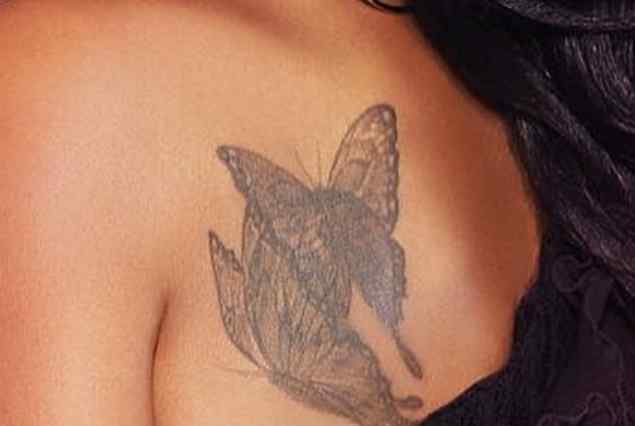
Brandy Norwood’s butterfly back tattoo
The butterfly spans Brandy’s upper back and covers an earlier portrait. Its wings form a broad shape across the area, with darker shading that makes the cover-up easy to see in photographs. It remains separate from the smaller flower lower on her back.
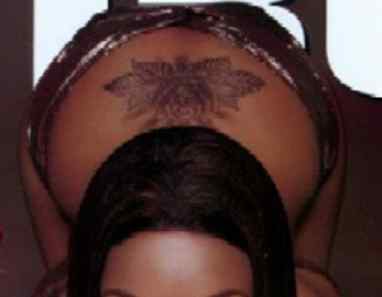
Brandy Norwood’s lower-back flower tattoo
A compact flower sits low on her back, close to the spine and below the butterfly. Photographs show a rounded center and petals outlined with darker lines. Public coverage describes the design but does not give a confirmed personal meaning.
Brandy Norwood’s Ganesha forearm tattoo
The forearm design depicts Ganesha, the elephant-headed figure in Hindu tradition. Its dark outlines and interior details make it more intricate than the back flower. Coverage identifies the image, but Brandy’s reason for choosing it has not been reliably reported.
Brandy Norwood’s microphone foot tattoo
A microphone sits on her foot. The object is easy to recognize and connects naturally to Brandy’s work as a singer, though no detailed first-person explanation is documented. The narrow design is smaller than the back and forearm pieces.
Brandy Norwood’s Chinese character ankle tattoo
A small Chinese character appears near her ankle. Available coverage identifies the script but does not provide a consistent, reliable translation or a first-person account of its meaning. Its placement and compact dark shape are clear; its intended message is not.
A varied visual record
The photographs show five distinct designs across her back, forearm, foot and ankle: a butterfly cover-up, a lower-back flower, Ganesha, a microphone and a character. The larger back and forearm pieces contrast with the smaller marks near her foot.
What the photographs establish
The butterfly is documented as a cover-up over an earlier portrait; the other designs appear as separate tattoos. Photographs show their subjects and placements, but they do not settle every personal meaning. The “I Wanna Be Down” official video appears below.
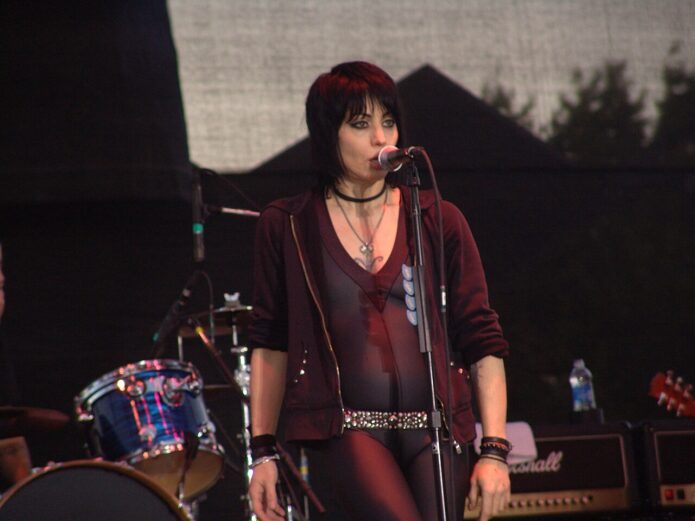
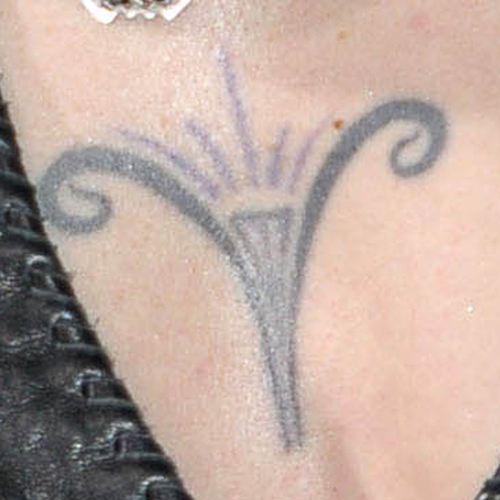
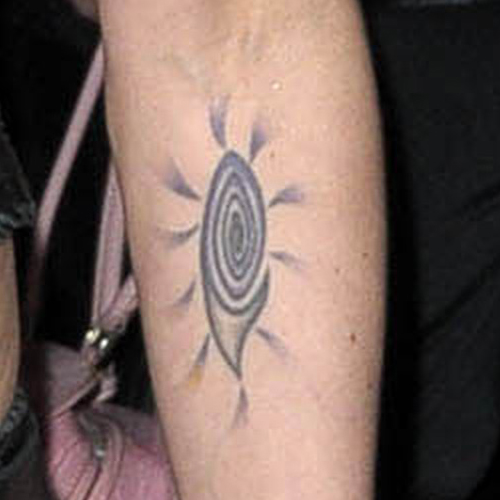
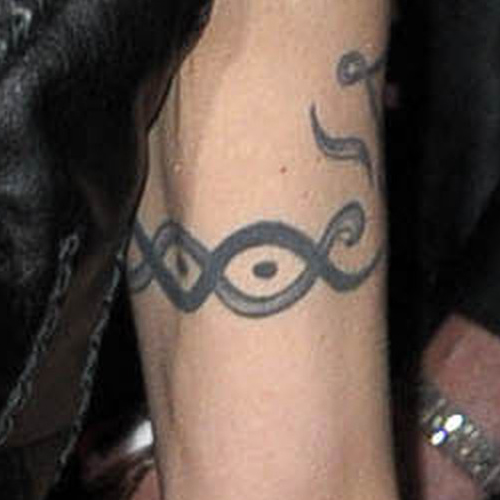
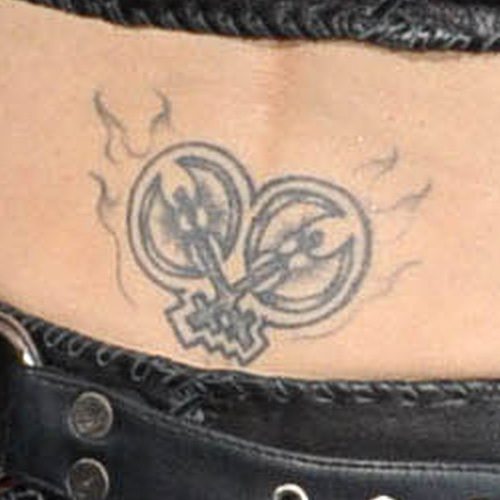
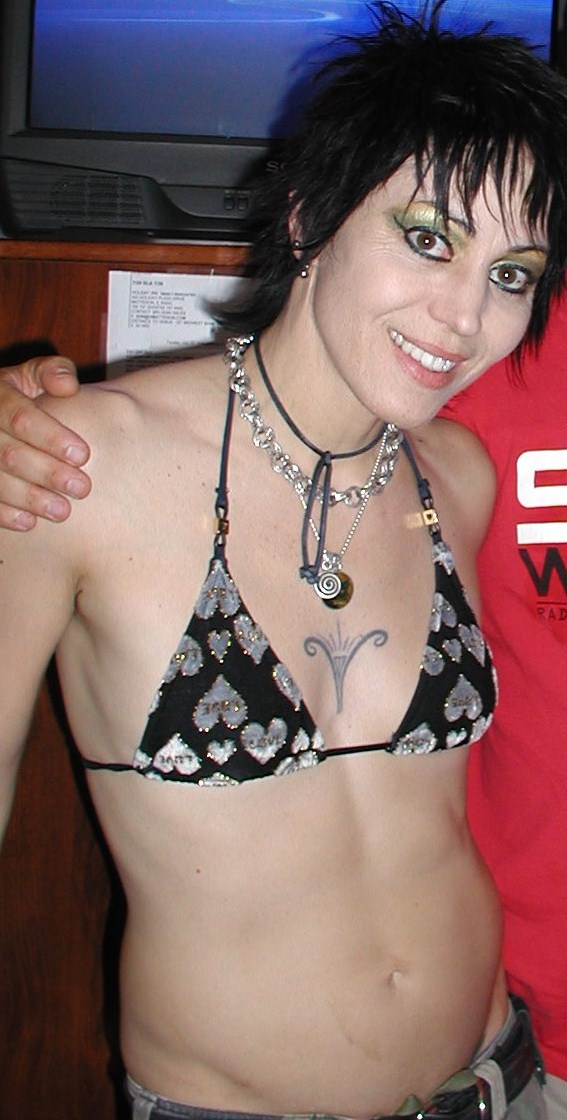
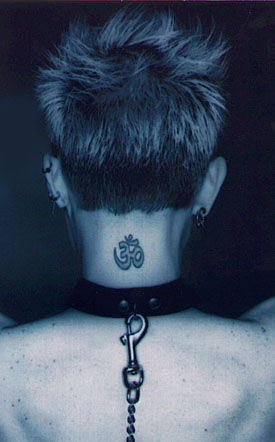
Joan Jett has said she has eight tattoos, with pieces on her neck, hip, lower back, arms and ankle. Photographs clearly show the sternum V, forearm spiral, upper-arm band, lower-back labrys and Om at her nape; the smaller pieces in her count are less consistently pictured.
Jett has explained the meaning of several designs herself. She connects the V with divinity, the spiral with consciousness and possibility, and describes the upper-arm piece as a figure-eight band with a triangle and loops. The photographs show their placement and shape, while her comments add context.
Joan Jett’s sternum V symbol
The small grey-black design sits along the centre of her chest. Its pointed V opens into curling lines at the top, with a diamond-like detail inside. Jett said she chose it as a reminder that divinity exists in everyone, describing the shape as an old sign associated with figures representing the divine.
Joan Jett’s left forearm spiral
A spiral or oval sits at the centre of the left forearm design, ringed by short rays. Jett described the spiral as “un-manifest consciousness,” or consciousness at rest, and said the rays stand for possibilities. The abstract mark is visible in performance photos when she turns her arm toward the guitar.
Joan Jett’s looping upper-arm armband
Jett has described this band around her left upper arm as a figure eight with a triangle and more loops above it. In photographs, the open loops wrap around the bicep; they narrow and overlap as the arm turns, rather than forming a solid black strip.
Joan Jett’s lower-back labrys design
The symmetrical lower-back emblem shows two crossed, double-edged blades surrounded by flame-like lines. Steal Her Style identifies them as Greek labryses and notes that the crosses at the handles and surrounding outline echo female symbols. The photo makes the crossed blades and balanced layout clear, even where no single caption settles the design’s full meaning.
Joan Jett’s chest symbol in an older portrait
An older portrait shows the same V between Jett’s jewellery and neckline. The point faces down, and the upper curls remain visible above the clothing. It offers a second view of the sternum tattoo, not a separate design.
Joan Jett’s neck Om tattoo
The small Om mark sits at the nape just below the hairline. Hair or a high collar can hide it, so it is less visible in many concert photographs. Its placement adds a compact symbol to the better-documented chest, arm and back tattoos.
Several pieces share one visual rhythm
Curves link the sternum V, forearm spiral, armband and Om, while the labrys adds the sharper lines of crossed blades. Shape and placement make each piece legible; the designs remain separate rather than forming a single sleeve or panel.
Jett’s own count leaves part of the record private
Jett has referred to eight tattoos and mentioned her neck, hip, lower back, arms and ankle. The photographs here show the sternum, arm, lower-back and nape designs, but not an equally clear close-up of every piece in that count. Clothing, hair and camera angles limit what can be confirmed from photos.
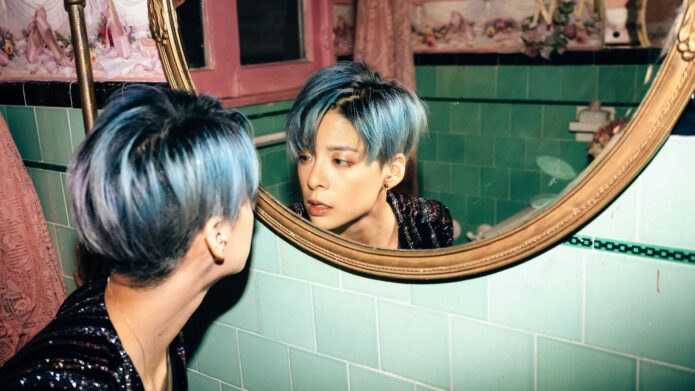
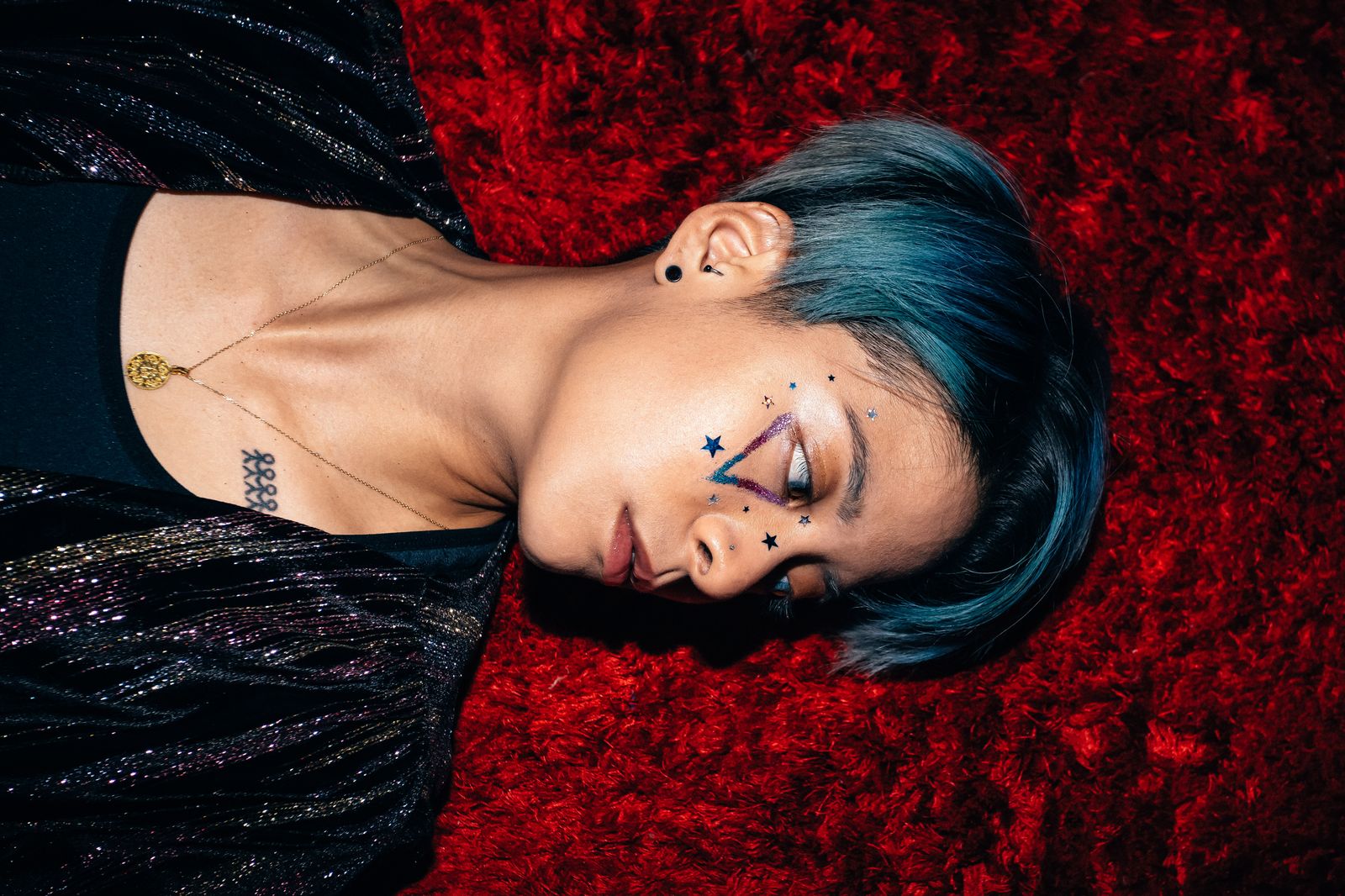
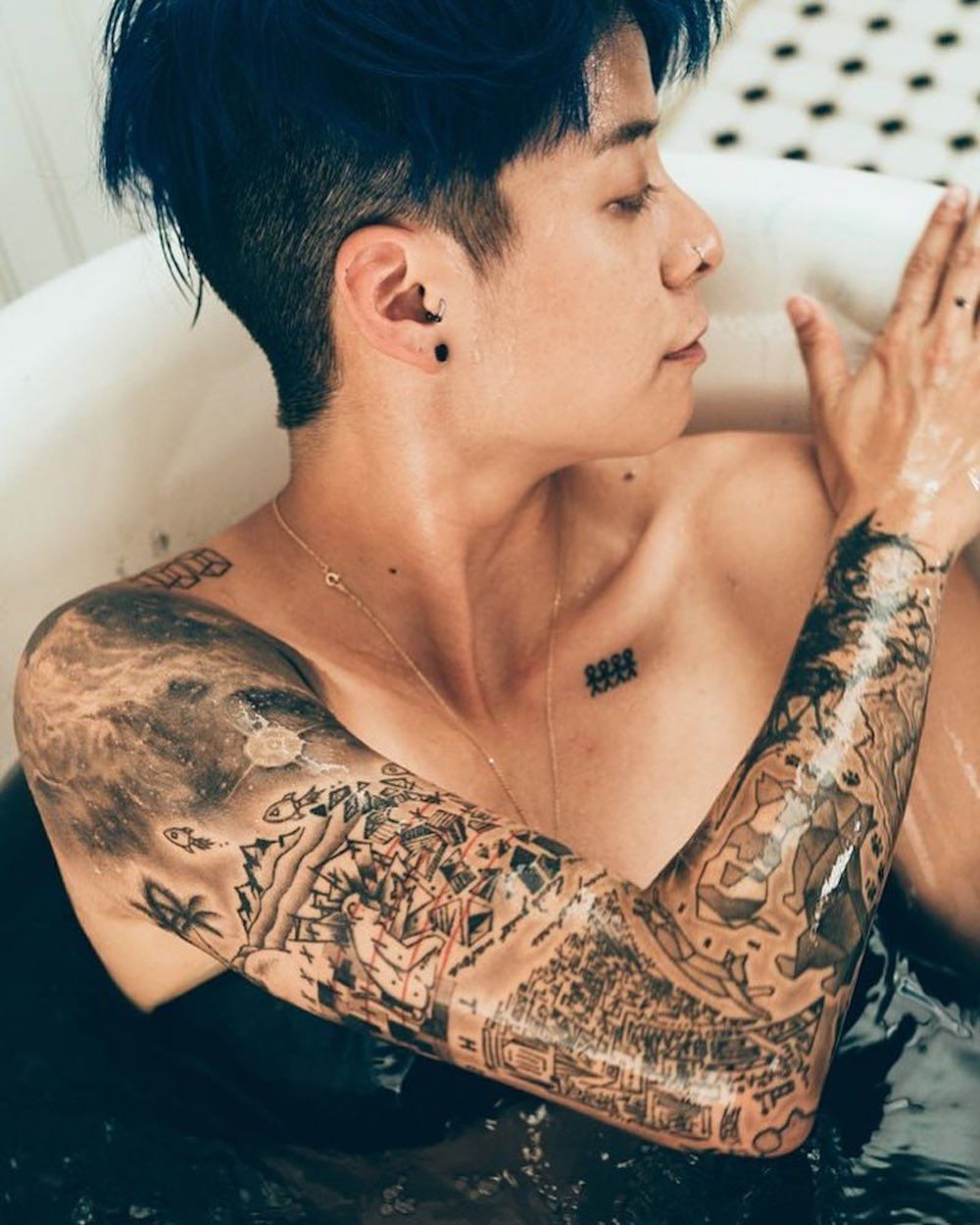
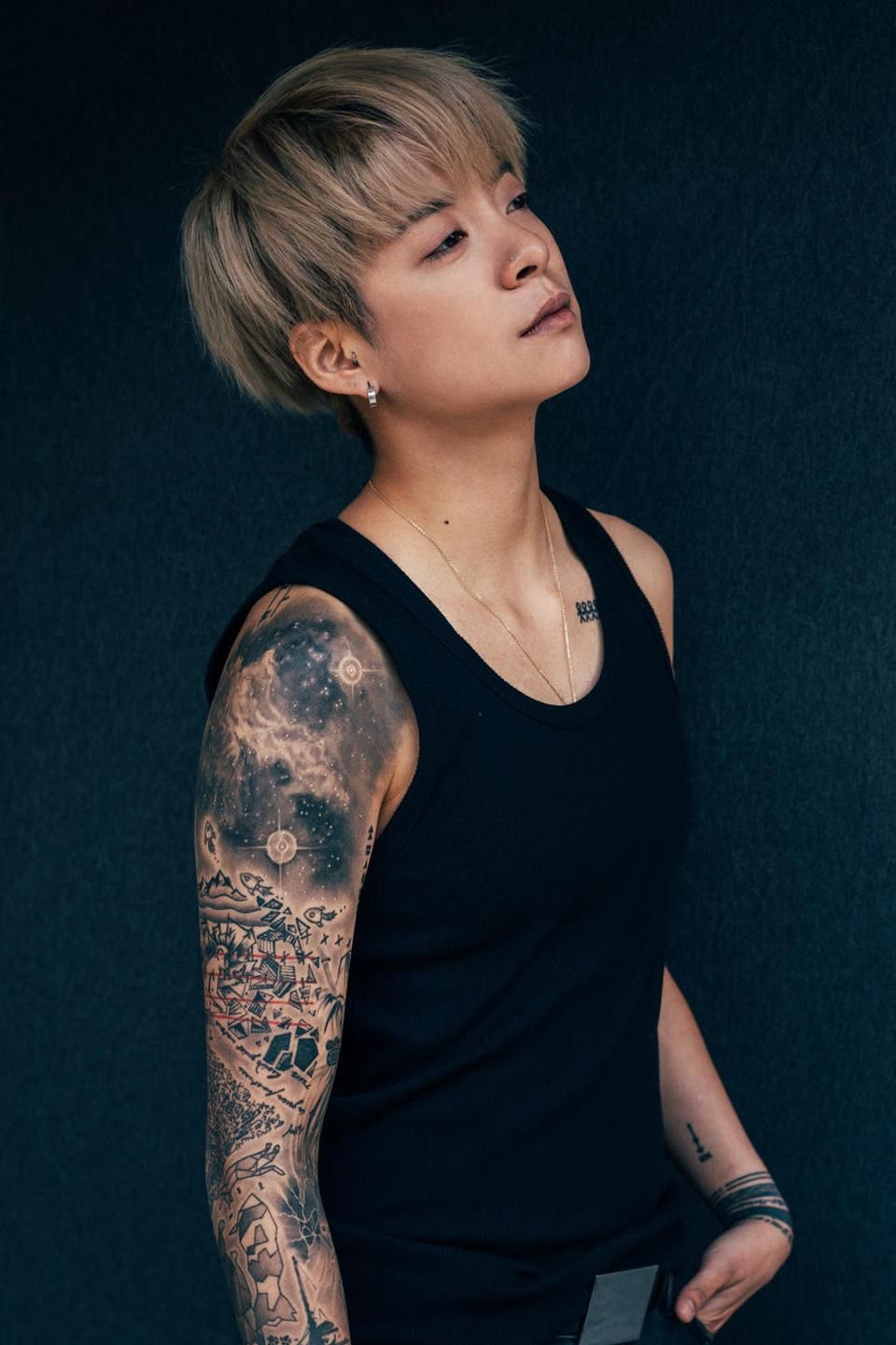
Amber Liu’s tattoos are spread across her arms, chest, hands and knee. In Allure’s 2019 profile, the singer and former f(x) member described some designs as reminders of people she misses and others as memories of a tattoo session. The photos by Stefanie Michova show palm trees, mountains and galaxies among the larger arm pieces, with smaller marks elsewhere.
The right arm holds the densest work, though it isn’t one seamless design with a single theme. Black, grey and red shading sits beside fine lines, small figures and graphic marks. Liu has also talked about spontaneous choices, which helps explain the variety without assigning a private story to every tattoo.
The galaxy and palm-tree work on Amber Liu’s right arm
Allure describes palm trees, mountains and galaxies across Liu’s right arm. A Forbes portrait shows a broad, shaded area with circular forms and star-like points higher up, with more illustrative details below. The arm moves between landscape and space imagery rather than following a single repeated motif.
Liu has compared tattoos to permanent notes around a home: some bring back people she misses, while others take her back to the day she got them. She hasn’t assigned a public meaning to every star or line, so the images are best read alongside that broader account of memory.
Rocket ships and the stegosaurus among the arm designs
Allure identifies three rocket ships on Liu’s arm and a stegosaurus on her knee. The rockets sit among the darker galaxy and landscape work; the dinosaur brings a small, playful image to a different part of the body.
Liu has described some tattoos as spontaneous decisions, including one design an artist freehanded for her. She later said those quick choices made some of her best tattoo-session stories. The reporting identifies the designs, but doesn’t give the rockets a separate private meaning.
The small chest marks visible in the Allure portraits
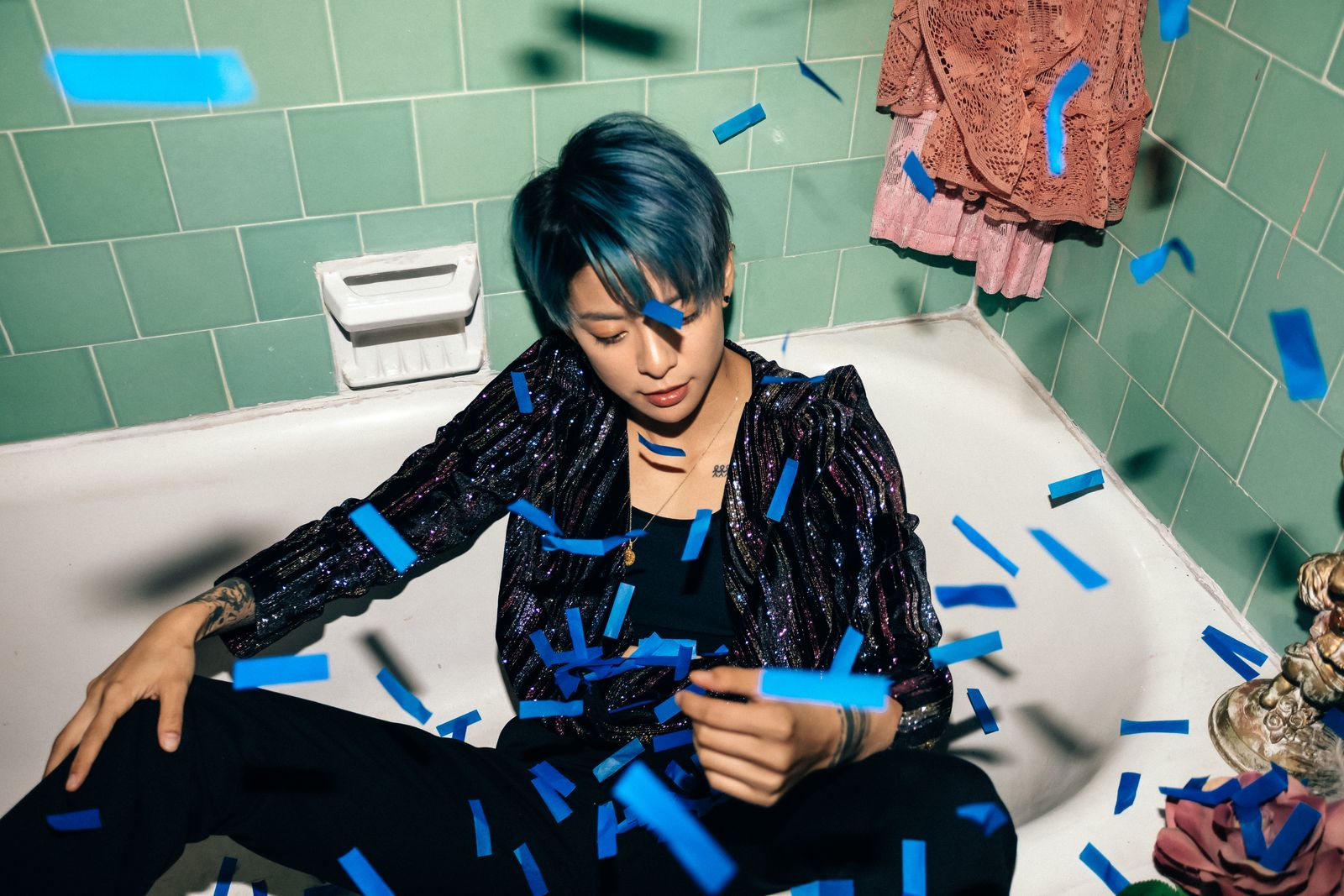
One close portrait shows a compact dark mark high on Liu’s chest, beneath the collarbone. A fine chain and the neckline of her black top frame it, while the wider arm coverage draws more attention. Allure doesn’t identify the chest design or give it a confirmed meaning; its position and appearance are what the photographs establish.
Hand and wrist linework in the close photographs
The close Countdown photographs show fine dark marks running from Liu’s wrist toward her hand. They are smaller and more exposed than the shaded arm work, so the individual lines remain distinct. The images document their placement, but don’t explain the private story behind each mark.
The lower-arm and knee details in the full tattoo images
The bathtub portrait gives the broadest view in this set. It shows different amounts of work on each arm, with shaded fields, botanical or landscape-like forms, smaller figures and geometric marks. The chest design is visible in the same frame. Across the lower arm, thin outlines and darker patches sit alongside one another rather than sharing a uniform line weight.
The stegosaurus on Liu’s knee is identified in Allure’s account, even though it isn’t prominent in every portrait. It is one example of the collection extending beyond the arm sleeve.
Why spontaneity keeps returning
Liu has described tattoos as reminders of people, sessions and earlier moments. Allure also quotes one of her tattoo artists on how a design that seemed meaningless at first can become meaningful later. That idea fits Liu’s account of quick decisions: the image may be chosen on the spot, while its connection to a person or day grows over time.
It also helps explain why the collection ranges from shaded galaxy work to rocket ships and a knee stegosaurus. The mix reflects different choices made at different moments; it doesn’t need a single master plan to hold together.
The personal map behind the images
The Allure portraits show the collection from several angles: the arm’s shaded areas, the small chest mark, and the hand and wrist lines. The wider bathtub image shows how those pieces sit across Liu’s body. Each photograph adds placement detail, while her comments provide the clearest account of how memory and spontaneity relate to the tattoos.
What Amber Liu’s documented body art reveals
The documented designs include palm trees, mountains, galaxies, three rocket ships, a knee stegosaurus, and smaller chest, hand and wrist marks, alongside extensive illustrative work on the arms. Liu has said some pieces remind her of people she misses and others of the sessions themselves. The sources don’t explain every small image, so the collection’s variety is clearer than any one meaning assigned to it.