
Mitch Lucker’s tattoos were part of the image he brought to the stage, but the stories he shared about them were often about family and personal history. In Ink And Honor and Behind The INK interviews, the Suicide Silence vocalist described tattoos as reminders of people and events that mattered to him.
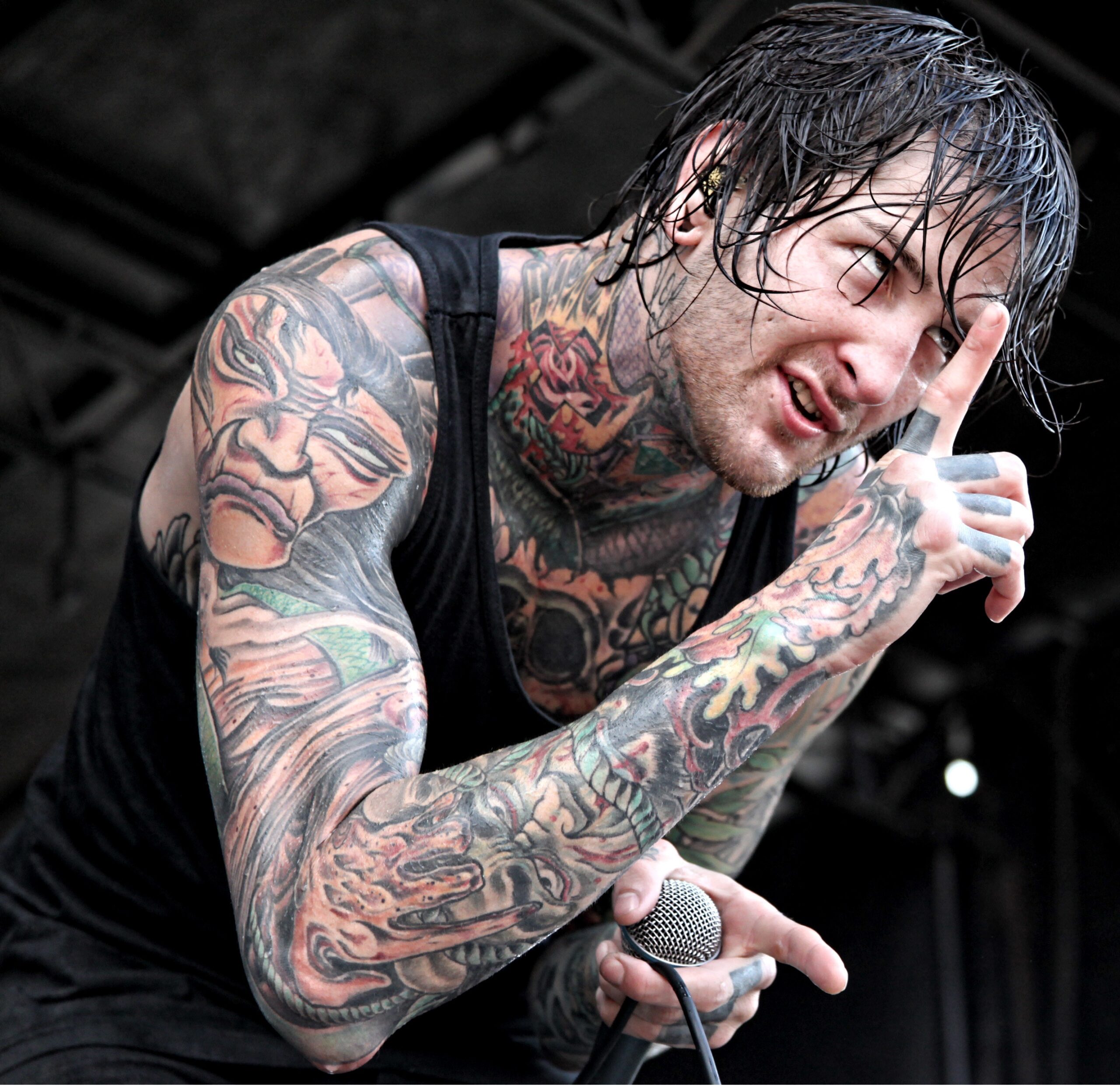
The interviews offer a useful guide to the person behind the deathcore stage image. They are not a complete catalogue with every mark identified, but Lucker explains several designs in his own words.

Family is one of the clearest threads. Lucker had names and images connected to people close to him, and he spoke about those tattoos as personal reminders. Touring meant spending long stretches away from home; the ink kept those relationships close.

His knuckle tattoos are among the most recognizable pieces. Hands are always visible, especially for a vocalist moving around a stage. The lettering appears as he grips a microphone or reaches toward the crowd, making it part of his performance.
Other photos show bold blackwork, lettering and larger illustrative designs, though the images do not always give enough detail to identify every tattoo. A stage photograph can show where the ink is without revealing its story. The interviews are more useful for meaning than a gallery of cropped pictures.
Lucker also spoke about tattoos linked to important events and personal milestones. That broad description is supported in available coverage; more specific claims should be tied to something he said or a clear image.
The contrast between his music and the stories behind the tattoos is part of their appeal. Suicide Silence’s performances could be aggressive, while a name or family image carried a much softer feeling. The two sides belonged to the same person.
Photos from 2008 to 2012 show the tattoos at different points in his career. Some are close enough to make out lettering; others are wide live shots where ink blurs with movement, sweat and stage lighting. Older photos may also be mirrored, cropped or taken before a design was finished, so they are best read as fragments rather than a complete record.
Visible tattoos were part of heavy music’s visual language at the time, but Lucker’s collection was personal to him. Family references and his own explanations give it a centre beyond the look of the band.
It is easy to read every dark image as a sign of darkness. Lucker’s interviews point to a more layered collection, with room for grief, humour, pride and affection. A tattoo could look imposing onstage and still hold a quiet meaning for him.
Touring also helps explain why the family pieces mattered. Names and images offered reminders of home from one city to the next. The tattoos were connected to Suicide Silence, but they belonged to Lucker as a person, not just to the band’s image.
The early 2010s photographs can be rough: hard flash, dark venues and low-resolution backstage clips. Those images are part of the record, but they can make details hard to identify. It is better to compare photos and use Lucker’s interviews than to treat one blurry frame as definitive.
A tattoo does not need a long explanation to matter. Some pieces were connected to family or events; others simply belonged to the life he was living at the time. A musician can carry love, grief and responsibility in their tattoos while performing with intensity.
The strongest available account keeps the confirmed details clear and leaves the rest open. The interviews describe someone who valued memory and family; the photographs show a touring musician whose tattoos were visible in fragments.
A documented inventory of Mitch Lucker’s tattoos
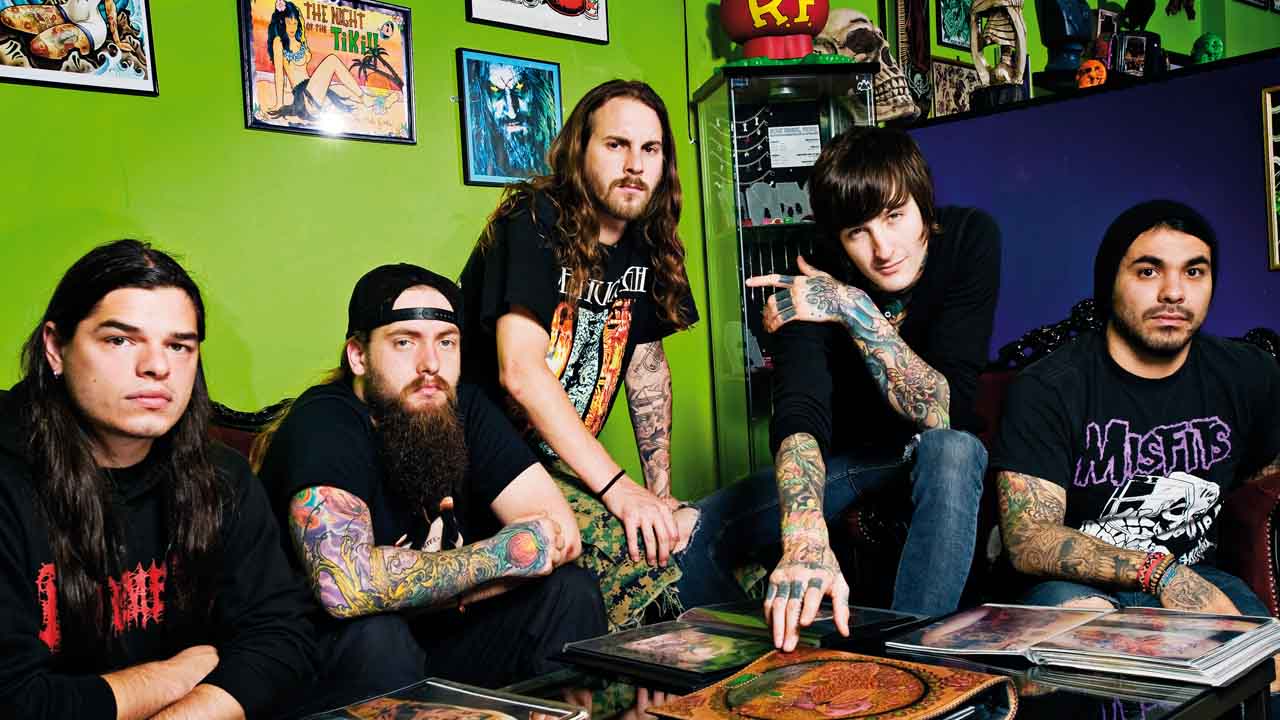
The clearest public record includes family names and images discussed in the Ink And Honor and Behind The INK interviews, lettering across his knuckles, and other blackwork and illustrative pieces visible in Suicide Silence performances. Reliable sources do not preserve the meaning of every small design. Those details are best described as visible or reported, without guessing at a private story.
Why his tattoos still feel personal
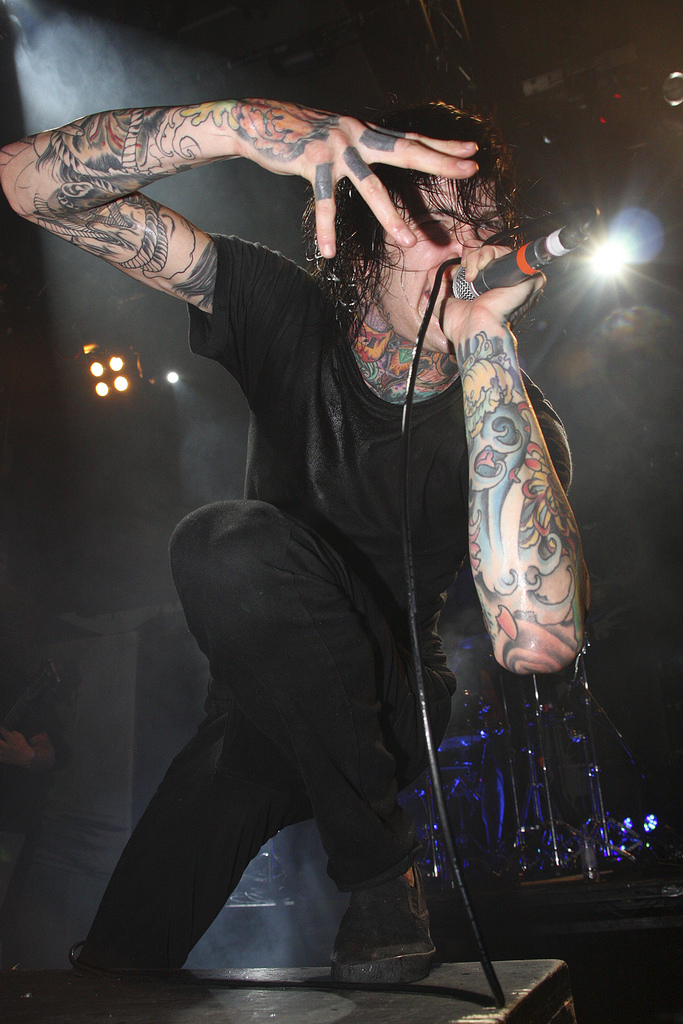
Lucker’s tattoos held two parts of his life together: the forceful stage image and the personal memories he carried with him. The designs could look fierce from the crowd, while their stories led back to family and connection. That contrast is why they remain memorable beyond the photographs.
Watch Mitch explain the tattoos

This interview is the clearest video companion because Lucker discusses his tattoos and the personal history behind them.