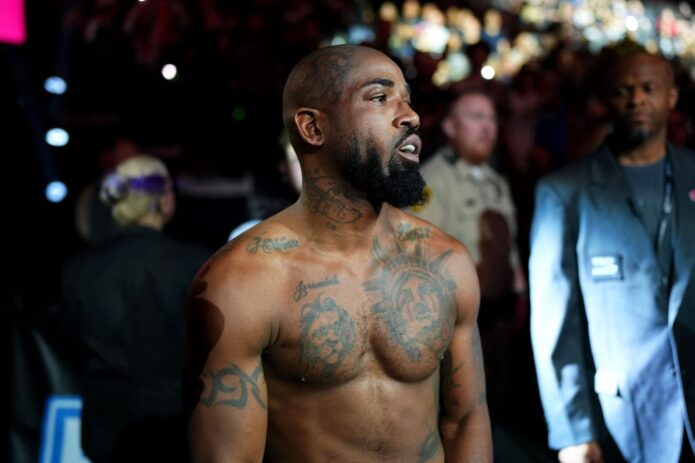
A quick fight photo only hints at how much ink Bobby Green has. The collection includes a crying Statue of Liberty across his chest, a huge King design on his back, plus lions, crosses, wings, flames, names and a dragon. Green has also spoken about the pain and regret that can come with getting tattooed, making the collection more than a catalogue of symbols. It reflects choices made at different times in his life.
Photos are important here because gloves, shirts and camera angles hide different areas. This guide groups the visible designs, treats separate tattoos separately and includes meanings only when Green or a reliable source has shared them.
Bobby Green’s chest carries the crying Statue of Liberty tattoo and lion work
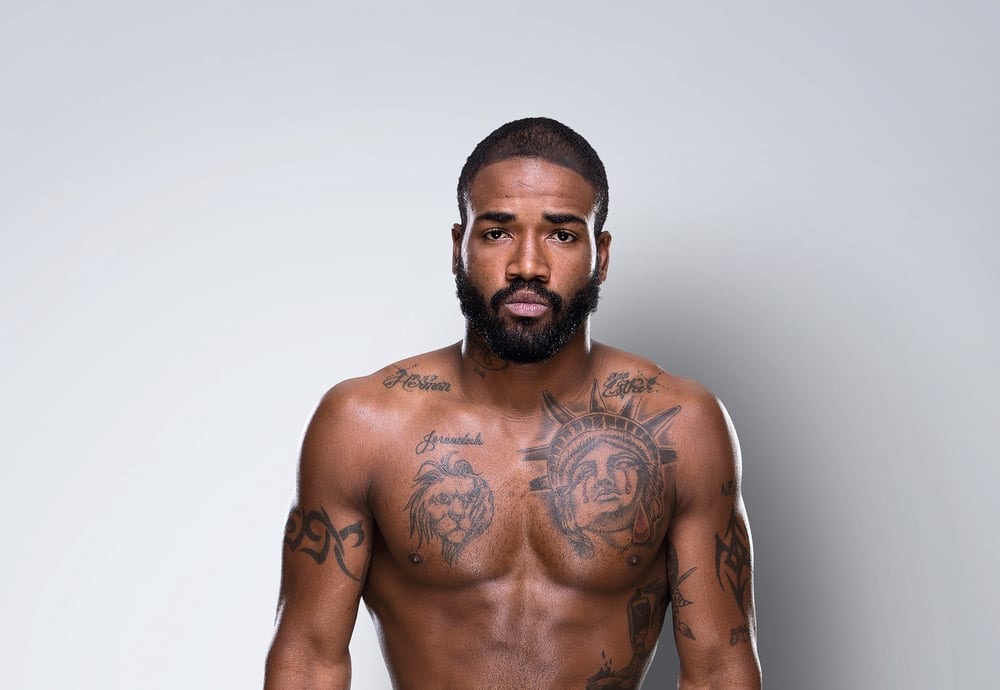
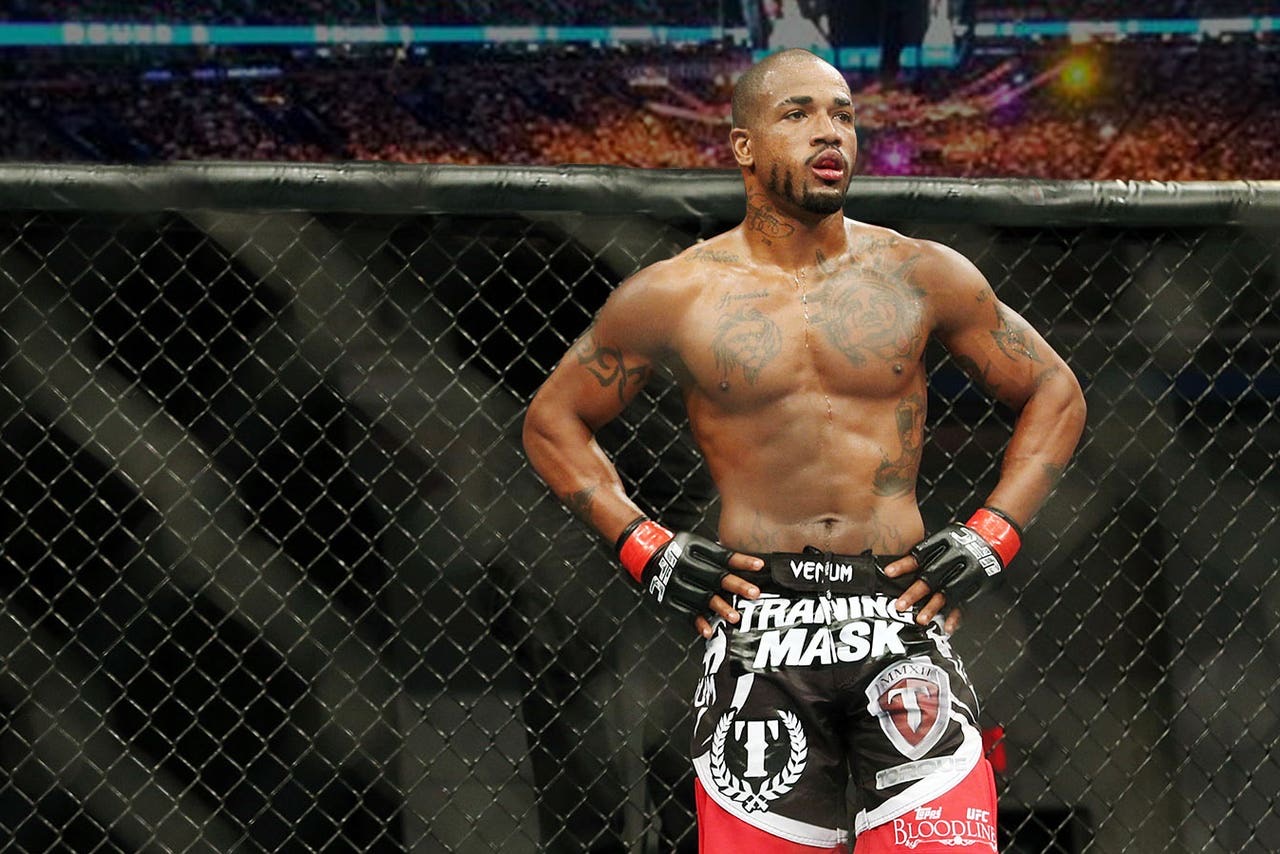
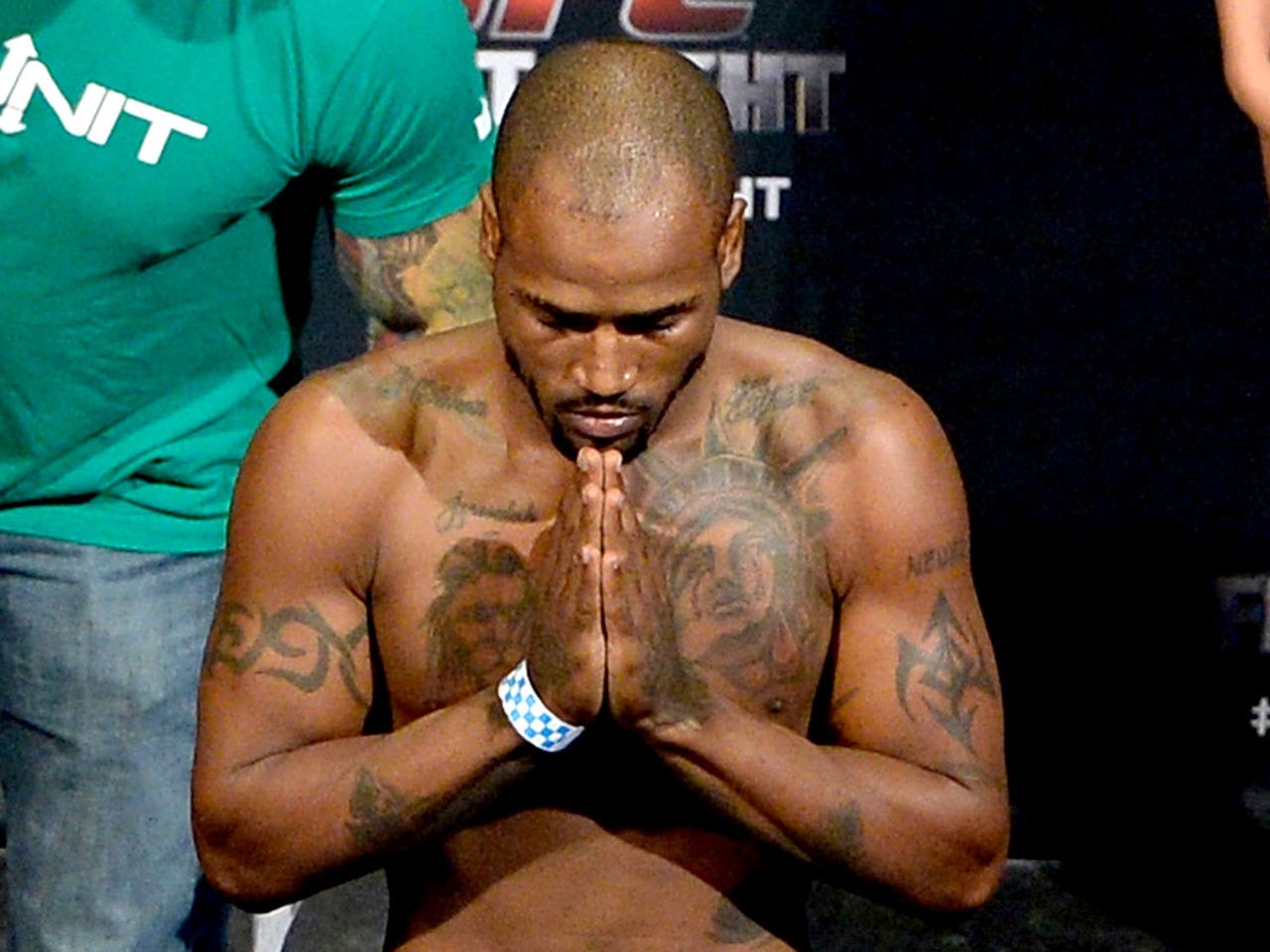
The crying Statue of Liberty is often the first design people notice. It spreads across Green’s chest and is far larger than a small badge or filler tattoo. The face, tears and heavy shading give it a solemn look, while the surrounding ink keeps it from reading like a standalone logo. A clear chest photo helps because fight-night images can hide the lower edges beneath a shirt, towel or gloves.
The image fits the way Green has spoken about freedom and his life. There is no need to invent an elaborate meaning for every line: the familiar Statue of Liberty already carries weight, and the tears change its mood. It feels personal and lived-in rather than like a souvenir.
A lion is also reported among the chest and upper-body tattoos. It brings a different feel, with animal imagery and a sense of pride or toughness. It should be listed separately from the Statue of Liberty. They sit near each other, but they are different designs, and there is no need to assign them one shared meaning.
The chest photo also shows how Green’s tattoos follow the shape of his body. Dark outlines run over the pec and shoulder, while smaller marks fade toward the collarbone. That arrangement is easy to miss in a distant shot, which is why the close image belongs here instead of relying on the featured headshot. The crying face is what sets this version of the Statue of Liberty apart from a standard outline.
The huge King back tattoo gives Bobby Green’s collection its loudest piece
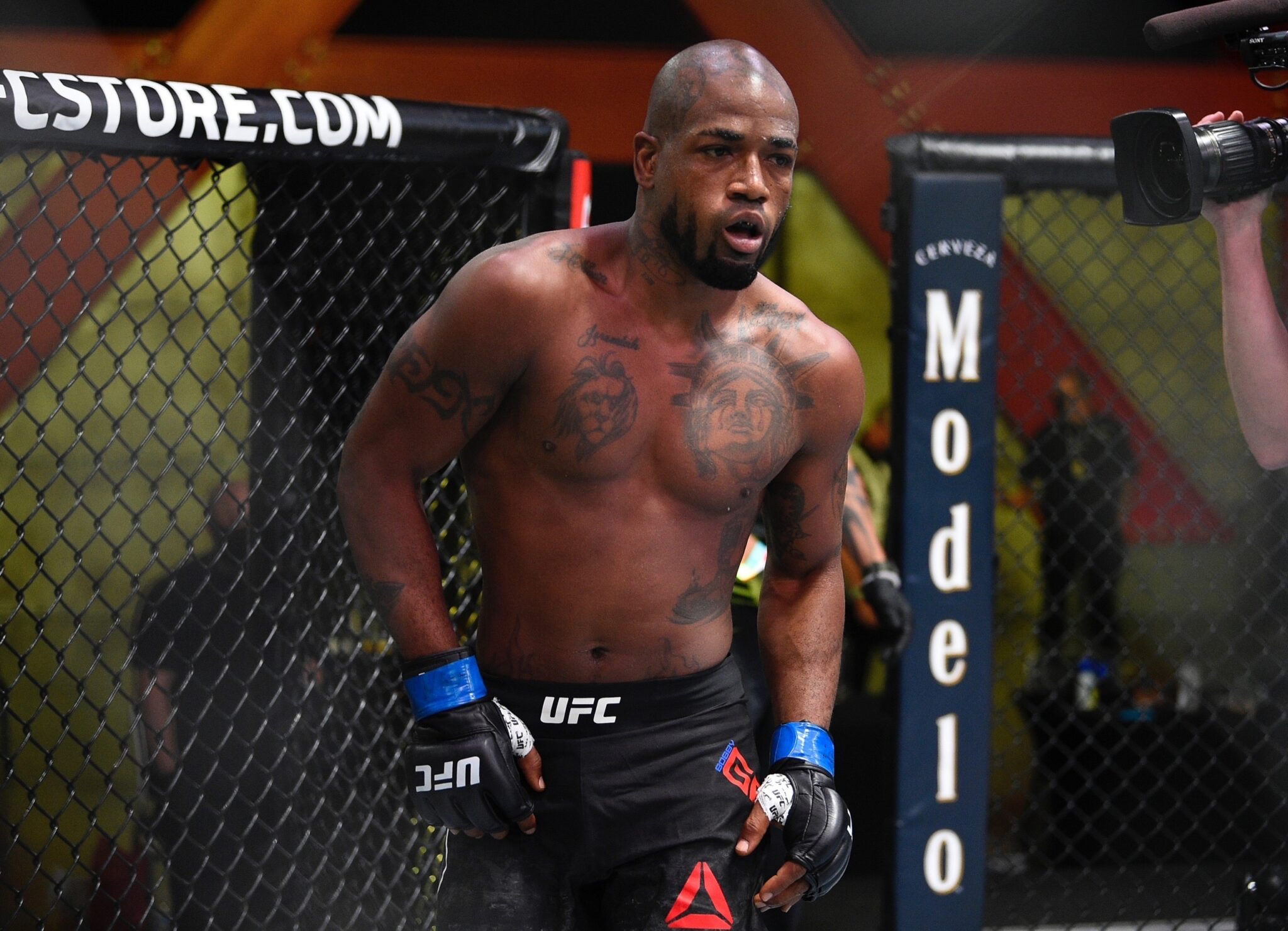
Green’s large King tattoo makes the scale of his collection clear. The lettering covers enough of his back to become its main feature. Around it are reported crosses, wings, a halo and flames. Together they give the design a religious, theatrical feel without making it look like a neatly boxed mural.
The back has been worked on over time, so older photos may show an earlier version. With a piece this large, later sessions can deepen the background, sharpen a letter or join shapes that once looked separate. The wide image is useful because it shows the placement across the back rather than one cropped section.
The word King is tied to Green’s nickname, but the nickname alone does not explain every surrounding symbol. The cross and wings can be described visually, with any connection to faith stated carefully. A halo’s rounded lines and the flames’ sharper shapes create an interesting contrast, especially when he is photographed from the front and the back piece is visible.
This design needs room to read. In a tiny thumbnail the lettering would blur into a dark patch. The photo is a different view from the chest and arm images, showing why a heavily tattooed fighter needs several views rather than one portrait repeated throughout.
Bobby Green’s arm and shoulder tattoos are built from separate pieces
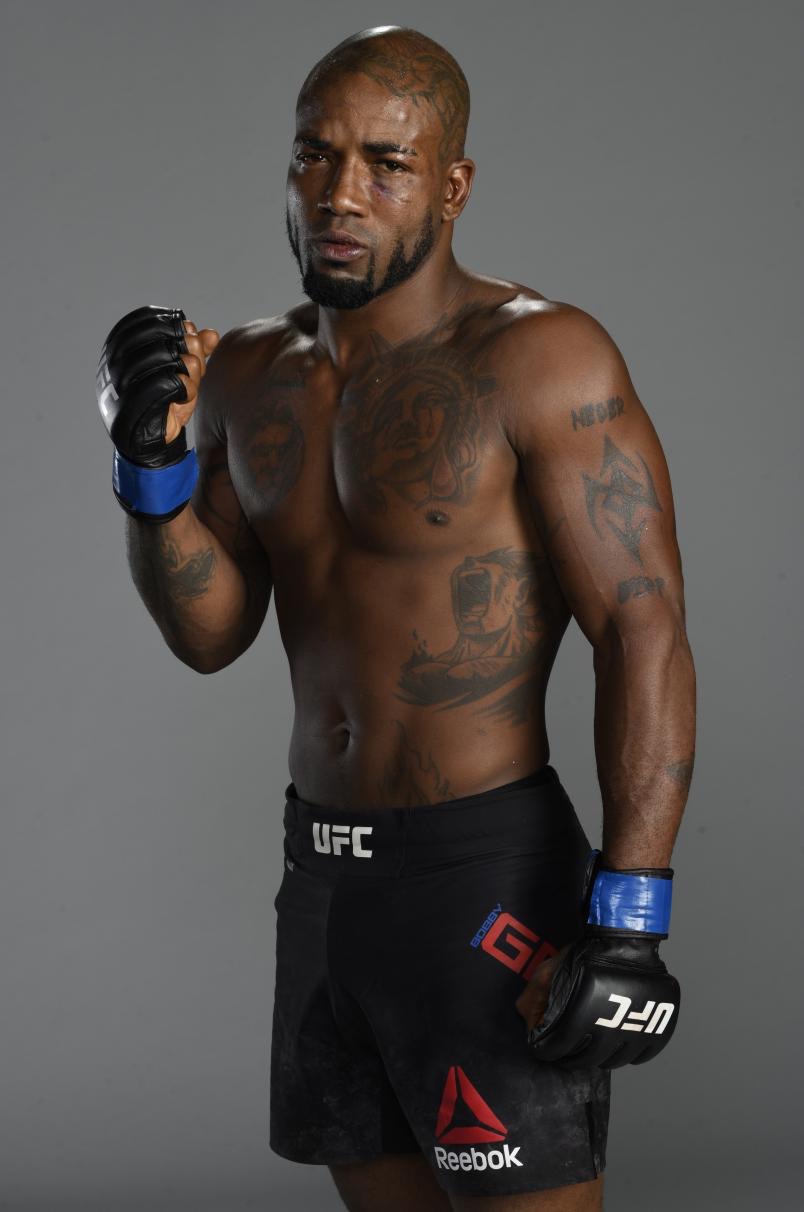
No single design takes over Green’s arms in the way the Statue of Liberty does his chest. Smaller symbols, lettering, names and patterns spread across the shoulders and upper arms. Some photos show them clearly; others catch them at an angle or under arena lights. It is best to identify what the images support and avoid giving every dark line a backstory.
Reports mention names near the collarbones and shoulders, as well as flames along the sides of his torso. The flames visually connect parts of the upper body, but that does not make the chest and arms one planned sleeve. The tattoos look like they were added over the years, with different ideas placed in different spots.
An ESPN tattoo interview gives more personal context. Green talks about painful tattoos and regrets, which makes the collection feel less polished than a typical celebrity slideshow. Some pieces are statements, some are memories, and others reflect what he wanted at a certain point in his life. That mix feels more credible than claiming every design has one profound meaning.
This official portrait shows the arms clearly without looking staged like a tattoo catalogue. The contrast between the bold chest work and the smaller shoulder marks is easy to see. The light brings out their edges, and this is a separate photograph rather than a crop of the chest image.
Names, lettering and the smaller torso tattoos need their own close look
Green has also been photographed with smaller names and lettering near his collarbones and torso. A wide shot can make those marks disappear, so they deserve a closer look. Lettering has details of its own: the font, spacing and placement all contribute to the design.
Some accounts link the tattoos with family, childhood and people in Green’s life. When a source clearly identifies a name or phrase, it can be stated plainly. If a chain, beard shadow or dim lighting blocks the letters, the description should stay tentative. A blurry image may confirm there is ink without proving exactly what it says.
The smaller torso tattoos are another reason a single photo cannot cover a heavily tattooed person. A wide chest image explains the overall layout; another angle can reveal marks near the ribs and shoulder. Each view answers a different question about size or detail.
The Fox Sports photo is a separate frame from the wider weigh-in image. It gives the side tattoos and lettering more room, while other photos cover the chest, back and arms. The layout makes the article easier to follow and gives each view a purpose.
The cross, flames and shoulder details fill out the wider body picture
Green’s tattoos include religious and symbolic imagery alongside sports and family designs. The cross and wing shapes on his back are among the clearest examples. Smaller flames and symbols around his shoulders and torso show up best when he is shirtless or wearing a low-cut training top.
The flames help explain how the tattoos are arranged, drawing the eye from his chest toward his side. On their own, though, they do not prove a separate story. Unless Green has explained a particular flame, it is better to describe its colour, direction and position than attach a dramatic meaning. The flame work is first of all part of the visual layout.
Green has discussed tattooing in terms of pain, regret and self-expression, which gives the collection a human edge. The process is not always carefully planned, and fight photos catch him in motion, with sweat, tape or equipment hiding parts of the work. A clean studio image and an event photo can therefore show the same tattoos quite differently.
Together, the images show the Statue of Liberty on his chest, lion work, a large King back piece, a dragon on his scalp, religious symbols, names and flames. They stay separate because each comes from a different photograph. The aim is to show more of the collection, not to enlarge and reuse the same shot in every section.
A dragon has also been reported on Green’s scalp, a less common spot than his chest and arms. It can vanish under his hair or a hat, so photos from different years may make it look new when the haircut or angle is what changed. The dragon adds a playful note to a collection otherwise associated with freedom, faith, family and fighting. There is no need to fold it into the meaning of the Statue of Liberty or the King lettering; it is a separate head tattoo with its own design and placement.
Other small marks may appear around his neck, ribs and hands, but they should not automatically be counted as confirmed tattoos. Sweat, shadows and image compression can make a crease look like a symbol. The clearest inventory names the major designs and labels uncertain details honestly.
The variety is what makes Green’s collection stand out. The crying Statue of Liberty is emotional, the lion is bold, the King lettering is oversized and the dragon is unexpected. Crosses, wings, flames and names fill the spaces between them. It is a busy collection, but it does not need one neat theme; it looks like a fighter’s body gathered stories and experiments at different times in his life.
Green’s comments about painful sessions and regret help keep the article grounded. Not every tattoo has to be called a masterpiece. Some are large and carefully photographed; others are smaller, rougher or partly hidden. A fair account describes what can be seen and where the photos leave questions. That candour makes the King back piece more interesting than a simple showpiece.
The clearest documented designs include the crying Statue of Liberty, lion imagery, the King back tattoo with cross and wing elements, the scalp dragon, names and lettering, flames, and the smaller religious symbols around his chest and shoulders. Five images are only a starting point for a collection this broad. Each one here shows a different area, so the reader gets a proper look instead of another generic portrait.
8 thoughts on “Bobby Green Tattoos: The King Back Piece, Statue of Liberty and More”