admin

Alkaline’s eye tattoos turned a bold image into a lasting debate

Alkaline’s eye tattoos became part of his public image when he emerged in Jamaican dancehall with bleached hair and a deliberately mysterious style. The darkened eyes drew attention, but they were part of a wider approach to body art and performance.

The sclera tattooing associated with the look became the best-known part of the story. In interviews, Alkaline discussed the pain and said it was temporary. Later photos raised questions about whether the effect had faded, changed or involved contact lenses. Those questions are still part of the record, so the images should not be reduced to a simple before-and-after story.

The darkened eyes made the first impression
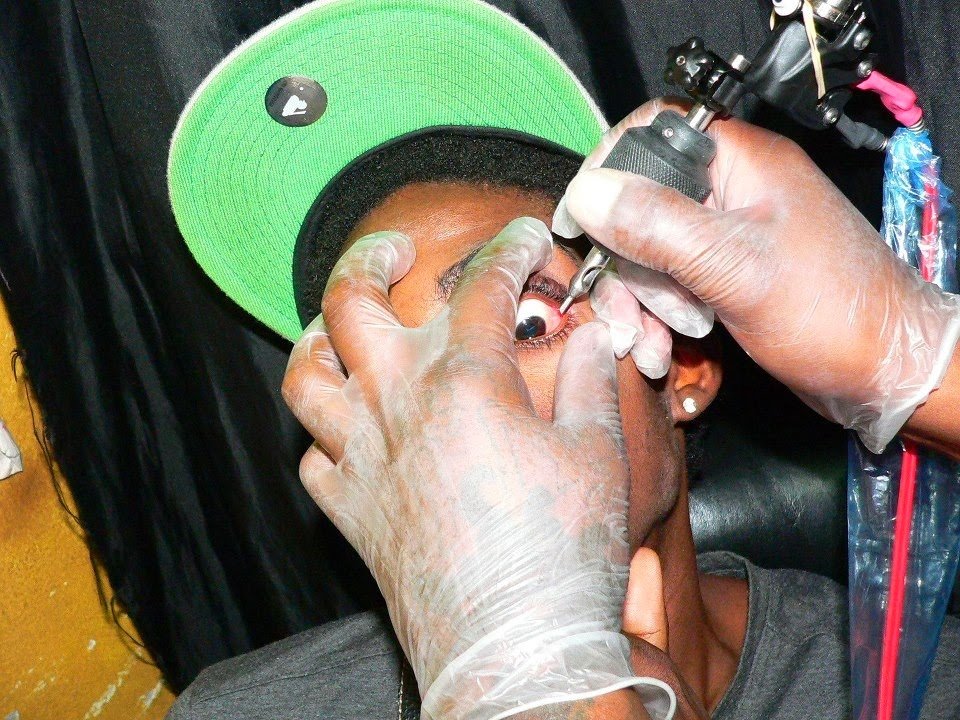
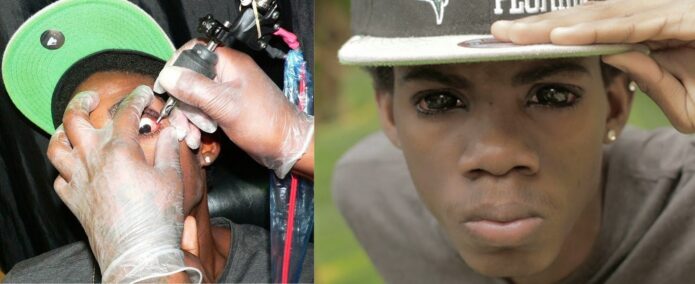
Alkaline eye tattoo procedure photo

When Alkaline first became known in dancehall, people noticed his darkened eyes. Coverage described tattooing or colouring the sclera, the white area around the iris. That is different from an ordinary skin tattoo, and reports at the time emphasized how unusual and painful the procedure was.

In an OnStage TV interview, Alkaline said the tattoos hurt but that pain was temporary. He also suggested the effect would dissolve over time, a claim that tattoo professionals and ophthalmologists questioned. His comment is part of the record, not medical guidance.

The eye ink was part of a complete visual strategy
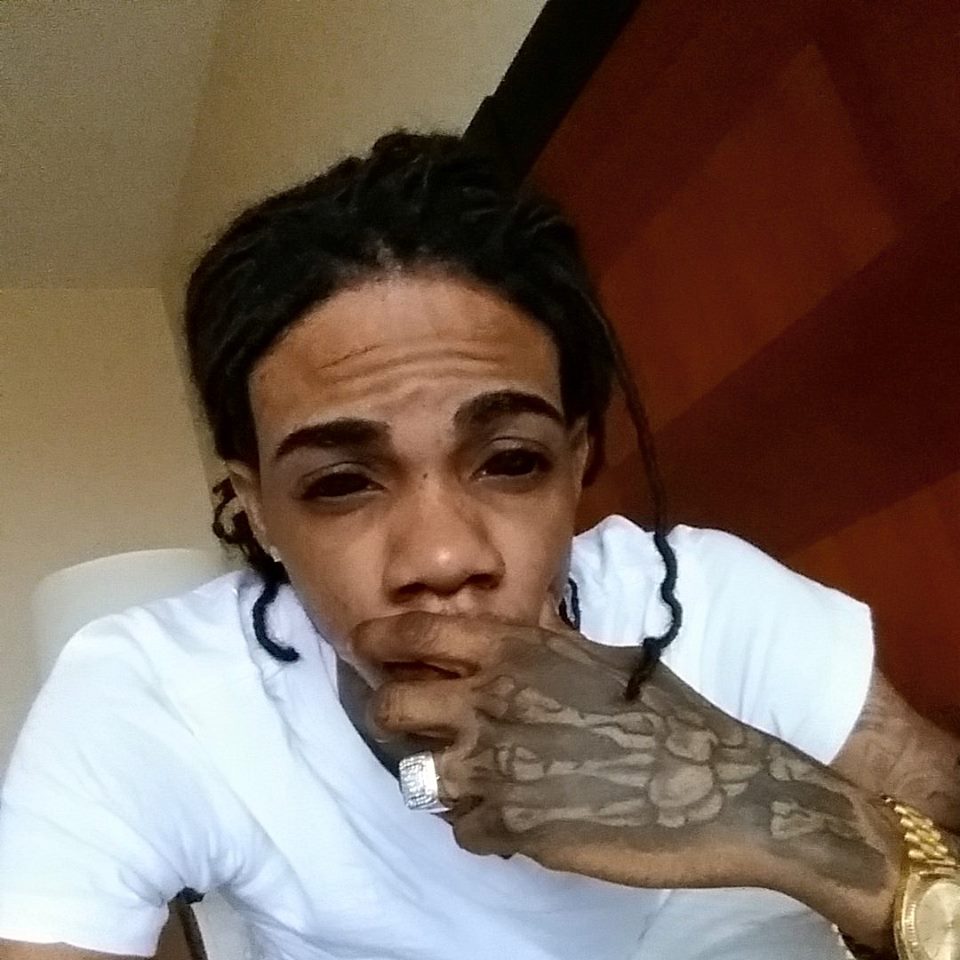
Alkaline later eye tattoo and hand tattoos

The eye look appeared alongside bleached skin, blond dreadlocks, dark clothing and a hard-to-read public persona. Together, they gave Alkaline’s early music a visual hook. In dancehall, presentation can be as memorable as the songs, and his look made “different” immediately visible.

That does not mean the tattoo was only a marketing move. Alkaline has described himself as someone willing to take risks and think differently. The Jamaica Observer had also written about his interest in tattoos before the eye controversy became his signature.

Why the 2016 number became part of the mystery

“2016” became a recurring theme in Alkaline’s public image. Fans tried to connect the number to his tattoos, music and persona, but coverage says he did not immediately explain what it meant. The unanswered question added to the mystique.

The number should be kept separate from the eye story. Its recurrence is documented; one definitive meaning is not. Some of the mystery was part of the performance.

The look raised genuine medical questions

Scleral tattooing involves the eye itself, not just the skin. Contemporary coverage raised concerns about serious risks, including infection, inflammation and damage to vision. Alkaline’s confidence in interviews did not remove those risks.

The tattoo can be described without glamorizing the procedure. It made for a striking image, but a performer’s choice is not evidence that the procedure is safe. The eye tattoos are part of dancehall history, not a recommendation to copy them.

Did the eye tattoos disappear?

Later photos complicated the story. Some appeared to show Alkaline without the same darkened effect; others raised the possibility of lenses or a changed look. BET UK coverage in 2025 also referred to his infamous appearance and the return of lenses after a long gap.

The most accurate description is that the visible effect changed over time and the public record offers different explanations. Alkaline once said the ink would dissolve, while experts questioned that claim. Lighting, lenses, fading or other changes may explain some of the images; without a definitive account, the current status remains uncertain.

The rest of his tattoo story is harder to map
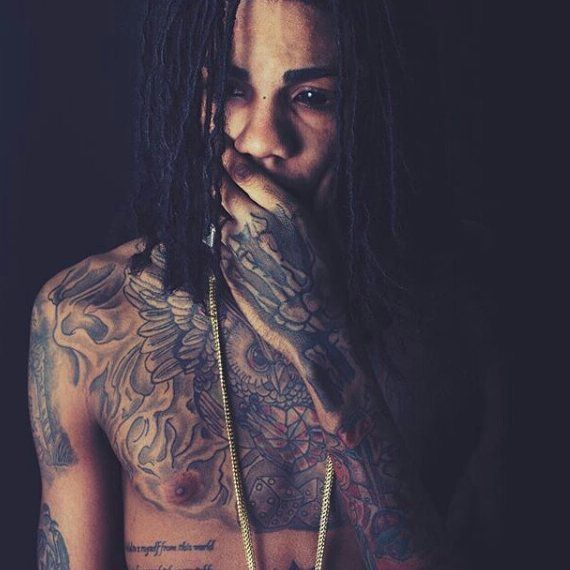
Alkaline chest and arm tattoos

Most tattoo coverage focuses on Alkaline’s eyes. Photos show other work on his body, but the sources reviewed here do not provide a complete catalogue of his arms, chest or hands.

A careful account can identify the sclera controversy, the recurring “2016” theme and the tattoo-centered image around his early career. Small shapes in low-resolution photos are harder to identify, and should not be given names or meanings without support.

His image was built around refusing easy answers
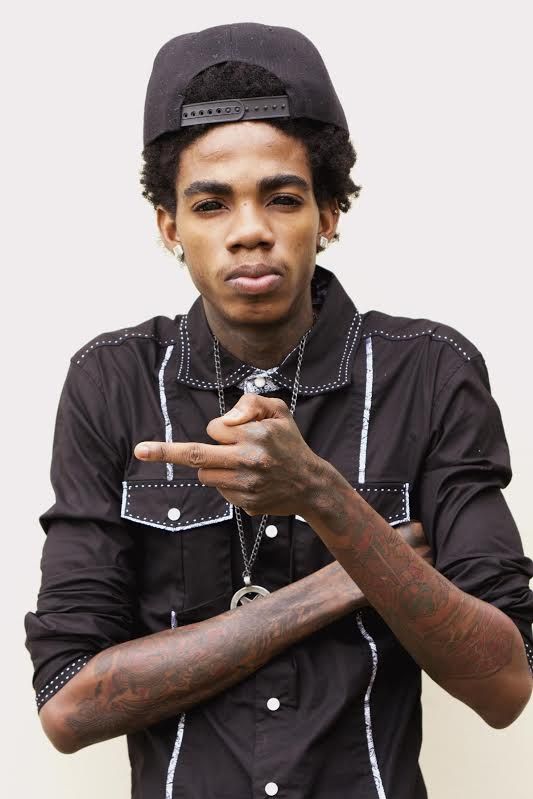
Alkaline forearm tattoos

Alkaline often let his image speak before he explained it. The darkened eyes fit that approach: they were easy to notice, but they did not tell viewers exactly what he meant.

The choice to be seen differently may itself be part of the meaning. The tattoos challenged expectations for a dancehall artist and raised questions about pain, performance and how far someone might go to shape a public image. The eyes became a question mark he carried into each appearance.

What is confirmed and what remains uncertain

The public record confirms that Alkaline was associated with darkened or tattooed sclera and discussed the pain in interviews. The look was widely covered and appeared alongside bleached skin and blond dreadlocks.

What remains unclear is whether every dark-eyed photo shows permanent sclera tattooing, whether the pigment faded or changed, and what “2016” meant. The sources do not provide a verified list of every other tattoo or a complete artist credit. Those gaps belong in the story.

The tattoo controversy outlasted the shock value

The eye ink endured in public conversation because it raised questions about safety, identity and performance. The look was difficult to categorize: a permanent modification, a temporary effect, a stunt or some combination. Years later, people still look for answers because it changed how they remembered Alkaline.

The tattoo did more than decorate his face. It became part of the discussion around his career and how far an artist can push an image. That is why it remains the central entry in any guide to his tattoos.

Alkaline’s eyes remain his most recognizable ink story
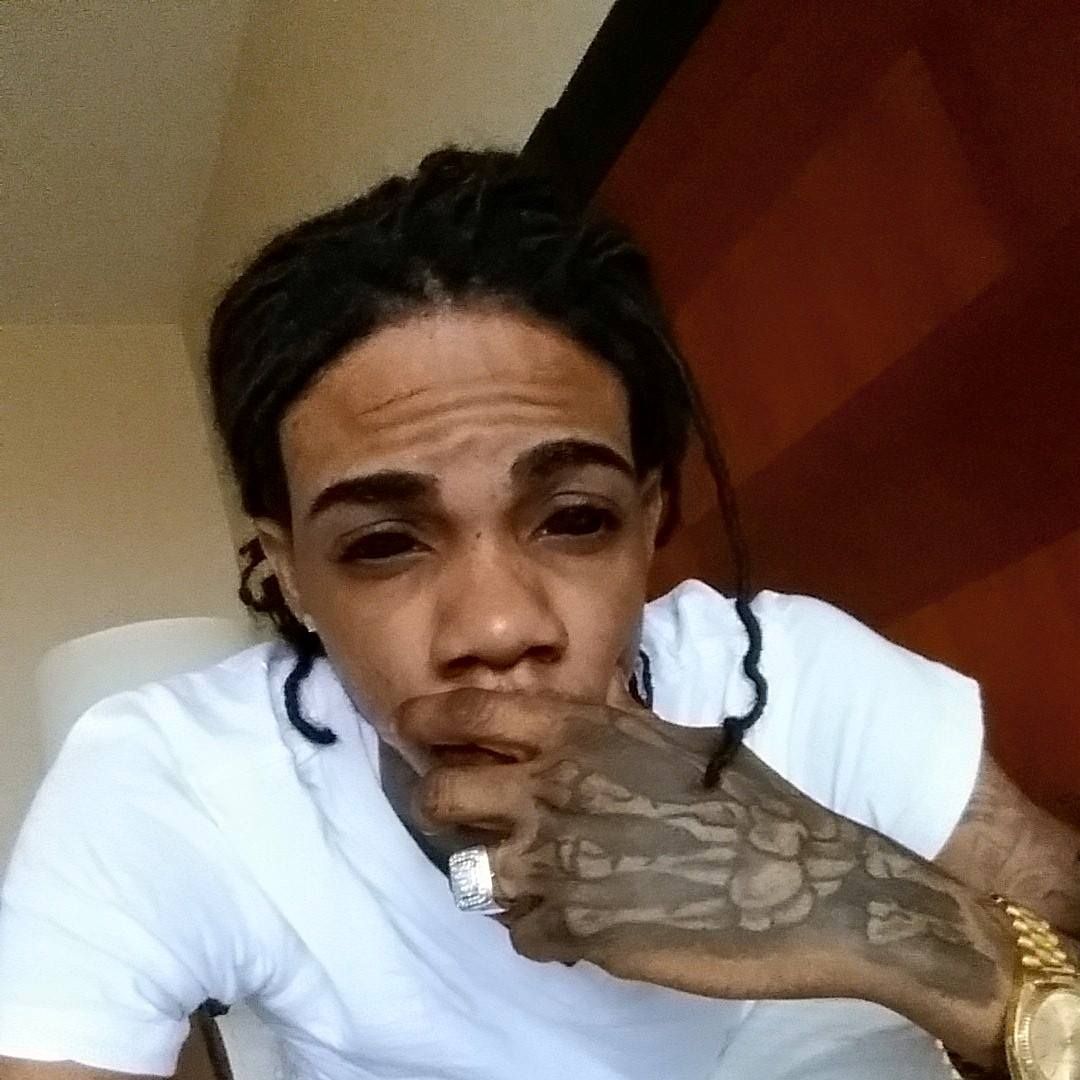
Alkaline tattooed hand and eye tattoo

Alkaline’s tattoo history is hard to separate from the mystery he built around his persona. The eye look made him recognizable, while “2016” kept fans searching for clues. His own comments, medical concerns and later changes in appearance all belong in the same timeline.

Not every question has an answer. Alkaline used tattoos and visual modification to make uncertainty part of his art. The procedure was painful and controversial, and its current status is still unclear. That unresolved tension is why the look remains memorable.

Watch Alkaline discuss his tattooed eyes

There is a wider cultural context too. Jamaican dancehall has long rewarded artists with a memorable silhouette, and Alkaline’s visual language developed within that scene, alongside his own experiments and the pressure to stand out.

That context explains why the tattoos drew so much attention, but it does not make the procedure less risky. The eyes were personal, professional and controversial at once, and that combination kept the story in public view.
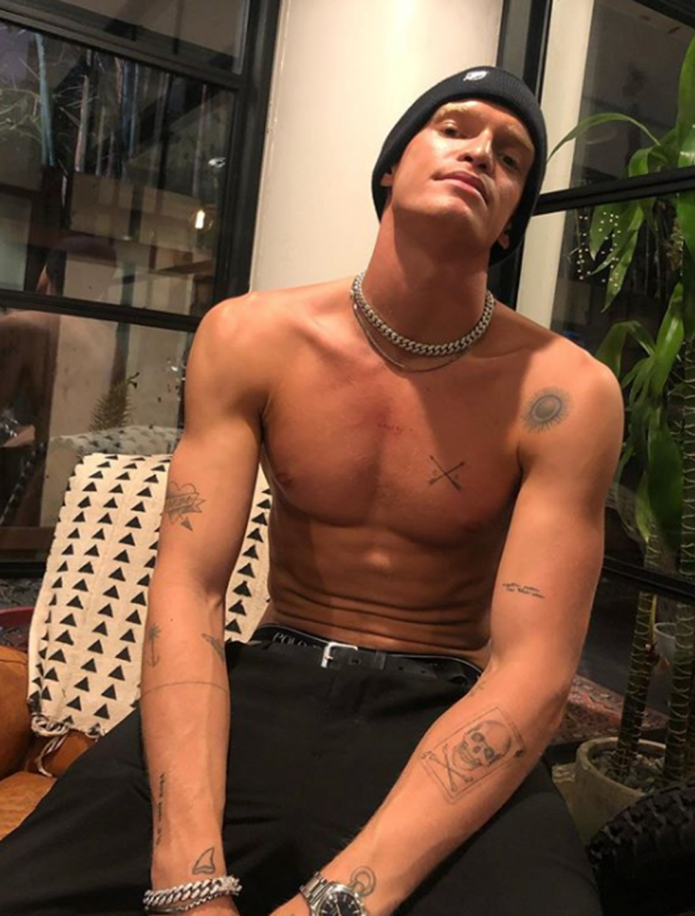
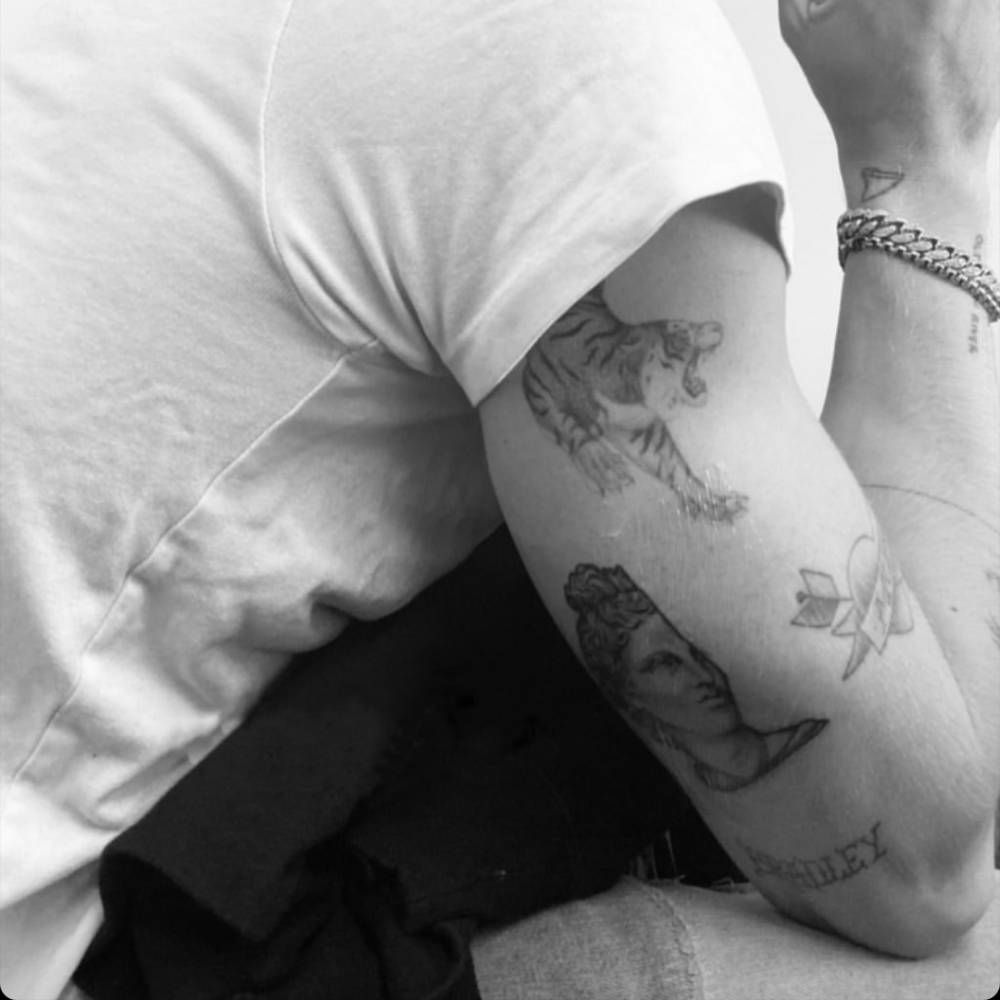
More musician tattoo guides

Cody Simpson’s tattoos trace the long way back to the pool

Cody Simpson’s tattoos reflect the different directions his life has taken: music, family, relationships and competitive swimming. His collection includes classical imagery, a team number and a matching tattoo from an earlier relationship.

In a 2026 interview, Simpson explained a newer tattoo as a marker of a new chapter. Earlier coverage identifies Apollo, a swim-team coat of arms marked 838 and other designs across his arms. Together, the pieces make more sense as a timeline than as one unified style.

Apollo gives the collection its classical center

Cody Simpson Apollo tattoo

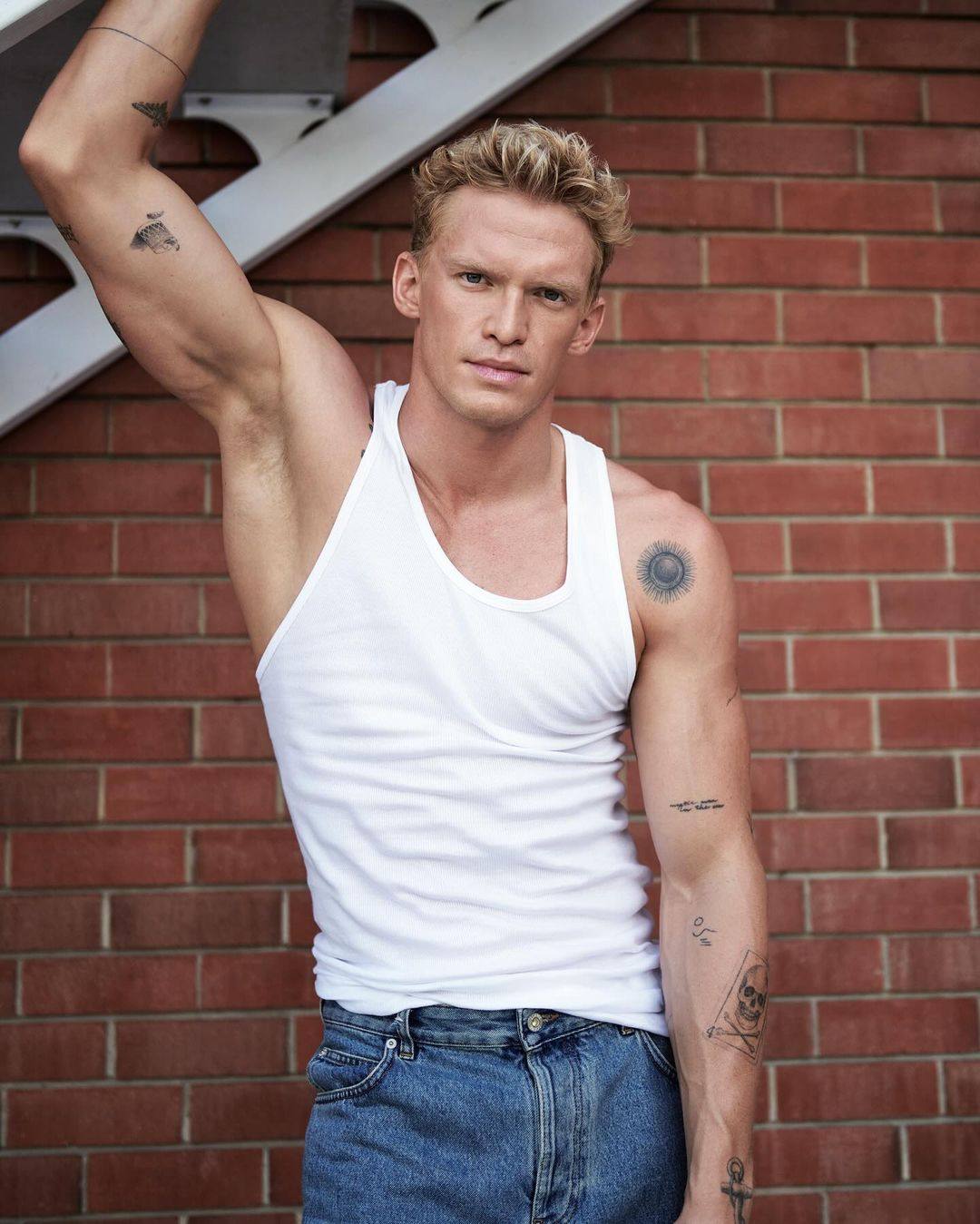
One of Simpson’s most distinctive pieces is a detailed bust of Apollo on his right upper arm or tricep. Photos show the classical figure beside other fine-line designs, including a tiger, a sculpted head and a geometric rose. The mix feels more like collected artwork than a single traditional sleeve.

Tattoo coverage identifies Apollo, but does not provide a complete quote from Simpson explaining each mythological reference. The classical style is clear; any specific personal symbolism is less certain.

The 838 coat of arms ties ink to swimming

Cody Simpson arm tattoos

When Simpson returned seriously to swimming, he got a coat of arms with his swim-team number, 838, on the inside of his left bicep. The number marks a major change: after stepping away from music, he began working toward his Olympic goal.

The inner-bicep placement is easy to cover and appears in training or competition photos. It is a small badge tied to a new athletic identity.

His tattoos sit between music and sport.

Simpson’s tattoos are visible both in music photos and when he wears training gear. A classical figure can sit beside a team number without either one cancelling out the other.

His public life has moved from teenage pop stardom to serious swimming and back to songwriting. The tattoos reflect different stages rather than a single finished look.

The matching Miley Cyrus tattoo belongs to an earlier chapter

Cody Simpson matching chest tattoo

In 2019, Simpson and Miley Cyrus got matching tattoos during their relationship. Tattoo artist Nico Bassill shared an image of their forearms together. Coverage connected the design to their creative relationship and a phrase that mattered to them at the time.

The tattoo records a moment in their lives; it does not define how either person feels about it now. In Simpson’s collection, it marks an earlier relationship chapter, while the 838 piece reflects a later commitment to swimming.

The arm work mixes portraits, animals and geometry

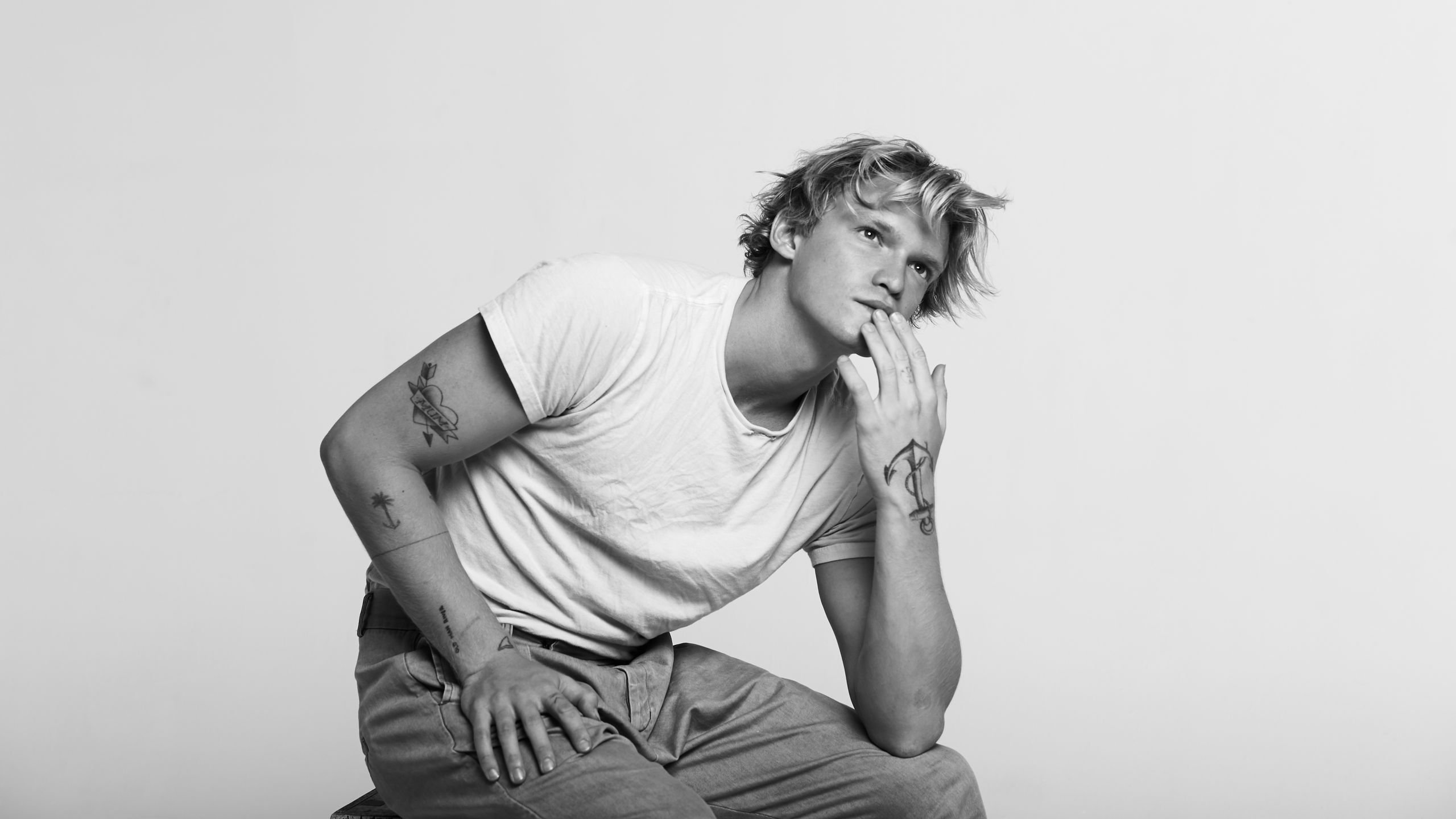
Cody Simpson visible wrist and arm tattoos

Photos show the Apollo bust alongside a roaring tiger, another sculpted head and a geometric rose. The order of the sessions is not fully documented, and not every nearby design has a confirmed name. What is visible is a mix of fine-line work, classical figures, natural subjects and geometric shapes.

Rather than one unified theme, these pieces feel collected over time. Some are easier to identify than others, and the gaps between them are part of the look.

His newest tattoo story is about a fresh start.

Coverage in 2026 described a newer tattoo as connected to a new chapter. For its exact design and meaning, it is best to rely on Simpson’s explanation in the 10 News interview rather than guess from a photo.

The broader timeline is clear: Simpson’s life has included music, competitive swimming and a return to songwriting. His tattoos record some of those choices without forcing them into one persona.

What can be confirmed from the public record

The documented designs include Apollo on the right upper arm or tricep, the 838 coat of arms on the inner left bicep, and the matching tattoo with Cyrus. Photos also show a tiger, a sculpted head, a geometric rose and other fine-line work.

The full order of his tattoo sessions, the artist behind every piece and the meaning of every surrounding mark have not been established. Photos can identify a large design while leaving smaller ones unclear.

The collection is personal without being over-explained

Simpson’s tattoos bring together classical imagery, animals, geometry, a relationship and a swimming milestone. The meanings do not have to cancel one another out.

He has moved through music, relationships and sport, and the collection reflects those changes. Some stories are public; others remain his to keep.

Why the pool matters so much to the tattoo story

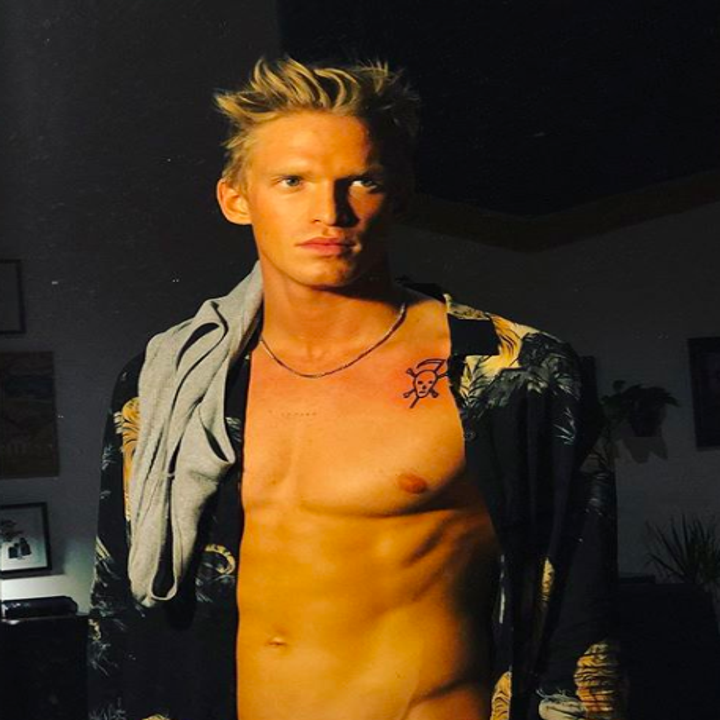
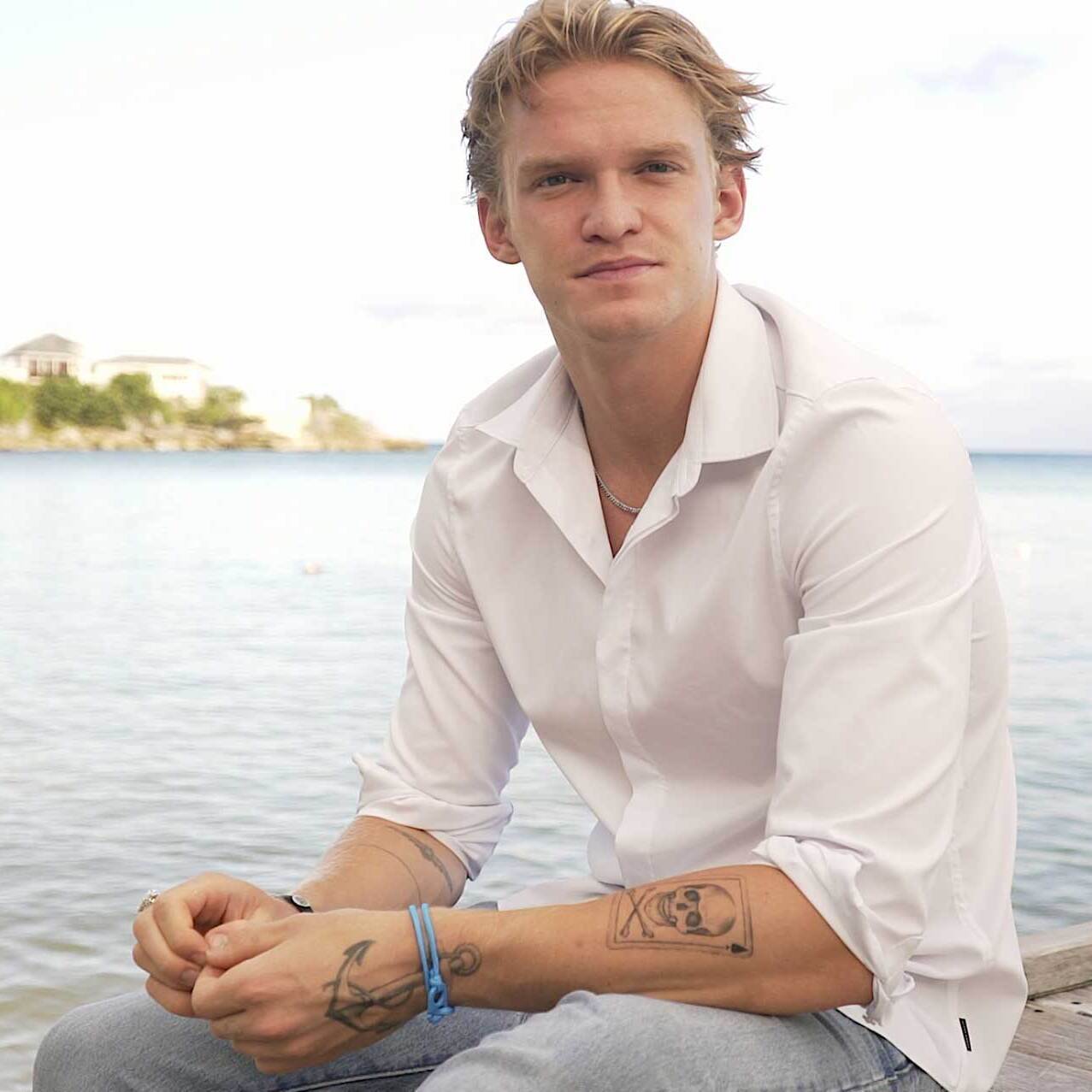
Cody Simpson anchor and skull tattoos

Swimming was a serious pursuit for Simpson, requiring training and a shift away from the pop career that first made him famous. The 838 tattoo gives that period a lasting place beside his earlier work in music.

It is reasonable to read the number as a mark of that transition, while remembering that Simpson has not given a definitive explanation for every design. The tattoo keeps an earlier chapter in view as his life moves forward.

Cody Simpson’s tattoos keep the story moving

The collection traces a life that has moved through music, swimming, relationships and a return to songwriting. Apollo and the fine-line work show one side of his taste; the matching tattoo records an earlier relationship; 838 marks his swimming chapter.

The tattoos are not a final answer. They record choices along the way, with some meanings explained and others left for Simpson to keep.

Watch Cody Simpson break down his tattoos

Dolly Parton’s hidden tattoos were always more personal than flashy

Dolly Parton kept her tattoos covered for years. A small design first caught the public’s eye during a TV interview in the 1990s, when it peeked out from her sleeve. Parton later explained that she has a few delicate pastel tattoos, not the full sleeve people had imagined. The colors are light, and the designs sit within a more personal story.

Rumors about the ink have often traveled further than Parton’s own comments. Jay Leno noticed a design on The Tonight Show, later interviews brought up butterflies and angels, and more recent reports have connected the tattoos to scars, her husband Carl Dean, and her wish to turn marks she didn’t choose into something beautiful. She hasn’t presented them as a rebellious statement.

The butterfly was the tattoo people noticed first

Dolly Parton butterfly tattoo reveal

A small butterfly showing beneath Parton’s sleeve in photos from the mid-2000s helped start speculation that she might have a much larger collection. She later said her tattoos were small and pastel, including butterflies, rather than a full arm of heavy black ink.

The butterfly suits Parton’s look: bright, pretty and easy to pair with rhinestones and soft colors. It also belongs to a collection she has linked to personal reasons, including covering scars. The tattoo itself is small; the stories around it grew much bigger.

A rare chest photo showed a small pastel tattoo

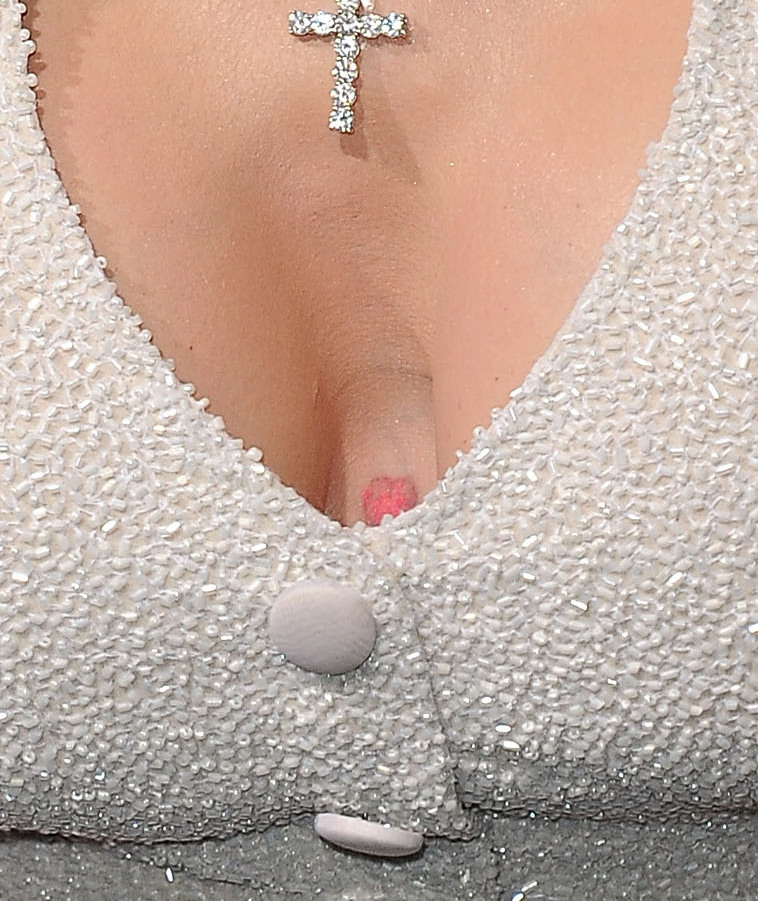
Dolly Parton chest tattoo close-up

During a Tonight Show appearance in the 1990s, Parton confirmed she had a small angel tattoo on her upper arm. It wasn’t a planned reveal. Her sleeve shifted, Leno spotted the tattoo, and his question brought the subject into the open. Parton’s answer made clear that she had kept the tattoos private, not hidden them out of shame.

The angel is one of the few designs she has named in the long-running public discussion of her ink. Reports don’t give a reliable artist credit, exact date or full explanation of its personal meaning. It’s safest to describe it as a small angel without assigning a specific religious message. Parton’s public life includes faith, family and humor, but only she knows exactly what the tattoo means to her.

Ribbons, bows and flowers keep the palette soft

Parton has said her tattoos include ribbons, bows, butterflies and other delicate designs. The overall look is pastel, not dense blackwork. That’s a far cry from the full-sleeve rumor that followed her for years. The tattoos seem to sit quietly beneath her clothes, with a little color showing when a sleeve or neckline moves.

Pastel ink can be pretty and practical. It blends more easily with skin and clothing, which suits someone who has long shaped her stage image through what she wears. Interviews don’t list every ribbon or bow or say exactly where each one sits. Those are designs Parton has mentioned, not a complete map of her tattoos. Her collection is a handful of private details, not a public catalog.

The bee and beehive story is tied to a scar

One of the more personal stories is about a tattoo that covers a mark left by a feeding tube. Recent reports say Parton had a beehive and a small bee tattooed over the scar. The design gave her a way to change how she saw a medical reminder, turning it into something connected with sweetness, work and her playful style.

The beehive is more than a country-themed image; it’s a cover-up that changes the look of the scar and her relationship with it. Parton hasn’t shared a technical breakdown, so the exact placement, artist and year aren’t confirmed. What she has done is turn a difficult mark into something she chose.

Why Parton kept her tattoos hidden

Parton has said she didn’t want tattoos to become a big deal. She has also joked that she isn’t really a tattoo girl. She grew up in a time and place where people attached strong assumptions to tattoos, and keeping them under her sleeves let her maintain the polished country-star image while still making room for private art.

There’s a style reason, too. Dolly’s clothes are part of how she tells a story, and visible ink could compete with the rhinestones, lace and color in an outfit. Hidden tattoos can show on her terms. A butterfly peeking out from a sleeve is a small surprise. Keeping them covered gave her control over when people saw them.

Some of the tattoos are for Carl Dean

One of Parton’s best-known comments about her tattoos is that they’re “mostly for my husband.” She has said she got some pieces for Carl Dean, her husband for decades before his death in 2025. That doesn’t tell us which designs were for him, but it does make clear that some of the collection was personal. The tattoos weren’t made for an audience; some were intimate gifts or shared references.

That may be why there has never been a complete public list of every design. A tattoo can mean something to a spouse without needing to become a magazine story. Parton has talked about having tattoos, but that doesn’t mean she needs to show every one. Some art can be publicly known and still feel private.

The full-sleeve rumor was always too dramatic

For years, people wondered whether Parton had a full sleeve hidden under her clothes. Her interviews describe a much smaller, more colorful collection: a few delicate designs, including angels, butterflies and ribbons and bows, along with the beehive story. The rumor grew from a brief glimpse of ink and all the questions it left unanswered.

Celebrity tattoo stories can turn a covered arm into a mystery and a mystery into a rumor about a sleeve. Parton’s own account is simpler: her tattoos are personal, pastel and placed where she wants them. They aren’t a hidden hard-rock persona waiting to be uncovered.

What can be documented with confidence

The clearest details are a small angel on Parton’s upper arm, a butterfly and other delicate pastel designs she has described as ribbons and bows. Recent reporting also connects a bee and beehive cover-up with a feeding-tube scar. Parton has said that some of her tattoos are for Carl Dean. Interviews and features repeat these details, though they don’t always give exact placements or artist names.

There’s no reliable full count, map of both arms, date for every session or explanation of every design. Some photos show only a hint of ink, and some fan pages feature tattoos inspired by Parton rather than tattoos on her. Fan tribute art shouldn’t be mistaken for Parton’s own body art.

Her tattoos fit the bigger Dolly philosophy

Parton’s public image leaves room for plenty of contrasts: glamour and humor, tradition and surprise. Her tattoos seem to fit that same mix. She keeps them covered without treating them as a source of shame; some are playful, while others connect to scars and relationships.

She never needed tattoos to prove anything about herself. They’re a few private choices, not a new identity. A butterfly can be pretty and still carry a story, and a beehive can be whimsical while covering a difficult scar. That feels very much in keeping with Parton.

Dolly Parton’s secret ink tells a quieter story

Her tattoos were never about shocking anyone. The public has heard most about the butterfly and angel; Parton has also mentioned ribbons and bows, while the bee and beehive cover-up shows how she turned a scar into something she chose. Together, those details paint a more personal picture than the full-sleeve rumor ever did.

Parton kept her tattoos under her clothes for years, then described them as delicate and often personal. They stayed out of sight because their meaning didn’t need a stage.

Watch Dolly explain her hidden tattoos

More musician tattoo guides

Chris Evans’ tattoos: the stories behind his hidden ink

Chris Evans has spent much of his career in shirts and costumes that cover his tattoos, so a glimpse of his chest ink can feel like a small reveal. He has several pieces, each tied to a different part of his life: his mother and siblings, a friend he lost, his dog Dodger, a spiritual idea and the Marvel role that changed his career.

Evans has explained why he likes keeping his tattoos easy to cover. In an older interview, he said they can mean extra time in the makeup chair while filming. That helps explain the placements: his upper arms, ribs, chest and ankle, with most of the ink hidden under a T-shirt. When he does go shirtless, the designs read like pieces of a personal scrapbook.

The details below follow what interviews and photographs support, with uncertain stories left open.

The Taurus tattoo is a quiet nod to his mother

Chris Evans Taurus tattoo

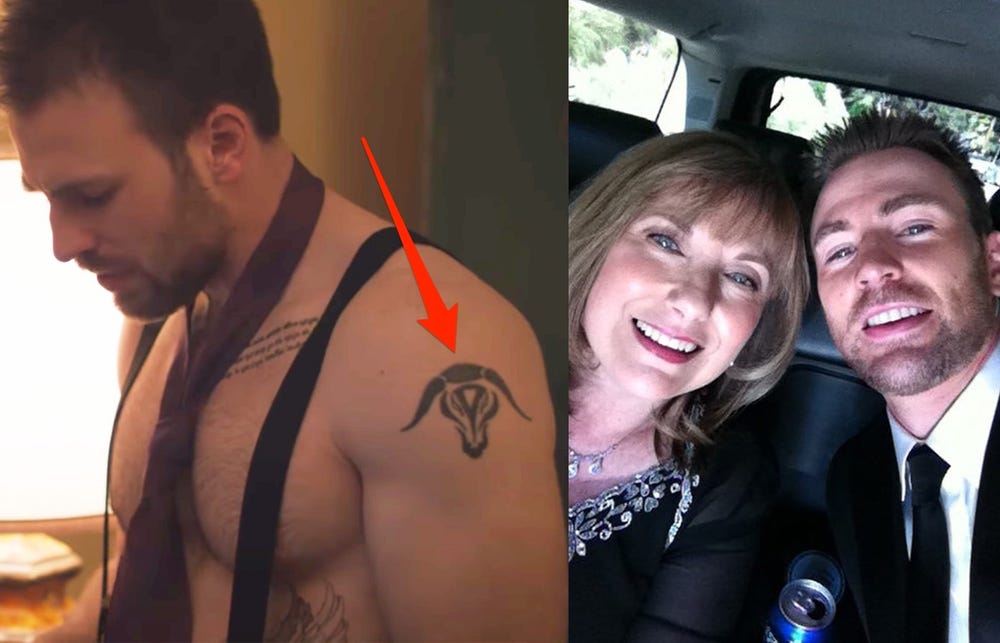
One of Evans’ oldest visible tattoos is a Taurus symbol on his left upper arm. It’s easy to miss in a red-carpet photo, but it stands out in pictures collected by Business Insider. The bull-shaped design is usually described as a tribute to his mother, Lisa Evans, who is a Taurus.

That reading fits with the family connections in several of Evans’ tattoos. The designs are often small, placed where he can keep them private, and connected to people close to him. The Taurus isn’t a large name or a loud statement; it’s a simple symbol with a family reference behind it.

The exact date he got the tattoo hasn’t been documented. Older photos suggest it has been there for a long time, perhaps since early in his career, but they don’t tell us when he sat for it. The careful description is a long-standing Taurus tattoo associated with his mother, rather than a detailed origin story Evans hasn’t confirmed.

Its placement also suits his approach to tattoos. It shows in a tank top and disappears under most shirts and costumes. He can keep something meaningful without making it part of every public appearance.

“Loyalty” is an older upper-arm tattoo with a clear message

Chris Evans loyalty tattoo

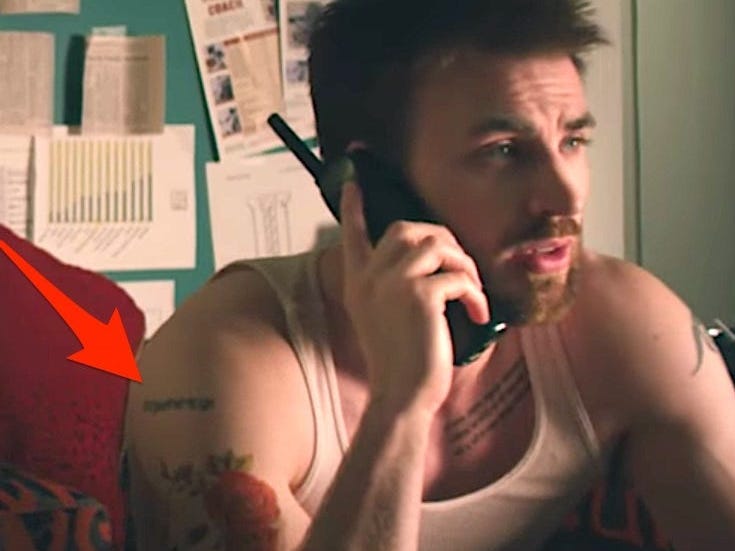
The word “loyalty” is written in dark script on Evans’ right upper arm. It’s one of his easier tattoos to identify: the lettering shows in stills from Puncture and in a Gucci Guilty Intense campaign image. Unlike the Taurus symbol, it needs no explanation. The word is right there.

In a 2014 interview while promoting Captain America: The Winter Soldier, Evans talked about the practical side of having tattoos. If a costume leaves his arms exposed, the makeup team has to spend extra time covering the ink. He prefers placements that can stay hidden when a role calls for it.

“Loyalty” fits that choice. The word can be seen, but it sits close to the upper arm and disappears under a sleeve. It expresses a broad value, so there’s no reason to assign it to one particular relationship without evidence.

Some early photos show a Chinese character near his arm tattoos. Page Six and Business Insider identify it as 氏, or “shì,” which Evans apparently thought meant family. He later had it removed. So an older photo may show a tattoo that is no longer part of his collection.

The Bardsley tattoo remembers a friend

Chris Evans Bardsley memorial tattoo

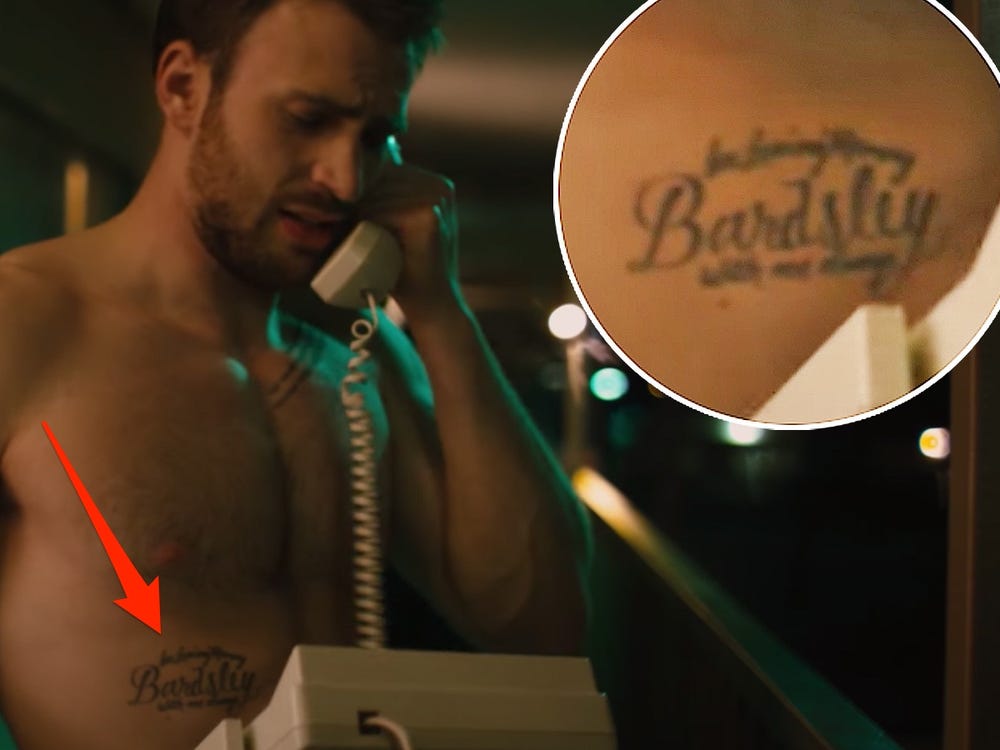
One of Evans’ most personal tattoos is a memorial to his friend Matt Bardsley. It reads “In loving memory” and “with me always,” with Bardsley’s name between the lines. The tattoo appears on the right side of Evans’ stomach in images from Puncture.

Bardsley, a childhood friend of Evans, died at 22 in 2003 after an all-terrain vehicle accident in Massachusetts. That history gives the tattoo a different weight from the designs connected to movies or public projects. It marks a private loss, even though it can be seen on screen.

The lettering has a soft, handwritten look. It feels more like a note kept close than a graphic meant to fill space. Its position on Evans’ torso also means it stays covered most of the time.

Evans hasn’t offered a long public explanation, and one isn’t needed to understand the basic meaning: the tattoo honors a friend who died young. Its quiet placement lets him carry Bardsley’s name without inviting strangers to interpret it.

The Eckhart Tolle quote is his most readable chest tattoo

Chris Evans Eckhart Tolle quote tattoo

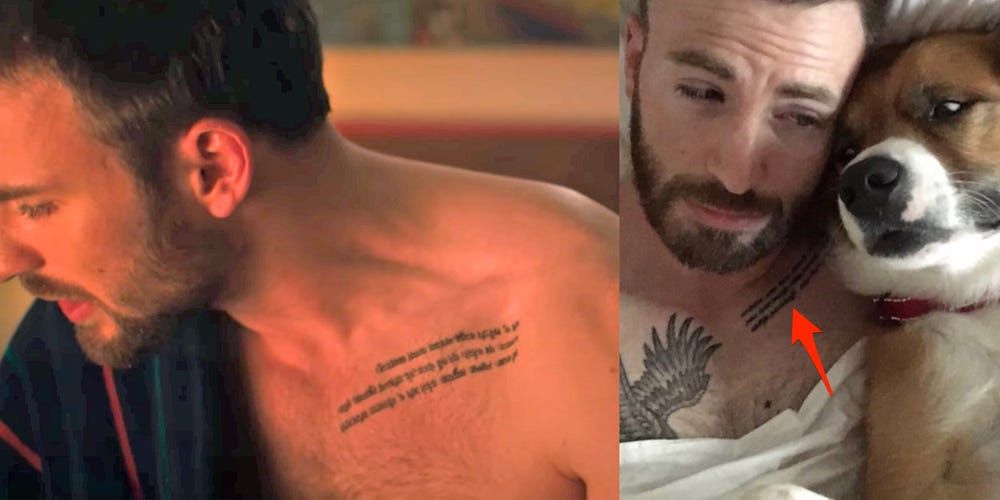
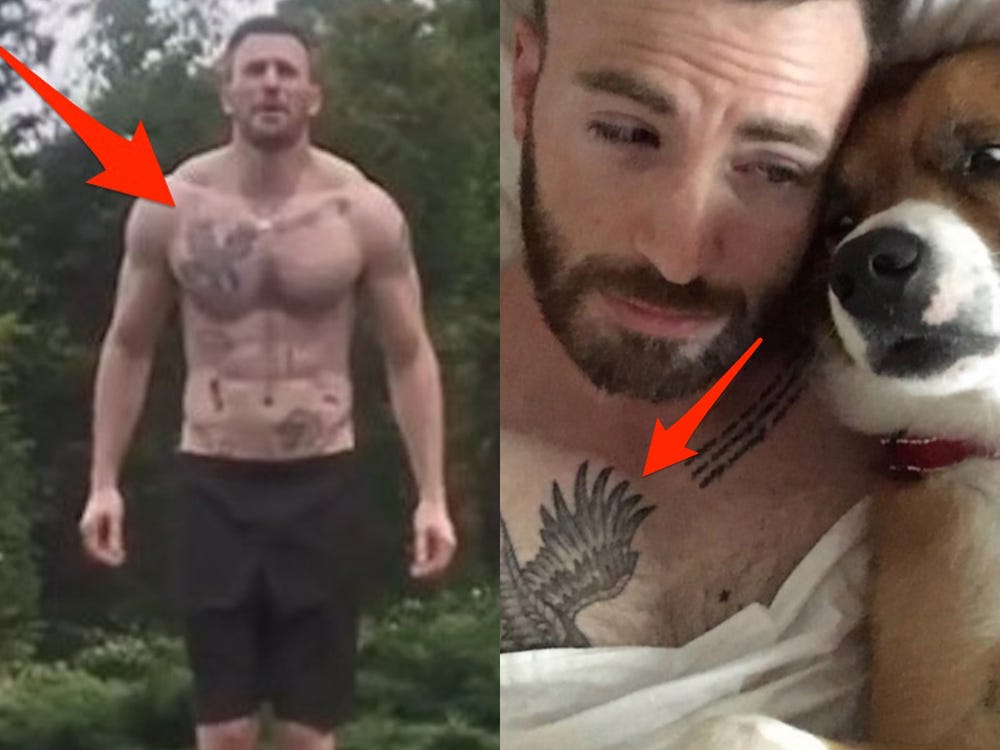
A long quote associated with spiritual teacher Eckhart Tolle runs across the upper left side of Evans’ chest: “When you lose touch with inner stillness, you lose touch with yourself. When you lose touch with yourself, you lose yourself in the world.” The passage takes up enough space to read more like a block of text than a small symbol.

The words connect with Evans’ comments about Eastern philosophies, being present and not letting the ego take over. Beyond the quote itself, he hasn’t given the tattoo one official explanation. It does show that his collection isn’t limited to names, symbols and movie memories.

The Taurus symbol and “loyalty” can be read in a moment; this piece asks you to stop and read. That gives it a more inward feel, even though it sits on his chest.

It’s also why his chest tattoos can look more extensive than expected. A shirt collar may reveal only a few lines, while a full view shows how much room the quote takes up. Alongside the eagle and other chest pieces, it gives the area a personal point of view.
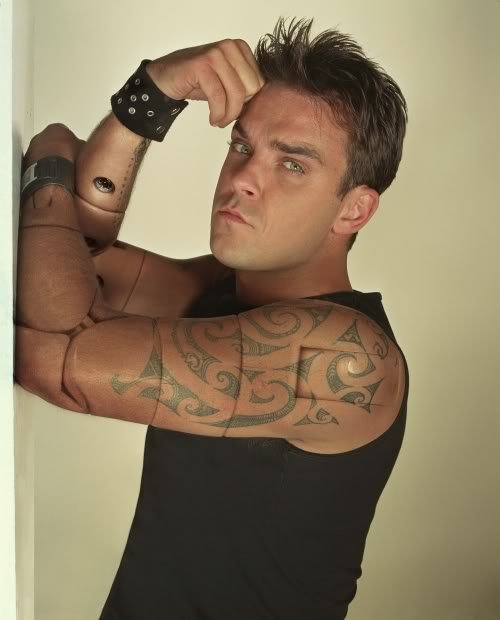
The eagle gave his chest a bold new shape

Chris Evans eagle chest tattoo

The eagle changed the look of Evans’ chest in newer photos. It stretches across his upper chest and is much bolder than the Taurus symbol or “loyalty” lettering. Clear images show a large eagle over his pecs, its wings forming a strong shape around the older text.

It’s tempting to connect the eagle to Captain America, but Evans hasn’t confirmed that meaning. It could be personal, represent freedom, or simply be an image he liked. It shouldn’t be called a Captain America tattoo just because the association is easy to make.

The eagle also changes the balance of his collection. Earlier pieces are mostly words and small symbols; this is a broad black-and-grey design visible from across a room. It makes the chest tattoos look more connected, even if Evans got them at different times.

The size helps explain why his tattoos are usually covered for film work. A shirt can hide the chest piece, but a deep neckline or action scene may mean extra time in makeup. The eagle is striking, while still fitting Evans’ preference for keeping his ink out of the way on set.

Dodger’s name makes a dog story permanent

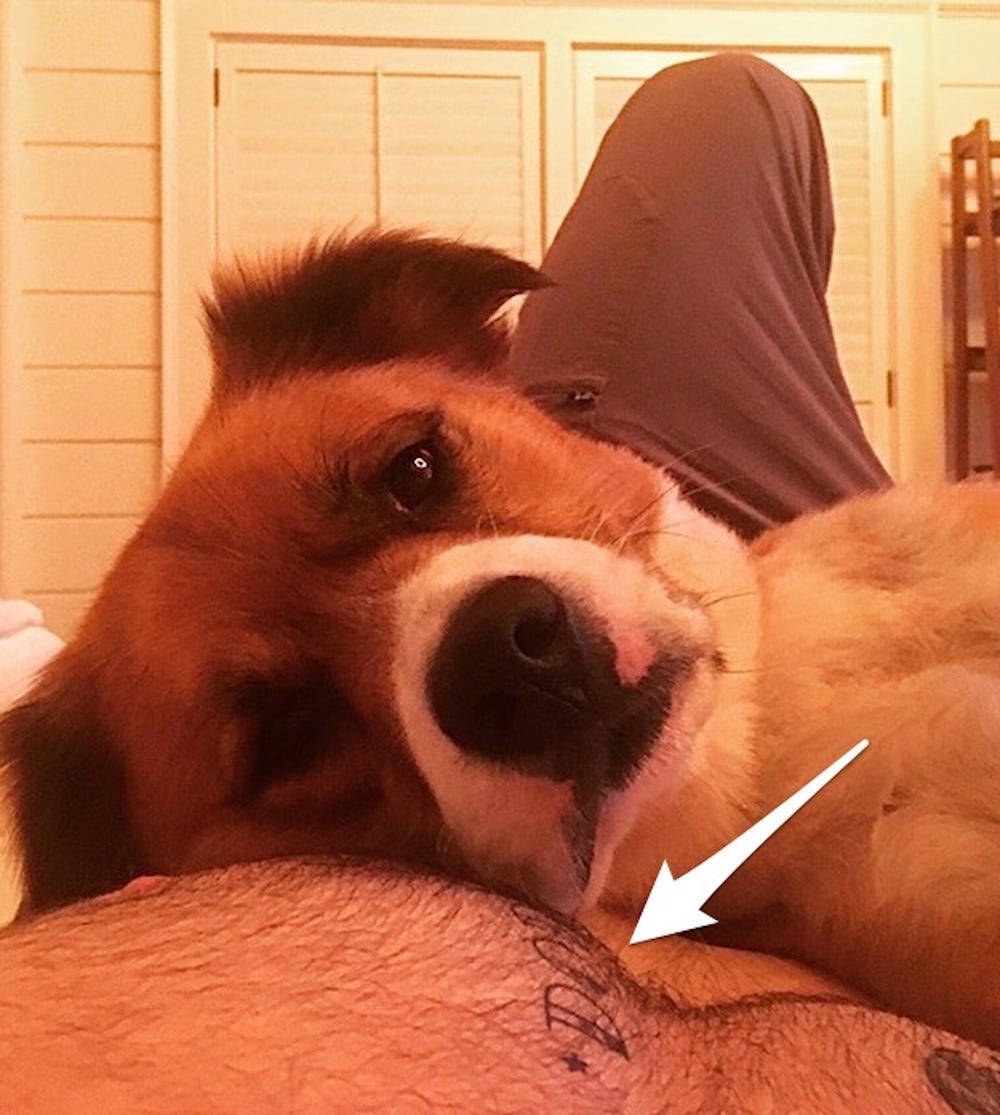
Chris Evans Dodger tattoo

Evans has the name “DODGER” tattooed across his lower chest or upper abdomen. He has shown it in photos and videos with his rescue dog. The name is self-explanatory, but the story behind it says more than the words alone.

He adopted Dodger after meeting him while filming Gifted, and has described their bond as one of the purest relationships in his life. In a conversation reported by Entertainment Tonight, Evans said he’d never regret that tattoo, though he admitted regretting some others.

That comment puts the Dodger tattoo in a special place. The Taurus symbol points to his mother, the Bardsley piece remembers a friend and the Avengers design marks a defining career chapter. Dodger’s name is about an everyday relationship Evans wanted to keep close.

The placement sits like a signature beneath the larger chest work. It shows in shirtless photos without taking over the image. It’s a small word with a direct meaning: Dodger is family.

Evans also has “SCS” on his ankle for his siblings Scott, Carly and Shanna. That tattoo appears less often in current coverage, and the clearest photos tend to show the chest pieces instead. It still fits a pattern in his collection: the most reliable stories are about family, friendship and people he wants close.

What about the Avengers tattoo? Five of the original six Avengers cast members got matching tattoos after Avengers: Infinity War. Evans joined Robert Downey Jr., Scarlett Johansson, Chris Hemsworth and Jeremy Renner. Mark Ruffalo opted out. The design is said to sit over Evans’ ribs, though clear photos of his version are limited. Our guide to Robert Downey Jr.’s tattoos has more on the group tattoo.

A tattoo can be supported by a reliable interview even when photos don’t show it clearly. Evans’ Taurus, loyalty, Bardsley, quote, eagle and Dodger designs have stronger visual documentation. The Avengers tattoo is well reported, but it shouldn’t be illustrated with a generic Marvel group photo or someone else’s ink.

Taken together, his tattoos feel less like one planned sleeve and more like bookmarks. Some remember people, one holds a belief, and another points to the role that changed his career. The collection has grown over time, but the stories behind it stay close to everyday life.

That may be why the tattoos draw attention whenever he wears a tank top. It’s not just a surprise to see Captain America with plenty of ink. The designs point to the parts of Evans’ life that don’t fit inside a superhero costume: his mother, siblings, friend, dog and the ideas he carries with him.

Watch Chris Evans explain the original Avengers matching cast tattoos

Allen Iverson tattoos: the stories behind his fearless ink

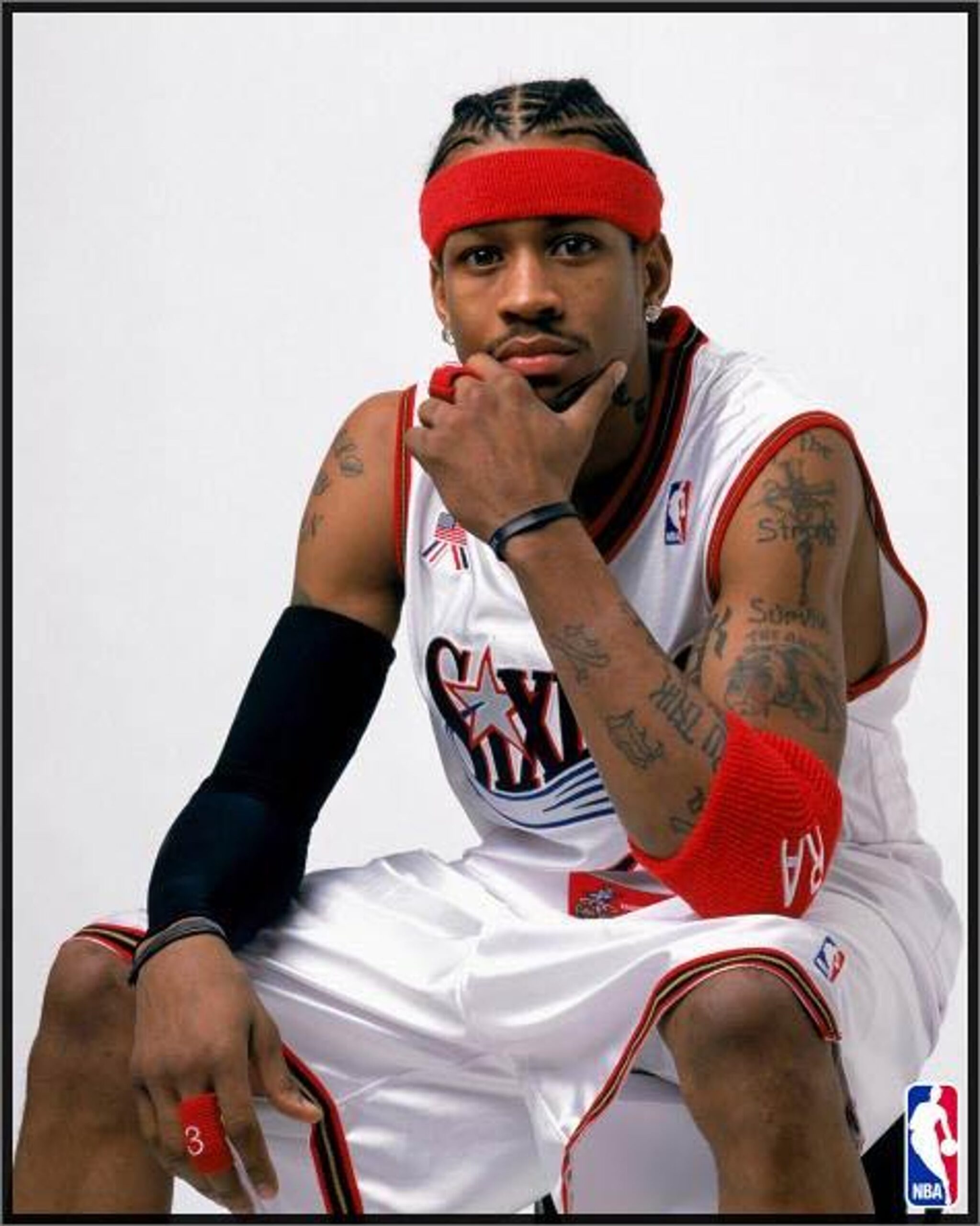
Allen Iverson’s tattoos were never just decoration. They became part of the same look as his cornrows, headband and loose fit, and they matched the fearless way he played. His ink gave people a sense of where he came from before he said a word, and became part of the image that set him apart in the NBA.

Iverson has more than 20 tattoos. Many connect to family, friends, faith, survival, or the people and places that shaped him. Some are always visible; others show only when he takes off a jersey or turns his head toward a camera. The pieces below have the clearest stories, with a few notes on designs whose meanings are harder to pin down.

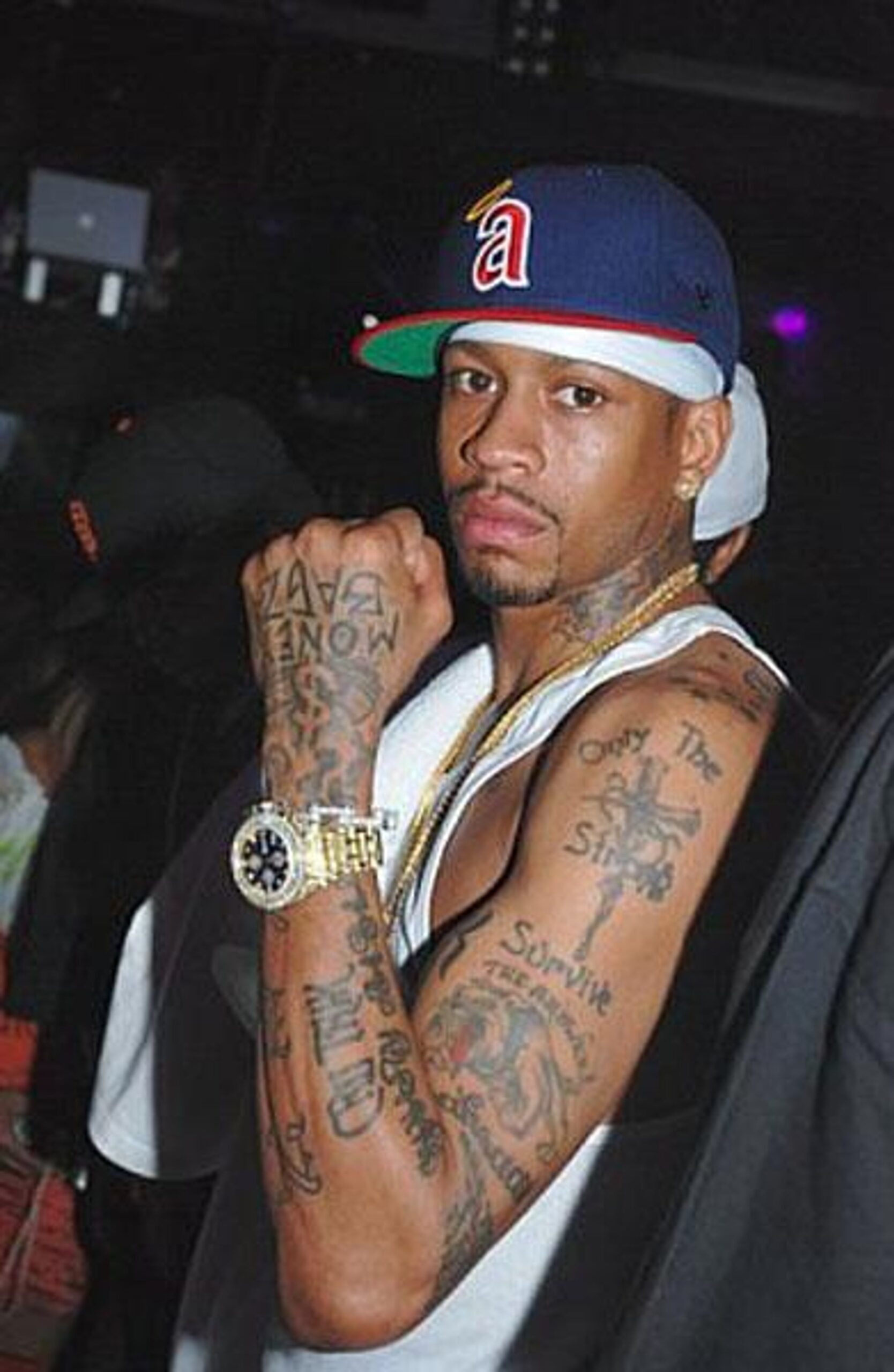
“Fear No One” on his left arm

Allen Iverson Fear No One tattoo

The words “Fear No One” sit on Iverson’s left arm. They fit his public image: one of the smallest stars on the court, he played as if no defender could intimidate him. The phrase reads like a personal rule, not a slogan added for the cameras.

His tattoos weren’t only about looking tough. “Fear No One” can also be read alongside the pressure he faced as a young guard, the criticism of his style and the expectation that he prove his size wouldn’t limit his game. It’s a short, direct message, much like the way Iverson played.

The lettering can blend into the other tattoos on his arm in photographs. Once you know it’s there, though, it’s one of the clearest pieces in the collection.

“Only the Strong Survive” and the cross of daggers

Allen Iverson Only the Strong Survive tattoo

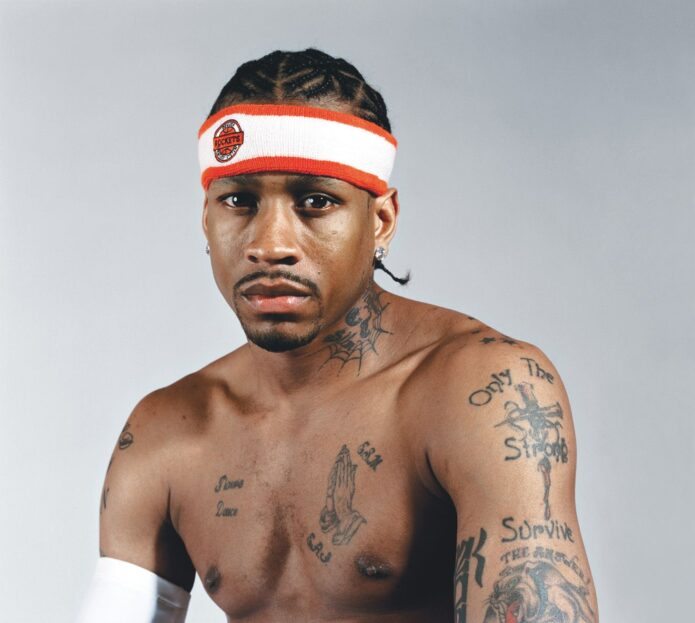
Iverson has “Only the Strong Survive” on his left shoulder, alongside a cross made from daggers. He has spoken about this design and called the phrase the one true thing he learned in life. That gives the words a more personal meaning than a general motivational slogan.

The message fits the career fans watched. Iverson took hard fouls, heard constant questions about his height and faced doubts about whether his style could lead a team. He kept coming back. The cross and daggers add a tougher look, but the phrase is about enduring what’s meant to stop you.

Reebok later used the words in Iverson campaigns and on special releases, bringing the tattoo into his wider visual identity. But it began as Iverson’s own belief, not as a brand line borrowed for a shoe.

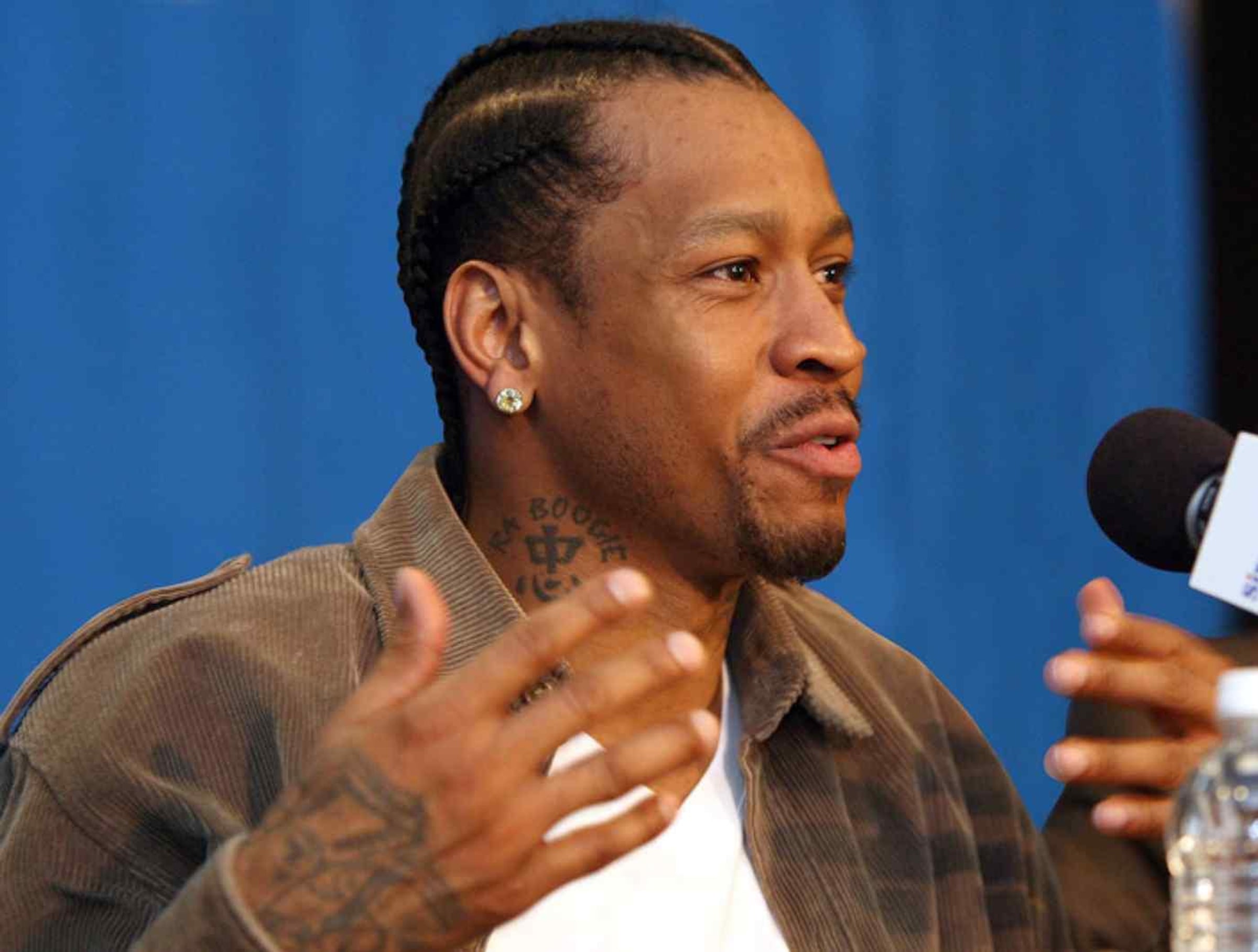
“RA Boogie” keeps Rashaan’s memory close

Allen Iverson RA Boogie neck tattoo

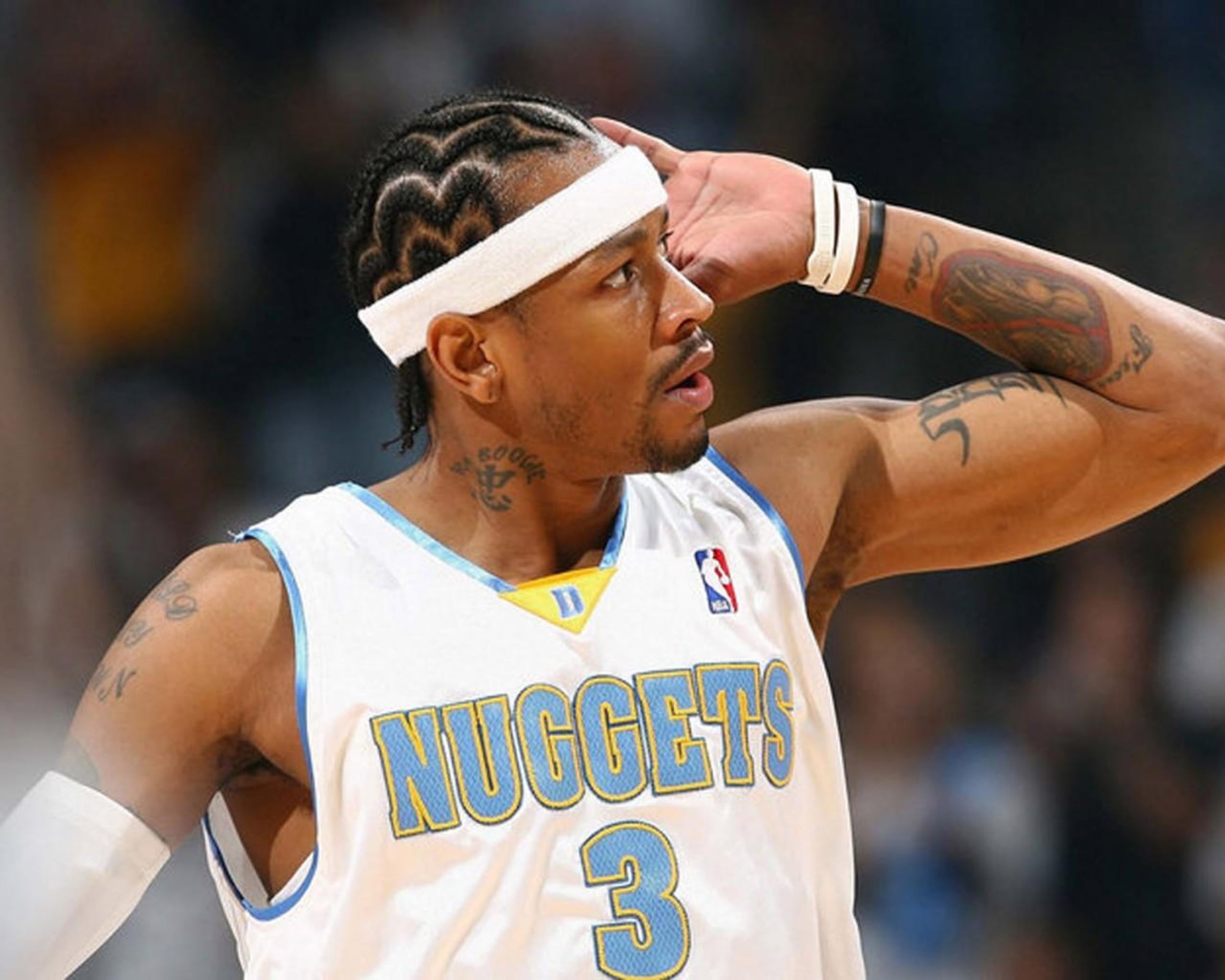
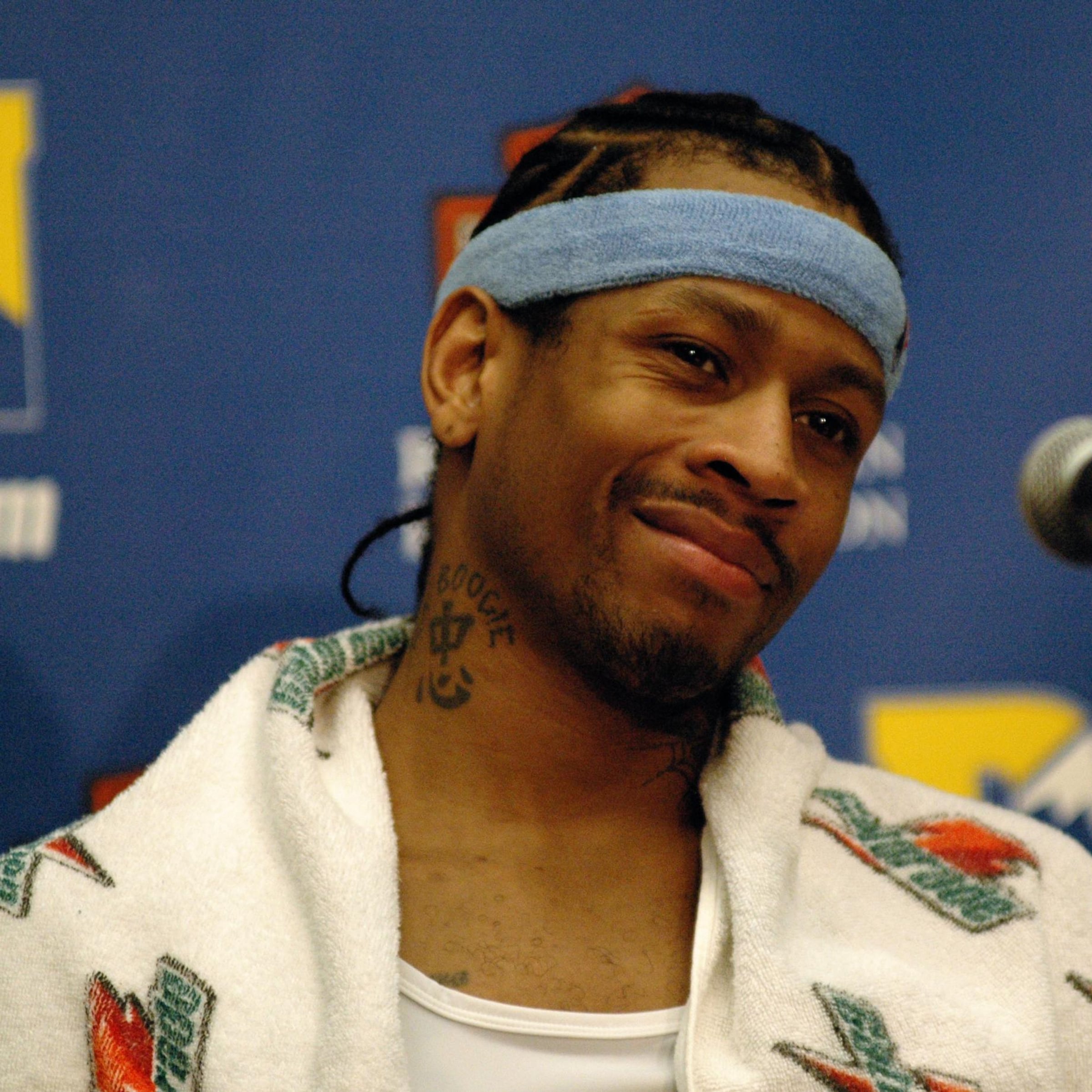
The words “RA Boogie” on the left side of Iverson’s neck honor his childhood friend Rashaan. Reports say Rashaan was shot and killed. The tattoo keeps someone from Iverson’s life before the NBA close to him.

A neck tattoo is hard to hide, and Iverson wears this one in plain view. It’s a name he chose to carry with him. Some of his ink is about style, but this piece is about memory and loyalty.
The lettering can look soft in older photos, especially when Iverson turns his head, but the placement is clear. It sits beside his other neck designs and gives that part of the collection a personal center. “RA Boogie” is one of the clearest examples of Iverson marking where he came from.

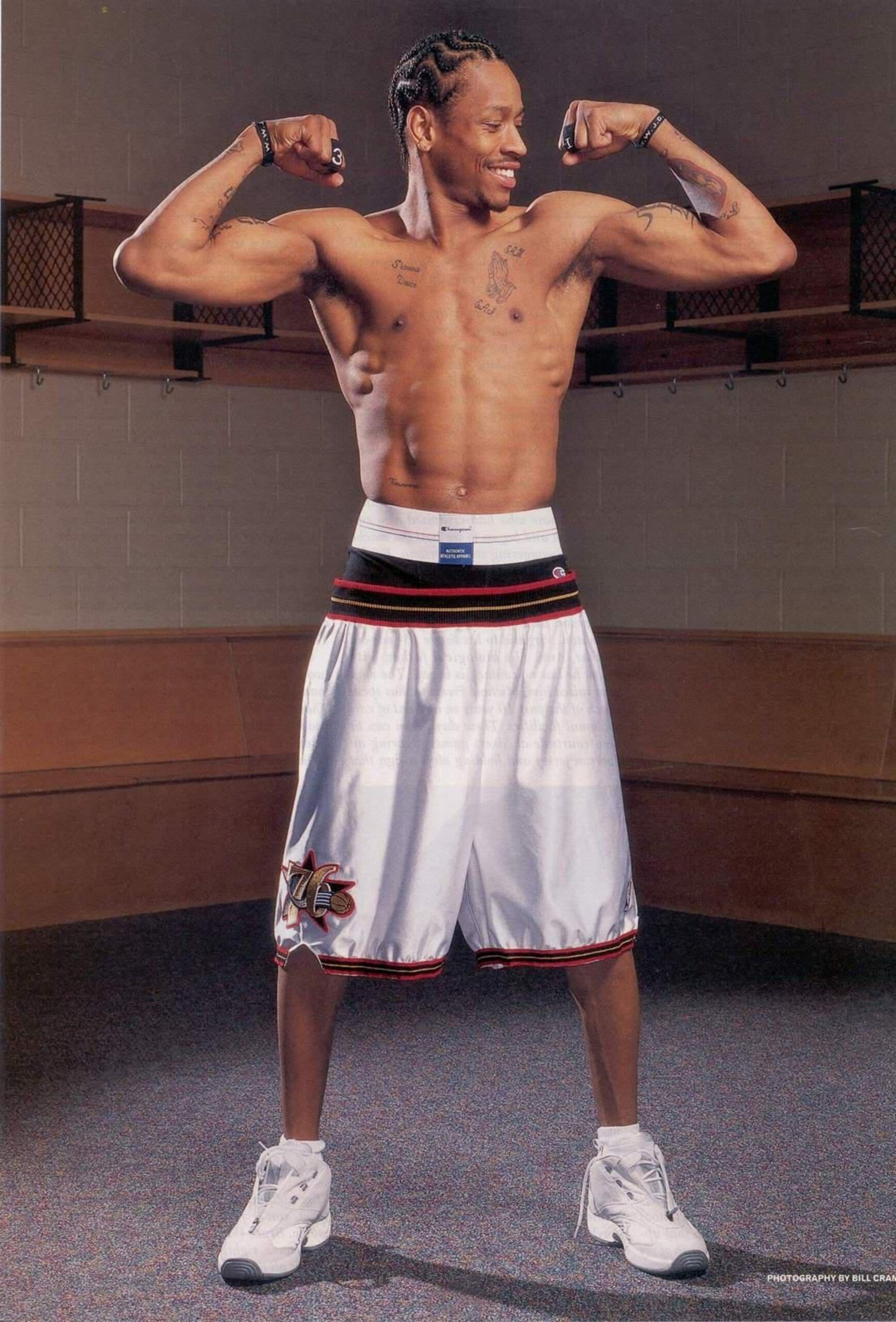
His mother’s and grandmother’s initials with praying hands

Allen Iverson mother and grandmother initials tattoos

Iverson has his mother’s and grandmother’s initials on his chest, near a praying-hands design. The placement puts family close to the center of his collection. The initials are a reminder of the women who were important to him before the trophies and magazine covers.

The praying hands add faith and gratitude to the piece without making it feel formal. Much of Iverson’s ink uses bold lettering and heavier imagery; this chest tattoo brings a gentler note to the same story.

It’s easiest to see in shirtless photos or portraits with his chest uncovered. A jersey hides it, which is why casual fans may know his arm tattoos better. Still, it’s one of the important pieces for understanding what family means in his collection.

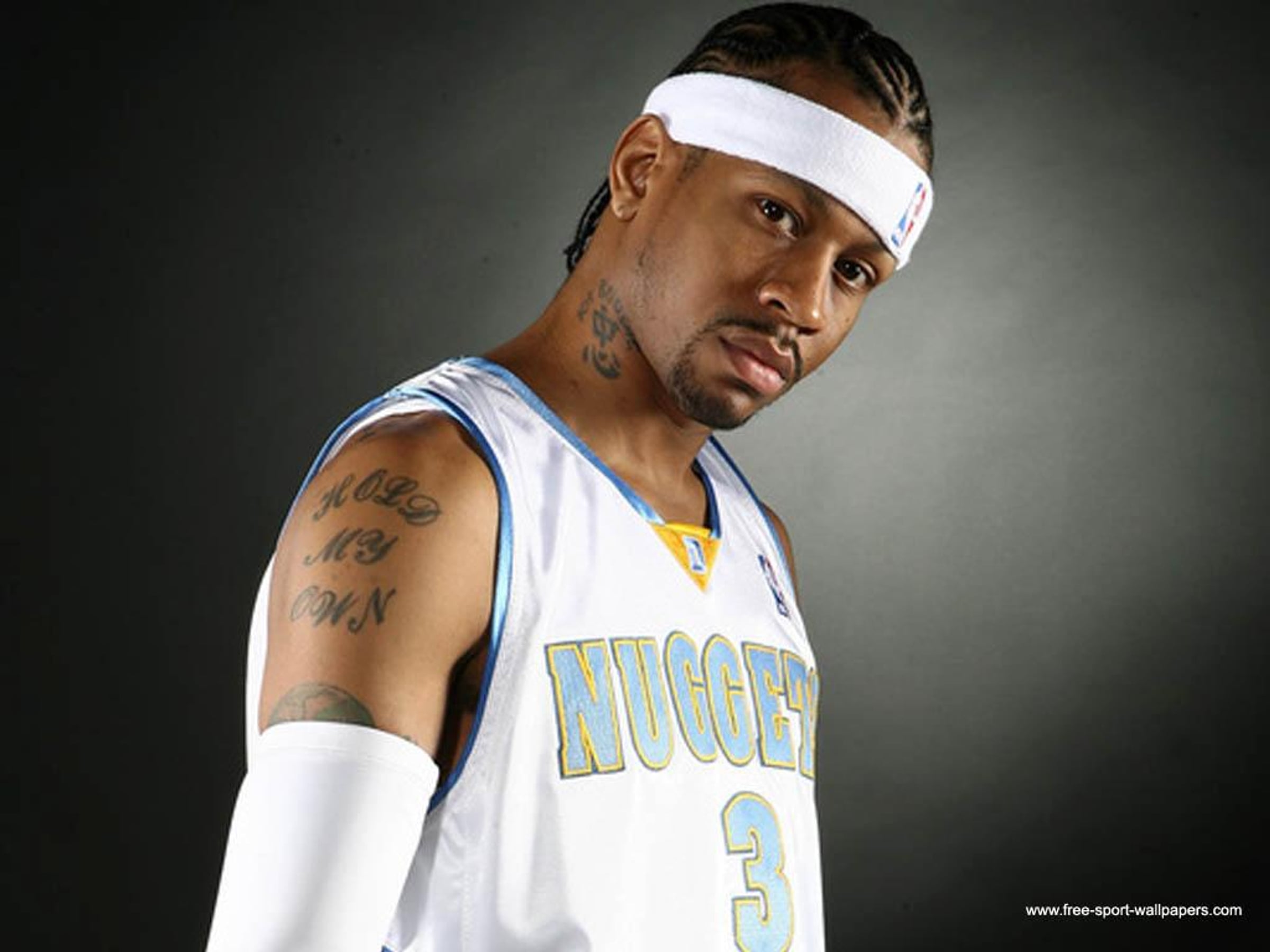
“Hold My Own” is a personal motto

Allen Iverson Hold My Own tattoo

“Hold My Own” is written across Iverson’s right shoulder. The phrase speaks to independence and fits the player fans watched. He didn’t wait for permission, and he resisted attempts to fit him into a safer image.

It can mean standing up for yourself, taking care of your responsibilities or staying with your own choices when people disagree. All three readings fit his career, which he built by making room where others saw limits.

The tattoo is mostly lettering, so it can be easy to miss next to larger designs. It’s a short statement with plenty of context behind it. “Hold My Own” says Iverson’s identity was his to define.

The Georgetown bulldog and “The Answer”

Allen Iverson bulldog and The Answer tattoos

Two familiar tattoos on Iverson’s arm point back to Georgetown: a bulldog, the school’s mascot, and the nickname “The Answer.” The bulldog connects him to the college program that helped launch his career. “The Answer” became the name people used throughout his NBA years.

The nickname was more than a marketing label. Iverson played with the confidence to take on the defense in front of him, even when the whole team was trying to stop him. Having it inked made the name part of his identity.

The bulldog carries a different kind of connection: it points to a school and a team. The two designs put college, nickname and professional life in the same visual space.

This arm also shows how his collection grew. Older tattoos sit beside newer ones, and some lines have softened over time. They give the sleeve a lived-in look that fits the story behind it.

The Chinese symbol for loyalty

Allen Iverson Loyalty tattoo

Iverson has a Chinese character for loyalty on his neck. The meaning fits with other tattoos in his collection, including his family initials and the tribute to Rashaan. Here, loyalty connects to people who stayed close and places that shaped him.

The character is easy to miss among the other neck tattoos. In close-up photos, it sits beside the “RA Boogie” tribute and other lettering. Together, they make his neck ink read like a set of promises.

There’s plenty of bold language in Iverson’s collection, but this piece is quieter. It’s less about fearlessness or proving a point and more about the people he remembers. That gives the tattoo a different feel from some of his tougher phrases.

What the rest of Allen Iverson’s ink says about him

Allen Iverson Fame tattoo

Ranker’s gallery lists around 20 Iverson tattoos, including “FAME,” a skull soldier, a black panther and other lettering linked to his crew, CRU THIK. Not every design has a detailed public explanation, so it’s better to leave those meanings open than guess.

A pattern does emerge: family, friendship, survival, faith and basketball identity come up again and again. Even the tougher-looking designs connect to parts of his life. The ink feels personal before it feels theatrical.

That helps explain why the NBA’s discomfort with tattoos became part of Iverson’s story. His body art came with the same directness as his clothes and voice. He didn’t soften it for a boardroom; he wore it as his own.

If you like comparing NBA ink, take a look at Jordan Clarkson’s tattoos. Clarkson’s collection has a different feel, but both players use tattoos to hold memories, influences and identity together.

Iverson’s tattoos still stand out because they feel tied to the person fans remember. Some are rough around the edges or hard to read, and their references make more sense once you know the story. The collection doesn’t look designed to be perfect. It looks gathered over the years Iverson was becoming himself.

Watch Allen Iverson discuss the “Only the Strong Survive” tattoo

More athlete tattoo guides

Ashley McBryde wears her stories on her sleeves

Ashley McBryde’s tattoos read more like a road diary than a planned set. There are bold, colorful pieces, family memories, career souvenirs, jokes and a few designs she can only laugh about now. The collection feels lived in, with each tattoo arriving at its own time.

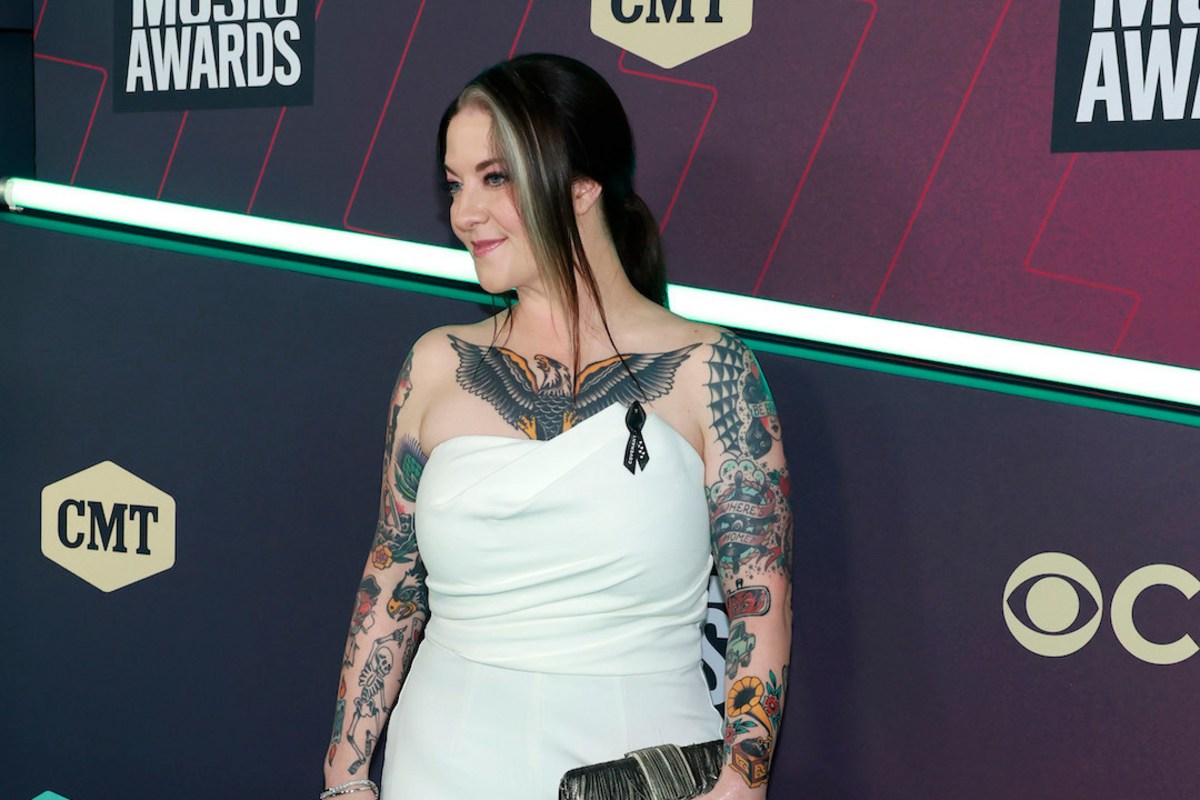
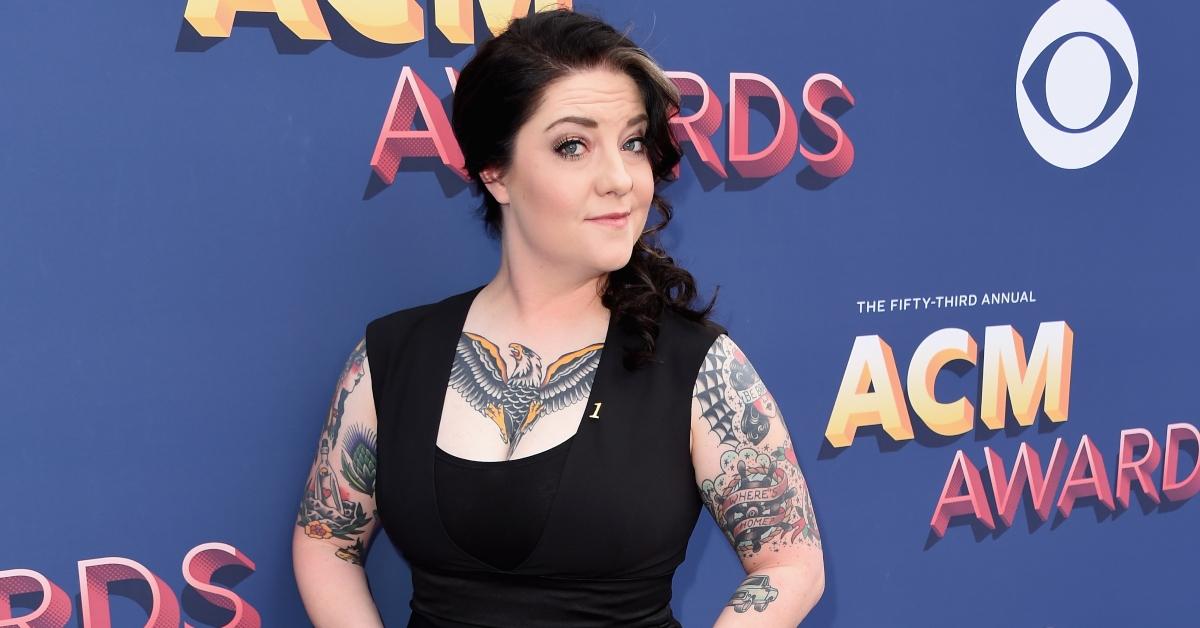
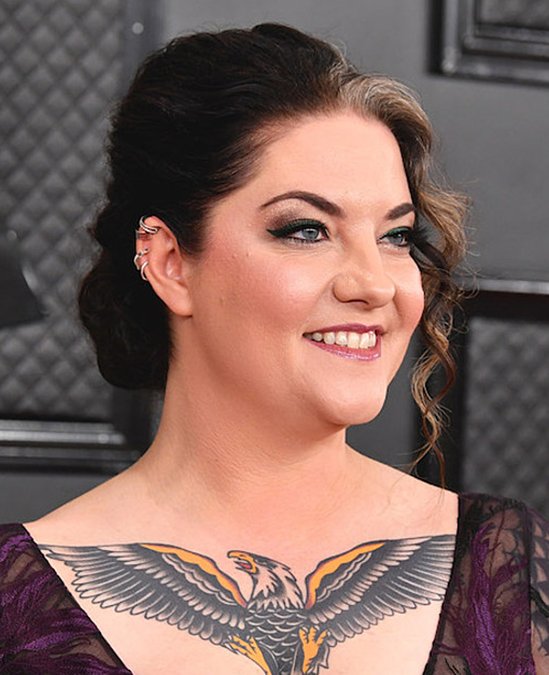
The country singer has a large eagle across her chest and American Traditional-style work on both arms. She has also talked about a Corvette tied to her dad, a golden gramophone for a Grammy win, a “Be Brave” reminder and a tattoo she got after a friend lost a bet. Not every piece needs a grand explanation.

The eagle across her chest is the anchor

Ashley McBryde eagle chest tattoo

The large eagle across McBryde’s chest is usually the first tattoo people notice. It spreads across her upper chest in a bold traditional style. When she performs in a vest or an open shirt, the design is part of her silhouette.

McBryde has connected the eagle to her music career and the feeling of pushing forward. She has also credited tattoo artist Nancy Miller with work on the design. It’s a prominent piece, one that suits a singer who fills a stage.

Her sleeves are colorful and built piece by piece

Ashley McBryde colorful arm sleeve tattoos

From a distance, both arms can look like one continuous mural. Up close, they’re a mix of separate tattoos added over time: flowers, figures, lettering and Americana shapes. They sit together without being forced into one matching design. The collection looks gathered, not manufactured.

McBryde often performs in a tank top, vest or short-sleeved shirt, so her tattoos are part of her stage look. The colors have a slightly rough edge, which gives the sleeves character. They look like work that has been through travel, sweat and years of ordinary life.

She has described tattoos as mile markers. A piece might hold a song, a trip, a friend or a version of yourself you don’t want to lose. A full sleeve can stay personal when each part has its own story.

A Corvette keeps a family memory close

Ashley McBryde arm tattoo and Corvette tribute

One clear family reference is a tattoo connected to her father’s Corvette. McBryde has spoken about the car as part of her family story. The tattoo keeps that ordinary detail close, instead of turning it into a formal portrait or a generic family phrase.

A vehicle tattoo can be funny, sentimental or both. This one feels specific: it points to time spent around a particular car and the person who owned it. Ordinary details can become the memories people miss most. The Corvette says more about a real relationship than a polished “family forever” message might.

The Grammy became a permanent souvenir

Ashley McBryde Grammy gramophone tattoo

After winning a Grammy with Carly Pearce for “Never Wanted to Be That Girl,” McBryde added a golden gramophone to her left forearm. It marks a major career moment, but it sits where she can see it herself.

The gramophone is more specific than a star or a generic trophy. Its shape points directly to the award and the night behind it. When McBryde showed the fresh tattoo at the CMT Music Awards, it stood out among her older chest and arm pieces.

The award belonged to the song, the team and the audience. The tattoo is hers, a personal reminder of a public milestone.

Some pieces came from jokes, bets and bad ideas

Ashley McBryde tattoo collection at the ACM Awards

McBryde’s tattoos aren’t all serious tributes. She has told the story of getting one in Dublin after a friend lost a bet and didn’t want to go through with it alone. The tattoo became a reminder of a night she still laughs about.

She has also talked about a teenage devil-baby tramp stamp she now regrets. It keeps the story honest: a collection includes the pieces you love, the ones you cover and the ones you explain with “I was young.”

That humor makes the more serious tattoos feel grounded. Not every line has a philosophy behind it. Some are meaningful, some were impulsive and some are simply evidence of a night out with friends.

“Be Brave” works like a note to herself

Ashley McBryde visible tattoos and Be Brave ink

“Be Brave” is one of the phrases associated with McBryde’s tattoos. It reads like a reminder to herself, which fits a performer who has spoken about fear, faith, hard years and getting onstage anyway.

The words are simple, but timing and placement give a short script tattoo its own meaning. For McBryde, “Be Brave” could be something to carry into a difficult room, a long day of travel or a heavy show. It doesn’t need to be fancy.

The collection keeps changing with her life

McBryde continues to add tattoos, including designs tied to new songs and chapters in her life. She has mentioned future ideas involving lions and zodiac imagery, and has used tattoos in music-video settings. So any list of her ink is a snapshot, not a final catalogue.

The pieces don’t have to match: one can hold a family memory, another a bad bet, a career award or an old joke. The thread is that each came with a reason, even if the reason was simply that it would make a funny story later.

The eagle is bold, the sleeves are colorful, the Corvette is personal and the gramophone marks a major win. “Be Brave” is a note she can keep close. Even the tattoos she regrets belong in the timeline. There’s room for music, family, pride and a few ridiculous decisions in the same collection.

There’s something country about the way these tattoos follow places, work, family and friends. Some were carefully chosen; others started with a dare. Together, they record the life around the music. A new design won’t need to match all the old ones; it only needs to matter in the moment or make her laugh later.

The collection hasn’t been mapped out from the start. It has grown in fits and starts: around a record, a person, or a moment too funny to forget. That’s why old and new pieces can sit side by side without a single explanation.

The placements add to that story. The eagle reads like a flag across her chest; an arm piece travels with her from show to show. The forearm gramophone is easy to see, while “Be Brave” works like a note on the mirror. Even the tattoos she regrets say something about who she was at the time.

Not every choice has aged the same way. Some pieces still mean a lot, some may need covering, and some are good stories now. McBryde seems comfortable with all three. Her ink can be sentimental without getting precious, and bold without losing its humor.

The easiest way to understand the collection is to follow the timeline. Start with the eagle and sleeves, then look for family, music, awards and the strange little detours. Those details make the tattoos feel like McBryde’s, rather than a generic celebrity gallery.

More musician tattoo guides

Robbie Williams wears his whole timeline in ink

Robbie Williams’ tattoos read like a running diary: music, family, jokes, romance, old habits and ideas that make more sense when he explains them. More than 30 pieces have been documented across his arms, chest, neck, legs, hands and feet. Some are carefully drawn symbols; others look like a mate’s sketch that became permanent.

There isn’t one style to his collection. It ranges from traditional imagery and lettering to small personal marks and tattoos tied to people around him. Some stories are clear, while other designs are easier to see than to explain. This tour sticks to pieces that have been documented, and separates what Robbie has said from what can only be guessed from a photo.

LOVE on the knuckles

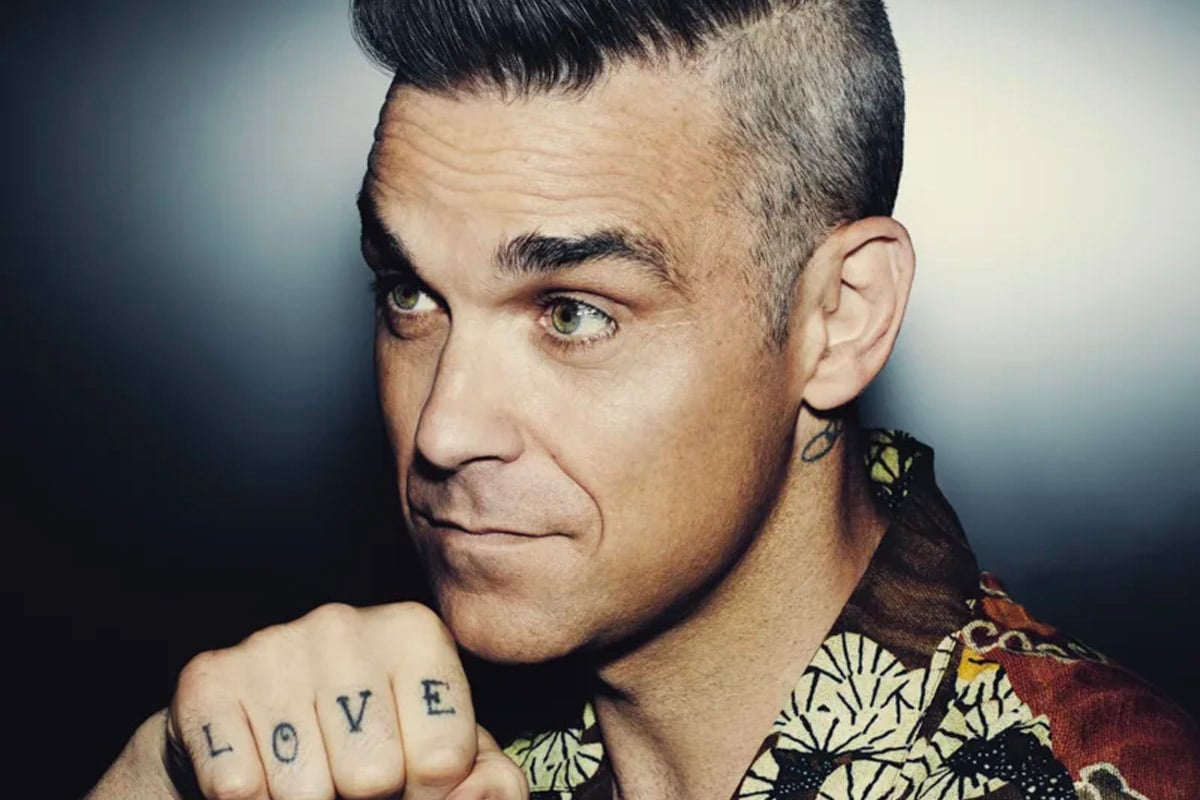
Robbie Williams LOVE knuckle tattoos

The first thing people often notice is LOVE across Robbie’s knuckles. His hands are in view when he performs, talks or reaches for a microphone, so this isn’t hidden under a sleeve. The lettering is simple, but the placement gives it presence.

The word fits a collection that often returns to affection, family and the messier parts of relationships. Other pieces are more playful, but the message on his knuckles is direct. The hand placement means it stays in view.
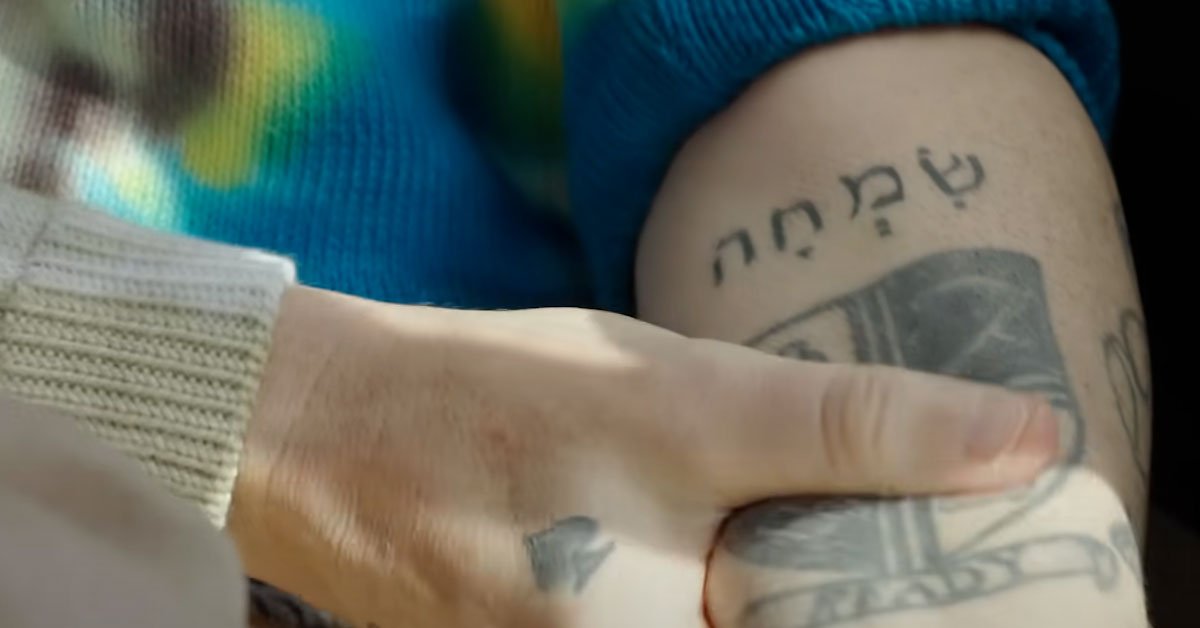
Hand tattoos are hard to ignore and hard to disguise. They mark a point in Robbie’s life and sit on the public-facing part of him, while still working as a personal reminder. It’s a small word in a very visible place.

The Māori-inspired arm story

Robbie Williams tribal arm tattoos

Robbie has large areas of blackwork and tribal-style patterning on his arms. The shapes wrap around his limbs as part of a larger sleeve, rather than sitting as separate stickers. The designs have been discussed in connection with his interest in Māori culture and tattoo tradition.

A photo shows their shape and placement, but doesn’t prove what each pattern means. What’s clear is that the arm work is one of the largest visual areas in his collection. It gives the smaller lettering nearby a frame.

His tattoos vary in size and style. Some are heavy and graphic; others are tiny marks beside them. The difference is part of the collection’s look.

The chest, swallows and “Chacun à son goût”

Robbie Williams torso tattoos and chest lettering

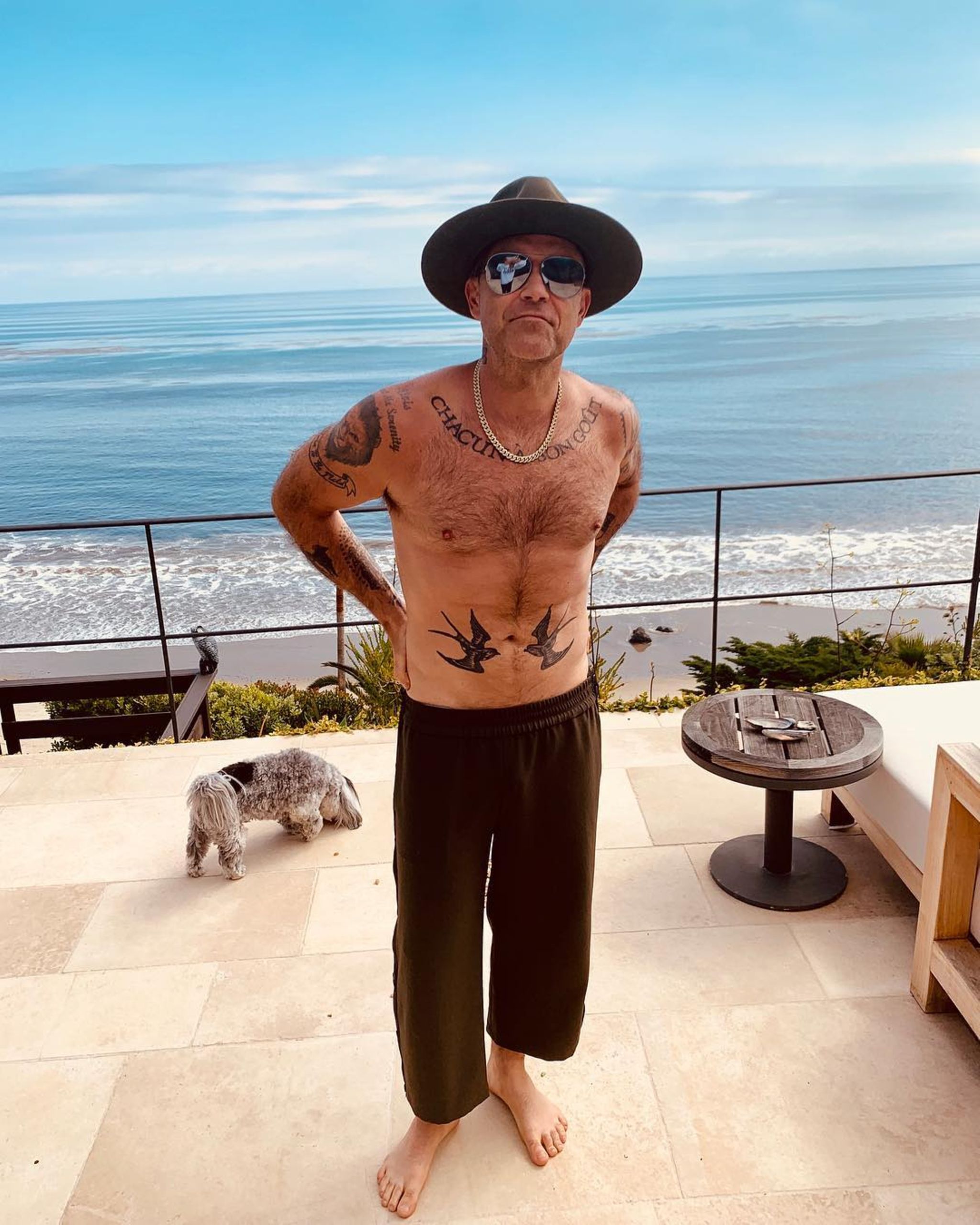
Photos of Robbie’s torso show lettering alongside traditional images. Swallows on his chest are a familiar sailor-tattoo motif associated with travel and loyalty. Nearby is the French phrase “Chacun à son goût,” usually translated as “to each their own.” It suits his confident, slightly cheeky public image.

His chest also has music-related marks, including notes and lettering connected to songs. One design has been linked to the Beatles’ “All You Need Is Love.” Another musical tattoo has been connected to a romantic gesture involving Ayda, turning a general love of music into a relationship memory.

The torso pieces weren’t added all at once, so they don’t form a tidy set. From a distance they can look like a patch of black ink. Up close, you can pick out birds, phrases, notes and personal references.

The dates and family tributes

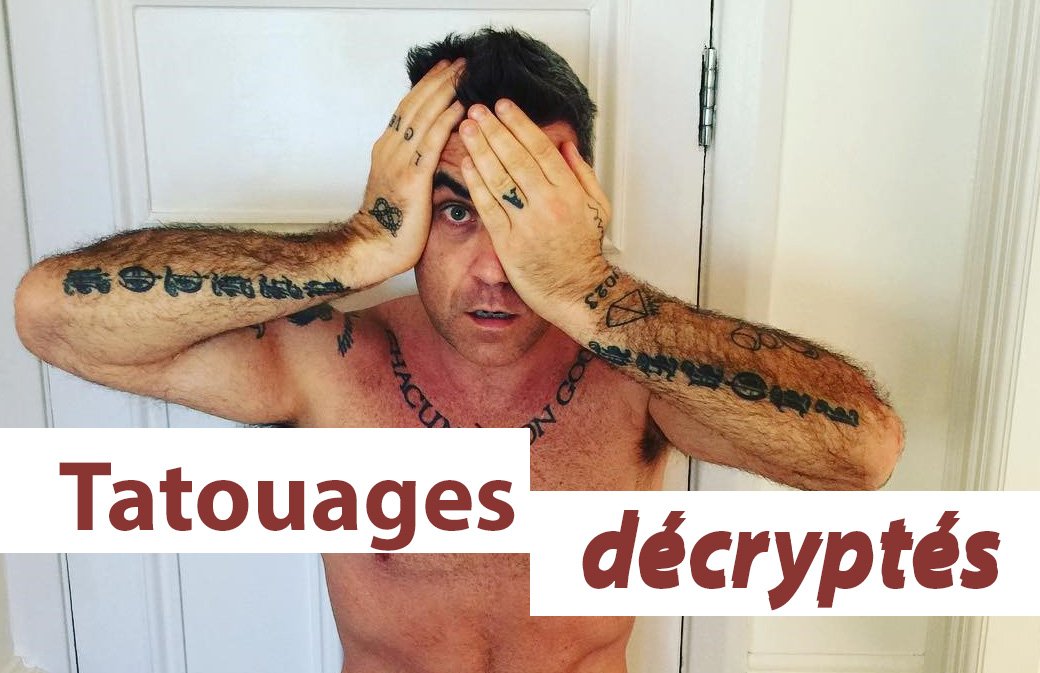
Robbie Williams tattoo close-up with dates and figures

Family is one of the clearest themes in Robbie’s tattoos. A teddy bear on his left forearm is for his daughter Theodora Rose, known as Teddy. He has described it as the tattoo that means the most to him. That says a lot among the jokes, slogans and larger blackwork: this is the piece he singles out as the most personal.

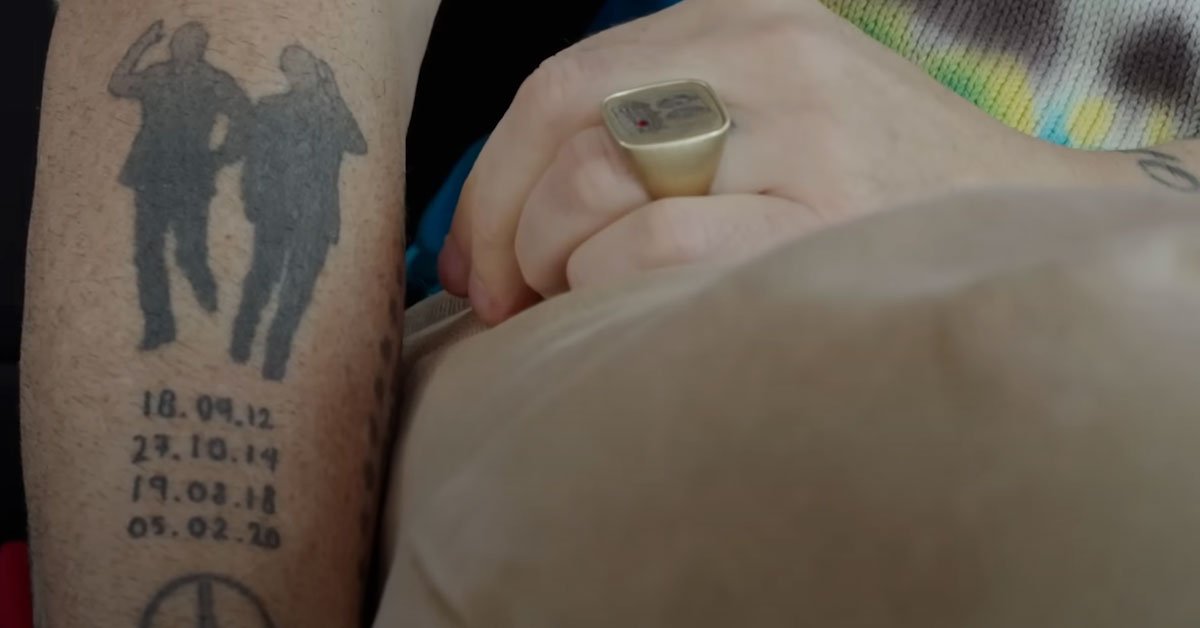
He also has tattoos connected with his children and wife Ayda, including small lettering and symbols added over the years. Some photographs show dates or compact marks that are hard to identify with certainty. They’re best described as visible details rather than read as definite messages.

A close-up can confirm that a mark is there without making the wording clear. There’s no need to guess when so many of Robbie’s tattoos have known stories. The Teddy tribute is the clearest confirmed family tattoo, and gives context to the smaller pieces.

The changing music tattoos

Robbie Williams tattoo tour showing arm and torso ink

Music appears throughout Robbie’s collection, from notes and lyrics to references to songs. He has also talked about changing or extending a musical tattoo as a romantic gesture. A tattoo can be permanent without staying exactly the same.

There’s a microphone among the career-related designs, along with references to songs and performers who influenced him. Familiar symbols are easy to identify, but some script and small lines in photographs aren’t explained in the available accounts.

These pieces make the collection feel like a timeline. Early tattoos speak to the person Robbie was becoming; later ones reflect family life and the tours he has made. His body becomes a set list of memories, rather than songs.

Two Ronnies glasses and the neck work

Robbie Williams tattoo close-up with script and portrait

One of the more recognisable details is a pair of Two Ronnies-style glasses on his neck. It’s a funny British reference, and shows that not every tattoo has to be solemn. The placement makes the joke visible without turning it into a centerpiece.

His neck and upper body also have small lettering, symbols and marks that show differently from photo to photo. Some are partly hidden by clothing or facial hair, and others are hard to separate from nearby designs. This area is best described as a cluster, rather than mapped out tattoo by tattoo.

The cluster has a different feel from his family pieces. The teddy bear is warm; the glasses show his sense of humor. Both are distinctly Robbie, but one says “this person matters” and the other says “this made me laugh.”

Crosses, lions and the older pieces

Robbie also has traditional designs, including a cross on his thigh. He has said it was connected to a necklace he used to wear, making the tattoo a permanent version of something he could once take off. Tattoo references also describe a lion with the words “Born to Be Mild” beneath it, a joke that undercuts the usual tough look of a lion.

These pieces mix sincerity with humor. The cross can be meaningful, while the line under the lion keeps the image from getting too grand. The tattoos leave room for serious and silly parts of Robbie to sit together.

Other documented designs include swallows, script, musical symbols, small figures, relationship references and later family tattoos. The inventory changes as new pieces appear, so any list is a snapshot rather than a final count.

The newer additions and the moving target

Robbie’s XXV-era appearances brought attention to new tattoos on both arms. Reports from the tour mention three recent pieces on the right arm and another on the left. It’s a reminder that a tattoo article can date quickly: his collection is still changing.

A later tattoo tribute to his daughter Coco has also been reported, along with small marks that are easiest to spot in close-up photos. These additions sit among older work, adding another layer to a body that records decades of music and family life.

There’s no clean sleeve reveal where every design comes with a matching explanation. It’s more like notes in the margins of an old notebook: some lines are clear, while others make sense only to Robbie and the people who were there.

What Robbie Williams’ tattoos say as a collection

Taken together, Robbie’s tattoos make a warm, imperfect portrait. There is LOVE on his hands, a bear for Teddy, music on his torso, jokes around his neck and older symbols tied to his past. The pieces aren’t perfectly coordinated; they look lived in.

The different styles work because the collection is personal. Traditional designs give it weight, family tattoos keep it grounded, and the phrases make it conversational. Even the more dramatic images get softened by Robbie’s humor and his stories about how some pieces began.

It’s useful to separate the documented stories from internet folklore. Robbie has explained enough tattoos to make the collection interesting without assigning a meaning to every blurred shape. The confirmed pieces already tell a story of love, humor, memory, work and people he wants to keep close.

Robbie Williams tattoo checklist

  • LOVE across the knuckles.
  • A teddy bear for his daughter Theodora Rose, or Teddy.
  • Swallows on his chest.
  • Musical notes and music-related lettering.
  • “Chacun à son goût” on his upper body.
  • A cross on his thigh.
  • Two Ronnies-style glasses on his neck.
  • Tribal and Māori-inspired patterns on his arms.
  • “Born to Be Mild” under a lion, as tattoo references describe it.
  • Other family, relationship, script and tour-era tattoos that vary by photograph.

Watch Robbie talk through his tattoos

Robbie has discussed the stories behind many of his tattoos in his “Vloggie Williams” videos.

More musician tattoo guides

Leroy Sané’s tattoos: the huge back piece he regrets and the family ink he keeps

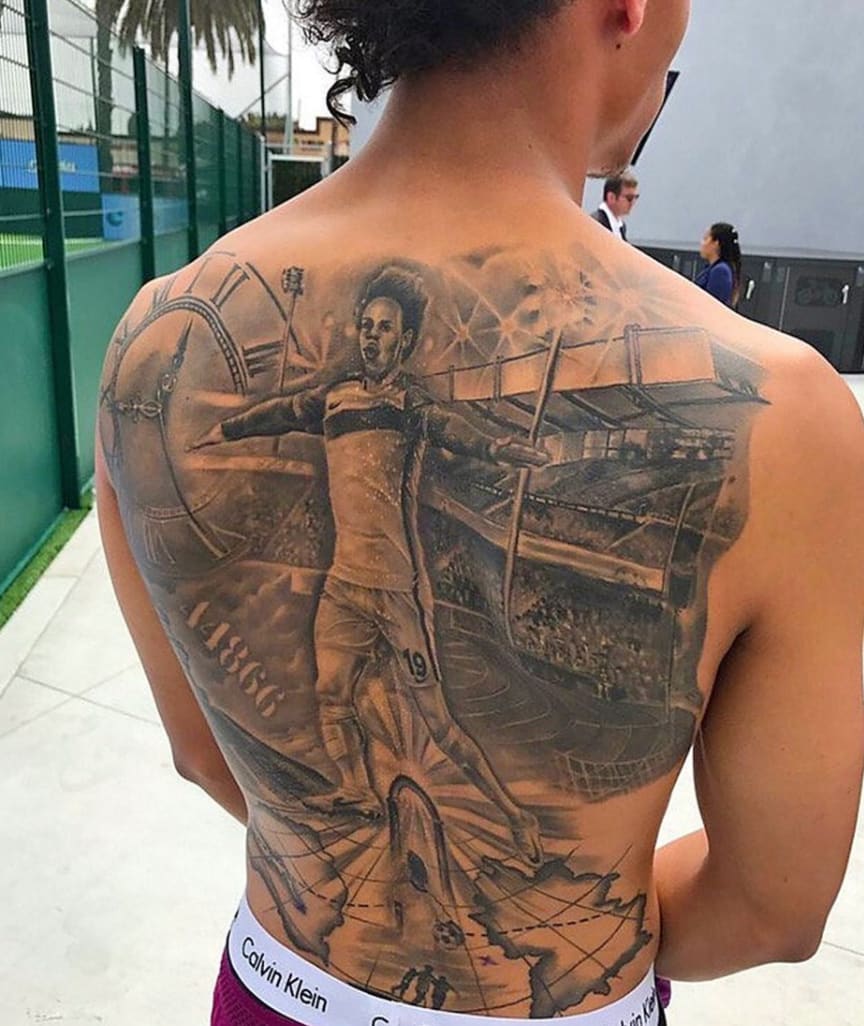
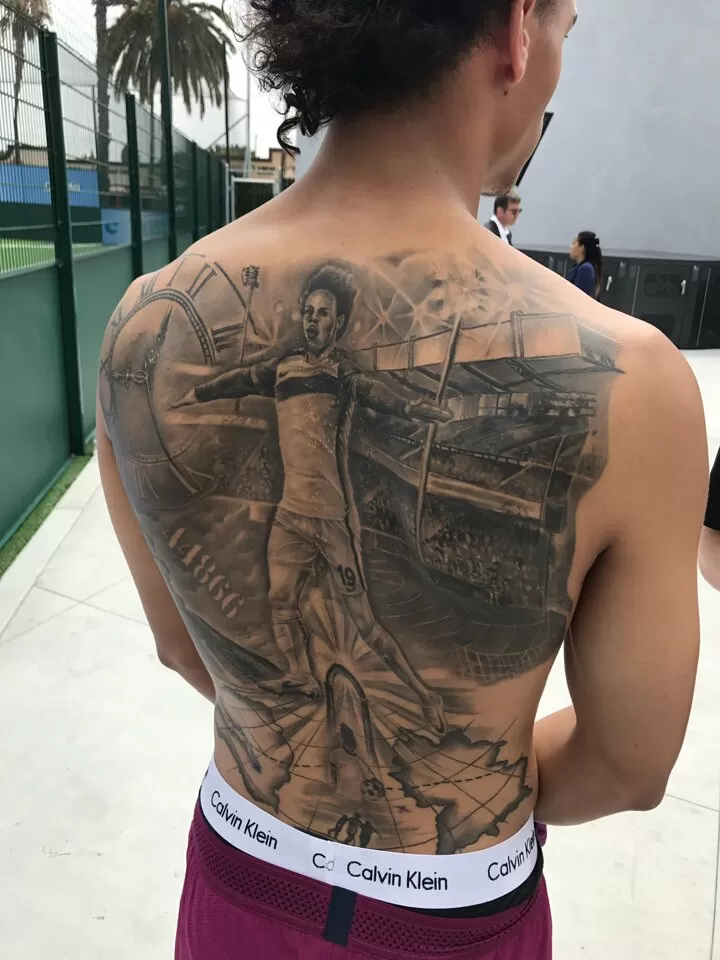
Leroy Sané’s tattoos are hard to miss, but one design gets most of the attention. His enormous back piece shows a football celebration in detail: a stadium, floodlights, a clock and Sané with his arms spread. A shirtless photo of it tends to become a headline.

There’s more to his collection: family words across his chest, Roman numerals on his forearm, French lettering on his upper arm, initials near his wrist and a simple ring on his finger. The back piece is the spectacle; the smaller tattoos are more personal.

Sané has also said he regrets the huge back tattoo. That adds another layer to the story. Ink can hold on to a brilliant moment, but it can also preserve a version of you that no longer feels like you. Here’s what’s been reported about the main pieces.

The huge back tattoo captures Sané’s breakthrough

Leroy Sane full back tattoo

The full-back design shows Sané celebrating in front of a stadium, arms stretched wide. It recreates his goal for Manchester City against Monaco in the Champions League. With so much detail, it looks more like a sports poster than a small tattoo.

He’s wearing his number 19 shirt, with the stadium and a large clock behind him. There are also a world map and pitch details lower down. The image holds the goal, the crowd and the feeling of a career moving forward in one frame.

Body Art Guru reported that Sané sat for four painful days to get the piece. It was a major project, not a quick appointment between matches, built around a moment that clearly mattered to him at the time.

The goal celebration is the tattoo’s centre

Leroy Sane back goal celebration tattoo

Photos vary, but the central idea is clear: Sané has tattooed himself into one of his own football moments. The figure isn’t generic. It’s him in a celebration fans recognise, with the stadium around him.

That specificity is why the tattoo drew so much attention when it first appeared. Many players choose a trophy, date or club symbol; Sané chose the whole scene, like a photograph from his first major European night made into a back mural.

The tattoo also became part of his public image. The design is loud, though Sané has said he’s more reserved than the flashy stereotype people attach to it. A huge celebration on his back doesn’t tell the whole story of the person wearing it.

The clock and stadium freeze one moment in time

Leroy Sane back tattoo match photo

The clock is one of the most striking details. It gives the design a sense of time, fitting for a tattoo built around one exact football moment. The scene is more than a player in a stadium; it’s a memory stopped and saved.

A career keeps moving, of course. Sané left Manchester City for Bayern Munich and went on to new chapters with Germany and club football. The tattoo still points back to the young player he was when he scored that goal.

That doesn’t make the piece meaningless. It shows how much the moment mattered. It also means the tattoo has aged along with him: what once felt like a perfect snapshot can seem more complicated years later.

Shirtless photos show the ink around the back piece

Leroy Sane shirtless tattoos

When Sané takes his shirt off, the back tattoo still draws the eye first, but there are smaller designs on his arms and torso. They make the collection feel like more than one giant image.

Action photos don’t always show those pieces clearly. Some are on his arms, some cross his chest, and others sit by his wrists or hands. Close photographs make it easier to tell where each design begins and ends.

Fans see the tattoos in all kinds of settings: celebrations, medical checks, training and holidays. The context changes, but the ink stays visible and has become part of how people recognise him outside a Bayern or Germany shirt.

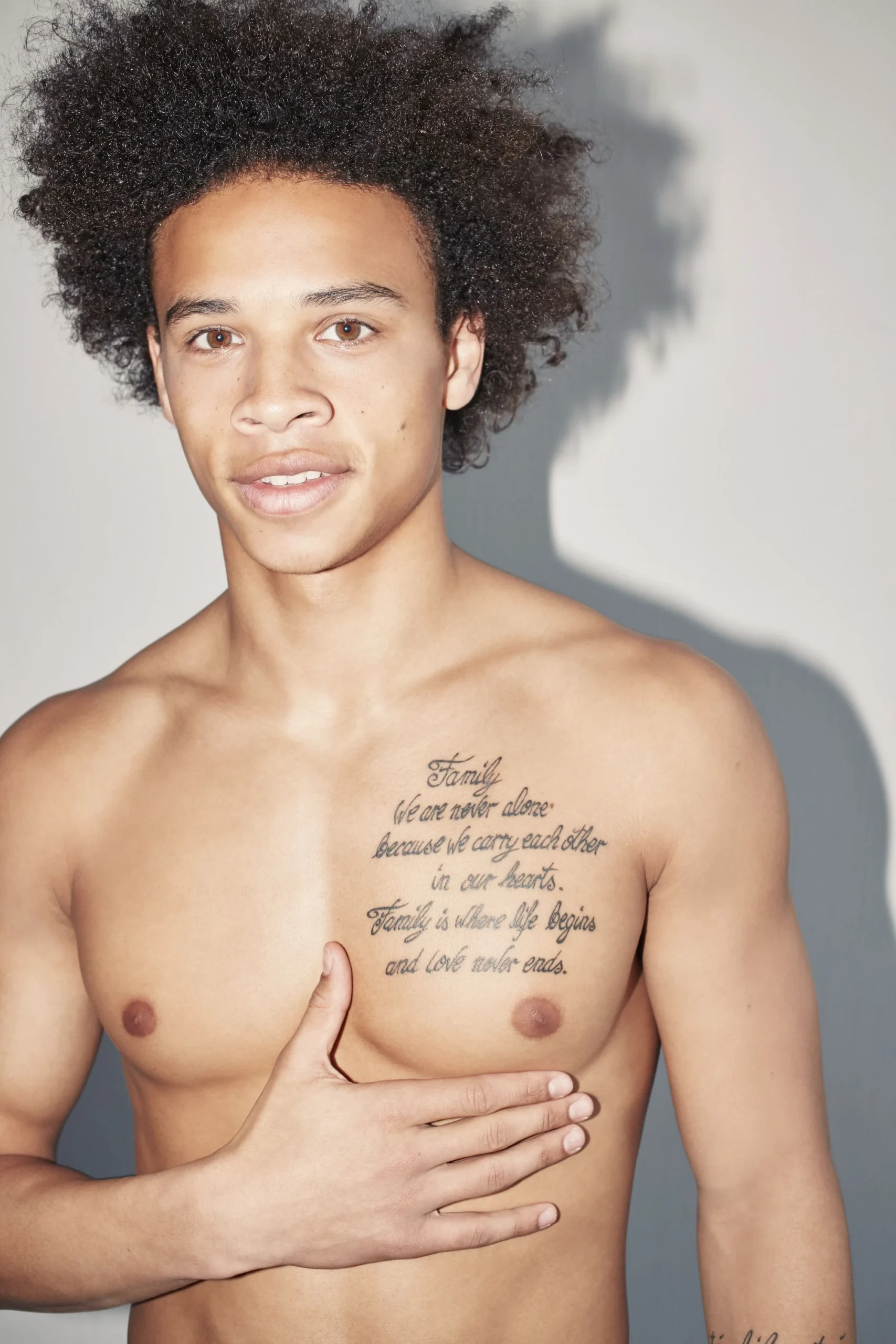
The family script on his chest is more private

Leroy Sane family chest tattoo

Reports describe a script tattoo on the left side of Sané’s chest that reads: “Family we are never alone because we carry each other in our hearts. Family is where life begins and love never ends.” It’s a long message, but its meaning is direct.

This tattoo is about the people closest to him, not a public achievement. It’s the kind of message that would matter whether or not he were famous, and could stay with him as the rest of his life changes.

The difference between the chest script and the back piece is striking. One marks a Champions League goal in a stadium; the other is about home, support and family. Focusing only on the giant image misses half the story.

Why Sané says he regrets the back tattoo

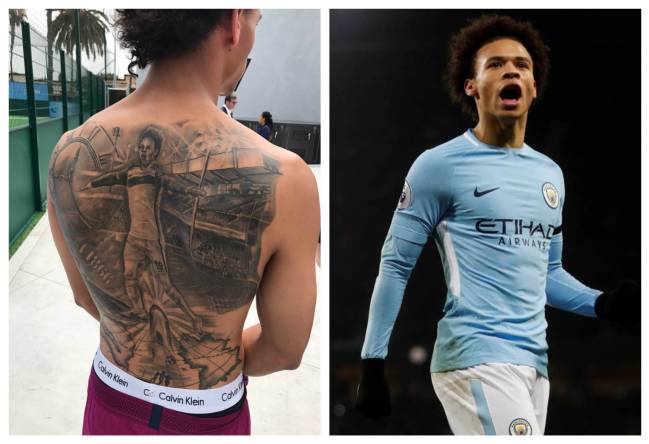
Leroy Sane tattoo collage

Sané told Der Spiegel that he regrets the huge back tattoo and felt it helped create a “bling-bling” image around him. He said he was younger when he chose it and would make a different decision now. That’s a candid reaction to such a prominent piece.

Regret doesn’t mean the tattoo was poorly made or that the goal stopped mattering. Sané has changed, and he doesn’t want the loudest design on his body to define him. He sees himself as more down-to-earth than the image suggested.

His view of the tattoo seems to have shifted. In 2017 it could stand for confidence, arrival and the rush of a major European goal. Years later, the same image can look like a permanent choice made by a younger version of himself.

Some of his smaller pieces may have aged differently because they aren’t tied to one club, celebration or season. Family stays family; initials keep their private meaning. The back tattoo is the headline, but the quieter designs add another side to the collection.

The story is a reminder that a tattoo doesn’t have to remain a perfect choice. A player can mark a career high, then grow into someone who would choose differently. The ink stays, but its meaning can change.

Clear photos help show why the collection can’t be judged from one viral image. A match shot may make the back piece look like one dark shape; a closer view reveals the stadium lines, clock and player. The chest script and the smaller wrist and forearm designs tell different stories.

Watch the story behind Sané’s famous back tattoo

The short video below shows the design and the goal celebration it was based on.

More athlete tattoo guides

Ismail Jakobs Tattoos: Family, Faith and the Back Tattoo Debate

Ismail Jakobs’ tattoos feel personal before they feel flashy. The AS Monaco defender has ink across his chest, arms and back, with family and faith at the centre. He has said most of his tattoos connect to those parts of his life; a 2022 club interview explains more than a random photo can.

His back piece has also become a talking point after fans noticed similarities to Jayson Tatum’s tattoo. That debate is one part of the story, alongside the older pieces Jakobs has explained himself. Here’s what can be seen and what he has said about it.

Ismail Jakobs’ sleeves are the first thing you notice

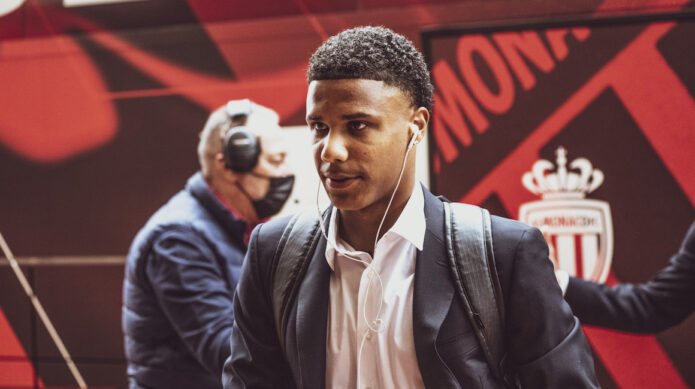
Ismail Jakobs tattoos

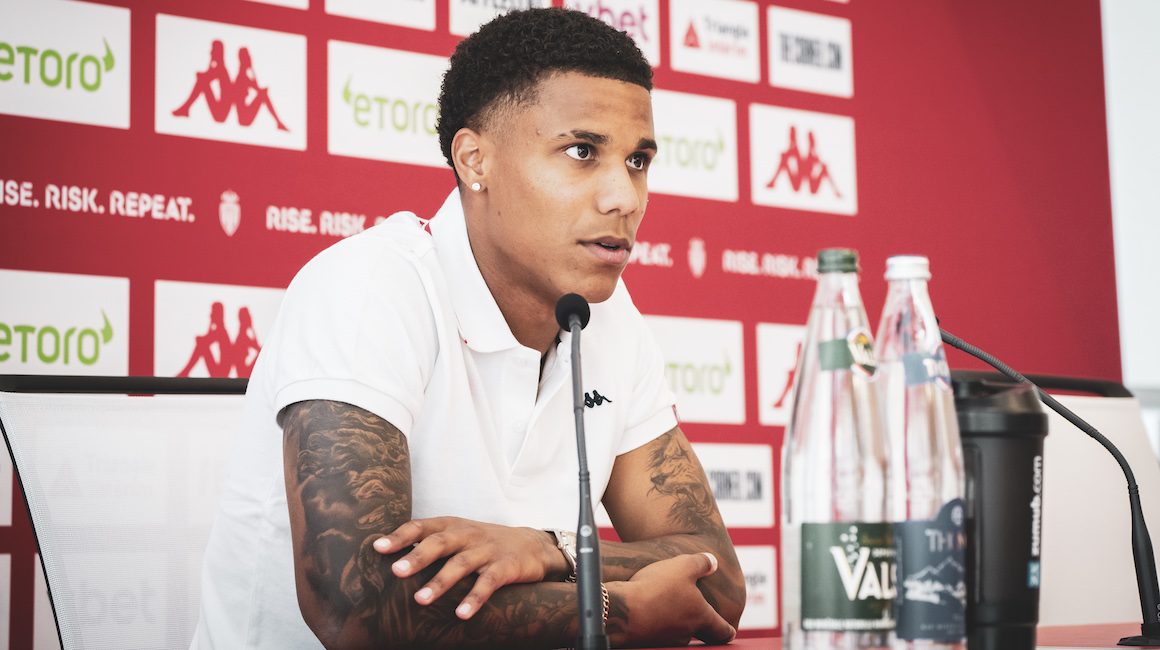
In the press-conference photo, both arms stand out. Dark work runs down Jakobs’ upper arms and forearms in realistic black and grey. The designs blend into a connected sleeve rather than looking like separate stickers.

His right arm looks especially dense around the upper arm; lower down, lighter spaces give the shapes room. The ink sits alongside his watch and short sleeves. Jakobs wears the tattoos as part of his usual look, whether he is speaking to the press or heading to a match.

Public photos don’t show every small image clearly, so there’s no point pretending we can identify them all. What comes through is the overall style: layered, shaded and added over time. His arms look lived in, rather than like the work of one session.

His chest tattoos carry the family message

Ismail Jakobs tattoos

In an interview with AS Monaco, Jakobs pointed to the writing across his chest and described it as “Family.” He connected the word to the people closest to him, which explains why it sits in such a central, visible place.

The photo also shows script, shaded figures and smaller marks across his torso. Some details are hard to read in low-light photos, but the chest clearly brings together several personal references.

Jakobs has said his parents’ names are among his most important tattoos. Their names are the emotional centre of his collection, while the larger chest design gives them a setting. He knows which pieces matter most to him.

Faith tattoos sit close to the family ink

Ismail Jakobs tattoos

Faith is the other major theme Jakobs mentioned in the interview. He described himself as very religious and said Christ is tattooed just below the “Family” piece on his chest. In photos, the religious image blends into the surrounding black-and-grey work, so its outlines can be hard to pick out.
The placement brings together the two subjects he talks about most: his family and his faith. There’s no need to invent a more complicated explanation for why they sit together.

The shoulder and upper-back work in this photo shows the same style continuing around his body. Heavy shading and dark areas look different as the light changes; details visible in a sunny holiday photo can disappear in a stadium shot.

His back tattoo became part of the Jayson Tatum debate

Ismail Jakobs tattoos

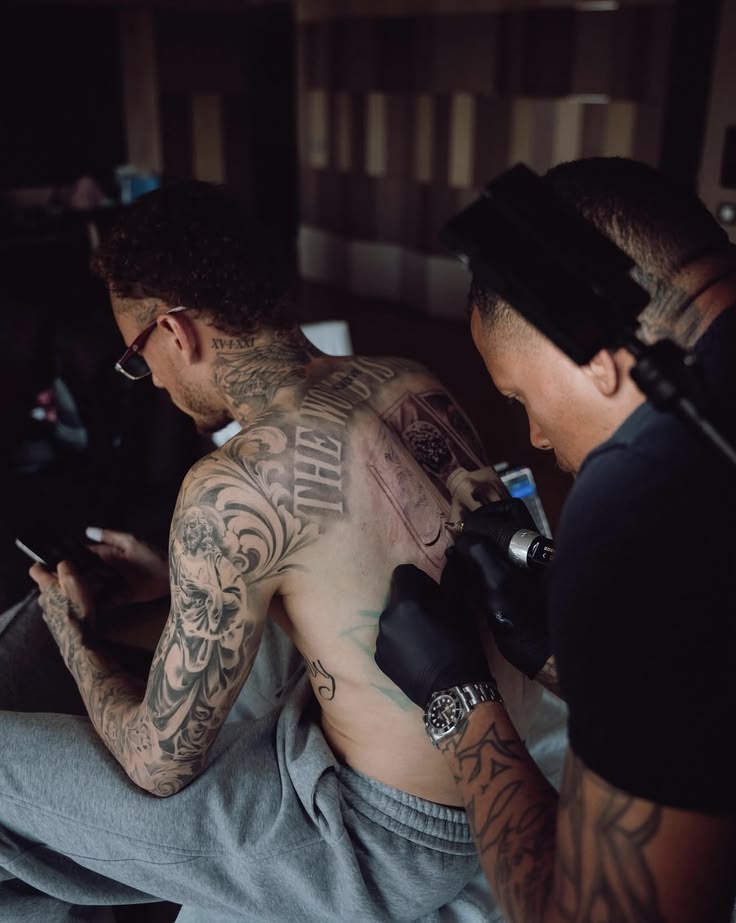
The back piece brought Jakobs into a wider online discussion. Large block lettering stretches across his upper back and shoulders. Fans noticed its similarity to NBA star Jayson Tatum’s back tattoo, and Tatum’s tattoo artist publicly criticised the resemblance.

The sequence is straightforward: Jakobs showed the piece, the comparison spread online, and the conversation shifted from football to originality in tattoo design. A back tattoo can attract attention well beyond the person wearing it.

The debate is one chapter in a collection Jakobs has described through family and religion. It doesn’t need to become the whole story, but it matters because many readers first heard about his tattoos through the comparison.

The back lettering is bold enough to read from a distance, which may be why the comparison travelled so quickly. It stands out in a different way from the finer script across his chest.

The forearm work fills in the smaller details

Ismail Jakobs tattoos

The tattoos on Jakobs’ forearms are easiest to see when he is shirtless or wearing a sleeveless top. Script, portraits and dark filler run from his upper arms toward his wrists. The designs aren’t mirrored, which keeps the arms from looking too uniform.

Some marks resemble dates or numbers, but available photos aren’t clear enough to identify each one. The forearms connect the larger designs: the chest work flows down into the arms, and the sleeve shading gives the collection a shared look.

Parts of the collection look finished, while other areas still show skin between designs. It’s normal for tattoos added over several years. Jakobs has joked that his father wouldn’t be thrilled if he got another one without warning.
The beach photos show just how much ink he has

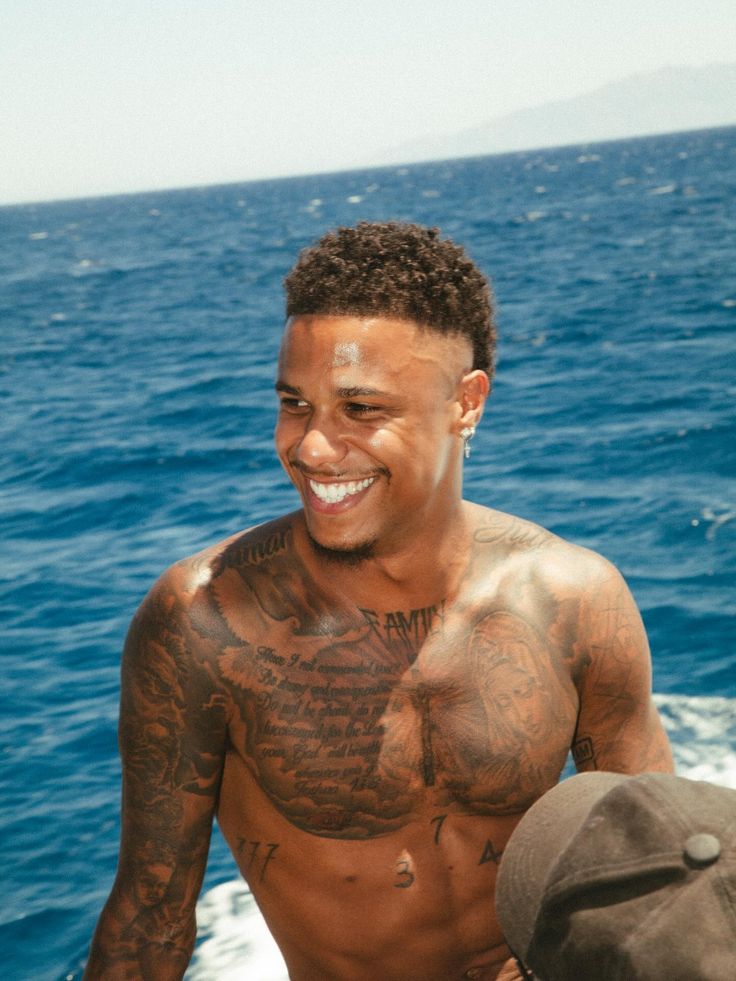
Holiday photos show the tattoos that football shirts cover. Script and shaded designs fill his chest and shoulders, with the heaviest lines across his upper torso. Some writing is hard to read in every frame, but there’s no mistaking how much work is there.

Numbers on his stomach are also visible. They may be dates or personal references, but there is no reliable public explanation for each one. They belong in the “visible but unconfirmed” category. Tattoo coverage doesn’t need to guess at every line; it should distinguish what Jakobs has explained from what a photo shows.

In this image, the chest script, arm tattoos and upper-back work appear together. Jakobs has named family as the main theme, so that’s the clearest way to understand the collection. The smaller symbols are best left without invented meanings.

What Ismail Jakobs has actually said about his tattoos

Jakobs spoke directly about his tattoos in the AS Monaco interview. He said most relate to his family or religion, mentioned his parents’ names, and pointed out a design he shares with his brother. He also named “Family” on his chest and Christ beneath it.
That interview is the clearest guide to the collection. His parents’ names matter most to him, and the tattoo he shares with his brother connects to family in a different way. The chest word makes the message plain, with the religious image beside it.

His explanation stays grounded. Family and faith are the main themes, and he still has to answer to his dad if he comes home with another tattoo.

If you enjoy football tattoo stories, the family-and-faith theme offers a useful contrast with Rade Krunić’s tattoos, which connect family, Bosnia and religion in a different way.

Ismail Jakobs tattoos: the short version

Jakobs has a large collection across his chest, arms and back. The confirmed details include his family, his parents’ names, a tattoo shared with his brother and Christian imagery. The back piece drew attention because of its similarity to Jayson Tatum’s tattoo. Other numbers, script and shaded images are visible but haven’t been explained publicly.

The clearest meanings come from Jakobs himself. The other designs are still worth looking at without guessing. Together, they show a footballer who keeps family and faith close, even when cameras are focused on the match.

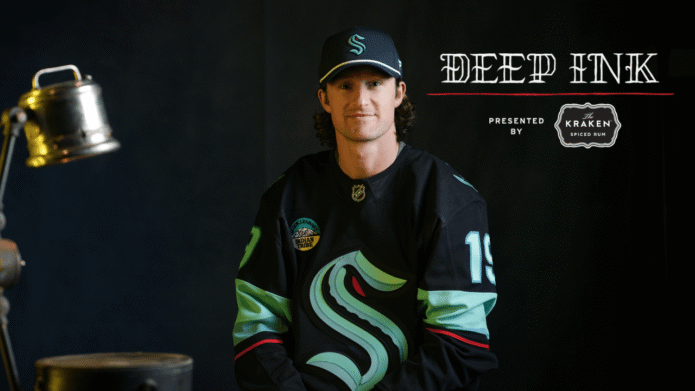
Jared McCann keeps his family close in ink

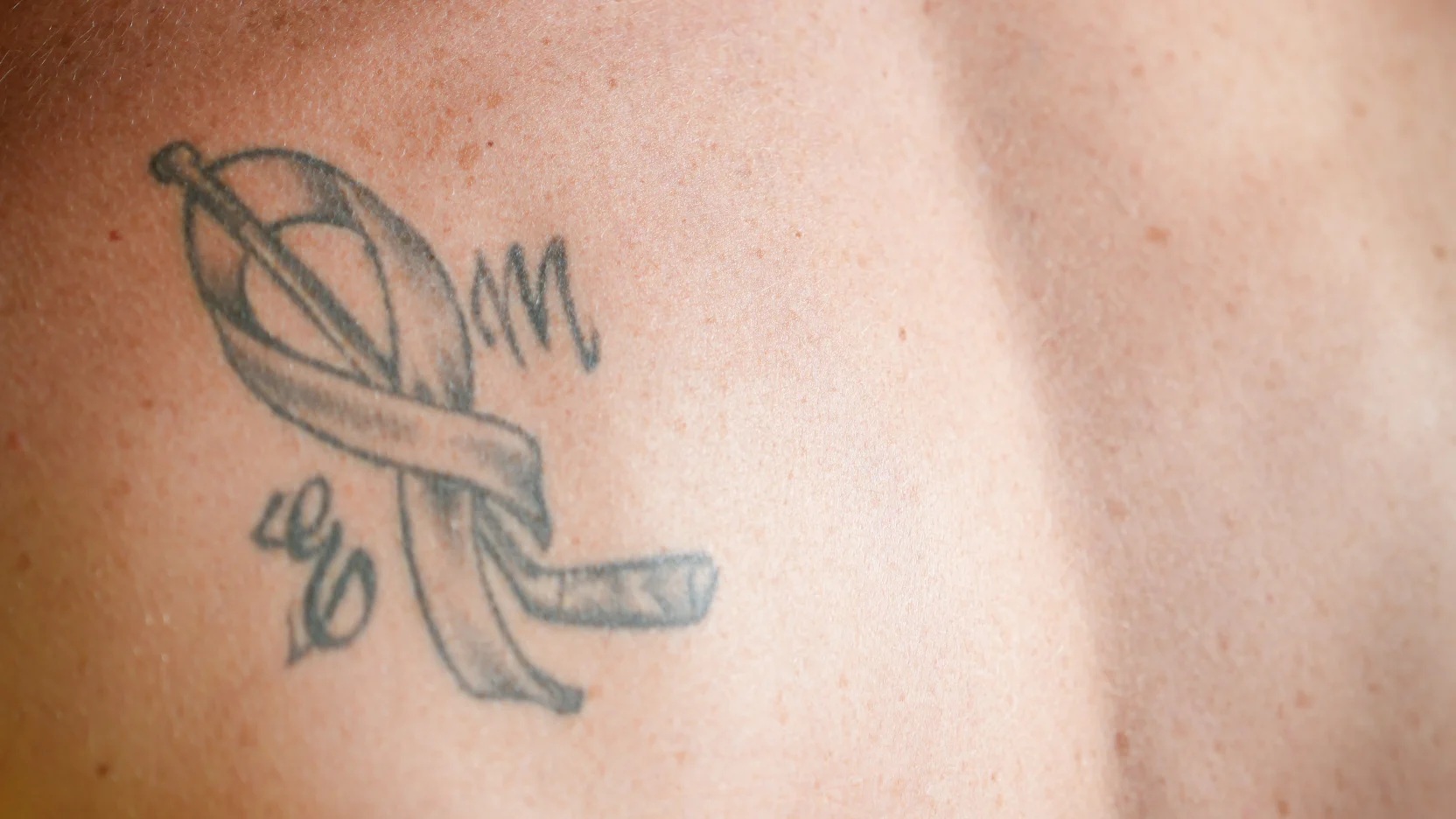
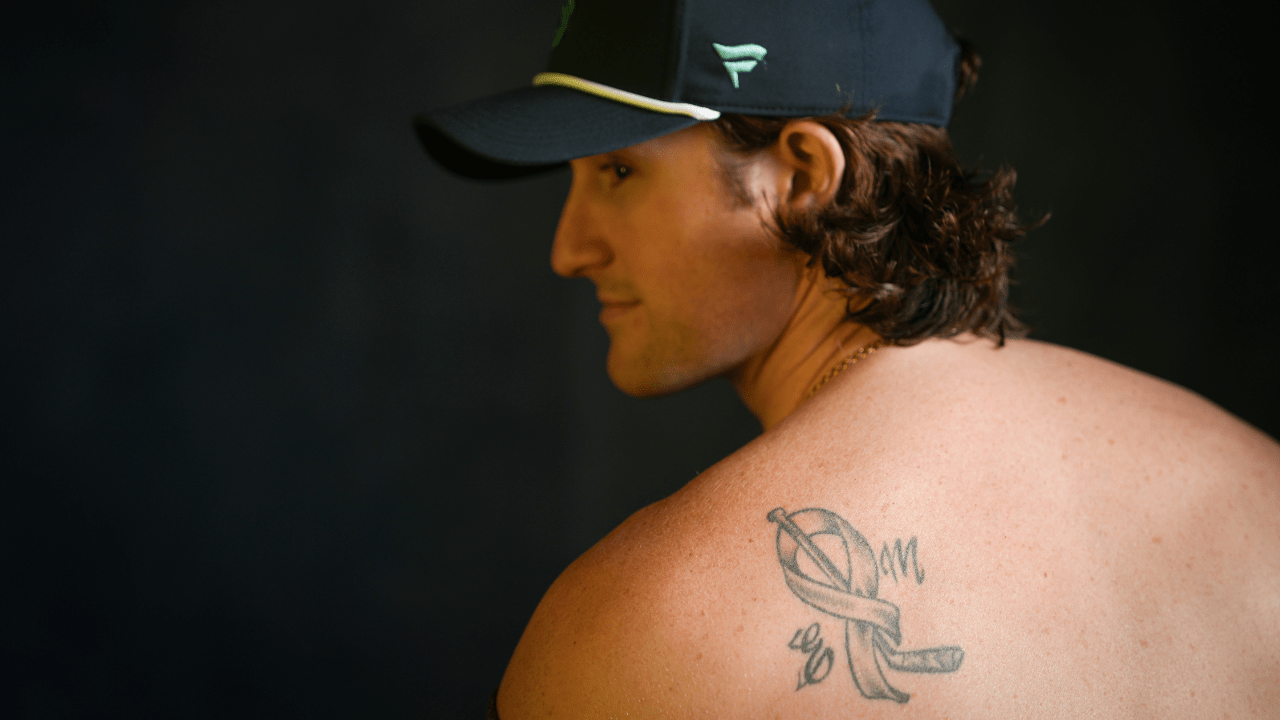
Jared McCann has plenty of tattoos, but the one he talks about most is a hockey stick wrapped in a faded coral ribbon, with the initials EM in the middle. It sits on the back of his left shoulder and was made for his mother, Erin.

The tattoo brings hockey, family and multiple sclerosis together in one design. McCann got it at 16, before his NHL career had begun, and has described it as the piece that set the tone for his later tattoos. He keeps most of the rest private, but says the general idea is simple: small reminders of family and where he came from.

That gives his collection a different feel from the usual athlete tattoo story. The visible design isn’t there to show off; it marks someone who has mattered to him throughout his career.

The hockey stick and coral ribbon were made for his mum

Jared McCann hockey stick and coral ribbon tattoo
Jared McCann shoulder ribbon tattoo

This close-up makes the design easier to see: a hockey stick, coral awareness ribbon and the EM initials, without a jersey or shoulder angle in the way.

McCann’s sister Jamie took him to Perfect Image in London, Ontario, for his first tattoo. They wanted to surprise their mother. He explained the idea to the artist, who drew up the design that became a small piece of family history.

The hockey stick connects to the game that was already shaping McCann’s life, and the support his mother had given him. The coral ribbon represents multiple sclerosis, which Erin has been battling for years. Her initials sit on either side of it.

The hockey reference and the tribute work together. A ribbon alone might read as a general awareness symbol; a stick alone could look like a standard sports tattoo. Together, they show how McCann’s love of the game is tied to the person who helped him get there.

He has said the tattoo took about an hour and a half and hurt more than he expected, especially over the shoulder blade. The meaning is emotional, but the appointment was also a teenager discovering that some tattoo spots really hurt.

McCann brought it home as a surprise and wasn’t sure how his mother would react. She hadn’t seen the design, but over time she came to appreciate what it meant.

The coral ribbon has faded, and McCann has said he’d like to have it touched up. The tattoo is part of his life, not a finished display piece; he can look after it as the years go by.

His shoulder tattoo is the start of a family-themed collection

Jared McCann tattoo sleeve
Jared McCann tattoo sleeve portrait
Jared McCann Born to Raise Hell tattoo


McCann’s collection has grown well beyond that first tattoo and includes a full sleeve on his right arm. He hasn’t explained every design. The broader description he has given is that his tattoos are about family, gratitude and remembering where he came from.

That makes the shoulder piece a useful starting point when the other tattoos are hard to identify in photos. It gives the collection a centre without assigning a meaning to every line of ink.

The shoulder blade isn’t an obvious place to show off a tattoo. The design can disappear beneath a hockey jersey, staying close to his body rather than sitting like a logo. McCann can play a whole game without anyone seeing it, then talk about it when he wants to.

The initials are the smallest part, but likely the most important. “EM” points to one person. The coral ribbon carries the MS connection, while the hockey stick recalls the game McCann was entering as a teenager.

His career has changed, but the reason behind the tattoo hasn’t. McCann has played for different teams and moved through different stages of the NHL, while his mother’s support has remained bigger than one jersey or season.

He has spoken about Erin’s place in a busy hockey family and the support she has given him. The design carries that feeling with him. It isn’t tied to one team crest, so it still makes sense whether he is wearing the Kraken’s colours or representing Canada.

Most of McCann’s other tattoos stay private

That privacy is part of the story. Blurry photos can invite guesses about meanings the player has never confirmed. McCann has shared one clear story and a broad theme, but not a full catalogue.

The confirmed inventory is short: a hockey stick, a coral MS ribbon and “EM” on the back of his left shoulder. His right arm has a full sleeve, but he hasn’t explained every piece. Anything beyond that should be treated carefully unless McCann talks about it.

The unknown details don’t make the collection less interesting. They leave room for the tattoo we do understand to carry more weight. It brings a sport, a family relationship and a health struggle together in one piece.

What Jared McCann’s ink says about him

McCann’s tattoos aren’t built around one dramatic slogan. They’re small anchors: the ribbon keeps his mother’s experience close, the hockey stick marks the game that shaped his path, and the initials make the tribute specific. The placement keeps it personal.

He has said he may add more family tattoos in the future, but there’s no need to rush. The first piece already gave the collection its direction. Anything he adds will sit beside a design that says thank you without many words.

That is what makes this tattoo worth noticing. It isn’t his biggest piece, and it doesn’t need to be. It has followed him from a teenager in Ontario to an established NHL forward. His collection may be extensive, but its clearest message is still the first one he put on his skin.

More athlete tattoo guides