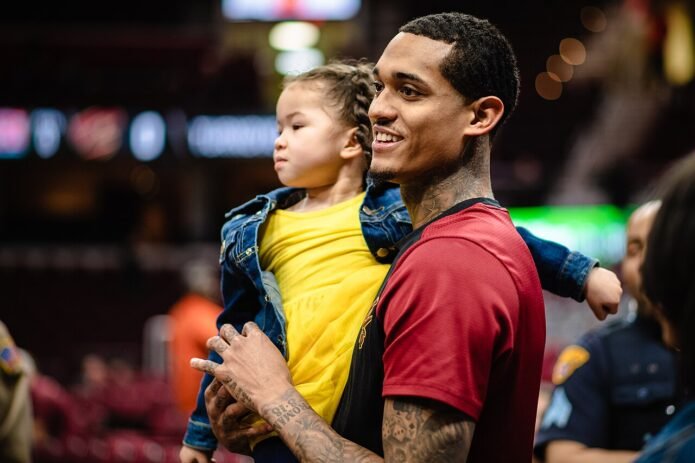
Jordan Clarkson told GQ he started without tattoos, then built a sleeve over roughly two or three months. It now includes portraits of Nipsey Hussle and Allen Iverson, a peace sign on his knee, and the small initials he got first. Clarkson names the people and designs that matter most to him, giving the best-documented pieces a clear story.
Nipsey Hussle and Allen Iverson anchor Clarkson’s sleeve
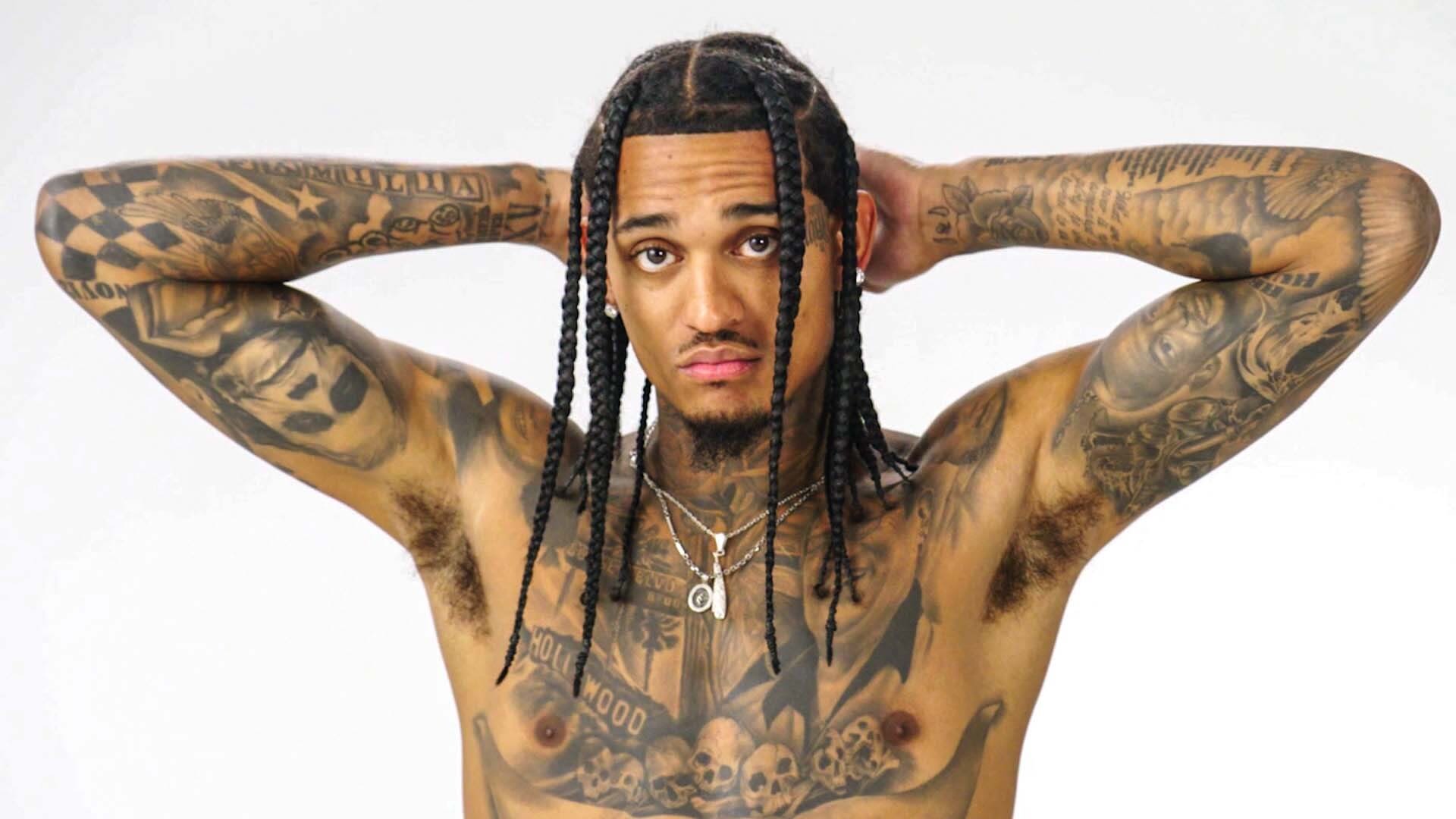
The two portraits Clarkson discusses are of Nipsey Hussle and Allen Iverson. Nipsey connects the sleeve to a contemporary artist and community figure; Iverson to basketball. In GQ’s tattoo tour, both appear among the rest of the arm work, tied to Clarkson’s own interests.
Clarkson names each subject, and the photos show how the portraits sit among the other tattoos. Even when they appear close together, they remain separate designs.
The Nipsey Hussle portrait
Clarkson’s Nipsey Hussle portrait is part of a wider tradition of memorial tattoos and admiration pieces. The subject he identifies is the key detail. The portrait stands on its own without guessing at a private event or attaching every nearby symbol to Nipsey.
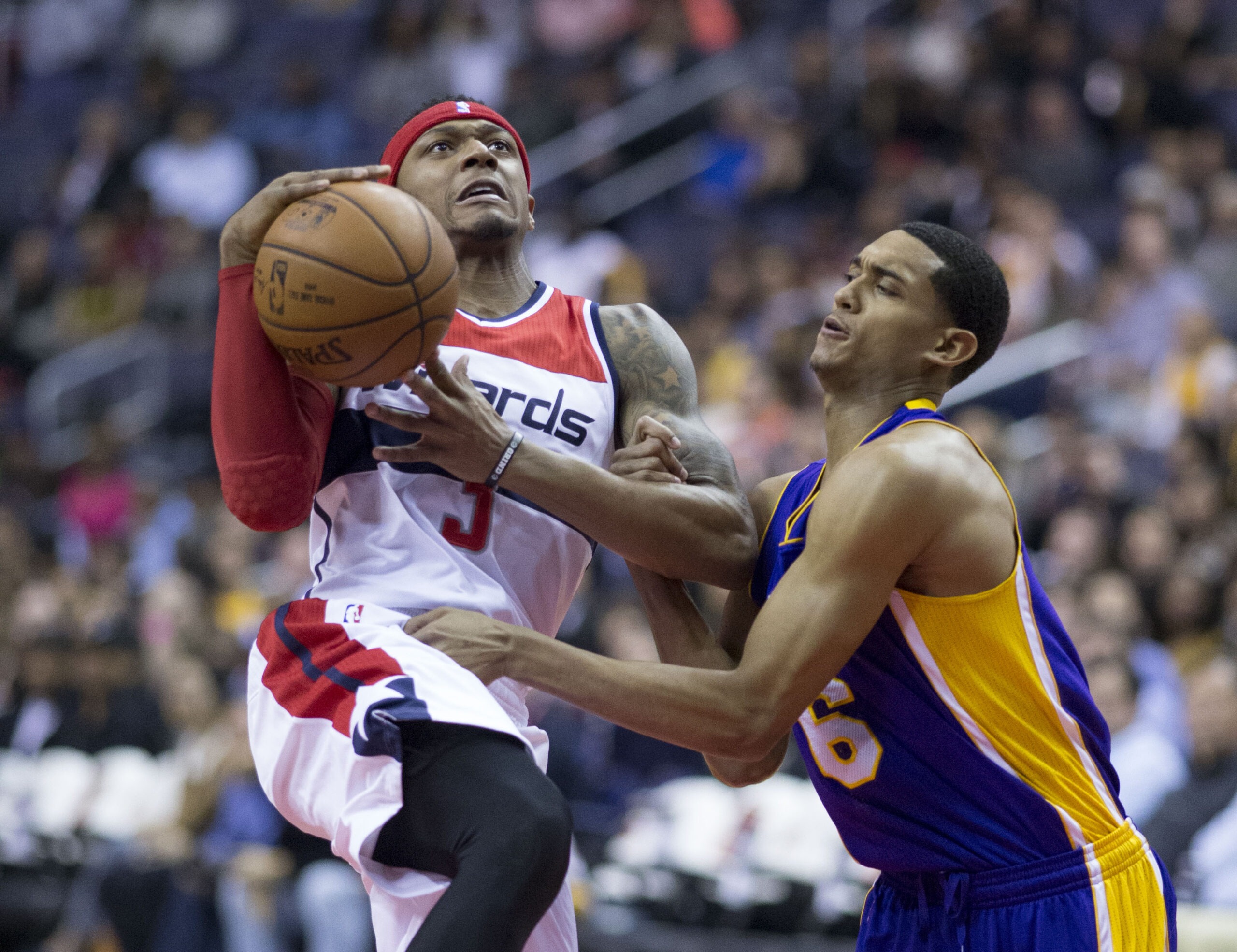
Angle and lighting can change how the portrait looks. A close-up is more useful than a game photo with Clarkson’s arm in motion. Check the face and placement against a clear image; blurry marks nearby aren’t confirmed tattoos.
The Allen Iverson tribute
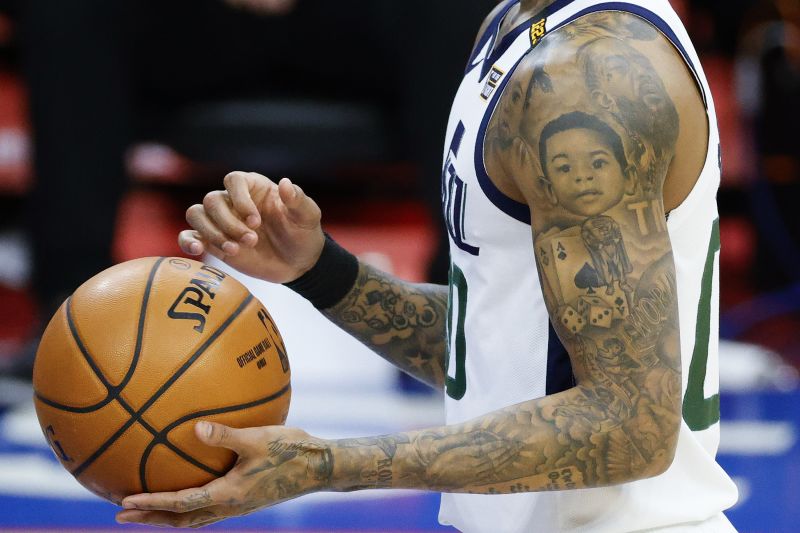
Clarkson identifies Iverson as the subject of his second portrait tattoo. Iverson influenced a generation of players, giving the design a clear basketball connection without adding a private reason Clarkson hasn’t shared.
Clarkson’s explanation matters. A jersey number or silhouette might only suggest a basketball reference, but a portrait gives viewers a face to recognize. The article names Iverson because Clarkson does, not because someone guessed from a distant photo.
The peace sign on the knee
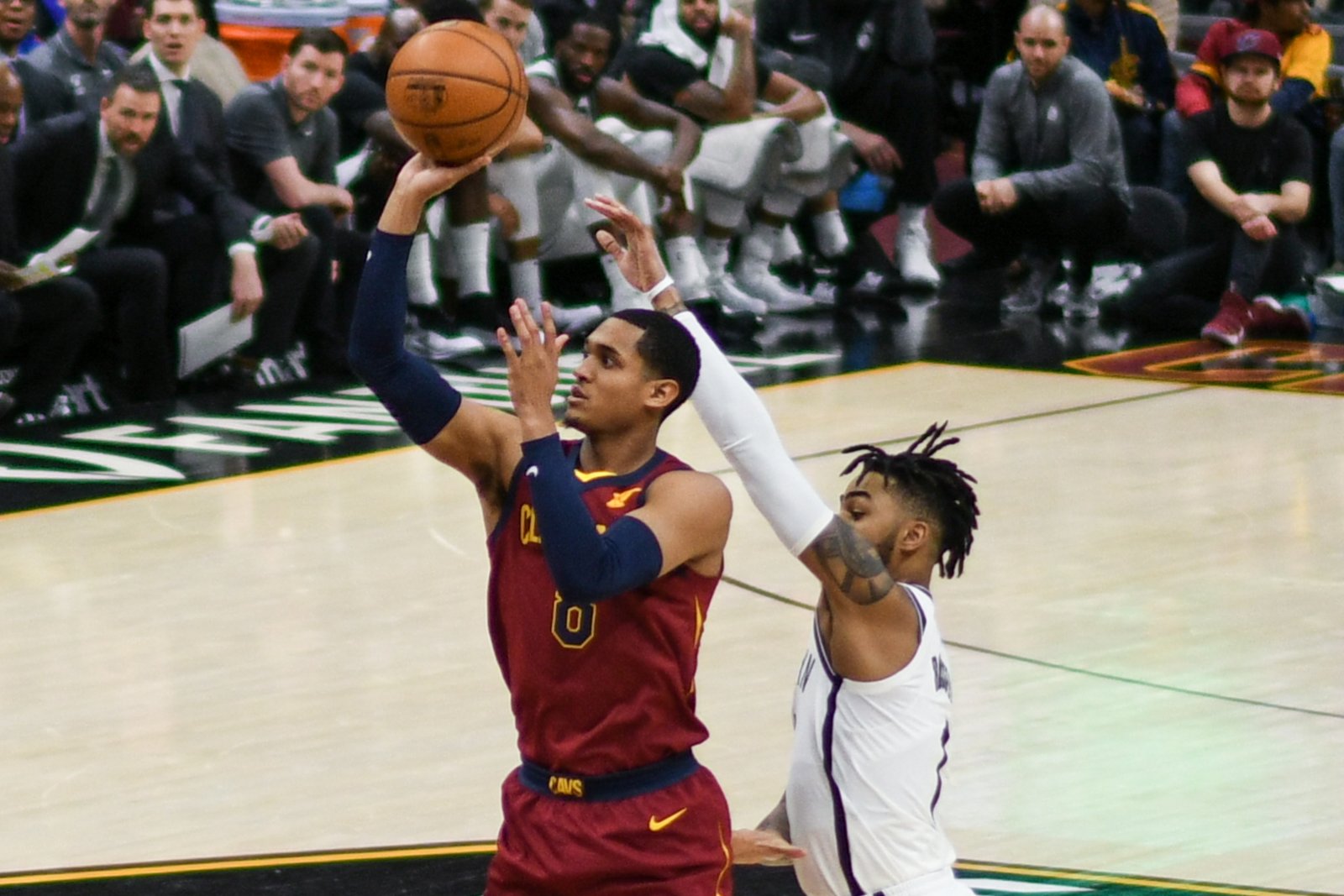
GQ also notes a peace sign on Clarkson’s knee. It’s smaller and simpler than the sleeve portraits, and belongs to an earlier stage of his tattoo history. The source identifies the symbol and location, but doesn’t give a detailed personal meaning.
Peace signs can suggest calm, unity or personal beliefs, but Clarkson hasn’t confirmed those meanings in the reviewed sources. What’s clear is the symbol, its position on his knee and its place among his earlier tattoos.
Initials came before the sleeve
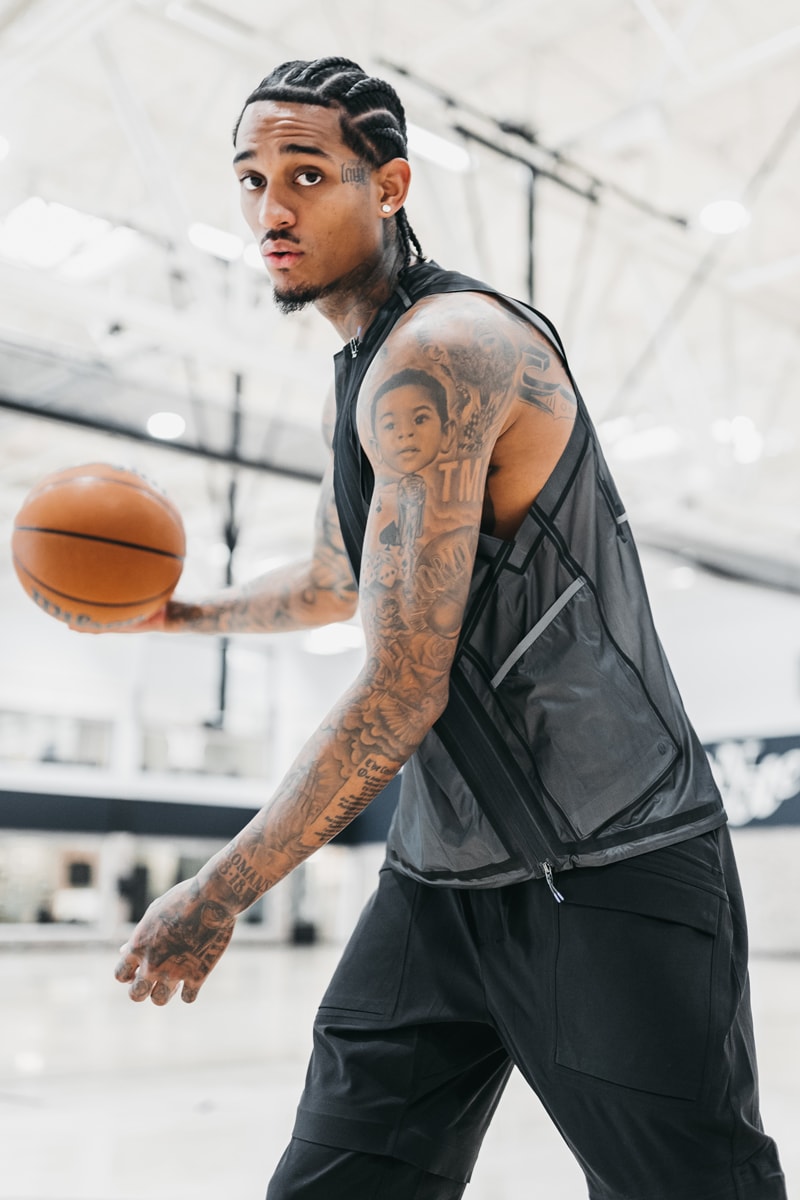
Clarkson says his first tattoo was a small set of initials. It came before the portraits and connected work that later filled his sleeve. Initials are personal lettering, but the public source doesn’t assign them a larger story.
His sleeve followed quickly. Clarkson describes a two-to-three-month stretch when he and the tattoo artist worked almost every day. That helps explain how the collection grew from one small mark into a developed sleeve.
How the sleeve developed
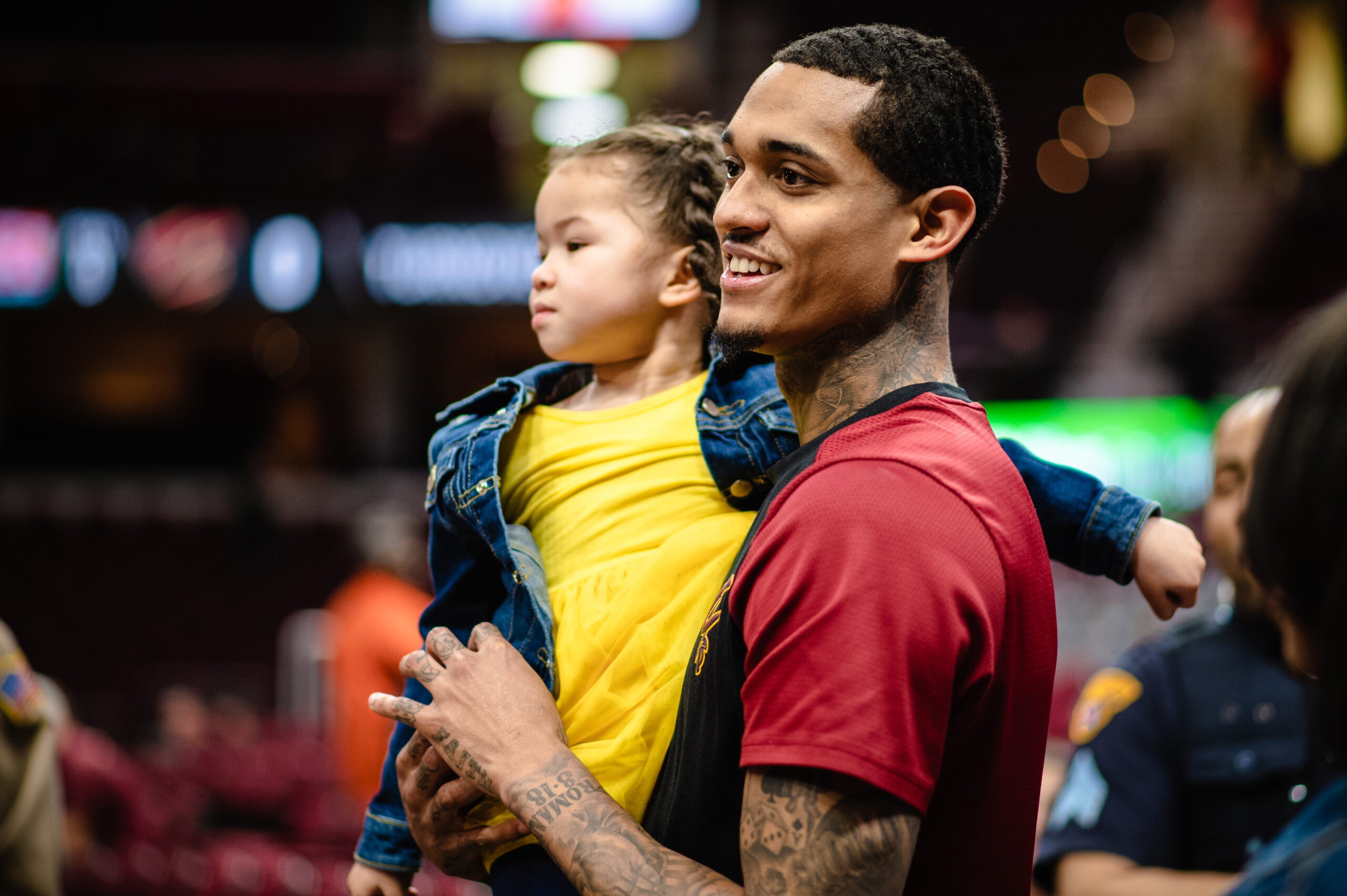
A sleeve is made of separate tattoos, even when the designs share an arm. Clarkson’s brings together portraits, symbols, initials and later additions. He names some pieces; the rest are best described as surrounding shading or supporting designs until a source identifies them.
Photos from different dates can make the sleeve look changed. A later image may show more shading, while an older one leaves space between the portraits. That may reflect new work or lighting, so dated photos are needed before calling a piece altered or covered.
Meaning and evidence levels
Clarkson names the portrait subjects, so their personal context is clearest. The peace sign and initials are easy to identify, though he hasn’t explained them in detail. Other sleeve work completes the composition, but every small symbol doesn’t need a separate story.
This keeps the tattoo list from pretending to be a full biography. Clarkson’s comments support the connections he has explained; photos add placement and visual detail. Anything the sources leave unanswered should stay open, rather than be filled with a familiar tattoo cliché.
What the GQ Tattoo Tour confirms
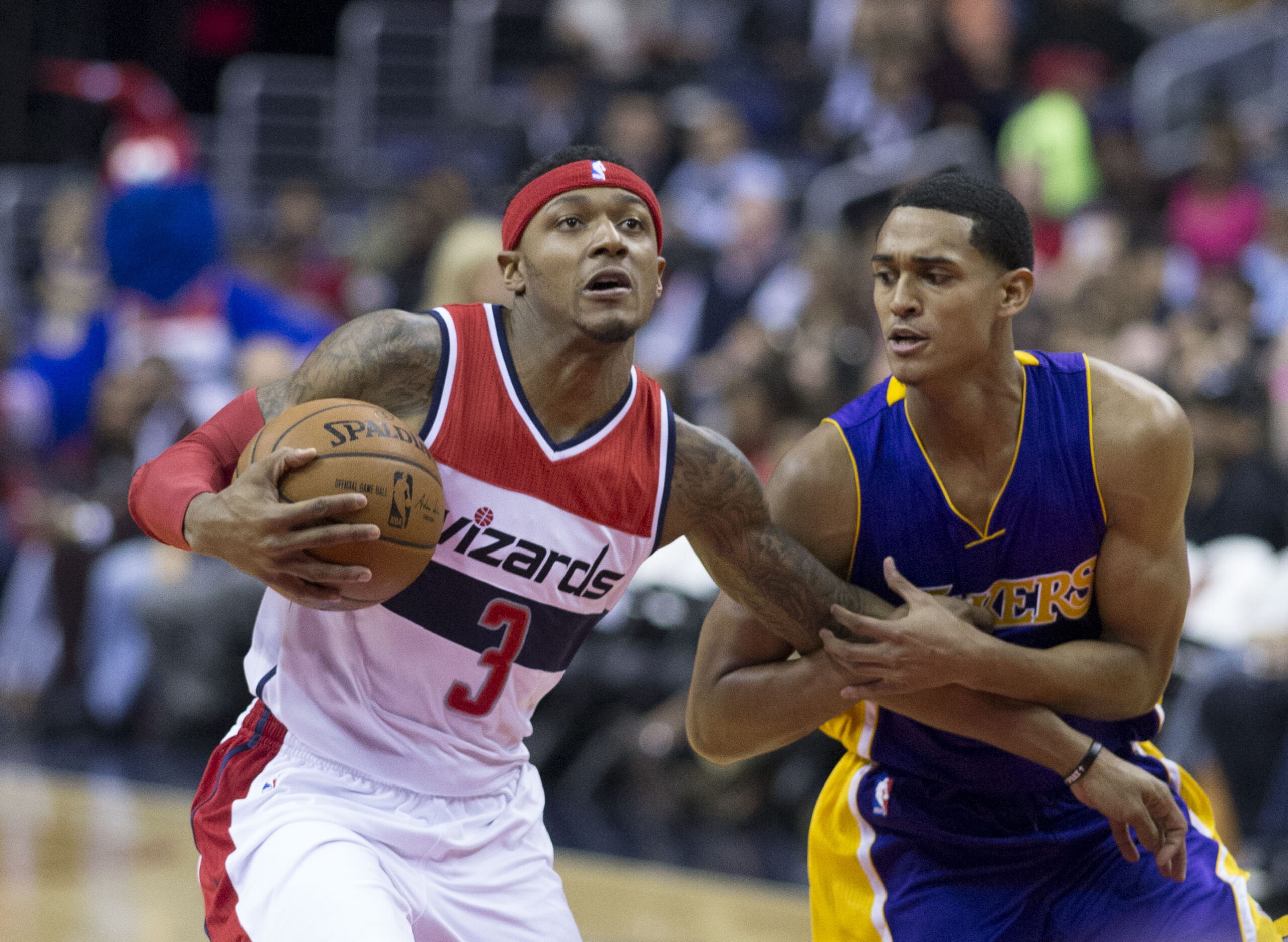
GQ’s Tattoo Tour gives four solid starting points: the Nipsey Hussle and Allen Iverson portraits, the peace sign on Clarkson’s knee, and the initials he got first. He also says he built out much of the sleeve over a few intense months, though the source doesn’t give a full inventory of every design.
To compare images, start with the two portraits, then look for the knee sign and initials in photos that show those areas. Uniforms and camera angles can hide much of the body, so dates and settings matter. Identify only what the sources support and leave uncertain details unnamed.
Jordan Clarkson’s tattoos show his basketball influences, a tribute to Nipsey Hussle, and how quickly the sleeve took shape. The portraits carry the clearest stories; the peace sign and initials came earlier. The additional work fills out the sleeve, though Clarkson hasn’t publicly explained every design.
8 thoughts on “Jordan Clarkson’s Tattoos: Nipsey Hussle, Allen Iverson and a Rapidly Built Sleeve”