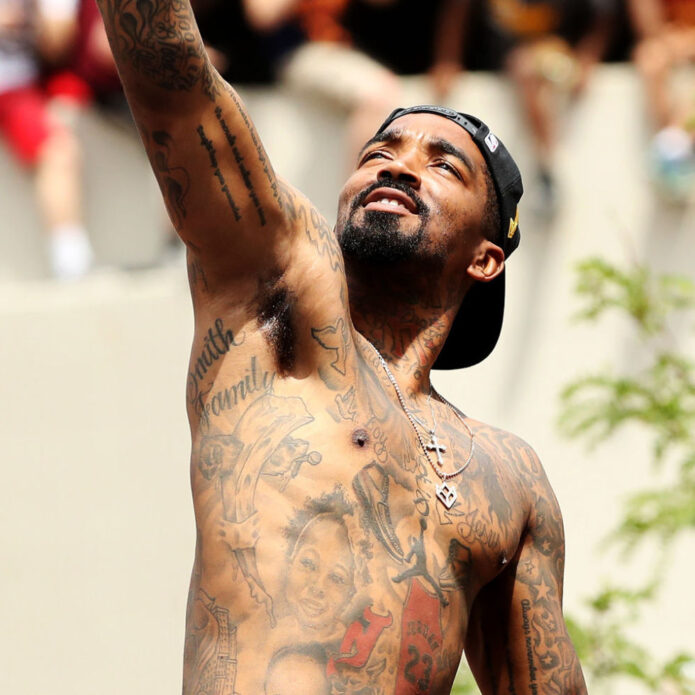
J.R. Smith has one of basketball’s largest and most recognisable tattoo collections. He has said he stopped counting at around seventy, and the photos make that easy to believe: portraits, chest lettering, neck words, basketball symbols, stars and dense arm work all share the space. This guide focuses on the main designs, sticking to what Smith has said and what the images clearly show.
The tattoos accumulated over many years, not in one marathon sitting. An older photo may show open skin that was later filled, while a jersey can hide much of the chest or arms. The photos here are distinct views, giving a better sense of the overall layout than repeated crops of one picture.
Mama’s Boy and Black Jesus sit at the centre of his chest
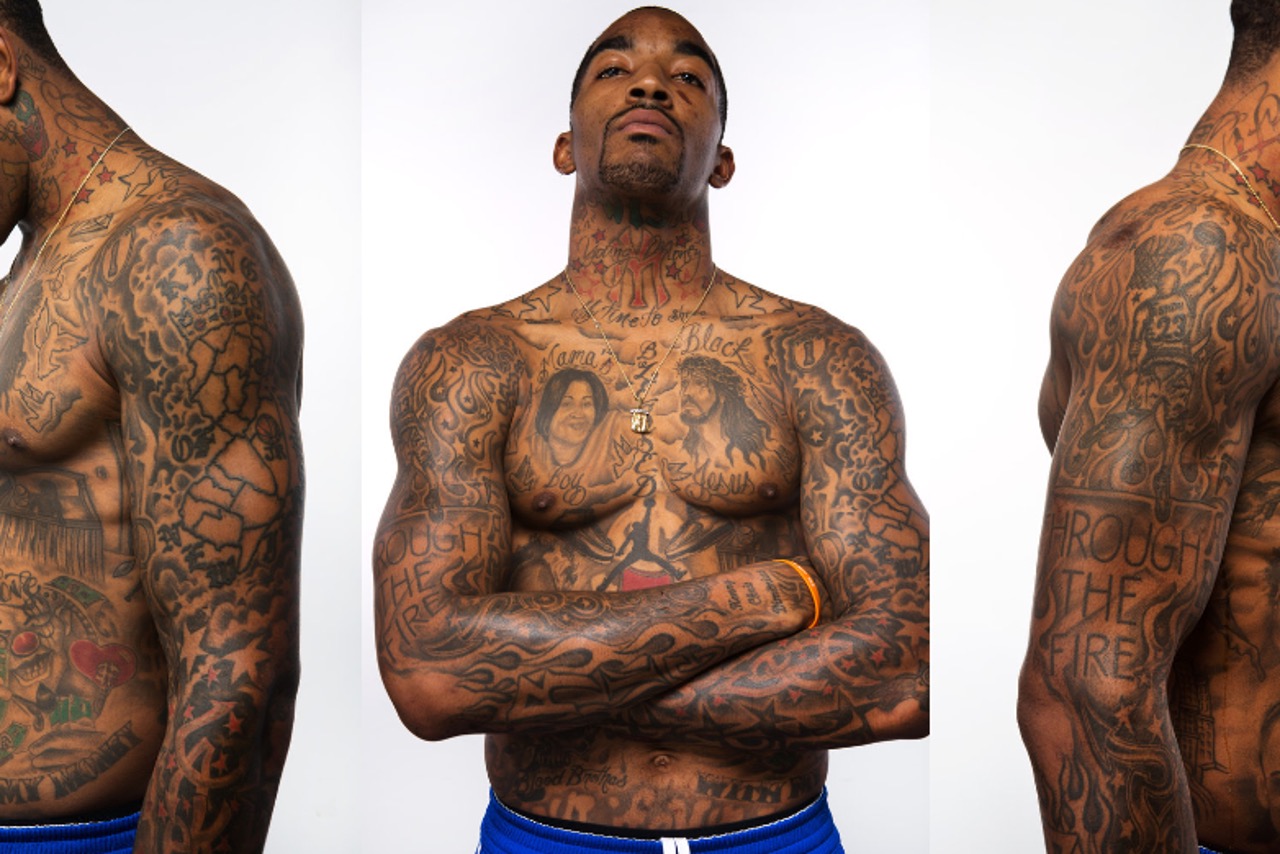
Smith’s chest is a natural place to begin because it holds some of the designs best known from his shirtless photos. The words “Mama’s Boy” frame a portrait of his mother, and the piece is large enough to read without a close crop. It is not a hidden little mark; it is one of the main features of his tattooed torso.
Next to that family portrait is an image widely identified as Black Jesus. The religious portrait creates a different mood from the basketball-related words around it. In a wide shot the two can seem like one large patch of ink, but a clearer photo shows separate subjects, each with its own lettering and shading.
The family connection is among the more straightforward stories attached to Smith’s tattoos. He has talked about his mother’s reaction to seeing her portrait, so there is context without needing to add a bigger theory. The point is simple: his mother appears on his chest, with words that make the tribute clear.
More lettering fills the space around the portraits, including references to faith, family and Smith’s own sense of himself. Some lines are legible in the studio photo; others disappear into the shading. The image helps show how the portraits, text and black-and-grey work fit together, instead of reducing the chest to a generic shirtless shot.
His first tattoo was a basketball tribute that started the whole collection
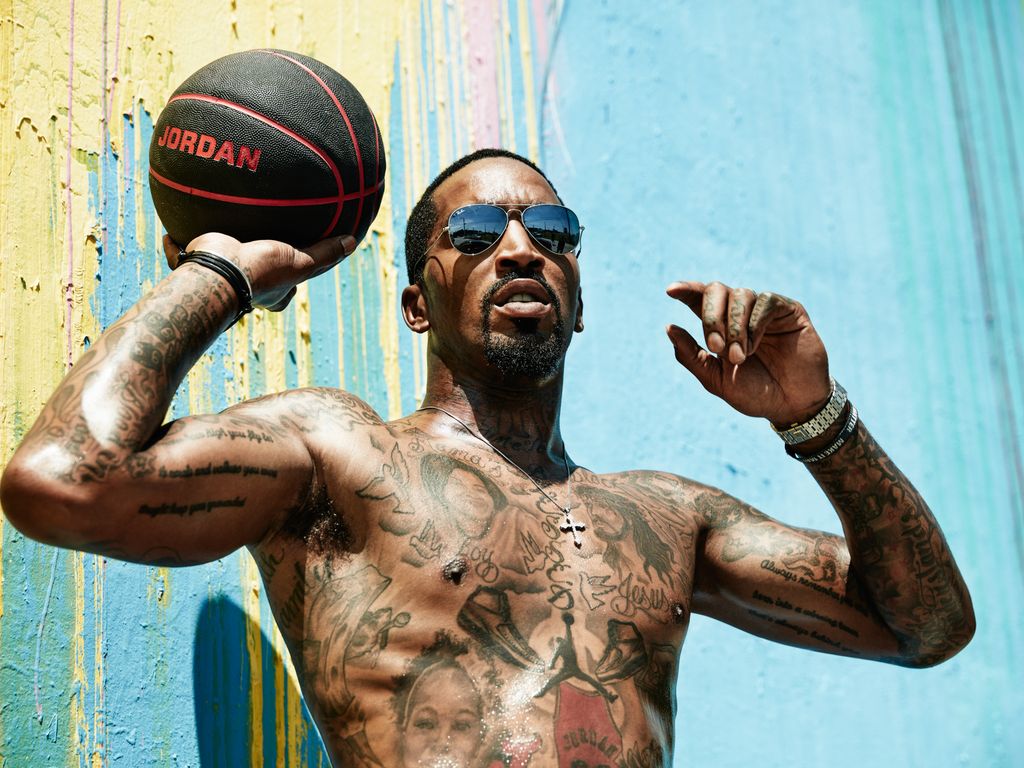
Smith has said he got his first tattoo at about fifteen. It showed a basketball player dunking and was personalised with his own name and number. That early sports design looks quite different from the portraits and dense sleeves that came later. It began with the game he hoped to play, and the rest of the collection grew from there.
The phrase “Through the Fire” is another part of that story. It appears alongside basketball imagery and is often linked to difficult periods in Smith’s life and career. The wording is clear enough to mention, but it should not be used to assign a life story to every other tattoo.
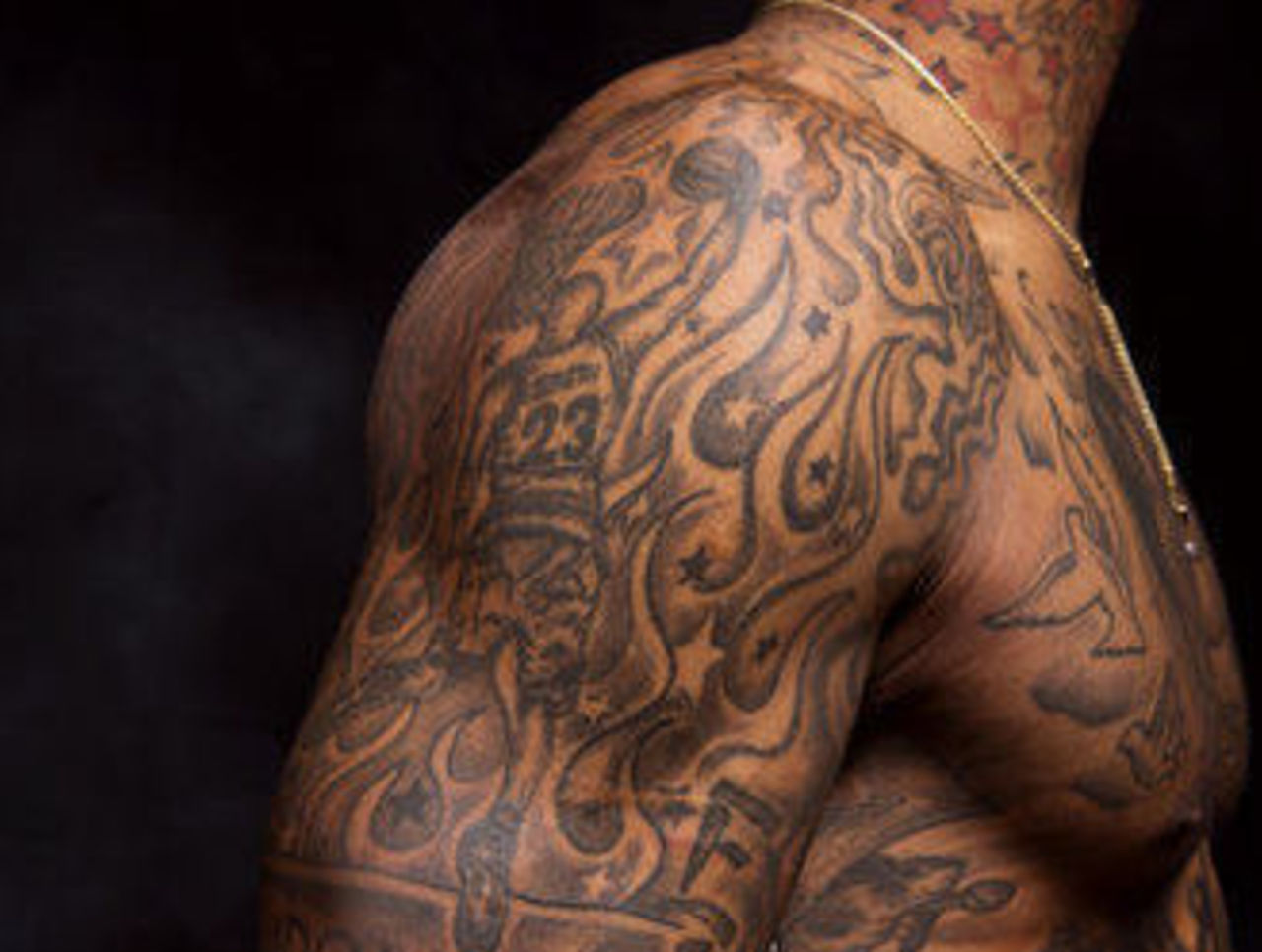
Look closely at his arms and the original sports theme now sits among script, stars and darker filler, added across different sessions. The work does not read like one sleeve planned all at once. It feels as if Smith kept adding pieces, eventually making the spaces between them part of the overall style.
That gradual process is part of the appeal. Smith has described choosing tattoos spontaneously, sometimes deciding what to get after he arrived at the shop. The result is crowded but personal. A tidy list of symbols would miss the slightly unpredictable way the collection came together.
Young Money and Swish give the neck its own basketball-era lettering
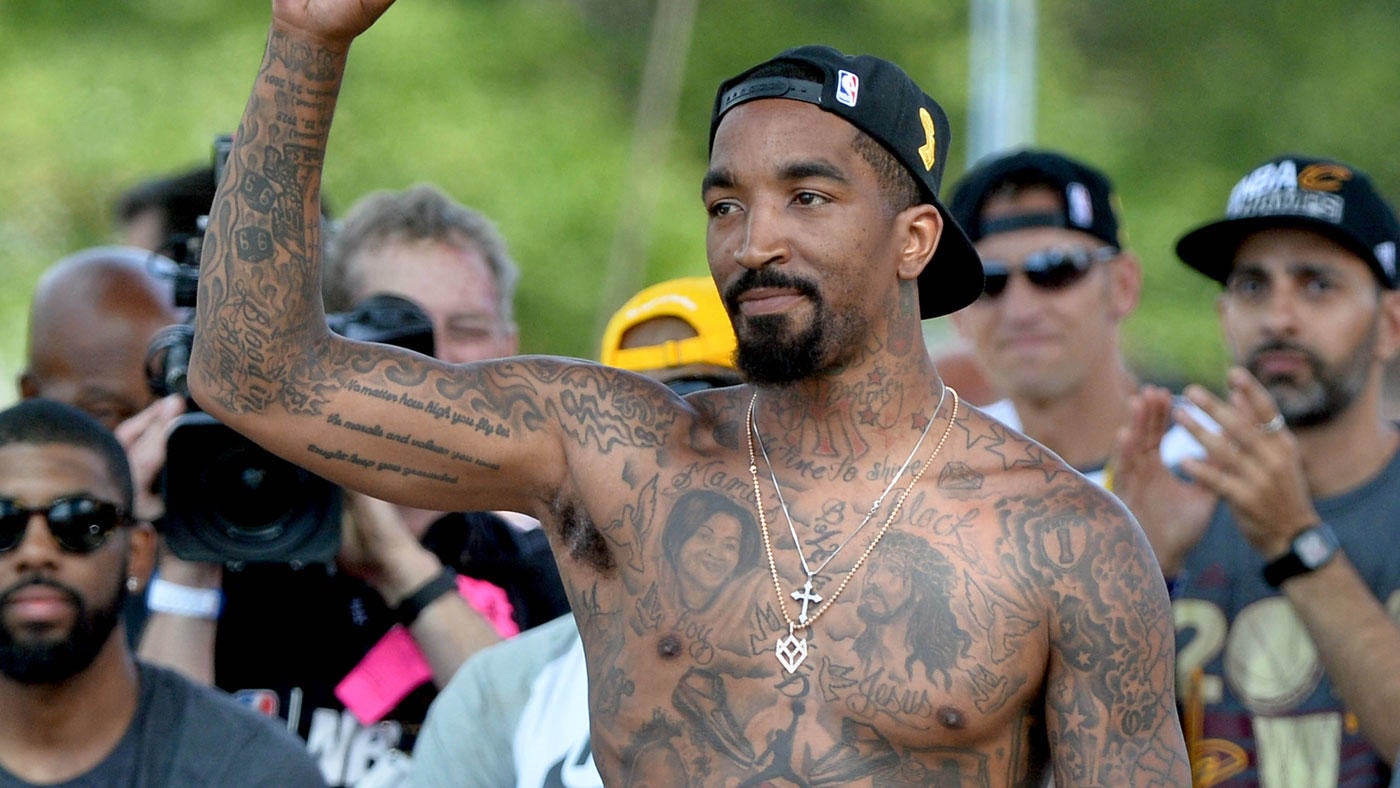
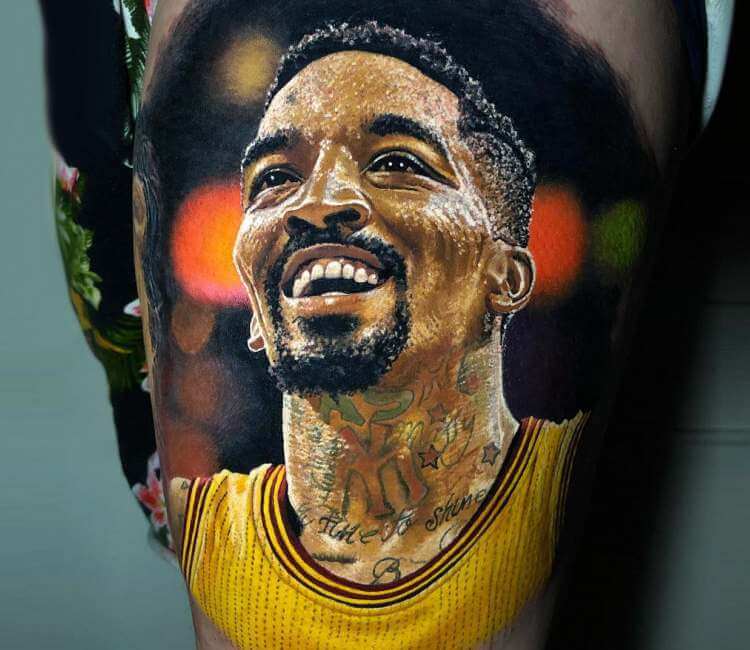
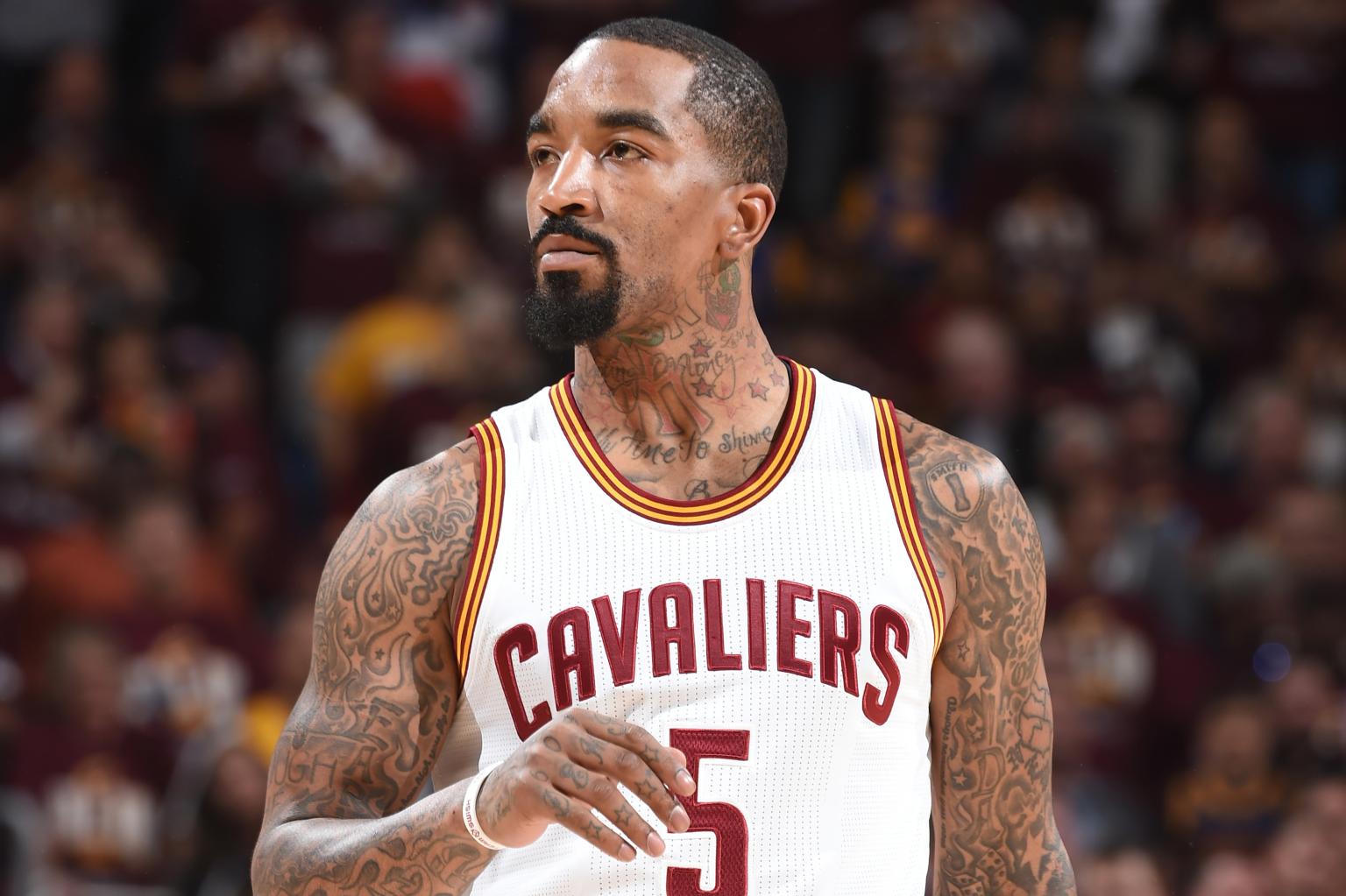
The neck tattoos stand out in photos where Smith wears a jersey or a low T-shirt. Young Money sits high on his neck, with Swish added above it later. The lettering connects to his nickname and basketball identity, giving the words a personal-brand feel rather than the look of simple decoration.
The area also includes a New York Yankees logo, smaller stars and marks around his ears. Collars, chains and shadows can obscure parts of the design, and not every photo is equally clear. The description sticks to what can be made out and leaves unreadable script alone.
Placement gives the words extra weight. A forearm phrase might disappear under a sleeve, but neck lettering follows Smith into public view. It helped make his tattoos a familiar part of his NBA-era image. Close to the face, even a short word has a strong visual presence.
The neck also reflects how his collection grew. Early lettering and later additions do not always match in size or style, which is natural for tattoos collected over many years. It makes more sense to view the area as a timeline than as one finished logo.
The arms and shoulders carry the basketball symbols and smaller filler work
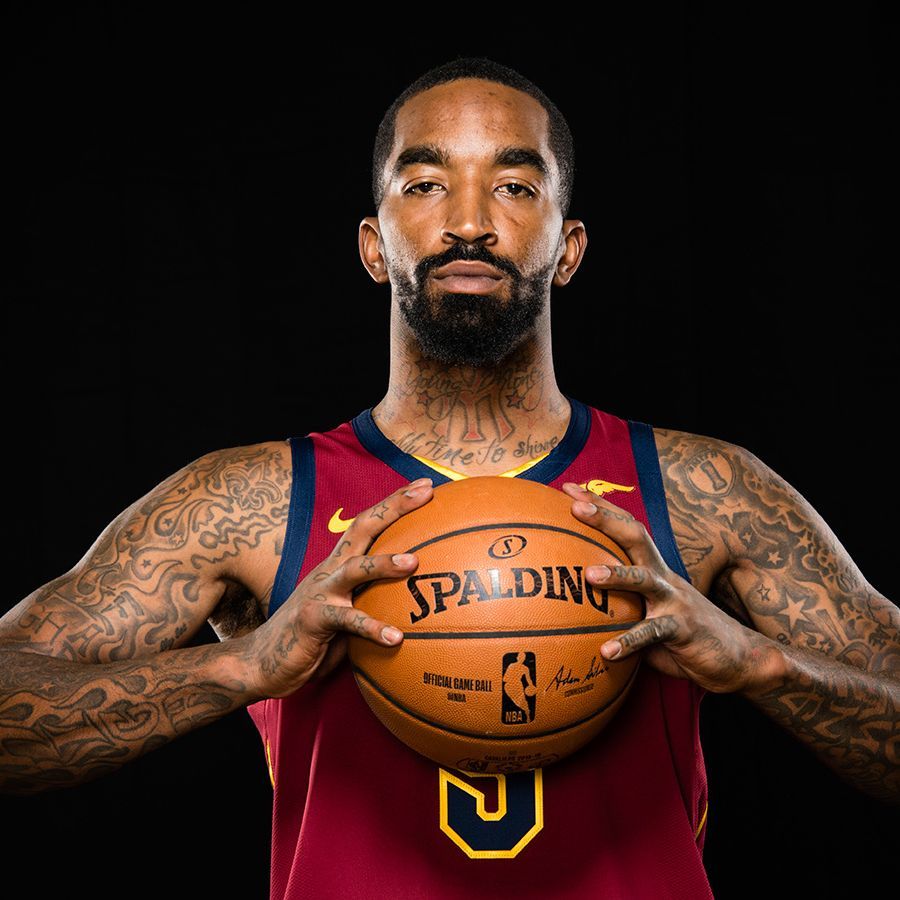
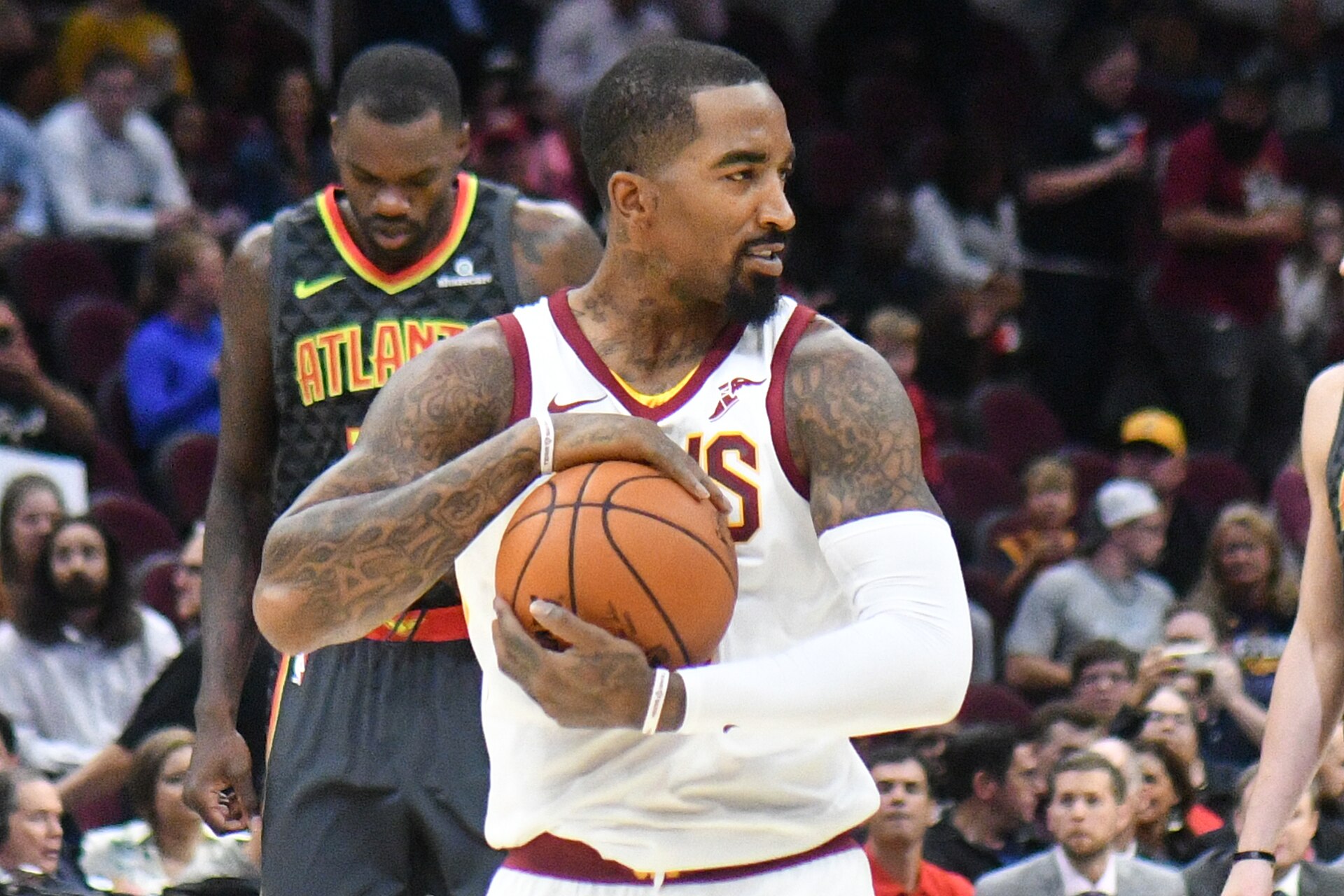
Smith’s arms hold details that can be hard to see while he is playing. Stars sit around the shoulders, script runs along the arms, and basketball imagery mixes with darker filler between larger designs. A straight-on portrait gives the overall impression; an angled view shows how the tattoos wrap around his biceps and forearms.
The sports references take different forms. Some are direct basketball images; others are numbers or words that make more sense alongside the rest of the collection. His own number appears in accounts of the work, and other pieces point to teams and places from his career. The arms feel more like a scrapbook of those years than one sleeve built around a single logo.
Smaller marks also sit near his hands and ears. Smith has had work added around the fingers and behind the ears, areas that can look quite different from one image to the next. A close portrait helps with the ear and neck pieces, while a wider shot shows how they relate to the larger arm tattoos.
The amount of ink is why several photos help. One can show the chest, another the shoulder, and a jersey portrait reveals what remains visible when clothing covers most of his torso. Repeating the same photo would make the collection seem flatter than it is.
Death Before Dishonor and the leg tattoos add a tougher note
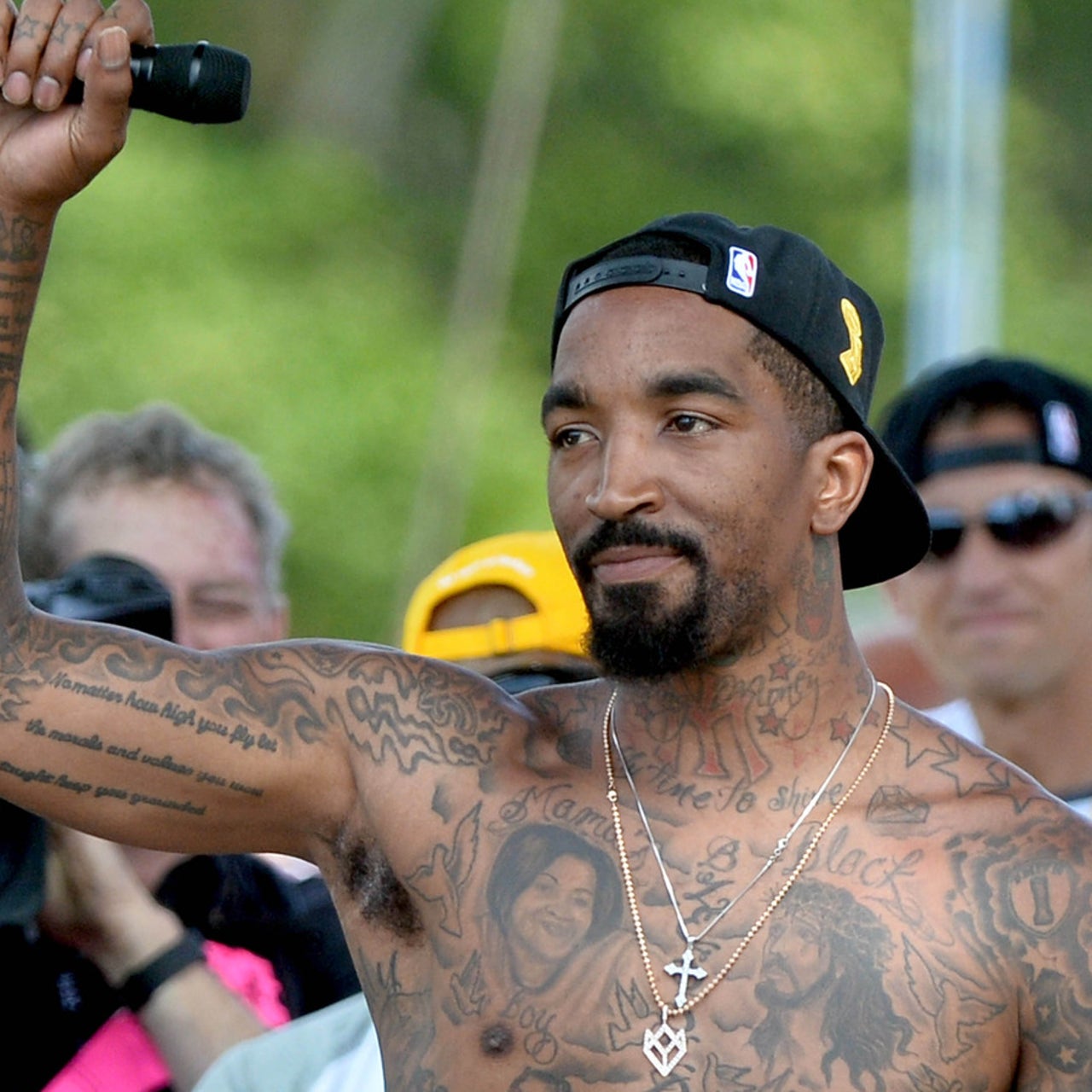
Tattoo coverage usually places the phrase Death Before Dishonor on Smith’s thigh, apart from the chest portraits and basketball lettering. Its harder tone contrasts with the family tribute, much like the rest of his collection moves between sentimental portraits, faith, sports and blunt phrases without smoothing them into one mood.
Smith also has tribute work linked to people he admired, including a reported Nipsey Hussle tattoo. It helps to keep the timing in view: the collection changes, and photos from different years show different amounts of leg and torso coverage. The tribute can be mentioned while making clear which image actually shows it.
The lower-body tattoos are easy to miss because many of the best-known photos focus on Smith’s chest and arms. Parade pictures show more of his body art, but they are not always sharp enough to identify every mark below the waist. Confirmed lettering should be kept separate from smaller shapes that appear only as dark patches.
Taken together, Smith’s tattoos tell a pretty direct story about family, faith, basketball and his habit of adding another piece when he felt like it. He once said he had lost count at roughly seventy, so it is no surprise that no single photo serves as a complete inventory. Several clear, distinct views give the best sense of the work.
Some marks are still difficult to name with confidence, particularly around his ears, hands and lower arms. That is simply part of having so much ink. A useful guide can show the designs that are clear without turning every shadow into a new symbol.
The mix is what makes Smith’s tattoos stand out. His mother’s portrait sits near religious imagery, basketball references appear beside blunt phrases, and later work fills the gaps around older designs. The collection is busy without being meaningless; it reflects the people, teams and ideas that have stayed with him through much of his adult life.
His tattoos also became part of his public persona. Shirtless celebrations put his chest and arms on display, and league rules later drew attention to designs such as the Supreme logo. That attention does not explain every tattoo, but it shows how closely the ink is tied to the way Smith presents himself.
The clearest starting points are Mama’s Boy, Black Jesus, Through the Fire, Young Money, Swish, the stars, the basketball imagery and Death Before Dishonor. For anything beyond those, a sharp photo or a direct explanation is needed before calling it certain.
Smith’s tattoos and the NBA debate
The Supreme logo on Smith’s calf brought his tattoos into a wider discussion about branding in the NBA. The news video below covers that debate; it is separate from the family portraits, religious imagery and basketball references elsewhere in his collection.
More athlete tattoo guides
More photographs of J.R. Smith’s tattoos