
Austin Rivers’ tattoos don’t look like one coordinated set. They’ve come together piece by piece: some designs connect to family, some to basketball, and others were picked because the image appealed to him at the time. That makes the collection feel more personal than a perfectly planned sleeve. You can see how he has used tattoos to record parts of his life while leaving room for whatever comes next.
One of the clearest looks at his ink came in a GQ tattoo tour, where Rivers talked about several pieces and what went into them. He also spoke about Wiz Khalifa’s influence on his early interest in tattoos, and getting his first one while he was still in ninth grade. By the time Rivers reached the NBA, those early experiments had grown into a much larger collection across his arms, chest and upper body.
The Jesus Christ tattoo that started the collection
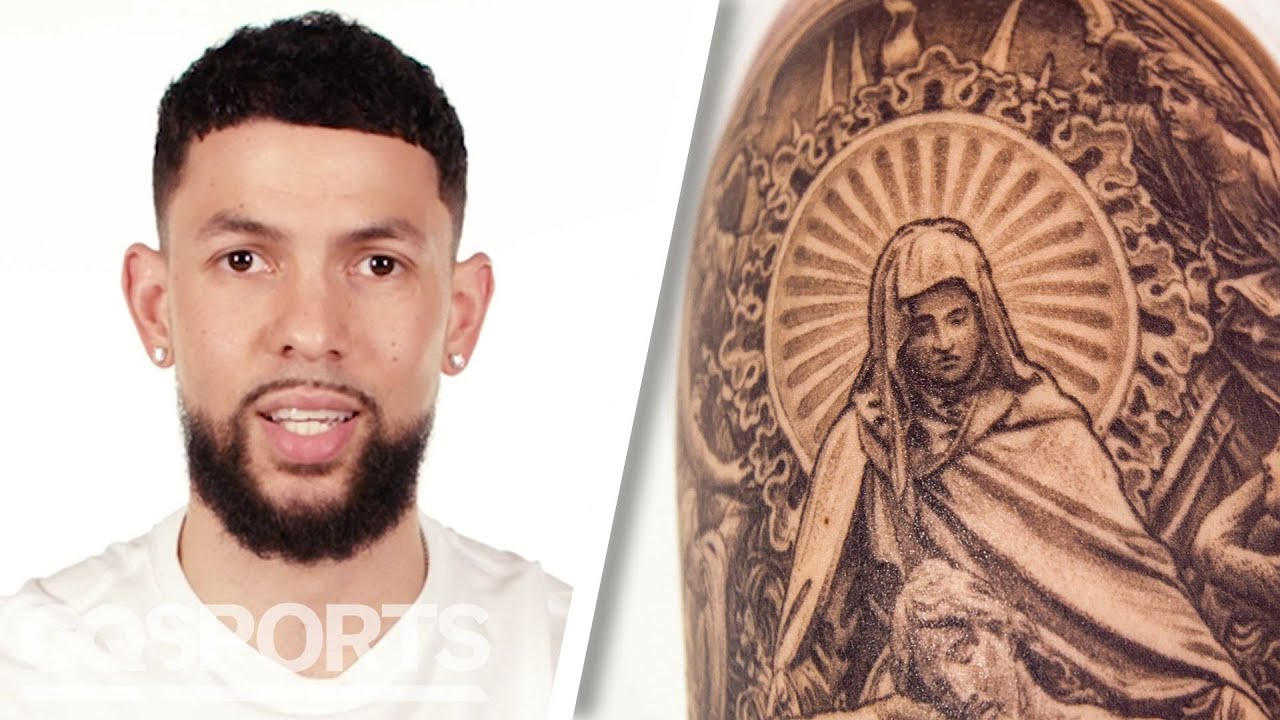
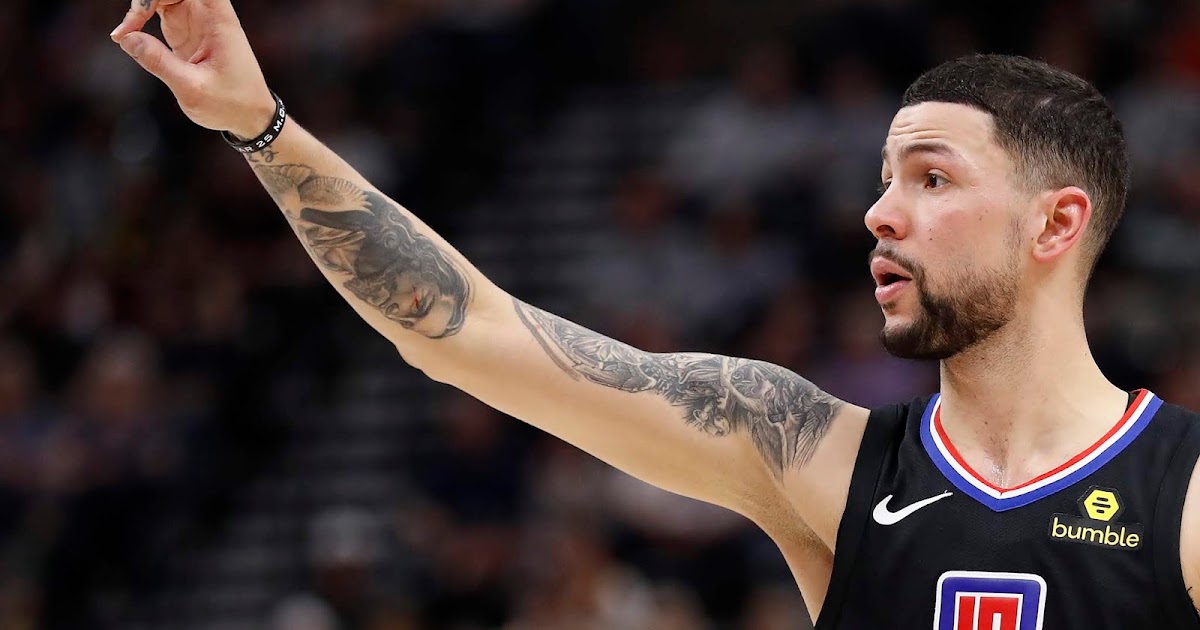
The Jesus Christ tattoo on Rivers’ arm is one of the most recognisable pieces in his collection. He has said he got it when he was young, so it belongs to the early part of his tattoo story, before he was famous. That gives it a different feel from a lot of celebrity ink: it wasn’t a branding move or a carefully staged reveal, but a teenager making a lasting choice.
Rivers has joked that the face looks a bit like Johnny Depp’s character from Pirates of the Caribbean. That kind of self-deprecating comment suits him. He can take a religious image seriously and still admit that tattoos don’t always turn out exactly as an artist first imagines. The joke doesn’t take away from the meaning; it makes the story feel more candid.
The arm is a natural place for it on a basketball player. It shows in games, practices and photos, but the design doesn’t define his whole look. Rivers can cover it with a sleeve if he wants, or let it show on court. It now sits among other pieces as part of a sleeve that has grown over time.
Starting young also helps explain why the collection doesn’t follow a single visual style. A tattoo chosen in ninth grade comes from a different place than one picked later in a professional career. As Rivers got older, the work became larger and more layered. On his arm, an early personal image now sits within later additions that make the whole area feel fuller.
The sleeve grew around basketball and everyday life
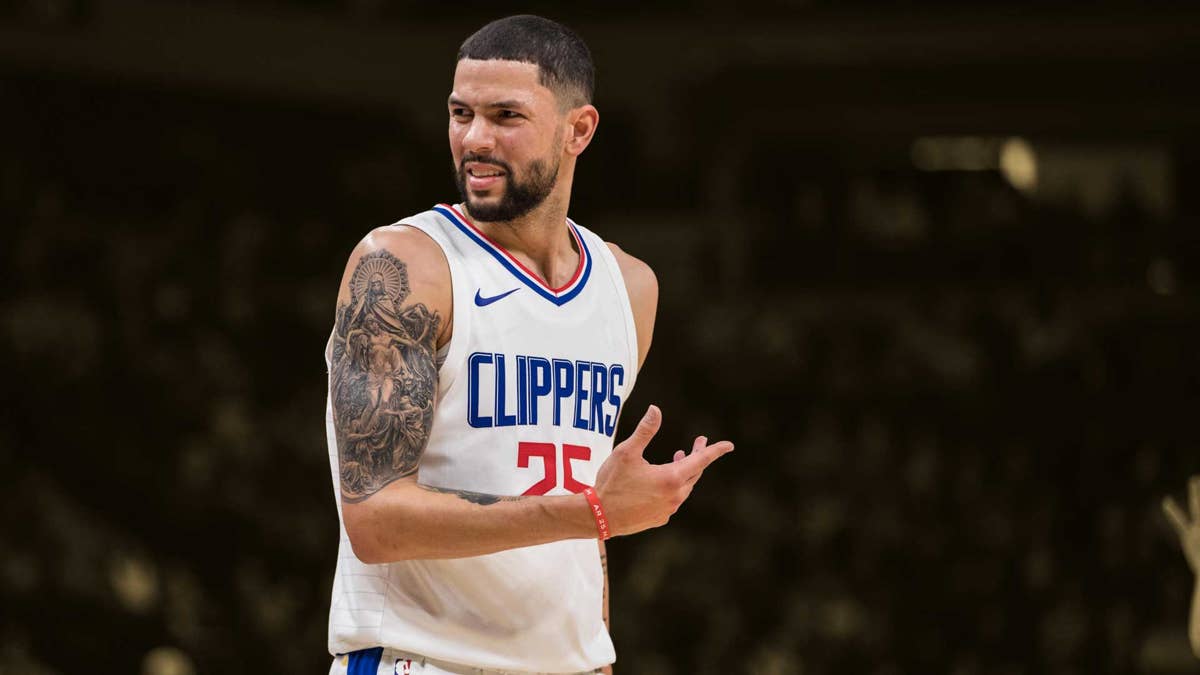
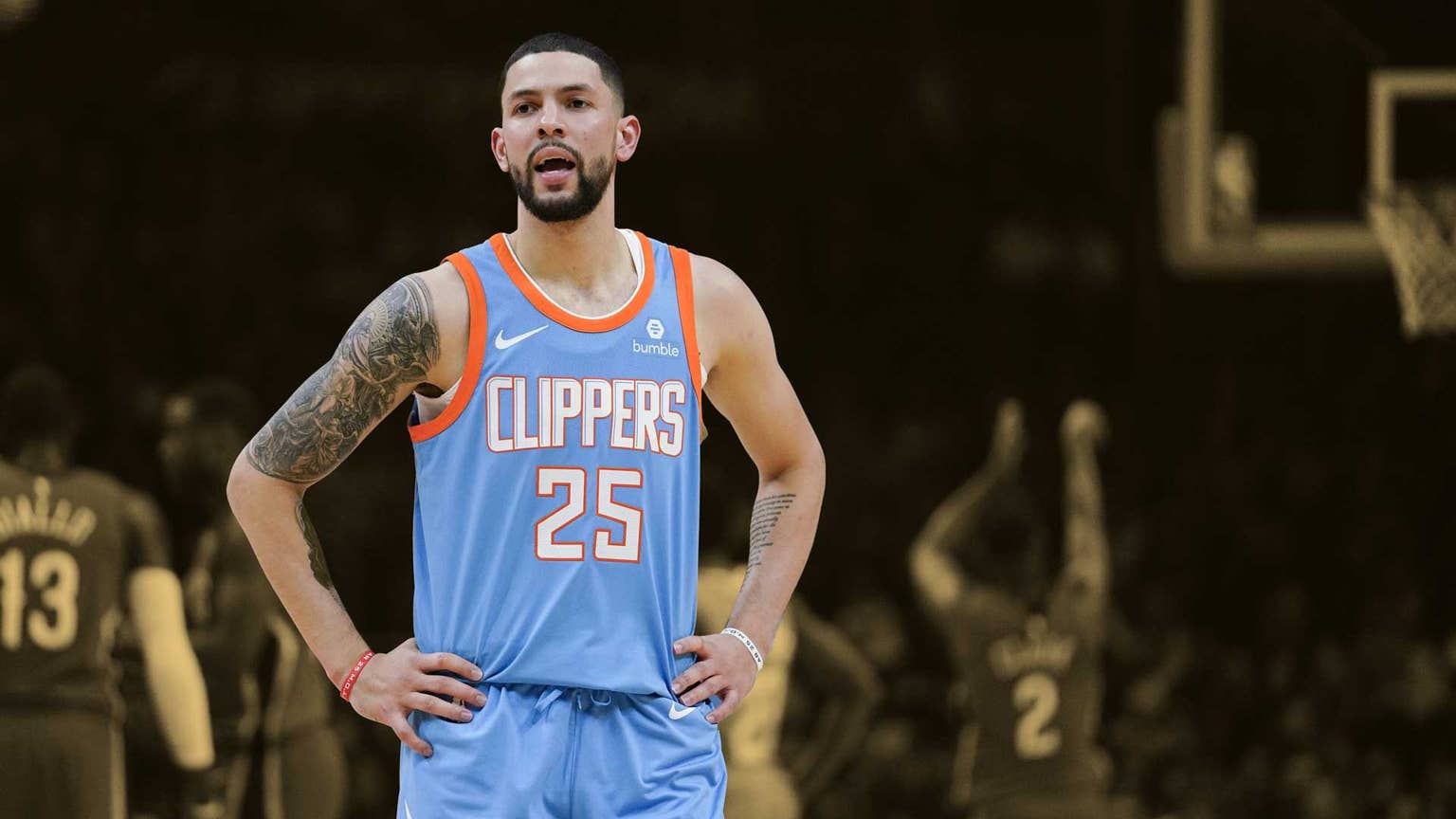
Rivers’ arm is best read as a sleeve that’s still developed over time. Photos show dense black-and-grey work running from the upper arm toward the forearm, with individual designs close enough to read as one broader composition. Not every symbol has a confirmed explanation, so it helps to separate what Rivers has actually discussed from what viewers might be guessing.
That distinction matters with a collection this full. Fans often give a meaning to every small mark, but Rivers hasn’t published a definitive inventory of all his tattoos. The Jesus image and other visible work are documented; for the rest, it’s better to describe what can be seen than to present a guess as fact. A good tattoo guide leaves room for uncertainty instead of inventing a backstory for every line.
The sleeve also reflects the rhythm of his career. Basketball involves constant travel, long seasons and physical work. Tattoos can hold memories without following a timeline: one session might mark a belief, another could be inspired by a friend, and another may simply fill an open patch of skin. With time, those choices make a visual record even if there was never one master plan.
Rivers has talked about how other artists shaped his taste, especially Wiz Khalifa and his heavily tattooed look. That doesn’t make Rivers’ sleeve a copy; it gave him room to experiment. The work shares some familiar ground with basketball and hip-hop tattoo culture, but the mix of pieces is his. It feels collected rather than arranged, which suits him.
In photos, the tattoos look different depending on the light, angle and what Rivers is wearing. A close portrait brings out the density of the ink; an action shot shows how naturally it has become part of his public image. The collection isn’t posed like a museum display. It moves with him.
The chest quote connects his ink to leadership
Another documented piece is a Vince Lombardi quote across Rivers’ chest. Lombardi is one of the most quoted figures in American sports, so the choice brings in ideas of discipline, standards and leadership. The chest offers a different canvas from the arm: it’s broad, usually private under everyday clothes, and suits a statement as well as an image.
A quote across the chest can serve as a personal rule, there before the cameras and still there after a game. For an athlete whose career depends on repetition, that placement feels apt. Training, recovery and competition all ask for commitment, and a short line of text can be a reminder when motivation fades.
It also adds variety to the collection. The arm is dense with imagery, while the chest tattoo brings in words. Rivers’ tattoos aren’t only portraits and illustrations; some are phrases he has chosen to keep close to the centre of his body. That contrast keeps the collection from feeling one-note.
Rivers speaks about his tattoos without turning every choice into a grand statement about destiny. That relaxed tone comes through in the mix: some pieces have a clear emotional or spiritual anchor, while others seem to be part of the fun of building a sleeve. Meaning and style can sit side by side.
What the public record tells us and what it does not
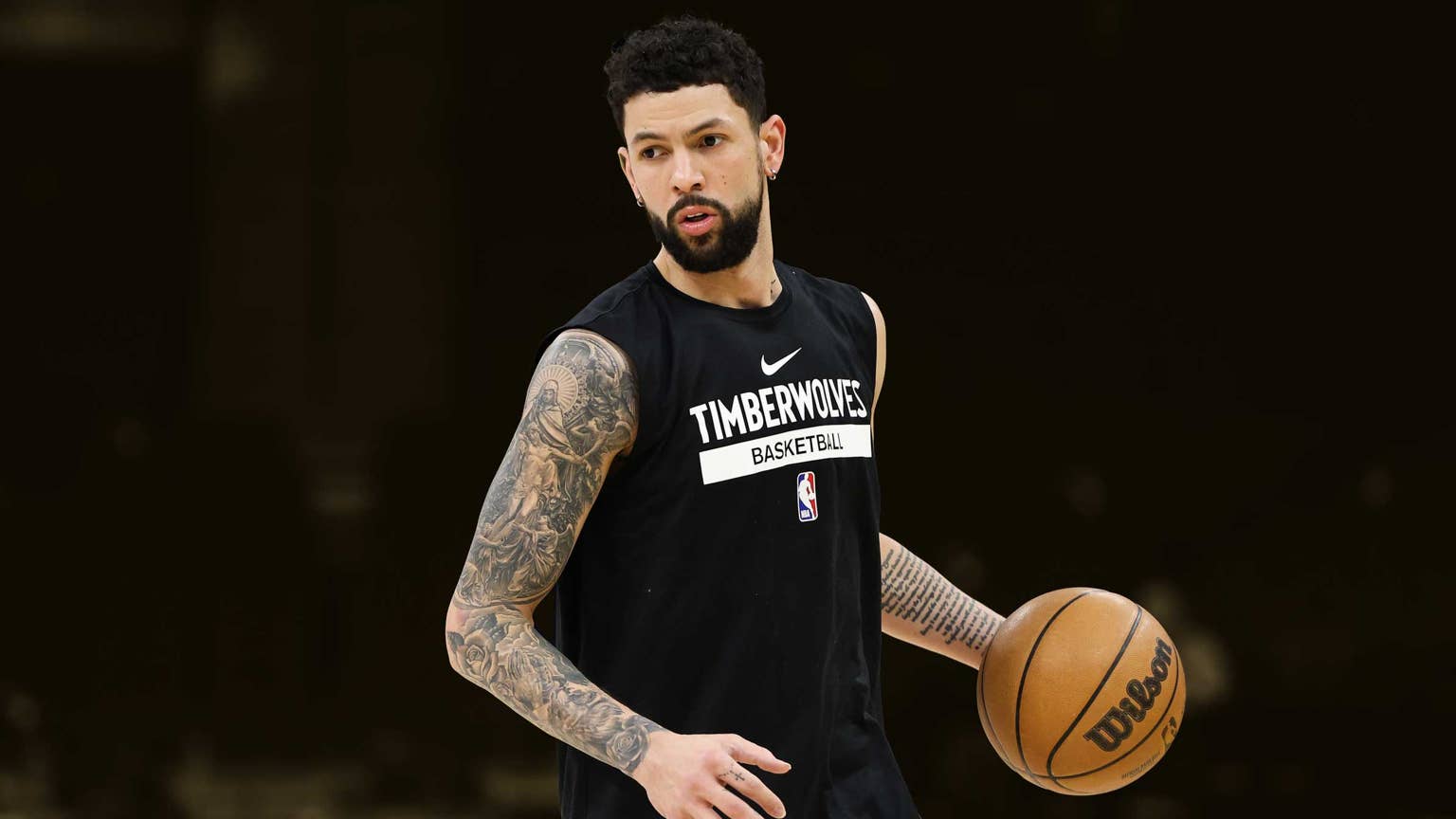
Rivers has enough visible ink that online galleries sometimes describe every detail as if he has officially explained it. He hasn’t. The clearest sources are his own comments in the tattoo tour and interviews, along with photos where the designs are easy to see. Those support the early Jesus Christ piece, Wiz Khalifa’s influence, the chest quote associated with Vince Lombardi and the broader story of a growing sleeve. Smaller designs can be described by appearance, but their personal meanings shouldn’t be called confirmed unless Rivers has said so.
One photo also can’t tell the whole story. His arm appears at different angles in games, portraits and interviews, with each view showing a little more. A front-facing shot may reveal the sleeve’s overall flow, while an action photo can show the outer forearm or how a design wraps around the arm. Several views from different occasions give a better sense of the collection than repeating one cropped image.
The photos show how the tattoos have changed over time, too. Rivers’ collection has grown with his career, so an older image may show bare skin that was later filled in. That doesn’t make the earlier photo wrong; it captures the sleeve while it was still taking shape. Tattoos record a timeline as well as a finished look.
If you’re trying to catalogue Rivers’ ink, it helps to group what’s known by body area. Start with the arm, where the Jesus image and sleeve work are easiest to see. Note the chest quote separately. Then add other designs only when they’re clearly visible and the source supports the description. That keeps a tattoo guide from turning into a list of guesses.
What makes Rivers’ ink appealing is that it doesn’t look planned for a single photo shoot. It feels lived in. The early religious tattoo, the basketball-minded writing on his chest and the expanding sleeve come from different moments, and they’re allowed to look that way. Some pieces are polished, others feel more personal, and the collection works because it doesn’t pretend every choice came from one plan.
There’s something familiar in the path from influence to ownership. Rivers saw tattooed artists and athletes, found a style that spoke to him, then built around his own experiences. The result isn’t just decoration: it reflects taste, faith, sport and a willingness to keep adding as life changes.
If he continues the sleeve, new work may make the existing designs harder to distinguish. That’s not necessarily a problem; collections can become more personal as they grow less tidy. The pieces that are clearly documented already suggest the main themes: belief, ambition, basketball culture and a willingness to laugh at the imperfect parts. Austin Rivers’ tattoos carry meaning without taking themselves too seriously, and that gives them their character.
Watch Austin Rivers talk through his tattoos
GQ’s tattoo tour is the best place to hear Rivers explain the early pieces and the ideas behind his collection.