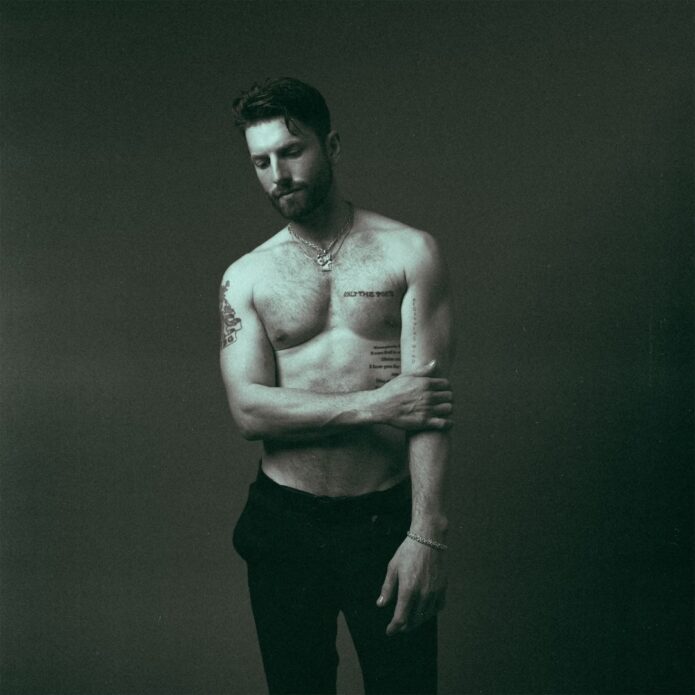
Marc E. Bassy’s tattoos trace the people and music that have stayed with him. He has a tribute to his father, a microphone from the years he was deciding to become a singer, lyrics from Sly and the Family Stone, and words tied to his first solo project. Some pieces are easy to spot; others are personal enough that he only shares them when he tells the story.
In his tattoo tour, Bassy is open about how the collection grew. He got his first tattoo young and figured out the rest over time. Moves, records and relationships each gave him a reason to add something. There was no single plan for how it would all look together.
That is part of the appeal: the tattoos follow his life as it happened. They read like reminders he chose to keep close.
The first piece was a Griffin with a family story behind it
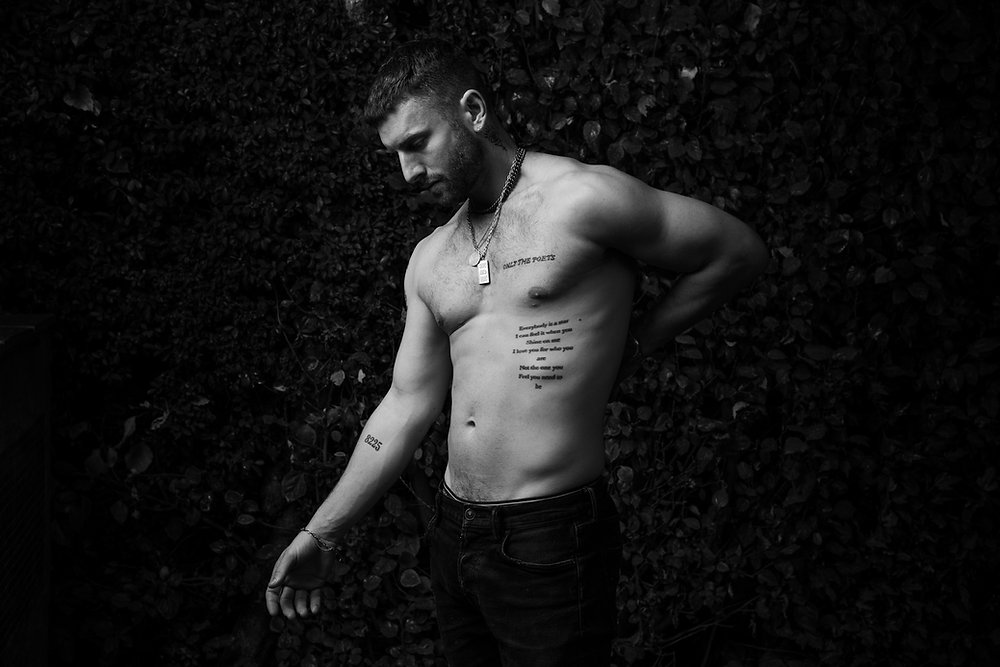
Bassy says he got his first tattoo around his 18th birthday. A close friend had drawn a personal family crest, and he wanted a design with a story of its own. He chose a Griffin, a mythical creature that also connects to his name.
The tattoo was a tribute to his father, who had died a couple of years earlier. His father’s initials are part of the design, giving the Griffin a meaning that goes beyond the creature itself. It also carries grief and memory, and gave him a way to keep his father close.
The Griffin has some of the bravado of a first tattoo, but its family meaning is specific. As Bassy’s earliest piece, it sets the tone for a collection that grew around people, records and turning points. One tattoo led to another as his life changed.
It does not explain everything about his later work, but it is where the story begins.
An old school microphone marked the move to Los Angeles
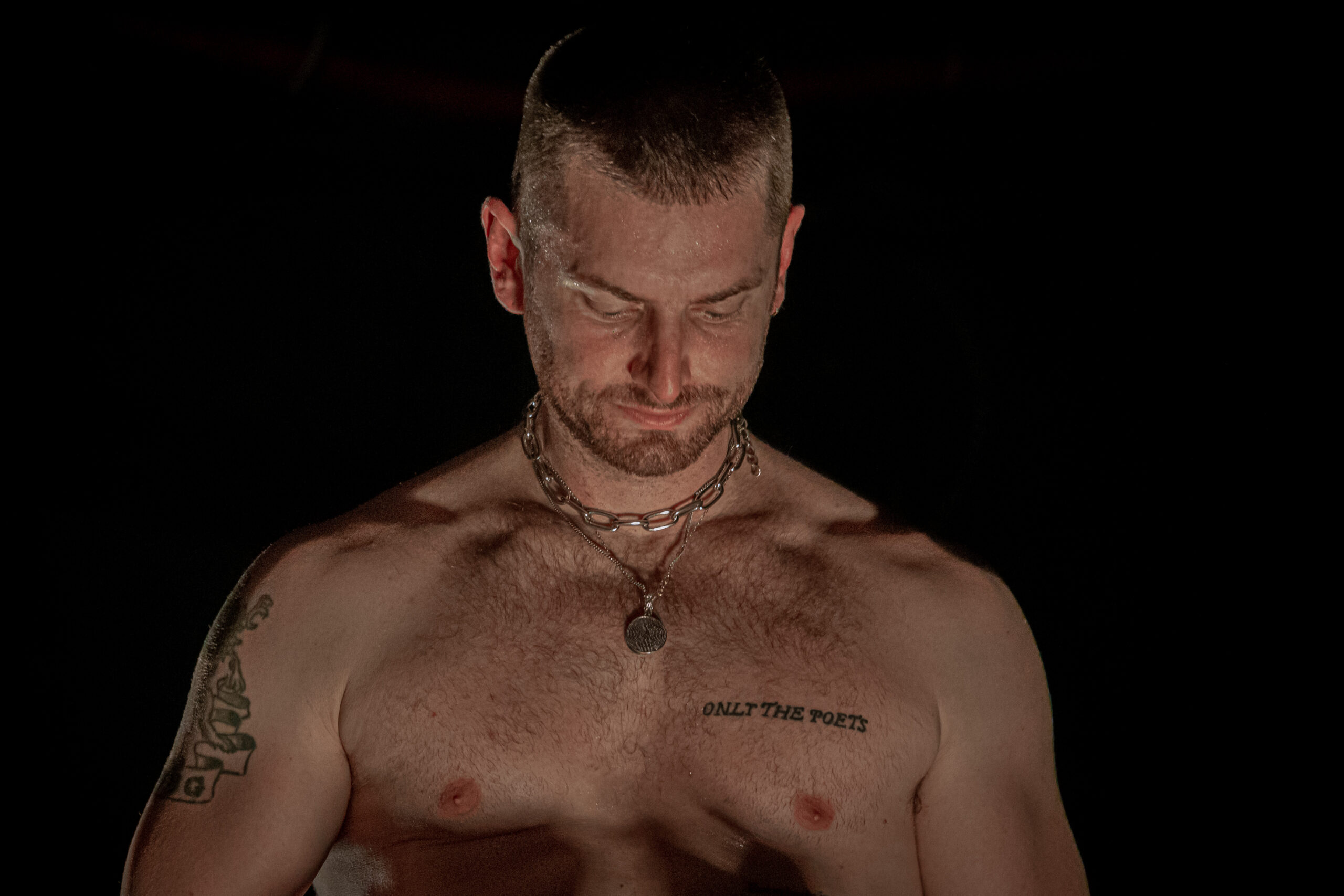
After moving to Los Angeles, Bassy got an old school microphone. He was 18 or 19, he says, and had committed to becoming a singer. He spotted the design in a tattoo artist’s book and felt it suited the direction he was taking.
The reason was straightforward: singing was becoming more than a hobby, and the microphone represented that decision. It is the tool that takes a song from private writing to a voice other people can hear.
Alongside the Griffin, the microphone marks a change in focus. The first tattoo honoured his father; this one pointed toward the artist Bassy was trying to become.
The rib lyrics came from Sly and the Family Stone
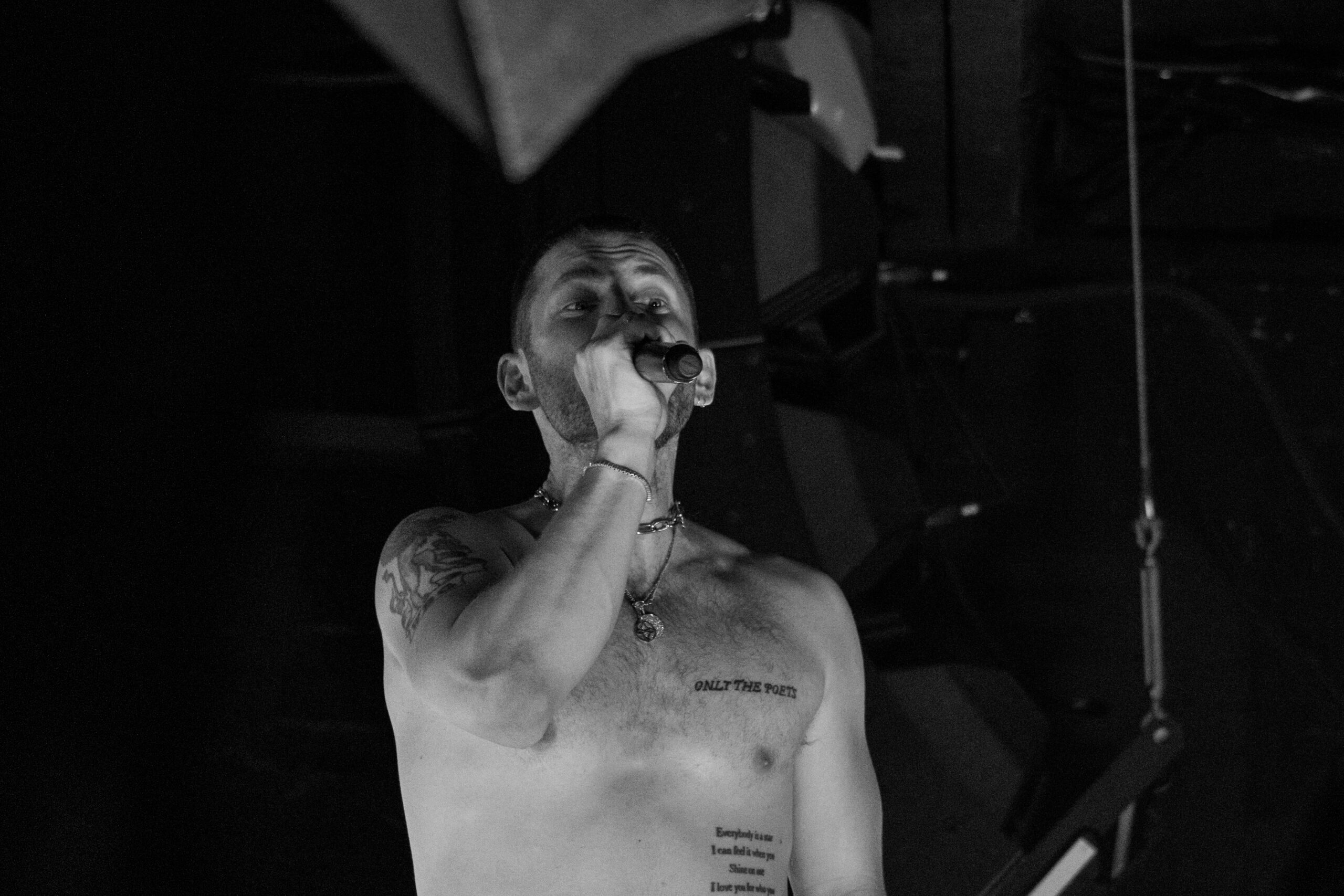
Bassy got the lettering on his ribs while he was listening closely to classic soul. The words are from Sly and the Family Stone’s “Everybody Is a Star,” a song he says he loves.
He chose a line about accepting people as they are. Bassy has said its plain message stayed with him. His girlfriend was there when he got the tattoo, tying a relationship memory to the song as well.
The lyrics sit in a private spot, close to the body and usually out of view. They are more than a nod to a favourite group: they preserve a feeling he connected with at the time. The placement suits a lyric about being accepted without having to put on an act.
The lettering is both an homage to Sly and a reminder for Bassy. It reflects the way a song can offer a simple thought that matters more as life goes on.
Only the Poets ties his chest to his first album
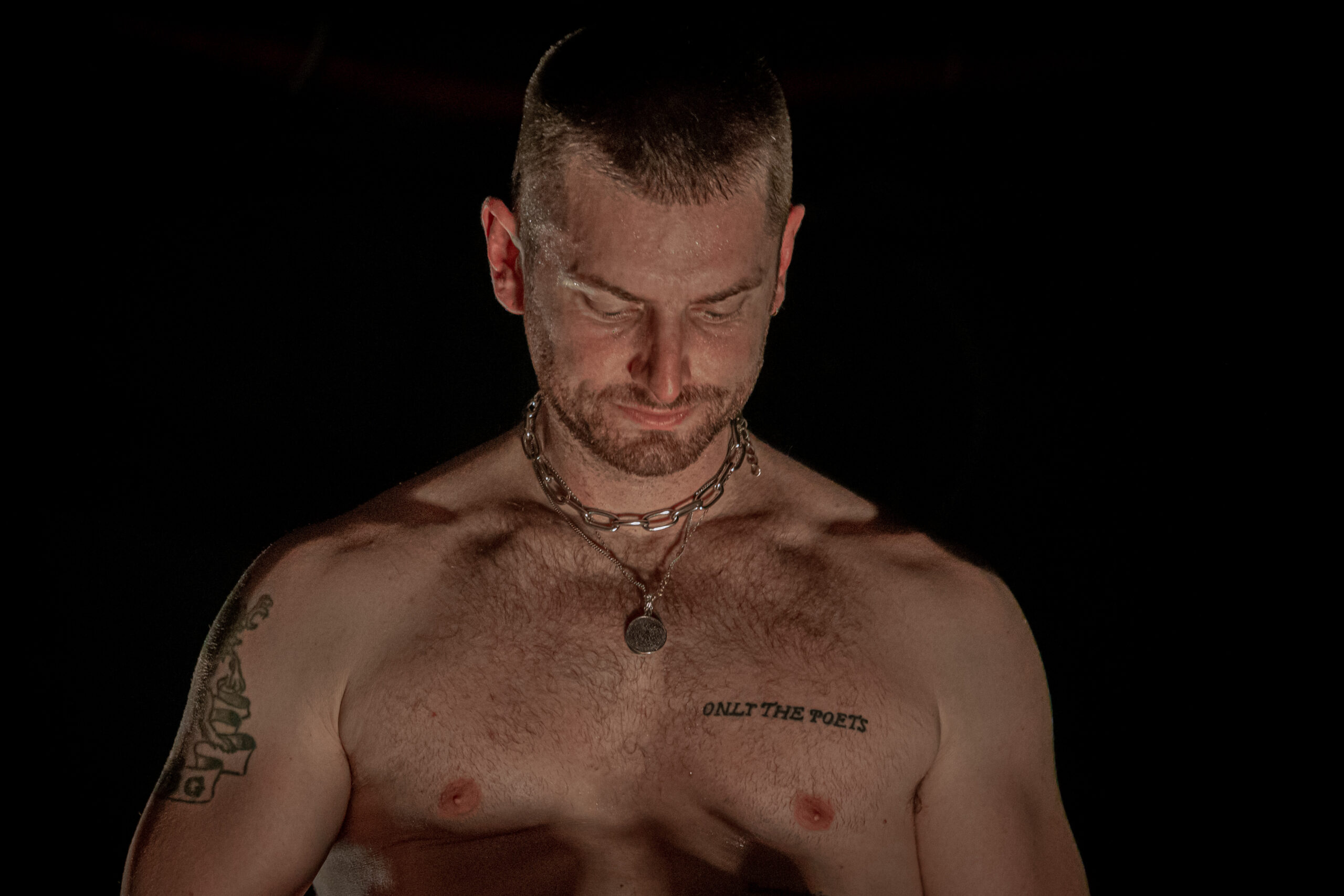
The words Only the Poets run across Bassy’s chest. They refer to his first mixtape and connect to a line associated with James Baldwin, one of his favourite writers. Bassy has said Baldwin’s idea about poets understanding the truth of people stayed with him, and he eventually made the phrase part of his own story.
The tattoo marks the start of his solo career and says something about the artist he wanted to be: a songwriter who pays attention to people and writes honestly. Its chest placement also makes it one of his most visible pieces.
There is a time-capsule quality to it. A mixtape belongs to a particular moment; the tattoo stayed as his music moved on. It keeps that early chapter in view.
He has kept adding meaning instead of chasing a perfect layout
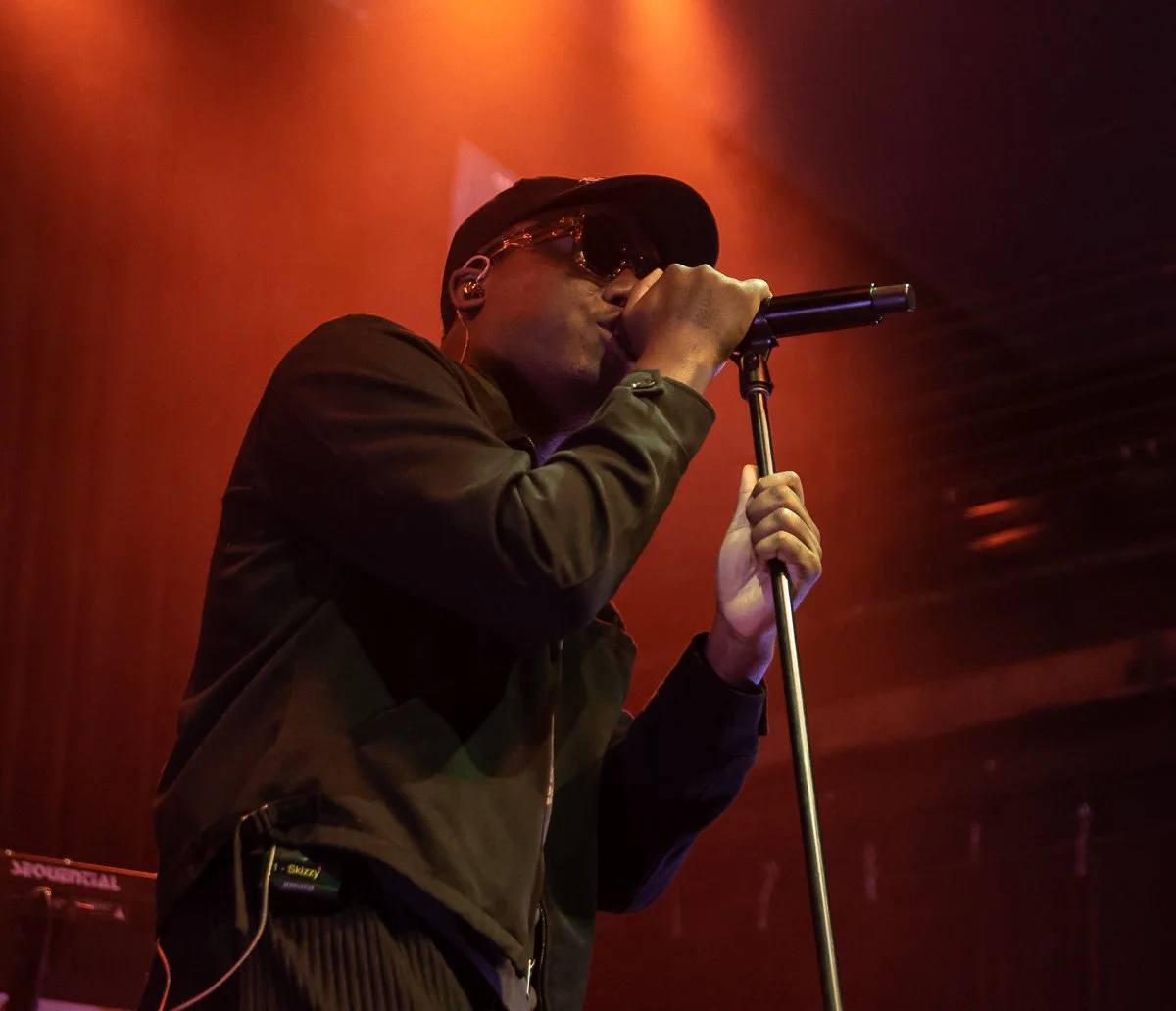
Photos from Bassy’s tattoo sessions show him in the chair with flash sheets nearby. They look like working-shop moments, not a carefully staged campaign. That fits a collection that has grown one decision at a time rather than following a design laid out in advance.
The tattoos he has explained include the Griffin and his father’s initials, the microphone, the Sly and the Family Stone lyrics, and Only the Poets. Other small marks show up in photos, but their meanings are not clearly documented. Without his explanation, there is no need to turn them into stories.
Taken together, the known pieces point to family, music and the people who have influenced him. Bassy has left room for new work without trying to make every tattoo part of a matching set.
What Marc E. Bassy’s tattoos say as a group
The collection brings together his father, his decision to sing, a song he loves and the project that began his solo career. Each piece marks something he wanted to remember. The Griffin carries a family tribute, the microphone reflects his choice of work, and the lyrics and chest lettering keep music and writing close.
That is enough to see a thread through the tattoos without treating every mark as a puzzle. Some are bold and public; some have a more personal story. Their meanings come from the life Bassy has described, not from a perfect layout.
His collection is still growing. The documented pieces already show how it has followed him from a first tribute tattoo to a career built around songs, records and words that matter to him.
Watch Marc E. Bassy talk about his work
This interview offers more of Bassy’s background and perspective alongside the tattoos he has discussed.