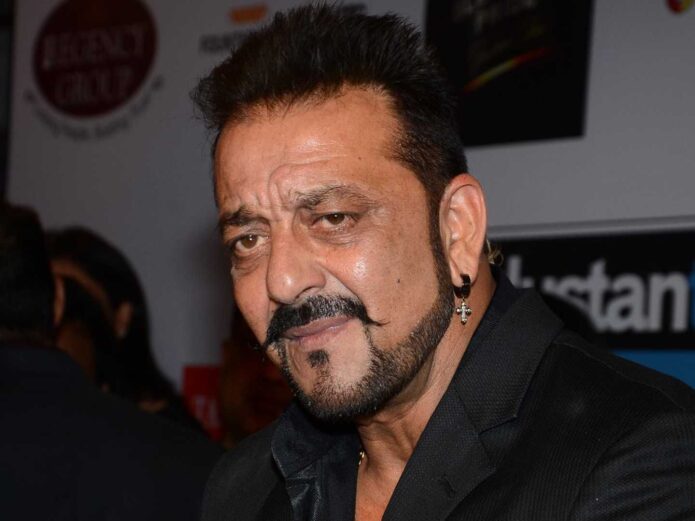
Sanjay Dutt’s tattoos reflect several parts of his life: family, spiritual imagery, films and symbols that have appeared in tattoo features over the years. The newest widely reported additions are his twins’ names, Shahraan and Iqra, tattooed in bold letters on the backs of his hands. Older coverage also identifies a Shiva design, family references, Simba and samurai imagery.
The collection has been described in interviews, photographs and tattoo features, though the details are not always consistent. This guide focuses on what has been shown or discussed in identifiable coverage and flags the parts that remain uncertain.
The first tattoo came from a 2003 Goa plan
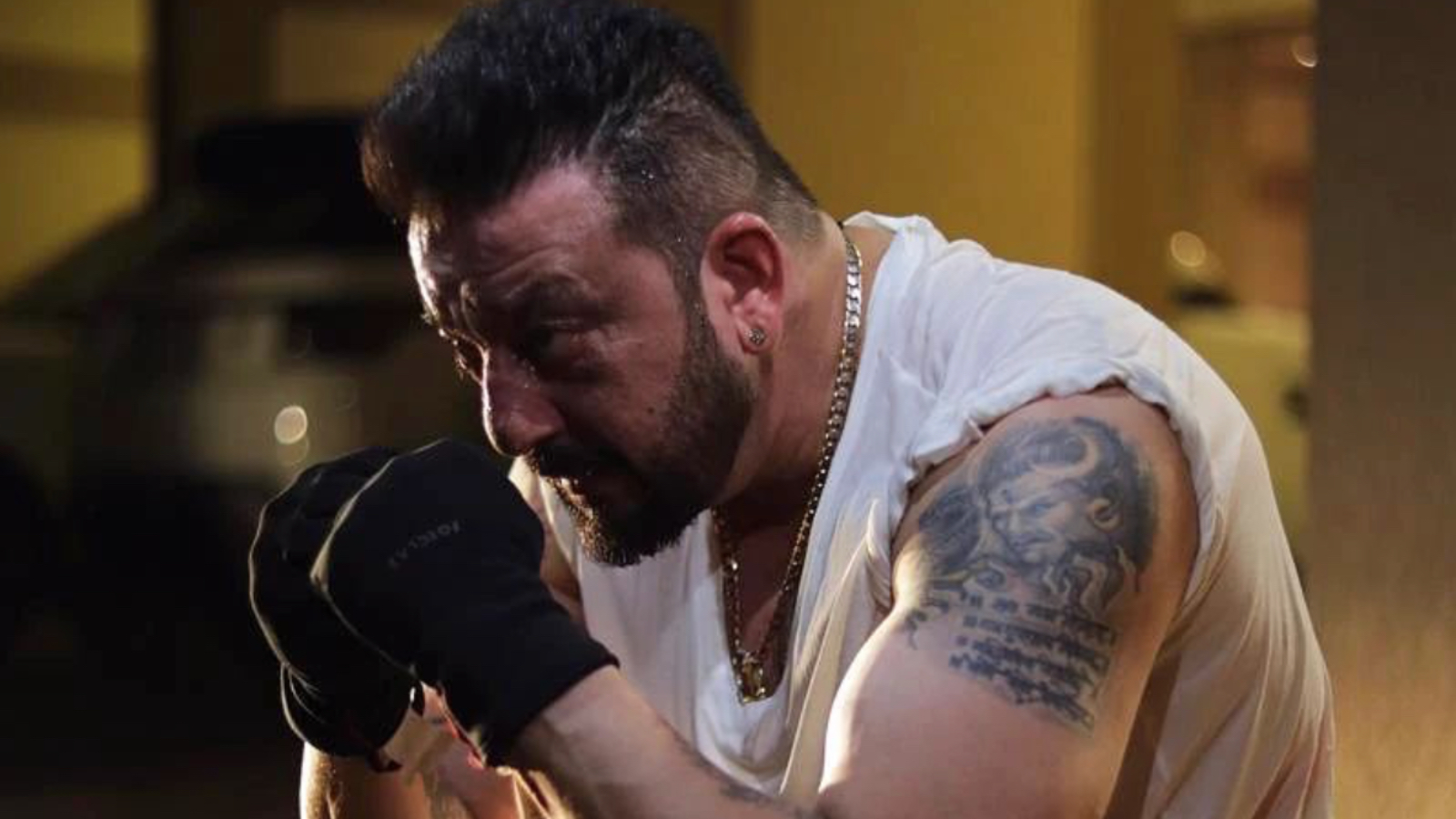
Dutt’s first tattoo is generally dated to 2003, around the time he was working on Musafir. Tattoo artist Deepak Vetal has described meeting him through the film. The early plan was reportedly to build a sleeve, which may explain why the tattoos look more connected than a set of unrelated pieces.
The tattoo predates the current celebrity tattoo-tour era. Dutt was drawn to the look, got the work done in Goa and added to the collection over time. The early pieces set a tone that continued through later work: bold black lines, clear symbols and designs that remained visible in public appearances.
Photos from different years can make the tattoos appear sharper or less defined. Lighting, camera angle and the age of the ink all affect how the work looks, so a difference between two pictures does not necessarily mean a new tattoo.
Shiva gives the collection its spiritual centre
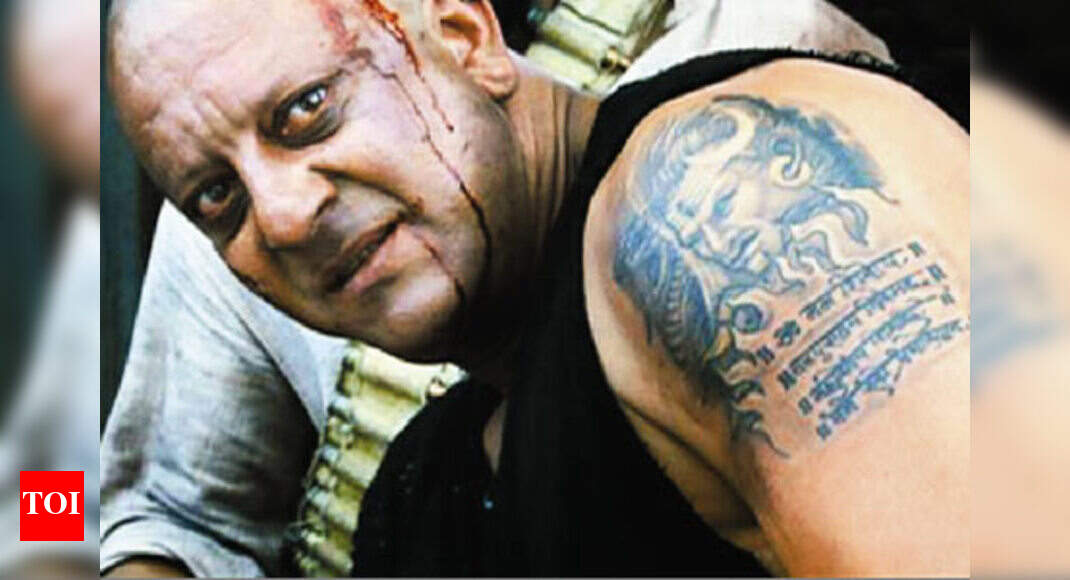
The design most often associated with Dutt’s collection is a Shiva tattoo. Video coverage and Bollywood tattoo features connect it with his devotion and the importance of Shiva imagery in Indian culture. Some sources also mention Sanskrit or other devotional details, but descriptions of the exact wording and placement vary.
The image is large and visually prominent, giving the collection a clear focal point. Dutt’s public image has often been tough, and the tattoo fits that presence while also carrying a spiritual association.
It is safer to stick with the meaning sources identify than to guess at every line in a blurry photograph. Shiva is consistently named; finer claims about nearby marks are less certain.
His family names are the most direct tattoos
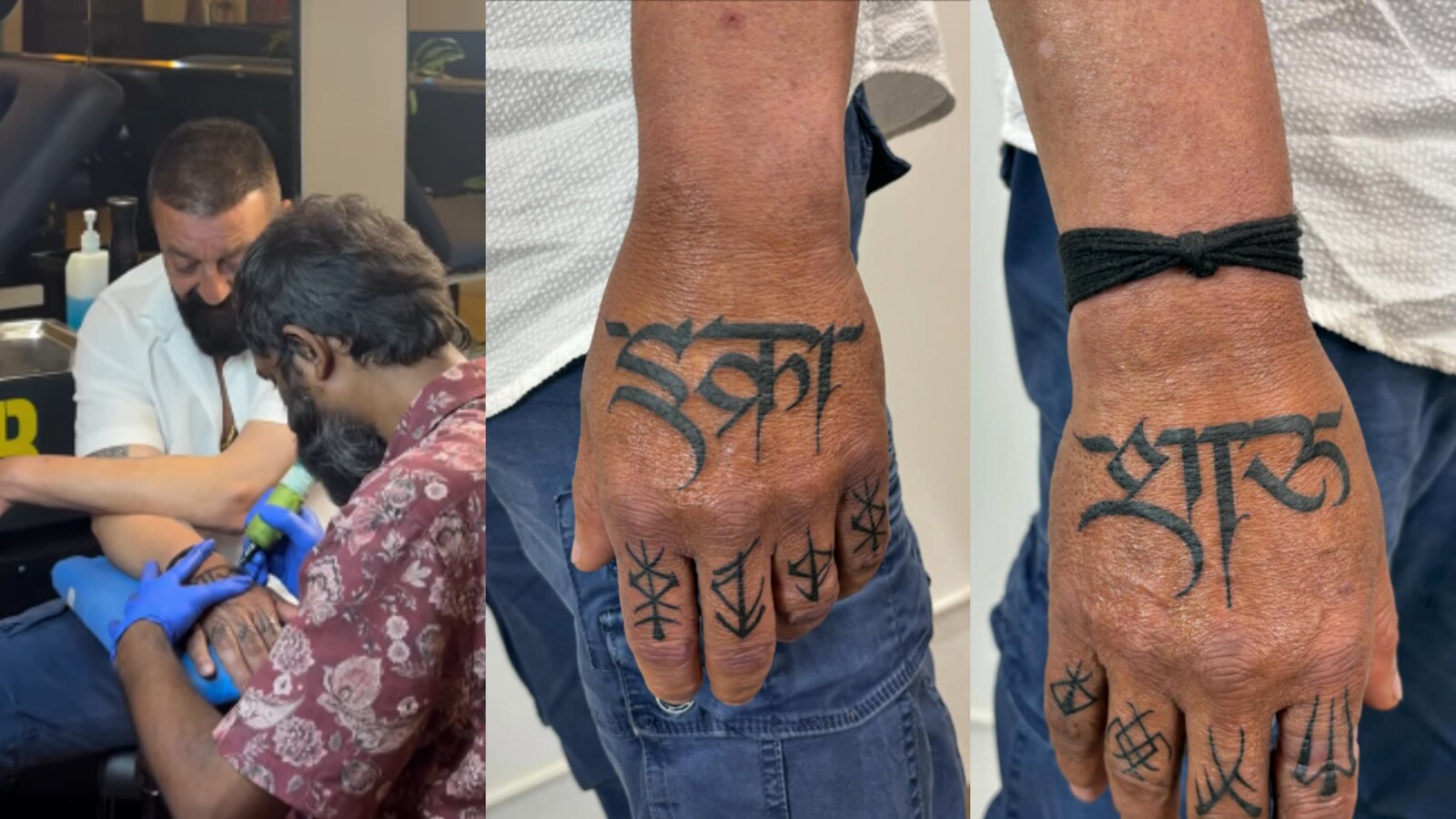
The newest clearly documented pieces are the names of Dutt’s twins, Shahraan and Iqra. Reports in 2026 showed the names in bold black lettering across the backs of his hands. The placement is easy to see in photos and public appearances, making the tribute part of his everyday look.
The timing gives the tattoos another layer: reports described them as a New Year addition, years after his first tattoo session. Even after building a substantial collection, Dutt chose to add something direct and personal.
Older articles also mention tattoos connected with his parents. Those details are repeated in some coverage, but without a clear image or direct quote they are harder to confirm precisely. The names on his hands, by comparison, are visible and clearly identified.
Simba and samurai references add a different mood
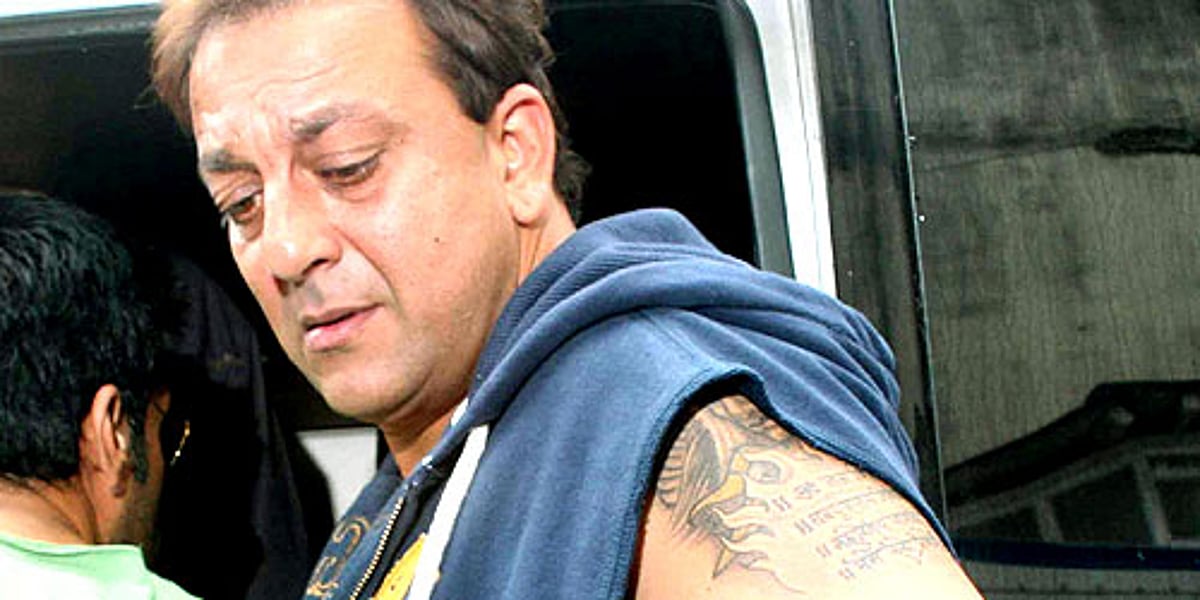
Tattoo features and video explainers have also described designs in Dutt’s collection as references to Simba and samurai warriors. These motifs bring a different feel from the family lettering and Shiva imagery. Simba is associated with courage and royalty in The Lion King, while samurai designs often draw on ideas of discipline and loyalty.
The sources do not always provide close-ups or explain who designed each piece. It is best to describe these as motifs linked to Dutt in tattoo coverage, rather than present every interpretation as something he has personally confirmed.
Together, the reported designs span religious imagery, family, popular culture and warrior symbolism. They do not all need to share one style to feel like part of the same collection.
The older pieces still carry much of the collection’s character.
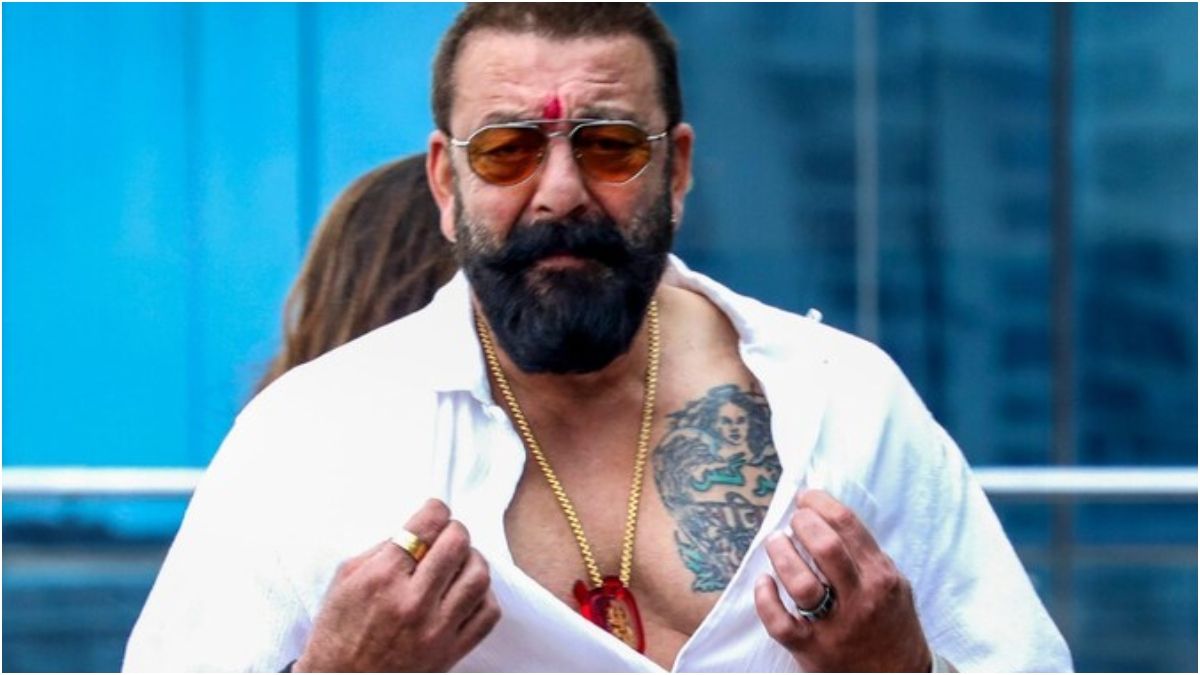
Dutt’s older tattoos have remained visible through different stages of his career. They read clearly in photographs, whether he is on set, at an event or in a casual interview. The exact combination on view changes depending on what the picture shows.
One photo might include most of an arm while another crops it at the elbow. Images may also be mirrored or filtered. That does not automatically mean the tattoo has changed. The year, angle, lighting and aging ink can all affect how it appears.
Because several designs sit close together, headlines sometimes label a photo as a single “Shiva tattoo” even when it shows more of the collection. It helps to separate what is visible from what a caption claims.
Recent additions show that the collection is still growing.
The names on Dutt’s hands are a clear example of a new, visible tribute to his family. They sit alongside much older work and bring his current life into the collection. For another look at a celebrity collection with its own well-documented stories, see our Halsey tattoo guide.
Recent videos also bring the older tattoos back into view. A clip focused on one new design can show how it sits beside the Shiva imagery and other symbols, giving a sense of how the collection has changed over time.
The collection is still a work in progress. Some choices date back years, some have been added recently, and a few details are best left unconfirmed.
The bigger picture
The documented picture brings together Shiva imagery, family references, motifs described as Simba and samurai, and the newer hand tattoos for Shahraan and Iqra. Dutt’s first tattoo is generally dated to the early 2000s; the collection has grown well beyond the original reported plan for a sleeve.
The tattoos span family and belief as well as imagery that suits Dutt’s larger-than-life film roles. There is no need to assign a hidden meaning to every mark to see those threads.
For design inspiration, the most noticeable features are the bold lettering on the hands, the scale of the Shiva piece and the mix of recognizable symbols across different eras. For exact meanings, it is best to rely on details Dutt or a reliable tattoo feature has identified.
Video companion
This tattoo-focused video gives a closer look at Dutt discussing his ink and at how the older pieces sit across his body.