Athletes

Tattoo guides for athletes across football, basketball, boxing, professional wrestling, combat sports, motorsport and other sports, with photographs and documented meanings.

Rodrygo Goes Tattoos: Isaiah Verse, Family Names and Champions League Ink

Rodrygo Goes’s best-documented tattoos are on his arms: Isaiah 41:10 on the right, his parents’ names on the left, and a Champions League design linked to Real Madrid’s fourteenth title. Photos show these inside a larger mix of script, stars, shading and figurative work. Interviews with Rodrygo explain the main pieces; the rest are not all identified.

A collection built around faith and football

The visible tattoos vary in size and style. Long writing sits beside shaded figures and smaller marks, and photographs show them across both arms and shoulders. The confirmed stories centre on faith, family and football.

Isaiah 41:10 runs along the right arm
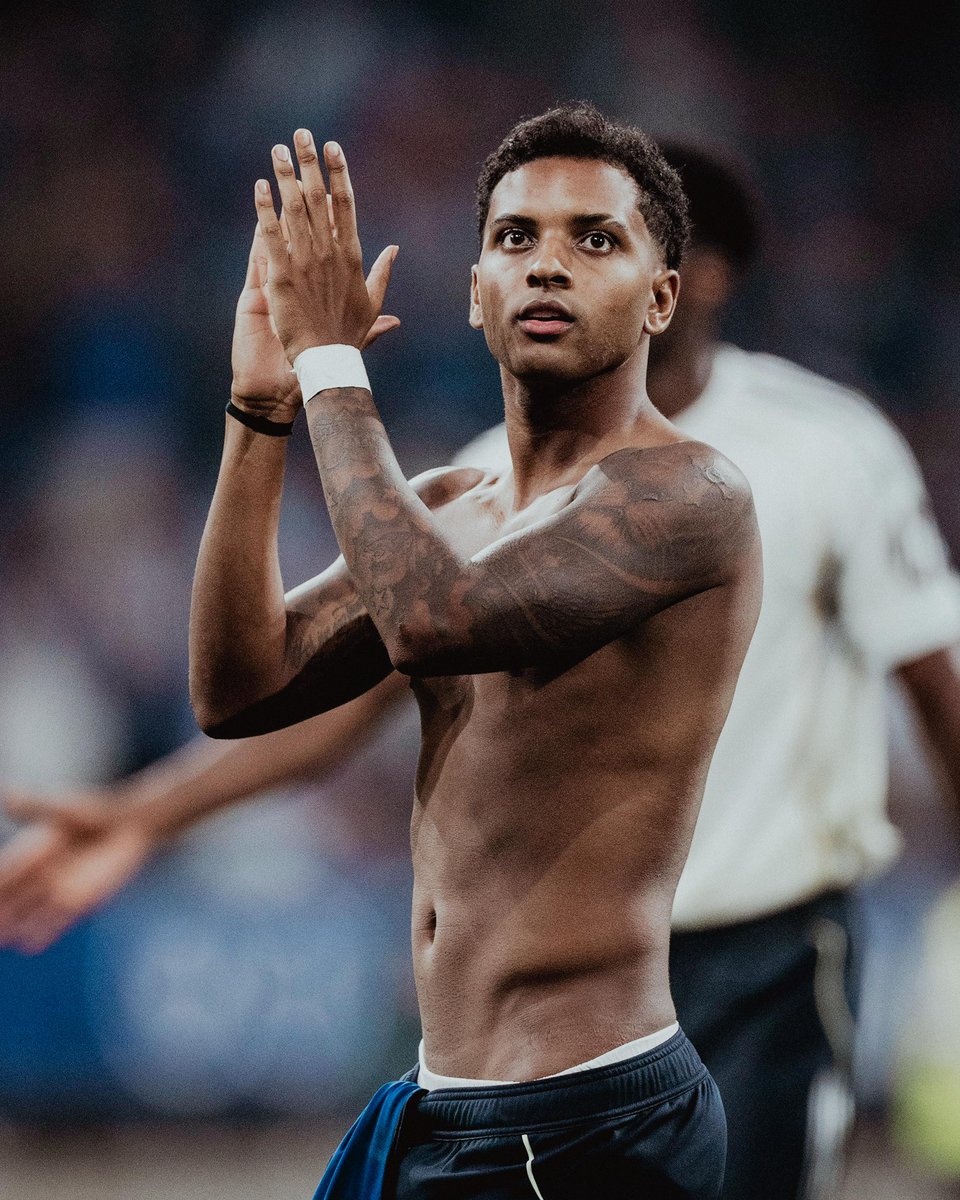
Rodrygo Goes tattoos: Rodrygo shirtless post-match photograph showing the tattooed right arm and shoulder

In an interview with El País, Rodrygo identified the long text on his right arm as Isaiah 41:10. It is the first tattoo he has discussed publicly. He said his father often repeated the verse to him. Its message is not to fear because God is present and will give strength and support; Rodrygo said he looks at it for reassurance in difficult moments.

The passage runs vertically through the arm, among darker shading and other images. Depending on the photo and angle, the script is either clear or partly lost in the surrounding work.

The Champions League tattoo records La Decimocuarta

Rodrygo Goes tattoos: Rodrygo training photograph showing both tattooed forearms and script

Football España describes a Champions League trophy on Rodrygo’s left arm, with the stadium and the time of the final whistle; the number 11 sits above it. The details tie the design to Real Madrid’s fourteenth European Cup rather than to the club in general.

Rodrygo told El País it was his newest tattoo at the time of that interview. He also said he had to negotiate new ink with his father, who had initially disliked tattoos.

His parents’ names sit on the left arm
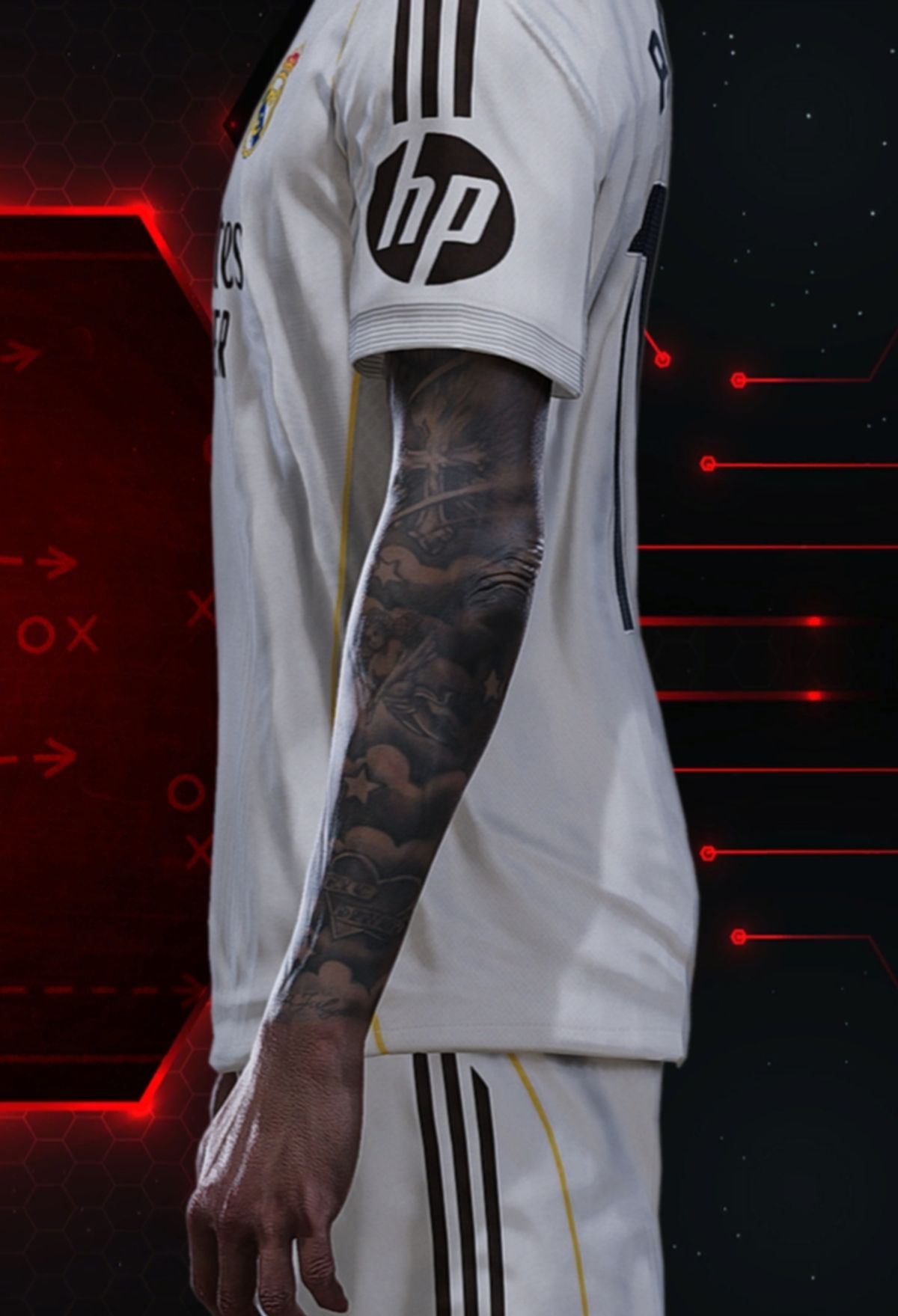
Rodrygo Goes tattoos: Editorial close photograph isolating Rodrygo’s sleeve and forearm shading

Rodrygo pointed out his father’s and mother’s names on his left arm in the same interview. They sit among the darker shading and other designs, rather than as separate labels on bare skin.

He also mentioned wanting future tattoos connected with his children. That was an idea for later, not a completed tattoo in the published record.

The sleeve combines script with dark figurative shading
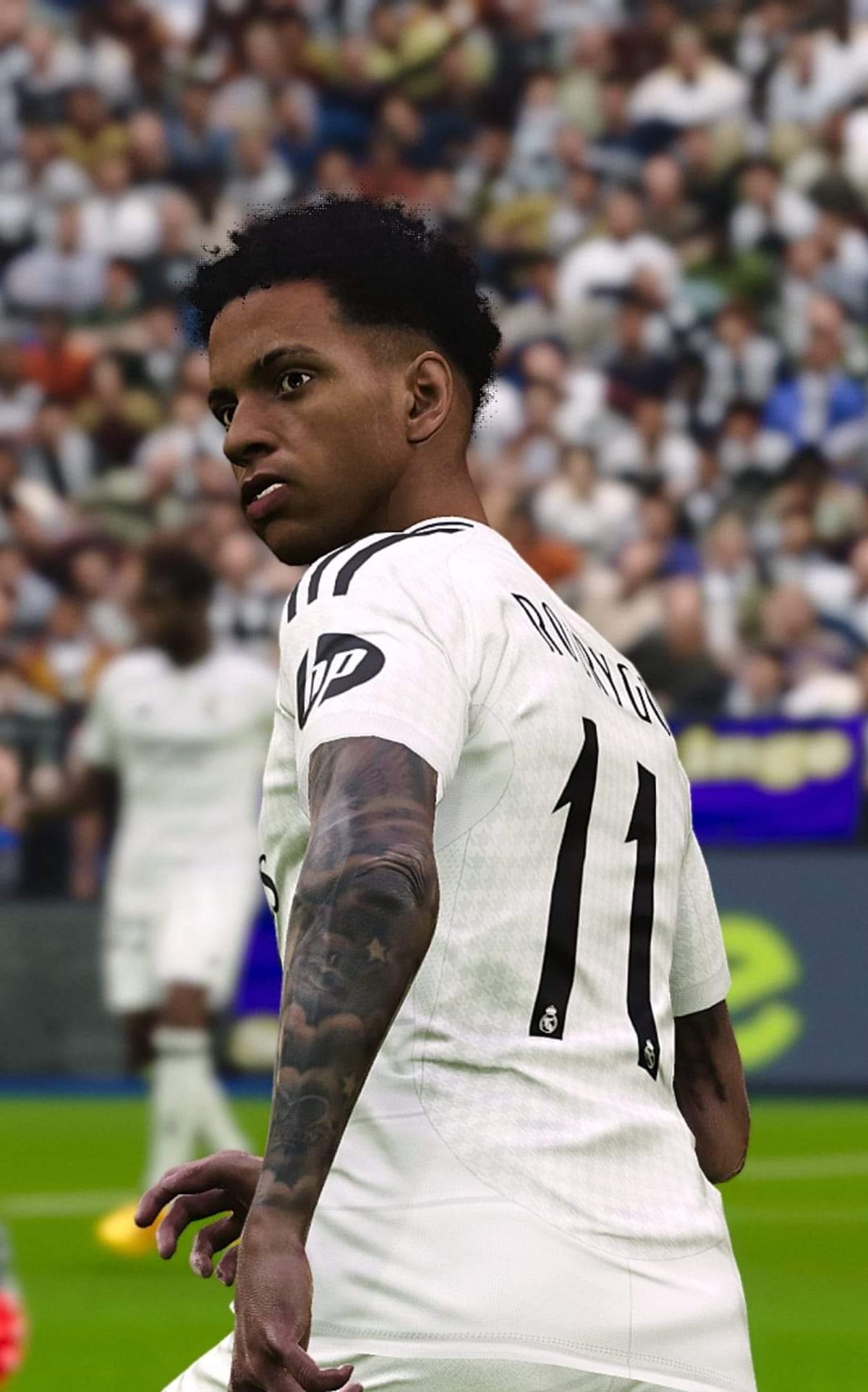
Rodrygo Goes tattoos: Match photograph showing Rodrygo’s tattooed right arm from the rear

Match and portrait photos show the broader arm work: dark shading, flowing lines, stars and figurative shapes. Some upper-arm forms look like an animal or face in particular angles, but sources don’t identify them consistently.

A short-sleeved Real Madrid shirt can cover the shoulder while leaving the forearm visible. A shirtless celebration photo shows more of the upper arm; training shots frame the script differently.

The Real Madrid tattoo turns history into a permanent image

Rodrygo Goes tattoos: High-resolution shirtless football photograph showing both tattooed arms

The Champions League design marks a specific result from Rodrygo’s time at Real Madrid. Its trophy, venue and final-whistle detail make it a record of one European final, set within a sleeve that also contains religious text and family names.

The trophy remains one identifiable image among the darker shading and script around it. It records a club milestone while also marking Rodrygo’s place in that team’s history.

What the photographs show about placement

The right arm carries the Isaiah passage; the left shows his parents’ names and the Champions League piece. Ink also extends over the shoulders. Match, training and shirtless photographs reveal different sections, so no single image serves as a complete inventory.

Rodrygo’s interviews establish the central meanings, while photographs show the scale and placement of the surrounding work. Other shapes are best left undescribed beyond what is visible.

A personal archive in black and grey

The pieces Rodrygo has explained connect faith to his father, family to his parents’ names, and football to Real Madrid’s fourteenth European title. The rest of the sleeve adds a visible mix of script and shaded figures without a confirmed explanation for every mark.
More athlete tattoo guides

Alissa Pili Tattoos: Polynesian Leg Sleeve, Flowers and Family Heritage

Alissa Pili’s most visible tattoo is a Polynesian-inspired sleeve on her right leg. Photos also show smaller marks on her hand and upper body. Published accounts tie the sleeve to her Polynesian and Indigenous Alaska Native roots and describe how it grew.

A documented beginning

Pili has said it began with a small flower that reached toward her ankle. The IX Sports reported that she started the tattoo at fifteen and saw it as a representation of Polynesian culture; CBS Minnesota described the flower as the start of tribal tattoo art on her right leg.

Alissa Pili’s right-leg tattoo is a full Polynesian sleeve

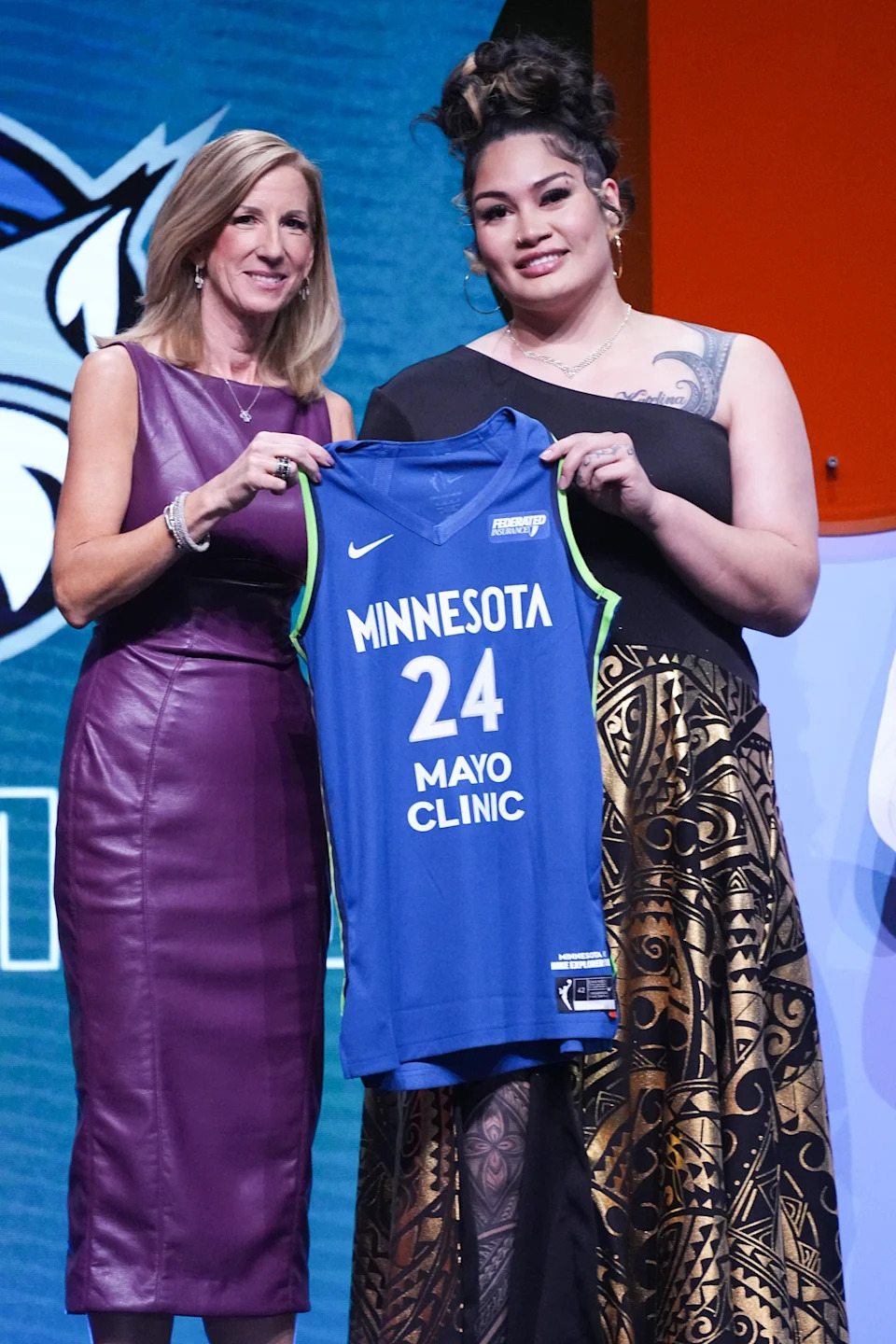
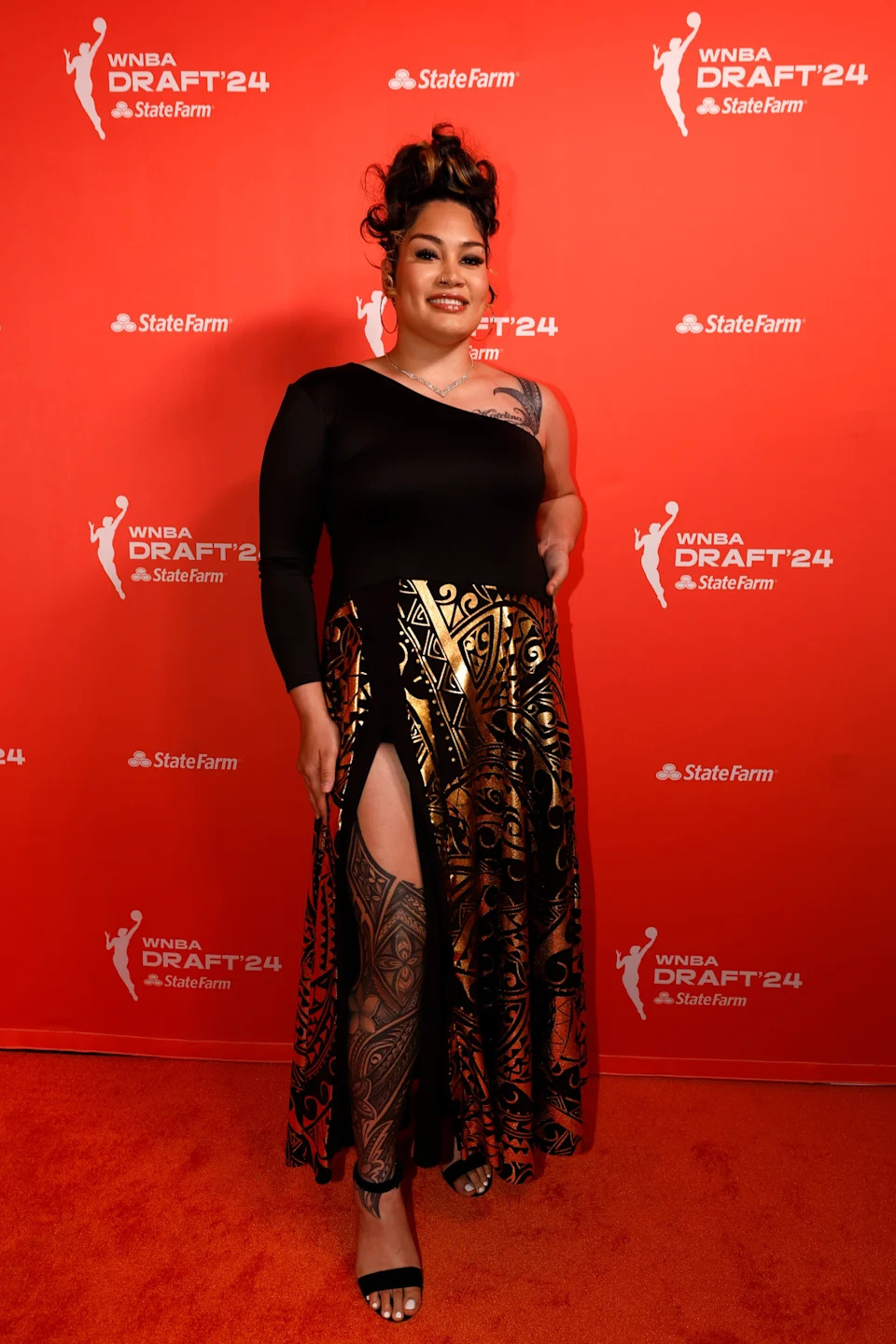
Alissa Pili tattoos: Full-length WWD draft-night portrait showing the complete right-leg tattoo beneath Pili's patterned skirt

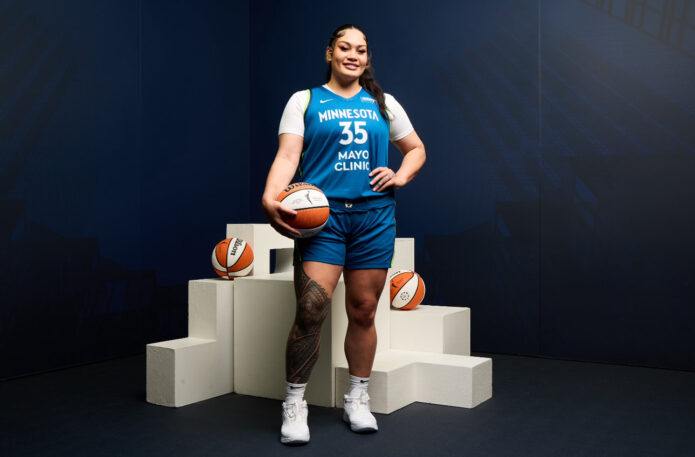
A seated portrait from Nike’s N7 campaign shows the tattoo from upper thigh to ankle. Curved bands, pointed geometric forms and tight black lines follow the leg, with larger dark areas around the thigh and knee and narrower patterns below.

The shapes read as connected sections rather than a single solid block. The full-length photograph makes the overall layout easier to see than close crops from games.

Flowers and woven patterns soften the heavy blackwork

Alissa Pili tattoos: WWD draft-night portrait showing the patterned leg sleeve and floral geometric details

A portrait published by the Native American Indian Athletic Hall of Fame shows the flowers among the sleeve’s bands and geometric shapes. Open spaces and curved lines break up the darker areas.

Who What Wear reported that Pili worked with tattoo artist Lui Talo, who had also tattooed members of her family. Pili described an idea for three flowers with tribal patterns running through them. She said the flowers brought femininity to the otherwise strongly tribal design.

The tattoo is especially visible in Alissa Pili’s basketball photographs

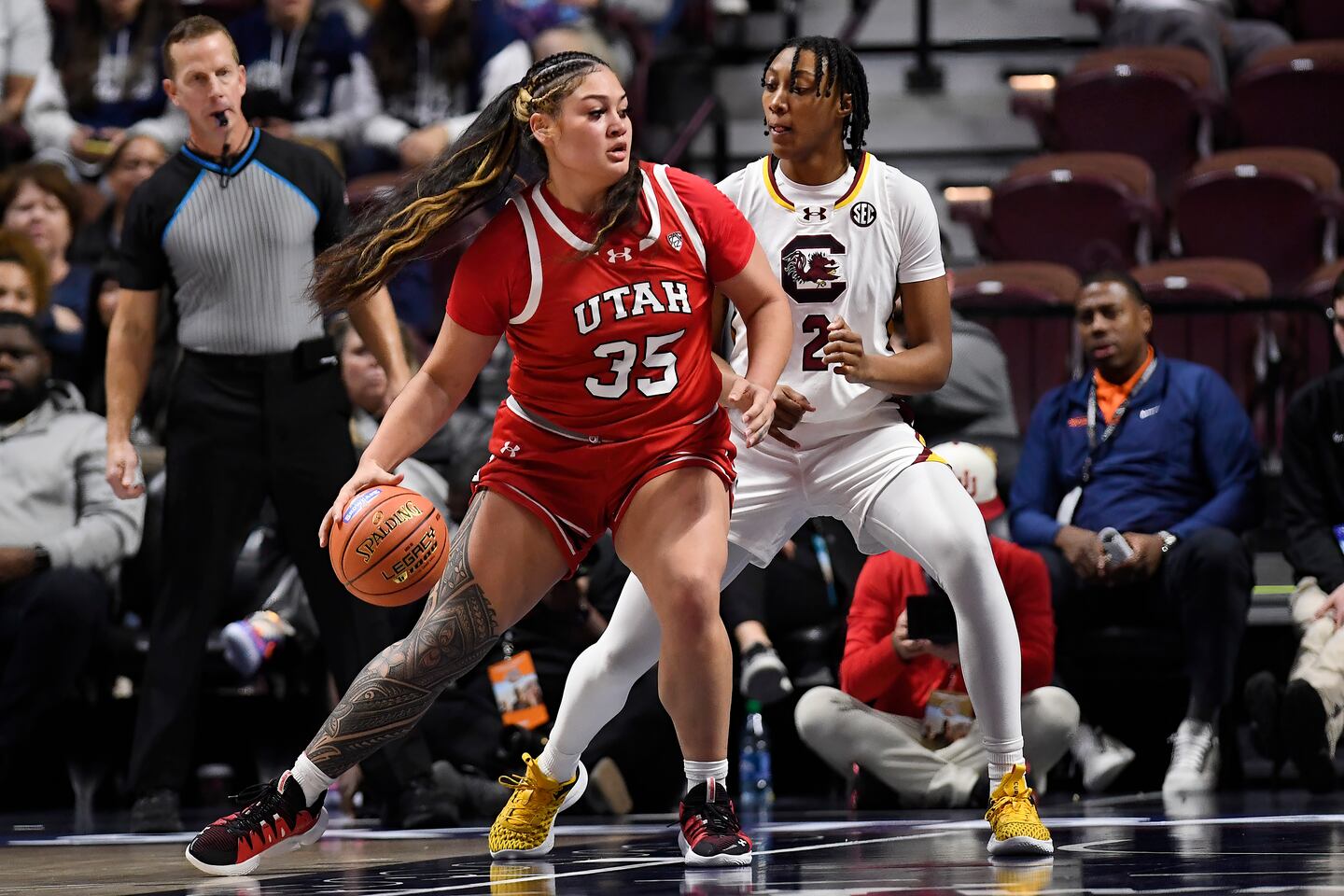
Alissa Pili tattoos: Deseret News Utah action photograph showing the right-leg tattoo while Pili drives toward the basket

A Deseret News photograph from Utah catches the sleeve as Pili drives toward the basket. Her right leg stretches across the frame, showing how the bands and patterns continue along the thigh and lower leg as she moves.

Game uniforms leave much of the leg visible, so the high-contrast tattoo appears in both college and professional basketball photographs. The action shot records its placement in a way a posed portrait cannot.

A close portrait shows Alissa Pili’s hand tattoos

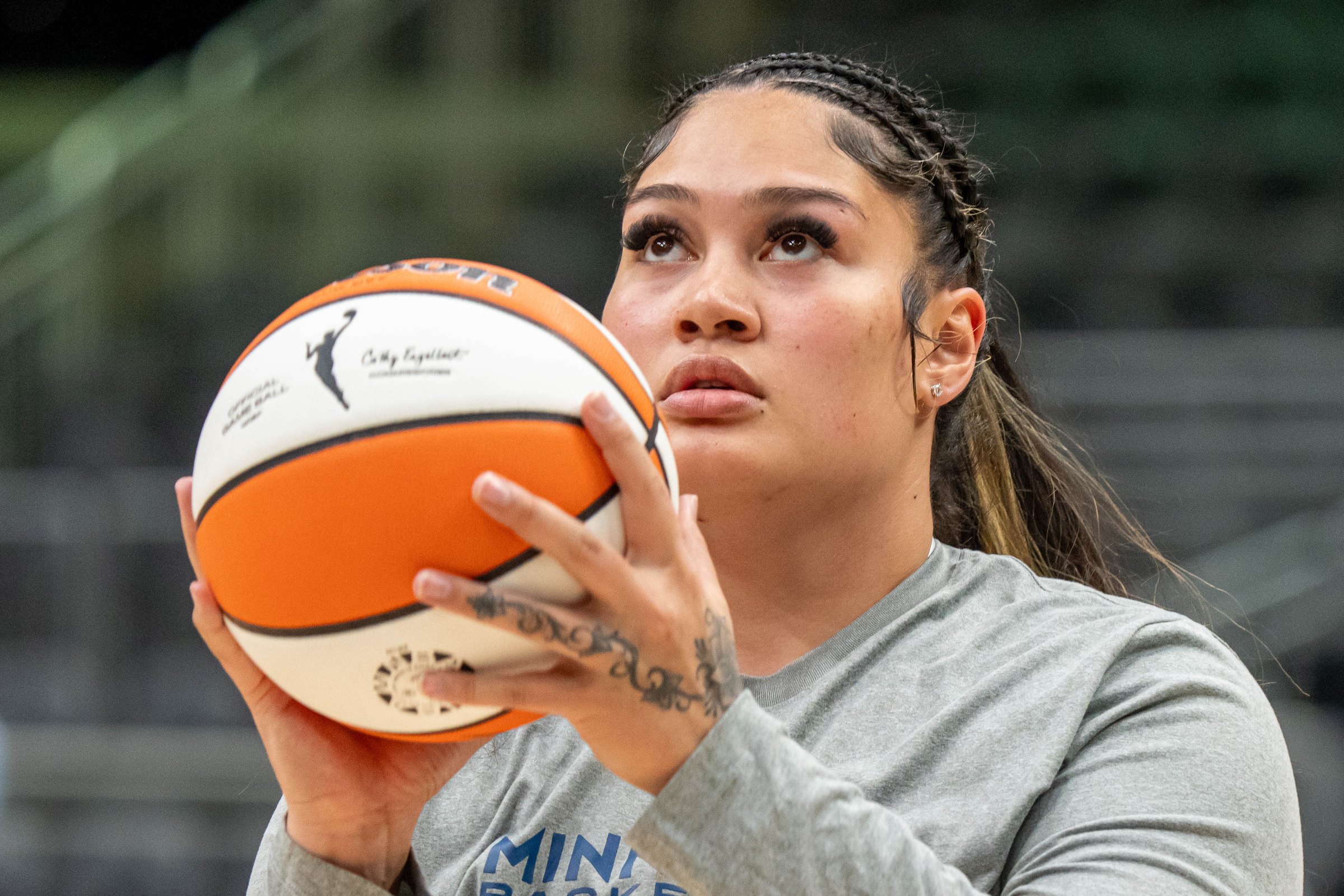
Alissa Pili tattoos: Anchorage Daily News close portrait showing the hand tattoo while Pili holds a basketball

An Anchorage Daily News portrait shows script and darker shapes across Pili’s fingers and the back of her hand as she holds a basketball. The close view records where those smaller tattoos sit.

Professional basketball images show hand tattoo details

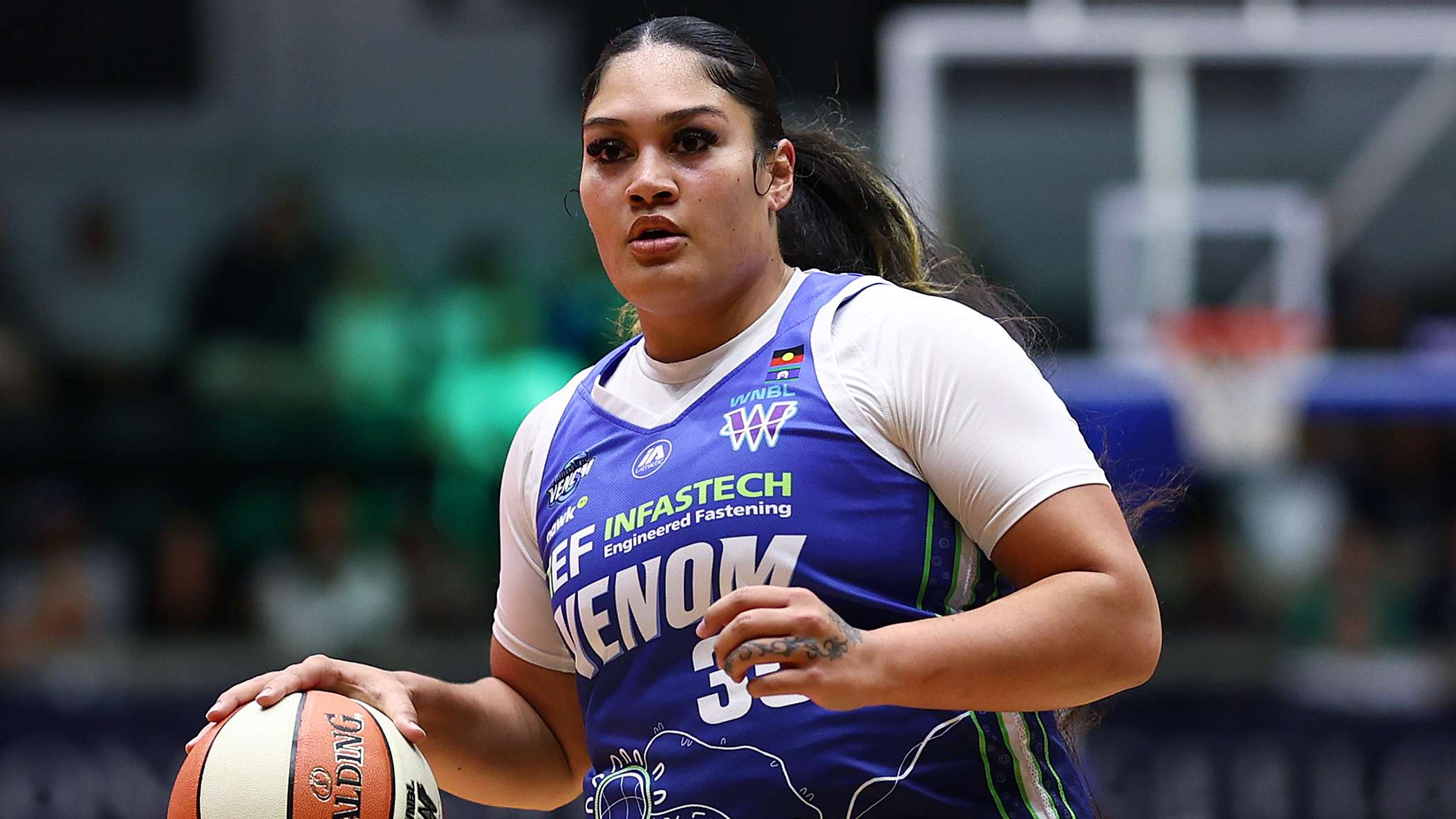
Alissa Pili tattoos: WNBL action portrait showing smaller hand tattoo details in a later professional basketball setting

A later WNBL portrait frames Pili’s face, jersey and hands, keeping some of the hand tattoos in view while cropping out the leg sleeve. It shows the smaller work in a professional setting.

Published coverage gives the leg sleeve a cultural explanation and records its development. The hand marks are visible, but their individual meanings haven’t been described with the same detail.

The timeline moved through different stages

Who What Wear reported that Pili added to the tattoo over time and viewed the finished piece as representing different stages of her life. Reports place its completion around the end of her college career and her transition to the WNBA.

Family and Polynesian identity remain the clearest meaning

Pili has linked the work to family and heritage. FOX 9 described it as a tribute to her Polynesian heritage and quoted her pride in her Polynesian, Indigenous Alaska Native and family roots. The IX Sports called it a representation of Polynesian culture, and CBS Minnesota described tribal tattoo art on her right leg.

The Sometimes I Hoop episode adds personal context

The Players’ Tribune listing for the Sometimes I Hoop episode marks tattoos at 52:45, alongside topics including growing up in Alaska, family and Pili’s basketball journey. It gives readers a timestamp for that part of the episode.

The clearest reading of her public images

The photographs show the sleeve’s scale and pattern; Pili’s comments give its cultural and family context.

More athlete tattoo guides

Kendrick Nunn Tattoos: Faith, FINAO and the Ink Behind His Basketball Career

Kendrick Nunn has explained two tattoos in a Tattoo Sessions interview.

The Christian cross on the left shoulder is Nunn’s first documented tattoo

Kendrick Nunn tattoos: Full-body Panathinaikos photograph with face visible and both tattooed arms exposed

Basketball Sphere’s account of the interview says Nunn was about fourteen when he got the cross. He connected it with growing up in church and said it represents him and his family.

A ribbon beside the cross carries “Philippians 4:13.” In game photos, the shoulder can be partly covered by a jersey, and the verse is harder to see than the surrounding tattoo work.

“FINAO” sits on the stomach as a basketball motto

Kendrick Nunn tattoos: Close portrait with shoulder and upper-arm tattoos visible beneath the jersey

On his stomach, Nunn has “FINAO,” short for “Failure Is Not An Option.” He described it as a motto for his basketball career.

Jerseys usually cover the lettering, while warm-up or shirtless photos can show more of his torso. In the same interview, Nunn mentioned a clover based on the Panathinaikos logo, possibly with a trophy, as a design he might get later. It isn’t part of his current tattoo record.

Arm tattoos form the most visible part of the collection

Kendrick Nunn tattoos: Vertical game portrait showing both shoulders and the visible arm tattoo field

Panathinaikos game photos show dense coverage across Nunn’s shoulders and arms. In a close portrait, dark shapes fill the upper arm below the jersey; other shots show the work continuing toward the forearm. The interview doesn’t identify each design.

Shoulder and forearm ink change with the angle of the game photographs

Kendrick Nunn tattoos: Close EuroLeague portrait showing the exposed right upper-arm tattoo field

Different game angles reveal different sections of the arm. A front view frames both shoulders; a side view brings the upper arm and forearm into clearer view. The ink wraps around the arm, so no single photograph shows the full layout.

Leg tattoos appear in full-body basketball photographs

Kendrick Nunn tattoos: Full-body EuroLeague photograph showing visible lower-leg ink and the wider basketball context

Full-body EuroLeague photographs show dark ink on Nunn’s legs beneath his shorts. The interview doesn’t name those designs, so the images establish their placement without assigning them a meaning.

Faith and basketball provide the clearest meanings

Nunn ties the shoulder cross to church and family and describes “FINAO” as a basketball motto. The two tattoos carry different meanings in his account: one reaches back to childhood faith, the other to his career.

The photographs add the missing context

The photographs show the extent and placement of Nunn’s additional arm and leg ink. They don’t identify every design or give its meaning.

More athlete tattoo guides

Evan Fournier Tattoos: Intensity, Consistency and the Arm Designs

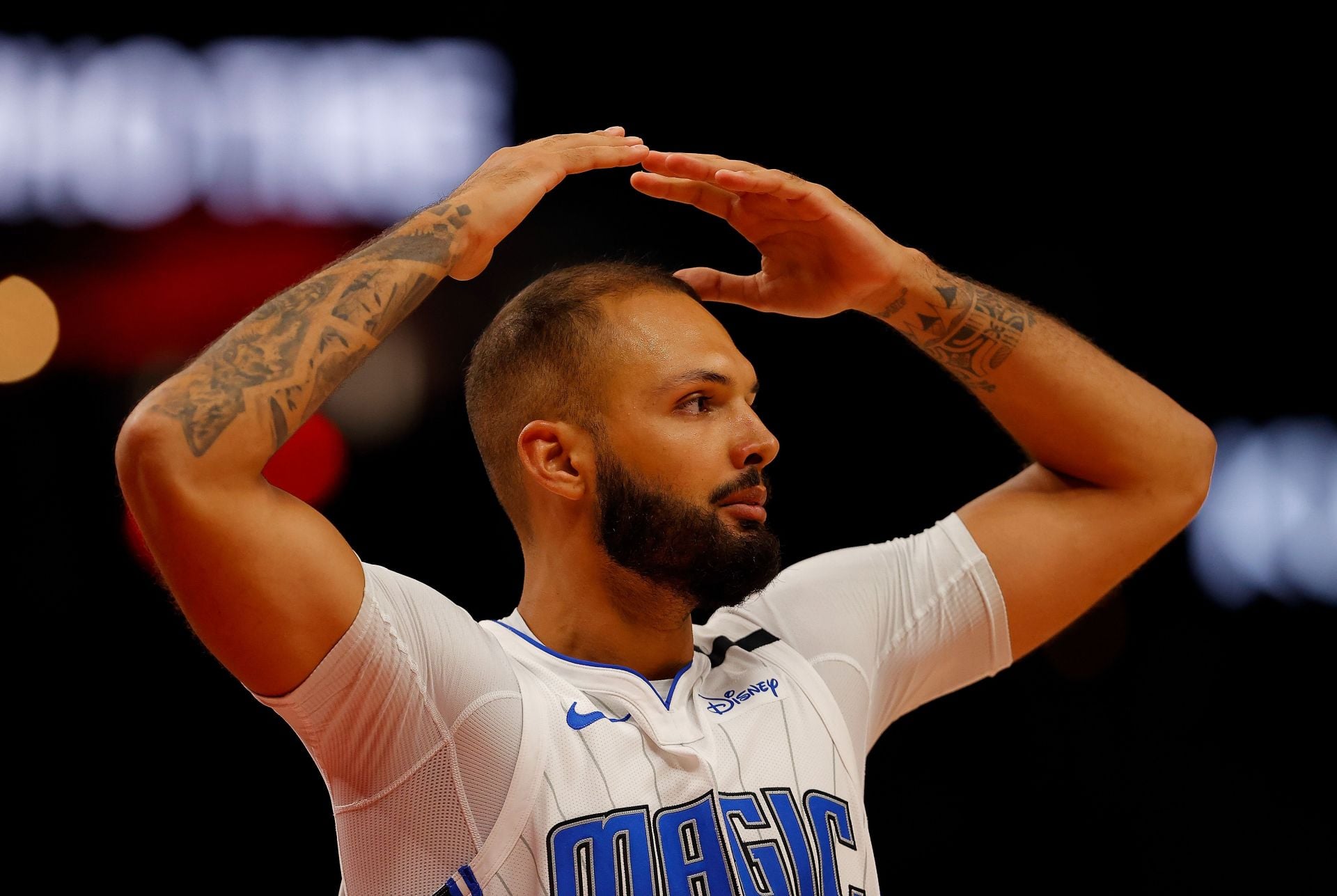
Evan Fournier’s tattoos range from two French words at his wrists to larger designs across his arms, leg and chest. Published accounts identify “Régularité,” “Intensité,” a Maori-inspired wrist band, a tree-and-geometry forearm piece, a wolf, a skeleton samurai and a partly seen chest design.

Fournier has linked the wrist words to advice from his father. Tattoo coverage describes several larger pieces, while game and warm-up photos show their placement. Some designs have reported meanings; the leg and chest work remain only partly documented.

The matching wrist words carry Fournier’s daily basketball philosophy

Evan Fournier tattoos: Tattooed arms and wrists visible in a basketball warm-up portrait

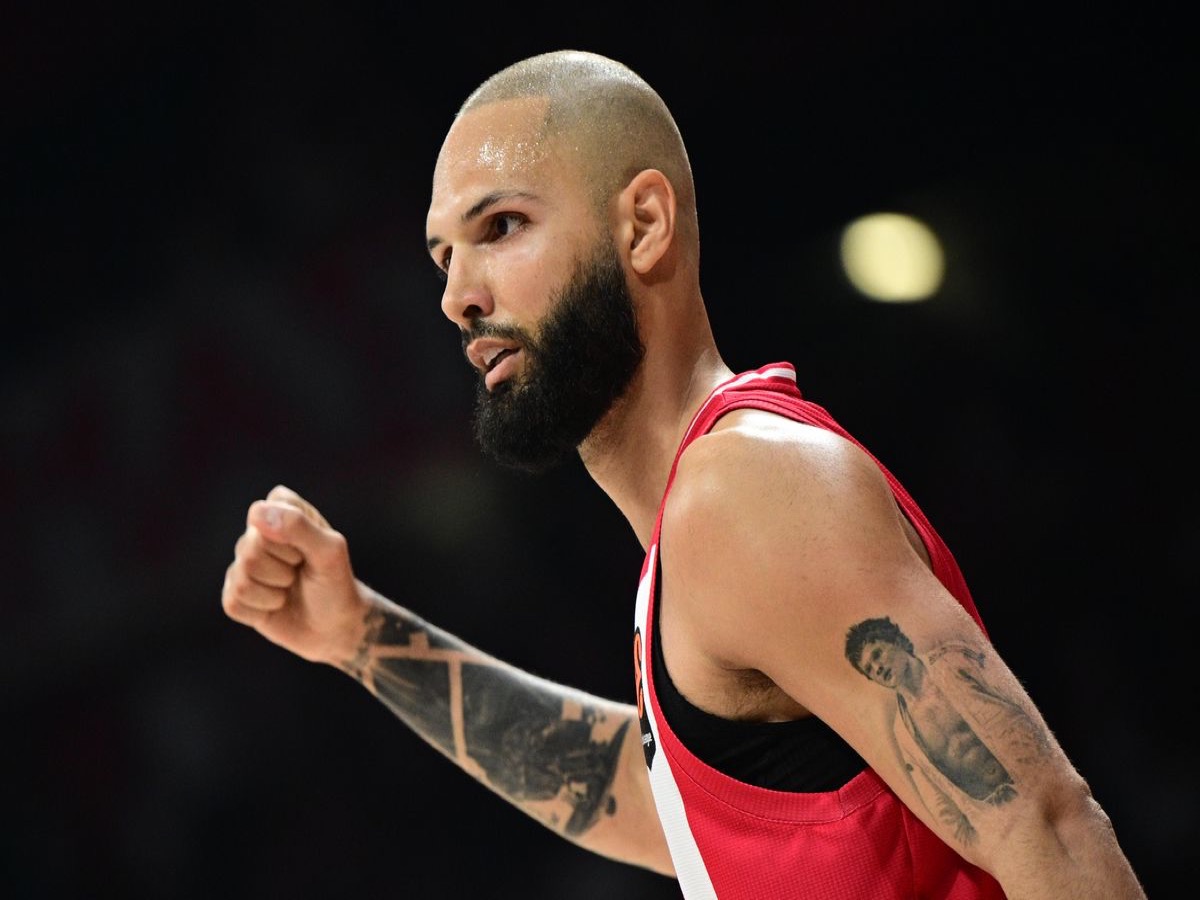
The words are on opposite wrists: “Régularité” (“consistency”) on the right and “Intensité” (“intensity”) on the left. NBA.com describes the script and connects both words to advice Fournier heard from his father while growing up in France.

Fox Sports reports that the pair also answered assumptions that European players were soft or limited to shooting. Fournier framed them as reminders to work hard and keep at it.

The Maori-inspired band and “Intensité” anchor the left wrist

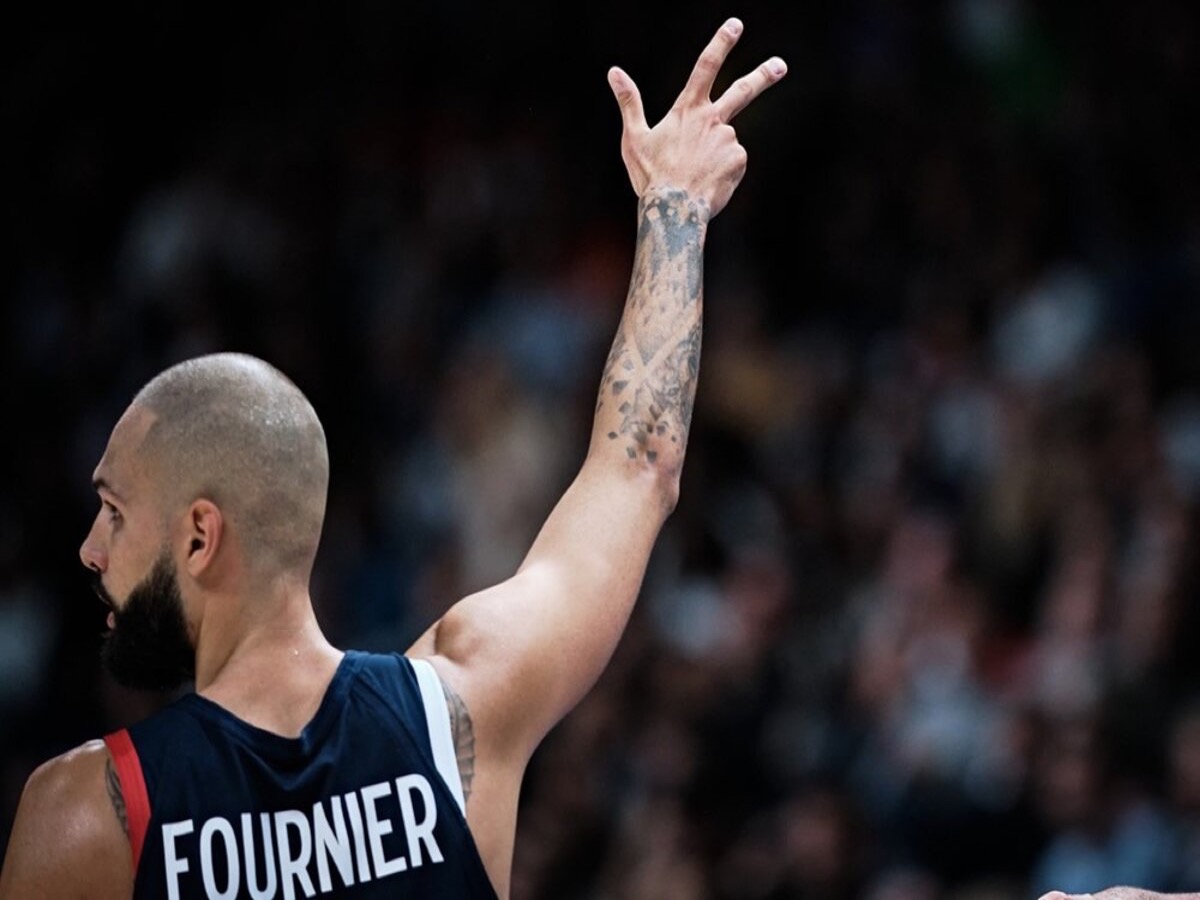
Evan Fournier tattoos: Game photograph showing Fournier's raised tattooed arm

Body Art Guru describes a patterned band around Fournier’s left wrist as inspired by Maori designs and associates it with power and prestige. The source presents this as an inspiration; it does not identify the band as one specific traditional motif.

The band sits beside “Intensité.” One is a continuous dark pattern, the other a word in script. Photos show the band’s placement clearly, while closer views reveal more of its design.

The forest tattoo turns the right forearm into a changing landscape

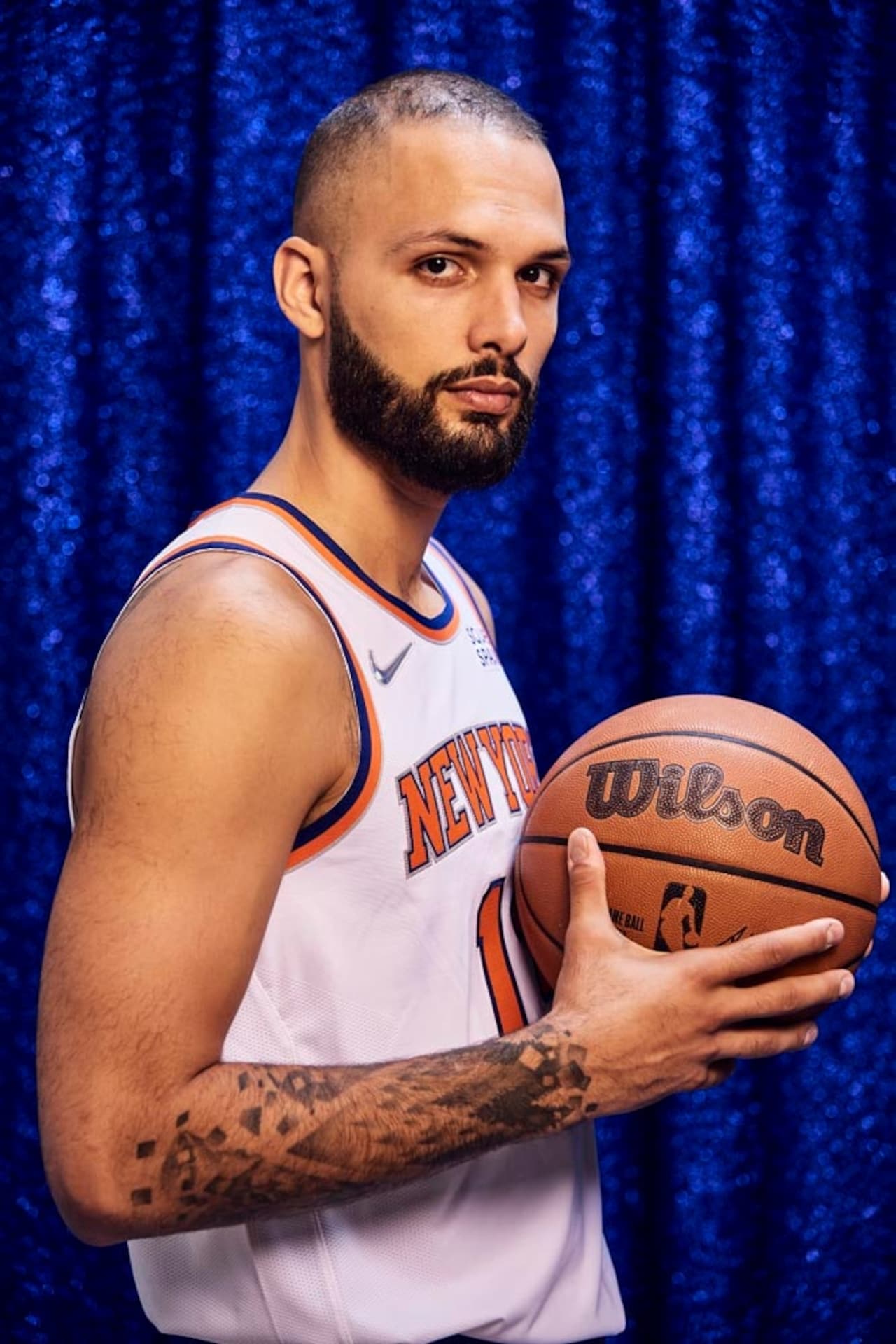
Evan Fournier tattoos: Official NBA media-day portrait with tattooed forearm visible

On Fournier’s right forearm, the tree design begins near the wrist and grows toward the elbow before fading into geometric boxes. The lower section reads more clearly as trees; higher up, the forms break into geometry.

Criss-cross gaps leave strips of skin between the dark shapes, giving the sleeve a layered look rather than one solid block of ink.

The wolf tattoo and leg work build Fournier’s larger visual map

Evan Fournier tattoos: Full-length warm-up photograph showing the tattooed leg

Body Art Guru also identifies a growling wolf’s face on Fournier’s right wrist, framed by geometric boxes like those in the forest design. The source associates the wolf with strength, loyalty and protection, and links it to his family and team.

The full-length warm-up photo shows that the ink extends beyond his arms: broad, dark work covers part of a leg. Its smaller details are difficult to make out at this distance.

The skeleton samurai adds a figure to the right forearm

Evan Fournier tattoos: Olympiacos game photograph showing the tattooed arm

Body Art Guru describes a skeleton samurai on the inner right forearm, wearing a straw hat and kimono with its arms crossed. The same area carries “Cohérence,” or “consistency.” The source links the figure with overcoming adversity, but does not give a more specific story for it.

The samurai is one of the collection’s more fully described images, though photographs still show only the parts visible at each angle.

A later chapter expands the visual record

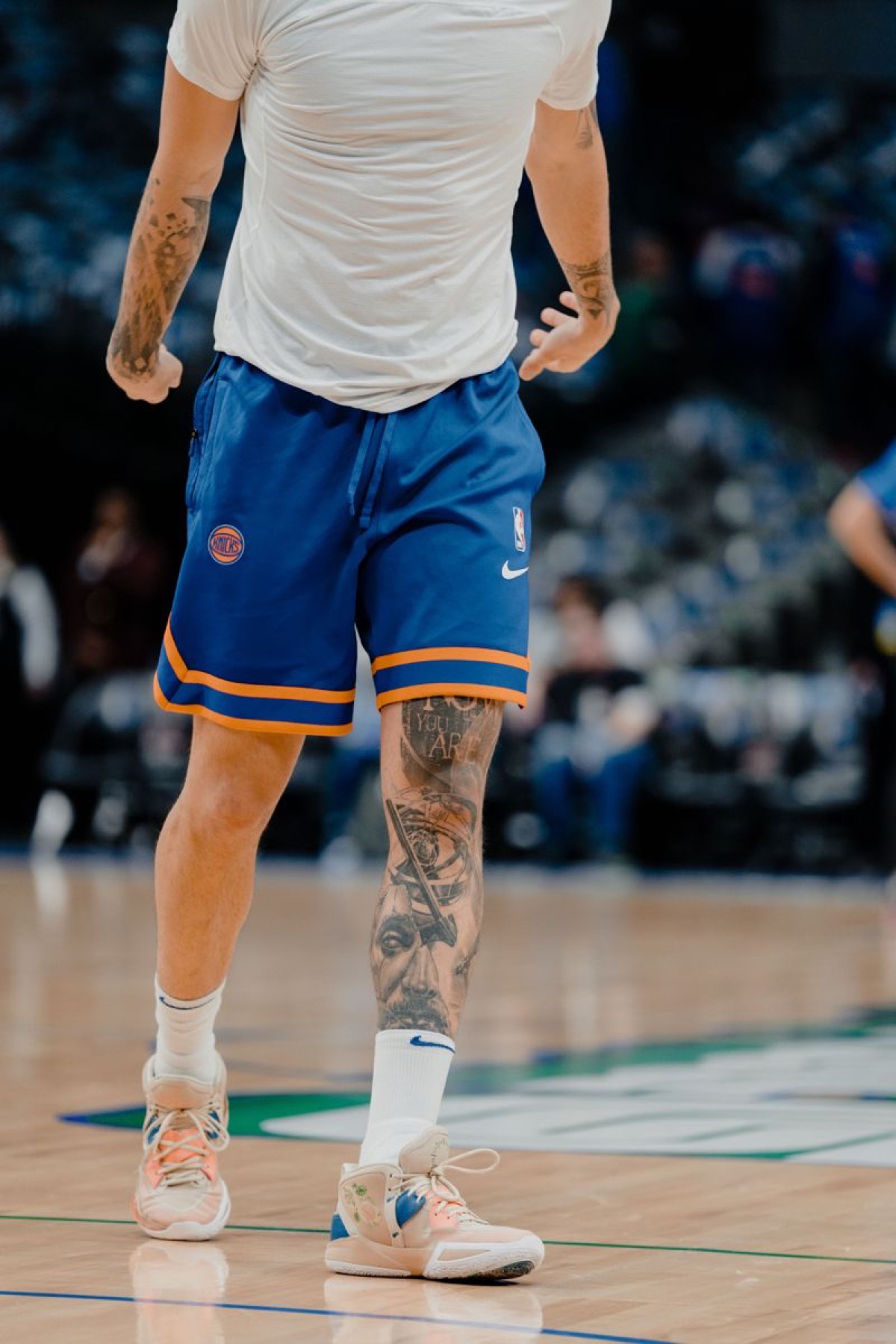
French basketball coverage says Fournier expanded the tattoos on his left leg after beginning the process around the Tokyo Olympics. The photographs show a large, dark composition; one includes a portrait-like image and the words “YOU ARE.” The reporting notes that the other elements are hard to identify from a distance.

The leg work is best described through what the sources show: its scale, placement and visible lettering. The available images do not support a complete inventory of the designs.

The visible record keeps some details deliberately open

Specialist coverage reports a large tattoo on the right side of Fournier’s chest, but says it has not been fully seen. It also reports that he planned to add meaningful work gradually across his arms and chest. The location is documented; the full imagery is not.

That leaves a clear difference between the named wrist and arm designs and the partly seen chest piece. There is no basis in the published account for describing details that remain hidden.

The collection’s broader visual arc

Fournier’s tattoo record brings together readable French script, patterned blackwork and larger images of trees, a wolf and a samurai. He has explained the personal roots of the wrist words; other meanings come from published tattoo coverage, and the sources leave parts of the leg and chest work unresolved.

The collection has grown from small, legible reminders into much larger areas of ink, but it is not fully catalogued. The clearest account sticks to Fournier’s own explanation and the designs the available sources can actually identify.

More athlete tattoo guides

KL Rahul Tattoos: The Lighthouse, Spartan, Sacred Heart and 24 Designs Explained

KL Rahul’s tattoos cover his back, arms, hands and legs. Profiles count roughly two dozen, though totals vary as new pieces appear. He has said tattoos mark important events in his life; reported designs include family names, cricket references, travel, animals and religious imagery.

Red Bull, MensXP and Indian publications document parts of the collection. The accounts explain some designs in Rahul’s own words and leave others identified only by photographs.

A personal timeline in several visual languages

Rahul has said his first tattoo came when he was 16 or 17. MensXP describes the large wing across his back as his first major piece; the sources do not clarify whether they mean the same thing by “first.” He has described tattoos as a way to mark important events, not as one uniform design planned all at once.

The winged design across the upper back

The upper-back piece has a heart-like centre with wings spreading across the shoulders. Rahul has connected it with moving forward after a setback; GQ India reports that he uses tattoos to remember both difficult and positive moments. Later portraits show the broad, nearly symmetrical design alongside other back and shoulder ink.

KL Rahul tattoos: Back-facing Red Bull portrait showing the large upper-back design, shoulder coverage and additional arm ink.

The lighthouse on the left forearm

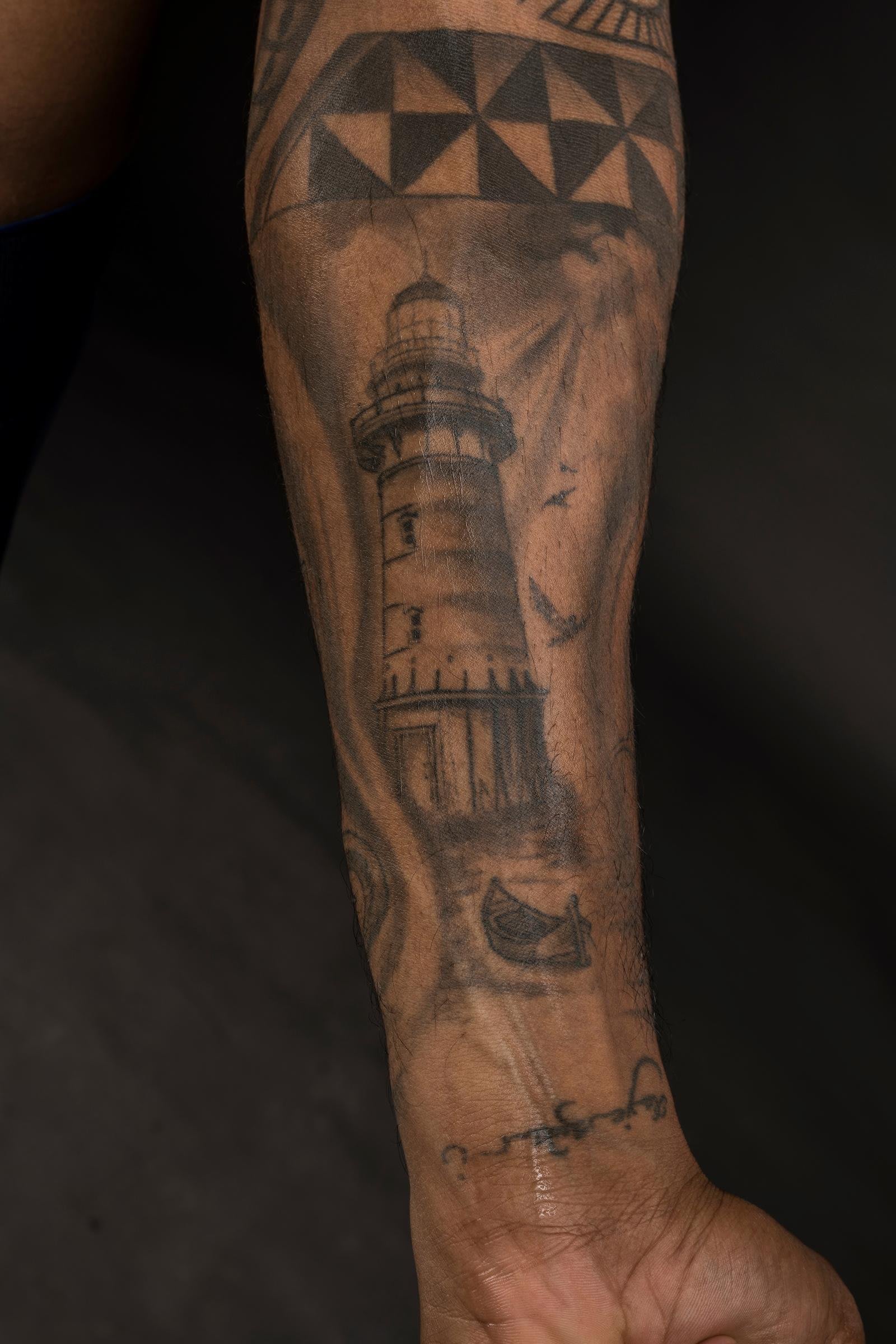
Red Bull’s close-up shows a tall lighthouse on Rahul’s left forearm, with a lantern room, architectural bands, a small boat and birds. Rahul has said it recalls his childhood near the sea in Mangaluru. Fine shading and open space set it apart from the denser patterns higher on the arm.

KL Rahul tattoos: Close Red Bull photograph isolating the lighthouse, boat and birds on the forearm.

Maori-inspired patterns and the layered left arm

Red Bull and MensXP describe Maori-inspired patterns across Rahul’s left shoulder and arm. Photos show curved bands, repeated shapes and shaded areas that follow the arm’s joints rather than forming one flat block. The cultural reference is how the sources describe the pattern; the available account does not name a specific traditional motif.

Rahul has called the tattoo a personal choice and said outside opinions do not decide how he presents himself.

KL Rahul tattoos: Red Bull studio portrait showing the dense shoulder-to-forearm pattern and the way the blackwork follows the arm.

The Spartan, clock and symbols on the right side

On the right shoulder and upper arm, Rahul has a Spartan, a clock and smaller symbols. The Indian Express says the Spartan took many hours and compares the cricket pitch with a battlefield. Reports describe the clock as set to an hour connected with Rahul’s birth, with a Latin phrase around it.

A key with ram horns is linked to his Aries sign, and an all-seeing eye has been connected in interviews with his grandparents watching over him. Stars, an owl and a rose also appear in tattoo profiles, though their meanings are not equally well documented.

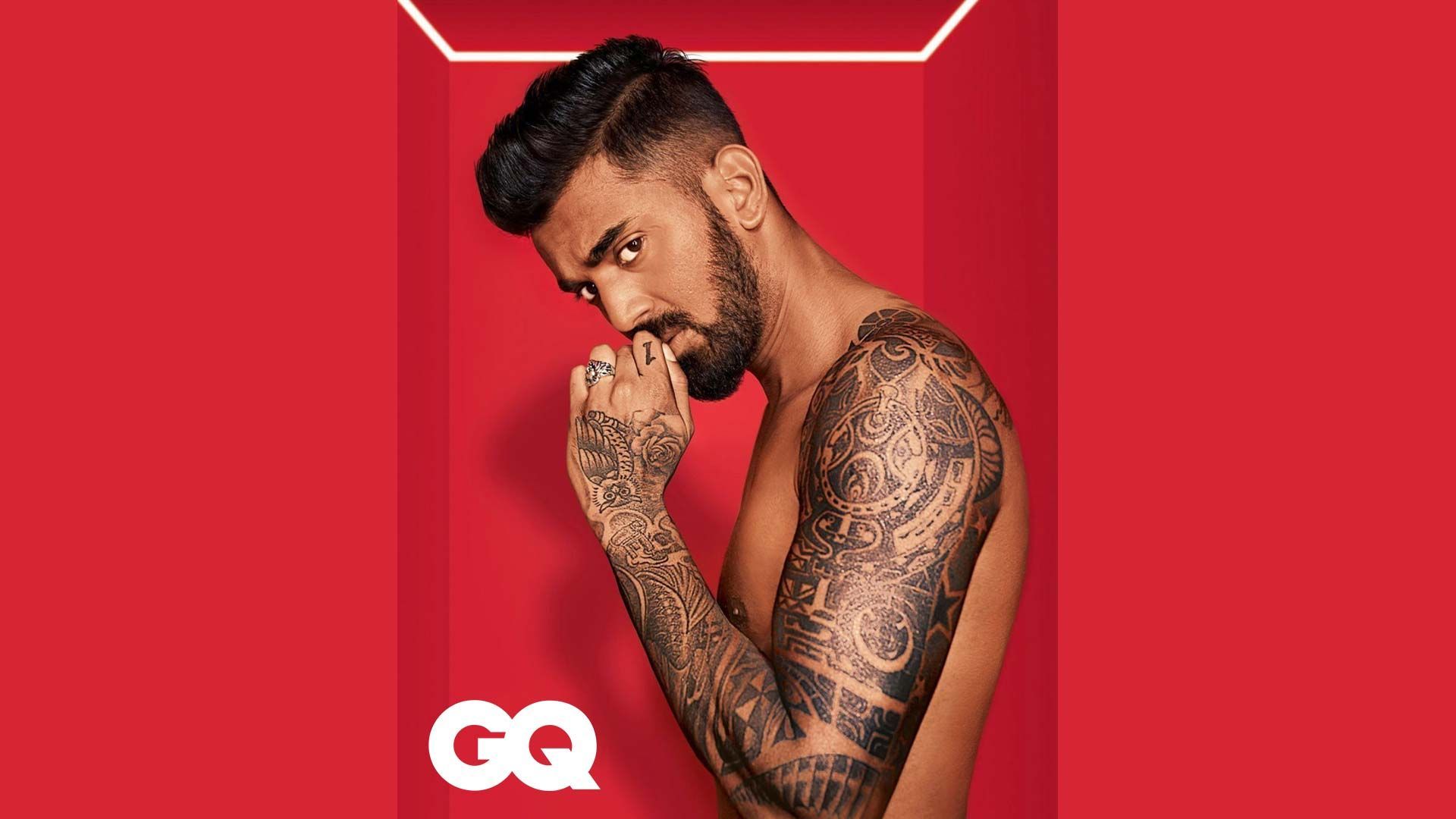
KL Rahul tattoos: GQ India portrait showing the face, hand tattoos, clock area and layered right arm work in a separate editorial image.

Simba and the personal story

A portrait of Rahul’s dog Simba sits on the right side of his back. The Indian Express called it a “Lion King” tattoo; Body Art Guru describes it as a pet portrait. Rahul’s close bond with Simba gives it a personal subject alongside the larger cricket and pattern designs.

Family references and cricket milestones

His parents’ names are inked on his wrists. Profiles link the Roman numeral XI to an early jersey number and CCLXXXIV to his Test cap as India’s 284th men’s Test cricketer.

“Deshi Basara,” from The Dark Knight Rises, appears on his forearm. Rahul has described the phrase as a symbol of rising, and reports connect it to the film’s prison sequence and recovery after a difficult period in his career.

Travel marks on the legs and lower body

Published profiles place a compass linked with a trip to Australia, a horseshoe associated with Milan and a dagger from Miami on Rahul’s lower body. Photos also show smaller marks, including an anchor and another compass, around the shins and calves. The travel designs add locations and personal associations beyond the more visible arm and back work.

How the tattoo photographs show the collection’s scale

The Red Bull portraits show the back and shoulder; GQ India’s images bring the arm, hand and clock area into view. A close Red Bull photograph isolates the lighthouse. Each picture fills in a different part of the collection, and none shows every documented tattoo.

KL Rahul tattoos: GQ India editorial image giving a wide view of Rahul's arm, hand and shoulder tattoos against the red studio set.

Meanings that Rahul has actually explained

Rahul has explained the lighthouse as a memory of Mangaluru and “Deshi Basara” as a reminder to rise; his parents’ names, the Roman numerals and Simba portrait also have reported personal context. The Spartan and clock are described in published coverage, while many smaller marks remain visually documented without a confirmed meaning. Keeping those categories separate avoids turning every symbol into a claim about his private life.

A visual signature that keeps expanding

Rahul’s collection mixes broad black patterns with fine detail, script, numbers and travel symbols. The upper-back wings and arm work set the scale; the lighthouse, Simba portrait, family names and cricket numerals record specific parts of his life. Profiles count the tattoos differently, so the strongest account describes the documented designs without treating the total as fixed.

Sources: Red Bull tattoo feature and video; MensXP; GQ India; Telegraph India; The Indian Express; Body Art Guru reference gallery.

More athlete tattoo guides

Toni Kroos Tattoos: Designs, Meanings and Photo Guide

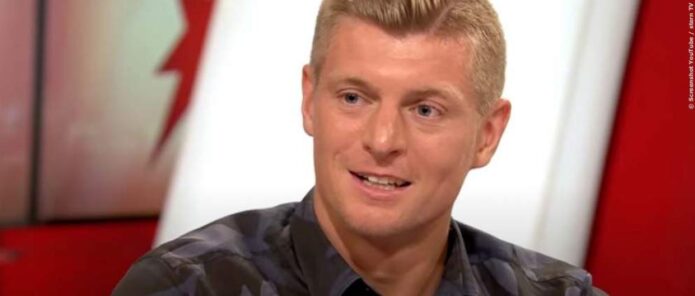
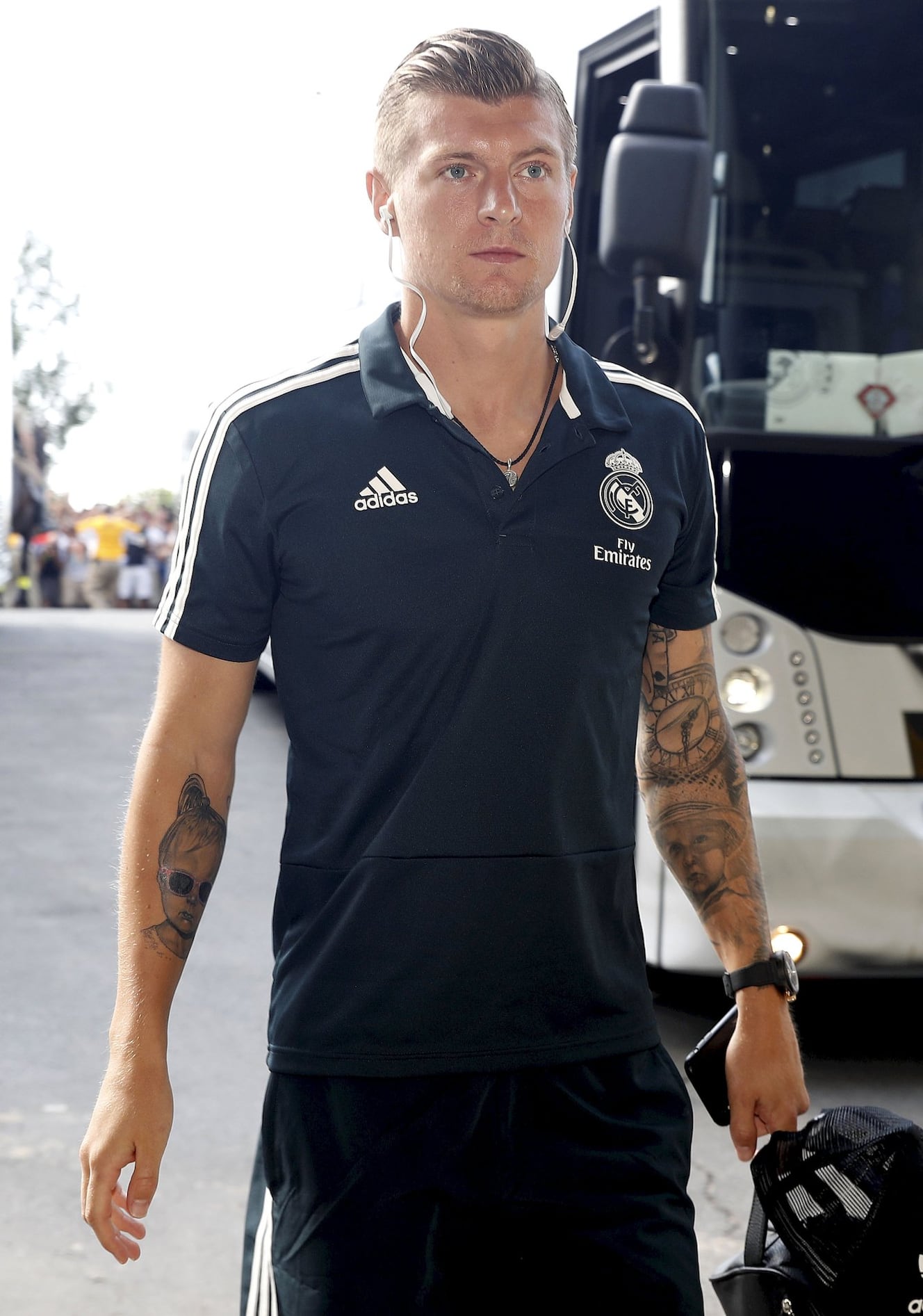
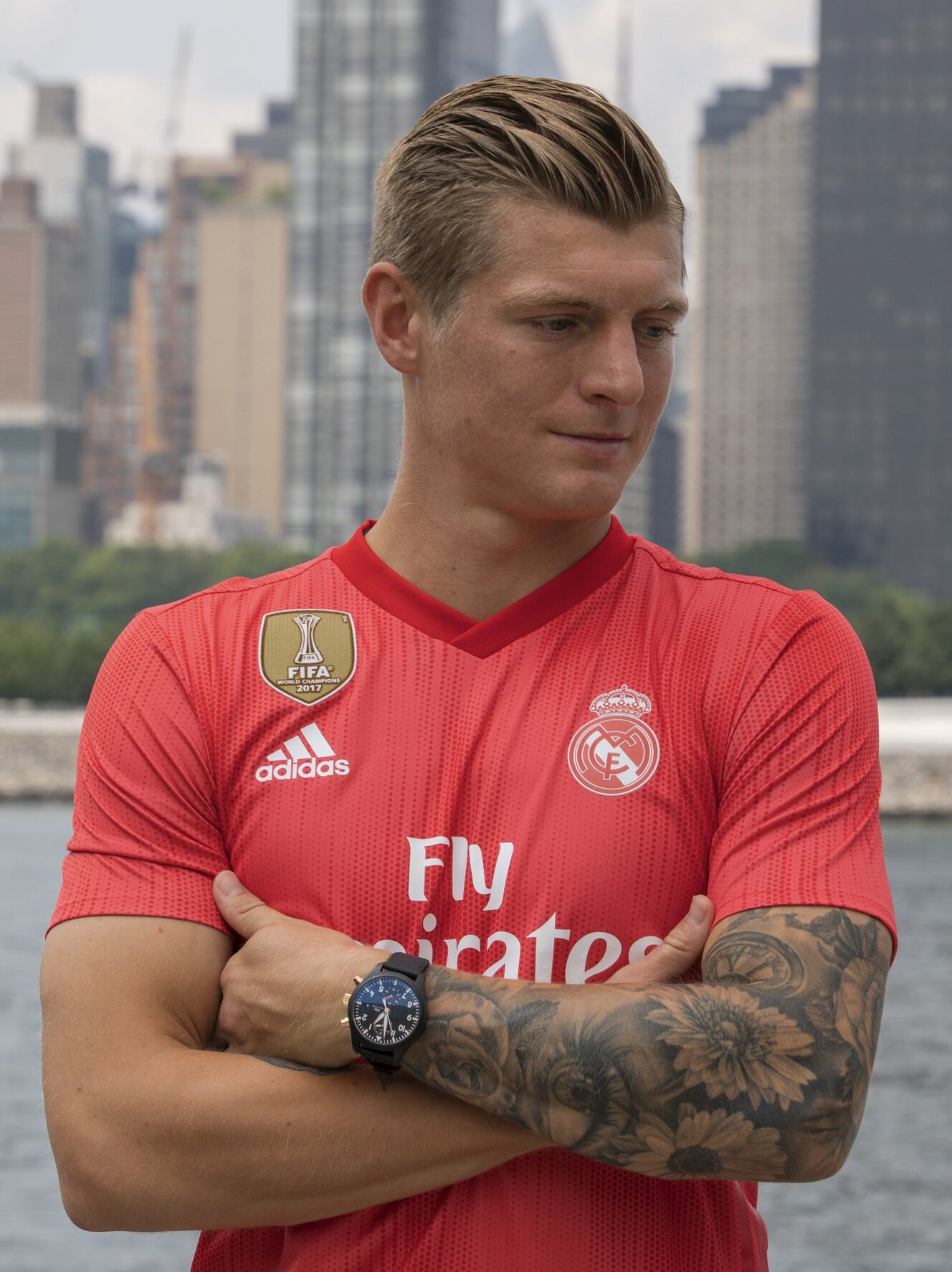
Toni Kroos has several black-and-grey tattoos across his arms. In short-sleeved football and training photos, the pieces can read as a sleeve, though the images show separate designs and do not establish a complete catalogue. Published accounts connect some tattoos with family or personal milestones; they do not explain every mark.

The forearm script and blackwork

Toni Kroos tattoos: wide portrait showing Toni Kroos arm tattoos in training

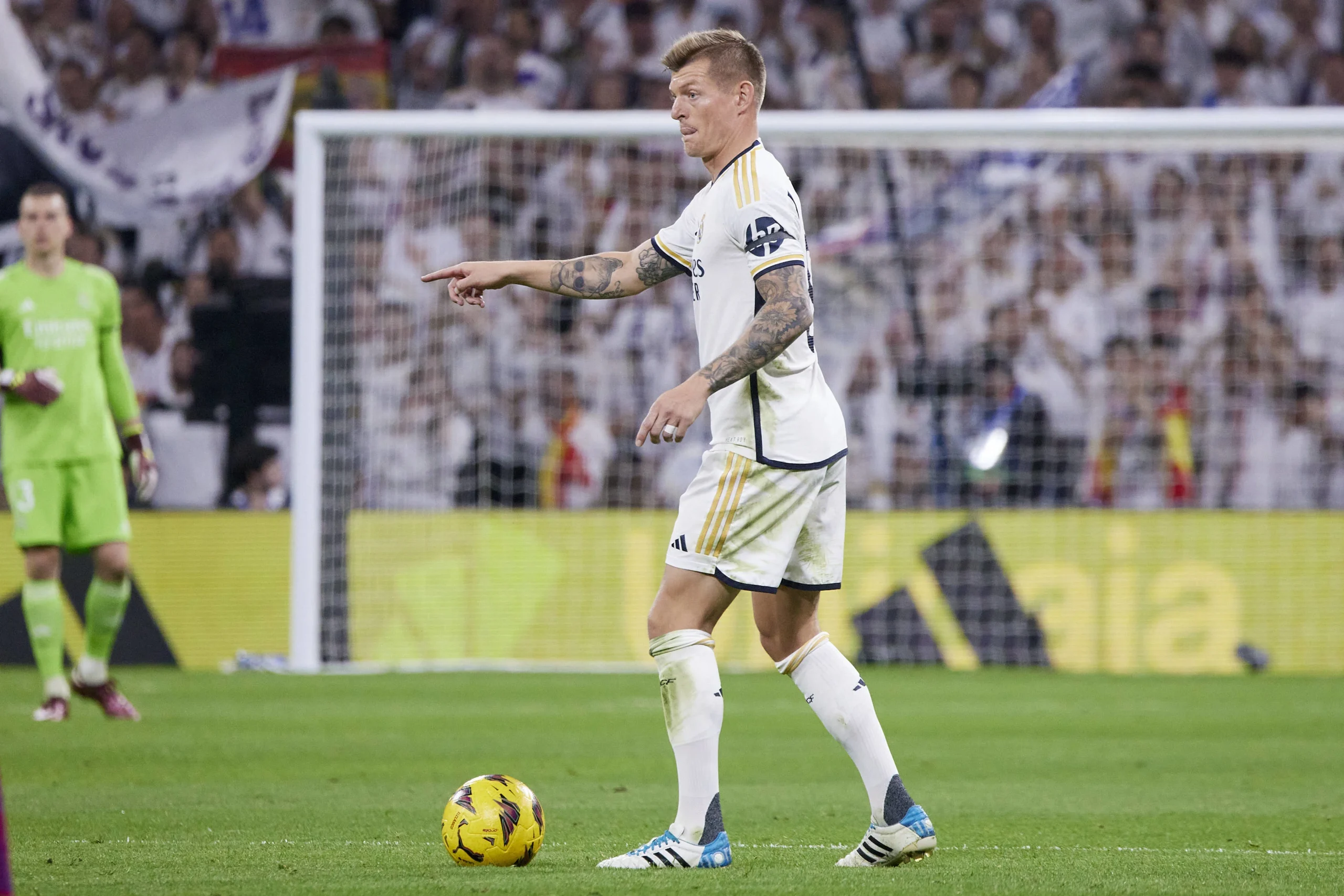
The AS training portrait shows dark shading across Kroos’s forearm, between wrist and elbow. From a distance, the ink reads like a sleeve, but the wide shot does not show enough detail to catalogue every mark. A GQ Germany football photo catches the arm at an angle during play. Motion softens the smaller details, while the darker outlines and filled areas remain visible. These images show placement and contrast; they do not establish a meaning for each mark.

The arm symbols and family details

Toni Kroos tattoos: close red-shirt portrait showing the upper-arm and forearm coverage

The red-shirt AS portrait brings the upper arm into view. It shows a mix of dense shading, outlines and smaller symbols, with the work extending toward the shoulder. Promipool discusses family and personal history alongside selected tattoos, but the photograph itself can only confirm what is visible. The source supplies context for some pieces; the remaining marks should not be given a story the reporting does not provide.

The chest and upper-arm composition

Toni Kroos tattoos: match celebration view of the outer arm and forearm tattoos

This celebration shot catches Kroos with his arm raised against a white kit. The pose changes how the ink appears around the elbow and shoulder, but the documented tattoos remain concentrated on his arms. The sources cited here do not confirm a large chest design; shadows near the shirt are not enough to identify one. In a still photo, the upper-arm work can seem to merge into the shoulder, while the forearm looks more compact.

The floral and eye forearm portrait

Toni Kroos tattoos: studio portrait showing the floral and eye tattoo composition on the forearm

GQ Germany’s interview portrait shows a large floral and eye design on the forearm. Kroos’s hand rests across his face, leaving the arm in clear view. In black and white, the shaded sections, petals and open skin stand apart, and the pattern follows the arm toward the elbow. Unlike the football photos, this studio image shows the tattoo at rest, without motion blur. Its visible shapes can be described without guessing at their symbolism.

The sleeve views from match day

Toni Kroos tattoos: close-up of the small cartoon-style lower-arm tattoo

Promipool’s close-up shows a cartoon-style figure on the lower arm: a rounded head, dark outline and compact shaded body. It is smaller and more illustrative than the heavier shaded areas in the other photos. The close framing makes its placement clear and brings out line work that disappears in a match shot. The picture helps explain why a wide view can flatten several different designs into one sleeve-like area.

What the published reporting verifies

AS, GQ Germany, Promipool and Relevo document the arm coverage through reporting and photographs; Film.TV provides another portrait in which Kroos’s face is visible. Together, the sources support black-and-grey shading, visible symbols, a floral and eye composition, and the small cartoon-style piece. They do not provide a complete catalogue or a confirmed date and meaning for every tattoo. Some articles give personal context for selected designs, but a photograph alone cannot establish that history.

How the photographs fit together

The five tattoo photos move from wider placement views to close details. AS shows the general spread in training and the red-shirt portrait separates some of the upper-arm work; the celebration image catches it in motion. GQ Germany brings the floral and eye design into focus, while Promipool shows the small illustrated tattoo. Seen together, they explain the sleeve-like appearance without suggesting that every part of the arm is one continuous design.

More athlete tattoo guides

Rafinha Tattoos: Sleeve, Trophy and Family Designs

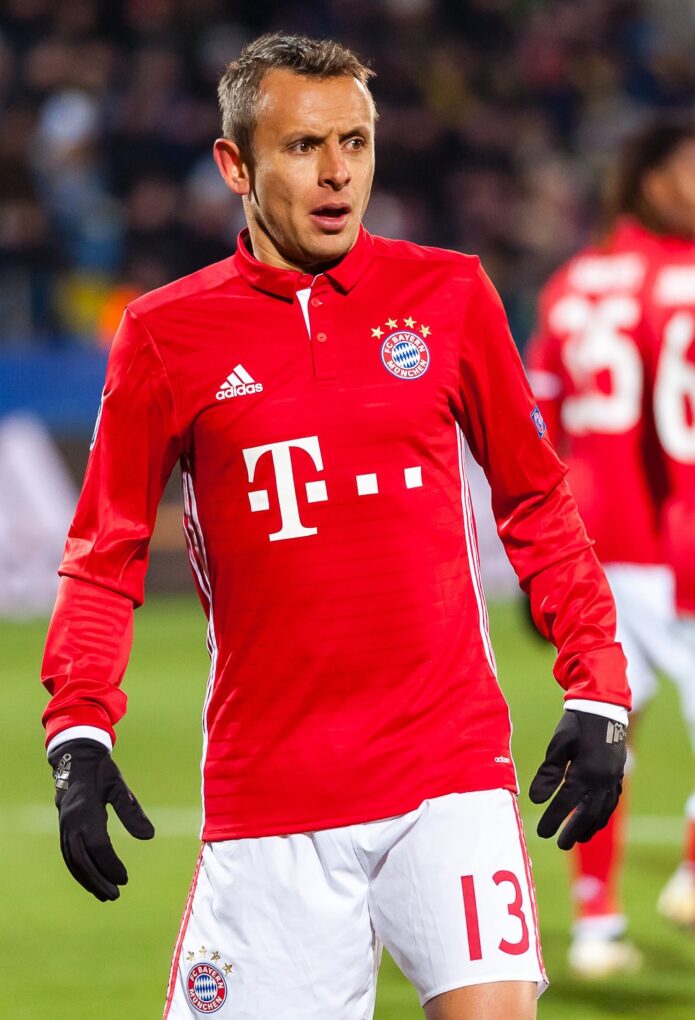
Rafinha tattoos document the Brazilian midfielder’s football career, personal milestones and family history. Public photographs show ink on both arms and his legs: lettering, shaded forms, stars, trophy outlines and football figures. A Bleacher Report interview describes his right-arm collection and the personal experiences behind some of the designs. The photos show a collection built in layers rather than one continuous sleeve.

Match and celebration photographs reveal the arm work when Rafinha raises his hands; seated shots show tattoos that a football kit usually covers. The viewing distance changes what stands out: a close crop makes individual figures legible, while a wider frame shows how the designs sit across an arm or leg. The descriptions below stick to what the images show and to meanings Rafinha has discussed.

The trophy sleeve and its football setting

Rafinha tattoos: wide Bayern celebration photograph showing the tattooed right arm beside the championship shield

In this Bayern celebration, Rafinha’s tattooed right arm appears beside a championship shield. He wears the club’s red kit, and the exposed arm shows dark figures, lettering and shaded shapes from the upper arm toward the forearm. The shield fills much of the foreground, giving the photo a clear football setting while leaving enough of the sleeve in view.

The wider frame shows the ink in relation to Rafinha’s shoulder, elbow and wrist. Several separate designs create a connected impression, with dark sections broken up by lighter interior areas. The image does not identify every figure, but it gives a better sense of the sleeve’s scale than a close crop.

The forearm lettering and wrist details

Rafinha tattoos: Bayern match photograph showing script and linework on the raised forearms

With both arms raised, the match photograph makes the forearm lettering easier to see. Compact lines of script sit near smaller wrist marks, alongside symbols and darker shaded areas. His white Bayern shirt sets off the ink, though the angle and light make some lines sharper than others.

The arm is heavily tattooed, but gaps of skin remain between parts of the work. Script and heavier shading sit close together without forming one solid panel. Rafinha has described tattoos as a record of life, but the photograph alone cannot tell us what each line says or means.

The number 13 footballer portrait

Rafinha tattoos: close tattoo photograph of the number 13 footballer figure surrounded by stars

A close view of the inner forearm shows a footballer wearing number 13. The illustrated figure stands with a ball at his feet, framed by stars. Outlines and soft shading define the shirt, shorts and legs, while the number remains readable across the shirt.

The narrow placement gives the design a vertical shape. Its illustrative linework separates it from the surrounding script and other marks. The photograph records a personal football image, but it does not establish a more specific private meaning for the number or figure.

The trophy outlines across the leg

Rafinha tattoos: seated leg photograph showing trophy and cup outlines with surrounding script

The leg photograph shows a different side of Rafinha’s collection. Open outlines of cups and trophies run across the exposed skin, with script and small dark symbols around them. One cup has a visible stem and bowl; another sits beside a circular football-related design. The lighter linework contrasts with the denser arm tattoos.

Each trophy is separated by open skin, so the forms can be read individually while still following the curve of the leg. The photo does not name the cups, but it clearly shows sporting imagery beyond the arm sleeve.

The layered sleeve views from match day

Rafinha tattoos: Bayern celebration photograph showing the layered script and blackwork on the raised arm

This second celebration image shows how the sleeve looks in motion. Rafinha’s raised arm exposes script near the wrist, heavier shading around the forearm and more marks toward the elbow. Against the green stadium and red shirt, the dark ink remains distinct.

The frame shows the relationship between pieces rather than the details of one tattoo. Small letters and thicker black sections run together as the arm bends, making the sleeve look denser from a distance than it does in the close number 13 photograph.

A body of work shaped over time

Rafinha’s interview describes getting his first tattoo as an adult and adding later pieces to mark people, experiences and important moments. That history fits the mix visible in the photos: football illustrations, trophy outlines, script and shaded sections, each with its own scale and linework.

The collection changes from one placement to another. The arm carries denser work, while the leg image leaves more room around the trophy outlines. In a wide celebration shot the sleeve can look nearly continuous; up close, separate designs and open skin become easier to distinguish.

Rafinha’s public image and football identity

Football imagery, personal lettering and a mix of outline and shade recur across the photographs. The number 13 footballer is the clearest illustration, the leg trophies are the most open forms, and the arm script adds a band of text through the sleeve. Their different styles remain visible even where the pieces sit close together.

The images also show why no single view tells the whole story. A close crop preserves the stars around the number 13 figure; a match photograph shows the sleeve bending with Rafinha’s raised arm; the seated shot reveals the leg designs. His comments about tattoos marking parts of his journey provide context, while the photos document the football figures, trophies and lettering without assigning a meaning to every mark.

More athlete tattoo guides

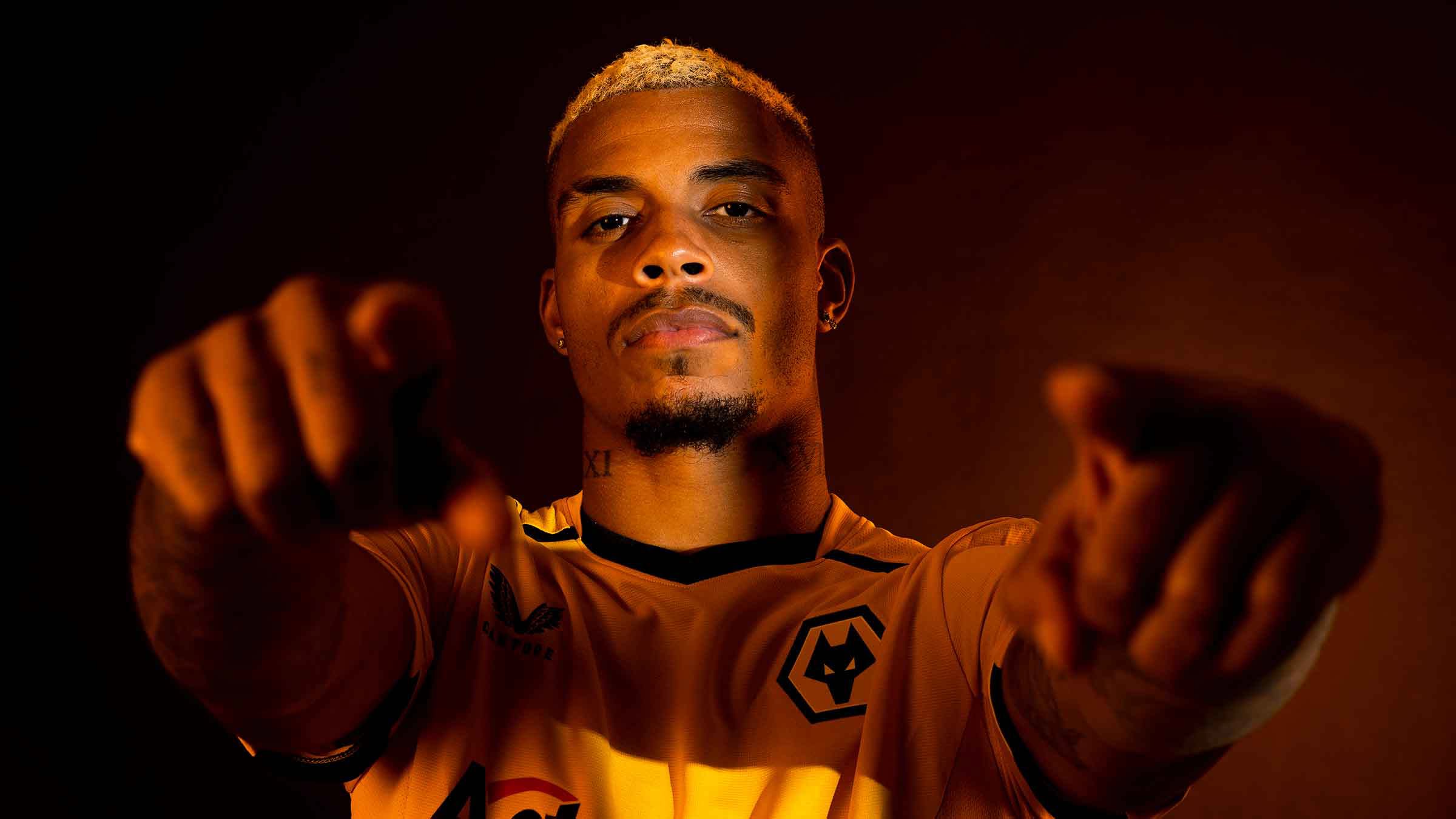
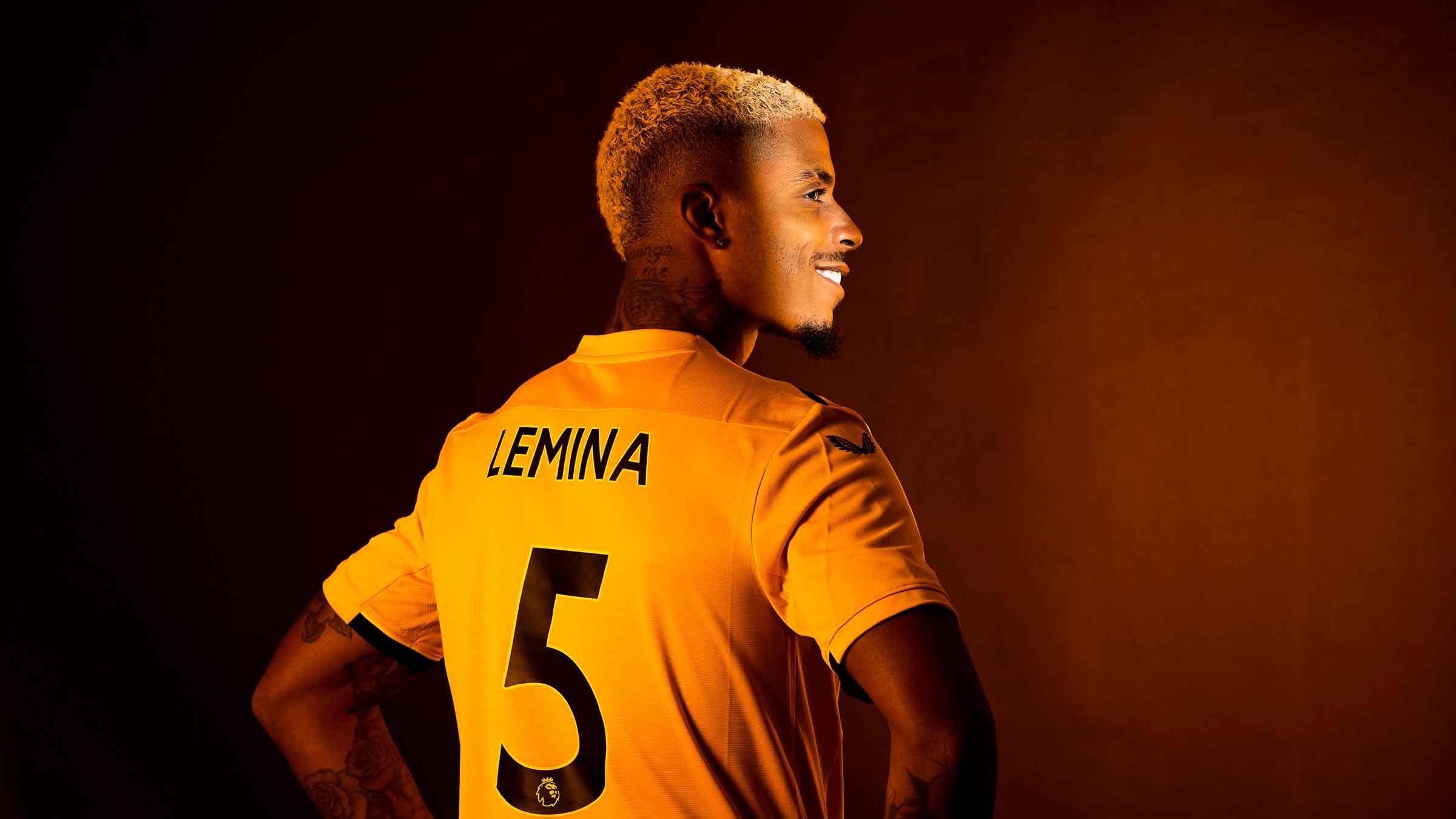
Mario Lemina Tattoos: Family Ink, Neck Numerals and Leg Designs

Mario Lemina’s tattoos cover his chest, arms, neck and legs, with family references among the designs he has discussed publicly. A 2024 Guardian interview identifies the M 2 mark on his left forearm as his first tattoo and a tribute to his father. It also reports that his right arm carries his brothers’ names, a Joker on one calf and an anti-racism message on the other. Photographs show the wider collection, including chest work, lettering and dark neck numerals; they don’t explain every mark.

The Guardian interview is the clearest source for personal meanings. Wolves portraits and match photographs add different views of the visible ink, while a 2023 club interview provides career context. Keeping those sources distinct helps separate what Lemina has said from what can only be seen in a photo.

The family lettering across the chest and arms

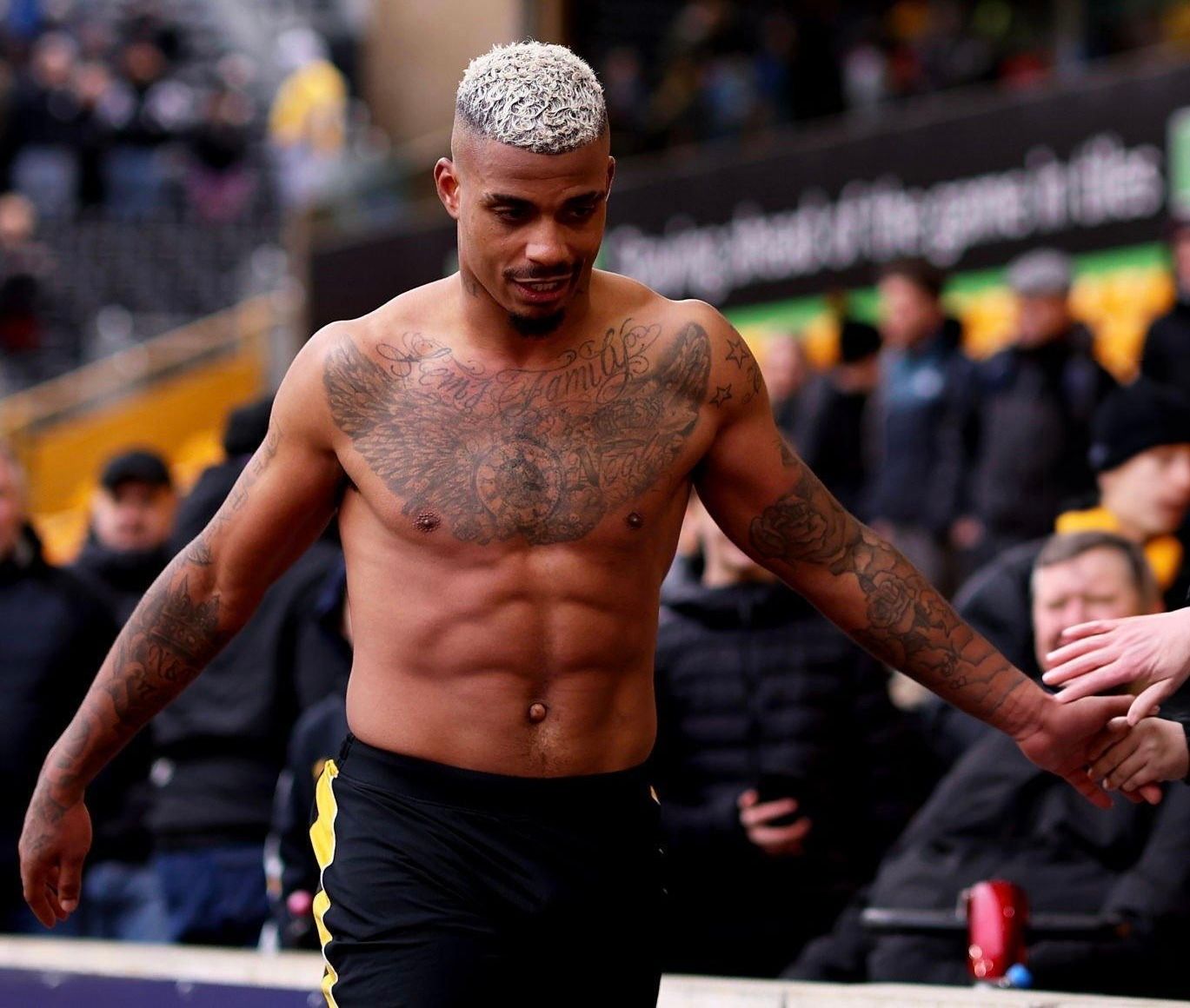
Mario Lemina tattoos: shirtless post-match photograph showing Lemina's chest and arm tattoo coverage

In this shirtless post-match photograph, dark lettering and shaded forms spread across Lemina’s chest toward the shoulders. The arm and torso work sit close together, though changes in line weight and open skin make separate pieces visible. From a distance, the darker sections can read as one broad field; closer in, lettering stands apart from heavier shading.

The Guardian identifies the names Kevin, Robert and Noha on Lemina’s right arm. He discussed his father and his responsibility to his brothers in the same interview, giving those names a documented family context. The report does not map every symbol around them, so the rest of the coverage is best described by its appearance.

The first tattoo and the M 2 tribute on the left forearm

Mario Lemina tattoos: front Wolves arrival portrait showing forearm and neck tattoos around the jersey collar

The M 2 on Lemina’s left forearm is both his first tattoo and a tribute to his father, according to The Guardian. In the Wolves arrival portrait, the mark sits among other ink and is easier to miss than the larger shaded work. Its compact lettering contrasts with the broader coverage around it.

Match photographs show the forearm at different angles as Lemina moves. The letters can appear clearer or less distinct depending on the light and how his arm is turned, but the reported location and meaning are consistent. The interview supplies the context that a photograph alone cannot.

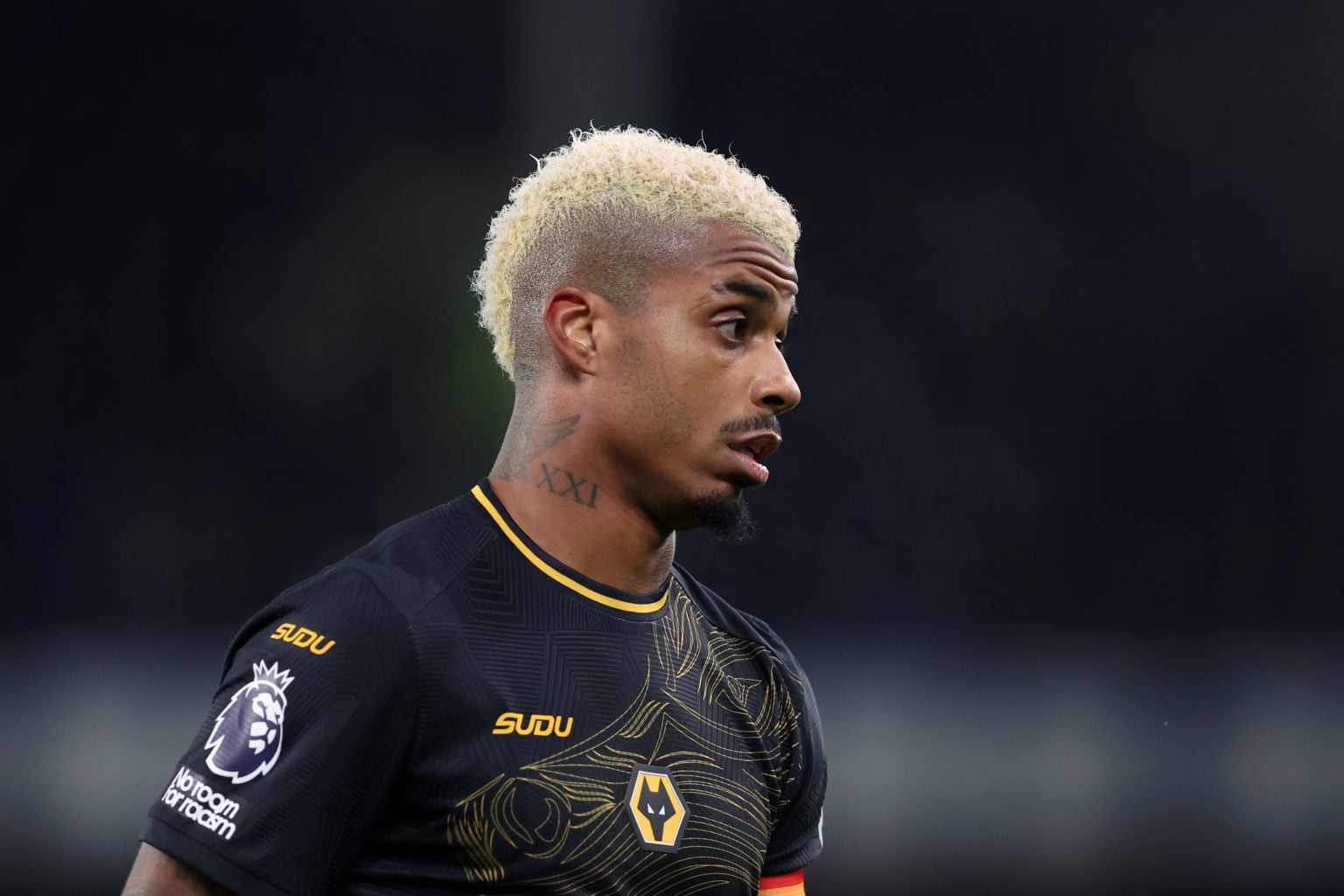
The Roman numerals at Lemina’s neck

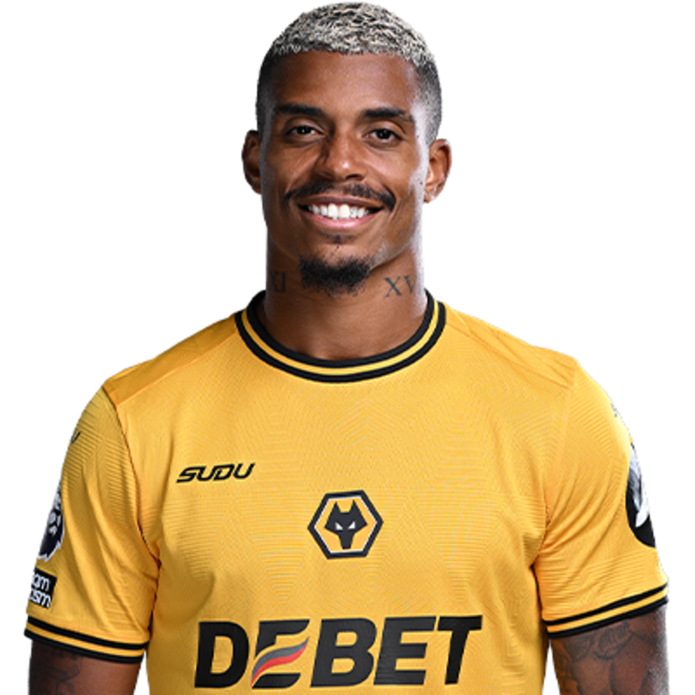
Mario Lemina tattoos: official Wolves close view showing the neck numerals above the collar

Dark Roman numerals appear on the side of Lemina’s neck, below the hairline and above the shirt collar. In this Wolves portrait, the marks are distinct from the patterned jersey and follow the narrow space between his jaw and collar. A front view makes them look more vertical; a side angle shows how they sit along the curve of his neck.

The sources used here don’t confirm what the numerals mean. They are a recognisable feature in club and match photographs, but assigning them a date or personal story would go beyond the available evidence.

The arm lettering, names and sleeve-like pattern

Mario Lemina tattoos: official Wolves side and back view showing lettering and dense arm coverage

A Wolves side-and-back portrait shows lettering and shaded work running from Lemina’s forearm toward his upper arm. The pieces vary: some areas leave skin open, others carry words or compact dark shapes. Together they create a sleeve-like impression without forming one uniform panel.

The names Kevin, Robert and Noha are the best-documented details on this arm. Other marks appear in the photograph, but the sources don’t identify each one. The angle makes the lettering easier to distinguish than a distant match shot, where movement and shadow can make separate lines blend together.

The side profile of the neck and upper arm

Mario Lemina tattoos: side match photograph showing the neck numerals and exposed tattooed arm against the Wolves kit

This match photograph brings the neck numerals and part of Lemina’s arm into the same frame. In profile, the neck becomes a narrow plane, while the arm turns away and its shaded areas shift in and out of the stadium light. It adds a useful side view of the placements, though it doesn’t show his lower-leg tattoos.

The Guardian interview reports a Joker on one calf and an anti-racism message on the other. Those designs are documented by the article, not visible here; the distinction matters when describing what each photograph actually shows.

A family story in the interviews

The Guardian’s 2024 interview connects Lemina’s tattoos to his family. It reports that he changed the name on his Wolves shirt after his father’s death, identifies M 2 as a tribute to his father, and gives the names of his brothers on his arm. These meanings come from the interview rather than from visual guesswork.

The same report identifies the Joker and anti-racism message by design and placement. It doesn’t assign a meaning to every other mark. The chest shading, Roman numerals and additional arm work remain visible details without a confirmed personal explanation in the sources used here.

How the documented pieces sit together

The photographs show ink across Lemina’s chest, both arms and neck; the interview adds the two calf tattoos. Each area has a different visual character: broad chest shading, arm lettering and darker fill, compact neck numerals, then the two reported leg designs.

A shirtless post-match image shows more of the chest and arms at once. Club portraits expose the neck and forearms, while a side view changes how the numerals and arm work appear. The Guardian interview adds the family context that none of these angles could provide on its own.

A closing look at Lemina’s collection

The best-documented meanings in Lemina’s collection are family tributes: M 2 for his father and Kevin, Robert and Noha on his right arm. The Joker and anti-racism message add distinct subjects on his calves. Neck numerals and the broader chest and arm coverage are clear in photographs, but their private meanings remain unconfirmed here.

Taken together, the interview and images give a specific account without needing to explain every mark. The written source records the meanings Lemina has shared; the club and match photographs show how the tattoos are placed and how the denser work fits around the lettering.

Wolves’ 2023 interview, ‘Thank you for the welcome!’ | Mario Lemina’s first Wolves interview, places him in the early part of his time at the club. It is included as career context; the tattoo meanings above come from The Guardian interview and the photographed designs.

More athlete tattoo guides

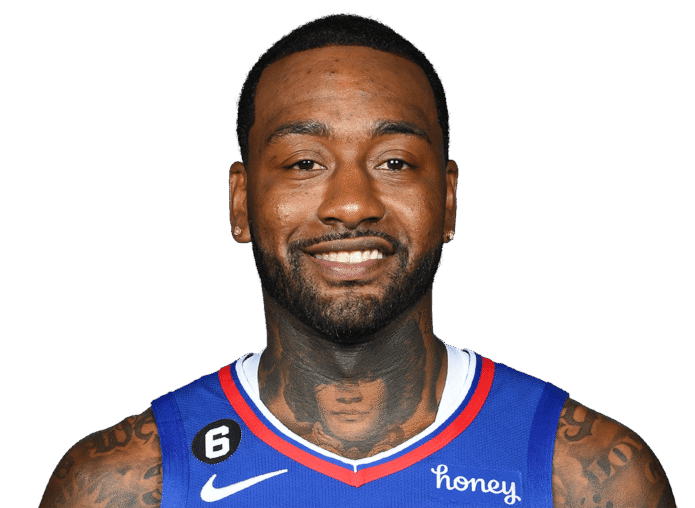
John Wall Tattoos: Great Wall, Psalm 23 and the Life Story in His Ink

John Wall’s tattoos trace several parts of his life: family, faith and basketball. Photographs show portraits, lettering, numerals and smaller symbols across his chest, neck, shoulders and arms. The collection has grown in stages rather than following one matching sleeve design.

Interviews and sports features explain a few specific pieces; photographs show their placement and style. The chest portrait of Wall with his father is documented, as are the Valley of Shadows scene and Psalm 23:4 reference. Other lettering and symbols are visible, but their meanings are not always public.

The family portrait on his chest

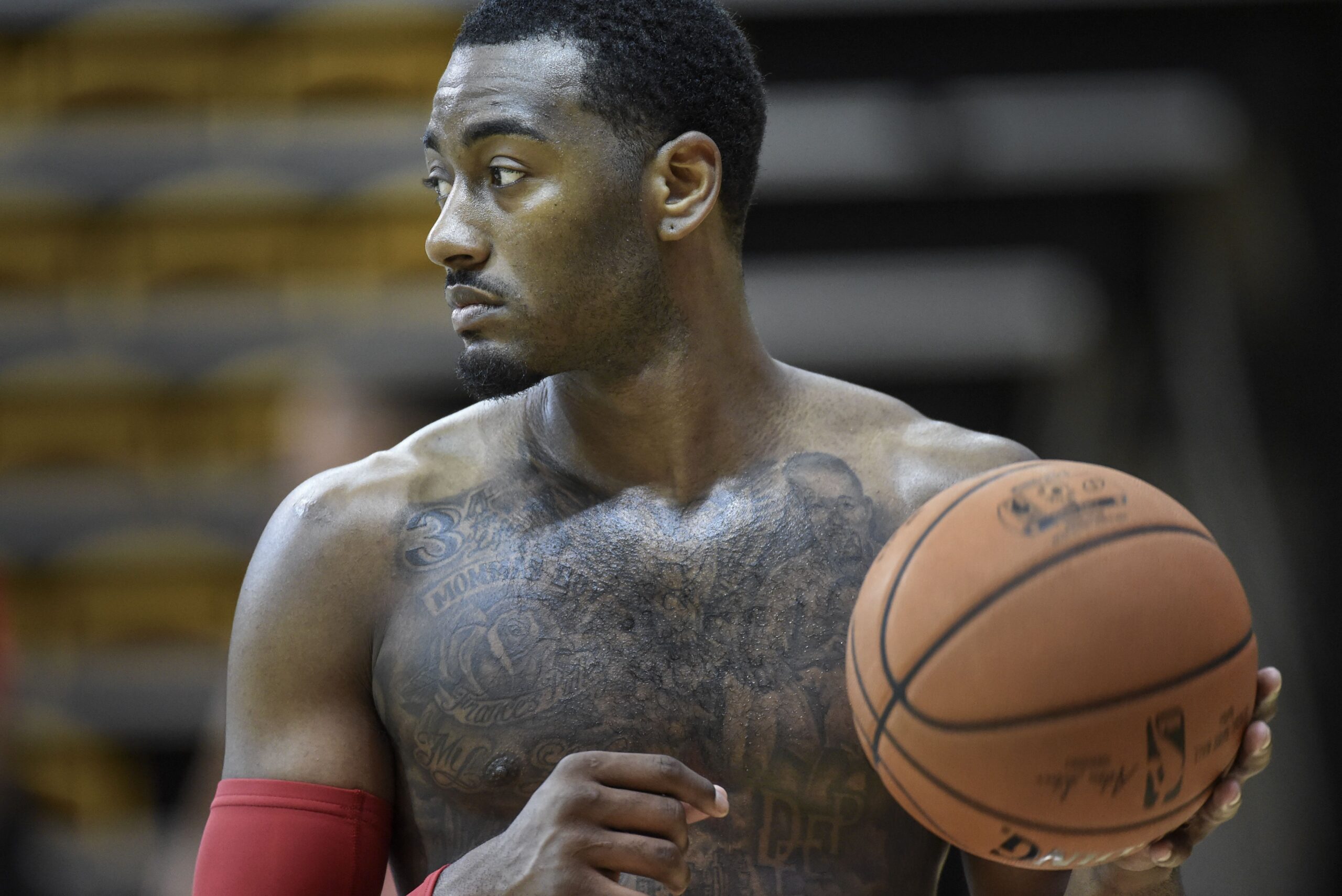
John Wall tattoos: High-resolution chest close-up showing the family portrait tattoo and surrounding chest lettering.

The chest portrait shows Wall as a young child with his father. ABC News described it as a recreation of a photograph taken when Wall was about two or three. It sits across his chest, usually under his jersey, and becomes the main image when that area is visible.

Wall’s father died of cancer shortly before Wall turned nine. He has described the photograph as one of the few tangible connections he kept. The tattoo preserves that particular moment rather than reducing the tribute to initials or a date.

ABC News also reported Wall’s game-day ritual: he kissed his wrists, tapped the jersey over the portrait and pointed upward before playing. The gesture made the covered tattoo part of his routine. In close photographs, facial shading and detail distinguish the portrait from the lettering and dark areas around it.

Neck and shoulder lettering in game-day photos

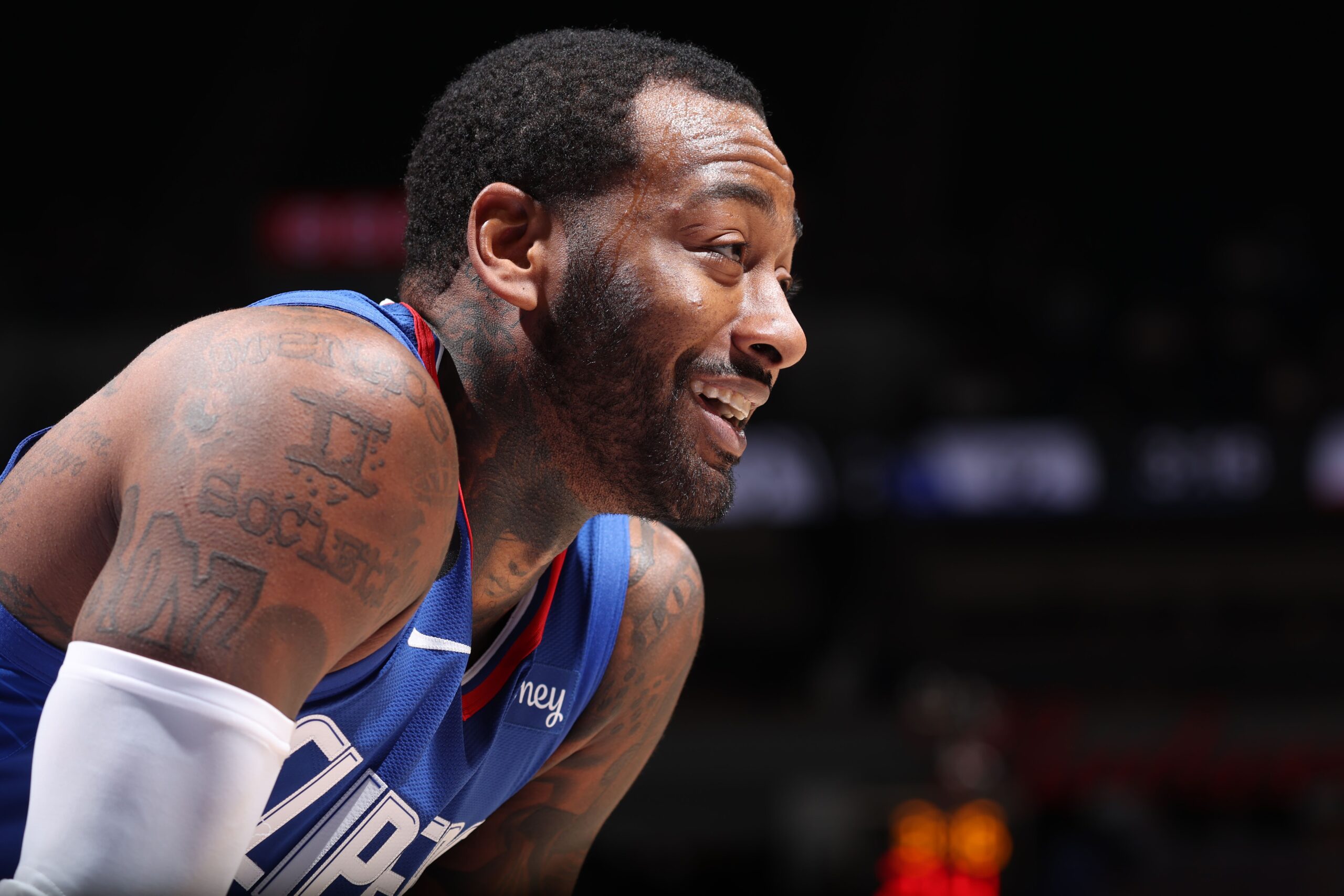
John Wall tattoos: Action photograph showing the neck, shoulder and upper-arm tattoo coverage.

Lettering above Wall’s collar and around his upper shoulder is often visible in game photographs, even when his jersey covers the chest portrait. The neck work is darker and more graphic than the portrait, with words and compact marks fitted around the collar line.

Sports photos catch it at different angles. A straight portrait shows a band of lettering; movement, sweat and the collar can obscure parts of it during a game. Later photographs show additional words and symbols around the neck and shoulder, but the sources here don’t identify every mark or give it a meaning.

The career and body-map lettering

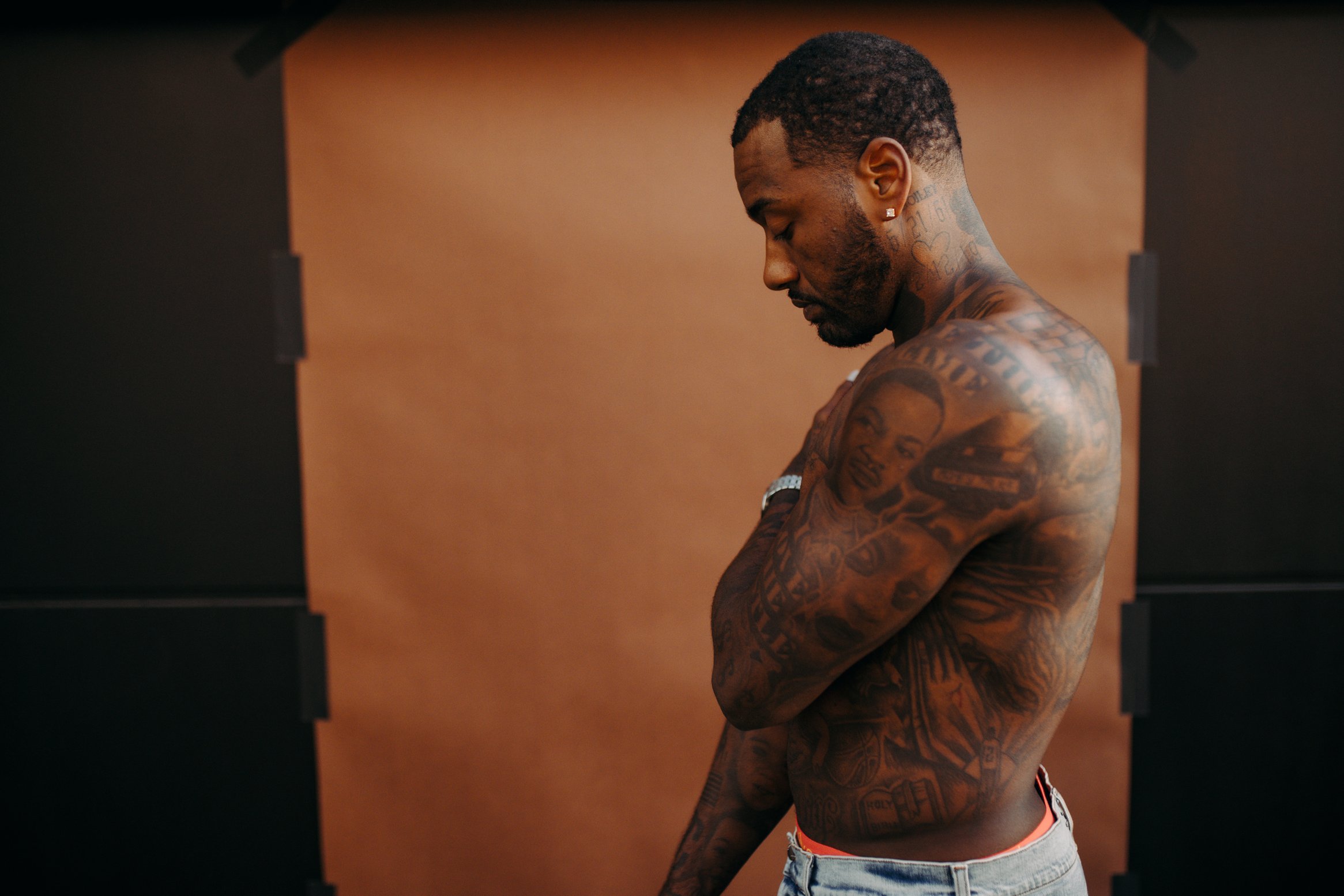
John Wall tattoos: Shirtless portrait documenting the larger chest, torso and back lettering field.

A shirtless Players Tribune portrait shows more of Wall’s tattoos than a game image: script and shaded forms run across the torso toward his back and arms, with smaller emblems between larger pieces. The amount and placement of the ink changed across photographs from his Kentucky and Washington years.

Wall’s basketball career provides the setting for those images, but the reported meanings also concern family and faith. The chest portrait and religious designs are more specific than a team reference or logo. Across the torso, fine shading, blockier lettering and small symbols sit alongside one another instead of in separate panels.

The arm pieces visible in Wizards portraits

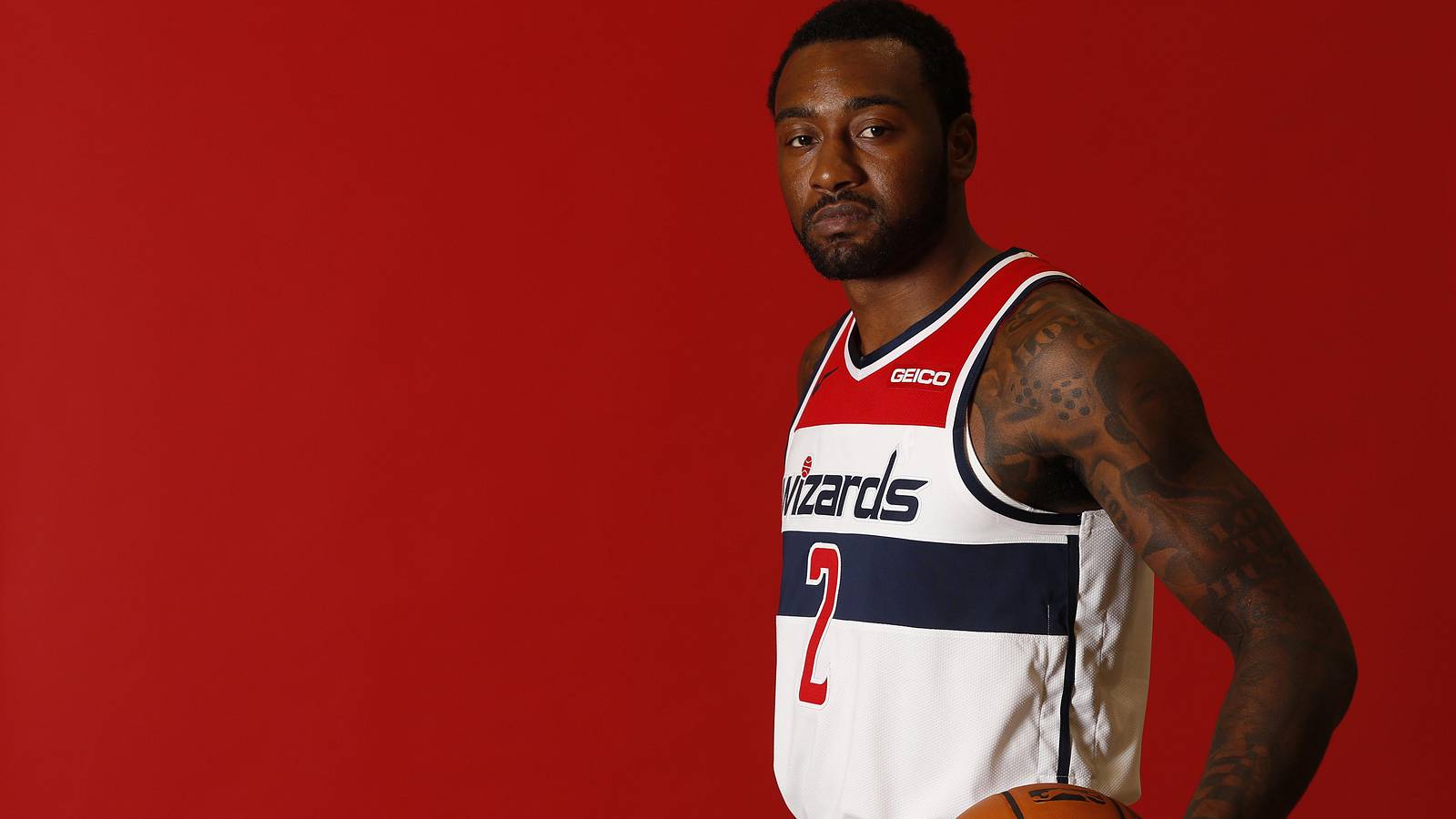
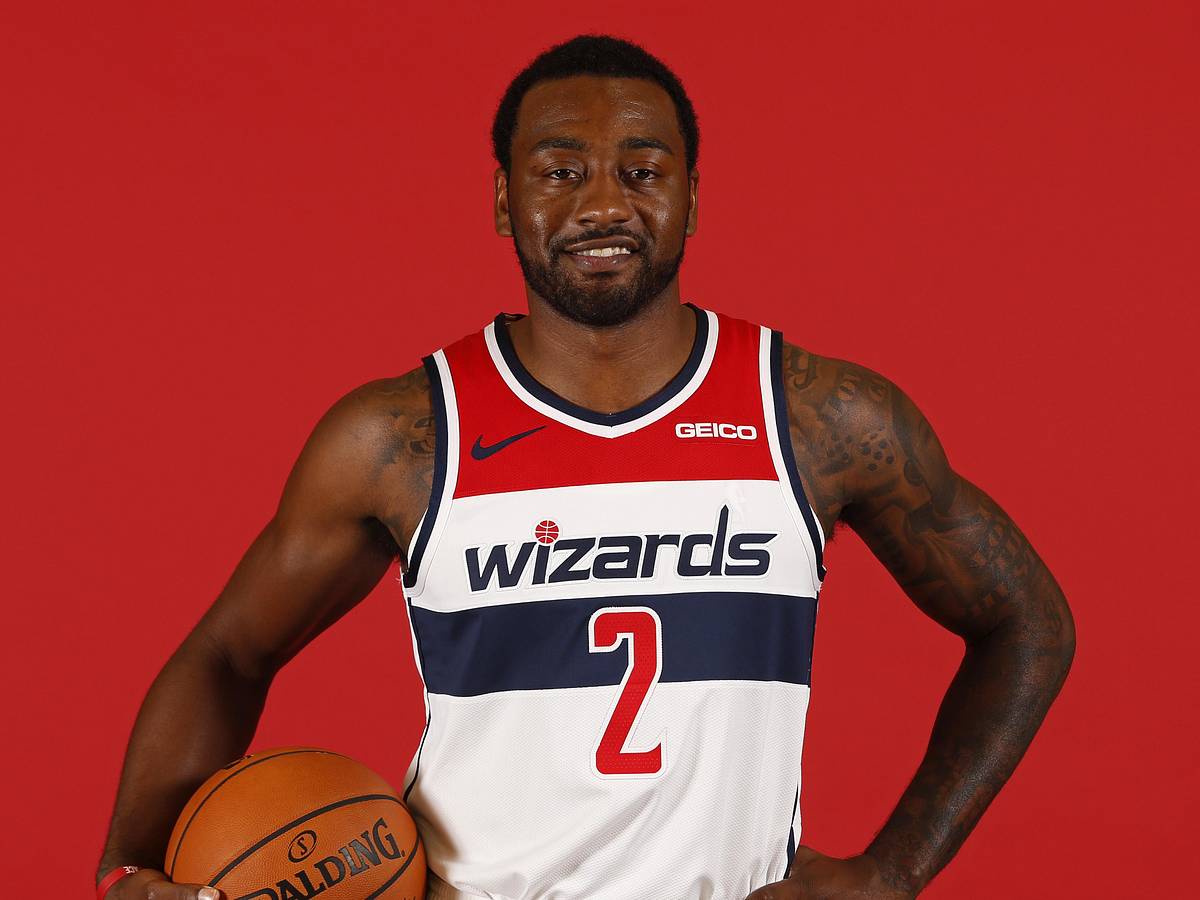
John Wall tattoos: Wizards portrait showing the contrasting arm pieces beside the uniform.

The arms are visible in many Wizards portraits, even when a jersey hides the chest. Photographs show lettering, small symbols and darker shaded sections on the forearms and upper arms. Some pieces are easy to identify by their outline; others are too small or distant to describe more precisely.

The work varies in scale as it moves from the forearm toward the shoulder. In the red-background portrait, dark linework stands out against the uniform. A front media-day image shows separate sections on both arms, though neither photograph establishes a meaning for every mark.
The repeated arm and shoulder symbols

John Wall tattoos: Front portrait showing repeated arm and shoulder symbols from a different angle.

Smaller marks across Wall’s shoulders and arms fill the spaces between larger images. They can be hard to see when a photograph focuses on his face or a game, but the same symbols appear across portraits. A mark near the shoulder may look like part of the neck or upper-arm work depending on the camera angle.

Wall has discussed the family portrait and religious designs, including the Psalm 23:4 reference and Valley of Shadows scene. The smaller symbols around them are visible, but their individual meanings are not documented in these sources. Comparing the chest close-up, shirtless portrait and game photographs gives a fuller view of their placement without assigning them an unsupported story.

A visual autobiography in layers

Wall’s collection reads more clearly as a set of layers than as a list. The chest portrait marks his connection to his father; the Psalm 23:4 reference and Valley of Shadows scene reflect the faith he has discussed. Lettering and smaller symbols sit around those larger pieces, while later additions have made the upper body more densely covered.

The styles also differ: the portrait uses fine facial shading, script creates longer lines, and smaller symbols break up the darker areas. The pieces don’t form one repeated stencil. Some have a documented meaning; others remain visual details in the available photographs.

The timeline from first reveal to later coverage

The Washington Post reported on Wall’s chest tattoo after it was added. Later features documented the Valley of Shadows piece and its connection to Psalm 23:4, while subsequent portraits show more coverage on his arms and shoulders. Together, those reports and photographs show the collection growing over time.

The chest portrait, religious designs, neck lettering and arm work give the clearest account of Wall’s tattoos. Photos show where the ink sits and how the pieces connect; Wall’s interviews and profiles provide context for the meanings he has shared. Other marks remain unexplained in the public record.

More athlete tattoo guides

Iñigo Martínez Tattoos: Maori-Inspired Arms and Family Tributes

In FC Barcelona’s official interview, Iñigo Martínez says he started with one tattoo and gradually added more in a Maori-inspired style. He names tattoos for his children and grandmother, a design of his goal celebration, and his sister’s name on his back.

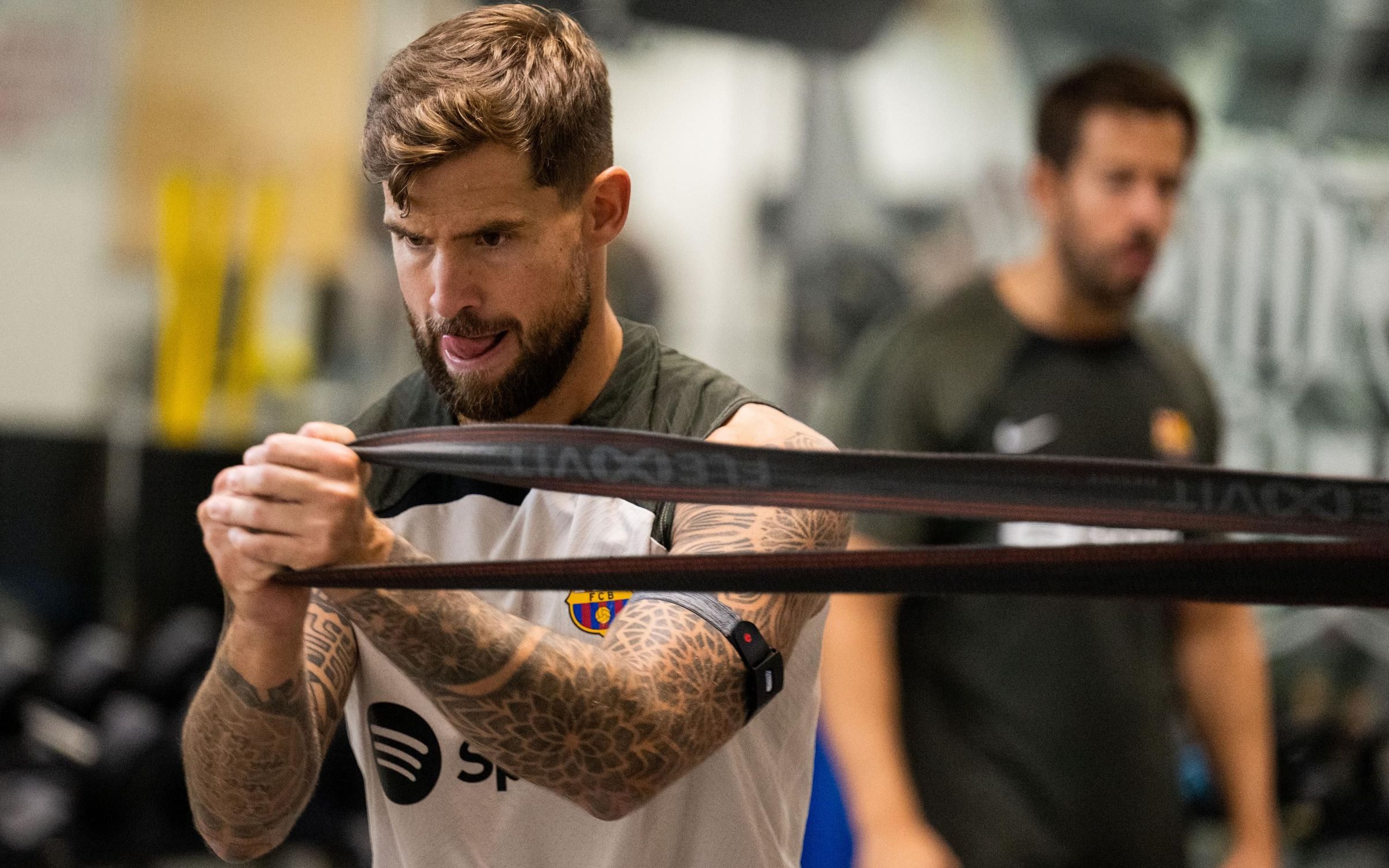
Most of the visible work covers his arms: two dense sleeves of black geometric patterns. The photographs show how they wrap from shoulder to wrist. The interview explains the family references, but Martínez hasn’t assigned a meaning to every shape.

Iñigo Martínez’s arm tattoos follow a Maori-inspired structure

Iñigo Martínez tattoos: Wide presentation view showing the paired Maori-inspired arm sleeves and their wraparound geometric structure.

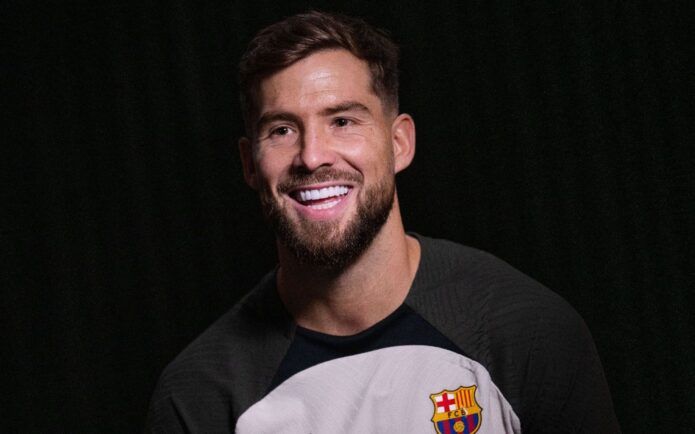
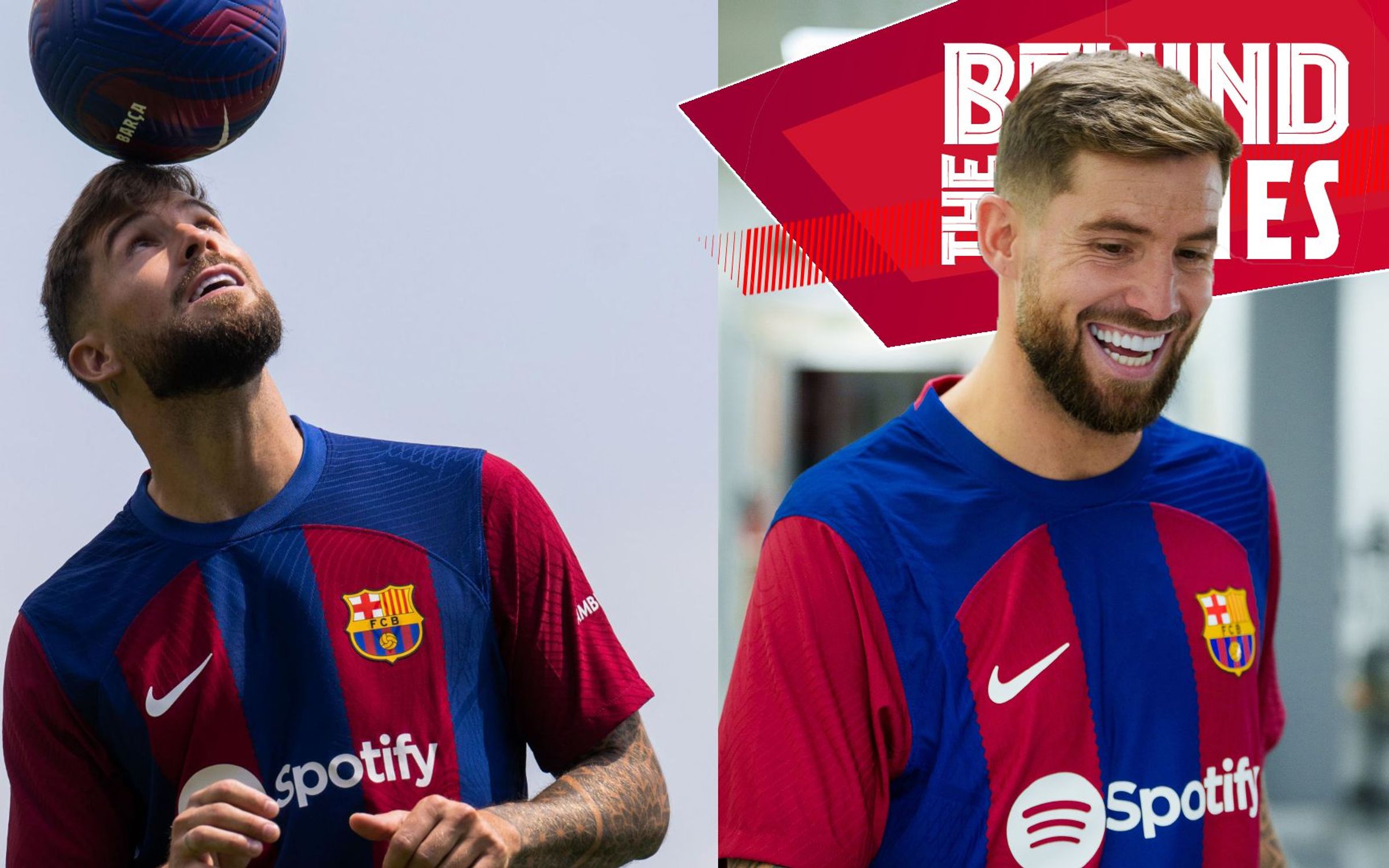
Barcelona’s presentation portraits show both arms side by side. Each carries a full sleeve of dark bands and interlocking shapes, with small breaks of skin between them. Martínez calls the style Maori; the images show repetition and symmetry, but don’t identify every motif.

The broad patterning sits behind smaller lettering and personal marks. Some details only come into view when he turns his arms or a photo moves closer.

The outer forearm patterns create the collection’s strongest rhythm

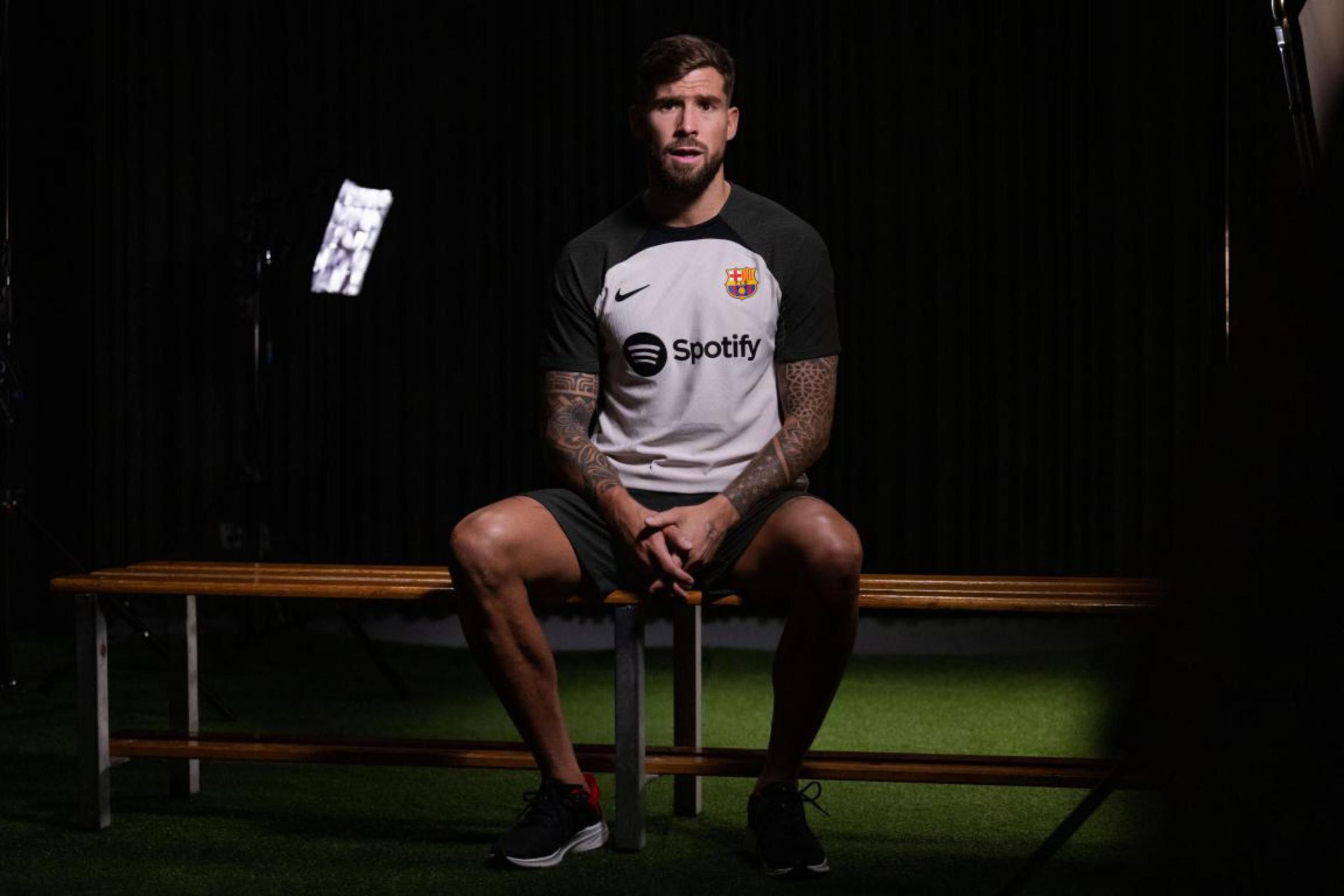
Iñigo Martínez tattoos: Presentation portrait showing the patterned exterior of both forearms at a readable scale.

One seated portrait makes the outer forearms easy to see. Triangles and curved shapes follow the length of each arm and wrap toward the sides. Lighter gaps keep the dense black ink from reading as one solid field.

The pattern shifts as Martínez bends his elbows, but the sleeve still reads as connected. The photos establish the placement, not the name or meaning of every design.

His right arm carries the most visible density

Iñigo Martínez tattoos: Football action frame showing the dense right-arm sleeve and its dark geometric coverage in motion.

In a Barcelona greeting photo, Martínez’s right arm is exposed from the upper forearm to the wrist. Wide bands, smaller interlocking shapes and shaded transitions form a dense sleeve. A few letters appear within it, though the image isn’t clear enough to read them all.

Martínez says some of his tattoos honor family. The sleeve is mostly a broad pattern with personal references within it; the photo alone can’t tell us which shapes carry which meaning.

The lower forearm work stays legible in motion

Iñigo Martínez tattoos: Training image showing the lower forearm patterning and wraparound coverage while Martínez moves.

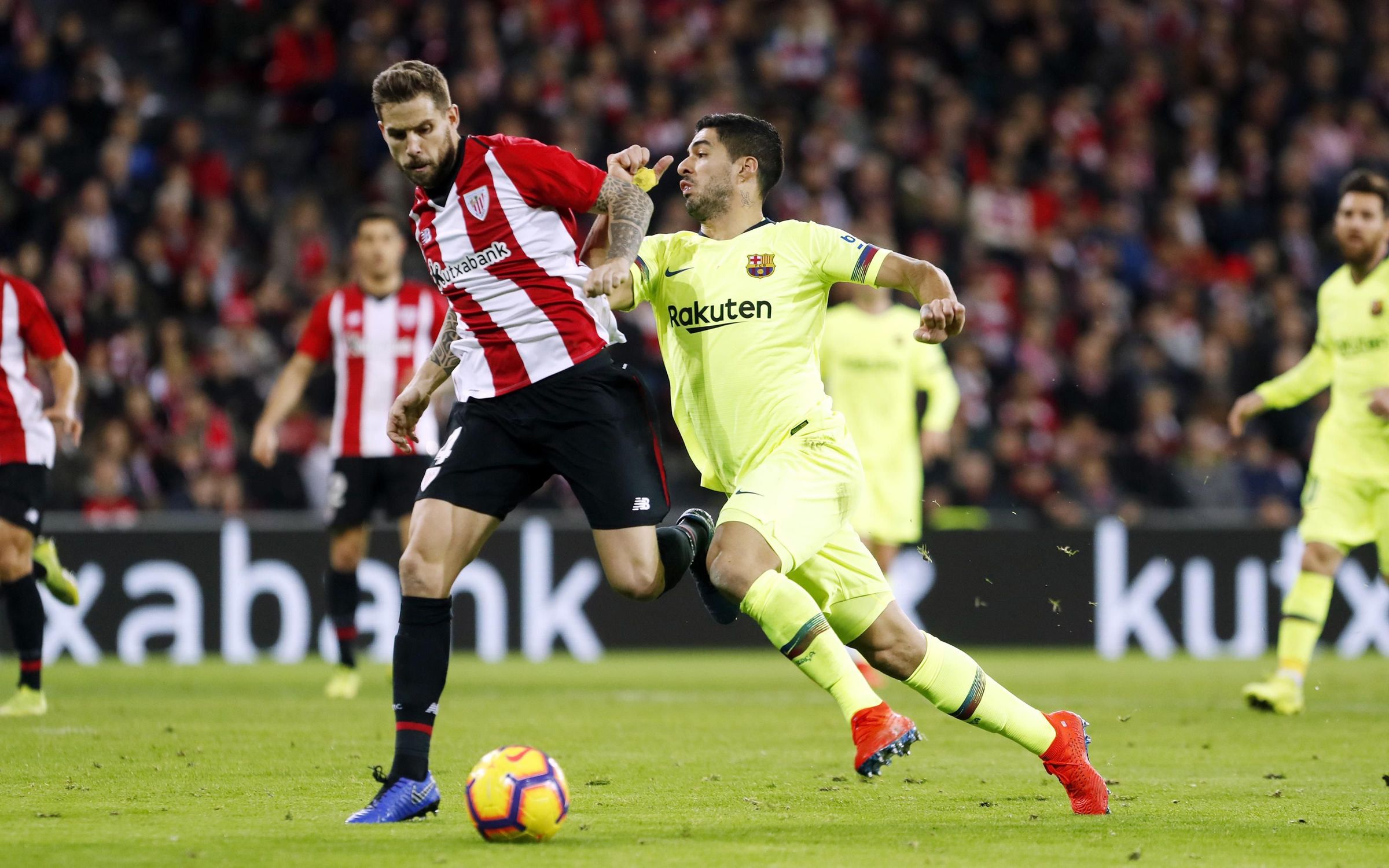
An action shot from Martínez’s Athletic Club period shows his lower arm as he runs. The dark pattern continues across the forearm and seems to wrap around the limb, standing out against his shirt and the stadium background.

The image predates the closer Barcelona portraits, so the sleeve was already part of his appearance across teams. It doesn’t separate individual pieces, but it confirms the heavy lower-arm coverage.

A newer celebration tattoo sits inside the larger sleeve

Iñigo Martínez tattoos: Official presentation collage showing the tattooed forearm in two distinct Barça portraits.

Martínez says he recently had his familiar goal celebration tattooed. He describes the gesture as a way to make his daughters laugh and hopes they’ll recognize it when they watch him score. He hasn’t specified where the design sits, so the photo can’t confirm its exact location.

He places the celebration alongside tattoos for his children and grandmother, making a football ritual another family reference.

Family references in Martínez’s story

In the interview, Martínez says some tattoos are for his children and others keep his grandmother with him. The photographs show the sleeve pattern; his explanation connects the personal marks to family.

He doesn’t map each design to each person. The confirmed details are the people and memories he names; reading more into unclear shapes would go beyond what he has said.

The private family tribute

Martínez also says his sister’s name is tattooed on his back, a tribute less visible in football photos than the sleeves. He says he got it because he loves her deeply.

He hasn’t described its size, lettering or exact position, so those details remain unknown.

Why Iñigo Martínez tattoos stand out

Martínez says he began with one tattoo and added to it over time. His Barcelona interview and the photos show a collection that now combines paired Maori-inspired sleeves with family references, including the newer design of his goal celebration.

FC Barcelona’s interview supplies the meanings he has shared and his description of the style. The official portraits, training and match photos show the tattoos’ placement; they don’t identify every mark.
More athlete tattoo guides