
Alissa Pili’s most visible tattoo is a Polynesian-inspired sleeve on her right leg. Photos also show smaller marks on her hand and upper body. Published accounts tie the sleeve to her Polynesian and Indigenous Alaska Native roots and describe how it grew.
A documented beginning
Pili has said it began with a small flower that reached toward her ankle. The IX Sports reported that she started the tattoo at fifteen and saw it as a representation of Polynesian culture; CBS Minnesota described the flower as the start of tribal tattoo art on her right leg.
Alissa Pili’s right-leg tattoo is a full Polynesian sleeve
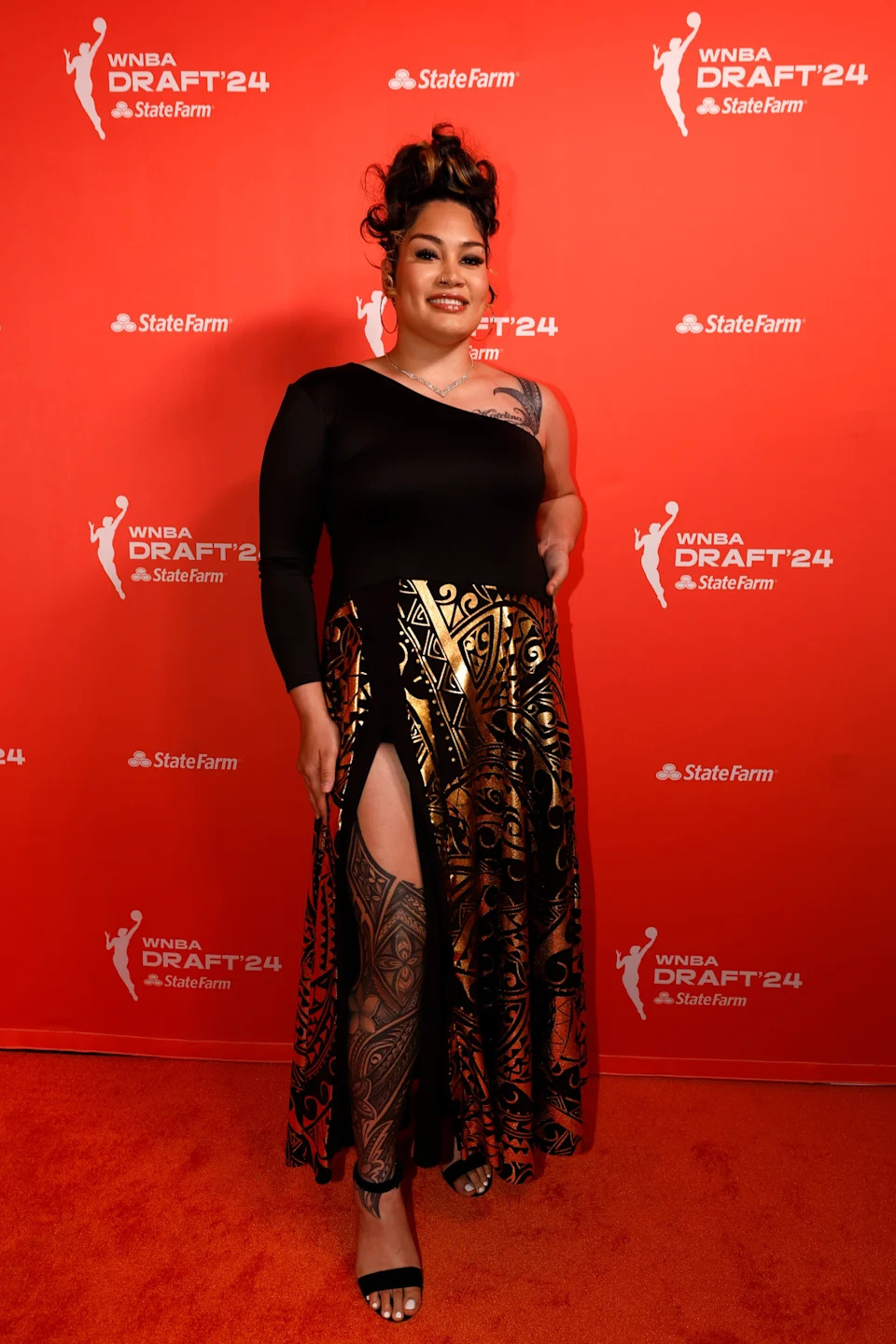
A seated portrait from Nike’s N7 campaign shows the tattoo from upper thigh to ankle. Curved bands, pointed geometric forms and tight black lines follow the leg, with larger dark areas around the thigh and knee and narrower patterns below.
The shapes read as connected sections rather than a single solid block. The full-length photograph makes the overall layout easier to see than close crops from games.
Flowers and woven patterns soften the heavy blackwork
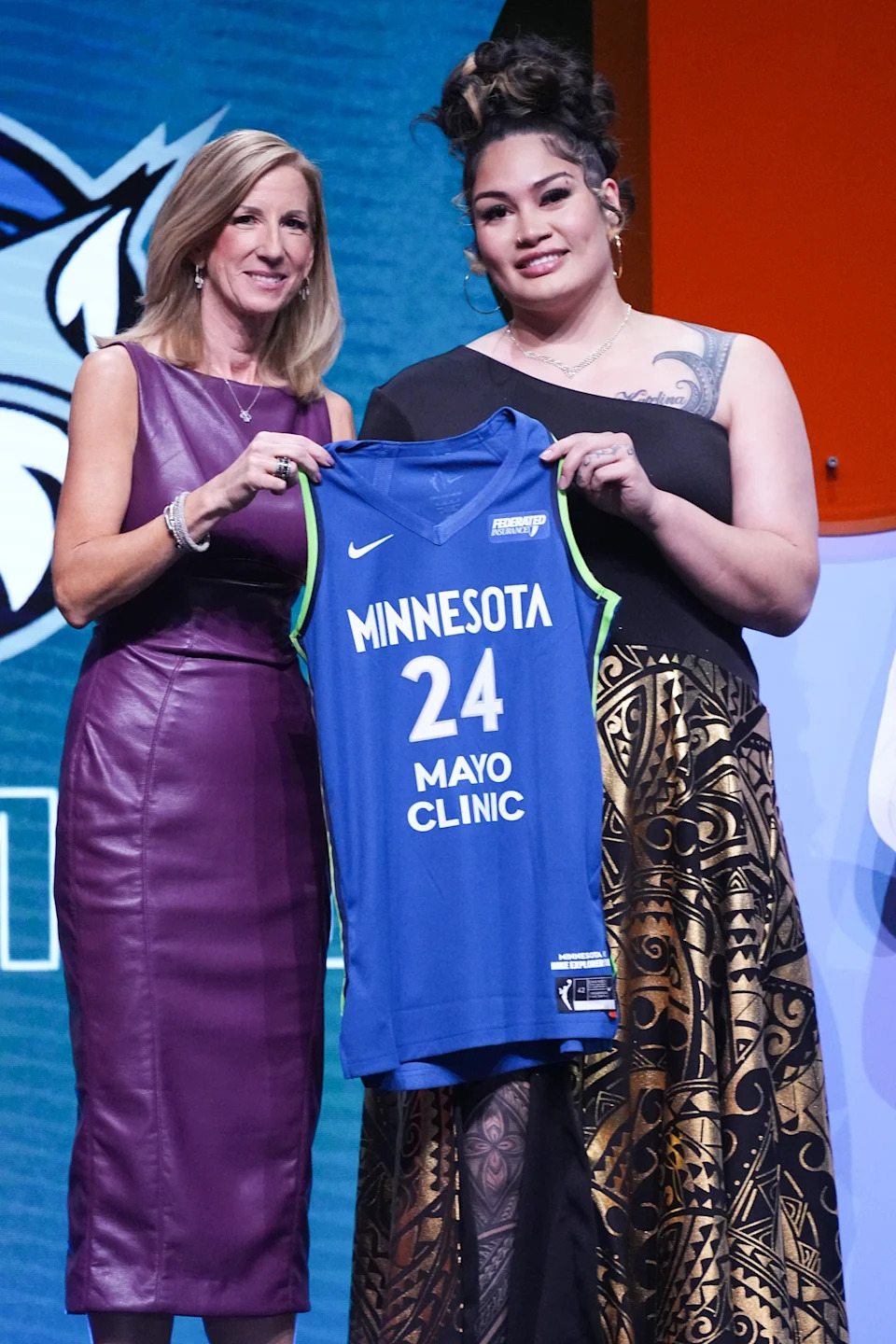
A portrait published by the Native American Indian Athletic Hall of Fame shows the flowers among the sleeve’s bands and geometric shapes. Open spaces and curved lines break up the darker areas.
Who What Wear reported that Pili worked with tattoo artist Lui Talo, who had also tattooed members of her family. Pili described an idea for three flowers with tribal patterns running through them. She said the flowers brought femininity to the otherwise strongly tribal design.
The tattoo is especially visible in Alissa Pili’s basketball photographs
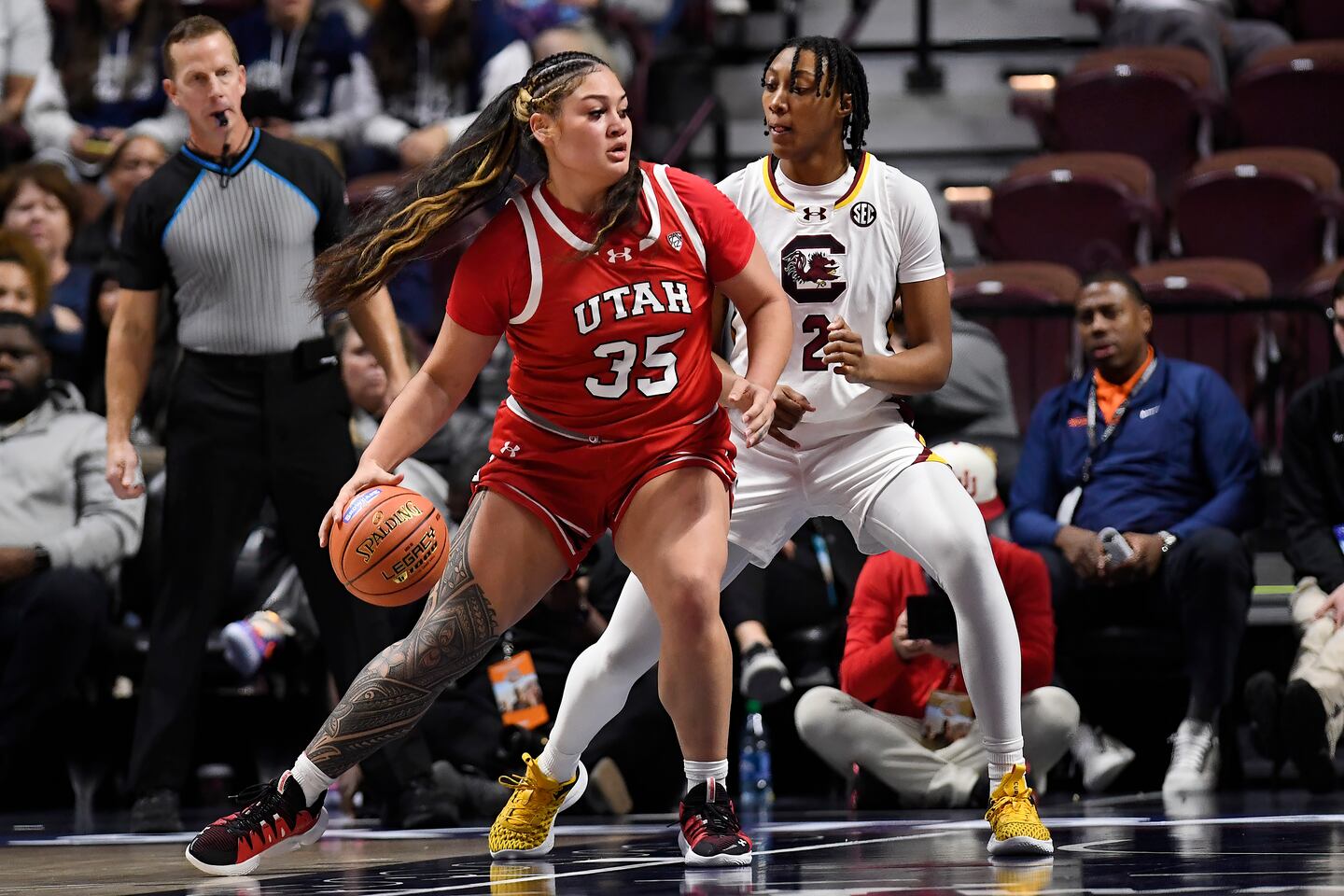
A Deseret News photograph from Utah catches the sleeve as Pili drives toward the basket. Her right leg stretches across the frame, showing how the bands and patterns continue along the thigh and lower leg as she moves.
Game uniforms leave much of the leg visible, so the high-contrast tattoo appears in both college and professional basketball photographs. The action shot records its placement in a way a posed portrait cannot.
A close portrait shows Alissa Pili’s hand tattoos
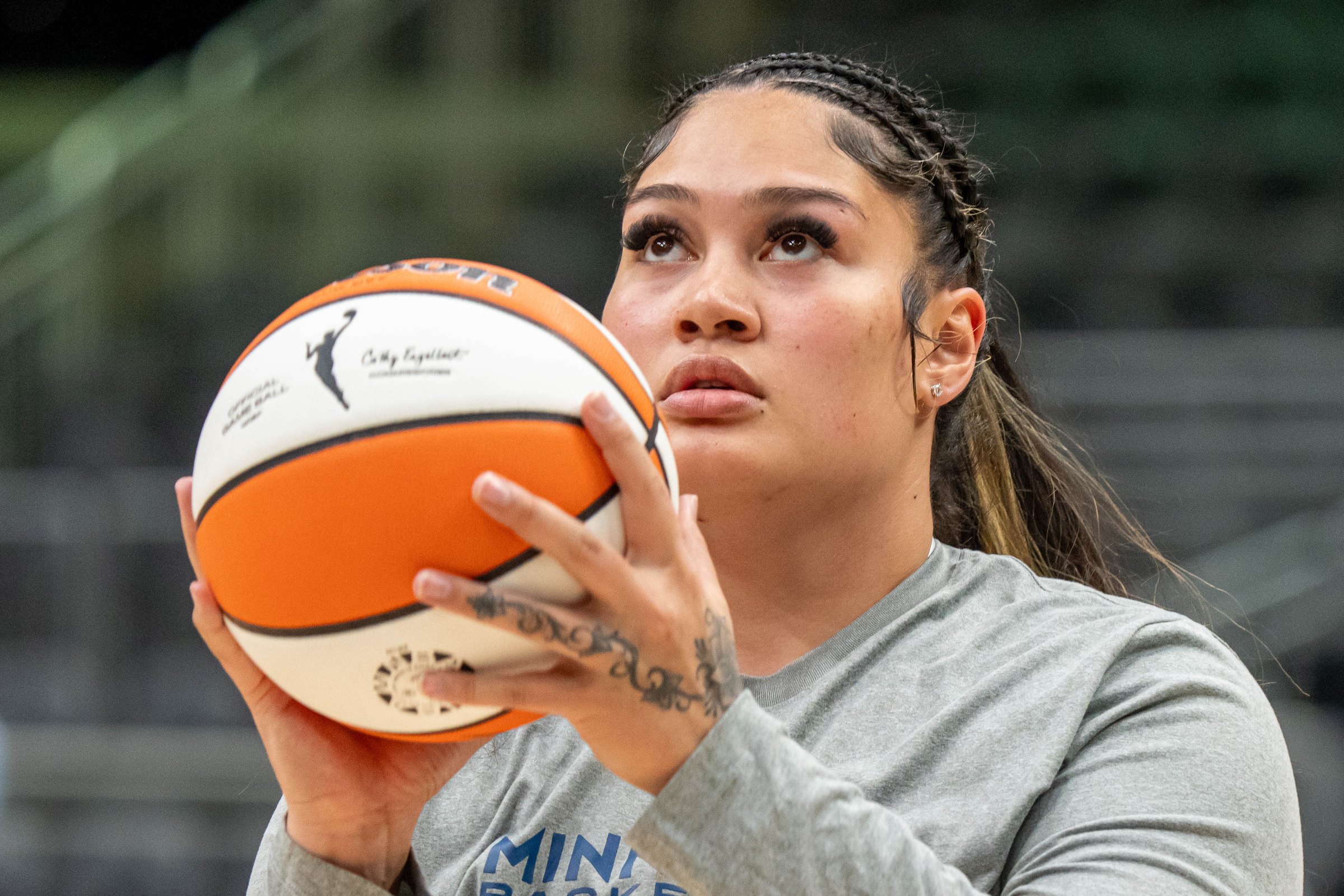
An Anchorage Daily News portrait shows script and darker shapes across Pili’s fingers and the back of her hand as she holds a basketball. The close view records where those smaller tattoos sit.
Professional basketball images show hand tattoo details
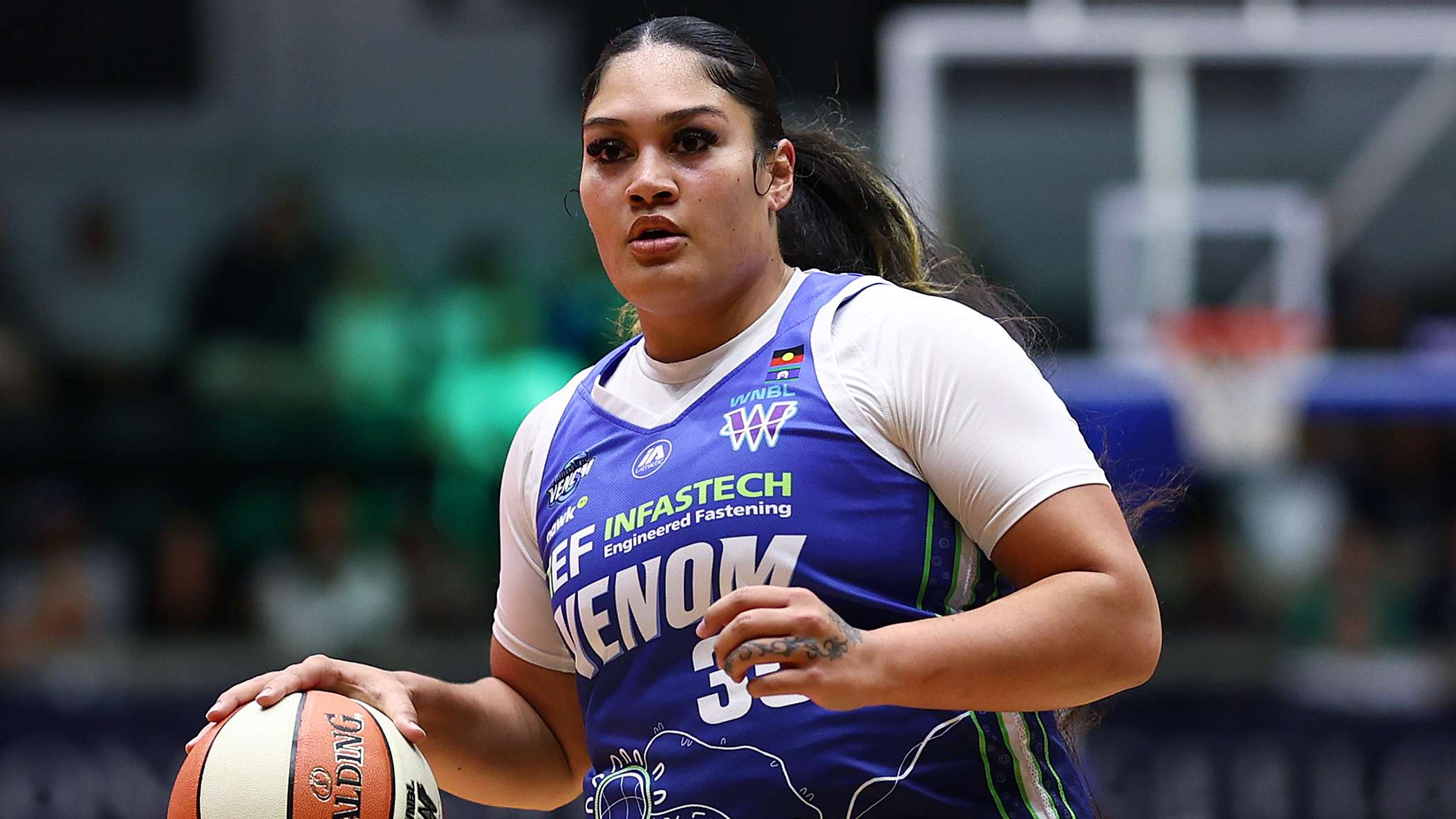
A later WNBL portrait frames Pili’s face, jersey and hands, keeping some of the hand tattoos in view while cropping out the leg sleeve. It shows the smaller work in a professional setting.
Published coverage gives the leg sleeve a cultural explanation and records its development. The hand marks are visible, but their individual meanings haven’t been described with the same detail.
The timeline moved through different stages
Who What Wear reported that Pili added to the tattoo over time and viewed the finished piece as representing different stages of her life. Reports place its completion around the end of her college career and her transition to the WNBA.
Family and Polynesian identity remain the clearest meaning
Pili has linked the work to family and heritage. FOX 9 described it as a tribute to her Polynesian heritage and quoted her pride in her Polynesian, Indigenous Alaska Native and family roots. The IX Sports called it a representation of Polynesian culture, and CBS Minnesota described tribal tattoo art on her right leg.
The Sometimes I Hoop episode adds personal context
The Players’ Tribune listing for the Sometimes I Hoop episode marks tattoos at 52:45, alongside topics including growing up in Alaska, family and Pili’s basketball journey. It gives readers a timestamp for that part of the episode.
The clearest reading of her public images
The photographs show the sleeve’s scale and pattern; Pili’s comments give its cultural and family context.
One thought on “Alissa Pili Tattoos: Polynesian Leg Sleeve, Flowers and Family Heritage”