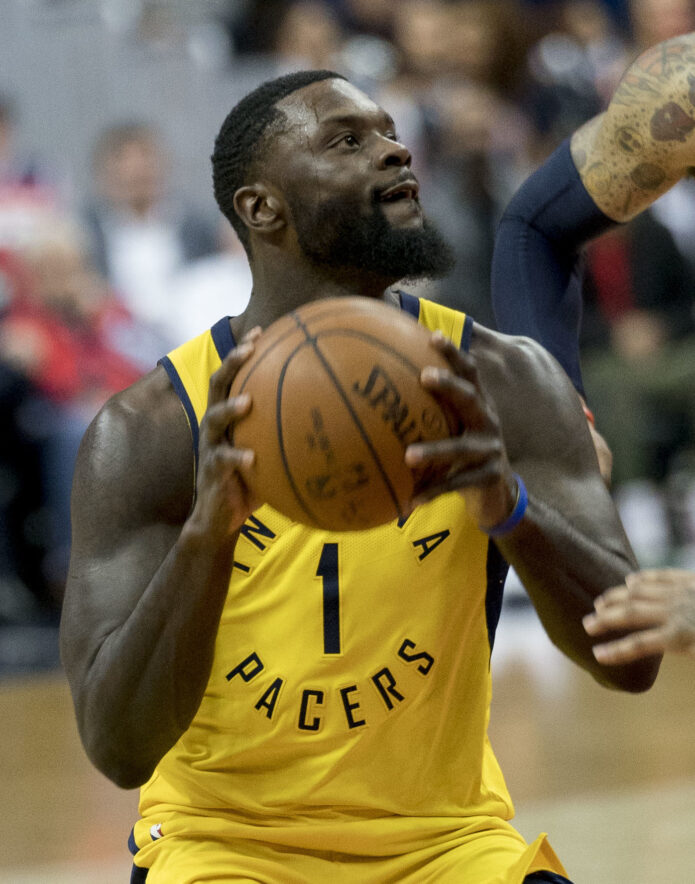
Lance Stephenson’s tattoos form a personal map of Brooklyn, family and the basketball identity he built as a teenager. In GQ’s Tattoo Tour interview, Stephenson walks through the pieces he remembers most clearly, explaining the people, places and phrases attached to them. His account covers a chest scripture for his late uncle, New York landmarks, family names, a daughter’s drawing, a grandfather’s name and the early Born Ready tattoo that he later covered.
The interview is unusually useful because Stephenson identifies both the subject and the placement of many designs. He says he began getting tattooed at 16 and added most of the collection between 16 and 18. The visual record is strongest across his arms, chest, hands and legs, where lettering and shaded forms appear in separate groups rather than one continuous sleeve. A later All Net tattoo marks the newer end of the timeline.
Stephenson also gives the tattoos a clear geography. Brooklyn is represented by the Statue of Liberty, the Brooklyn Bridge and the Wonder Wheel from Coney Island. Family is represented by names and a child’s drawing. The collection is therefore not a catalogue of abstract symbols. It is a set of personal references that connect his hometown, relatives and early basketball persona.
The chest scripture was Lance Stephenson’s first tattoo
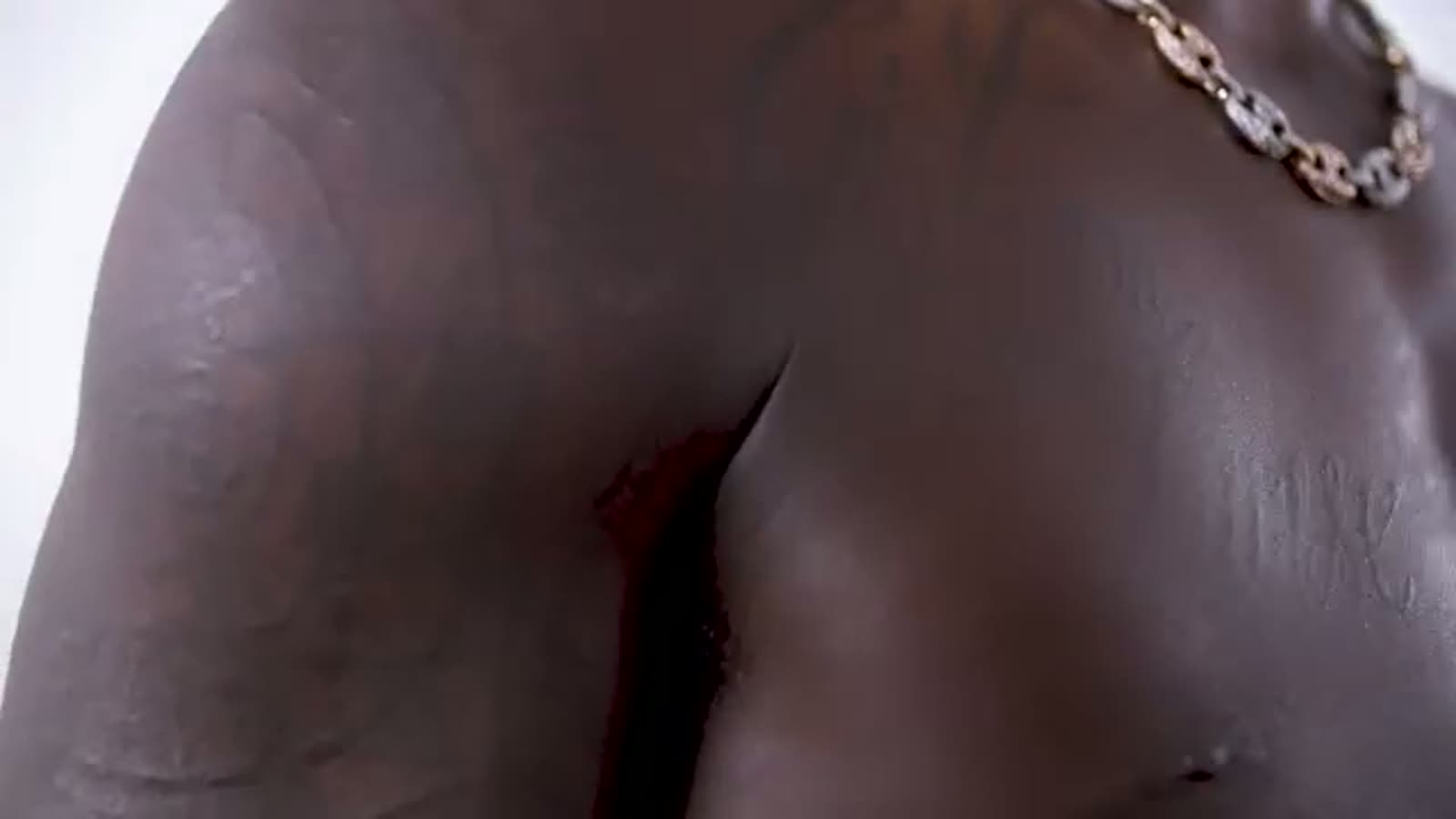
Stephenson says his first tattoo sits on his chest and honors his uncle, who had died. He describes the design as a scripture and places the tattoo at age 16, when he was still at the beginning of the collection. The story gives the chest piece a specific role in his tattoo history: it is the earliest memorial design he names, and its meaning comes from a close family relationship rather than from basketball branding.
He also recalls the circumstances surrounding the tattoo. The artist came to his house, and Stephenson describes the work as having been done by a hood guy. That detail places the first tattoo inside the informal setting of his youth. The chest scripture is not presented as a later celebrity image or a carefully staged fashion statement. It is the piece that began a period of rapid tattooing and established remembrance as one of the collection’s central themes.
The GQ footage shows how difficult some of the older ink can be to read at a distance. Stephenson himself jokes that viewers have to look closely at his tattoos and that he sometimes forgets what he has on his skin. In the interview, the design is explained through his memory even when the camera does not provide a full, high-contrast view of every line.
The Statue of Liberty tattoo carries his New York meaning
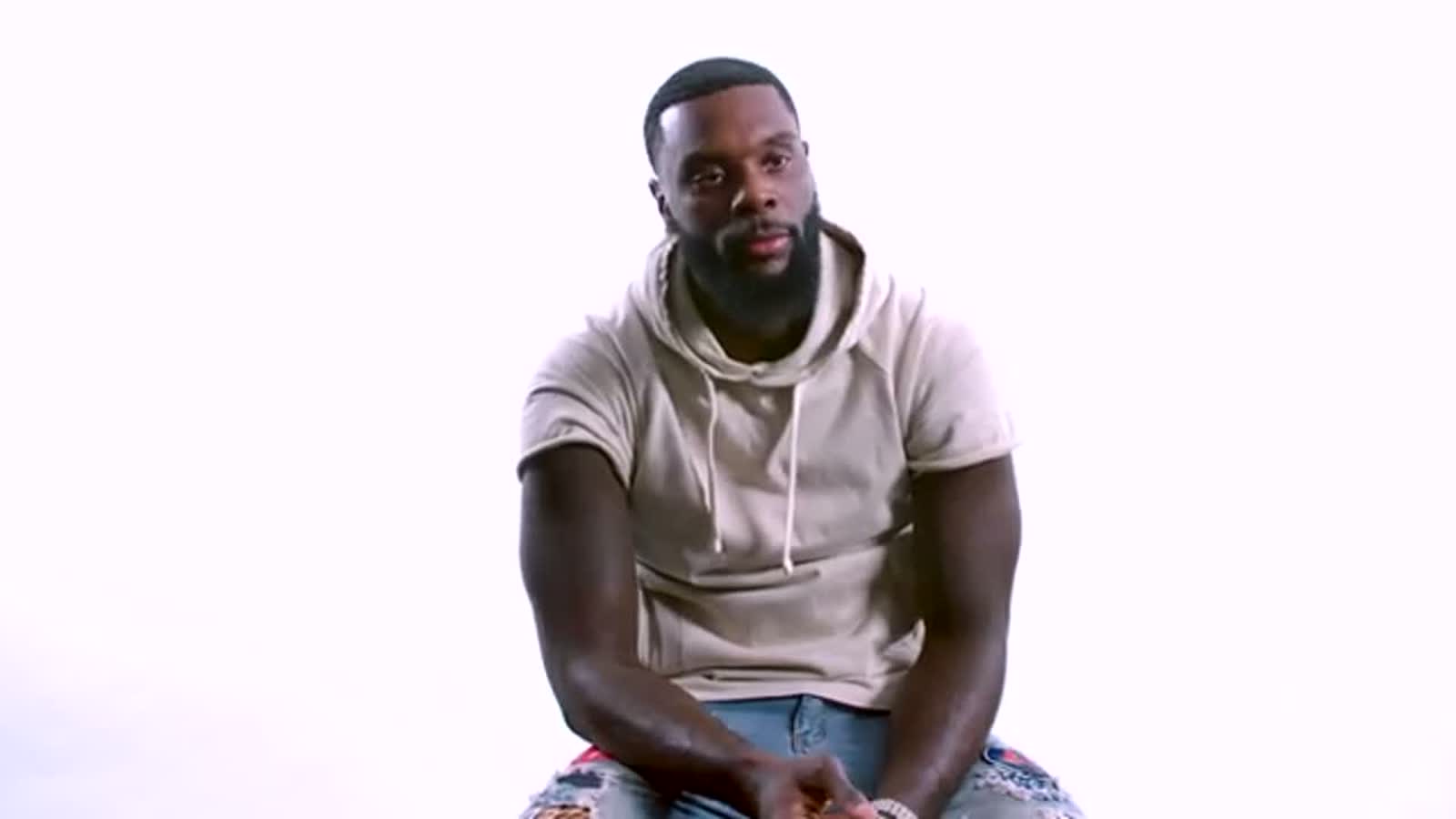
Stephenson calls the Statue of Liberty his favorite tattoo. He points to the piece while explaining that it represents New York, the place where he grew up. The image gives the collection a recognizable landmark, but its meaning is more personal than a generic city emblem. Stephenson connects it to Brooklyn and Coney Island, the neighborhood and community he describes as formative parts of his life.
The tattoo also carries the emotional contrast that runs through his account of Brooklyn. He remembers growing up in Coney Island and says the area was rough when he was there, while also acknowledging that it improved over time. The Statue of Liberty therefore sits inside a story about origin, difficulty and belonging. It is a New York symbol filtered through Stephenson’s own memories of the borough.
Visually, the Statue of Liberty is part of the larger upper-body field rather than a standalone image isolated from the rest of his ink. The surrounding arm tattoos make the landmark one element in a layered arrangement. That context matters because Stephenson’s collection is built from pieces added at different ages, with hometown imagery, family lettering and personal phrases sharing the same body area.
The Brooklyn Bridge tattoo records a familiar childhood route
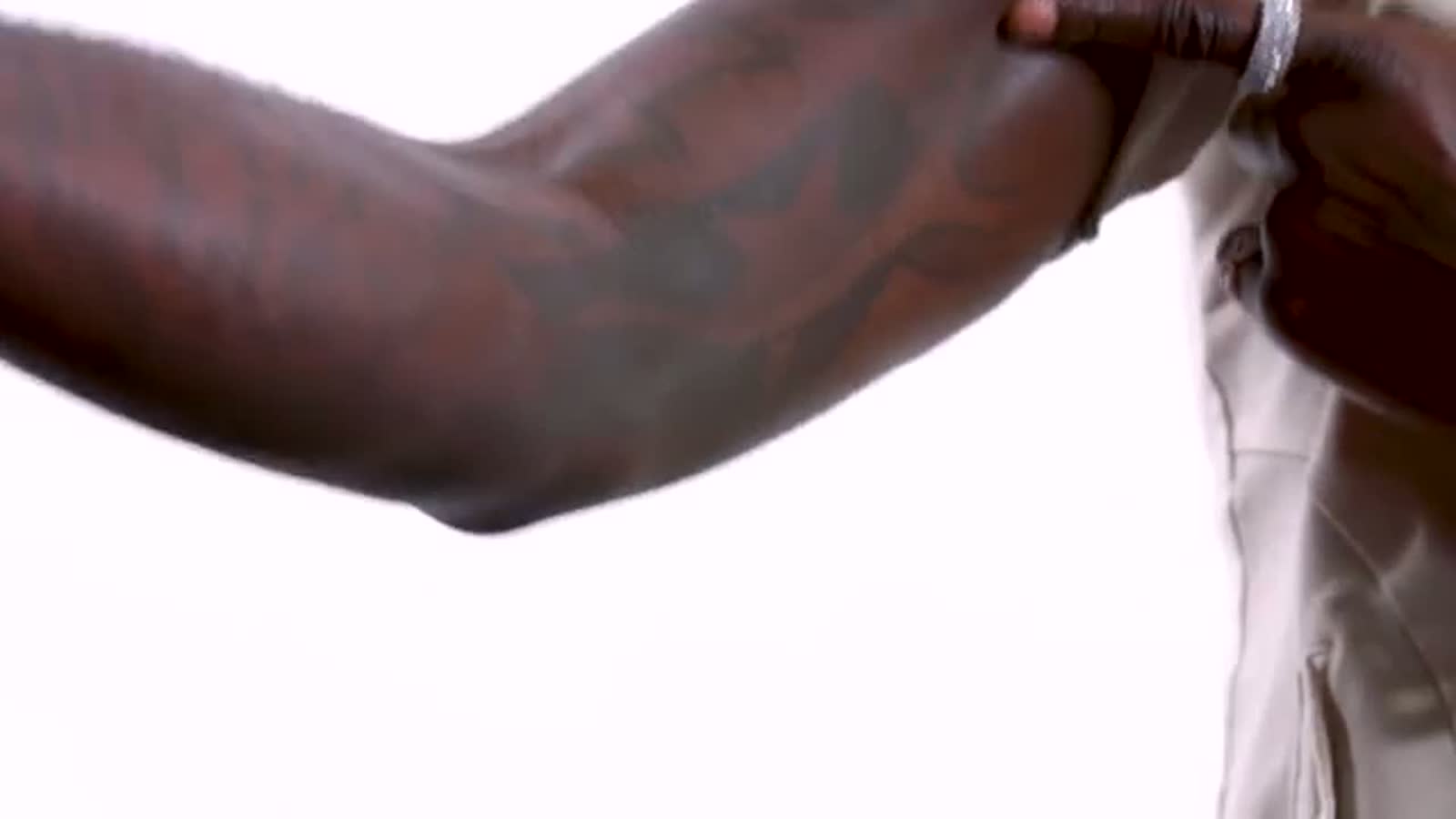
Another New York tattoo sits near the words Stephenson identifies as New York. He points out a bridge and names it as the Brooklyn Bridge, explaining that he used to run across the bridge while growing up. The placement turns a famous structure into a personal route. Its meaning is not based only on the bridge’s appearance, but on the repeated experience Stephenson associates with it.
He says the tattoo means a lot to him, and the explanation gives the design a different tone from the Statue of Liberty. The landmark is still connected to New York, but the Brooklyn Bridge carries motion and routine. It recalls Stephenson moving through the city as a young person rather than simply identifying the city on a map.
The bridge also helps explain why several of Stephenson’s tattoos work together as a Brooklyn group. The Statue of Liberty presents a national monument in a hometown context, while the bridge narrows the focus to the borough itself. The Wonder Wheel later adds Coney Island to the same visual record. Together, the pieces create a sequence of places that Stephenson names as part of his upbringing.
Family names and a daughter’s drawing occupy the arms and hands
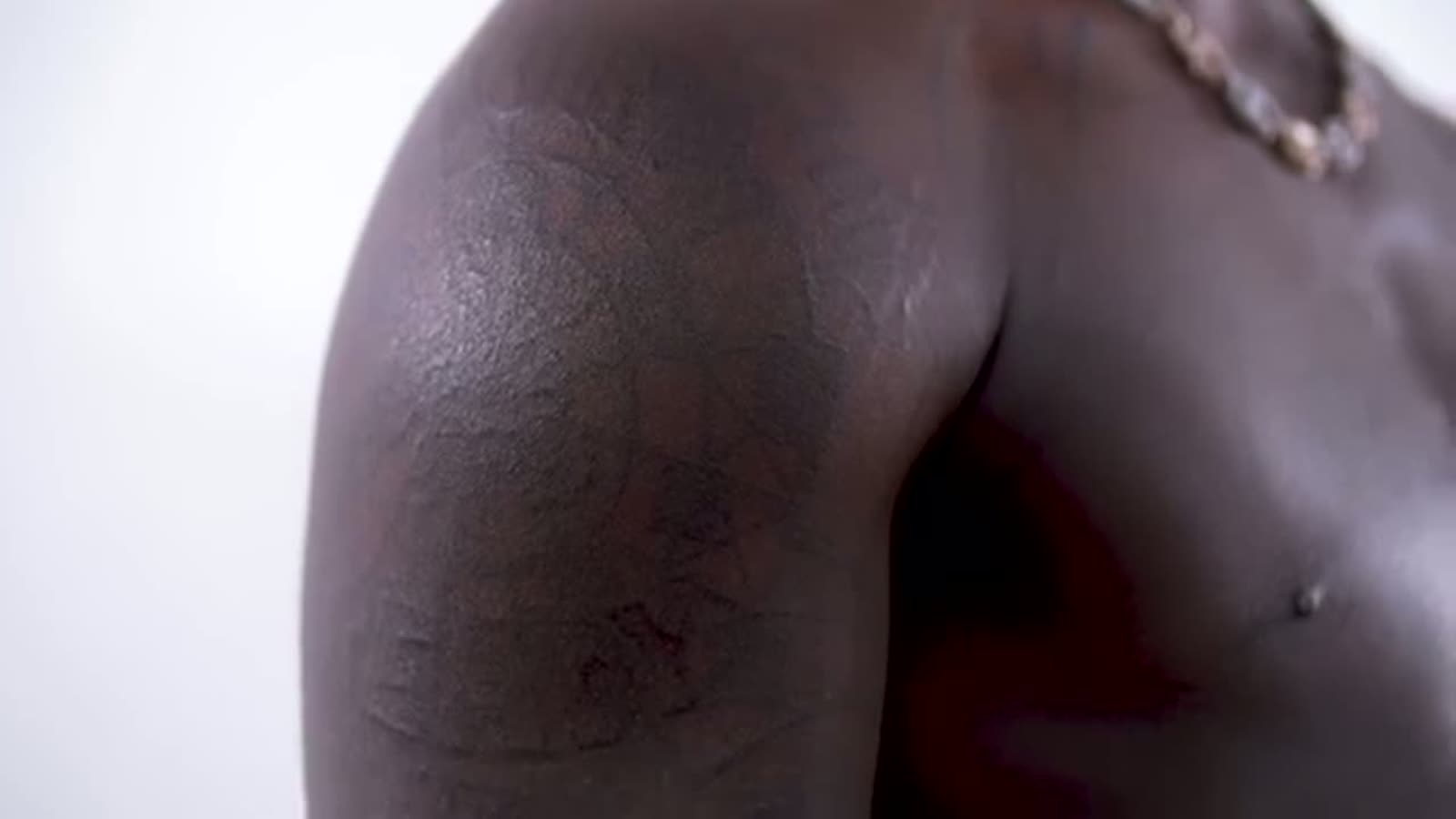
Stephenson says he has tattoos naming members of his family. He lists his son, brother, mother, father and daughters while pointing across the collection. The exact lettering is not catalogued in the GQ transcript as a single complete inventory, but the role of the names is clear. They keep his immediate family visible beside the hometown imagery and the older memorial scripture.
One of the most distinctive family pieces is a dove based on a drawing made by his daughter. Stephenson says she drew the design and that he placed it on his arm. That origin makes the tattoo different from the landmark imagery. The dove preserves a private piece of artwork created within his family. The Statue of Liberty and Brooklyn Bridge refer to public places, while the dove keeps the focus on a child’s drawing.
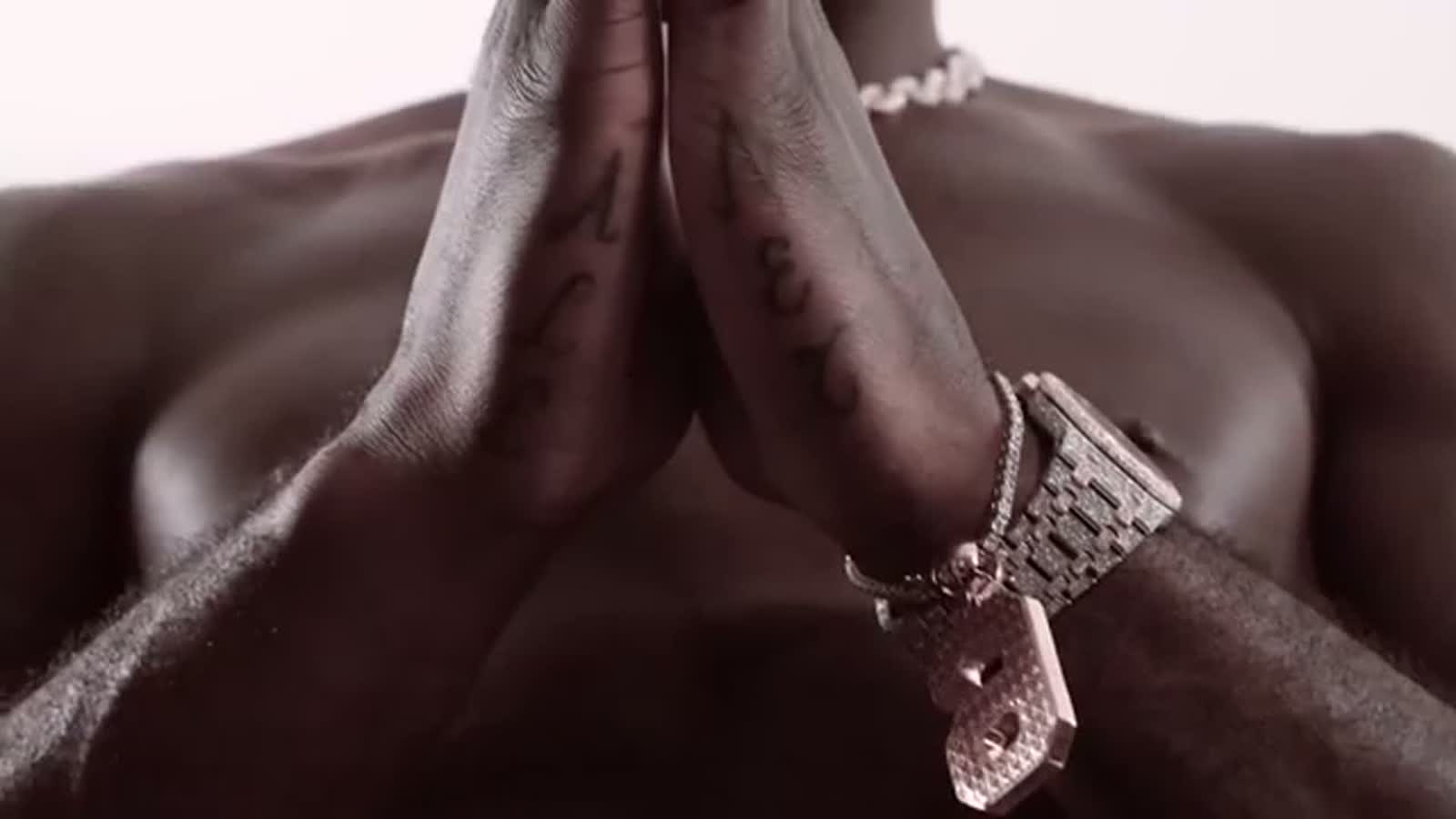
He also points to a child’s name on his hand. The hand placement extends the family record beyond the larger arm designs and makes the lettering part of the most visible areas of his day-to-day appearance. In the footage, the hand and wrist marks sit among jewelry and other arm ink, creating a dense transition from the forearm to the fingers.
These tattoos show how Stephenson’s collection combines words and pictures. Names carry direct identification, while the dove carries an image made by a family member. The pieces do not need a broad symbolic interpretation because Stephenson gives their relationships plainly. They are records of his children and relatives, placed alongside the designs that preserve Brooklyn and the memory of his uncle.
The Wonder Wheel covers an early Born Ready tattoo
The Wonder Wheel tattoo is one of the clearest examples of Stephenson revising an older piece. He identifies the wheel as a reference to the Coney Island amusement park, bringing the neighborhood into the collection through a specific attraction. He also explains that the design covers an earlier tattoo that said Born Ready and included a cartoon baby holding a basketball.
Stephenson says he disliked the way the baby had been drawn, so the Wonder Wheel and nearby work were placed over it. The cover-up story links the tattoo to his early basketball identity while also showing that the visible collection does not always reveal the first design underneath. Born Ready was an important phrase for Stephenson, but the image attached to it became the least favorite part of the piece.
The Wonder Wheel is visually and historically tied to the Statue of Liberty and Brooklyn Bridge. All three designs refer to New York, but the wheel is the most local of the group. It points directly to Coney Island, the place Stephenson names when describing where he grew up. The cover-up therefore transformed an imperfect early tattoo into another piece of hometown imagery.
Later additions broaden the timeline
Stephenson identifies a leg tattoo that says Sir Lancelot. When asked whether it reflects a fascination with Camelot, he laughs and explains that Sir Lancelot was his grandfather’s name. The design is another example of a phrase that could be read as a character reference but has a family meaning in Stephenson’s own account.
The leg piece broadens the collection beyond the chest, arms and hands. It also shows that Stephenson’s lettering is not limited to first names or short declarations. The full Sir Lancelot phrase carries a personal name into a more theatrical form, while the explanation keeps the meaning connected to his grandfather rather than to medieval imagery.
Near the end of the interview, Stephenson points out a newer tattoo that says All Net. He describes it as the only new addition among the tattoos he discusses, separating it from the pieces he received between 16 and 18. All Net brings basketball language back into the story after the earlier Born Ready design and its cover-up, but without replacing the family and Brooklyn references that dominate the collection.
A documented timeline of home and family
Stephenson’s documented tattoos preserve several kinds of memory at once. The chest scripture remembers his uncle. The Statue of Liberty and Brooklyn Bridge locate his identity in New York and Brooklyn. The Wonder Wheel returns to Coney Island. Family names and the daughter-drawn dove keep relatives and children close to the larger public symbols.
The collection also records change. Stephenson’s earliest tattooing happened quickly, with most of the named pieces arriving during his teenage years. The Born Ready cover-up shows that an early design could be altered when its execution no longer suited him. The later All Net lettering adds a newer basketball reference without turning the rest of the collection into a single sports theme.
There is no complete public inventory of every line on Stephenson’s body, and the GQ interview does not claim to name every mark. The strongest record comes from the pieces he identifies himself: a chest scripture for his uncle, the Statue of Liberty, the Brooklyn Bridge, New York lettering, the Wonder Wheel, family names, a daughter’s dove, Sir Lancelot and All Net. Those details are enough to show a consistent pattern of place, family and personal history.
Lance Stephenson’s tattoos read as a visual autobiography of Brooklyn and the people attached to it. The designs move from a first memorial tattoo to landmarks, relatives, childhood routes and basketball phrases. Their meanings are most reliable when Stephenson supplies them directly, and together they show how his ink developed from teenage pieces into a layered record of family and home.