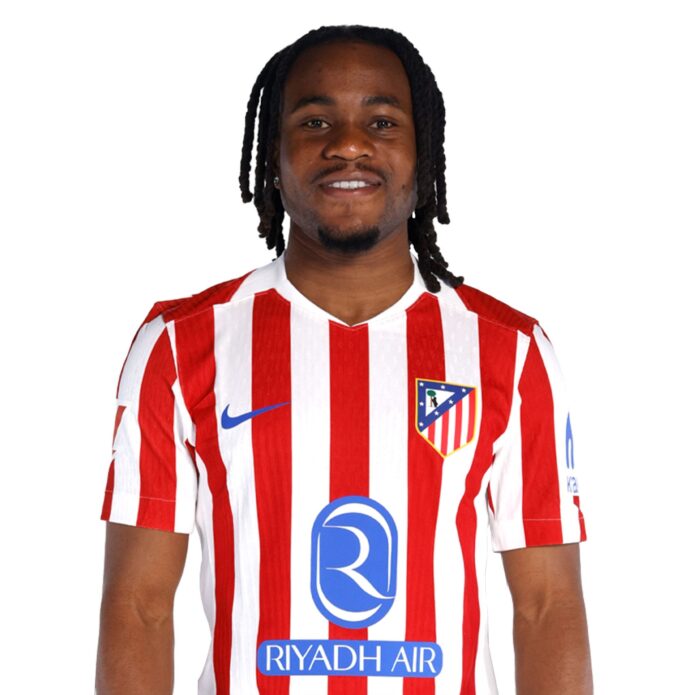
Ademola Lookman kept his ink pretty quiet for most of his career. Then a holiday photo changed that in a hurry. In June 2026, the Atlético Madrid winger shared pictures from his break, and one of them showed a large tattoo spread across his upper back and shoulders. Another image gave a look at artwork around his arm and shoulder. Until then, Lookman had usually been seen as the clean-cut, fast, sharp-edged footballer who let his play do the talking.
The reveal felt surprising because it wasn’t framed like a big announcement. There was no long caption explaining every symbol and no carefully staged tattoo-tour video. It was just part of a set of holiday pictures, with Lookman sitting by a pool and later appearing in a tank top. That low-key presentation is part of what makes the images interesting. The tattoo is new to the public, but the moment around it feels relaxed.
What can be said with confidence is fairly simple. The tattoo work is extensive, the main visible piece covers much of the upper back, and additional ink reaches the shoulder and arm area. Lookman hasn’t publicly explained the design’s meaning in the reporting around the reveal, so there’s no reason to turn the shapes into a made-up story. For tattoo inspiration, the useful part is the scale, placement, and way the work changes the balance of his silhouette.
The upper-back tattoo is the big reveal
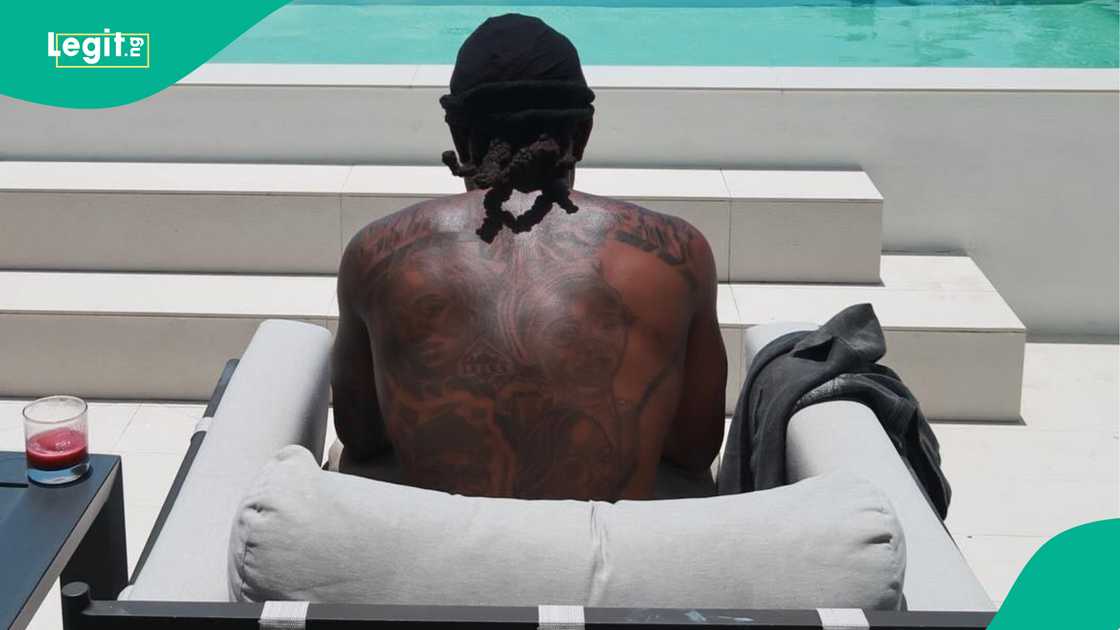
The clearest image shows Lookman from behind in a black cap, seated on a pale outdoor chair beside a bright blue pool. The back tattoo stretches across the shoulders and continues down through the upper-back area. It’s a large upper-back tattoo, a dark, detailed composition rather than a tiny symbol tucked under a sleeve. From this angle, the piece reads as one broad field of ink, with several forms layered across the skin.
The photograph doesn’t give a clean enough view to identify every figure, and that’s fine. The important visual point is how the tattoo uses the width of the back. The design begins near the shoulder line, occupies the space between the shoulder blades, and continues down far enough to feel connected to the torso. It has the kind of scale that needs a tattooer to think about the body as a moving surface, not a flat rectangle.
Large back pieces can look very different depending on posture. When the shoulders roll forward, the skin folds and the design compresses. When the wearer stands tall, the composition opens up. Lookman’s poolside photo catches him seated, so the ink has a slightly compressed, lived-in quality. That makes the piece feel less like a catalogue picture and more like a real view of how it sits on the body during an ordinary moment.
There’s also a useful lesson in the contrast. The bright water, white steps, and light chair make the dark tattoo easy to see, but the image isn’t built around it. The ink appears because Lookman happened to share a shirtless photo. If you like the idea of a substantial back tattoo but don’t want to make it the first thing people notice, that kind of placement gives you options. It can be covered by a shirt and still have plenty of room to breathe when it’s shown.
A closer look at the shoulder and arm
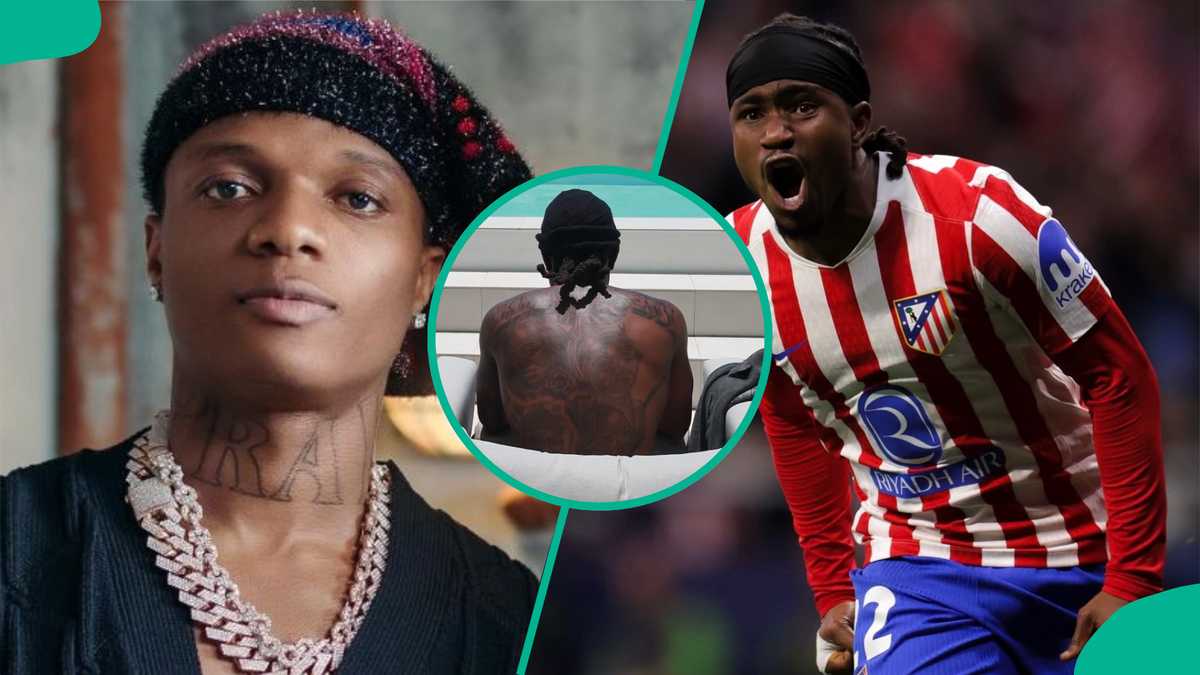
A second image gives a different view. It’s a collage with Lookman in an Atlético shirt, a portrait, and a central crop of the tattoo reveal. The central detail confirms that the work doesn’t stop neatly at the middle of the back. The ink reaches toward the shoulder and upper-arm area, which gives the whole collection a more connected feel.
That shoulder transition matters. A back tattoo that ends in a hard straight line can look like a panel placed on top of the body. When the design travels over the shoulder, it can follow the roundness of the muscle and make the piece feel more natural in motion. Lookman’s visible work seems to take that route, although the public photographs don’t show enough detail to describe the exact linework or colour choices responsibly.
The collage also shows why a single photo can be misleading. In one frame, the tattoo looks like a broad back composition. In another, the shoulder and arm make it seem more like the beginning of a larger upper-body project. Both readings can be true. Tattoos change as the body turns, and a piece that looks self-contained from behind may be designed to connect with later work.
If you’re planning something similar, the shoulder is where a good consultation earns its money. Ask the artist to show the design from the back, side, and front before the stencil goes on. The piece should still make sense when your arm is relaxed, raised, or moving across your chest. Lookman’s reveal is a good example of why the tattoo should be designed around the wearer’s shape instead of copied from a single screenshot.
The timing made the reveal feel casual
The tattoo appeared during a break after a demanding season, while Lookman was also settling into a major new chapter with Atlético Madrid. That context matters, but it doesn’t prove a hidden meaning. The reporting says fans were surprised because he had rarely been associated with visible tattoos before. It doesn’t say that the piece marks a transfer, a trophy, or a particular personal event.
That’s a good reason to keep the article grounded. Celebrity tattoos often get wrapped in instant theories because readers want a neat explanation. Sometimes the person has already shared the answer. Here, the available evidence is visual: new body art, a large upper-back design, and additional work around the shoulder and arm. Until Lookman explains more, the honest description is also the most useful one.
The timing does show how tattoos can arrive in public view. A footballer can go through years of interviews and match photos without giving anyone a clear look at their back. Then one holiday post changes the record. It doesn’t necessarily mean the tattoo was done that week. It means that this was the first time the public got a proper look.
Lookman’s new club chapter
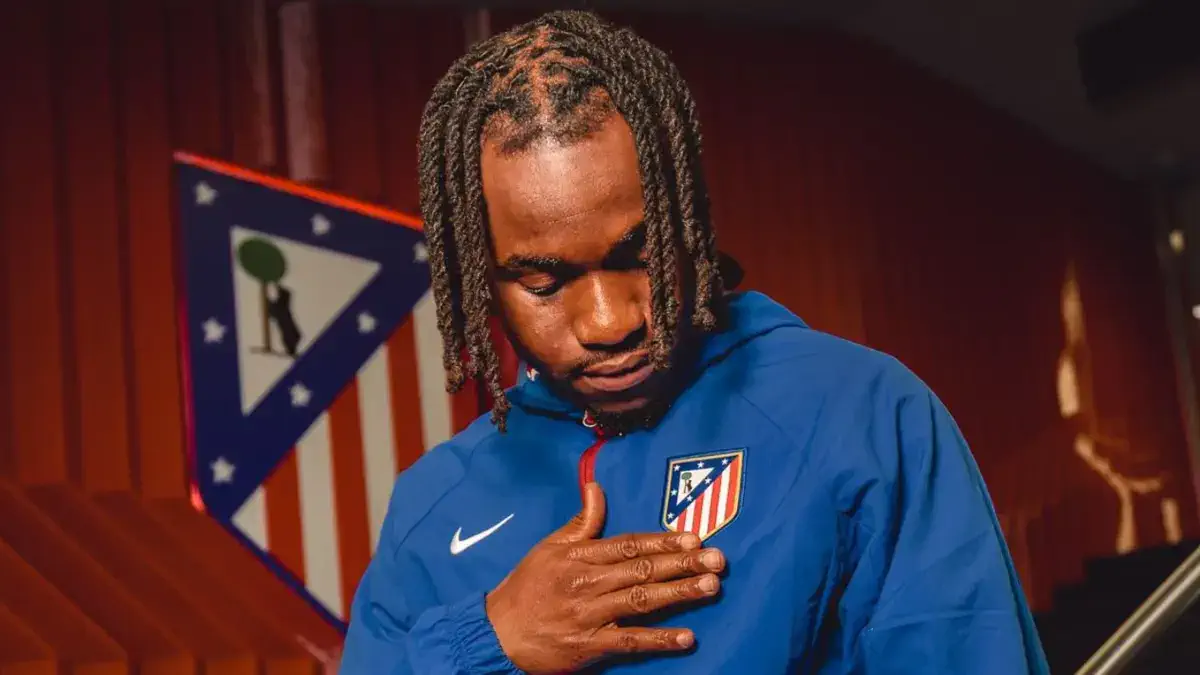
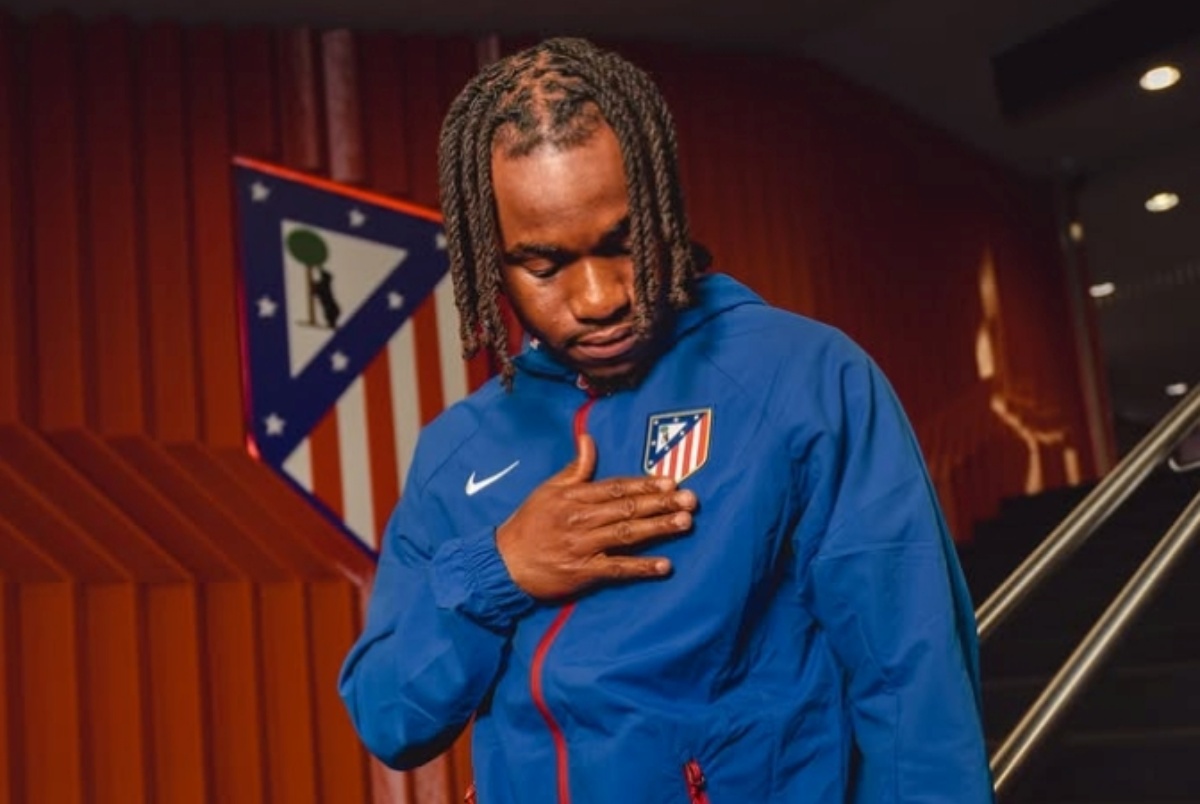
Lookman’s move to Atlético Madrid gives the tattoo reveal a fresh backdrop. The presentation images show him in the club’s red-and-white colours, a completely different visual language from the poolside photo. In one setting, the focus is holiday downtime and the back tattoo. In the other, it’s a new football identity, a new shirt, and a new stage in his career.
The two ideas don’t have to be connected. A tattoo can be personal without being a football tattoo, and a transfer can matter without being written on the skin. Still, the contrast makes the ink easier to understand as part of Lookman’s changing public image. The club photos put attention on his face and kit. The holiday photo puts attention on the back and shoulders. Together, they show how quickly a person’s visual presentation can shift.
For anyone considering a large piece, this is another practical point: think about how it will look beside the clothes you actually wear. A back tattoo can disappear under a training top, peek above a vest, or become the main feature of a beach photo. Placement isn’t only about the tattoo itself. It’s about how often the design will be hidden, partly visible, or seen in motion.
Lookman in context
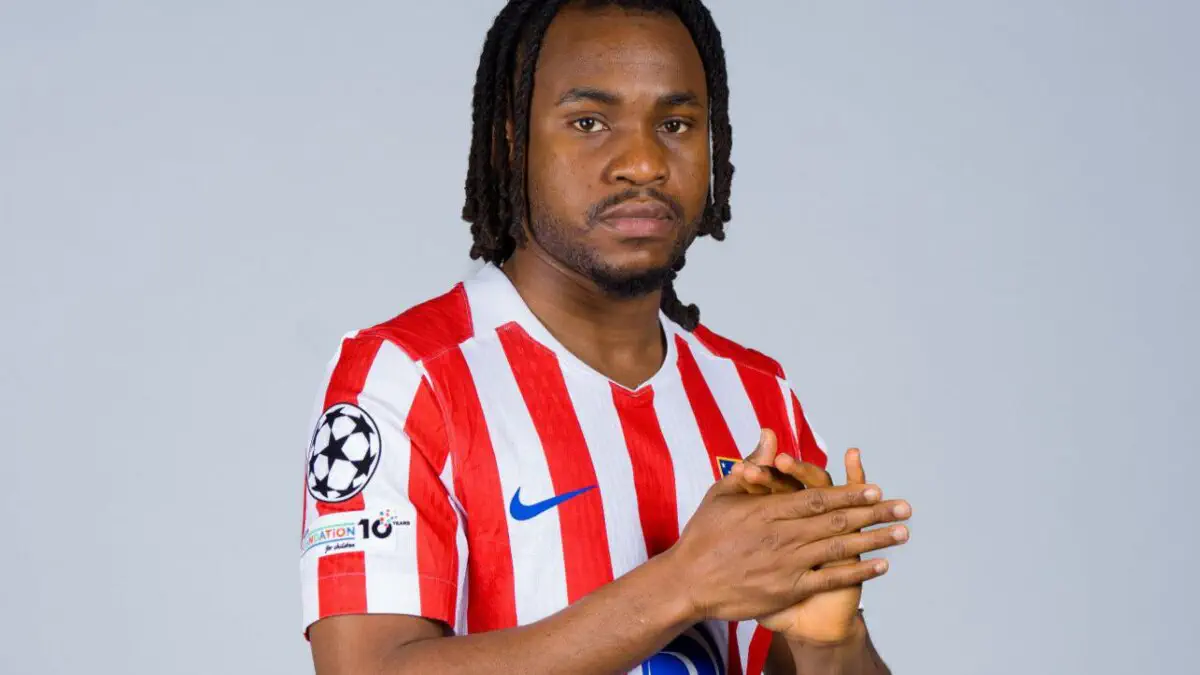
The older Atalanta portrait gives a useful comparison because it shows Lookman front-on in a team shirt, without turning the tattoo reveal into the subject. The image is contextual only, not evidence of the back tattoo. It helps place the story around the person rather than pretending every photograph is tattoo proof.
That distinction matters when building a tattoo gallery. A portrait can make a page feel complete, but it shouldn’t be labelled as evidence for ink that the image doesn’t show. The same rule applies to match photos, transfer pictures, and casual shots with friends. They can add background and personality in the right section. They just need honest captions and alt text.
Lookman’s tattoo story is still at the early stage. We know what the public photos show, but we don’t have a confirmed explanation for the imagery, the artist, or the date of the session. That leaves room for a better follow-up if he ever talks about the piece. For now, the design’s strongest feature is its presence: a wide, dark upper-back tattoo that changes the shape of his profile and carries into the shoulder.
Practical placement notes
The best idea to borrow from Lookman’s tattoo isn’t the exact artwork. It’s the way the placement gives the design room. A large back piece can hold detail without crowding the face, hands, or neck. It can be private under normal clothes and still have a strong visual impact when the wearer chooses to show it.
Start with the body area, not a random image from social media. Decide whether the tattoo should stay inside the back or travel over the shoulders. Think about how much skin you want covered now and how much space you want to save for later. If the artist expects the piece to grow, that plan should be discussed before the first line is tattooed.
Also be realistic about the photograph you’ll use as a reference. A holiday post may have bright sunlight, a particular pose, and a flattering camera angle. Your skin, posture, and proportions will be different. Bring the reference to the consultation, but let the tattooer redraw the composition for you. A strong tattoo is adapted, not photocopied.
And don’t force a meaning that the wearer hasn’t given. Lookman’s new tattoo can be interesting without a dramatic explanation attached to every shape. The visible facts already make a solid story: a footballer who once kept his ink out of public view shared a holiday photo, fans noticed a large upper-back design, and a second image showed that the work reaches toward his shoulder and arm.
The short version
Ademola Lookman’s tattoos are a new part of his public look, not a collection with a fully explained backstory yet. The main piece spreads over his upper back and shoulders, while another image shows additional artwork around the arm. The design is detailed and substantial, but the exact subject and meaning remain unconfirmed in the reporting.
That uncertainty doesn’t make the tattoo less useful for inspiration. It gives you a clear look at scale, placement, and how a large piece can stay hidden until the wearer wants it seen. If you like the overall effect, take the practical parts to a tattooer: use the back as a broad canvas, plan the shoulder transition carefully, and make the final design your own.