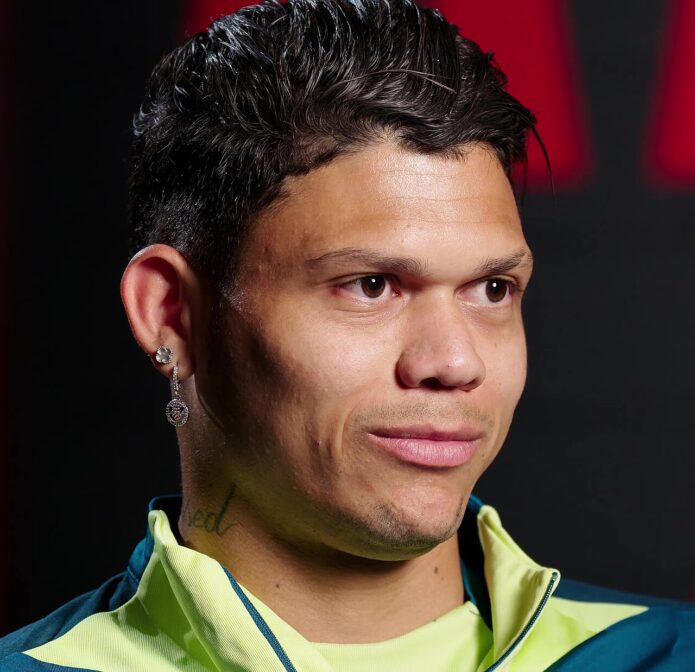
Most of Evanilson’s tattoos are out of view during matches. The clearest image comes from a Guardian interview: he lowers his shirt to show lettering on his left chest dedicated to his mother, Madalena.
He has also been described with the word “Blessed” around his neck and a portrait of himself holding his daughter as a baby on his right shoulder. The interview gives the chest piece the clearest context; the other details are reported, but less visible in photos.
Evanilson’s chest tattoo dedicated to his mother
The lettering sits on Evanilson’s left pectoral, just below the collarbone. He explained that the message is for his mother and reflects the idea that she remains in his heart.
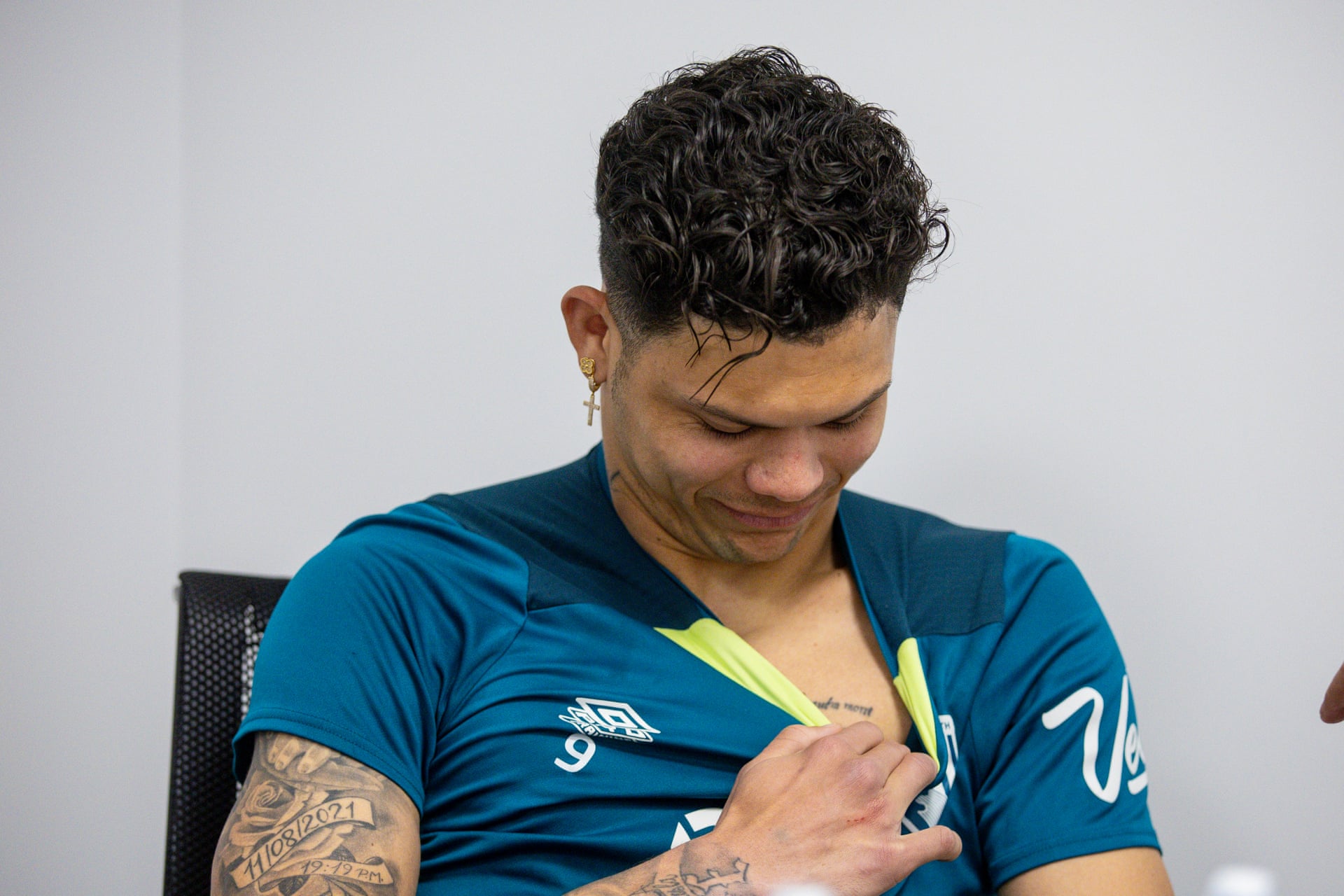
The Guardian interview photograph is the genuine tattoo evidence: Evanilson shows the chest lettering dedicated to his mother.
Madalena died when he was 17, before his professional career had properly begun. Evanilson connected the tattoo to that loss and to his decision to keep playing. The image doesn’t show enough to transcribe every word or describe the full design, but its placement and subject are clear.
The chest is easy to keep covered. Evanilson chose to show the tattoo during the interview, when he was ready to talk about it.
The memory behind the piece
He said his mother’s death affected him deeply. At the time, he returned to Fortaleza because he didn’t want to continue playing in Rio. That period came before the career he later built.
The Guardian conversation took place at Bournemouth’s training complex and also covered adapting to England, learning from Pepe and settling at a new club. When the subject turned to Madalena, Evanilson showed the chest lettering. The interview connects the tattoo to his own account rather than asking readers to infer a story from the photograph.
A short public message
The Guardian report also identifies the word “Blessed” around Evanilson’s neck. It is more exposed than the chest inscription, though distance and lighting can make lettering hard to read in ordinary portraits.
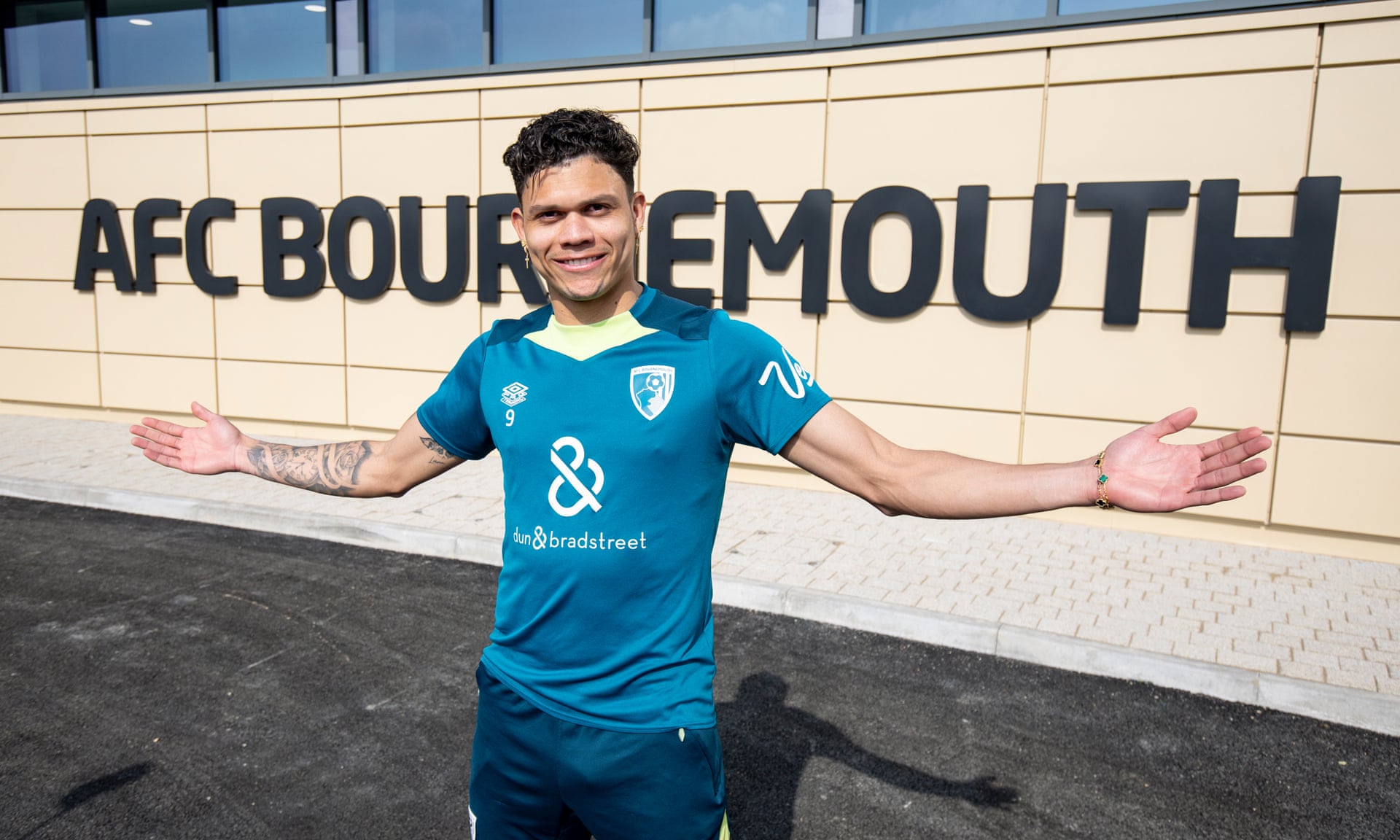
This training-ground portrait is useful context for Evanilson’s public look; it is not used to claim extra detail about the chest inscription.
The interview gives the word and its placement, but it doesn’t identify a tattoo artist, date or a larger set of religious symbols. There’s no reason to add details the source doesn’t provide.
How the photographs frame the story
The surrounding photos show Evanilson in training, club and match settings. They help place the tattoos within his football life, but they don’t replace the close image of the chest inscription.
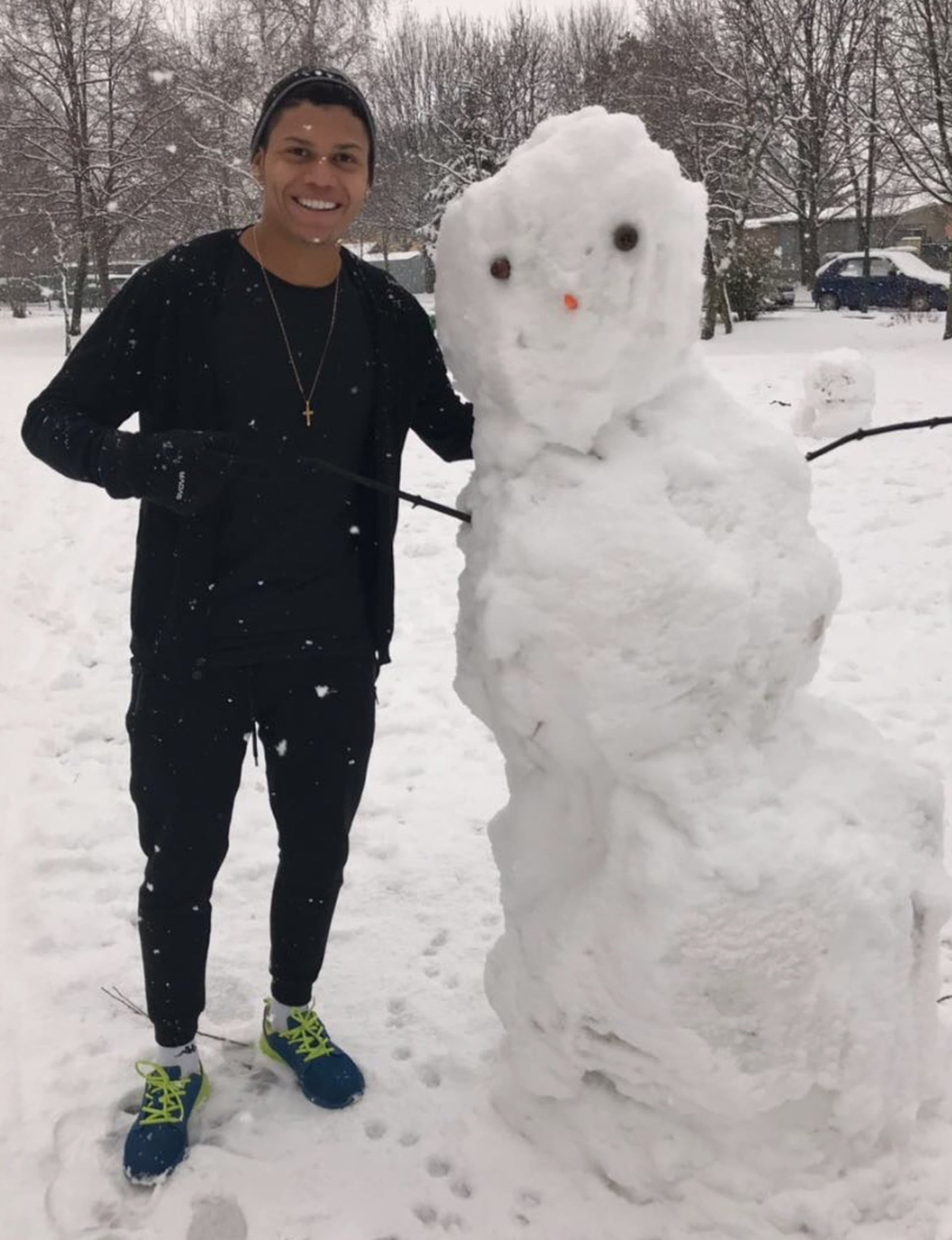
The snowman photograph comes from the period Evanilson described as a major adjustment from Brazil to European football, so it works as career context rather than a close view of his ink.
A winter photo from his time in Slovakia shows him beside a snowman. He described moving from Brazil to the cold and struggling through his first training session there. A cross necklace is visible in the frame; the chest tattoo isn’t.
From Fortaleza to Bournemouth
Evanilson grew up in Cajazeiras, a district of Fortaleza, where his father was his first football coach. He joined Fluminense as a teenager, spent time in Slovakia, then moved to Porto. Bournemouth signed him as a record addition for the club, and his first Premier League season put him in a new public setting.
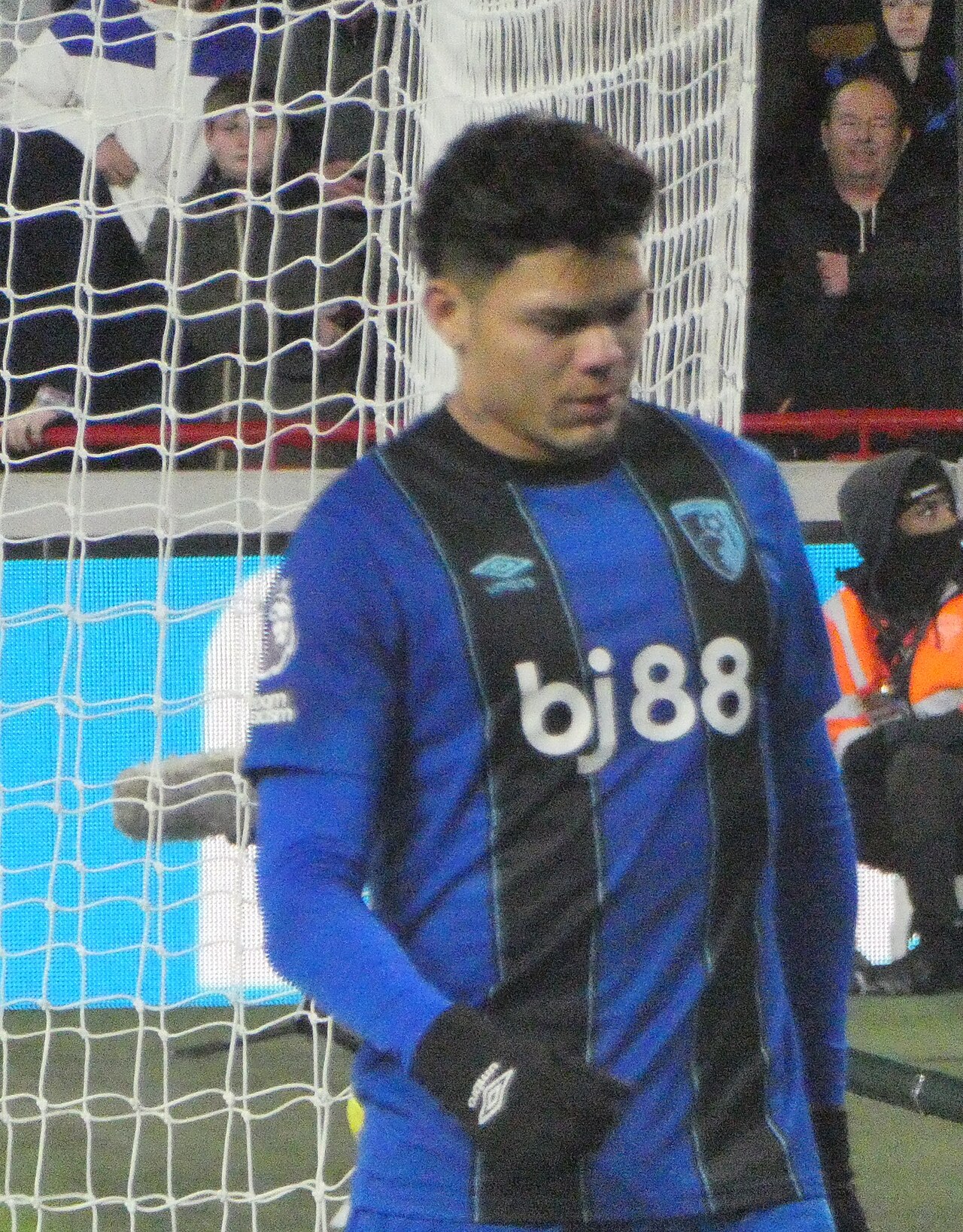
This Bournemouth training photograph shows Evanilson in the club environment that surrounded the interview and the public discussion of his family tribute.
Those moves provide context for his career, but the chest tattoo is about his mother, not a map of his transfers. The interview also reports a portrait of Evanilson holding his baby daughter on his right shoulder. Available photos don’t give a close view, so that detail should stay attributed to the report.
What the public photos can and cannot prove
The chest inscription is supported by both Evanilson’s account and the Guardian photograph. The neck word and the shoulder portrait are described in the report; other marks remain unidentified.
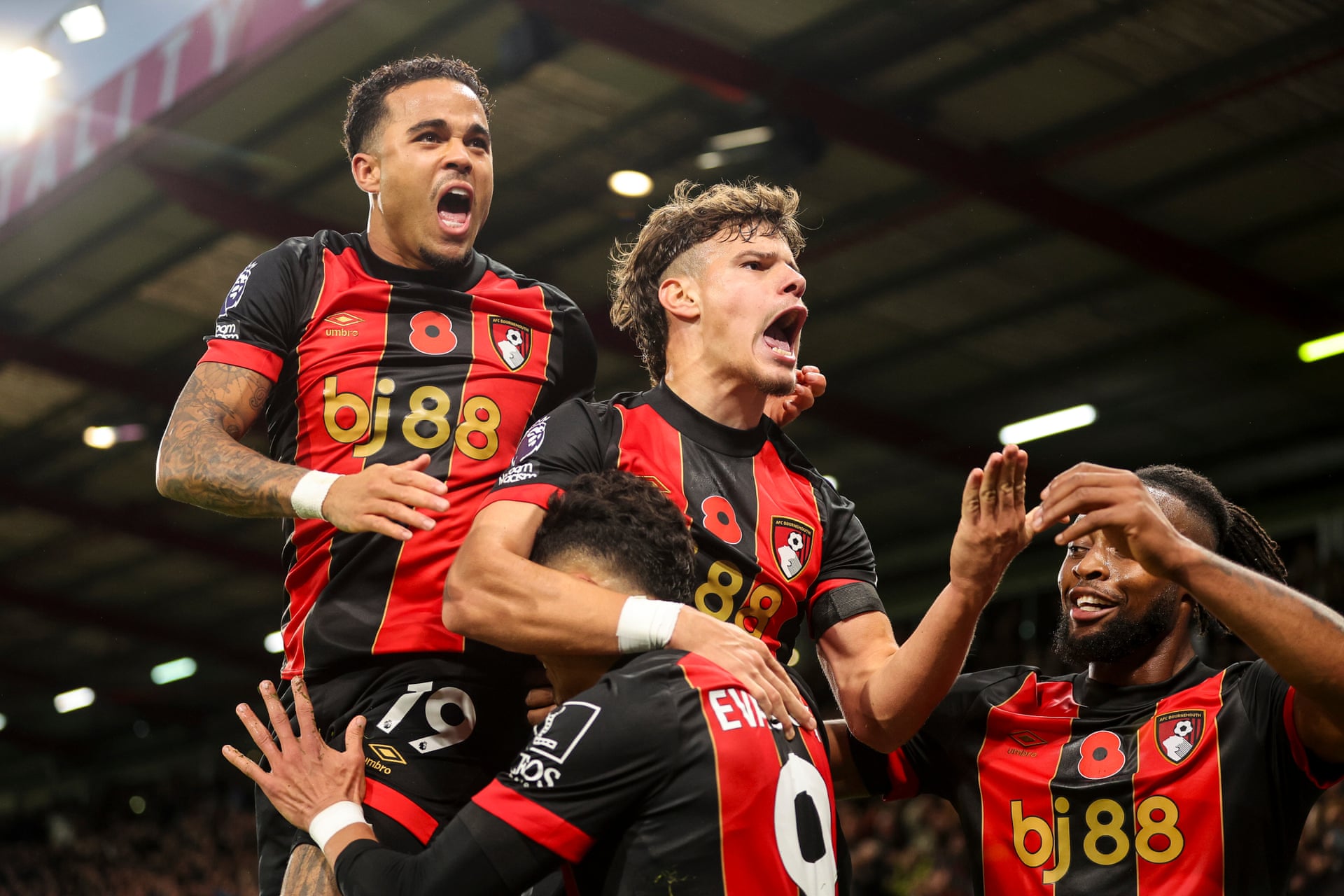
This match-day photograph places Evanilson in the football setting that made the interview relevant, but the group action frame is contextual and does not support reading small ink details.
The match-day image shows him celebrating with teammates, but it was taken to capture the football moment, not his ink. It can show the setting around his career, not the design on a distant arm or covered chest.
Ideas to borrow without copying
A memorial inscription works best when the words still matter to the person wearing them. Decide what you want to remember before settling on a font, and think about whether you’d rather keep the design private or show it often.
Placement changes that choice. A chest tattoo can stay under a shirt, while neck lettering is visible in ordinary photos. For small text, ask an artist about size, line weight and how it may look as the skin moves and ages.
Evanilson’s designs belong to his own family story. The useful idea is to choose a reason and placement that fit your life, not to copy the exact tattoos.
Final thoughts
The chest message for Madalena is the clearest part of Evanilson’s tattoo story: the interview explains why it is there, and the photograph shows where it sits. The neck lettering and reported shoulder portrait add context, while other details remain unconfirmed.