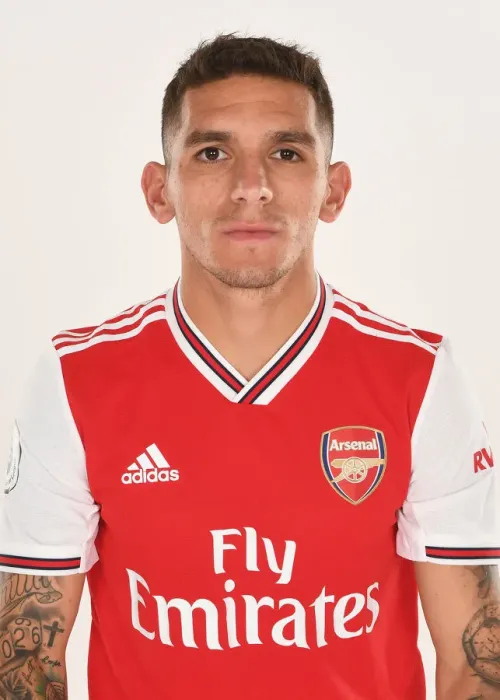
Lucas Torreira has a mix of large images, lettering and smaller symbols. The stories he has explained most clearly point to strength, family and home in Fray Bentos. Other details are visible in photos, but their meanings haven’t been confirmed, so it helps to separate what he has said from what can only be described.
In an Arsenal interview, Torreira said he chose the lion on his arm because he liked the design. He also connected it to strength, Uruguay, his family, and how he sees himself on and off the pitch. A crest from his childhood club and the words “Barrio Unión,” the neighbourhood where he grew up, are other documented links to home.
The lion and Torreira’s arm ink
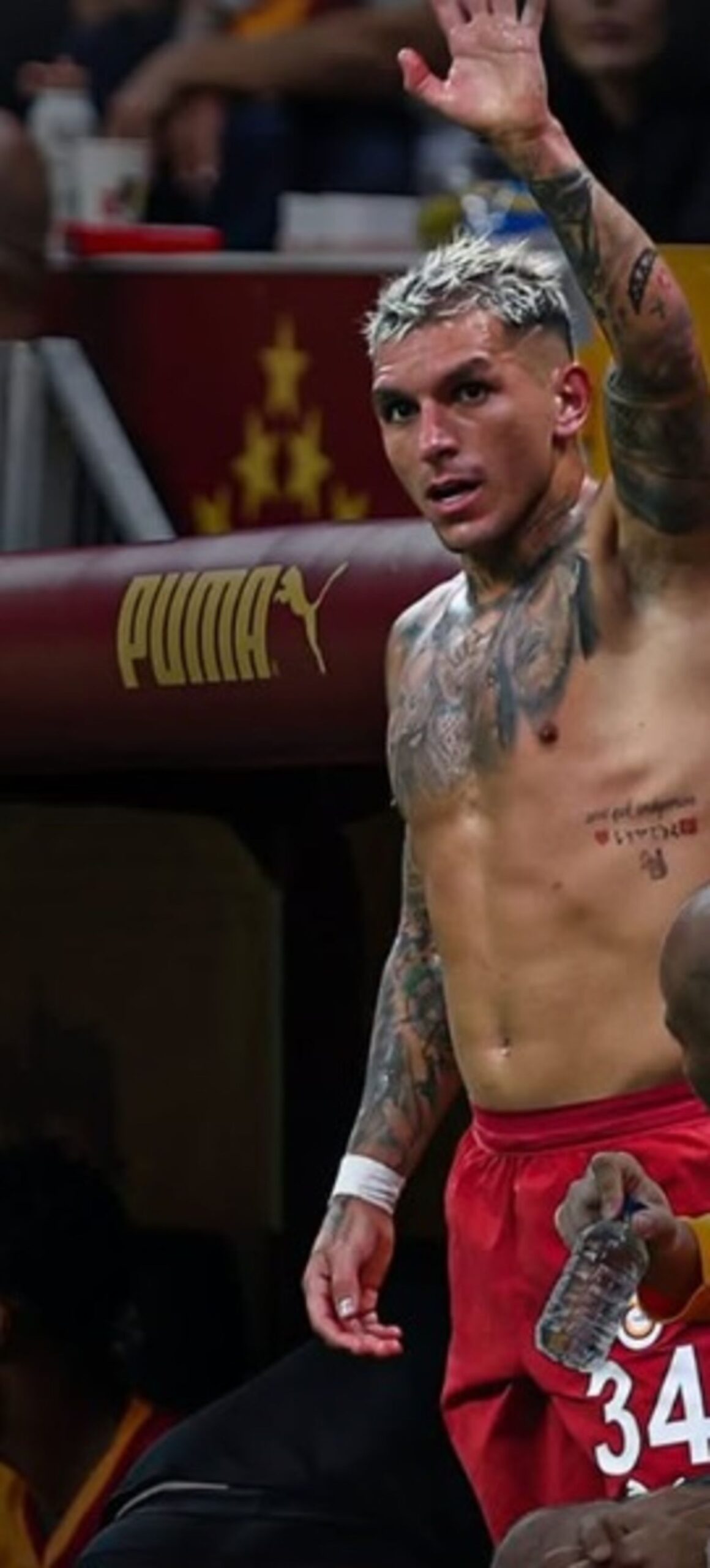
Torreira has spoken directly about the lion, which makes it the clearest place to start. He told Arsenal that he liked the design, and associated it with strength, his Uruguayan identity and his family. He also said it reflected how he sees himself away from football as well as on the pitch.
The explanation is personal without making the image carry more than it does. Lions can suggest strength or protection, but Torreira’s own account is the useful guide here. If you’re considering one, decide what you want it to mean before settling on a pose or style. An artist can help make the design fit your arm instead of copying a screenshot.
The childhood club crest tattoo and the Barrio Unión tribute
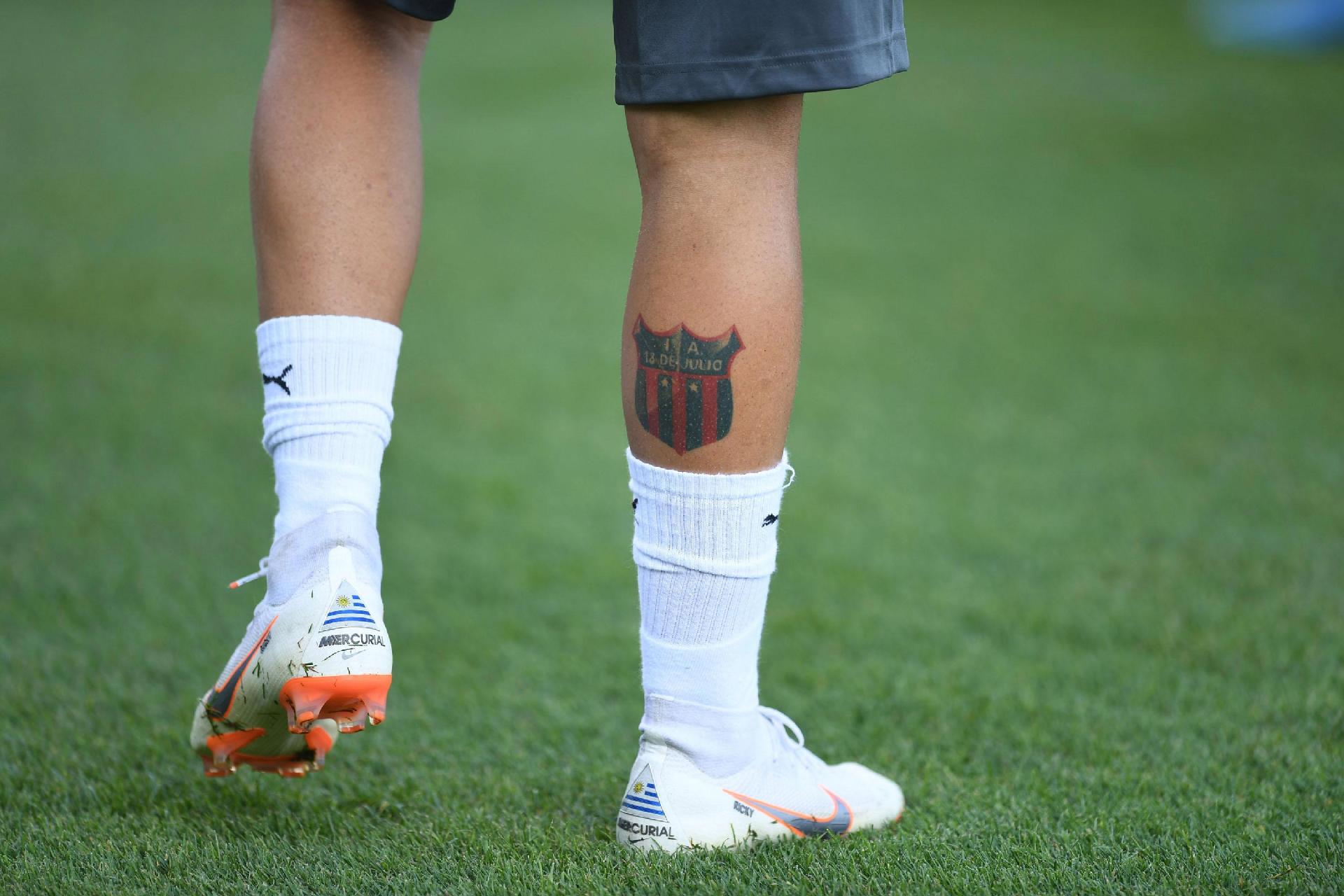
The crest on Torreira’s lower leg belongs to Institución Atlética 18 de Julio, the club from his hometown of Fray Bentos. It points to the start of his football life, before European clubs and international matches. Reports have connected the tattoo with the difficult path he took as a teenager, including leaving home and working through obstacles before establishing himself in Europe.
A hometown club crest is a specific alternative to a country flag or a famous team logo. Torreira’s choice keeps an earlier part of his story close as his career moves on. A local club, street sign or landmark can do something similar for someone else, without needing to cover a large area.
The portrait tattoo on his leg
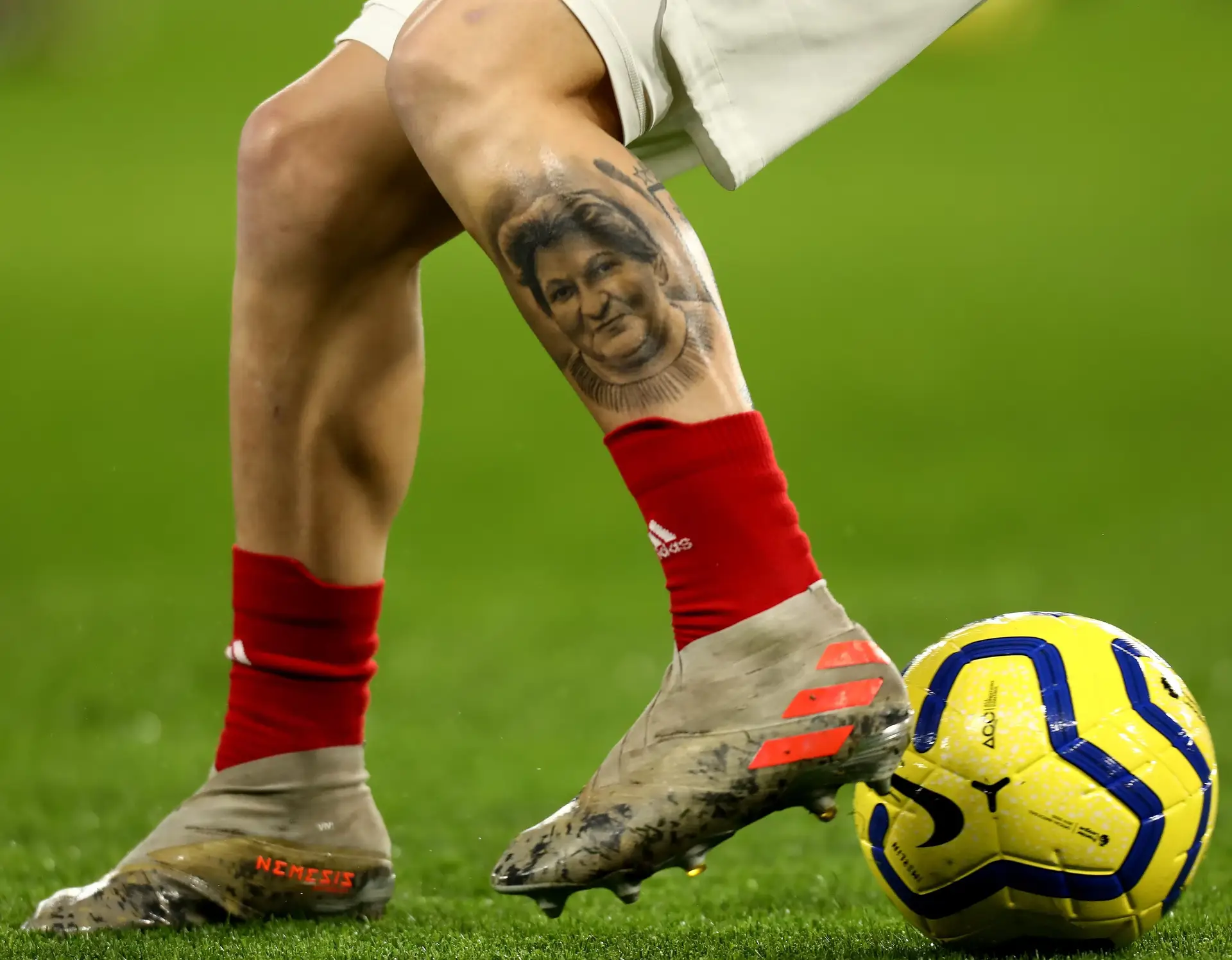
Match photos show a shaded portrait on Torreira’s leg, above the sock line. The face is rendered more realistically than the nearby crest, and its expression depends on careful detail around the eyes and mouth. Photos show the design but don’t identify the person depicted. Unless Torreira or a reliable source names them, it’s best to leave that question open.
If you’re thinking about a portrait, ask to see an artist’s healed work as well as fresh tattoos. Talk through the size the face needs and whether socks, shoes or sport will rub against the placement. The design needs room to remain clear as it heals.
Hometown ink and the Uruguay connection
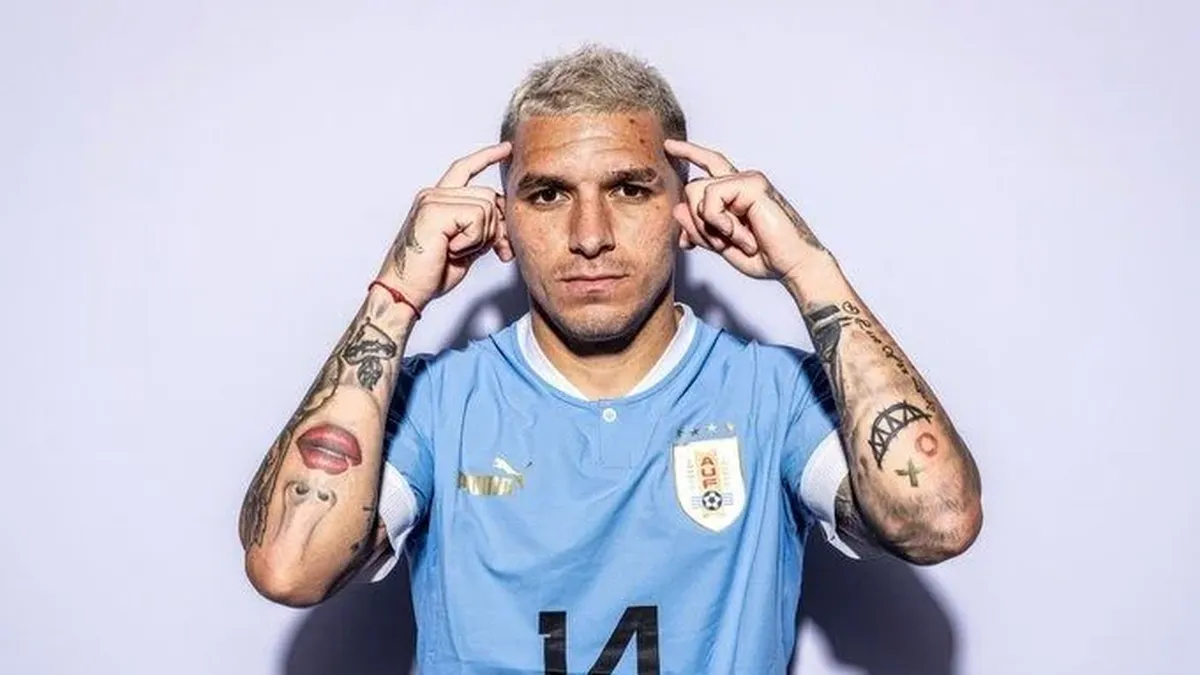
El Observador reported in 2025 that Torreira had “Barrio Unión” tattooed behind his right ear. The words name the Fray Bentos neighbourhood where he was born and grew up. It’s a small mark, but more direct than a general reference to a country or city.
Fine lettering needs enough space to stay legible, and the skin behind the ear can be a sensitive area to tattoo. If you want text in a small placement, check the spelling and accents before the appointment and ask the artist how the letters may soften as they heal. Torreira’s example is a reminder that a short name can carry a place and a memory without a long caption.
Torreira’s football style beyond the close-up
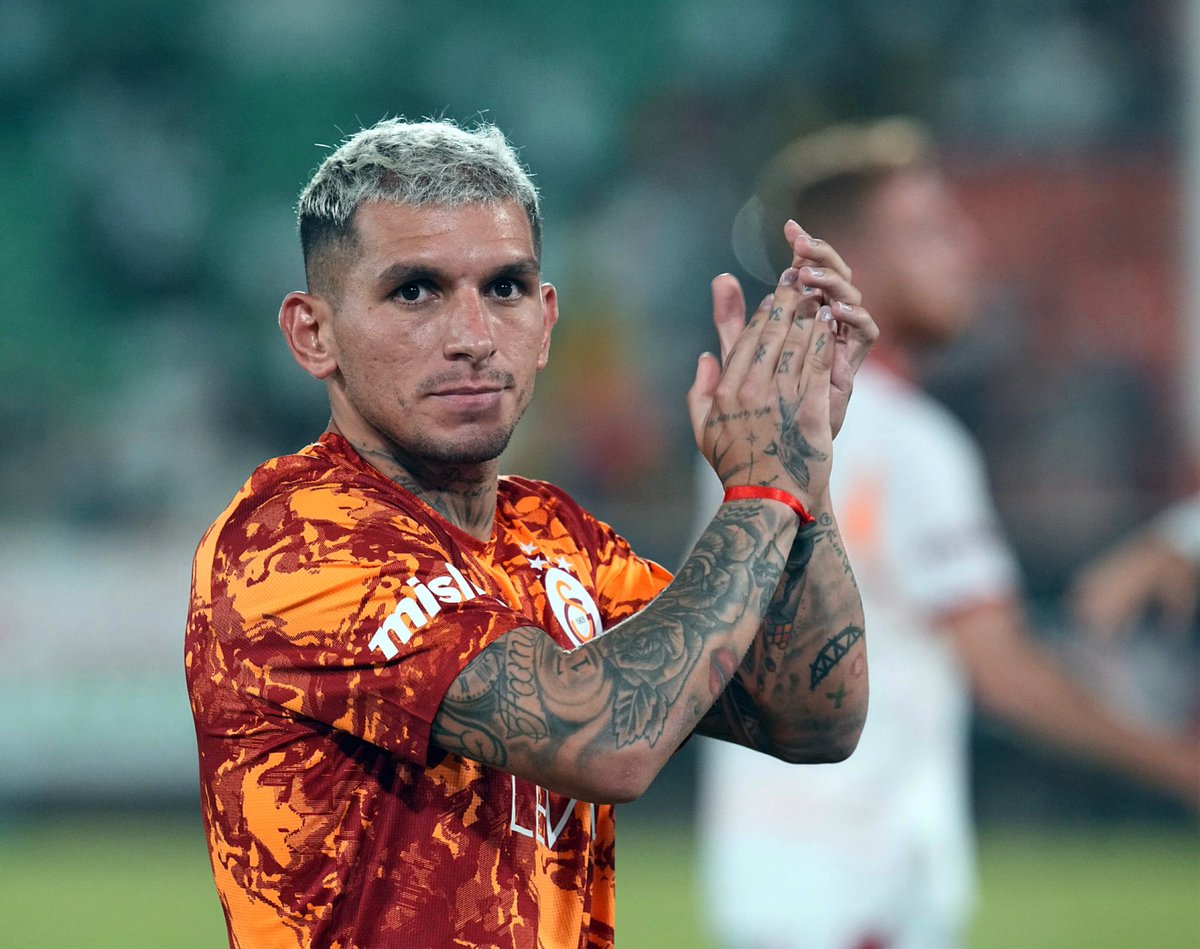
Matchday photos show Torreira in club colours and in motion, with tattoos visible as part of his public style. They help show how the ink sits alongside his football kit, but they aren’t a complete record of every design.
Across the collection, photos show black-and-grey realism, portraits, lettering and smaller graphic marks. Some pieces stand alone; others sit among more surrounding work on his chest, arms, hands and legs. A visible mark can be described without guessing what a letter, symbol or portrait means. Personal explanation and a photograph aren’t the same evidence.
Hand tattoos are especially exposed to sun, washing and friction, and they’re difficult to cover. If you’re considering that placement, factor in how it may fade and whether you want it visible every day. That’s a practical decision, separate from whether you like Torreira’s style.
What Torreira’s collection says about family and home
The lion, 18 de Julio crest and “Barrio Unión” each connect to parts of Torreira’s life beyond a single match or club. One reflects strength and family, one recalls his hometown team, and one names the neighbourhood where he grew up.
Not every tattoo needs a serious backstory. Torreira said he liked the lion’s design; that can be true alongside the personal associations he described. A tattoo can appeal visually first, then gather meaning over time.
A place, childhood club or family symbol can be a quieter tribute than a large name or portrait. It only needs to make sense to the person wearing it.
How to make the idea your own
Pick the idea behind a tattoo you like, not the exact image. Maybe it’s Torreira’s mix of portraits and lettering, his links to Uruguay, or the choice to keep a hometown club close. Bring that starting point to an artist and talk through what it means in your own life.
Then consider where the design will sit and how it fits your routine. A calf crest, an arm image and text behind the ear heal differently. Think about sport, clothing, sun exposure and visibility, and ask to see the design at actual size before committing.
Some of Torreira’s tattoos have public explanations; others are only visible in photos. Keeping that distinction in mind lets you appreciate the collection without filling gaps with guesses. Use the confirmed story as inspiration, then make the finished piece yours.
Why Lucas Torreira’s collection works
Torreira’s tattoos don’t all have the same role. The lion is a bold image he has discussed; the 18 de Julio crest and “Barrio Unión” point to home; the leg portrait adds a more realistic element. Other visible work fills in the wider collection.
Together, the documented pieces touch on strength, family and memory without forcing one theme onto every mark. If that’s what appeals to you, take the idea—not a copied design—to a qualified artist and build around your own story.
For a little more of Torreira’s football world, watch this official Galatasaray interview below.