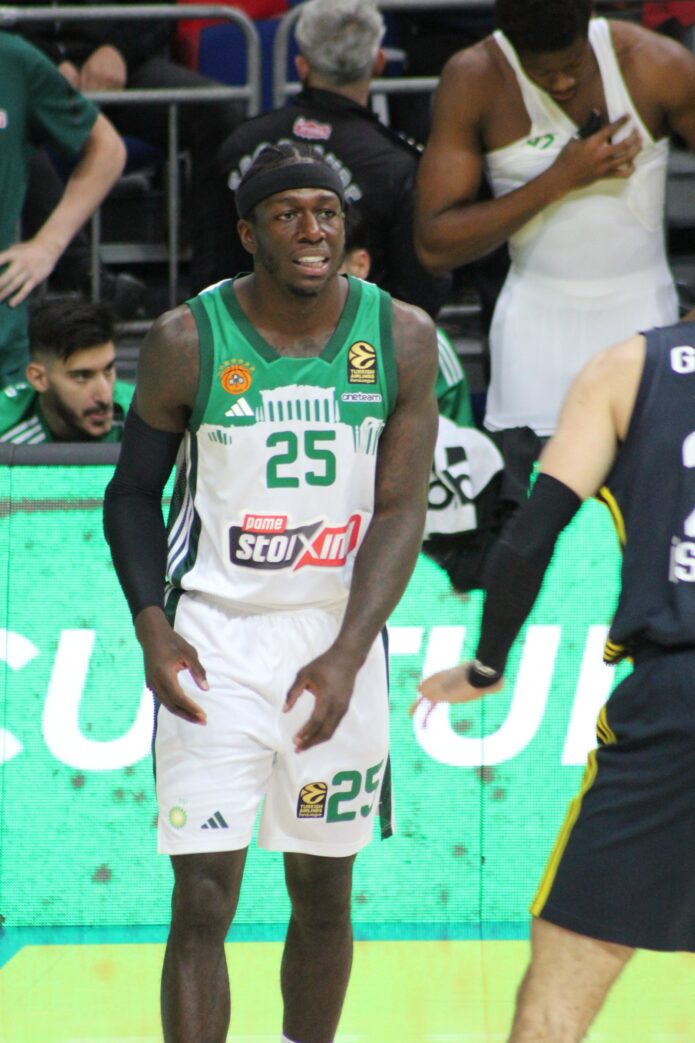
In a Tattoo Sessions interview reported by Basketball Sphere, Kendrick Nunn explained two tattoos: a cross on his left shoulder and “FINAO” across his stomach. He said he got the cross at about 14, when he was growing up in church, and described the lettering as a basketball motto. Panathinaikos game photographs show more ink across his arms and legs, though Nunn has not given a public explanation for every piece.
The Christian cross on the left shoulder is Nunn’s first documented tattoo
Nunn said he got the cross on his left shoulder at about 14, while he was growing up in church. He also said it represents him and his family.
A ribbon beside the cross carries “Philippians 4:13,” the verse Nunn named in the interview. In game photos, a jersey can cover the shoulder or leave only part of the cross visible, and the ribbon is small enough to disappear at a distance.
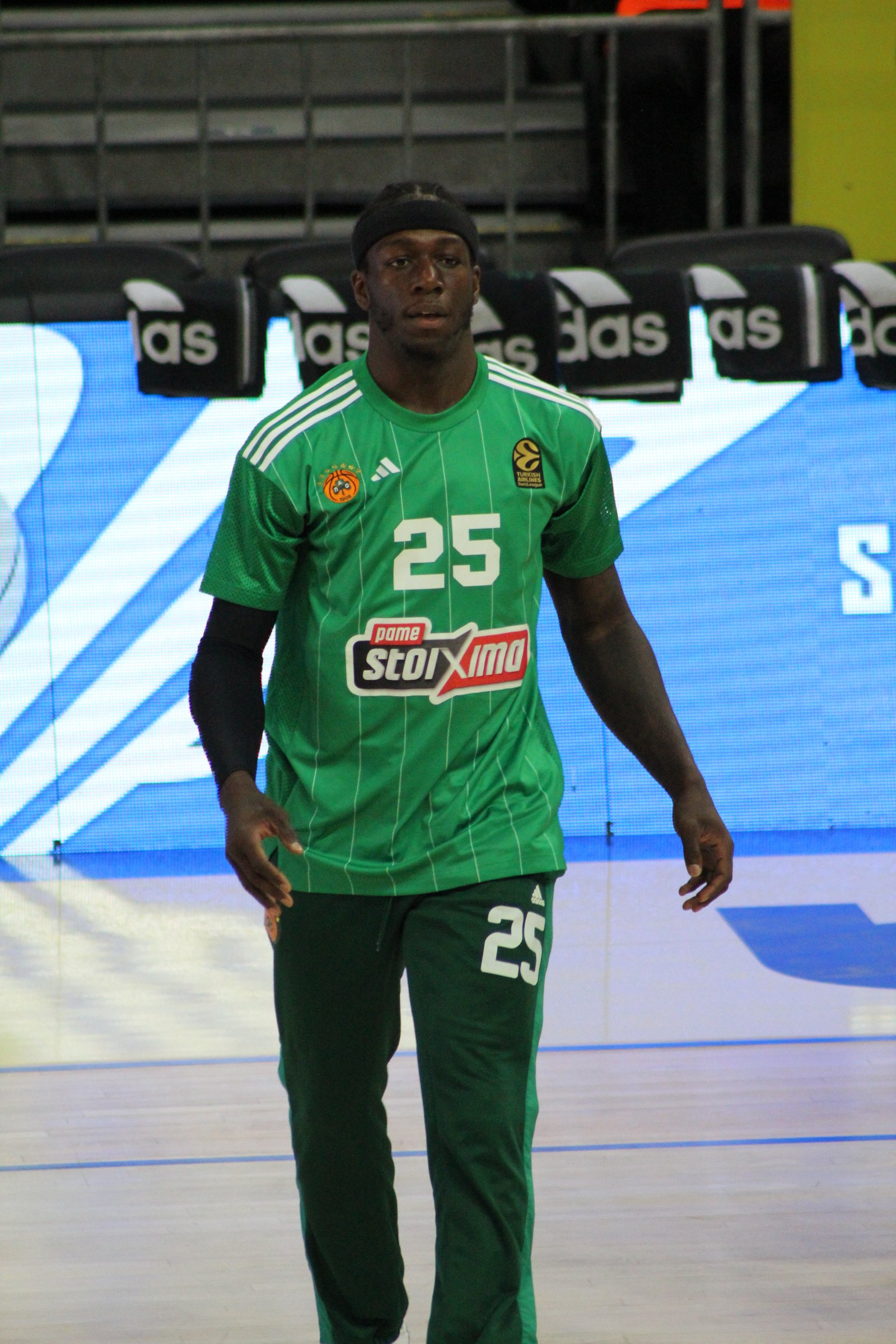
The placement high on his left shoulder means the cross can appear at the edge of a game jersey when that area is exposed. A long-sleeve warm-up covers it, as the full-body portrait here demonstrates. Different photos therefore offer very different views of the same piece.
The full-body portrait shows Nunn in Panathinaikos warm-up gear. His arms are covered, so the image provides club context but no clear view of the cross or the rest of his tattoos.
“FINAO” sits on the stomach as a basketball motto
The other tattoo Nunn discussed is the word “FINAO” across his stomach. He explained the letters as “Failure Is Not An Option” and called the phrase a motto for his basketball career.
A jersey usually keeps the stomach piece out of view. A warm-up or shirtless image may reveal the lettering. Most game photographs show him in a jersey, so the stomach piece appears less often than the ink on his arms.
In the same conversation, Nunn mentioned a clover based on the Panathinaikos logo, possibly with a trophy, as something he might get later. He said he was waiting before adding it; the clover and trophy remain a plan.
Arm tattoos form the most visible part of the collection
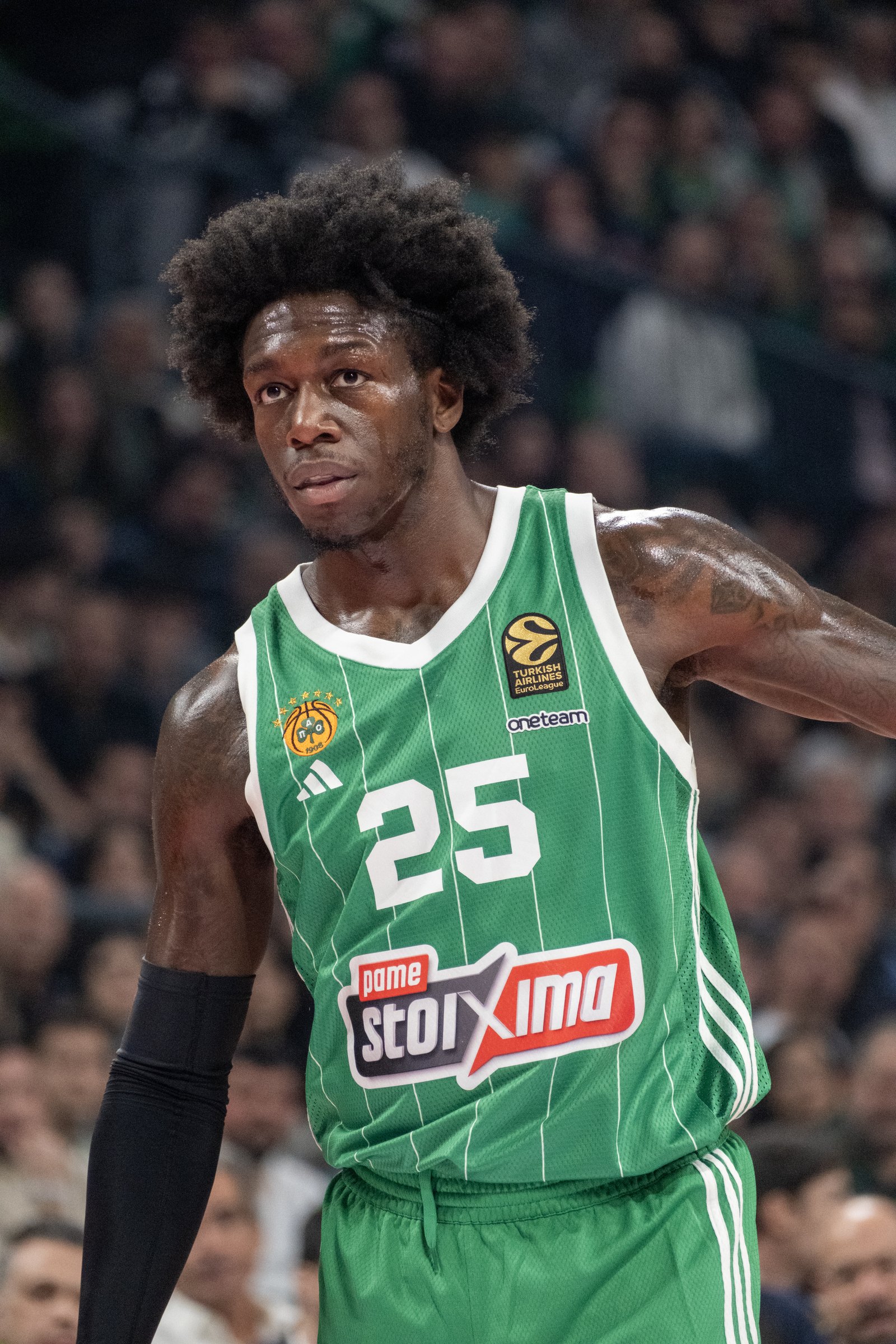
His arms are where the photographs show the most ink. Panathinaikos portraits reveal dark, closely set designs across the shoulders and upper arms, with coverage continuing down toward the forearms. The jersey hides some of the shoulder in certain frames, so the amount visible changes with the uniform and pose.
In the close EuroLeague portrait, the exposed upper-arm tattoo looks mostly dark gray and black. A broad shaded area follows the outside of the shoulder and drops toward the biceps, with lighter gaps between parts of the design. The camera catches its overall look, though arena light and distance obscure the finer lines.
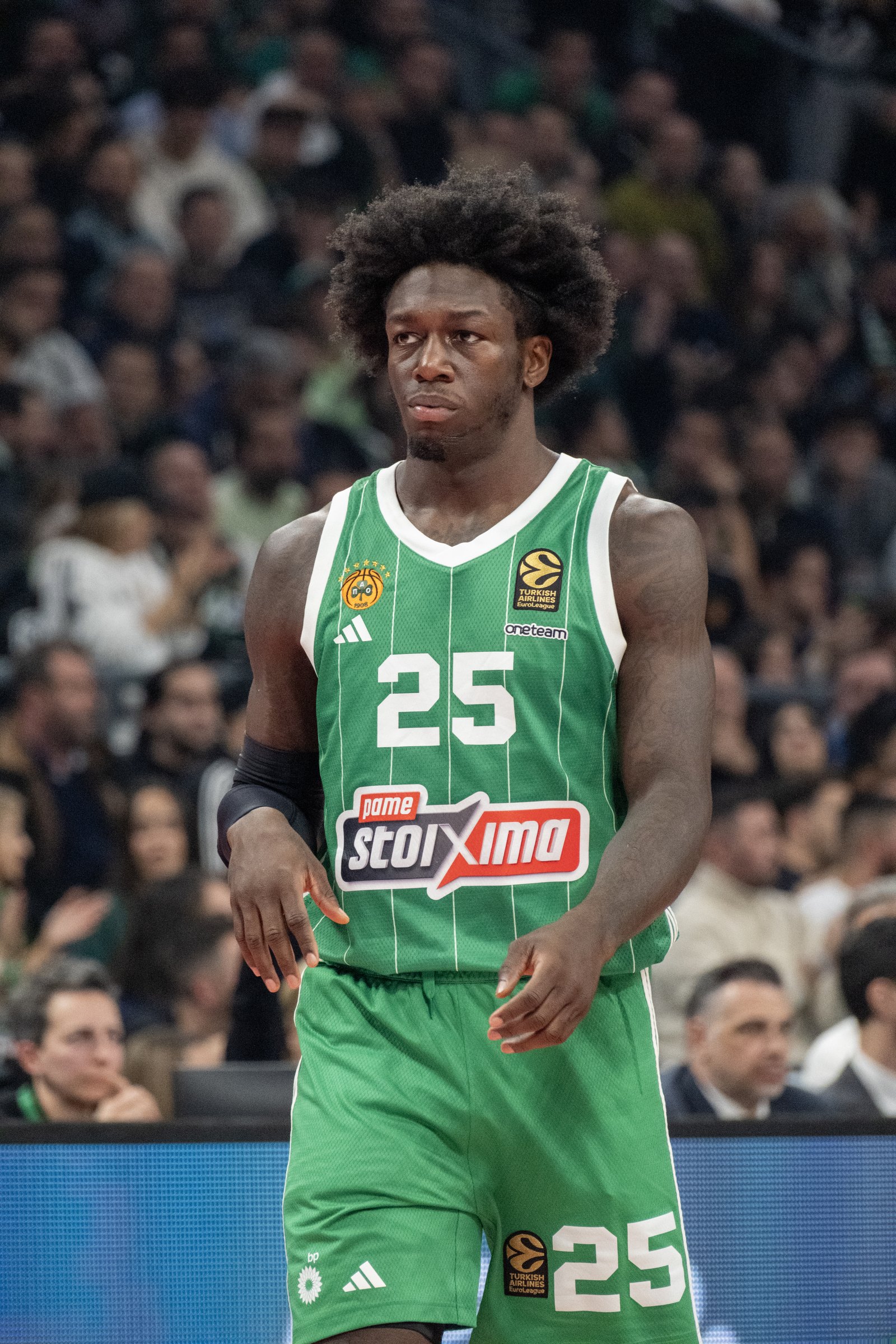
One vertical game portrait shows a black compression sleeve on an arm, while the close-up exposes the right upper arm. The sleeve covers skin; it does not tell us whether there is ink underneath.
The green Panathinaikos jersey leaves the shoulders exposed at the arm openings, where dark ink meets the fabric. The broad shapes continue below the shoulder, but the picture does not make individual motifs clear enough to identify.
A side view during a game catches the shoulder and upper arm as Nunn moves. The arena light falls across different sections of the dark work; no match photo shows the arm all the way around.
Shoulder and forearm ink change with the angle of the game photographs

The close EuroLeague portrait gives a side view of Nunn’s right upper arm. The shaded work follows the curve below his shoulder and disappears at the jersey edge. A front-facing frame looks flatter and does not show the same wrap around the arm.
The jersey, a bent arm or the camera angle can hide part of the shoulder or forearm. The photos show the coverage extending along the arm, but leave the full layout and meaning of individual sections unknown.
Leg tattoos appear in full-body basketball photographs

Full-body EuroLeague photographs show dark ink on Nunn’s legs below his shorts. The white Panathinaikos kit leaves more of the legs in view than a close portrait, but the camera stays too far back to name the designs. The interview does not discuss these tattoos, so their meaning remains unknown.
The full-length frame includes Nunn beside an opponent, with the lower-leg marks visible below his shorts. There is no close-up of this ink; the wider view gives its placement in the game uniform, while the distance hides finer lines and images.
The shorts cover most of his thighs, and the socks conceal the ankles. What remains visible is a short section of lower leg, so the frame establishes placement while leaving the design hard to inspect.
The leg tattoos extend his visible coverage below the torso and arms. Nunn has not connected them to a person, team or event in the interview, so their meaning remains unreported.
Faith and basketball provide the clearest meanings
Nunn said he got the cross at about 14 and tied it to his church upbringing and family. He calls FINAO a basketball motto. Those are the two tattoos for which he has shared a personal meaning; the photos show the others without explaining their stories.
The photographs add the missing context
The Panathinaikos photographs vary in how much ink they reveal. The warm-up portrait covers Nunn’s arms; game shots expose a shoulder, upper arm or lower leg depending on the uniform and crop. The interview supplies what those images cannot: the meaning of the cross and FINAO, and the clover-and-trophy idea he may get later.
Across the gallery, the tattoos read mostly in black and gray. Shading is strongest around the exposed shoulder and upper arm, while the full-body frames lose the smaller details. The green and white Panathinaikos kits change the background; the visible ink stays dark in these photographs.
Nunn has explained the cross and FINAO, and mentioned the clover as a possible next piece. Game photos show more ink on his arms and legs, but he has not given a complete inventory or the meanings of those additional designs.