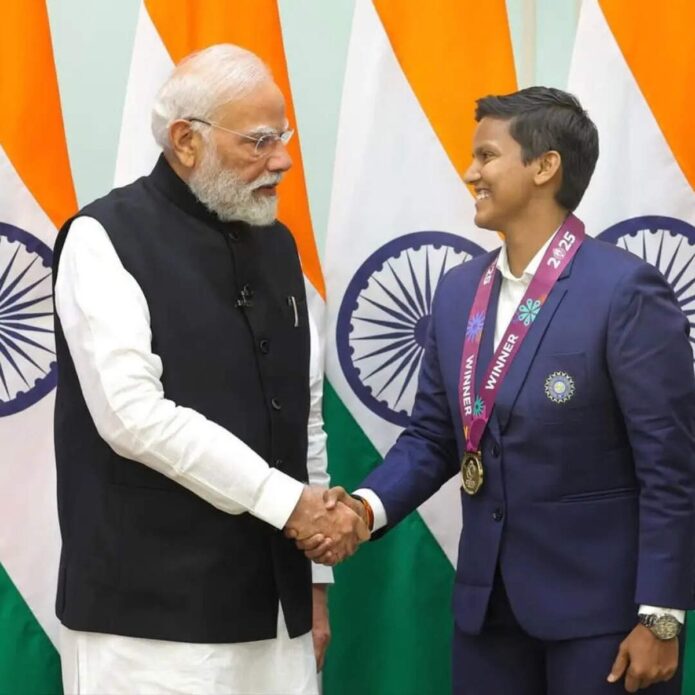
Deepti Sharma’s Lord Hanuman tattoo came into public view after India won the women’s World Cup. India Today reported that Prime Minister Narendra Modi noticed it on her left arm while meeting the team, and Times Now Hindi published photos of the exchange. The reports identify the figure and where it sits. They don’t give a tattoo date, name an artist, or quote Sharma explaining her personal reason for choosing it.
The rest of the photos in this guide show Sharma at matches and public events. They help place the tattoo in a wider career moment, but most aren’t close views of the design. That distinction keeps the article useful without turning unrelated portraits into evidence of additional tattoos.
The Hanuman Ji tattoo and the reported moment
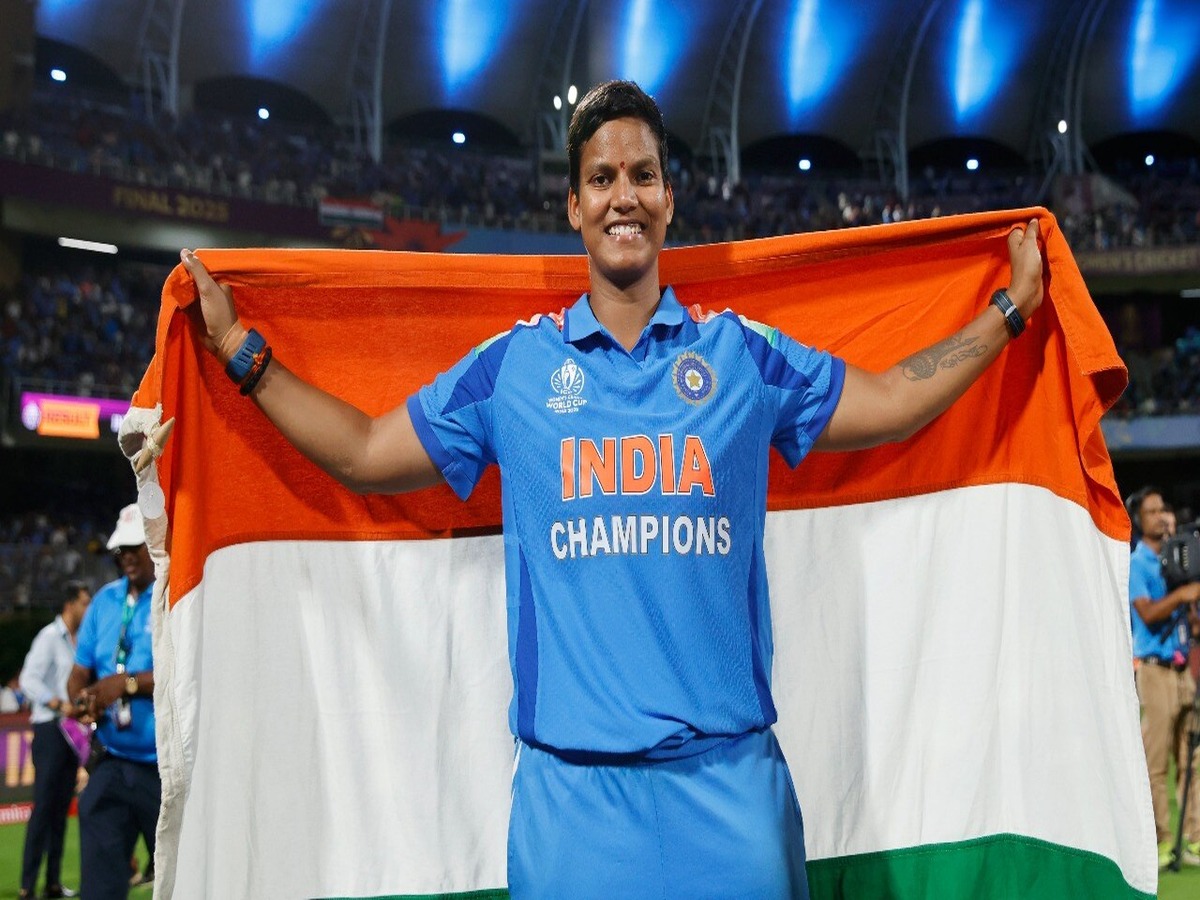
India Today identifies the image as Lord Hanuman and places the moment during Modi’s meeting with India’s world-champion team. Hanuman carries associations with strength, devotion, courage, and service in Hindu tradition. Those associations offer cultural context for the subject; they don’t tell us which of them, if any, Sharma connects to her own tattoo.
In the celebration photograph, the tattoo sits on Sharma’s left upper arm. The picture is wide, so the figure reads as a compact, dark design against the skin, but it isn’t a close-up that reveals every line. The visible shading appears black and grey; from this distance, it’s better not to claim more about the colors or small symbols.
In that wide shot, the dark outline and shading separate the figure from the skin even with the flag and crowd filling the background. Because it sits high on the left arm, a short sleeve leaves it visible when she raises or extends the arm. Anyone considering similar placement could ask an artist to test the stencil with the arm relaxed and raised, since the design can sit differently as the shoulder turns.
Sharma’s arm is covered in some photos and visible in others, depending on the sleeve and pose. That makes the tattoo part of the image without forcing it into every public appearance. A small-to-medium figure on the upper arm can be easy to show when wanted and simple to cover with clothing; the photographs support the placement, not any claim about why she chose it.
A match portrait adds setting, not tattoo detail
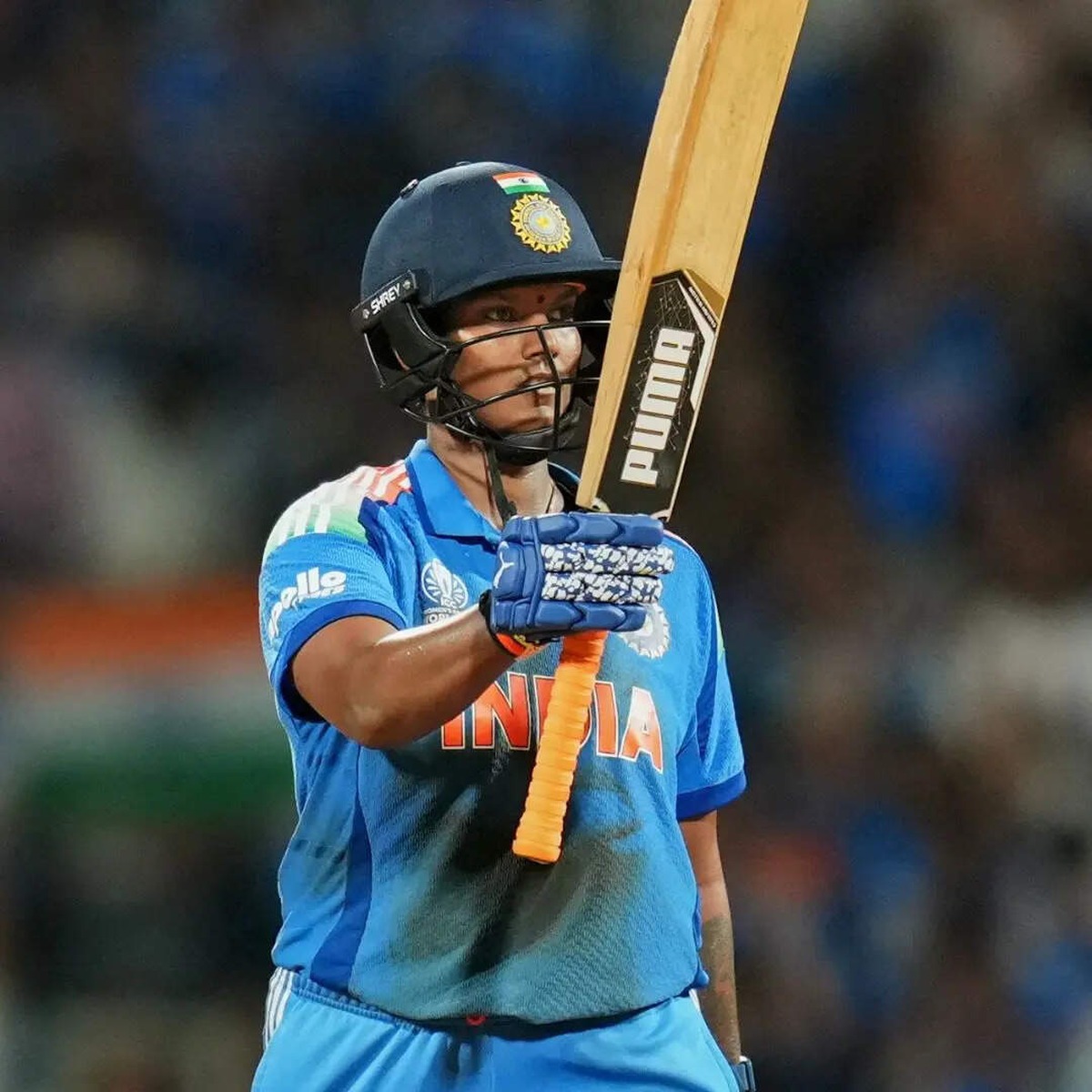
This match portrait shows Sharma in her India kit, with her helmet and bat in the frame. It places her in the cricket setting and makes her easy to recognize, though it doesn’t provide another clear look at the Hanuman tattoo. The equipment, uniform, and stadium already give the image plenty to hold the eye.
Here the helmet, bat, and India shirt make the match context obvious, while the tattoo stays out of view. A sports portrait can identify the athlete and setting without documenting the ink. If you’re collecting references for a design, keep that distinction in mind.
A portrait helps place the athlete
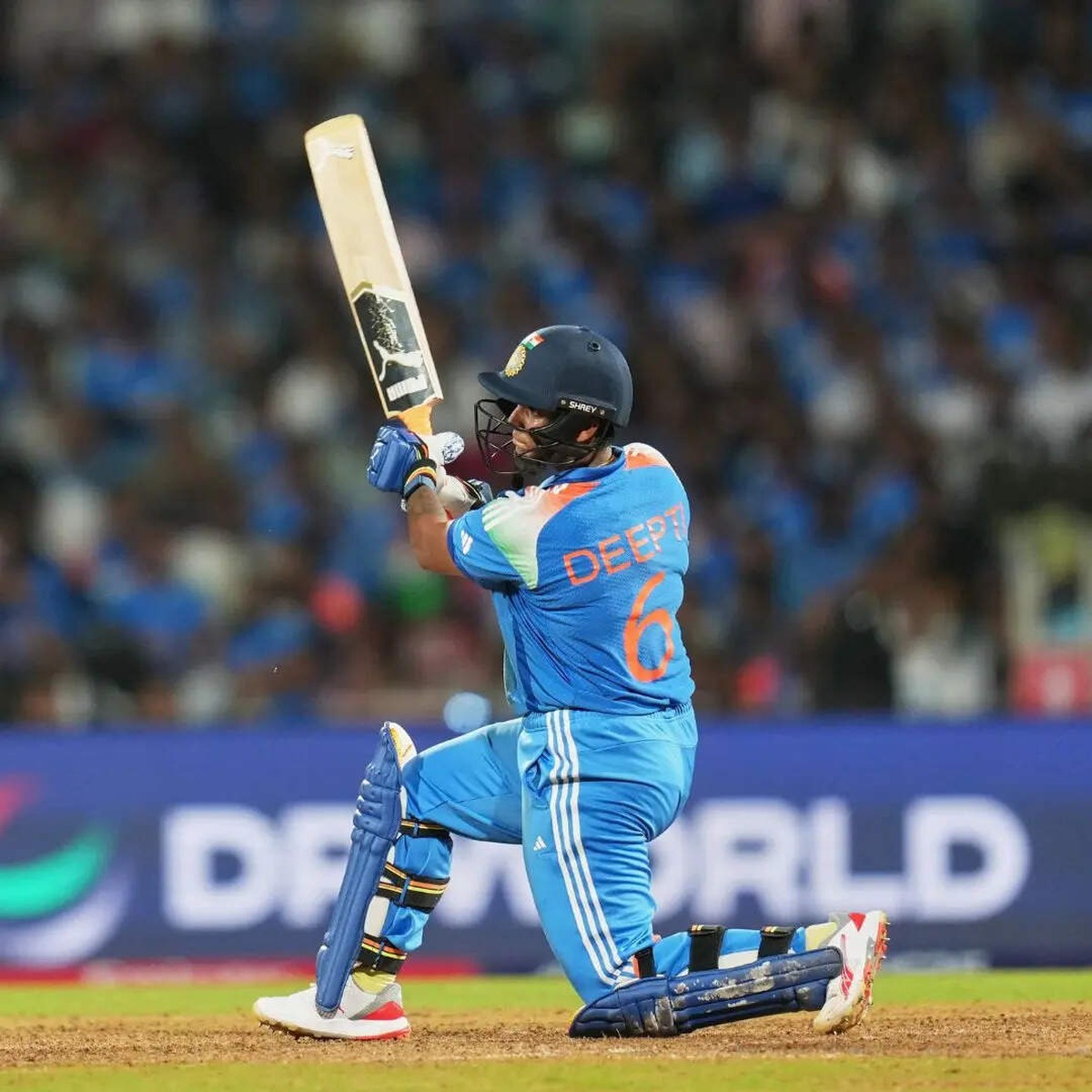
This portrait shows Sharma in another public setting. It helps identify her outside the match frame, but it isn’t a source for the tattoo’s story. India Today and Times Now Hindi document the reported exchange; a face-visible portrait has a different role.
These are different photographic jobs: one portrait identifies Sharma, while a tattoo photo records placement. A caption should make that distinction instead of turning every face-visible image into a tattoo reference.
A World Cup celebration adds career context
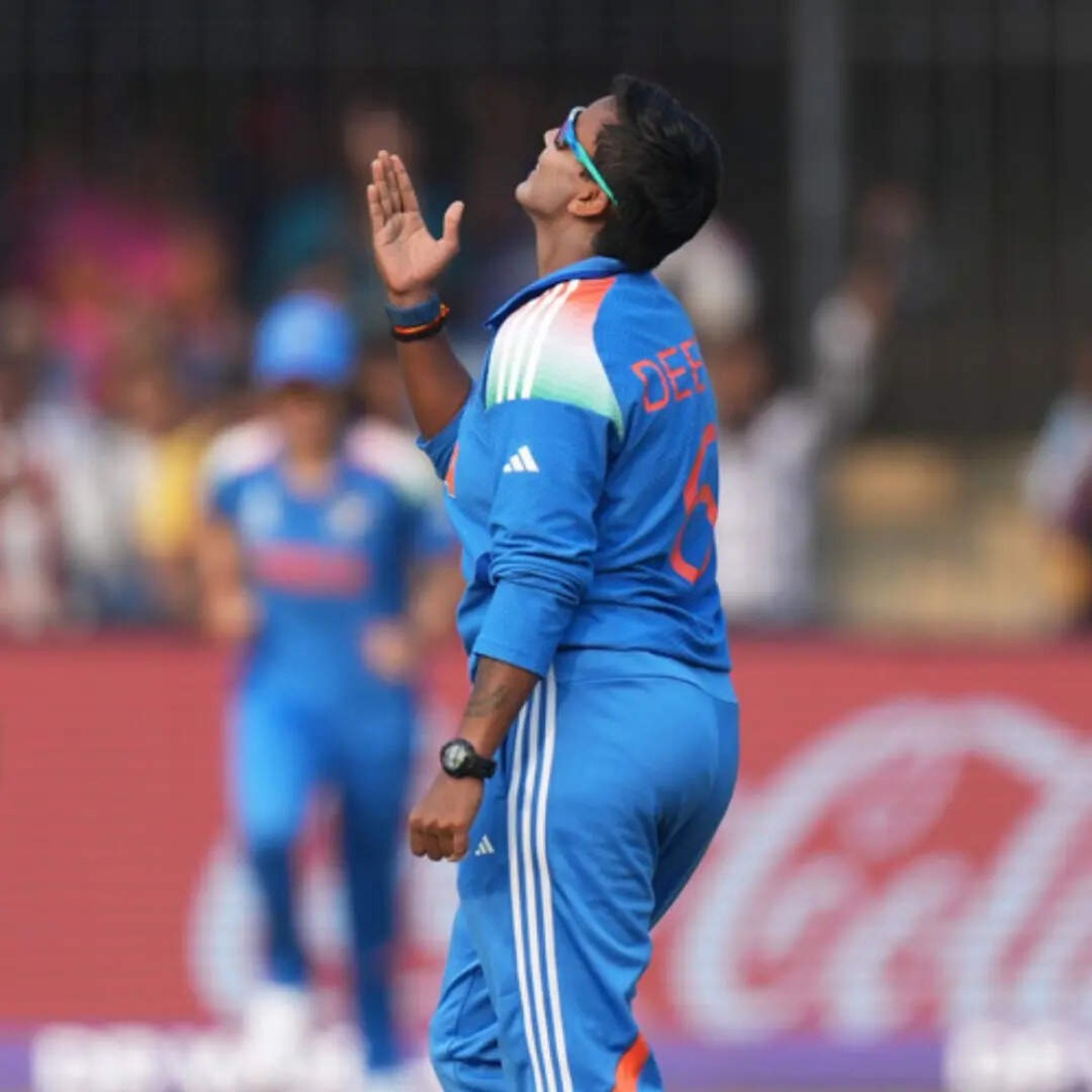
The celebration photo places Sharma among her teammates, flags, and the recognition that followed India’s World Cup win. It explains why the tattoo drew attention in that moment. None of the reports says the design was made for the tournament, so the event is context for the photograph rather than an origin story for the ink.
The same mark can be seen in a meeting, a match, or a team celebration, and each setting changes what viewers notice around it. A tattoo doesn’t have to include a literal trophy or team emblem to become part of a career memory. Sometimes a later photograph simply brings an existing design into a new moment.
A wider portrait shows another side of the photo set
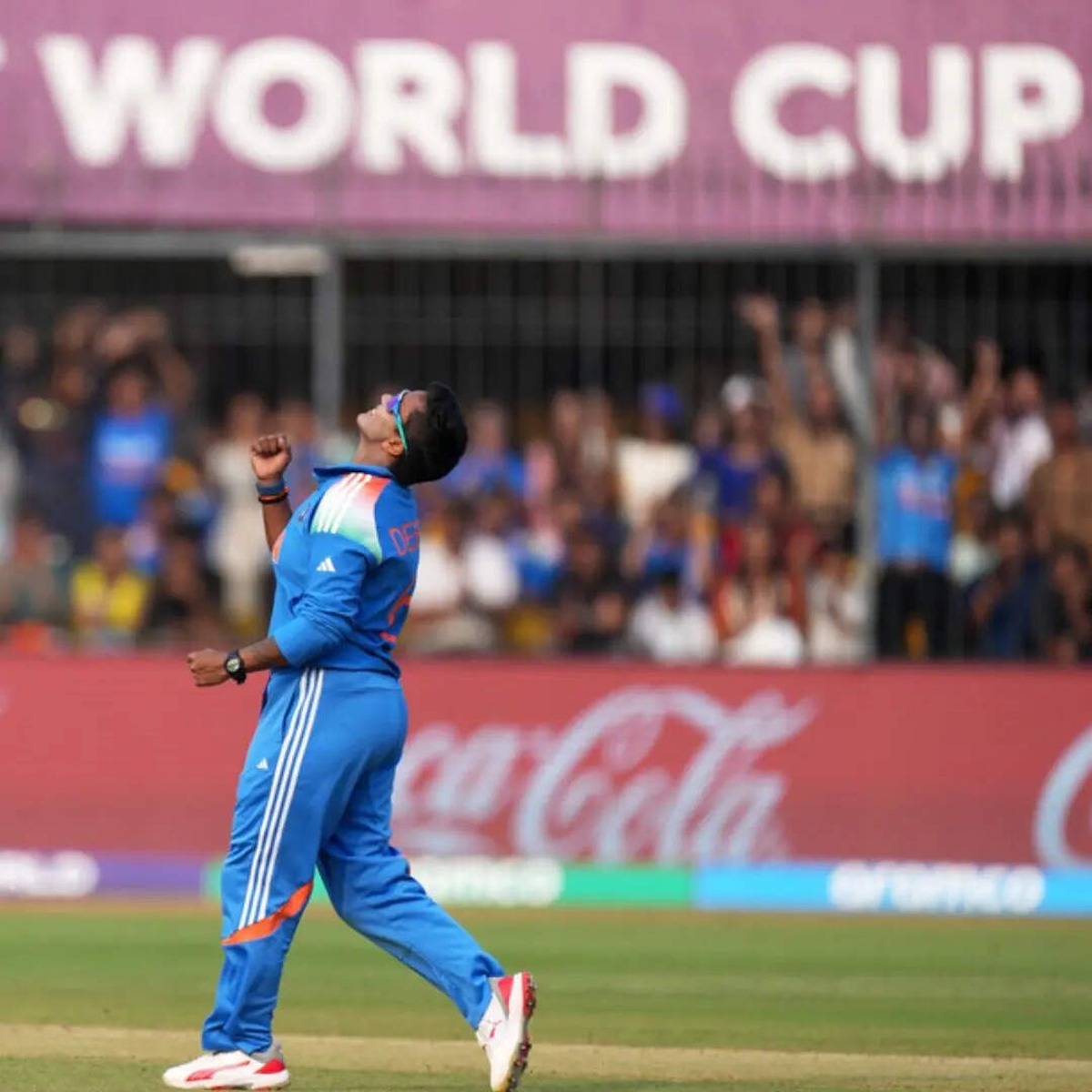
This wider sports portrait offers another view of Sharma in public. It complements the celebration photo, but it doesn’t establish a new tattoo or show the Hanuman figure in the same detail. Treating every image as a separate record of ink would overstate what the gallery contains.
The India Today image is the evidence for the left-arm design and the reported exchange. The other portraits show Sharma in a match and public setting; they’re useful for context, not as extra tattoo close-ups.
One documented tattoo, not a full collection
The sources gathered here document one tattoo: a Lord Hanuman figure on Sharma’s left arm. They don’t establish a larger collection or a matching style across her body. The figure, its placement, and the public moment are visible; the private meaning beyond its identification hasn’t been shared in these reports.
Even one well-documented tattoo gives a reference for upper-arm placement, dark shading, and visibility beneath a short sleeve. The photographs don’t support a larger map of Sharma’s ink, so anything beyond that would be guesswork.
The same mark meets different settings
The Hanuman tattoo appears in a formal meeting, while other photos show Sharma at matches and celebrations. Clothing, posture, and the occasion affect how much of the arm is visible and what else competes for attention. The design doesn’t change between pictures; the frame around it does.
For a personal project, use one image to judge the tattoo itself and wider portraits to see its setting. A picture of the uniform or sleeve helps with placement, but it doesn’t confirm the design.
What the documented photographs establish
India Today reported that Sharma has a Lord Hanuman tattoo on her left arm and that Modi noticed it while meeting the women’s team after its World Cup success. Times Now Hindi published additional photographs of the exchange. The remaining images show Sharma in cricket and public settings, not a catalog of other designs.
India Today and Times Now Hindi identify the figure and document the meeting; neither gives an artist’s name, an appointment date, or a direct account of why Sharma chose it. That’s the limit of the public record—and enough to describe the tattoo without assigning her a private story.
More athlete tattoo guides
This site also documents Dwight Howard Tattoos: Egyptian Symbols, Lions and New Ink.