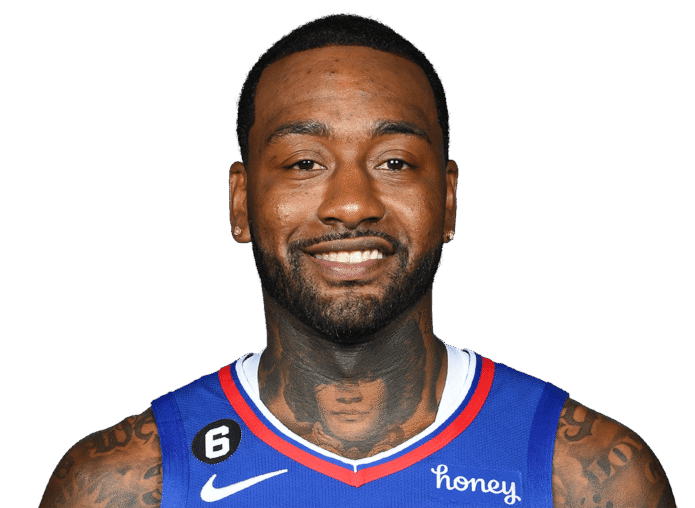
John Wall’s tattoos trace several parts of his life: family, faith and basketball. Photographs show portraits, lettering, numerals and smaller symbols across his chest, neck, shoulders and arms. The collection has grown in stages rather than following one matching sleeve design.
Interviews and sports features explain a few specific pieces; photographs show their placement and style. The chest portrait of Wall with his father is documented, as are the Valley of Shadows scene and Psalm 23:4 reference. Other lettering and symbols are visible, but their meanings are not always public.
The family portrait on his chest
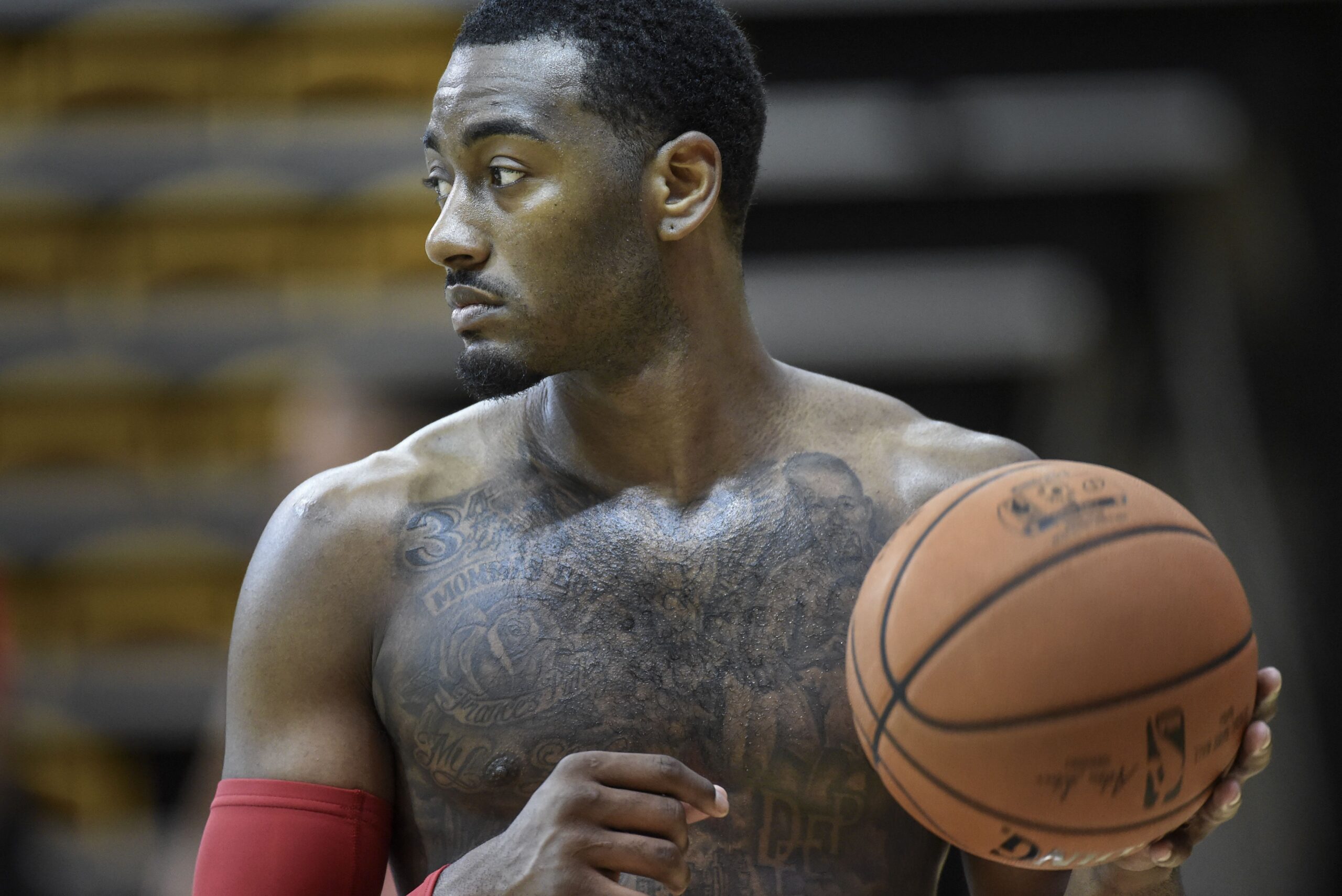
The chest portrait shows Wall as a young child with his father. ABC News described it as a recreation of a photograph taken when Wall was about two or three. It sits across his chest, usually under his jersey, and becomes the main image when that area is visible.
Wall’s father died of cancer shortly before Wall turned nine. He has described the photograph as one of the few tangible connections he kept. The tattoo preserves that particular moment rather than reducing the tribute to initials or a date.
ABC News also reported Wall’s game-day ritual: he kissed his wrists, tapped the jersey over the portrait and pointed upward before playing. The gesture made the covered tattoo part of his routine. In close photographs, facial shading and detail distinguish the portrait from the lettering and dark areas around it.
Neck and shoulder lettering in game-day photos
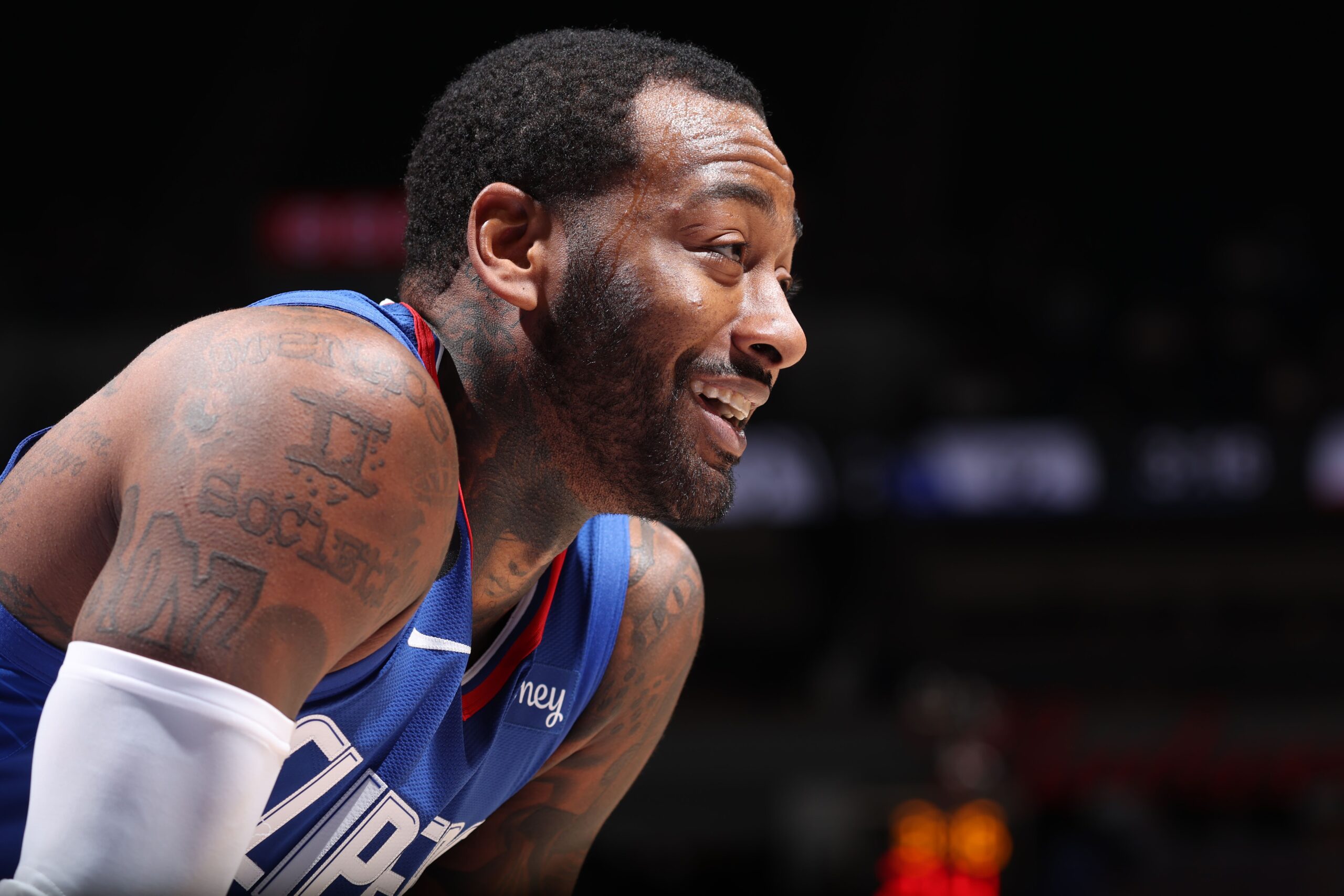
Lettering above Wall’s collar and around his upper shoulder is often visible in game photographs, even when his jersey covers the chest portrait. The neck work is darker and more graphic than the portrait, with words and compact marks fitted around the collar line.
Sports photos catch it at different angles. A straight portrait shows a band of lettering; movement, sweat and the collar can obscure parts of it during a game. Later photographs show additional words and symbols around the neck and shoulder, but the sources here don’t identify every mark or give it a meaning.
The career and body-map lettering
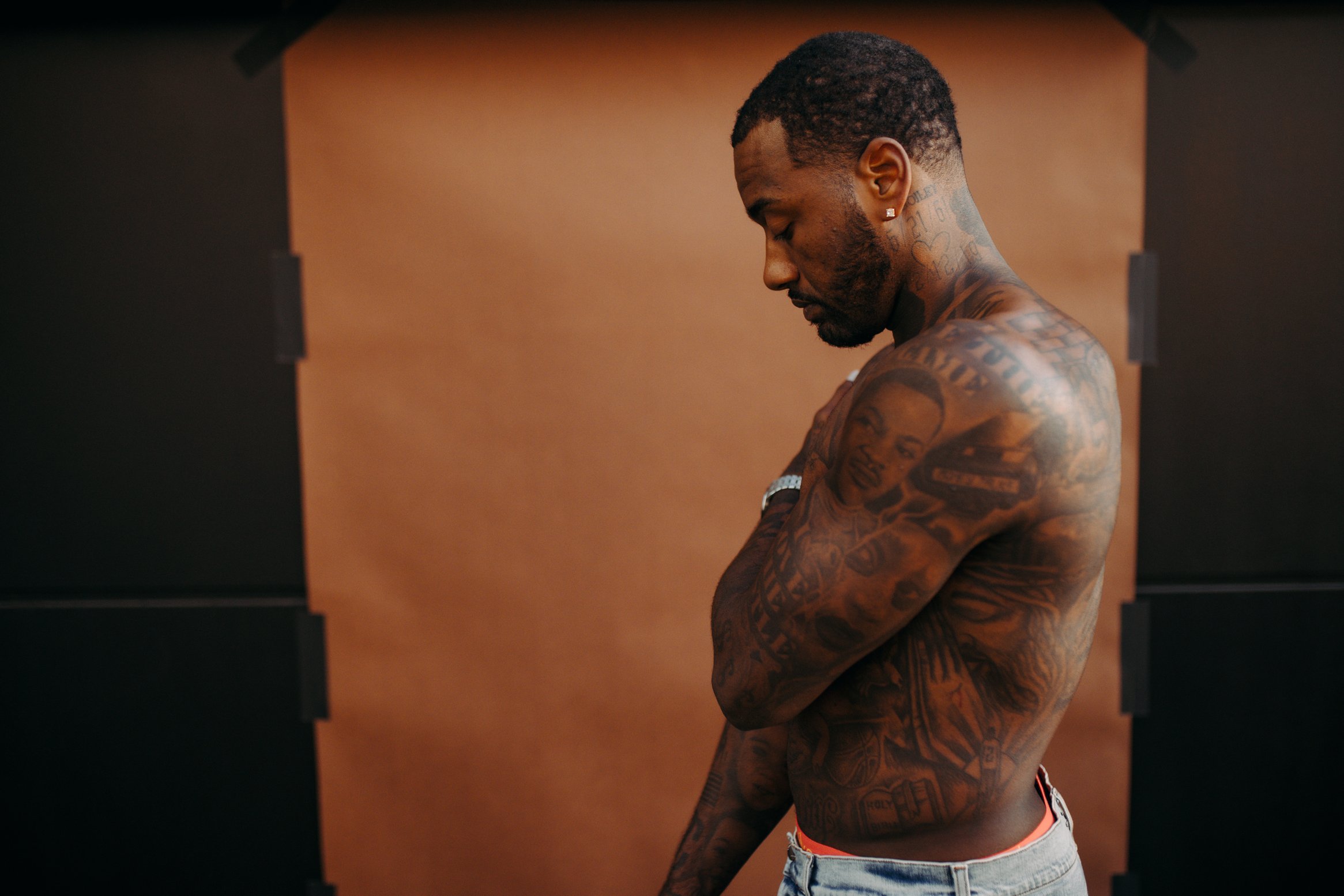
A shirtless Players Tribune portrait shows more of Wall’s tattoos than a game image: script and shaded forms run across the torso toward his back and arms, with smaller emblems between larger pieces. The amount and placement of the ink changed across photographs from his Kentucky and Washington years.
Wall’s basketball career provides the setting for those images, but the reported meanings also concern family and faith. The chest portrait and religious designs are more specific than a team reference or logo. Across the torso, fine shading, blockier lettering and small symbols sit alongside one another instead of in separate panels.
The arm pieces visible in Wizards portraits
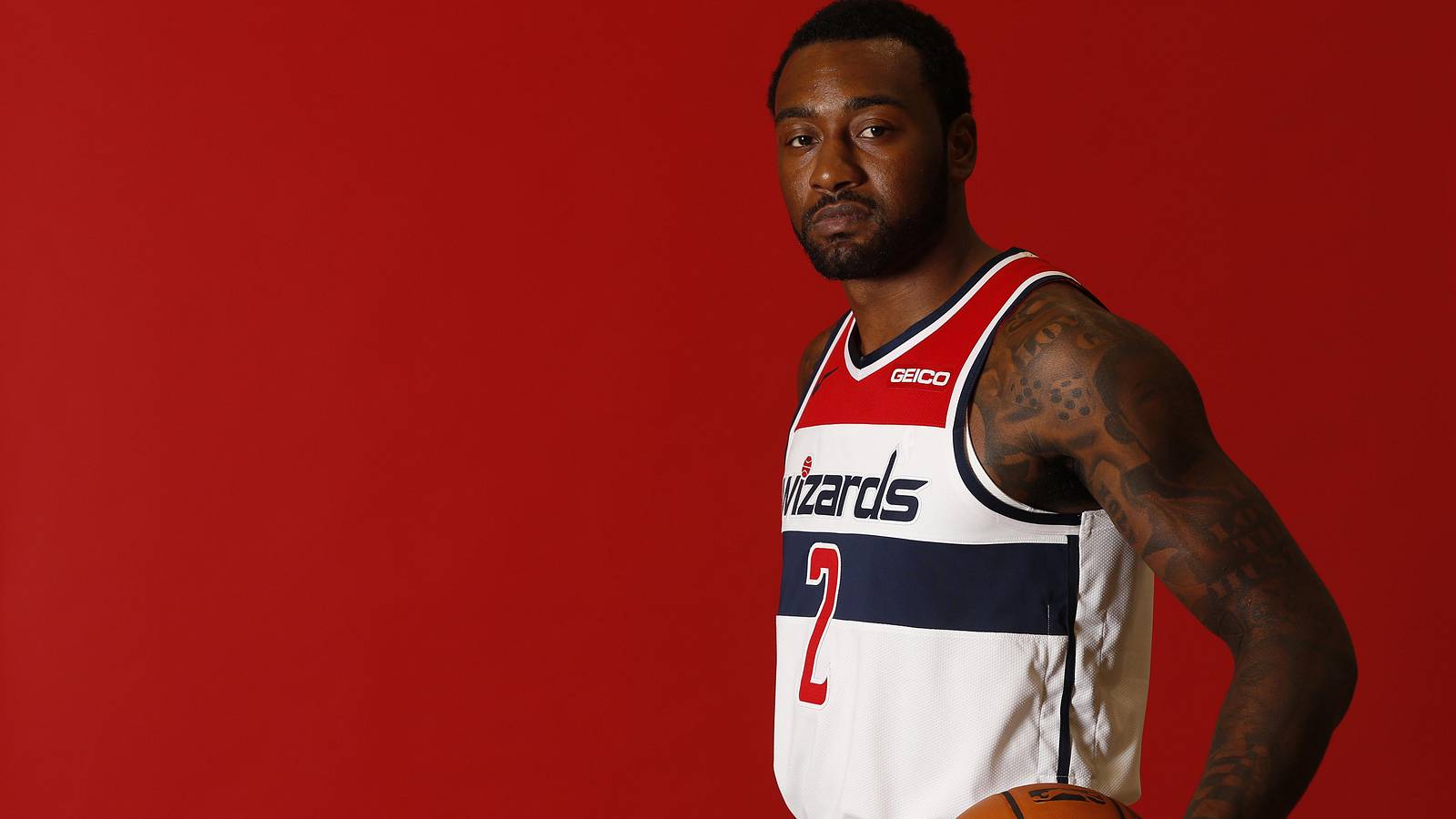
The arms are visible in many Wizards portraits, even when a jersey hides the chest. Photographs show lettering, small symbols and darker shaded sections on the forearms and upper arms. Some pieces are easy to identify by their outline; others are too small or distant to describe more precisely.
The work varies in scale as it moves from the forearm toward the shoulder. In the red-background portrait, dark linework stands out against the uniform. A front media-day image shows separate sections on both arms, though neither photograph establishes a meaning for every mark.
The repeated arm and shoulder symbols
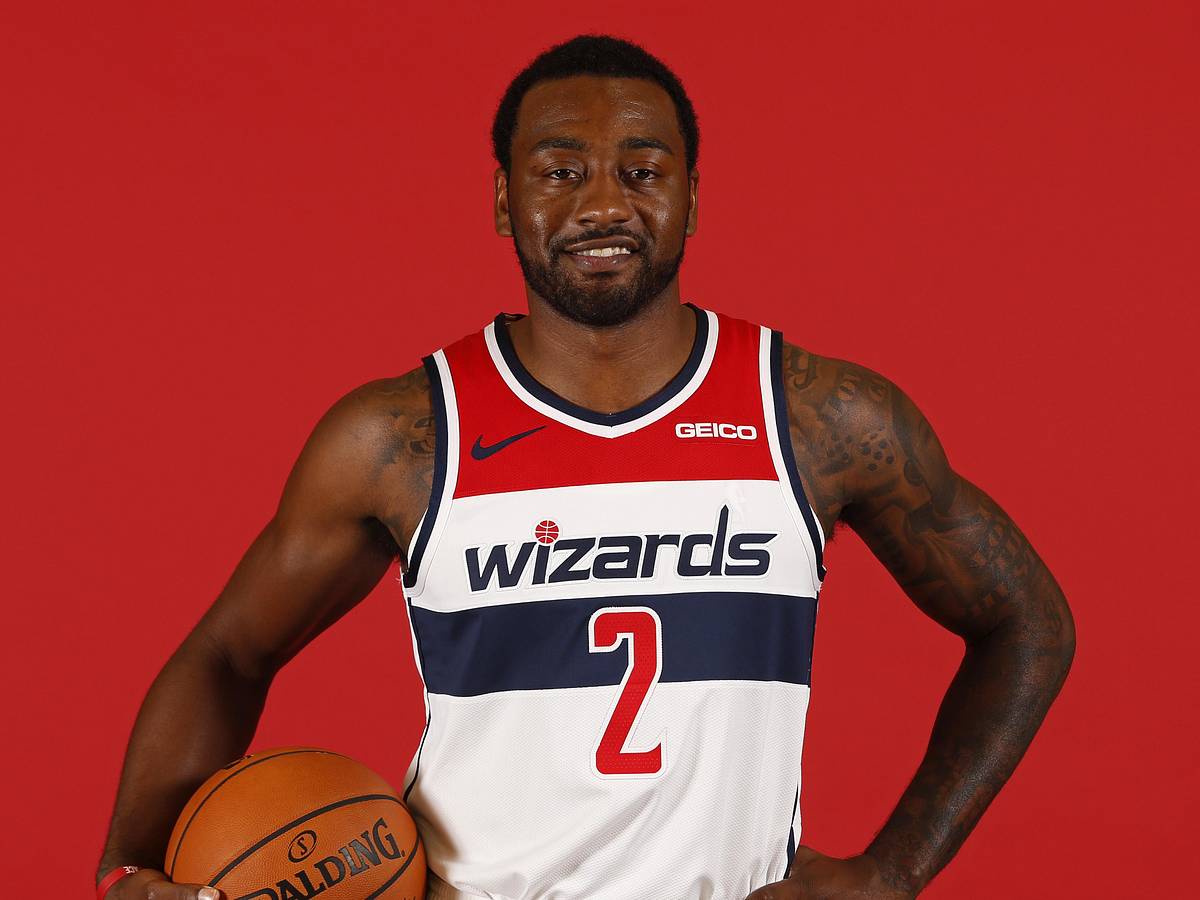
Smaller marks across Wall’s shoulders and arms fill the spaces between larger images. They can be hard to see when a photograph focuses on his face or a game, but the same symbols appear across portraits. A mark near the shoulder may look like part of the neck or upper-arm work depending on the camera angle.
Wall has discussed the family portrait and religious designs, including the Psalm 23:4 reference and Valley of Shadows scene. The smaller symbols around them are visible, but their individual meanings are not documented in these sources. Comparing the chest close-up, shirtless portrait and game photographs gives a fuller view of their placement without assigning them an unsupported story.
A visual autobiography in layers
Wall’s collection reads more clearly as a set of layers than as a list. The chest portrait marks his connection to his father; the Psalm 23:4 reference and Valley of Shadows scene reflect the faith he has discussed. Lettering and smaller symbols sit around those larger pieces, while later additions have made the upper body more densely covered.
The styles also differ: the portrait uses fine facial shading, script creates longer lines, and smaller symbols break up the darker areas. The pieces don’t form one repeated stencil. Some have a documented meaning; others remain visual details in the available photographs.
The timeline from first reveal to later coverage
The Washington Post reported on Wall’s chest tattoo after it was added. Later features documented the Valley of Shadows piece and its connection to Psalm 23:4, while subsequent portraits show more coverage on his arms and shoulders. Together, those reports and photographs show the collection growing over time.
The chest portrait, religious designs, neck lettering and arm work give the clearest account of Wall’s tattoos. Photos show where the ink sits and how the pieces connect; Wall’s interviews and profiles provide context for the meanings he has shared. Other marks remain unexplained in the public record.