Musicians

Green Day’s Billie Joe Armstrong wears his history in ink

Billie Joe Armstrong’s tattoos feel like a punk-rock scrapbook. They don’t form one carefully matched sleeve. The designs range from band history and family to East Bay identity, old-school flash and Green Day imagery. A vintage car sits alongside skulls and cards; names and initials share space with stars, portraits and smaller symbols. The collection looks lived in, not planned for one photo shoot.

Armstrong has talked about his tattoos in interviews, which makes it easier to trace how they accumulated. Some came when he was young; others were added with bandmates or to mark people and places that shaped him. Each one points to a song, a friend, a neighborhood or an earlier version of himself.

Lists sometimes put the total at forty or more, but the number depends on whether small symbols and matching designs are counted separately. This guide focuses on tattoos that are documented and the stories attached to them, without treating every repeated photo as a new piece.

The chest pieces set the tone

Billie Joe Armstrong chest tattoo with skull and crossbones

Some of the designs that define Armstrong’s collection sit on his chest. One photograph shows a skull and playing cards, a classic pairing with an old-school, restless feel. A vintage car is another prominent image, fitting the collection’s interest in Americana, movement and rockabilly art.

These are larger and more illustrative than the names and small symbols on his arms. They give his torso a focal point, with room for other pieces around them. The chest tattoos can stay covered under a shirt, then become part of the stage image when it opens or comes off during a show.

The skull and cards suggest risk, chance and punk attitude, though the available reporting doesn’t give one official explanation for every detail. A tattoo can carry a mood without a formal meaning for each line. This design leans into the vintage, slightly dangerous side of Armstrong’s style.

The car has a different feel, bringing to mind travel, speed and American music imagery. Together, the chest pieces feel like two parts of the same collection: one dark and theatrical, the other nostalgic.

East Bay punk identity is written on the skin

Billie Joe Armstrong colored star tattoos

An important part of Armstrong’s tattoo story is his connection to the East Bay punk scene. Interviews and other coverage identify an “EBPM” tattoo, commonly understood as East Bay Punk Mafia. Armstrong has said he got it with people in his circle because the phrase stood for the local punk community that shaped him.

That’s more than a place name. The East Bay gave Green Day a musical scene and a network of relationships. Tattooing that identity on his body makes it part of the foundation, not a chapter left behind when the band became famous.

Other scene-related designs point back to a time when bands, venues and friends were linked by proximity and shared energy. To someone outside the scene, a tattoo may look like lettering or a small logo; to Armstrong, it can function like a map.

There’s a difference between getting a brand and keeping a memory. His best-known punk tattoos lean toward the latter, preserving a community that existed before the arenas and stadiums.

Adeline Street and the band’s visual world

Billie Joe Armstrong 80 tattoo

Armstrong has tattoos associated with Adeline Street, the clothing and lifestyle brand connected to the Green Day circle. Its logo appears in lists of tattoos on his right arm, alongside other designs tied to the band’s creative world. Like the East Bay lettering, it says something about belonging as well as appearance.

Adeline fits at the crossing of fashion, music and neighborhood culture, where much of Green Day’s visual world has lived. The tattoo can be read as a marker of the people and ideas around the band, not just commercial branding.

Colored stars also appear in photos. Stars are a familiar motif, but on Armstrong they add a bright note to the black line work, lettering and darker images. They can suggest performance, ambition or luck, though there’s no need to give every star its own secret meaning.

Together, the logo, stars and smaller marks give his arm a layered look. It’s less a single statement than a wall of gig posters, stickers and old photographs, with each piece pointing to a different part of his story.

Names, portraits and family references

Billie Joe Armstrong portrait tattoo for Adrienne

Armstrong’s collection includes names and portraits linked to family and close relationships. Tattoo lists mention Adrienne’s portrait, the name Joseph and an image of Jesus among the work on his right arm and upper body. Some details are clearer in certain photos, but the pattern is plain: people matter alongside logos and symbols.

Names are direct tattoos. “Joseph” can be read immediately, while a portrait depends on the viewer recognizing the person. Both fit Armstrong’s preference for designs with a personal anchor.

Portrait tattoos can also change meaning over time. A face on the arm can serve as a daily reminder of a relationship or influence. For a musician whose work returns to memory, anger, friendship and growing older, that feels consistent with the songs.

The arms and hands are also where the collection looks most crowded. The chest can hold a few larger images; smaller pieces accumulate on the arms. The result feels more like a journal than a poster.

PUNX, 80 and the small marks that fans recognize

Billie Joe Armstrong 27 and Joseph tattoos

Close-ups and tattoo inventories identify lettering such as PUNX and 80. Short words and numbers are common in punk culture because they can work like code: a few characters can signal a set of values without spelling everything out.

“PUNX” is plain and defiant. “80” is sometimes connected to the early punk era, though sources vary in how confidently they explain the number. It’s safer to identify what’s visible and label the reported connection than to turn a short number into a biography without a clear quote.

These small designs help explain why the total is hard to settle. A portrait is easy to count. A number, a pair of stars or a logo may disappear under a wristband, then show up in another photo. Different galleries group the tattoos differently.

For fans, that leaves something to look for. A new photo can reveal lettering that wasn’t visible onstage or show how two separate designs sit beside each other.

From first tattoos to a full punk archive

Billie Joe Armstrong Jakob tattoo

Armstrong has said he started getting tattooed young, including an early Madball-related design in Memphis when he was eighteen. That gives the rest of the collection a starting point: the tattoos were part of the punk life he was building, not an image he adopted after becoming famous.

The early context helps the later designs feel connected. Chest imagery, East Bay lettering, the Adeline logo, names and small symbols all belong to a visual language that grew over time. Some pieces are personal, some communal, and some are simply art he liked, but they sit in the same world.

Adding tattoos for decades also means taste changes. Old flash sits beside newer line work; a band reference shares space with a family detail; a bright star can sit next to a dark skull. The collection doesn’t need to be perfectly consistent, because a life isn’t perfectly consistent either.

That is what gives Armstrong’s tattoos their character. They aren’t a trend board. They’re a visible archive of the people, communities and styles that stayed with him.
How to read Billie Joe Armstrong’s tattoo collection:

The clearest documented pieces include the vintage car and skull-and-cards chest work, East Bay Punk Mafia lettering, Adeline Street imagery, colored stars, PUNX and 80, portraits and names linked to family and close relationships, and smaller symbols visible in arm and hand photos.

Some guides identify individual designs such as Jesus, Joseph, 27 and other short references. Check those against clear photos: small lettering can be misread in mirrored or heavily edited images. It helps to distinguish a tattoo that appears repeatedly from a detail seen once in a low-resolution crop.

That care doesn’t flatten the story. It shows how Armstrong’s tattoos connect Green Day’s public history with familiar things: a local scene, friends and family, a favorite style, and memories of being young in a band.

His ink is punk history made personal. Some designs are loud, some stay covered, and some make the most sense when you know the people and places behind them. Together they show why he keeps adding to the collection.

Watch Billie Joe Armstrong get tattooed

This short video offers a look at Armstrong getting inked and complements the photo guide with a bit of his own perspective.

Moby’s tattoos turn vegan activism into a very public message

Moby’s tattoos are closely tied to convictions he has discussed for decades. His ink includes a small cross and “LRSC” on his cheekbone, “VEGAN FOR LIFE” on his neck, and large “ANIMAL RIGHTS” lettering across his arms. These designs are meant to be seen; they express how he wants to live.

The collection has grown over different periods and doesn’t follow one style. Some pieces feel personal and almost devotional; others state their message outright. The newer animal-rights tattoos are especially large, turning his body into a public statement about a cause he has supported for years.

Because Moby has explained several designs in interviews, the tattoos can be read as a timeline. The story starts with a black cross from his touring years in the 1990s and continues to the lettering that puts vegan activism front and centre.

The LRSC cheek tattoo is small but deeply personal

Moby tattoos

One of Moby’s best-known tattoos sits on his left cheekbone. It combines a small cross with the letters LRSC, which he has said stand for “love, reason, service and compassion.” Four words of personal principle sit beside his face.

That placement makes the message hard to miss. A cross on an arm can disappear beneath a sleeve; LRSC appears in photos and interviews. The design invites people to ask what the letters mean, and Moby has given them an answer.

The cross gives the acronym a spiritual quality without making it a simple religious label. Love, reason, service and compassion are broad ideals, but also practical ways to treat people and animals.

The tattoo looks modest until you know what each letter stands for. Its size is small; the explanation gives it weight.

A black cross goes back to Moby’s touring years

Moby Vegan for Life neck tattoo

Moby has said he got his first neck tattoo, a black cross, while touring with Lollapalooza in the mid-1990s. He was young and moving through the punk and alternative music scene. That story gives the tattoo a different feel from the protest lettering he added later.

A first tattoo can hold both impulse and identity. At that point, Moby was a touring musician in a scene where tattoos were part of the look. The cross became a marker of that period.

Tattoos can outlast the mood in which they were chosen. Their meaning may deepen or shift while the design stays the same. In Moby’s case, the early cross now sits beside later messages about compassion and animal rights, linking personal belief with activism.

The image is visible, but the story is specific: it came from a particular tour, age and music community, not a random design pulled from a catalogue.

Vegan for Life makes the neck impossible to misunderstand

Moby animal rights arm tattoo

In 2019, Moby added large “VEGAN FOR LIFE” lettering to the side of his neck. The size and placement make the phrase clear. It reads more like a sign than a private symbol.

That directness fits his activism. Moby has been vegan for decades and has spoken about animal rights through music, interviews and public appearances. The tattoo makes the commitment part of his image whenever he speaks.

Neck lettering affects how a person is seen in every setting, from casual meetings to formal events. Putting those words there suggests that Moby values the message being visible more than keeping his appearance neutral.

The design leaves little room for mystery: “Vegan for life” is the explanation. The words are simple and hard to ignore.

Animal rights covers both arms

Moby vegan animal rights tattoo

After more than three decades of veganism, Moby had “ANIMAL RIGHTS” tattooed across his arms. The lettering is large and difficult to hide. It’s the clearest example of his body becoming a public activist message rather than a private collection of memories.

The size drew attention. Large words across the arms change how shirts, photos and performances are framed. They become the first thing many people notice, which makes them effective as protest art.

Some coverage focused on the shock of seeing such a blunt phrase on his arms; supporters saw it as a natural extension of his advocacy. That disagreement is part of how a protest message works. It can make people uncomfortable.

The arms and neck carry related ideas. “Vegan for life” states Moby’s personal commitment; “Animal rights” names the cause. One says how he lives, the other what he believes animals deserve.

The tattoos are more than a celebrity image change

The large new tattoos could look like a sudden image shift, but the activism came first. Moby didn’t just discover veganism because bold lettering became fashionable. The tattoos made a long-standing belief more visible.

That distinction matters when looking at body art. A large piece can seem like a branding choice from the outside, but the person’s history can show whether it is a new pose or a continuation. Moby’s interviews and activism make that history clear.

LRSC adds a more personal note. It isn’t a slogan aimed at strangers like “ANIMAL RIGHTS”; it reads as a private code. His collection carries both kinds of message: values he keeps close and an issue he wants others to see.

The cheek tattoo works like a small private compass beside a large public sign. That contrast keeps the collection from being one-dimensional.

What the early punk connection adds

Moby’s first cross and touring story place his tattoos in the alternative music culture of the 1990s. Tattoos could signal independence or belonging, or simply mark a permanent choice made while living an unconventional life.

The newer vegan designs use that same willingness to be visible, but with a more explicit purpose. Instead of a symbol that scene insiders might recognize, Moby chose words anyone can read. The message moved from a scene marker to an activist sign.

That progression feels natural. People often add tattoos as their priorities become clearer. The cross doesn’t have to predict the later “Animal Rights” lettering; it records an earlier part of his life. The newer pieces show where that life led.

A list of symbols alone misses the timeline. The tattoos trace a story about music, travel, personal belief and animal advocacy.

A careful inventory of Moby’s documented tattoos

The best-documented pieces are the black cross from his touring years, the LRSC cheekbone tattoo for love, reason, service and compassion, “VEGAN FOR LIFE” on his neck and “ANIMAL RIGHTS” across his arms. These designs have clear visual evidence and reporting.

Other tattoos may appear in photos, but they can be difficult to identify from a distance. It’s safest to treat the cross, LRSC and large phrases as the core of the collection, and describe other details only when they’re clear.

Those pieces already tell a story. The cross marks an early touring chapter; LRSC puts his values into a personal code; “Vegan for life” states how he lives, while “Animal rights” makes a public appeal.

Moby’s tattoos aren’t meant to disappear. They’re written to be read, and their meaning is clearer when the history behind them stays in view.

Watch Moby explain his vegan neck tattoo

This tattoo interview gives context for the neck design and the activism behind Moby’s most visible ink.

Rico Nasty turns her tattoo collection into a scrapbook

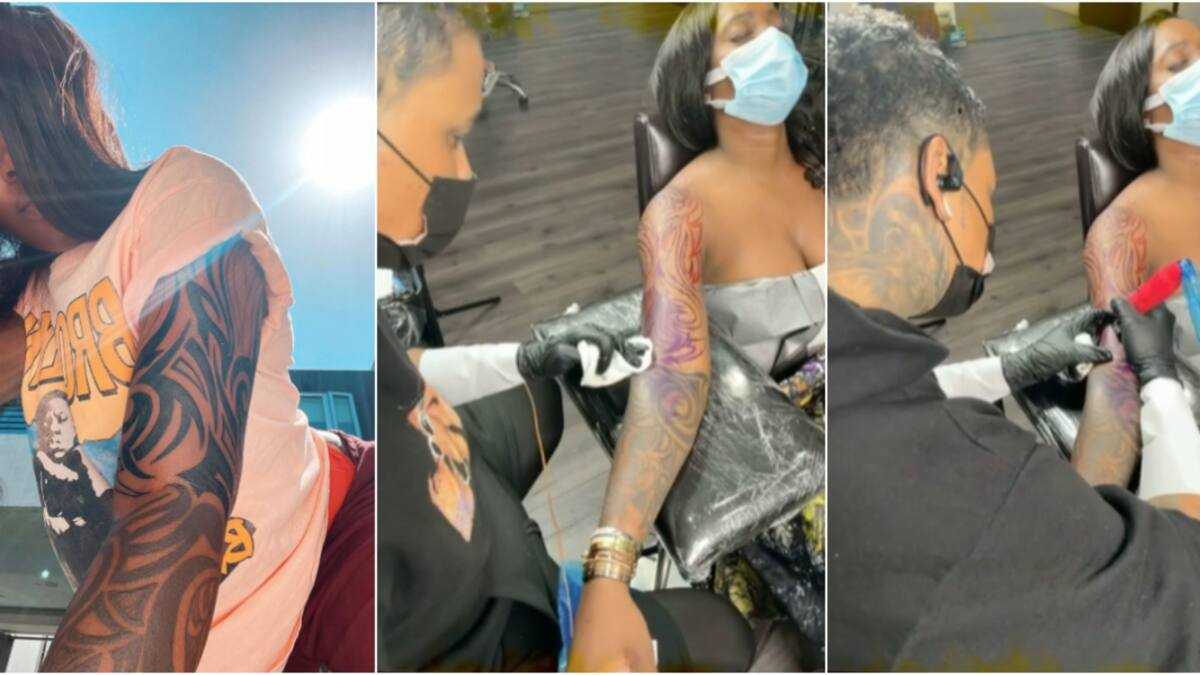
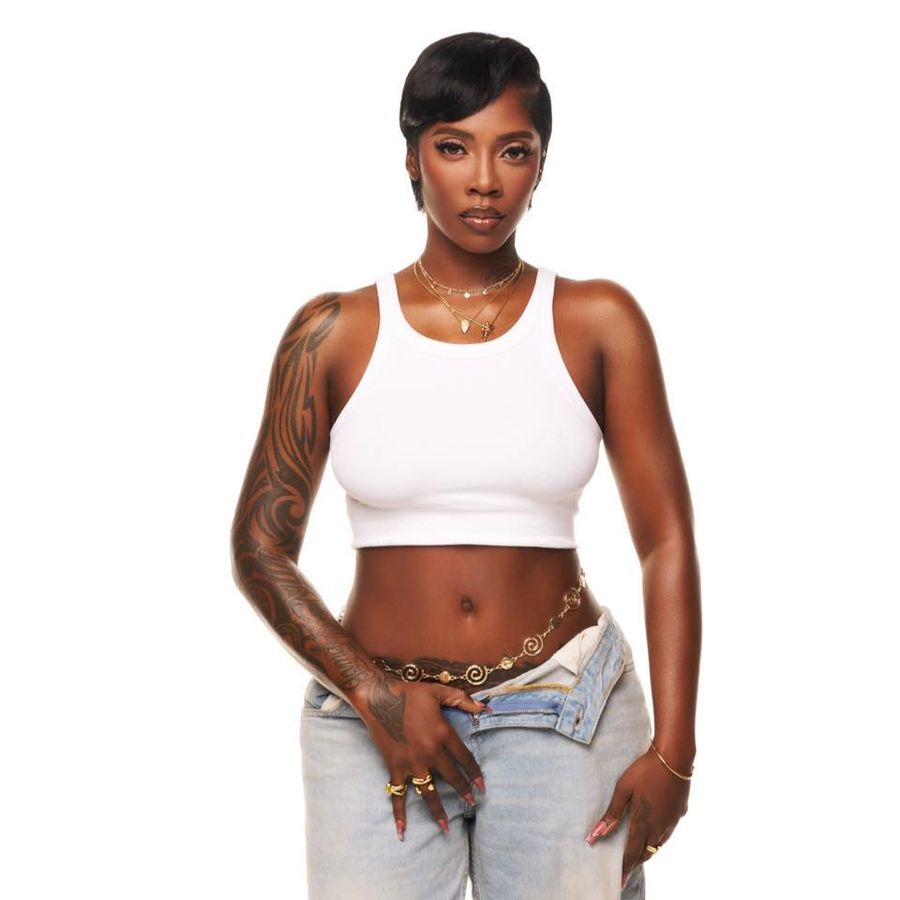
Rico Nasty’s tattoos feel more like a scrapbook carried on her skin than a neat, finished catalogue. She has talked about getting drawings of herself tattooed and wanting to remember certain moments and chapters of her life. That gives us a helpful way into the collection: the pieces connect to memory, personal style and self-image, though Rico has not publicly explained every design.

Photos show a striking mix of bold black ink, portrait-like artwork and smaller personal marks across her arms and upper body. Some are clear in press portraits; others show only briefly beneath stage clothes, changing hairstyles and elaborate looks. Here’s what the public record can tell us, along with what remains for Rico to explain herself.

Rico treats tattoos like reminders of different eras

Rico Nasty tattoos

In a 2021 Inked profile, Rico offered the clearest clue to how she thinks about tattoos. She said she had become obsessed with getting drawings of herself tattooed, tying that habit to memories of particular moments and periods in her life. That tells us more than a roll call of designs: it helps explain why the collection feels like it’s always changing.

A scrapbook gains pages over time. One tattoo can mark a certain chapter, while another stays because the image still feels right years later. Rico’s public style has moved between punk influences, bright fashion, theatrical makeup and dramatic hair changes. Her tattoos belong in that same story of reinvention. They can capture a mood without tying her to just one version of herself.

Rico’s comments are also a good reason to avoid guessing. Saying the tattoos help her remember different phases doesn’t reveal what each phase was. A portrait might hold a memory that matters to her, but only Rico can say which one. The careful approach is to describe the image, where it appears and what the source confirms, while leaving the personal memory hers.

Portrait imagery is part of the visual language

Rico Nasty press portrait with tattoos

Portrait tattoos connected to Rico also appear in the public record. Search results and tattoo community posts have shared artwork based on her likeness, while photos of Rico show portrait-style art fitting naturally into her wider look. Those are separate stories. A fan’s tattoo of Rico is their artwork; a tattoo on Rico’s body is part of her own collection.

That distinction matters because tattoo pages sometimes repost an image without saying who has the design. With Rico, it helps to check whose body is shown and where the photo came from. A press portrait may show her own ink. An artist’s Instagram post might show a fan’s Rico Nasty portrait. Both are worth looking at, but they document different things.

On Rico’s skin, the overall effect is high-contrast artwork that holds its own beside dramatic styling. The tattoos remain part of the picture when she changes her hair or performs under concert lights. Sometimes they stand out; sometimes they’re partly hidden. That range helps the collection feel like a visual diary rather than a conventional sleeve reveal.

Her arm tattoos are the easiest to follow

Rico Nasty tattoo detail

The arms offer the clearest photographic trail. Close-up portraits and sleeveless performances show Rico’s ink again and again, though the angle and lighting vary. That makes her arms the most reliable place to start when describing what’s visible.

Some of the designs are dark and graphic, and their details come through better in certain photos than in others. It can be tempting to identify every partial outline, but a blurry shape is still a blurry shape. Placement is usually easier to confirm than meaning: we can say a tattoo is on her arm without assigning it to a song, a person or a private event.

Clothes affect what we see, too. A cropped top, sleeveless jersey or stage outfit may make one side look busier, while a jacket can hide most of the ink. The collection hasn’t necessarily changed each time its balance looks different; the camera may just be showing us another page.

The collection is connected to performance without being only about music

Rico Nasty stage tattoos

Because the tattoos show up so often in performance photos, it’s easy to treat them as an extension of Rico’s music. That’s only one part of the picture. Her own comments point to memories and personal chapters, not just album promotion. A tattoo can be visible onstage without having anything to do with the set list.

The stage shots do show how the ink contributes to her public image. Rico performs with so much physical energy that details flash past: a hand gesture, a turn of the shoulder, a glimpse of skin between a shirt and glove. The tattoos make those moments feel distinctly hers. They share a visual world with her clothes and makeup, but unlike an outfit, they stay.

It makes more sense to read the look in layers than to take it literally. Against different styling, a dark design might come across as punk, glamorous, playful or confrontational. That doesn’t tell us why she chose it. It does help explain why the tattoos stand out in performance photos.

Rico’s tattoo timeline stays open

Photos can make a collection feel extensive even when only a few designs have been identified by name. The texture, size and placement are still visible. For Rico, the image itself is often the evidence: the arm, the line, the shape and the moment a camera caught it. Anything beyond that needs her own explanation.

Rico Nasty live performance tattoos

Rico’s career has moved quickly, so there’s no reliable final count to give. A photo from an earlier breakout period may show less ink than a later editorial portrait. A newer image may reveal a detail that was always there but hidden before. It’s more useful to treat each clear photo session as a snapshot in time than as a complete inventory.

The 2021 Inked profile gives us a clear reason for her interest in tattooing: she wants to keep reminders of different periods and moments. That makes the timeline meaningful, even though the date of each tattoo hasn’t been published. A design can belong to a particular era without having a publicly announced appointment date.

Later photos continue to show a collection that grows and changes with her. New pieces may be added, older ones covered, and styling can change how much skin is visible. A record that keeps evolving is still an honest story.

A careful inventory of Rico Nasty’s documented tattoos

What we can support is a visual inventory, not a definitive numbered total. Rico has multiple visible tattoos across her arms and upper body, including bold black marks and artwork that looks like portraits or illustrations in some close-up photos. She has also said that getting drawings of herself tattooed helps her hold onto personal moments and phases.

The clearest points are these: multiple arm tattoos appear in press and performance photos; more ink on her upper body is visible or hidden depending on her clothes; and Rico has described wanting drawings of herself tattooed as reminders of particular eras. Black ink features strongly, but not every design has a verified public name.

There is a separate group of Rico-related tattoo images made by fans and tattoo artists. Those portraits are not on Rico and don’t belong in an inventory of her tattoos. Keeping those stories separate respects both the artist and the subject. It also helps readers see whether a photo documents Rico’s own skin or someone else’s admiration.

Why the scrapbook idea fits Rico better than a final total

Celebrity tattoo articles often finish with a number because it gives a tidy answer. Rico’s own explanation suggests a more useful way to look at her collection: as an archive of moments and phases. Some pieces are bold, others private, and some may make the most sense alongside the style and music of the period when they appeared.

That view leaves room for change. Rico isn’t displaying a museum exhibit with labels under glass; she’s an artist whose image keeps moving. A tattoo can become part of a new chapter and still carry a memory of an earlier one. The ink is visible to the public, but its meaning can remain personal.

The strongest conclusion isn’t that every tattoo has been decoded. It’s that Rico uses ink to hold onto versions of herself. The arm tattoos and portrait-like marks catch the eye, while the larger story is about memory, self-image and what she chooses to keep.

Watch Rico Nasty in a recent interview

This interview isn’t a full tour of Rico’s tattoos, but it’s a relevant profile where she speaks for herself. It adds some personality and context after the visual inventory, with the video kept at the end of the article.

Brett Young’s Tattoos: 40 Stories in Ink, From Family Heartbeats to Music

Brett Young’s tattoos aren’t random decoration. They read like a scrapbook: part family record, part music map, part reminder of the people and places that shaped him. He has said he has roughly 40 tattoos, each with a meaningful story, so a quick list of body parts doesn’t tell you much.

Some themes are easy to pick out. His arms carry phrases about home and music, while other pieces point to his wife, daughters, faith, California roots and the Nashville life he built after moving on from baseball. That mix feels warm and lived in. It also puts his ink alongside other musicians’ personal timelines, like the family-centered ideas in our Anthony Joshua tattoos guide.

This guide sticks to designs shown or explained in interviews and tattoo-tour coverage. Some smaller pieces are easier to see than to identify, but the larger story is consistent: Young uses tattoos to remember a person, lyric, turning point or chapter he wants to keep close.

It’s most useful to read the collection as a map of choices, not a checklist of pictures.

The “if it feels like home” tattoo follows a music career detour

Brett Young forearm tattoo reading if it feels like home follow its path

One of Brett Young’s best-known tattoos is the phrase if it feels like home follow its path on his right forearm. Poet R.M. Drake wrote the line, and it fits Young’s story unusually well. Before country music became his full-time career, he was a serious baseball player. Injuries changed that plan, and music became the path that felt like home.

This isn’t just a motivational quote for social media. It reads like a private instruction Young chose to keep in view. The line runs from near his wrist along his forearm, so it appears in photos when his sleeves are pushed up. Its clean lettering is quieter than the illustrated tattoos elsewhere in the collection.

Placement matters. Forearm writing is visible both to the wearer and to other people, and Young can glance at it while playing guitar, signing autographs or getting ready for a show. It turns an ordinary workday moment into a reminder of the career he chose after the first one was no longer possible.

The phrase balances instinct with action. “Follow its path” sounds active; “if it feels like home” trusts a feeling. Together they describe Young’s move from an expected future in sports toward songwriting and touring. It’s a strong example of a tattoo explaining a life change without needing a portrait or a date.

“Where words fail” turns songwriting into a tattoo

Brett Young showing the Where words fail tattoo on his arm during a tattoo tour

Young has the words Where words fail on his other arm. The shortened phrase echoes “Where words fail, music speaks,” and feels right for a country singer who spends his life turning difficult feelings into songs.

The design is simple, but the idea reaches beyond his career. Music is his work, yet the tattoo doesn’t read like a logo. It could also be about family and relationships, or the moments when a song says what conversation can’t. That gives it a more personal feel than a title tattoo or branding.

In tattoo-tour footage, the phrase sits among other arm designs rather than taking up the whole space. It becomes part of a wider sleeve story. Symbols, lettering and images connected with home, faith and family surround it, so the words almost caption the tattoos nearby.

Young’s tattoos pair plain language with emotional weight. “Where words fail” needs little explanation: anyone who has relied on a song during a difficult time knows the feeling. For a songwriter, it’s also a reminder that music can carry emotion farther than an ordinary sentence.

Brett Young’s compass and anchor tattoos are about finding home

Brett Young compass and anchor tattoos on his tattooed arm

A compass and anchor are among Young’s most recognizable arm symbols. Together they suggest a clear idea: the compass points toward somewhere, and the anchor lets you settle once you find it. In CMT’s tattoo-tour coverage, Young connected the designs with finding where he was meant to be and then anchoring himself there.

That reading echoes the quote on his other arm. The words are about following a path that feels like home; the compass and anchor express the same idea without a sentence. One design suggests moving forward, the other staying put. Together they capture the balance between taking a chance and knowing when to stop searching.

The compass also suits a career spent on the road. Touring musicians move between airports, buses, venues and hotels. An anchor offers a counterpoint to that routine: it can stand for family, a home, a hometown or anything that still feels steady when the schedule changes.

The symbols add shape to a collection with plenty of lettering. In close-up photos, the compass lines and heavy anchor stand out, especially when Young is holding a guitar or sitting for a tattoo session. Each piece is distinct, but they help the arm feel connected rather than like a row of unrelated stickers.

The ring-finger tattoo is small but deeply personal

Brett Young showing small ring finger and hand tattoos

Not all of Brett Young’s tattoos are designed to show from a stage. The ring-finger piece is a small example with a private purpose. In an interview about his hand tattoos, he showed one connected with his marriage and the commitment represented by his wedding ring.

Finger tattoos can be hard to photograph. They often fade faster than larger pieces, and hands are always moving, so a clear close-up is more useful than a red-carpet portrait. That’s why this one is easy to miss if you’re looking only for the bigger forearm work.

The placement turns it into an everyday reminder. A ring can come off while playing an instrument or working out, but the tattoo stays. It’s discreet enough to keep personal, while its location makes the connection clear to Young himself.

The hand ink also changes the pace of the collection. His arms carry long phrases and bold symbols; the finger tattoo is almost a note in the margin. It shows he values both visible statement pieces and tiny marks he can explain when he chooses.

The tattoo tour shows how the larger collection fits together

Brett Young in a tattoo session with multiple arm tattoos visible

The wider collection adds family details that make the quotes and navigation symbols feel less abstract. Young has talked about heartbeat tattoos for his daughters, Presley and Rowan, made from recordings of each girl’s heartbeat during an early appointment. A private family moment became something he could carry with him.

He has also shown designs connected to family photos, Bible verses and the people who shaped his sense of home. Other tattoos link his California background to Nashville, including references to the Santa Monica Pier and Nashville skyline. A Gibson Hummingbird guitar, a crown of thorns and other symbols extend the story into music, faith and the places he cares about.

The family pieces help explain how the collection has grown. A new tattoo doesn’t have to replace an old one; it can add another chapter. That’s how a musician’s body becomes an archive: one design marks the road into music, another honors a partner and another records the arrival of a child.

There’s no need to give every small mark a confirmed public story. Young has about 40 tattoos, and interviews naturally focus on the pieces with the clearest meaning. What is clear is that the collection isn’t generic filler. The same ideas keep returning: choose the right path, make room for family, let music speak when conversation can’t, and stay grounded while life moves.

That’s why Brett Young’s tattoos are worth looking at together. The compass, anchor, phrases, hand ink, heartbeat lines, guitar references and family symbols all point in a similar direction. They mark where he came from, what he chose and who he wants close as life moves into another chapter.

Brett Young’s tattoos are personal signposts, not just decoration. They keep his career, faith, marriage, children and sense of home in the same frame, which is what makes the collection feel like a story rather than a trend.

Watch Brett Young explain the stories behind his tattoos

Chase Stokes carries a new reminder across his back

In March 2026, tattoo artist Daniel Winter, known as Winterstone, shared a new tattoo across Chase Stokes’s upper back: “They will judge us by our fruit.” Winterstone said Stokes wanted a phrase that could serve as a personal reminder.

The timing drew attention because Stokes had recently split from Kelsea Ballerini, but the tattoo should not be treated as a message to her. Its words are broader, pointing to character and the results of a person’s actions.

Other documented pieces include “Dear me” on his hand, a small bird, a matchstick, a rose and a heart-and-arrow design. Some appear in older photos without a public explanation, so the guide distinguishes what is known from what is only visible.

The new upper-back tattoo quotes scripture

Chase Stokes upper-back scripture tattoo close-up

The new design is a line of fine script high across Stokes’s back, just below the neck. It reads “They will judge us by our fruit.” The narrow lettering gives the phrase room to stretch across the skin without becoming a heavy block.

The wording echoes the biblical idea that a person’s character can be judged by the results of their actions. Stokes’s phrasing is slightly different from the familiar wording, but the central idea is similar.

The line can have a spiritual meaning, or work as a reminder to focus on what one’s choices produce. Winterstone’s comments described it as a “moving forward” tattoo. Although it appeared after Stokes and Ballerini ended their relationship, neither the artist nor Stokes said it was aimed at her.

The upper back is easy to cover and visible in an open shirt or shirtless photo. It can stay personal until Stokes chooses to show it.

Winterstone shared the work and is credited as the tattoo artist. His photos established the wording and placement before entertainment coverage repeated the details. The artist’s credit does not, by itself, establish every reason Stokes chose the phrase.

Chase Stokes’s Dear Me hand tattoo

Chase Stokes Dear Me hand tattoo

The new back piece joins one of Stokes’s most openly explained tattoos: “Dear me” on his hand. He has described it as a reminder to be kinder to himself and quiet his inner critic. It reads like a short note addressed to the person wearing it.

Stokes has discussed the hand tattoo in connection with imposter syndrome and being too hard on himself. The phrase is for his own everyday use, rather than a slogan aimed at fans.

The two tattoos work in different directions. “Dear me” turns inward and encourages self-kindness; “They will judge us by our fruit” looks outward to actions and their results. For another example of personal phrases in ink, see our Bobby Green tattoo guide.

The bird tattoo and his smaller pieces

Chase Stokes bird shoulder tattoo
Chase Stokes matchstick and arm tattoos

A small bird tattoo is visible on Stokes’s shoulder or upper arm in older editorial photos, including a VMAN portrait. The image does not show enough detail to identify the species or its meaning.

Other photographs show smaller tattoos on his arms and hands. A matchstick, a rose and a “Mom” heart-and-arrow design are also visible. Stokes has not publicly explained each piece.

The available images do not add up to a complete catalogue. “Dear me” has a public explanation, and Winterstone identified the new scripture tattoo. The bird and other small designs can be described by appearance, but their stories should remain open unless Stokes shares more.

What the tattoo says about his approach to ink

Chase Stokes People Are Strange arm tattoo

Stokes has said that tattoos should carry specific meaning for the person wearing them. The designs he has discussed fit that view: short phrases tied to self-talk, belief and personal reminders.

The new back tattoo is not a name or date tying it to one moment. Its message can continue to matter through different jobs, relationships and stages of life. The timing after his split with Ballerini was noted in coverage, but it does not establish that the words were about her.

That leaves room for the tattoo to mean something different to Stokes over time, while its central idea remains the same: pay attention to what your actions produce.

What is confirmed and what is still unclear

Chase Stokes smiley wrist tattoo

The clearest details are the back tattoo’s wording, placement and artist credit, and Stokes’s explanation of “Dear me.” Older photos show a bird and other small designs, but no complete official tattoo count has been established.

The breakup connection should be treated as context from the timing and media coverage, not a direct statement from Stokes. The scripture phrasing is clear, but the exact Bible translation or verse number has not been confirmed.

It is possible to describe what the photos show without claiming to know more than the sources do.

Chase Stokes tattoo checklist

Chase Stokes rose arm tattoo
  • Upper back: “They will judge us by our fruit,” fine-line script credited to Daniel Winter, or Winterstone.
  • Hand: “Dear me,” a self-kindness reminder Stokes has discussed in relation to self-criticism and imposter syndrome.
  • Shoulder or upper arm: a small bird visible in older editorial photos.
  • Other small pieces: a matchstick, rose and “Mom” heart-and-arrow design appear in photos, but the meanings are not fully documented.
  • Public total: no complete official count has been confirmed.

Stokes’s tattoos are easy to describe and harder to reduce to one explanation. The new back phrase is about actions and character; “Dear me” is about how he talks to himself. Other marks add visual detail without needing invented meanings. His best-known tattoos read like reminders, not announcements.

Watch the new tattoo reveal

Chase Stokes new upper-back tattoo reveal

This E! News video covers Stokes’s upper-back tattoo and the context around its March 2026 reveal.

Ice Spice puts Saint and Sinner on opposite sides of the story

Ice Spice’s tattoos mix short phrases, colour and imagery. A red “Munch” sits on her pinky, a butterfly is on her forearm, and an ornate lower-back design fits her Y2K styling. In September 2026, she showed two new words in red script on the backs of her upper thighs: “Saint” and “Sinner.”

She revealed the pair in a video and captioned it “for the love of the game.” The look is playful, but the tattoos also continue a pattern in her collection: brief words and clear designs that invite a reaction without explaining everything about her.

Saint and Sinner sit as a matched pair

Ice Spice Saint and Sinner thigh tattoos
Ice Spice Saint and Sinner thigh tattoos second view

These are two separate tattoos, placed on opposite sides of the upper thighs beneath her backside. “Saint” is on one side and “Sinner” on the other. Seen together, the words create a deliberate contrast.

Reports describe the script as red or reddish, linking it visually to the red “Munch” tattoo on her left pinky. The matched placement matters as much as the words: each label gets its own side.

Ice Spice has not explained the pair in detail. Her caption gives a sense of the mood, but it does not establish that the words refer to a specific person, song, religion or relationship. The clearest description is a visual one: two contrasting labels in red script.

The religious language is playful, but its meaning is not fully explained.

“Saint” and “Sinner” are familiar religious opposites, which helps explain the attention the reveal received. Ice Spice has not said that the tattoos are a statement about faith, sin or redemption. It is reasonable to say she is playing with religious language; anything beyond that remains interpretation.

The contrast also fits her public style, which often moves between sweetness and provocation. The joke works because the words are opposites, while the private meaning remains hers.

The Munch pinky tattoo ties the collection to her breakout.

Before the new thigh tattoos, her best-known word design was “Munch” on the side of her left pinky. It refers to “Munch (Feelin’ U),” the 2022 track that helped bring Ice Spice’s Bronx drill sound to a wider audience.

The pinky placement makes the tattoo easy to show in a selfie or close-up. It is small, but the reference is clear to fans. Like the new pair, it uses short lettering to connect a design with a moment in her career.

The older arm photos show the butterfly clearly

Ice Spice butterfly arm tattoo at an event

The butterfly on her forearm

Ice Spice butterfly arm tattoo second view

Ice Spice has a red-and-black butterfly on her left forearm. It adds an illustrated shape to a collection that also includes several word tattoos.

Butterflies are often associated with change, growth or freedom, but Ice Spice has not given this design a detailed public explanation. The most reliable description is the visible one: a red-and-black butterfly on her left forearm. For another celebrity butterfly tattoo, see our Ariana Grande tattoo guide.

The butterfly is more open-ended than “Munch,” which points to a specific track, or “Saint” and “Sinner,” which form a clear contrast. That mix of image and words keeps the collection from feeling like a single campaign.

The Y2K lower-back design

Ice Spice Y2K lower-back tattoo

Ice Spice showed an ornate lower-back design in 2023-era coverage. She captioned the reveal with “Y2K” and a date-like sequence that fans read as a possible reference to her debut album era. That connection is an interpretation of the post, not a confirmed explanation from Ice Spice.

The placement fits the Y2K styling she has used in outfits, jewelry and low-rise silhouettes. The newer thigh tattoos take a different approach: they are words rather than an ornate design, but they are also positioned to be revealed when she chooses.

It is easy to reduce any lower-back tattoo to a trend label. In Ice Spice’s case, the placement also sits within a wider visual style. The design is hers, even if it draws on a period of fashion and body art she has helped bring back.

What the new pair adds to her tattoo story

“Saint” and “Sinner” are more theatrical than “Munch,” but they keep to Ice Spice’s use of short, readable language. They could be a joke about public perception, a play on contradiction, or simply words she liked. She has not chosen one explanation publicly.

The placement shapes the reveal. The pinky tattoo is tiny; the butterfly is visible on her forearm; the lower-back design fits the Y2K look. The thigh words stay hidden until she turns around, making the video part of how people first saw them.

Her caption, “for the love of the game,” may refer to music or the game of celebrity image-making, but it could also be a playful line. It does not settle the meaning of the tattoos.

How many tattoos does Ice Spice have?

There is no official master list. Recent reporting puts the number at at least six publicly documented tattoos, counting the two thigh words, “Munch,” the butterfly, the lower-back design and other previously shown pieces. Treat that as a minimum, not a final total; galleries may count the same composition more than once or repeat the same photo.

“Saint” and “Sinner” are separate tattoos even though they were revealed as a pair. For older pieces, it is best to distinguish designs that can clearly be seen and avoid counting a blurry mark as a confirmed tattoo.

The collection may grow, and new pieces can appear in a Story, video or fashion shoot without an explanation of who did them. The available reporting has not identified the artist for the new pair.

The complete Ice Spice tattoo inventory

  • Upper thighs: “Saint” and “Sinner” in matching red script, revealed in September 2026.
  • Left pinky: “Munch,” tied to “Munch (Feelin’ U).”
  • Left forearm: a red-and-black butterfly.
  • Lower back: an ornate Y2K-style design shown in 2023-era coverage.
  • Public count: at least six documented tattoos; the full total is unconfirmed.
  • Artist for the new pair: not identified in the available reporting.

Ice Spice’s tattoos are easy to recognize, even when their meanings remain open. “Munch” connects to a career moment; the butterfly is open to interpretation; the lower-back piece appears in her Y2K visual world; and “Saint” and “Sinner” make a matched contrast. She keeps the words simple and lets people react.

Watch the new tattoo reveal.

This video discusses Ice Spice’s latest ink and the “Saint” and “Sinner” reveal.

Alkaline’s eye tattoos turned a bold image into a lasting debate

Alkaline’s eye tattoos became part of his public image when he emerged in Jamaican dancehall with bleached hair and a deliberately mysterious style. The darkened eyes drew attention, but they were part of a wider approach to body art and performance.

The sclera tattooing associated with the look became the best-known part of the story. In interviews, Alkaline discussed the pain and said it was temporary. Later photos raised questions about whether the effect had faded, changed or involved contact lenses. Those questions are still part of the record, so the images should not be reduced to a simple before-and-after story.

The darkened eyes made the first impression

Alkaline eye tattoo procedure photo

When Alkaline first became known in dancehall, people noticed his darkened eyes. Coverage described tattooing or colouring the sclera, the white area around the iris. That is different from an ordinary skin tattoo, and reports at the time emphasized how unusual and painful the procedure was.

In an OnStage TV interview, Alkaline said the tattoos hurt but that pain was temporary. He also suggested the effect would dissolve over time, a claim that tattoo professionals and ophthalmologists questioned. His comment is part of the record, not medical guidance.

The eye ink was part of a complete visual strategy

Alkaline later eye tattoo and hand tattoos

The eye look appeared alongside bleached skin, blond dreadlocks, dark clothing and a hard-to-read public persona. Together, they gave Alkaline’s early music a visual hook. In dancehall, presentation can be as memorable as the songs, and his look made “different” immediately visible.

That does not mean the tattoo was only a marketing move. Alkaline has described himself as someone willing to take risks and think differently. The Jamaica Observer had also written about his interest in tattoos before the eye controversy became his signature.

Why the 2016 number became part of the mystery

“2016” became a recurring theme in Alkaline’s public image. Fans tried to connect the number to his tattoos, music and persona, but coverage says he did not immediately explain what it meant. The unanswered question added to the mystique.

The number should be kept separate from the eye story. Its recurrence is documented; one definitive meaning is not. Some of the mystery was part of the performance.

The look raised genuine medical questions

Scleral tattooing involves the eye itself, not just the skin. Contemporary coverage raised concerns about serious risks, including infection, inflammation and damage to vision. Alkaline’s confidence in interviews did not remove those risks.

The tattoo can be described without glamorizing the procedure. It made for a striking image, but a performer’s choice is not evidence that the procedure is safe. The eye tattoos are part of dancehall history, not a recommendation to copy them.

Did the eye tattoos disappear?

Later photos complicated the story. Some appeared to show Alkaline without the same darkened effect; others raised the possibility of lenses or a changed look. BET UK coverage in 2025 also referred to his infamous appearance and the return of lenses after a long gap.

The most accurate description is that the visible effect changed over time and the public record offers different explanations. Alkaline once said the ink would dissolve, while experts questioned that claim. Lighting, lenses, fading or other changes may explain some of the images; without a definitive account, the current status remains uncertain.

The rest of his tattoo story is harder to map

Alkaline chest and arm tattoos

Most tattoo coverage focuses on Alkaline’s eyes. Photos show other work on his body, but the sources reviewed here do not provide a complete catalogue of his arms, chest or hands.

A careful account can identify the sclera controversy, the recurring “2016” theme and the tattoo-centered image around his early career. Small shapes in low-resolution photos are harder to identify, and should not be given names or meanings without support.

His image was built around refusing easy answers

Alkaline forearm tattoos

Alkaline often let his image speak before he explained it. The darkened eyes fit that approach: they were easy to notice, but they did not tell viewers exactly what he meant.

The choice to be seen differently may itself be part of the meaning. The tattoos challenged expectations for a dancehall artist and raised questions about pain, performance and how far someone might go to shape a public image. The eyes became a question mark he carried into each appearance.

What is confirmed and what remains uncertain

The public record confirms that Alkaline was associated with darkened or tattooed sclera and discussed the pain in interviews. The look was widely covered and appeared alongside bleached skin and blond dreadlocks.

What remains unclear is whether every dark-eyed photo shows permanent sclera tattooing, whether the pigment faded or changed, and what “2016” meant. The sources do not provide a verified list of every other tattoo or a complete artist credit. Those gaps belong in the story.

The tattoo controversy outlasted the shock value

The eye ink endured in public conversation because it raised questions about safety, identity and performance. The look was difficult to categorize: a permanent modification, a temporary effect, a stunt or some combination. Years later, people still look for answers because it changed how they remembered Alkaline.

The tattoo did more than decorate his face. It became part of the discussion around his career and how far an artist can push an image. That is why it remains the central entry in any guide to his tattoos.

Alkaline’s eyes remain his most recognizable ink story

Alkaline tattooed hand and eye tattoo

Alkaline’s tattoo history is hard to separate from the mystery he built around his persona. The eye look made him recognizable, while “2016” kept fans searching for clues. His own comments, medical concerns and later changes in appearance all belong in the same timeline.

Not every question has an answer. Alkaline used tattoos and visual modification to make uncertainty part of his art. The procedure was painful and controversial, and its current status is still unclear. That unresolved tension is why the look remains memorable.

Watch Alkaline discuss his tattooed eyes

There is a wider cultural context too. Jamaican dancehall has long rewarded artists with a memorable silhouette, and Alkaline’s visual language developed within that scene, alongside his own experiments and the pressure to stand out.

That context explains why the tattoos drew so much attention, but it does not make the procedure less risky. The eyes were personal, professional and controversial at once, and that combination kept the story in public view.

Cody Simpson’s tattoos trace the long way back to the pool

Cody Simpson’s tattoos reflect the different directions his life has taken: music, family, relationships and competitive swimming. His collection includes classical imagery, a team number and a matching tattoo from an earlier relationship.

In a 2026 interview, Simpson explained a newer tattoo as a marker of a new chapter. Earlier coverage identifies Apollo, a swim-team coat of arms marked 838 and other designs across his arms. Together, the pieces make more sense as a timeline than as one unified style.

Apollo gives the collection its classical center

Cody Simpson Apollo tattoo

One of Simpson’s most distinctive pieces is a detailed bust of Apollo on his right upper arm or tricep. Photos show the classical figure beside other fine-line designs, including a tiger, a sculpted head and a geometric rose. The mix feels more like collected artwork than a single traditional sleeve.

Tattoo coverage identifies Apollo, but does not provide a complete quote from Simpson explaining each mythological reference. The classical style is clear; any specific personal symbolism is less certain.

The 838 coat of arms ties ink to swimming

Cody Simpson arm tattoos

When Simpson returned seriously to swimming, he got a coat of arms with his swim-team number, 838, on the inside of his left bicep. The number marks a major change: after stepping away from music, he began working toward his Olympic goal.

The inner-bicep placement is easy to cover and appears in training or competition photos. It is a small badge tied to a new athletic identity.

His tattoos sit between music and sport.

Simpson’s tattoos are visible both in music photos and when he wears training gear. A classical figure can sit beside a team number without either one cancelling out the other.

His public life has moved from teenage pop stardom to serious swimming and back to songwriting. The tattoos reflect different stages rather than a single finished look.

The matching Miley Cyrus tattoo belongs to an earlier chapter

Cody Simpson matching chest tattoo

In 2019, Simpson and Miley Cyrus got matching tattoos during their relationship. Tattoo artist Nico Bassill shared an image of their forearms together. Coverage connected the design to their creative relationship and a phrase that mattered to them at the time.

The tattoo records a moment in their lives; it does not define how either person feels about it now. In Simpson’s collection, it marks an earlier relationship chapter, while the 838 piece reflects a later commitment to swimming.

The arm work mixes portraits, animals and geometry

Cody Simpson visible wrist and arm tattoos

Photos show the Apollo bust alongside a roaring tiger, another sculpted head and a geometric rose. The order of the sessions is not fully documented, and not every nearby design has a confirmed name. What is visible is a mix of fine-line work, classical figures, natural subjects and geometric shapes.

Rather than one unified theme, these pieces feel collected over time. Some are easier to identify than others, and the gaps between them are part of the look.

His newest tattoo story is about a fresh start.

Coverage in 2026 described a newer tattoo as connected to a new chapter. For its exact design and meaning, it is best to rely on Simpson’s explanation in the 10 News interview rather than guess from a photo.

The broader timeline is clear: Simpson’s life has included music, competitive swimming and a return to songwriting. His tattoos record some of those choices without forcing them into one persona.

What can be confirmed from the public record

The documented designs include Apollo on the right upper arm or tricep, the 838 coat of arms on the inner left bicep, and the matching tattoo with Cyrus. Photos also show a tiger, a sculpted head, a geometric rose and other fine-line work.

The full order of his tattoo sessions, the artist behind every piece and the meaning of every surrounding mark have not been established. Photos can identify a large design while leaving smaller ones unclear.

The collection is personal without being over-explained

Simpson’s tattoos bring together classical imagery, animals, geometry, a relationship and a swimming milestone. The meanings do not have to cancel one another out.

He has moved through music, relationships and sport, and the collection reflects those changes. Some stories are public; others remain his to keep.

Why the pool matters so much to the tattoo story

Cody Simpson anchor and skull tattoos

Swimming was a serious pursuit for Simpson, requiring training and a shift away from the pop career that first made him famous. The 838 tattoo gives that period a lasting place beside his earlier work in music.

It is reasonable to read the number as a mark of that transition, while remembering that Simpson has not given a definitive explanation for every design. The tattoo keeps an earlier chapter in view as his life moves forward.

Cody Simpson’s tattoos keep the story moving

The collection traces a life that has moved through music, swimming, relationships and a return to songwriting. Apollo and the fine-line work show one side of his taste; the matching tattoo records an earlier relationship; 838 marks his swimming chapter.

The tattoos are not a final answer. They record choices along the way, with some meanings explained and others left for Simpson to keep.

Watch Cody Simpson break down his tattoos

Dolly Parton’s hidden tattoos were always more personal than flashy

Dolly Parton kept her tattoos covered for years. A small design first caught the public’s eye during a TV interview in the 1990s, when it peeked out from her sleeve. Parton later explained that she has a few delicate pastel tattoos, not the full sleeve people had imagined. The colors are light, and the designs sit within a more personal story.

Rumors about the ink have often traveled further than Parton’s own comments. Jay Leno noticed a design on The Tonight Show, later interviews brought up butterflies and angels, and more recent reports have connected the tattoos to scars, her husband Carl Dean, and her wish to turn marks she didn’t choose into something beautiful. She hasn’t presented them as a rebellious statement.

The butterfly was the tattoo people noticed first

Dolly Parton butterfly tattoo reveal

A small butterfly showing beneath Parton’s sleeve in photos from the mid-2000s helped start speculation that she might have a much larger collection. She later said her tattoos were small and pastel, including butterflies, rather than a full arm of heavy black ink.

The butterfly suits Parton’s look: bright, pretty and easy to pair with rhinestones and soft colors. It also belongs to a collection she has linked to personal reasons, including covering scars. The tattoo itself is small; the stories around it grew much bigger.

A rare chest photo showed a small pastel tattoo

Dolly Parton chest tattoo close-up

During a Tonight Show appearance in the 1990s, Parton confirmed she had a small angel tattoo on her upper arm. It wasn’t a planned reveal. Her sleeve shifted, Leno spotted the tattoo, and his question brought the subject into the open. Parton’s answer made clear that she had kept the tattoos private, not hidden them out of shame.

The angel is one of the few designs she has named in the long-running public discussion of her ink. Reports don’t give a reliable artist credit, exact date or full explanation of its personal meaning. It’s safest to describe it as a small angel without assigning a specific religious message. Parton’s public life includes faith, family and humor, but only she knows exactly what the tattoo means to her.

Ribbons, bows and flowers keep the palette soft

Parton has said her tattoos include ribbons, bows, butterflies and other delicate designs. The overall look is pastel, not dense blackwork. That’s a far cry from the full-sleeve rumor that followed her for years. The tattoos seem to sit quietly beneath her clothes, with a little color showing when a sleeve or neckline moves.

Pastel ink can be pretty and practical. It blends more easily with skin and clothing, which suits someone who has long shaped her stage image through what she wears. Interviews don’t list every ribbon or bow or say exactly where each one sits. Those are designs Parton has mentioned, not a complete map of her tattoos. Her collection is a handful of private details, not a public catalog.

The bee and beehive story is tied to a scar

One of the more personal stories is about a tattoo that covers a mark left by a feeding tube. Recent reports say Parton had a beehive and a small bee tattooed over the scar. The design gave her a way to change how she saw a medical reminder, turning it into something connected with sweetness, work and her playful style.

The beehive is more than a country-themed image; it’s a cover-up that changes the look of the scar and her relationship with it. Parton hasn’t shared a technical breakdown, so the exact placement, artist and year aren’t confirmed. What she has done is turn a difficult mark into something she chose.

Why Parton kept her tattoos hidden

Parton has said she didn’t want tattoos to become a big deal. She has also joked that she isn’t really a tattoo girl. She grew up in a time and place where people attached strong assumptions to tattoos, and keeping them under her sleeves let her maintain the polished country-star image while still making room for private art.

There’s a style reason, too. Dolly’s clothes are part of how she tells a story, and visible ink could compete with the rhinestones, lace and color in an outfit. Hidden tattoos can show on her terms. A butterfly peeking out from a sleeve is a small surprise. Keeping them covered gave her control over when people saw them.

Some of the tattoos are for Carl Dean

One of Parton’s best-known comments about her tattoos is that they’re “mostly for my husband.” She has said she got some pieces for Carl Dean, her husband for decades before his death in 2025. That doesn’t tell us which designs were for him, but it does make clear that some of the collection was personal. The tattoos weren’t made for an audience; some were intimate gifts or shared references.

That may be why there has never been a complete public list of every design. A tattoo can mean something to a spouse without needing to become a magazine story. Parton has talked about having tattoos, but that doesn’t mean she needs to show every one. Some art can be publicly known and still feel private.

The full-sleeve rumor was always too dramatic

For years, people wondered whether Parton had a full sleeve hidden under her clothes. Her interviews describe a much smaller, more colorful collection: a few delicate designs, including angels, butterflies and ribbons and bows, along with the beehive story. The rumor grew from a brief glimpse of ink and all the questions it left unanswered.

Celebrity tattoo stories can turn a covered arm into a mystery and a mystery into a rumor about a sleeve. Parton’s own account is simpler: her tattoos are personal, pastel and placed where she wants them. They aren’t a hidden hard-rock persona waiting to be uncovered.

What can be documented with confidence

The clearest details are a small angel on Parton’s upper arm, a butterfly and other delicate pastel designs she has described as ribbons and bows. Recent reporting also connects a bee and beehive cover-up with a feeding-tube scar. Parton has said that some of her tattoos are for Carl Dean. Interviews and features repeat these details, though they don’t always give exact placements or artist names.

There’s no reliable full count, map of both arms, date for every session or explanation of every design. Some photos show only a hint of ink, and some fan pages feature tattoos inspired by Parton rather than tattoos on her. Fan tribute art shouldn’t be mistaken for Parton’s own body art.

Her tattoos fit the bigger Dolly philosophy

Parton’s public image leaves room for plenty of contrasts: glamour and humor, tradition and surprise. Her tattoos seem to fit that same mix. She keeps them covered without treating them as a source of shame; some are playful, while others connect to scars and relationships.

She never needed tattoos to prove anything about herself. They’re a few private choices, not a new identity. A butterfly can be pretty and still carry a story, and a beehive can be whimsical while covering a difficult scar. That feels very much in keeping with Parton.

Dolly Parton’s secret ink tells a quieter story

Her tattoos were never about shocking anyone. The public has heard most about the butterfly and angel; Parton has also mentioned ribbons and bows, while the bee and beehive cover-up shows how she turned a scar into something she chose. Together, those details paint a more personal picture than the full-sleeve rumor ever did.

Parton kept her tattoos under her clothes for years, then described them as delicate and often personal. They stayed out of sight because their meaning didn’t need a stage.

Watch Dolly explain her hidden tattoos

Ashley McBryde wears her stories on her sleeves

Ashley McBryde’s tattoos read more like a road diary than a planned set. There are bold, colorful pieces, family memories, career souvenirs, jokes and a few designs she can only laugh about now. The collection feels lived in, with each tattoo arriving at its own time.

The country singer has a large eagle across her chest and American Traditional-style work on both arms. She has also talked about a Corvette tied to her dad, a golden gramophone for a Grammy win, a “Be Brave” reminder and a tattoo she got after a friend lost a bet. Not every piece needs a grand explanation.
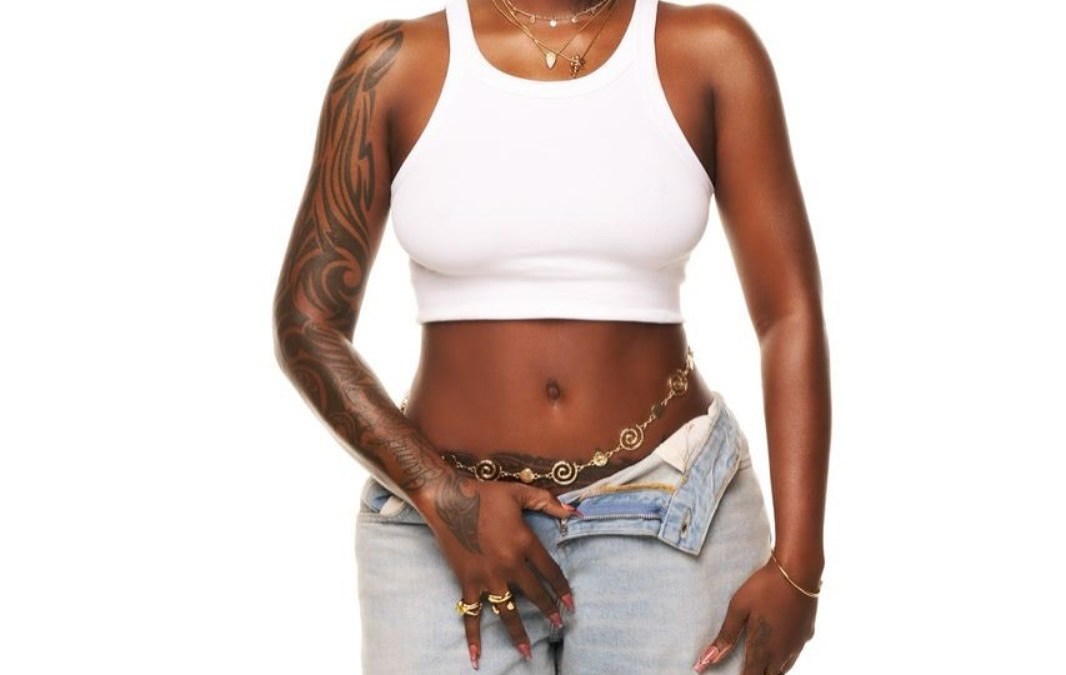
The eagle across her chest is the anchor

Ashley McBryde eagle chest tattoo

The large eagle across McBryde’s chest is usually the first tattoo people notice. It spreads across her upper chest in a bold traditional style. When she performs in a vest or an open shirt, the design is part of her silhouette.

McBryde has connected the eagle to her music career and the feeling of pushing forward. She has also credited tattoo artist Nancy Miller with work on the design. It’s a prominent piece, one that suits a singer who fills a stage.

Her sleeves are colorful and built piece by piece

Ashley McBryde colorful arm sleeve tattoos

From a distance, both arms can look like one continuous mural. Up close, they’re a mix of separate tattoos added over time: flowers, figures, lettering and Americana shapes. They sit together without being forced into one matching design. The collection looks gathered, not manufactured.

McBryde often performs in a tank top, vest or short-sleeved shirt, so her tattoos are part of her stage look. The colors have a slightly rough edge, which gives the sleeves character. They look like work that has been through travel, sweat and years of ordinary life.

She has described tattoos as mile markers. A piece might hold a song, a trip, a friend or a version of yourself you don’t want to lose. A full sleeve can stay personal when each part has its own story.

A Corvette keeps a family memory close

Ashley McBryde arm tattoo and Corvette tribute

One clear family reference is a tattoo connected to her father’s Corvette. McBryde has spoken about the car as part of her family story. The tattoo keeps that ordinary detail close, instead of turning it into a formal portrait or a generic family phrase.

A vehicle tattoo can be funny, sentimental or both. This one feels specific: it points to time spent around a particular car and the person who owned it. Ordinary details can become the memories people miss most. The Corvette says more about a real relationship than a polished “family forever” message might.

The Grammy became a permanent souvenir

Ashley McBryde Grammy gramophone tattoo

After winning a Grammy with Carly Pearce for “Never Wanted to Be That Girl,” McBryde added a golden gramophone to her left forearm. It marks a major career moment, but it sits where she can see it herself.

The gramophone is more specific than a star or a generic trophy. Its shape points directly to the award and the night behind it. When McBryde showed the fresh tattoo at the CMT Music Awards, it stood out among her older chest and arm pieces.

The award belonged to the song, the team and the audience. The tattoo is hers, a personal reminder of a public milestone.

Some pieces came from jokes, bets and bad ideas

Ashley McBryde tattoo collection at the ACM Awards

McBryde’s tattoos aren’t all serious tributes. She has told the story of getting one in Dublin after a friend lost a bet and didn’t want to go through with it alone. The tattoo became a reminder of a night she still laughs about.

She has also talked about a teenage devil-baby tramp stamp she now regrets. It keeps the story honest: a collection includes the pieces you love, the ones you cover and the ones you explain with “I was young.”

That humor makes the more serious tattoos feel grounded. Not every line has a philosophy behind it. Some are meaningful, some were impulsive and some are simply evidence of a night out with friends.

“Be Brave” works like a note to herself

Ashley McBryde visible tattoos and Be Brave ink

“Be Brave” is one of the phrases associated with McBryde’s tattoos. It reads like a reminder to herself, which fits a performer who has spoken about fear, faith, hard years and getting onstage anyway.

The words are simple, but timing and placement give a short script tattoo its own meaning. For McBryde, “Be Brave” could be something to carry into a difficult room, a long day of travel or a heavy show. It doesn’t need to be fancy.

The collection keeps changing with her life

McBryde continues to add tattoos, including designs tied to new songs and chapters in her life. She has mentioned future ideas involving lions and zodiac imagery, and has used tattoos in music-video settings. So any list of her ink is a snapshot, not a final catalogue.

The pieces don’t have to match: one can hold a family memory, another a bad bet, a career award or an old joke. The thread is that each came with a reason, even if the reason was simply that it would make a funny story later.

The eagle is bold, the sleeves are colorful, the Corvette is personal and the gramophone marks a major win. “Be Brave” is a note she can keep close. Even the tattoos she regrets belong in the timeline. There’s room for music, family, pride and a few ridiculous decisions in the same collection.

There’s something country about the way these tattoos follow places, work, family and friends. Some were carefully chosen; others started with a dare. Together, they record the life around the music. A new design won’t need to match all the old ones; it only needs to matter in the moment or make her laugh later.

The collection hasn’t been mapped out from the start. It has grown in fits and starts: around a record, a person, or a moment too funny to forget. That’s why old and new pieces can sit side by side without a single explanation.
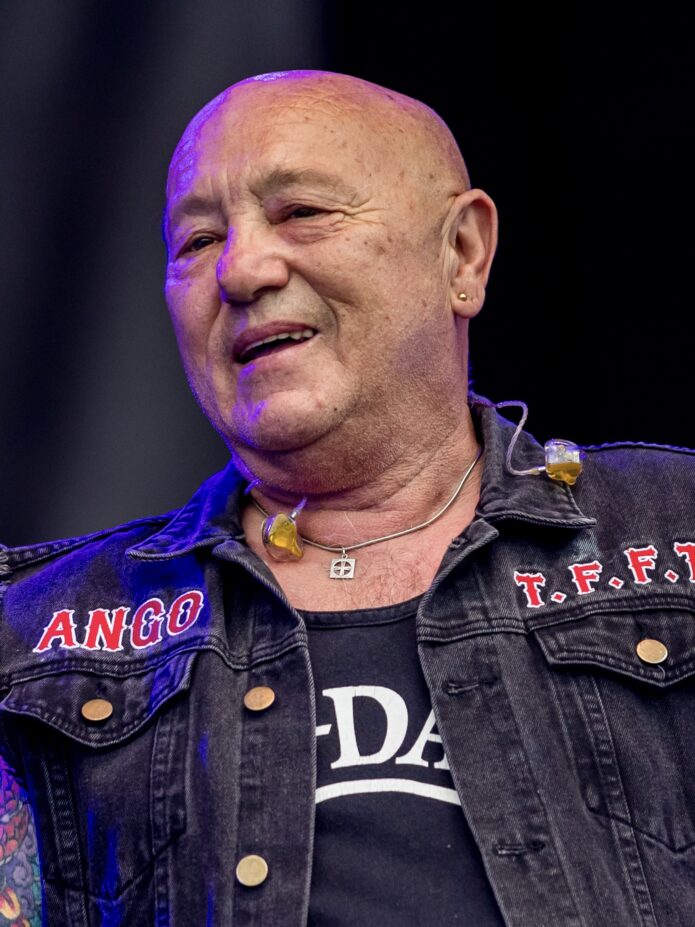
The placements add to that story. The eagle reads like a flag across her chest; an arm piece travels with her from show to show. The forearm gramophone is easy to see, while “Be Brave” works like a note on the mirror. Even the tattoos she regrets say something about who she was at the time.
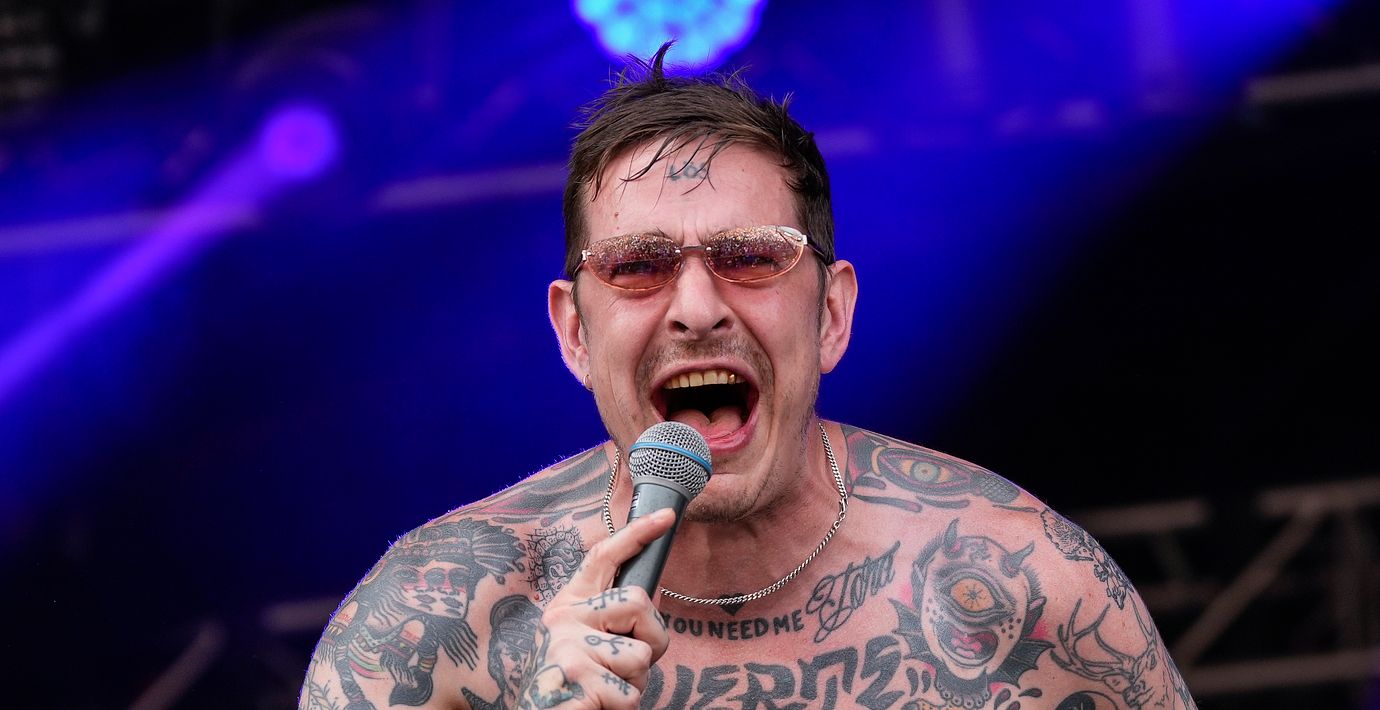
Not every choice has aged the same way. Some pieces still mean a lot, some may need covering, and some are good stories now. McBryde seems comfortable with all three. Her ink can be sentimental without getting precious, and bold without losing its humor.

The easiest way to understand the collection is to follow the timeline. Start with the eagle and sleeves, then look for family, music, awards and the strange little detours. Those details make the tattoos feel like McBryde’s, rather than a generic celebrity gallery.