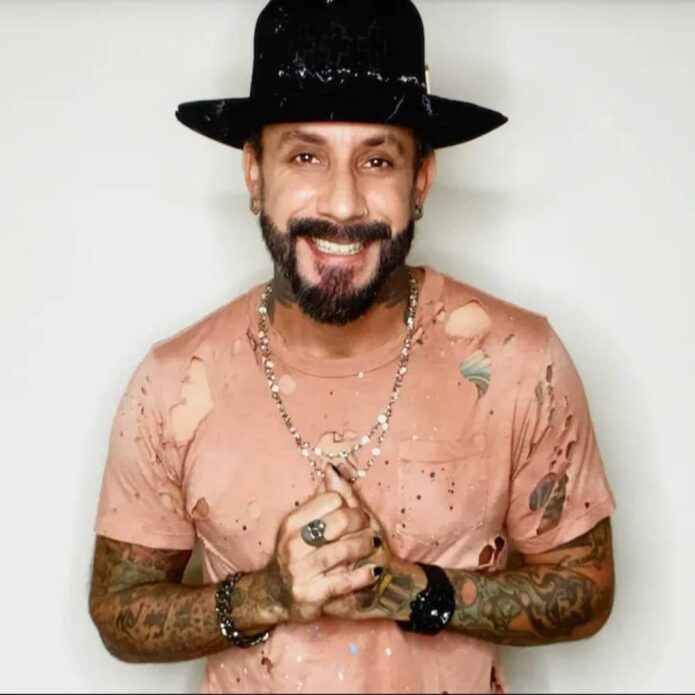
AJ McLean has spent most of his life in front of an audience, and the tattoos have been part of that public image for decades. The Backstreet Boys singer has ink across both arms and the front of his torso, with more visible on his hands and neck in some photographs. A gym picture, a mirror selfie, older performance shots and a dressed portrait each show a different part of the collection.
The designs vary in scale and finish. Colour, black-and-grey shading, lettering and small symbols sit together across the sleeves and chest. McLean has discussed some motifs publicly; the photographs show others without explaining why he chose them.
The first tattoo: a hotel-room beginning
McLean has said he got his first tattoo in a hotel room in Germany when he was 19. At the time, he was travelling between countries for rehearsals and shows, part of the road life his later collection would follow.
Later pieces came at different points in his career. Lettering, symbols, shaded areas and colour meet across the skin, with different sections carrying different visual weight. The sleeves have a layered look because pieces were added at different points, rather than planned as one matching set.
Older backstage and performance photos show that the sleeves were part of McLean’s appearance well before the newer torso images. The tattoos have been a steady part of his public career.
How the arm sleeves became a visual signature
Both arms hold a dense mix of colour, dark outlines, traditional-style imagery, lettering and smaller marks. From across a room, the tattoos can read as one large sleeve on each side. Closer views separate them into individual pieces: a phrase, a character, shaded forms around the elbow and details that show when his hands are raised. The two arms are not mirror images; the balance of colour and shading differs from side to side.
“Laugh Now, Cry Later” is one phrase associated with McLean’s collection. Comedy and theatre imagery, including masks, has also been discussed in connection with his interest in performing on stage. Those are useful clues to the visual language of some tattoos. They do not explain every shape or mark, and the photos alone cannot fill in that gap.
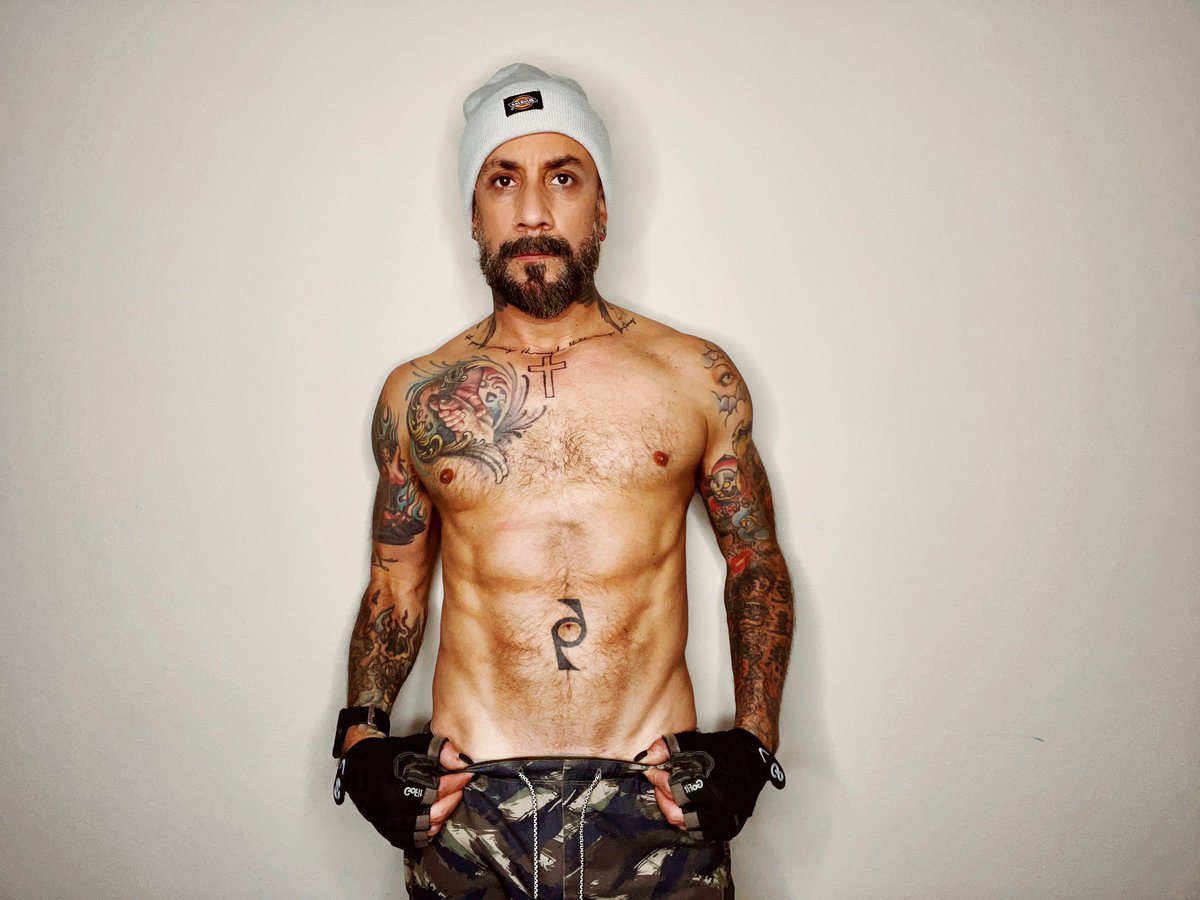
The straight-on gym view makes the arm coverage easy to compare. Colour sits beside black-and-grey areas, while outlines help separate one motif from the next. From a distance the sleeves read as broad fields of ink; close up, outlines and shading break them into separate motifs.
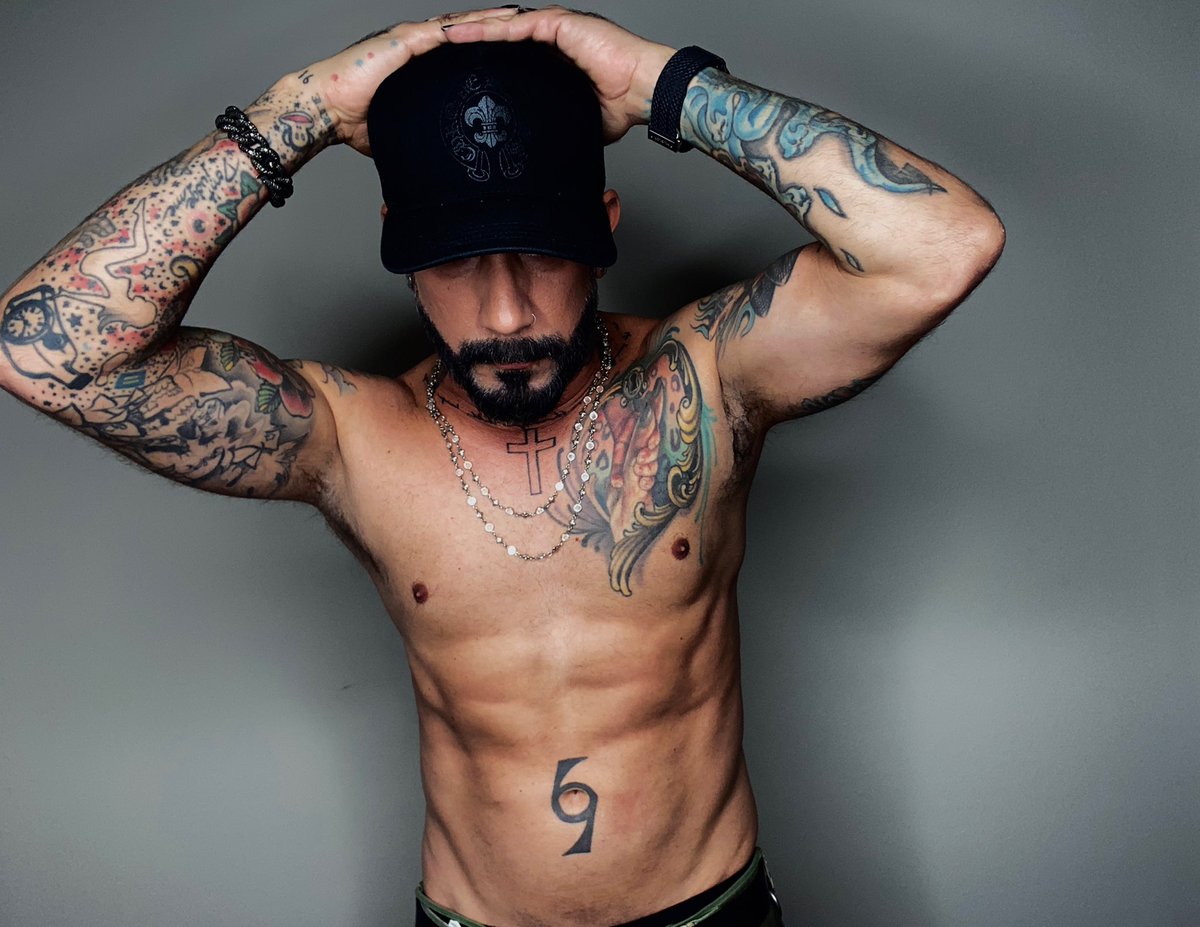
The cross, chest work, and the central 69
A cross sits high on McLean’s chest, and the number 69 appears around his navel. The number has long been linked to his personal symbolism and appears in photos from different settings.
Larger shaded tattoos spread across the chest and toward the collarbone and upper arms. In a shirtless view, the central pieces connect visually with the sleeves: the cross draws the eye upward, the chest work fills the space around it, and the number sits lower on the stomach. The arrangement looks different depending on how much of the torso is visible and how close the camera is.

The dressed UOL portrait shows the tattooed arms, while the gym photo gives a clearer view of the cross and 69. Fine details around them are harder to separate, so the photos cannot support an exact count of the torso designs.
The newest chest additions change the picture
In a more recent mirror-story photo, McLean points to new tattoos across his chest and upper stomach. A large horizontal design in the middle looks insect-like; nearby chest pieces appear to include portraits, lettering and small symbols. The shapes and placements are visible, though the image does not identify the portraits or the smaller marks.
Those additions sit beside the older chest and arm work. The sleeves remain the most familiar part of McLean’s tattooed look, but the front of his torso now has its own dense arrangement. Someone who has mostly seen him dressed for performances may know the arm tattoos and miss how much the chest and stomach have changed.

The bathroom mirror, phone, towel and relaxed pose make this feel like a personal social-media post rather than a formal portrait. Its overlay refers to new tattoos, giving the image a clear time marker for the additions shown. It is one point in the collection’s timeline; the picture does not say when every piece was done or who tattooed it.
Why the same tattoos read differently in each photograph
The camera angle changes which designs stand out. In a straight-on view, the chest cross and stomach number are easy to spot. A three-quarter selfie brings the nearer shoulder and chest forward, while the horizontal work in the mirror image draws the eye between the sleeves.
Light also affects what the photos show. Bright daylight can wash out dark ink while making colour more noticeable. A gym mirror gives a broad view of placement but can blur fine lines. Older backstage pictures are often lower in contrast, yet they preserve how the sleeves looked before later additions.

The dressed press portrait shows McLean’s forearm tattoos in a public setting; his clothes cover most of the torso.
Family, music, and a public identity
Coverage connects some of McLean’s tattoos to family or music, but the explanations are patchy. He has spoken about certain motifs; other marks appear in photos without a story attached. The photos show where a design sits, not why he chose it.
McLean is a singer and dancer, a solo performer, a father and a longtime member of the Backstreet Boys. His tattoos appear in performance pictures, portraits and casual posts. Music and theatre imagery is part of the mix, alongside pieces whose meaning he has kept personal.
The personal chapter behind the photographs
McLean has spoken about addiction, rehabilitation, relapse and sobriety. Recent interviews describe a period of personal work and a more candid way of approaching his life. The photos cannot explain that experience, but older performance shots, current gym images and the newer chest picture show the same arms and torso at different points in his life.
A tattoo shown beside an interview about sobriety can invite a recovery reading, but McLean has not assigned that meaning to the designs.
The solo chapter continues
In 2026, McLean has talked about reintroducing himself as Alexander James while continuing to perform as AJ. That solo chapter includes new music, reflections on the Backstreet Boys and a closer account of the person behind the stage name.
His tattoos appear in both work and personal photographs. The new torso image sits alongside older shots of the sleeves, making the changes in his look easier to see.
What the photographs confirm
The photos show extensive tattooing on both arms, the upper chest and stomach, with additional ink visible on the hands and parts of the neck and torso. They also show the change over time: established sleeves and central symbols appear beside newer chest additions. Colour and black-and-grey shading are both part of the collection, and the contrast between them is especially noticeable across the arms.
They do not establish a final number. Counts can change depending on whether connected sleeve work is treated as one piece or several, how partially covered designs are handled and whether the recent additions are included. It is more useful to describe the motifs and placements that recur in the photos than to suggest a settled total.
The interview “AJ Mclean Makes A Tattoo” offers a video perspective on McLean discussing new ink and the tattooing process.
The collection keeps moving
Across five separate views, the tattoos form a timeline rather than a complete inventory. The sleeves appear in older performance shots, while the mirror image adds the newer chest work to the record. Colour, dark outlines and shading carry across the collection; the meaning of individual tattoos remains McLean’s to explain.