Brian Molko’s public tattoo photos show a circle-and-triangle wrist mark, angular forearm lettering and a leg design. A 2026 Louder interview summary reports that he has one of his favourite Jim Jarmusch films tattooed on his skin. A Placebo fan archive also records photographs linked to tattoo artist Xico, including a 2019 appointment post.
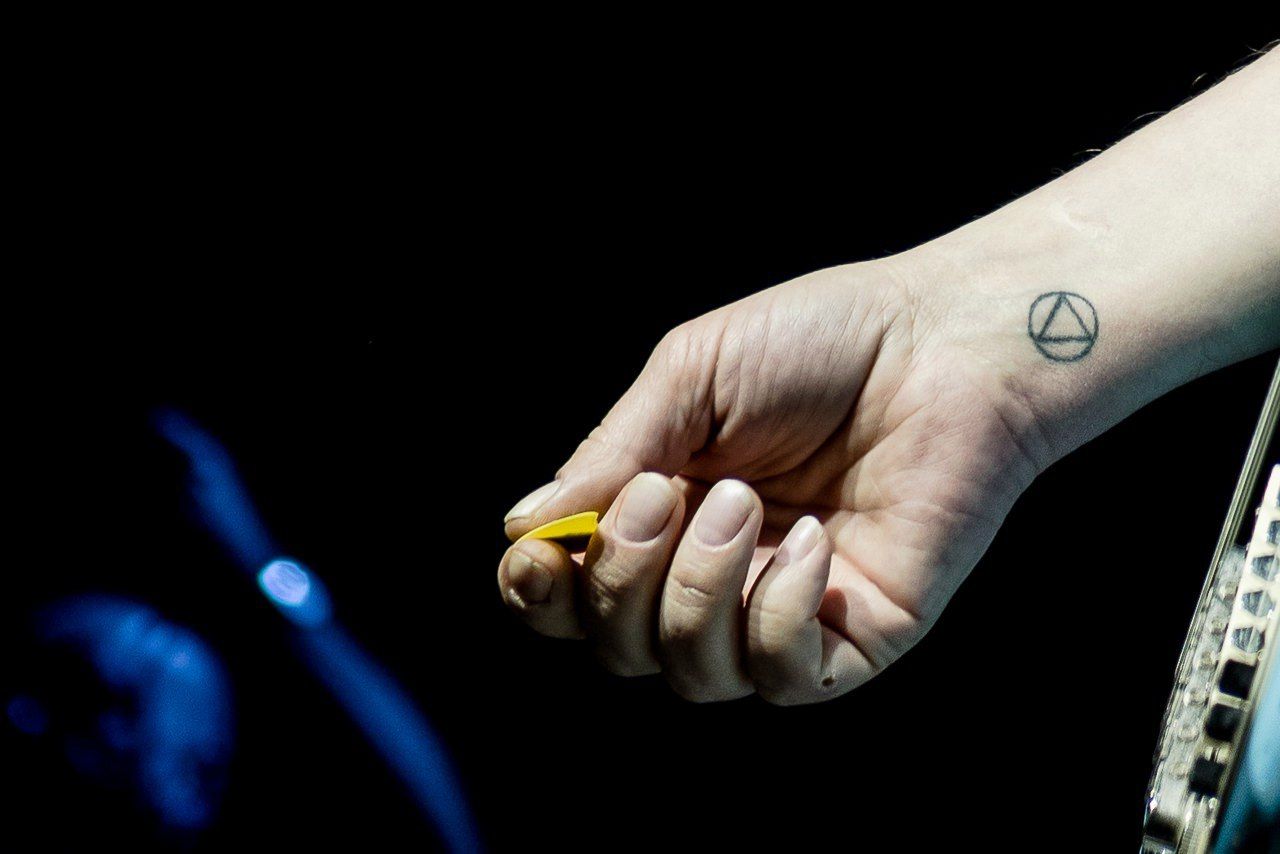
Brian Molko’s wrist symbol in a close stage detail
A tight stage photo shows Molko holding a guitar pick, with a small circle-and-triangle mark just above the wrist. The image establishes its shape and placement; it does not supply a private meaning for the symbol.
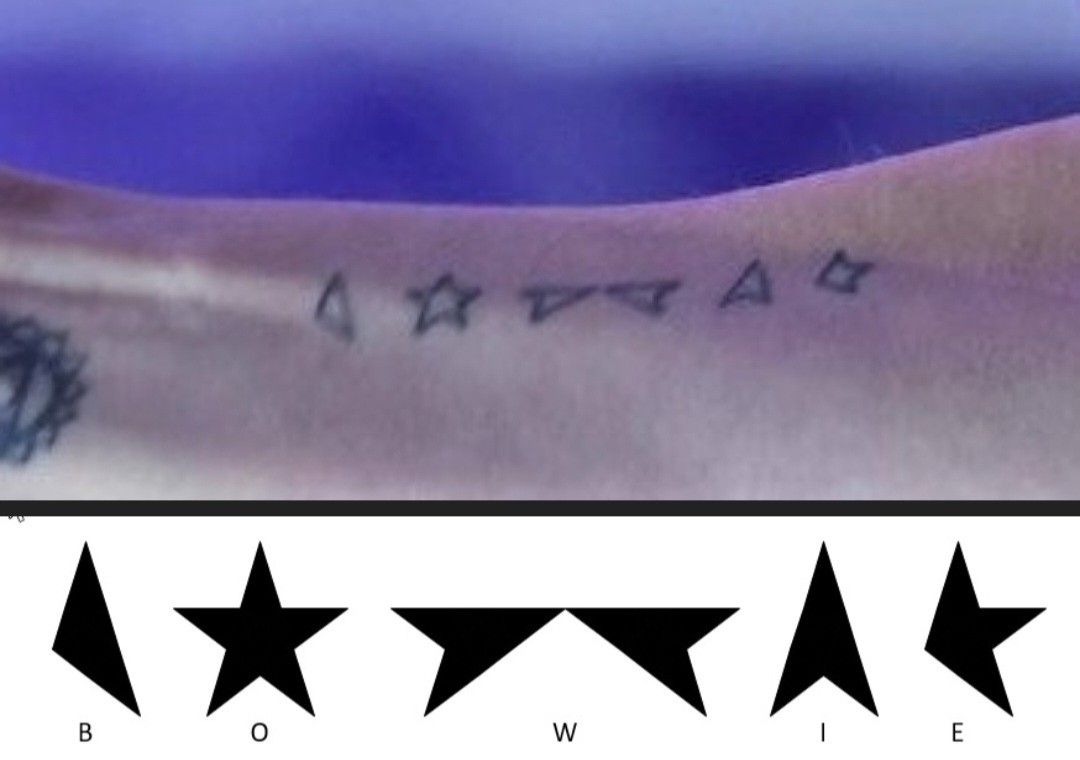
Brian Molko’s Blackstar lettering on the forearm
A separate close-up shows angular lettering on Molko’s forearm, presented by the source as a Blackstar reference. A comparison graphic beneath the photograph helps distinguish the lettering from a standard star outline. The Bowie link is reported with the image; it does not identify a date or tattoo artist.
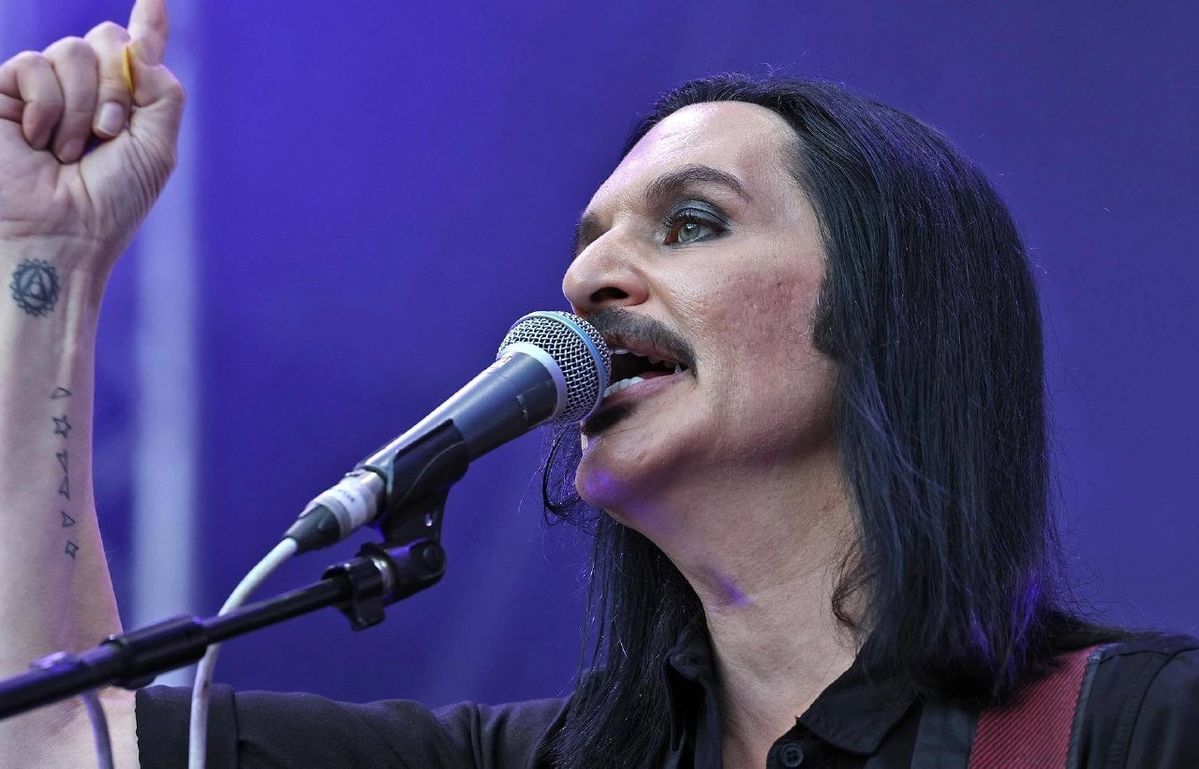
Brian Molko’s forearm tattoos during a Placebo performance
In a wider Placebo performance frame, Molko sings with one arm raised. A circular mark sits higher on the forearm, with angular lettering running toward the wrist. His face is visible, and the different angle shows how the two designs sit along the arm without merging into one piece.
Stage light softens the skin, so this image is more useful for placement and overall shape than for reading small details.
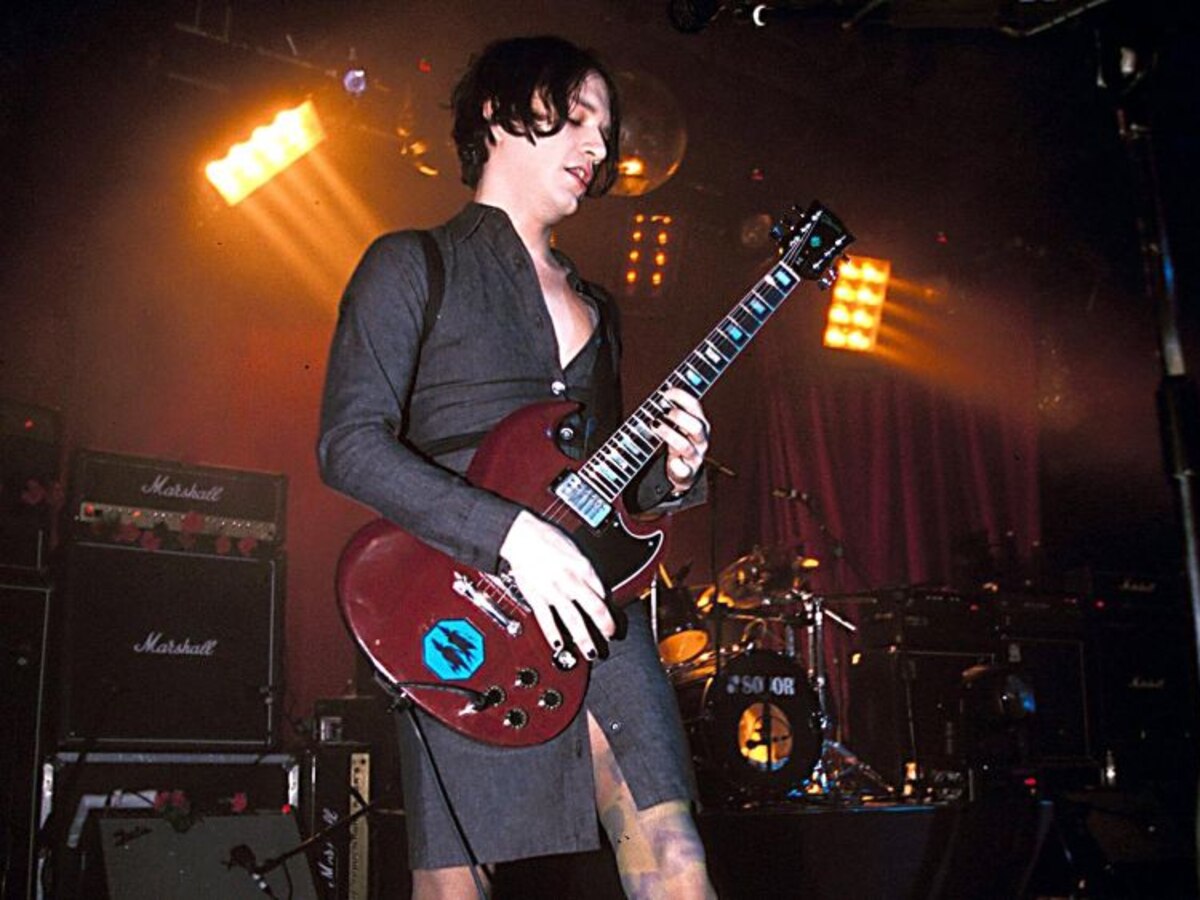
Brian Molko’s visible leg tattoo in an early Placebo stage photograph
An early Placebo stage photo shows a shaded tattoo on Molko’s leg. The design is less tightly framed than the wrist and forearm marks, but it confirms that the public record extends beyond his arms. The photograph does not provide enough detail to name every part of the image.
The film and music references that can be documented
In a Louder interview summary published in 2026, Molko says one of his favourite Jim Jarmusch films is tattooed on his skin. That is a first-person report, though the summary does not name the film or locate the tattoo.
The forearm image supplies a separate, reported Bowie/Blackstar reference. These are two documented influences; the surrounding marks should not be assigned a story without a source.
Why the public photographs show fragments
Placebo photographs tend to capture a performance, outfit or period rather than a full tattoo session. The four tattoo-bearing images here show a wrist symbol, forearm lettering, the arm in motion and a leg design. Each gives a different view; none is a complete inventory of Molko’s ink.
Why the Placebo image matters beyond the close-ups
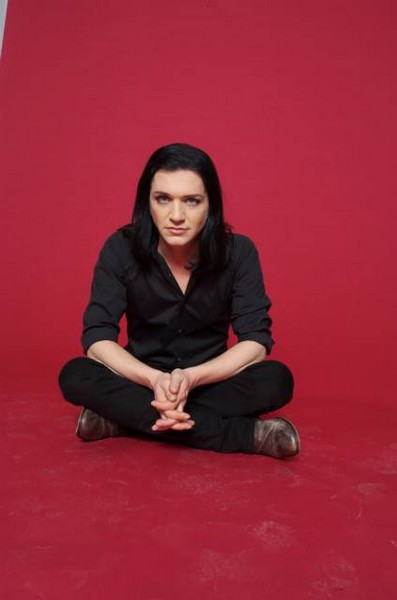
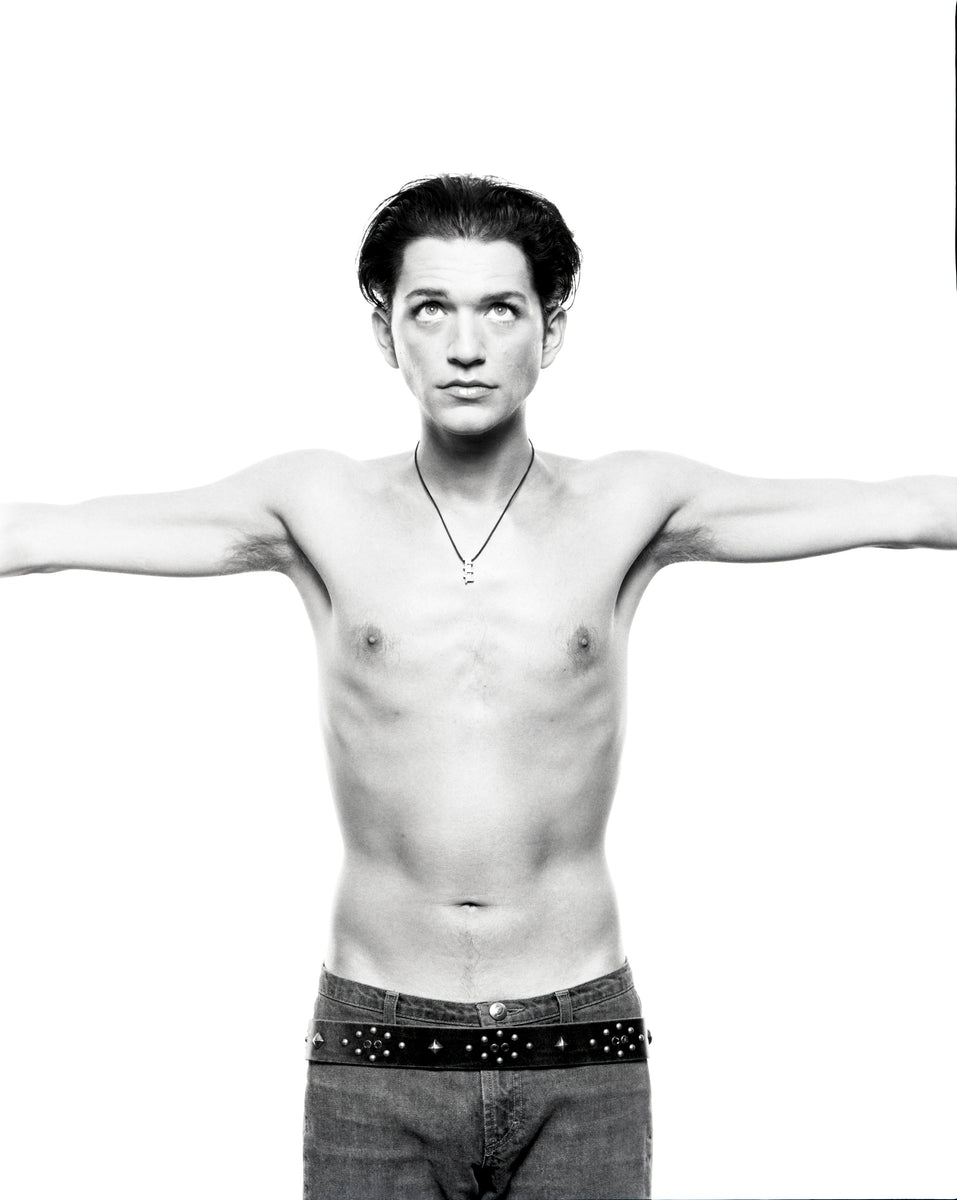
This face-visible studio portrait provides styling context, not tattoo evidence. Its open-arm pose and neutral setting differ from the stage frames, but no design can be inferred from it.
How to compare the photographs carefully
Compare the wrist close-up with the raised-arm frame to see the forearm marks from different distances. The early stage photo extends the view to the leg. Keep the separate studio portrait in its role as identity context, and rely on Louder or the named image source for meanings that the photographs cannot show.
A restrained archive of Placebo images
The public record supports a compact wrist symbol, forearm lettering reported as Bowie’s Blackstar, a visible leg design and Molko’s comment about a Jim Jarmusch film tattoo. The Placebo photographs show placement; they do not reveal the complete story or every design.