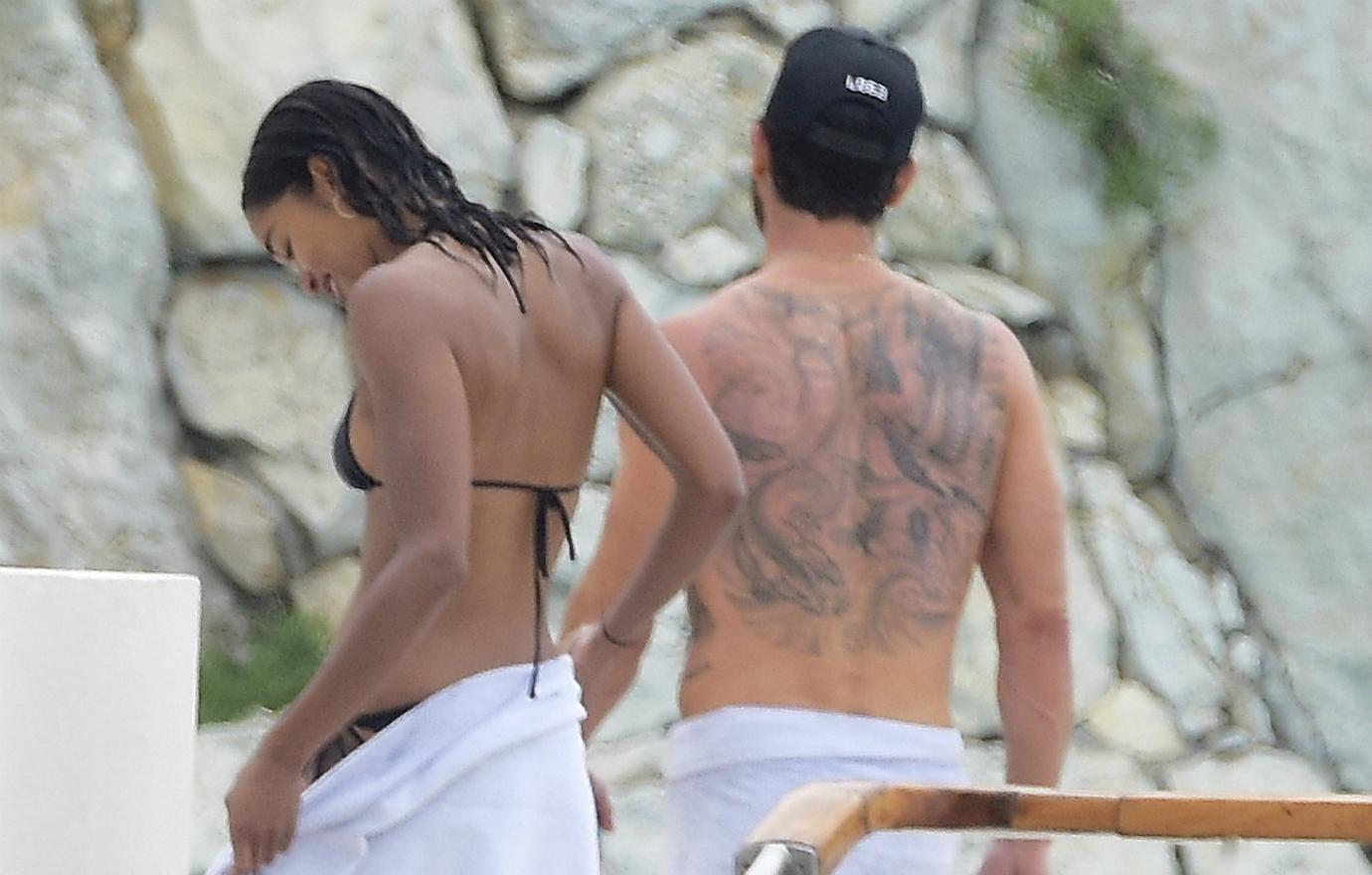
When asked how many tattoos he has, Justin Theroux answered, “More than ten.” The large piece across his back is dedicated to his two rescue pit bulls. Smaller designs appear on his arms, legs, wrists, ankles and feet; he has described most of his ink as being on his back and legs. Theroux has said he often gives tattoo artist Scott Campbell a few rough ideas and lets him draw. Campbell did most of the tattoos, including the back piece.
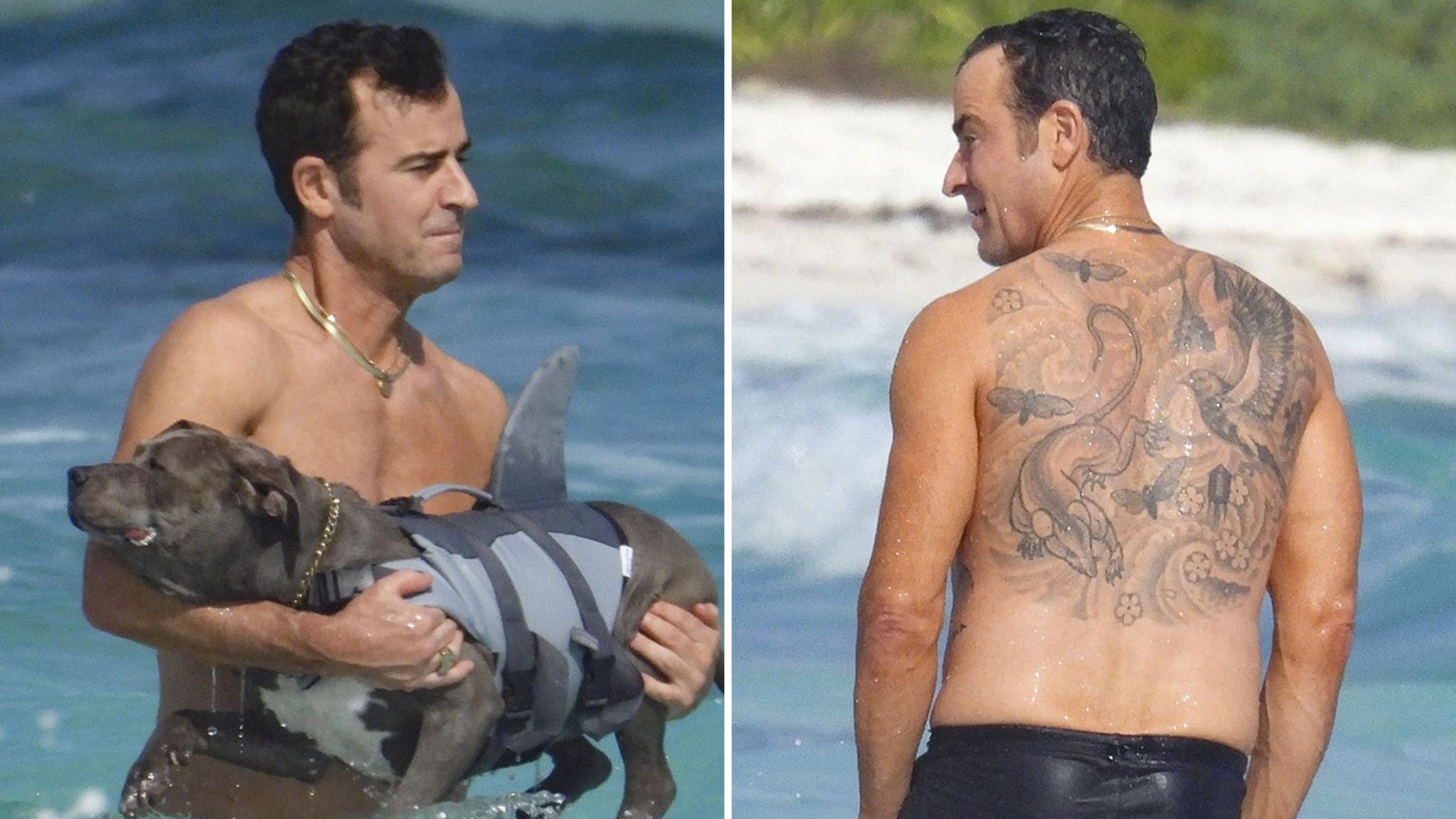
Theroux’s back piece includes a rat and a New York pigeon. In a live interview, he said he dedicated half of his back to each of his two rescue pit bulls after they died. One of the dogs used to kill rats in Washington Square Park; the pigeon refers to another part of their life in the city. The two animals make an unusual memorial, but the connection is personal and specific.
The tattoo spans a broad area across his back. Theroux has said Campbell designed it and that he trusted the artist’s eye.
The smaller tattoos around his arms and legs
This second rear-view photograph shows the back piece from another distance. Theroux’s smaller tattoos include scissors, an X on his ankle, swallows on his feet, a grim reaper on his shin, lettering near his knee and other small symbols. A Men’s Health photograph also shows a mark near his underarm, though it isn’t a full catalog of his ink. He has said there are enough little tattoos that he can lose track of them when counting.
Why the back tattoo stands out more than the rest
The dog story gives the back tattoo a meaning that is easier to recognize than the smaller designs, which show up only in closer photos. The underarm mark in this image is easy to miss beside the larger piece.
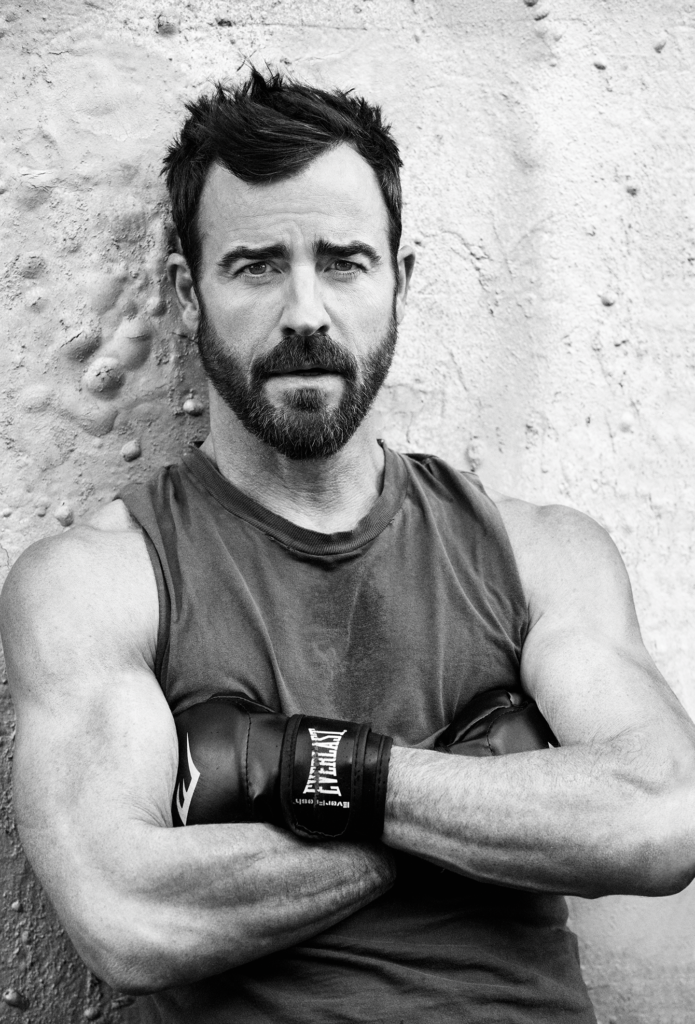
Theroux’s punk-influenced editorial look
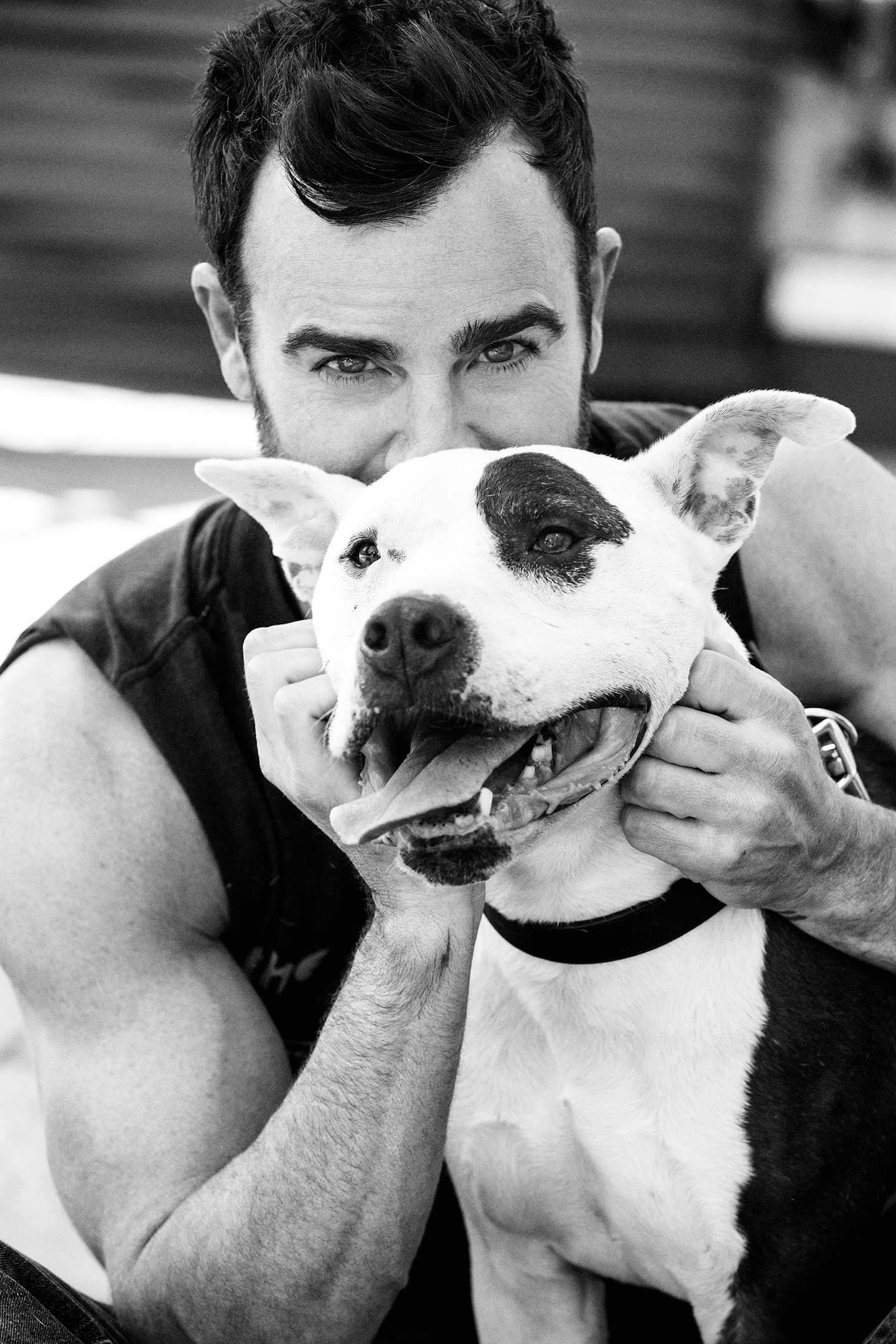
Theroux has talked about getting into punk as a teenager and making homemade tattoos for friends. This Men’s Health portrait gives a sense of his editorial style—dark clothes and a rougher edge—but no tattoo detail is visible. It adds context to his look; it should not be used to identify a design.
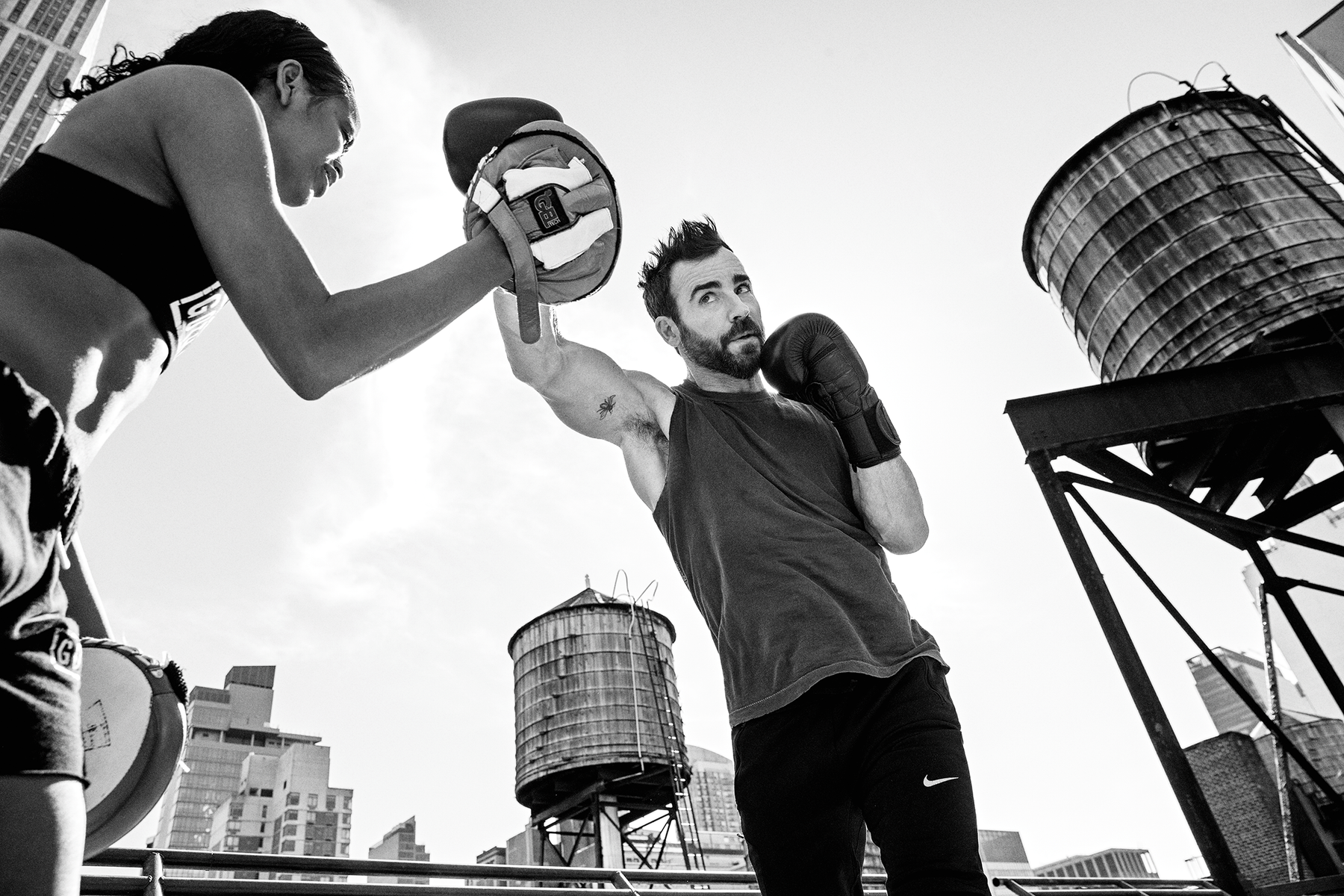
A collection that doesn’t need to match
The second portrait has no tattoo detail either. The collection puts a large memorial beside small marks; if you’re looking for a reference, use the close tattoo photos to judge design and placement.
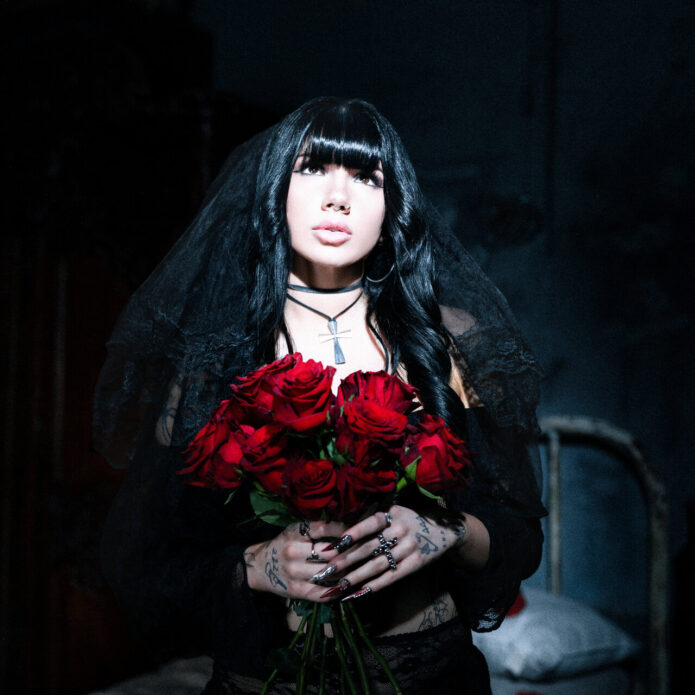
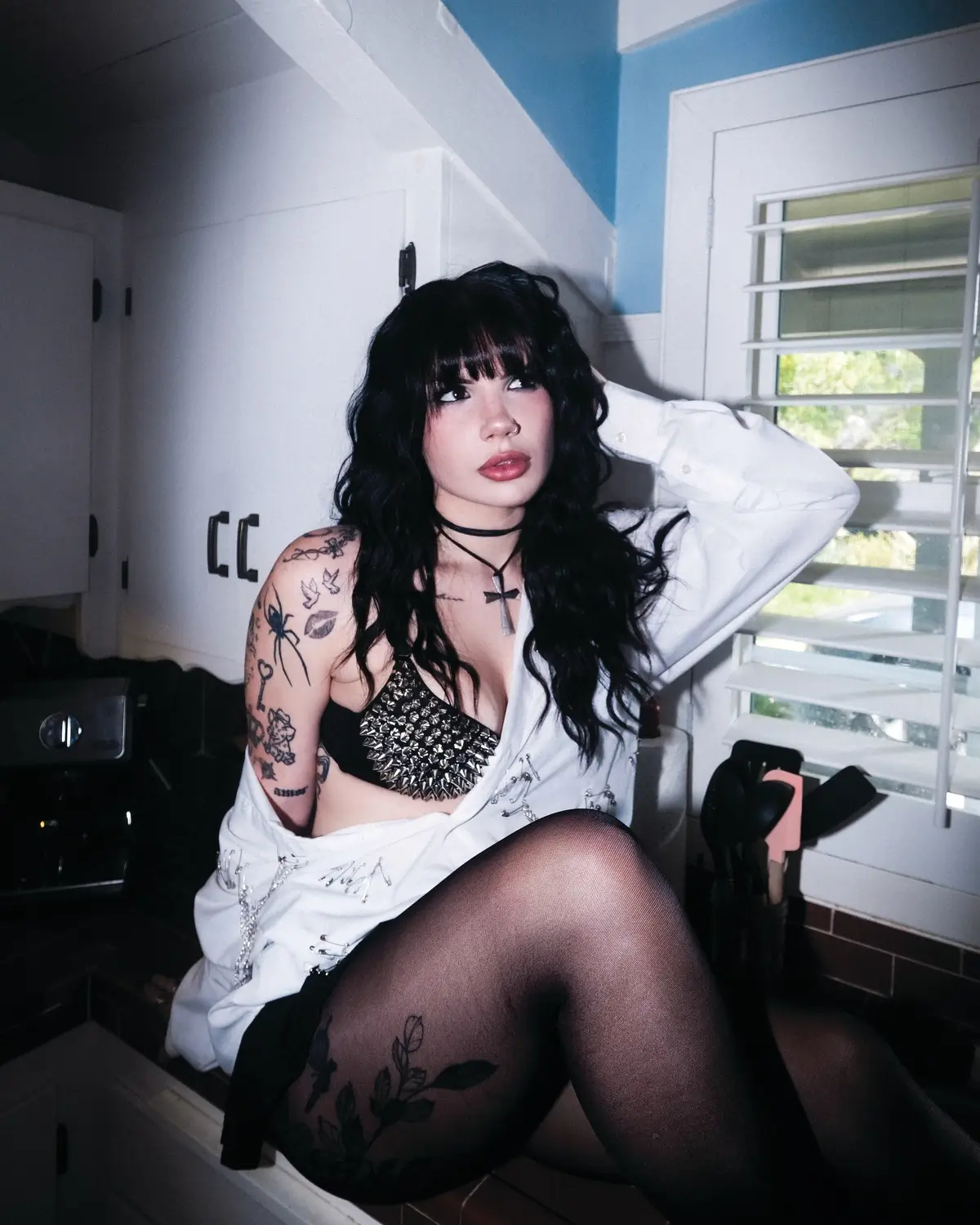
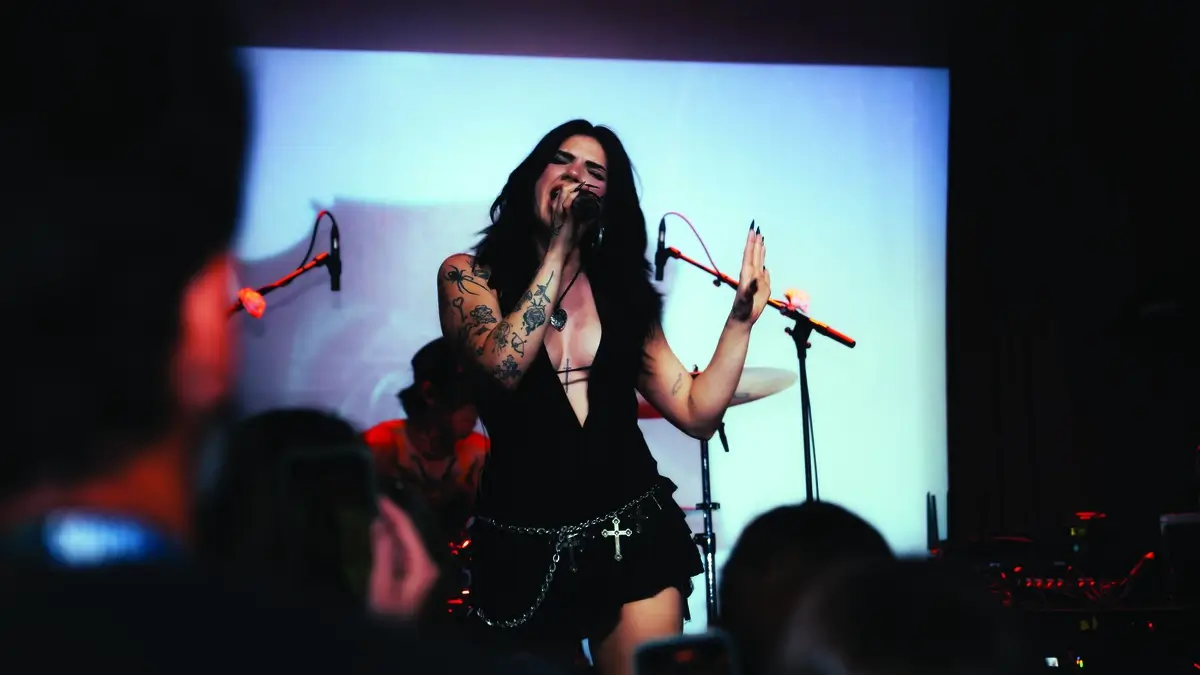
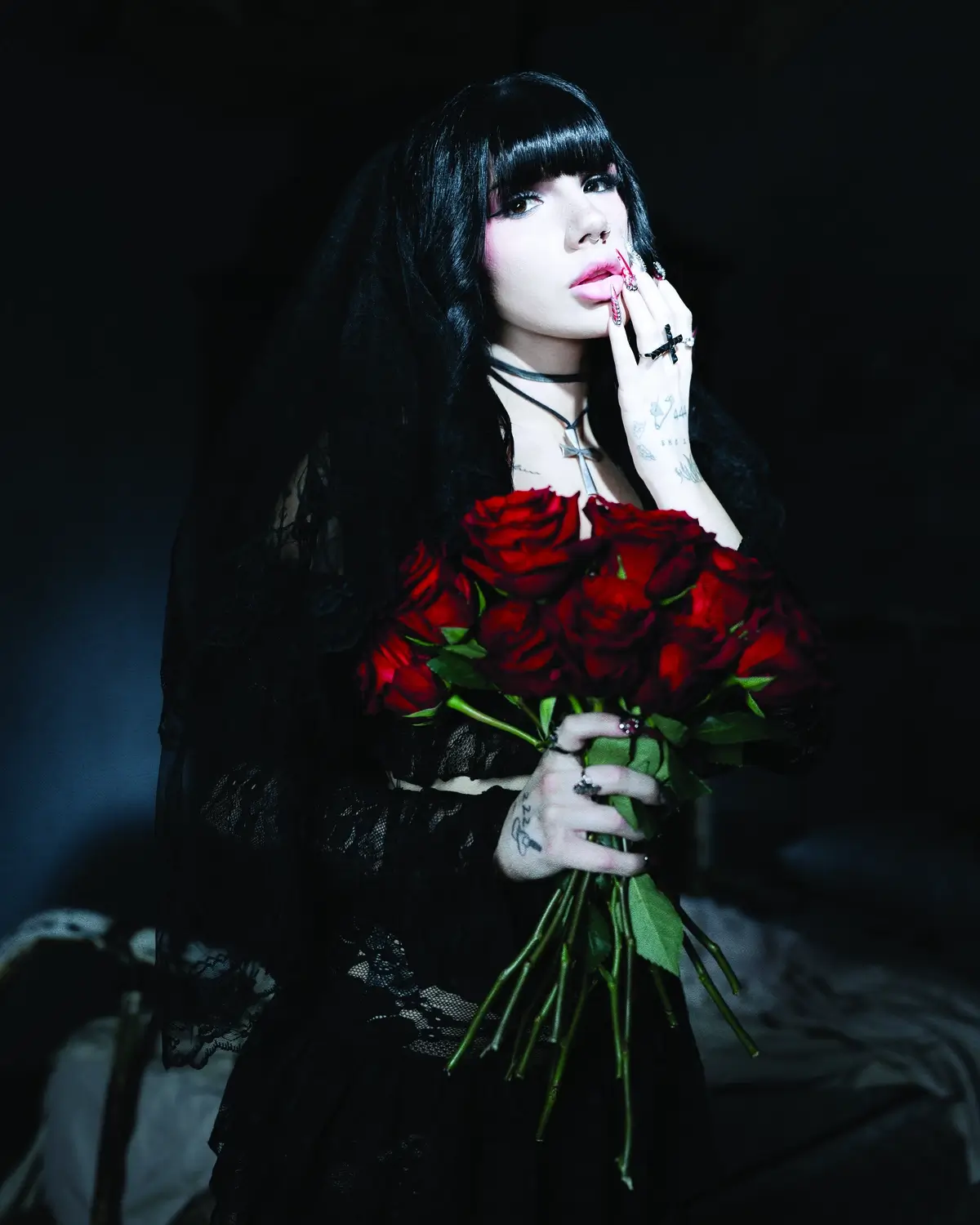
Bailey Spinn estimates she has about 55 tattoos. Her collection includes flowers, hand and arm designs, lettering, and pieces tied to music or family. She first became known for POV videos and a large TikTok following before putting more focus on music. In interviews with Inked and The Advocate, she has described her body as a work in progress and said she wants her songs to feel honest.
Bailey Spinn’s rose tattoo started the collection
The first tattoo Spinn has discussed is a rose on her left hand. She got it on a whim during a piercing appointment. Rose is her middle name, so the design had a personal connection even though she didn’t plan it far in advance.
The crown on her arm is tied to “happy ending”
Spinn connects a crown on her arm to her song “happy ending” and the fantasy ideas around it. That link gives the tattoo a place in her music, while the design sits among other pieces on the same arm. Browse the celebrity tattoo ideas archive for more examples of how separate designs can share one area.
Her giant flower piece runs from knee to ribcage
The largest tattoo Spinn has described is a floral piece that reaches from her knee toward her ribcage. She said the sessions took about 16 hours in total and were very painful. It is a much larger commitment than the smaller hand designs.
The tattoos on her hands make the collection feel lived in
Spinn’s hand tattoos show up in close portraits and while she performs. There are small shapes, lettering and darker marks around her fingers, though the photos don’t make every detail clear. Unlike ink under clothing, the hand pieces are hard to keep out of view.
The smaller arm pieces add the punk-rock texture
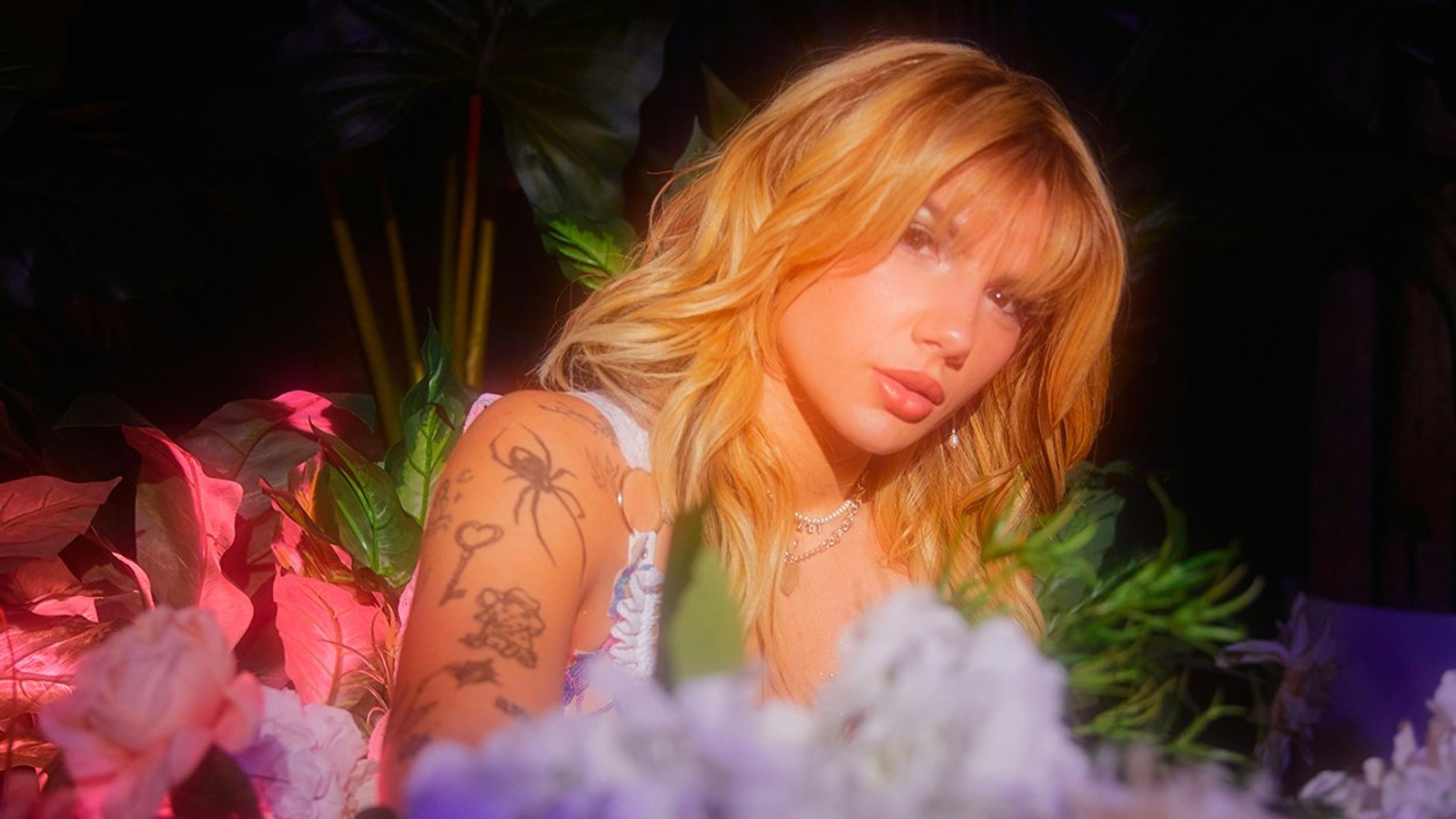
Some of Spinn’s smaller tattoos have no long explanation in the interviews. An Advocate portrait shows several arm designs, including a spider and key motif. They sit alongside the bigger floral work without forming a single sleeve design.
Spinn has named Hayley Williams, Amy Lee and Avril Lavigne among her musical influences. That pop-punk background is part of the setting for her style, but it doesn’t explain every tattoo. The arm pieces remain a mix of small designs and darker marks.
Family is the quietest part of the collection
Spinn has said the tattoo that means most to her is her mother’s name on the back of her shoulder. She has described her mother as one of her favorite people in the world. It is a more personal, less immediately visible piece than the hand tattoos or flowers.
Why the whole look works
Spinn has said she wants more tattoos and is planning them more carefully now than when she was younger, when her choices were more sporadic. Her collection holds both kinds of decisions: a rose she got on a whim and designs connected to music and family. She describes it as still changing.
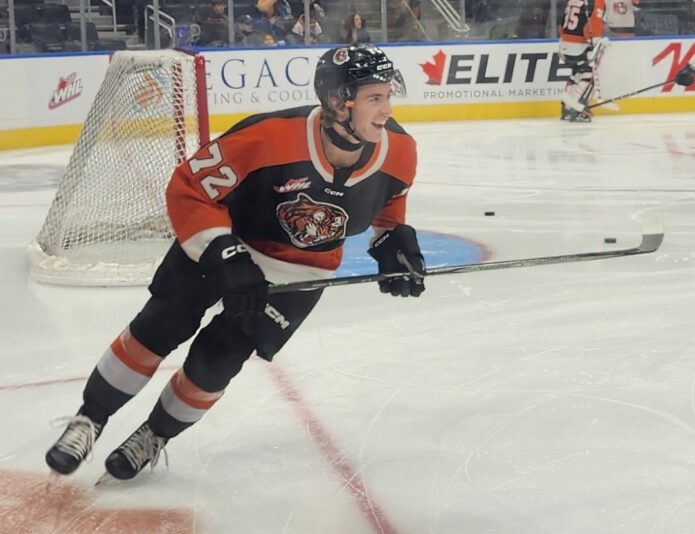
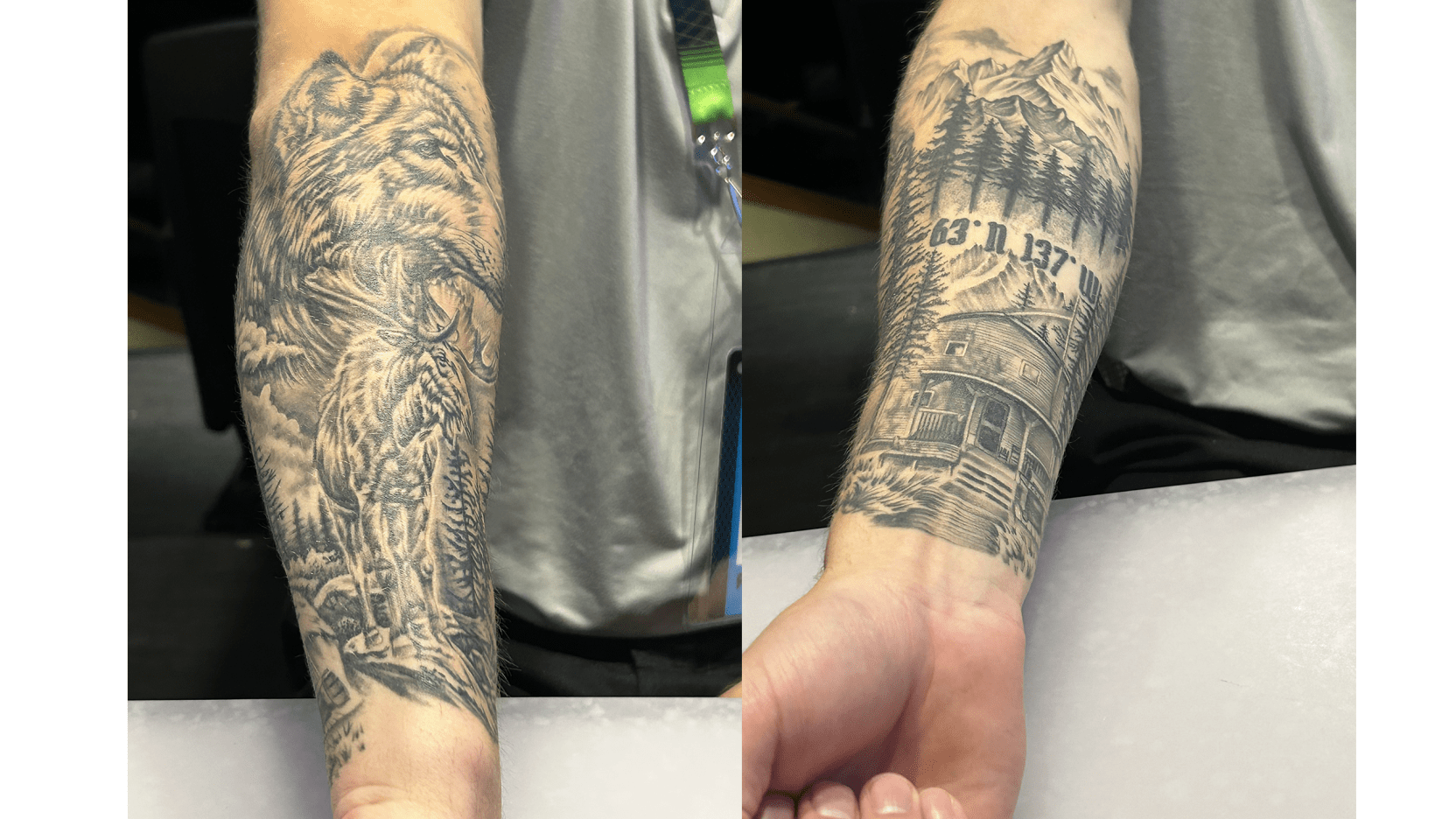
Gavin McKenna’s large black-and-grey tattoo wraps around his right forearm, bringing together a Yukon cabin, mountains, coordinates, a wolf and a moose. He has said the cabin was built by his grandfather Joe Mason. The coordinates are also tattooed on his mother and sister, while the wolf reflects his clan animal and the moose recalls family hunting memories.
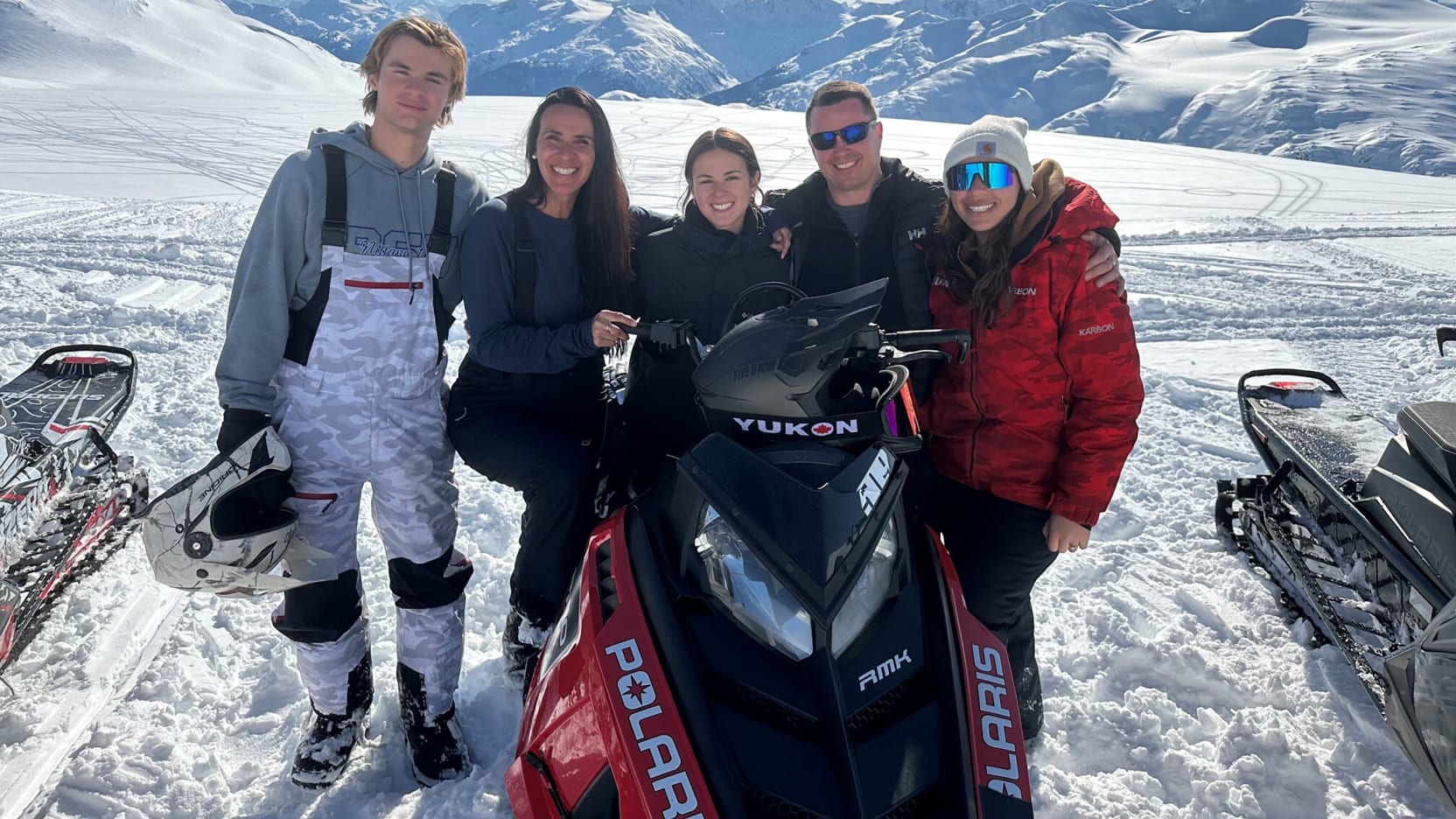
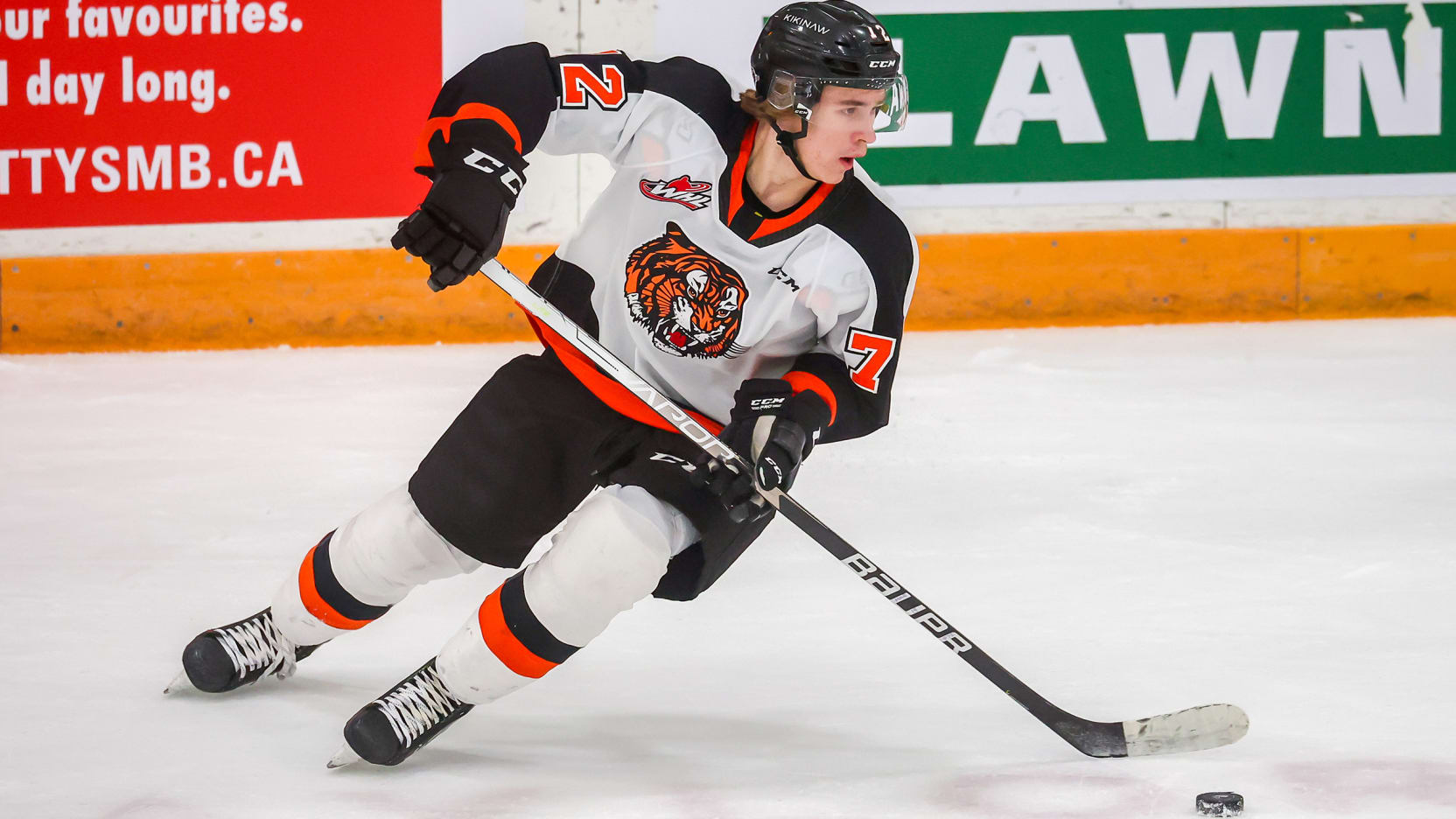
McKenna grew up in Whitehorse and left home young to pursue hockey. The story behind the tattoo is tied to family and the place he came from, not just his career. The photographs show the main elements, and McKenna has explained some of their meaning; the artist and date haven’t been confirmed, so there’s no reason to guess about them.
The forearm tattoo is built around the Yukon
The clearest photo shows the scene wrapping around McKenna’s right forearm. Mountains and trees fill the upper part, with a cabin lower down as the focal point. The artist used soft grey shading and darker tree lines, letting the shape of the arm carry the landscape.
As the forearm turns, different parts of the image come into view. The cabin gives the scene a clear centre, while the mountains and trees lead the eye around the arm. It reads as a memory built from a few connected details rather than a postcard on skin.
A cabin, coordinates and a real sense of home
McKenna said the cabin belonged to his grandfather and was part of his family’s life near Whitehorse. The coordinates in the tattoo are shared by his mother and sister, making the location a family marker as well as a reference to the Yukon.
The numbers sit within the landscape instead of competing with it. They add a specific point of reference without taking attention from the cabin and mountains.
Why the wolf and moose fit the story
McKenna has said the wolf represents his clan animal. The moose connects to family hunting memories and the time he spent outdoors in the Yukon.
Those animals give the piece a different texture from the open mountain shapes. Fur, rock and trees each call for their own shading, but the subjects still belong together: home, landscape and family history. The design stays focused on a few images instead of trying to represent every part of his life.
Family is the part you can’t see at first glance
McKenna has spoken about missing ordinary family moments while travelling for hockey and about his grandfather’s resilience. That context makes the tattoo more than a general hometown design. The cabin, coordinates and animals point to relationships and memories that aren’t obvious from the photograph alone.
A name or date can mark a person or moment; a place can carry a wider set of associations. Here, the landscape gives the family story a visual form without spelling out every detail.
Leave some breathing room in the layout
The scene balances detailed areas with quieter mountain shapes and open skin. That space keeps the forearm from reading as one solid block of grey, and gives the smaller details room to stay clear as the tattoo ages.
Fine lines describe the cabin and distant landscape; heavier shading gives the animals more weight. The contrast helps the different parts read together without crowding each other.
A personal choice, not a hockey logo
There’s no team crest, jersey number or trophy in the design. Hockey is part of McKenna’s story, but the tattoo centres on his family and home, so its meaning isn’t tied to one stage of his career.
That choice can give a career-related tattoo more staying power. A personal place or family symbol can remain meaningful through changes in work, while team references may feel more tied to a particular moment.
Three ideas that make the reference work
Three choices hold the composition together: the cabin gives the landscape a centre, the design follows the shape of the forearm, and its references all belong to the same story. The exact images can change; what matters is that they connect.
A coastal design might use a family boat and headland; a city piece could combine a familiar building with a local plant or animal. In either case, a few specific details will usually say more than a collage of unrelated references.
How to talk through a landscape commission
Tell the artist where the place is, what you remember about it and which details matter most. Bring clear photographs as references, but leave room for the design to change to fit your skin and the way the forearm moves.
Discuss the wrap, darker areas and open space before the drawing is final. Detailed black-and-grey work may take several sessions, especially when it includes animals, trees and a building. Give the design time to come together instead of rushing toward a finished photo.
The takeaway from McKenna’s story
McKenna’s tattoo connects family and home through a small set of related images. Its meaning comes from details he has explained, including the cabin, shared coordinates, clan animal and family hunting memories. The piece doesn’t need a hockey logo or a long quote to tell that story.
If you’re collecting celebrity tattoo ideas, the useful reference is the way the landscape follows the arm and keeps its symbols connected. For a video about McKenna’s draft-day story and next step in hockey, watch the interview below.
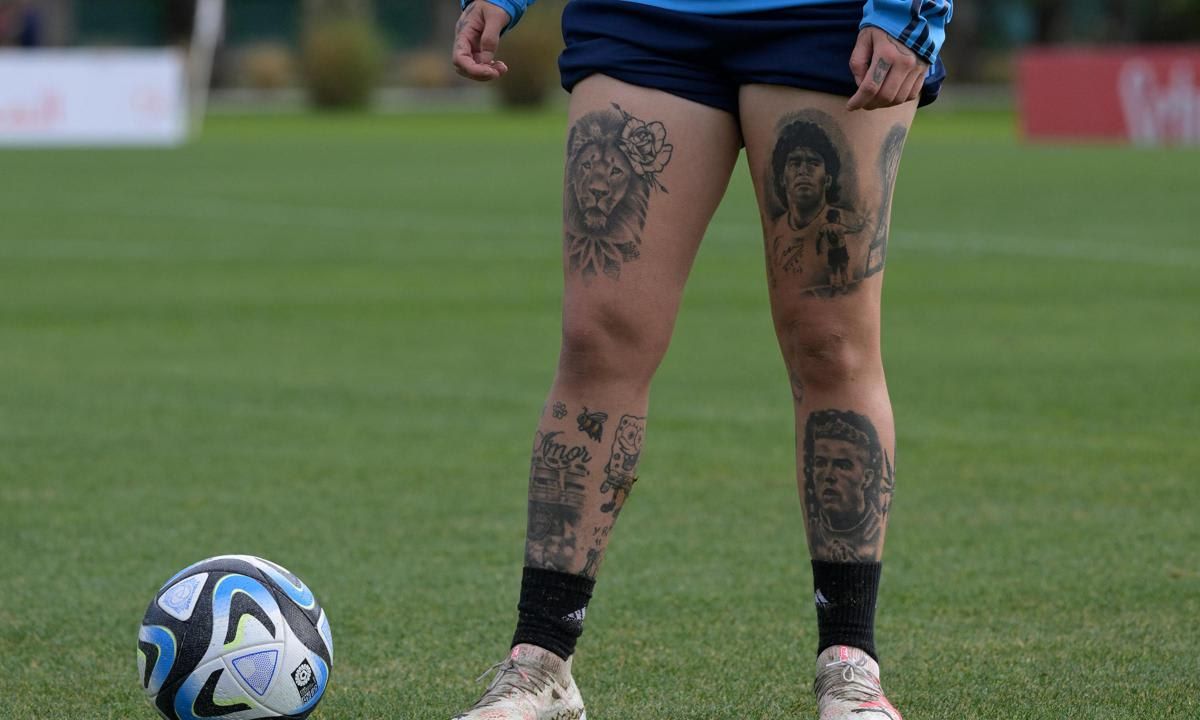
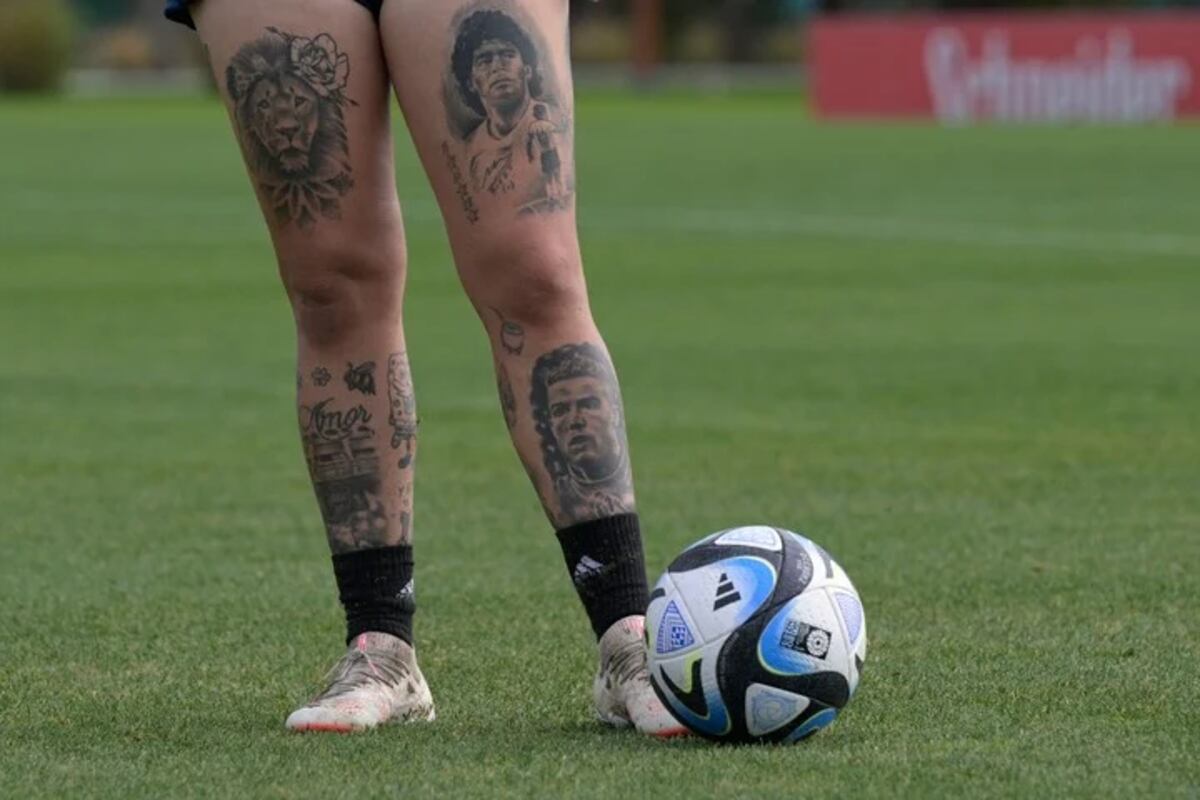
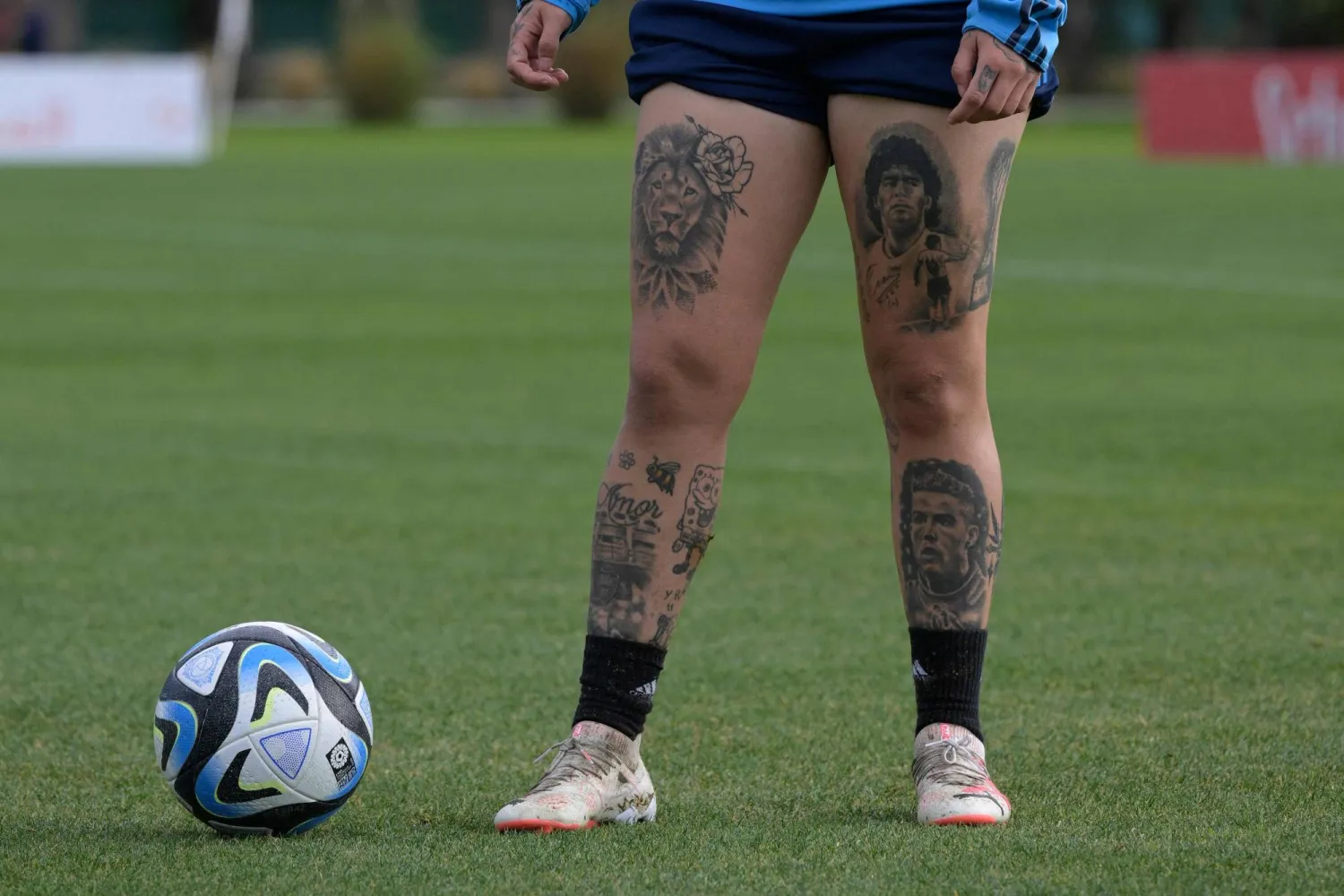
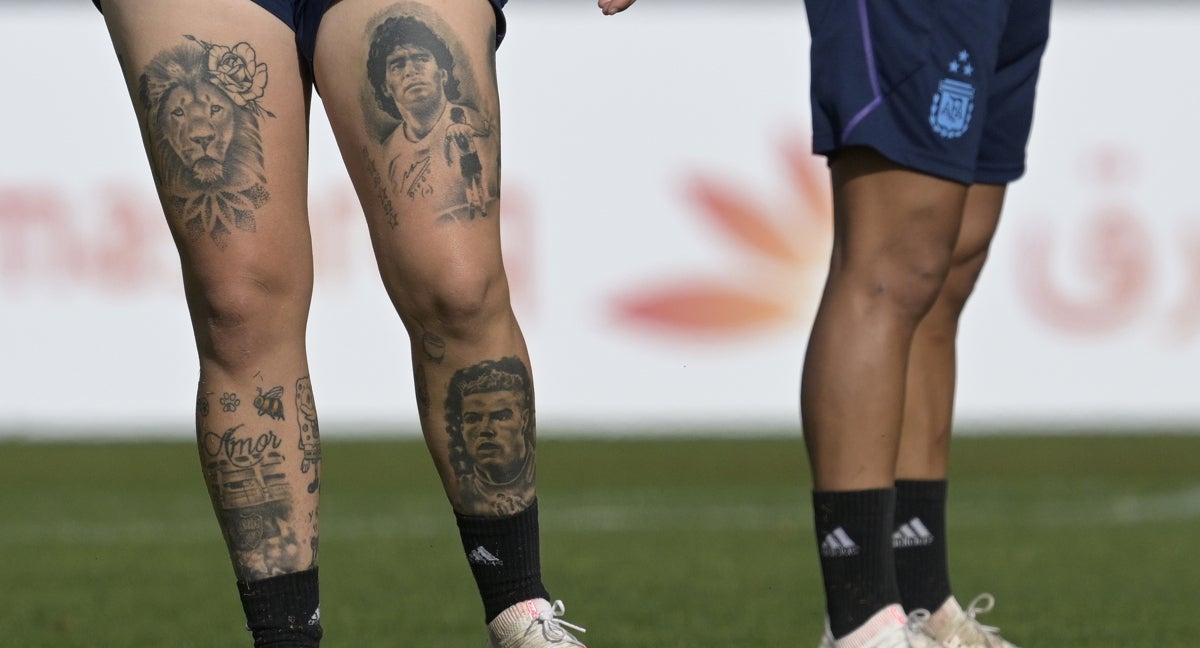
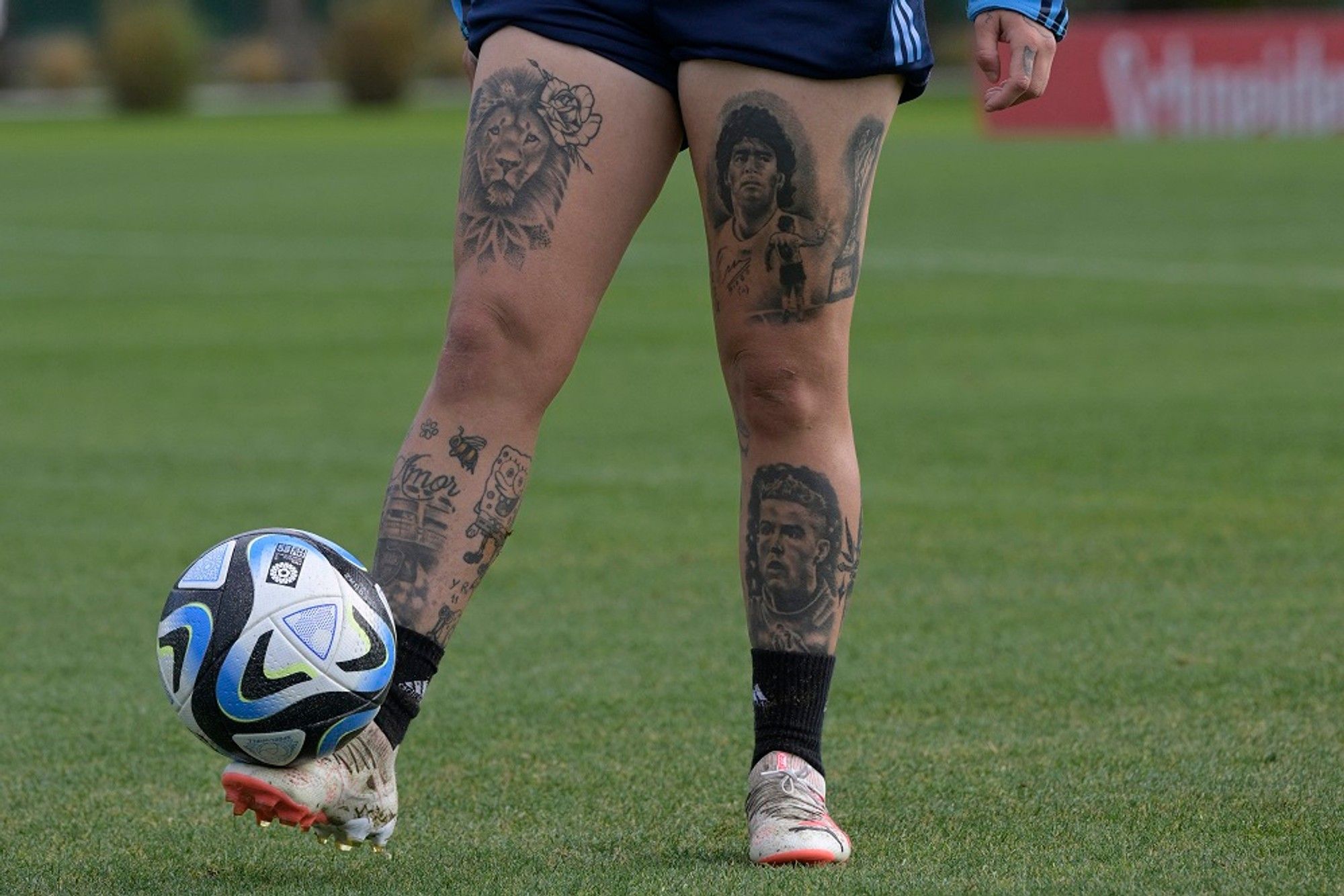
Yamila Rodríguez’s leg tattoos mix portraits of footballers she admires with a lion, lettering and club references. They look like a collection built over time, rather than one matching sleeve.
The Ronaldo and Maradona portraits draw the eye, but smaller marks fill the spaces around them. Training photos help show scale and placement; they don’t always make every symbol clear, so reported meanings are best kept separate from guesses.
Yamila Rodríguez’s football tattoo map
Her legs read as a group rather than as separate flash designs. A lion sits high on one thigh, while portraits and lettering continue toward the knees and calves. Shorts and socks reveal different parts as she moves, and each photograph catches only one angle.
Large portraits need more space than smaller marks, and a leg changes shape when it bends. Rodríguez’s layout has a loose rhythm instead of a grid. If you’re planning a leg collection, map the largest pieces first and check them standing and moving before filling the gaps.
The Cristiano Ronaldo portrait
Ronaldo’s black-and-grey portrait sits on Rodríguez’s left lower leg, below the knee. She has said she admires him for his personality, mentality and drive; it’s a direct tribute to a player who influenced her.
That context is more useful than reading the portrait as a statement about another player. The lower leg gives the face vertical room and keeps it visible in shorts. For a sports portrait, a clear reference and an artist who understands tonal contrast matter more than the celebrity’s name.
The Diego Maradona tattoo and the lion
Rodríguez has described Maradona as one of her football references, even though she followed later players more closely. The portrait connects the collection to Argentina’s football history, rather than to her own memories of watching him play.
Nearby, the lion gives the layout a different shape. Its mane adds texture beside the shaded faces; a specific portrait and an animal design keep the leg from reading as a row of headshots. Anything beyond that visual contrast is interpretation unless Rodríguez has explained it.
The Ronaldo portrait, Amor lettering and small details
Smaller marks sit beside the lower-leg portraits. Amor is among the clearest to read and adds lettering to an area dominated by faces and darker shading. Other symbols are harder to identify from one training photograph, so they’re best left unnamed.
Reports also mention football references tied to Boca Juniors and Argentina. The clear pieces are enough without assigning meanings to every mark. Lettering bends with the shin, so its spacing has to work on the leg rather than on a flat mock-up.
The leg tattoo layout and the Bombonera connection
Reporting on the collection identifies a Bombonera design among the football references. Alongside the player portraits, it brings a club and a place into the story. Her connection to Boca Juniors is part of her professional identity; this reference goes beyond portraits of individual players.
A badge or jersey number may be the first idea for a sports tattoo. A stadium can work too when a place matters to the wearer. Here, the reference keeps the focus on Rodríguez’s football life rather than generic team decoration.
Why the collection caused so much noise
During the 2023 Women’s World Cup, the Ronaldo portrait drew comments from people who treated her admiration for him as a swipe at Lionel Messi. Rodríguez rejected that framing: having Ronaldo as an idol did not make her anti-Messi, she said, and people can prefer different players.
The controversy grew around what fans thought the face meant, not a new explanation from Rodríguez. A portrait makes one choice visible; it doesn’t answer every question about the wearer’s view of the sport.
What to borrow from the collection
Rodríguez’s leg work combines two larger portraits with smaller symbols and words. Decide which images need the most room before adding details; a collection can grow in stages as you see how its spacing works.
If you’re browsing celebrity tattoo ideas, use celebrity collections for visual references, then choose an image that has a connection of your own. Her layout is hers; a tattoo should fit the person wearing it.
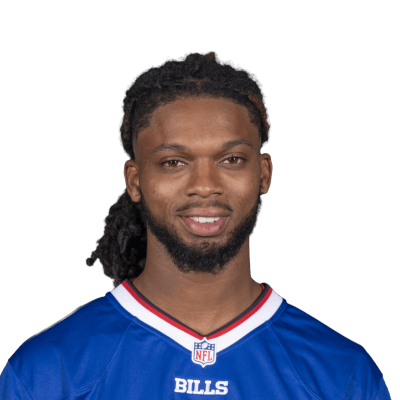
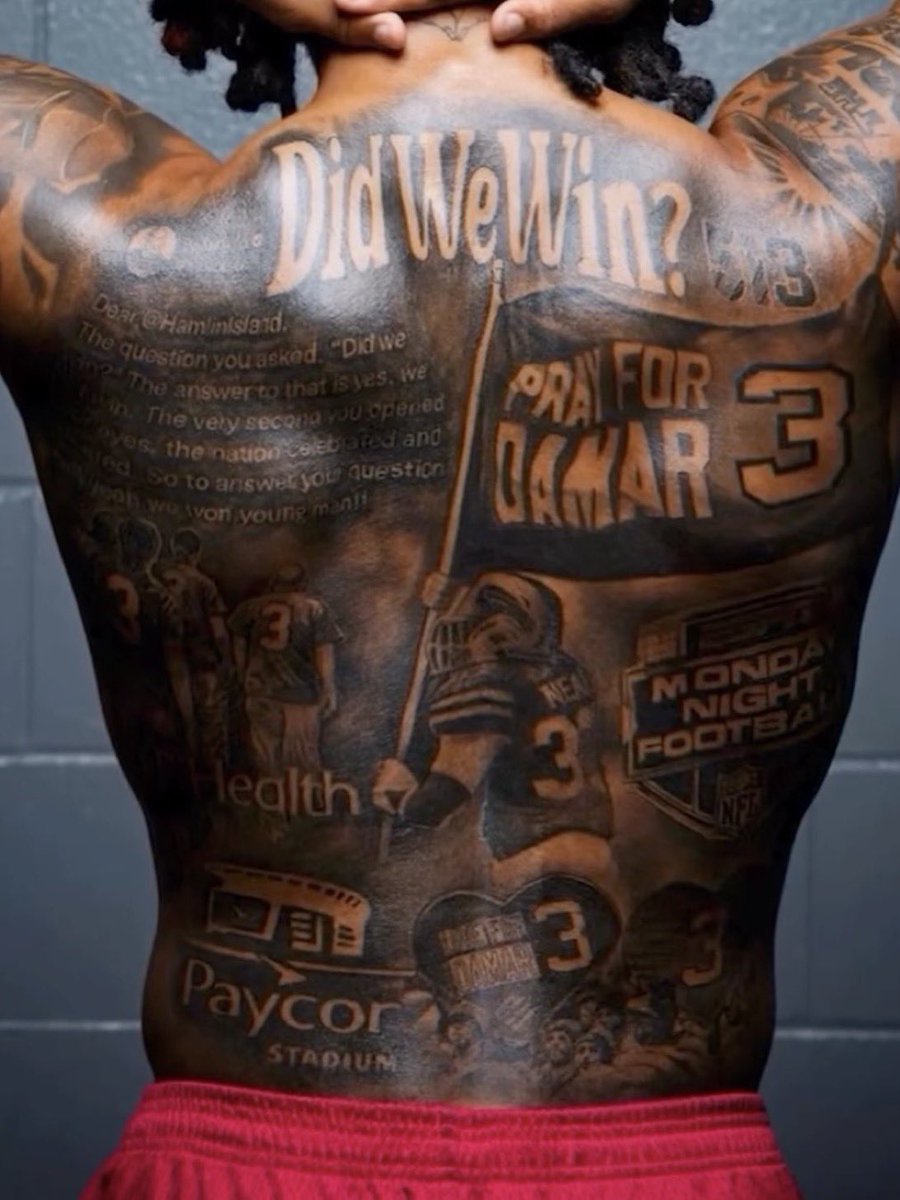
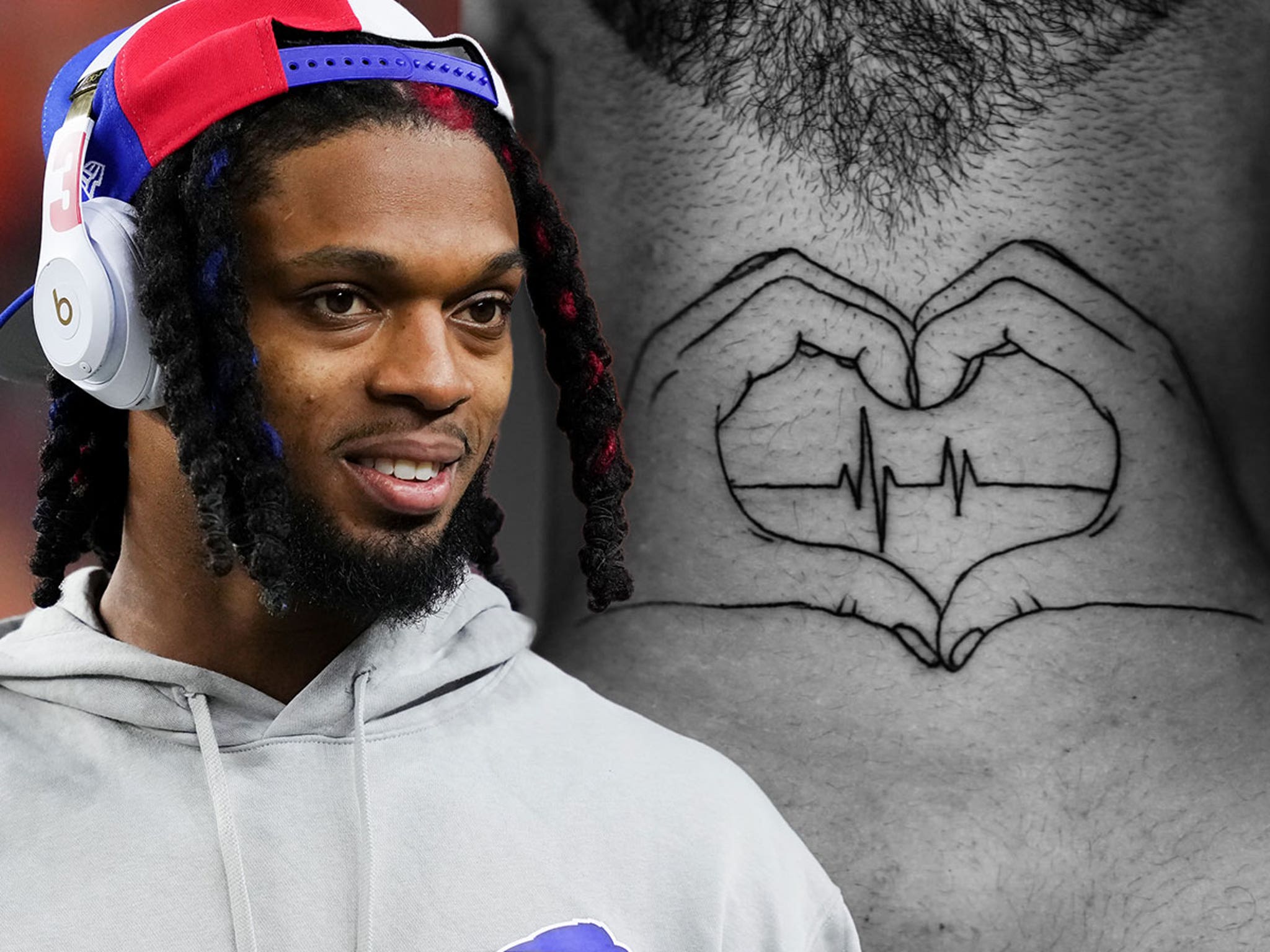
Damar Hamlin’s full-back tattoo is built around a question he reportedly asked after waking in the hospital: “Did we win?” The piece also refers to the Bills-Bengals game in Cincinnati, the medical team who treated him, and the support that followed. Its details point back to one night and the people around it.
The full-back tattoo
Before the game
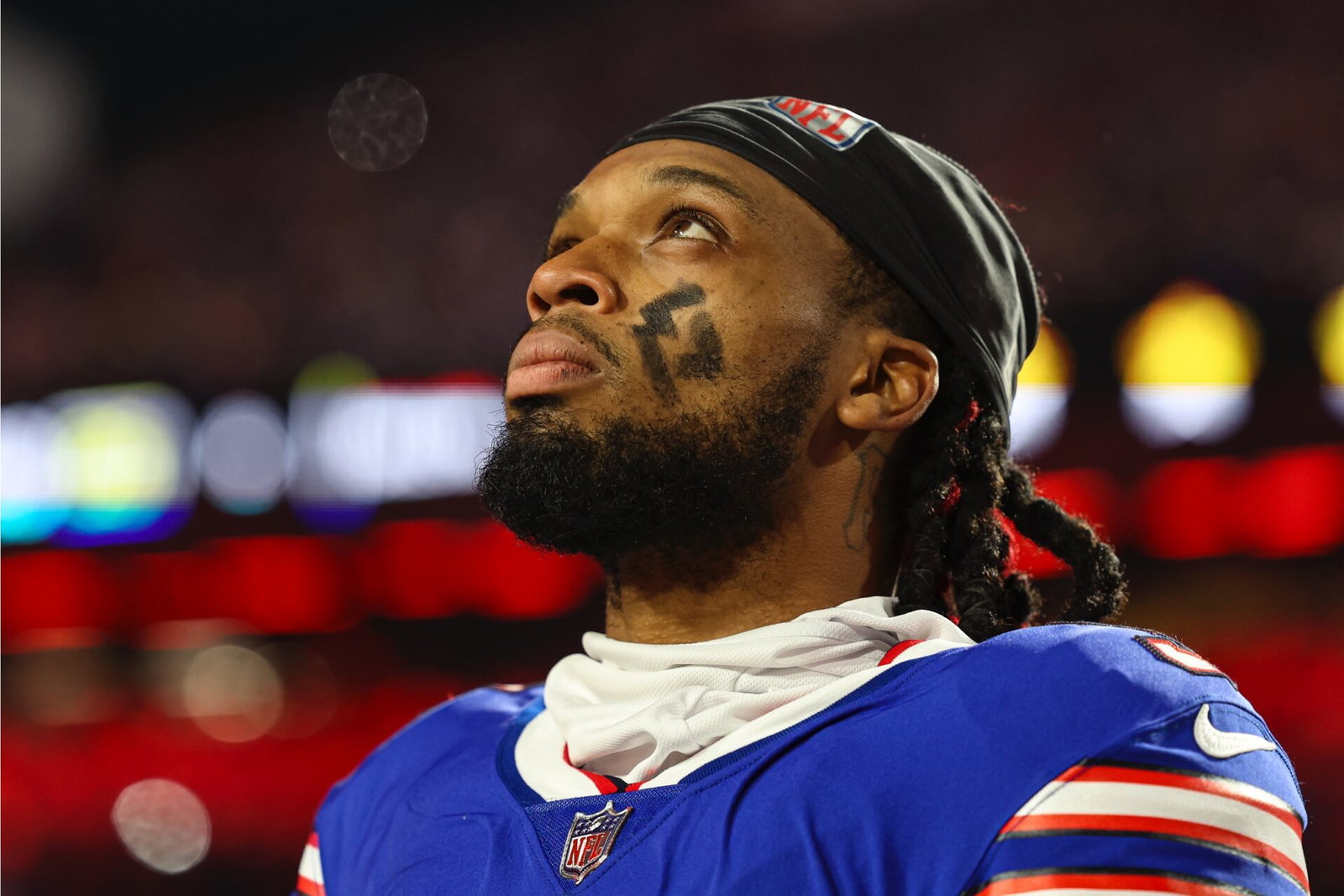
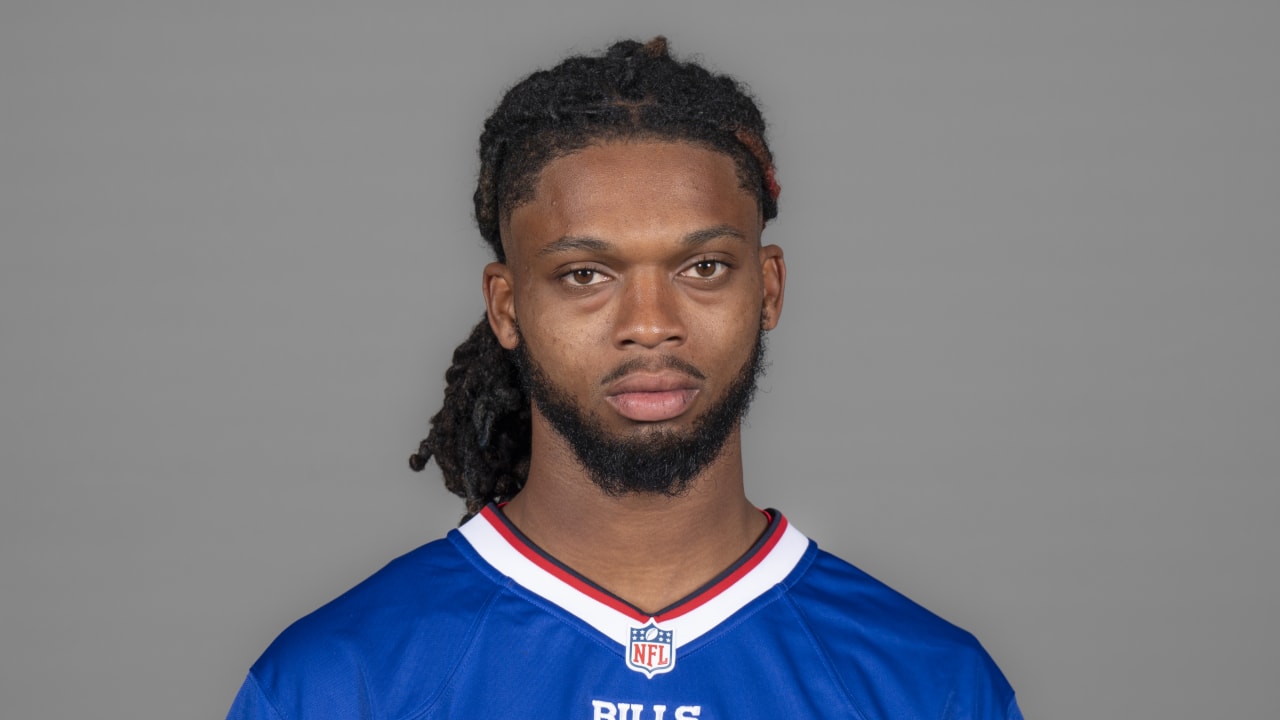
On January 2, 2023, Hamlin collapsed after a tackle during Buffalo’s game in Cincinnati. Medical staff performed CPR on the field, and the game was suspended. Hamlin was taken to the University of Cincinnati Medical Center.
After he regained consciousness, he reportedly asked whether the Bills had won. The game was never finished. Hamlin later returned to football and continued his charitable work through the Chasing M’s Foundation.
The “Did We Win?” centerpiece
The large lettering gives the back piece a clear focal point. It refers to Hamlin’s first question after waking up, and keeps the rest of the images tied to the same event. Around it are football, medical and Cincinnati references.
The words stand out in a dense composition. Figures, symbols and smaller details fill the space around them, turning a short quote into the entry point for a larger story.
Public support
The design also includes “Pray for Damar 3.” “Pray for Damar” appeared on signs, shirts and social media after Hamlin collapsed. The number three is his Bills jersey number, tying that public message to him specifically.
The phrase recalls the support people showed while they waited for news. It sits beside the other references to the game and Hamlin’s recovery.
The Monday Night Football connection
A Monday Night Football reference marks the broadcast during which the collapse happened. It ties the design to that specific game rather than to football in general. The rest of the tattoo adds the details that place the event in Cincinnati and connect it to Hamlin’s recovery.
Paycor Stadium and the 513
Paycor Stadium, the Bengals’ home field, is another location marker. The design also includes 513, the Cincinnati area code. Together, those details point to where the game took place, even though Hamlin played for Buffalo.
The medical team tribute
Reports about the piece also point to imagery connected to staff at the UC Medical Center. That reference broadens the story beyond the game: the medical team who treated Hamlin is part of what the tattoo remembers.
Medical and football images share the same large composition. The quoted phrases help anchor it, so the collection of details still reads as one tribute.
Why the canvas mattered
A full back gives the design room for its lettering, figures, stadium references and smaller details. Keeping them in one piece lets the images sit together as a single account of the event.
The back also means Hamlin can choose when to show the tattoo. When revealed, its scale makes clear that this is a major personal story, not a passing reference.
The artist and the scale of the piece
Tattoo artist Ganga has been linked to the piece, and reports say several artists worked on it at the same time. The tattoo’s scale and detail required substantial planning and long sessions.
Some reports also claimed Hamlin was under anesthesia during the process. The circumstances are specific to his session and shouldn’t be treated as a general option or recommendation. The more useful takeaway is how much coordination a large piece like this requires: the lettering, line work, shading and overall layout need to work together.
What makes the piece stand out
The tattoo brings the football setting and the recovery into the same frame. Monday Night Football, Paycor Stadium and 513 locate the event; “Did We Win?” and “Pray for Damar 3” recall Hamlin’s question and the public response; the medical references recognize the people who treated him.
Those details let the piece work at two levels. The large words can be read at a glance, while the stadium and smaller images reward a closer look. The references stay specific to Hamlin’s experience rather than relying on a general comeback slogan.
Ideas to borrow without copying
Hamlin’s design is tied to his own story, but its planning offers a few ideas for a consultation:
Start with a phrase that belongs to your experience.
Choose a location or object that makes sense to you, even if it needs context.
Give the composition one clear focal point and let smaller details support it.
Leave enough space for lettering and important images to stay readable.
Plan a large piece as a whole instead of filling the skin with unrelated symbols.
A tattoo doesn’t need to explain every detail to strangers. It needs to make sense to the person wearing it. Hamlin’s is unusually public, but its references come from a moment he lived through.
Final look
Damar Hamlin’s back piece brings together the question “Did We Win?”, the message “Pray for Damar 3,” Cincinnati landmarks, football and medical references. Together they record the game, the support around him and his recovery without reducing the story to one symbol.
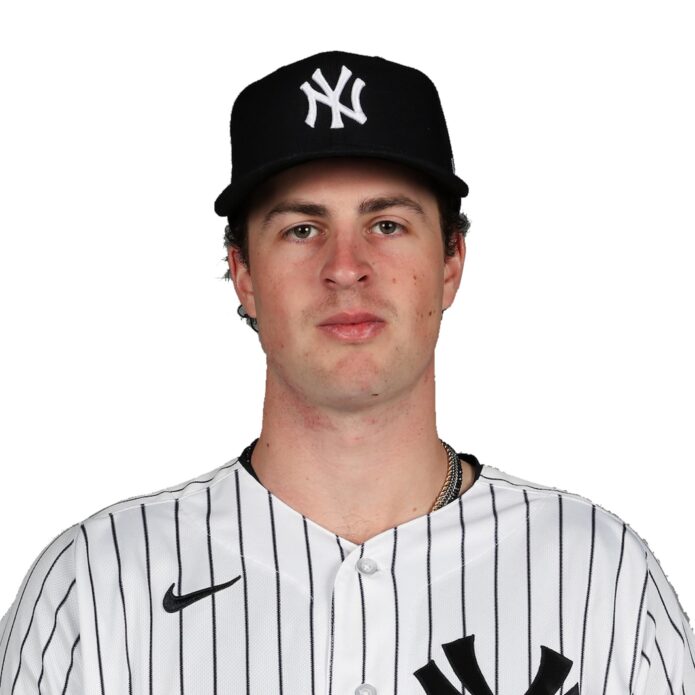
Cam Schlittler is easy to spot on a Yankees mound. He’s 6-foot-6, throws hard, and his forearm tattoos are visible whenever he pitches. A couple of kids in Boston reportedly recognized him after searching “Cam Schlittler tattoos” on their phones. Yankees Magazine has also covered the collection, including a session with Tampa artist Omar Cruz.
The tattoos build on a few clear themes: family, balance and the pressure of a baseball career. Roman numerals mark the years two relatives died; koi fish and yin-yang imagery connect to balance; and the newest piece, “Me vs. Me,” gives the push to keep improving a visual form. They’ve been added over time, rather than designed as one large statement.
The Roman-numeral dates keep family close
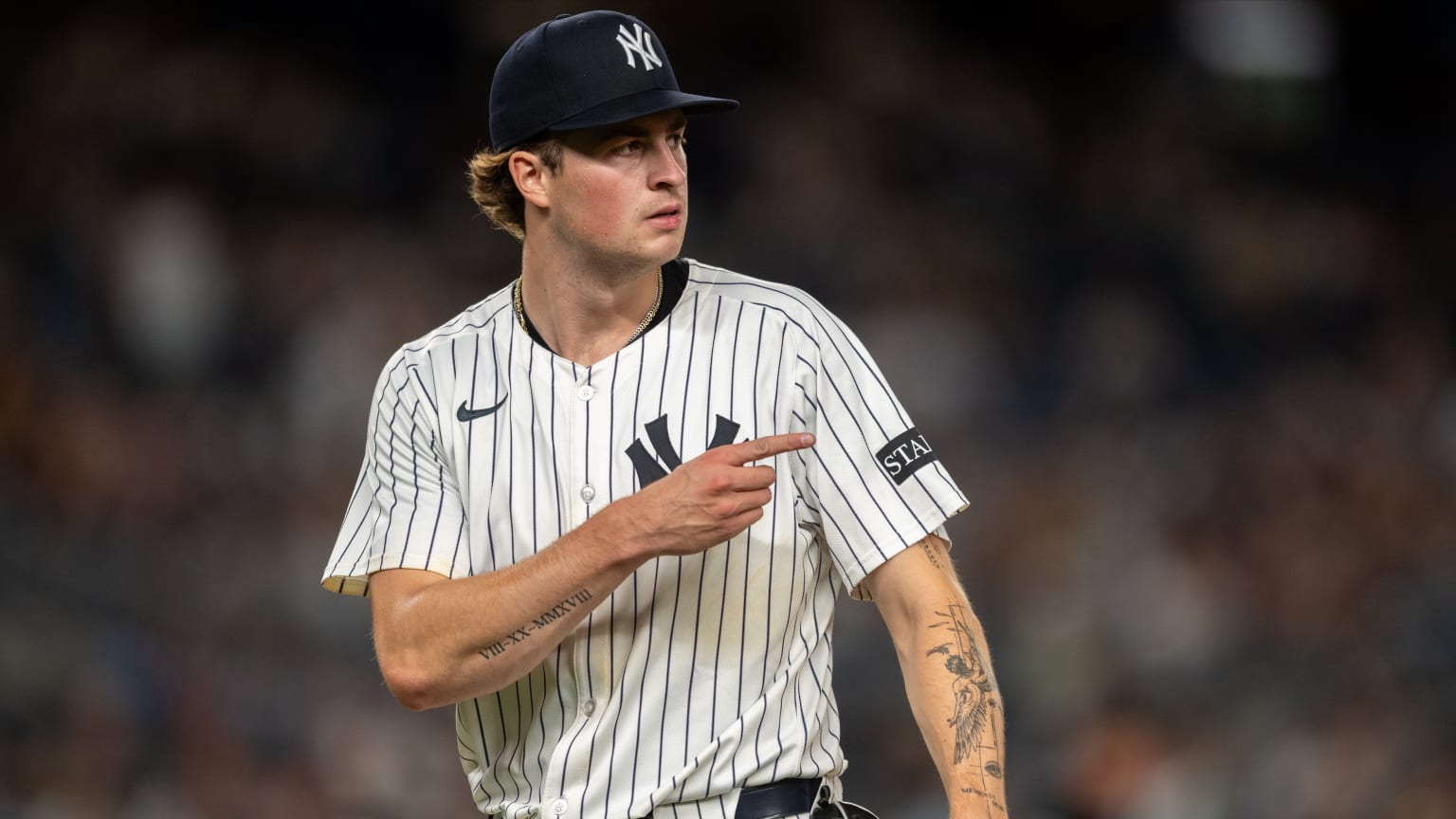
The Roman numerals on Schlittler’s forearms mark the years his paternal grandmother and maternal grandfather died. He has said neither lived to see him drafted, play college baseball or reach the majors, though both helped shape his life.
He’s described looking down at the dates and remembering people who mattered to him. Their placement makes them part of his day on the mound, but the tattoos don’t need a portrait or a long explanation. The numbers hold the meaning for him; anyone who sees them doesn’t need to know the whole story.
Roman numerals give the dates a clean, compact look and leave room for the rest of the sleeve. If you’re considering a memorial tattoo, the same idea can work with a date, handwriting or a small symbol. A large image isn’t the only way to keep someone close.
A wider look at the pitcher
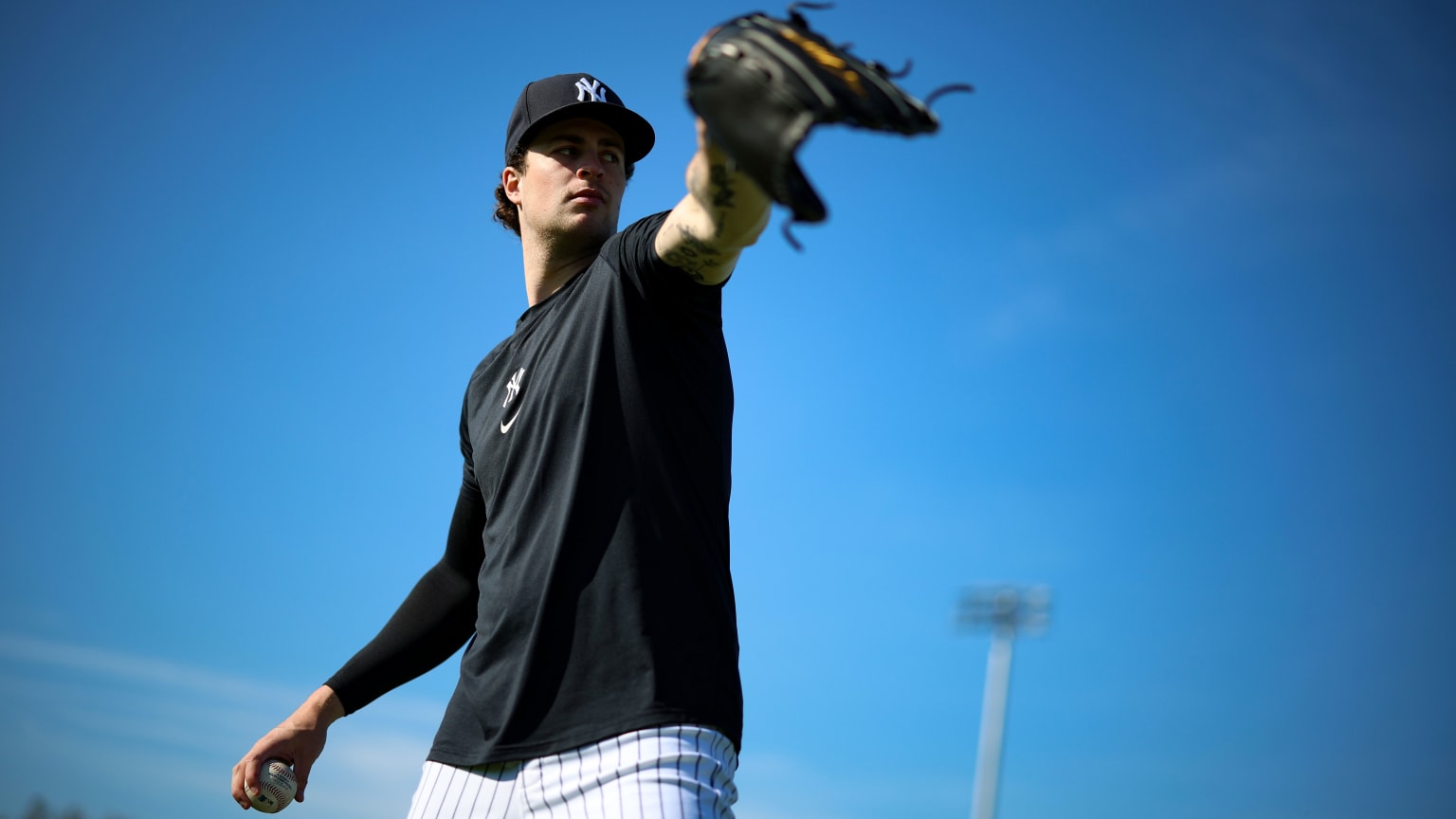
In game photos, Schlittler’s arm is often moving or partly covered by his glove, so the tattoos appear only in glimpses.
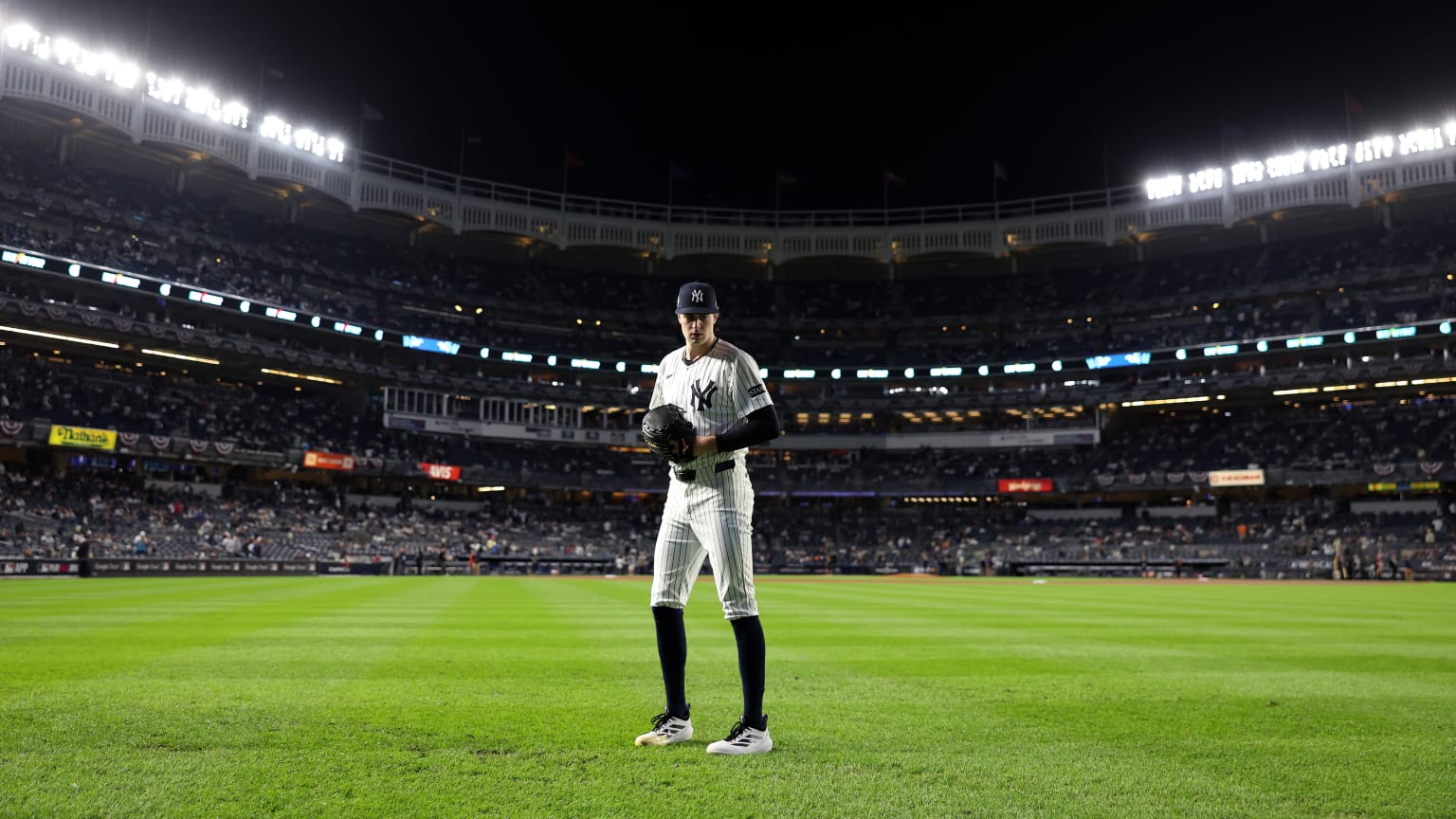
This Yankees Stadium photo gives context, but it doesn’t show the tattoos clearly enough to serve as evidence. Close-ups are more useful for the ink itself. Still, the wider shot shows why the forearm pieces became part of his recognizable look: they’re visible during a pitch and can be covered by uniform sleeves when he wants.
The “Me vs. Me” tattoo is about the pressure inside the game
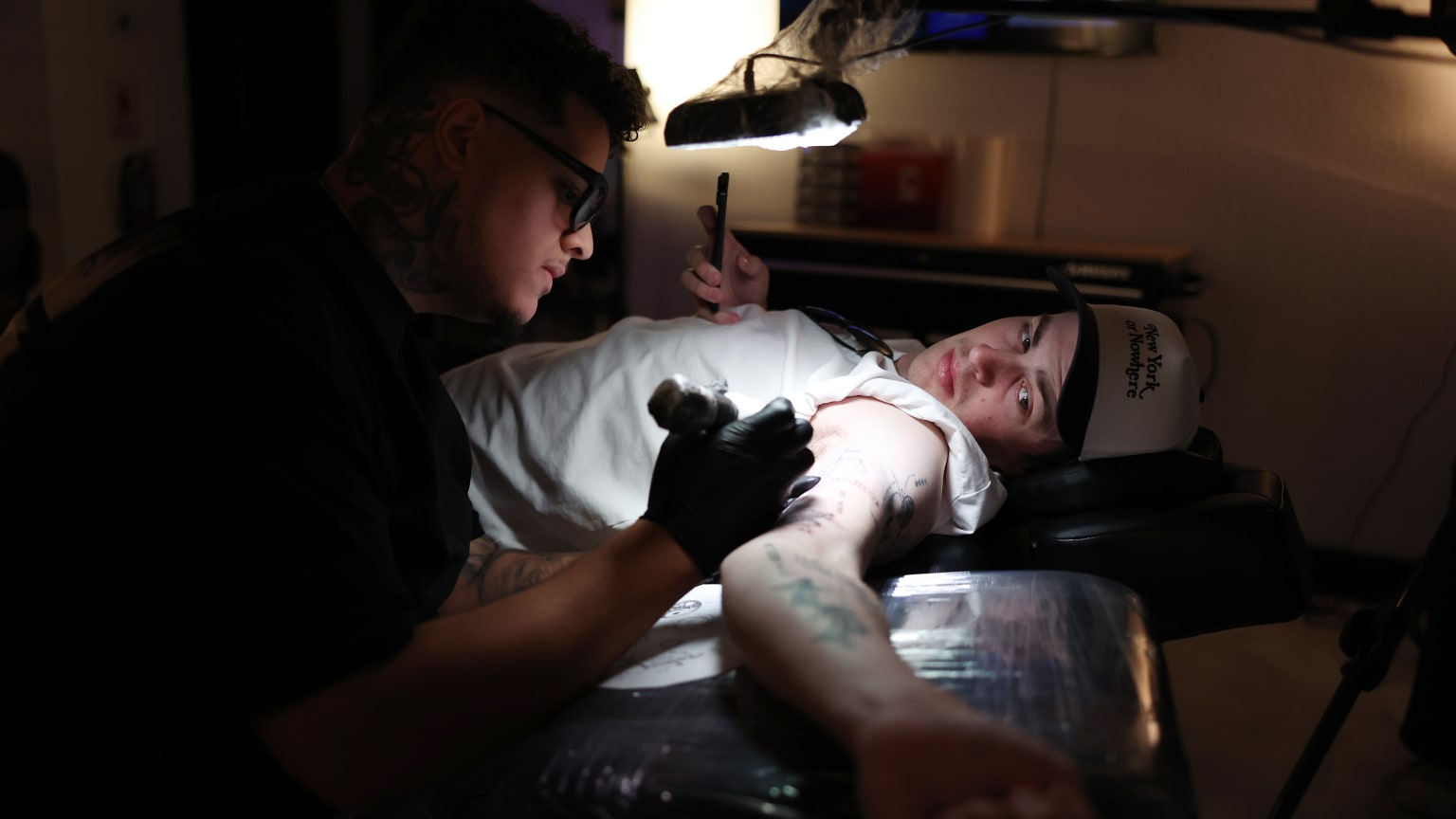
Schlittler’s newest tattoo is on his upper left arm. Two figures pull in opposite directions, joined by a web of lines above the words “Me vs. Me.” Omar Cruz, of Socrates Ink Gallery, made the fine-line design after months of planning and communication.
Schlittler has said the phrase is about competing with yourself and continuing to work when no one is watching. The drawing carries some of that meaning: the figures are locked in a struggle, and the lines keep the motion open instead of showing a conflict neatly resolved.
The session reportedly lasted nearly three hours. The fine lines and several elements need careful placement, especially on an arm that moves through a pitch. The design also leaves enough open space for the figures and lettering to stay readable. If you’re working with a phrase, an image can help express the idea without adding more words.
Yin-yang and koi fish bring balance to the sleeve
Schlittler has also talked about yin-yang imagery and koi fish on his lower forearm. He connects the symbols with balance and the difference between light and dark in baseball and in his personal life. That’s his explanation, so there’s no need to guess at a more specific meaning.
The koi add movement to the arm, while the yin-yang symbol is built around opposing forces held together. Both sit alongside the memorial dates, giving the sleeve different shapes and ideas without relying on one large centerpiece. Curved subjects and more geometric symbols can also help a sleeve feel varied while keeping each tattoo distinct.
What the sleeve looks like up close
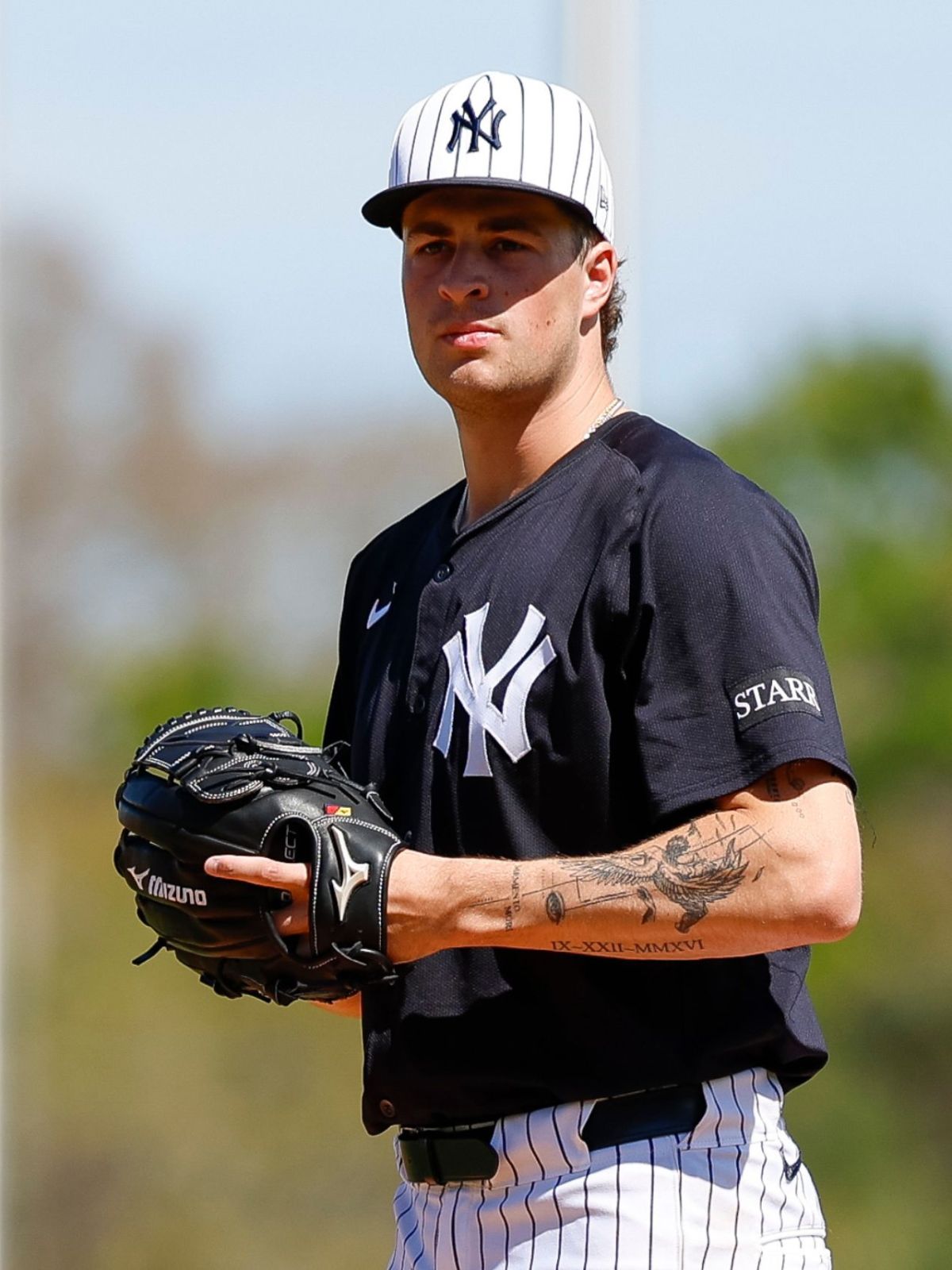
A close photo shows more of the forearm work: mostly black and grey, with fine lines, animal-like shapes and small details. The skin between the pieces keeps them from blending into one solid area.
Leaving space can make a growing sleeve easier to read and gives future pieces somewhere to go. Schlittler’s “Me vs. Me” design fits within the existing collection without crowding the older work. His tattoos weren’t all planned at once: family dates, balance imagery and the more recent career-focused piece have each added something different.
How to borrow the ideas without copying them
Schlittler’s ink offers a few directions for anyone looking at celebrity tattoo ideas. A memorial design can start with a date, handwriting or a small symbol. For a phrase like “Me vs. Me,” think about whether an image can show the idea instead of spelling it out. A rope, split path, mirrored animals or two hands pulling in opposite directions are possible starting points, not designs to copy.
For a sleeve, mix different visual weights. Small dates can sit beside a larger animal or a fine-line figure. Koi can guide the eye around the arm; lettering and straight lines give it places to pause. Leave enough skin around the pieces so each one remains clear.
The personal connection matters more than making every tattoo match. Schlittler’s collection brings family, balance and the work of improving together because those ideas relate to his life as a pitcher.
To hear Schlittler talk about his tattoos and life away from the mound, the Yankees’ Behind the NY series offers more context.
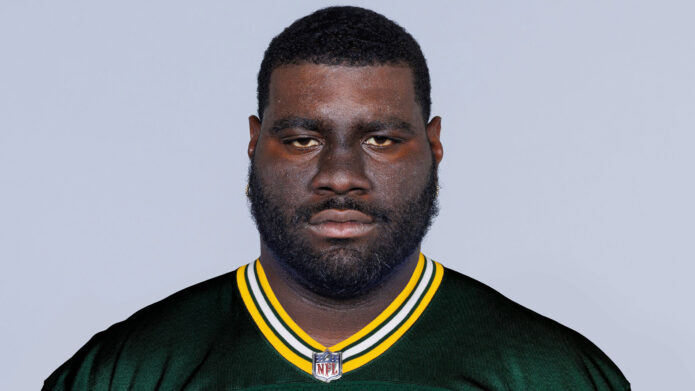
Mekhi Becton’s arm tattoos are often visible in football photos, though most game shots aren’t close enough to identify every design. Two pieces have been documented in detail: the praying hands and angel wings on his upper right arm, a tribute to his late grandmother Crystal Minor, and a newer tattoo tied to the Eagles’ Super Bowl LIX win.
The Philadelphia Inquirer reported that Becton got his first tattoo at 17 to honor his grandmother. Sports Illustrated later covered the championship piece after Philadelphia beat Kansas City. Those stories offer a clearer picture than a distant image of his arms beneath a jersey.
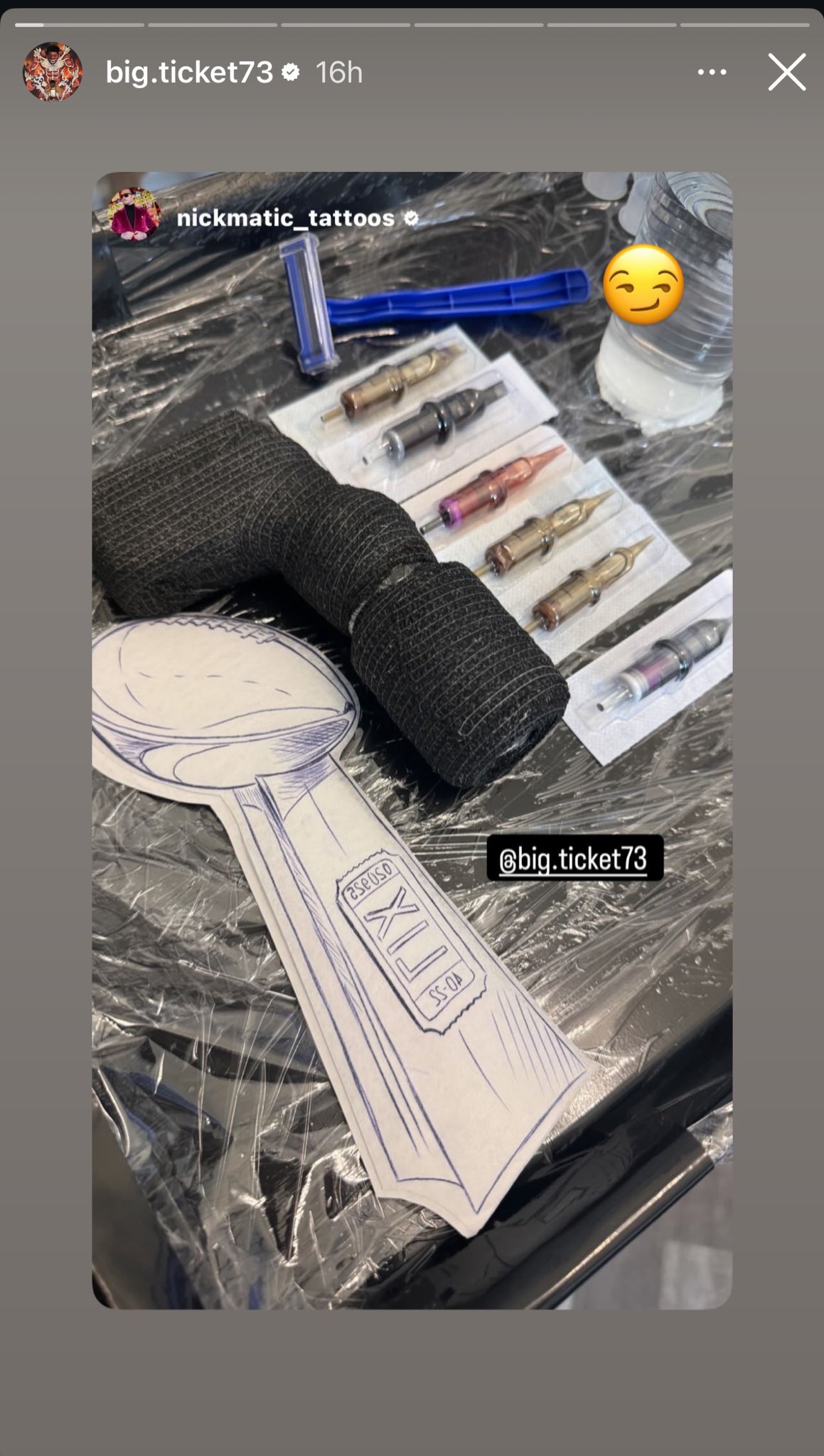
How the championship design came together
The stencil shows a Lombardi Trophy, the Roman numeral LIX, the date 02/09/25 and the final score, 40–22. Each detail points to the Eagles’ win over the Chiefs in Super Bowl LIX.
The date and score turn the tattoo into a record of one game, while the trophy makes the occasion clear at a glance. The black-and-grey design gives the lettering and outline room to read. If you’re marking a milestone, a date, score or other detail tied to that day can say more than a generic championship label.
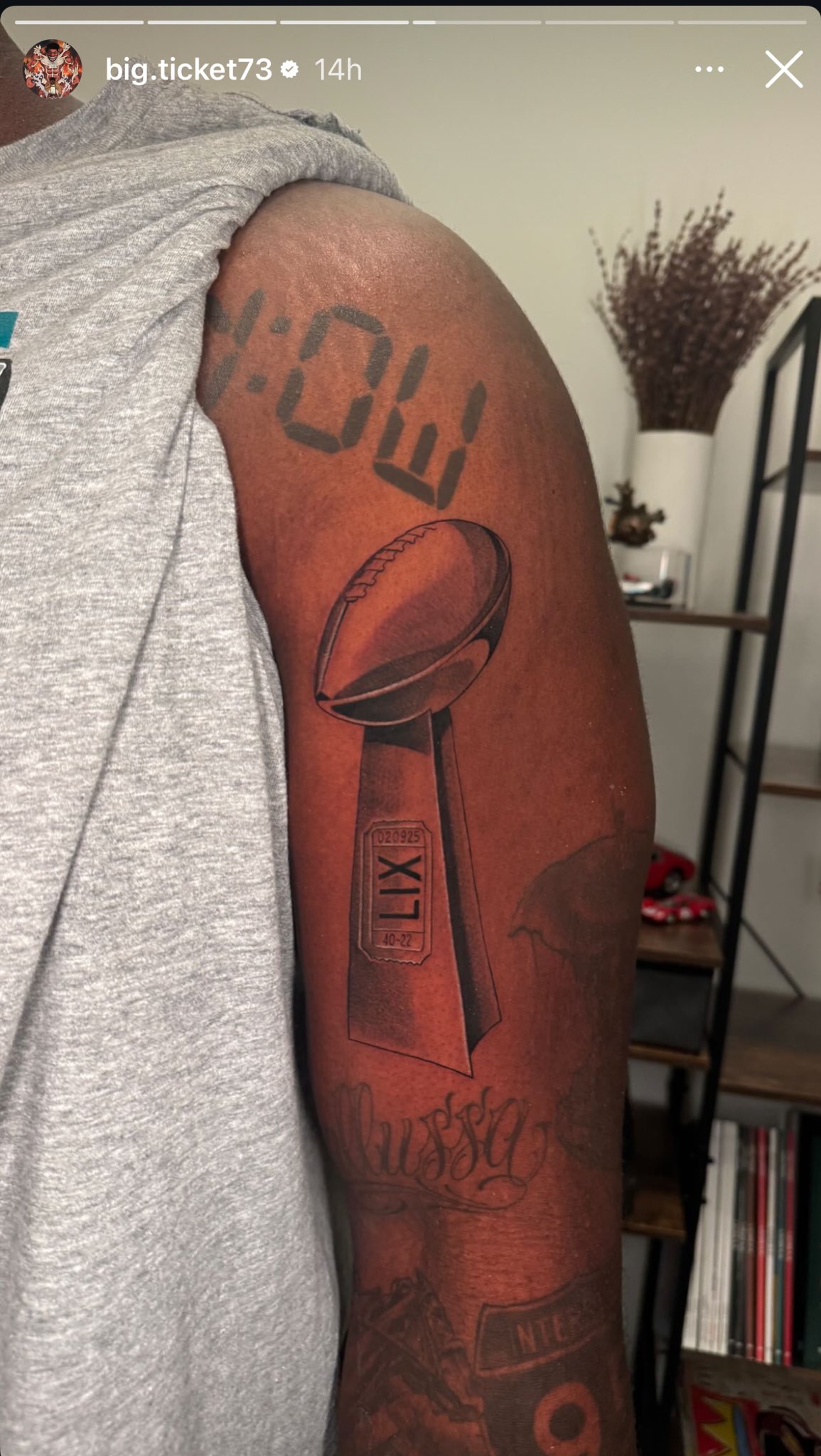
The championship tattoo has a clear visual language
Sports Illustrated reported that Becton shared two Instagram photos of the new tattoo. This close view shows how the finished piece holds the design’s parts together: the trophy carries the focus, and the smaller lettering records the game. It reads as a personal memento rather than a team logo on its own.
A commemorative tattoo doesn’t need every detail from an event. One or two references that matter to you can be enough, as long as they remain easy to read and still make sense when the moment is years behind you.
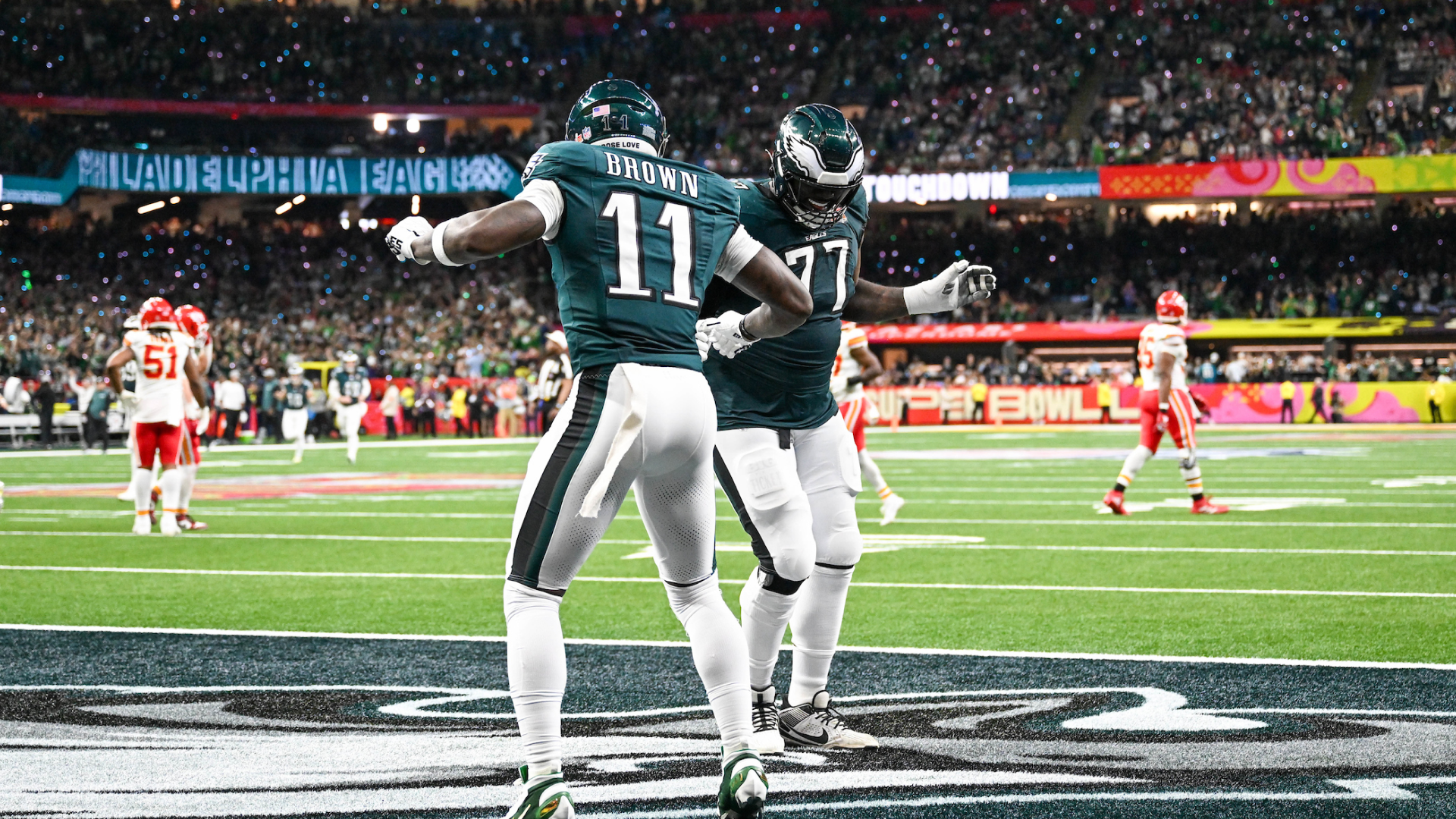
A wider look at Becton on the field
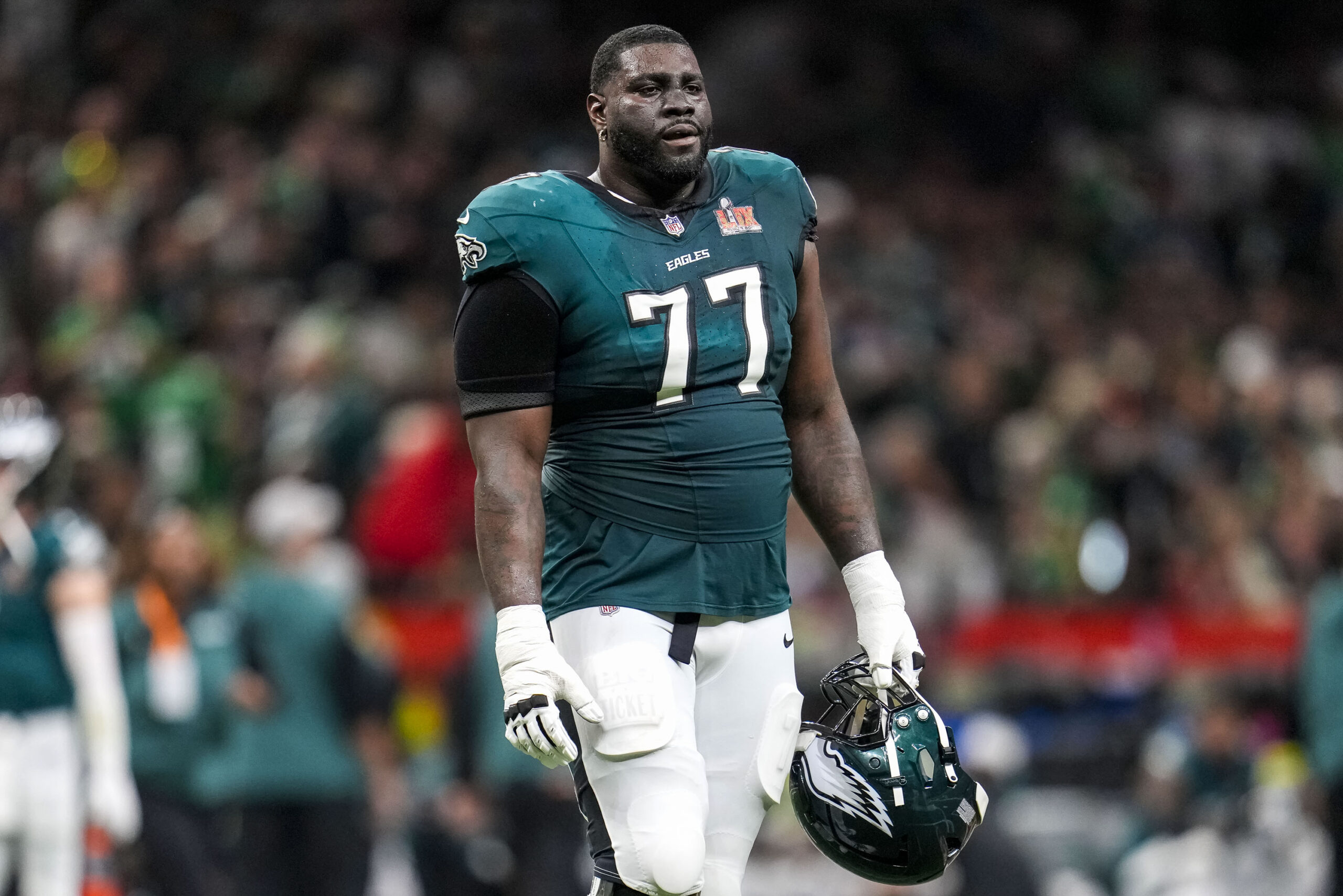
This game photo shows Becton in uniform during Super Bowl LIX, but the sleeves and distance keep it from revealing tattoo details. It works as a record of the setting around the championship, not as evidence for a particular design.
A wide field frame
A Chargers gallery image shows Becton’s full figure on the field, with the stadium behind him. The pose and uniform give a sense of his scale and the space he occupies on a team; they don’t provide a close look at his ink.
The celebration photo fills in the setting
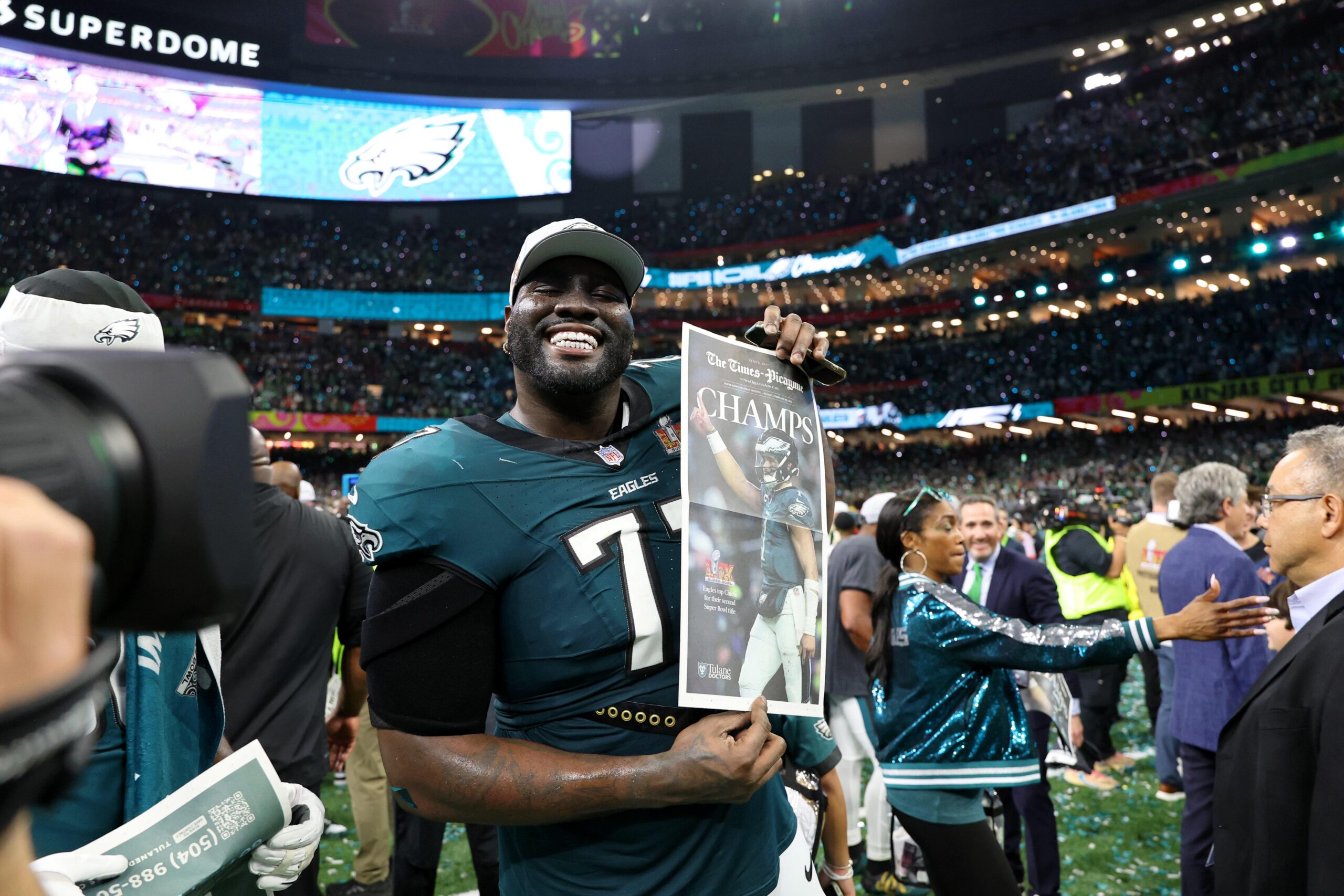
This Sports Illustrated photo was taken after the Eagles’ win. Becton is smiling in the stadium, with the crowd, cameras and scoreboard around him. It captures the postgame scene rather than a tattoo close-up, but places the championship piece in the moment it commemorates.
How to borrow the ideas without copying Becton
Becton’s tattoos offer two starting points for celebrity tattoo ideas: a symbol tied to family and a design that records a career milestone. For a family tribute, you might choose an object, flower, bird or phrase that already carries meaning for you. For a big event, a date, score, venue or small detail from the day can make the reference more personal than a logo alone.
Placement matters too. An upper-arm tattoo offers room and can be covered; a forearm piece stays more visible. Ask the artist how the design will sit when the arm is relaxed and moving, especially if it needs fine lettering or small details.
The documented stories are specific enough on their own: Becton’s first tattoo honors his grandmother, and the newer piece recalls the Eagles’ Super Bowl win. The photos don’t explain every other mark on his arms, so there’s no need to assign meanings to details they don’t show.
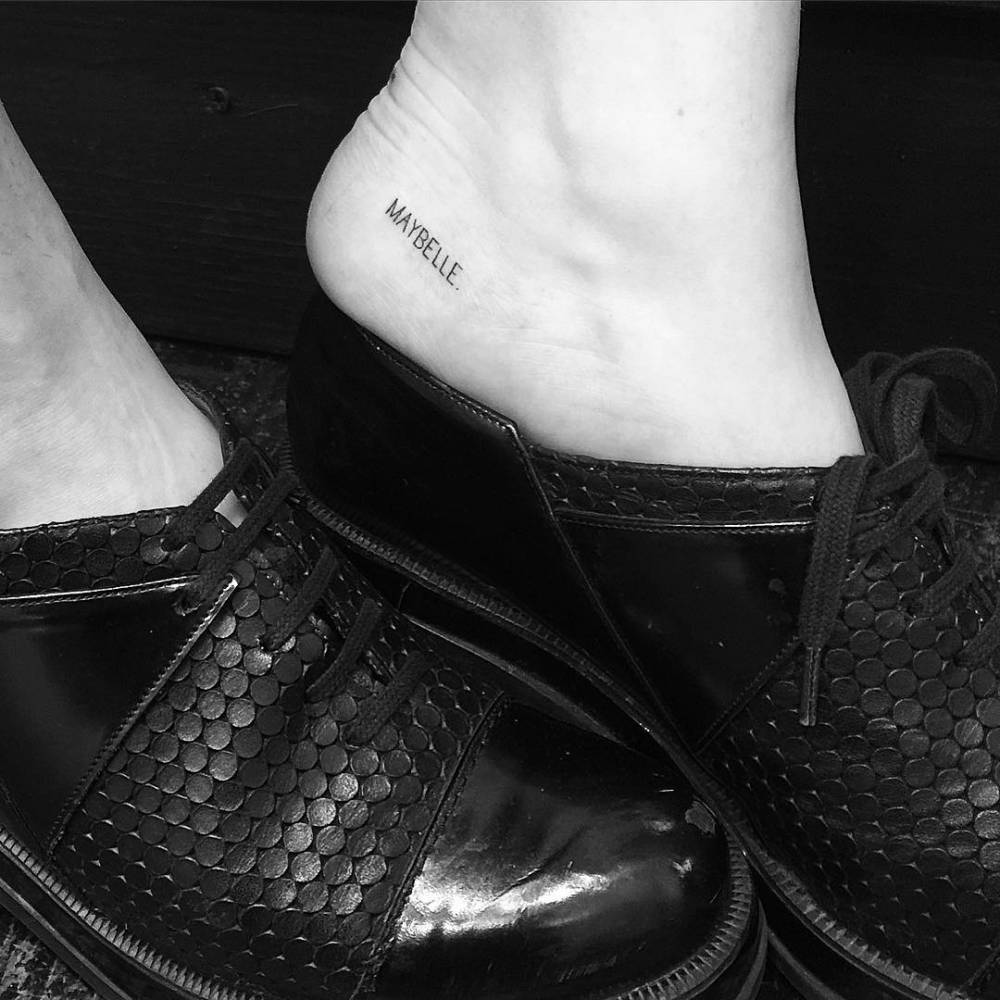
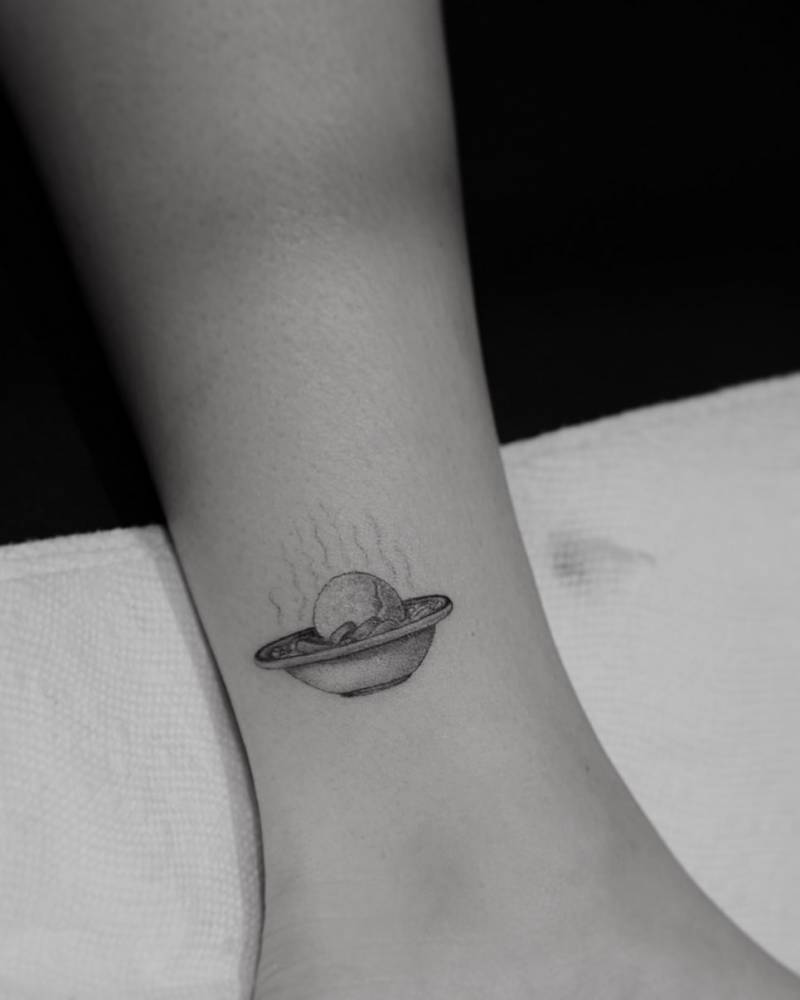
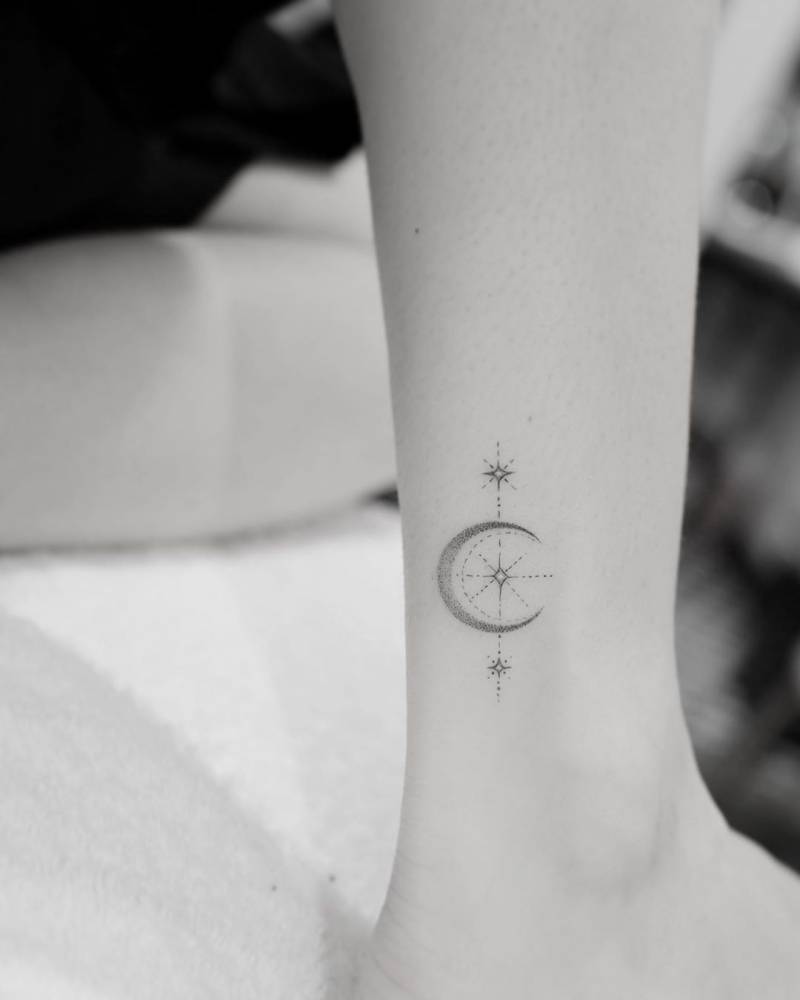
Zoey Deutch’s tattoo collection is made up of small pieces that don’t need to match: a portrait of her dog Maybelle, the dog’s name, a scorpion, moon and stars, “Yes,” “818,” and a bowl of matzah ball soup. Some were birthday tattoos; others are little things she wanted to keep close.
The mix is part of the appeal. A pet portrait sits alongside a bowl of soup and a simple word. The tattoos feel more like a record of things she likes than a planned sleeve or a single theme.
The short version: Deutch’s best-known tattoos include Maybelle’s black-and-grey portrait and name, a tiny scorpion, moon and stars, “Yes” on her foot, “818,” and a matzah ball soup tattoo. The collection is personal, playful and deliberately varied.
Zoey Deutch’s Maybelle dog portrait
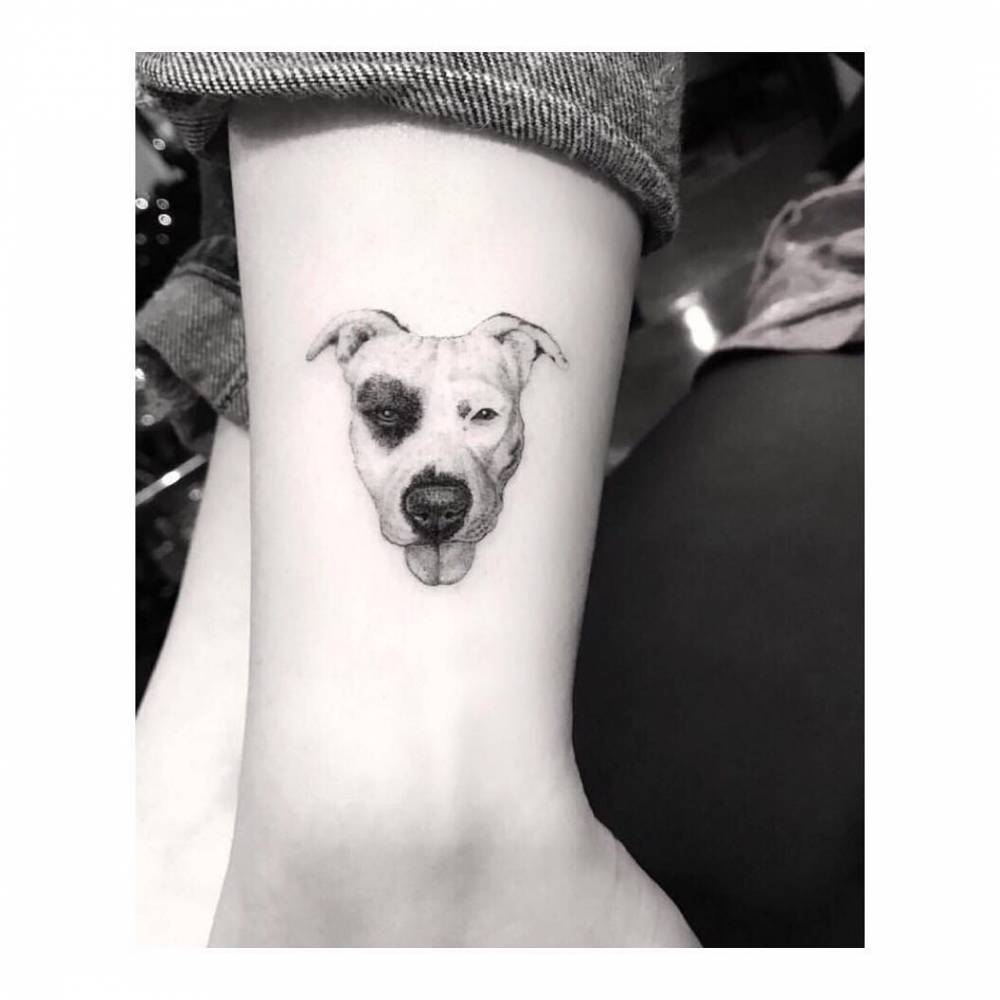
The portrait of Maybelle is one of Deutch’s clearest tattoos. It’s a small black-and-grey face with floppy ears, a dark patch around one eye, and a little tongue showing. Those details make it look like one particular dog, rather than a stock pet design.
Deutch has called Maybelle a rescue and joked about whether a pet portrait is adorable or a bit unhinged. The tattoo is affectionate, but she can laugh at it too. Public references place it on her right calf, where the face has more room than it would at the ankle.
The shading stays soft around the muzzle and ears, with the nose and eye patch giving the portrait contrast. For a pet tattoo, the useful starting point is a clear photo that captures the feature you’d miss most: a crooked smile, a folded ear or a familiar expression. The artist needs enough room to keep those details readable.
The “MAYBELLE” name tattoo
The other Maybelle piece is just the name, in small black capitals with a period at the end. There’s no border or decorative script. That tiny full stop makes the lettering feel like a finished thought: “MAYBELLE.”
Steal Her Style’s archive credits Jon Boy at West 4 Tattoo and gives the date as May 24, 2016. Sources describe the placement around the ankle and heel; in the photo, the letters sit above a black shoe. The photo is the clearest guide to where the design sits.
The portrait and the lettering do different jobs. One holds onto Maybelle’s face; the other names her. They don’t have to repeat the same image to feel connected.
The matzah ball soup tattoo
Deutch’s soup tattoo is a small bowl with a matzah ball, broth and wisps of steam. She told the story on Jimmy Kimmel Live! while promoting Something From Tiffany’s: she was really into soup, got the tattoo on her ankle for her birthday, and wanted the steam to look hot. She loves it, though she joked that the steam can look a little like hair.
The image has enough detail to read as a meal, but it remains a light, fine-line drawing. That balance suits the story: it’s an oddly specific favorite, not a symbol that needs a grand explanation. A tattoo of a dish can carry a family or holiday memory, but it can also be there because you like the food.
Moon and stars in a fine-line style
The moon-and-stars design sits above Deutch’s ankle. It has a crescent with a star inside, with smaller stars above and below. Light shading and open space keep the little cluster from turning into a solid patch.
A moon and stars are familiar images, so spacing and line weight do most of the work here. The design has a dotted texture in the crescent and a vertical shape that follows the lower leg. Several of Deutch’s small tattoos are associated with Dr. Woo’s fine-line style, though the public sources don’t give every star a confirmed personal meaning. It may simply be an image she likes.
Context around the collection
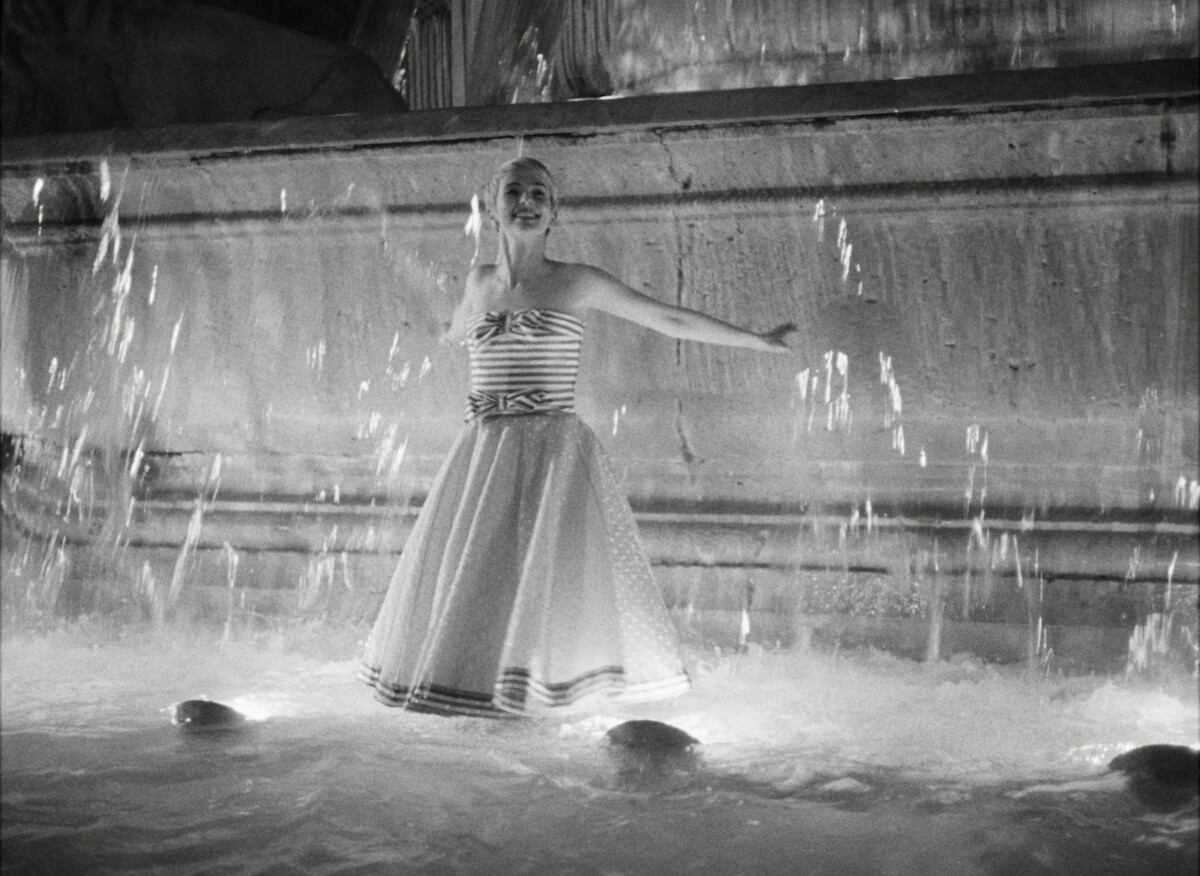
This black-and-white still from Nouvelle Vague shows Deutch as Jean Seberg, standing in a fountain in a strapless dress. It’s here for context, not as evidence of a tattoo: the frame doesn’t show her ink clearly enough to identify a design.
Photos from films and fashion shoots can show someone’s look and the setting around them. They can’t confirm a small ankle tattoo from a distance. For that, the image needs to show the tattoo itself.
How to borrow the ideas without copying them
Deutch’s collection works because each piece starts with something specific to her: a dog, a favorite food, a hometown number or an image she likes. The designs don’t need a shared style to belong together. If you’re thinking about a pet portrait, bring photos that show what makes your animal recognizable. For a tiny object or food tattoo, decide which details matter and leave room for them to read.
Placement changes how a small tattoo feels. An ankle or foot design can stay tucked away, but shoes rub against the skin. A calf gives a portrait more space; lettering needs to remain legible while the leg moves. Ask to see the design at its actual size and on a curved surface before settling on it.
A dog, a scorpion, soup and a crescent moon don’t have to look like a set. The connection can live in the memories behind them. Deutch’s Maybelle portrait and name are affectionate, while the soup bowl keeps a favorite meal—and a joke about its steam—close by. The moon and stars add a different kind of image without needing an explanation.
If you’re browsing celebrity tattoo ideas, her collection is a reminder that a design can be personal without being elaborate. Start with something you like, and let the meaning stay yours.
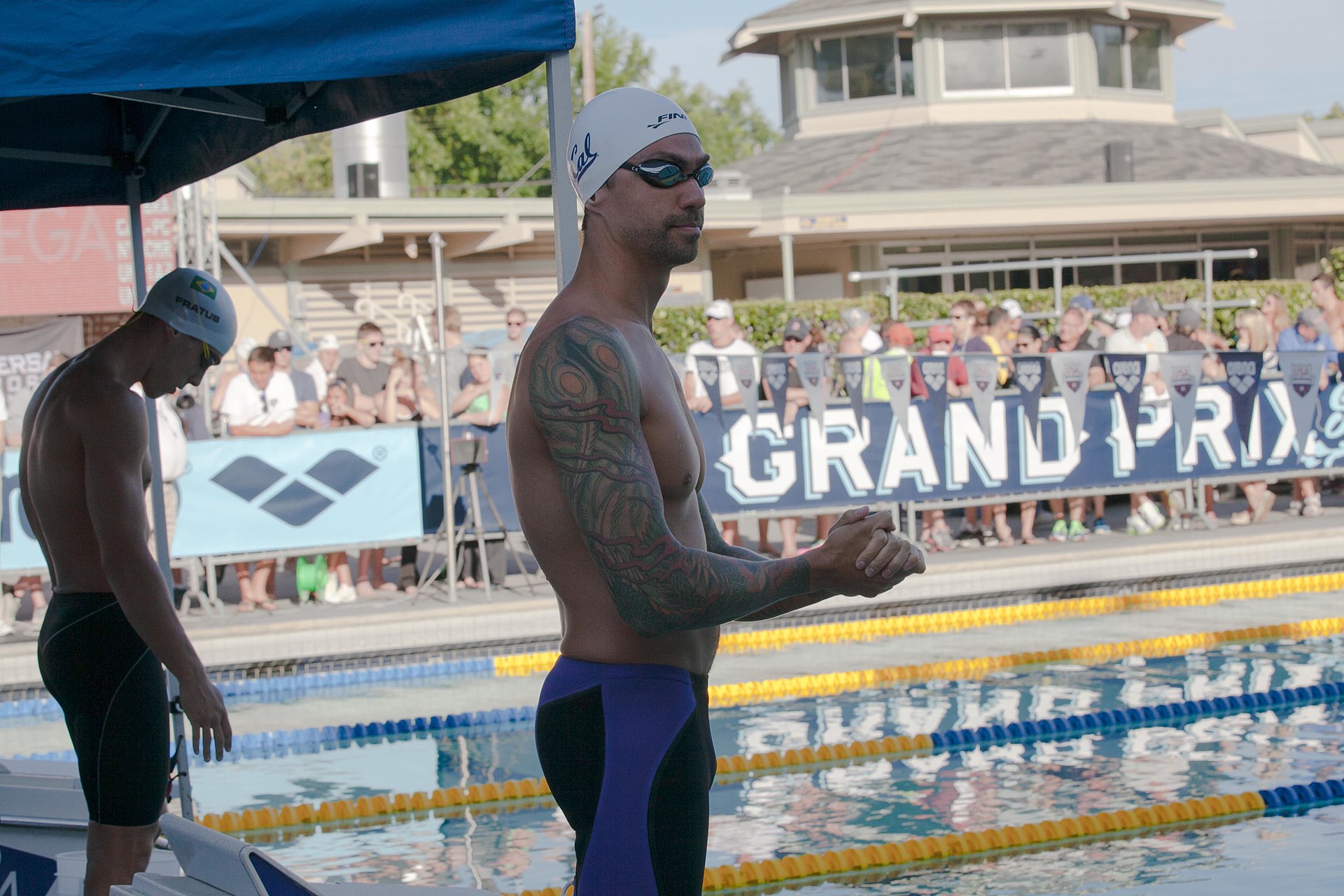
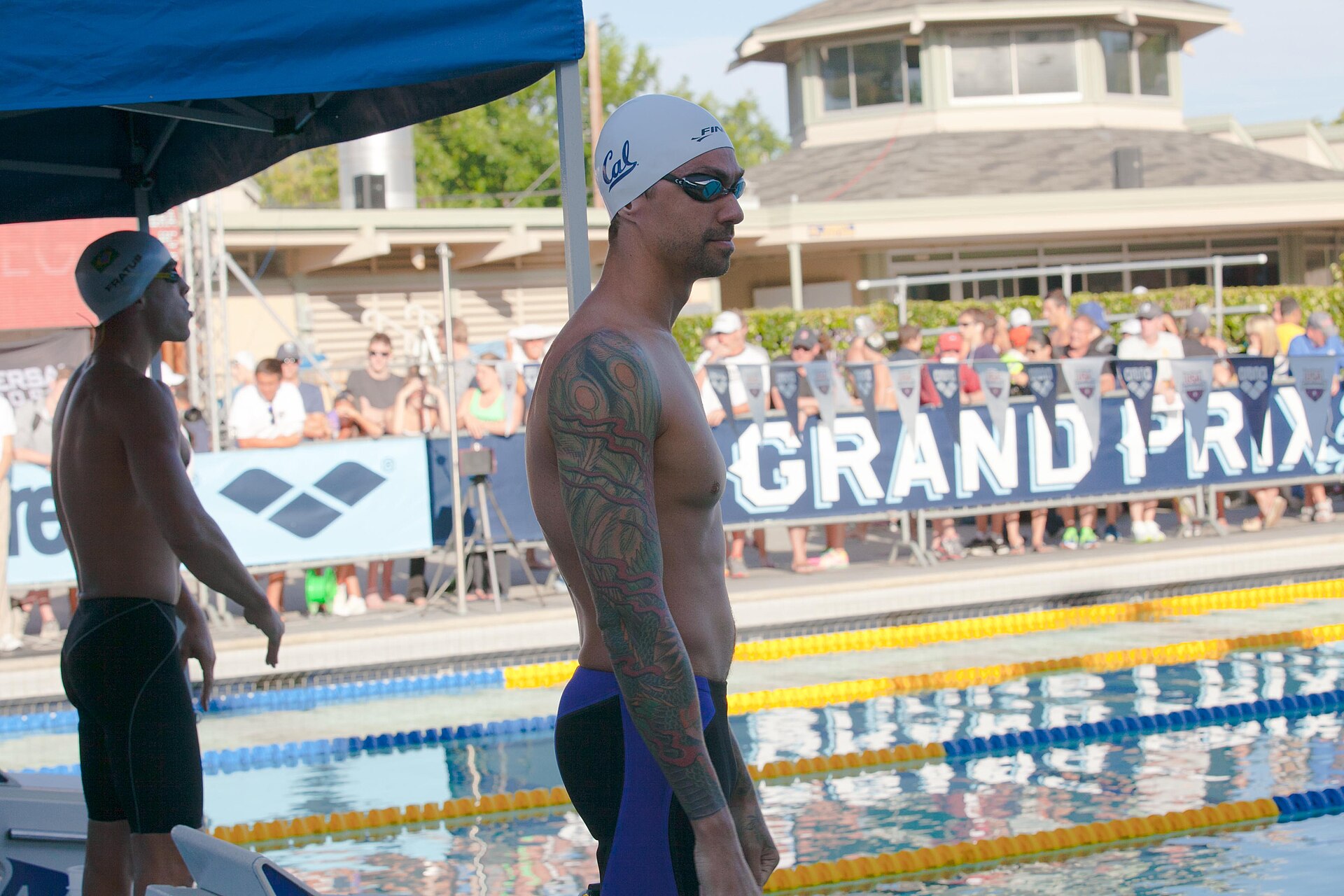
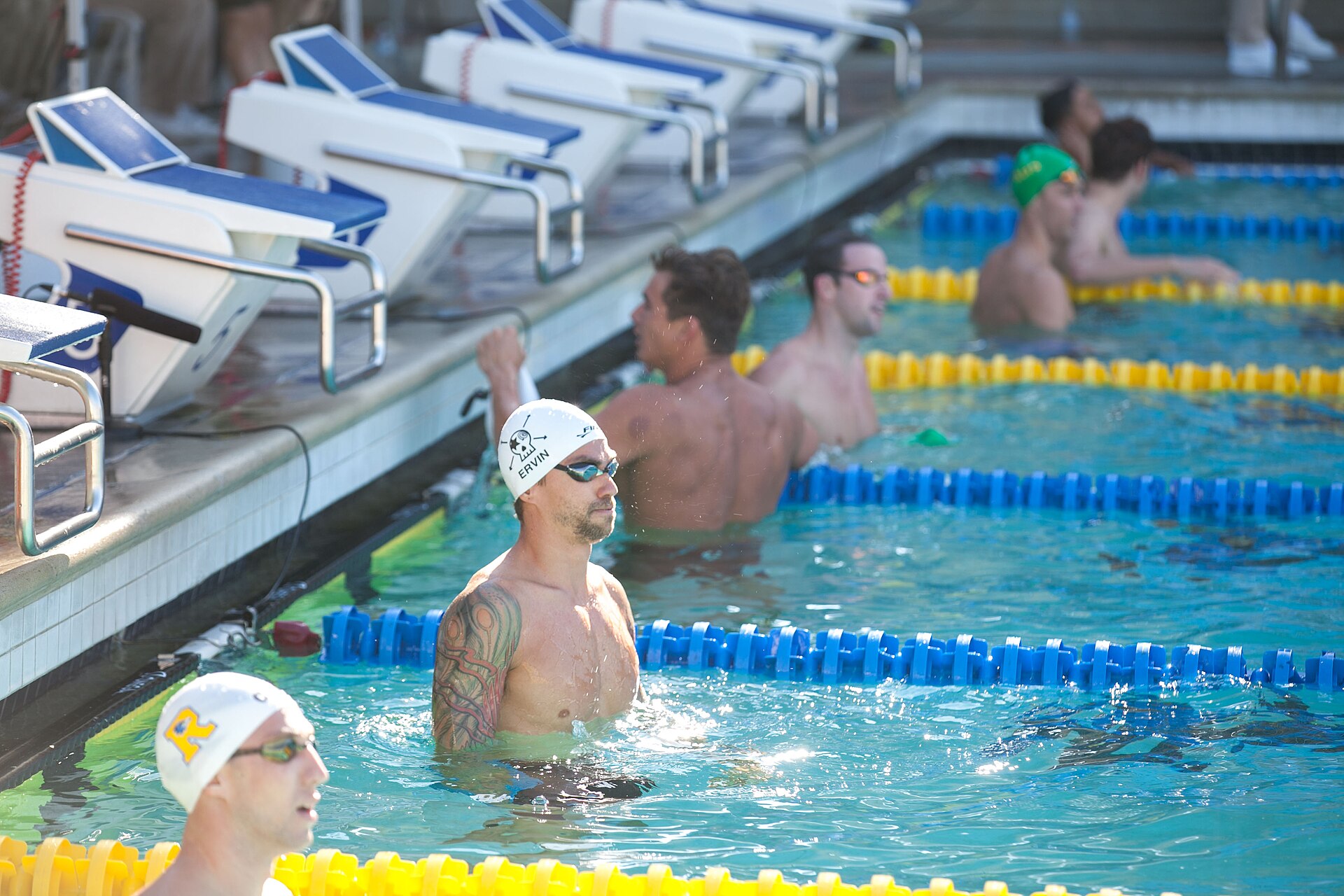
Anthony Ervin’s tattoos developed over years, from the Olympic rings to full sleeves filled with color, flowing shapes, an eagle and an American flag. He told Cosmopolitan that he designed the ideas himself, though he didn’t draw them. He also described the work as a way to reclaim his skin after years of being watched and judged as a competitive swimmer.
The photographs show different angles and stages, so not every shape is easy to identify. The clearest reported details are the rings, the aquatic-looking sleeve work, and the eagle and flag that reach onto his chest.
The Olympic rings tattoo came first
Reports place Ervin’s Olympic rings tattoo after the 2000 Sydney Games, where he won gold in the 50-meter freestyle at 19. The close photo shows the rings within a larger sleeve rather than by themselves. Curved sections, red accents and darker outlines fill the shoulder and arm around them.
That makes the rings a starting point for the rest of the collection. The later pieces don’t have to match the symbol exactly; they can frame it or add a different rhythm around it. One clear image can anchor a sleeve without deciding what every future section has to look like.
Ervin designed the ideas, then trusted artists with the execution
Ervin told Cosmopolitan that he came up with the designs but didn’t have the drawing skill to put every idea on paper. He also said he had worked in a tattoo shop when he was younger, which gave him a view of the process from the artist’s side. A personal concept can still change as the artist works out how it will fit, move and age on the body.
The wider photo shows how the arms read together. Rounded shapes overlap, while color and linework shift between the upper and lower arm. Ervin also said he enjoyed the pain and the finished illustration. That interest in both the process and the result helps explain why he kept developing the sleeves over time.
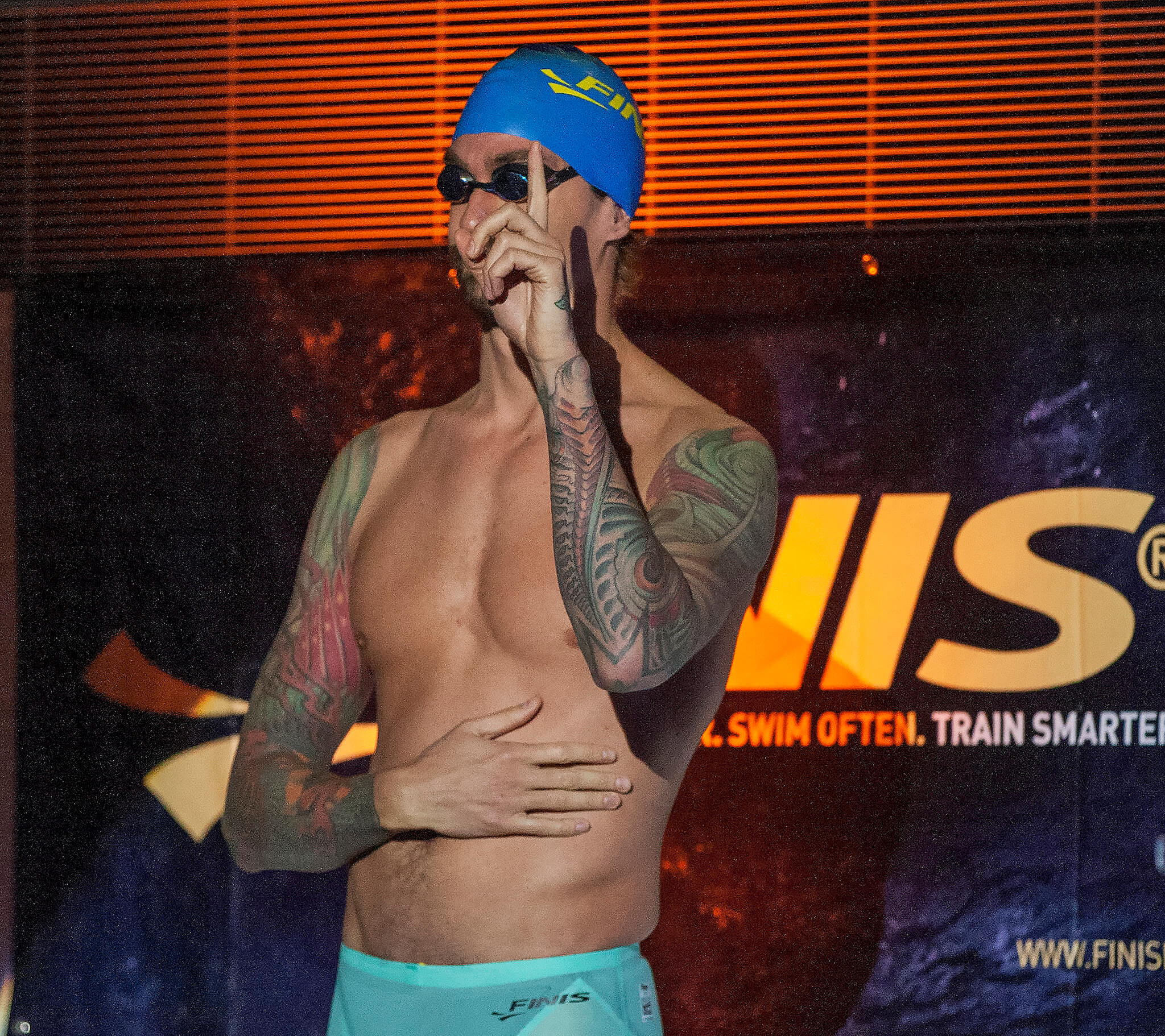
The aquatic shapes make the sleeves feel at home on a swimmer
From this angle, the sleeves show rippling curves and long forms that wrap around the arm. Greens, blues and reds sit beside darker outlines. Some shapes suggest water or plants, but the photos don’t make every motif clear enough to name with confidence.
The imagery feels connected to swimming without illustrating one particular race. The sleeve changes as Ervin turns; a section that looks solid from the front can open into more detail at the side. Repeated colors and curves help the arms hold together even though the individual designs vary.
The eagle and American flag tattoos give the collection a bold focal point
Swimming World highlighted an eagle that extends onto Ervin’s chest, with an American flag below it. The large image gives the collection a clear focal point, while the surrounding linework and color carry it around the shoulder. It isn’t the only idea on the arm, but it’s the easiest one to recognize from a distance.
The flag and eagle have their own strong shapes and colors. They sit among the rest of the sleeve rather than replacing it, so the two arms don’t need to be matching designs to look like part of the same collection.
The sleeve kept changing instead of arriving fully finished
Ervin told Cosmopolitan that he had been working on the same two tattoos over time, adding to them and filling gaps. That’s why photos from different years can show different stages. In this post-race image, the arm is partly under water, so it shows the overall sleeve more than fine detail.
A large tattoo doesn’t have to be finished in one stretch. Ervin described leaving some sections in progress while he considered what to add next. Waiting gives the skin time to heal and lets the artist see how the existing work sits before filling another space.
What the collection says about reclaiming your skin
Ervin’s explanation for getting the tattoos was personal: after years of having his body watched and judged in swimming, the ink gave him more say in how he presented it. That idea connects the collection, even where a photograph doesn’t reveal a specific meaning for every shape.
The Olympic rings and flag are easy to read; the flowing parts of the sleeves leave more room for interpretation. Ervin said he designed the work, but the tattoo artists helped turn those ideas into images that fit the body. If you’re drawing inspiration from the collection, start with a reason or image that matters to you and work with an artist to make it fit your body, rather than copying his eagle or colors.
Browse our celebrity tattoo archive for more examples of personal symbols and large sleeve designs.
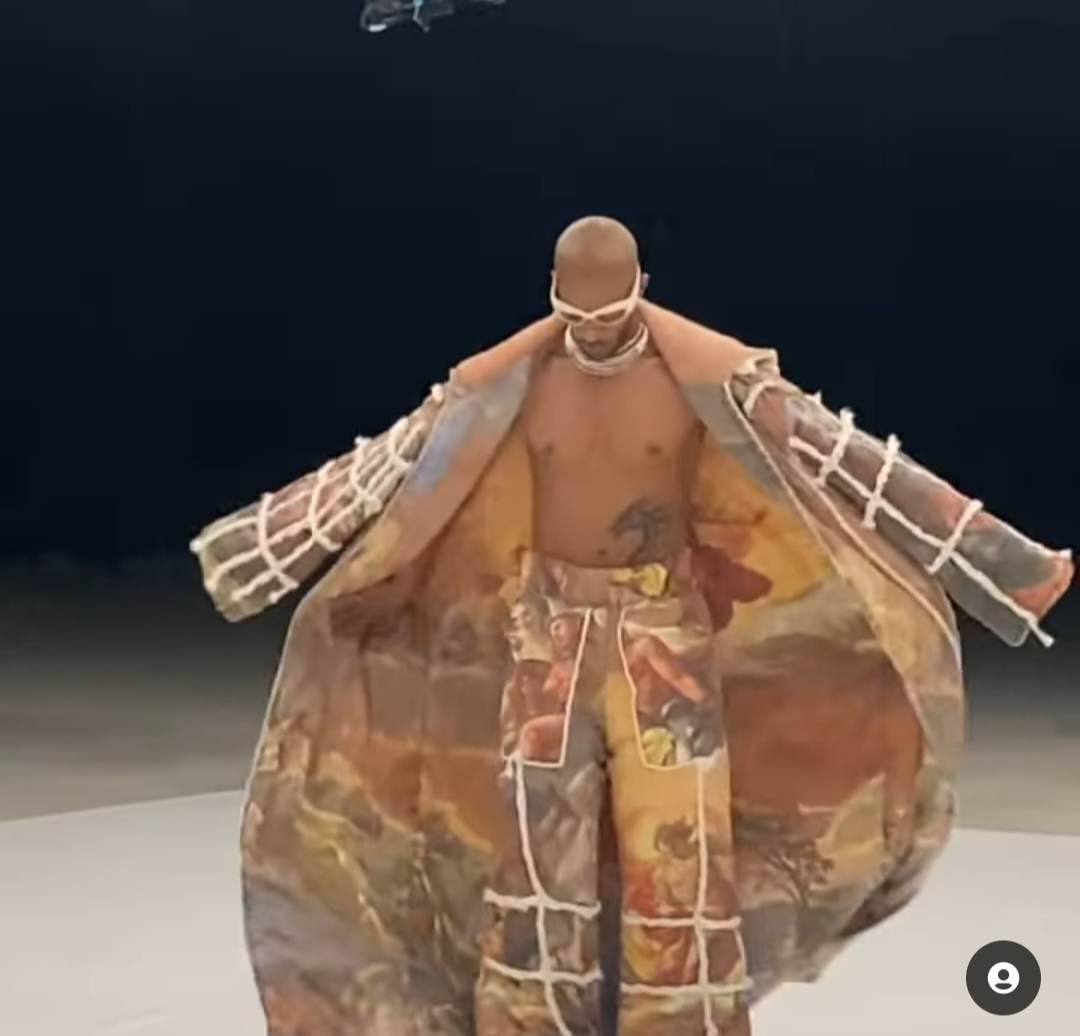
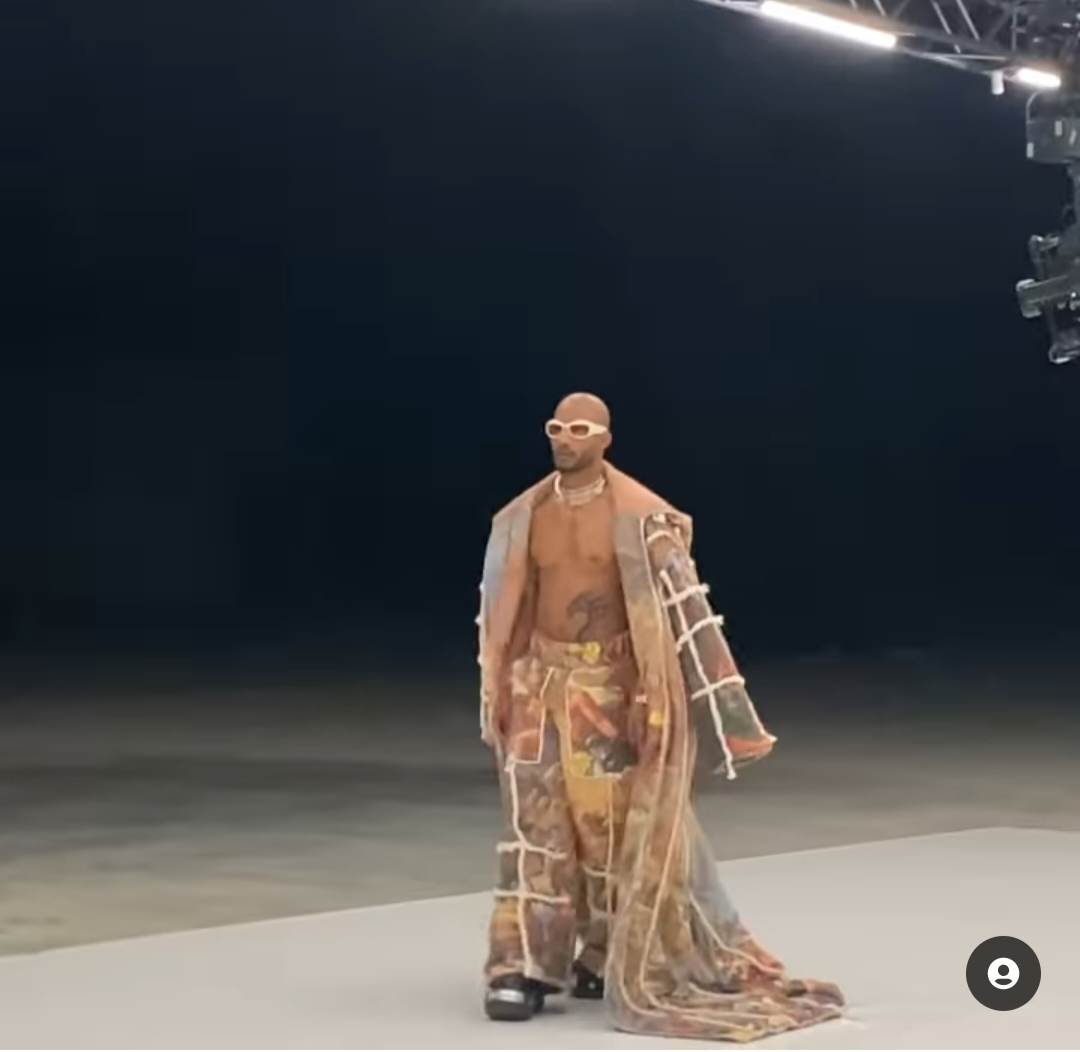
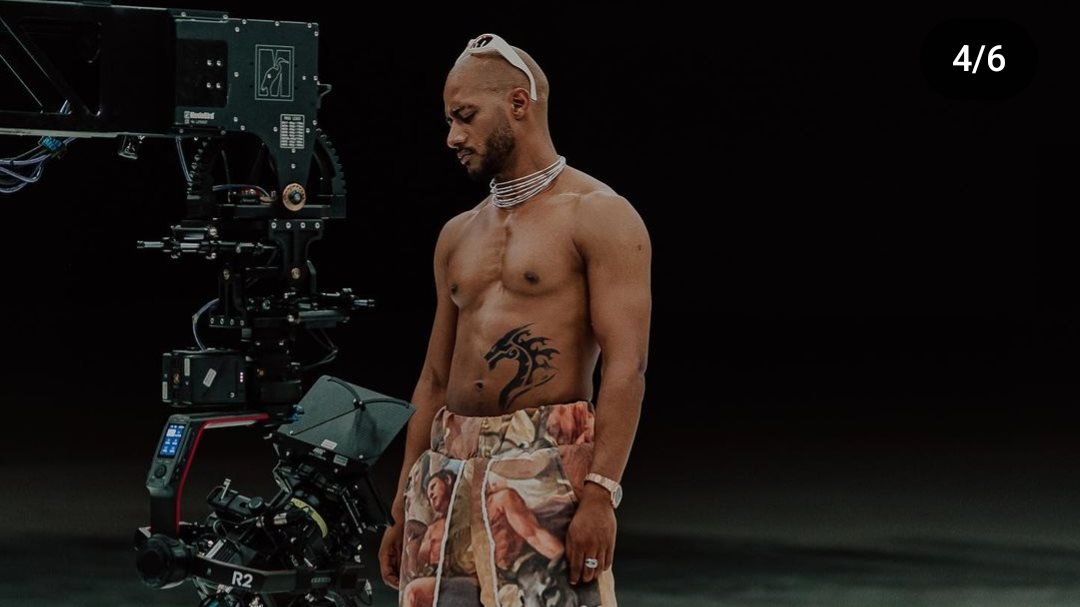
Photos from the 2023 shoot for Necessaire, made with Mario Fresh and Renvtø, show Mohamed Ramadan with a dark dragon across the left side of his abdomen, below the ribs. In the production frames he wears white goggles and chains; one wide shot places him beside a cinema camera.
The images document the tattoo during filming, but they don’t establish that it stayed after the shoot. The useful details are its shape, placement and part in the video look—not an unconfirmed addition to his permanent collection.
The dragon tattoo sits high on the left side of his abdomen
In the clearest front-facing frame, Ramadan’s jacket is open and the dragon runs from high on his left abdomen toward the waist. Its head and upper body are easiest to make out; the lower part narrows into a curve along his torso.
The dark outline reads under the set lighting without much color or tiny detail. It sits below the ribs rather than in the center of his stomach, with open skin around it. The photos show a substantial design, though not enough to say how long it remained.
A second angle shows how the dragon tattoo works beside the camera setup
A wider frame puts Ramadan beside a cinema camera, with the dragon visible below his open coat. The rig fills one side of the shot, making it clear this is a working music-video set rather than a posed tattoo portrait.
The camera’s hard lines contrast with the creature’s curved body. His printed trousers and theatrical styling add more pattern and texture, while the dark dragon gives the bare torso one clear shape.
The costume carries as much drama as the set
A profile photo from the production shows Ramadan moving across the set. The dragon isn’t clear enough in this view to identify details, but the coat, chains and open shirt show how the shoot’s styling revealed the abdomen.
Those photos give context for the tattoo’s appearance without proving anything about permanence. Clothes can hide or reveal a design; here the costume leaves the torso open and makes the dark mark part of the character’s look.
Ramadan’s photographed look was built for a music video
Another behind-the-scenes photo shows Ramadan seated with the crew around him. The coat, sunglasses and bare chest all belong to the video’s constructed look, and the image provides setting rather than close tattoo evidence.
Music videos can use makeup or body paint as well as permanent tattoos. Without confirmation from Ramadan or the tattoo artist, a production photo can’t tell us how long this dragon lasted. Its appearance in the Necessaire shoot is what the available record supports.
The dragon tattoo is clearest in the close production photographs
A second wide production photograph shows the same dragon beside a cinema camera. Compared with the frontal image, it gives more context for the design’s scale and its position on the left abdomen. The contrast with the lighter, patterned trousers makes the dark outline easy to pick out.
The tattoo reads as one bold silhouette in the frame, while the costume supplies most of the detail around it. These photos are useful references for shape and placement, but they still show a shoot look rather than a confirmed permanent tattoo.
What to borrow from the photographed look
The design’s clearest feature is its scale: one dark dragon low on the left side of the torso, with enough open skin around it to read against the elaborate costume. That focused shape carries the look without adding another large piece to the frame.
If you’re considering a dragon in the same area, test its size and curve on a body-shaped stencil. The abdomen shifts when you bend or sit, so a flat screen mock-up won’t show every change. The production photos can guide placement, but your tattooer should design for your body.