Musicians

Tattoo guides for singers, rappers, DJs and musicians, with photographs, documented meanings and the stories behind their designs.

Ashley McBryde wears her stories on her sleeves

Ashley McBryde’s tattoos read more like a road diary than a planned set. There are bold, colorful pieces, family memories, career souvenirs, jokes and a few designs she can only laugh about now. The collection feels lived in, with each tattoo arriving at its own time.

The country singer has a large eagle across her chest and American Traditional-style work on both arms. She has also talked about a Corvette tied to her dad, a golden gramophone for a Grammy win, a “Be Brave” reminder and a tattoo she got after a friend lost a bet. Not every piece needs a grand explanation.

The eagle across her chest is the anchor
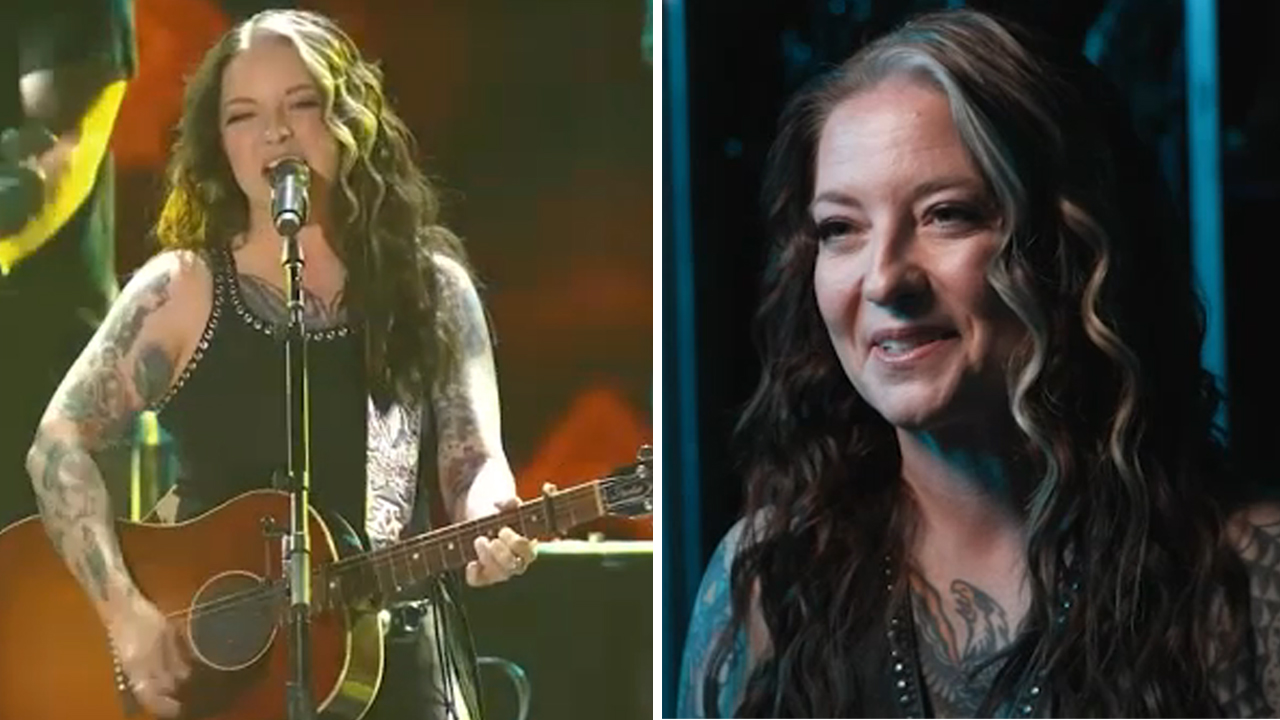
Ashley McBryde eagle chest tattoo

The large eagle across McBryde’s chest is usually the first tattoo people notice. It spreads across her upper chest in a bold traditional style. When she performs in a vest or an open shirt, the design is part of her silhouette.

McBryde has connected the eagle to her music career and the feeling of pushing forward. She has also credited tattoo artist Nancy Miller with work on the design. It’s a prominent piece, one that suits a singer who fills a stage.

Her sleeves are colorful and built piece by piece
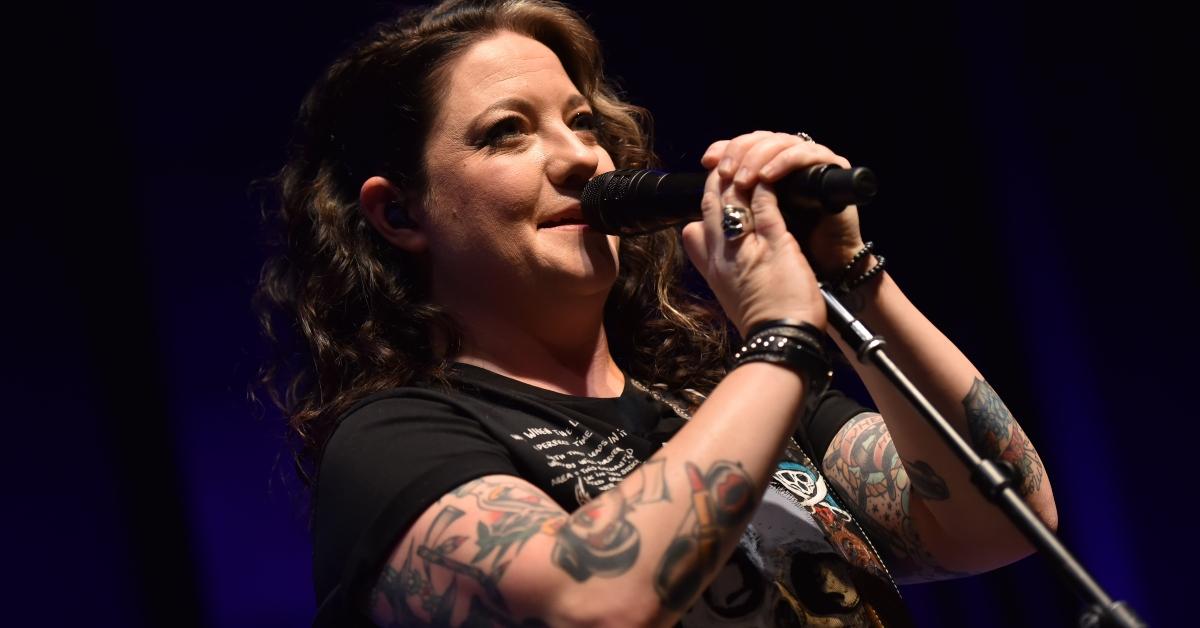
Ashley McBryde colorful arm sleeve tattoos

From a distance, both arms can look like one continuous mural. Up close, they’re a mix of separate tattoos added over time: flowers, figures, lettering and Americana shapes. They sit together without being forced into one matching design. The collection looks gathered, not manufactured.

McBryde often performs in a tank top, vest or short-sleeved shirt, so her tattoos are part of her stage look. The colors have a slightly rough edge, which gives the sleeves character. They look like work that has been through travel, sweat and years of ordinary life.

She has described tattoos as mile markers. A piece might hold a song, a trip, a friend or a version of yourself you don’t want to lose. A full sleeve can stay personal when each part has its own story.

A Corvette keeps a family memory close

Ashley McBryde arm tattoo and Corvette tribute

One clear family reference is a tattoo connected to her father’s Corvette. McBryde has spoken about the car as part of her family story. The tattoo keeps that ordinary detail close, instead of turning it into a formal portrait or a generic family phrase.

A vehicle tattoo can be funny, sentimental or both. This one feels specific: it points to time spent around a particular car and the person who owned it. Ordinary details can become the memories people miss most. The Corvette says more about a real relationship than a polished “family forever” message might.

The Grammy became a permanent souvenir
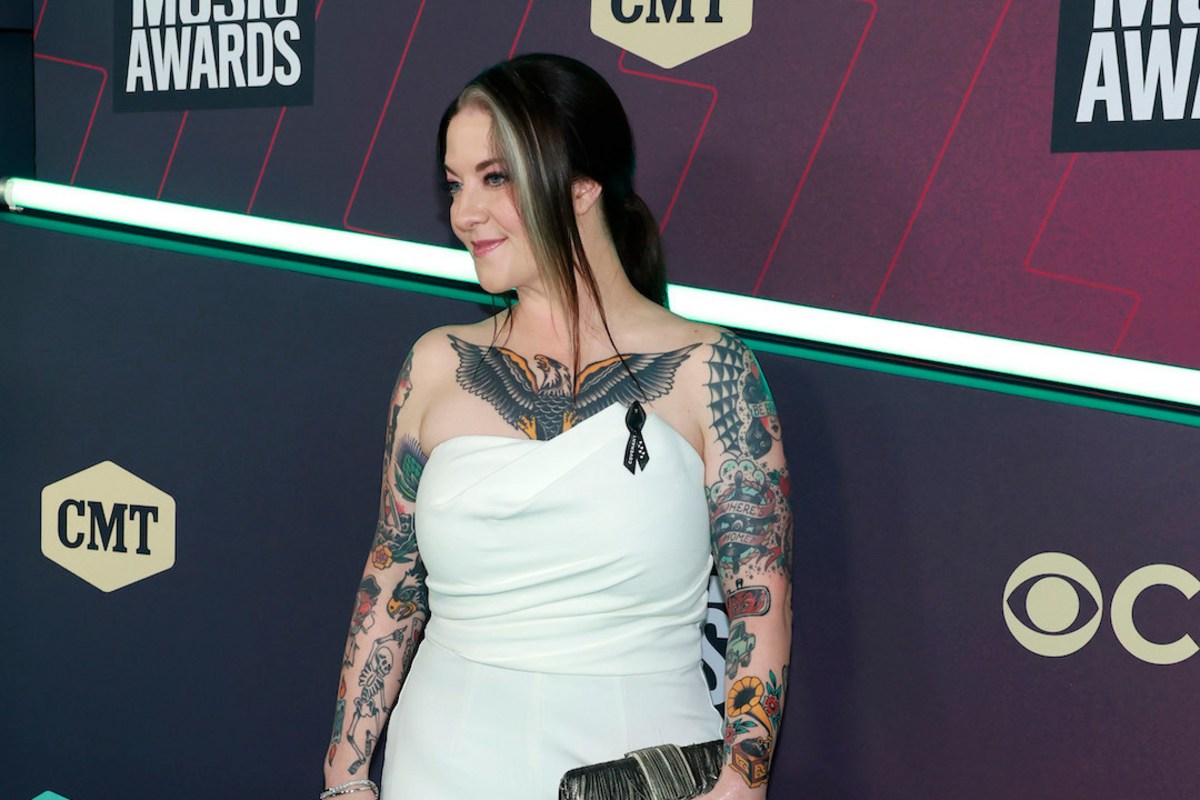
Ashley McBryde Grammy gramophone tattoo

After winning a Grammy with Carly Pearce for “Never Wanted to Be That Girl,” McBryde added a golden gramophone to her left forearm. It marks a major career moment, but it sits where she can see it herself.

The gramophone is more specific than a star or a generic trophy. Its shape points directly to the award and the night behind it. When McBryde showed the fresh tattoo at the CMT Music Awards, it stood out among her older chest and arm pieces.

The award belonged to the song, the team and the audience. The tattoo is hers, a personal reminder of a public milestone.

Some pieces came from jokes, bets and bad ideas
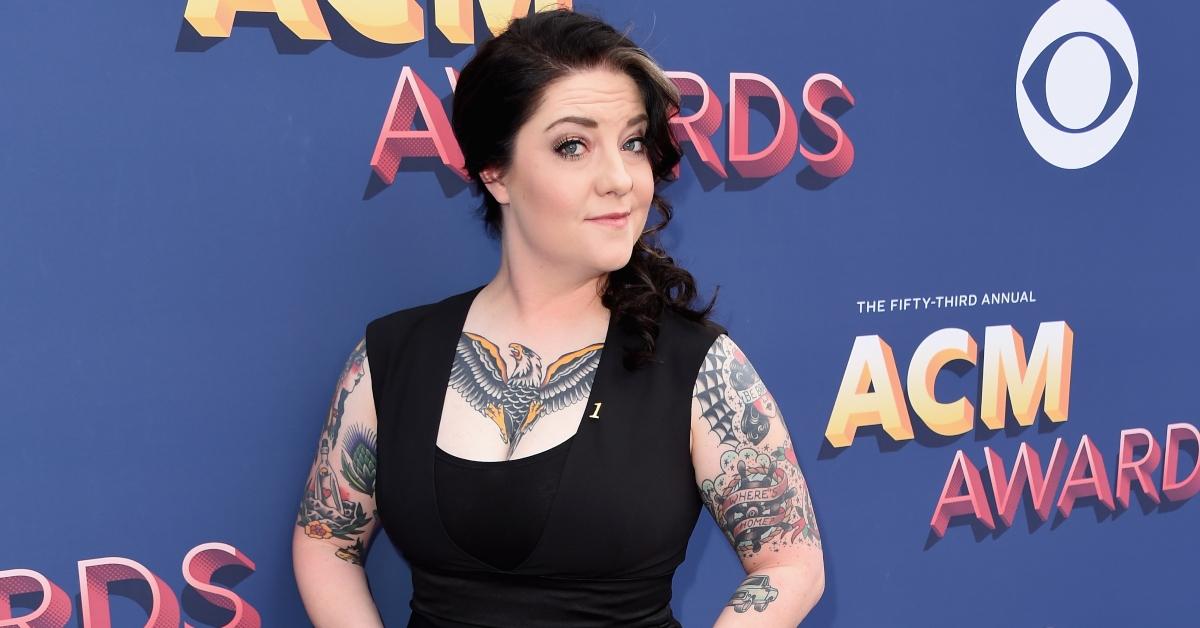
Ashley McBryde tattoo collection at the ACM Awards

McBryde’s tattoos aren’t all serious tributes. She has told the story of getting one in Dublin after a friend lost a bet and didn’t want to go through with it alone. The tattoo became a reminder of a night she still laughs about.

She has also talked about a teenage devil-baby tramp stamp she now regrets. It keeps the story honest: a collection includes the pieces you love, the ones you cover and the ones you explain with “I was young.”

That humor makes the more serious tattoos feel grounded. Not every line has a philosophy behind it. Some are meaningful, some were impulsive and some are simply evidence of a night out with friends.

“Be Brave” works like a note to herself
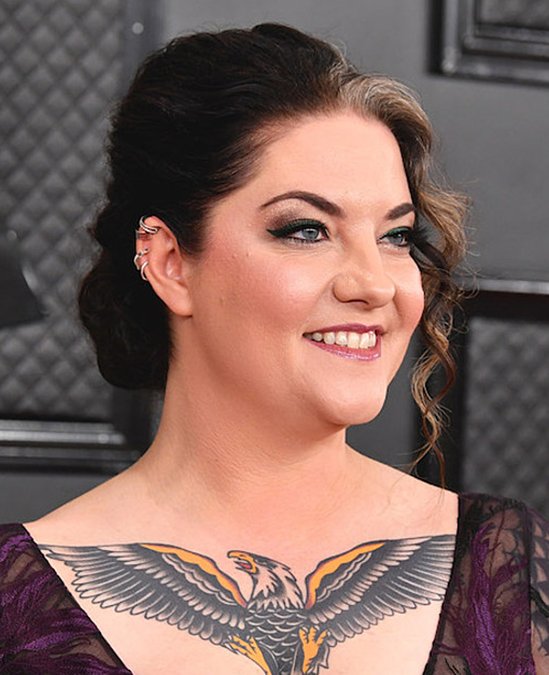
Ashley McBryde visible tattoos and Be Brave ink

“Be Brave” is one of the phrases associated with McBryde’s tattoos. It reads like a reminder to herself, which fits a performer who has spoken about fear, faith, hard years and getting onstage anyway.

The words are simple, but timing and placement give a short script tattoo its own meaning. For McBryde, “Be Brave” could be something to carry into a difficult room, a long day of travel or a heavy show. It doesn’t need to be fancy.

The collection keeps changing with her life

McBryde continues to add tattoos, including designs tied to new songs and chapters in her life. She has mentioned future ideas involving lions and zodiac imagery, and has used tattoos in music-video settings. So any list of her ink is a snapshot, not a final catalogue.

The pieces don’t have to match: one can hold a family memory, another a bad bet, a career award or an old joke. The thread is that each came with a reason, even if the reason was simply that it would make a funny story later.

The eagle is bold, the sleeves are colorful, the Corvette is personal and the gramophone marks a major win. “Be Brave” is a note she can keep close. Even the tattoos she regrets belong in the timeline. There’s room for music, family, pride and a few ridiculous decisions in the same collection.

There’s something country about the way these tattoos follow places, work, family and friends. Some were carefully chosen; others started with a dare. Together, they record the life around the music. A new design won’t need to match all the old ones; it only needs to matter in the moment or make her laugh later.

The collection hasn’t been mapped out from the start. It has grown in fits and starts: around a record, a person, or a moment too funny to forget. That’s why old and new pieces can sit side by side without a single explanation.

The placements add to that story. The eagle reads like a flag across her chest; an arm piece travels with her from show to show. The forearm gramophone is easy to see, while “Be Brave” works like a note on the mirror. Even the tattoos she regrets say something about who she was at the time.

Not every choice has aged the same way. Some pieces still mean a lot, some may need covering, and some are good stories now. McBryde seems comfortable with all three. Her ink can be sentimental without getting precious, and bold without losing its humor.

The easiest way to understand the collection is to follow the timeline. Start with the eagle and sleeves, then look for family, music, awards and the strange little detours. Those details make the tattoos feel like McBryde’s, rather than a generic celebrity gallery.
More musician tattoo guides

Robbie Williams wears his whole timeline in ink

Robbie Williams’ tattoos read like a running diary: music, family, jokes, romance, old habits and ideas that make more sense when he explains them. More than 30 pieces have been documented across his arms, chest, neck, legs, hands and feet. Some are carefully drawn symbols; others look like a mate’s sketch that became permanent.

There isn’t one style to his collection. It ranges from traditional imagery and lettering to small personal marks and tattoos tied to people around him. Some stories are clear, while other designs are easier to see than to explain. This tour sticks to pieces that have been documented, and separates what Robbie has said from what can only be guessed from a photo.

LOVE on the knuckles

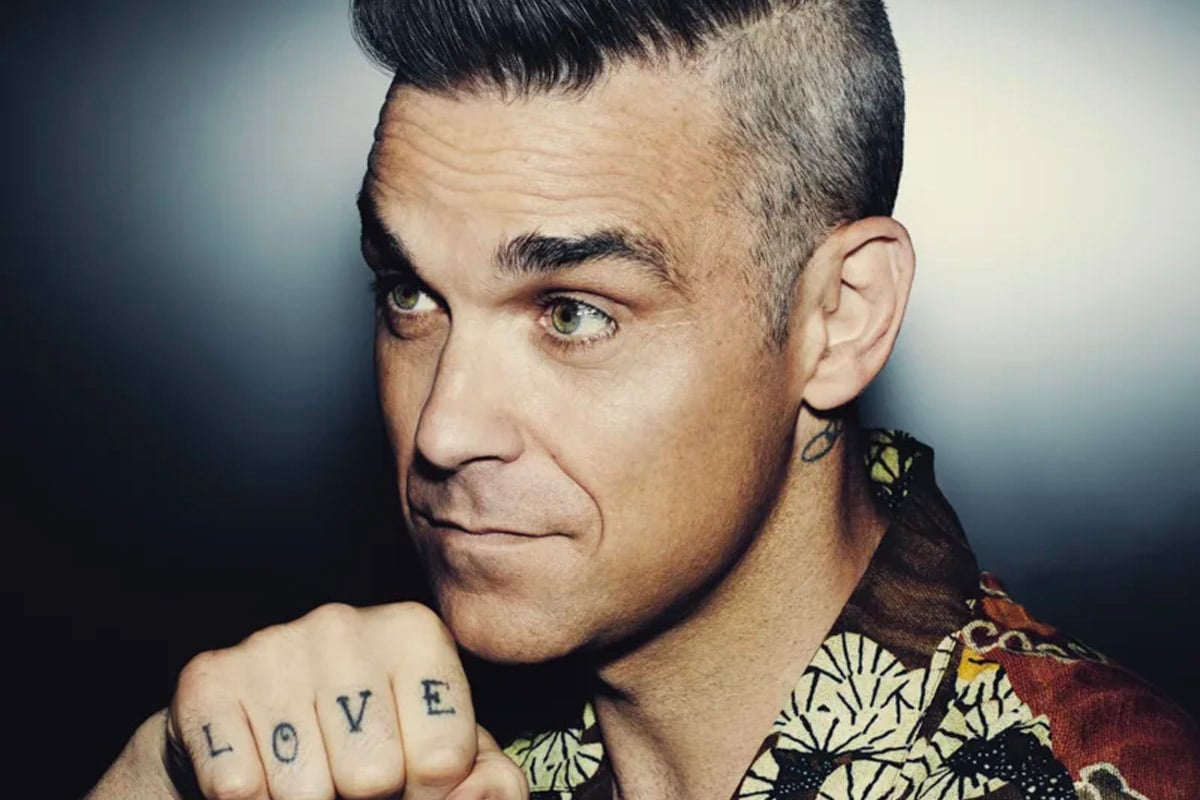
Robbie Williams LOVE knuckle tattoos

The first thing people often notice is LOVE across Robbie’s knuckles. His hands are in view when he performs, talks or reaches for a microphone, so this isn’t hidden under a sleeve. The lettering is simple, but the placement gives it presence.

The word fits a collection that often returns to affection, family and the messier parts of relationships. Other pieces are more playful, but the message on his knuckles is direct. The hand placement means it stays in view.

Hand tattoos are hard to ignore and hard to disguise. They mark a point in Robbie’s life and sit on the public-facing part of him, while still working as a personal reminder. It’s a small word in a very visible place.

The Māori-inspired arm story

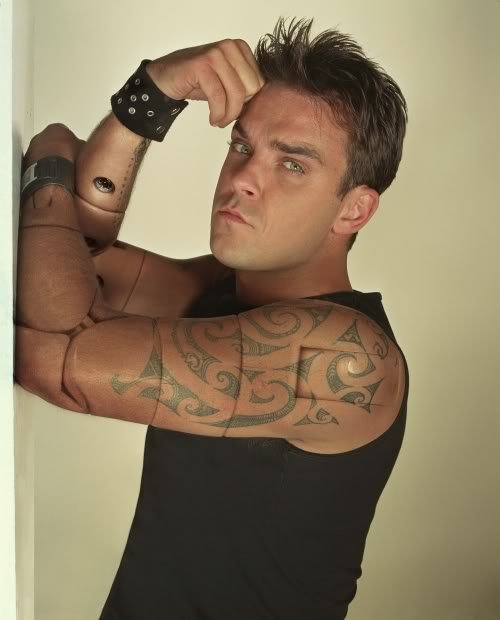
Robbie Williams tribal arm tattoos

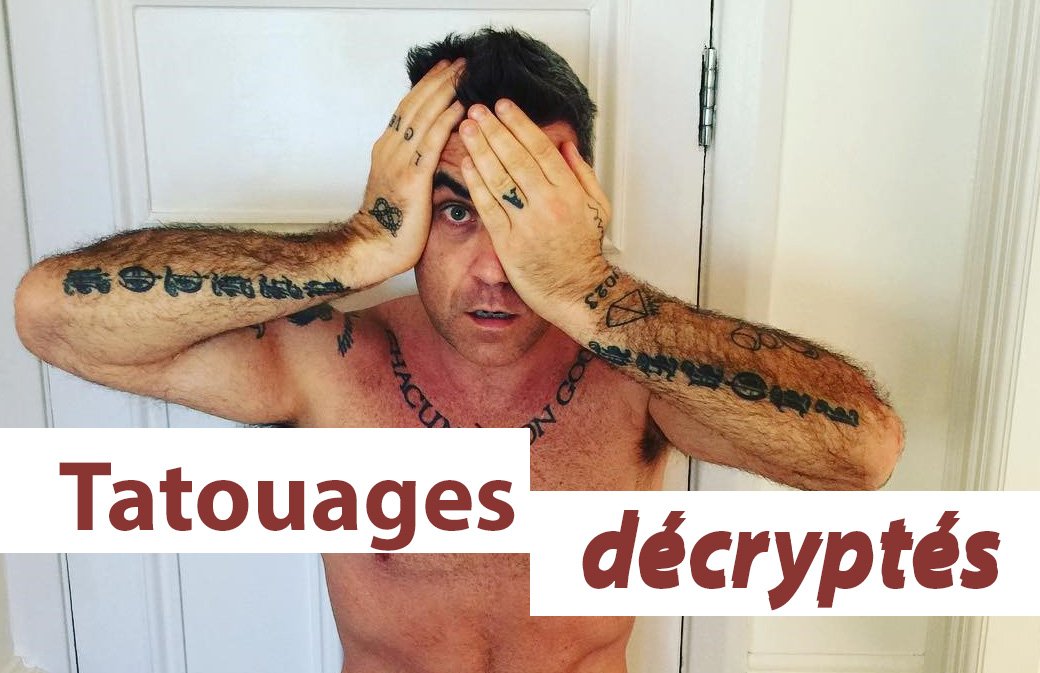
Robbie has large areas of blackwork and tribal-style patterning on his arms. The shapes wrap around his limbs as part of a larger sleeve, rather than sitting as separate stickers. The designs have been discussed in connection with his interest in Māori culture and tattoo tradition.

A photo shows their shape and placement, but doesn’t prove what each pattern means. What’s clear is that the arm work is one of the largest visual areas in his collection. It gives the smaller lettering nearby a frame.

His tattoos vary in size and style. Some are heavy and graphic; others are tiny marks beside them. The difference is part of the collection’s look.

The chest, swallows and “Chacun à son goût”

Robbie Williams torso tattoos and chest lettering

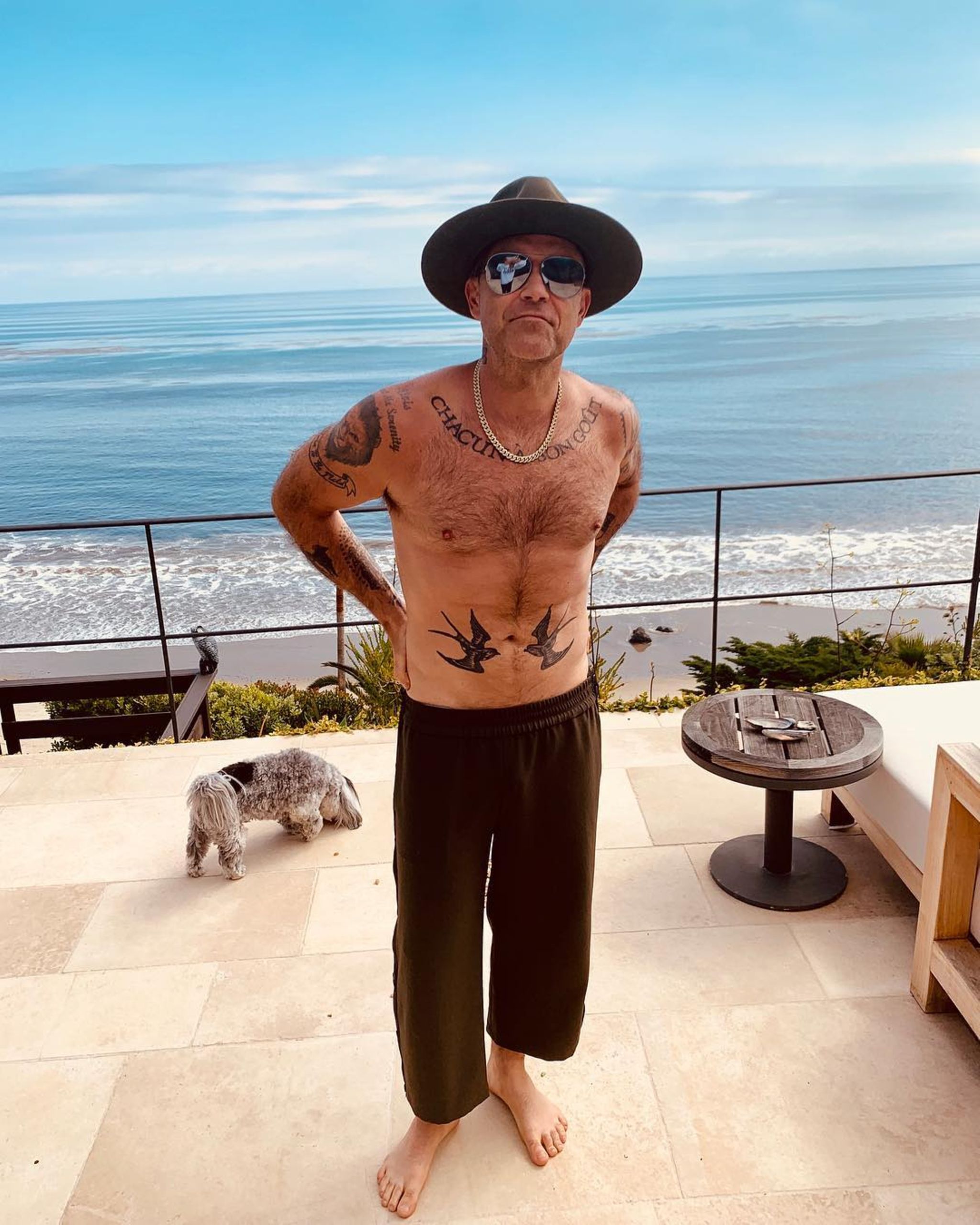
Photos of Robbie’s torso show lettering alongside traditional images. Swallows on his chest are a familiar sailor-tattoo motif associated with travel and loyalty. Nearby is the French phrase “Chacun à son goût,” usually translated as “to each their own.” It suits his confident, slightly cheeky public image.

His chest also has music-related marks, including notes and lettering connected to songs. One design has been linked to the Beatles’ “All You Need Is Love.” Another musical tattoo has been connected to a romantic gesture involving Ayda, turning a general love of music into a relationship memory.

The torso pieces weren’t added all at once, so they don’t form a tidy set. From a distance they can look like a patch of black ink. Up close, you can pick out birds, phrases, notes and personal references.

The dates and family tributes

Robbie Williams tattoo close-up with dates and figures

Family is one of the clearest themes in Robbie’s tattoos. A teddy bear on his left forearm is for his daughter Theodora Rose, known as Teddy. He has described it as the tattoo that means the most to him. That says a lot among the jokes, slogans and larger blackwork: this is the piece he singles out as the most personal.

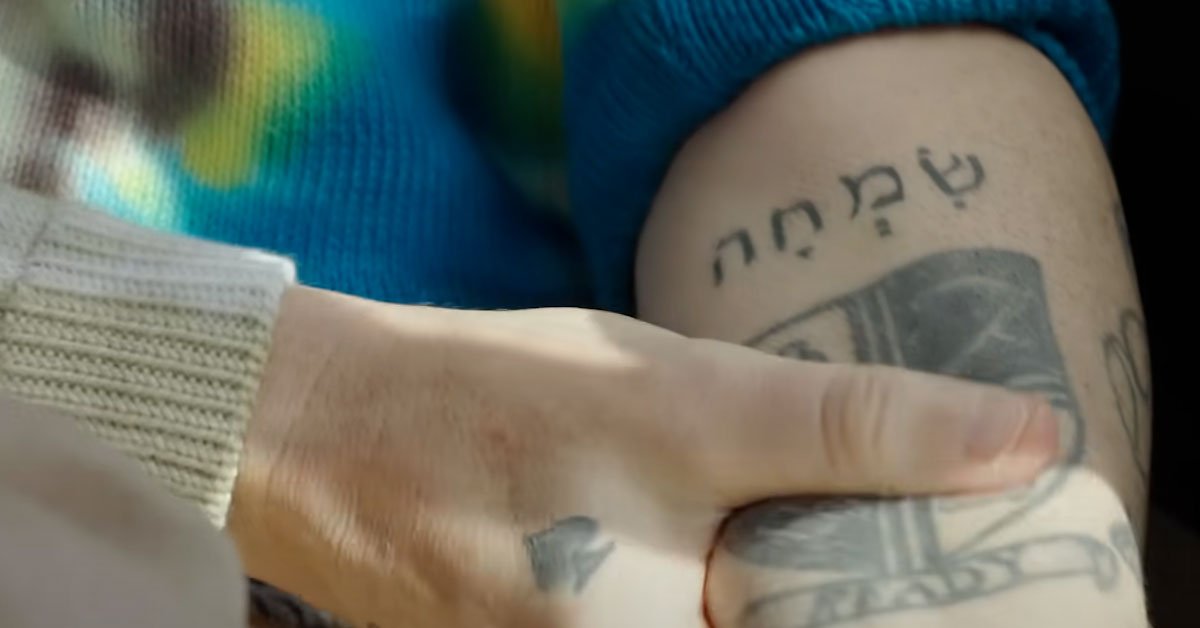
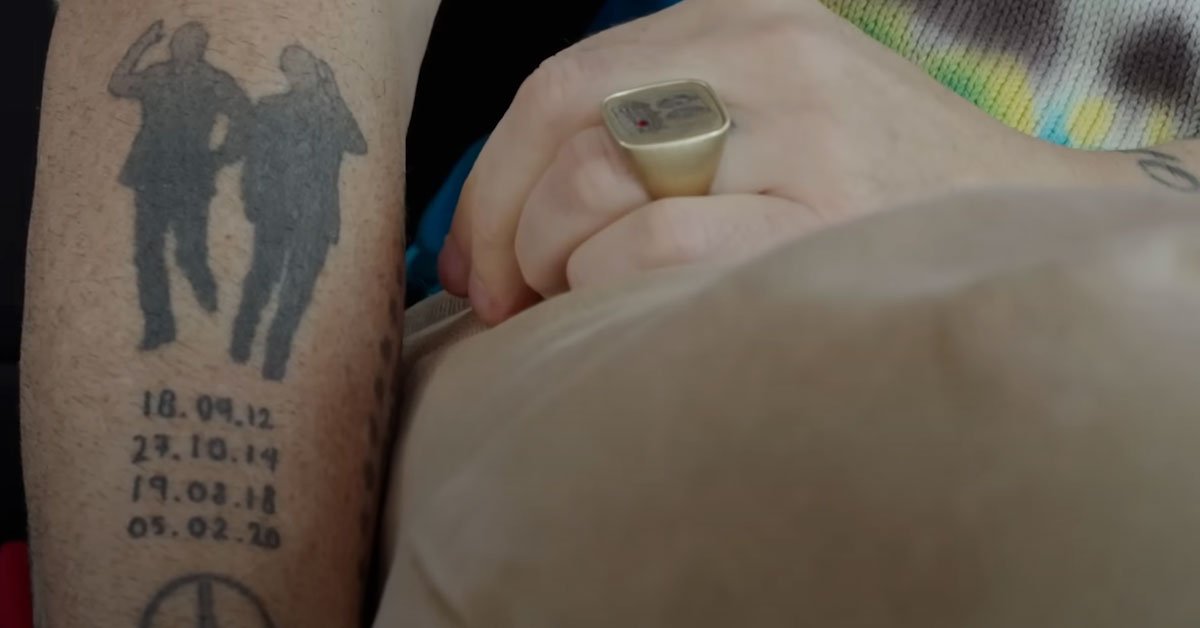
He also has tattoos connected with his children and wife Ayda, including small lettering and symbols added over the years. Some photographs show dates or compact marks that are hard to identify with certainty. They’re best described as visible details rather than read as definite messages.

A close-up can confirm that a mark is there without making the wording clear. There’s no need to guess when so many of Robbie’s tattoos have known stories. The Teddy tribute is the clearest confirmed family tattoo, and gives context to the smaller pieces.

The changing music tattoos

Robbie Williams tattoo tour showing arm and torso ink

Music appears throughout Robbie’s collection, from notes and lyrics to references to songs. He has also talked about changing or extending a musical tattoo as a romantic gesture. A tattoo can be permanent without staying exactly the same.

There’s a microphone among the career-related designs, along with references to songs and performers who influenced him. Familiar symbols are easy to identify, but some script and small lines in photographs aren’t explained in the available accounts.

These pieces make the collection feel like a timeline. Early tattoos speak to the person Robbie was becoming; later ones reflect family life and the tours he has made. His body becomes a set list of memories, rather than songs.

Two Ronnies glasses and the neck work

Robbie Williams tattoo close-up with script and portrait

One of the more recognisable details is a pair of Two Ronnies-style glasses on his neck. It’s a funny British reference, and shows that not every tattoo has to be solemn. The placement makes the joke visible without turning it into a centerpiece.

His neck and upper body also have small lettering, symbols and marks that show differently from photo to photo. Some are partly hidden by clothing or facial hair, and others are hard to separate from nearby designs. This area is best described as a cluster, rather than mapped out tattoo by tattoo.

The cluster has a different feel from his family pieces. The teddy bear is warm; the glasses show his sense of humor. Both are distinctly Robbie, but one says “this person matters” and the other says “this made me laugh.”

Crosses, lions and the older pieces

Robbie also has traditional designs, including a cross on his thigh. He has said it was connected to a necklace he used to wear, making the tattoo a permanent version of something he could once take off. Tattoo references also describe a lion with the words “Born to Be Mild” beneath it, a joke that undercuts the usual tough look of a lion.

These pieces mix sincerity with humor. The cross can be meaningful, while the line under the lion keeps the image from getting too grand. The tattoos leave room for serious and silly parts of Robbie to sit together.

Other documented designs include swallows, script, musical symbols, small figures, relationship references and later family tattoos. The inventory changes as new pieces appear, so any list is a snapshot rather than a final count.

The newer additions and the moving target

Robbie’s XXV-era appearances brought attention to new tattoos on both arms. Reports from the tour mention three recent pieces on the right arm and another on the left. It’s a reminder that a tattoo article can date quickly: his collection is still changing.

A later tattoo tribute to his daughter Coco has also been reported, along with small marks that are easiest to spot in close-up photos. These additions sit among older work, adding another layer to a body that records decades of music and family life.

There’s no clean sleeve reveal where every design comes with a matching explanation. It’s more like notes in the margins of an old notebook: some lines are clear, while others make sense only to Robbie and the people who were there.

What Robbie Williams’ tattoos say as a collection

Taken together, Robbie’s tattoos make a warm, imperfect portrait. There is LOVE on his hands, a bear for Teddy, music on his torso, jokes around his neck and older symbols tied to his past. The pieces aren’t perfectly coordinated; they look lived in.

The different styles work because the collection is personal. Traditional designs give it weight, family tattoos keep it grounded, and the phrases make it conversational. Even the more dramatic images get softened by Robbie’s humor and his stories about how some pieces began.

It’s useful to separate the documented stories from internet folklore. Robbie has explained enough tattoos to make the collection interesting without assigning a meaning to every blurred shape. The confirmed pieces already tell a story of love, humor, memory, work and people he wants to keep close.

Robbie Williams tattoo checklist

  • LOVE across the knuckles.
  • A teddy bear for his daughter Theodora Rose, or Teddy.
  • Swallows on his chest.
  • Musical notes and music-related lettering.
  • “Chacun à son goût” on his upper body.
  • A cross on his thigh.
  • Two Ronnies-style glasses on his neck.
  • Tribal and Māori-inspired patterns on his arms.
  • “Born to Be Mild” under a lion, as tattoo references describe it.
  • Other family, relationship, script and tour-era tattoos that vary by photograph.

Watch Robbie talk through his tattoos

Robbie has discussed the stories behind many of his tattoos in his “Vloggie Williams” videos.

More musician tattoo guides

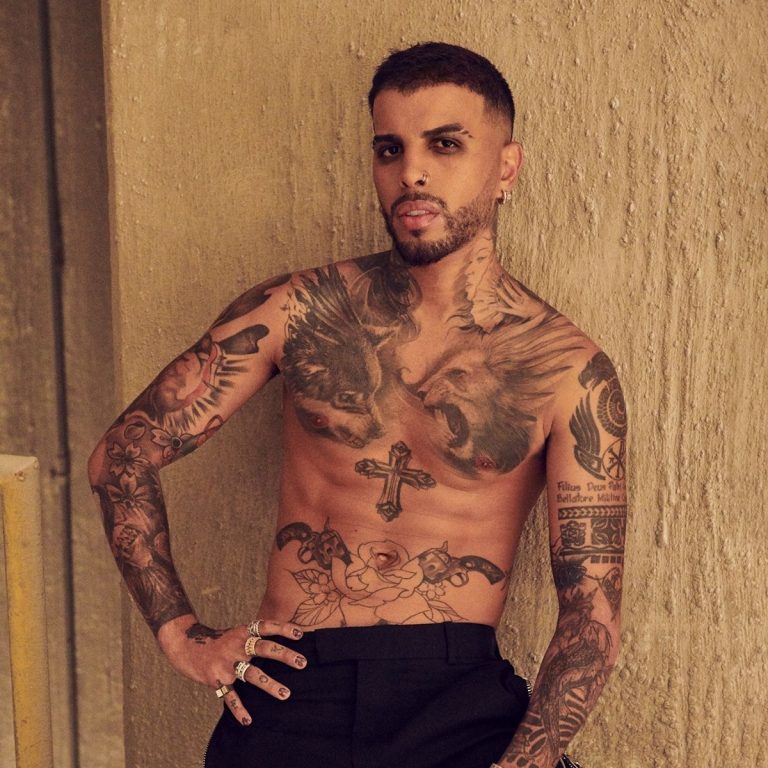
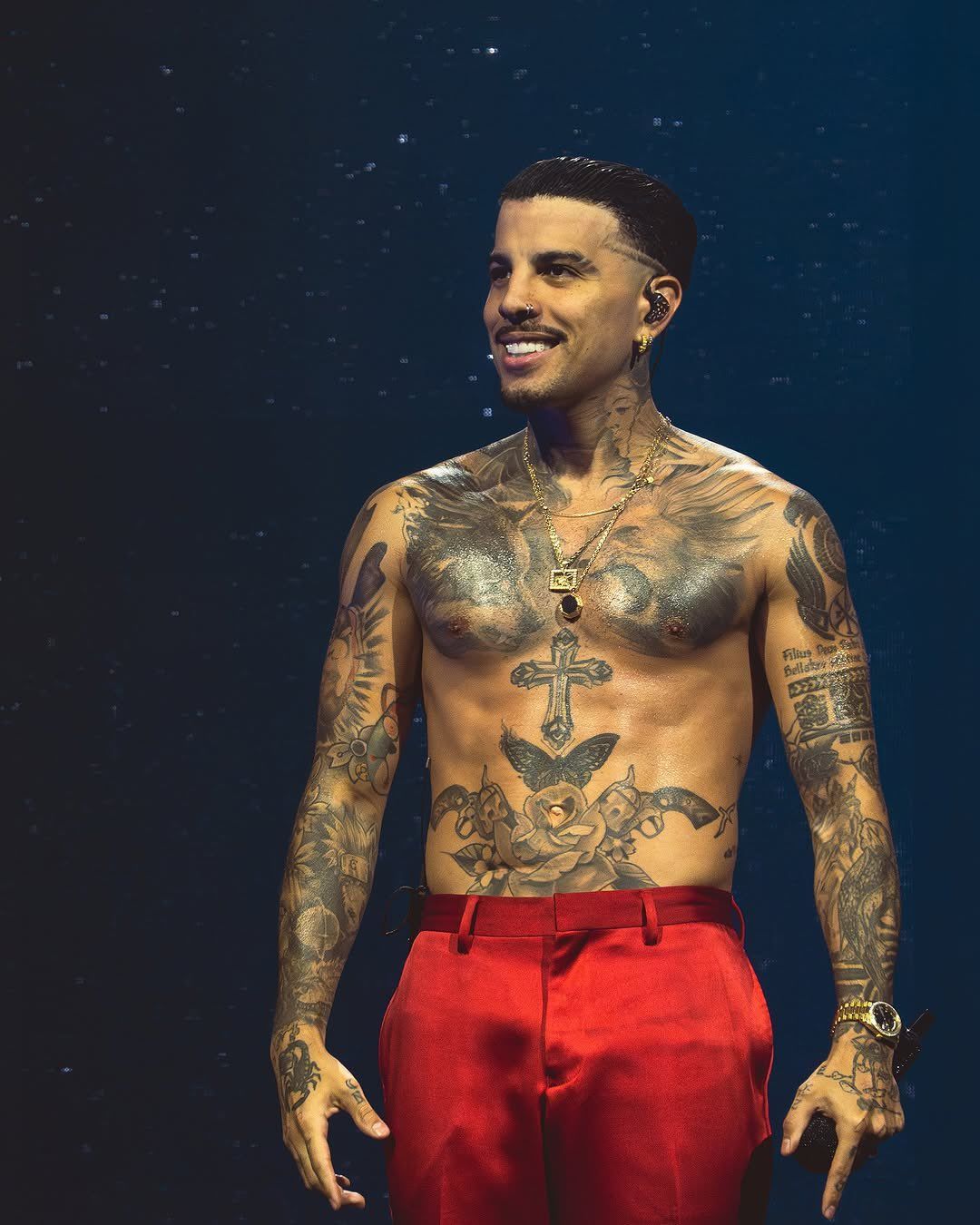
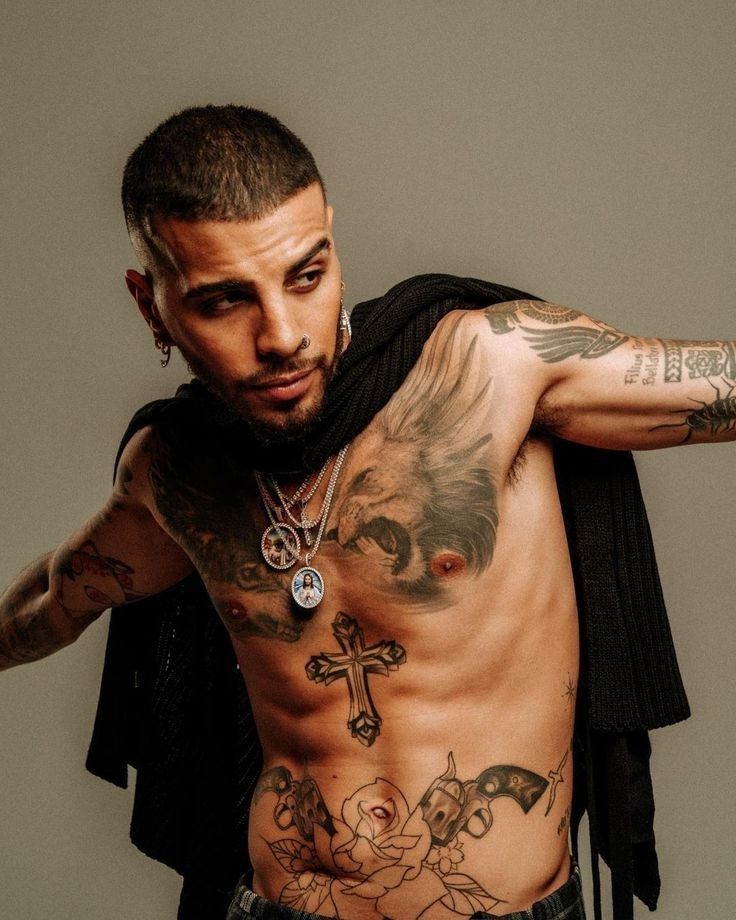
Rauw Alejandro’s tattoos keep a little bit of every era

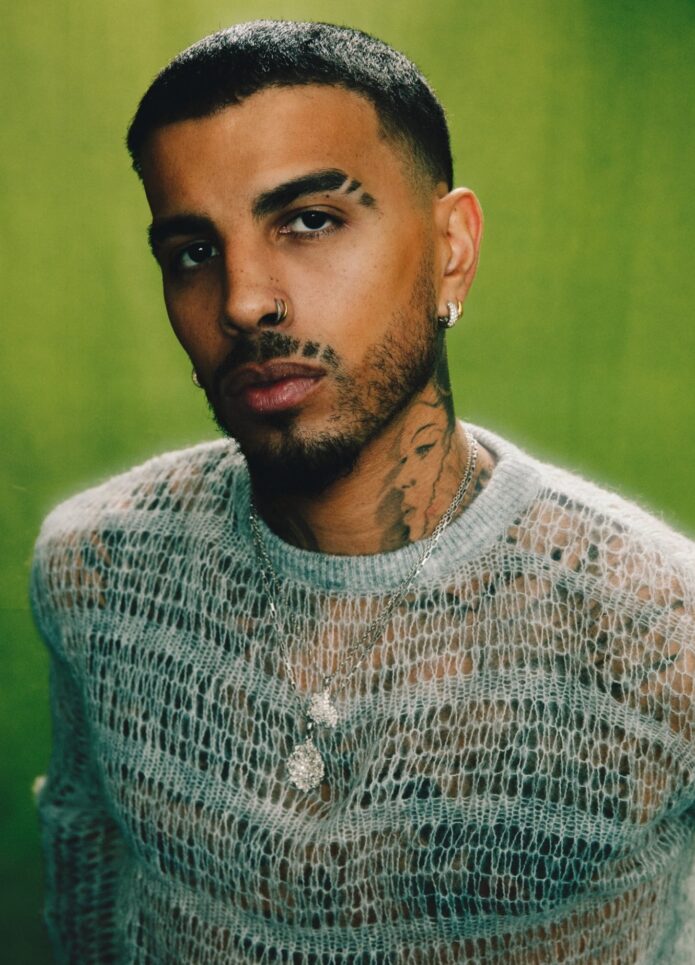
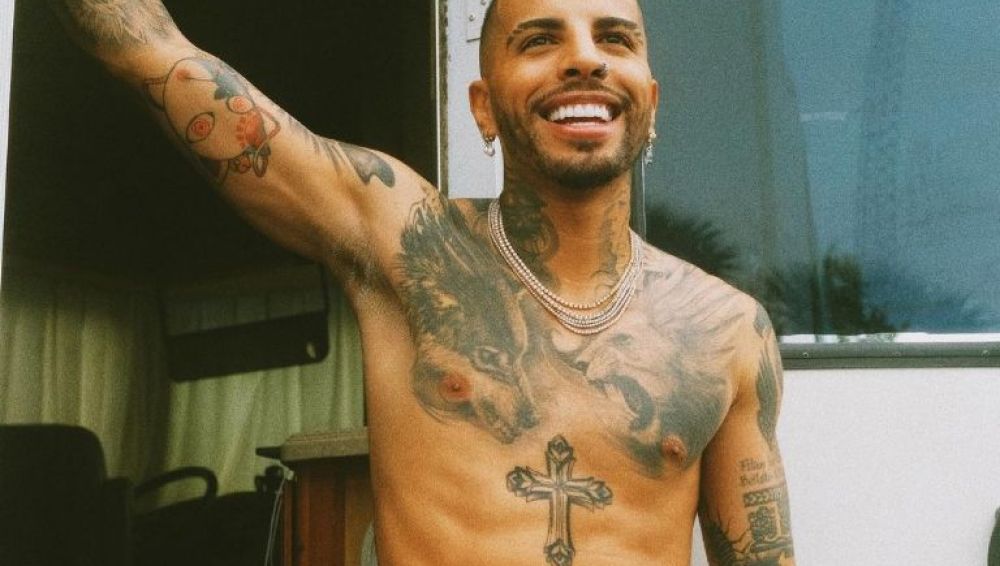
Rauw Alejandro’s tattoos trace the person he was becoming: family and faith, small symbols on his hands, anime on his arm, and larger chest pieces that show when he performs shirtless. He has described tattoos as memories of his youth and of the things worth fighting for, which gives a personal thread to a collection that can look flashy at first.

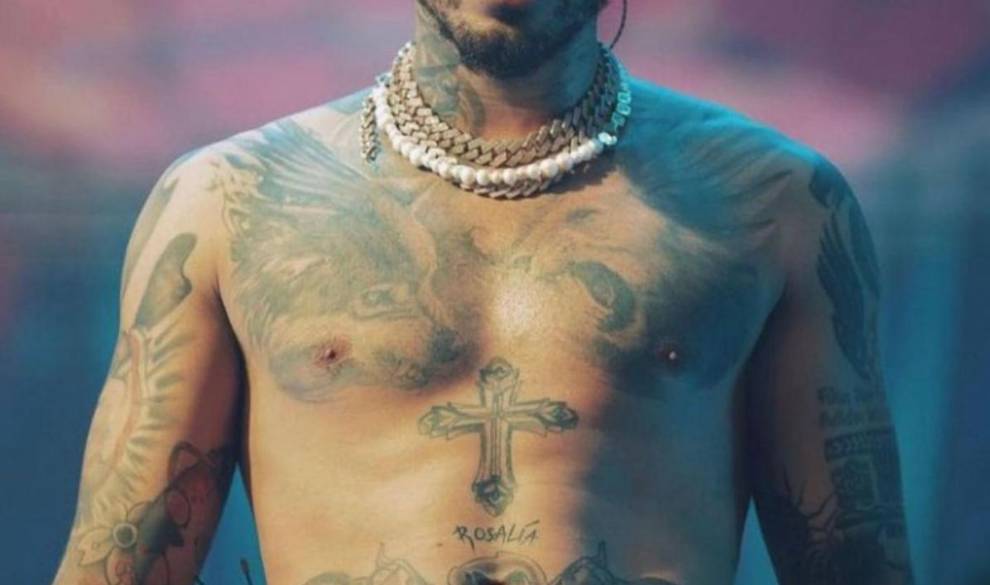
Older guides list more than twenty designs, and newer photos show the collection changing. The most discussed update was a black butterfly cover-up over the name of his former fiancée, Rosalía. An old relationship tattoo became a public marker of moving on.

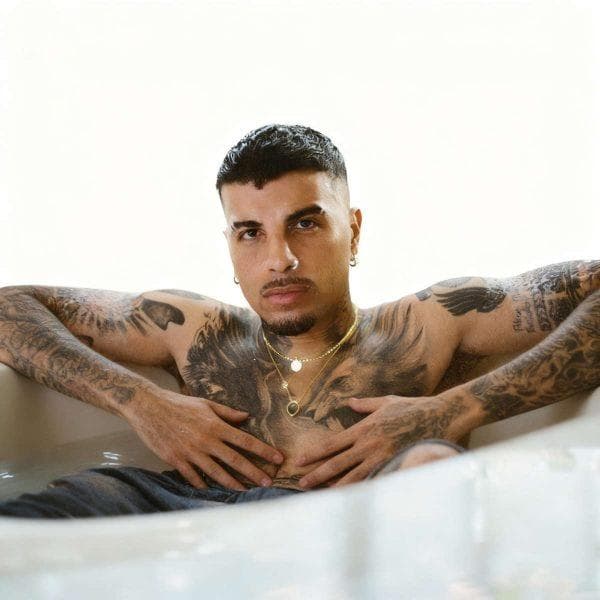
The collection mixes clear symbols with more private details. The lion and wolf on his chest represent a struggle between good and evil. There’s a compass on his forearm, a scorpion and rose on his hand, plus a seahorse, horseshoe, Saturn, lightning bolt and anime references.

The lion and wolf carry the biggest idea on his chest

Rauw Alejandro lion and wolf chest tattoos

The lion and wolf on Rauw’s chest are his most noticeable designs. He has said they represent a battle between good and evil, or two sides of himself pulling in different directions. It’s a familiar tattoo idea, but the placement makes it feel personal.

The lion suggests power and confidence; the wolf brings a more restless, instinctive energy. Rauw isn’t saying one animal defines him. He’s making room for both sides.

The chest gives the images space and keeps them visible on stage. Rauw is deliberate about his look, and the lion and wolf are part of the image he presents when he performs shirtless.

The cross and butterfly changed the story on his abdomen

Rauw Alejandro butterfly cover-up tattoo

Rauw has a large cross on his abdomen, and for a time the name “Rosalía” sat below it. In 2024 he showed a black butterfly covering the old lettering. The butterfly added a new image while covering a relationship tattoo whose meaning had changed.

Cover-ups carry two stories: the design on top, and the one beneath it. Butterflies are often linked with change and new beginnings, but the earlier tattoo is still part of the history. Rauw changed what people see when they look at it now.

Because the tattoo is on his abdomen, the update became a media story. Fans could compare earlier and newer photos. A private choice turned into a public announcement without Rauw needing to say much; the butterfly did the talking.

The cross remains an anchor in the arrangement. The cover-up adds movement and a softer shape around the old lettering, making the tattoo feel like a decision to keep going.

His right arm is a playground for anime references

Rauw Alejandro anime and chest tattoos

Rauw’s right arm is packed with anime-inspired tattoos. Coverage has identified Kenshin Himura from Rurouni Kenshin, and the designs reflect the Japanese animation and manga he has said he loves. These are references to characters and stories that stayed with him as he grew up.

Small anime tattoos can be hard to identify in a moving photo. A stage shot may show the sleeve as a whole, while a close-up is needed to make out a face or weapon. That’s why some descriptions identify the placement but leave smaller details open.

The anime figures also contrast with the realistic lion and wolf on his chest. Rauw doesn’t make every tattoo follow one style. The mix makes the collection feel like a personal bookshelf rather than a single brand.

Compass, seahorse and horseshoe details keep the collection moving

Rauw Alejandro Rolling Stone tattoo portrait

Some smaller tattoos are easy to miss, but they give the collection much of its character. A compass on his left forearm is often read as a symbol of direction. A seahorse on the same side has been associated with patience, protection and good luck. He also has a horseshoe on his left pinky, another image linked to luck and progress.

These feel like personal reminders rather than a single large statement. A compass makes sense for a musician who spends much of his time travelling, and it’s a simple image that doesn’t need an explanation each time someone sees it.

The seahorse is an unexpected choice beside the more aggressive animal tattoos. Its small shape fits into the forearm without taking over. The horseshoe does the same on his hand, lighter in scale than the chest pieces.

There’s also a Saturn tattoo on his right index finger. Tattoo guides connect the planet to hard work, time and karma, though Rauw hasn’t clearly explained what it means to him. A symbol can have a common interpretation without telling us exactly how its wearer sees it.

The scorpion and rose bring mystery and romance together

Rauw Alejandro stage tattoos

Rauw has a scorpion and rose on his right hand. The images pull in different directions: the scorpion suggests danger, secrecy and self-protection, while the rose brings love and beauty into the same small space.

The hand is a visible place for the design, especially when he performs or poses for photos. Rauw likes tattoos that look good, but he’s also drawn to images with tension beneath the surface.

There’s another rose on his left hand. Roses are often associated with love or new beginnings, but the exact meaning depends on the person. Some coverage connects Rauw’s roses with romance; the scorpion adds a darker edge. Together, the hand tattoos set softness beside armour.

That contrast runs through the collection: cute and serious, romantic and guarded, traditional and anime-inspired. The tattoos don’t settle on one mood.

The first tattoo and smaller symbols mark the early years

Rauw Alejandro cross and sleeve tattoos

Rauw has described his first tattoo as a phrase he got when he was young. He has also said he sees tattoos as reminders of his youth. The collection grew piece by piece, before the chest and arm work became so prominent.

Older tattoo catalogues also list a butterfly on his left ring finger, a cross on his left middle finger, a lightning bolt on his left forearm, and several pieces near his ears, neck, shoulder and wrist. Not every design has a confirmed personal explanation, but they’re part of the visible inventory.

The lightning bolt adds a sharp flash of energy without taking up much skin. The small crosses and other hand details do something similar, making the collection visible even when he’s wearing a sleeveless shirt rather than performing shirtless.

The smaller tattoos also make the timeline easier to see. A large chest tattoo can look like a final statement; the hand and neck pieces feel like notes added in the margins. Rauw enjoys both big images and quick symbols.

The butterfly covering Rosalía’s name is the clearest sign of change, but the rest of the collection has shifted with him too. An early phrase sits alongside an anime character he still loves. A compass shares space with a seahorse; a rose sits near a scorpion.

That’s why the tattoos feel lived in instead of staged. They capture changing tastes, relationships, faith, travel and memories. Rauw has explained some of their meanings; others are best left as what they look like. Together, the pieces still have a distinct voice.

Watch Rauw Alejandro explain his tattoos

Rauw has talked about the memories behind his ink in a GQ tattoo tour, including his first tattoo, the pieces he considers most personal and why he keeps adding to the collection.

More musician tattoo guides

Tico Santa Cruz Wears His Life on His Skin

Tico Santa Cruz doesn’t treat tattoos as decoration. The Detonautas singer has described his ink as a record of what he has lived through, believed in and fought for. Reports say tattoos cover around 80 to 90 percent of his body, including his face. The designs range from large chest lettering to tiny marks on his hands.

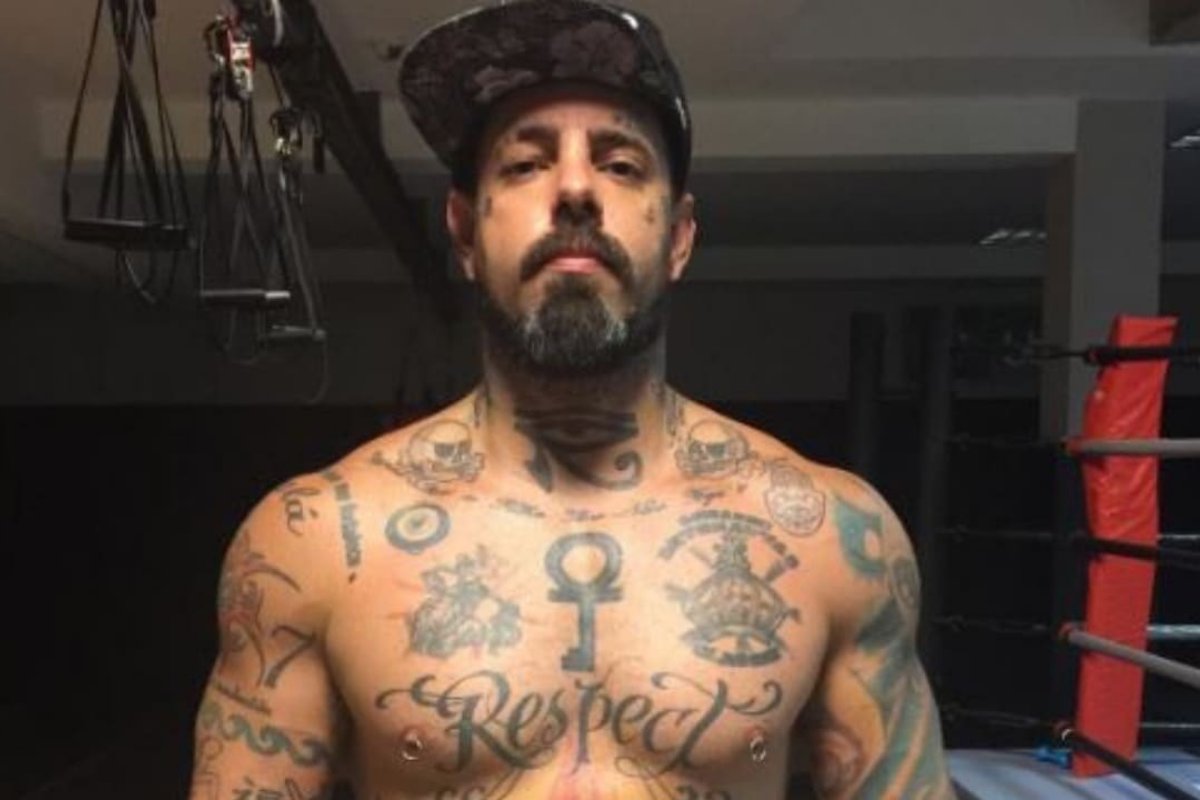
Some pieces are well documented; others are difficult to make out in concert photos. The clearest include “Respect” across his chest, “Viva SUS” across his fingers, lettering on his face, and religious and personal symbols. Tico has called his tattoos “the scars I chose for my life.”

“Respect” is the tattoo people notice first

Tico Santa Cruz Respect chest tattoo

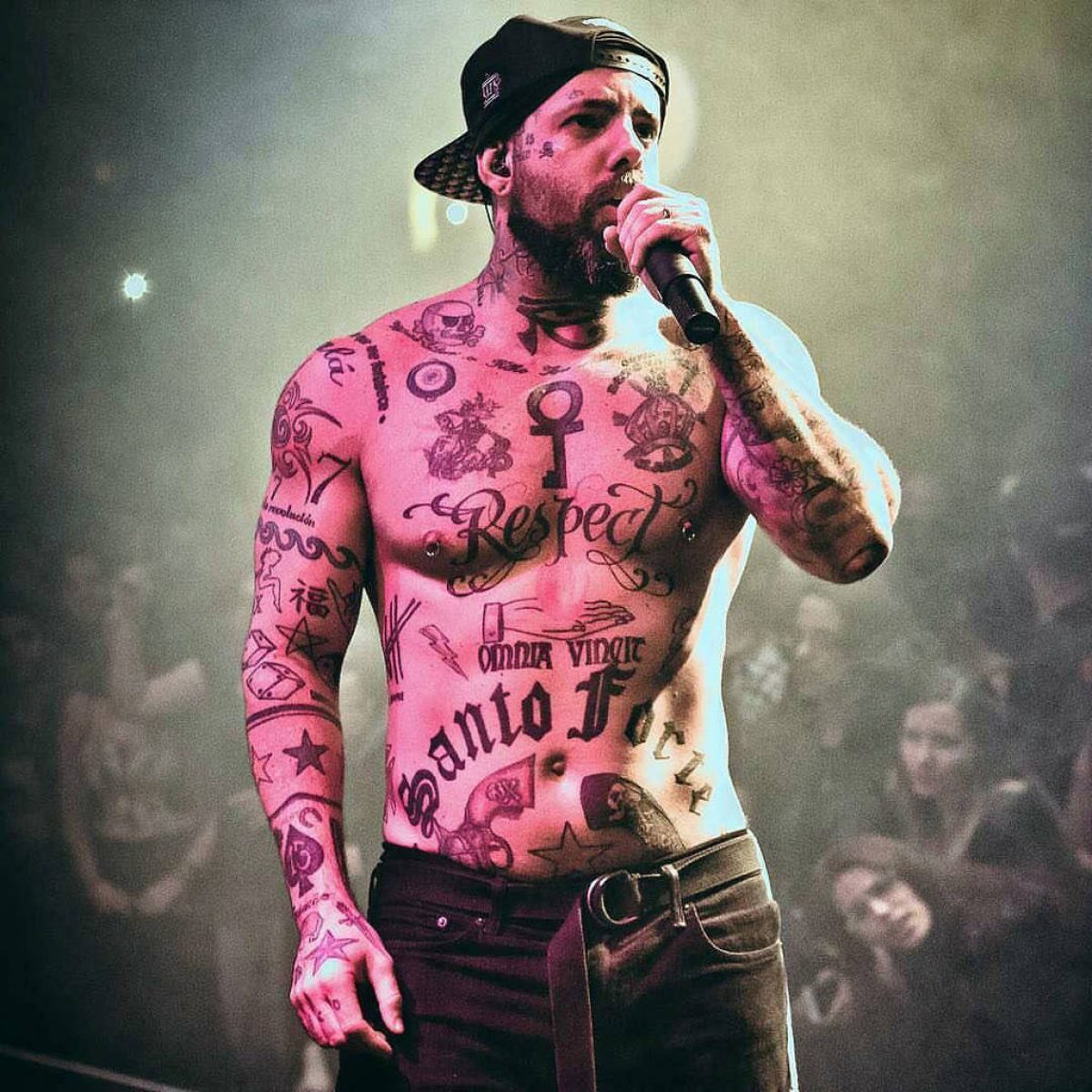
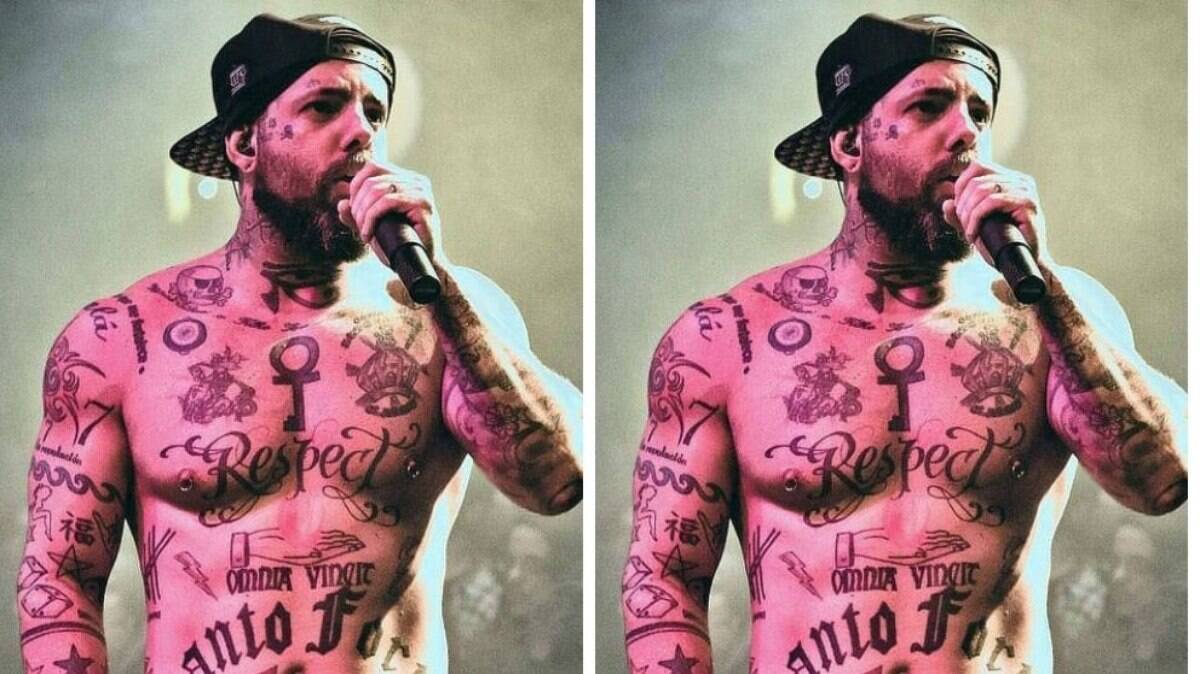
The large Respect tattoo across Tico’s chest is the easiest place to start. It’s dark and hard to miss when he performs shirtless. The lettering sits among symbols, script, small drawings and shaded work, almost like a headline across his torso.

The word also fits how Tico has talked about his collection. He has spoken about prejudice toward tattooed people, including being stopped at borders and asked if he belonged to a gang. “Respect” can be a personal value and a response to people who judge someone by appearance.

Smaller marks crowd around the word, so the chest looks more like a wall of notes than one finished picture. Tico has described his tattoos as chapters of his life; the collection has grown over many years rather than being planned all at once.

“Viva SUS” puts a public message on his hands

Tico Santa Cruz VIVAS US knuckle tattoo

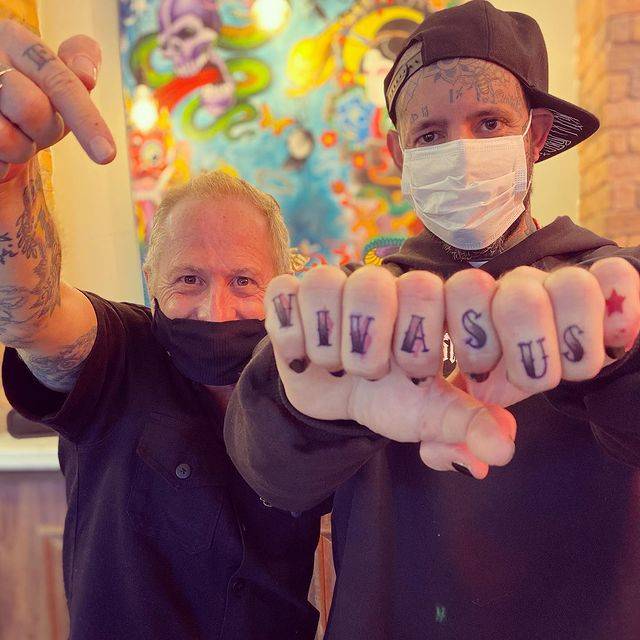
One clear statement tattoo is “Viva SUS” across Tico’s fingers. SUS is Brazil’s public health system. He has said the tattoo pays tribute to a service that saves lives despite limited resources. The message is written on his hands for everyone to see.

Knuckle tattoos are difficult to hide, so the placement feels direct. The words show when Tico reaches for a microphone, shakes hands or gestures on stage. He hasn’t tried to keep his tattoos private or separate them from the social ideas he discusses in interviews.

Like “Respect,” the phrase tells people what matters to him. “Respect” is broad; “Viva SUS” points to a specific institution and belief.

His face tattoos are tied to identity and change

Tico Santa Cruz Familia and face tattoos

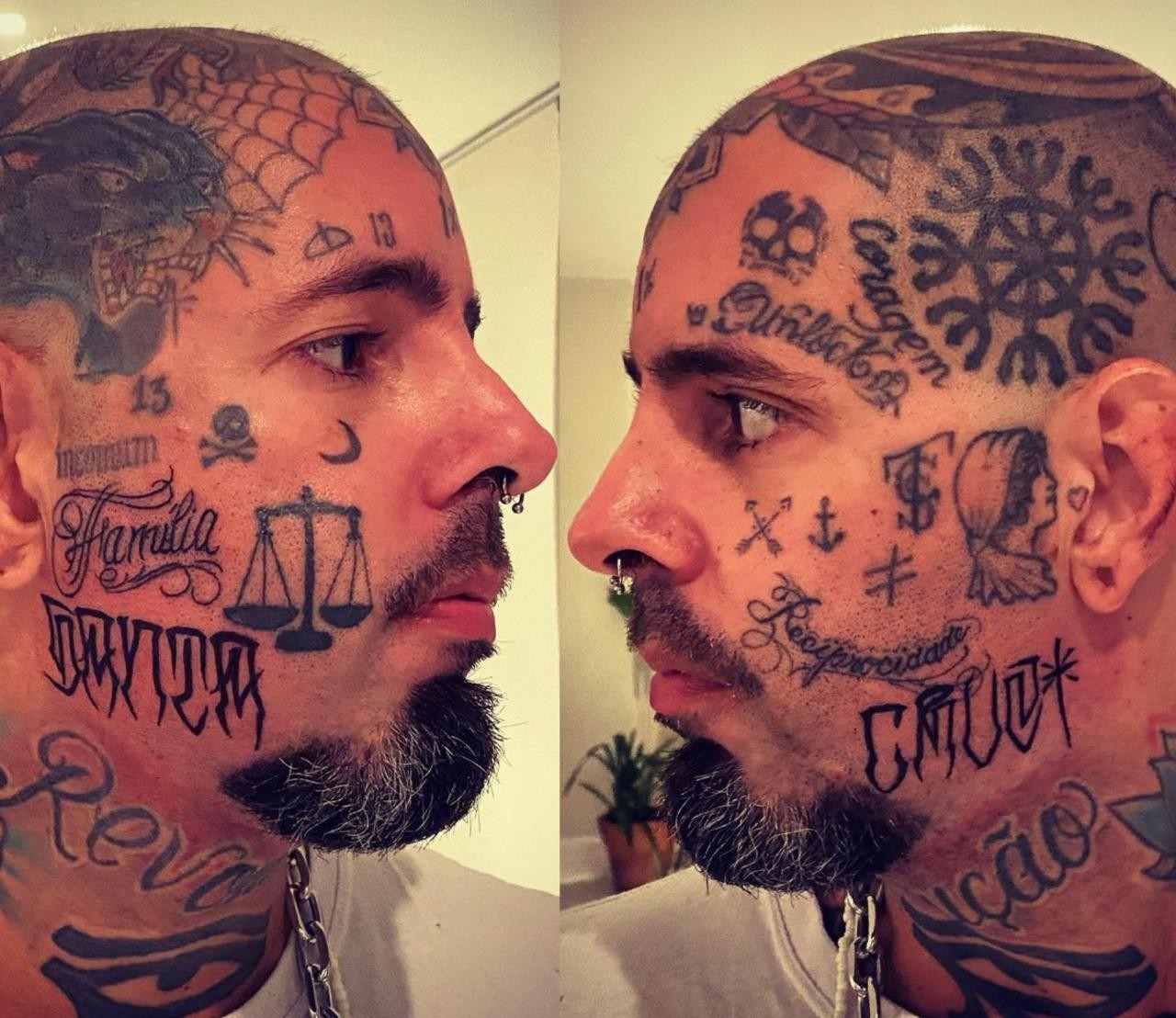
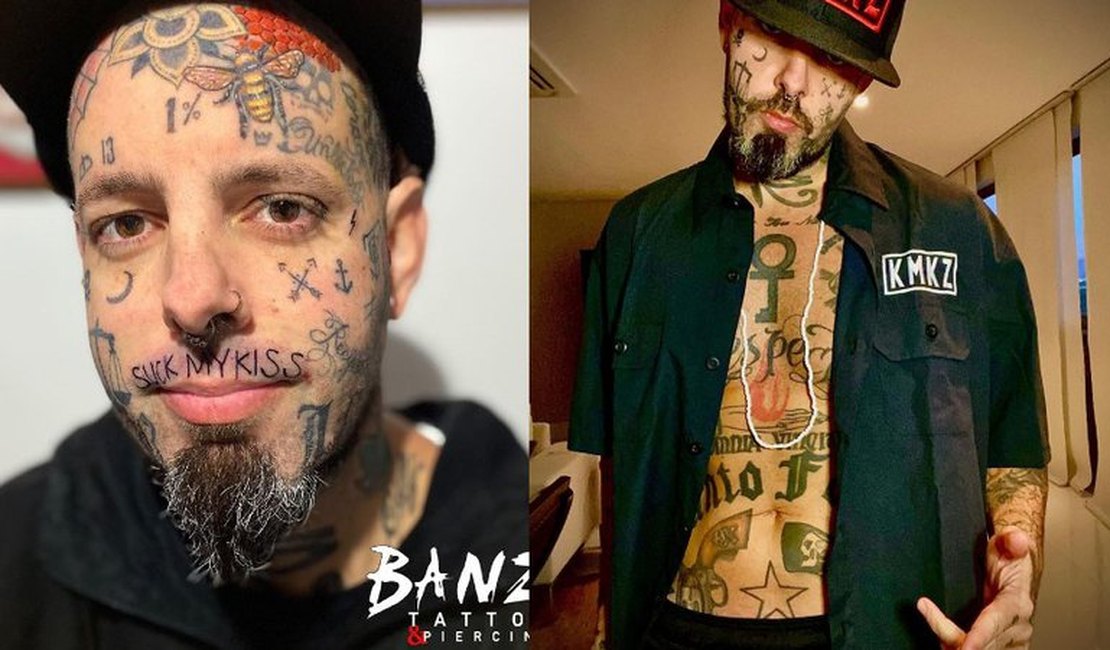
The face tattoos make the collection more personal. Photos show lettering and symbols across Tico’s cheeks, forehead, jaw and temples, including “Familia,” small crosses, scales, an anchor, stars and other marks. They’re close together, so a single photo rarely shows each one clearly. The larger themes include family, balance and faith.

Tico has said he began tattooing his face around 2010 and added more during a difficult period. In an interview, he connected the choice to depression during the pandemic and said changing his face became part of how he understood his identity. He didn’t describe it as a publicity stunt or an album costume.

The face tattoos are part of how he sees himself now. They’re hard to cover in daily life, so strangers, employers, security staff and fans can all have an opinion. Tico has acknowledged his privileges as a public figure while speaking about the stigma other tattooed people face.

“Santo Jorge” gives the torso a protective symbol

Tico Santa Cruz Santo Jorge chest tattoo

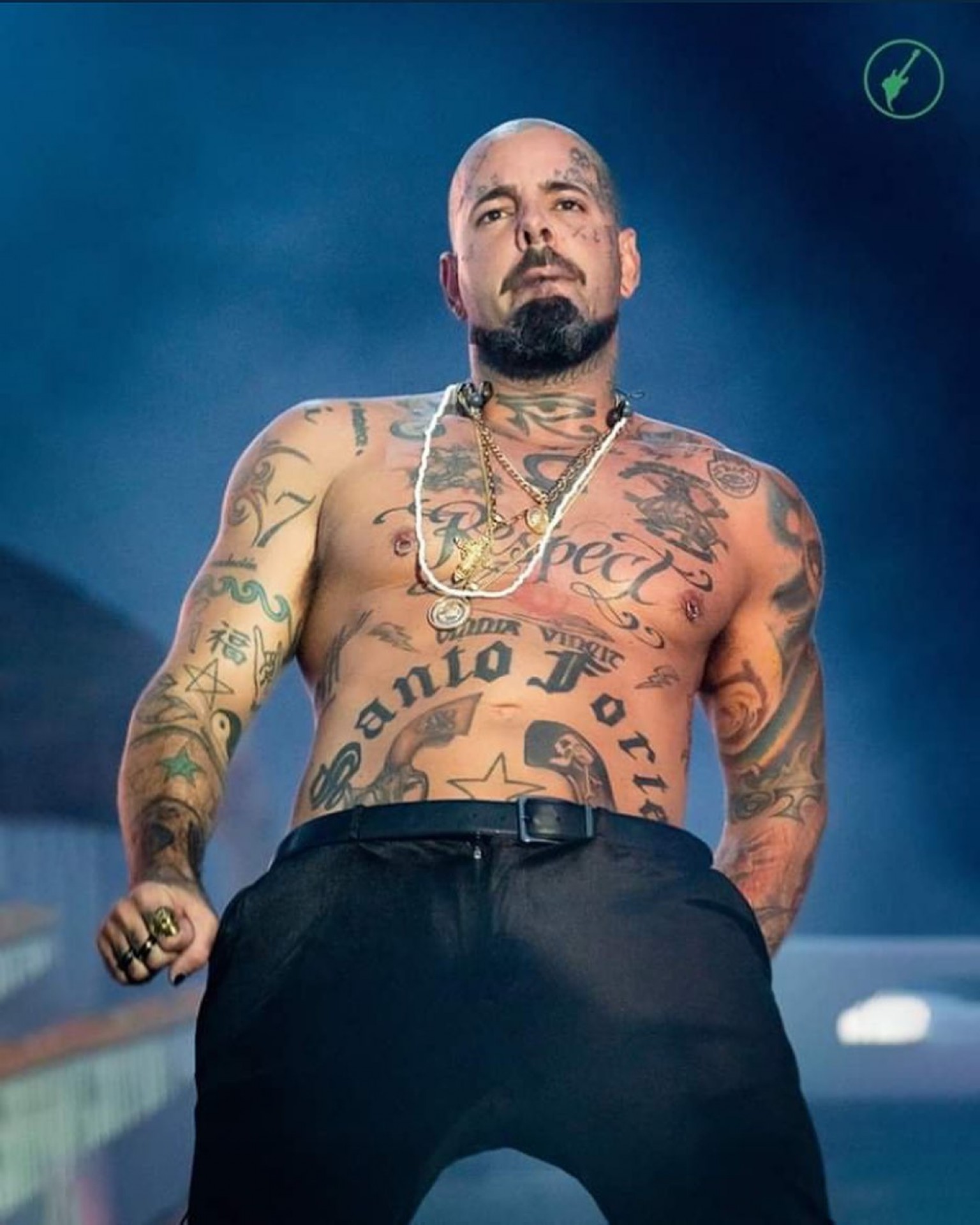
Another prominent piece is the large “Santo Jorge” lettering across Tico’s lower chest and stomach. Saint George is an important figure in Brazilian religious and cultural life, and the words sit among other spiritual imagery. They’re especially visible in stage photos.

The tattoos don’t all have one meaning. Religious words, social messages and smaller symbols overlap, but each can mean something different: protection, faith or simply an idea Tico wanted to keep.

“Respect” fills the upper chest, while “Santo Jorge” draws the eye down. Script and smaller symbols between them make the torso look layered, like a poster covered with notes.

“Santo Forte” and the smaller chest symbols

Tico Santa Cruz full chest tattoo portrait

Photos also show “Santo Forte” across Tico’s chest and stomach, along with smaller designs that are hard to identify with certainty. The phrase can be loosely translated as “strong saint.” It fits beside the other spiritual tattoos. Religious lettering can sit next to a star, a number or a design he simply liked.

That variety is why the collection doesn’t fit one style. It includes bold script, old-school shading, blackwork, symbols and what look like personal sketches. Some areas are crowded; others leave space.

The choices seem to follow a personal logic rather than a decorative plan. The designs make more sense when you follow Tico’s life than when you try to put them in one visual category.
His arms are packed with smaller symbols and lettering

Tico Santa Cruz arm and chest tattoos

Tico’s arms carry stars, script, curved ornamental shapes, numbers and small illustrations. Stage photos show how much of the collection disappears beneath a shirt. Some designs stand on their own; others blend into the space around them.

He has said that some tattoos no longer mean what they once did and could eventually be covered. That’s a normal part of a long tattoo history, even if people often talk about celebrity ink as though both the design and its meaning stay fixed.

The arm work changes as he moves. Different pieces appear when he raises a hand or grips a microphone. You don’t get one perfect view of everything, which is closer to how a real tattoo collection looks.

The full torso shows how much is still undocumented

Tico Santa Cruz full torso tattoos

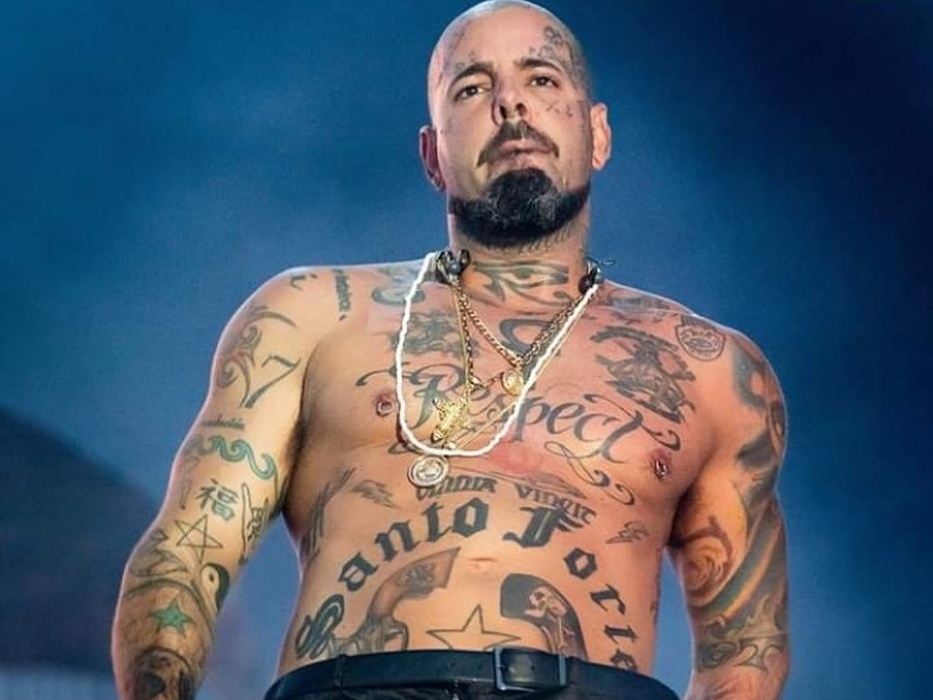
A wider photo shows the scale. Tico has said around 80 to 90 percent of his body is tattooed, and his chest, stomach, arms, neck, face and hands all carry ink. Some designs are readable; others appear only as part of the larger pattern.

A careful guide can discuss “Respect,” “Viva SUS,” “Santo Jorge,” “Santo Forte,” “Familia,” the face symbols and the themes Tico has explained. It can describe stars, lettering and religious imagery visible in photographs, but it shouldn’t invent a story for an unreadable number or sketch.

Tico’s own words give the collection a thread. He has called his tattoos chosen scars and chapters of his life, and connected them with identity, depression, politics, music and the experience of being judged. Not every tattoo needs a dramatic explanation; together, they keep track of change.

Why Tico’s tattoos feel more like a diary than a costume

Tico Santa Cruz ankh and facial tattoos

Tico’s collection mixes public statements with smaller, more personal marks. “Respect” speaks to anyone watching him perform. “Viva SUS” makes a social point. “Familia” is part of his face and daily identity. Other pieces are harder to name, but they add to the overall picture.
The tattoos aren’t uniform, and that’s why they work. They look like designs added as life changed: some tied to music, some to faith or social issues, others perhaps to a moment when a particular image felt right.

The easiest way to read them is as a running diary. Not every mark needs a long explanation, and not all of them have to be profound. A few carry a clear message; the rest add texture. That mix of conviction and rough edges is the appeal.

For anyone taking design inspiration from Tico, the point is to choose work that still feels like you. His collection has changed as he has. Some tattoos may be covered, new ones may appear, and the balance will keep shifting. The body art records a story that’s still unfolding.

Watch Tico Santa Cruz talk about his tattoos and the parts of his body he has left uninked

More musician tattoo guides

Niko Moon’s tattoos are little bookmarks for the good times

Niko Moon’s tattoos have the same easygoing, sunny feel as his music. They aren’t arranged as one big statement; the collection reads more like a scrapbook, with a song, a word, a symbol or a passing moment added when it means something to him.

Moon has described his ink as “bookmarks for big moments,” a phrase that gives the collection a simple thread. A tattoo can mark a first No. 1, a new chapter, or a season of life he wants to remember. The designs feel upbeat, but that doesn’t mean they’re random.

The clearest examples are “Good Time,” the word “Ordinary,” and the swallows and smaller symbols across his hands and arms. Not every design has a public explanation, so this piece separates Moon’s comments from what photographs can actually show.

“Ordinary” is one of the clearest words in his collection

“Ordinary” is among the easiest details to spot in Moon’s collection. The word runs across the back of his hand, turning something familiar into a deliberate, highly visible tattoo. Its simplicity is part of what makes it stand out.

Against Moon’s upbeat public image, “Ordinary” feels less like a rejection of ambition and more like a reminder to stay close to everyday life as his career grows. That’s an interpretation; Moon hasn’t published a specific explanation for the word.

The placement makes the tattoo hard to miss. A hand is rarely out of sight, so the word shows up in the small gestures of daily life: holding a microphone, shaking hands or raising a glass. It travels with him to work instead of sitting somewhere easy to hide.

Moon spent years writing songs for other artists before building a solo career of his own. The hand tattoo can be read as a way to keep that success in perspective, though he hasn’t confirmed that meaning. For a very different collection of personal ink, see Travis Scott’s tattoos.

Niko Moon Ordinary hand tattoo

Swallows and hand tattoos keep the details close

Moon has small swallow designs on his hands, along with other dark marks and symbols that continue toward his forearms. They’re easy to overlook in photos beside larger tattoos, but they give the collection its pieced-together feel.

In traditional tattooing, swallows have been associated with travel, distance and the hope of returning home. That history doesn’t tell us what the birds mean to Moon personally; he hasn’t given a full explanation for every design. The imagery does suit a musician whose work has taken him from writing rooms to stages and a wider solo audience.

The hand placement makes these tattoos part of his everyday gestures. They appear when he plays guitar, holds a microphone or talks with his hands, rather than only in a posed or shirtless photograph.

The hands hold several separate designs, not one solid block of artwork. The swallows sit beside smaller pieces, and together they have the look of tattoos added over time. There’s no clear sign that every mark was planned as part of a single sleeve.

Niko Moon swallow hand tattoos

The arms mix symbols, script and country style

From the hands, Moon’s tattoos continue up his forearms in a loose mix of symbols, short lettering and small illustrations. Photos show several pieces, but some are too indistinct to identify with confidence. It’s better to leave those unnamed than to guess.

The arm work doesn’t read as one carefully matched sleeve. There’s space between the pieces, with different line weights and a mix of words and images. That scattered layout can come from collecting tattoos over time, as different ideas and moods take shape.

In clearer photos, the ink sits naturally with Moon’s relaxed country style: hats, open shirts, guitars and outdoor settings. It has become part of the look people recognize, without feeling like a costume separate from the person wearing it.

Some marks look like small symbols; others seem to be lettering or simple linework. Unless Moon has explained a particular design, its meaning is best left open. The clearer stories are the ones tied to a recognizable word, image or public comment.

The arms feel lived in because newer pieces share space with older ones. Rather than one fixed theme, the collection has grown alongside Moon, leaving room for small memories and reminders to sit together.

Niko Moon arm symbol tattoos

Good Time turned a song into a bookmark

The best-documented tattoo story in Moon’s collection is “Good Time.” He has “GOOD” above one knee and “TIME” above the other, joining the words when both legs are in view. Moon has talked about tattoos as bookmarks for major moments, and this one marks the song that helped launch his solo career.

“Good Time” was a turning point, so the lettering keeps a specific career milestone close. It captures the moment the song moved beyond the studio and into Moon’s life as a performer.

Splitting the phrase across his knees gives it a playful quality. The layout is a visual joke, but the memory behind it matters: the tattoo turns a breakthrough into something he can see whenever he looks down.

Photos don’t always show the knee lettering clearly, so the hand and arm images here give context for the wider collection rather than proof of that placement. The detail comes from Moon’s public comments and tattoo coverage.

Niko Moon tattoos and Good Time era

There’s a clear thread between “Good Time” and “Ordinary.” One holds onto a breakthrough; the other keeps an everyday word in view. Together, they make the collection feel upbeat without losing its grounded side.

Moon’s tattoos make most sense as a loose timeline, not a single design plan. The “Good Time” lettering marks a career moment, “Ordinary” keeps a word close at hand, and swallows and smaller symbols fill out the spaces around them.

Some marks still can’t be identified from public photographs, and their meanings haven’t been shared. What comes through is the pattern Moon has described himself: using ink to remember moments and words that matter to him.

Niko Moon’s official “Good Time” video offers a look back at the era behind one of his best-known tattoos.

Kali Uchis keeps her tattoos close to the story

Kali Uchis has a compact tattoo collection with unusually personal stories behind it. Public coverage identifies a rose on the back of her hand, an Om symbol on a knuckle, initials on her side, writing on her wrist, her father’s passport signature on her bicep and a tiger on her hip. The designs touch on family, spirituality and simple appreciation for an image.

Newer photos also show tattoos connected with her music and album artwork. It helps to separate what Kali has explained from what viewers are guessing from a picture. The confirmed pieces already suggest an artist drawn to ink that can be intimate, symbolic and quietly decorative.

The hand rose is one of Kali Uchis’s clearest tattoos

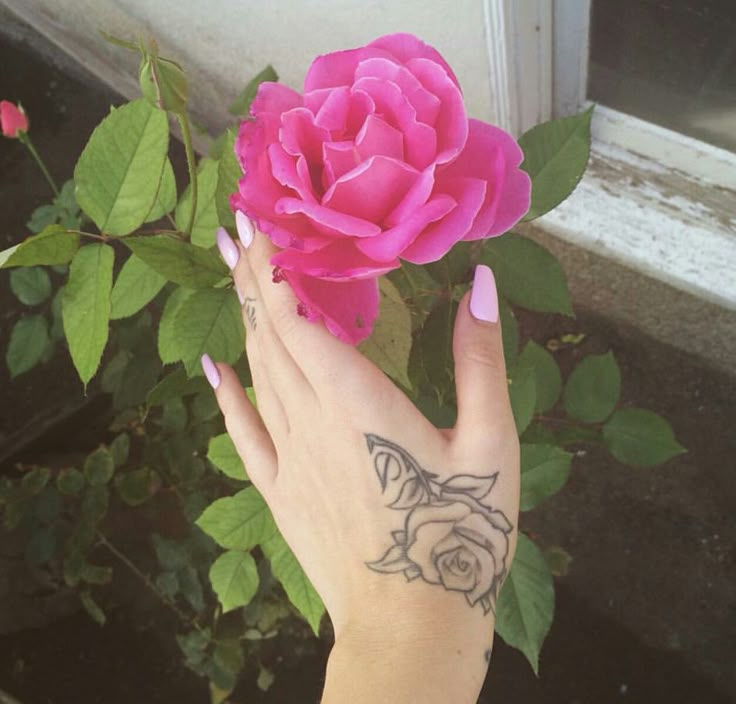
Kali Uchis rose tattoo on the back of her hand

Kali has a simple outline rose on the back of her hand. The placement makes it easy to spot in photos, on stage and in everyday gestures, so the small black design has a bigger presence than its size suggests.

Rose tattoos can carry many meanings, but there’s no direct quote from Kali giving this one a specific private story. The outline is light and graphic, in keeping with the softer, vintage-leaning side of her image.

A hand is a natural place for an artist who uses her hands constantly. The rose moves with her, appearing alongside rings and nail designs when she reaches for a microphone or poses for a photograph.

The Om symbol sits on her knuckle

Kali Uchis Om symbol tattoo on her knuckle

Another hand tattoo is the Om, or Aum, on the knuckle of her left middle finger. The symbol has associations with mantra and spirituality in Hinduism, Buddhism and Jainism. Public descriptions connect it with the soul and spirit, but Kali hasn’t shared a detailed personal explanation for choosing it.

The small mark suits a knuckle: it stays readable without taking over the hand. It sits close to the rose, forming a loose group of fine black designs rather than a heavily shaded composition.

The two tattoos use different visual languages. The rose is a familiar image from nature; the Om is a compact spiritual symbol. Her hands don’t follow one single theme, and not every deeper meaning needs to be made public.

Her side initials keep a private detail close

Kali Uchis initials tattoo on her side

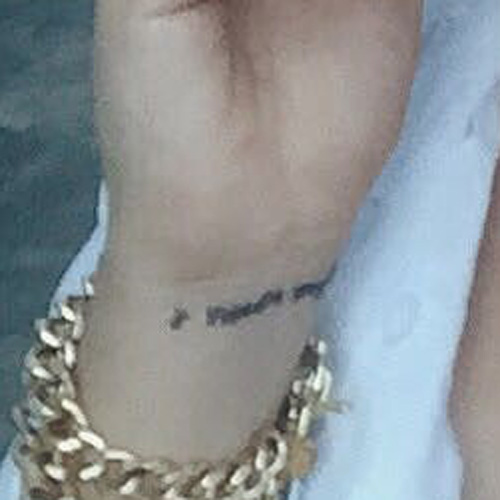
Kali Uchis writing tattoo on her wrist

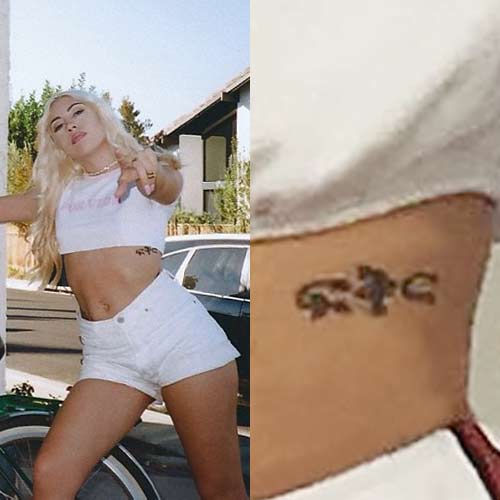
Kali has initials on her left side, a placement that can stay under everyday clothes. It can be shown deliberately, but it doesn’t have to appear in every public photo.

Public descriptions identify the mark as initials or a symbol, but don’t establish what each letter means. It could refer to family, a relationship or a private phrase; without an explanation, guessing would turn it into a story that may not be hers.

She also has writing on her right wrist. The side mark stays more concealed, while the wrist lettering is easier to notice. Together they show that Kali is comfortable with words and symbols without needing each tattoo to function as a public statement.

Her father’s passport signature is a family tattoo

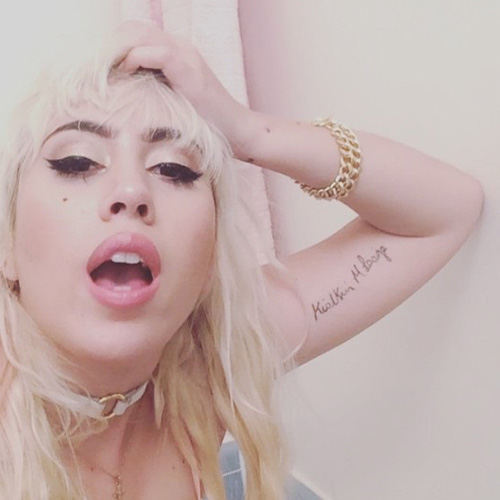
Kali Uchis father passport signature tattoo on her bicep

One of Kali’s most specific tattoos is her father’s name on her left bicep, copied from the signature in his passport when he came to America. It preserves more than a name: it keeps the movement of his own handwriting, including the small irregularities that make it recognisable.

The story connects the design to immigration and family history without needing a portrait or a long quote. It turns an everyday document into a lasting piece of body art.

The bicep gives the signature room to stay legible. It can be covered easily, but it also shows when Kali wears sleeveless clothes, leaving her free to choose when the family reference is visible.

Among the documented tattoos, this is the clearest example of her carrying a real piece of family history with her. It feels less like a label than a personal keepsake.

The tiger on her hip brings in a bolder image

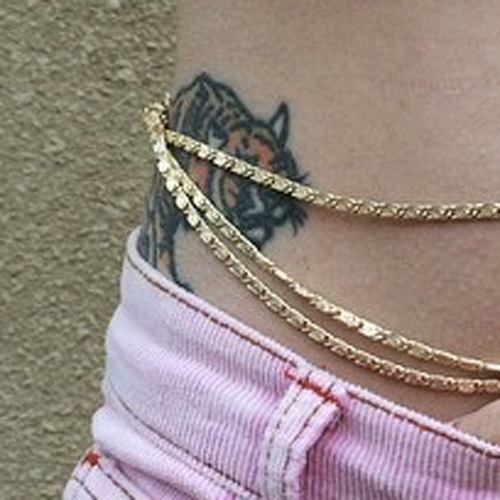
Kali Uchis tiger tattoo on her right hip

Kali also has a tiger tattoo on her right hip. It brings a more forceful image to the collection than the hand rose or tiny Om, while the placement keeps it relatively private.

Tigers are often associated with strength, independence or protection, but there’s no confirmed quote settling what this one means to Kali. It’s safer to stick to what’s visible: a bold animal design away from the more public hand and wrist pieces.

The tiger changes the collection’s visual rhythm. Most of the other documented designs are words, symbols or compact linework; the animal is more illustrative and gives her tattoo map a stronger anchor.

Newer music-related images add another layer

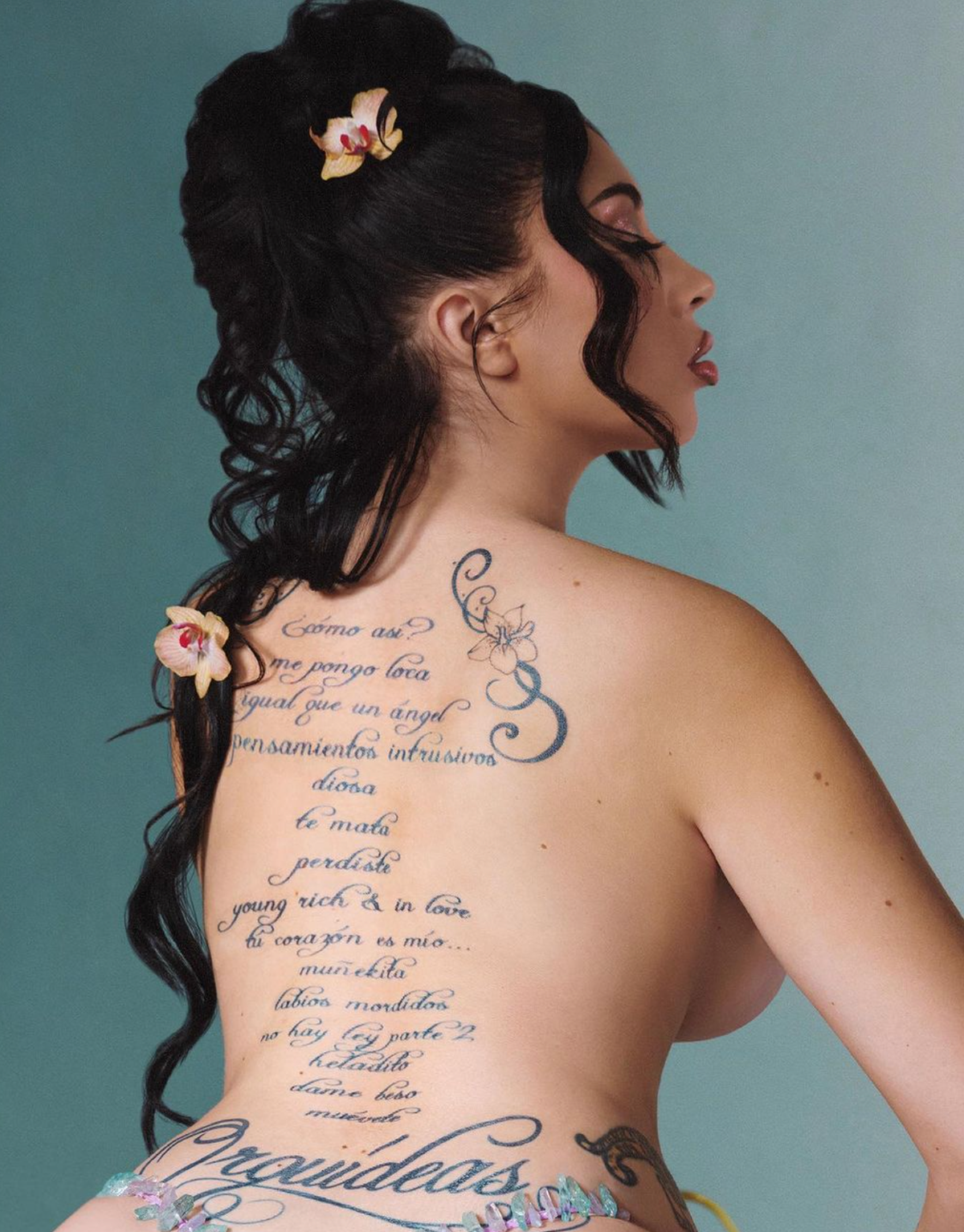
Kali Uchis music-related back tattoo and tracklist design

More recent photos show tattoo imagery connected with Kali’s music and album world, including a tracklist-style design from an album era. The reporting is based mostly on images rather than a detailed interview, so the connection is clear while the meaning of each line remains open.

Tattoos and music visuals can overlap. Kali builds strong visual worlds around her records, and an album-linked design can carry that era with her. It doesn’t necessarily mean each title has a separate private story; sometimes the point is to keep the period itself.

The design has a different origin from her father’s signature, but both turn something temporary into something she can keep: one preserves family handwriting, the other carries a public creative project.

Taken together, the documented pieces make a collection of close details: the hand rose, Om on her knuckle, initials on her side, wrist writing, her father’s signature and the tiger on her hip. Music-related imagery adds another layer tied to the world around her records.

They don’t need one shared meaning. Some are spiritual, some family-related, some visual choices, and some remain private. That variety is part of the collection’s character; a tattoo doesn’t need a public explanation to matter.

The family signature is the most specific story in the group, while the hand rose is likely to make the quickest impression. The tiger adds a bolder contrast, and the small Om and initials show how much a compact design can hold.

Her ink feels personal first. Even when a tattoo appears in a music photo, it can still have been chosen for her own reasons. That balance makes the collection worth a closer look.

Some designs read at a glance; others need context. A rose or tiger is easy to recognise, even when its private meaning is unknown. The passport signature becomes more moving once you know whose handwriting it preserves. The Om carries a long cultural history, while Kali’s personal reason may remain hers alone.

There’s no need to turn the collection into a forced biography. The documented themes already cover family, spirituality, music, handwriting and natural imagery. Her hand tattoos are the easiest to see, while the side and bicep pieces stay more private.

For more on Kali’s creative world and the stories behind her records, watch this interview:

Aitch keeps Manchester and family close in his tattoos

Aitch’s tattoos stand out because they aren’t arranged into one giant sleeve. The designs are spaced out, personal and often playful: a Manchester symbol on his chest, a debut-album reference on his arm, rosary beads for his mum, a Maybach logo and a message from his family.

He has added a lot of ink in a short time. Older photos show more bare skin; recent appearances reveal a growing patchwork across his arms and torso. Some meanings are well documented, while other designs are visible without a public explanation. It helps to keep those two things separate.

“21” and the “Close To Home” house

Aitch Close To Home arm tattoos including the 21 and house design

Two of the clearest arm designs are the bold number 21 and a small house beside the words “Close To Home.” The house is linked to Aitch’s debut album and the idea of remembering where he came from.

Its simple shape says a lot without needing a portrait or a wall of text. “Close To Home” is a neat summary of Aitch’s identity: he has become a major name in British rap, but Manchester remains part of how he talks about himself. The house is a small signpost between his early freestyles and the life he has now.

The number 21 appears beside it, though its exact meaning hasn’t been explained as clearly in public. It could refer to a date, milestone or private detail. For now, what’s clear is that it is one of the strongest marks on his forearm and sits next to the house rather than hidden away.

Rosary beads are for his mother’s protection

Aitch showing his rosary, arm and Manchester tattoos in a tattoo feature

Aitch has rosary beads tattooed on his arm and has linked them to wanting protection for his mother. It’s one of the gentler stories in the collection: a family symbol he can see often, not a design chosen to make the arm look tougher.

The beads bring the focus back to home among the career references and more playful pieces. They feel like a quiet reassurance, with their emotional centre in his family even when the tattoo appears in a television photo.

Religious imagery can mean different things to different people. Aitch’s stated meaning is protection for his mum, and that is enough without adding a bigger claim about his faith.

The Manchester bee anchors the chest piece

Aitch Manchester bee and cherub chest tattoos

A large Manchester bee sits on Aitch’s chest, a direct nod to the city he comes from. The bee is one of Manchester’s best-known symbols, and here it works as a clear mark of local pride.

Cherubs and arrows around it give the chest tattoo more movement than a single emblem would have. The bee is still the first thing most people notice, but the surrounding figures make the piece feel like a full composition.

His arms hold a lot of separate images and phrases; the chest carries the biggest statement about where he is from. The bee isn’t subtle, but it doesn’t need to be.

Family words that stay close

Aitch showing his family and Manchester tattoos in an official portrait

One of Aitch’s most meaningful tattoos is a handwritten message from his sister Gracie: “Harrison, don’t be afraid.” Because it’s in her handwriting, it keeps the shape of her own words instead of setting them in a standard font.

The message is practical as well as personal. Aitch has spoken about his sister having Down’s syndrome, and the tattoo keeps her voice and encouragement close. It isn’t a generic quote from a poster; it belongs to his family.

That piece helps explain the patchwork feel of his tattoos. A number can sit beside a house, a family message beside a logo. The styles don’t have to match when the memories connect them.

The Maybach logo marks a career milestone

Aitch chest cherubs and bee tattoos

Among the more unexpected designs is the Maybach logo. Aitch has linked it to buying his first luxury Maybach at 23. It might sound like an unusual thing to make permanent, but it suits the humour in his collection.

The logo marks a point when his career had changed enough for that purchase to matter. It’s a success marker with a cheeky edge: an achievement worth enjoying, without turning it into a grand ceremony.

It also pairs neatly with the “Close To Home” house. One tattoo looks back to where he started; the other records how far the music has taken him. Together, they make the forearm read like a quick timeline.

Polaris, the clown and other smaller designs

Photos show more scattered pieces across Aitch’s arms: the word “Polaris,” a clown, a star, a wine glass and a cowboy hat. Not all have a confirmed public explanation, which gives the collection its casual, unplanned feel.

“Polaris” can suggest a direction or a fixed point, but there’s no reason to settle on a meaning without Aitch explaining it. The star and wine glass are visible too; their personal stories remain private.

The clown adds a mischievous note, and the cowboy hat keeps the arm from being only family tributes and career milestones. Those smaller images leave room for personality, jokes and designs he liked at the time.

Aitch’s patchwork style is the point

The word that best describes Aitch’s tattoos is patchwork. The designs are spaced apart, shift from arm to chest and range from family to Manchester, music and money. Nothing is trying to look as if it came from one flash sheet.

That suits the way people collect memories. A tattoo often follows an idea that matters right now, rather than a sleeve mapped out years in advance. The house came with an album, the bee with hometown pride, the handwriting from his sister and the Maybach logo with a career milestone.

Recent television appearances have made it easier to see how much ink he has added. The list will keep changing, so this is best read as a snapshot of what has been documented, not a final inventory.

What the tattoos say about his story

Together, the designs tell a relaxed story about where Aitch came from and what matters to him. Manchester appears in the bee; music and ambition in the album reference and the Maybach; family in the rosary beads and Gracie’s handwriting.

The smaller pieces keep the collection from becoming too solemn. A clown, wine glass and cowboy hat can be funny as well as meaningful. Some tattoos can simply be part of the scenery.

That mix is why the collection works visually. It feels lived in, and it still has room to grow. Aitch doesn’t look as though he planned every inch of his skin years ago; he adds reminders as he goes and leaves space for another story.

Aitch tattoo checklist

  • 21 on the forearm.
  • A house sketch with “Close To Home”.
  • Rosary beads linked to protection for his mother.
  • A Manchester bee on his chest.
  • Cherubs and arrows around the chest design.
  • A handwritten family message: “Harrison, don’t be afraid.”
  • A Maybach logo linked to his first luxury car.
  • “Polaris,” a star, clown, wine glass and cowboy hat.
  • Other newer arm and torso marks that are visible but not fully explained in public coverage.

Watch Aitch talk about his journey

In long-form interviews, Aitch talks about growing up in Manchester, music and the life around his career. The profile video below is a useful companion to the tattoo story.

More musician tattoo guides

Manuel Turizo’s tattoos keep family and music close

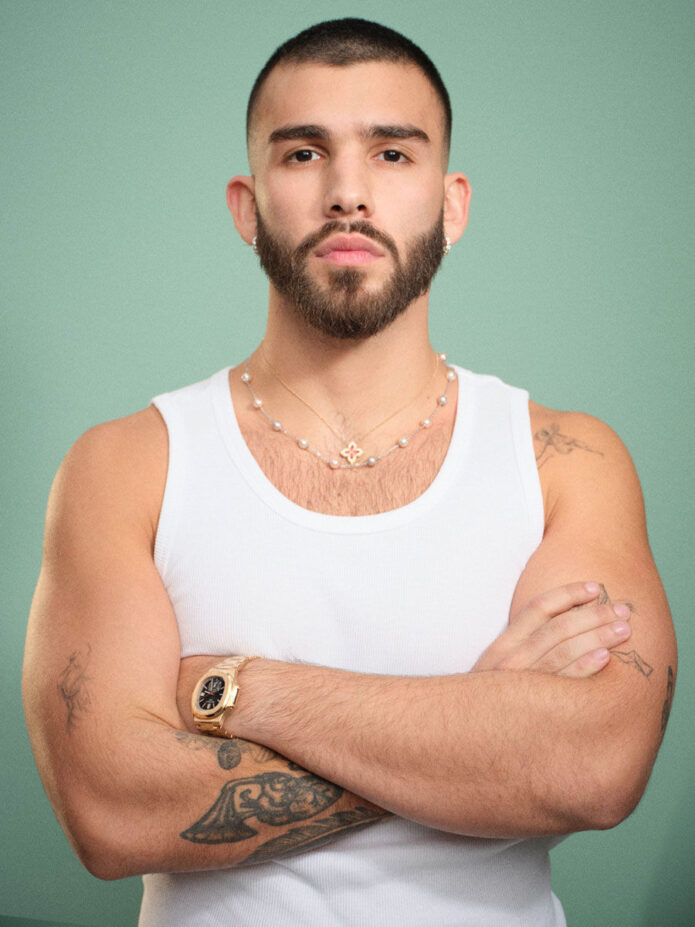
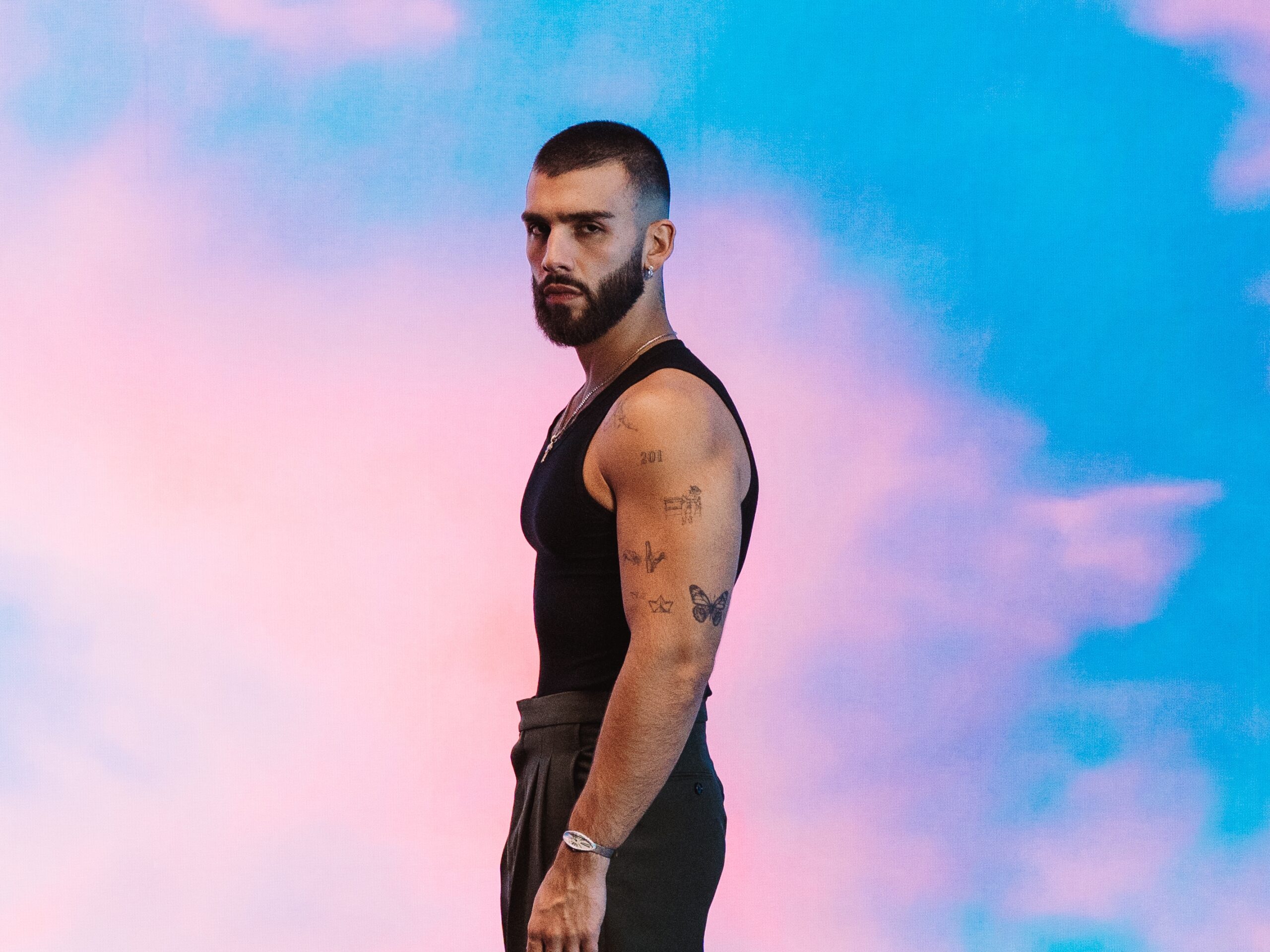
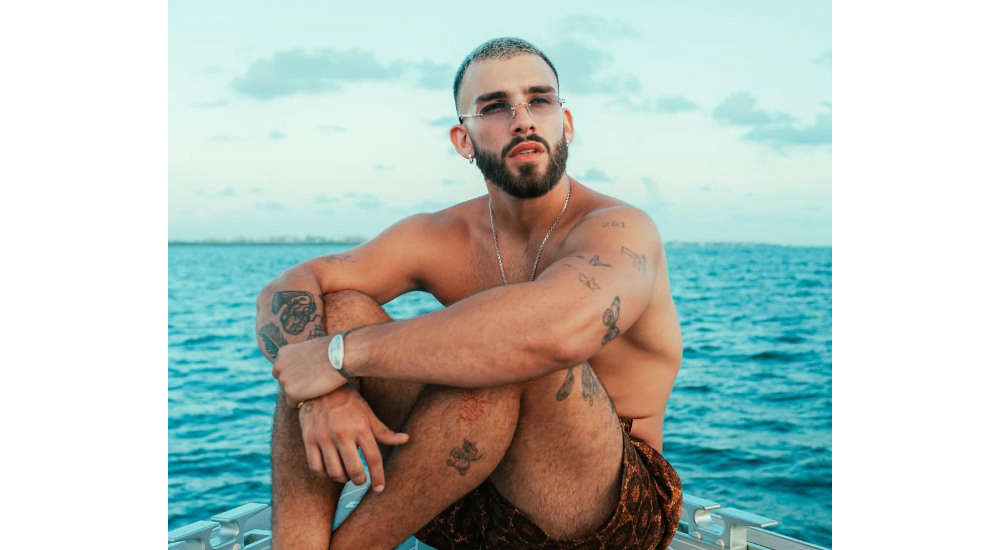
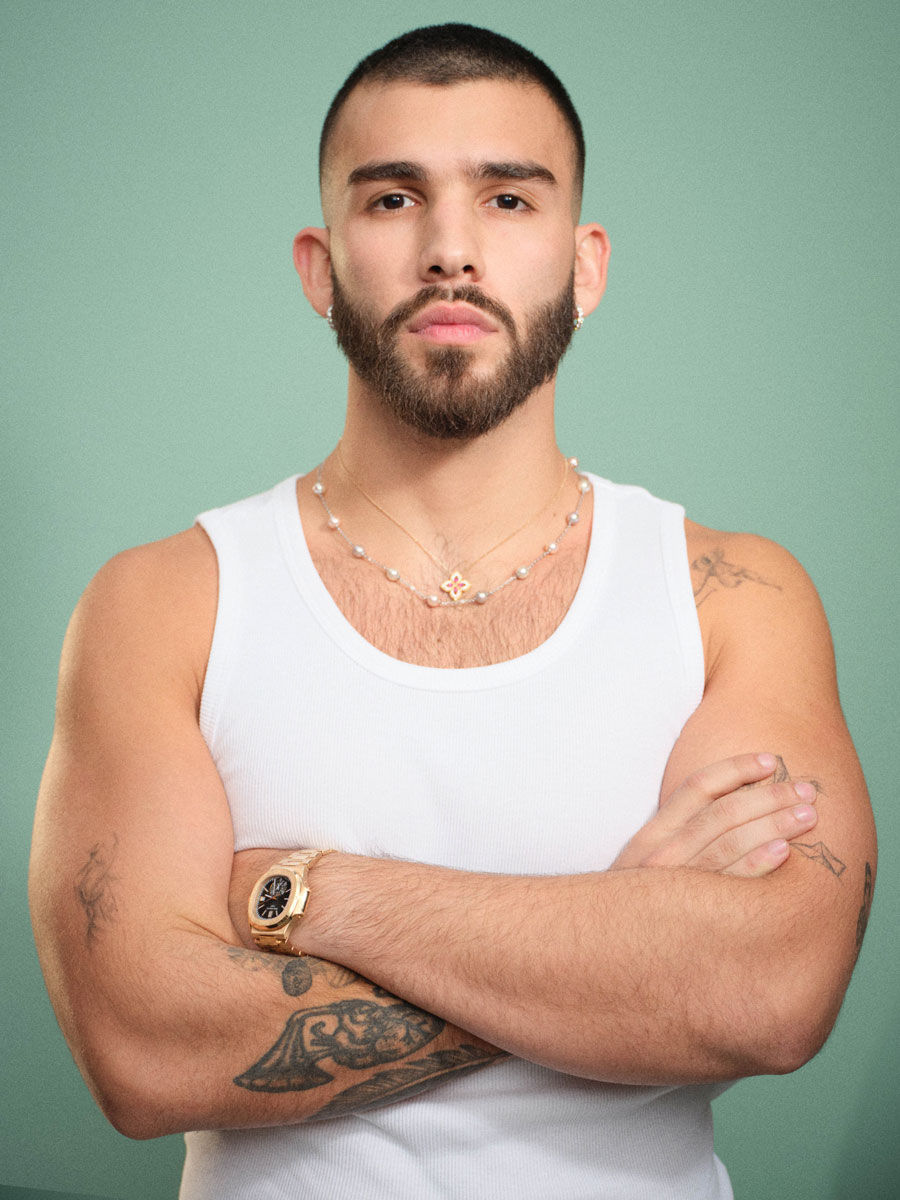
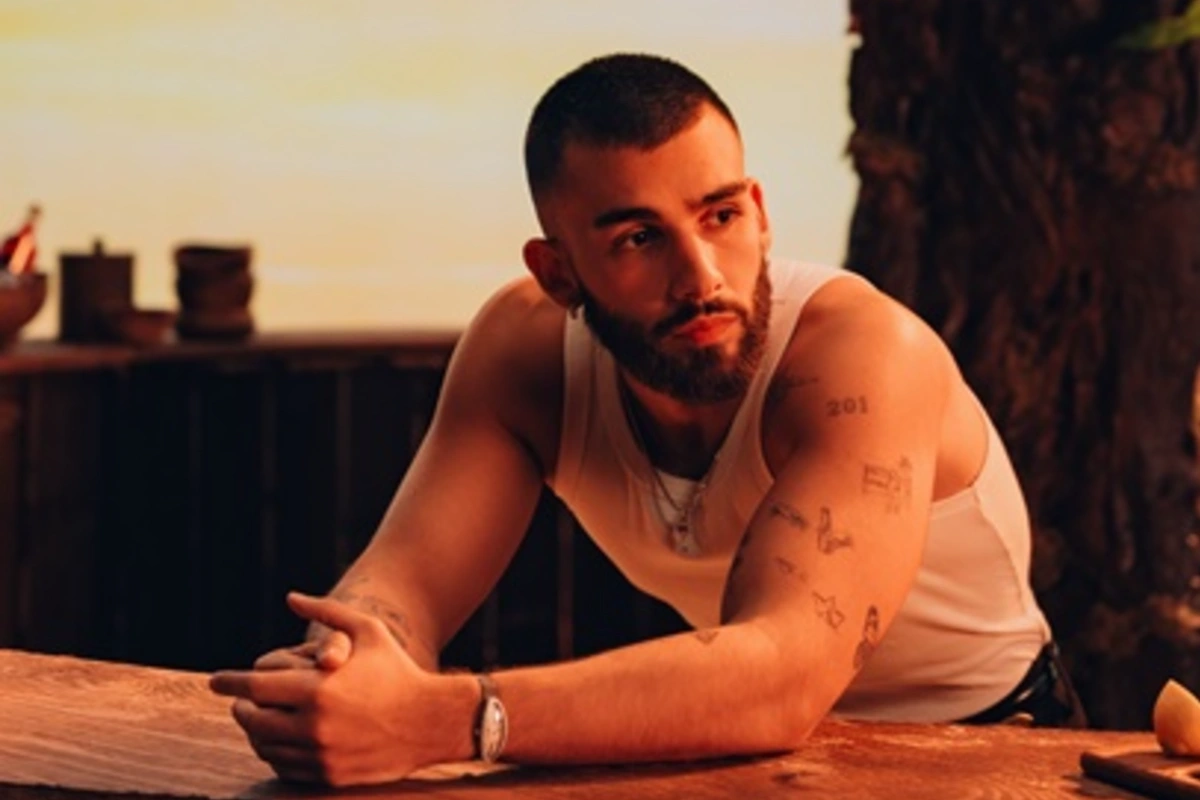
Manuel Turizo’s tattoos are easy to miss under a shirt, but open-shirt photos show a collection spread across his arms and shoulders. A butterfly, a few script pieces and smaller blackwork designs sit comfortably with the chains and sunglasses he often wears. It looks like a group of individual choices rather than one large sleeve.

Turizo has spoken about the people and craft behind some of the ink. In a SPIN interview, he pointed out a favourite piece and praised the tattoo artist. Other interviews have mentioned a tattoo he shares with his brother, and Spanish television has covered the way he thinks about his designs. The details that are visible are only part of the story; the rest is best left to what he has actually said.

The butterfly and script pieces keep the arms personal

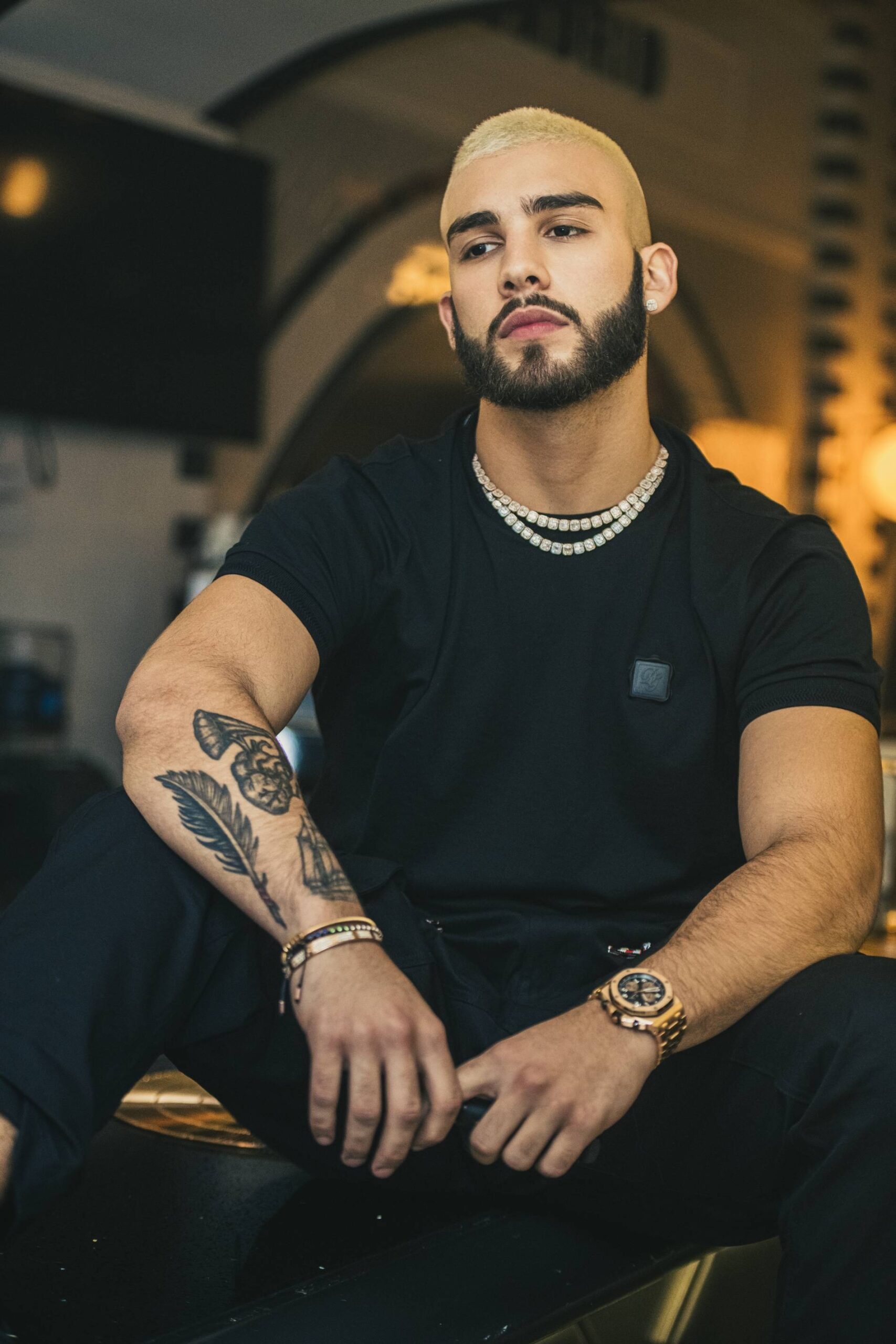
Manuel Turizo feather arm tattoo portrait

The butterfly is one of the clearest designs in photos of Turizo. It sits among smaller script and blackwork, giving the arm a recognisable focal point without turning the whole area into a solid sleeve. He has singled out one of his arm tattoos as a favourite and praised the artist’s work, suggesting that the execution matters to him as much as the image.

The placement lets the ink show without taking over. The pieces appear when his sleeves are rolled or his shirt is open, then fade back into the look when he is fully dressed. They come into focus in the unguarded moments when the camera gets close. Unless Turizo has explained a design, it is better to describe what the photos show than to invent a meaning for it.

Open-shirt photos show how the tattoos sit together

Manuel Turizo upper arm tattoos in an open-shirt portrait

In seaside and boat photos, the spacing between the tattoos is easier to see. The pieces are spread along his arms rather than packed together, with open skin between them. That gives the collection a sense of having grown over time. The relaxed setting suits the designs: they feel personal and easygoing, not staged to make a statement.

Those open spaces are part of the look. Each small mark gets room, so even a casual photo can show the details without making the tattoos dominate the frame. When Turizo is moving naturally, the pieces read as part of his style rather than a separate display.

A shared family tattoo adds another layer

Manuel Turizo tattoos in an open-shirt seaside portrait

Manuel Turizo crossed arm tattoos portrait

Interviews have also mentioned a tattoo that Turizo shares with his brother. A matching piece does not need to be large to matter; the connection is the point. That family detail gives the collection another dimension beyond its visual style. Some tattoos are there because he likes the design, while others carry a relationship he wants to keep close.

The family story changes how you read the collection. A small mark can hold a private connection, and that reported link is more useful than guessing at symbolism he has not explained. The account identifies the family meaning; the photographs show how discreetly the tattoos sit.

Why the collection feels relaxed rather than staged

Manuel Turizo arm tattoos in a sunset portrait

Turizo’s tattoos suit the easy shift in his public style. He can look polished on a red carpet, then appear in a coastal photo with his arms bare and the ink in view. The pieces are visible without being confrontational; they sit naturally alongside his jewellery and clothes.

The butterfly gives the collection a clear image, while script and smaller blackwork add texture. The family tattoo brings a personal connection into the picture, and Turizo’s praise for his artist points to the care behind the work. What links the confirmed details is connection: family, music and the people who help bring an idea to life.

Photos can only show so much. Clothing may hide a tattoo, light can flatten a small design and a low-resolution post can blur its details. This guide stays with pieces that appear clearly in the images or have been discussed in interviews. More ink may exist, but there is no need to add uncertain guesses to the list.

For now, the collection still feels in progress. The designs vary, but the open spaces keep them from looking random. Turizo’s tattoos are a record of the people and moments he chooses to carry with him, rather than a finished uniform. That relaxed quality is part of their appeal.

Taken together, the tattoos tell familiar human stories about family, personal taste and finding an image that feels right. They are stylish, but they do not need to stand for a grand theory. The smaller details are interesting enough on their own.

Watch Manuel Turizo talk about tattoos and his life

This interview is the most relevant available video for the article. It is not a formal tattoo tour, but Turizo talks about his life and work, and Spanish coverage has also discussed his thoughts about getting more tattoos. The clip adds context without presenting it as a tattoo-specific episode.

More musician tattoo guides

Luke Hemmings keeps his ink small but meaningful

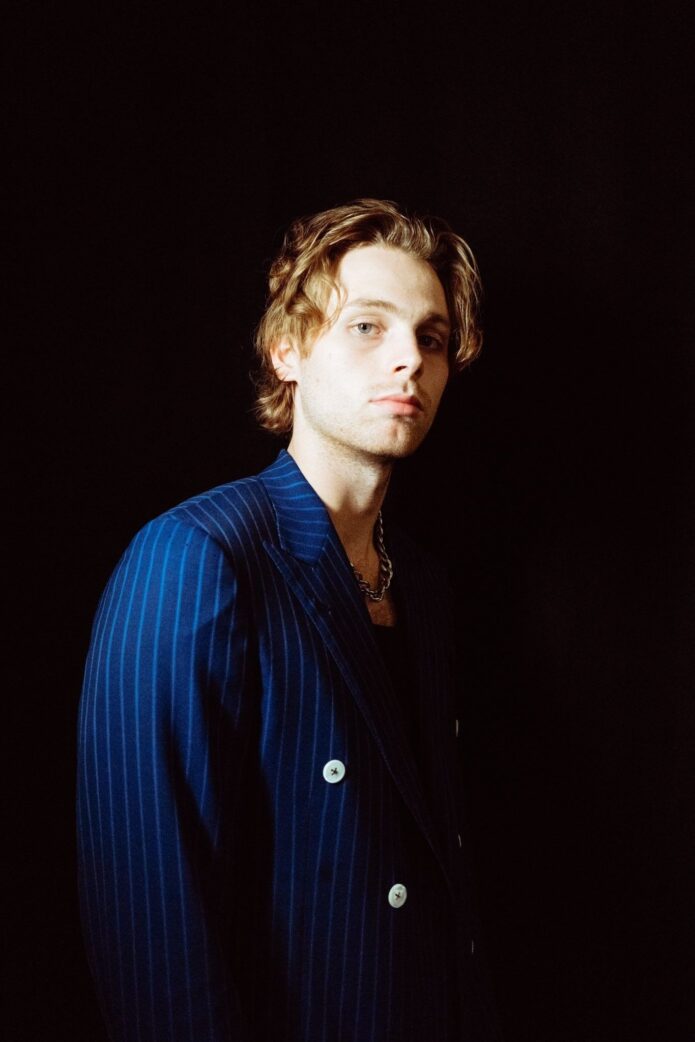
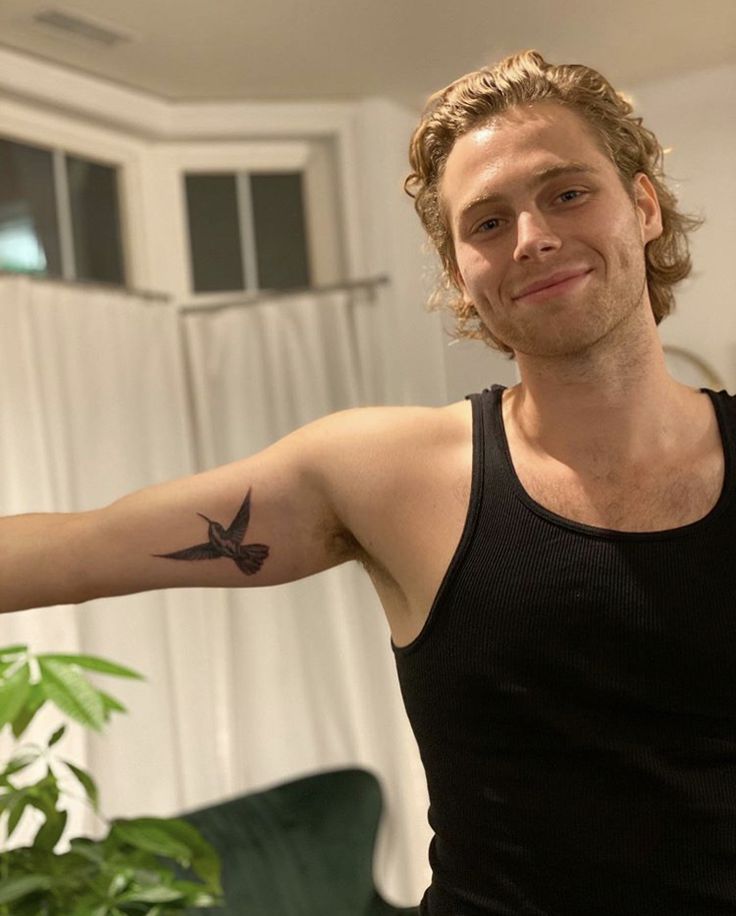
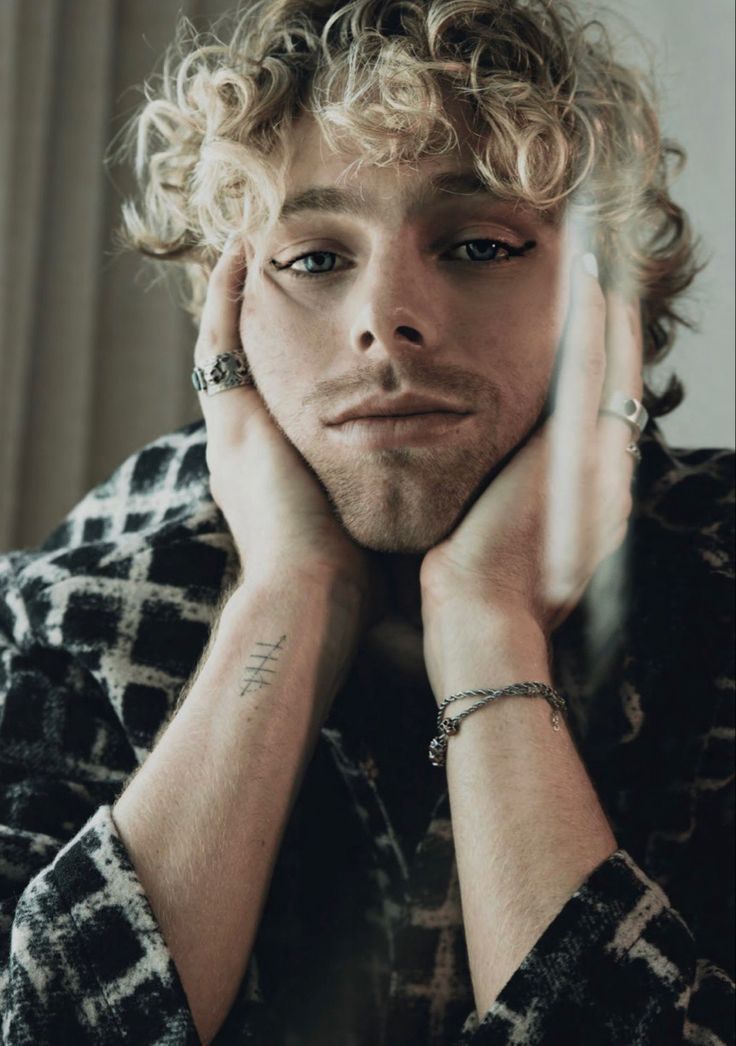
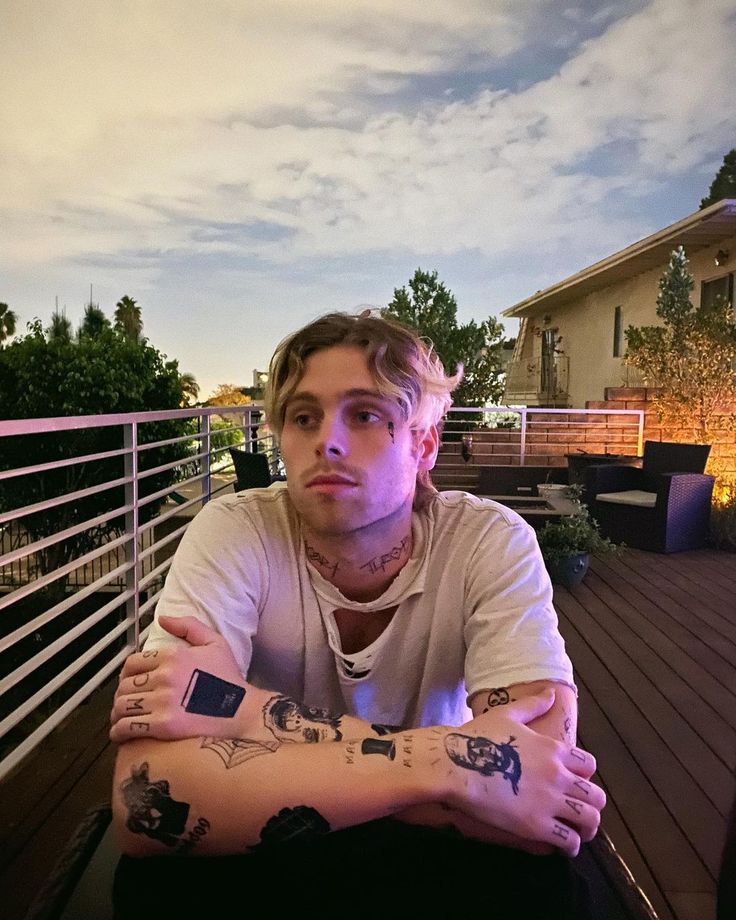
Luke Hemmings’ tattoo collection is compact, especially compared with some rock stars, but the pieces mark different chapters of his life with 5 Seconds of Summer. There is a small bird near his right side, tally marks on his wrist and other ink on his arms that is easiest to catch onstage or in an open shirt. The overall look feels casual rather than planned as one big project.

Interviews and tattoo tours show some of the designs, while sharp performance and portrait photos help confirm others. When Luke has not given a meaning, it is better to stick to what the picture shows. His tattoos feel lived in: small reminders and style choices that have accumulated as his music career has grown.

Luke’s small bird tattoo sits high near his right side

Luke Hemmings hummingbird tattoo near his right side

The bird near Luke’s right armpit and upper side is one of his most recognisable tattoos. In close-ups, it looks like a fine-line bird or hummingbird, much lighter than the bolder traditional designs some bandmates wear. Its tucked-away placement lets it disappear under a T-shirt, then show when he performs in a vest or open shirt.

Several write-ups call it one of Luke’s standout pieces, but he has not consistently explained its symbolism. The visible details tell us more than a guessed backstory would: it is small, finely drawn and placed somewhere that feels personal rather than made for the cameras.

There is a nice contrast between the delicate design and the scale of a 5SOS show. From the crowd it can be hard to spot; a close-up turns it into one of the clearest details in Luke’s collection.

The wrist tally marks are one of his easiest tattoos to spot

Luke Hemmings tally mark tattoo on his wrist

Luke also has a small set of tally marks on his wrist. In a distant photo they can look like a few stray lines, but a closer image shows the repeated strokes. The placement is easy for him to see and just as easy to cover with a cuff or watch.

The public record does not confirm a count or a private story behind the marks, so it is best to leave their meaning open. What is clear is how minimal the design is. It does not compete with a concert outfit, and it sits naturally beside the rest of his smaller tattoos.

Fans may wonder whether the tally records something from the band’s long run of tours and releases. It is a fair question, but it remains a guess unless Luke confirms it. The tattoo itself is what the evidence gives us: a neat group of lines on his wrist.

His arm ink is easiest to read in performance photographs

Luke Hemmings tattoos visible on his arm in portrait

Luke’s arm tattoos are less about one giant sleeve and more about smaller designs that appear from different angles. A clear portrait shows ink around his forearm and upper arm; a stage photo may reveal only part of it, with lighting, microphones and clothes hiding the rest. One picture alone can give a misleading sense of how much work is there.

The pieces have a fine, almost sketchbook quality. They sit easily with Luke’s relaxed clothes instead of filling the arms into a solid block. There is room for future additions without making the existing tattoos look unfinished.

His tattoo history overlaps with the band’s public timeline, but that does not make every design a 5SOS reference. The arm reads more like a personal mix: some pieces may date from touring years, others from a particular design he liked. A tattoo can matter to someone even when they have not explained it publicly.

5 Seconds of Summer made tattoo tours part of the story

Luke Hemmings in the 5 Seconds of Summer tattoo tour

Luke’s ink sits alongside a broader 5 Seconds of Summer tradition. The band’s tattoo-tour interviews put their collections in the same conversation, even though each member has a different amount of ink and a different way of talking about it. Luke’s smaller designs stand out because he does not frame them as one dramatic transformation.

The GQ tour footage is useful because it shows the band discussing their tattoos in a relaxed setting. It also helps identify designs that are faint or hidden in concert photos: when the camera moves closer and a band member points something out, the details are easier to follow.

Luke’s approach feels understated beside the energy of the band’s music. A tiny bird, wrist marks and scattered arm details are enough to make his collection recognisable without making tattoos his whole identity. They are part of the band’s visual story, but they do not overwhelm him.

The collection has grown in small steps rather than one big session

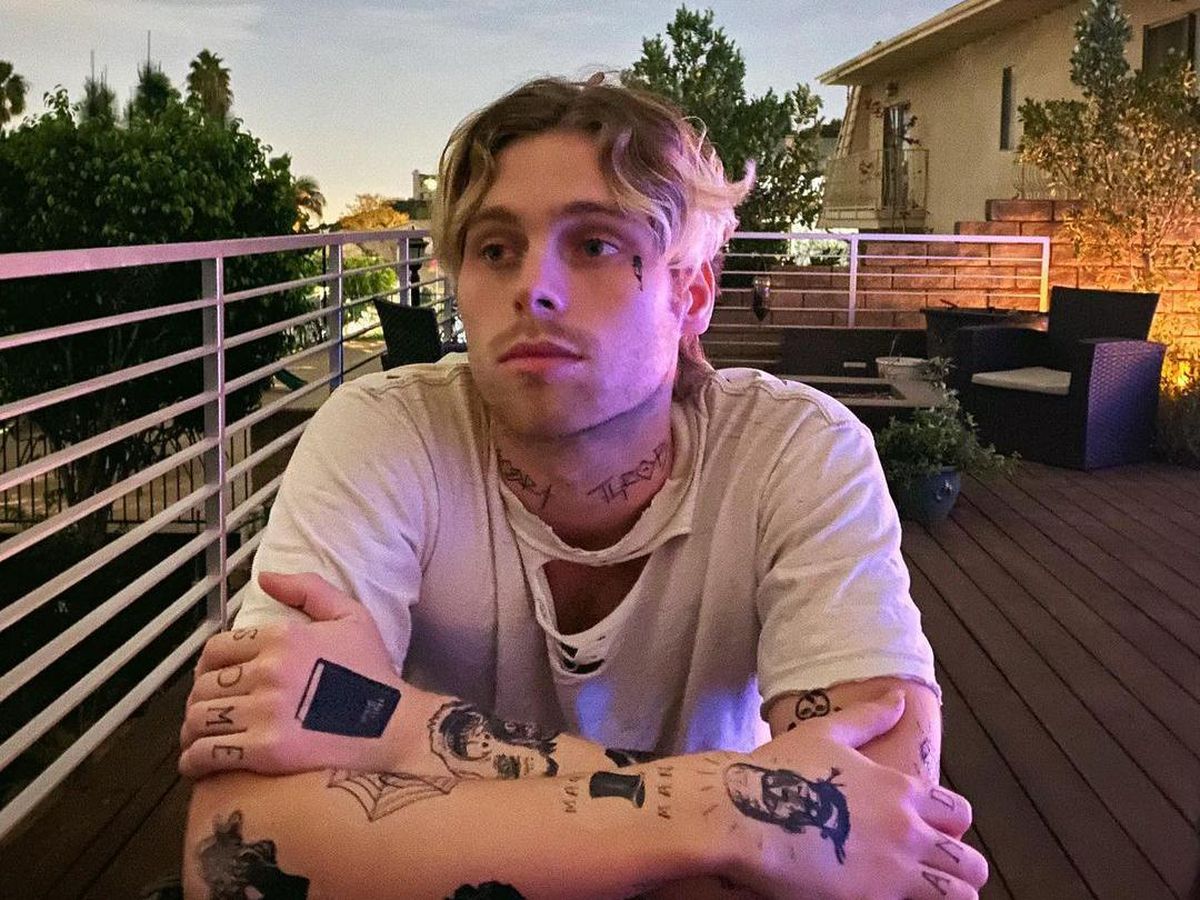
Luke Hemmings showing tattoos on his balcony portrait

The photos suggest that Luke added tattoos gradually. Rather than one obvious full-back or full-sleeve project, there is a wrist mark, the bird near his side and other arm pieces that appear as his styling changes. The collection feels more like a timeline than a matching set.

That scattered look suits a musician who moves between stage clothes, editorial shoots and everyday outfits. Small tattoos can show when he wants, disappear when he needs them to and still feel like part of his style. They also leave his look room to change with each album cycle.

Luke’s appeal here is not that he has the biggest collection in rock music. He does not. The designs are selective, and a close photo can reveal details that are easy to miss at first.

That difference matters when you compare older and newer pictures. A tattoo may seem to vanish because Luke has a longer sleeve on, turned away from the camera or stood under blue stage lights. It is tempting to count every shadow as a design, but good coverage needs a clearer standard. This guide sticks to pieces that appear repeatedly or show up in a sharp, well-lit image.

Fans may disagree about the total for the same reason. One photo shows only the edge of a piece; another catches a small mark hidden before. Luke does not need to announce each addition for it to become part of his everyday look.

For someone who has spent so much of adult life in front of cameras, that privacy may be part of the appeal. The quieter tattoos leave him room to keep something for himself. They invite curiosity without demanding a full explanation.

That understated quality also keeps the collection flexible. His ink can sit alongside a new haircut, a different stage jacket or another chapter of the band without becoming a costume. It looks like a set of choices he can carry forward.

What can be confirmed about Luke Hemmings’ tattoos

The clearest public details are the bird near his right side, the wrist tally marks and other ink visible across his arms in close photos and performance shots. Some accounts place additions around 2019, but exact dates and meanings vary from one fan page to another.

It is worth being careful with those limits. Tattoo lists often repeat a description until it sounds official, even when the first source was guessing from a blurry image. Luke’s collection is better served by clear labels and honest uncertainty: describe what can be seen, include meanings he has confirmed and leave the rest open.

That balance is part of the collection’s charm. The tattoos connect to years of touring and growing up in public, but they are not presented as a strict autobiography. They are small parts of a bigger story, and Luke seems comfortable letting some of them speak quietly.

Watch the 5SOS tattoo tour

More musician tattoo guides

Bailey Zimmerman’s ink keeps things simple

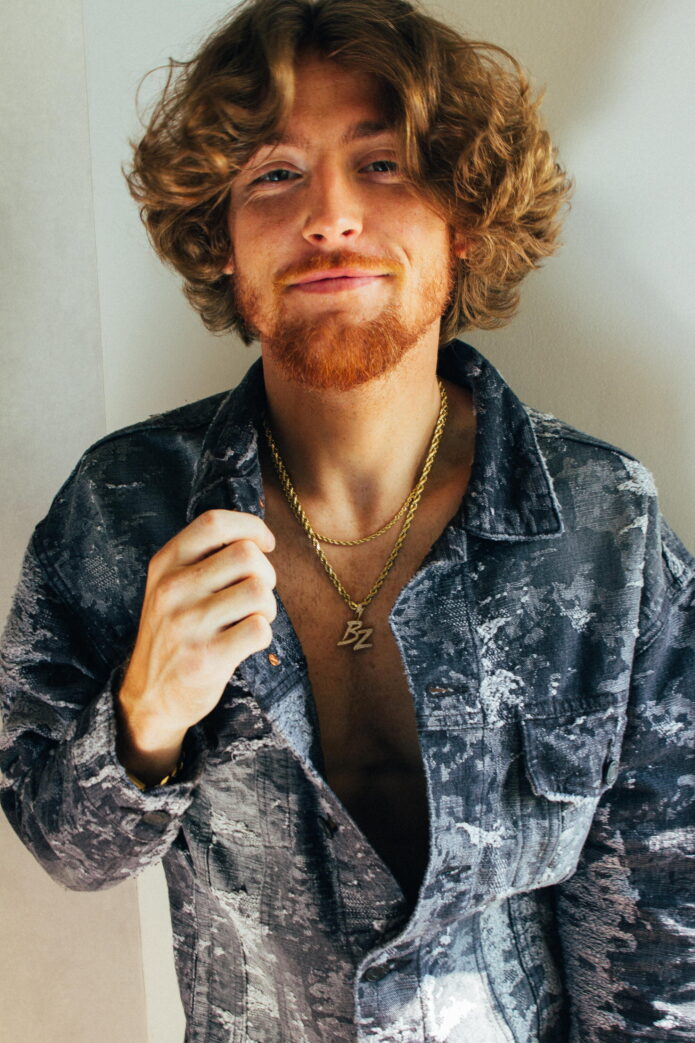
Bailey Zimmerman’s tattoos can be easy to miss under a jacket or in the rush between tour stops. A closer look shows a simple faith message on his arm, smaller pieces in casual photos and a few more designs visible during performances.

There is also a recent tattoo story that is easy to misunderstand. In April 2026, Zimmerman tattooed his own signature onto his artist, Mike Stoll. He had never tattooed someone else before, but that does not mean the singer suddenly covered himself in new ink. The public record of Bailey’s tattoos is fairly limited, so it helps to keep the story straight and stick with what is visible or reported.

“Just Believe” is the clearest documented statement

Bailey Zimmerman Just Believe forearm tattoo

The tattoo most often associated with Bailey is “Just Believe” on his right arm. A cross takes the place of the “i,” making the short phrase a clear expression of faith. There is no elaborate image around the words; the lettering carries the message, with the cross giving it another layer.

Zimmerman showed the tattoo while talking about his song “Religiously,” which made the connection feel natural. His music often moves between belief, heartbreak, home and the effort to hold onto something solid. “Just believe” fits that world without needing a long explanation.

The lettering also feels true to his style. Bailey is more road-worn country-rock than polished fashion editorial: chains, messy hair, clothes that look lived in, and tattoos that show when a sleeve rides up. The arm piece reads like a personal reminder that happens to be visible onstage.

The forearm ink shows up in ordinary pictures

Bailey Zimmerman forearm tattoo in outdoor portrait

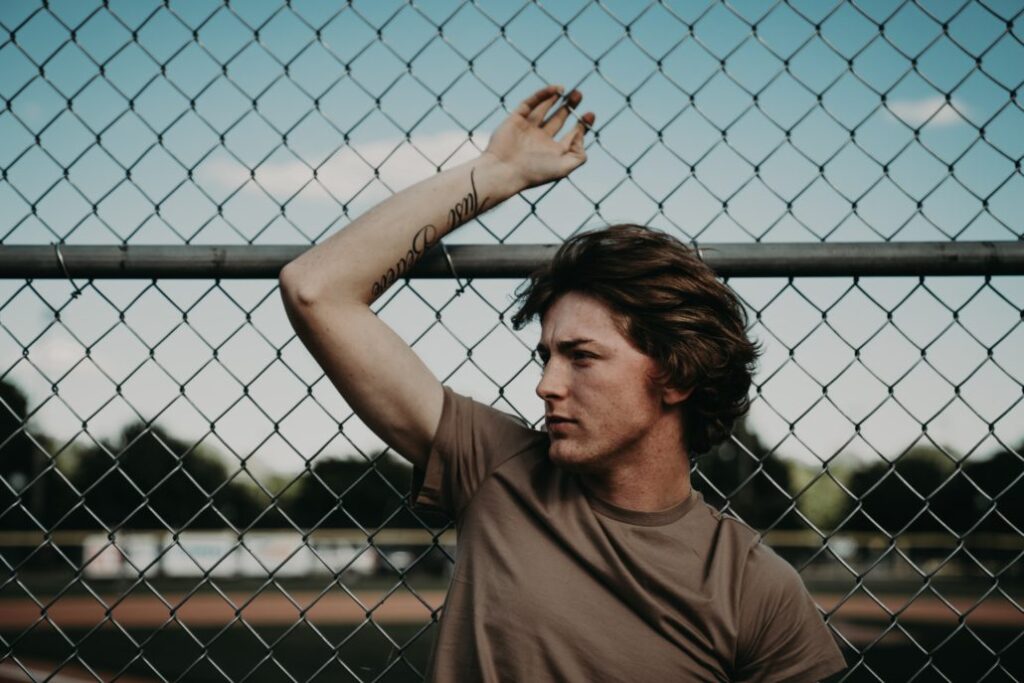
One of the clearest looks at Bailey’s ink comes from a casual portrait, not a planned tattoo reveal. A cursive design runs along his forearm as he leans near a fence. A sharp everyday photo can tell us more than a posed close-up if the arm is uncovered and the writing is in focus.

The cursive appears separate from “Just Believe,” but its full wording is not legible in every picture. It is tempting to guess at the letters or assign them a meaning; the safer description is a cursive forearm tattoo whose text has not been clearly documented.

That leaves a nice contrast in the collection. The larger faith message is public and easy to name. The smaller writing is quieter, something fans notice gradually rather than a design Zimmerman has announced from the stage. It gives the tattoos a personal, unplanned feel.

A shirtless stage photo shows the wider collection

Bailey Zimmerman shirtless stage tattoos

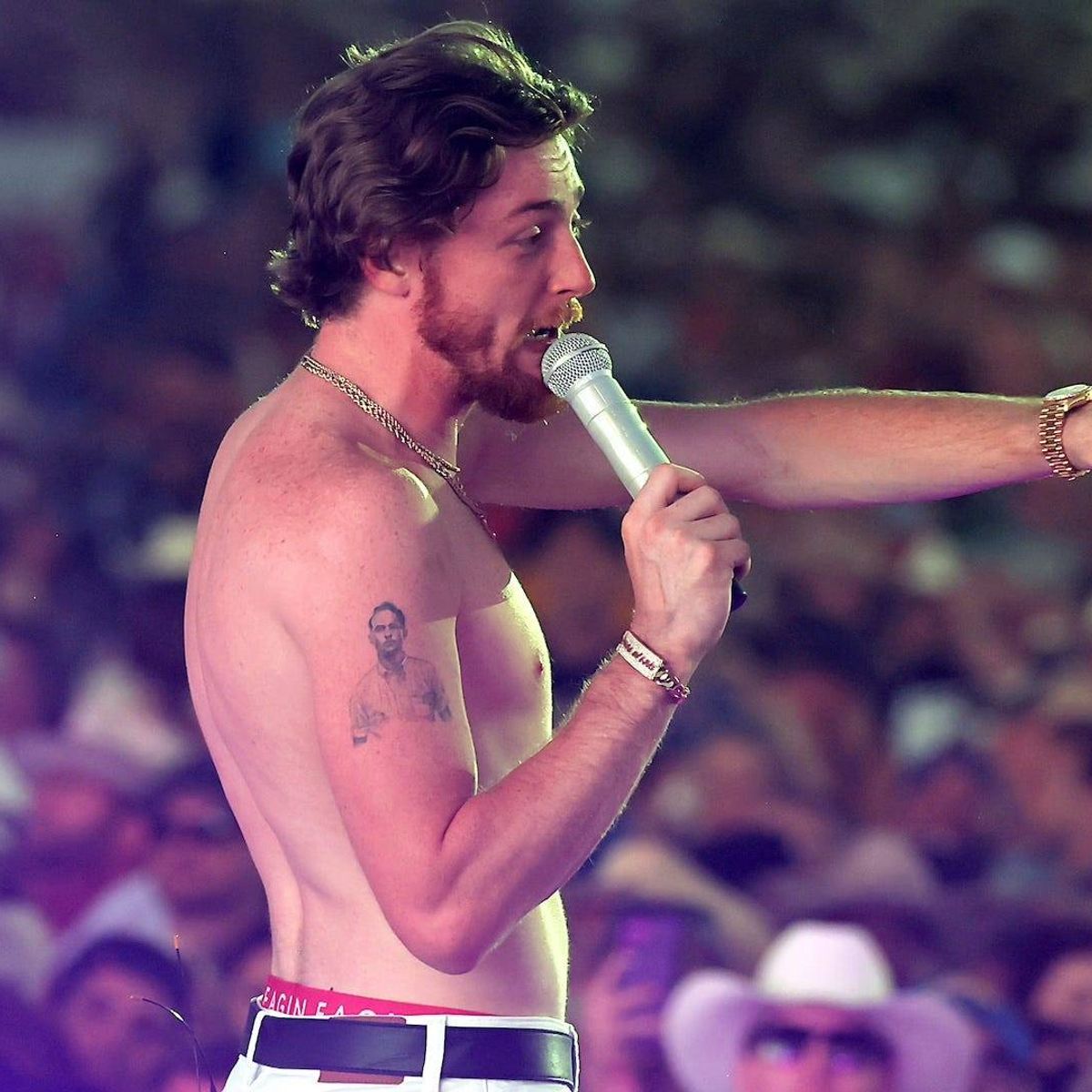
Shirtless performance photos give a broader view of the tattoos across Bailey’s torso and arms. They are not sharp enough to support a numbered list of every small symbol, but they do show that his ink goes beyond one neat line of script.

That distinction matters. It is easy for a tattoo page to turn one well-known design into an imagined catalogue. The photos support a few visible areas: “Just Believe,” cursive on the forearm and additional work across his upper body. The shapes and placement show there are several tattoos, but not enough to name each one.

There is nothing wrong with leaving some designs unnamed. They are still real tattoos even if Bailey has not discussed them in an interview. It keeps the account tied to what the images actually show. Visible and documented are two different things.

The artist story is part of Bailey’s tattoo timeline

Bailey Zimmerman portrait showing forearm tattoo

In April 2026, Zimmerman told Taste of Country that he had tattooed Mike Stoll, the professional who tattoos him. It happened backstage before a show, with a portable setup and a bit of downtime on the road.

Bailey said Stoll also works with Morgan Wallen and Hardy. The idea had come up more than once: Stoll had offered to let Zimmerman put his autograph on him. Eventually the singer took him up on it and tattooed his signature on Stoll.

It is a funny reversal. Most musician tattoo stories follow the singer into the chair, then share the design and its meaning. Here Bailey stepped to the other side of the machine. The tattoo is on his artist, not on him, but the story shows how comfortable he is with tattoo culture and the people behind it.

That moment adds a little personality to the timeline: there is the faith phrase on Bailey’s arm, smaller writing in photos, more body ink seen onstage and, later, a backstage signature. None of it needs to be turned into a grand theory. His tattoo story has grown in the same loose way as his career.

What can safely be said about the rest of his ink

Photos suggest Bailey has more tattoos on his arms and upper body, but the best sources do not offer a full tour with names, dates and meanings for every piece. The clearest highlights are the “Just Believe” tattoo with a cross-shaped “i”, the cursive forearm design and other work visible in shirtless stage photos.

Bailey has also reacted to fans who tattoo his image or lyrics on themselves. One fan showed him a large portrait based on his face with “Between a Rock and a Hard Place” worked into the design. That tattoo belongs to the fan, not Bailey, though it does show how closely his music and image have become tied to tattoo culture among listeners.

The same distinction applies to his signature on Stoll. It belongs in the story because it happened in a tattoo studio and says something about Bailey’s humour, but it is not body art he wears. Keeping those lines clear gives readers the actual tattoos, the surrounding context and a fair account of what remains unknown.

Bailey’s tattoos feel more personal than strategic

There is no clear effort to make all of Bailey’s tattoos match. “Just Believe” is clean and readable; the cursive forearm piece is more handwritten; the larger shapes in stage photos are harder to identify. Together, they look like choices made over time rather than a collection designed for one photoshoot.

The faith phrase is the emotional anchor. It connects to the songs that brought Zimmerman attention and to the way he talks about letting life unfold on God’s timing. The backstage signature is lighter: a running joke, a tour memory and an unexpected moment before a show.

That mix feels like Bailey. His tattoos are not a perfectly labelled map. There are a few clear messages, artwork that is only partly visible and personality around the edges. The best way to read the collection is to start with what is known, leave the rest private and enjoy the detour in which he tattooed the person who usually tattoos him.

There is a nice contrast between the rough-and-ready look of the ink and the stories behind it. From a distance, the arm lettering fits a country singer’s road style. Up close, the cross, the handwriting and the backstage story make the collection specific to him. The tattoos can be reminders, a small joke or an expression of faith without needing a dramatic reveal. They look like they belong to Bailey’s actual life, not a branding plan.

Watch Bailey Zimmerman talk about music and the road

This interview offers a little more of Bailey’s personality away from the tattoo photos, with a look at the music and life behind the songs connected to his ink.

More musician tattoo guides