Athletes

Tattoo guides for athletes across football, basketball, boxing, professional wrestling, combat sports, motorsport and other sports, with photographs and documented meanings.

Declan Rice Tattoos: Jude, 1241, Family Lettering and Career Numbers

Photos show a handful of Declan Rice’s tattoos: forearm lettering, a tribute to his son Jude, and numbers on his leg and near his knee. The clearest designs connect to family and football, though the available images do not show his full collection.

Declan Rice’s photographed collection

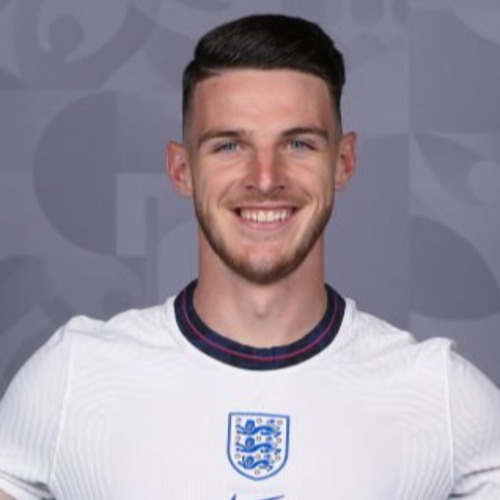
Different photos show different placements: a match shot catches the Jude tribute, an England training image enlarges the 1241 leg tattoo, and a portrait in an England shirt makes the John Rice inscription readable. Other images show “Nothing Else Matters” and Rice holding Jude. They document the visible pieces, not a full catalogue.

The Jude name and birth-date tattoo
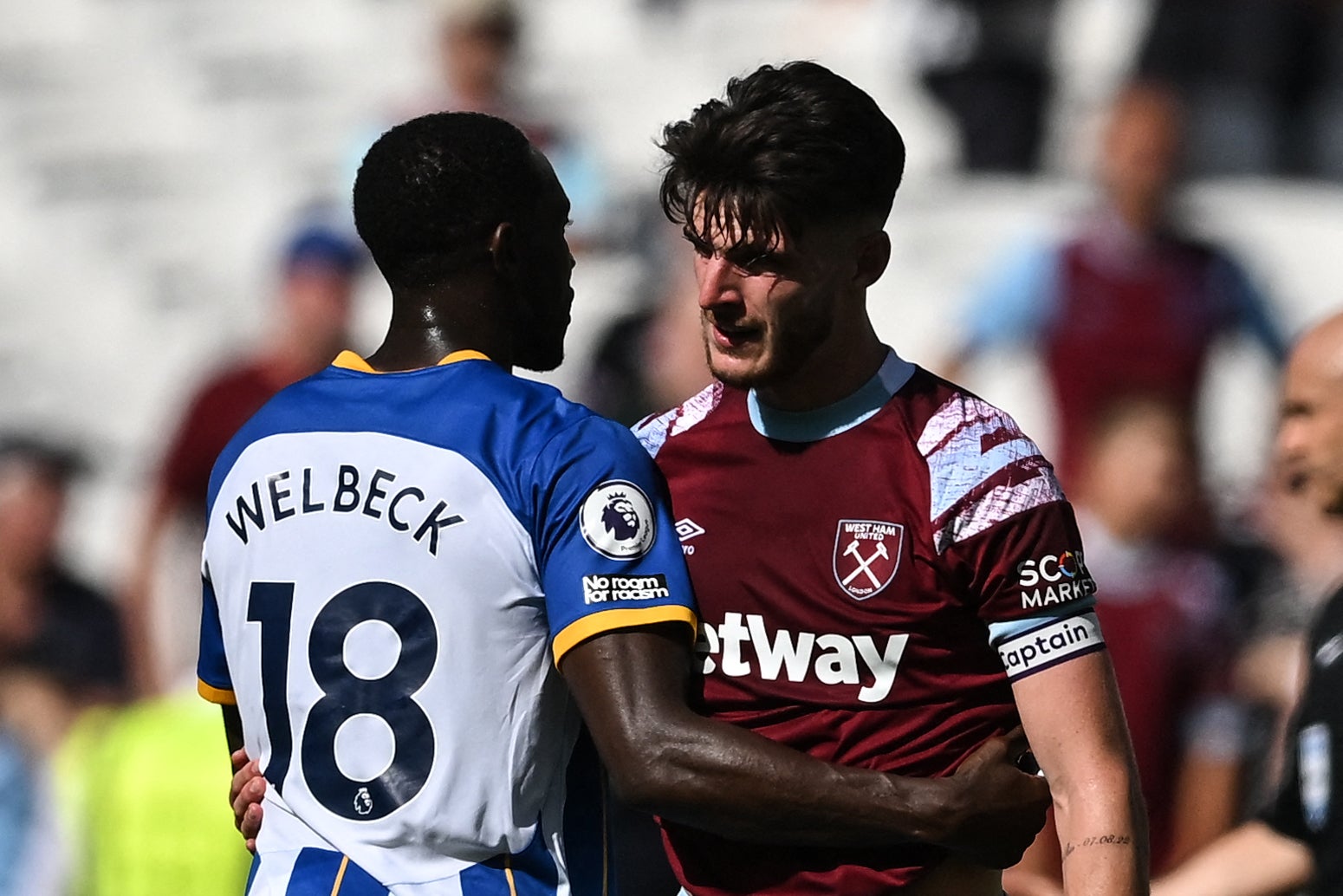
Declan Rice tattoos: Jude name and birth-date forearm tattoo

The Independent identifies the fine script on Rice’s lower left forearm as his son Jude’s name, the date 07.08.22 and a Leo symbol for his August birth. In the match photo, the date sits left of the name with a centered dot between them, against Rice’s claret-and-blue shirt. He revealed the tattoo after Jude was born in August 2022; the report describes it as a tribute.

The Nothing Else Matters forearm script
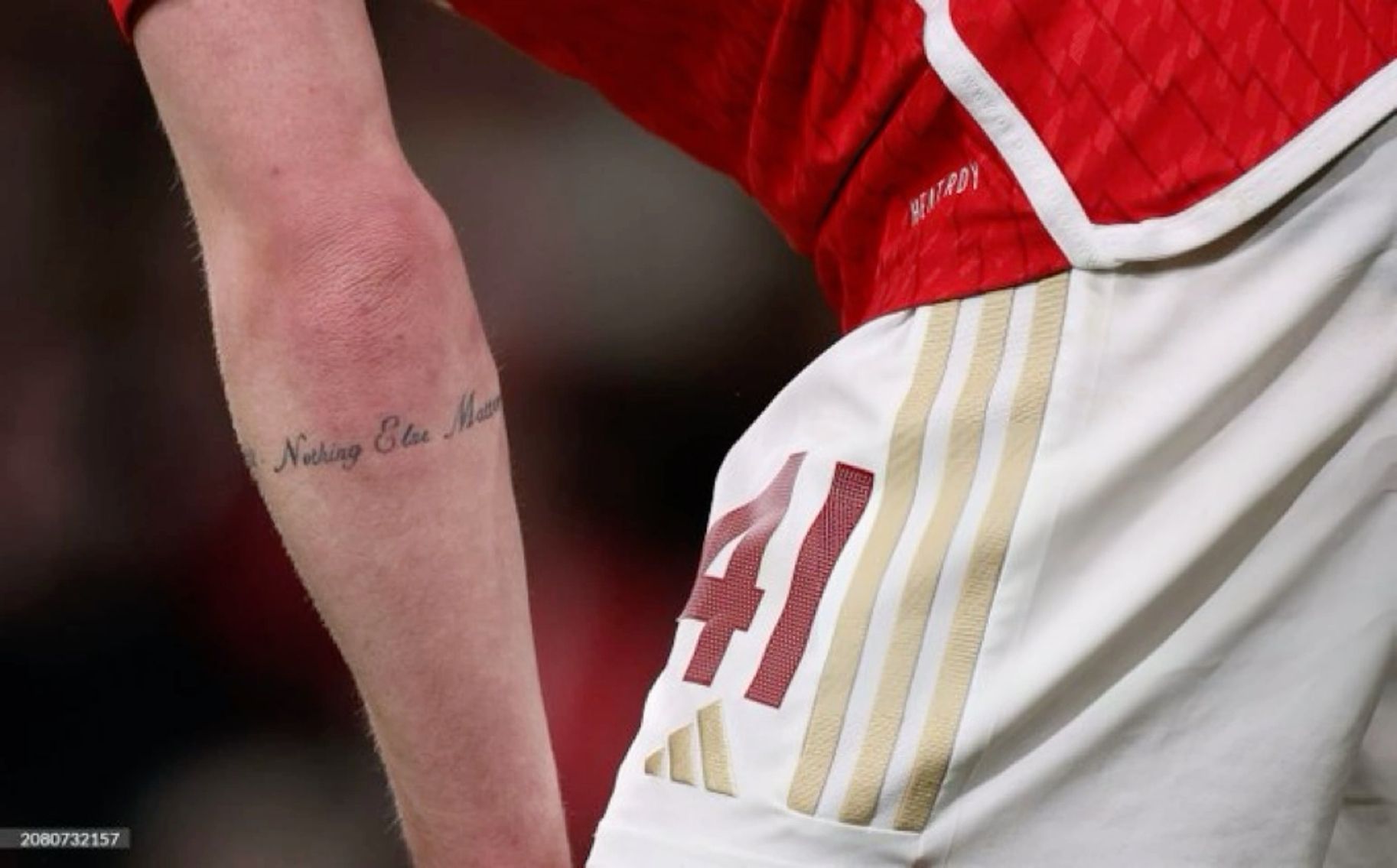
Declan Rice tattoos: Nothing Else Matters forearm script

A close forearm photo shows “Nothing Else Matters” in dark, elongated cursive. It is separate from the Jude name-and-date piece, though both are on the arm. Available reporting does not explain why Rice chose the phrase, so a family, anniversary or musical connection would be guesswork.

The John Rice – 07.02 inscription
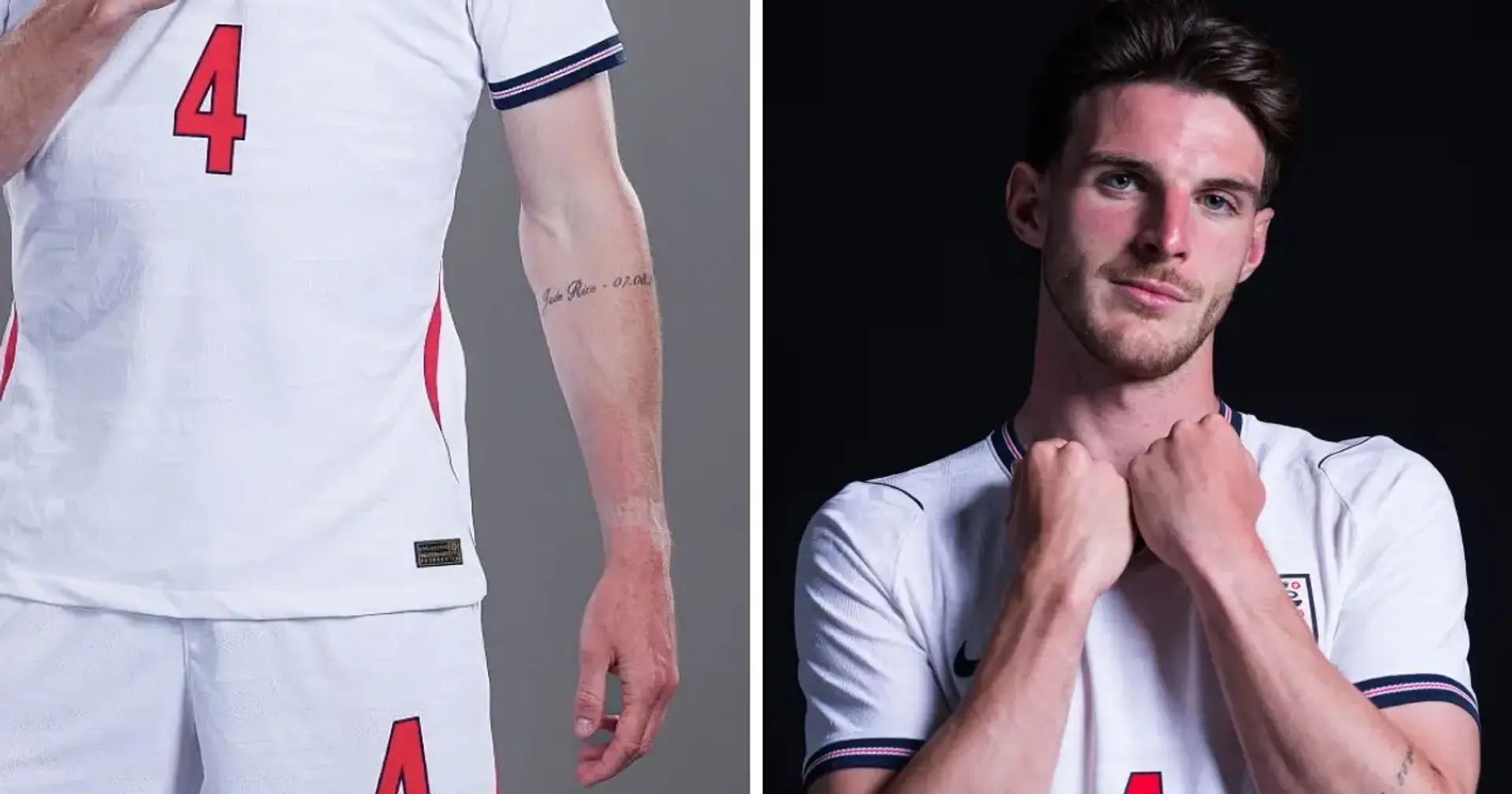
Declan Rice tattoos: John Rice - 07.02 forearm inscription

A portrait in a white England shirt shows “John Rice – 07.02” in smaller lettering on Rice’s forearm. Public coverage identifies John Rice as a family reference, but the image does not explain what the date-like number sequence refers to. It is a short line, separate from the longer Nothing Else Matters script.

The 1241 legacy number on his leg
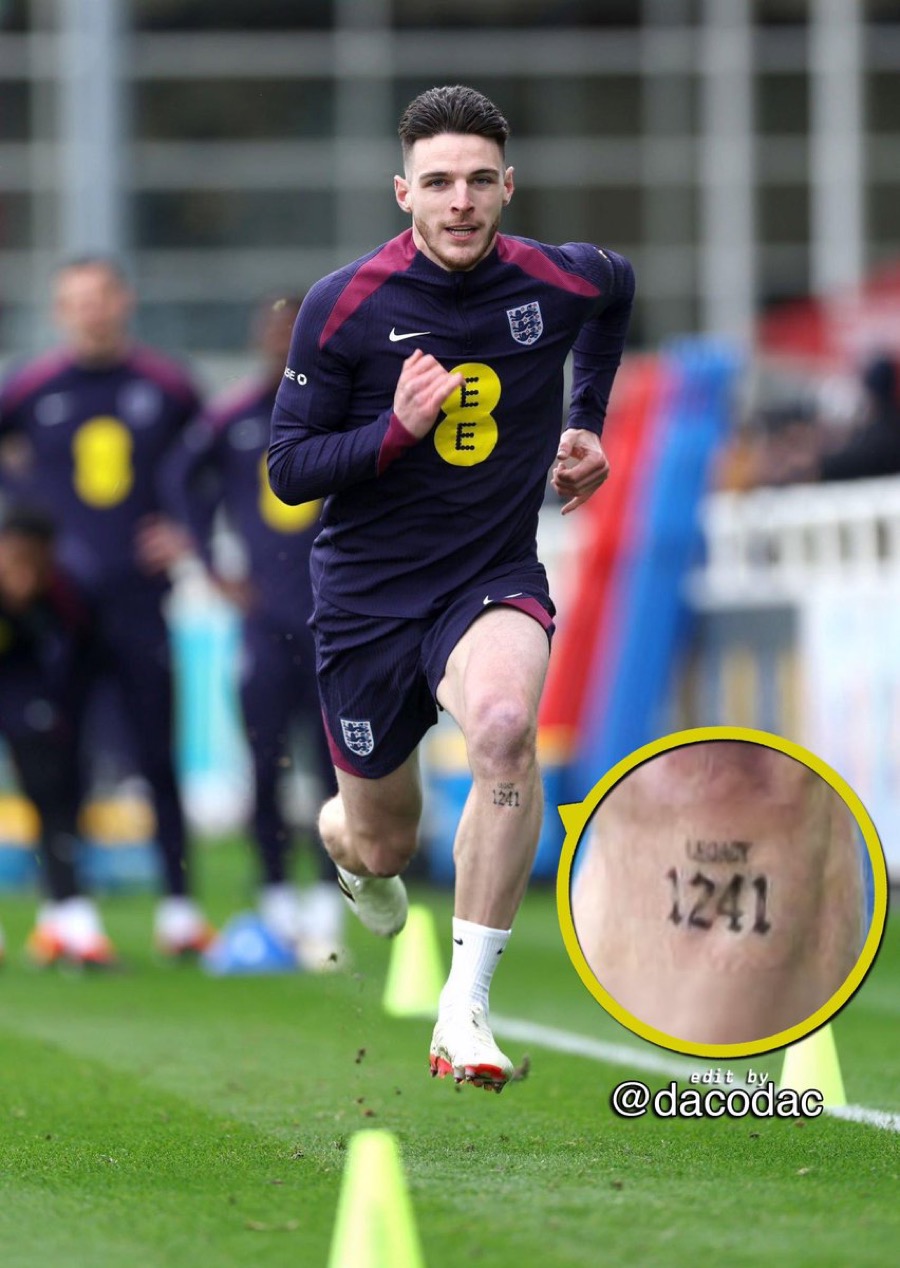
Declan Rice tattoos: Legacy 1241 lower-leg tattoo

An England training photo shows “legacy” above “1241” on Rice’s lower leg; a circular inset makes the compact mark easier to read. Reports identify 1241 as his official England player legacy number. The image catches the tattoo as his leg bends during an agility drill, but does not show every design on his leg.

The forearm tattoo in public family photographs
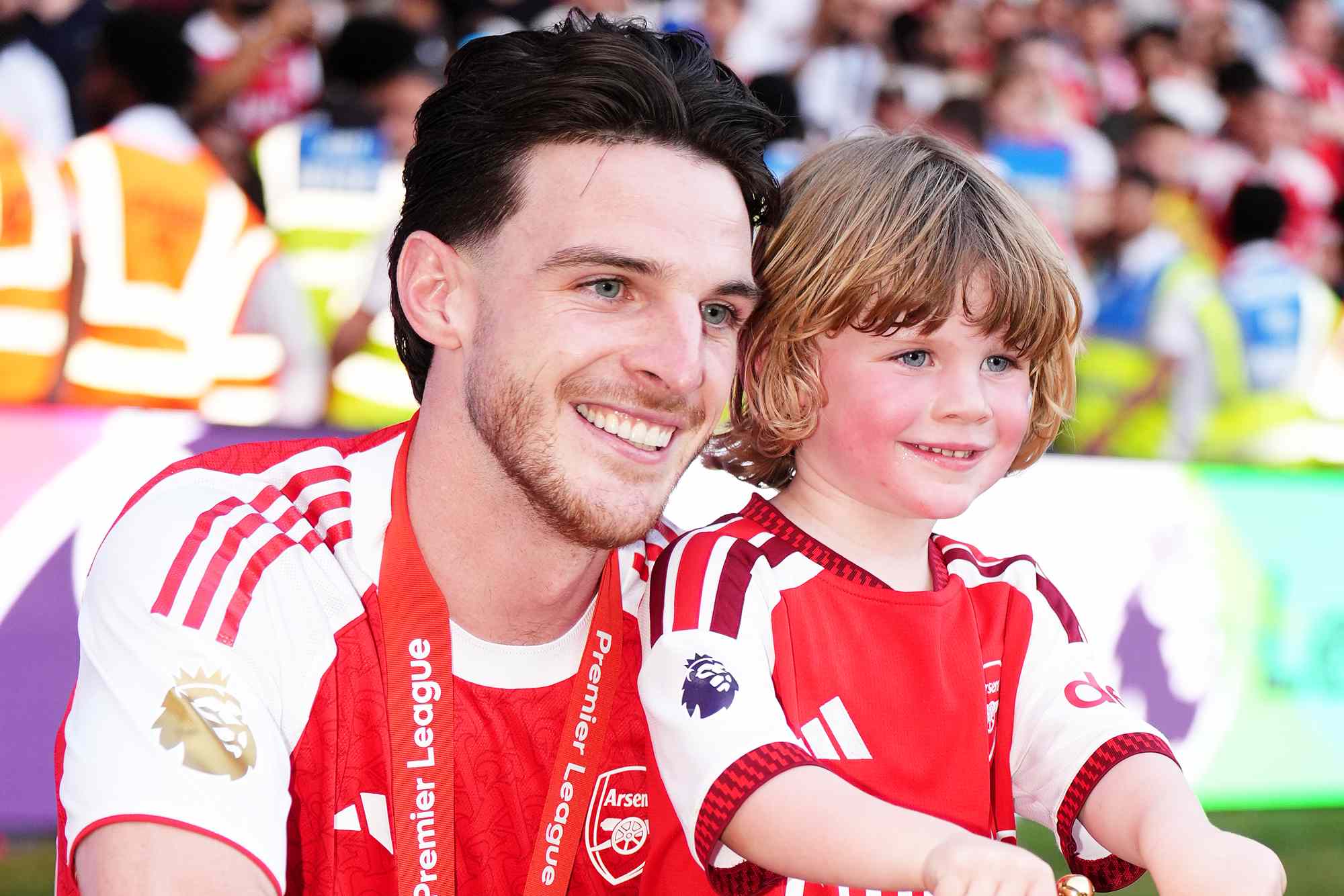
Declan Rice tattoos: Jude tribute in a family photograph

A photo of Rice holding Jude shows the tattooed forearm from another angle. His arm is bent toward the camera, so the lettering is softer than in the close match image. It shows the same tribute in a family setting, not a different tattoo.

Rice’s changing public timeline

Recent football coverage reports a number 41 tattoo near Rice’s knee and links it to his squad number. That is different from 1241, which reports identify as his England legacy number. The close images here show 1241 but not the knee tattoo, so its font and surrounding details are not documented.

The report places the 41 tattoo in Rice’s Arsenal years, after earlier photos had shown family lettering and the Jude tribute. It adds a club-career mark to the public timeline, though the available evidence gives little detail about the design.

Family and football milestones

The tattoos documented here sit between family reminders and football markers. Names and a birth date make some pieces personal; 1241 and 41 tie others to Rice’s England and club careers. “Nothing Else Matters” stands apart because the sources do not explain what the phrase means to him.

What the public images show

The images provide direct views of the forearm lettering and 1241 on the lower leg; the photo with Jude gives a second angle on the tribute. The 41 knee tattoo is described in football coverage, not shown in these close-ups. Nothing here confirms what may be covered by clothing.
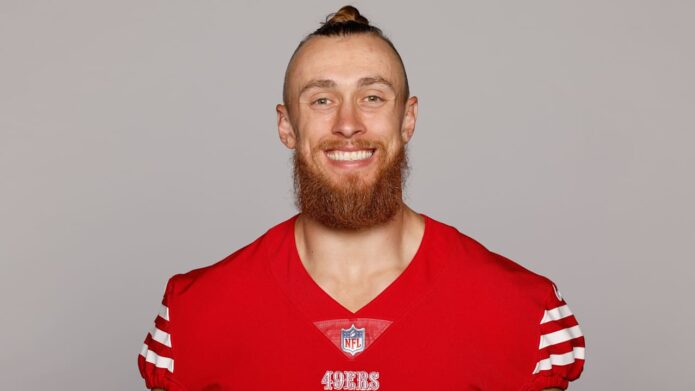
George Kittle Tattoos: Sauron, Joker, Venom, and His Good-Guy Arm

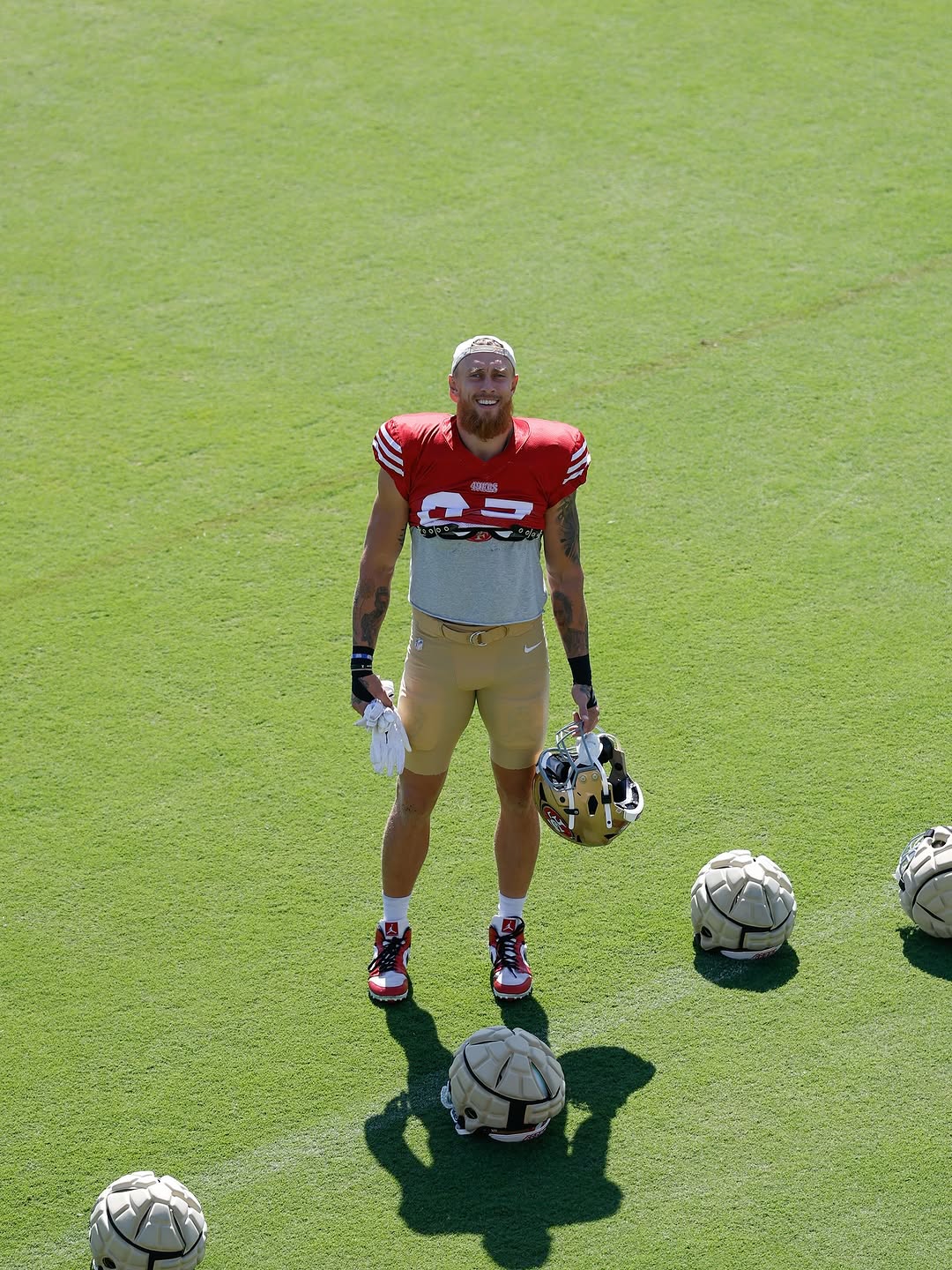
George Kittle’s tattoos span both arms and his hands, mixing characters from comics, films and games with smaller personal references. Interviews, 49ers coverage and photographs document several designs as the collection has grown.

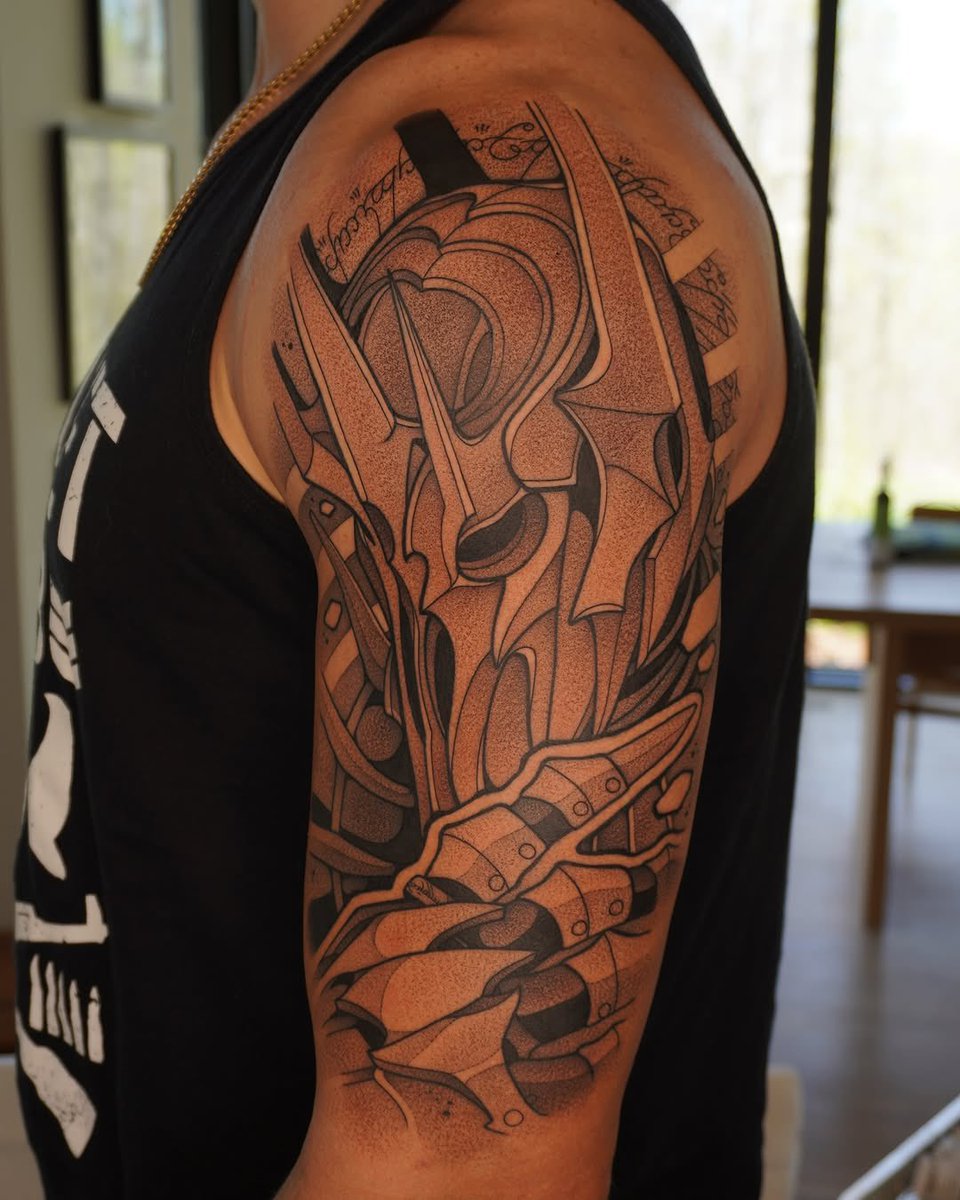
George Kittle’s Sauron shoulder tattoo

Little Village credited Kodi Ellis with the large Sauron piece on Kittle’s outer shoulder and upper arm. Its photograph shows dense black-and-gray work built around the character’s helmet and armor.

Little Village places Sauron on Kittle’s “bad-guy arm,” alongside other villain references. The image covers a broad area of the shoulder and continues down the upper arm.

George Kittle tattoos: close photograph of the Sauron figure and shoulder composition

The Joker on George Kittle’s left forearm

Sporting News reported that Kittle’s left-forearm Joker tattoo was inspired by Heath Ledger’s version of the character in The Dark Knight. It is one of the earliest and most often documented pieces in the collection.

Yahoo Sports has also noted a reset-button tattoo on Kittle’s forearm. The report identifies the design but gives no further explanation of its meaning.
George Kittle tattoos: training photograph showing the visible forearm tattoo collection

Venom and the Matrix rain on the forearm

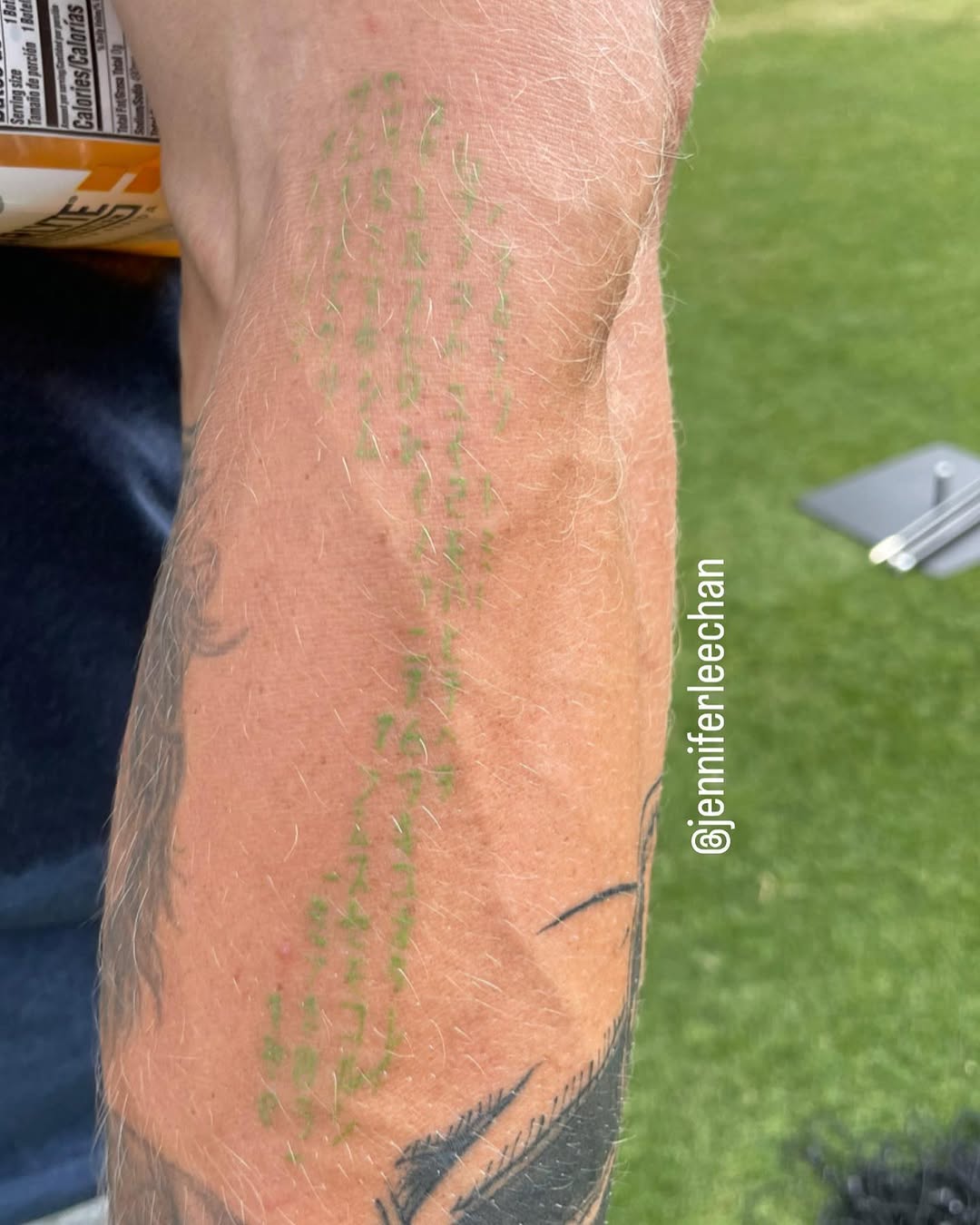
Venom appears among the villain designs Kittle has discussed. A nearby Matrix reference uses narrow green, code-like marks running down the forearm.

The photograph shows the contrast between the character image and the repeated lines. Both are part of a layered arm design that has been added to over time.

George Kittle tattoos: close forearm photograph showing the green digital-rain marks

Master Chief and the good-guy arm

Kittle has described the arm with Master Chief from Halo as his good-guy side. The tattoo draws on the game character’s helmet and armor, and Kittle has included it when talking about his gaming interests and favorite designs.

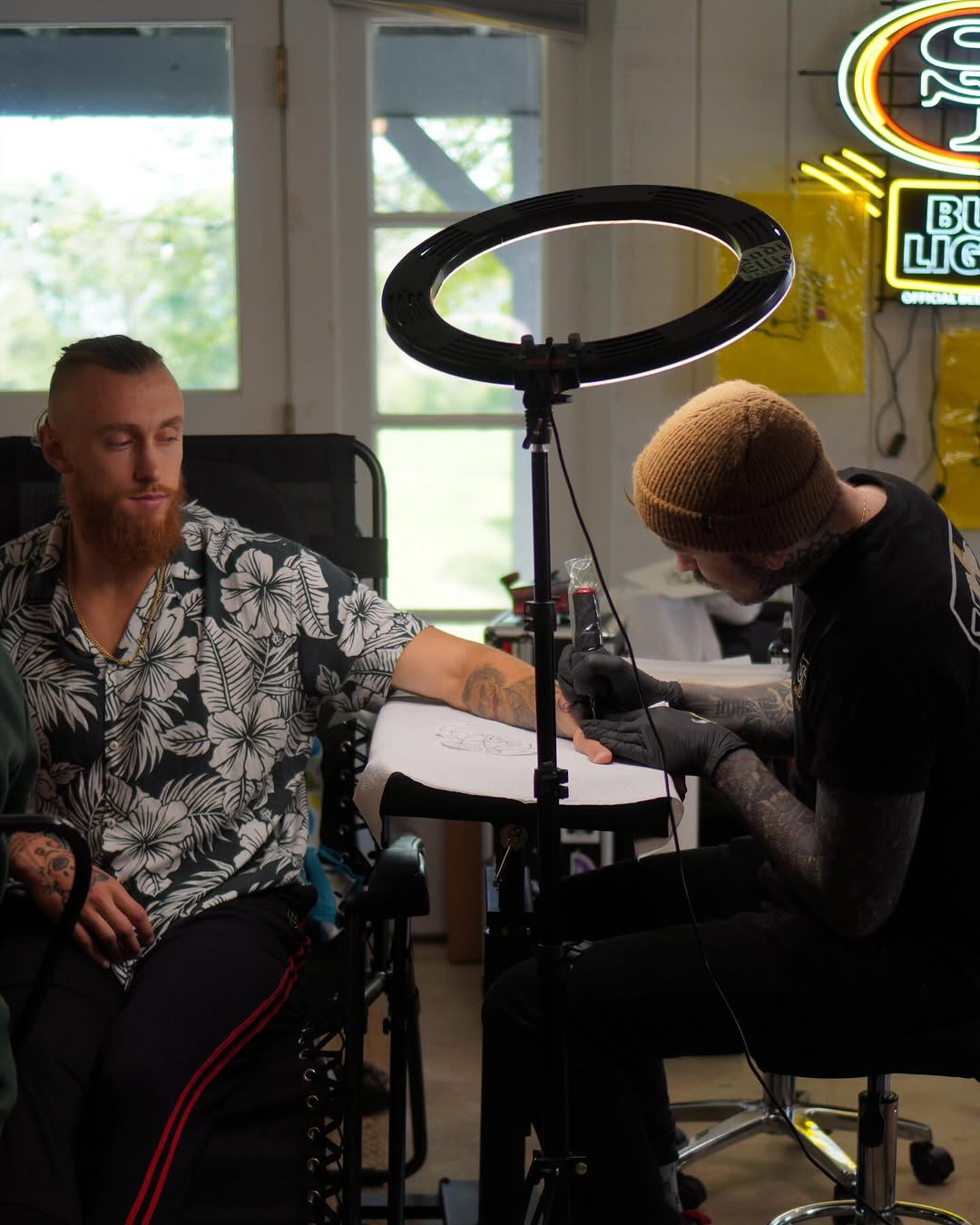
Photos show Master Chief among other pieces on the arm, rather than as a separate full-limb image.

George Kittle tattoos: tattoo session photograph showing the arm work around the hero references

Hobbes, Blue-Eyes, and the hand tattoos

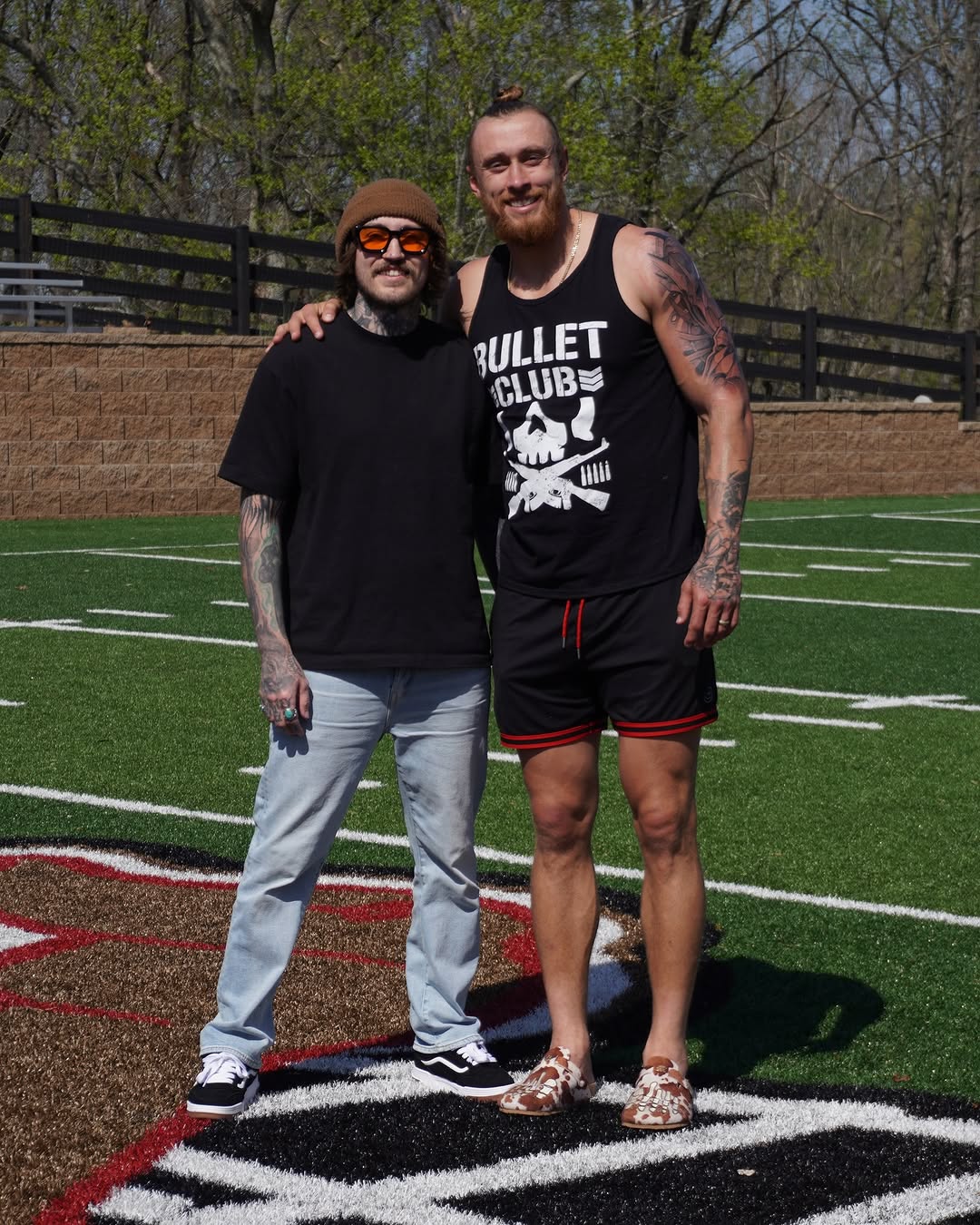
Little Village identified Hobbes from Calvin and Hobbes on Kittle’s right hand and Blue-Eyes Toon Dragon from Yu-Gi-Oh! on his left. The hand placement brings both designs into view in photos of Kittle holding a football.

Godzilla is also named in the reported inventory, though the article’s sources do not specify its placement.

George Kittle tattoos: field photograph showing the arm and hand tattoo coverage

A collection built from games, films, and family

The 49ers video and Kittle’s interviews provide the clearest context for his good-guy and bad-guy arm descriptions. Family and personal history also appear in the wider discussion, though the reports focus mainly on specific designs and placements.

The details that remain visible in public photographs

Practice, game and tattoo-session photos show different parts of Kittle’s arms and hands. Wider shots reveal the overall coverage; close views make details such as the green Matrix marks easier to see.

The featured headshot serves a different purpose from the tattoo photos: it shows Kittle’s face, while the inline images document the ink.

George Kittle discusses his favorite tattoos in the official San Francisco 49ers video below.

Rodtang Jitmuangnon Tattoos: His Chest Motif and Arm Sleeve

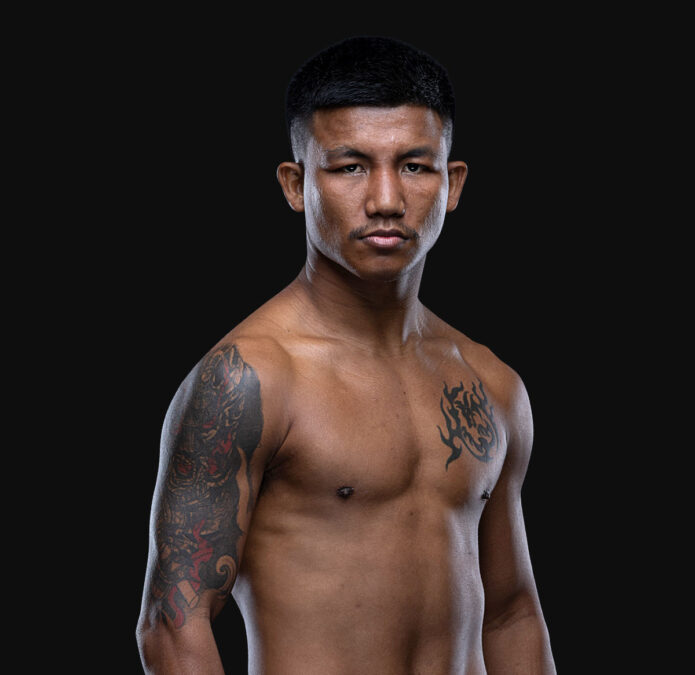
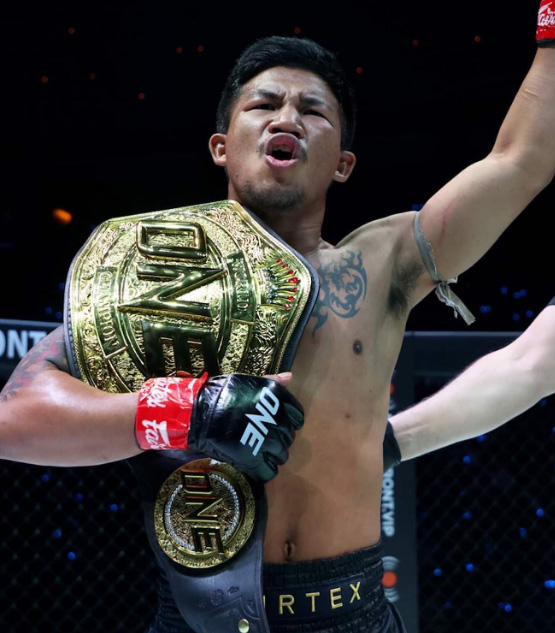
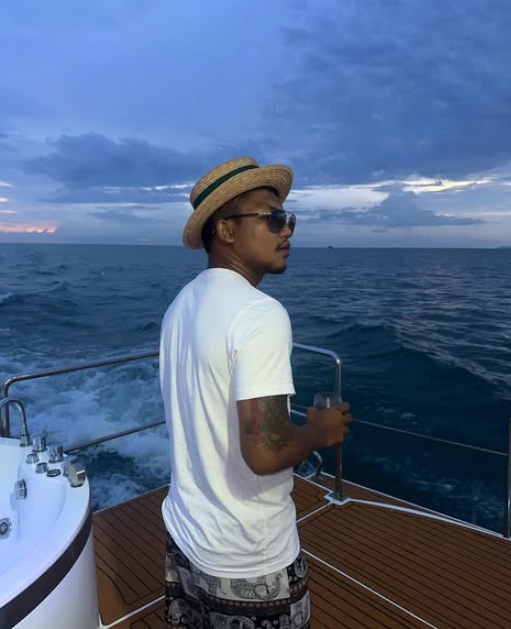
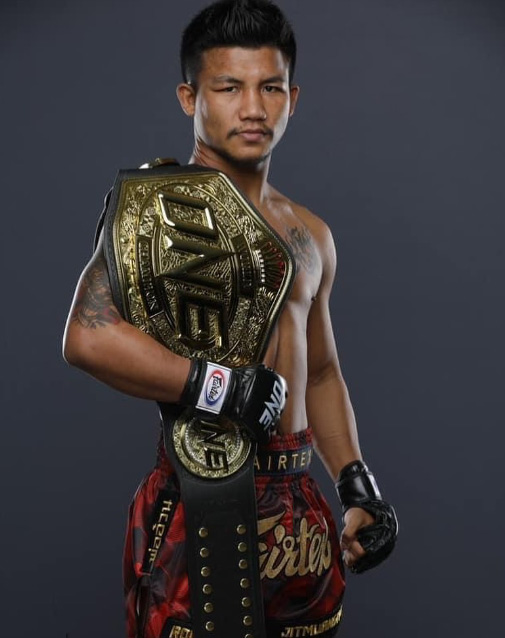
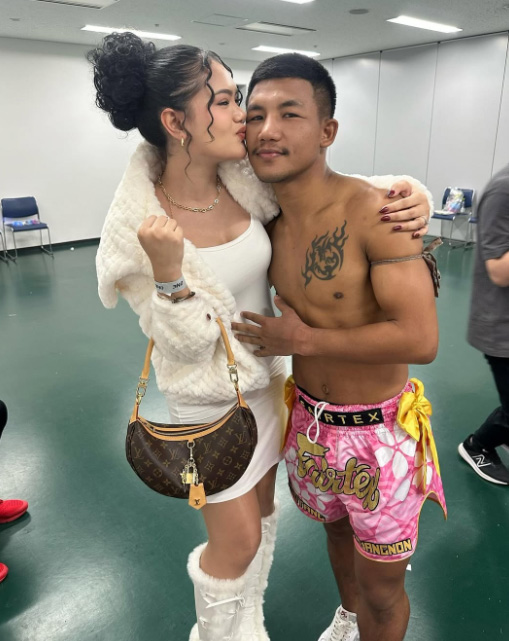
Photographs of Rodtang Jitmuangnon show a dark chest motif and a larger tattoo sleeve across his arm. A Thai sports feature and a tattoo directory record some of the visible work, but the sources do not give a verified personal explanation for every design.

The chest tattoo is a compact, pointed shape; the sleeve covers more skin and adds red to its black-and-grey shading. A smaller portrait is also recorded on the upper arm. The images show where each piece sits and how it looks from different angles.
The dark chest motif on Rodtang’s upper torso

Rodtang Jitmuangnon tattoos: Dark chest motif in a ring photograph

The chest design sits high on the pectoral and has a dark, uneven outline. In photographs it reads as a flame-like or tribal form, with lighter breaks inside the black sections. Open skin separates it from the arm tattoo, although the two can appear closer when Rodtang turns or raises his arm.

A Thai sports feature identifies the chest and upper-arm tattoos and supplies photographs. Those images establish the placement, but the reviewed sources do not confirm what the chest motif means to Rodtang.
The dense tattoo sleeve running down his arm

Rodtang Jitmuangnon tattoos: Upper-arm tattoo placement in profile

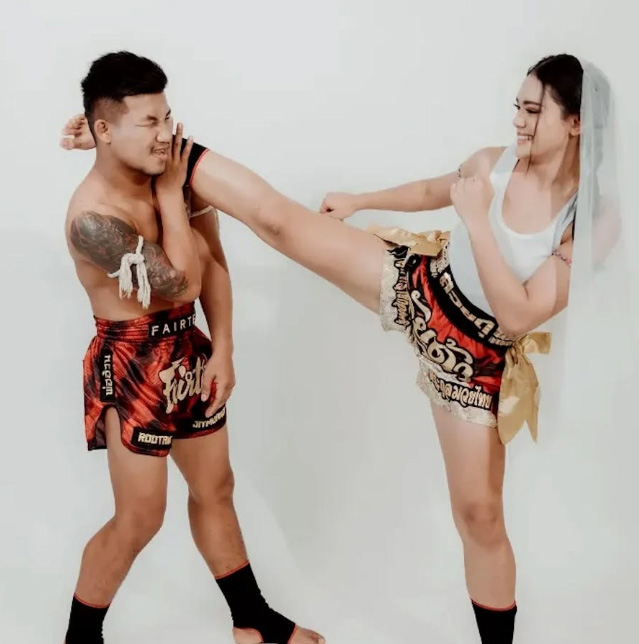
The arm piece is larger, running from the upper arm toward the elbow and forearm. Black and grey shapes overlap, with red details set into the darker coverage. A side view shows the ink wrapping around the shoulder rather than sitting on one flat surface.
Ring photographs can hide parts of the lower arm behind gloves or other fighters. Portraits with the shoulder uncovered show more of the sleeve, while the angle changes how dense the design appears.

The portrait tattoo recorded on the upper arm

Rodtang Jitmuangnon tattoos: Arm-sleeve coverage with the championship belt

A tattoo directory separately records a small portrait on Rodtang’s upper arm and places it in a Thai cultural category. The listing does not include a direct interview or confirmed explanation from Rodtang, so that category is cataloguing context rather than proof of personal meaning.

In the photographs, the compact figure sits within the heavier surrounding sleeve. It is easier to distinguish in a closer frame; from farther away, the dark shading blends the details together.

Red accents across the shoulder and arm

Rodtang Jitmuangnon tattoos: Chest and shoulder tattoos in a separate portrait

Red accents appear in several parts of the shoulder and arm, breaking up the black-and-grey coverage. They are clearest in portraits where Rodtang turns the tattooed shoulder toward the camera. The chest design remains mostly dark, so the colour helps distinguish the sleeve from the separate chest piece.

Bright light, sweat and image compression can change how saturated the red looks. The supplied photographs show those shifts in lighting, not a confirmed change to the tattoo.

How the chest and arm tattoos read together

Rodtang Jitmuangnon tattoos: Shoulder tattoo detail in a training photograph

The sleeve dominates because it covers more skin and contains more tonal detail. The chest motif remains a separate focal point, with open skin around it. Together, the pieces create an asymmetrical arrangement rather than one continuous design.

The photographs support a limited inventory: a dark chest tattoo, a large arm sleeve with red accents, and a small portrait recorded on the upper arm. They do not establish a single story connecting the designs or confirm their private meanings.

Rodtang Jitmuangnon in his own fight-world context

Fight, training and portrait photographs show the tattoos in different settings. Movement and camera angle make the sleeve shift around the shoulder, while gloves or clothing can block part of the arm. These images connect the ink to Rodtang’s public career as a fighter, but they do not confirm when each tattoo was done, who made it or what every figure means.

Rodtang Jitmuangnon discusses his career

This official interview discusses Rodtang’s career in Muay Thai. It adds background on his public life, while the tattoo descriptions above stay with details visible in the photographs.

Tyson McGuffin Tattoos: Family, Faith, and Pickleball Body Art

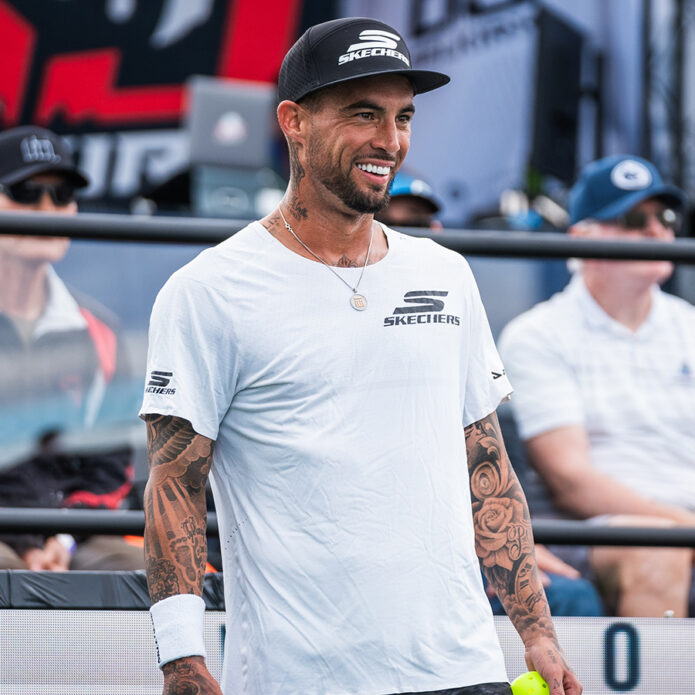
Tyson McGuffin’s tattoos span his legs, arms, chest, back and neck. The photographs show black-and-gray portraits and realism alongside lettering, faith imagery and pickleball equipment. McGuffin has described the collection as meaningful art connected to his life.

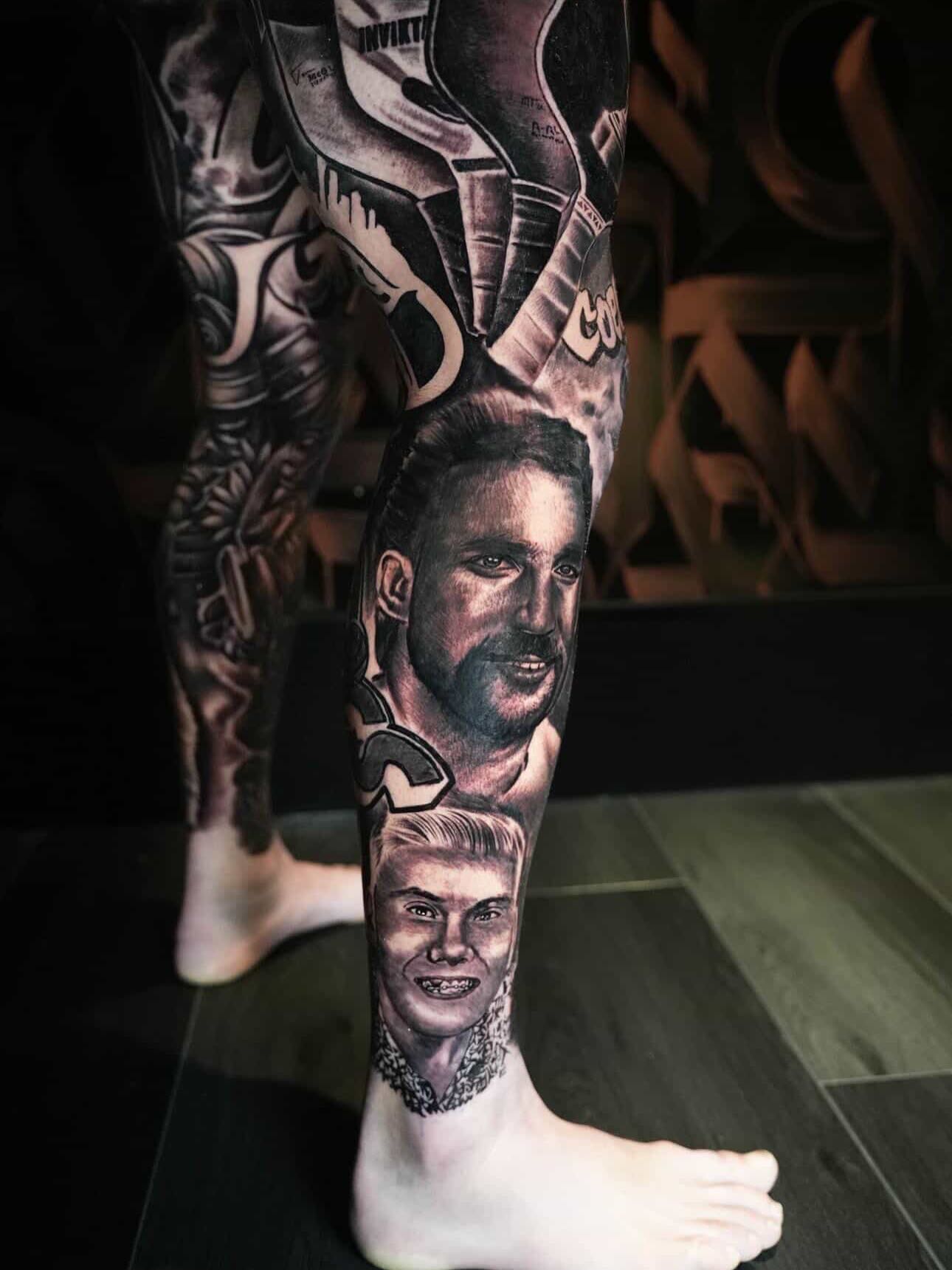
The newest photographs focus on his legs, with family portraits, a gorilla and sporting objects. Earlier reporting documents a large back project by Lawry Fong, plus older sleeves and shared family lettering. Together, these sources show a collection that has grown over time rather than one built around a single design.

Tyson McGuffin tattoos: Inline genuine tattoo photograph

The structure of Tyson McGuffin’s body art

McGuffin’s tattoos cover different areas and use different subjects. The leg photographs emphasize faces and objects in detailed black-and-gray realism; other images show lettering, shaded compositions and larger pieces across the torso and arms.

Source descriptions identify family, his wife and children, faith, his brothers and pickleball among the recurring subjects. The individual designs vary, but the reporting connects them to people and parts of McGuffin’s life.

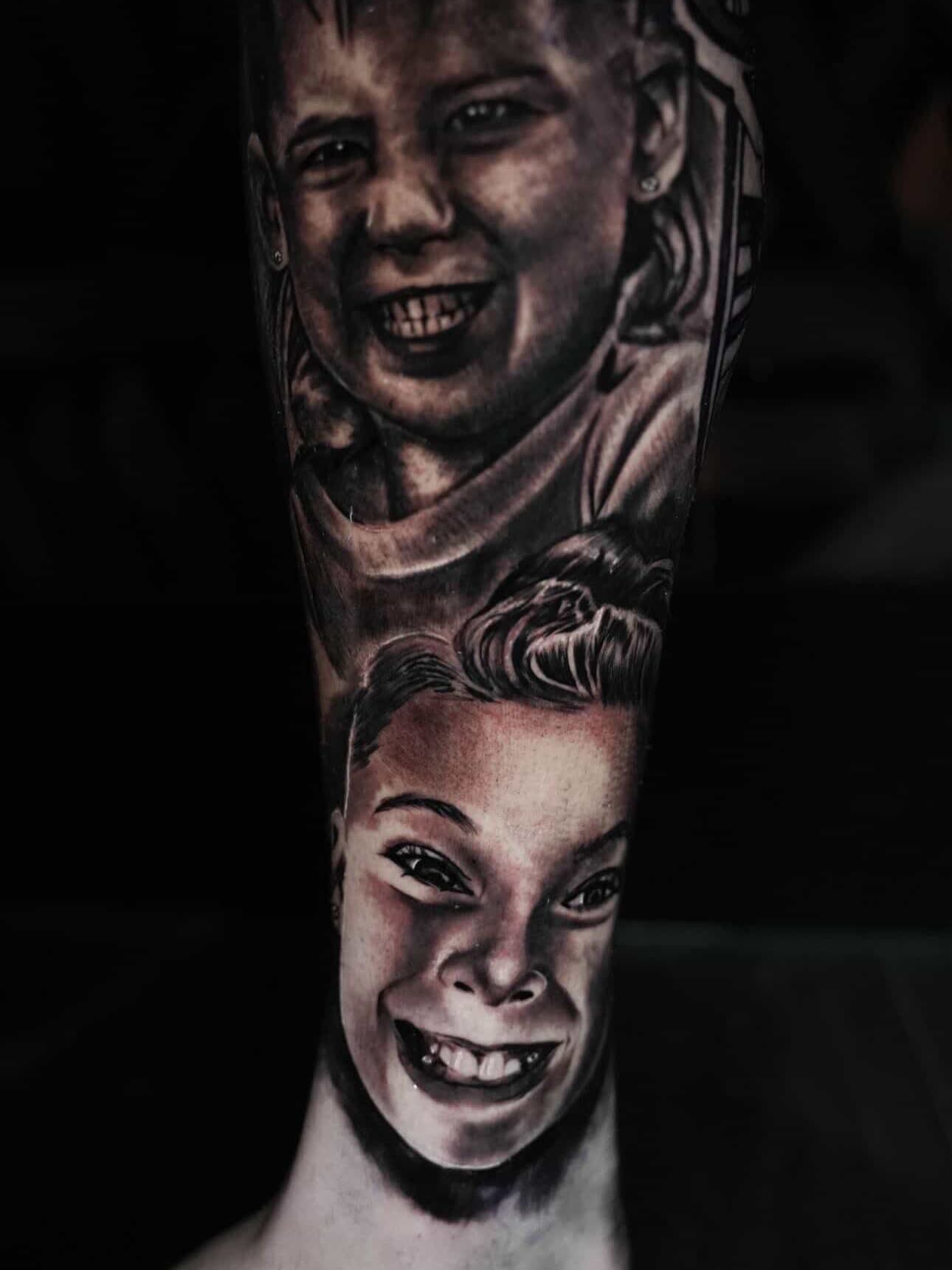
The leg portraits bring family faces into the tattoo collection

Two portraits sit one above the other along the lower leg, from the shin toward the ankle and foot. The surrounding shading makes them part of a larger composition rather than isolated small pieces. The published report identifies the new leg work as including family members, though the photographs do not name the people shown.

A closer image brings out the tonal detail around the faces and the dark framing between them.

Tyson McGuffin tattoos: Inline genuine tattoo photograph

The gorilla tattoo adds a powerful animal portrait to his sleeve

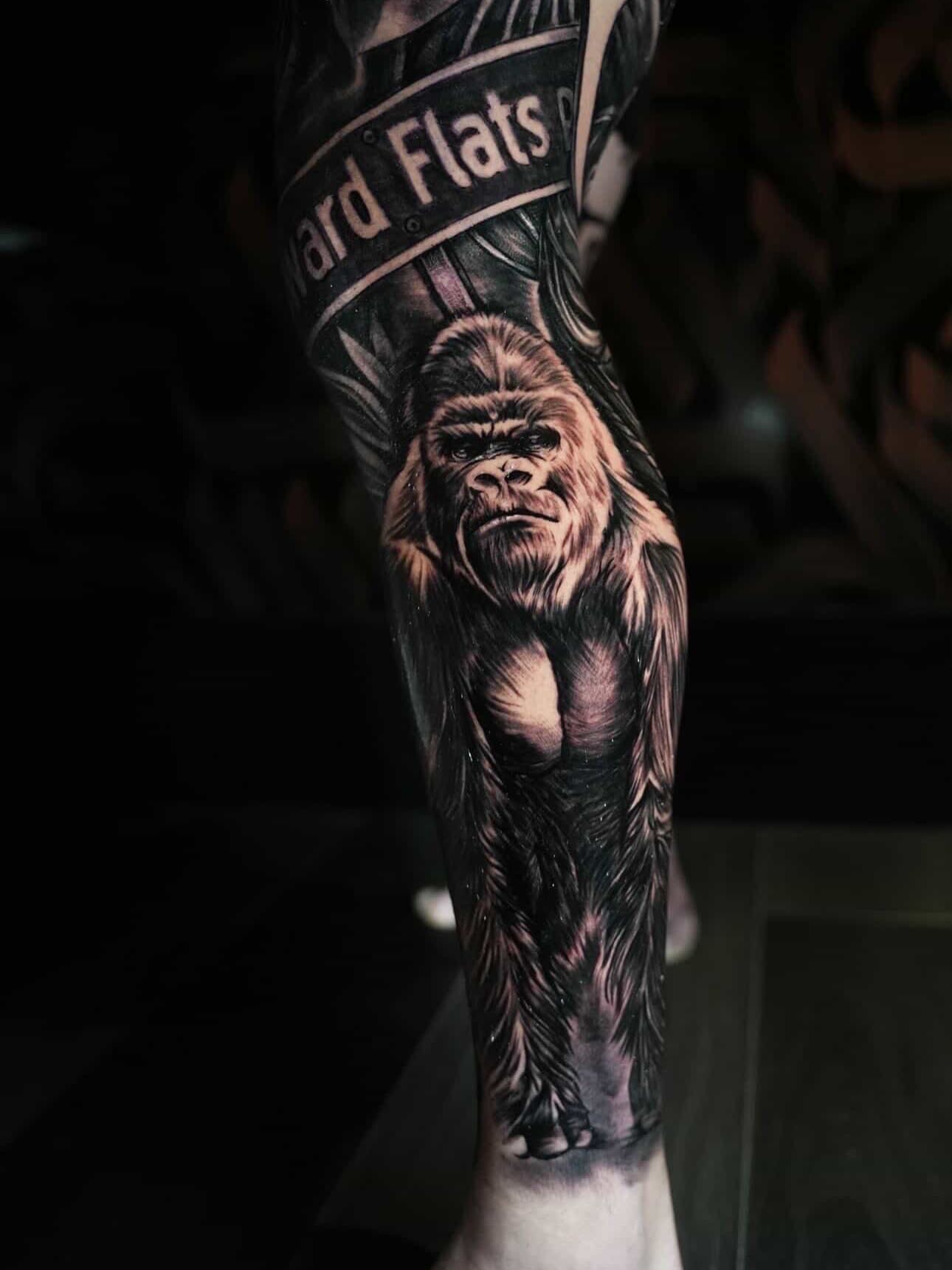
A large gorilla fills a separate leg panel, rendered in warm brown and black with detailed shading across its face and fur. Lettering sits above it, and geometric shapes frame the animal.

The published material does not give a personal explanation for the gorilla. The photograph establishes its place as a prominent realism piece among the newer leg tattoos.

Tyson McGuffin tattoos: Inline genuine tattoo photograph

Pickleball equipment appears as tattoo imagery, not just a career reference

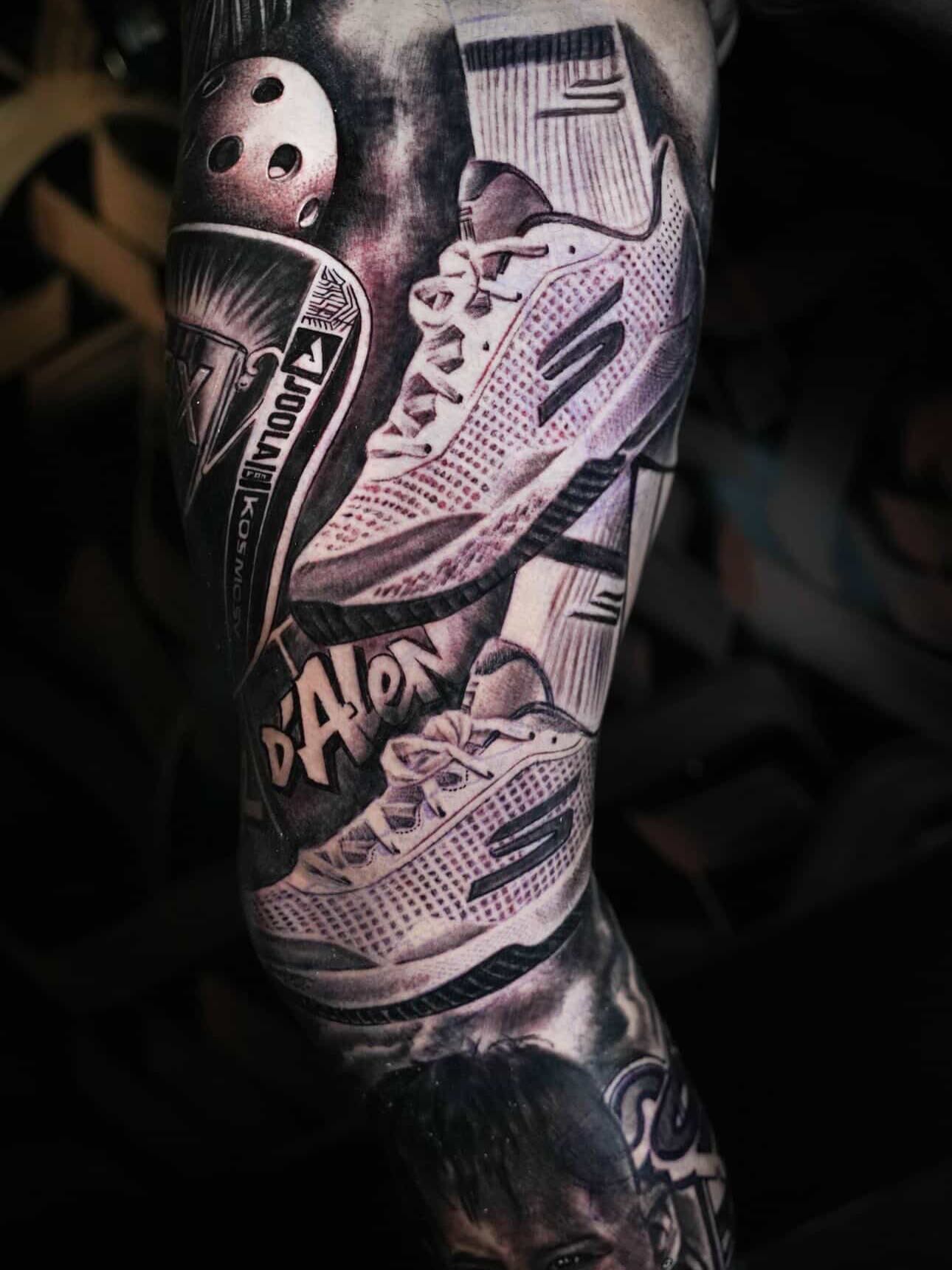
Another leg design shows pickleball paddles alongside shoes. The close-up preserves the paddle faces, handles, shoe panels, laces and brand marks. The article identifies the paddles as McGuffin’s signature equipment and the shoes as Skechers.

These are specific objects from his professional life, not a generic sports emblem. They sit alongside the family portraits and faith imagery documented elsewhere in the collection.

Tyson McGuffin tattoos: Inline genuine tattoo photograph

The back piece expands the story beyond the newest leg photographs

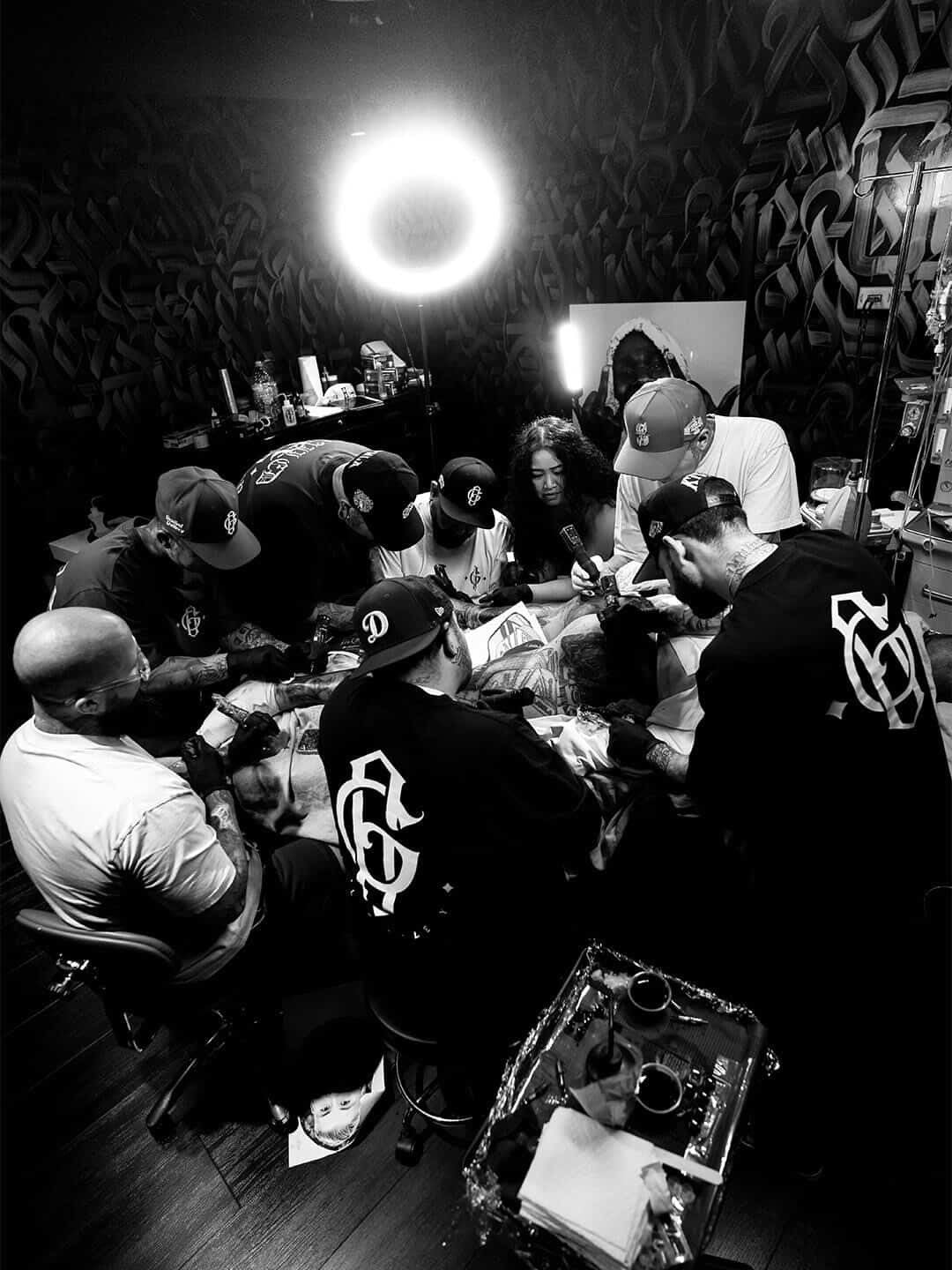
A 2025 report describes an 18-hour back session completed over two days with tattoo artist Lawry Fong. The work included a crucifixion scene and a portrait of McGuffin’s wife. McGuffin described the back piece as heroic and inspirational, built around people who had influenced his journey.

At the time of the report, he said a portrait of Michael Jordan was planned as a later addition. The back project was still developing, separate from the newer photographs of his legs.

Tyson McGuffin tattoos: Inline genuine tattoo photograph

Existing lettering and sleeve work frame the new designs

Older lettering and blackwork remain visible around the newer leg pieces. Earlier reporting says McGuffin had two sleeves and a finished chest, while the back was still in progress at the time of that interview.

That report also records a small “T and M” tattoo shared with his brothers. McGuffin called it his silliest tattoo and expected to cover it as the back work developed. It adds a family detail to a collection that also includes large portraits and full areas of realism.

Tyson McGuffin tattoos: Inline genuine tattoo photograph

The collection’s visual language is black-and-gray realism with personal symbols

Black-and-gray realism ties many of the photographs together, though the subjects differ. The portraits rely on soft shading; the gorilla uses dense fur texture; the paddles and shoes depend on sharper edges and recognizable details. Lettering and geometric framing separate the larger images.

The sources identify family, faith, equipment and the back piece’s stated inspiration. The photographs show placement and technique, but they do not supply a confirmed meaning for every small mark.

Tyson McGuffin tattoos: Inline tattoo photograph showing documented chest and neck ink

The documented record in one view

The documented tattoos include family portraits on the legs and back, a crucifixion scene, pickleball paddles and shoes, older lettering, two sleeves and chest work. The 2025 report also describes a developing back piece and a planned Michael Jordan portrait.

Some details come from the photographs and others from McGuffin’s own comments as reported. Keeping that distinction clear gives a more useful account than assigning a story to every design.

The visual record in motion

The embedded video shows the leg designs from different distances, including details around the larger panels and how the newer work sits beside tattoos already on McGuffin’s chest, arms and neck.

Jorge Masvidal Tattoos: Gamebred Neck Ink, Ava Tribute and Flying Knee Design

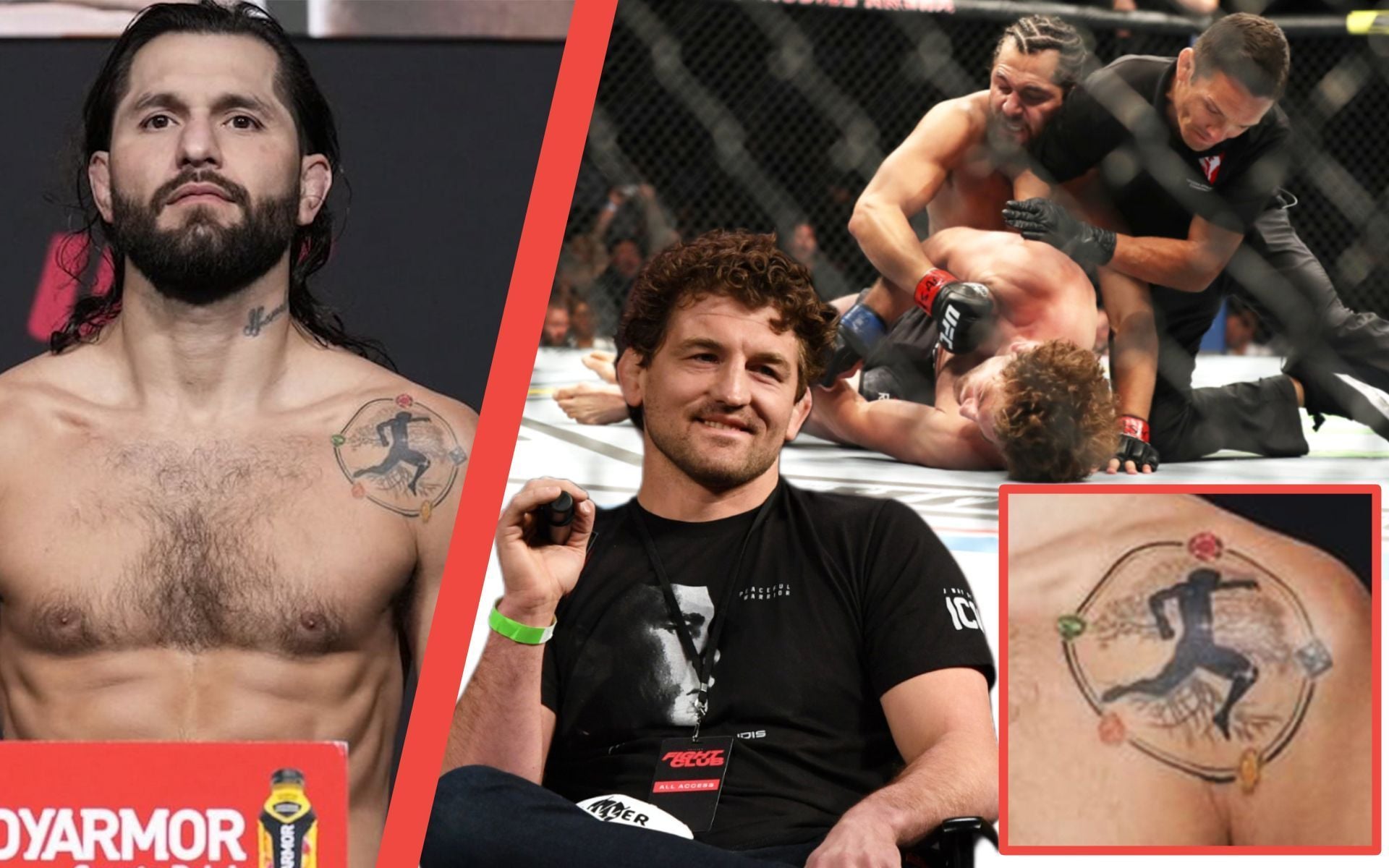
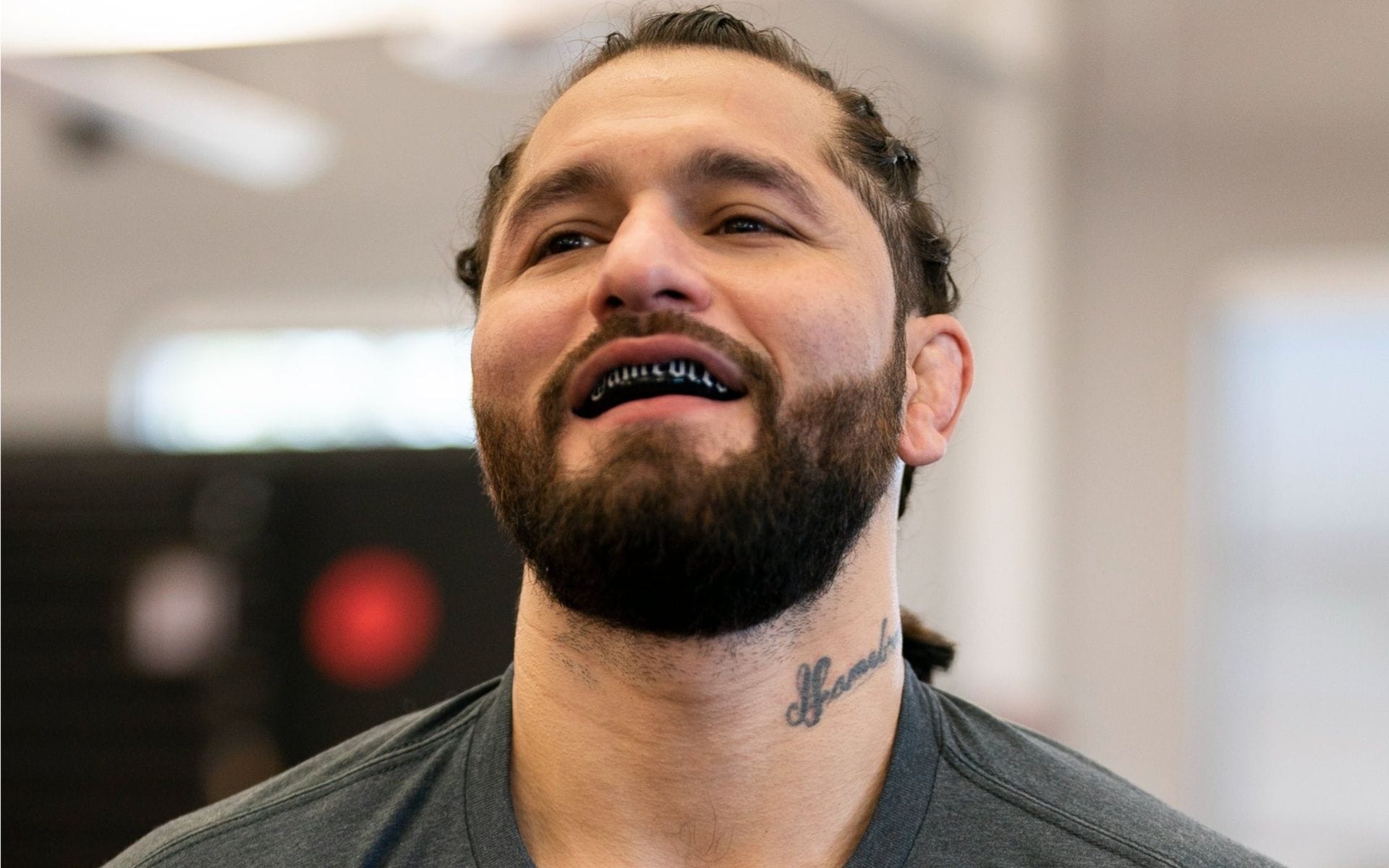
Jorge Masvidal’s best-documented tattoos point to his fighting identity, his daughter and a defining UFC moment. “Gamebred” is written on the left side of his neck; Ava’s name appears inside a lipstick mark on his right forearm; and an image of a flying knee was shown on his upper body at a UFC weigh-in.

In an interview covered by EssentiallySports, Masvidal said tattoo pain frustrated him because it did not bring the immediate release he associated with fighting. He also said he still saw designs he wanted. The photographs document a small number of specific pieces, not a complete tattoo inventory.

“Gamebred” is Jorge Masvidal’s signature neck tattoo

Jorge Masvidal tattoos: documented flying-knee tattoo reveal and shoulder placement

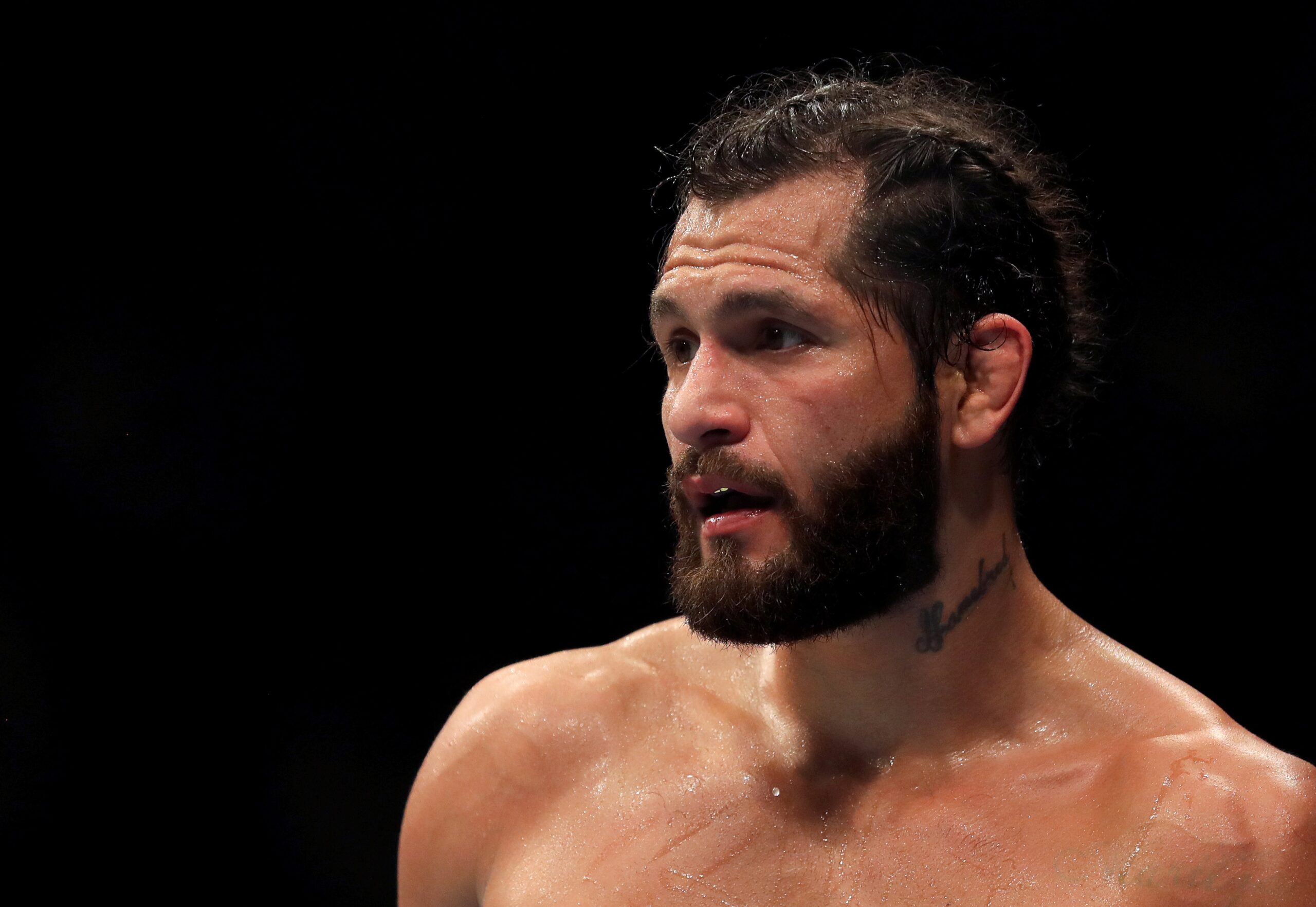
The cursive word “Gamebred” runs along the left side of Masvidal’s neck, high enough to show beneath his beard. He has explained “game” as fighting through pain and fatigue, and “bred” as an animal bred to be game. The script records the nickname and the definition he gives it.

Because it is on his neck, the lettering appears in close portraits, interviews and weigh-in photographs. It stays visible when shirts cover the chest and shoulder.

The neck lettering changes with Masvidal’s expression

Jorge Masvidal tattoos: close face-visible view of the signature neck lettering

Photos show the neck script changing shape as Masvidal turns or looks upward. From one angle it stretches along the side of his neck; from another it forms a dark line beneath the beard. The lettering is separate from the pictorial tattoo on his upper body, so the two designs remain distinct in wider images.

Ava’s name appears across a lipstick-mark forearm tattoo

Jorge Masvidal tattoos: distinct shirtless career portrait with neck tattoo visible

“AVA” is written across a red lipstick mark on the inside of Masvidal’s right forearm. EssentiallySports identifies the name as his daughter Ava Sofia and describes the tattoo as a tribute to her. Its family reference is documented; the sources do not give additional meaning to the mark’s exact shape or colour.

The forearm piece is easier to see when Masvidal raises or turns his arm. It is a smaller, more personal design than the neck script, which remains visible in nearly every close portrait.

The flying-knee tattoo records the Ben Askren knockout

Jorge Masvidal tattoos: distinct dark-background portrait with neck ink visible

At the UFC 272 weigh-in, Masvidal showed an image of a fighter throwing a flying knee on his upper left body. Heavy and BJPenn.com linked it to his five-second knockout of Ben Askren at UFC 239, then reported as the fastest knockout in UFC history. The circular design includes coloured details around the central silhouette.

Askren responded by calling it “a stupid logo.” Reports at the time were not clear on whether the image was permanent or temporary, so the careful description is that Masvidal displayed the flying-knee design at the weigh-in.

Masvidal’s shoulder and neck tattoos read together in fight photographs

Jorge Masvidal tattoos: distinct action photograph with the neck tattoo visible

In wider fight photographs, the “Gamebred” script is a small mark at the throat, while the flying-knee image occupies more of the shoulder and upper chest. They remain separate tattoos with different subjects and scale.

The weigh-in reveal documented the image as a response to the Askren rivalry. Later photographs place it within Masvidal’s public fighting profile, though the available sources describe only a few clearly documented pieces rather than a full-body collection.

Family and fighting are the two recurring subjects

Two subjects recur in the documented tattoos: family and fighting. The neck script reflects the meaning Masvidal gives his nickname, Ava’s name marks a family connection, and the flying-knee image recalls a specific knockout. The designs differ in placement and style because they refer to different parts of his life.

The visual record stays close to the documented pieces

Clear portraits show the neck lettering; forearm photographs reveal Ava’s name; and the UFC 272 weigh-in images record the flying-knee design. These views support a concise account of the tattoos without extending it to unverified marks or meanings.

Masvidal has discussed the tattoos and the meaning of “Gamebred” in fight-media interviews, including the conversation below.

Alexia Putellas Tattoos: The Latin Motto, Family Portrait, and Barcelona Symbols

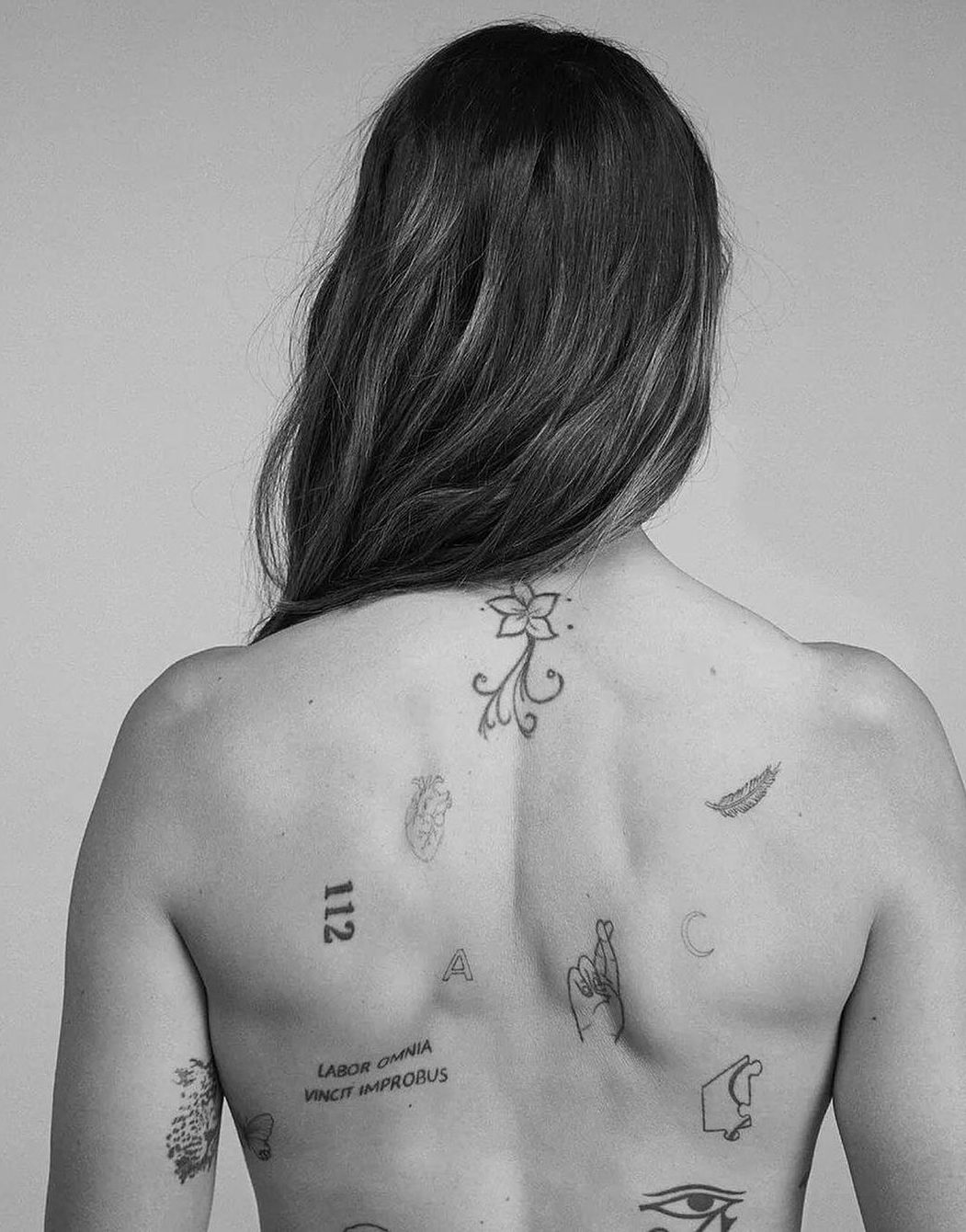
Alexia Putellas’s tattoos span her back, arms, wrist and right foot. The back holds a Latin motto, a father-and-child silhouette and smaller Barcelona and football references. Photographs establish where the pieces sit; interviews and published accounts explain some of them, while others have no confirmed personal meaning.

Alexia Putellas’s back tattoo map

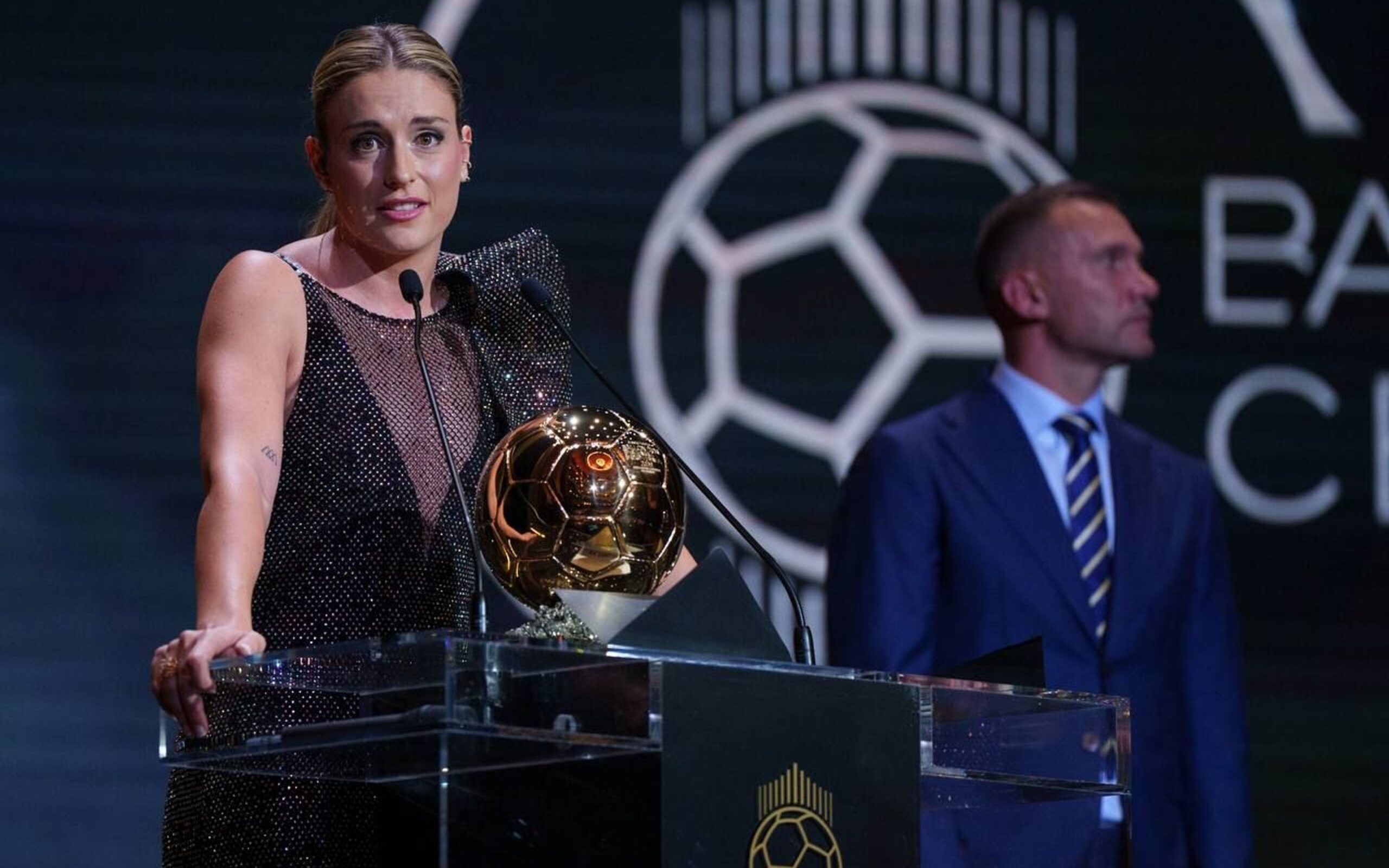
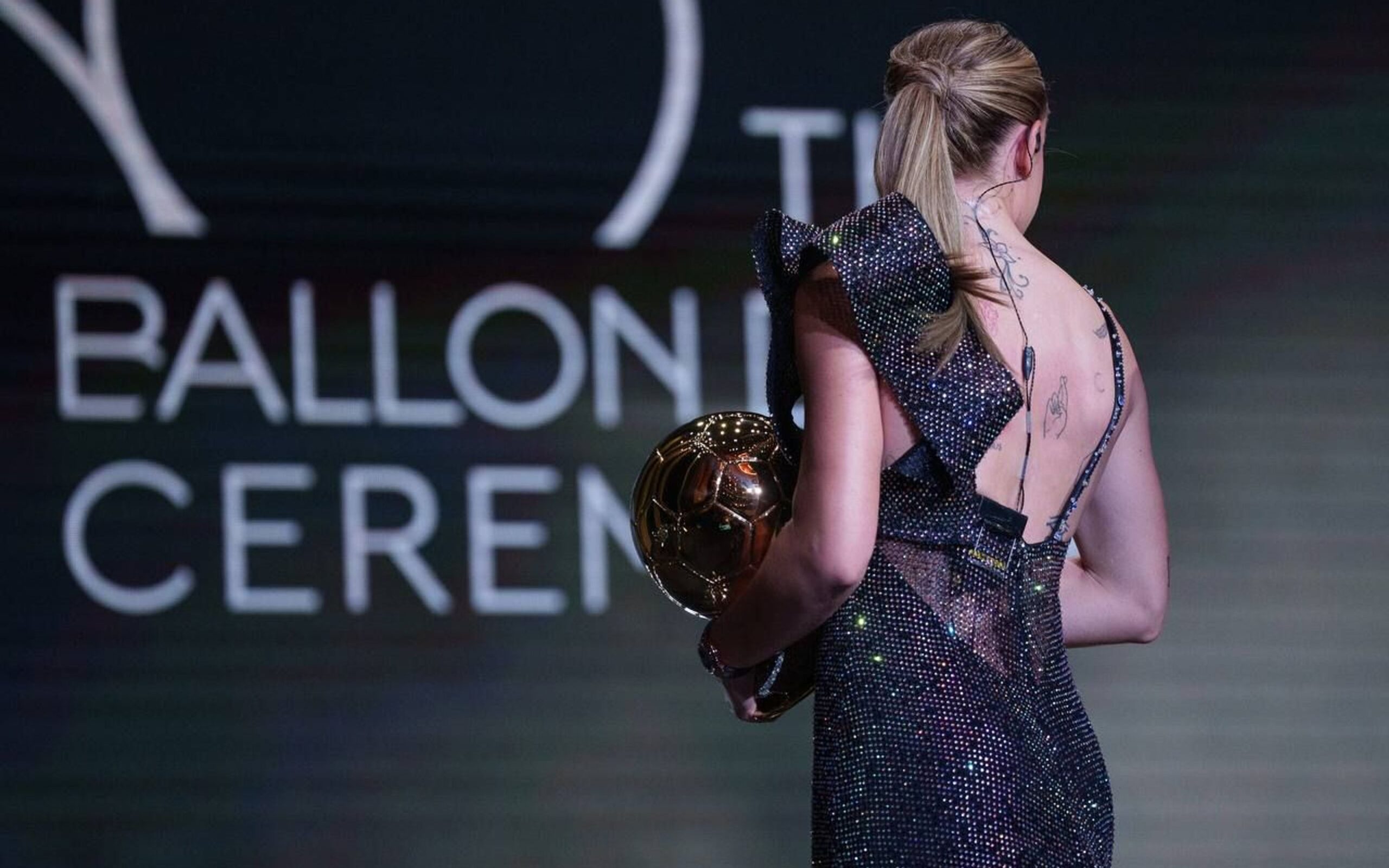
Alexia Putellas tattoos: a close view of the back tattoos

The back is arranged as separate designs with open skin between them: lettering high on the back, a father-and-child image below, and smaller symbols nearby. Published descriptions name an Eye of Horus, a Barcelona panot tile marked “Made in,” a butterfly, feather, moon, football and the number 112. Coverage also identifies a large Hand of Fatima on her right foot.

Some of the smallest marks are difficult to distinguish in event photographs. The images show placement and spacing; reports supply many of the labels.

The photographs as evidence

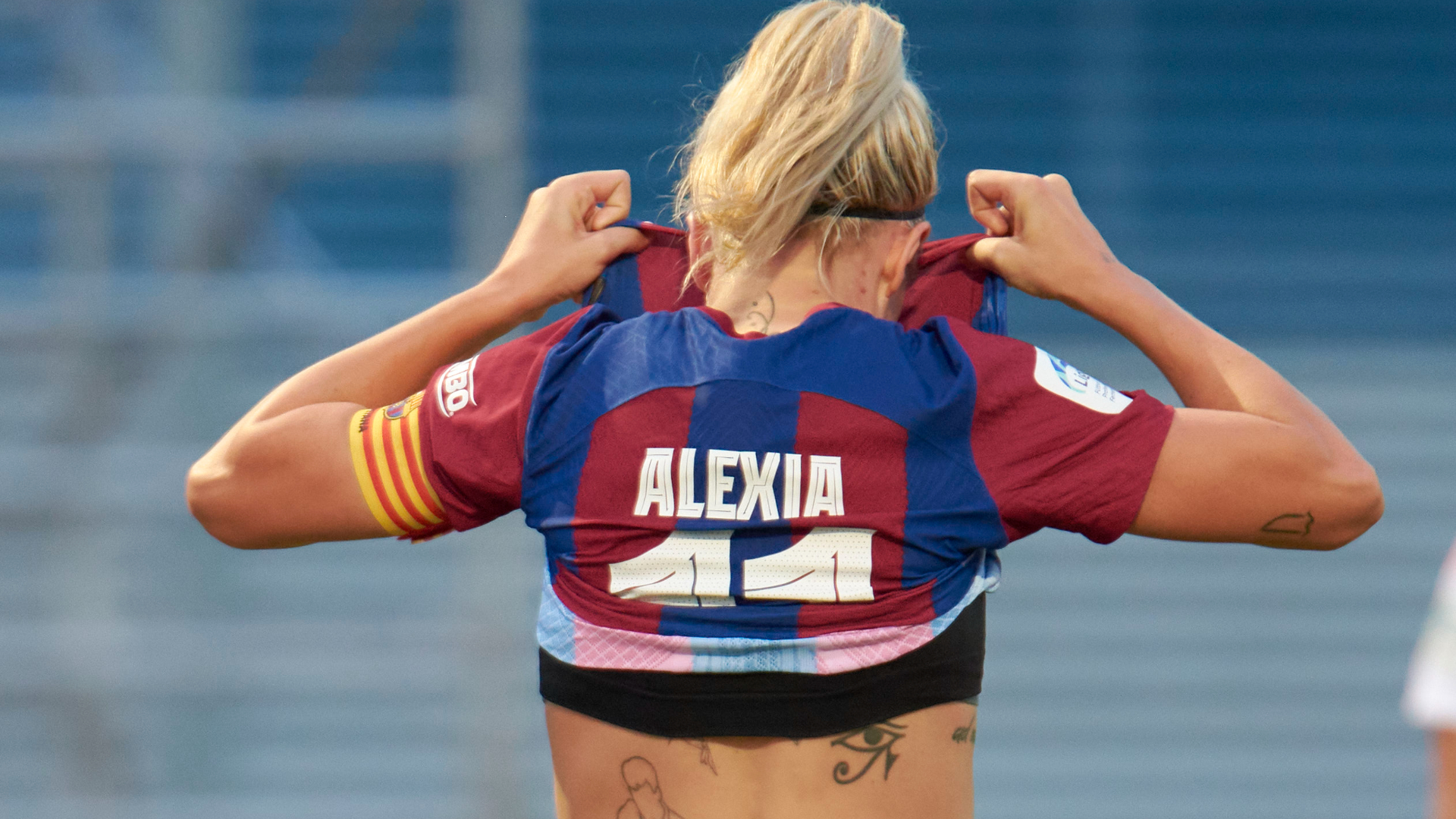
A rear photograph establishes how the back designs sit together, while event images may reveal only a wrist or arm mark. The photographs are useful for the visible arrangement, but they do not always identify each small symbol.

A collection read through images

Clothing changes what can be seen. A football shirt can cover much of the back, while formal or sleeveless outfits expose different areas. This is why reports and photographs often focus on different pieces of the collection.

The Labor Omnia Vincit lettering

Alexia Putellas tattoos: the Latin phrase across the upper back

The wording across Putellas’s upper back is reported as “Labor omnia vincit improbus,” commonly translated as “persistent work conquers all.” Her documentary series uses the shorter title Labor omnia vincit. At its presentation, she was quoted saying, “Really, I believe it: work conquers everything.”

The phrase is the clearest tattoo in the collection with a public explanation. It expresses persistence, while the nearby portrait and smaller marks refer to more specific people, places and parts of her football history.

The phrase in public photographs

Match and event photographs sometimes show only part of the lettering, because a shirt or camera angle covers the lower line. The fuller wording comes from published descriptions; partial crops should not be used to guess what is written.

The motto is larger and easier to read from a distance than most of the surrounding symbols, which is why it often anchors photographs of the back.

The father-and-child portrait

Alexia Putellas tattoos: the father-and-child silhouette on the back

The silhouette shows Putellas’s father holding her as a baby, with a small Barça ball in the scene. El País has described it as an old family photograph translated into a tattoo; later coverage identifies the same father-and-child image.

The outline preserves the figures without trying to reproduce a photograph in full detail. The ball connects the family scene to football, while the tattoo’s subject remains the relationship between father and daughter. Putellas has also spoken about her father’s influence on her development in the sport.

The phrase in interviews

Putellas has given a direct explanation of the Latin motto, and reports describe the story behind the father-and-child image. She has also said that some of her tattoos have clear meanings while others do not. That distinction matters when the smaller marks are visible without a personal explanation.

The small arm symbols visible at the ceremony

Alexia Putellas tattoos: ceremony photograph showing the small tattoo on Putellas's upper arm

Huffington Post coverage identifies an Eye of Horus, a Barcelona panot tile with “Made in” above it, a butterfly, feather, crossed-fingers hand, moon and football among the smaller back designs. The tile is a local reference to Barcelona, while the other symbols vary in size and style.

The sources name the Eye of Horus but do not provide a confirmed statement from Putellas about why she chose it. Its shape and placement are visible; a private meaning should not be supplied without her explanation.

Reading the smaller marks

Published coverage links the number 112 to two shirt numbers: 11 at Barcelona and 12 at the start of her Spain career. The small mark compresses that football history into a single number.

Full-back photographs show the arrangement of the smaller pieces, while closer images help separate them. A hand, shirt or camera angle may hide one symbol and expose another.

The small wrist tattoo visible in public photographs

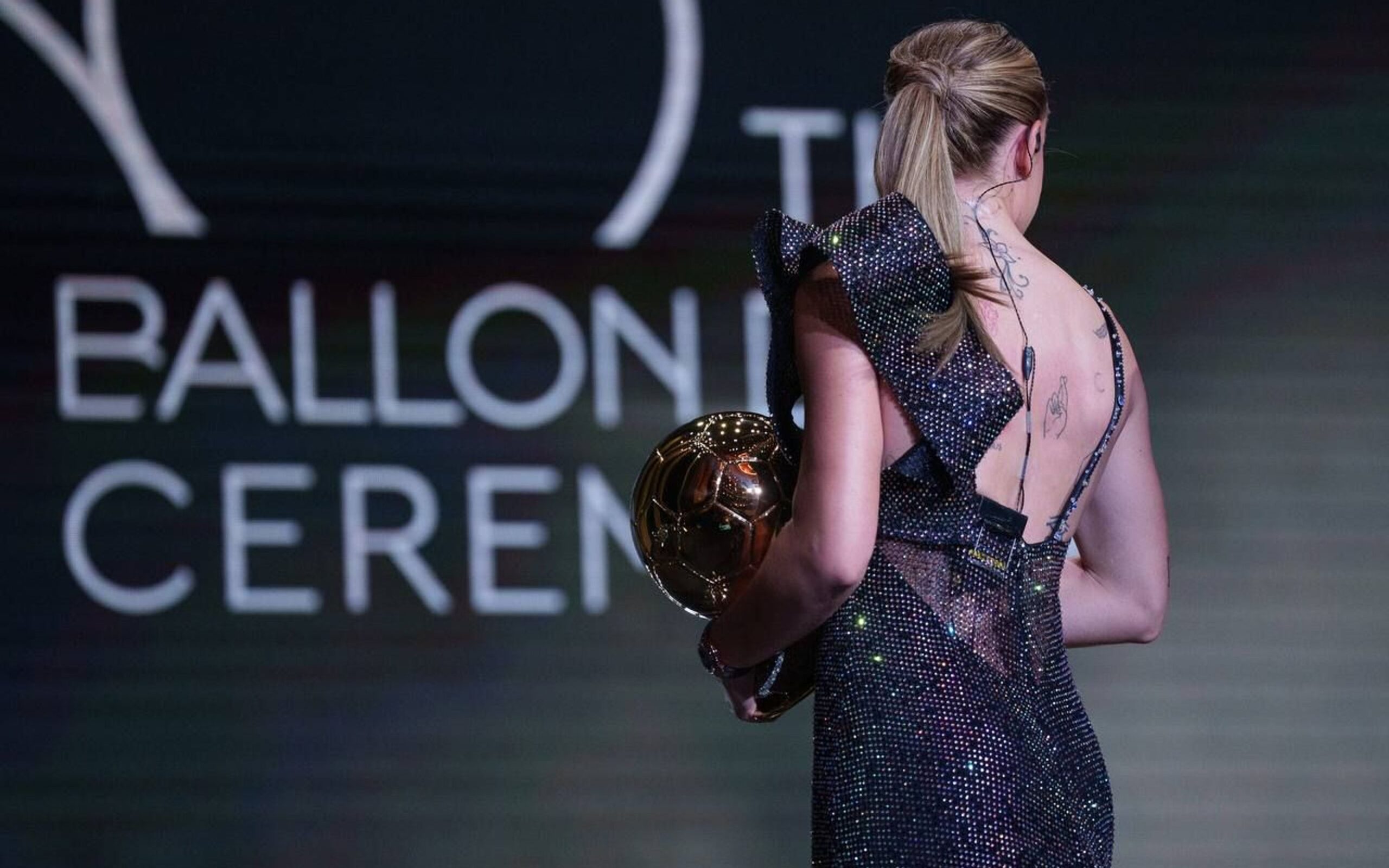
Alexia Putellas tattoos: a small wrist tattoo visible at the Ballon d'Or ceremony

At the Ballon d’Or ceremony, a small black tattoo is visible on Putellas’s wrist as she holds the trophy. The photograph establishes the location, but the reviewed sources do not identify it as any of the named back symbols.

Reports also describe an extra-large Hand of Fatima on her right foot, with colored detail and a heart of health. That larger piece is distinct from the small wrist mark.

Different scales in the collection

The collection ranges from readable lettering and a family silhouette to compact symbols, a wrist mark and a large foot tattoo. Some pieces have reported explanations; others are best described by their visible form and placement.

Putellas’s documentary and career interview appears below.

Max Clark Tattoos: The ‘Every Fall Is a Chance to Rise’ Tattoo and His Arm Ink

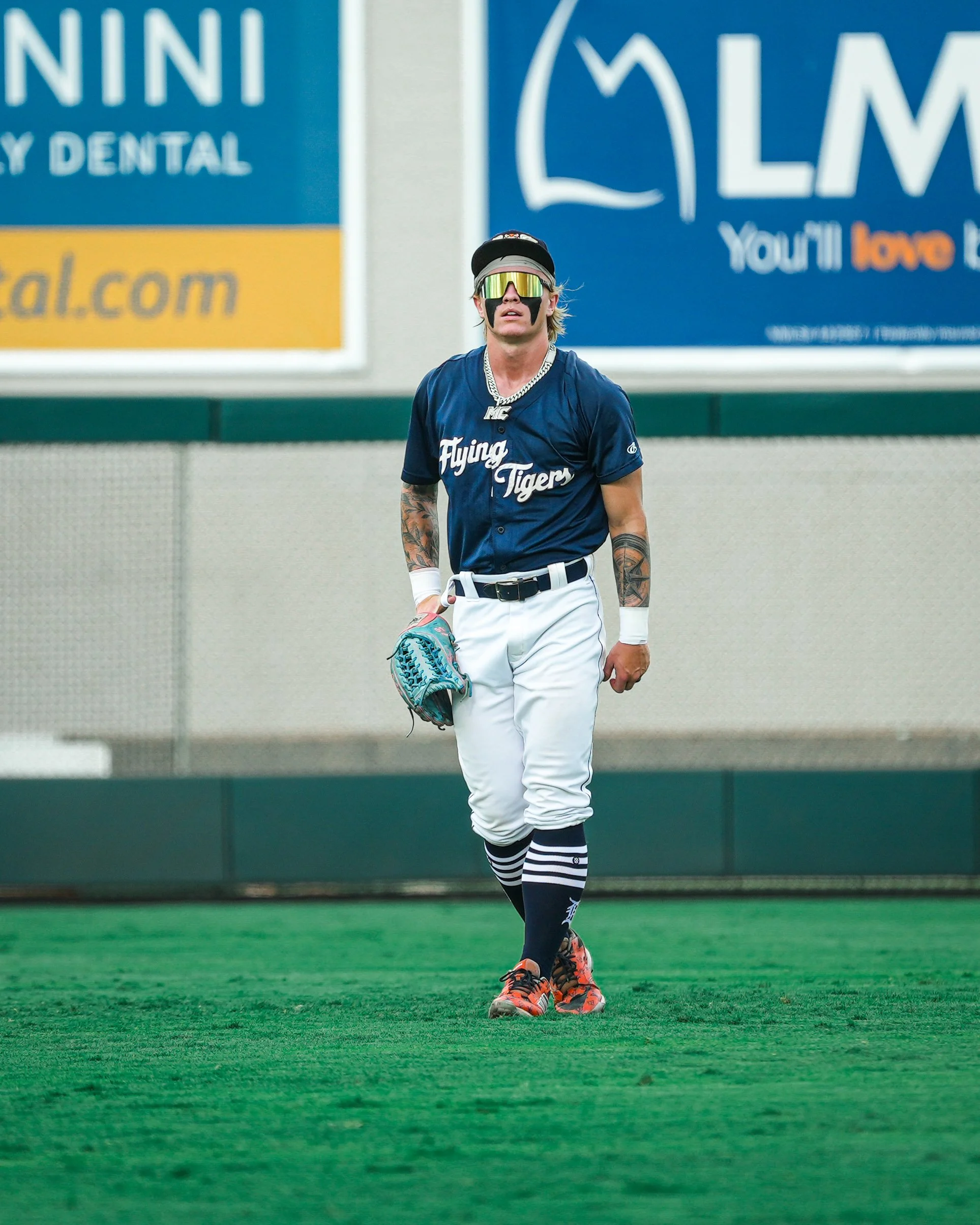
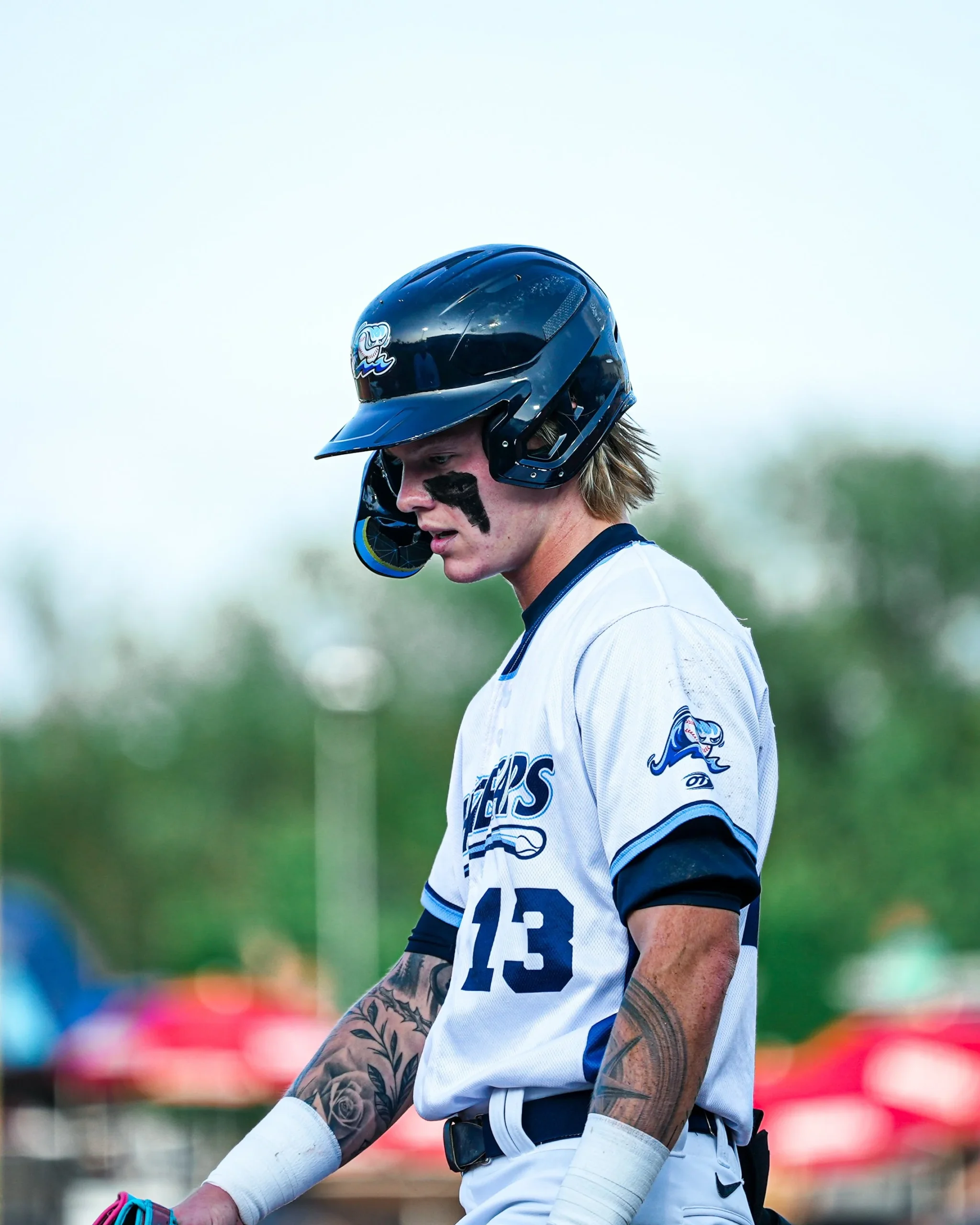
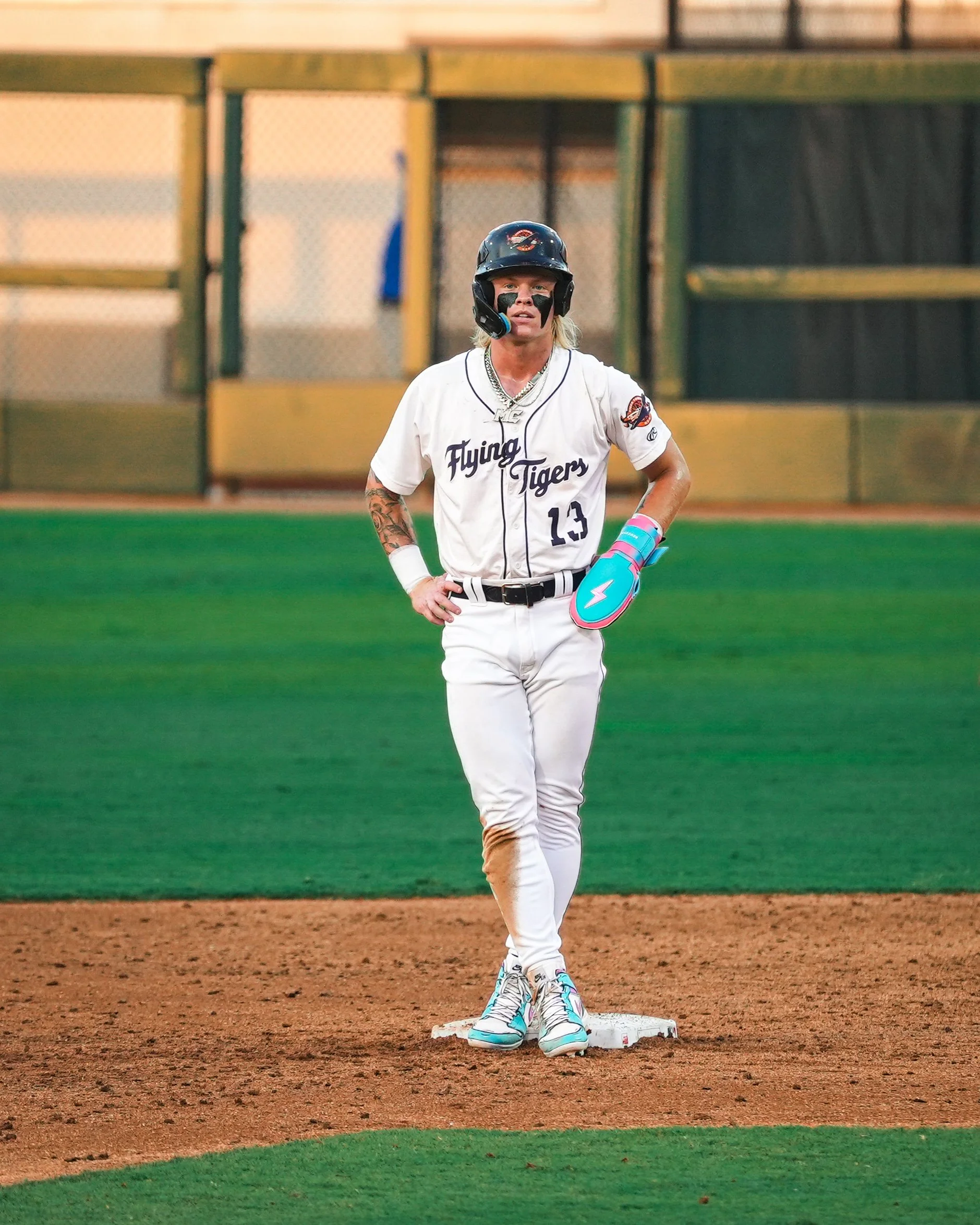
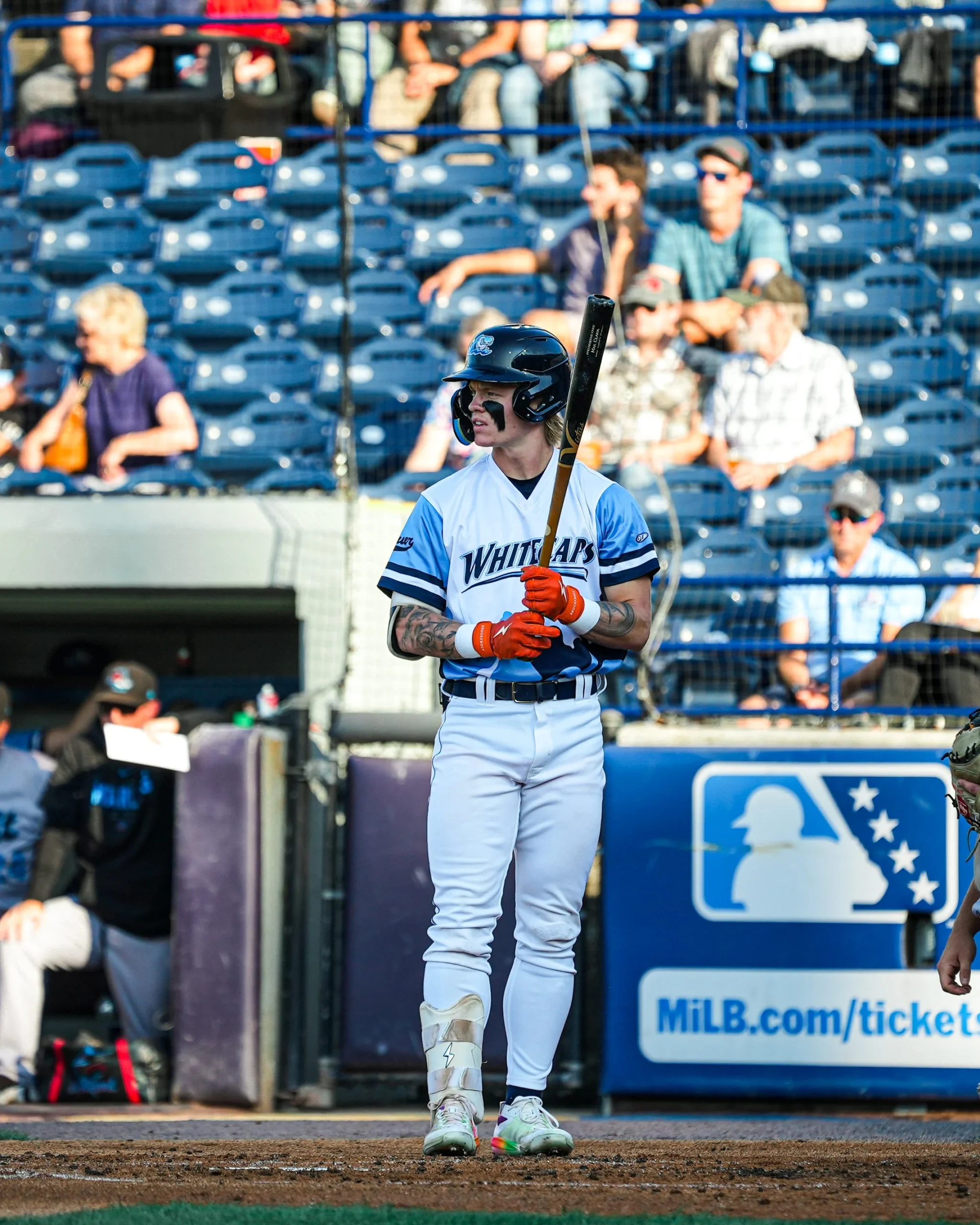
Max Clark’s photographs document three distinct parts of his tattoo collection: a vertical phrase on his right side, a Roman-numeral date with two angels on his chest, and extensive black-and-grey work on both arms. The phrase has the clearest public explanation, tied to a difficult spring with the Detroit Tigers.

Max Clark’s “Every Fall Is a Chance to Rise” Tattoo

MLB reported that Clark had “Every fall is a chance to rise” tattooed down his right side in March 2026, a day after he was reassigned to minor league camp. He had gone 2-for-18 in spring play. Clark said the line had stayed with him while he was struggling, giving the wording a specific connection to that setback.

The narrow vertical lettering contrasts with the shorter chest numerals and the broader arm coverage.

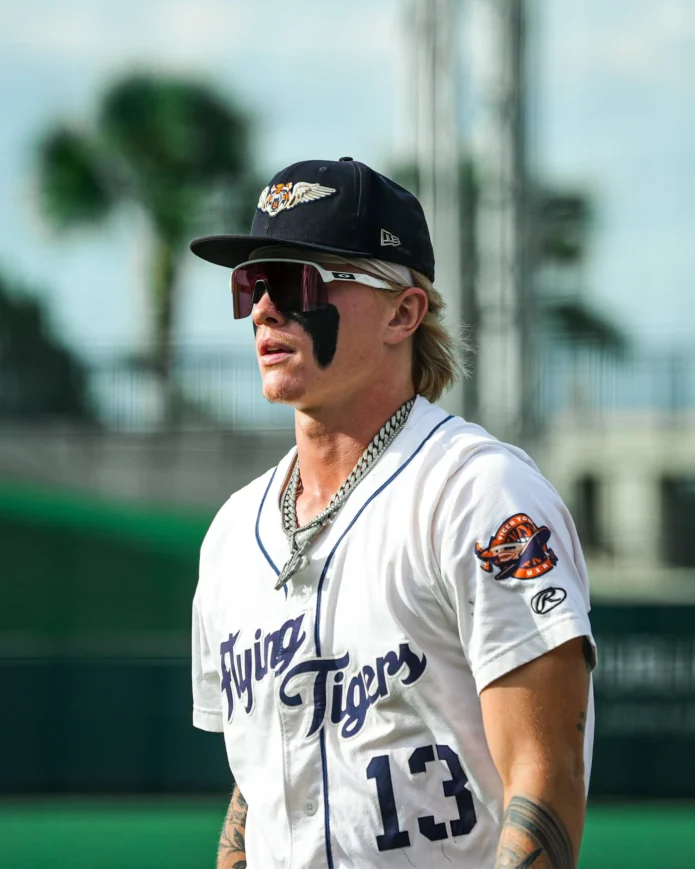
Max Clark tattoos: Max Clark’s arm tattoos in a three-quarter field portrait

The Vertical Side Tattoo Runs Down Max Clark’s Right Side

The phrase follows the right side of Clark’s torso. In a straight-on portrait, clothing or angle may hide part of the line; a turn can reveal it as a continuous column. MLB’s report identifies the side placement, which is more reliable than interpreting a cropped photograph.

It remains separate from the sleeves, which wrap around the arms and shift with batting, fielding and other movements.

Max Clark tattoos: Max Clark’s full arm coverage in a dark baseball jersey

Max Clark’s Roman Numeral Chest Tattoo

A January 2025 report identified the chest design as the Roman numerals XII XIII MMXXV. The report connected them to December 13, 2025, after Kayli Farmer’s comment drew attention to the image. The sequence is compact and horizontal, distinct from the later words on Clark’s side.

The available coverage does not establish a fuller explanation for the date or each part of the design.

Max Clark tattoos: Max Clark’s forearm tattoos in a close seated portrait

The Angel Details in Max Clark’s Chest Piece

Reports describe two angel figures around the date. The numerals form the center of the chest piece, with the figures framing them. The chest tattoo was reported before the right-side phrase, so the designs mark different points in Clark’s baseball timeline.

Max Clark tattoos: Max Clark’s arm tattoos while standing on the field

Max Clark’s Arm Tattoos in Game Photos

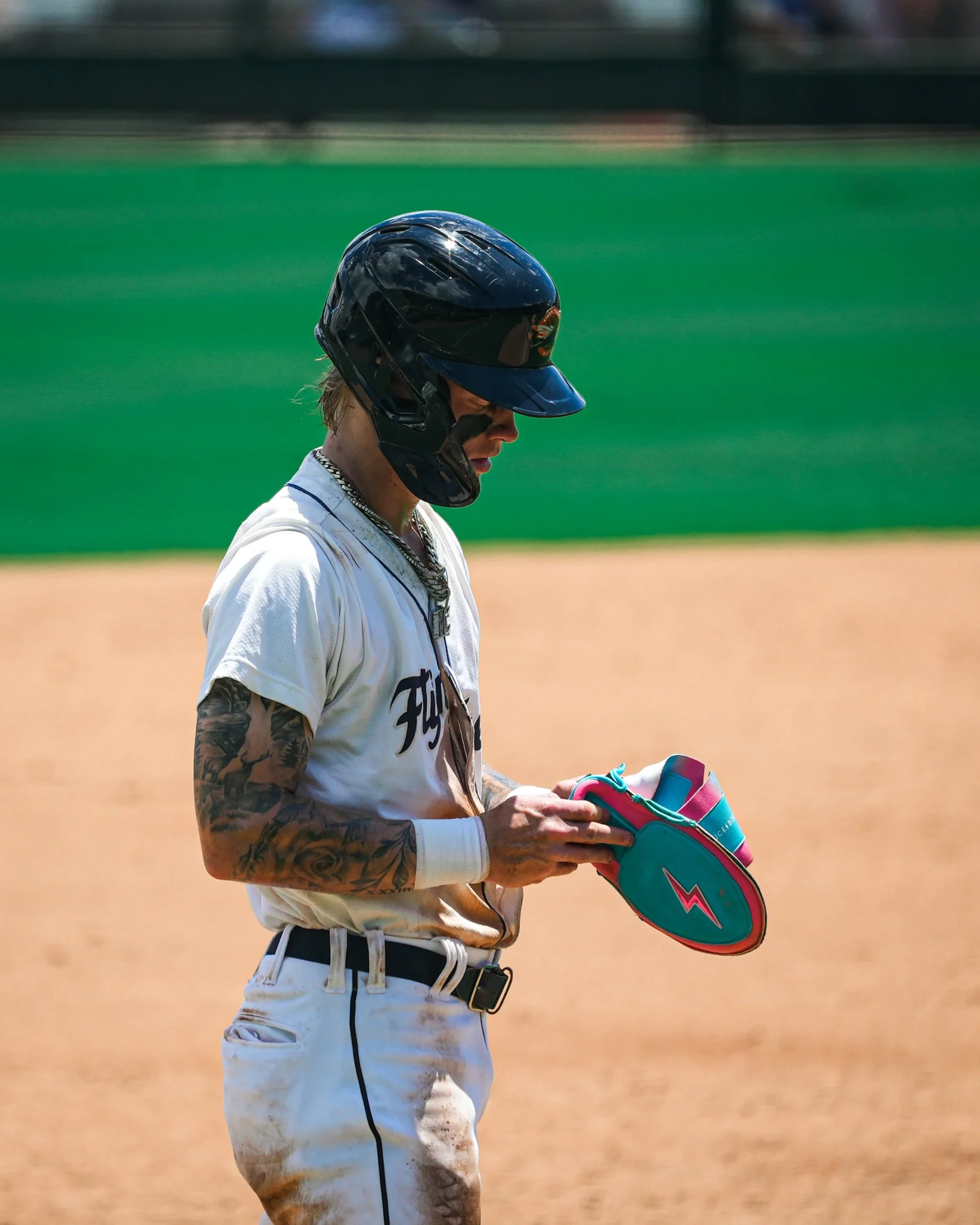
Creative Juice’s baseball portfolio shows black-and-grey tattoos across both arms. In action and portrait photographs, the ink covers broad areas of the upper arms and forearms, with separate motifs meeting as the work wraps around each limb.

Different poses reveal different sections: a fielding shot shows the sleeve as Clark holds his glove, a seated view brings the forearm closer, and a batting image changes the angle as his elbows bend. The photographs establish extensive coverage but do not identify every partly hidden mark.

Max Clark tattoos: Max Clark’s arm tattoos during a batting pose

A Difficult Spring Reshaped the Season

The phrase records a specific point in Clark’s development. The reporting links it to the March reassignment, but the tattoo alone does not describe the rest of his season.

How the Visible Work Appears in Baseball Photography

Uniforms and movement determine what the photographs reveal. Short sleeves expose the arms but cover the side phrase; a turned torso may show the numerals, while a glove or bent elbow changes the view of the sleeves.

Across Creative Juice’s series, the arm work remains visible from several angles. The photos add different views of the same coverage rather than a complete inventory of every symbol.

Details That Can Be Identified Without Guessing

The clearest reported details are the exact right-side wording and its connection to the 2026 reassignment, plus the chest sequence XII XIII MMXXV and two angels. Both arms show extensive black-and-grey work in the portfolio images.

Smaller shapes are often hidden by clothing, gloves or camera angle. The sources support their placement and overall treatment, but not a speculative list of names or meanings.

What the Photographs Keep Clear

Baseball photographs capture the tattoos in game settings rather than as a complete tattoo catalog. Uniforms, gloves and movement reveal some areas while hiding others.

The Timeline of His Career

Placed in sequence, the chest date was reported first, the arm work appears across Clark’s baseball photography, and the right-side phrase followed the spring 2026 reassignment. The chronology keeps the designs distinct rather than folding them into one general theme.

The Collection Stays Specific

The named phrase, reported date and visible arm coverage are well documented; partly hidden motifs remain unidentified in the available photographs.

A baseball interview clip appears below.

David Raya Tattoos: 13-08-21 Neck Date, Arm Work and New Leg Ink

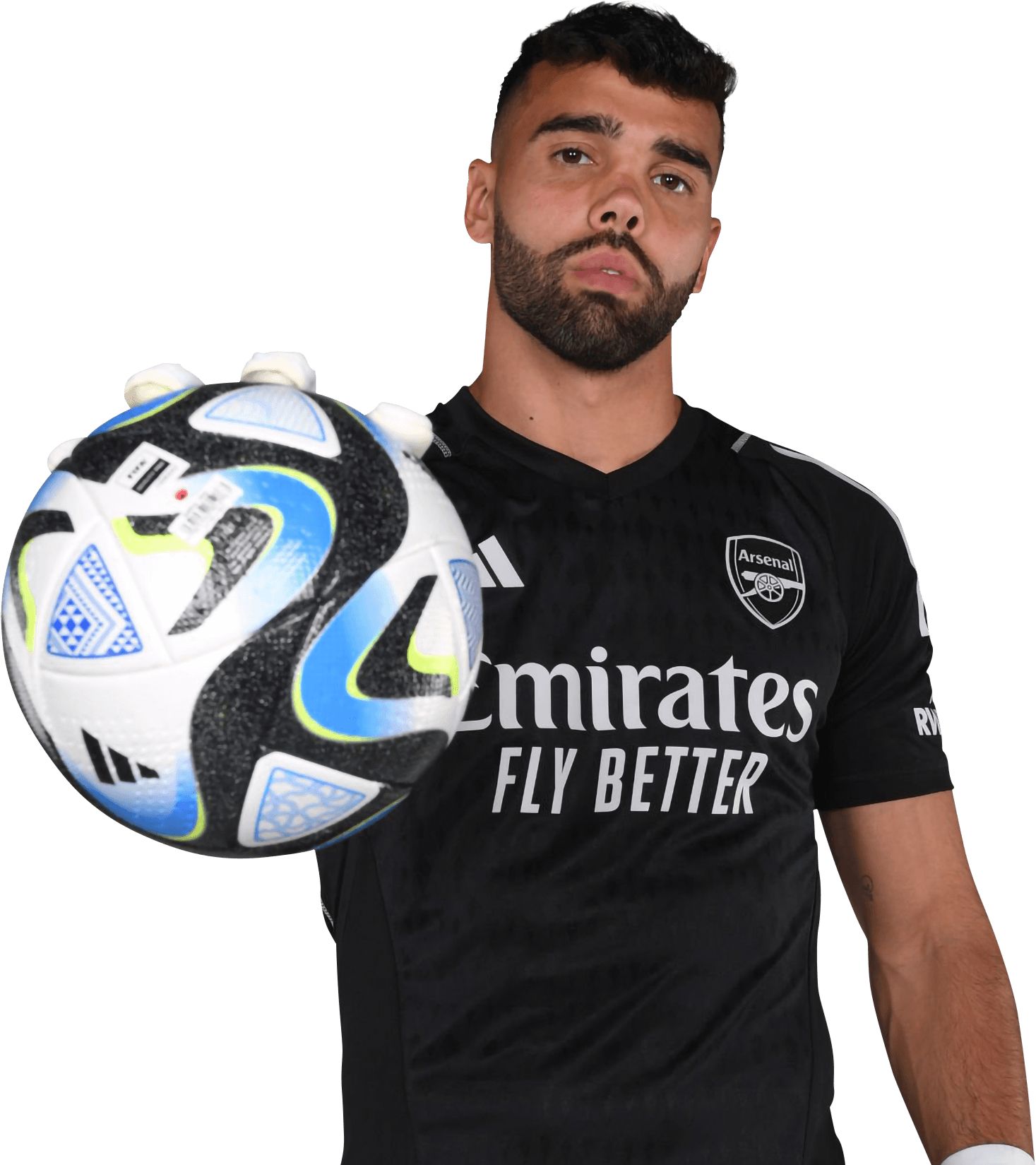
David Raya’s tattoos include the date 13-08-21 on the back of his neck, extensive black-and-grey arm work, smaller hand marks and newer leg pieces reported in football coverage. Raya has described tattoos connected to family, friends and career moments, though the available sources do not explain every visible design.

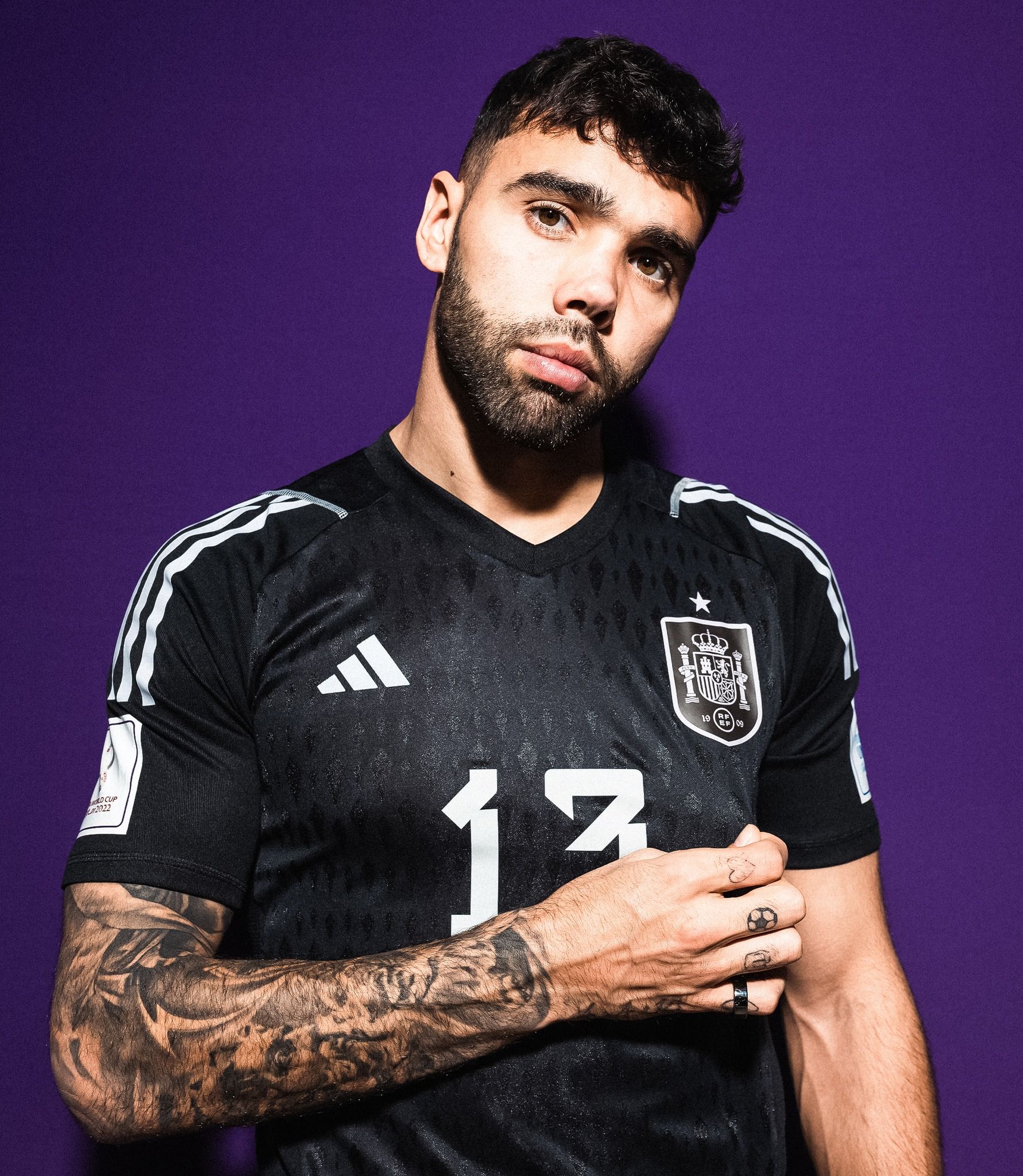
David Raya’s tattooed arm work

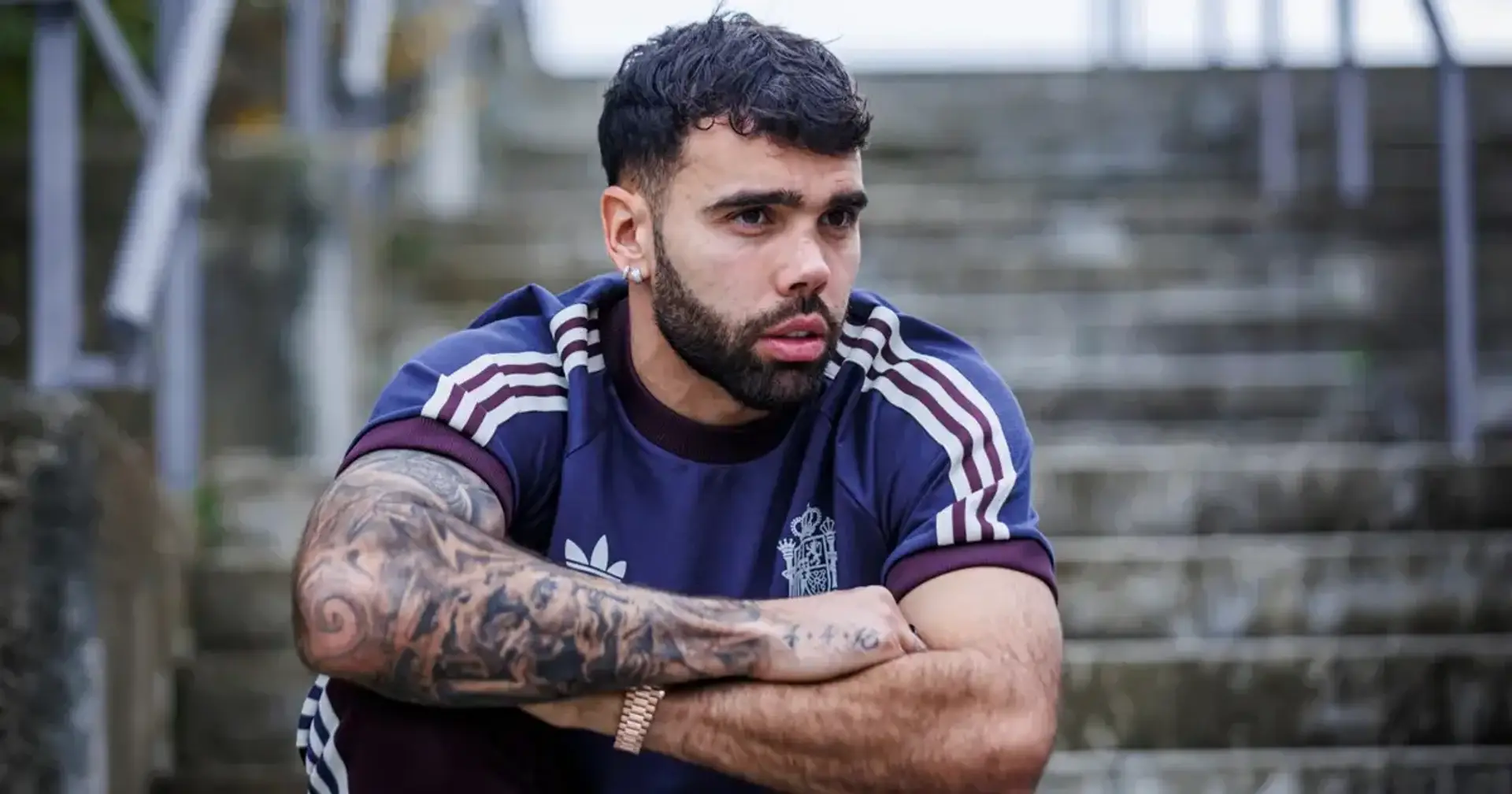
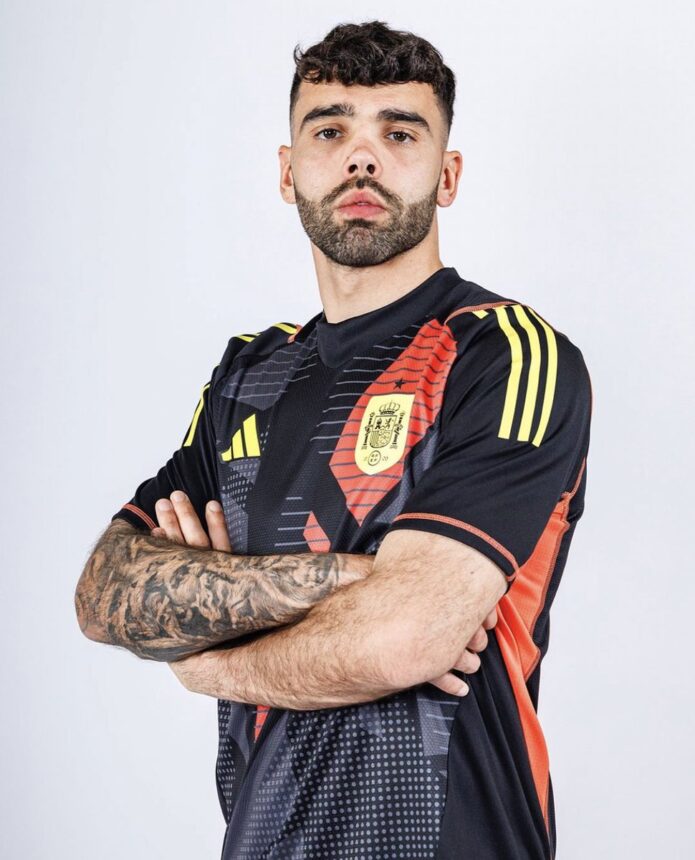
David Raya tattoos: broad portrait showing David Raya’s tattooed arm and the scale of the collection

A Spain goalkeeper portrait shows dense black-and-grey work along Raya’s forearm. Layered figures and shading cover a broad area; the photograph does not identify every image inside the sleeve.

Light and open skin break up the darker passages. The sleeve remains visible even when his arm is folded and his shirt covers its upper edge.

The 13-08-21 neck tattoo

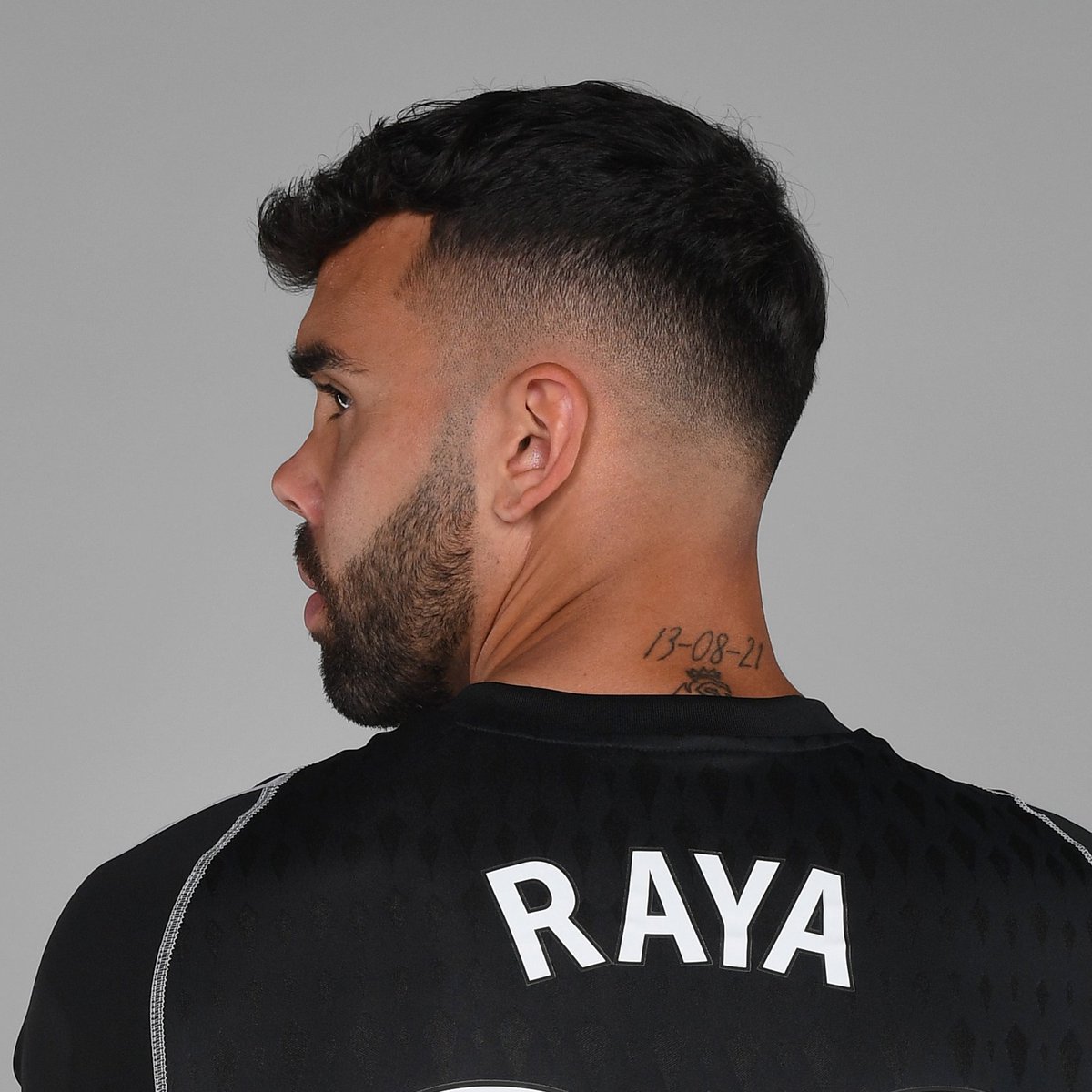
David Raya tattoos: close profile view isolating the 13-08-21 date tattoo above the shirt collar

The date 13-08-21 sits at the back of Raya’s neck, above a smaller mark whose meaning is not established in the sources. Sports reports connect the date to his Premier League debut for Brentford on August 13, 2021, a 2–0 win over Arsenal.

The match connection is reported directly, not inferred from the numerals. The tattoo can be hidden by a collar and shows when Raya turns away from the camera.

The date tattoo on Raya’s hand

David Raya tattoos: close arm and hand view showing the sleeve, date detail and knuckle ink

Close photographs show small marks on Raya’s hand and knuckles beside the larger forearm work. Body Art Guru identifies a date tattoo on the hand, but the available image does not make every character readable.

The fingers’ joints and position change what the camera can see. The photos establish hand and knuckle ink without confirming a complete list or a separate meaning for each mark.

The black-and-grey forearm sleeve

David Raya tattoos: wider training photograph showing how the black-and-grey forearm sleeve sits across a bent arm

A training photograph shows more of the black-and-grey forearm sleeve as Raya sits with his arms crossed. Dark outlines and pale shading form a connected field, including a circular face-like detail and other figures that cannot be reliably named from the image.

The work is not a single uninterrupted picture or a blackout. Open skin and lighter passages separate motifs, while the repeated shading gives the arm a consistent overall look.

The newer leg tattoos

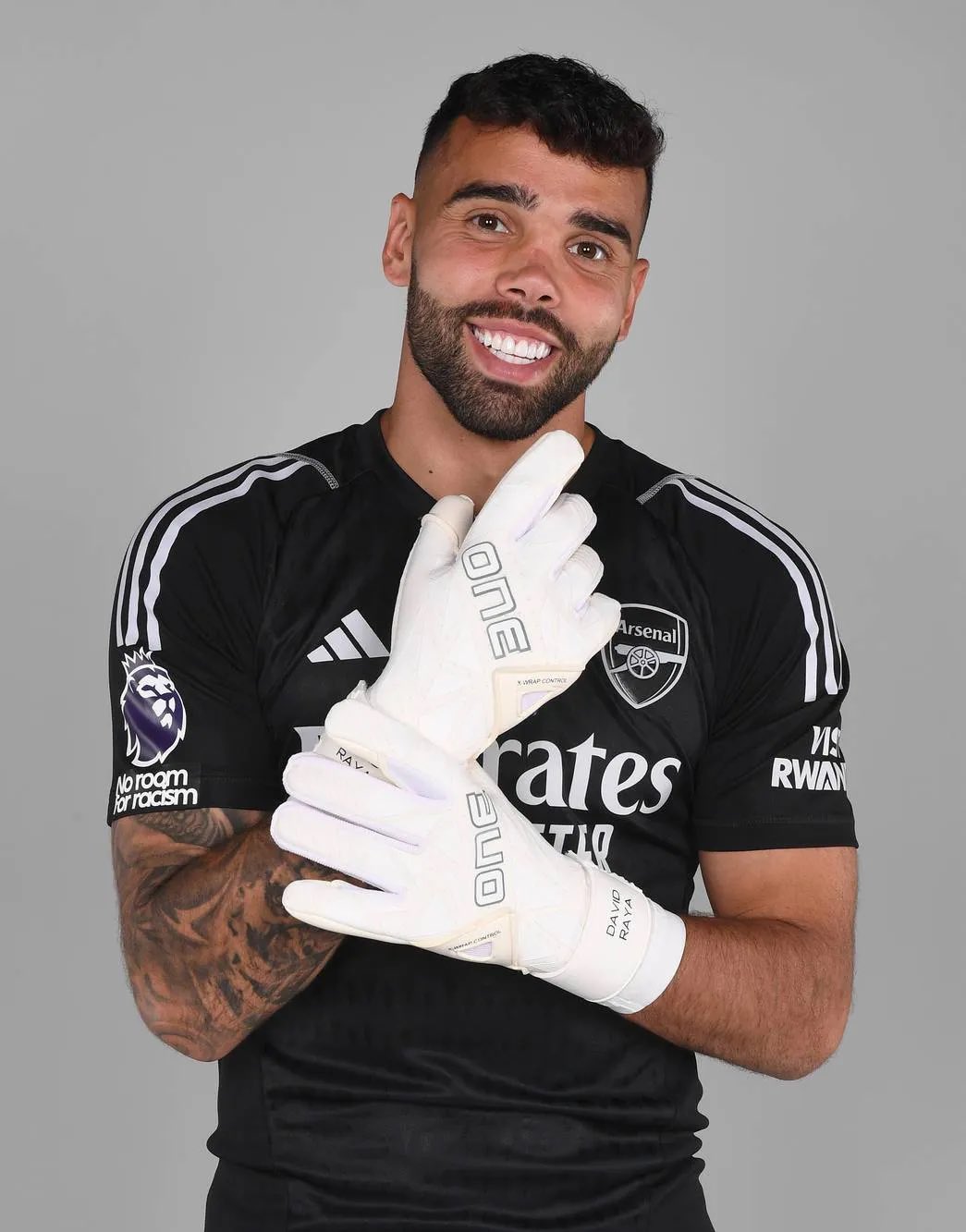
David Raya tattoos: kit-reveal portrait showing the forearm tattoo collection from a second public angle

Tribuna reported newer leg tattoos connected with Arsenal’s title and Spain’s 2026 World Cup win. The available close photographs focus on Raya’s arm and neck, so they do not establish the leg designs’ exact lettering, size or placement.

Those reports extend the timeline beyond the 2021 neck date, but the pieces should be described as reported football-related additions rather than inferred from images that do not show them.

What the sources establish

La Vanguardia reported that Raya’s tattoos relate to his grandparents, parents, friends and debut. The neck date and match are specifically identified; the arm photographs show broad coverage, while small symbols within the sleeve remain unnamed.

The evidence supports family, friendship and football as recurring subjects. It does not establish a private explanation for every line or figure.

How the photographs fit together

Studio portraits, training images and kit photographs show the same work under different lighting and from different angles. Purple studio light makes the sleeve’s dark passages stand out; outdoor light softens the greys. A bent arm also changes how each section appears.

The date may be clear in a rear view and hidden in a front portrait. These differences affect visibility, not the reported placement or meaning of the designs.

The video interview below provides additional context on Raya’s football career.

Gabriel Magalhaes Tattoos: 2026 Trophy Ink, Neck Script and Arm Work

Gabriel Magalhaes’s photographs show dense black-and-grey work across both arms and script along his neck. A Premier League report also describes a calf tattoo of the trophy with “2026” beneath it after Arsenal’s title win. The sources establish the placements, but not a private meaning for every visible mark.

Gabriel Magalhaes’ tattooed forearms

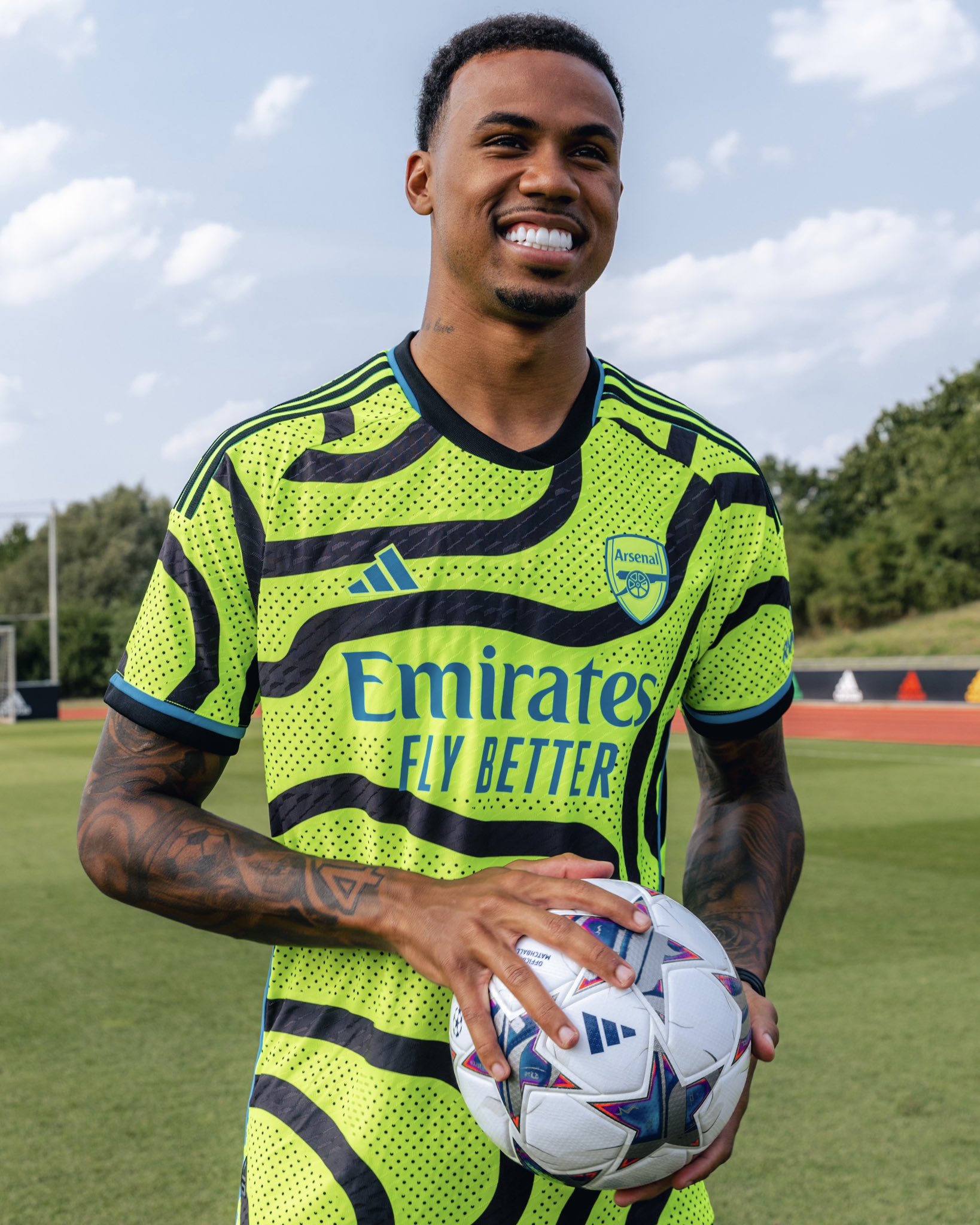
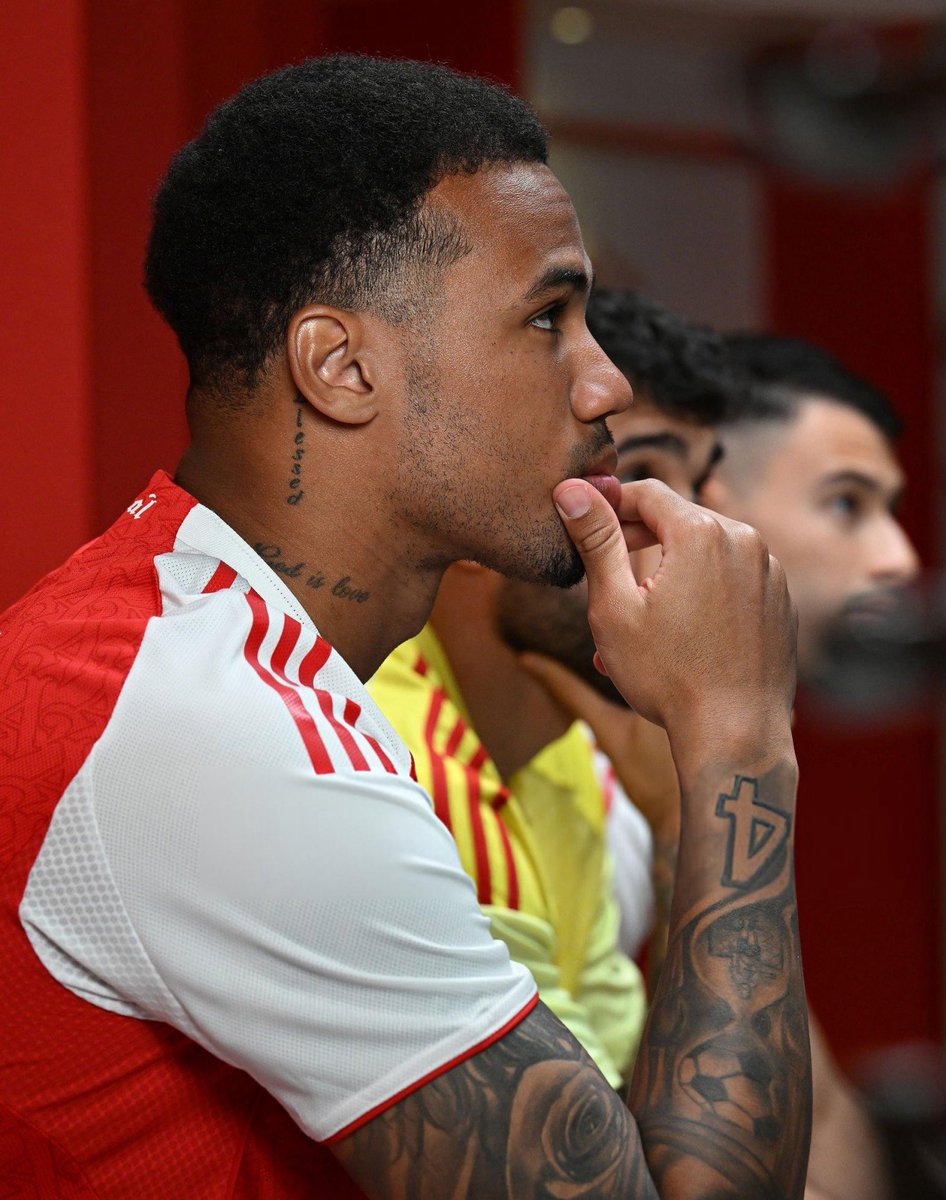
Gabriel Magalhaes tattoos: Close football portrait showing Gabriel Magalhaes’ face, neck tattoo and both tattooed forearms.

A portrait in Arsenal’s away kit shows substantial black-and-grey coverage across both forearms. Dark sections sit beside lighter shading and smaller details near the wrists. The work extends over much of the lower arms rather than forming one isolated emblem.

The image does not make every motif clear enough to name. It supports a description of dense, layered arm work and the contrast between filled areas and open skin.

The neck script in Gabriel Magalhaes’ profile

Gabriel Magalhaes tattoos: Side profile showing the narrow neck script above the larger arm tattoo work.

A locker-room side photograph brings the neck script into view. The writing follows the side of the neck beneath the ear and toward the shoulder, where shadow and the turn of the head obscure some of the letters.

The photograph supports its placement and script style, but the available sources do not confirm a full reading or personal explanation.

Black-and-grey coverage across both arms

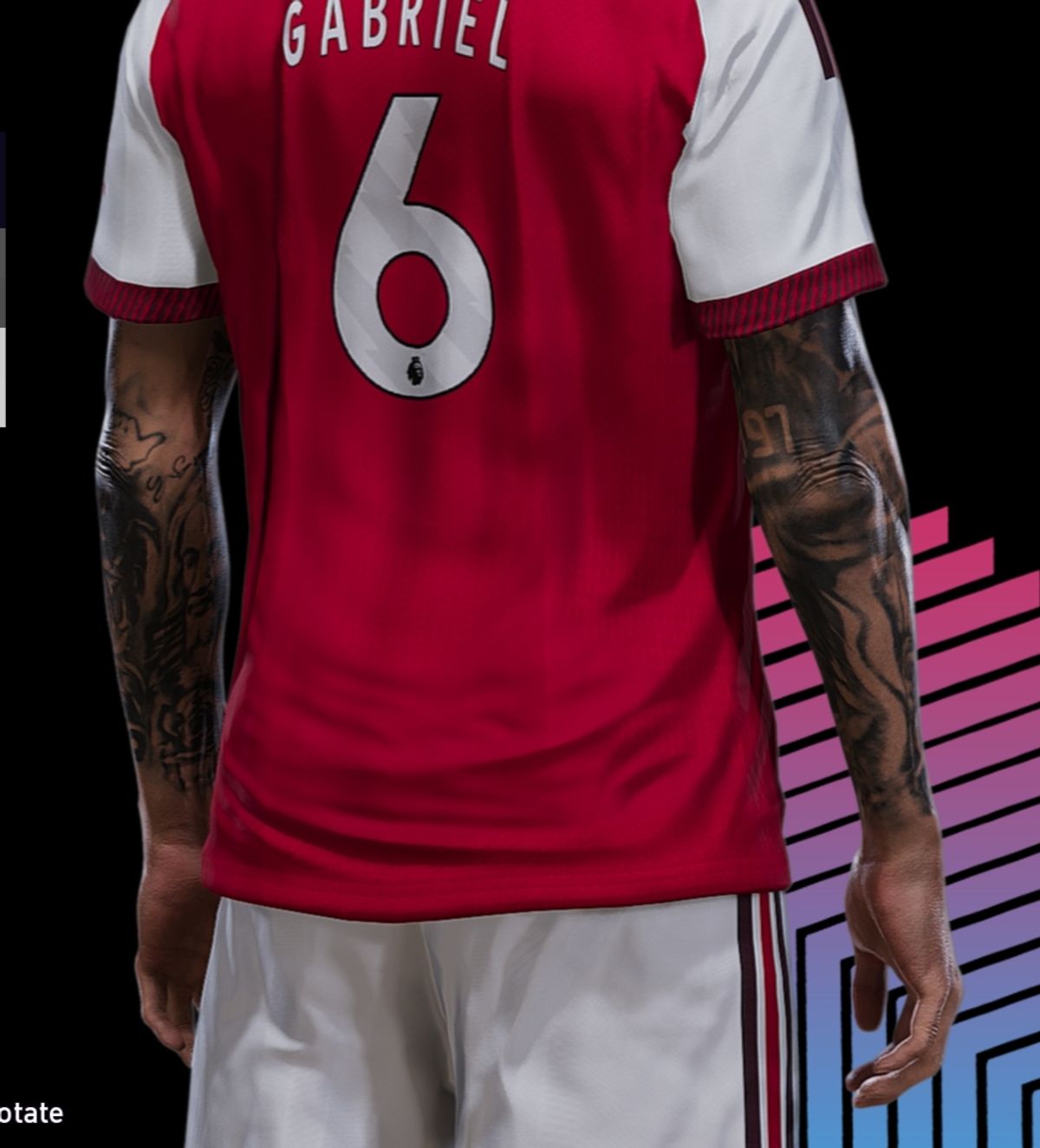
Gabriel Magalhaes tattoos: Front portrait showing the distribution of black-and-grey work across both arms.

A front portrait shows both forearms together. One appears darker because of the light and the angle of the shirt; the photographs do not establish that the two arms carry matching designs.

The black-and-grey work includes shaded and figurative-looking sections separated by lighter gaps. At this distance, the image shows the overall coverage more reliably than the smaller symbols.

Lettering, symbols and heavier shaded passages

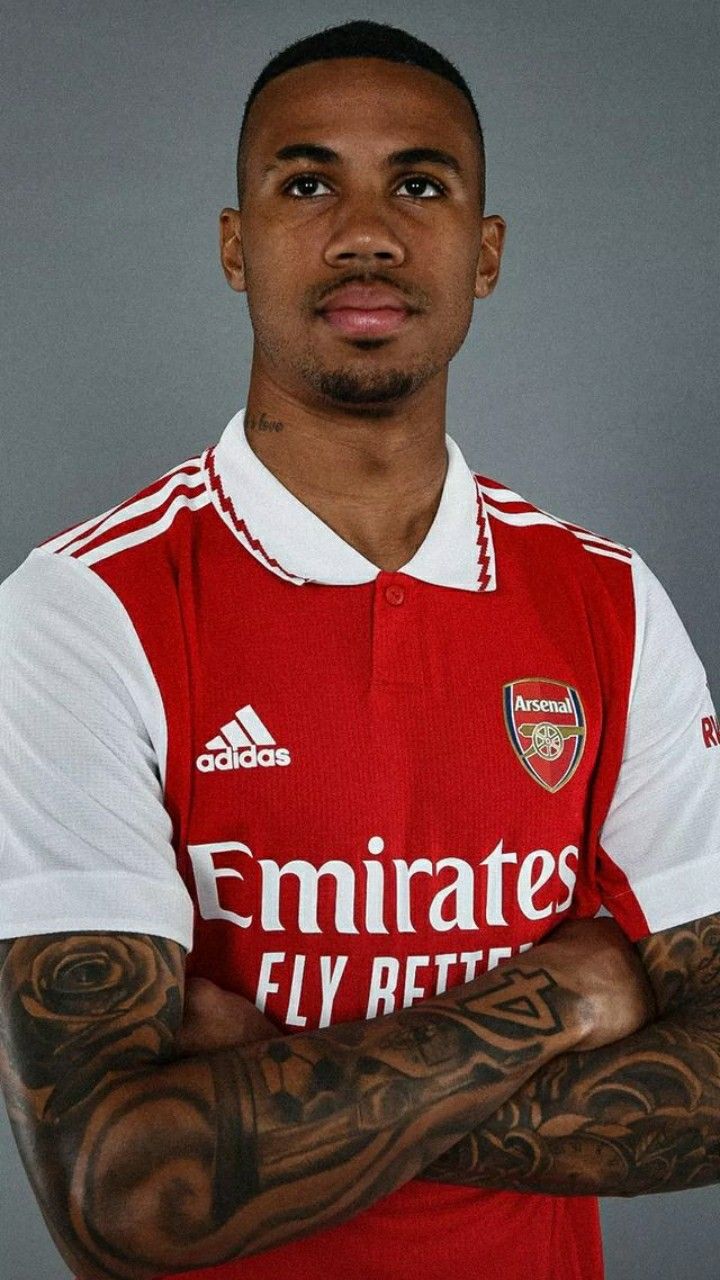
Gabriel Magalhaes tattoos: Wider Arsenal kit photograph showing lettering, symbols and shaded arm passages.

A wider kit photograph shows the forearms, upper body and some marks partly covered by the shirt. Dark passages and open skin give the arms structure, but the angle is not clear enough to identify every shape as a particular portrait or symbol.

The coverage is broad without appearing as a uniform blackout. The visible variation in shade and texture remains clear even when individual details are not.

The newer Premier League trophy tattoo

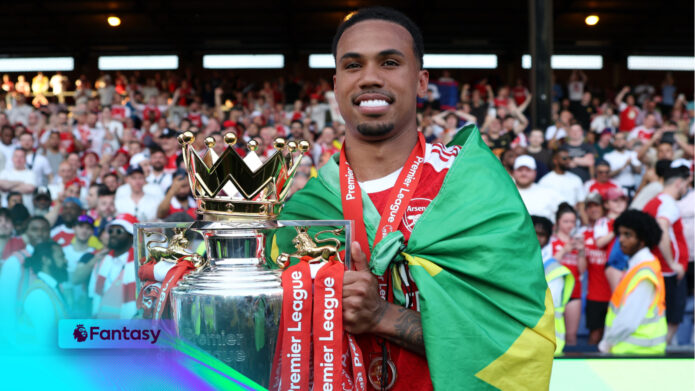
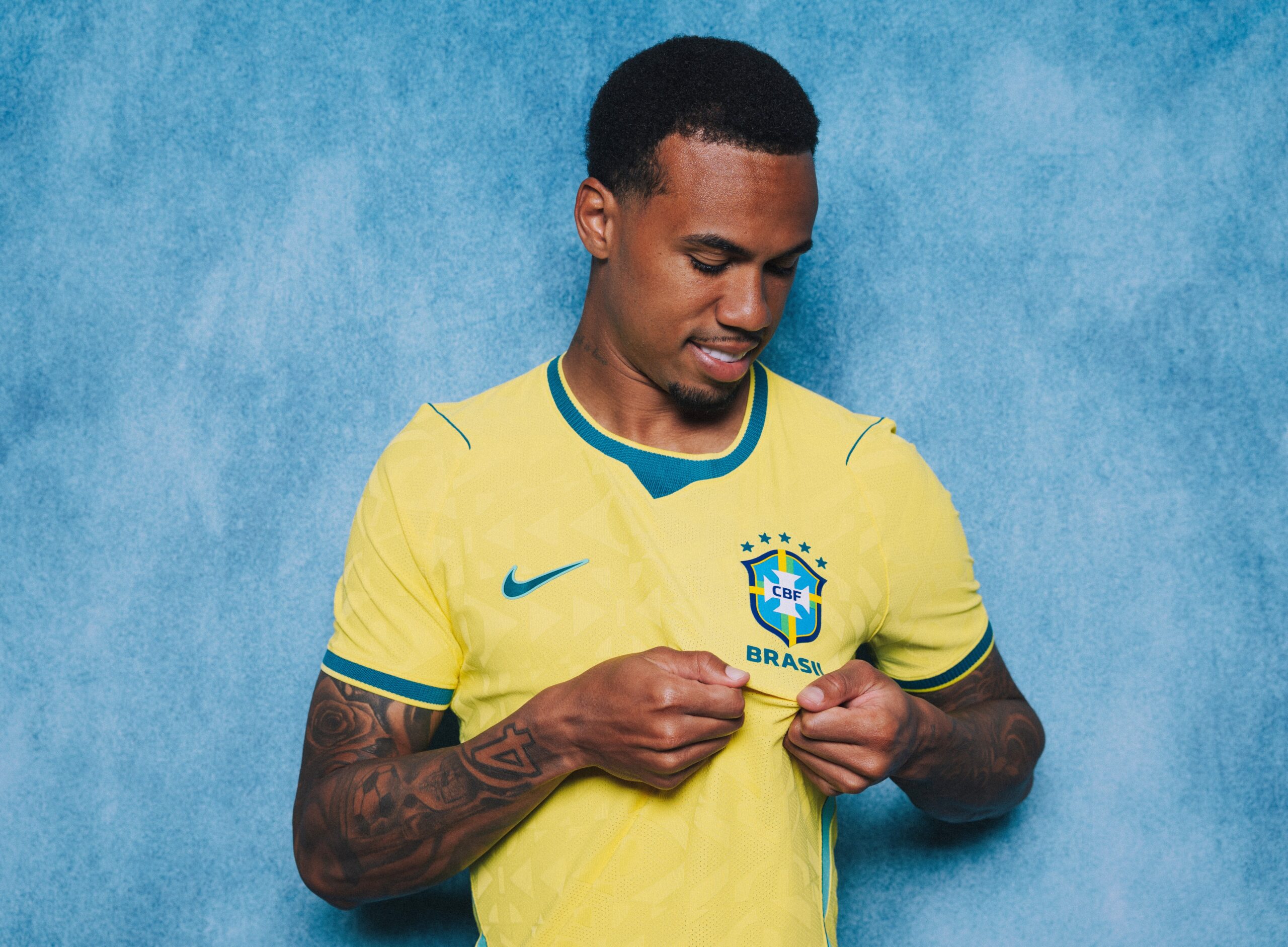
Gabriel Magalhaes tattoos: Brazil kit portrait showing Gabriel Magalhaes’ tattooed arms; the calf trophy is documented separately by the league report.

The Premier League’s official briefing reported a tattoo on Gabriel’s calf after Arsenal’s title win: a replica of the league trophy with 2026 below it. The report identifies artist Diego Santos through an Instagram post and connects the piece to the club’s achievement.

This account supplies the clearest date for a recent addition. The arm photographs do not show the calf closely, so the trophy design is supported by the report rather than by those images.

What the photographs reveal

The five photographs serve different purposes: a close portrait shows arm detail, a side view reveals the neck, and wider kit images establish scale. Lighting and a bent elbow can change how dark or compressed a section looks, but those are photographic effects rather than evidence that the tattoo changed.

The pictures support extensive arm work and neck lettering. The specific calf trophy and year come from the Premier League report.

The record that can be checked

The clearest record is the combination of dense work on both arms, script on the neck and the reported Premier League trophy tattoo with 2026 on Gabriel’s calf. The photographs establish the first two placements; the official report establishes the newer piece and its context.

Any smaller shapes without a clear image or confirmed explanation are best left undescribed.

Brittney Griner Tattoos: Nature Sleeve, Stars and the Ink She Has Explained

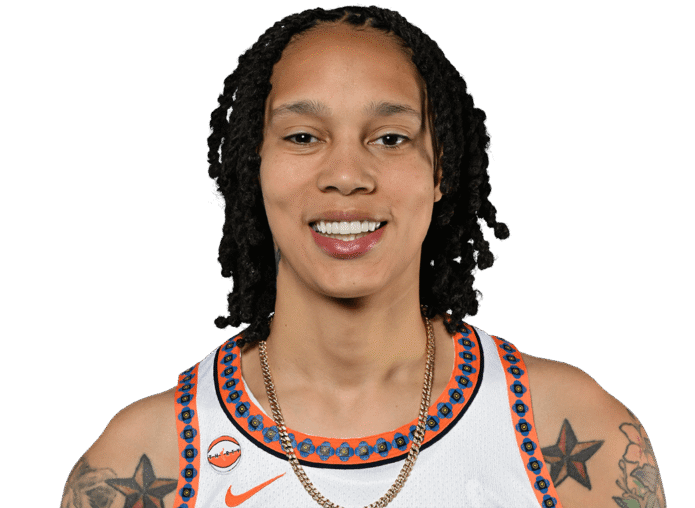
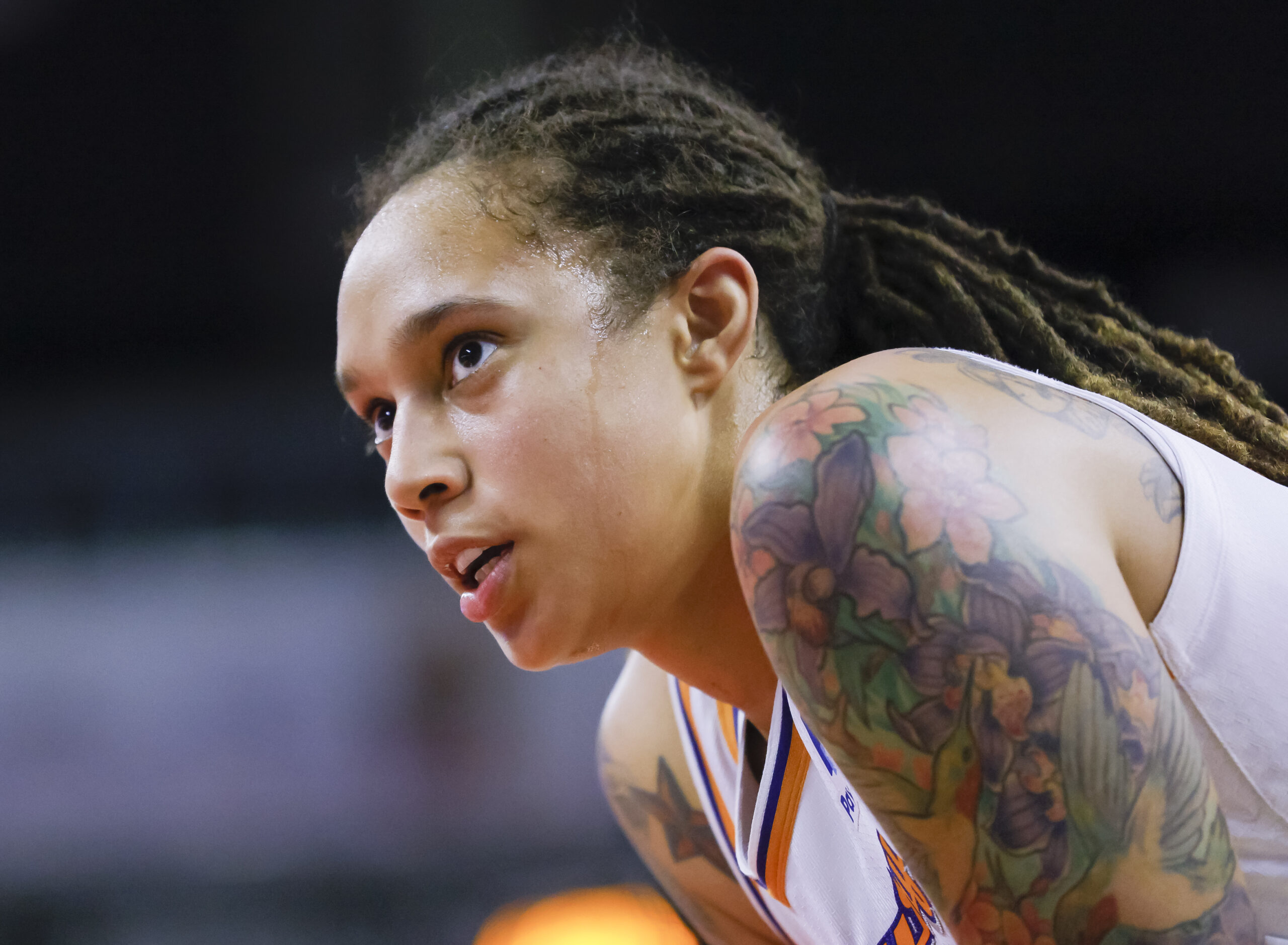
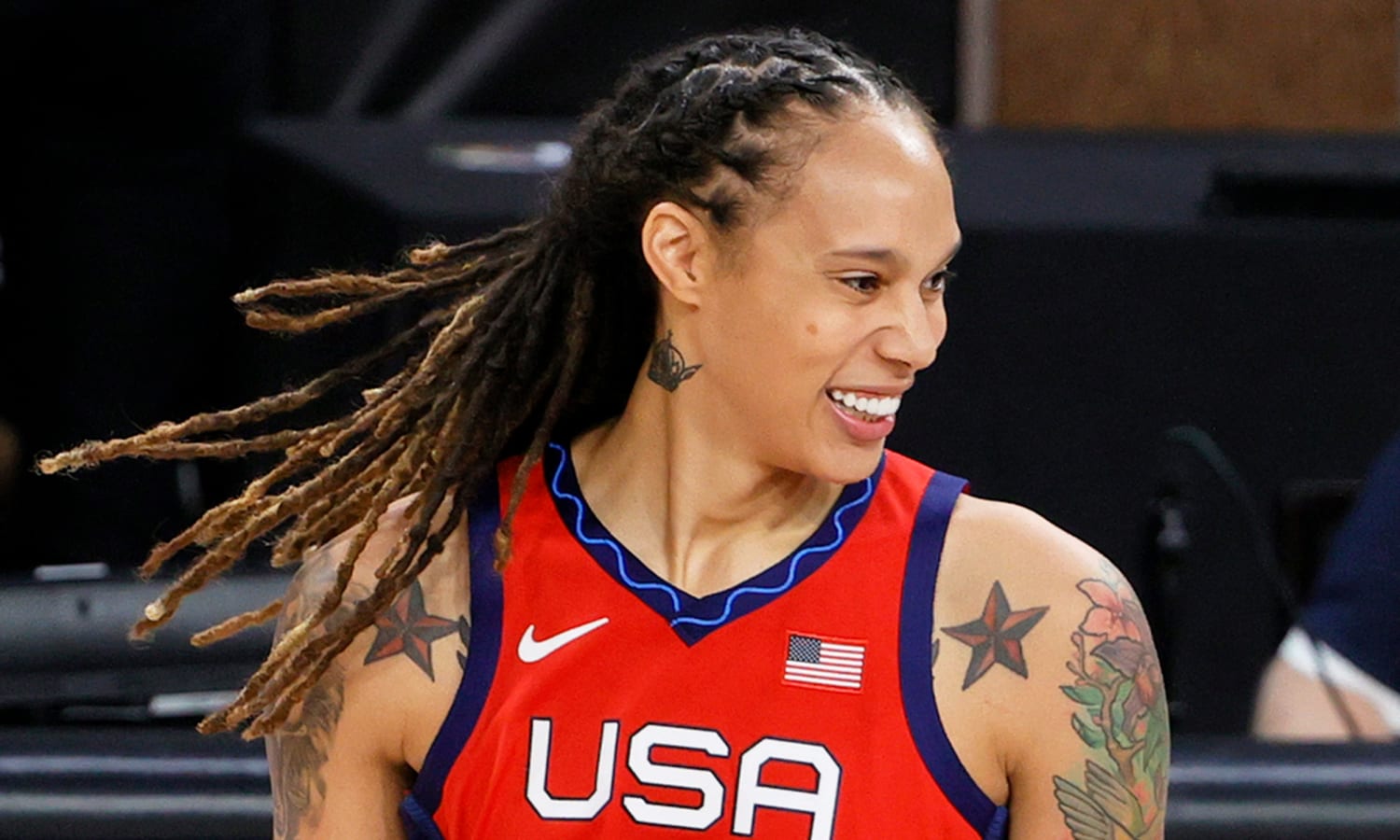
Brittney Griner’s photographs show a colorful nature sleeve, stars on both shoulders, smaller forearm marks and a cross on her hand. She has also discussed linked symbols on her left hip and a pair of skulls on her lower back. The collection mixes visible game-day ink with pieces whose meanings she has explained privately or in interviews.

Brittney Griner’s tattooed arm

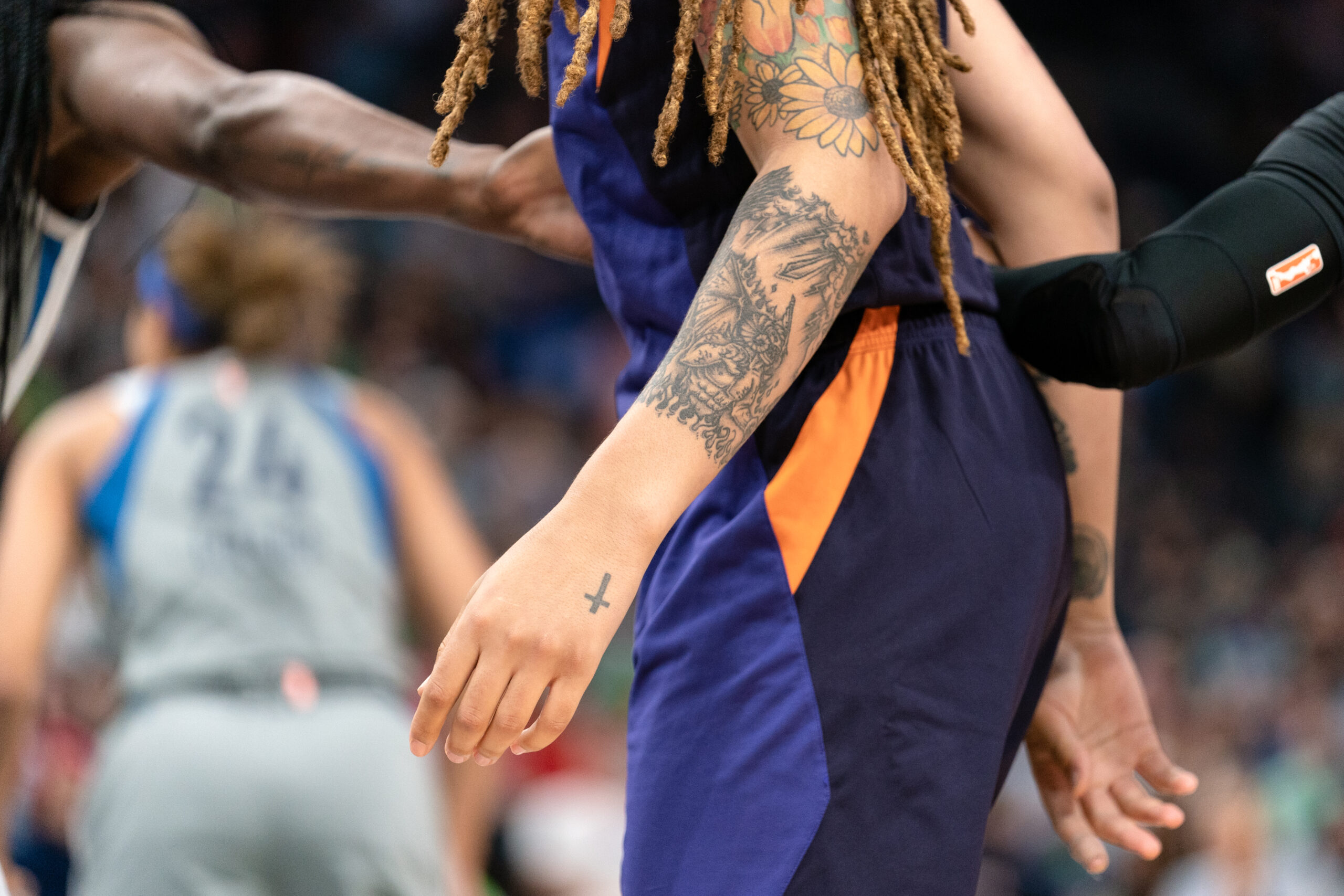
Brittney Griner tattoos: Brittney Griner’s tattooed arm

A close-up shows layered linework, shaded forms and flowers across Griner’s forearm, with a small cross on her hand. Darker areas sit beside lighter passages and open skin, so the arm reads as a sleeve without becoming one solid block.

The photo supports the density and placement of the work; it does not identify every motif.

Brittney Griner’s star tattoos

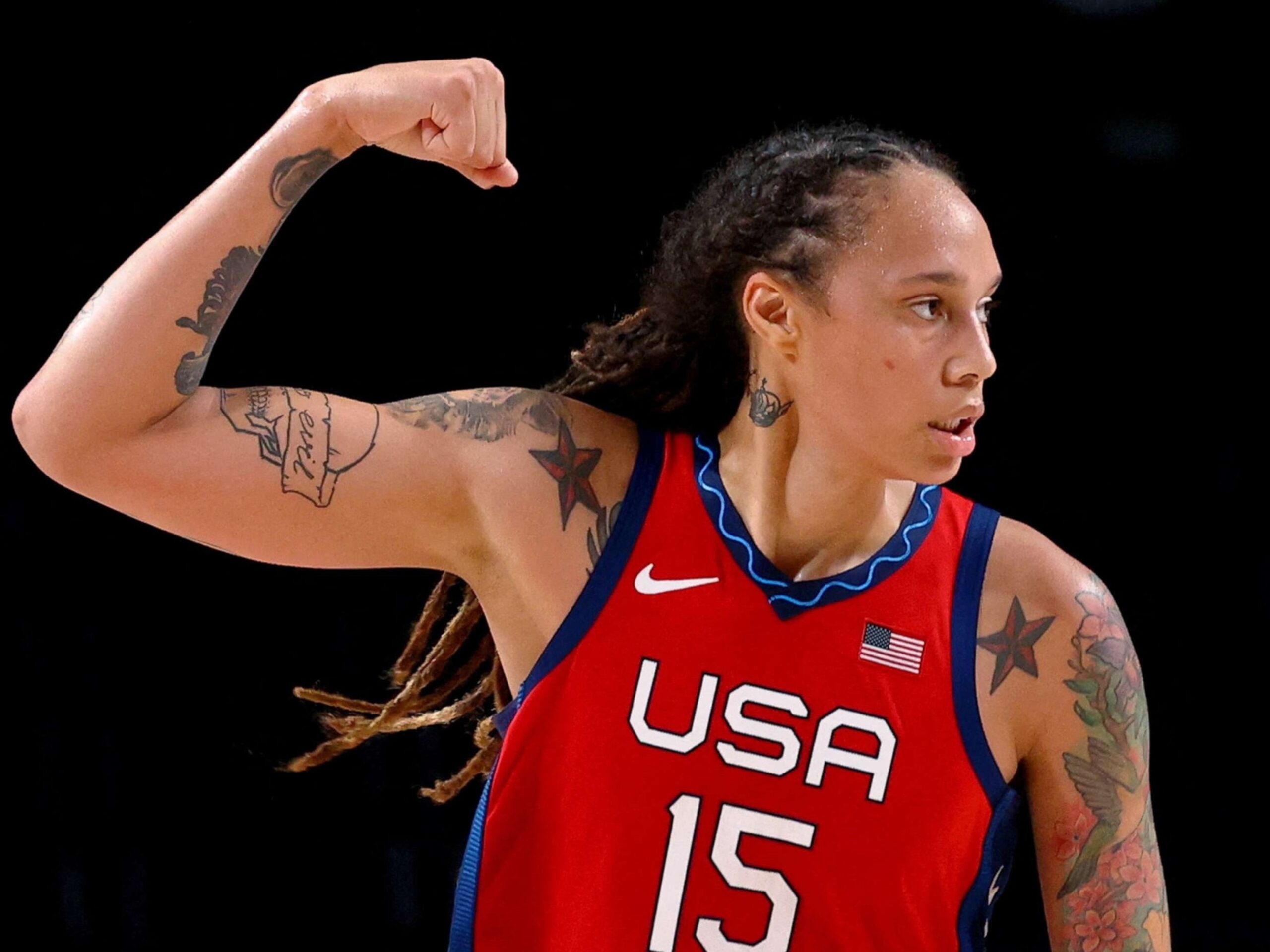
Brittney Griner tattoos: Brittney Griner’s star tattoos

Stars sit high on both shoulders and remain visible in a red USA jersey. They frame the upper body, while the nature sleeve carries more of the detail below.

Their placement makes the stars easy to see in basketball photographs when Griner raises an arm or turns toward the camera.

The floral shoulder tattoo

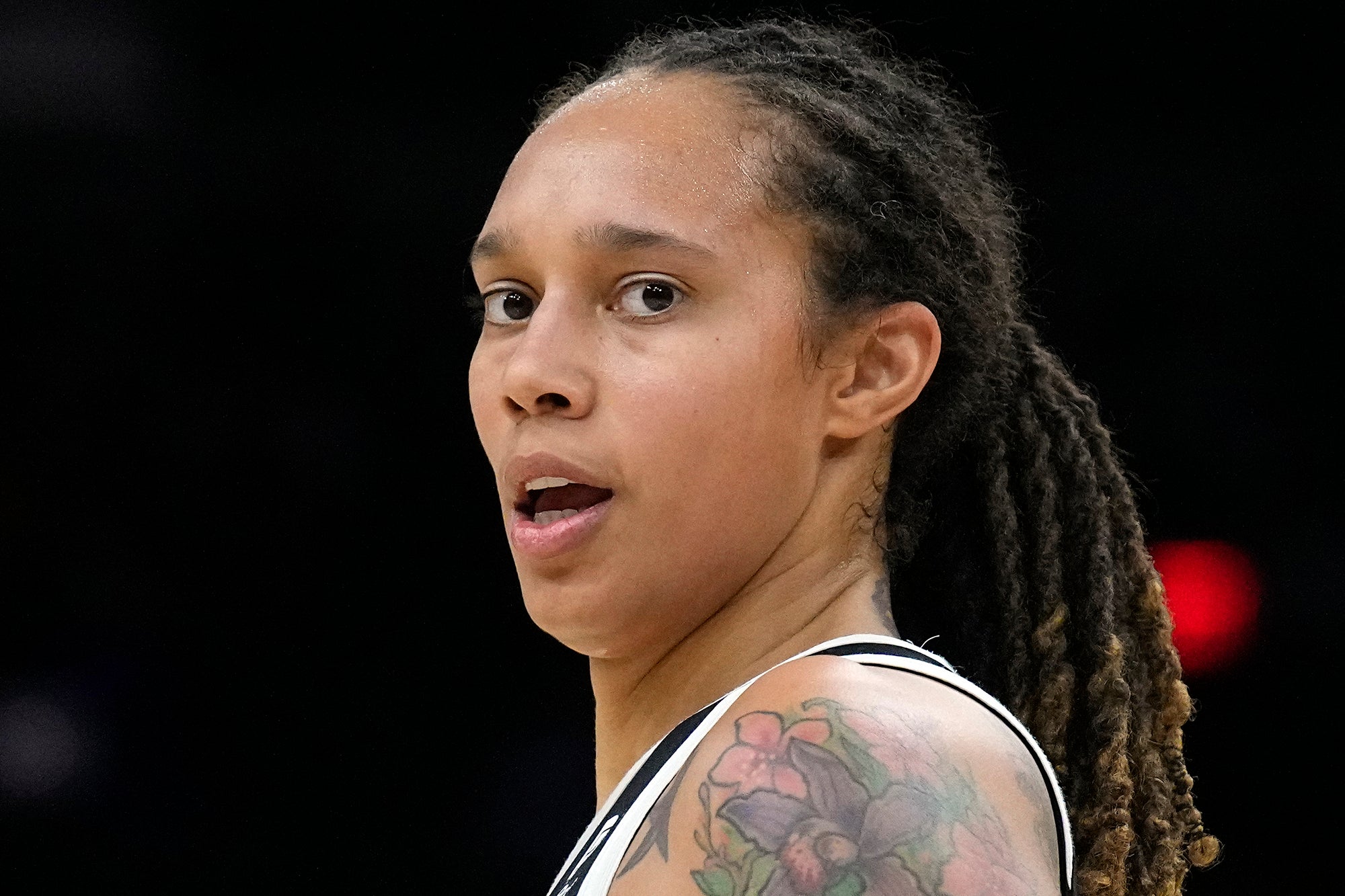
Brittney Griner tattoos: The floral shoulder tattoo

A side-angle photograph shows flowers and green leaves across Griner’s shoulder. The color contrasts with the darker forearm work, and the blooms follow the curve of the upper arm.

The My Ink episode documents the nature-themed sleeve as a project she worked on over time. The photographs show how the floral shoulder section connects visually to denser work below.

Brittney Griner’s ink in game photos

Brittney Griner tattoos: Brittney Griner’s ink in game photos

In game photos, movement and other players can obscure part of a tattoo. The stars may sit near the jersey line, while the flowers and forearm work appear as Griner reaches or extends her arms.

Comparing clear images helps distinguish the main designs from dark patches that a single cropped frame might blur together.

Brittney Griner’s tattoos in Team USA colors

Brittney Griner tattoos: Brittney Griner’s tattoos in Team USA colors

The red USA uniform gives a clear view of the shoulder stars and floral sleeve. Both arms appear in the same frame, but the designs are not mirror images: the nature work carries more visual detail, while the stars frame the shoulders.

Different jerseys and lighting change the contrast in a photograph, not the underlying tattoo placement.

Building a visual rhythm over time

My Ink followed Griner as she completed the nature-themed sleeve. Later photographs show flowers and leaves near the shoulder and darker, more detailed work through the forearm.

The sleeve has varied color and linework, with the images meeting across the arm rather than being separated by a hard border.

A private chapter away from the court

Griner has described linked female symbols on her left hip as connected to her identity. Pride’s report on My Ink links the design to her decision to be open about being a lesbian. The placement is more private than the sleeve and shoulder stars.

The published account supplies the personal context; the photograph record does not need an added interpretation.

Keeping one reminder private

ESPN reported two skulls on the lower right side of Griner’s back, a reminder tied to the phrase “laugh now, cry later.” The design is not visible in most game photographs, so its account comes from reporting rather than the images of her arm.

Its placement keeps the reminder private while the sleeve and stars remain more publicly visible.

How the pieces fit together

The pieces occupy different areas and serve different roles: the stars frame the shoulders, the nature work fills the arm, the small cross sits on the hand, and the hip and back tattoos carry personal references.

The collection is not perfectly symmetrical or fully explained in public. Those limits are part of the record.

The facts, without the guesswork

Clear photographs establish the shoulder stars, colorful nature sleeve and smaller hand and forearm marks. Griner’s interviews and named reporting provide context for the hip symbols and lower-back skulls; other details remain undescribed rather than guessed.

A video about Griner’s tattoos appears below.