codex

NBA YoungBoy Tattoos: Face, Chest and Arm Ink Explained

NBA YoungBoy’s tattoos cover his face, neck, chest and arms. Photos show names, lettering, portraits and dark shaded designs, with the exact details easier to see in some years and angles than others.

A close portrait can show the heart by his eye; a shirtless photo brings out the chest and arm work. The collection has changed over time, so one image is only a view of that moment.

NBA YoungBoy’s face tattoos are small but recognizable

The face tattoos are smaller than the chest and arm pieces. A heart beside his eye is one of the clearest details. Other marks and lettering appear around the forehead and cheeks, though performance photos do not always show them sharply.

The small designs are easy to notice in a close portrait. Marks around the eyes and cheeks have also changed in photos from different years, so it is better to describe what appears in each image than treat one picture as a full record.

Neck tattoos connect the face to the chest

YoungBoy has dense ink on both sides of his neck, including script and rounded shapes. A rose and other dark designs show beneath his jaw in some photos. Chains can cover parts of the area, but the tattoos still fill the space between his face and collarbones.

The neck, lower face and upper chest often appear together in shirtless photos. The ink continues across those areas rather than stopping at a clean border.

The chest portraits are the center of his tattoo collection

Public photos show portrait tattoos on both sides of YoungBoy’s chest. One pectoral has a woman’s face; another has a separate figure. Lettering and darker filler sit around them.
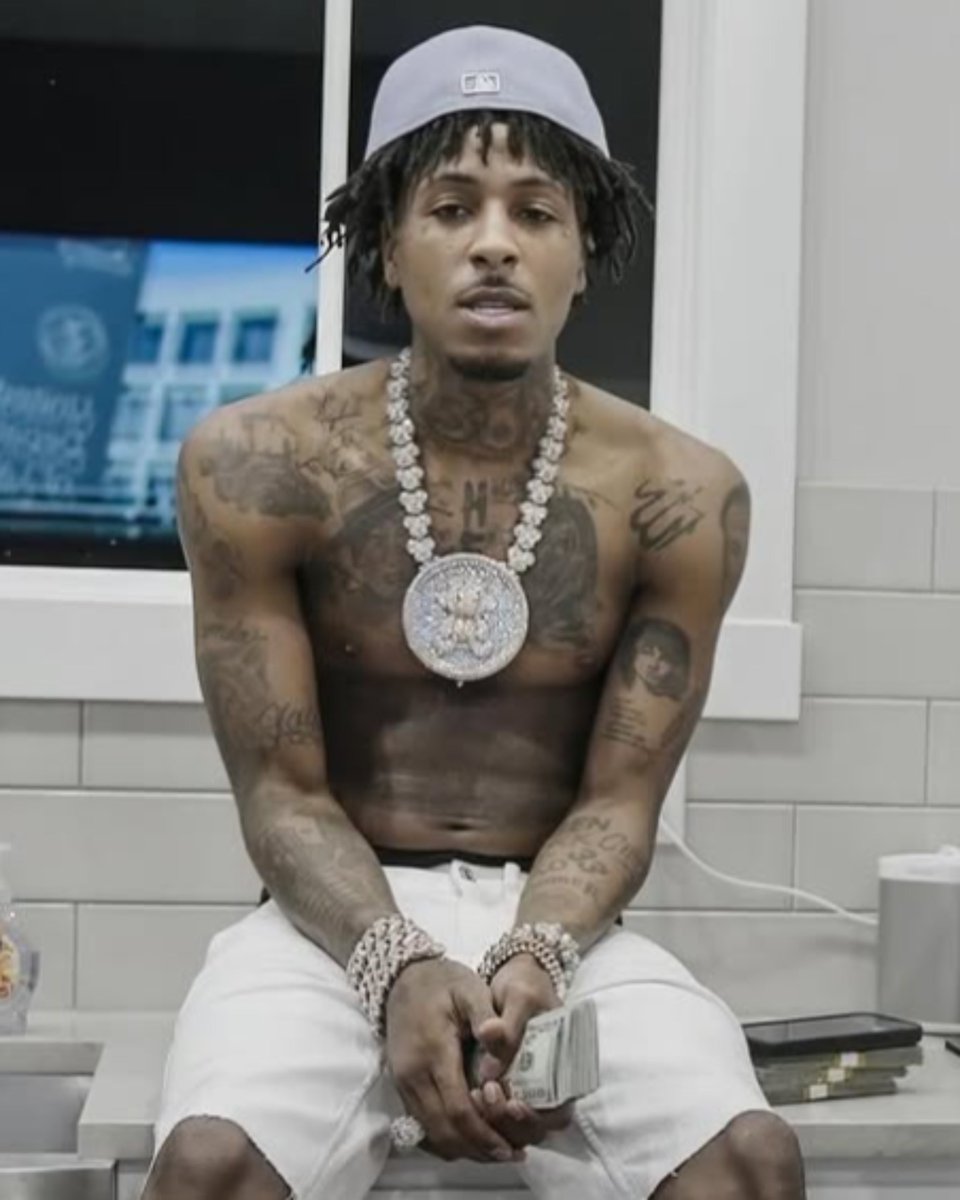
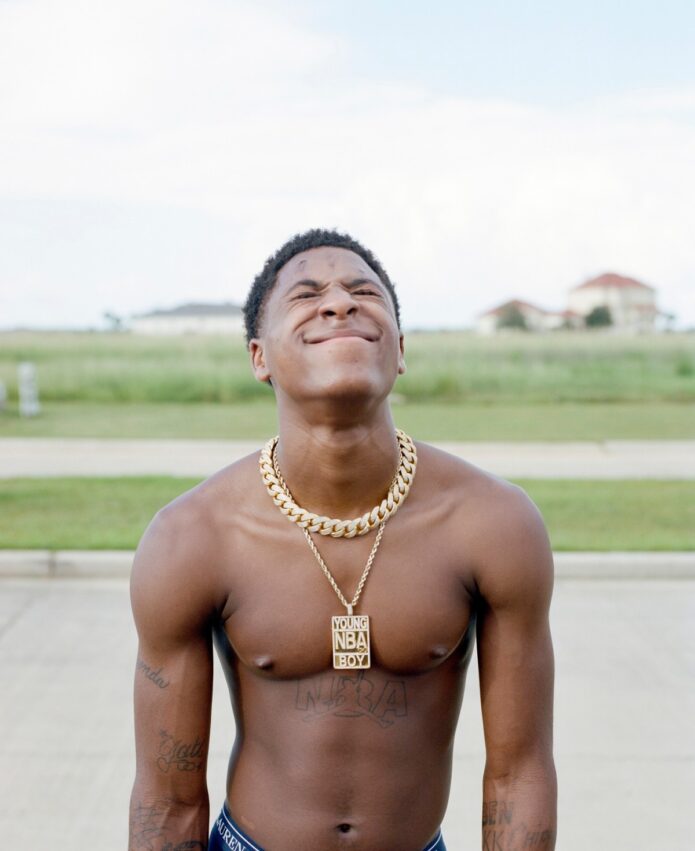
NBA YoungBoy chest and arm tattoos in a shirtless portrait
A shirtless portrait shows the chest and arm tattoos together.

The portraits use softer shading than the heavier lines around them. A large pendant often hangs over the middle of his chest, but the outlines remain visible at either side.

His arms carry wolves, buildings and family ink

YoungBoy’s arms combine several kinds of work. A wolf appears on the upper right arm, while clouds and buildings extend along parts of a forearm. Together, those forms create a scene rather than one isolated symbol.

Names and lettering also appear on his forearms and hands. Photos show the words “Mom” and “Jamia.” Hand and wrist ink can look softer in older or more distant images than it does in a close view.
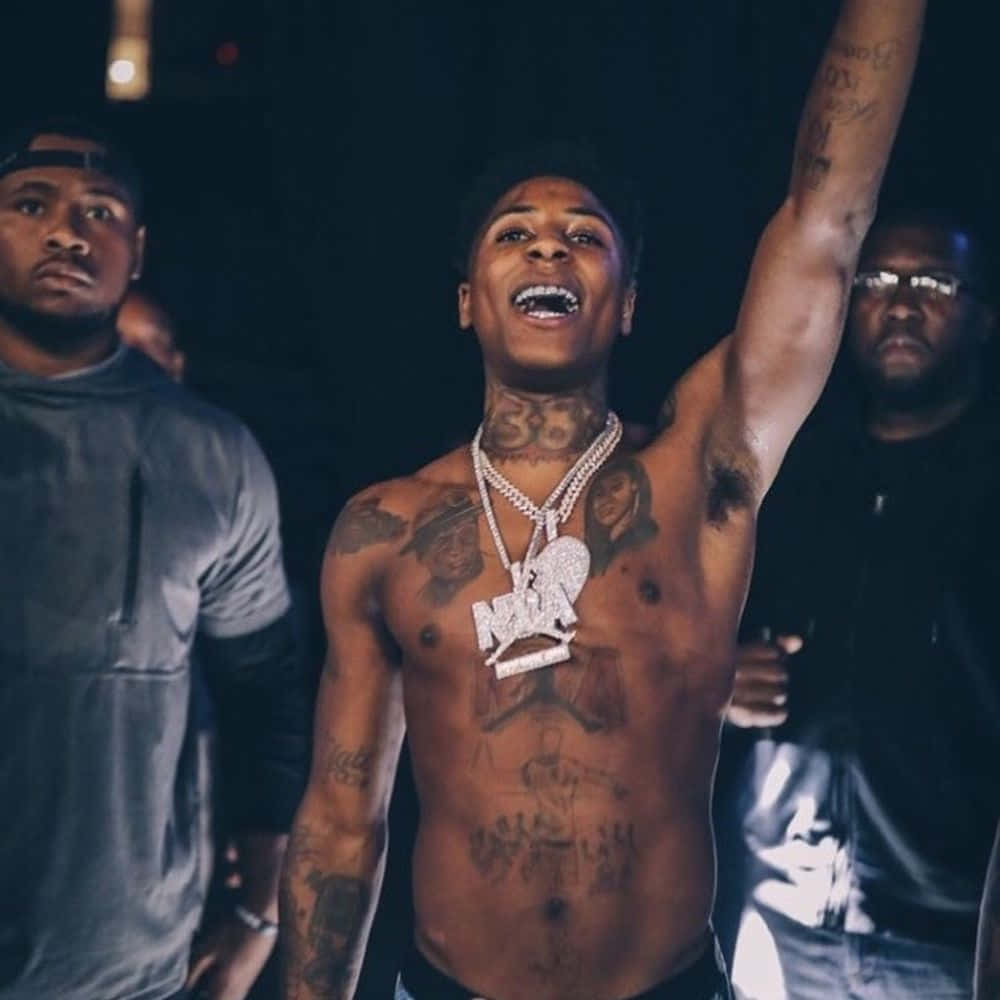
NBA YoungBoy showing his chest and arm tattoos during a live performance
YoungBoy shows his chest and arm tattoos during a live performance.

“Mom” and “Jamia” give the collection a personal side

The words “Mom” and “Jamia” stand out among the darker images. “Mom” has been identified with his mother, and “Jamia” appears on his hand. They are short, direct pieces alongside the larger portraits and symbols.

The names can be seen in photos, but that does not tell us everything about their meaning to him. The same caution applies to the other designs: their placement is visible, while the personal story may not be.
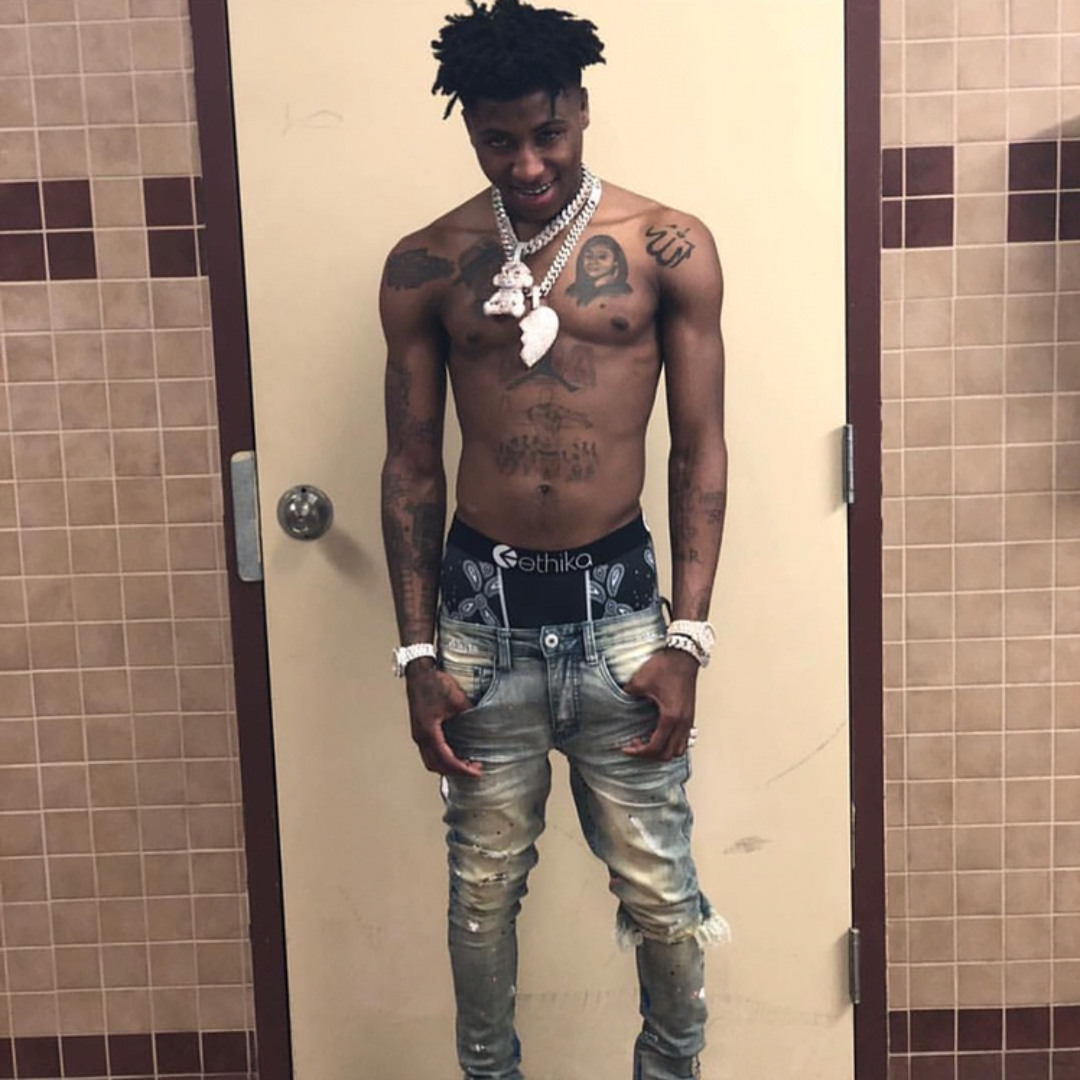
NBA YoungBoy chest portraits and torso tattoos in a full-body view
A full-body view shows the chest portraits and torso tattoos.

The “Never Broke Again” identity shows up in the layout

The Never Broke Again name is part of YoungBoy’s public identity, alongside his stage name and music. Photos often show his tattoos with the chains and lettering associated with his image, though they do not establish that every design refers to the label.

His tattoos vary from one area to another. A portrait can sit beside script, with smaller symbols filling the spaces between. The best photo depends on which part of the collection you want to see.

Forearm tattoos give him the most dense coverage

Close photos show layers of script and shaded designs running from YoungBoy’s elbows toward his wrists. The right arm has been photographed with clouds, buildings and a wolf higher up; the other shows more lettering and dark filler.
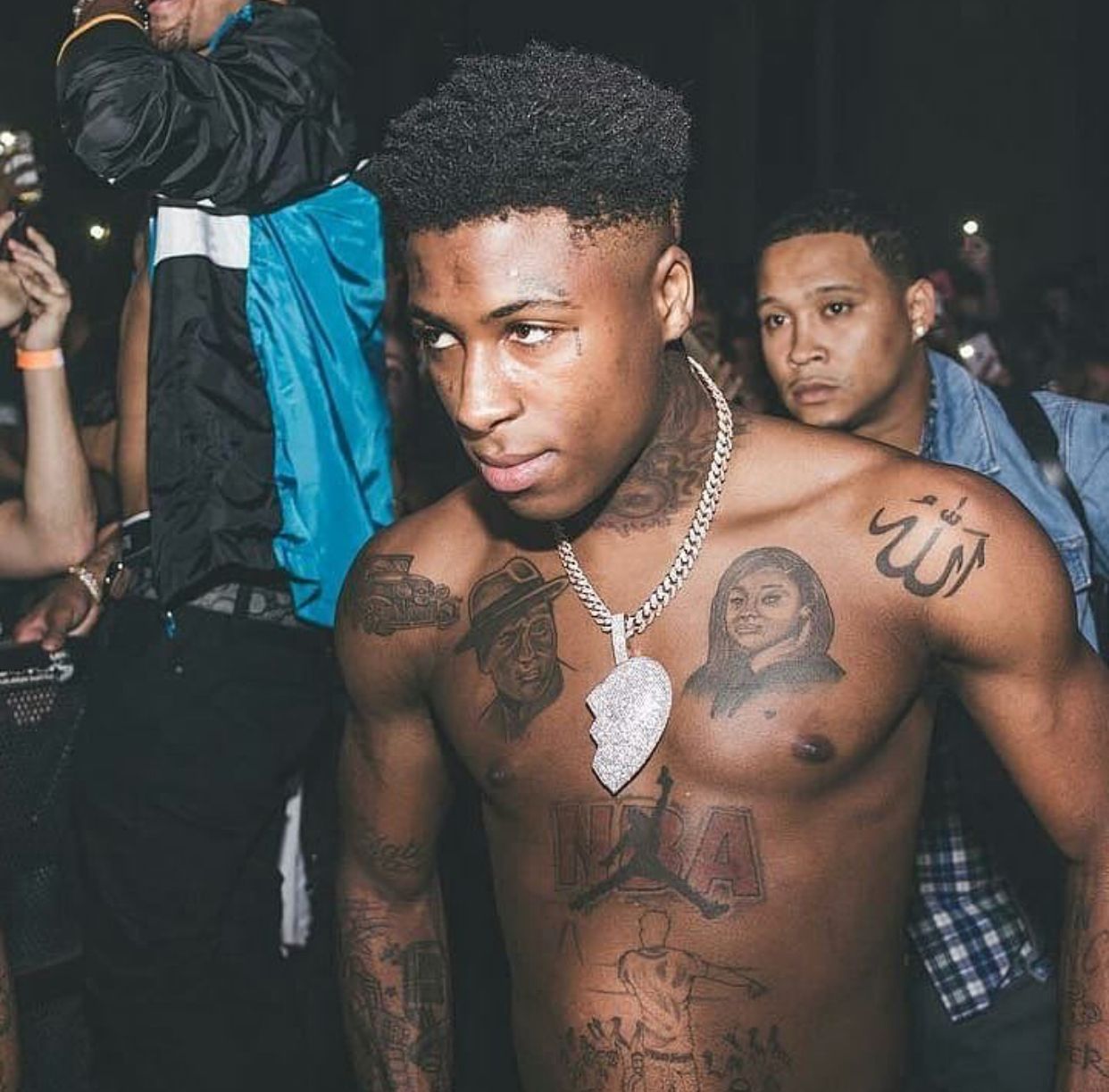
NBA YoungBoy’s chest, shoulder and forearm tattoos in a close crowd photo
A close crowd photo shows his chest, shoulder and forearm tattoos.

From across a room, the arm can look like one dark sleeve. A closer photo separates the lettering and shaded pieces, which vary in line weight and shape.

How the tattoos have changed in later photos

YoungBoy’s collection has changed over time. Later photos show additional work on his face, chest and arms, while some earlier marks look different or are harder to see. A tattoo list should leave room for those changes instead of treating one old photo as final.

Lighting changes what is visible too. Outdoor light can wash out script, while a dark concert photo can merge separate tattoos into one shape. Close, well-lit pictures show the lines more clearly.
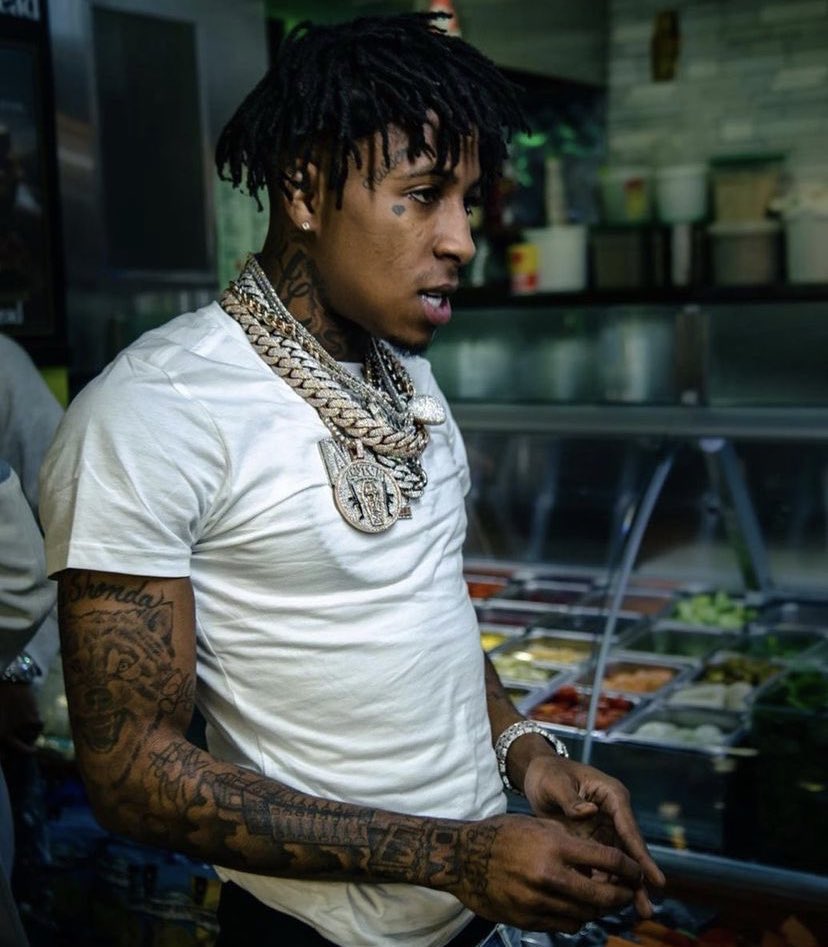
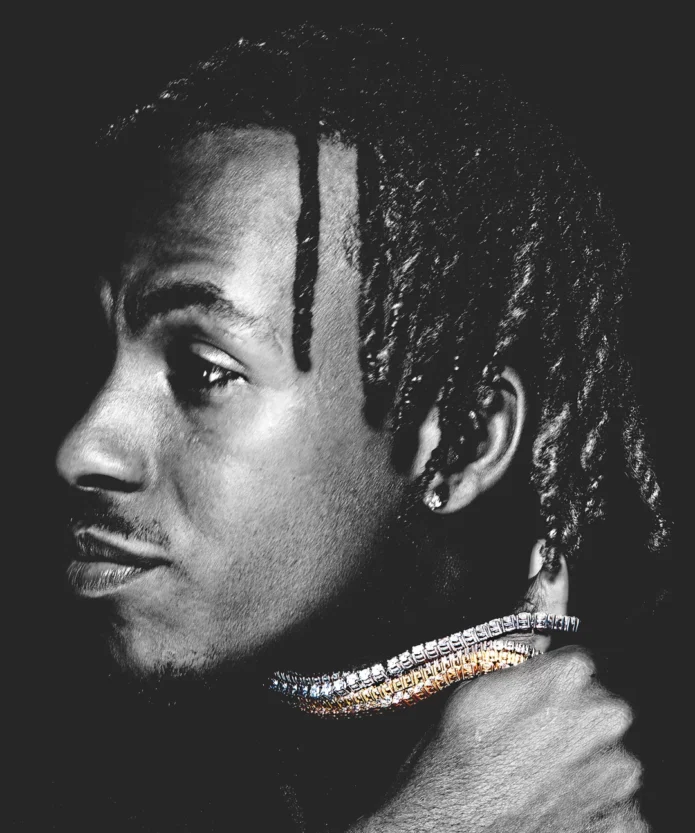
NBA YoungBoy’s arm tattoos, neck ink and face tattoo in a side portrait
A side portrait shows arm tattoos, neck ink and the face tattoo.

What style do NBA YoungBoy tattoos follow?

There is no single style across YoungBoy’s tattoos. The photos show portrait shading, bold script, dark symbols and smaller face designs. Those elements sit together, but they do not form one matching sleeve.

If you are borrowing from the layout, start with placement. A chest portrait needs room around it; forearm lettering has to stay legible as the arm moves; and a face tattoo will always be highly visible.

NBA YoungBoy tattoos: the quick guide

  • Face: a small heart beside the eye, plus marks and lettering around the forehead and cheeks that vary by photo.
  • Neck: script, a rose and darker designs beneath the jaw.
  • Chest: portraits, lettering and darker filler.
  • Arms: a wolf, clouds, buildings, names and dense forearm work.
  • Wrists and hands: short words and names visible when he raises or turns his hands.

Photos show a collection that extends across YoungBoy’s face, neck, chest and arms. They also capture it at different points in time; they do not provide a complete inventory or explain the meaning of every tattoo.
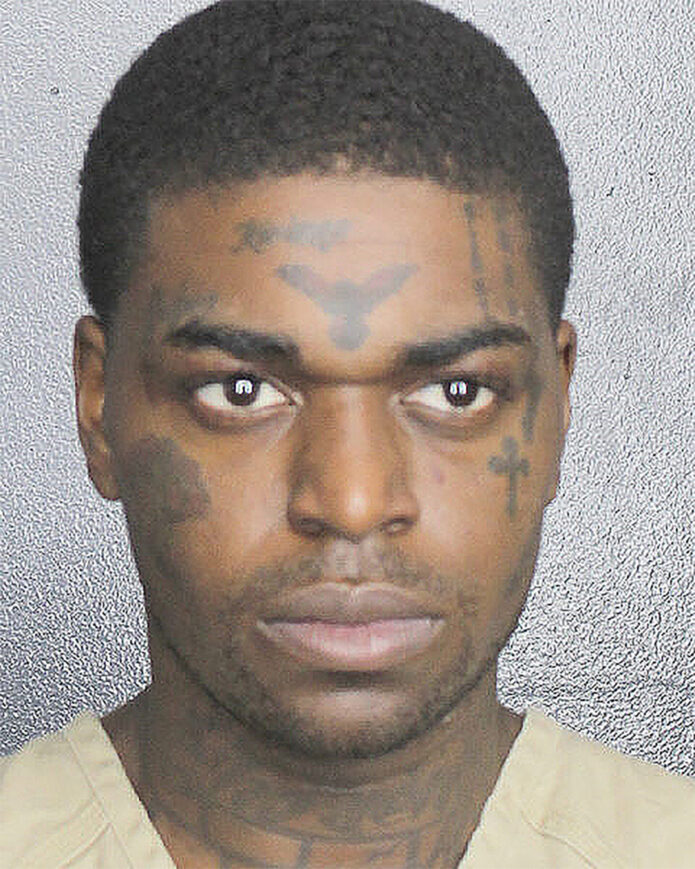
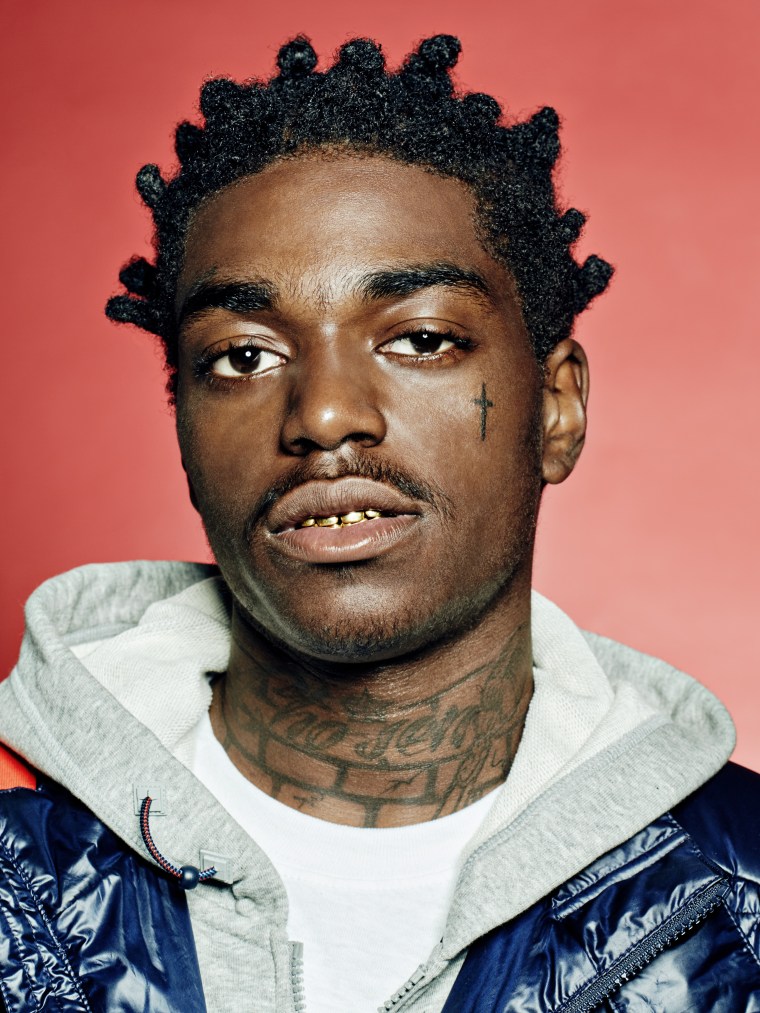
Kodak Black Tattoos: Face Ink, Chest Lettering and More

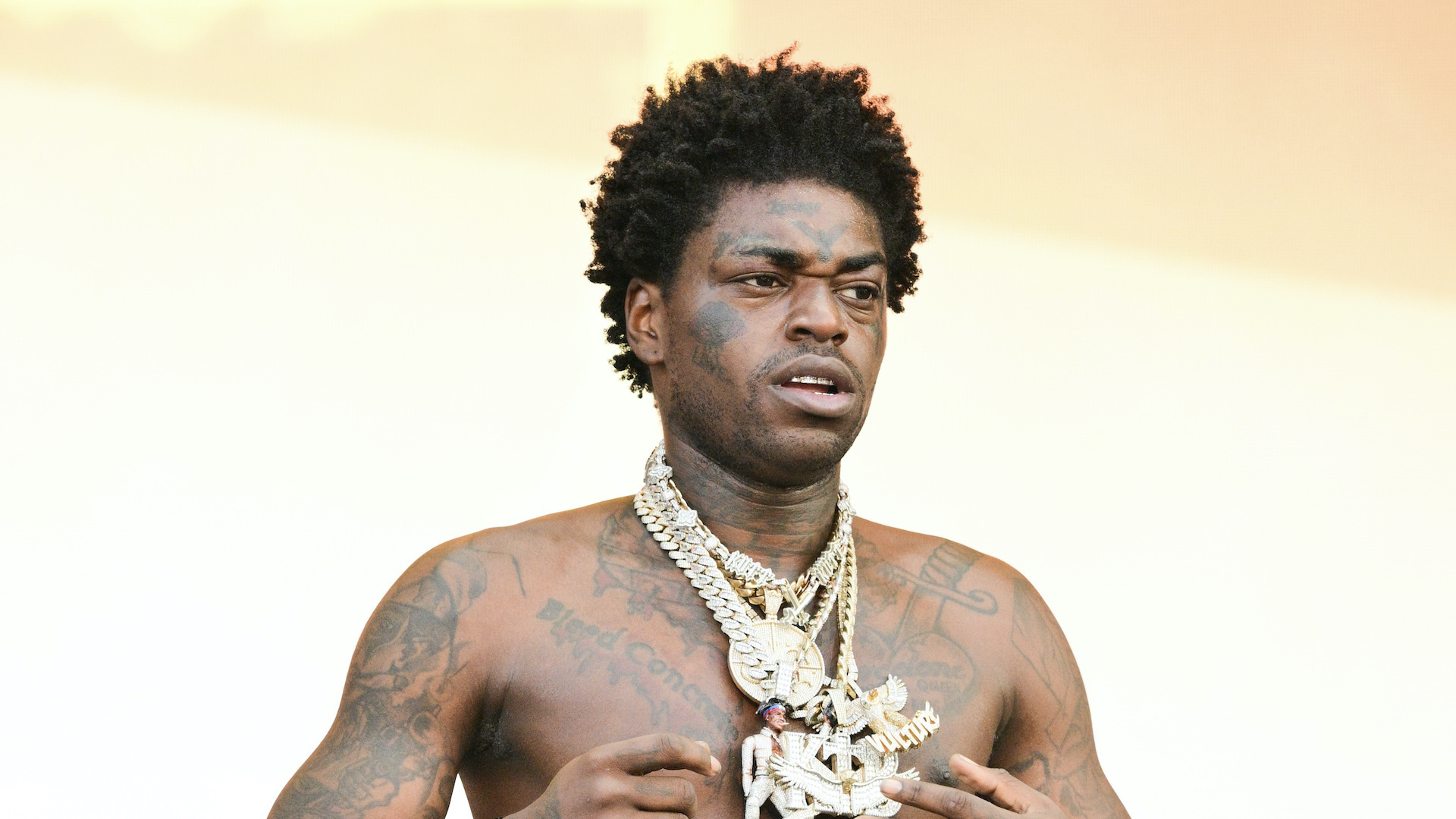
Kodak Black has tattoos across his face, neck, chest, stomach, arms and hands. Photos show script, symbols and larger dark designs tied in public accounts to his music, Pompano Beach and Sniper Gang.

His ink has changed over time. Some face designs have been covered or reworked, and chains or stage lighting can hide smaller details. Comparing photos by year and body area gives a clearer picture than treating every dark mark as one fixed design.

Kodak Black’s face tattoos are the first thing people notice

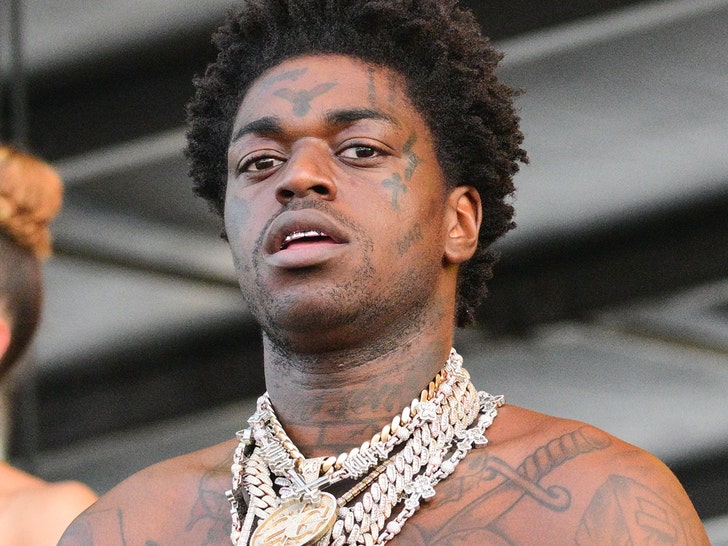
Earlier photos show crosses on his forehead and a small cross beside his eye, along with lettering and marks on both cheeks. Other visible details include numbers, a teardrop-style mark and words above an eyebrow; some are hard to make out in performance shots.

After his release from prison in 2021, a larger design appeared in the center of his forehead, covering the older cross. That change is why his face can look so different in photos from different years.

Kodak Black face cross tattoo in a close portrait
Kodak Black face cross tattoo in a close portrait.

The small cross beside his eye is still easy to spot in a close portrait. Its dark line stands out even when the rest of his face is in shadow, and the placement has become part of his recognizable look.

His neck tattoos fill the space between face and chest

Kodak’s neck has layered lettering and symbols on both sides. Photos show words across the front and sides, plus smaller designs rising toward his jaw. Some close views identify a knife and microphone, though chains, collars and lighting can make the details difficult to separate.

The ink continues from his lower face to the top of his chest, with little open skin between. In an open shirt, the areas read as one dense stretch of tattoos.

“Bleed Concrete” is one of his best-known chest tattoos

“Bleed Concrete” is one of the clearest phrases associated with Kodak’s chest. Public accounts link it to his music and the environment he grew up in around Pompano Beach. It sits among other chest and stomach tattoos and can be partly hidden by chains or clothing.

Kodak Black performing with his chest and arm tattoos visible
Kodak Black performing with his chest and arm tattoos visible.

The performance photo also shows different kinds of work together: large script, smaller marks and heavy black shapes. The pieces share space without forming a single, neatly separated panel.

“Project Baby” runs across his forearms

“Project Baby” is split across Kodak’s forearms, with “Project” on one and “Baby” on the other. The phrase refers to his early mixtape identity and is also a nickname.

Forearm lettering stays visible when he moves onstage, raises his hands or grips a microphone. In those moments the words become part of the gesture, not just a detail in a close-up.

Kodak Black showing the tattoo coverage across his upper body
Kodak Black showing the tattoo coverage across his upper body.

His hands carry the “Golden Acres” lettering

“Golden Acres” is divided across Kodak’s hands. The words refer to the neighborhood where he was raised. Hand tattoos get a lot of daily wear, but the lettering is still clear in several photos.

This is one of the collection’s visible references to place. The words are easy to read when his hands are in frame, even though a photograph cannot tell us everything the neighborhood means to him.

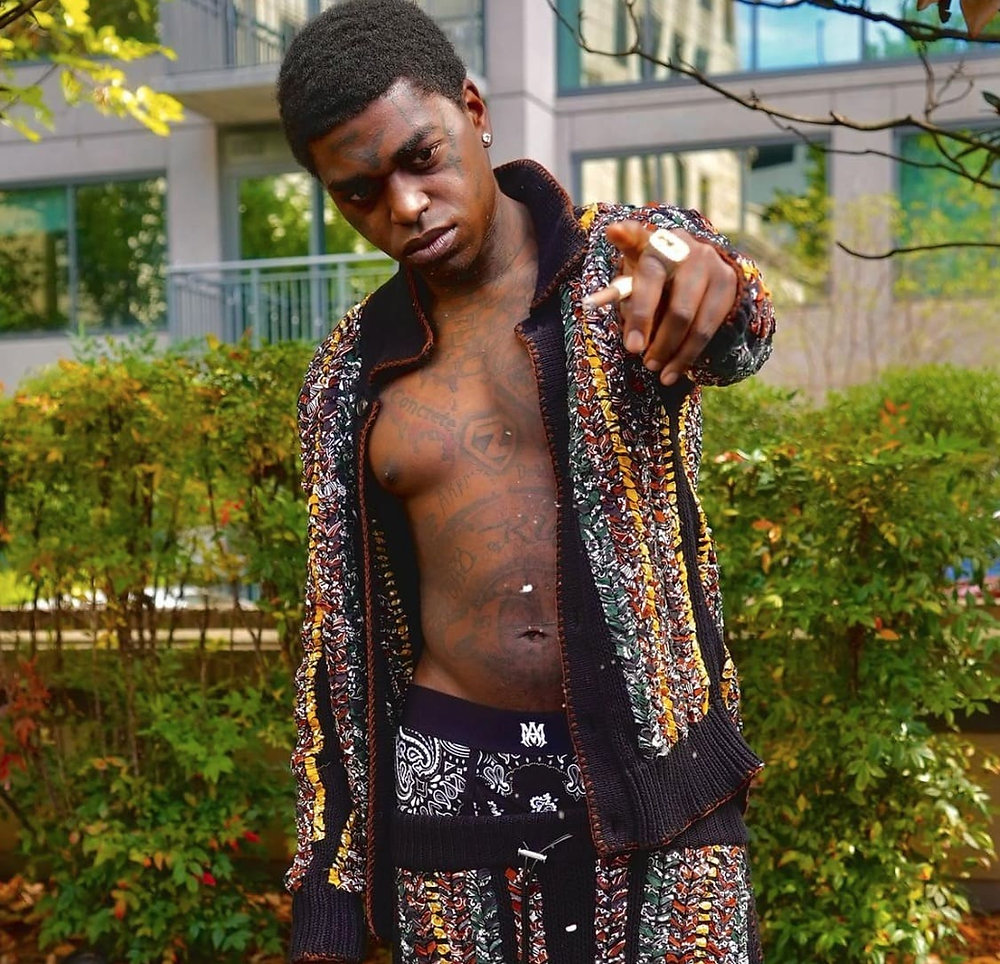
Kodak Black with his chest tattoos visible through an open jacket
Kodak Black with his chest tattoos visible through an open jacket.

Sniper Gang symbols appear across his torso

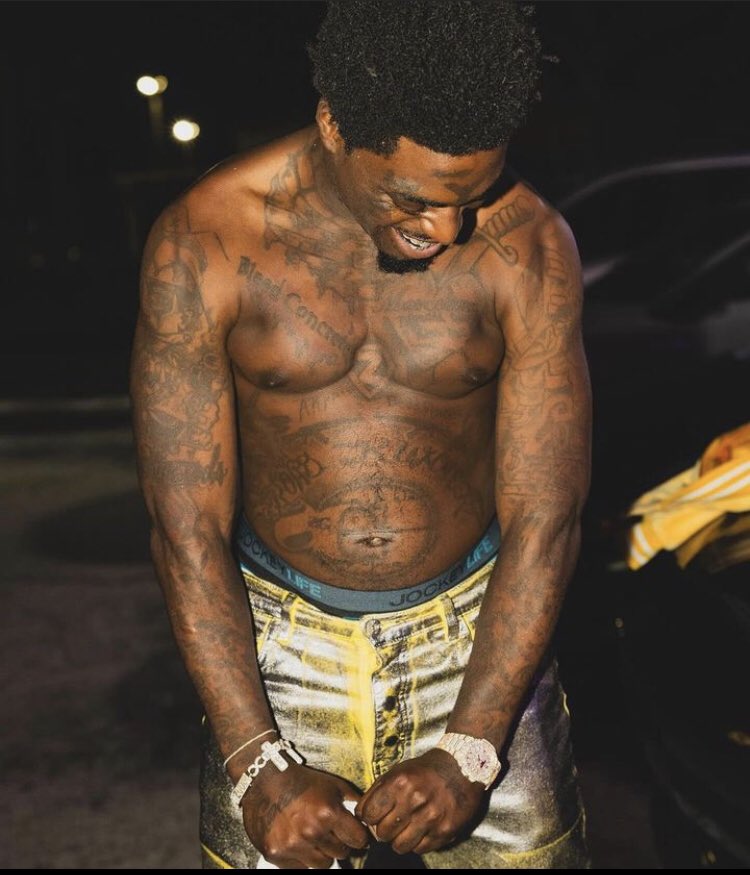
Photos show Sniper Gang’s logo and gun imagery around Kodak’s abdomen, alongside lettering and other symbols. Chains, belts and open jackets can cover parts of the area, so the tattoos are easiest to see in shirtless photos.

The torso views show how the designs overlap: larger shapes sit near chest script, with smaller marks filling the gaps. The result looks like pieces added over time rather than one continuous chest panel.

Kodak Black shirtless with his chest, arms and stomach tattoos visible
Kodak Black shirtless with his chest, arms and stomach tattoos visible.

Arm tattoos add the most visual weight

Kodak’s arms mix lettering, symbols and larger dark designs. Some are linked to music or his crew; others are difficult to identify from a distance. The two arms are not mirror images, which gives the collection a less uniform look.

A face portrait cannot show how the shoulder, arm and stomach tattoos connect. In a wider view, the shapes separate more clearly when he moves than when his arms rest beside his torso.

Have Kodak Black’s tattoos changed over time?

Yes. The forehead design is the clearest example: newer ink covered an older cross. New script and symbols have also appeared around earlier work on his chest and arms. Photos vary with lighting, camera quality and the jewelry he wears.

“Bleed Concrete,” “Project Baby,” “Golden Acres,” the face crosses and Sniper Gang imagery are among the most recognizable pieces. Other marks are small or only partly visible, so one photograph cannot provide a complete inventory.

What makes Kodak Black’s tattoo style stand out?

The coverage is dense, but it is not built around one centerpiece. Face ink, neck lettering, chest phrases, hand tattoos and symbols across the arms and stomach all contribute to the look.

Some designs refer to music, his neighborhood or Sniper Gang; others are difficult to identify from photos. Those visible differences are enough to describe the collection without assigning a story to every mark.

Kodak Black tattoos: the quick guide

  • Face: crosses, cheek lettering, numbers, marks beside the eyes and newer central forehead ink.
  • Neck: layered words and symbols, with knife and microphone designs identified in some close views.
  • Chest: “Bleed Concrete,” a “Z,” and other script and symbols.
  • Forearms: “Project Baby,” split across both arms.
  • Hands: “Golden Acres,” divided between the hands.
  • Torso: Sniper Gang imagery, gun designs and additional lettering around the abdomen.

The tattoos offer a visible timeline of Kodak’s music, home and changing style. New pieces can cover older ones, and some details remain unclear in public photos; the larger phrases and placements are the easiest to trace.

https://www.youtube.com/watch?v=UE_-obgiWm0

More musician tattoo guides

Steven Tyler Tattoos: The Ma Kin Winged-Heart Tattoo Explained

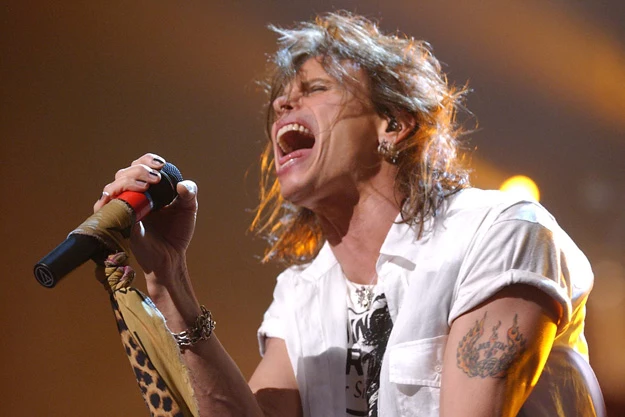
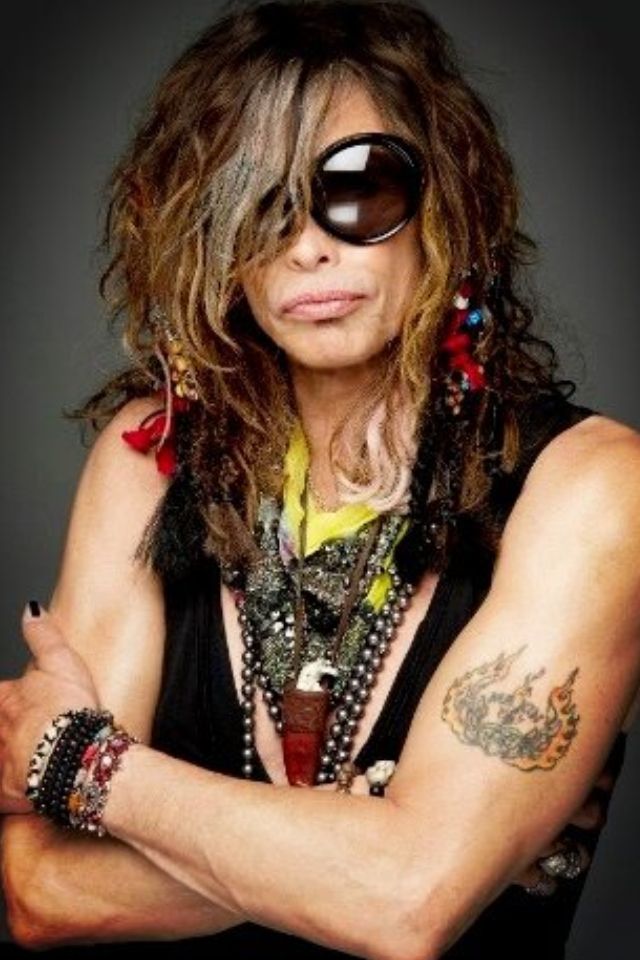
Steven Tyler’s best-known tattoo is a flaming, winged heart on his left upper arm, with “Ma Kin” written across it. The heavy lines and flames make it easy to pick out in Aerosmith performance photos.

The words point to an early Aerosmith song, “Mama Kin.” That reference gives the tattoo a direct connection to the band without needing a full sleeve or a long phrase.

The Ma Kin tattoo sits on Steven Tyler’s left upper arm

The tattoo sits high on Tyler’s left bicep. A heart forms the centre, surrounded by wings and flames, while “Ma Kin” runs across the shape rather than underneath it.

Steven Tyler Ma Kin tattoo visible on his upper arm during a live Aerosmith performance
Steven Tyler’s Ma Kin tattoo during an Aerosmith performance.

Tyler’s arm is constantly moving onstage, so the tattoo looks different from one photo to another. In some, the flames stand out; in others, the lettering is easier to read.

What does “Ma Kin” mean?

“Ma Kin” refers to “Mama Kin,” a song from Aerosmith’s early period. It became one of the band’s familiar live songs, and the shortened phrase fits across the heart.

The song reference is clear without spelling out the full title. The words sit inside the image, while the wings and fire give the design a larger, stage-ready shape.

Close view of Steven Tyler’s Ma Kin winged-heart tattoo
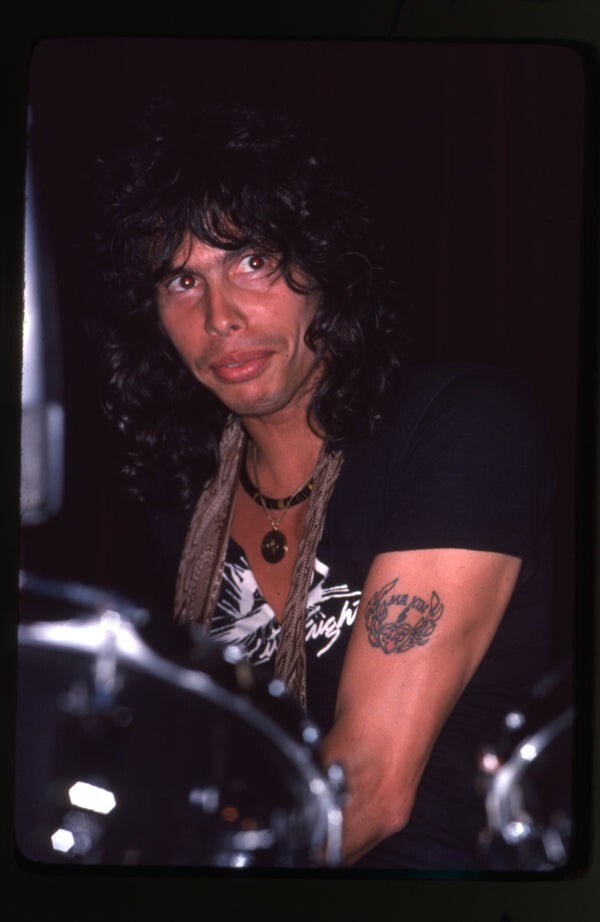
A close view of Tyler’s Ma Kin winged-heart tattoo.
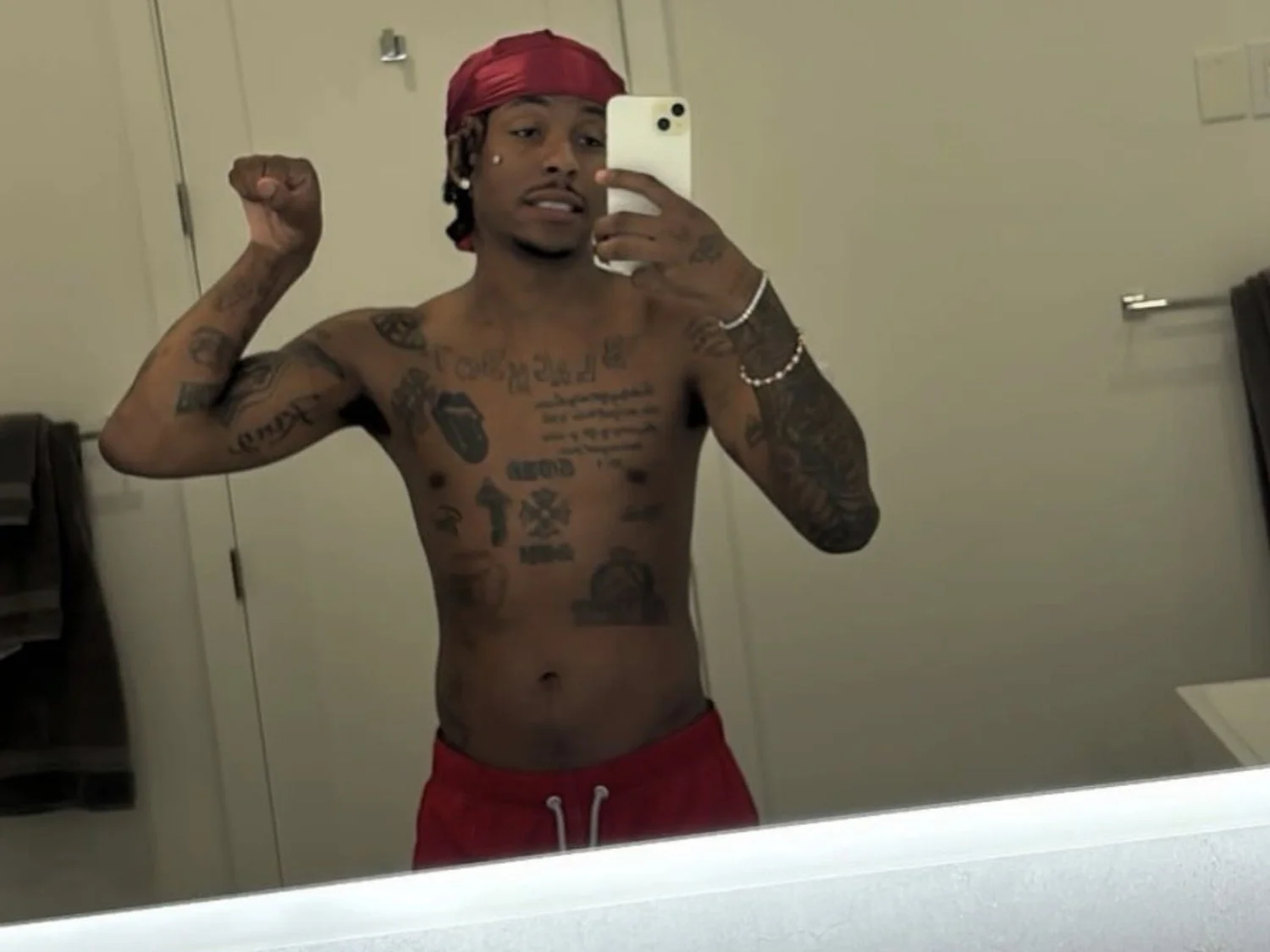
Why does it say “Ma Kin” instead of “Mama Kin”?

The shorter wording leaves more room inside the heart for the lettering, wings and flames. Tyler has also joked that “Ma Kin” fit better and that he liked the way it looked.

In the close-up, the two short words balance across the heart. The full song title would take up more space and make the centre busier.

The winged-heart design is classic rock tattoo language

Hearts, wings and flames are familiar tattoo motifs. Here, the heart carries the song reference, the wings add movement, and the flames suit the bold look of Aerosmith’s stage imagery.

The outlines are thick enough to read in concert photos. With Tyler’s arm moving under stage lights, the heavy border keeps the heart and wings distinct from the flames around them.

Steven Tyler’s flaming winged-heart tattoo seen clearly on stage
Tyler’s flaming winged-heart tattoo onstage.

How the tattoo looks in live photos

Tyler’s upper arm moves whenever he sings, gestures or leans toward the crowd. That changes how the lettering and flames fall in a photograph, even though the tattoo itself is the same.

Close views separate the heart, wings and flame tips; from farther away, the tattoo reads as one emblem. Its placement lets both views come through.

The winged-heart and flame details in Steven Tyler’s Ma Kin tattoo
The heart, wings and flames in Tyler’s Ma Kin tattoo.
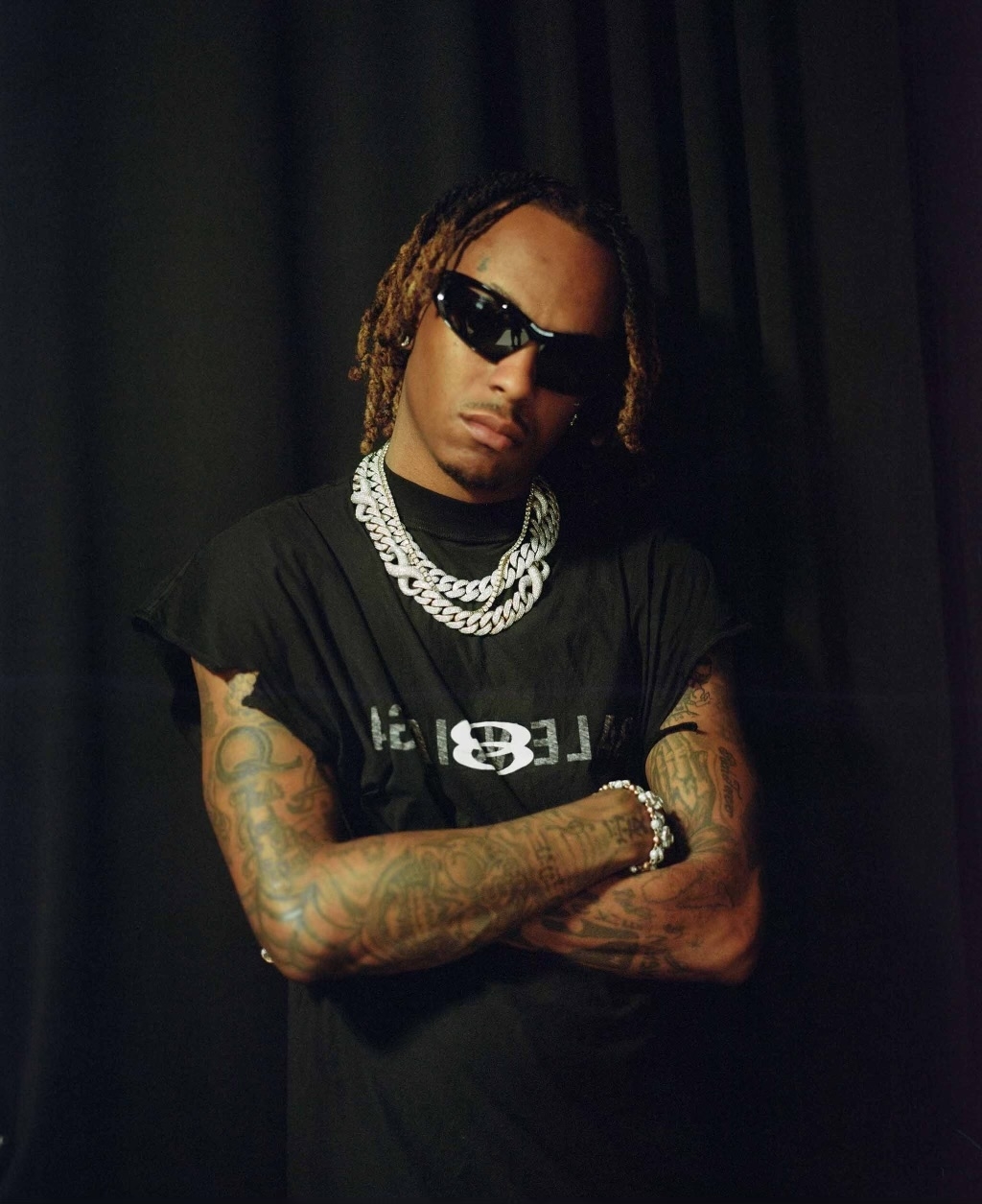
Are these Steven Tyler’s only tattoos?

Not necessarily. Photos show other small marks around Tyler’s arms and shoulders, but there is no clear public inventory of his full collection. A dark spot in a concert photo is not enough to confirm a tattoo.
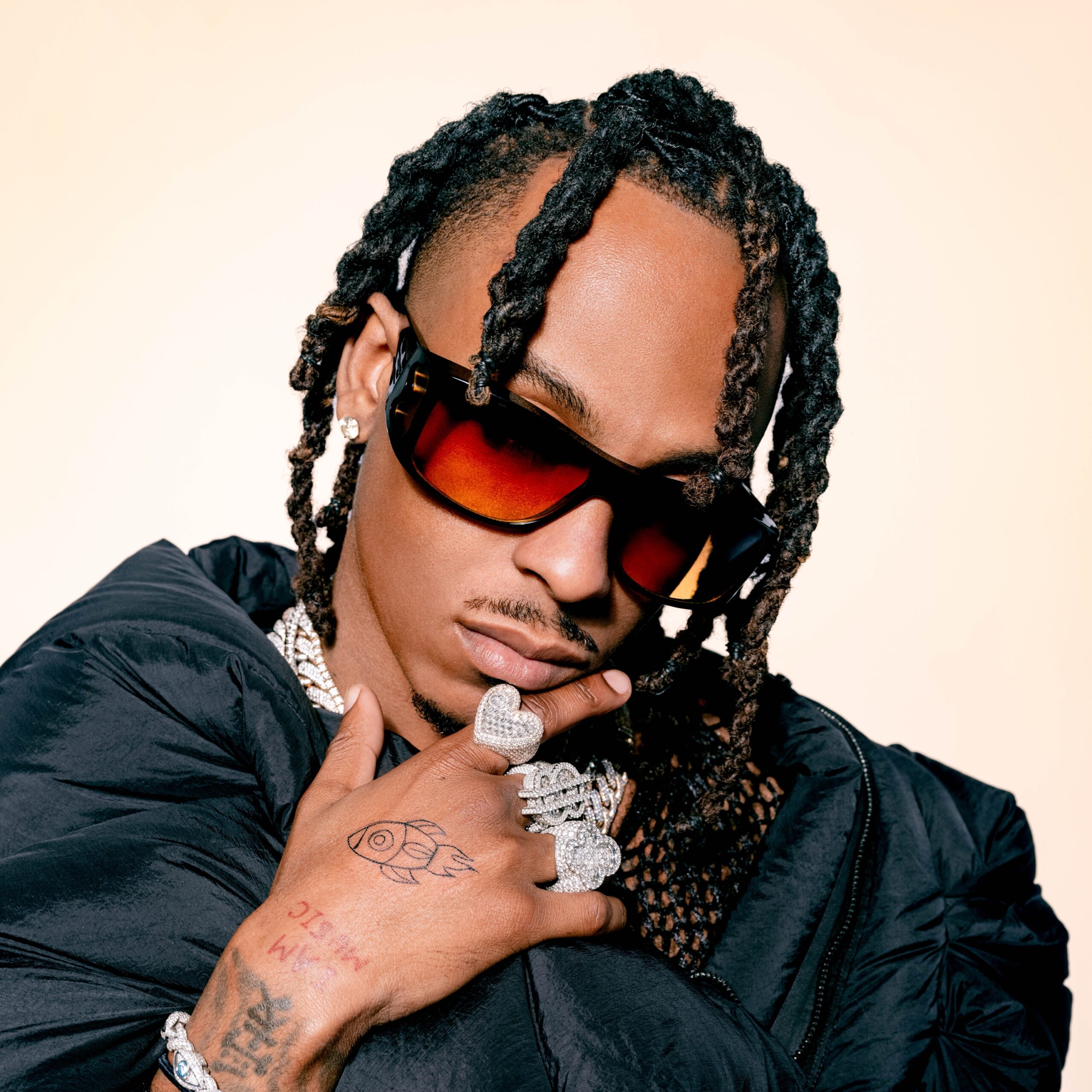
The Ma Kin piece is the easiest one to identify: it appears repeatedly and has a known Aerosmith reference. Other details can be harder to see because of lighting, clothing, distance or how the ink has aged.

Portrait view showing the placement of Steven Tyler’s winged-heart tattoo
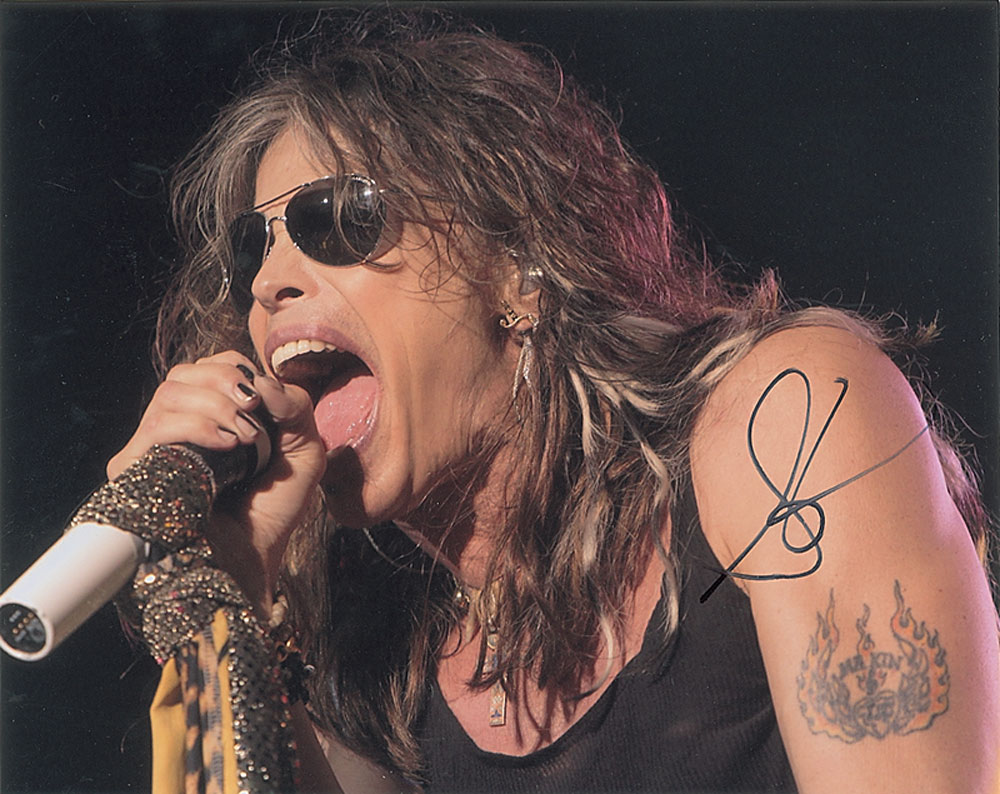
A portrait shows where the winged heart sits on Tyler’s arm.

Why the tattoo still works as rock tattoo inspiration

The design pairs a recognizable shape with a reference that matters to Tyler’s music. Even without the words, the heart, wings and flames form a clear silhouette; “Ma Kin” gives it a specific Aerosmith connection.

If you like the approach, start with a reference that means something to you, then choose a shape that works at the size and placement you want. A song title, family phrase or nickname can carry the words; the surrounding image can stay simple.

Steven Tyler tattoos: the confirmed details

  • Design: a flaming winged heart with “Ma Kin” lettering.
  • Placement: the left upper arm or bicep.
  • Reference: Aerosmith’s “Mama Kin.”
  • Style: bold rock imagery with heavy outlines and a sense of movement.
  • Best-known feature: it reads in both close-up photos and live performance shots.

The tattoo is easy to recognize because the song reference and the winged-heart image sit together in one design. The other small marks visible in photos are less clearly documented.

https://www.youtube.com/watch?v=P46qki8SWt8

More musician tattoo guides

Bhad Bhabie Tattoos: Floral Ink, Script and More

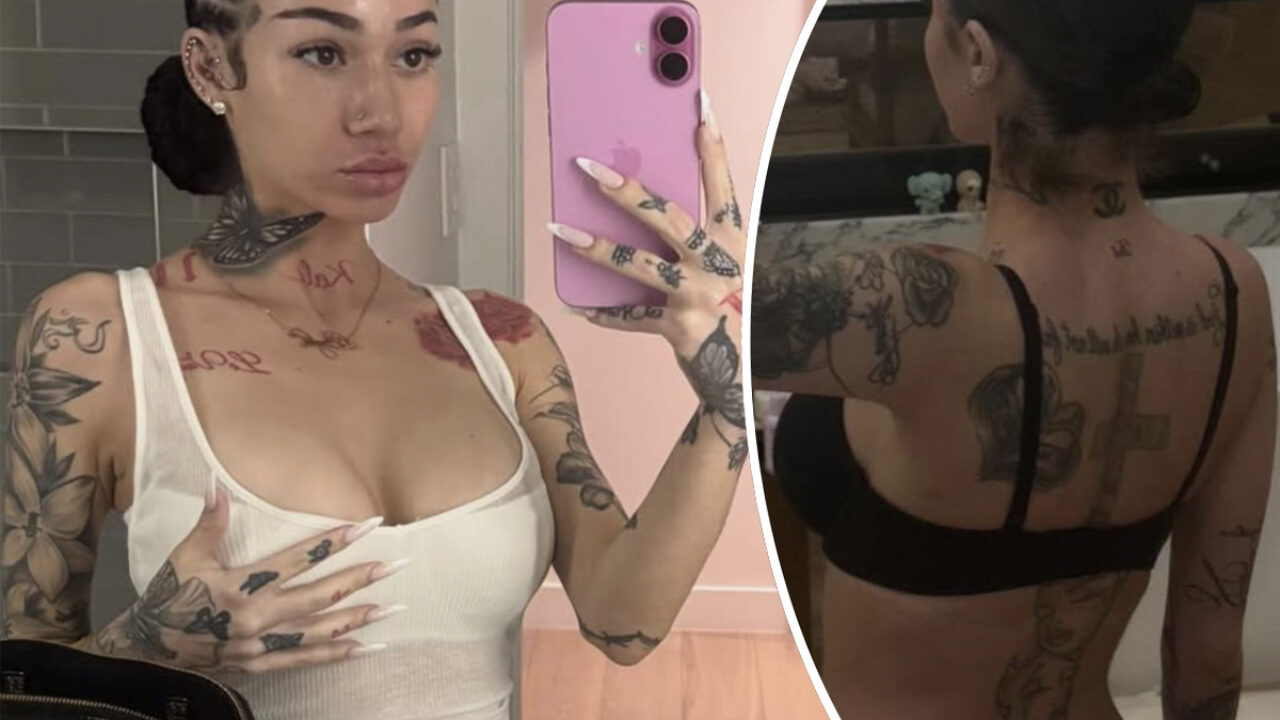
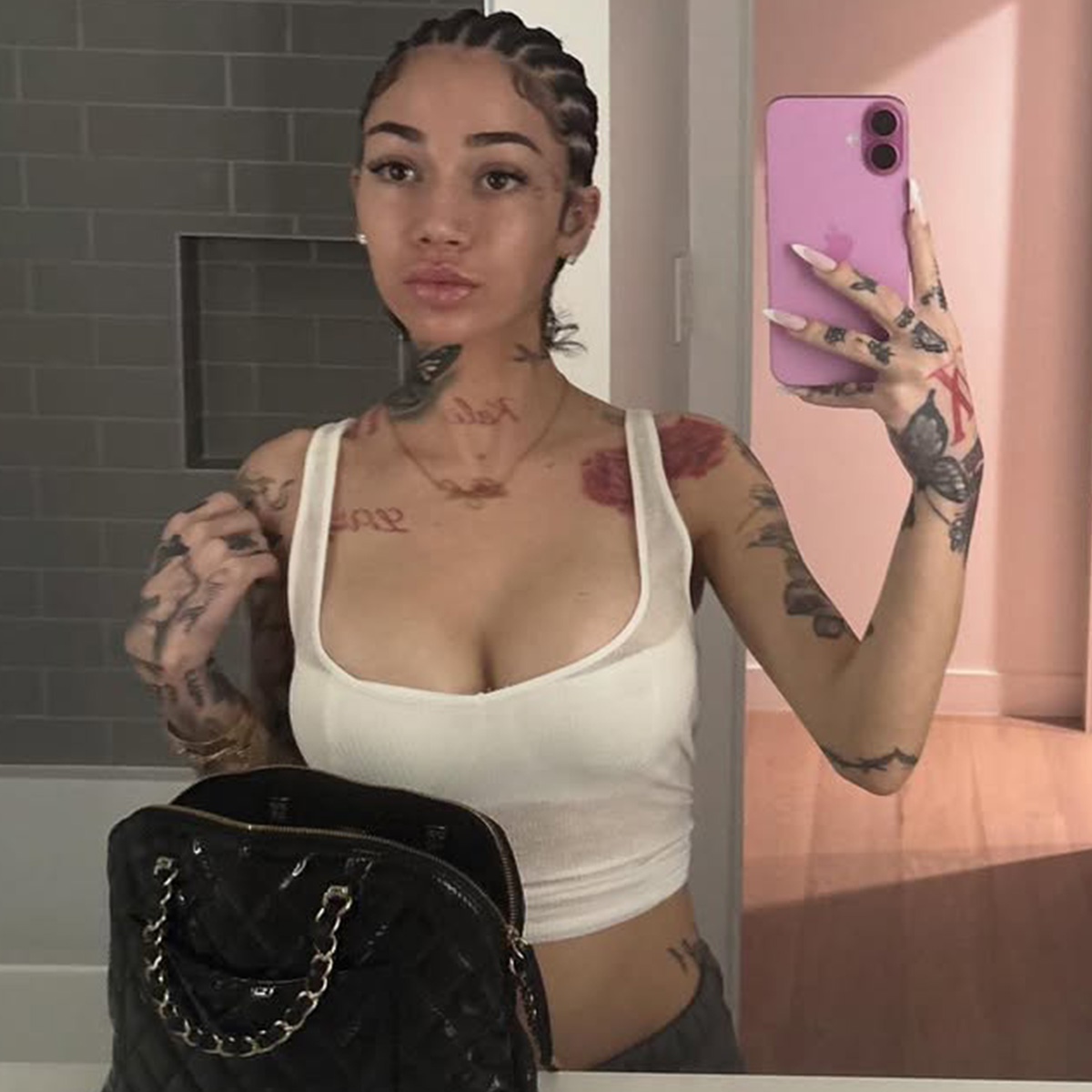
Bhad Bhabie’s tattoos include flowers, script, symbols and small marks on her hands. Different photos show different parts of the collection: a shoulder rose in one portrait, chest and neck lettering in a mirror selfie, and a long design down her back.

The front and back views are useful together. The front shows script and arm work; the back reveals a spine cross and lettering across the shoulders. No single photo shows the full layout.

The front and back view shows how her tattoo style wraps around the body

Bhad Bhabie tattoos: front and back mirror view showing the spine, shoulder, arm and hand tattoos

From the front, the mirror photo shows script across the upper chest, neck designs and tattoos on both arms. The back view brings out a large cross along the spine and lettering across the shoulders.

The cross gives the back a long, central shape. The shoulder lettering spreads to either side, so the design reads from the centre outward. A low-back top can reveal the cross; a jacket can cover it.

The arms are more floral and illustrative. Large petals sit beside leaves and darker shading, while the hand tattoos are smaller and more graphic. Open skin between the petals keeps the sleeve from becoming one solid block.

The different areas do not all use the same style. The spine piece is bold, the flowers are softer, and the script fills smaller spaces. Together they give the collection a loose connection without making it look like one matching set.

The front-and-back photos also show why it helps to plan around the body from more than one angle. The cross sits at the centre of the back, while the shoulder and arm pieces carry the design around the sides.

The shoulder rose is one of her clearest standalone tattoo ideas

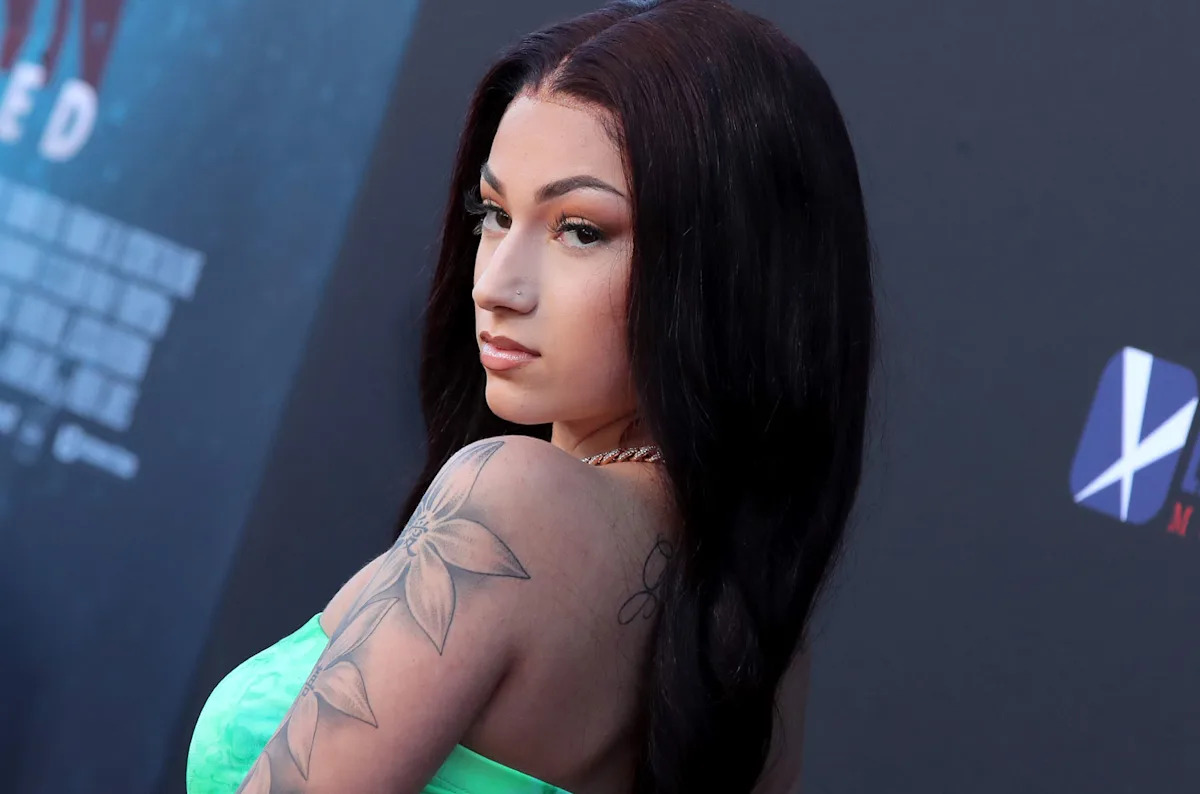
Bhad Bhabie tattoos: close event portrait showing the shoulder rose and nearby skin detail

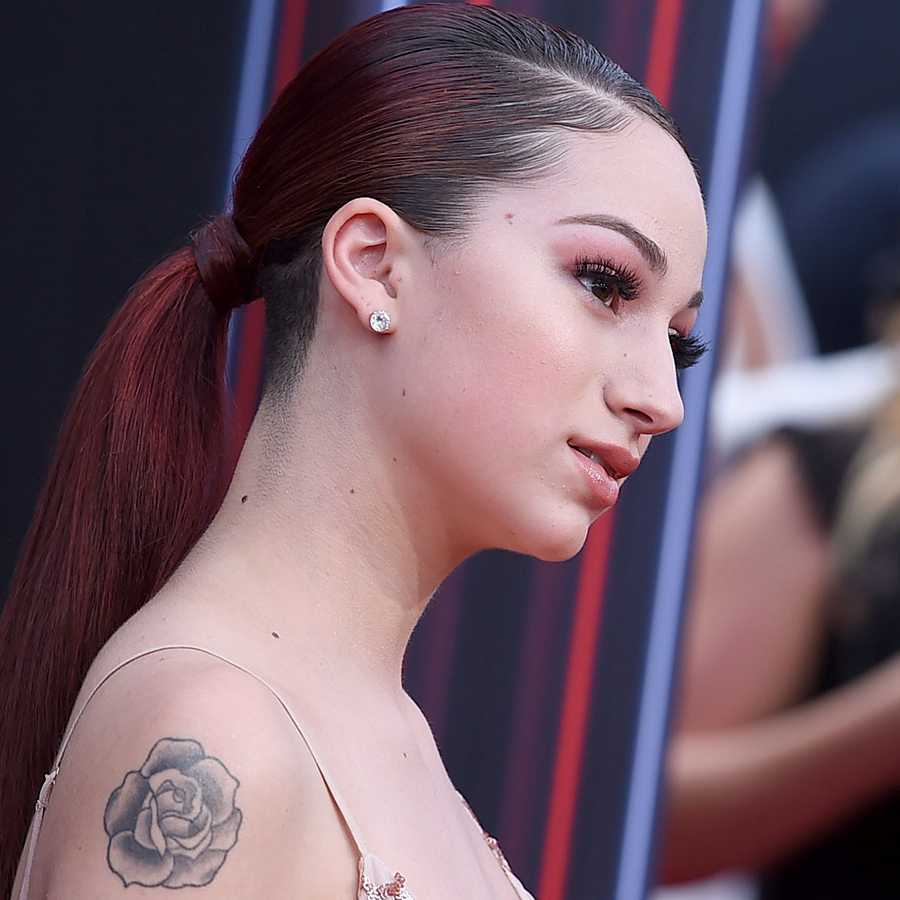
The rose on Bhad Bhabie’s shoulder is easy to identify in a side portrait. Its petals have a traditional outline and soft grey shading. The flower is large enough to show clearly, but the design itself is not complicated.

On the shoulder, the rose moves with the arm and follows the curve of the muscle. A strapless dress or sleeveless top can reveal it; a regular shirt can cover much of the piece.

The rose sits near other line work, so it does not look isolated from the rest of the sleeve. Nearby script adds a different shape, and the arm tattoos continue below the flower.

The shading looks darker in some photos than others. Exposure, makeup, distance and lighting affect how grey ink appears, so that change does not necessarily mean the tattoo was altered. A close portrait shows the outline; a wider view shows how it sits with the arm work.

For a similar design, decide whether the flower will stand on its own or become the first part of a sleeve. Leave space around the petals if you want them to stay distinct. Nearby flowers can share a line weight or leaf shape without being exact copies.

Her neck, chest and hand ink adds smaller details around the sleeve

Bhad Bhabie tattoos: separate mirror photo showing the arm, neck, chest and hand ink

A mirror photo shows smaller marks on Bhad Bhabie’s neck, script across her chest, and darker designs on her fingers and hands. They are less prominent than the flowers, but show up in close portraits.

The neck pieces sit near the jaw and collarbone, where they remain visible with everyday clothes. Their weight changes in photos as the angle of her head and the light change.

The chest script crosses a relatively flat area. In some images, the letters are clear; in others, a strap or necklace hides part of the line. The photographs show the placement, but do not explain the private meaning of every word.

Small symbols and dark marks extend onto the fingers, back of the hand and wrist. Hand tattoos get daily wear, so their lines can soften over time. Photos from different years may not show them exactly the same way.

These smaller pieces add detail around the larger flowers. If you are planning a similar mix, start with one visible mark and see how it changes the overall look before adding more ink to the neck or hands.

The floral arm tattoo carries the boldest visual weight

Bhad Bhabie tattoos: side view showing the large floral upper-arm tattoo and back shoulder work

The flowers make the strongest visual statement on Bhad Bhabie’s arm. A large bloom sits high on the arm, with leaves and smaller flowers running toward the forearm. Dark outlines hold up in a red-carpet photo; open petals keep the sleeve from reading as a black patch.

The central flower gives the design a clear starting point. Smaller leaves carry it around the shoulder and elbow, and the shading changes from one bloom to the next. The large shoulder flower does most of the visual work.

Clothing changes which parts of the sleeve can be seen. A strapless dress reveals the shoulder and upper arm; a tank top may show more of the flowers below. Hair can hide the back edge in some photos.

The ink also reads differently against different clothes. Dark lines stand out against pale or bright fabric, while a black outfit can make some details less obvious. The tattoo remains the same; the styling changes what catches the eye.

The open skin between the flowers is part of the layout. If you are planning a floral sleeve, think about the path from shoulder to wrist before choosing individual blooms. A repeated leaf shape or line weight can connect pieces added at different times.

The rose and script combination makes the upper arm feel personal

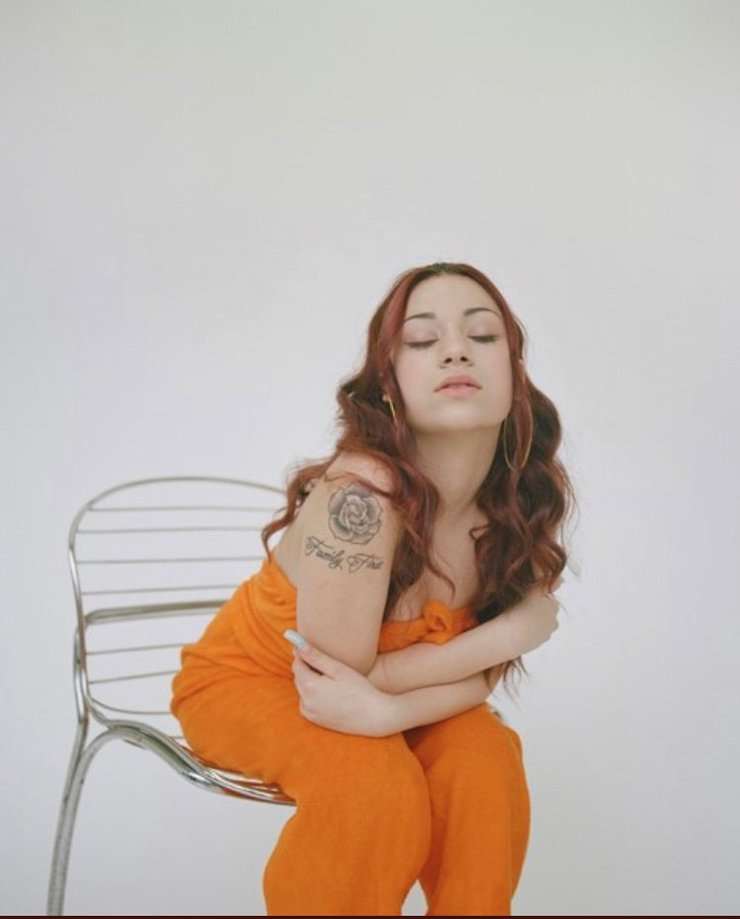
Bhad Bhabie tattoos: studio portrait showing the rose and script combination on the upper arm

A studio portrait shows a rose above a script phrase on Bhad Bhabie’s upper arm. The flower carries the image; the letters add another element beneath it. Neither one overwhelms the other.

Script is difficult to read in a distant photo. The letters need enough size and space to remain clear, and the close portrait shows the phrase as lettering without making every small detail easy to identify.

The upper arm can be covered with a sleeve or shown in a tank top or sleeveless dress. It is a different kind of placement from face or hand ink, which appears in more close-up photos.

The rounded petals above the narrow line of text give the design a simple order. A flower can sit above a phrase, date or name, as long as the artist leaves room between the two.

Across the collection, larger flowers shape the arms, script fills narrower areas and smaller marks add detail. The spine cross gives the back its centre line; the flowers make the boldest outline in front.

Full-size photos also help separate the details. A small crop can turn a rose into a dark blur or make script look like a single line. In a larger image, the petal edges, letter spacing and placement are easier to see.

The collection looks different across years as ink ages, new pieces appear and clothing reveals different areas. A mirror photo may show a tattoo that a red-carpet image hides. Those are different views of the same collection, not necessarily changes to the designs.

If you like this approach, choose one main image first, then decide whether the other pieces should repeat its theme or simply share its line weight. Leave room between designs so the central piece keeps its shape.

Bhad Bhabie’s photos show several scales of tattoo work: the spine cross, the floral arm pieces, and smaller chest, neck and hand marks. Each area is visible from a different angle, and the designs vary in mood and size.

“Bhad Bhabie tattoos” is a useful starting phrase, but a tattoo should still be chosen for the person wearing it.

More musician tattoo guides

Future Tattoos: Dungeon Family, Family Names and Ink Across His Arms

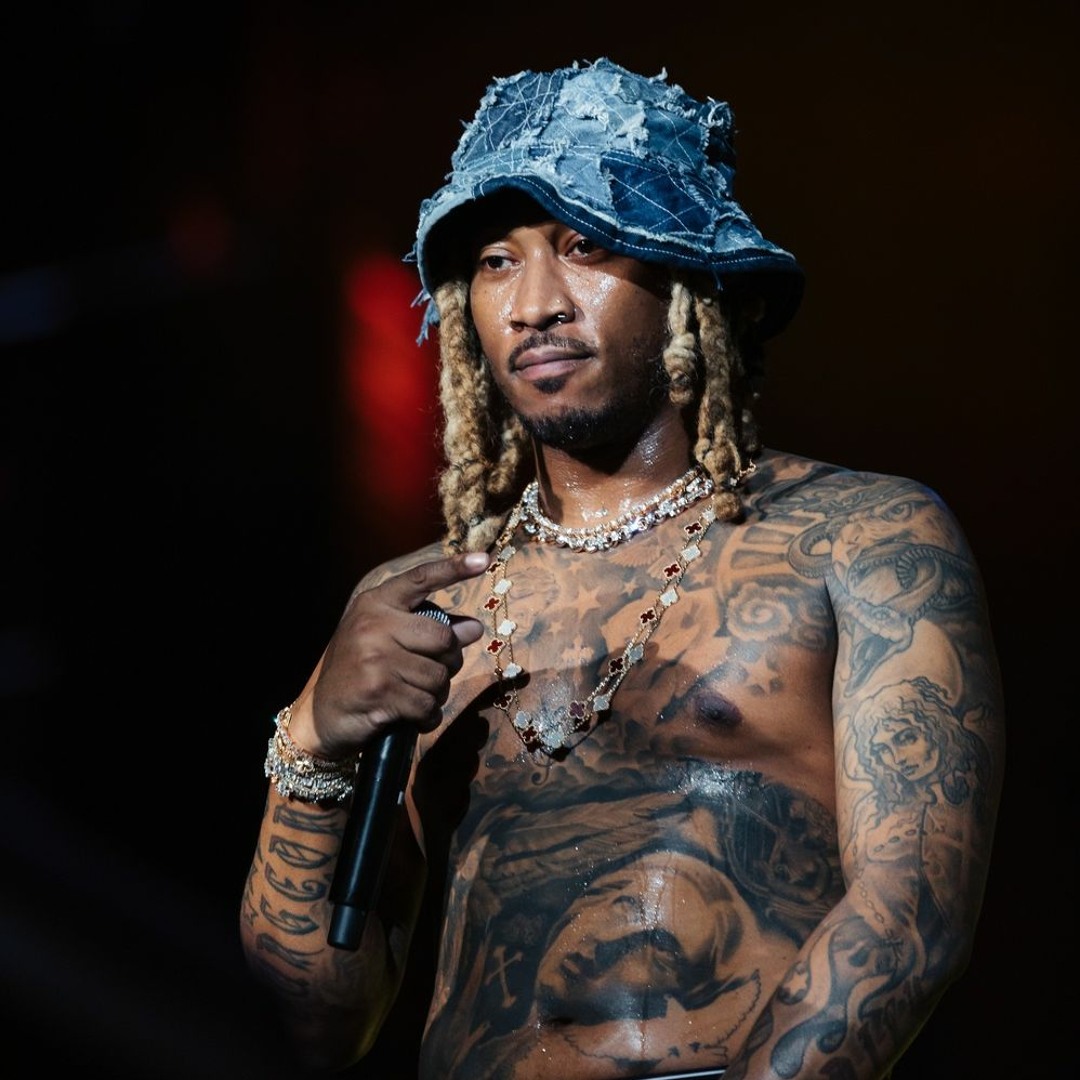
Future’s tattoos cover his chest, arms and back. Stage photos show broad black-and-grey work, lettering and portraits, while other pieces appear only when his clothes or chains move out of the way. The collection includes family names, music references, stars, birds and smaller symbols.

Some of the designs are easier to place than others. The sections below focus on the tattoos visible in clear photos and the references Future has discussed.

Future’s tattooed chest: portraits, symbols and layered blackwork

Future tattoos: chest portraits and layered blackwork

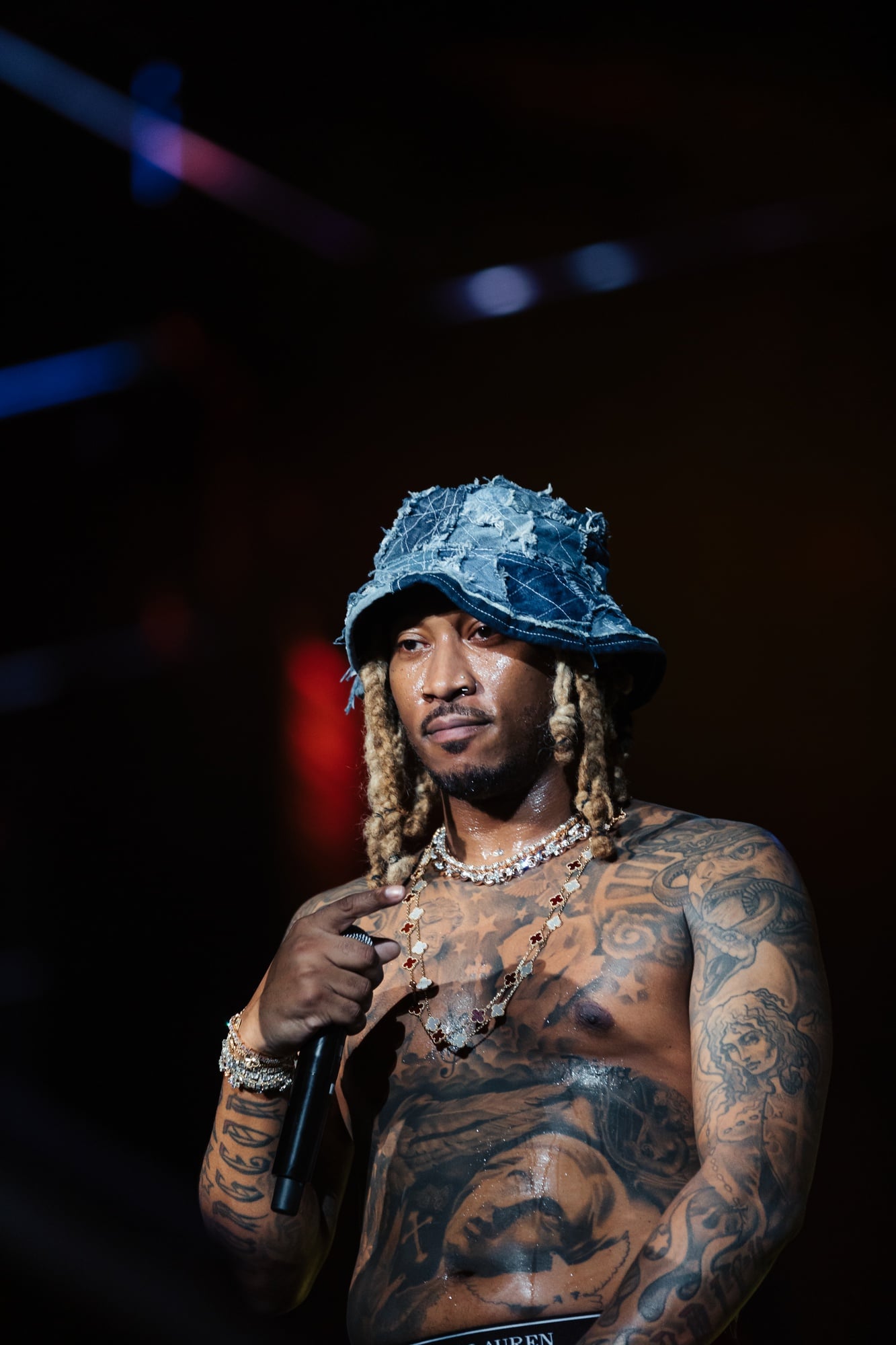
In shirtless performance photos, Future’s chest reads as a broad area of black and grey work rather than one centerpiece. Larger shaded forms sit beside smaller symbols, following the shape of his pectorals.

Portrait-style tattoos soften the heavier areas, while stars, crosses and dark shading add contrast. Open skin between the images helps separate them, even when the chest is viewed from a distance.

A chest design can use several medium-sized pieces instead of one large image. Choose the main piece first, then plan how other symbols fit around the sternum, pectorals and upper ribs.

Lighting changes what shows in a photo. Stage light can flatten grey shading; daylight may reveal softer gradients and fine lines. A clear, well-lit view gives a better sense of the chest layout than a crop covered by a chain or necklace. Chest placement needs a clear focal point.

The Dungeon Family ink on Future’s forearms

Future tattoos: Dungeon Family lettering and forearm ink

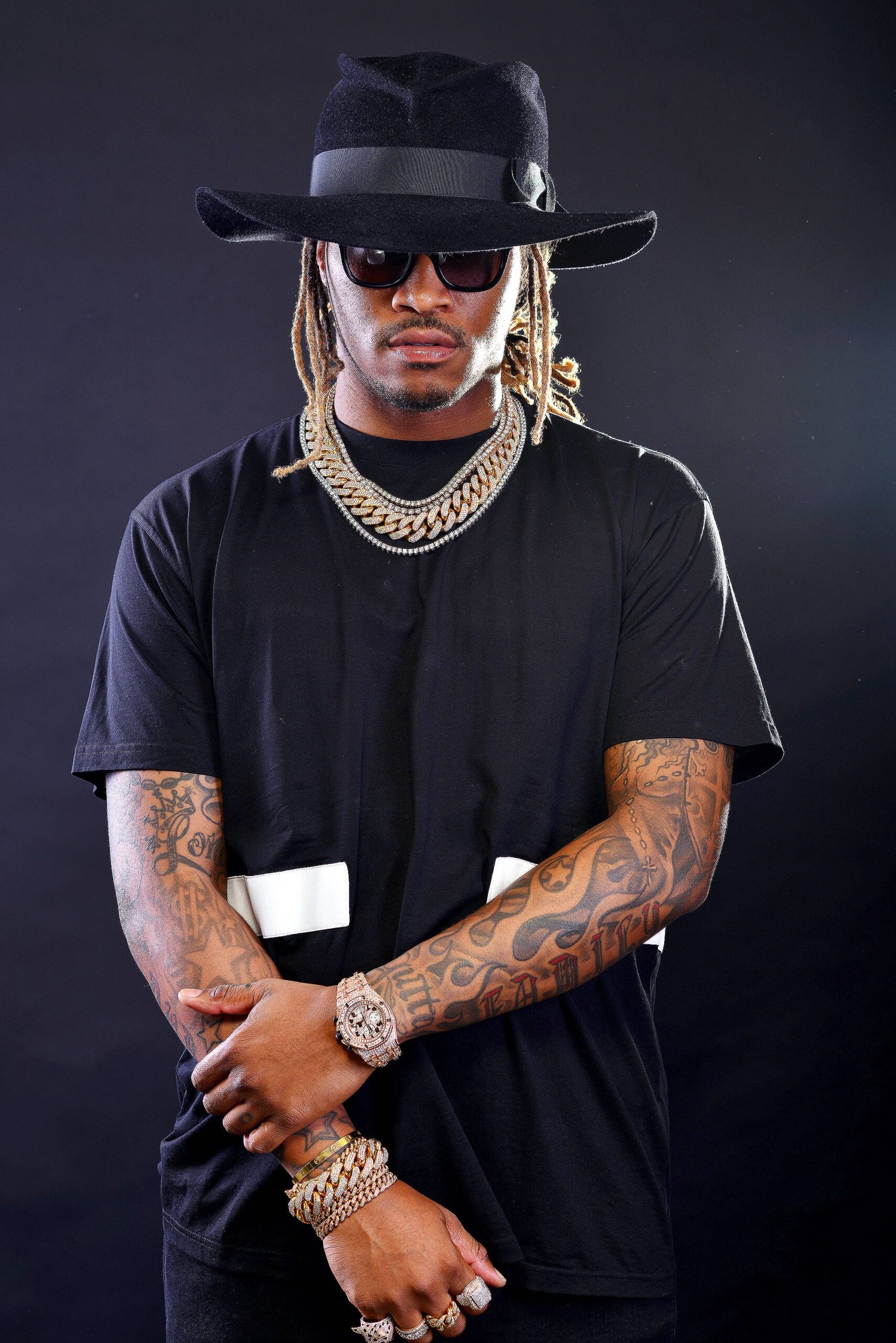
The Dungeon Family lettering on Future’s forearms connects the tattoo to Atlanta’s music history and the artists who shaped his early career. It is an identity reference as well as script.

A forearm gives lettering a long surface. Smaller stars and symbols sit near the wrist and elbow, while other tattoos keep the words from looking separate from the rest of the arm.

For a name or phrase, decide on the letter style and orientation before settling on size. Words that look right facing the wearer may appear upside down to others; some people prefer that private position.

In the photo, patches of open skin leave room around the lettering. That spacing helps each mark stay readable as more tattoos are added.

Strong lettering needs space around it. A useful reference shows the words, nearby symbols and the direction of the arm, so an artist can plan them together.

Lettering, stars and Freebandz energy across the arms

Future tattoos: lettering, stars and arm symbols

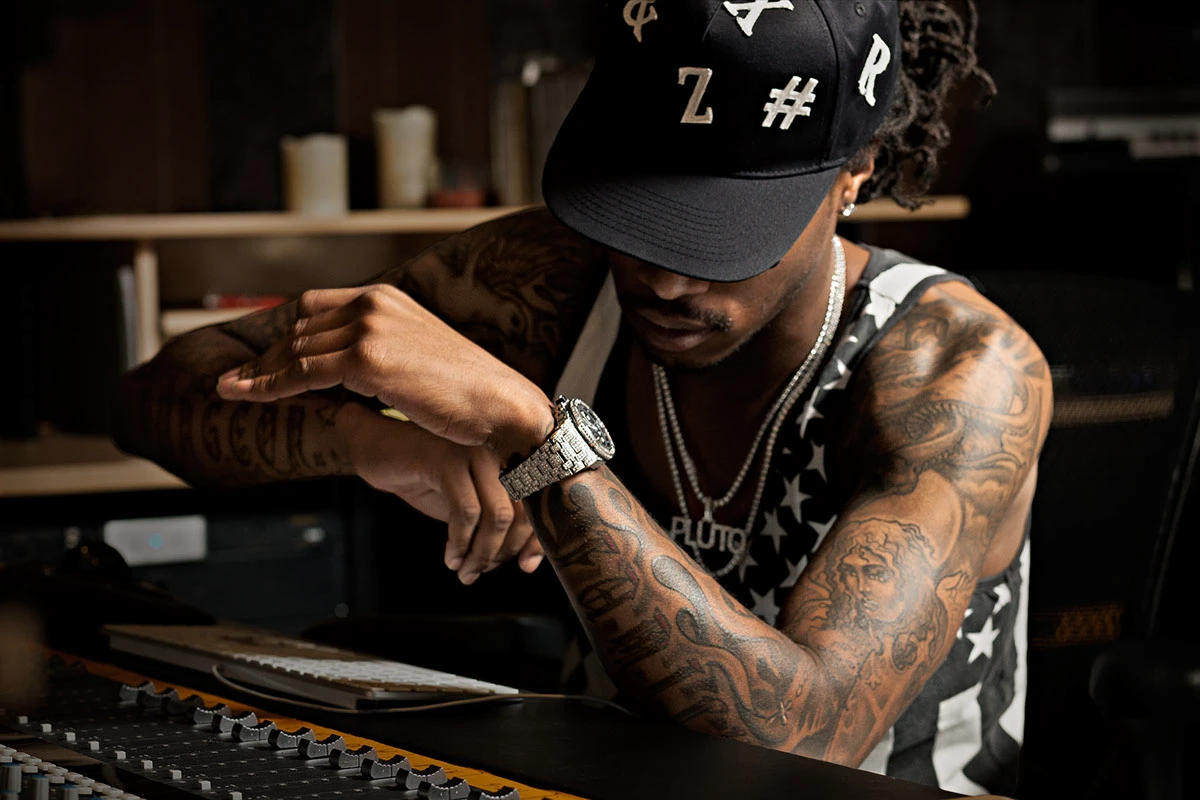
A close view shows words, stars, shaded forms and smaller marks sharing space on Future’s arm. Some lines are crisp; others have softened, giving the sleeve the look of work added over time.

Stars can fill narrow spaces near an elbow or between larger pieces. Used this way, they connect tattoos rather than compete with them.

Short phrases and names add another line through the arm. Before adding them, map the whole limb; a phrase that fits the inner forearm may crowd the outer side if the nearby designs are ignored.

Most visible pieces use black and grey, with open skin separating one mark from another. A colour accent could be added, but the layout still depends on the contrast between ink and skin. Black-and-grey shading keeps the dense areas readable.

Arm position changes how the tattoos look. A bent elbow compresses the skin and makes lettering seem shorter; a straight arm gives a clearer view of the scale. Future’s photos show both.

The large shoulder and upper-arm pieces

Future tattoos: shoulder portraits and upper-arm shading

Larger tattoos follow the curve of Future’s shoulder and continue down his upper arm. Portrait details, dark shading and curved lines keep the pieces connected when he raises or relaxes his arm.

The rounded shoulder gives a face, animal or larger symbol room, while lettering and smaller marks can continue toward the bicep and forearm. That makes the largest design the first thing the eye catches.

Clear lighting shows the grey shading and edges more accurately than a cropped or heavily edited photo. A reference that includes the whole shoulder also shows how the tattoo wraps around the arm.

Check the design from the front, side and back. A shoulder piece may look strong straight on but lose its shape when the arm turns if the layout does not follow the body. The angle changes the picture.

From a distance, the upper arm reads as a dark sleeve; close up, smaller symbols and lines come into view. The design has a clear outline and details that show when you look closer.

How Future’s tattoo style comes together

Future tattoos: full torso layout and mixed tattoo scale

The collection repeats a few visual choices: black-and-grey shading, script, stars and smaller symbols around portrait or figure tattoos. The subjects vary, but those choices give the pieces a shared look.

Family names, music references, crew ties and protective symbols sit beside other imagery. Together they read more like separate chapters than one uniform sleeve, and new tattoos can fit alongside older ones.

Before choosing images, decide which people, places or ideas matter most. A name may need clear lettering; a memory may suit a portrait; a symbol can stand in for a period of change. The largest placements should go to the designs that matter most to you.

A few consistent choices can tie separate tattoos together. Line weight, shading, spacing or colour can repeat without making every piece identical. Consistency does not require matching designs.

Leave room for later additions. Negative space gives the larger images room, while smaller marks can connect sections as the collection grows.

For another full-sleeve musician reference, see the Travis Barker tattoo guide. Future’s layout is more mixed and open, but both collections show how placement shapes the overall look.

Myles Kennedy Tattoos: Dragon, Koi, Octopus and Elephant Ink

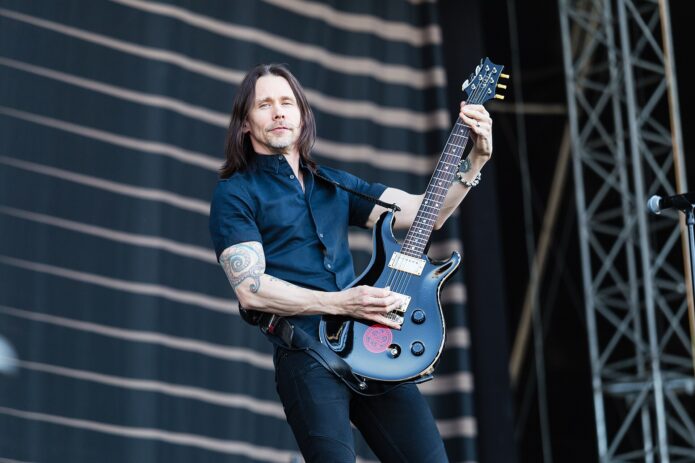
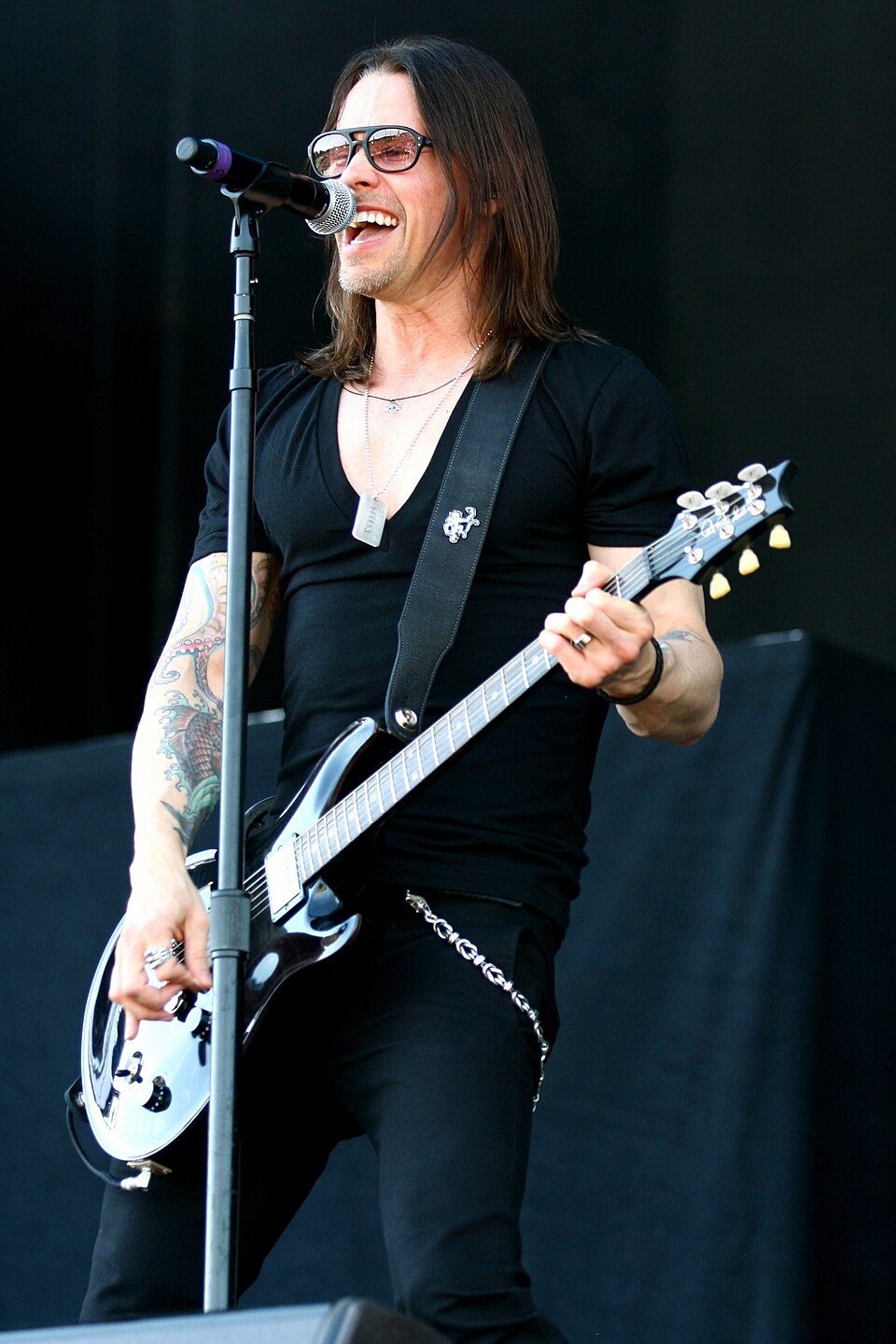
Myles Kennedy tattoos are easy to miss when he’s in a jacket or moving across a stage with a guitar. In a sleeveless shirt, the work on both arms is easier to see. The designs lean toward animals and curved forms, with space around each one.

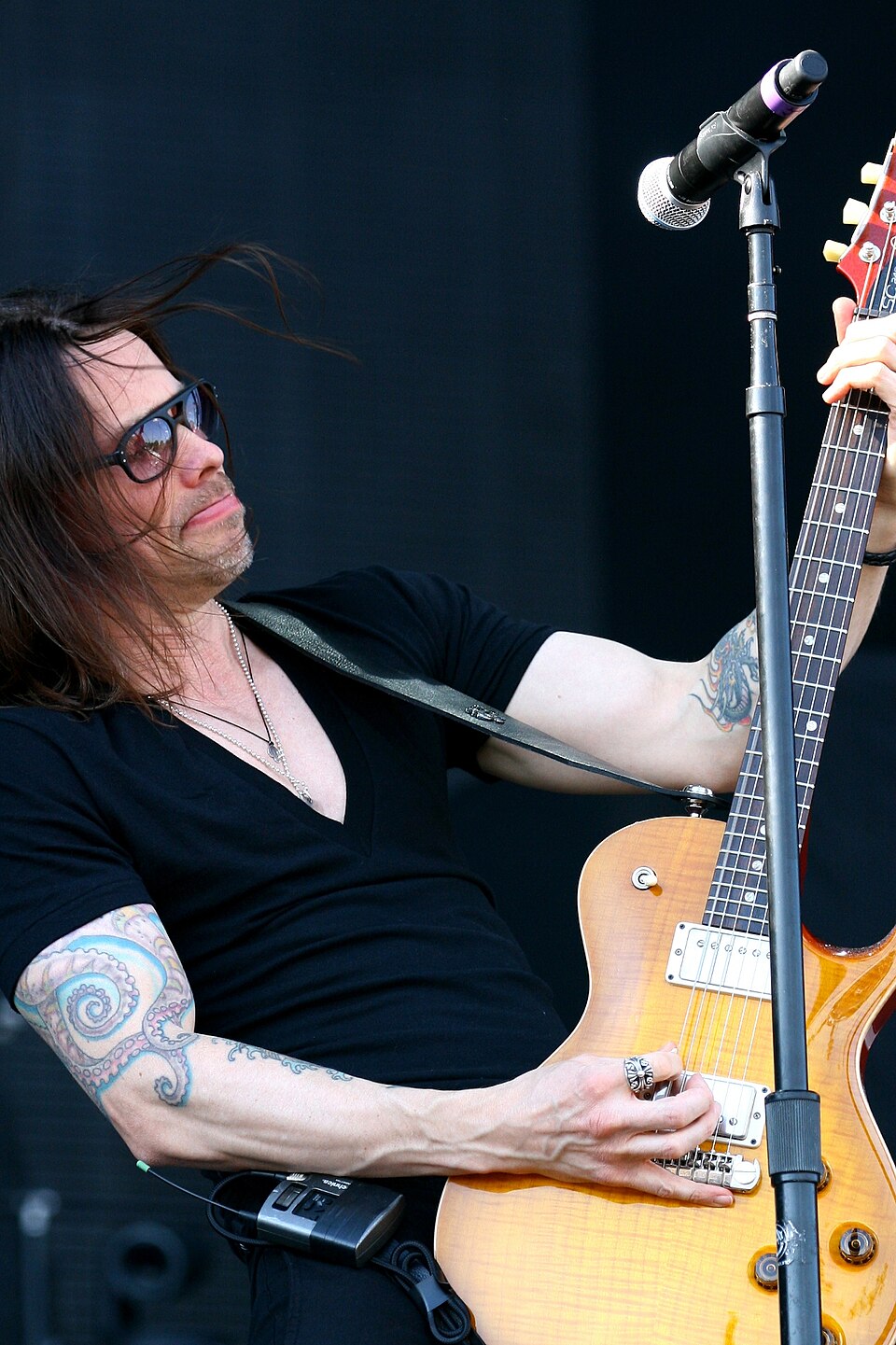
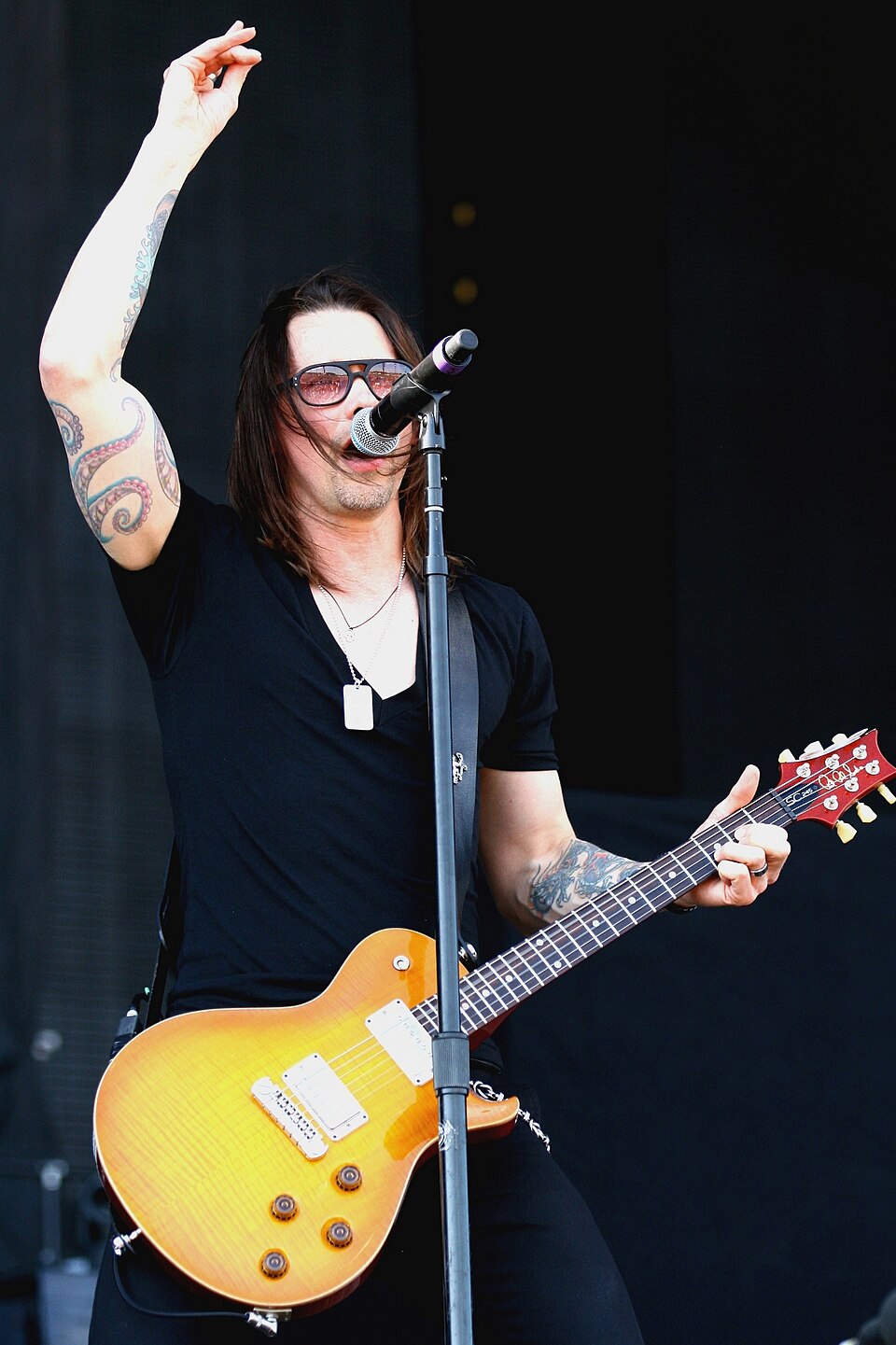
The best-known pieces are a dragon on his left forearm, a koi on his right, an octopus higher on his right arm, and two elephant heads on his chest. Kennedy has connected the dragon and koi to Asian stories and imagery. He says the octopus is there because he likes the animal.

What tattoos does Myles Kennedy have?

Four subjects make up the set most often described: a dragon, a koi, an octopus, and a pair of elephant heads. Concert photos can blur small features, but the broad shapes on his arms are clear in closer views.

Kennedy often appears in stage photos through his work with Slash and the Conspirators. His arm tattoos stay visible as he plays, as they do in our Slash tattoos guide.

The dragon and koi are the clearest pair. In interviews about his ink, Kennedy has discussed the story of a koi swimming up the Yellow River and becoming a dragon. Loudwire’s tattoo reveal covers the background and how he relates it to the designs.

Myles Kennedy left arm tattoos
Myles Kennedy’s tattooed arm during an Alter Bridge performance.

The dragon and koi tattoos

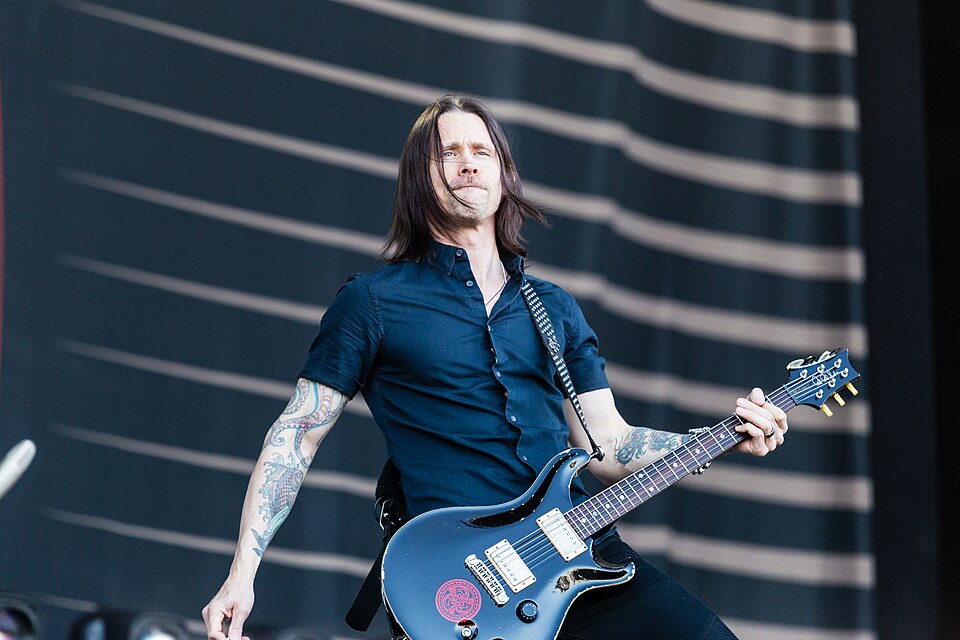
The dragon sits on Kennedy’s left forearm and the koi on his right. Related designs on opposite arms make a balanced pair; shared shading or line weight can link them while each animal faces the direction that suits its side.

The dragon’s sharper lines and scales contrast with the koi’s fins and long, curved body. They share a visual link without becoming the same image. Kennedy’s photos also show why an artist should plan how a design wraps around the arm, not just how it looks flat.

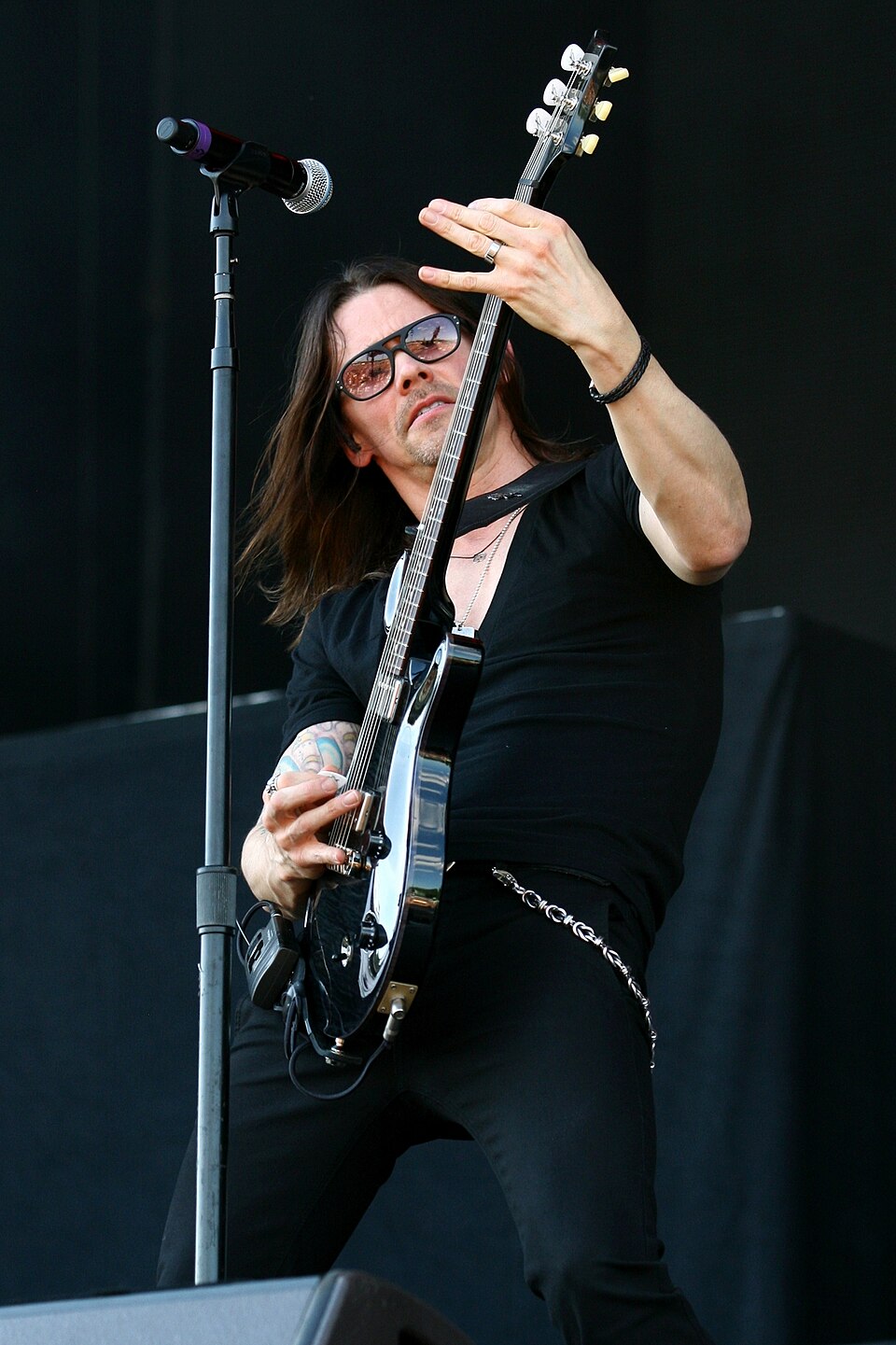
Myles Kennedy right arm tattoos
A clear view of the ink running along Kennedy’s right arm.

The octopus arm tattoo

His octopus sits higher on the right arm, adding a different shape to the group. Its tentacles curve around the arm, so the design shifts as he moves. It can read from a distance and still hold detail up close.

To adapt an octopus design, ask the artist to place the head first and map the tentacles around the arm. Fine lines can blur, especially inside the elbow. Strong outlines and open skin leave the main shape easier to read than packing in every detail from a reference photo.

Myles Kennedy sleeve tattoos
The curved forms of Kennedy’s arm tattoos are easy to see in this close stage view.

The elephant tattoos on his chest

The two elephant heads on his chest are harder to see because clothes usually cover them. They also balance a collection that is otherwise concentrated on the arms. Paired faces can angle toward each other; separate pieces can still feel related through their shading.

Elephant faces need room for the ears, eyes, and trunks to remain clear. If the piece has to be small, a simpler outline will hold up better than squeezing in every detail. An artist can help decide which features matter most.

Myles Kennedy forearm tattoos
Another close look at the forearm artwork that makes up the most visible part of Kennedy’s collection.

What makes Myles Kennedy’s tattoos work?

The animals give Myles Kennedy’s tattoos a shared feel, but each piece still reads on its own. The shapes suit a stage performance too: forearm designs remain visible when Kennedy is holding a microphone or guitar.

There’s no need to fill every gap. A few larger pieces can be easier to read than a set of small symbols if they have room around them. Start with images you still like, then work with the artist to fit them to your body.

Myles Kennedy both arm tattoos
Kennedy’s arm tattoos are visible from both sides in this Nova Rock performance photo.

Ideas to take from the collection

Fans can borrow the layout without copying Kennedy’s designs: choose two animals with a shared reference, put a flowing piece on one arm, and save another idea for a shoulder, chest, or upper arm. Similar shapes can work in blackwork or color.

Bring reference images for mood, not one picture for the artist to trace. Talk through size, placement, movement when your arm bends, and how much detail will stay readable on your skin.

How to plan a tattoo with this kind of movement

In the concert photos, the lines follow Kennedy’s arms instead of sitting like decals. Heavier areas give the eye a focus while the lines bend around the muscles. Ask your artist to check how the stencil sits on your arm; a design may need to open up or turn once it’s placed.

His tattoos can disappear under sleeves and take focus when he wears a vest. Placement matters if you want to cover the work sometimes: forearm and upper-arm pieces are easier to hide than hand or neck tattoos. You can still choose a large animal design without making all of it visible every day.

Decide early whether you want color. A limited palette can keep an animal design clear, while black and gray can give it an illustrated look. Bring examples of both to the consultation and ask how each might heal on your skin.

Give the tattoo time to heal before judging the final look. Fresh ink can appear brighter, and swelling can distort the shape for a while. Follow the artist’s aftercare instructions, and take clear healed photos if you may add to the design later. Kennedy’s set has developed across several pieces.

Watch Myles Kennedy talk music and performance

The video below is an interview about touring, songwriting, and playing with Alter Bridge and Slash; it shows Kennedy beyond his stage photos.

https://www.youtube.com/watch?v=68p98mriWiQ

Rich The Kid Tattoos: Chest Script, Arm Ink, and Jewelry-Heavy Style

Rich The Kid’s tattoos read differently depending on what the photo shows. A shirtless shot lays out the lettering across his chest and stomach; a close portrait picks out the marks on his hands and face; onstage, the arm work is what you notice while he holds a microphone. His rings, chains and clothes are part of the same frame, but the tattoos are easy to see beneath them.

The collection is built in layers rather than around one matching sleeve. Lettering sits beside shaded designs, and the amount of ink visible changes with his clothes and the angle of the photograph. The notes below stick to what can be seen: his chest, arms, hands, face and neck, plus the way jewelry and stage clothes frame those areas.

Rich The Kid’s chest lettering tattoos

Rich The Kid tattoos: shirtless chest lettering and stacked torso script

A shirtless mirror photo gives the clearest view of his chest. Large lettering runs across the upper part, with more lines of script and block text below. Smaller symbols and darker shapes fill the spaces around the words, so the front of the torso looks accumulated over time rather than designed as one single panel.

The layout starts with a broad line across the chest, then draws the eye down through the lower pieces. Even in less-than-perfect light, the large lettering is easy to pick out. The darker sections have breaks of bare skin between them, which keeps the different parts from merging into a solid block.

His chest lettering sets the tone for the rest of the collection. The words are the first thing you see, while the nearby symbols interrupt the lines and give the area a more layered feel. The result looks closer to a group of statements and images than one decorative logo.

Rich The Kid’s arm and shoulder ink

Rich The Kid tattoos: dense arm and shoulder ink in a studio portrait

His arms carry the most continuous coverage in the portraits. A dark studio photo shows shaded designs and lettering running from the wrists toward the shoulders. The tattoos sit close together, but changes in outline and texture make the different pieces visible.

In brighter light, the same work looks less dense. The outlines come through and the gaps in the ink are easier to see. That view helps show how smaller marks sit among the larger designs instead of disappearing into them.

The shoulder pieces can be partly covered by a short sleeve. In a sleeveless shirt or a shirtless photo, they appear to connect with the chest work. The arms give the front of his body a frame, with lettering and symbols continuing across the upper torso.

Rich The Kid’s hand and finger tattoos

Rich The Kid tattoos: hand tattoo and wrist details beside oversized rings

A close portrait shows a tattooed hand held near his face, with oversized rings around it. One design is visible on the hand, and there are smaller marks along the wrist and lower arm. Those details are easy to lose in a full-body image.

The hand ink stays visible even when his chest and upper arms are covered. In the photo, it sits alongside rings, a watch and bracelets; the jewelry draws attention to the same parts of the body as the tattoos.

Hand tattoos are hard to hide, and there is less room for a large design. Rich’s photos show a compact mark alongside the larger work farther up the arm. The rings add another layer, but the tattoo still reads as its own detail.

Rich The Kid’s face and neck tattoo details

Rich The Kid tattoos: small face detail and exposed arm tattoos onstage

A festival photo shows a small mark near his temple along with the tattoos on his arm. The face is well lit against the background, so the mark is noticeable without taking over the image.

His neck area can be more or less visible depending on the collar and chains. With a low neckline, the tattoos sit among the jewelry; with more of the neck covered, the small face mark and arm ink stand out instead.

A tattoo does not have to be large to catch the eye. Placement matters: a small mark near the eye, ear or collar can be noticed quickly because it sits in a part of the image people naturally look at.

Rich The Kid’s festival and stage tattoos

Rich The Kid tattoos: festival view of the visible forearm tattoo layout

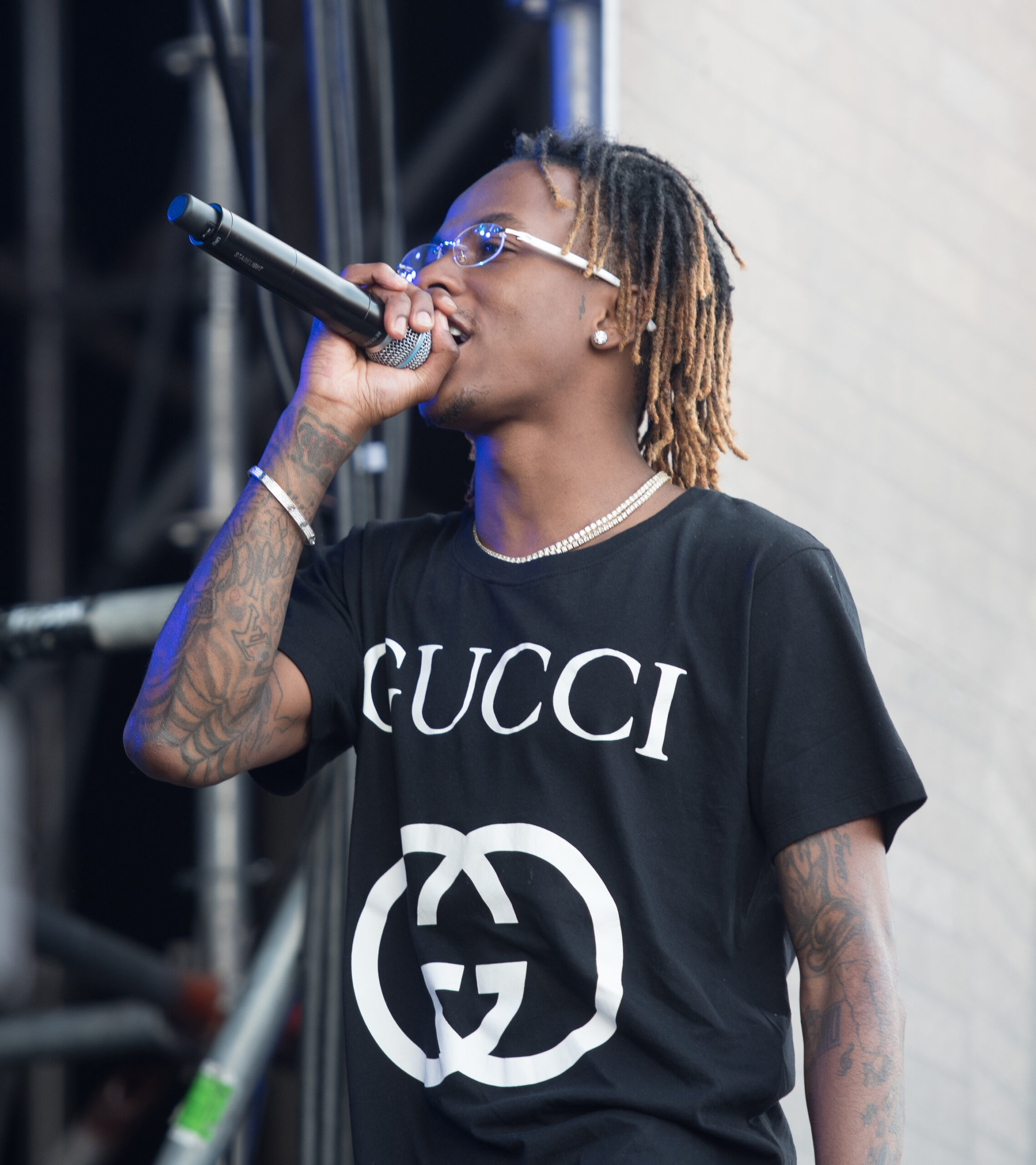
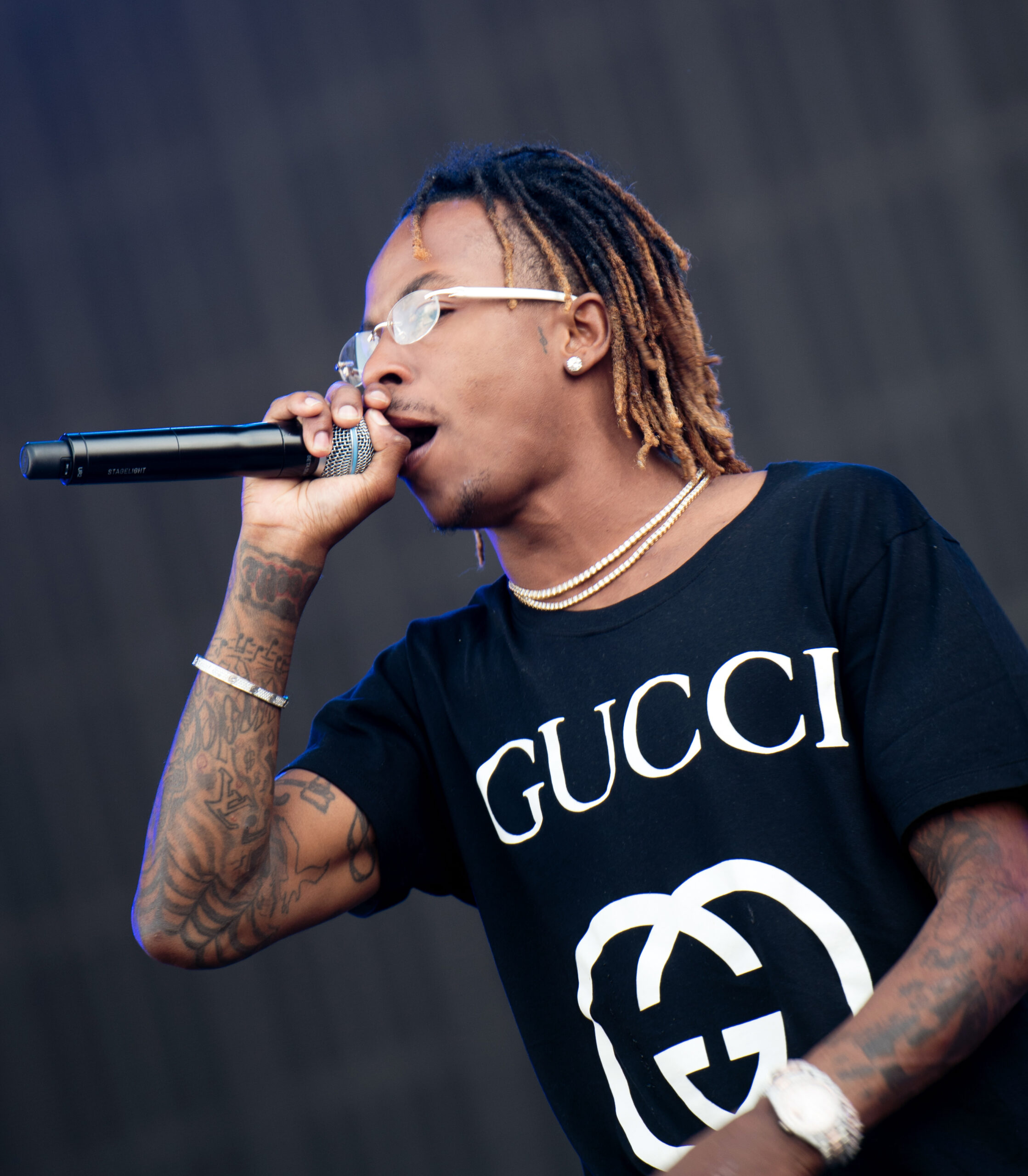
The Wikimedia Commons photos from Openair Frauenfeld show how the tattoos read from farther away. He is wearing a dark shirt, with his forearms exposed as he holds the microphone. The arm designs remain visible as he moves; glasses and jewelry repeat across the images.

A stage photo may not be sharp enough to identify each small symbol, but it does show the size and contrast of the larger shapes. The ink can still be made out under stage lights and motion, which is different from seeing it in a still portrait.

The clothes change what is visible. A black Gucci shirt covers the chest, leaving the forearms, jewelry and shirt graphic to carry the look. The outfit hides some tattoos without making the rest of the image feel incomplete.

Rich The Kid’s tattooed live-performance look

Rich The Kid tattoos: side-profile performance view of the arm tattoos

Another live photo shows his arm tattoos from the side as he holds a microphone. You can see his profile, the small facial detail, and the forearm coverage in one frame. That makes it easier to see how the pieces sit together than a set of tightly cropped close-ups would.

The photo is less posed than a fashion portrait. He is moving and holding the mic in a loose T-shirt, but the ink still gives the arm a clear outline. The tattoos remain part of the image even when the stage and the rest of the frame are busy.

Different photos answer different questions. A close portrait helps with the small marks; a shirtless photo shows the chest layout; and a performance image gives a sense of how the arm work reads from a distance. Taken together, they show more than any single crop.

How Rich The Kid’s jewelry frames the look

Chains, rings, watches, tinted glasses and bold clothes appear alongside Rich The Kid’s tattoos in many photos. The jewelry sits across the same areas as the ink: a ring draws the eye to his hand, a watch rests at the wrist, and a chain crosses the chest lettering.

Those details do not have to match exactly. They share the same space, and the contrast between bright metal and dark ink helps each stand out. A change in accessories can shift the feel of a portrait without changing the tattoos themselves.

If you are using the photos as a reference, start with the areas you want to connect. One larger piece can anchor the layout, with smaller marks on the arms or hands. Leave room between designs so they remain distinct, and consider how sleeves and jewelry will sit around them.

The style in one frame

Across these photos, the repeated details are the chest lettering, dense arm work and smaller marks near the face and hands. The overall look changes with the setting: a mirror photo gives the chest more space, studio light makes the arm outlines clearer, and stage lighting puts the tattoos in motion.

That variation is the useful part of the reference. The ink looks different in a selfie, a posed portrait and a performance shot, but it still shapes the outline of his arms and torso. Jewelry and clothes add their own details around it.

The official Rich The Kid video for “Motion” is below.

More musician tattoo guides

Kevin-Prince Boateng Tattoos: Ghana, Family, Music and Football

Boateng’s tattoos cover much of his arms and torso, and they don’t fit one theme. Photos show references to Ghana, family, faith, music and football, alongside dense lettering. The designs have accumulated over years, so a picture from one season won’t show the whole collection.

His comments about tattoos have changed over time. Earlier, he described them as meaningful; in 2019, he said he regretted having so much ink. That tension belongs in the story. The crown has a direct explanation, and some family names have been reported, while other designs are hard to date. Photos can show what is there; meaning needs a reliable statement.

The Ghana map and the word GHANA anchor his left arm

Kevin-Prince Boateng tattoos: wide tattooed torso and chest lettering

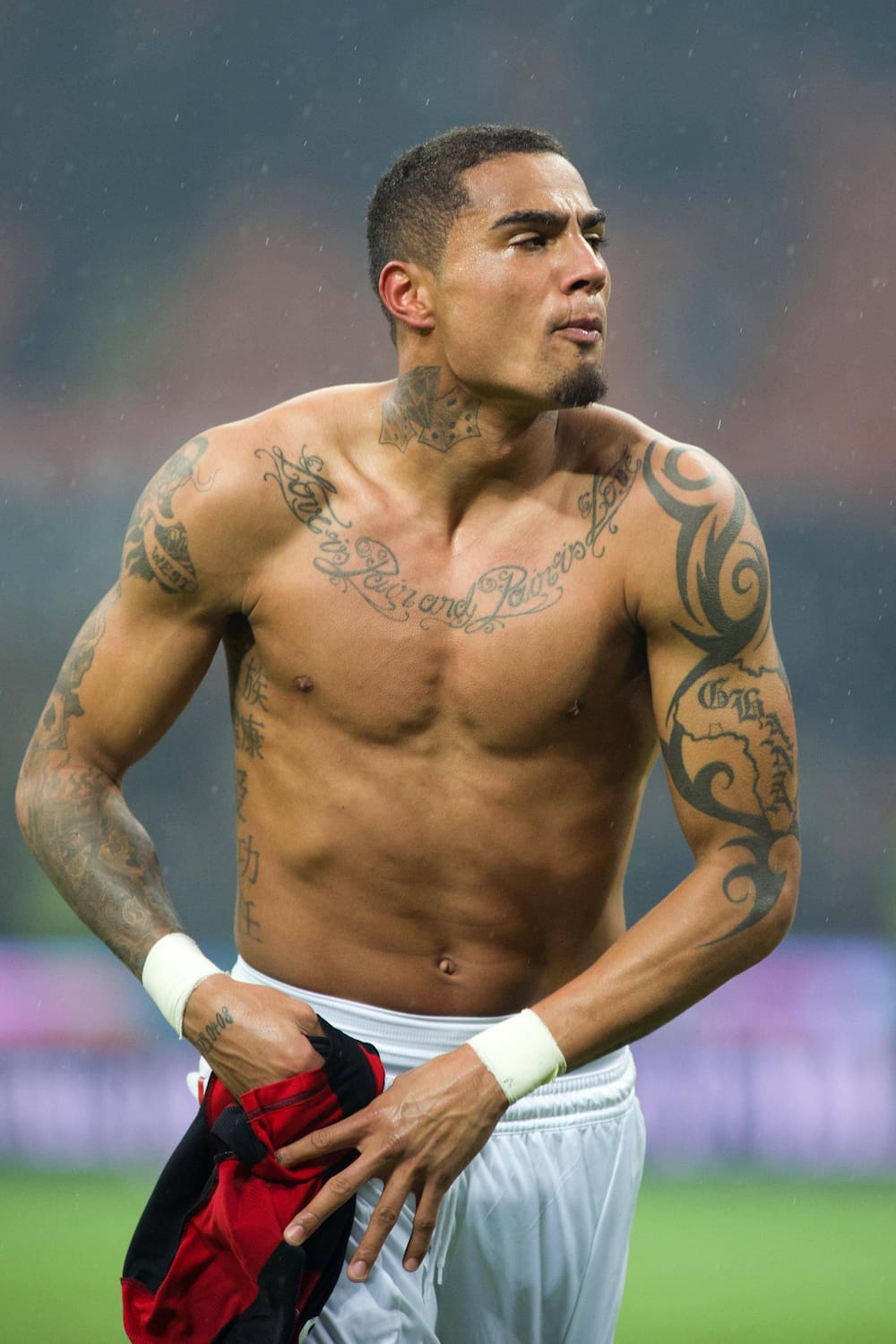
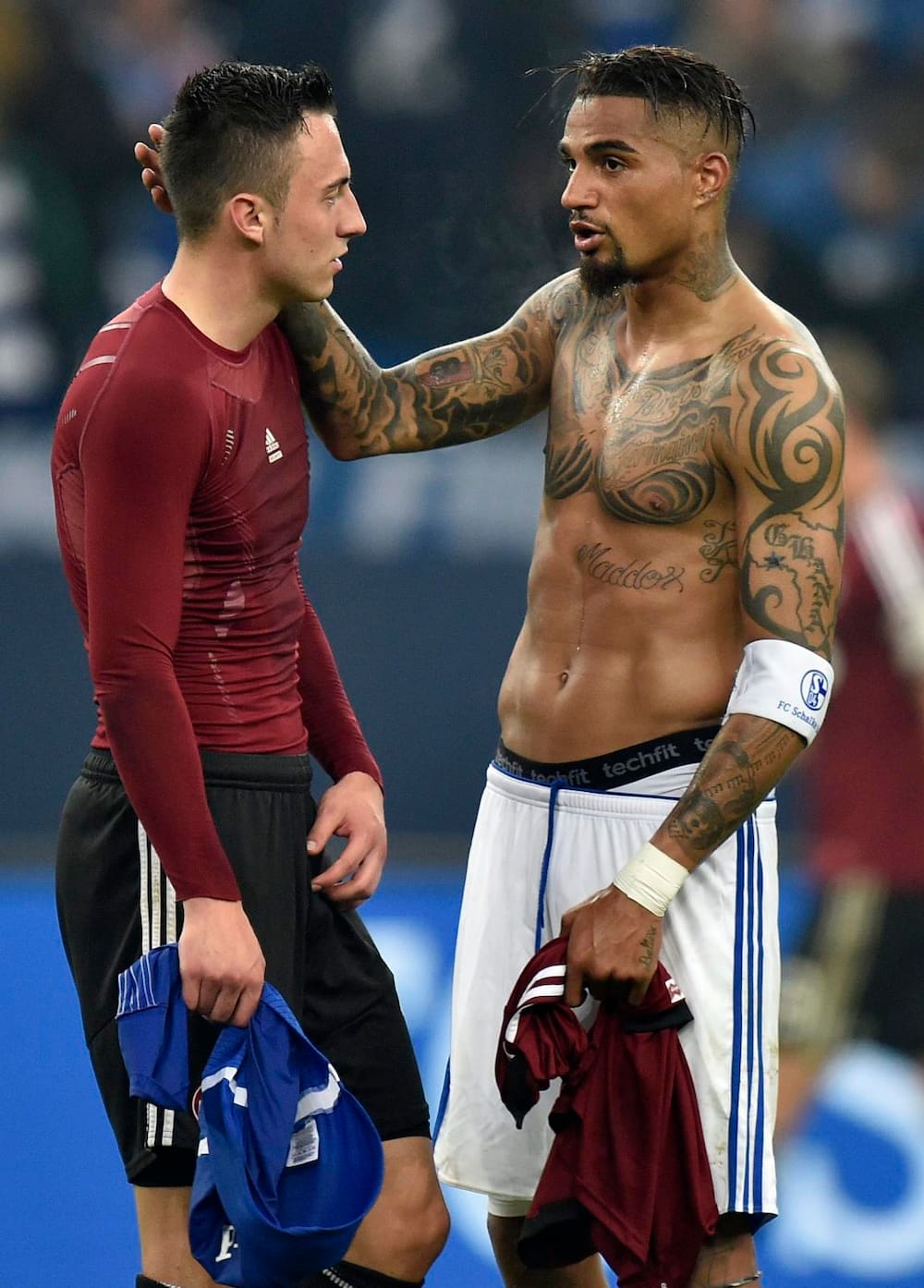
The Ghana map and the word GHANA are among the clearest references in his collection. The map sits on his arm, with a star marking the country. Reports connect the design to his family background and his sense of Ghana as home, though he was born in Berlin.

Short sleeves and training photos often reveal the map when Boateng raises his arms. A close crop shows it clearly; the wider view shows how it sits among the work on his upper arm and shoulder.

Photos confirm the outline and lettering. Interviews supply the family and national context. That doesn’t mean nearby tribal-style shapes have the same meaning. The Ghana design can be described on its own.

The chest lettering ties family and personal history together

Kevin-Prince Boateng tattoos: full-body tattooed pitch portrait showing arms and torso

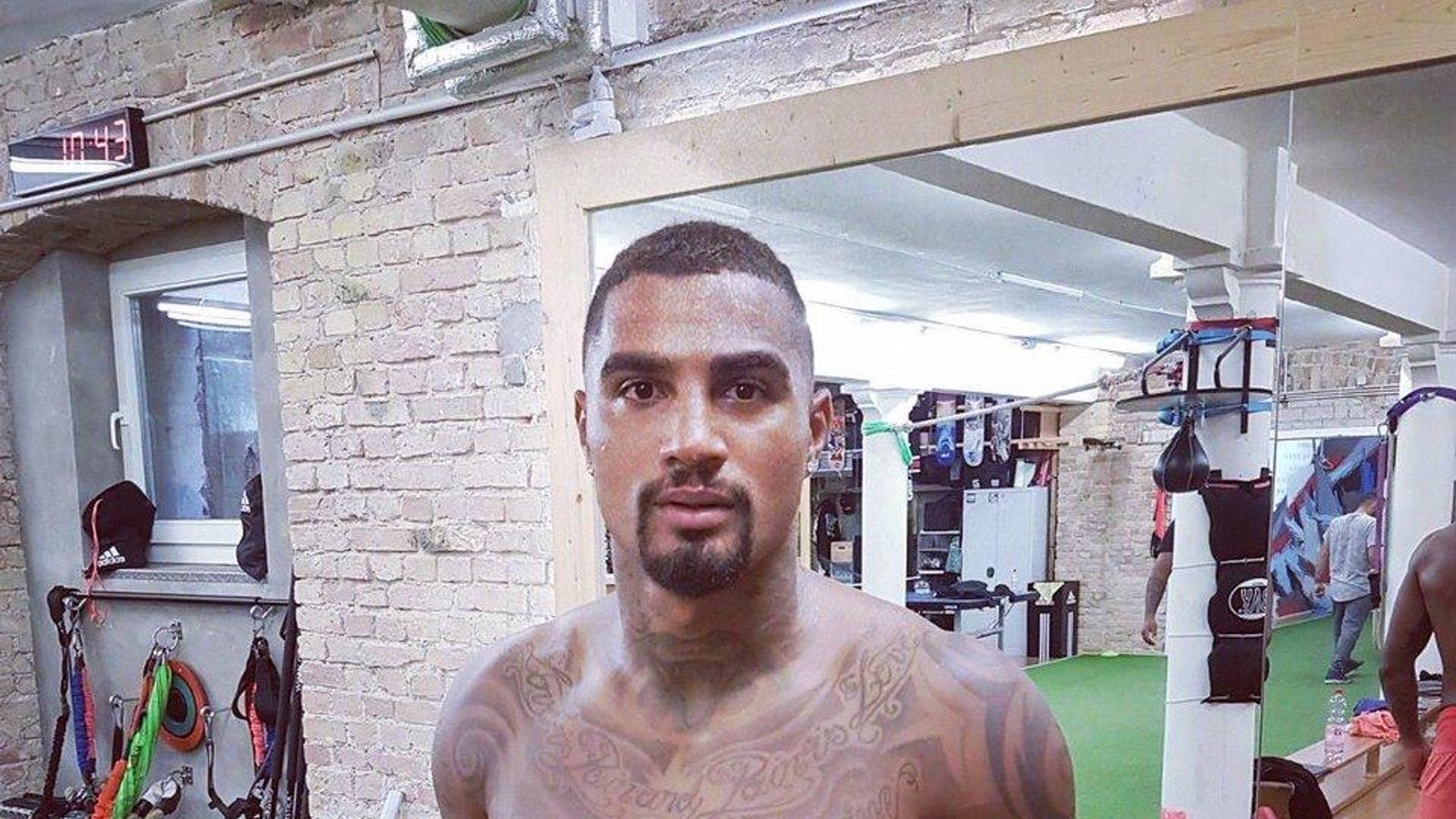
The chest has layers of lettering, curves and darker areas added over time. Love is Pain and Pain is Love is one recognizable phrase. Reports identify the name Jermaine as a tribute to his son. Other coverage mentions names and Chinese characters associated with family, health, love, success and trust, though not every mark is legible in photos.

Boateng has discussed names connected to his children and relatives. Reports have also described a family tree on his back in an earlier period of his tattoo history. The pieces overlap and follow the shape of his chest instead of forming a single planned set.

Lettering can be hard to read when Boateng is moving or a shirt covers part of it. A wide photo shows where the work sits; a close view can help separate words from decoration. If a source doesn’t identify every name, it’s safer to describe the area as family lettering than to guess.

The crown on his neck is linked to the name Prince

Kevin-Prince Boateng tattoos: shirtless match photograph with visible neck, arm and torso tattoos

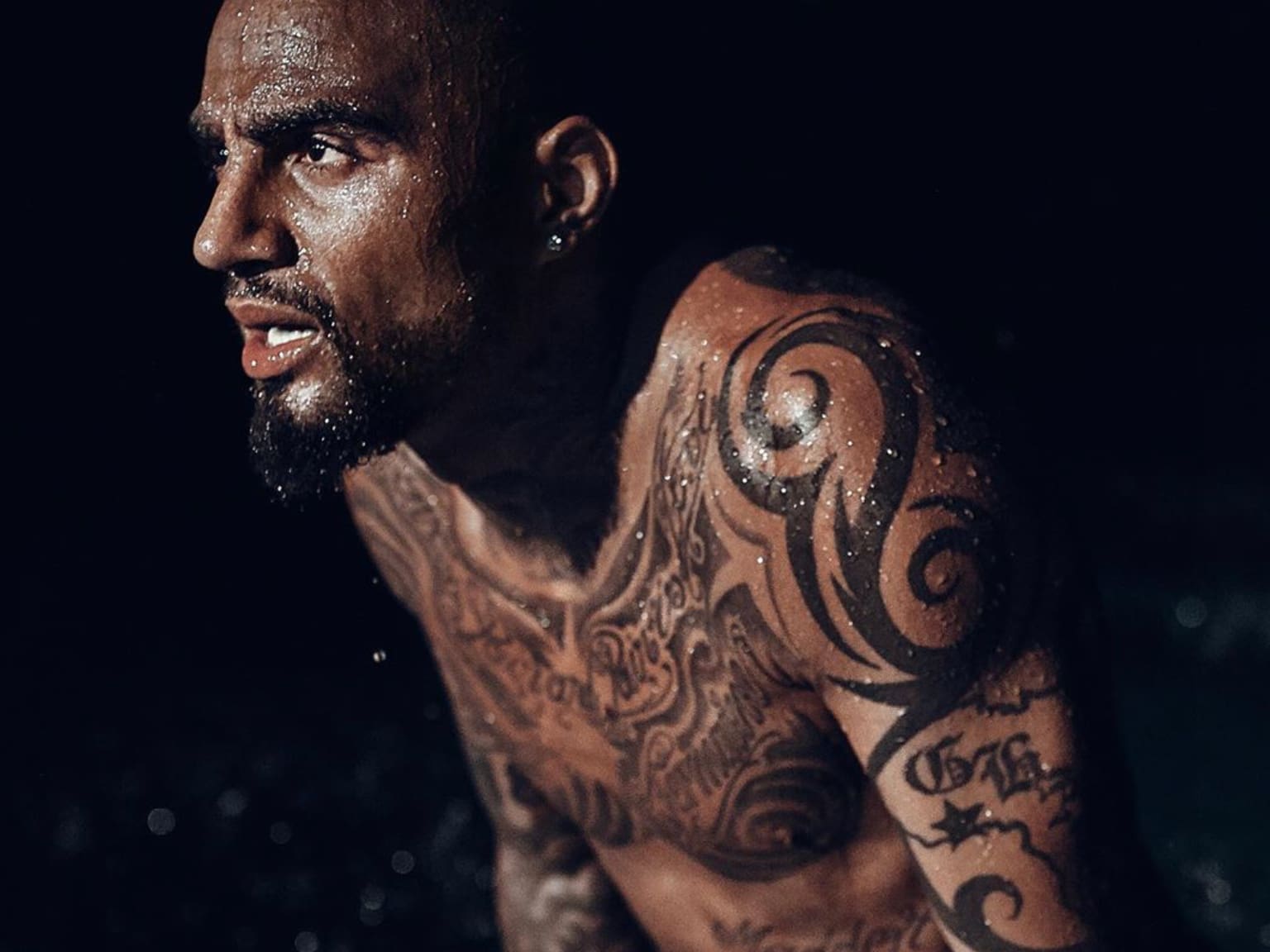
The crown on the left side of Boateng’s neck has prompted theories about Real Madrid and other football imagery. In an interview with Goal, he gave a simpler explanation: it refers to his middle name, Prince. He said it was not a Real Madrid tattoo.
That answer is more useful than fan speculation. The crown is visible in side-profile photos, and Boateng has connected it to his name rather than a club badge or match.

Some image guides also show darker neck shapes, dice and a diamond. Those can be described separately. The angles change quickly when Boateng turns his head, and photos from different years show different parts of the area. The crown remains the best-documented design because he explained it himself.

The hands, dates and family names keep the story close

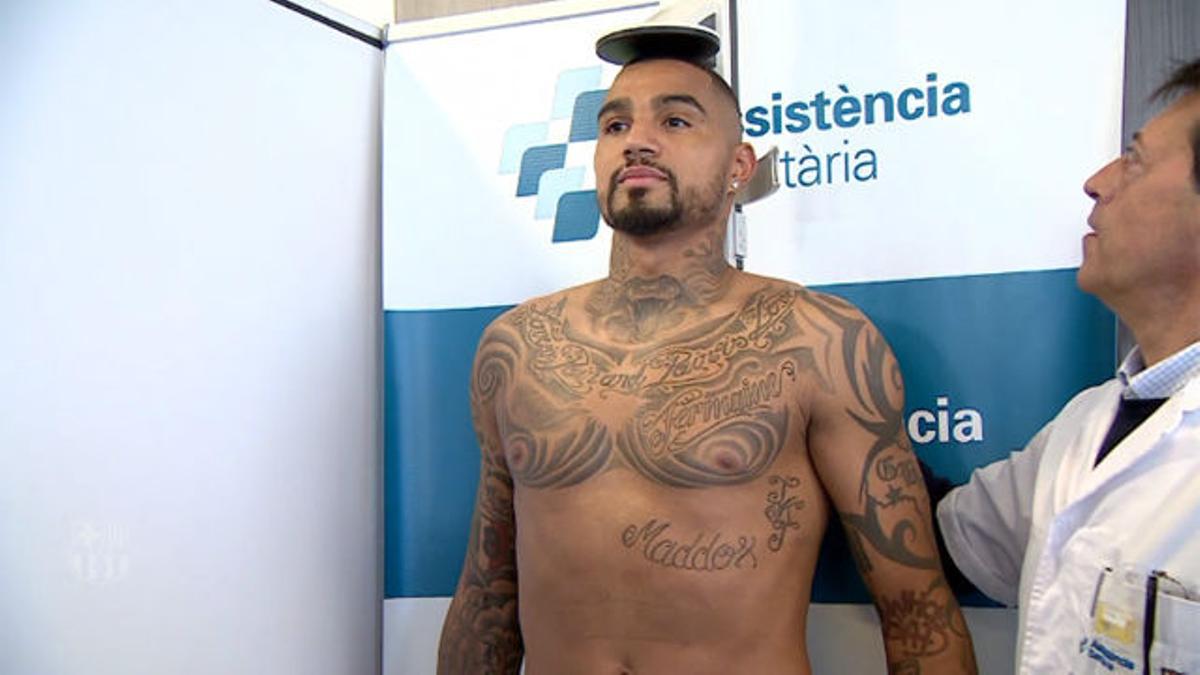
Kevin-Prince Boateng tattoos: Barcelona medical photograph showing chest and arm tattoo coverage

Reports identify smaller tattoos across Boateng’s hands, wrists, ribs and lower torso, including words such as trust, dates, names and initials. One date has been linked to his son Jermaine; other initials have been described as references to family.

A match photo may show his arm but miss his fingers. A shirtless portrait can show dates while a wrist disappears into shadow. The Barcelona medical photo gives a closer view than a stadium shot, though it still doesn’t make every line readable. It helps confirm placement, not every detail.

Family references appear in different places among the other tattoos. Boateng has spoken about his children, siblings and home. The images show names and dates alongside older work rather than in one separate memorial area.

Music and football references fill out the sleeves

Kevin-Prince Boateng tattoos: gym portrait focused on the arm and shoulder tattoo groups

Boateng’s arms also include references to music. A microphone, headphones and music notes connect with his interest in music and releases under the name Prin$$ Boateng. The familiar shapes are easier to recognize than some of the surrounding dense work.

Football appears in other designs. A banner and number have been linked to AC Milan’s 18th league title, and some fans once read the neck crown through a football lens before Boateng explained its connection to his name. Other tattoos have been linked to goal celebrations and clubs. Music and football sit side by side in the collection.

Different photos show different parts of the sleeves. One may catch the microphone and lettering; another shows clouds, hand tattoos or the edge of a character. The images offer several views, rather than one complete map of the whole arm.

The references are specific: Ghana, family names, the crown, music symbols and football memories. Some meanings come from interviews; others are visible designs whose private stories haven’t been explained.

In 2019, Boateng said he wished he had no tattoos and described the ink as a kind of protective wall. That regret doesn’t erase the earlier choices. It shows that a person’s feelings about old tattoos can change while the designs remain part of their history.

A total count would be misleading because the photographs show different parts of the collection at different times. It’s more useful to follow the placements: the map on his arm, lettering across his chest, the crown on his neck, then the hands and sleeves.

Photos from different years also explain why online lists disagree. Boateng added tattoos, sometimes covered them, and later talked about wanting his skin back. A shirt can hide a design; a close portrait may show a date that disappears in a match photo. Those differences don’t establish that a tattoo was removed.

There isn’t one message that explains all of the ink. The Ghana map relates to heritage, the family marks to people close to him, and the crown to his name. The music and football designs point to other parts of his life. Each can be described without making the collection fit one theme.

Watch Kevin-Prince Boateng explain the meaning behind one of his tattoos:

https://www.youtube.com/watch?v=ygbMbnx2xfU

More athlete tattoo guides

Soulja Boy Tattoos: Chest Lettering, Face Ink, and Arm Style

Soulja Boy’s tattoos sit alongside the chains, watches, bright caps and bold clothes that have long been part of his public look. The ink covers his chest, neck, face, arms and hands, from script and small symbols to larger black-and-gray pieces. It’s part of the image he built around his music, though the designs don’t follow one theme.

The collection has changed over time. Older portraits show more of his chest and arms; later close-ups make the face, neck and hands easier to see. Each photo catches a different part of the collection, not a complete inventory.

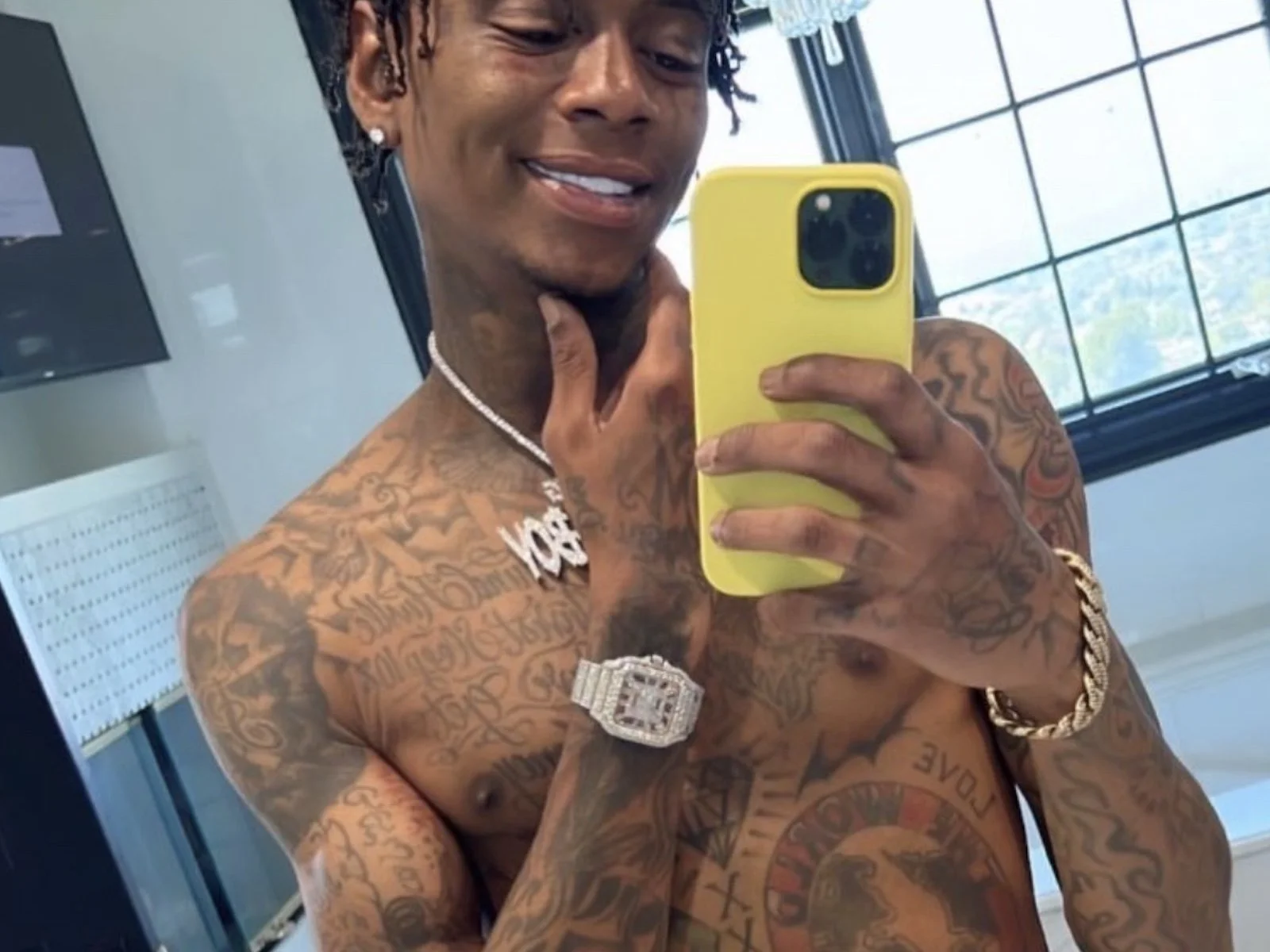
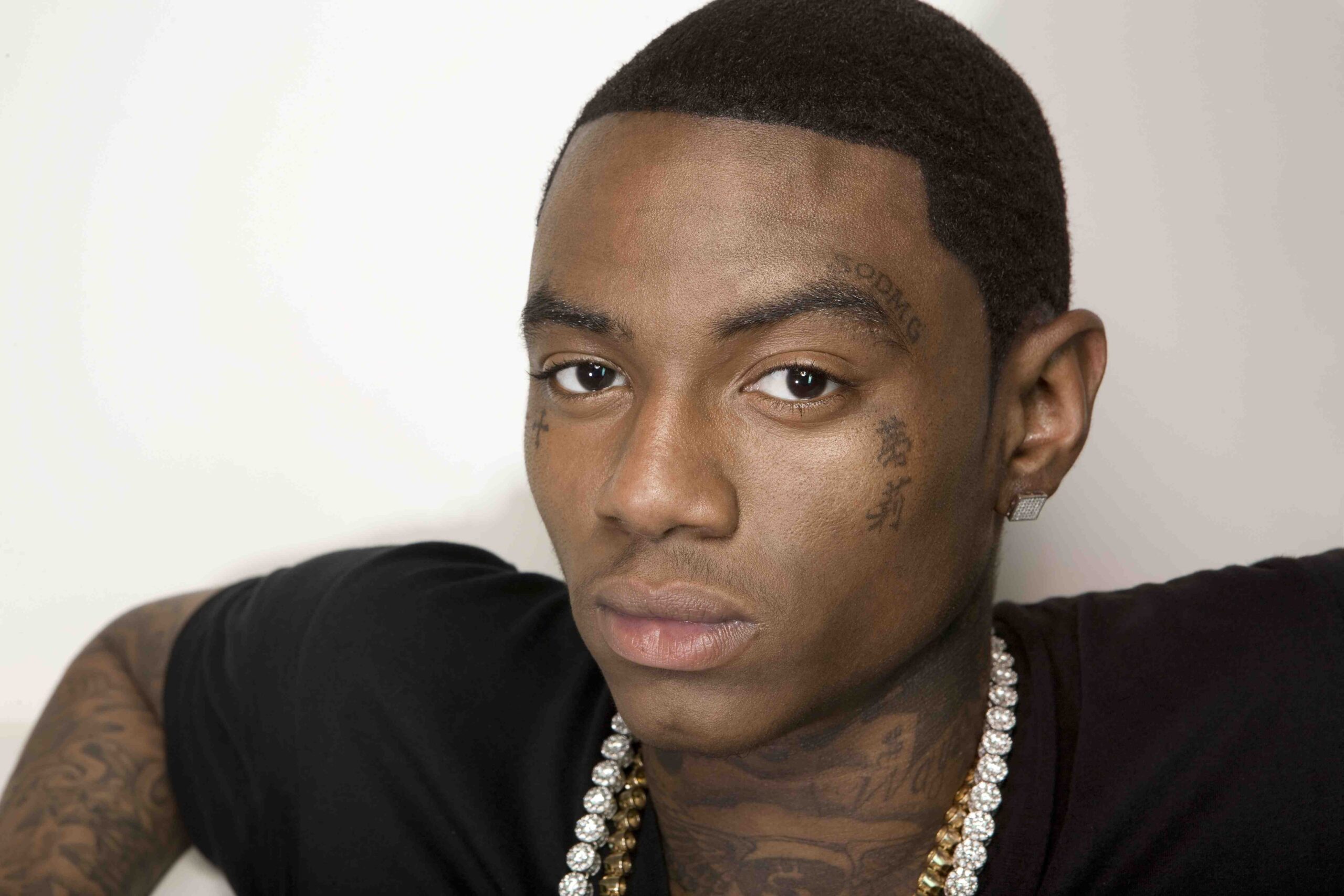
This guide focuses on tattoos visible in the photos: chest lettering, arm coverage, face and neck designs, and hand ink. It also looks at how jewelry and clothes sit around the tattoos. The featured portrait is separate from the five tattoo images in the article.

Soulja Boy chest tattoos and full torso coverage

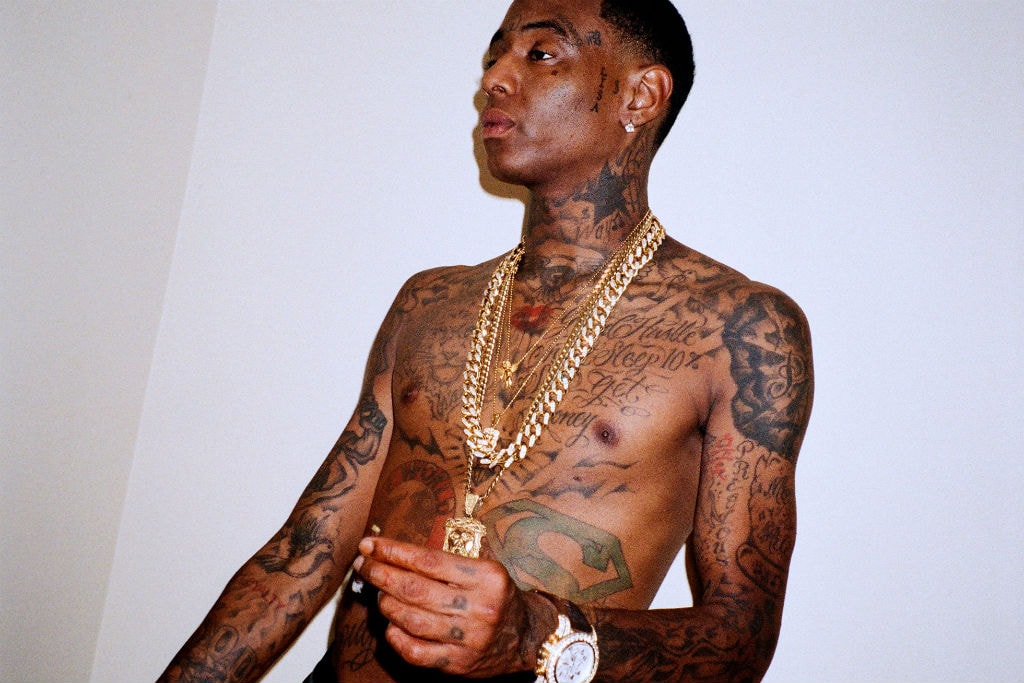
A shirtless Hypebeast portrait is a useful starting point. Lettering and symbols cross Soulja Boy’s chest, while his arms carry the same dense style. Some words are readable in an ordinary photo; the darker areas help separate one design from another.

Necklaces, watches and bracelets add shine, but they don’t hide the tattoos. The ink remains visible beside the accessories.

The chest includes words linked to ambition and self-belief, alongside decorative symbols and other personal references. Soulja Boy hasn’t explained every piece publicly, so the photos show more about appearance than meaning.

Scale matters in these torso photos. The large lettering takes up space, and the wide framing shows how the designs cover the chest.

Placement changes how a design reads. A tattoo near the collarbone stands apart from one lower on the ribs, while open skin can give a symbol more room. Soulja Boy’s photos show dense coverage and spaces between pieces.

His chest work is bold and often visible in an open shirt, tank top or shirtless photo. It becomes part of the outfit, especially in images from his earlier hip-hop years.

Soulja Boy tattoos: clear shirtless portrait showing chest lettering, arm coverage, and layered jewelry

Soulja Boy arm tattoos and layered sleeve work

A mirror selfie shows script and shaded pieces running from Soulja Boy’s shoulders through his biceps and forearms. It’s a relaxed view, away from a red-carpet pose.

The arm work mixes broad dark areas with smaller words and symbols in the spaces between them. The different sizes make the layering visible.

Curved lines follow the shoulder, while script runs along the chest and arms and smaller marks reach the hands and wrists. The tattoos may not form one planned sleeve, but their shared black-and-gray palette helps them read together.

A close portrait with his hand raised makes the wrist lettering easier to see. His neck and cheek tattoos remain in the background, giving another view of the same collection.

A phone in his hand or a bent elbow can bring a different section into view. These pictures show the ink in ordinary positions, not just posed for a close-up.

If you’re planning a sleeve, decide which piece matters most and leave room around it. Open skin can keep separate designs legible; filling every gap at once can make later additions harder to place.

Soulja Boy tattoos: high-resolution mirror photograph showing dense chest, arm, and hand ink

Soulja Boy face, neck, and hand tattoos

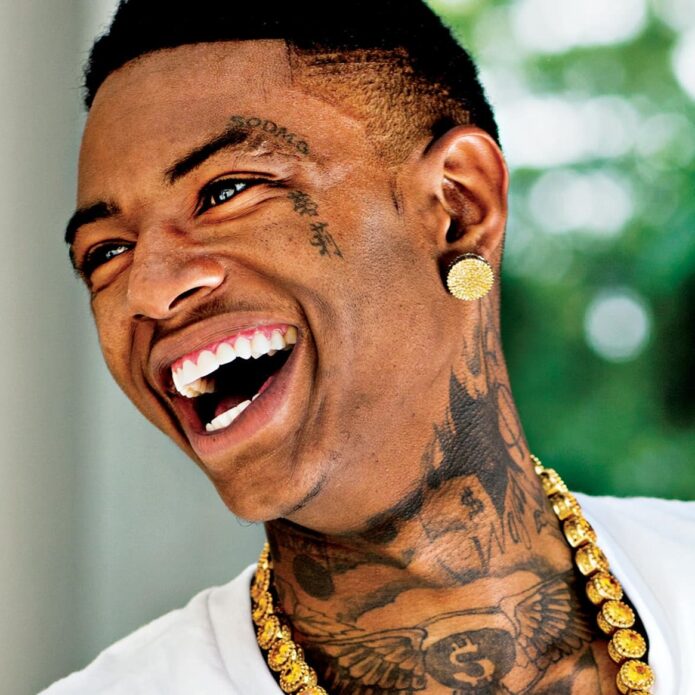
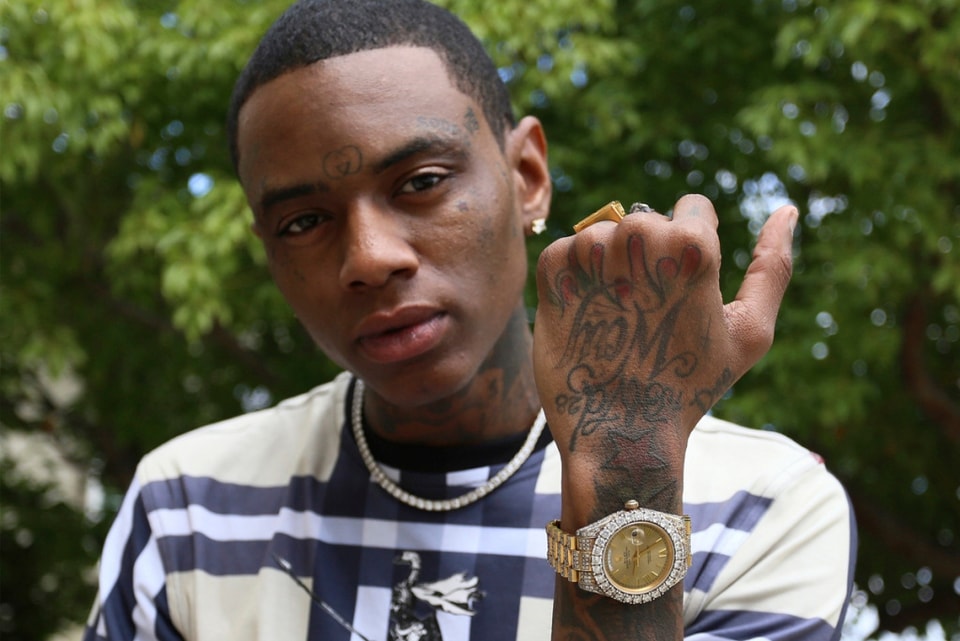
An outdoor close-up shows small marks near Soulja Boy’s eyebrow and cheek, a larger neck piece and ink continuing below the collar. The detail is clear enough to see the tattoos as part of his appearance.

Face tattoos change how a portrait reads because they sit near the eyes and mouth. In these photos, the ink is part of the same direct look as his clothes and jewelry.

When he raises a hand toward the camera, lettering and symbols across the knuckles and back of the hand become prominent. Rings and a watch add detail, but the ink remains easy to see.

Small marks stand out when they sit where people naturally look. Fingers, hands, the sides of the face and the neck show in ordinary gestures, without a dramatic pose.

These tattoos are hard to cover. A shirt can hide chest ink, but hands and face are visible in most settings. Soulja Boy’s photos make that visibility part of his public image.

Close-ups show tattoos from different years together. Some lines look crisp and dark; older shading appears softer. The photos capture the collection at different points in time.

A face tattoo can look striking in a celebrity photo, but it is a highly visible choice. The image below shows the hand, neck and cheek ink together in a portrait.

Soulja Boy tattoos: sharp outdoor portrait focused on hand lettering, wrist ink, and face tattoos

Soulja Boy lettering, symbols, and personal branding

Phrases about hustle, money, loyalty and ambition appear alongside symbols and larger illustrations. The lettering is direct, much like the slogans and stage name Soulja Boy uses in public.

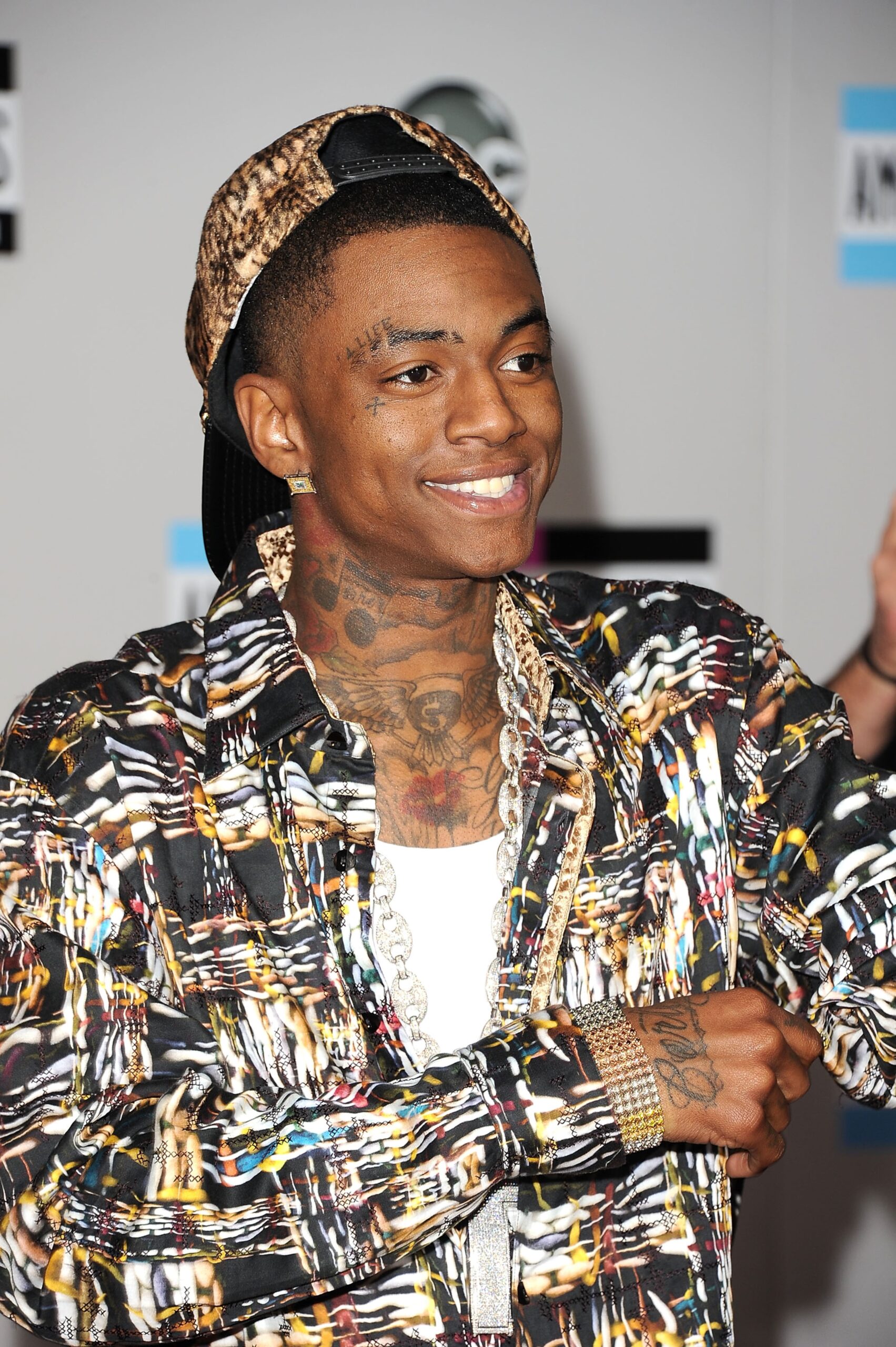
A red-carpet photo shows the tattoos beneath patterned clothing and jewelry. The shirt adds color and movement, while the neck, hand and lower-face ink remain visible.

An earlier photo shows his arm tattoos with a simpler outfit. With less pattern around them, the writing and symbols stand out. The surrounding clothes change how the same ink reads.

Lettering works best when the phrase still means something to the person wearing it years later. Soulja Boy’s visible phrases connect with his music and business identity, rather than appearing as unrelated decoration.

Symbols break up the lines of text. A cross, star, globe or cartoon-style image gives the eye a pause and adds variety to a tattooed torso.

Font choice affects what can be read in a photo. Heavy lettering shows from farther away, while thin script needs a closer look. On a wrist or hand, spacing also affects whether the words remain legible.

A private phrase and a public motto can suit different placements. Soulja Boy often chooses visible areas, so the lettering becomes part of how he presents himself.

Soulja Boy tattoos: high-resolution event portrait showing the neck piece, chest design, and hand ink

How Soulja Boy’s tattoos fit his hip-hop style

His tattoos appear with chains, watches, rings, caps and patterned shirts. In those photos, the ink gives the outfit a consistent base, even when the clothes change.

Photos from different years show different stages of Soulja Boy’s look. Earlier portraits emphasize chest and arm tattoos; later ones show more of the face, hands and neck. The collection grew over time but kept a recognizable style.

Not every tattoo has a confirmed meaning. Some may relate to music or family; others may simply be designs he liked. The photos show placement, size and how each piece sits beside the rest, but not always the reason behind it.

The tattoos across his face, neck, hands, chest and arms make his silhouette recognizable before the outfit comes into view. That visibility is part of the style and a lasting choice for anyone considering similar placement.

Soulja Boy’s collection has built up over time. A design with personal meaning can give a new piece a starting point, while leaving room for later work helps the tattoos sit together without crowding each other.

The ink is visible and layered, and it appears alongside the clothes and accessories he wears. That combination makes the collection part of his public presentation.

Soulja Boy tattoos: large face-visible portrait showing eyebrow, cheek, neck, and hand-adjacent ink

Tattoos don’t have to be quiet to feel personal. Soulja Boy’s photos show how the ink can sit with the clothes and accessories he chooses.

More musician tattoo guides

Gunna Tattoos: Chest Wings, Arm Ink, and His Black-and-White Style

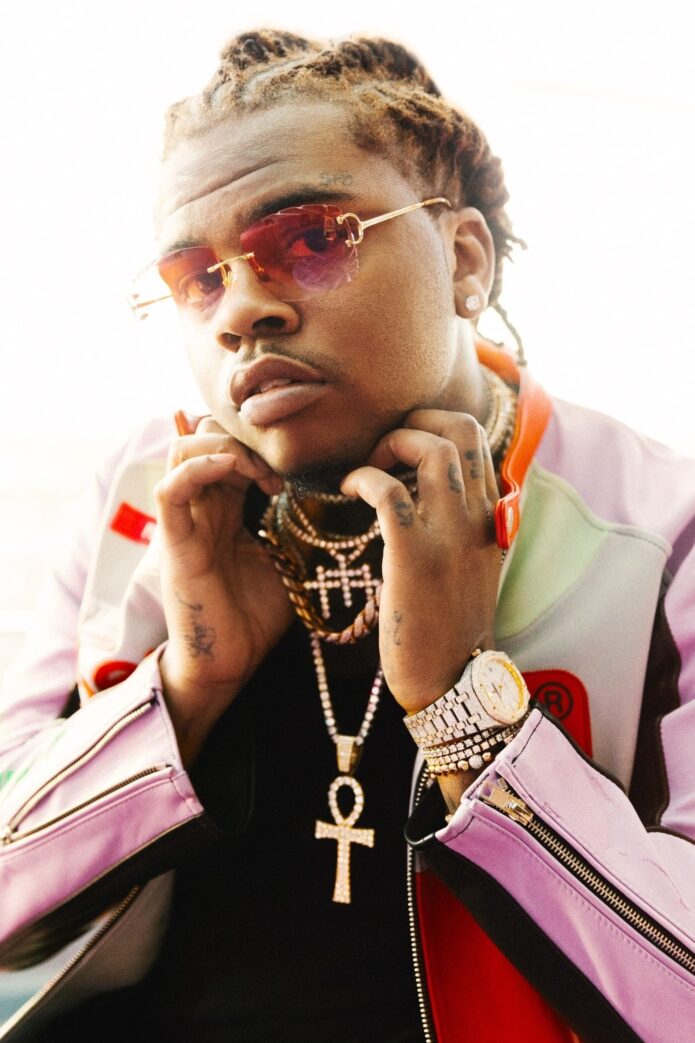
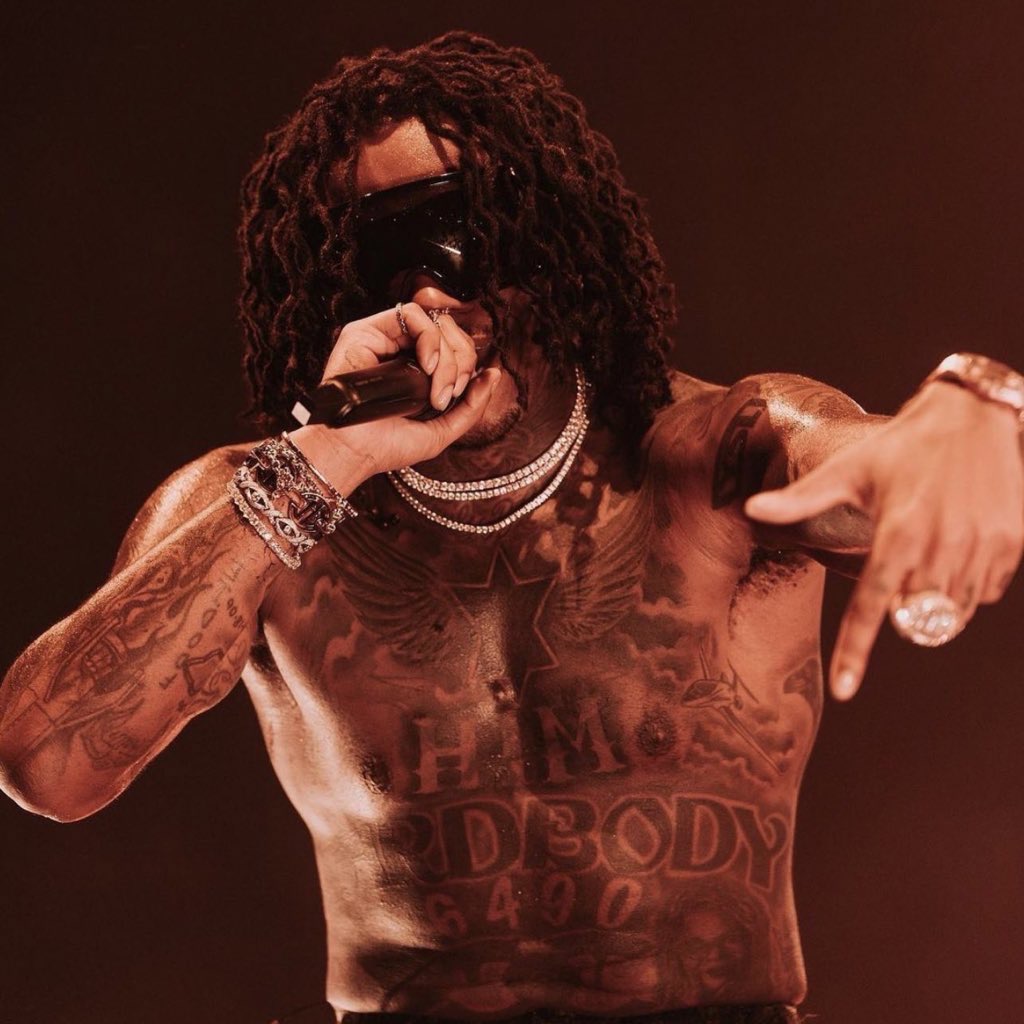
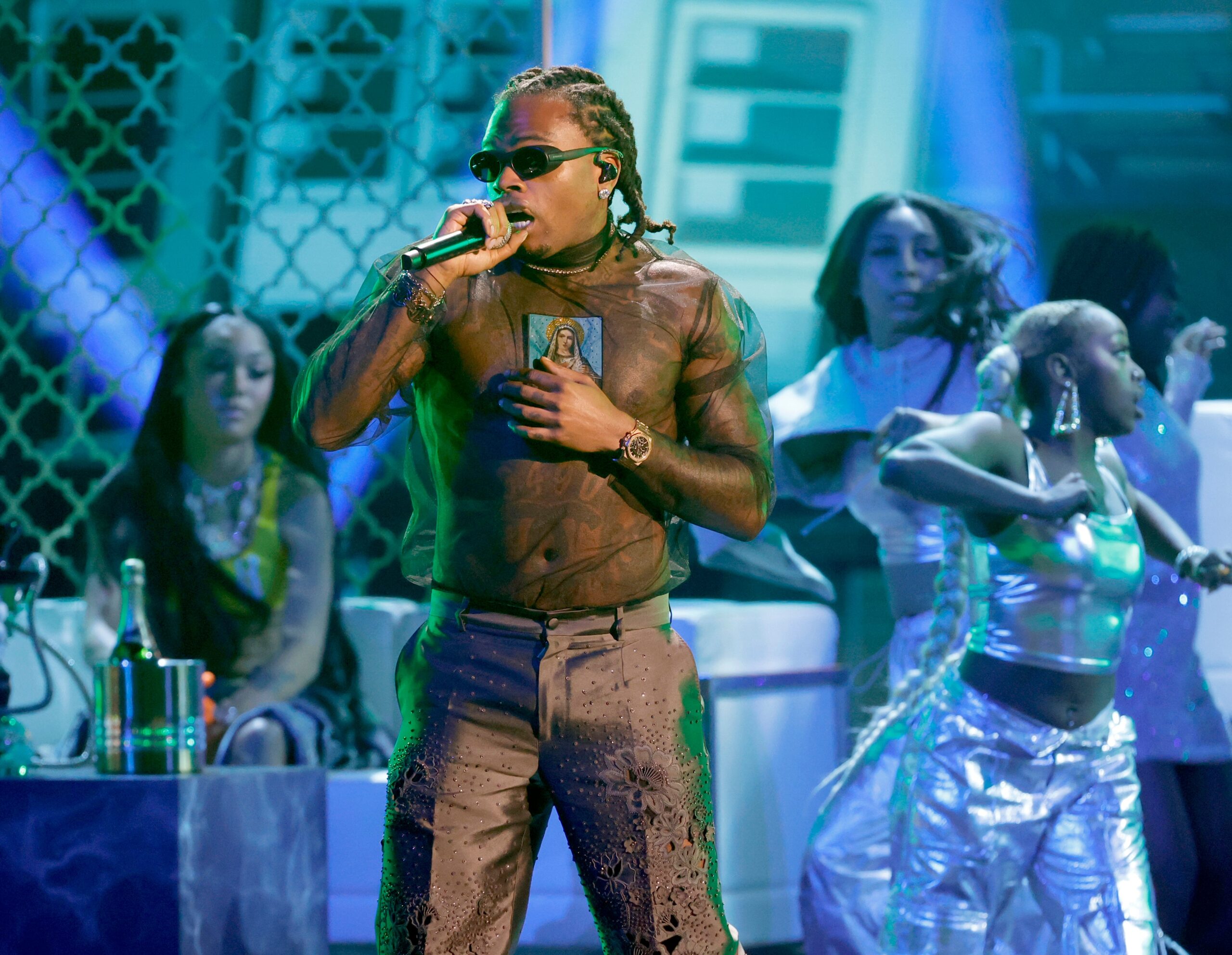
In a shirtless stage photo, Gunna’s chest tattoos are part of the outfit, alongside the chains, shades and clothes. The chest draws the eye first, the arms carry more ink, and smaller marks around the neck and hands show up in closer portraits. What you can see changes with the photo and what he is wearing.

The collection mixes lettering, shaded designs, religious imagery and small symbols. It does not read as one uniform style, and some pieces are only visible from the right angle. Stage shots show the ink in motion; relaxed portraits give a clearer look at the chest and arms.

Gunna’s winged chest tattoo

Gunna tattoos: winged chest and shoulder tattoo layout

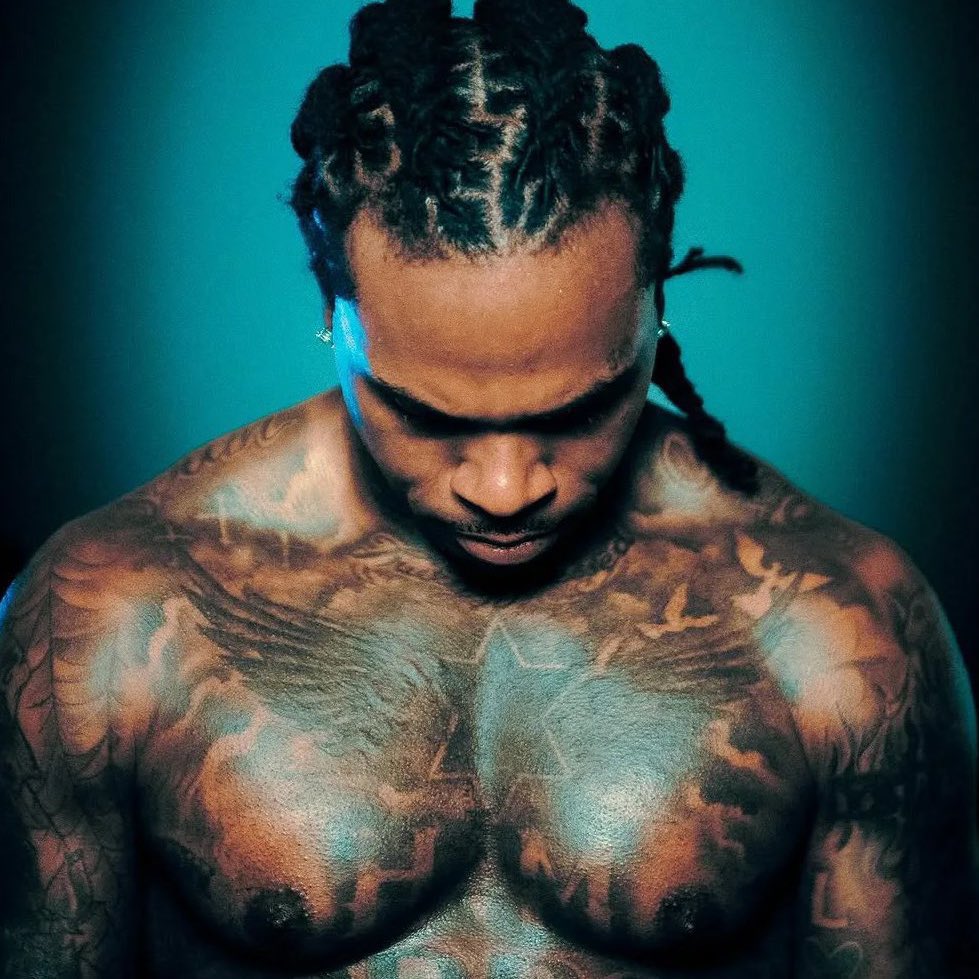
The large chest design is the first thing that stands out in the clearest shirtless photos. A pair of dark wings spreads across his upper chest and shoulders. The shading gives the shapes weight from a distance, while sharper photos show the lines inside them. The wide placement makes the design move across the torso rather than sit as a small detail in the middle.

More lettering and imagery continue down his stomach. The pieces reach beyond one neat rectangle, so the front of his body looks different depending on the crop and light. In a cool-toned portrait the wings look crisp; under warmer concert lighting, the darker areas become more prominent.

The clothes change how much of the design is visible. A low tank top leaves the wings exposed, while a sheer shirt puts the tattoo work behind the fabric. The effect comes from the size and placement of the design as much as from its individual shapes.

Gunna’s layered arm and shoulder tattoos

Gunna tattoos: layered arm and shoulder tattoos in a tank-top portrait

His arms look different from the broad chest piece. In tank-top photos, lettering, shaded shapes and smaller marks are grouped across the shoulders, upper arms and biceps. Jewelry sits close to the ink, which is one reason the arms stand out in portraits.

The angle changes what you can make out. A straight-on photo shows the pattern across the shoulder; a performance shot catches the forearm as he raises a microphone or reaches toward the crowd. Moving hands and chains shift the composition, but the tattoo coverage remains visible.

His arm tattoos look built up in layers, with open spaces, darker groups and lettering sitting near other designs. They do not look like one perfectly matched sleeve. That unevenness gives the arms the feel of separate choices collected over time.

Gunna’s neck and hand tattoos

Gunna tattoos: neck, chest, and hand-adjacent tattoo details in a portrait

Close portraits bring the neck and throat tattoos into view. They can be easier to see when his head is turned or the chains sit low on his collar. Those marks fill the space between the larger chest work and his face.

The smaller designs on his hands and fingers are easy to miss in a wide stage photo. In fashion portraits, they sit next to rings, watches and bracelets. They do not need to be large to show up: hands are in motion when he talks, poses or performs.

The neck ink stays visible with many outfits. A jacket or sleeves can cover much of the chest and arms, while the neck and hands remain exposed. In that way, the tattoos can still read as part of the look even when most of the body work is hidden.

Gunna’s black-and-white tattoo portraits

Gunna tattoos: black-and-white stage view of chest and arm tattoos

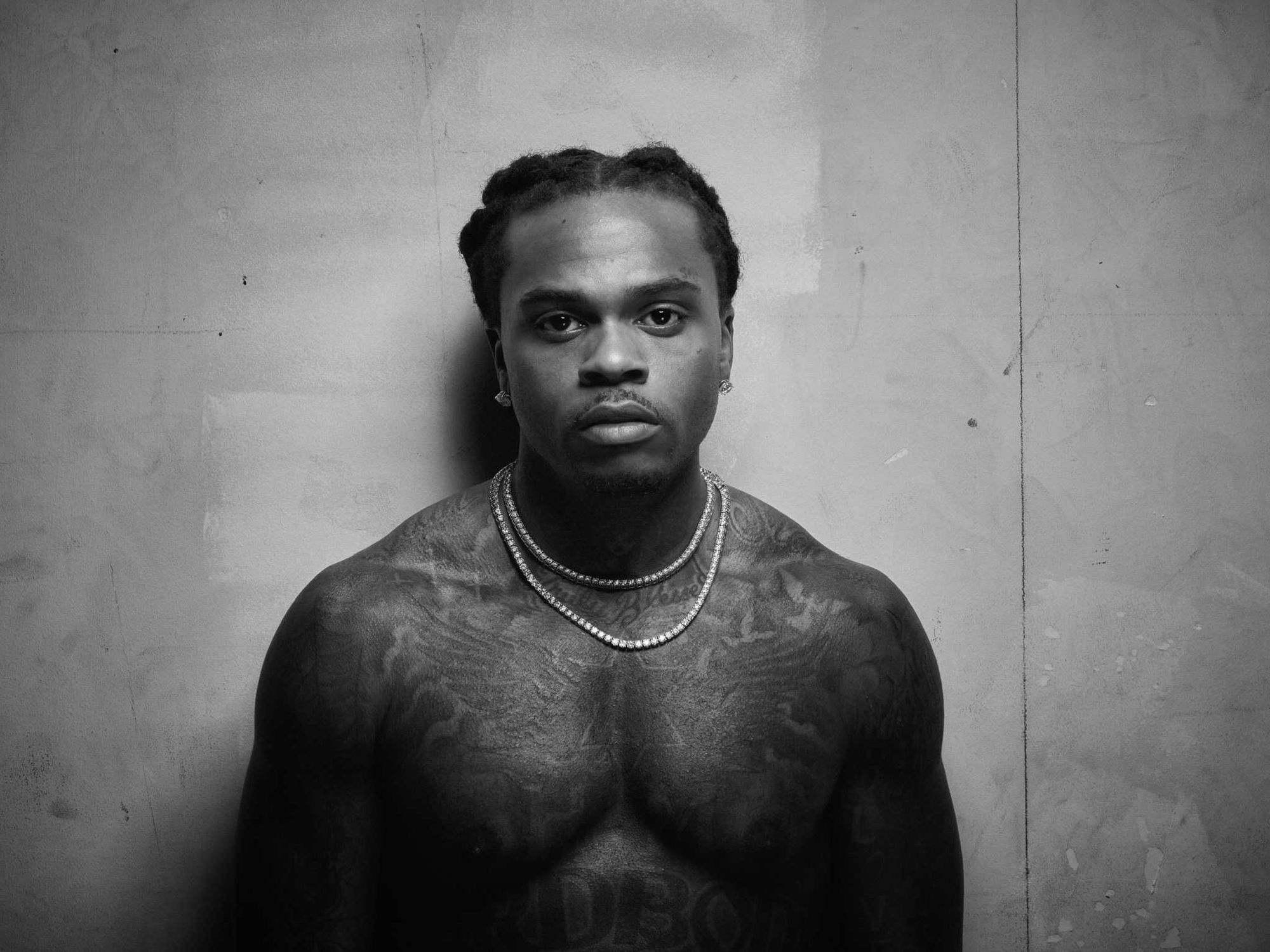
Black-and-white performance photos make the contrast between ink and skin easier to see. Across the chest and arms, lettering, shaded shapes and religious imagery sit close together, but the differences in outline help separate them.

Hard stage lighting can flatten some details and bring out others. In these photos, the darker shading and outlines remain visible as he moves. The images show how the larger shapes read from the crowd, though they are not always sharp enough to identify every small design.

There is a relaxed quality to the way he wears the tattoos in these shots. He might be holding a mic, looking down or leaning into a pose, while the ink stays in view. The strongest references show both the tattoos and the setting around them, rather than cropping away the performance.

Gunna’s religious chest and torso imagery

Gunna tattoos: religious chest and torso imagery visible through a sheer stage top

Several performance photos show religious imagery across his torso. In one high-resolution concert image, a central figure is visible through a sheer top. Other photos show the same general area without fabric over it. The placement gives the image a strong center, with lettering and shading continuing toward the ribs and stomach.

The photos do not explain why he chose the designs, so their personal meaning is hard to state with confidence. What is visible is their central placement and how they sit among the lettering, symbols and portrait-like forms elsewhere on his body.

Sheer and sleeveless clothing changes the way the torso work reads. Through fabric, the outlines soften; under stage lights, the darkest areas come forward. In a shirtless photo, the same tattoos look more direct. The designs stay the same while the presentation shifts.

How Gunna’s clothes frame the collection

Gunna’s clothes move between clean tailoring, oversized streetwear, bright accessories and high-shine jewelry. The tattoos add another texture. A plain tank top leaves the chest and arms uncovered; a sheer shirt puts the ink behind fabric; a jacket can hide most of the body work and leave the neck and hands visible.

That makes the collection work with different outfits. It can appear under pearls and sunglasses, beside a watch, or take focus when he performs shirtless. A photo does not need to show every tattoo for the ink to shape the look; a partial view can be enough.

If you are gathering references for a similar layout, look at placement before copying a symbol. Notice how the chest spreads wide, how the arms frame it, and how smaller designs fill the neck and hands. Consider how a shirt, tank top or jacket would cover each part. The full silhouette matters as much as any one tattoo.
The overall look in one frame

The chest and torso carry the largest shapes; the arms add more layers; the neck and hands keep the ink visible when the rest is covered. Lettering, religious imagery and shaded forms give the collection a strong black-ink base, while clothes and lighting change how it comes across.
The different areas have different weights. Some pieces can be seen from a distance; others only show up in close portraits. That range lets the tattoos sit alongside his music and fashion without every image looking the same.

The official video for “WUNNA” gives another look at the styling, jewelry and performance setting around the tattoos.

More musician tattoo guides