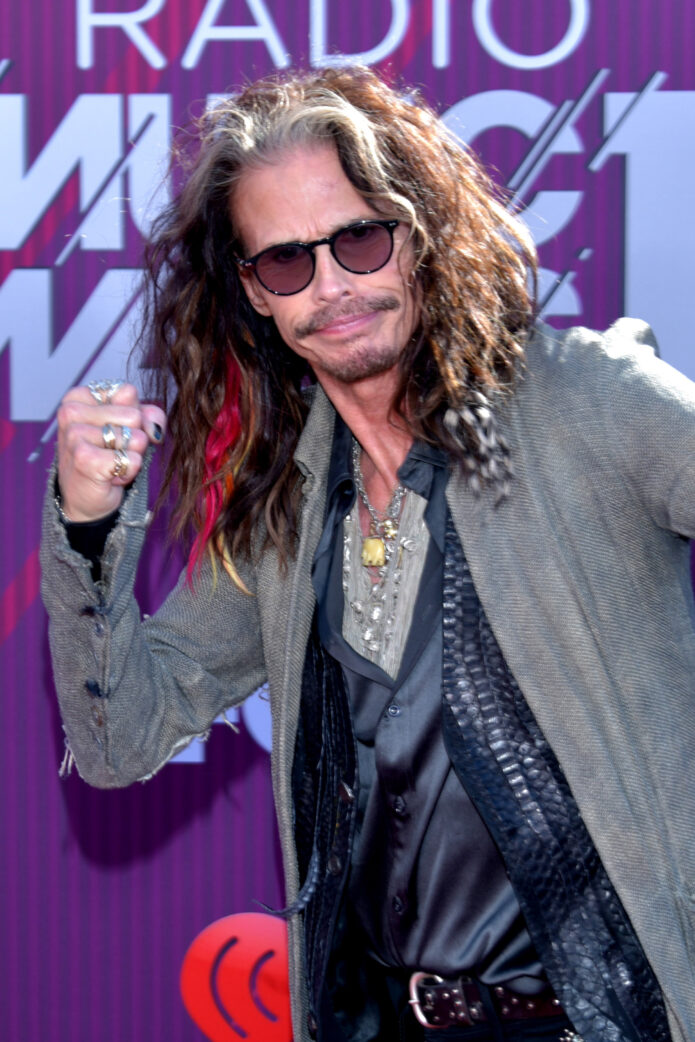
Steven Tyler’s best-known tattoo is a flaming, winged heart on his left upper arm, with “Ma Kin” written across it. The heavy lines and flames make it easy to pick out in Aerosmith performance photos.
The words point to an early Aerosmith song, “Mama Kin.” That reference gives the tattoo a direct connection to the band without needing a full sleeve or a long phrase.
The Ma Kin tattoo sits on Steven Tyler’s left upper arm
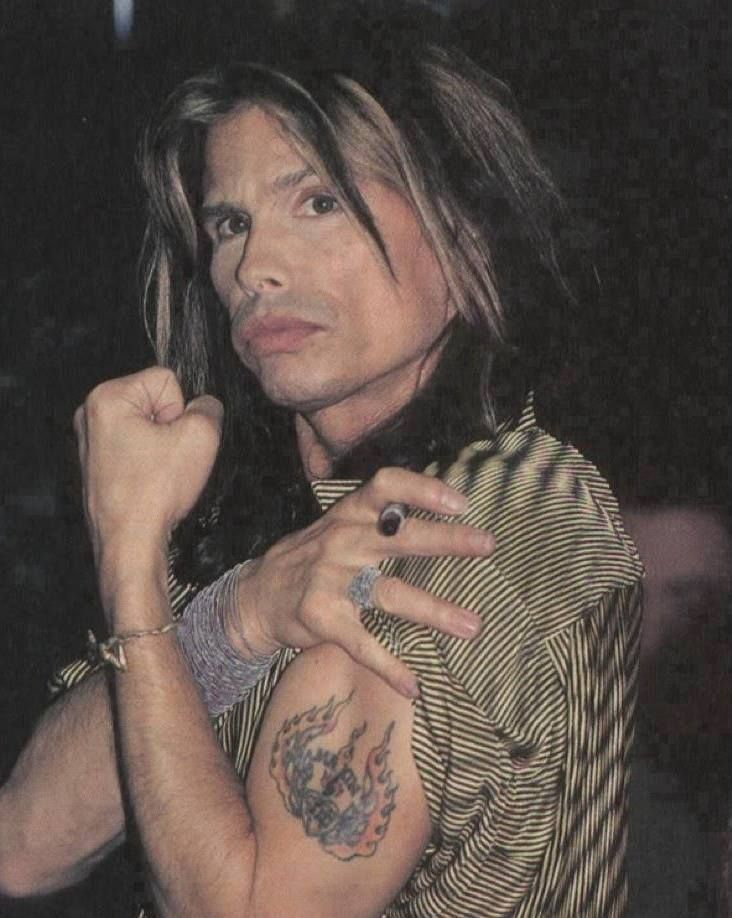
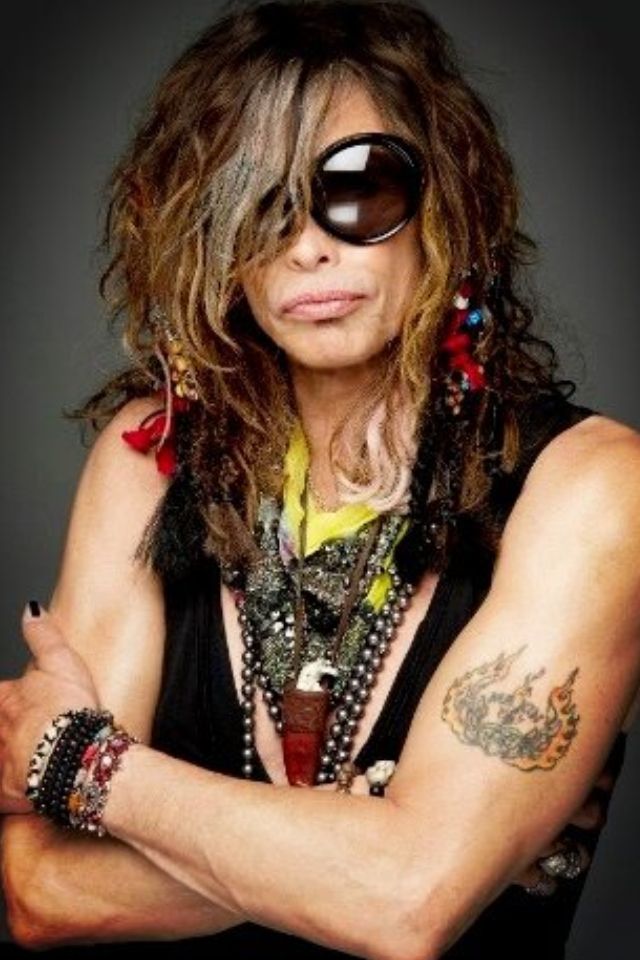
The tattoo sits high on Tyler’s left bicep. A heart forms the centre, surrounded by wings and flames, while “Ma Kin” runs across the shape rather than underneath it.
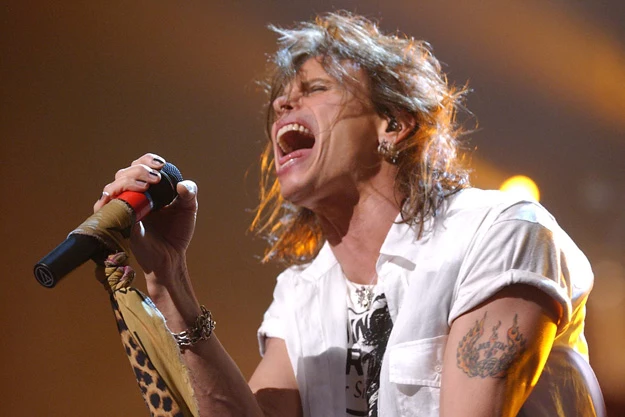
Tyler’s arm is constantly moving onstage, so the tattoo looks different from one photo to another. In some, the flames stand out; in others, the lettering is easier to read.
What does “Ma Kin” mean?
“Ma Kin” refers to “Mama Kin,” a song from Aerosmith’s early period. It became one of the band’s familiar live songs, and the shortened phrase fits across the heart.
The song reference is clear without spelling out the full title. The words sit inside the image, while the wings and fire give the design a larger, stage-ready shape.
Why does it say “Ma Kin” instead of “Mama Kin”?
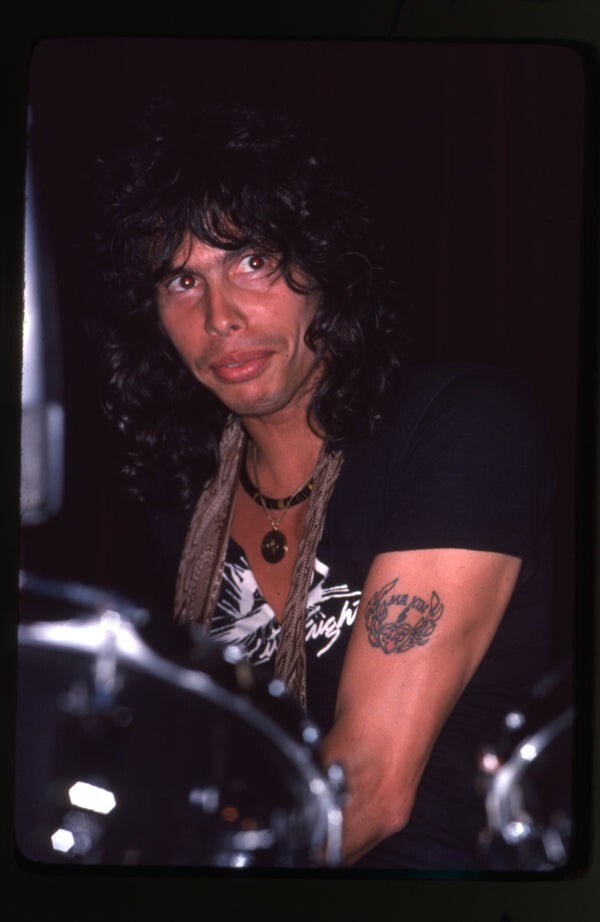
The shorter wording leaves more room inside the heart for the lettering, wings and flames. Tyler has also joked that “Ma Kin” fit better and that he liked the way it looked.
In the close-up, the two short words balance across the heart. The full song title would take up more space and make the centre busier.
The winged-heart design is classic rock tattoo language
Hearts, wings and flames are familiar tattoo motifs. Here, the heart carries the song reference, the wings add movement, and the flames suit the bold look of Aerosmith’s stage imagery.
The outlines are thick enough to read in concert photos. With Tyler’s arm moving under stage lights, the heavy border keeps the heart and wings distinct from the flames around them.
How the tattoo looks in live photos
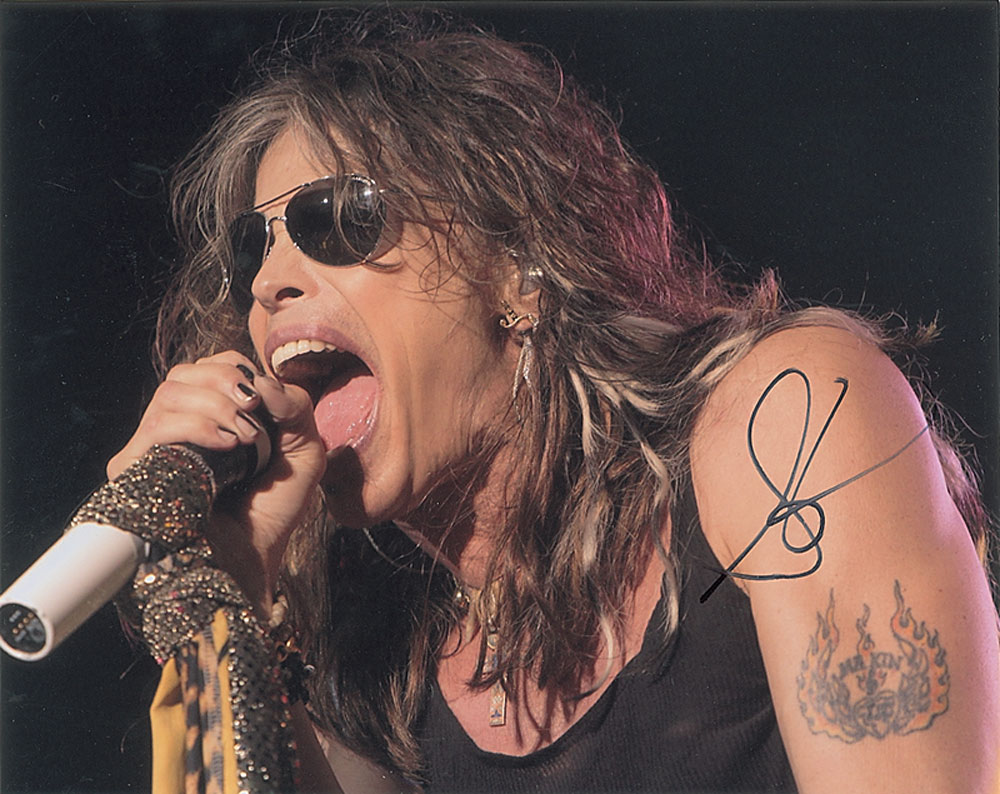
Tyler’s upper arm moves whenever he sings, gestures or leans toward the crowd. That changes how the lettering and flames fall in a photograph, even though the tattoo itself is the same.
Close views separate the heart, wings and flame tips; from farther away, the tattoo reads as one emblem. Its placement lets both views come through.
Are these Steven Tyler’s only tattoos?
Not necessarily. Photos show other small marks around Tyler’s arms and shoulders, but there is no clear public inventory of his full collection. A dark spot in a concert photo is not enough to confirm a tattoo.
The Ma Kin piece is the easiest one to identify: it appears repeatedly and has a known Aerosmith reference. Other details can be harder to see because of lighting, clothing, distance or how the ink has aged.
Why the tattoo still works as rock tattoo inspiration
The design pairs a recognizable shape with a reference that matters to Tyler’s music. Even without the words, the heart, wings and flames form a clear silhouette; “Ma Kin” gives it a specific Aerosmith connection.
If you like the approach, start with a reference that means something to you, then choose a shape that works at the size and placement you want. A song title, family phrase or nickname can carry the words; the surrounding image can stay simple.
Steven Tyler tattoos: the confirmed details
- Design: a flaming winged heart with “Ma Kin” lettering.
- Placement: the left upper arm or bicep.
- Reference: Aerosmith’s “Mama Kin.”
- Style: bold rock imagery with heavy outlines and a sense of movement.
- Best-known feature: it reads in both close-up photos and live performance shots.
The tattoo is easy to recognize because the song reference and the winged-heart image sit together in one design. The other small marks visible in photos are less clearly documented.