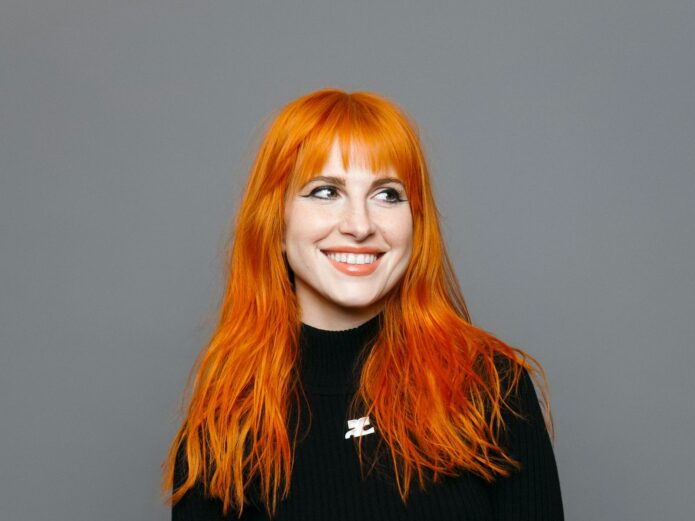
Hayley Williams’ tattoos have never felt like a fixed catalogue. They’ve shifted with her hair, her music and the different versions of Paramore fans have seen over the years. Some pieces are private and tiny, some show clearly from the stage, and some carry stories that change as life does. Her ink feels more like a scrapbook than a brand system.
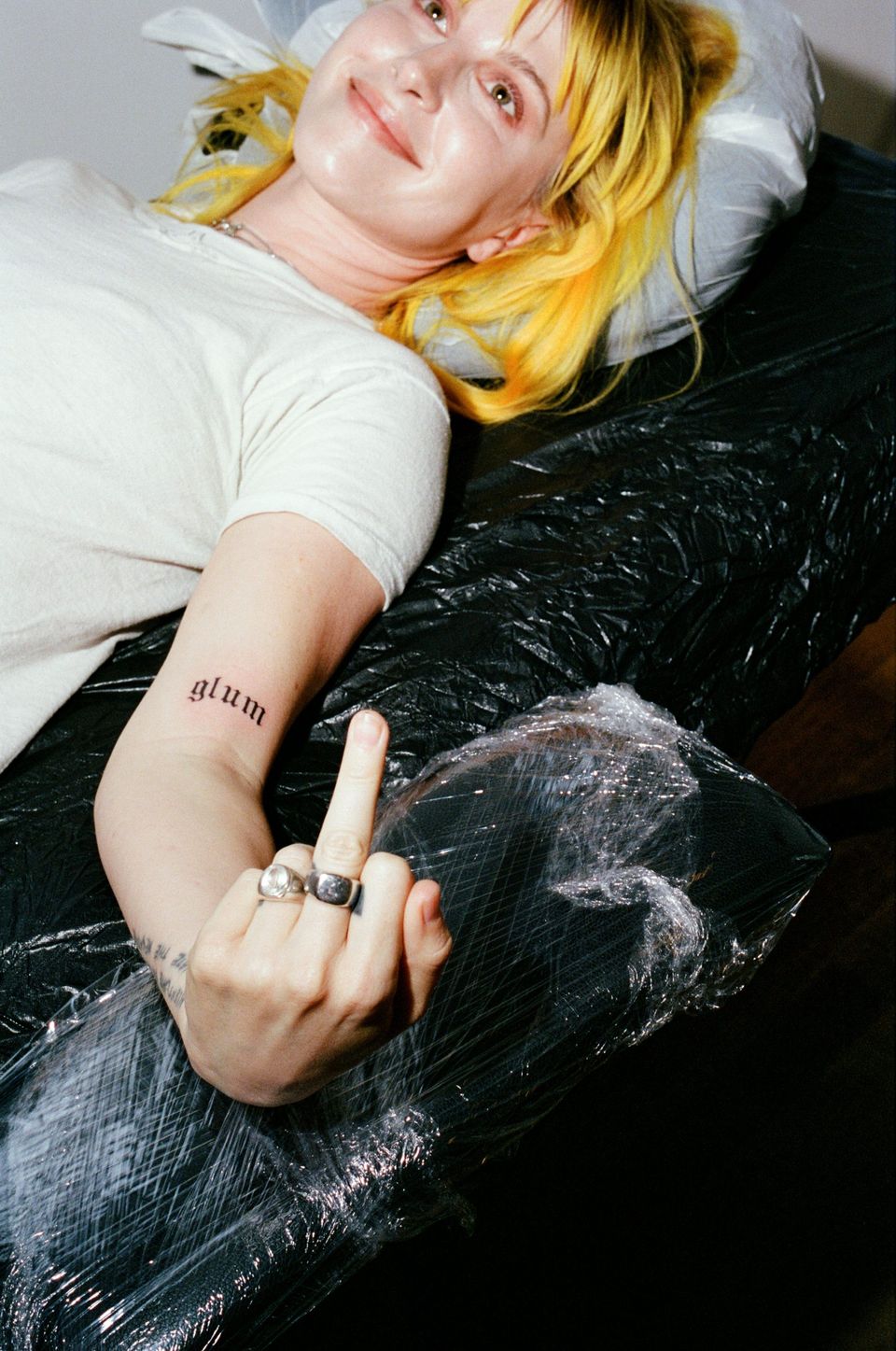

The tattoos fans know best often connect to people or turning points. Williams once celebrated Valentine’s Day by getting her then-husband’s initials on her hand. After the marriage ended, she covered them with three black squares and joked about the process in an interview. The cover-up is part of the tattoo’s story, not an embarrassing footnote.
That choice says something about how she sees body art. A tattoo can begin as a celebration and later mark a different chapter. The three squares look simple, but behind them is a fuller timeline: love, commitment, separation and the decision to keep moving. Williams has discussed the change with enough humor to make it feel human rather than melodramatic.
Another recognizable piece is the quote on her left forearm: “Accentuate the positive / Eliminate the negative.” It works like a bit of daily advice, but the placement makes it part of a performance too. The words show when she reaches for a microphone or gestures to the crowd. A private reminder becomes a public one.
Williams has also said that a storm-cloud tattoo recalls the strange weather on Warped Tour. It’s a classic tour-memory piece, tied to one stretch of time while still leaving room for new meaning. The cloud doesn’t have to stand for a grand philosophy. Sometimes it simply helps a chaotic season stay memorable.
Family is part of the collection as well. One design represents Williams and her two sisters, with each figure distinct while still growing together. That fits the way she talks about family: connected by a shared history, but not made up of identical people. The tattoo holds closeness without pretending everyone is the same.
Other small pieces connect to music and different Paramore eras. Fans assemble detailed lists from photographs, but those can mix temporary artwork, jewellery, old tattoos and newer additions. The most reliable approach is to keep the stories Williams has confirmed at the center and treat other marks as visible but undocumented until she or the artist explains them.
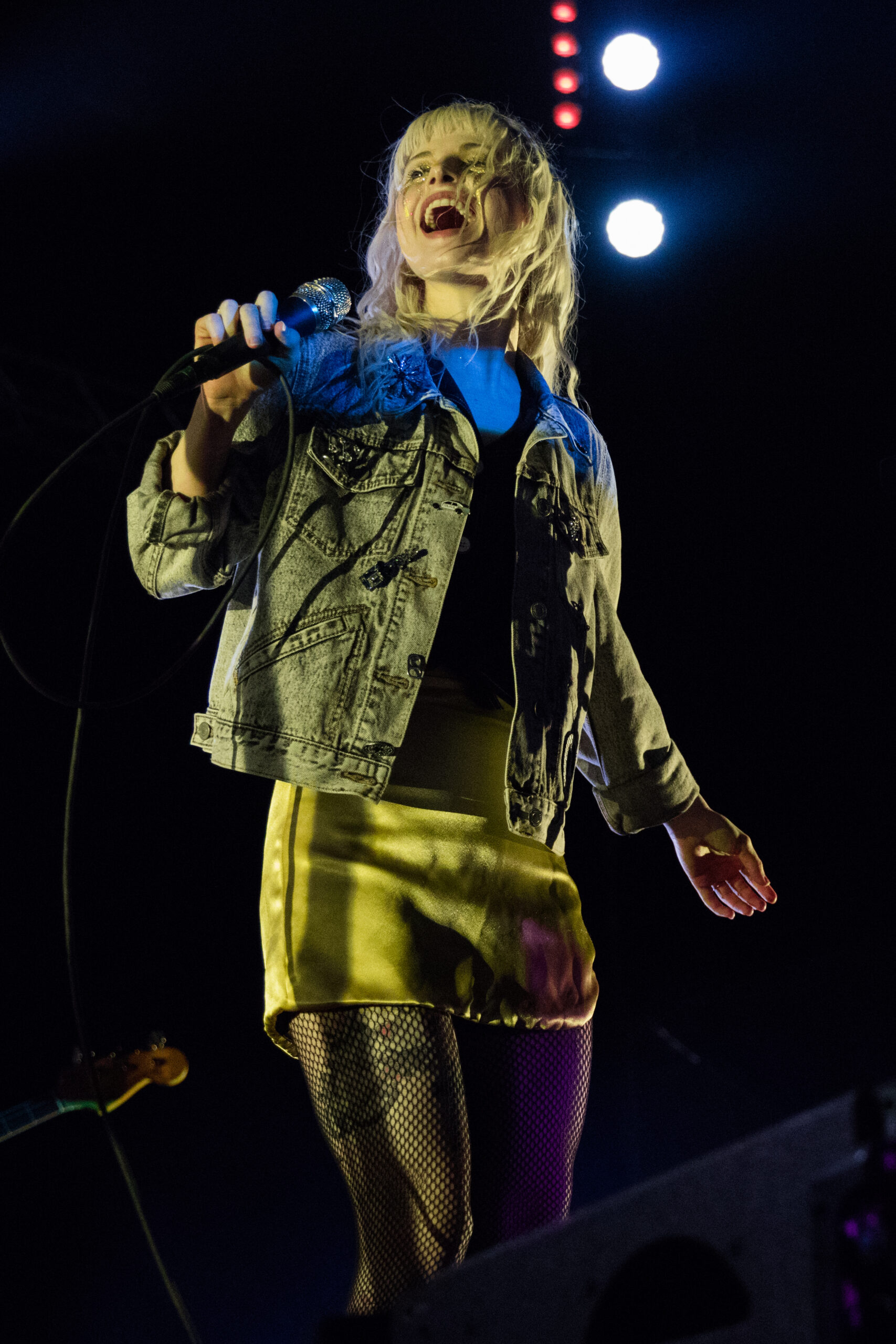
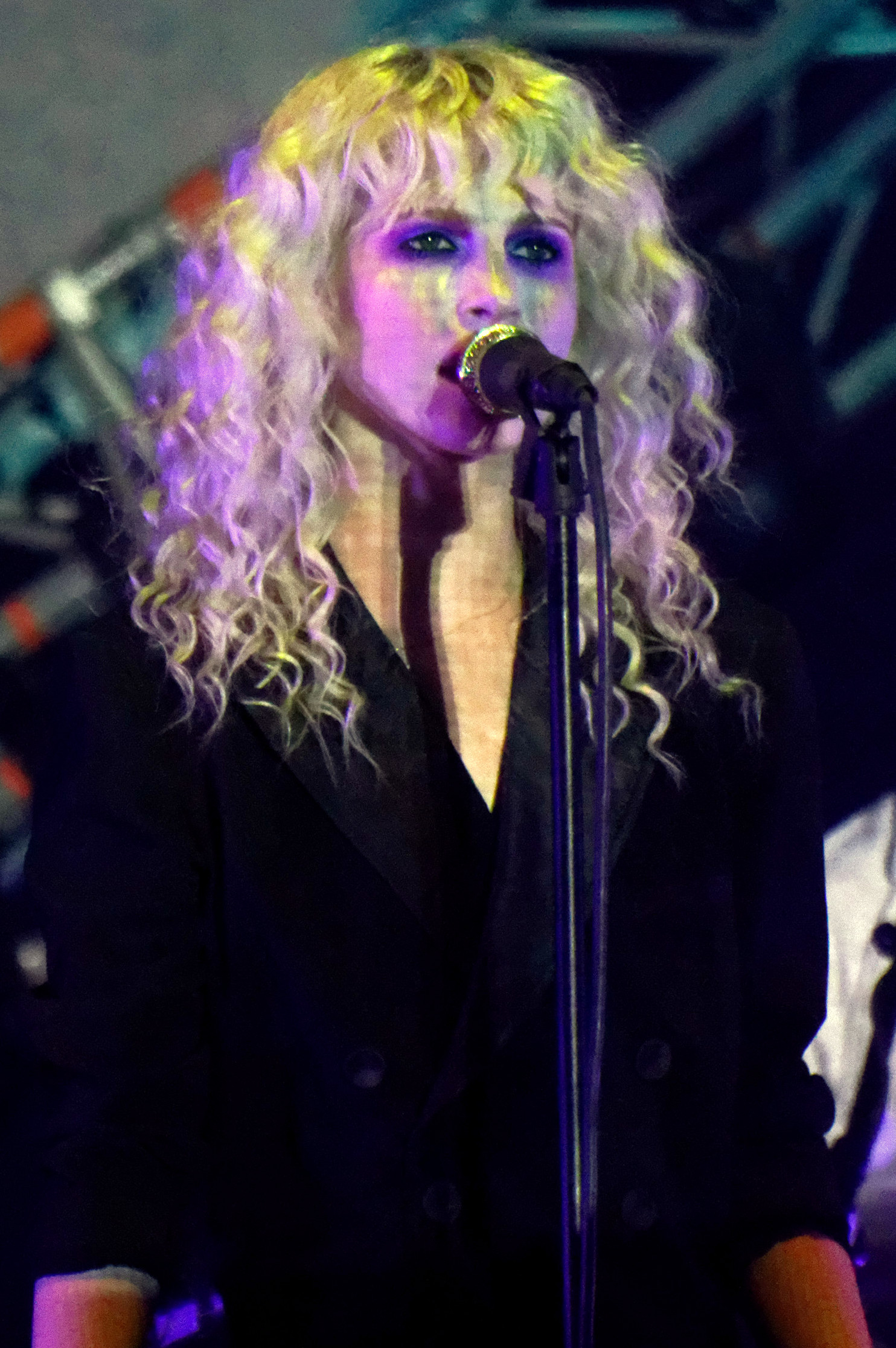
Paramore performance photos show why her tattoos can be difficult to inventory. Stage lights alter ink colors, sleeves cover forearms and camera angles flatten small details. A 2013 festival photo records one moment, not every tattoo added afterward; a 2017 tour shot gives another view. Together the images make a timeline, not a perfect diagram.
That timeline is part of the appeal. Williams never needed every piece to match, because her life hasn’t stayed in one emotional register. A quote can sit beside a cloud, a family design beside a cover-up, and a small symbol beside a bold stage look. The collection makes room for contradiction. It can be hopeful without being naive and sentimental without getting stuck in the past.
Her tattoos also show how a public figure can keep ownership of her image. Williams is recognizable enough that a small mark can become a fan discussion, but its meaning still belongs to her. We can notice a design, trace its history and appreciate the craft without assuming she has shared every private reason. Good tattoo writing leaves space around the person wearing the ink.
The cover-up in particular pushes back on the idea that tattoos must keep their first meaning forever. The black squares don’t just replace the initials; they make the edit visible. The body becomes a document that can be revised. Tattoos aren’t frozen statements; they are choices made at different ages by someone who is allowed to change.
There’s a practical wisdom in the way Williams’ collection has developed. She doesn’t insist that an old tattoo keep the same emotional purpose forever. When life changes, a mark can be covered, reinterpreted or simply sit beside a newer piece. The result feels less like a performance of certainty and more like an honest record of being a person in public.
That openness helps explain why fans have stayed interested in her tattoos. The designs are visible, but their stories don’t collapse into one answer. The quote can be advice, the cloud a tour memory, and the family figures a reminder of connection. Each piece gives the next chapter something to push against.
Even a small tattoo can hold a date or a mood. One photo might show a bare arm, while a later performance reveals new lettering or a changed color. That doesn’t make the record unreliable; it means it’s still growing. Clothing, lighting and time all affect how the tattoos appear.
For readers, the respectful way to follow the collection is simple: start with what Williams has said, compare clear photos, and leave the rest open. Her tattoos don’t need invented symbolism to mean something. The documented stories already connect music, family, weather, love, loss and the freedom to change a decision.
The forearm quote is especially striking in performance. Williams is always moving her hands and arms, so the words appear in fragments: a positive phrase, then a negative one, and sometimes the whole line. The placement makes the tattoo part of the show without turning it into a costume.
The family design works differently. It carries its meaning even when nobody in the audience can make out every line. A tattoo about sisters doesn’t need a stage explanation to do its job. It can stay close to the wearer and still become part of a public image. Some of Williams’ strongest tattoo stories are powerful because they stay grounded in ordinary relationships.
Her cover-up is honest in another way. People often talk about cover-ups as if they erase a mistake, but the black squares don’t erase the earlier choice from her history. Anyone who knows the story can still see the sequence: the initials were there, the relationship mattered, and it ended. The new ink gives the skin a present tense without pretending the past never happened.
The storm cloud is similarly modest and specific. It doesn’t claim to represent every difficult season in Williams’ life. It recalls Warped Tour weather, the demands of travel and the strange details that make a long run of shows feel like its own world. That’s why the design feels warm rather than gloomy: it keeps a peculiar experience close.
Taken together, the tattoos feel unusually human. There isn’t one grand theory behind every line. There are small anchors: her sisters, a tour, a sentence to remember, a relationship that changed and the choice to keep making art. The designs don’t promise that life will stay stable; they show Williams carrying change without letting it define the whole picture.
The collection feels edited, not perfected, which is part of why it remains recognizable. The unfinished quality is a feature of a life still in motion.
A documented inventory of Hayley Williams’ tattoos
The clearest public inventory includes the three black squares covering her former hand initials, the “Accentuate the positive / Eliminate the negative” quote on her left forearm, the storm-cloud tattoo connected to Warped Tour weather, and the family design representing Williams and her two sisters. Other small marks appear in photos and fan archives, but their meanings and dates aren’t always confirmed. They’re best left in a visible or reported category rather than given an invented explanation.
Why her ink feels so lived in
Williams’ tattoos are compelling because they hold both edits and memories. One piece records a relationship and later its ending; another offers daily advice; one keeps a tour season alive; another honors family. Her collection shows how life keeps moving while the marks remain.
Watch Hayley talk about a new tattoo
The short interview below is a useful companion to these stories, especially for hearing Williams discuss the personal side of getting new ink.