Timeline note: the widely photographed Hustle Like You Broke words were an earlier tattoo on Kendrick’s right forearm. Later photos show a dark abstract cover-up in that spot. The newer images below are included to avoid presenting the old lettering as his current design.
Kendrick Lamar does not have the kind of instantly readable body art that turns every photograph into a tattoo inventory. Much of his ink appears only in glimpses: a stage sleeve pushed back, a forearm exposed in an interview or an older photo before clothing covers it again. That makes accuracy more useful than padding the list with guesses. The strongest account comes from Kendrick, especially his explanation of the large forearm message. An early photo labelled as the TDE tattoo offers another reference. Other marks can be seen, but without support they should remain visual details rather than invented names or meanings.
This guide separates what Kendrick has explained from what photographs show and keeps dates in view. An image from 2012 does not prove every later photo shows the same arrangement, and a blurred stage shot cannot identify a tiny symbol. The result is a more dependable map centred on the pieces that can be linked to a source.
Hustle Like You Broke was an earlier forearm tattoo
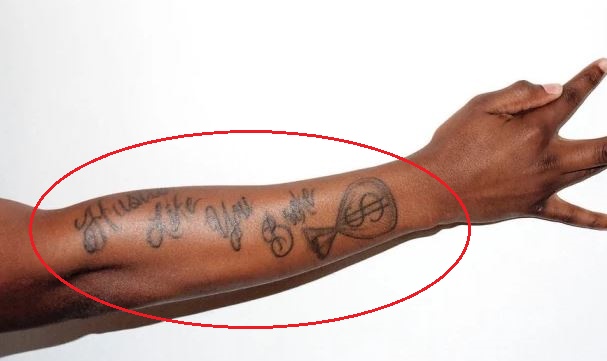
The clearest tattoo in Kendrick Lamar’s public record was the large script along his right forearm: Hustle Like You Broke $. The phrase is not a fan’s reading of a photo. Kendrick identified it during a 2018 Vanity Fair conversation, after pulling up his sleeve to show the interviewer. He also explained its origin: Top Dawg, head of Top Dawg Entertainment and a central figure in his career, told him to keep working as if he had not escaped the need to hustle.
That context gives the lettering a practical meaning. Kendrick described it as a reminder not to get comfortable, not as a secret lyric or a tough-sounding decoration. The dollar sign gives the phrase the look of a compact slogan, but his explanation is about discipline rather than a promise of wealth. The point is to keep working. That is why the tattoo fits so closely with the way he talks about his work, where long hours and revision matter alongside public success.
The placement supports the message. The forearm shows when Kendrick performs, gestures or rolls up a sleeve, so the words do not require a shirtless photo to be seen. They run along the arm rather than sitting as one small word near the wrist. In available images, the script shares space with darker ink and smaller marks below it. Photos establish scale and location, but do not name every surrounding shape.
There is a difference between reading the tattoo and explaining all of it. The large letters make out the main phrase. Smaller symbols near the wrist are less certain and may disappear with changes in light, angle or arm position. The reliable description names the confirmed script and stays cautious about the rest. The message is documented; a complete list of nearby marks is not.
The phrase also reflects Kendrick’s relationship with Top Dawg Entertainment without turning the tattoo into a company logo. Top Dawg’s advice is part of the story, but carrying the words on his skin makes the reminder personal. It records a working outlook from before his biggest awards and after them. That is more grounded than calling it a generic ambition symbol. The source gives the speaker, wording and reason without requiring another layer of interpretation.
Later photos make the forearm look different depending on sleeves, framing and lighting. Black ink can merge in a low-resolution stage image, and a cuff or watch may cover part of the phrase. Readers comparing photos should look for the long line along the right forearm instead of expecting the same pose each time. Its direction and scale are more reliable clues than the shade of the surrounding skin or the amount of other ink in view.
This is the tattoo that most clearly connects Kendrick’s visible ink to his public work ethic. He has often talked about writing, studying and discarding work that does not meet his standards. The forearm message gives that attitude a physical place, near the hand that writes and gestures. Its documented explanation is enough; there is no need to attach a private biography to every word.
The TDE tattoo is a separate mark of Kendrick’s label world
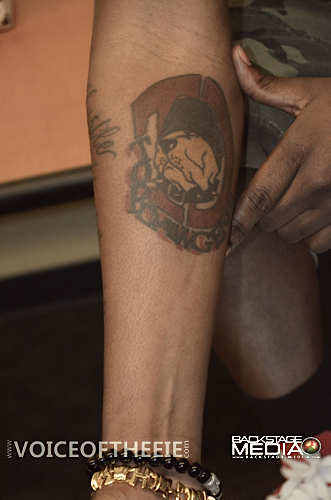
An older photo from a 2012 Kendrick Lamar event is labelled Kendrick TDE Tattoo. It shows a compact, dark design on his upper arm, with nearby skin and ink visible around it. TDE stands for Top Dawg Entertainment, the label and creative home that helped shape Kendrick’s rise alongside artists such as Jay Rock and Schoolboy Q. The caption and his career history make the connection clear, though the photo does not provide a first-person account of when he chose the mark or what it means to him privately.
That distinction matters because small emblems are easy to overread. The original caption supports identifying it as the TDE tattoo. It does not prove the design represents every label member, a particular album or a specific turning point unless Kendrick or the artist has said so. The careful description is that the mark shows his connection to the company and its people during the early part of his career.
The photo is useful because it shows how Kendrick’s tattoo record changes over time. The early TDE mark is compact and sits like a badge on the upper arm; the later forearm message is much larger and uses a full line of script. They do not form one planned sleeve. They show a collection built in stages, with some pieces tied to work and relationships and others recorded by the camera without a public explanation.
Location helps keep the two tattoos distinct. The TDE mark is higher on the arm; the Vanity Fair interview drew attention to the long phrase on the right forearm. A crowded photo can make the upper arm and forearm seem like one dark area, especially in short sleeves. Comparing the placements prevents separate designs from being mistaken for one.
TDE also reflects the fact that Kendrick’s public identity was built with other people. The label was not simply a logo attached after success; it supported early releases, tours and collaborations. Even without a detailed quote about this tattoo, its position makes sense as a visible sign of belonging. That interpretation recognises the relationship without claiming the photo reveals a private story.
Early images show other small marks around his arm, including dark lines and shapes that can look different at different angles. Some catalogues and fan pages give them names, but primary and editorial sources do not consistently confirm those details. A blurry shape is not automatically a symbol, and a visible symbol is not automatically a message. The photo names the TDE tattoo; the uncertain marks around it are best left as surrounding ink.
The word documented is useful here. Kendrick has more visible ink than the two main designs discussed, but not every mark has a reliable published label. That does not make the rest imaginary; it means each one needs a different level of confidence. A photo can prove ink is present without proving a design name, date or meaning. The TDE image is a concrete reference while leaving that limit clear.
What the photographs can and cannot identify
Kendrick’s tattoo history shows why an article should not turn every dark patch in a photo into a named design. The forearm lettering has a confirmed phrase and explanation. The TDE mark has a useful photo and clear label. Smaller marks are visible, but do not have enough consistent reporting for a confident inventory. Keeping those categories apart helps readers compare the placements and recognise tattoos in later photos.
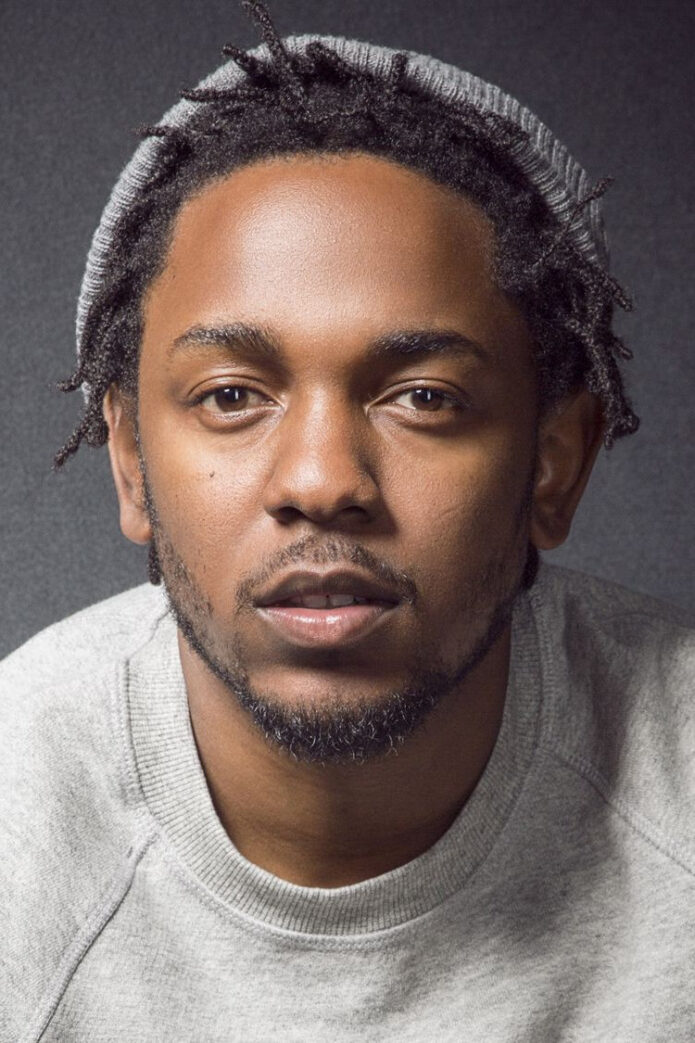
The number of images should follow the evidence rather than a fixed quota. One close photo can show the forearm message better than several distant stage shots; another can establish the upper-arm TDE mark. A generic portrait would not add tattoo evidence. The featured photo is separate from the tattoo figures: it identifies Kendrick, while the body images show the ink.
His visible tattoos connect to work, loyalty and self-discipline, but the sources do not support turning them into a neat symbolic system. The right forearm has a phrase he explained; TDE points to the label family that helped build his career. The other marks remain a changing set of details that need sharper photos or direct comments before they can be named. That gives readers a useful guide without making the ink say more than Kendrick has said.
The abstract cover-up is the current visual landmark on the right forearm
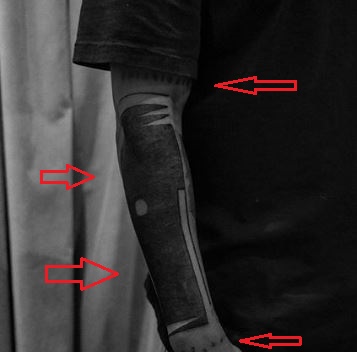
Later photos show a broad abstract black design across Kendrick’s right forearm. It is denser than the older lettering and changes the balance of the arm. Instead of a readable sentence, the newer work uses dark bands, shaded areas and lighter gaps that follow the bend from elbow to wrist. It can look like a solid sleeve in a recent photo, though a close view separates its sections.
Tattoo coverage describes the abstract work as a cover-up of the earlier phrase and money design. Kendrick has not publicly explained every curve in the newer tattoo, so the description should stay visual. Photos establish where it sits, how much space it covers and how the surface changed; they do not show that each dark shape represents an album, lyric or private event.
The change helps date photographs. If the forearm shows large script, the photo belongs to the earlier stage of Kendrick’s tattoo history. If it shows the dark abstract field, it is from the later stage. Clothing and light can blur the distinction, especially when the elbow is bent or a sleeve hides the top edge.
A cover-up remains part of the history after the older design is no longer visible. The first tattoo explains why Kendrick’s arm looked different in earlier interviews and performances; the newer work shows what viewers see now. Showing both as current would be wrong, but dropping the old design would lose the clearest personal meaning attached to that arm.
The bands and small marks need closer photographs than a stage shot
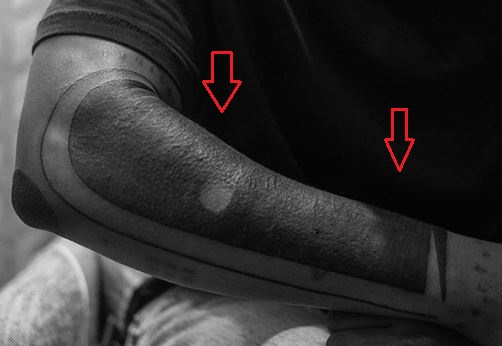
Close-ups of the newer work show smaller details around the dark central area: narrow bands, lettering-like marks near the edges and shapes near the wrist. The ink is visible, but independent sources do not name every element with confidence. It is safer to describe them as surrounding marks than to turn them into a list of invented symbols.
Image quality changes what a viewer can make out. A distant performance photo compresses the dark work into one patch; a close image separates the arm into planes and shows where one band ends. The forearm curves, too, so an inside mark may disappear when Kendrick turns his arm outward.
The most accurate wording stays close to the image: a dark abstract cover-up on the right forearm, with bands and smaller marks around it. The details have no confirmed meaning. That is more useful than assigning symbolism to every blurred line, especially when the tattoo itself has changed over time.
2 thoughts on “Kendrick Lamar Tattoos: The Cover-Up, TDE Mark and Earlier Forearm Ink”