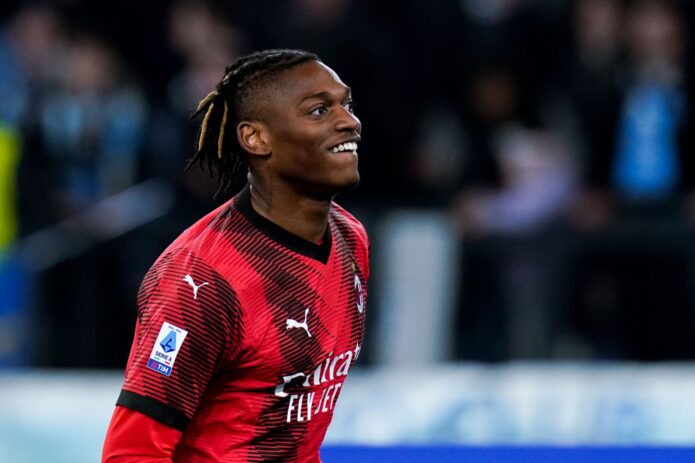
Rafael Leão’s tattoos are built around memory, identity, faith and risk. The AC Milan forward has ink on his neck, arms, chest, calf and back, with several pieces linked to people and places that matter to him. His collection is not one uniform sleeve: it combines portrait work, lettering, numerals and a large back composition that grew over several sessions.
The most visible recent addition is the finished back piece reported in 2025. Earlier interviews and profiles had already documented a Martin Luther King portrait, a Nelson Mandela reference, the phrase “Tudo passa” on his neck, and lettering connected to his family and upbringing. The photographs of Leão’s ink show how those separate ideas sit across different parts of his body.
This account stays with the tattoos that have been reported or clearly photographed. The images show the placement and appearance of the work, while published interviews and football reporting provide the available context for the names, words and symbols.
Rafael Leão’s Martin Luther King tattoo
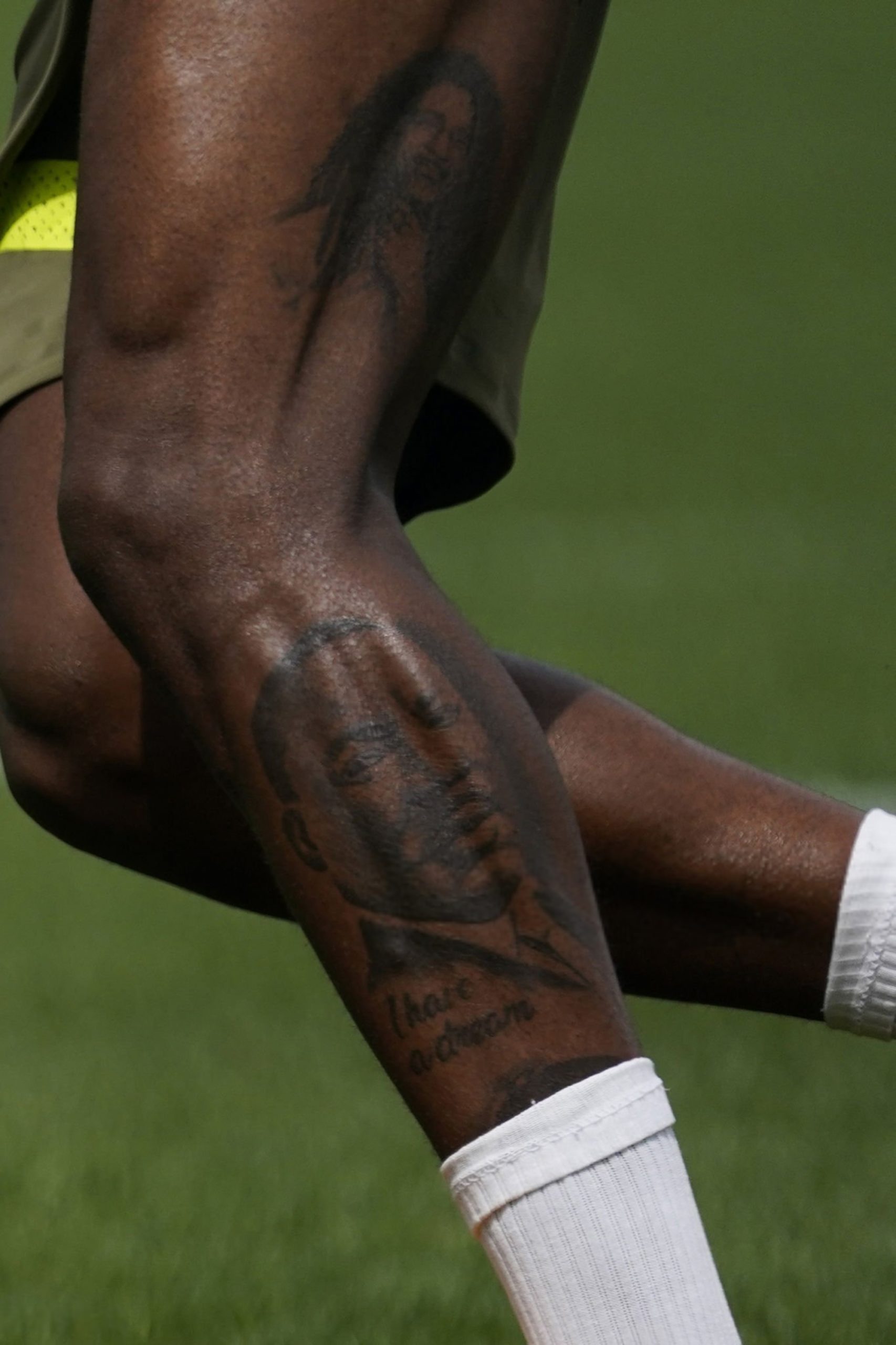
One of Leão’s clearest documented tattoos is a black-and-grey portrait of Martin Luther King Jr. on his calf. The close photograph shows King’s face rendered in shaded detail, with the words “I have a dream” placed beneath the portrait. The lettering is part of the design rather than a separate block of text, so the tattoo reads as a portrait and quotation together.
Leão has also been reported as having a tattoo connected to Nelson Mandela. The two names are important because they give the collection a historical and political dimension that is different from the football references elsewhere on his body. The available reporting identifies King and Mandela as figures represented in his tattoos, while the calf photograph makes the King piece the most directly visible example.
The calf placement keeps the portrait elongated and easy to read in a vertical frame. In the photograph, the face occupies the central area and the quotation follows the lower edge, giving the tattoo a clear top-to-bottom structure. The heavy black shading around the portrait contrasts with the lighter skin gaps and the finer lettering.
The full-back tattoo and “Only God Can Judge” lettering
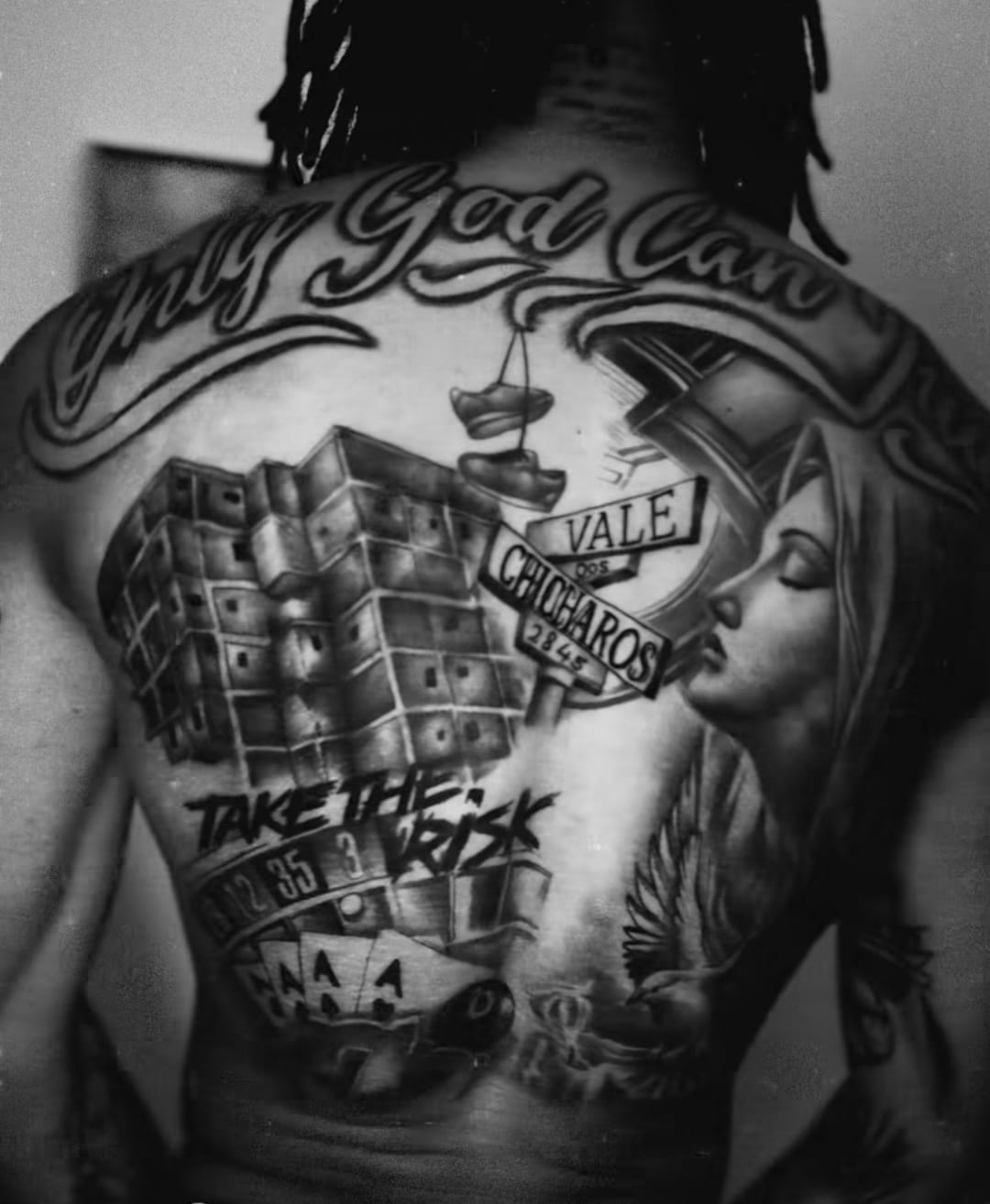
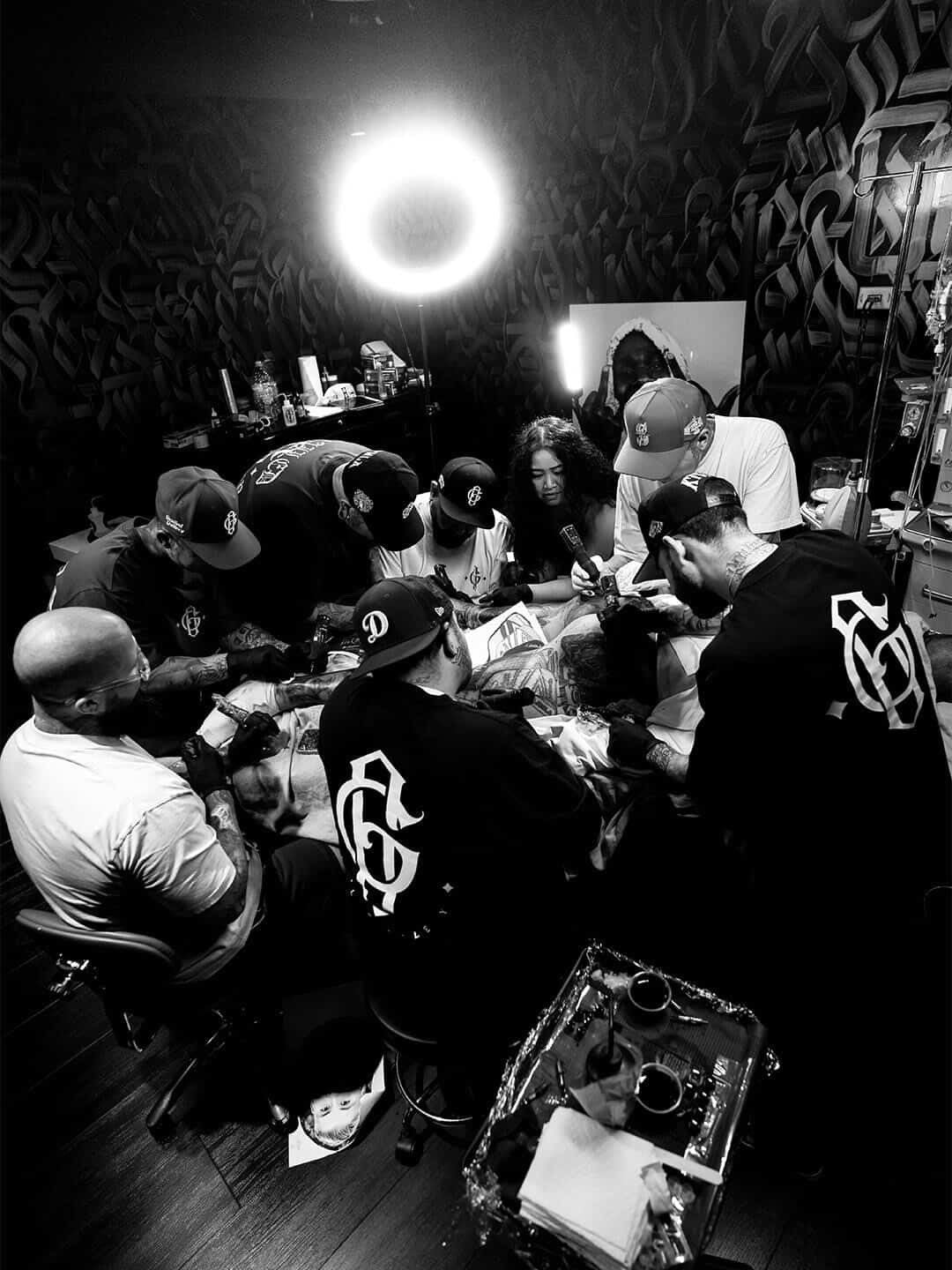
Leão’s back is now covered by a large composition that began in February 2024 and was completed over the following months. The phrase “Only God can judge” runs across the upper back. Reports describe the lettering as a reference to faith and personal judgment, and also note its resemblance to wording associated with Zlatan Ibrahimović, Leão’s former Milan teammate.
The back design is much more than the shoulder-to-shoulder phrase. The upper and central areas include the face of the Madonna with a dove beneath it. Other sections depict buildings and street details associated with the neighborhood where Leão grew up. A sign is described as reading “Vale Chicharos” alongside the postal code 2845, tying the large tattoo to Seixal and to the local visual language of his childhood.
Small objects give the piece a collage-like quality. The published descriptions mention a pair of shoes hanging from one of the letters, as well as a roulette ball stopped on number three and a poker hand of aces. Near the lower left side, the words “Take the risk” sit with those gambling images. The combination places a phrase about action beside symbols of chance and decision.
The photograph shows the tattoo as a continuous back piece rather than a collection of isolated stickers. The lettering across the shoulders creates the top edge, the religious image anchors the right side, and the neighborhood scene fills the center. The roulette and cards pull the eye downward, making the piece read like a vertical story from the upper back to the waist.
The Roman-numeral tattoo across his chest
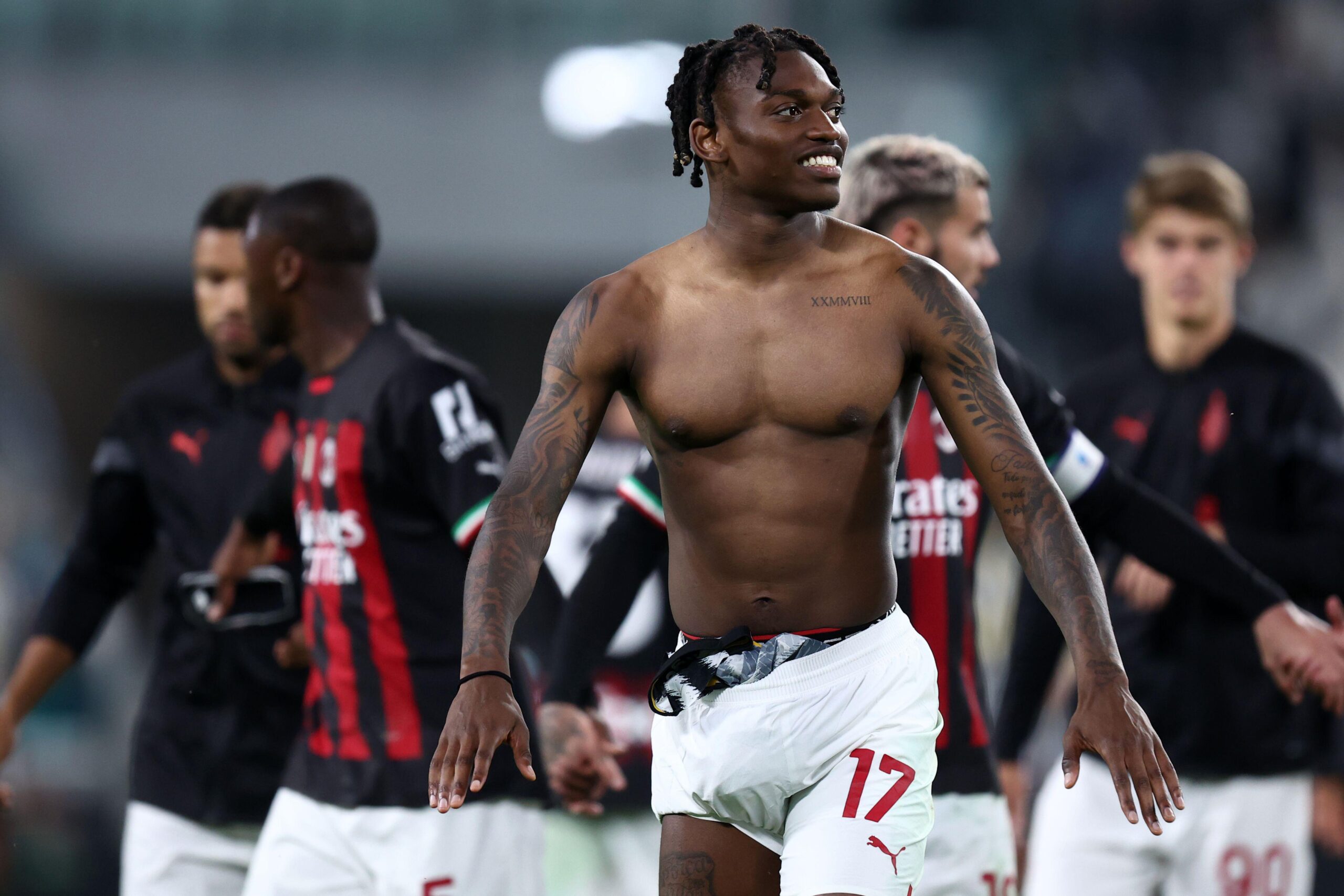
A separate photograph shows Leão shirtless with Roman numerals across the upper chest. The sequence is visible above the line of the pectoral muscles, while the image also shows black-and-grey work extending down both arms. The numerals are arranged as a compact horizontal inscription, giving the chest a different visual rhythm from the portrait on the calf and the narrative scene on the back.
The chest marking is often read in coverage as XXMMVIII, a Roman-numeral date associated with Leão’s family history. The image makes the placement clear even when the surrounding arm tattoos are partly obscured by the pose. It sits high on the torso, close to the collarbone line, and acts as a centered text element between the larger fields of ink on his arms.
Leão’s chest and arms show the contrast between lettering and shaded imagery that runs through his collection. The numerals are spare and linear, while the sleeves use heavier black shapes, portrait shading and script. That difference keeps the chest tattoo legible as its own piece instead of blending into the arm work.
Leão’s arm tattoos in match photography
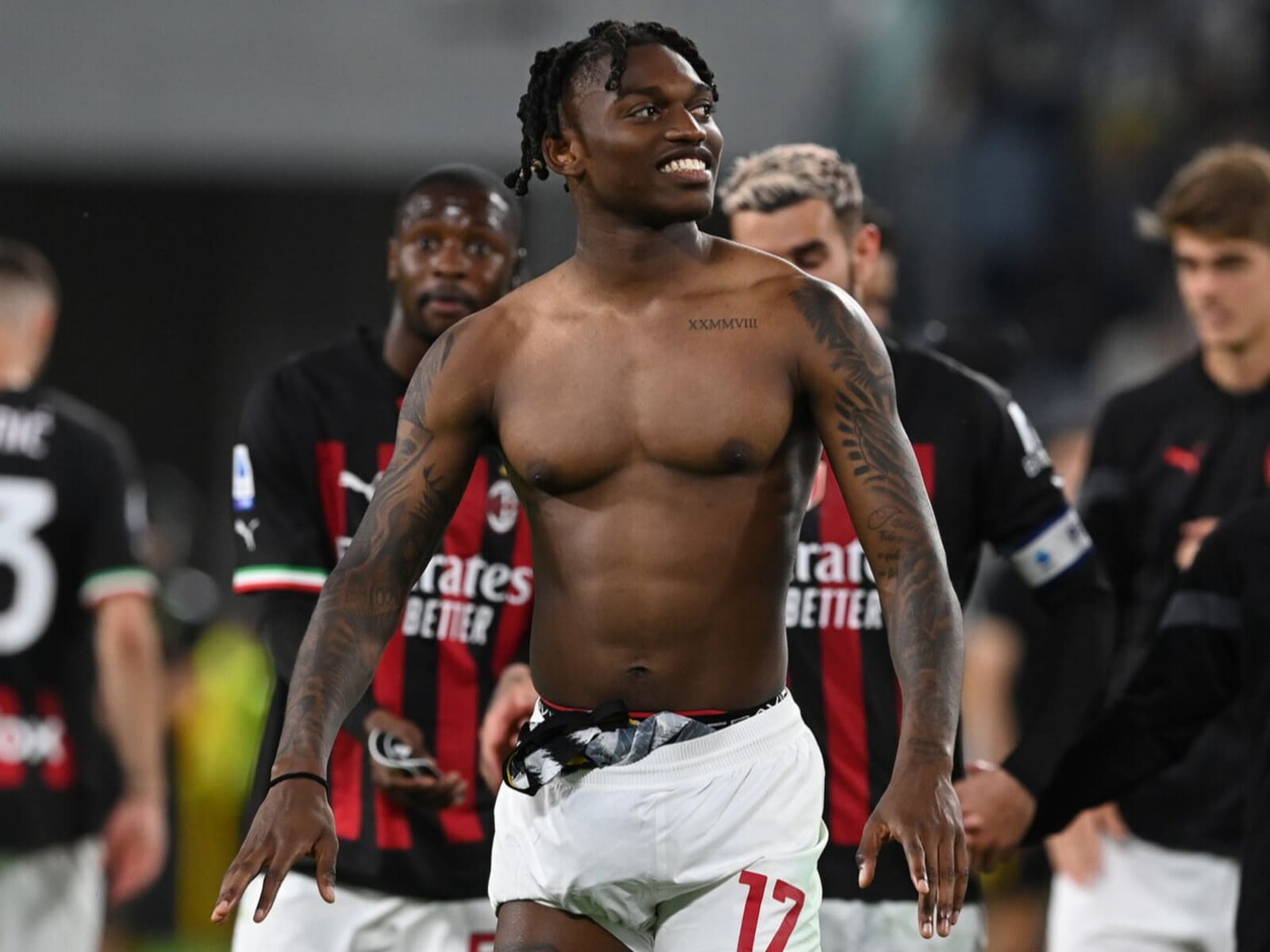
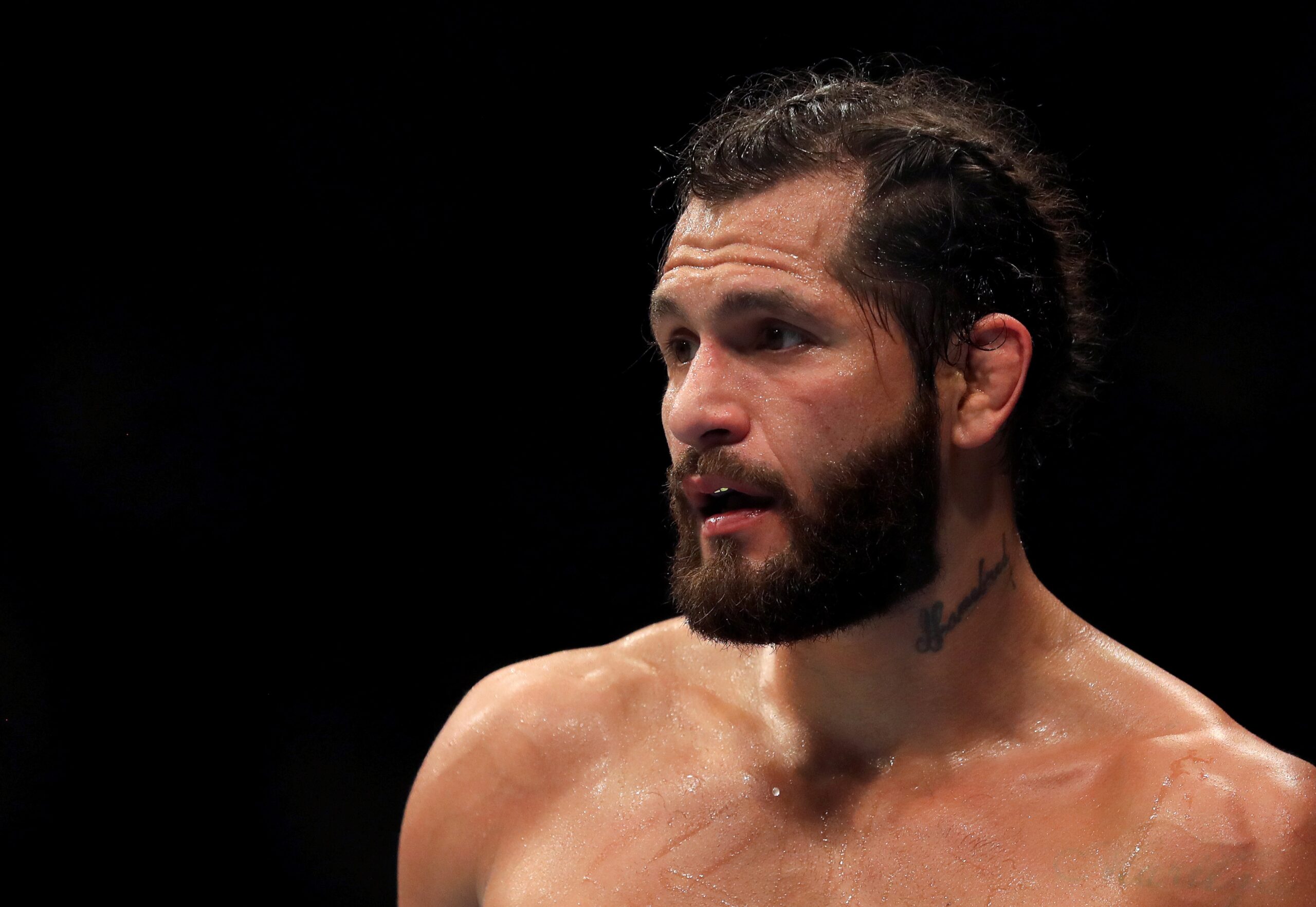
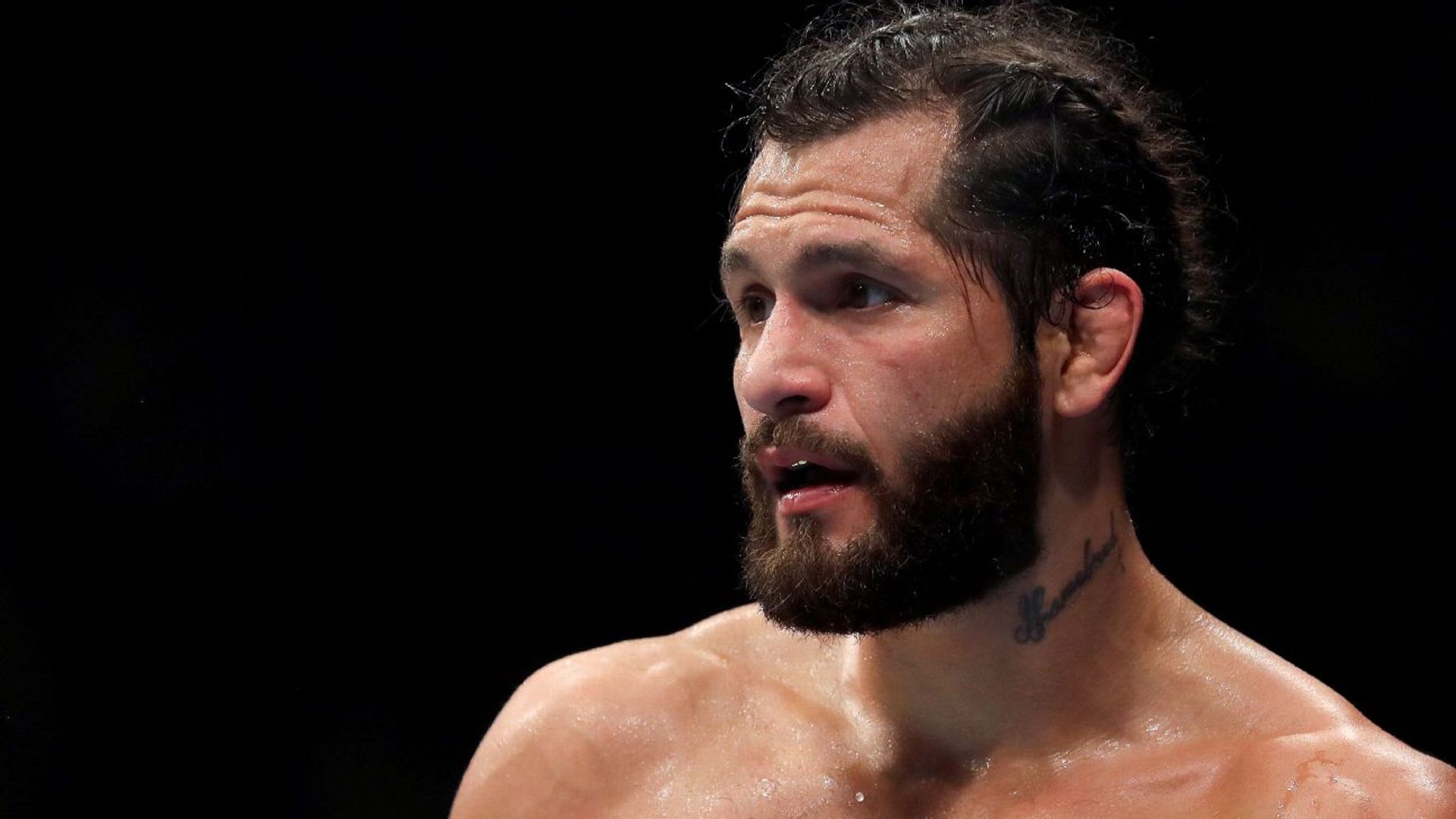
In a shirtless post-match photograph, Leão’s arm tattoos are visible across both sides of his upper body. The black-and-grey work is dense around the upper arm and shoulder, with smaller lettering and shaded forms continuing toward the forearm. The photograph is valuable because it shows the tattoos in a natural football setting rather than in a posed studio close-up.
The visible arm work includes the collection’s recurring mix of dark shading and fine script. It is not possible to identify every small element from this frame, but the larger forms are unmistakable: the arms carry multiple pieces placed close together, with limited open skin separating the motifs. The result is a layered appearance rather than one single emblem.
Other reporting has linked Leão’s arm and leg tattoos to family, his neighborhood and figures he admires. One of the documented inscriptions is OTF, explained as “Only The Family.” That phrase fits with the family-centered material described in profiles of his ink, while the photograph shows how lettering sits among the darker illustrated elements.
The side tattoo shown under his shirt
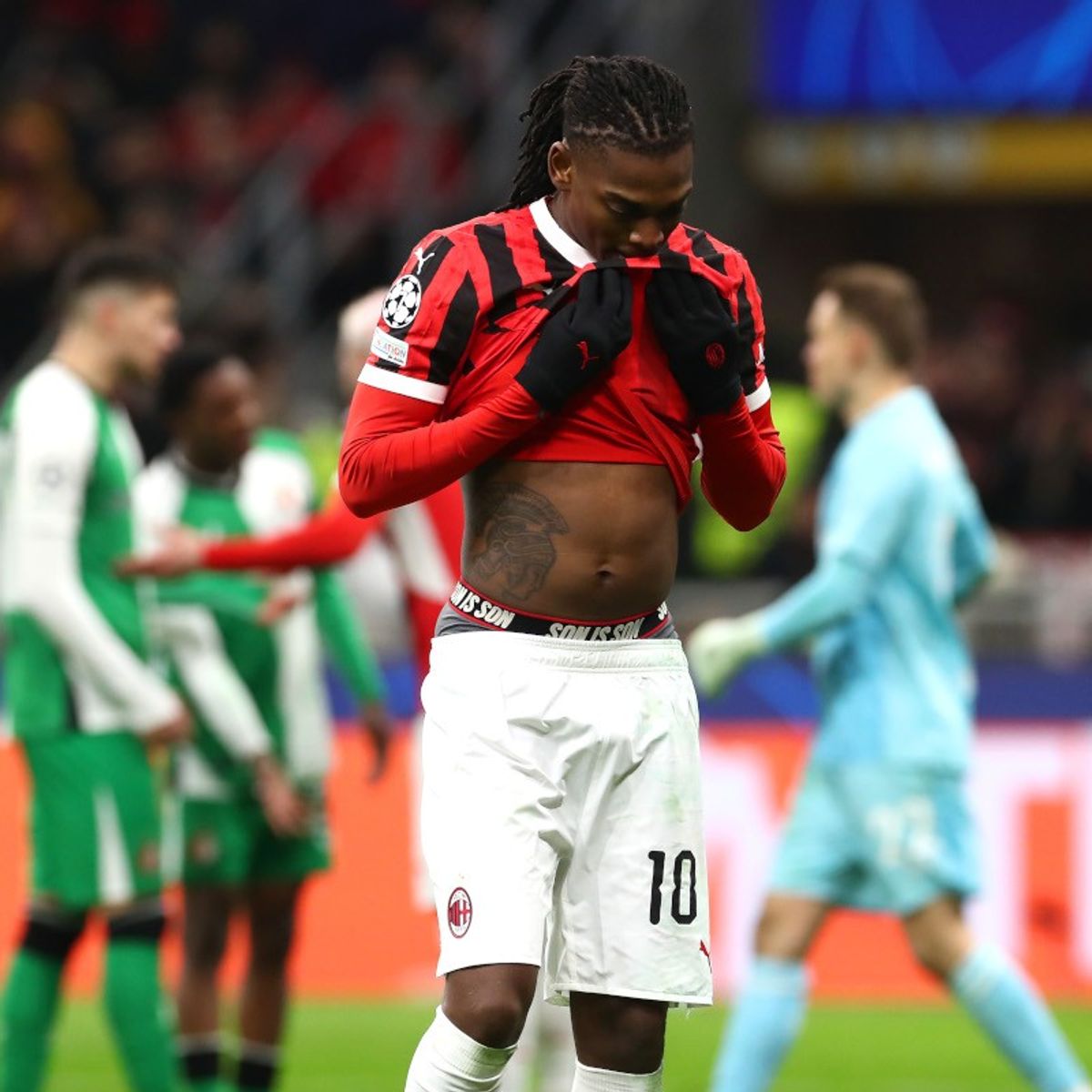
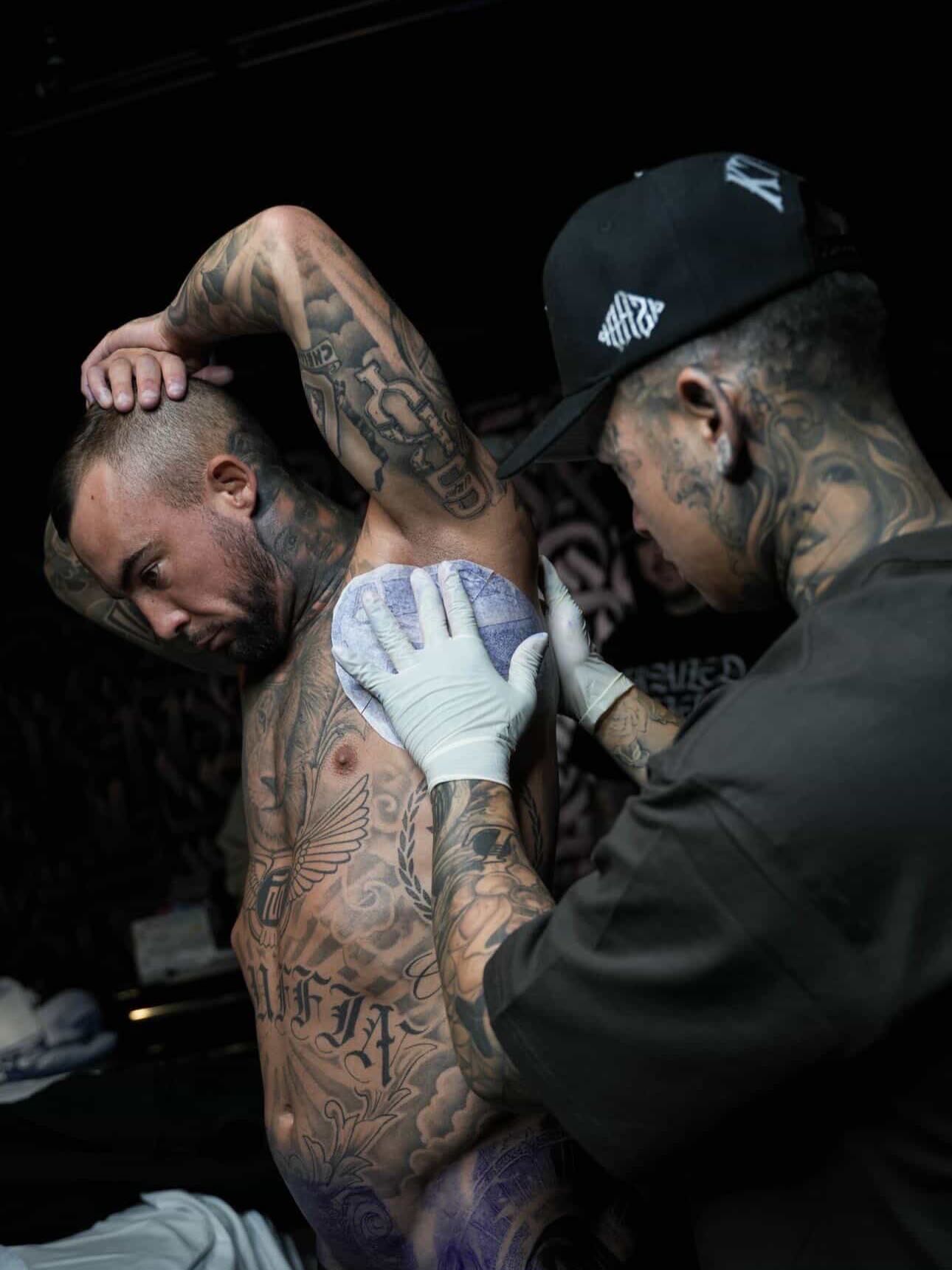
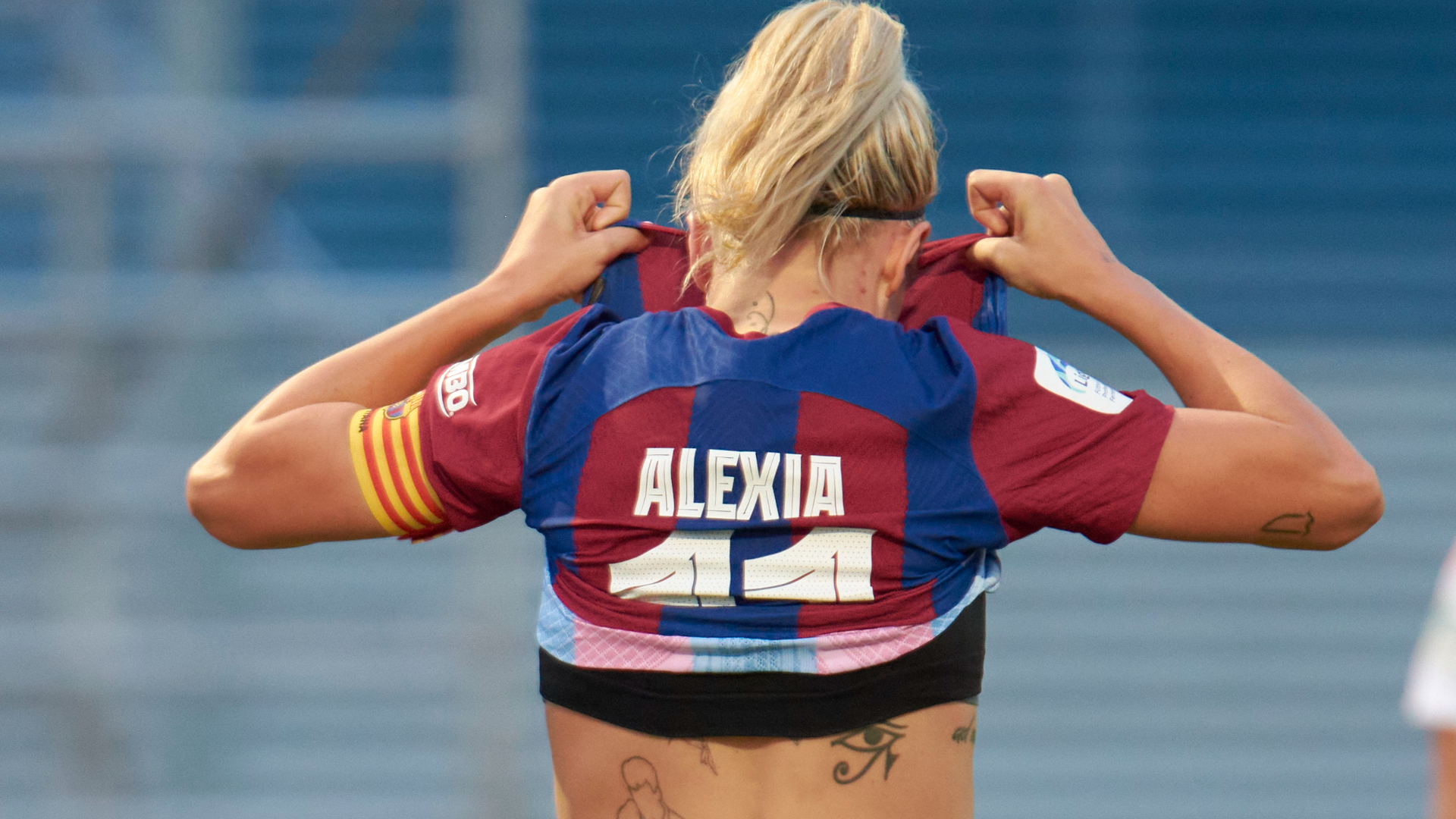
A separate image catches a tattoo along Leão’s side as he lifts his shirt. The design appears on the rib and flank area, partly following the curve of the torso. Because the frame is wider than the calf close-up, the tattoo is seen in relation to the body rather than as an isolated detail.
The side placement adds another direction to Leão’s tattoo map. The back piece spreads horizontally across the shoulders and vertically down the spine, the calf portrait runs along the lower leg, and the side tattoo follows the ribs. Together with the chest numerals and arm work, those placements give his collection a deliberate sense of movement around the body.
The neck phrase “Tudo passa”, translated as “everything passes,” has also been documented in profiles of Leão. It is a short statement compared with the large back composition, but it reinforces the collection’s use of words as personal markers. The visible tattoos therefore range from compact text to full-scale scenes without losing the connection between lettering and biography.
The people and places repeated in the artwork
Across the documented pieces, Leão’s tattoos return to the same subjects: influential figures, family, faith and the neighborhood where he grew up. The Martin Luther King portrait carries a quoted line about a dream. The reported Mandela tattoo places another historic figure in the same personal landscape. On the back, the neighborhood buildings and street sign turn geography into a permanent part of the composition.
That pattern also explains why the lettering matters as much as the larger images. “Only The Family” is a compact statement, while “Tudo passa” is a short phrase about time and change. The longer back lettering, “Only God can judge,” sits above a series of images that combine religion, home, risk and luck. These words are not decorative filler in the published descriptions. They are the labels that connect the separate portraits and scenes.
The photographs show those references at different scales. The calf portrait is intimate and tightly framed. The back work is expansive, with many objects sharing one surface. The chest numerals are restrained and centered, while the arms carry denser shading. The variety makes Leão’s tattoo history easy to read as a sequence of personal markers rather than one repeated motif.
How the separate pieces are organized
Leão’s visible ink follows the contours of several body areas. The portrait on the calf is vertical, matching the length of the lower leg. The chest numerals run horizontally, close to the collarbone. Arm tattoos gather around the shoulders and upper arms, where their dark shading is most apparent in shirtless and match-day photographs. The side tattoo bends with the ribs and is revealed when the shirt lifts.
The back piece changes the scale completely. It uses the width of both shoulders for the main phrase and the full length of the back for the Madonna, dove, buildings, sign, roulette and cards. That placement lets the individual symbols work as a single scene. The smaller tattoos remain readable as separate statements, while the back turns several references into one large visual record.
Seen together, the placements create a route from text to portrait to landscape. A viewer can move from the neck lettering to the arm work, chest numerals, calf portrait and back composition without treating any one area as the whole collection. The available photographs make that spread visible, and the reported meanings keep the pieces connected to Leão’s family, faith, history and public identity.
Rafael Leão’s documented ink now spans portraits of influential figures, family and neighborhood references, religious imagery, Roman numerals and phrases about faith and risk. The finished back piece is the largest visual statement, but the Martin Luther King calf portrait, the chest numerals, the arm tattoos and the smaller neck and side work show how the collection developed across several parts of his body. The result is a tattoo history that combines public images with personal markers, all visible in the photographs and reporting surrounding his football career.