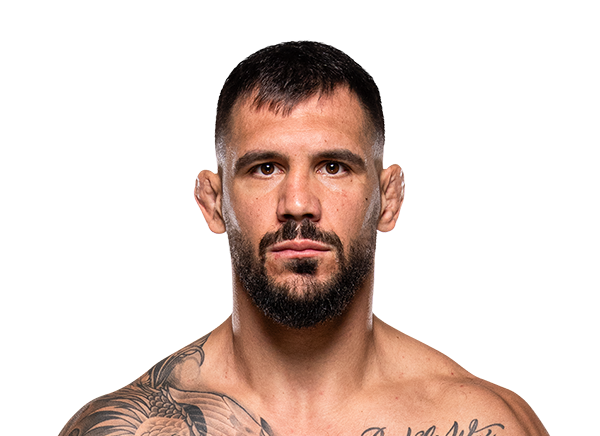
Tyson Pedro’s tattoos form a visual record of family, Samoan identity, combat sport and the people who shaped him. His collection is not limited to one sleeve or one isolated symbol. The photographs show dense geometric work across the chest, shoulders, arms, waist and legs, while his own explanations connect particular pieces to his father, his sisters, his late cousin, his first amateur boxing fight and the mindset he carries into training. That combination gives the ink a clear personal history rather than a single decorative theme.
Pedro has described tattoos as things that mean something to him. The visible work includes large areas of traditional tatau, short phrases, initials, family references and images linked to people close to him. Some details are easy to identify in photographs, while others are described more clearly in interviews than they can be read from a distance. The strongest account comes from his discussion with Sporting News before his UFC Singapore fight, where he explained the ideas behind several pieces and the family history carried by the larger patterns.
Tyson Pedro’s wrist phrases hold his training mindset
The words on Pedro’s wrists are among the most direct pieces in his collection. He has explained that one wrist carries odds against me and the other carries I can’t break me. The placement makes the phrases easy for him to see during training, but the meaning is not presented as a slogan for the public. Pedro described them as reminders connected to the pressure of fighting and the need to remain mentally firm when a bout or a difficult period turns against him.
Visually, the short text works differently from the broad black geometry across his shoulders and arms. The lettering is compact and linear, with the two wrists creating a deliberate pair rather than a single large panel. That pairing gives the collection a small point of symmetry. The words sit close to the hands that he uses in boxing and mixed martial arts, so their location links the private idea to the physical work that dominates his photographs.
The wrist phrases are important because Pedro has supplied their meaning himself. They are not captions added by a fan looking at an unclear photograph. They are part of his own account of how the ink relates to training. The wording also fits the larger pattern of his tattoos: family and heritage sit beside short reminders that describe the attitude he wants to carry into competition.
The shoulder lettering begins with Pedro’s father
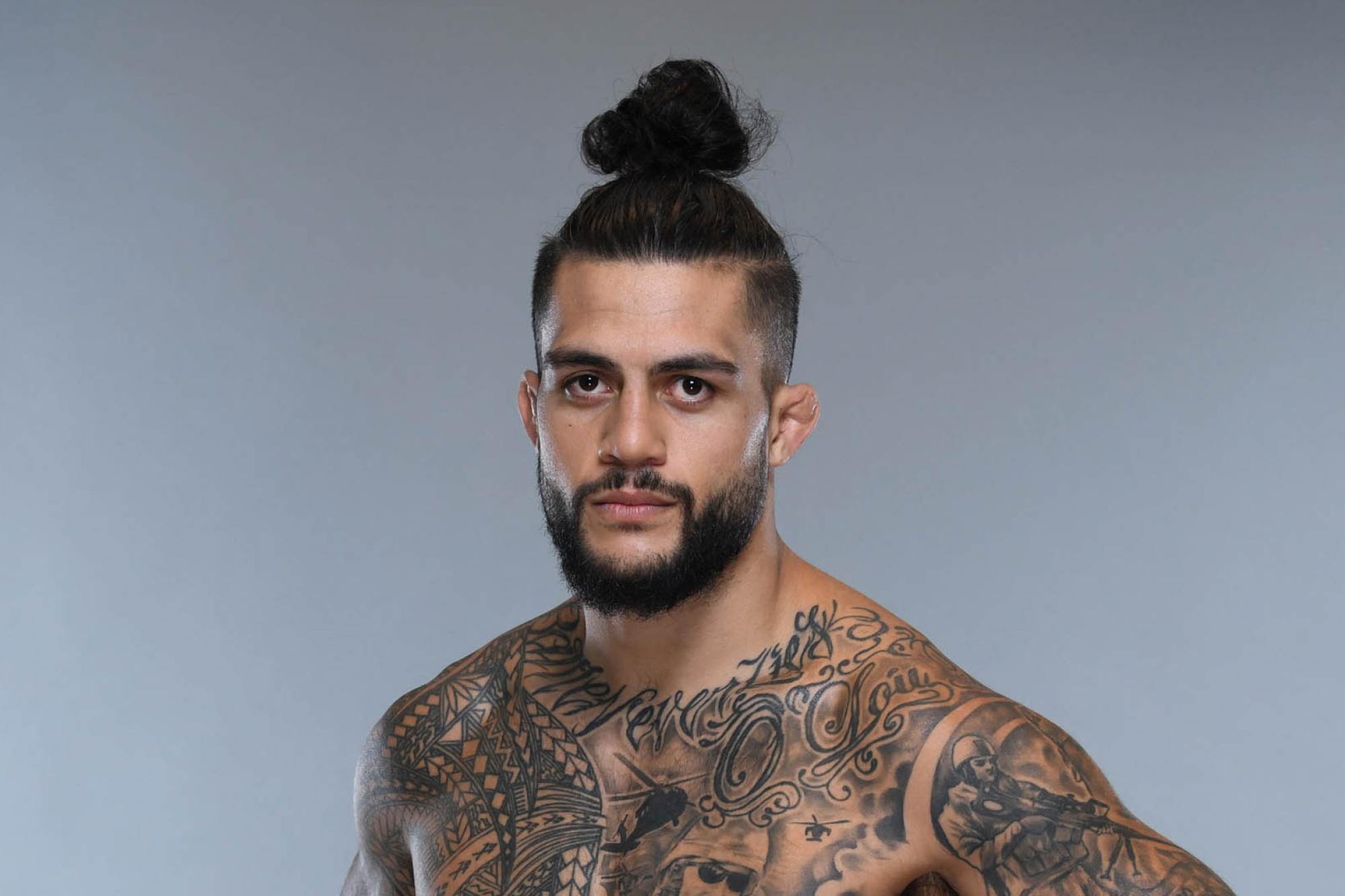
Pedro’s first tattoo arrived when he was sixteen. Across his shoulder is the Samoan phrase o lo’u toa tama, which Sporting News translates as my father is a warrior. The location gives the sentence a broad horizontal presence, and the lettering is surrounded by the patterned work that later grew across his upper body. It is an early piece, yet its subject remains central to the rest of his collection because Pedro repeatedly connects his tattoo history to his father.
The phrase is written in a language associated with Pedro’s family background, and the placement makes it part of the body map that later became more extensive. It is not a small hidden initial. The words occupy the shoulder and sit within a visible field of ink, allowing the first personal statement to remain readable even as additional work was added around it.
Pedro has also explained that the left side of his body includes Japanese imagery because of martial arts and his father, while the right side carries Samoan work. The shoulder phrase therefore helps explain why the collection has more than one visual language. The lettering and the later geometric patterns are not random contrasts. They point back to the family and cultural references that he identifies when discussing the tattoos.
The father reference gives Pedro’s upper body a clear emotional starting point. In photographs, the shoulder writing can appear as part of a dense composition, but the interview account separates it from the surrounding lines. It is a sentence with a specific subject, and that subject remains visible in the larger story of the collection.
BHS records the beginning of his amateur fight life
Pedro has identified the letters BHS as Blacktown Hit Squad, the name associated with his first amateur boxing fight. The mark is smaller and more abbreviated than the large pieces on his chest and limbs, but its meaning is tied to the beginning of his life as a combat athlete. Instead of naming a family member or showing a cultural pattern, it preserves the place and group attached to an early competitive milestone.
Initials can be difficult to read in a photograph when they are surrounded by larger designs, which is why Pedro’s explanation matters. The letters are not treated as an unexplained fragment. His account places them in the timeline of his boxing career, before the later UFC years and before the full extent of the tatau work was visible in public fight photographs.
The BHS tattoo also gives the collection a local reference. Pedro’s larger pieces carry family and Samoan associations, while BHS points to the gym and community surrounding his first amateur bout. The different scales allow the designs to coexist. A compact group of initials can hold a precise memory even when it occupies far less skin than the patterned work on the arms and legs.
BHS is a career marker, not a generic set of initials. Its significance comes from the event and the people attached to it. Pedro’s tattoo history therefore moves between intimate family language, cultural ceremony and the names of the places where his fighting identity began.
The full-arm tatau carries Samoan family history
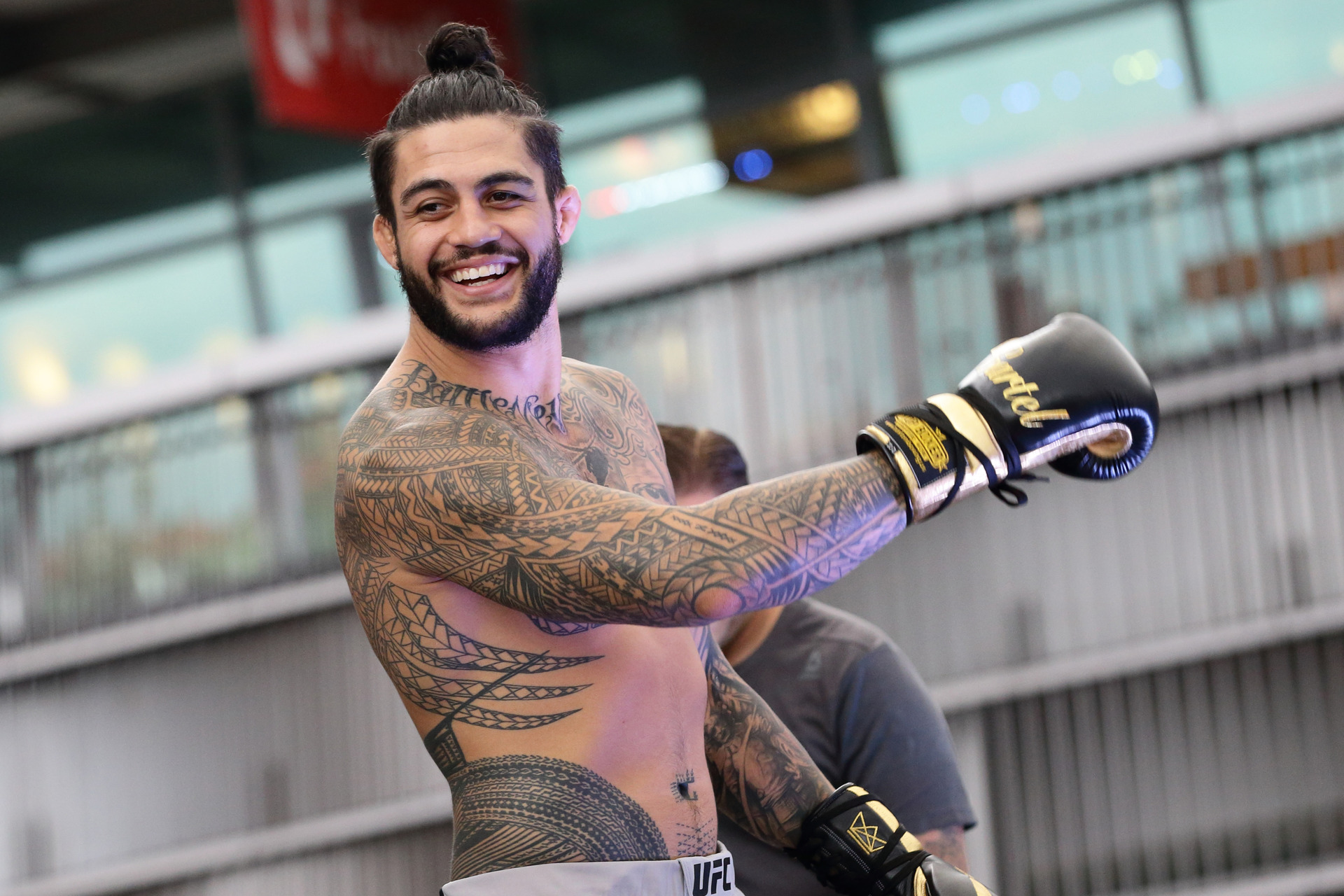
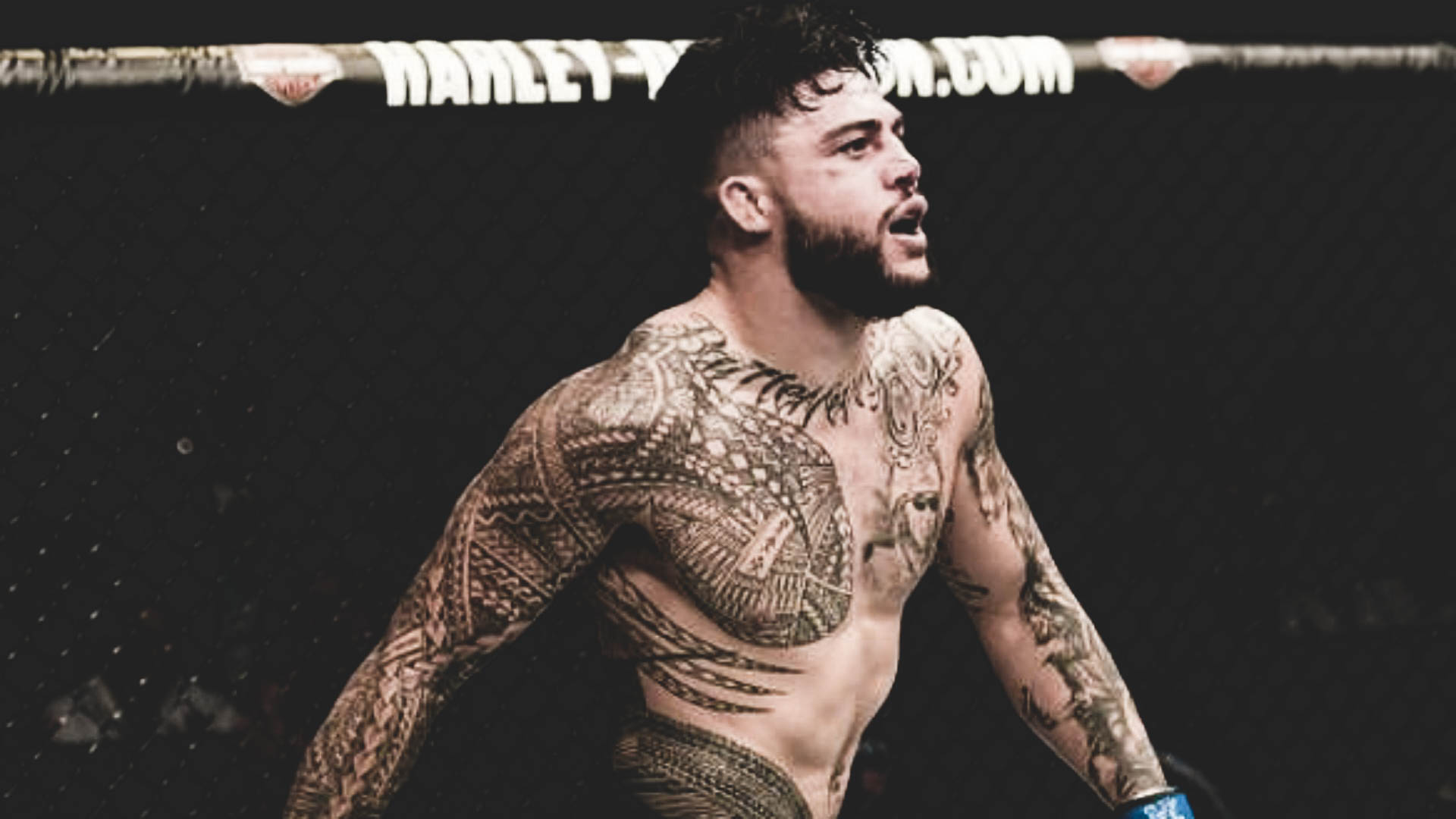
Pedro’s right-arm sleeve is the largest and most culturally specific part of his visible collection. He has described it as tatau, a traditional Samoan tattooing practice, and said that he received the work with his father. The patterns extend across the arm and continue into the dense fields covering parts of his chest, side and legs. In photographs, the design reads as a continuous structure of bands, triangles, pointed shapes and repeated geometric lines rather than a collection of unrelated small marks.
Sporting News describes the pe’a on Pedro’s legs as one of the highest honours in Samoan culture. The article links the work to his father and to the history of language in his family. Pedro’s father was born in Samoa and later lived in Australia, while Pedro’s tattoos preserve both sides of that background. The patterns are therefore shown as family and cultural identity in a form that covers the body, not as a temporary visual phase tied only to fighting.
The geometric structure creates a strong contrast with the more recognisable images on Pedro’s chest and arms. Repeated bands follow the shape of the limbs, and the dark sections form a rhythm that changes as the body turns. The side view is especially important because a straight-on photograph can make the work look like one flat panel. The NZ Herald training image shows how the patterns continue around the shoulder, upper arm, side and waist.
Pedro’s tatau is the collection’s clearest link between visual form and cultural meaning. The coverage is extensive, but the scale is not the point by itself. His account places the work inside a family ceremony and a Samoan tradition, which gives the repeated geometry a history that cannot be reduced to its surface appearance.
The cousin tribute is built into the wider body of ink
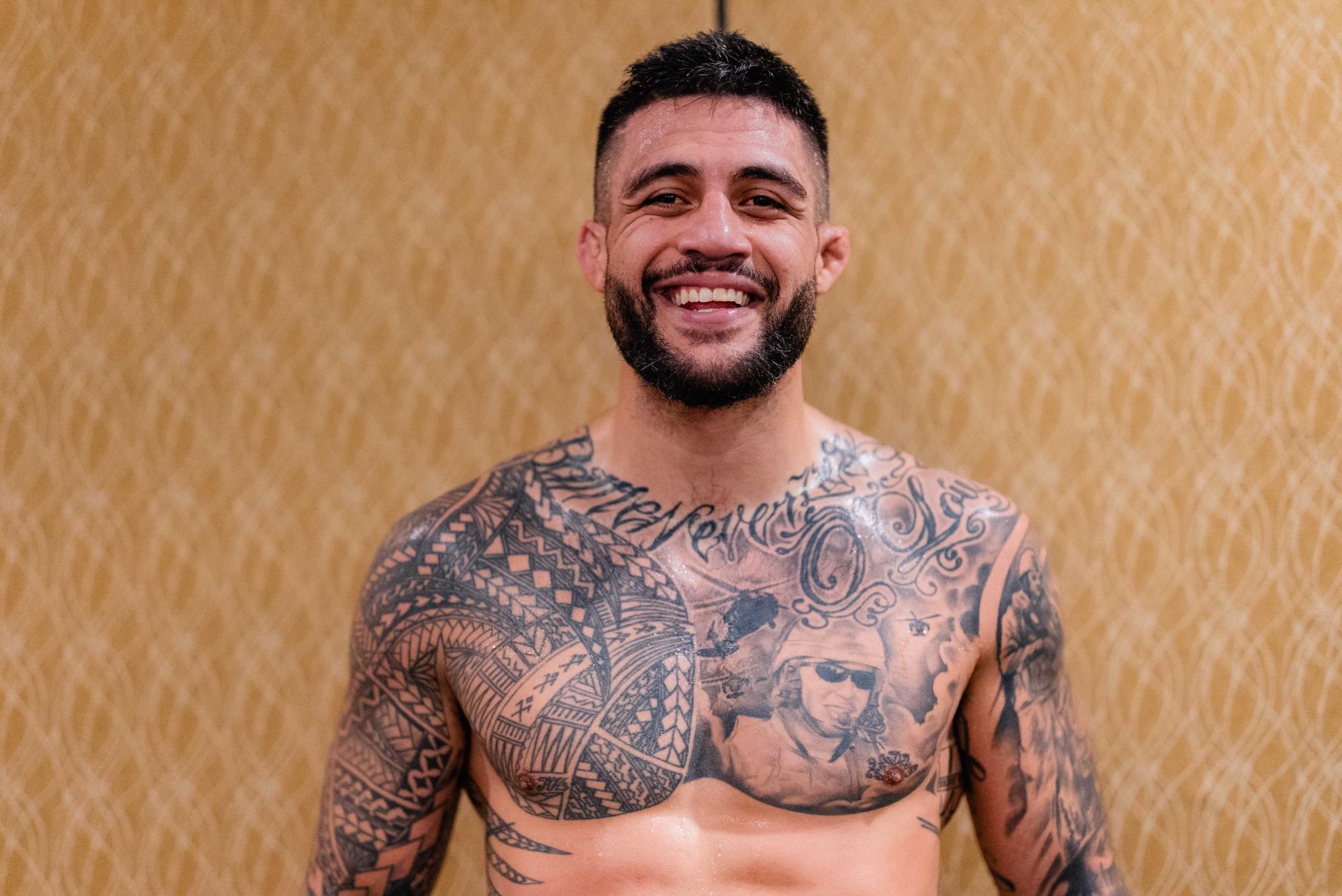
Pedro has spoken about a cousin who died while serving in Afghanistan. He explained that three images in his tattoo collection represent that cousin, while family names run down the right side of his back. The exact three images are not always equally clear in public photographs, yet the relationship between them is part of his own description of the collection. The tribute sits among the larger family and cultural work rather than appearing as an isolated memorial panel.
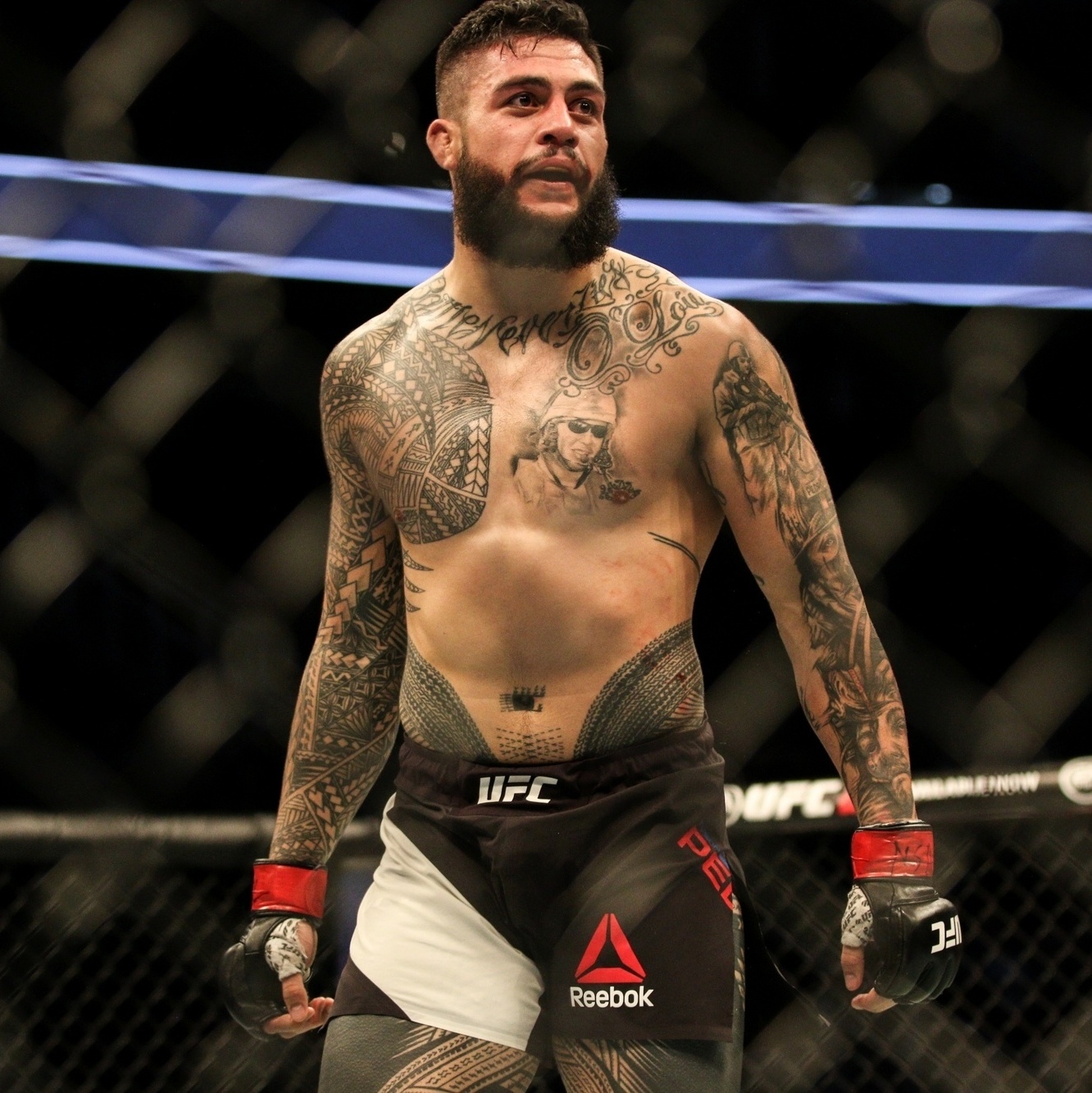
A visible portrait in the center of Pedro’s chest often draws attention because its face and shading stand apart from the geometric tatau. The surrounding lines and bands make the image feel embedded in the larger composition. The photographs do not establish that every visible figure is one of the three cousin-related images, so the safest description keeps the confirmed relationship with Pedro’s account and avoids assigning an unverified identity to each shape.
The family names on his back add another layer to the memorial story. Names read differently from patterned work because they preserve people through language rather than through a symbolic motif. Pedro’s wedding ring tattoo belongs to the same broad family of personal marks, although its meaning is tied to marriage rather than the cousin tribute. Together, the names, ring and memorial images make family a repeated subject across different parts of the body.
The cousin tribute is best understood as part of a larger family map. Pedro’s interview gives the memorial its confirmed meaning, while the photographs show how it shares space with Samoan patterns, portraits, lettering and smaller marks. That combination makes the body art read like an accumulated history instead of one single memorial gesture.
A layered visual rhythm runs through the collection
Pedro’s chest shows how figurative imagery and geometric patterning occupy the same surface. The central portrait is framed by dense lines and curved script around the upper chest, while the left and right sides carry different visual weights. In the octagon photograph, the portrait can be seen below the chest lettering, with the arm coverage extending toward it from both sides. The result is a layered arrangement rather than a blank space with one image placed in the middle.
The script across the upper chest is visually softer than the hard-edged triangles and bands on the left side. Curved letters create movement across the collarbone area, and the portrait gives the eye a face-shaped focal point. The right arm contributes another figurative section, while the left arm is dominated by repeated Samoan geometry. Each area remains distinct even though the pieces meet around the shoulder and chest.
Pedro’s images also show why the collection looks different from one photograph to the next. A close head-and-shoulders portrait reveals the chest lettering and the upper outline of the figure. A fight photograph shows more of the lower body and the leg patterns, but the face becomes smaller. A side training shot makes the waist and back continuation easier to see. These are different views of the same tattooed body, not repeated copies of one image.
The parts of the collection that photographs cannot settle
Pedro’s own descriptions establish several meanings with unusual clarity: BHS refers to Blacktown Hit Squad and his first amateur boxing fight; the wrist phrases are training reminders; the shoulder sentence refers to his father; the three images and family names connect to relatives; and the tatau was completed with his father within Samoan tradition. Those details can be separated from visual guesses because they come from his reported explanations.
Other marks are easier to see than to name. A photograph can show a portrait, script, band or geometric field without proving which person or phrase it represents. The Japanese and Samoan sides can be discussed because Pedro himself described that division, but individual symbols inside the patterns should not be assigned meanings that he has not given publicly. The same caution applies to the exact identity of every figure and to small marks that appear only in a distant fight photograph.
That balance is what makes Tyson Pedro’s tattoos so distinctive. The collection is visually extensive, but the most interesting details are not invented explanations attached to every line. They are the pieces with a traceable story: the father phrase, the BHS initials, the two wrist statements, the Samoan tatau, the cousin tribute, the family names and the ring tattoo. The photographs then show how those personal elements sit together across the chest, arms, back, waist and legs.
Why the pieces remain connected
His tattoos therefore read as a record of identity in several forms. Family appears through names, language and memorial images. Combat sport appears through BHS and the wrist reminders. Samoan heritage appears through the tatau and the leg work. Japanese imagery reflects the martial-arts and family connection he described. Each area contributes a different kind of information, and the full collection becomes legible when the photographs are read alongside Pedro’s own account.
The result is a body of work that moves between ceremony, memory and competition without losing its visual coherence. The broad patterns create the structure, the script and initials add readable personal details, and the portraits make the chest and arms more individual. Pedro’s tattoos are not presented as a catalogue of unexplained symbols. They are a connected record of the people, places and fighting milestones that he has chosen to carry visibly.