
Itsuki Hirata has about 20 tattoos, according to a Japanese report. ENCOUNT describes Japanese-style work on her left arm and Western-style ink on her right. Photos show both sides, though the details change with the setting: gloves, wrist tape, clothing and camera distance can hide part of the work.
Official ONE Championship images and Japanese combat-sports reports help establish the tattoos’ placement and broad style. Some small lettering is not clear enough to transcribe, and no source gives a complete explanation of every symbol.
Itsuki Hirata’s left-arm tattoo work
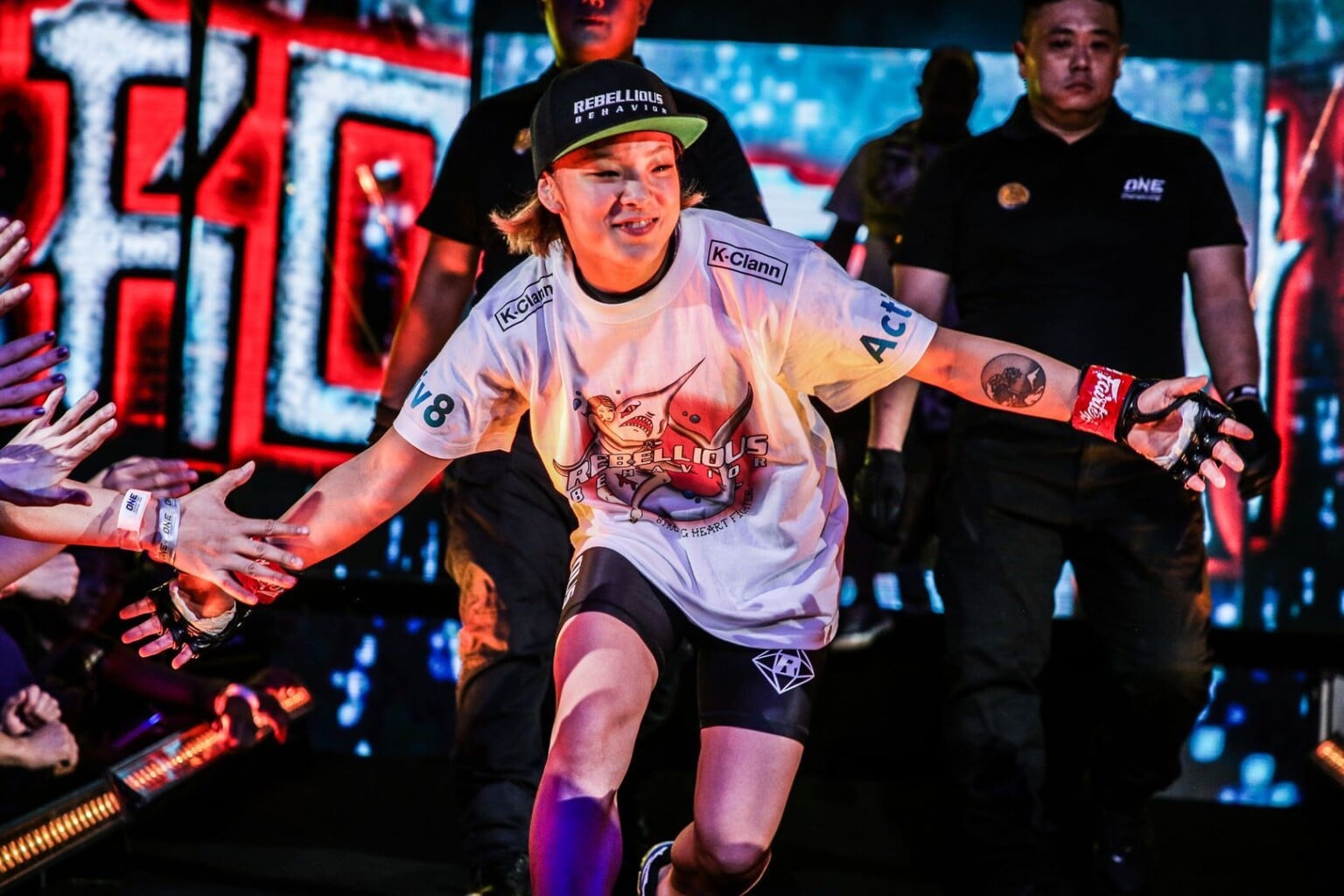
ENCOUNT identifies the left arm as the Japanese-style side of Hirata’s collection. In official photographs, dark linework and shaded shapes run along the outer forearm and toward the upper arm. The pieces sit close together, following the arm’s contours rather than gathering around one isolated mark.
Fight and portrait photos show the work from different angles. When Hirata turns her arm toward the camera, the grouped design is easier to see; movement and gloves can obscure part of it. The images support a description of layered, connected ink, but they do not name every shape.
The small marks and lettering visible in close photographs
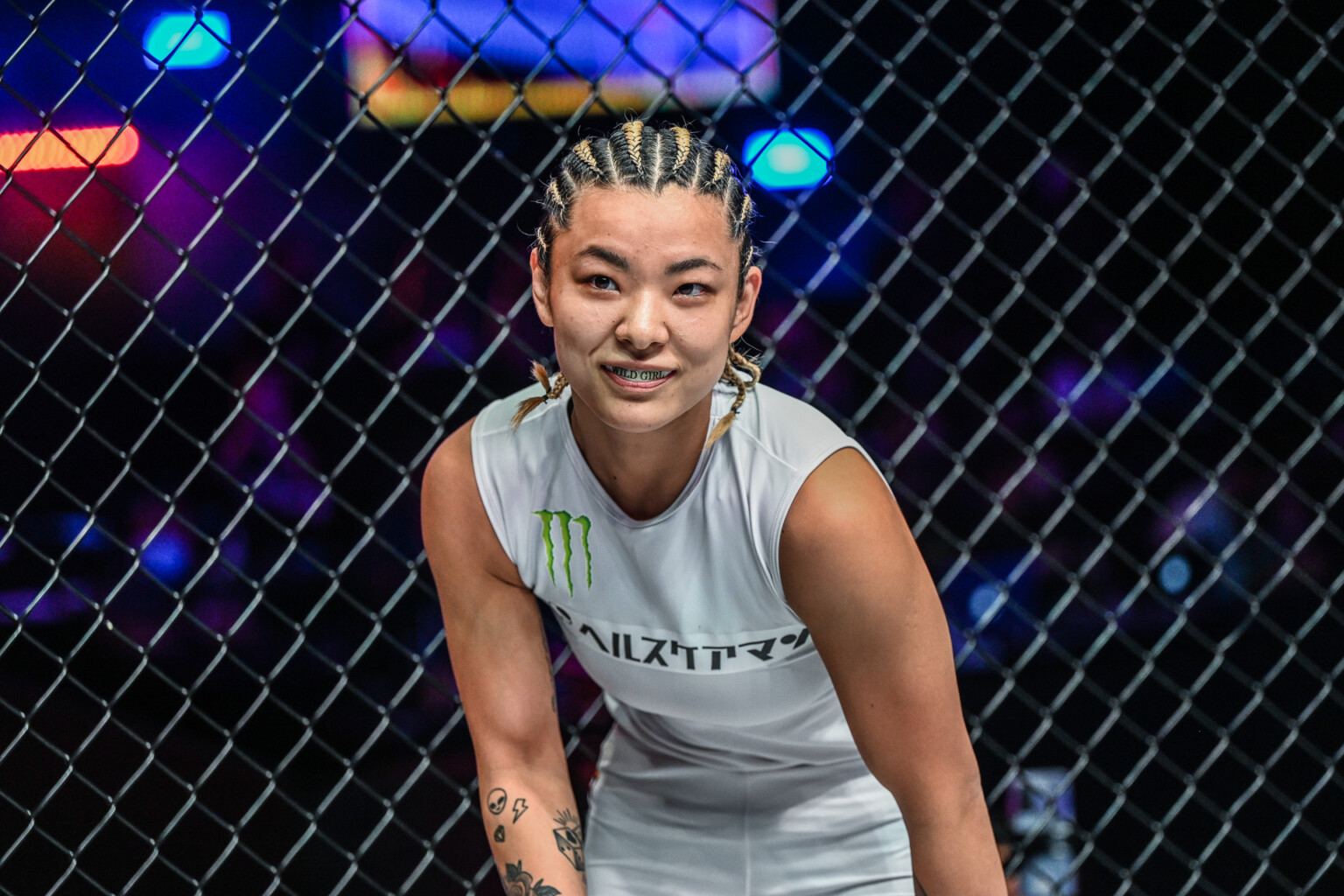
Close views show small symbols near the upper arm and forearm, along with thin lettering on the inner arm. The line of script follows the length of the arm. Its wording is not consistently legible, so the photographs do not support a confident transcription.
One event image shows an outlined symbol above a longer line of script, with a darker shape closer to the elbow. These smaller pieces sit alongside the larger shaded work. A wide arena photo may show the circular tattoo but miss the lettering; a closer portrait can reveal the fine lines instead.
Western-style work on the right arm
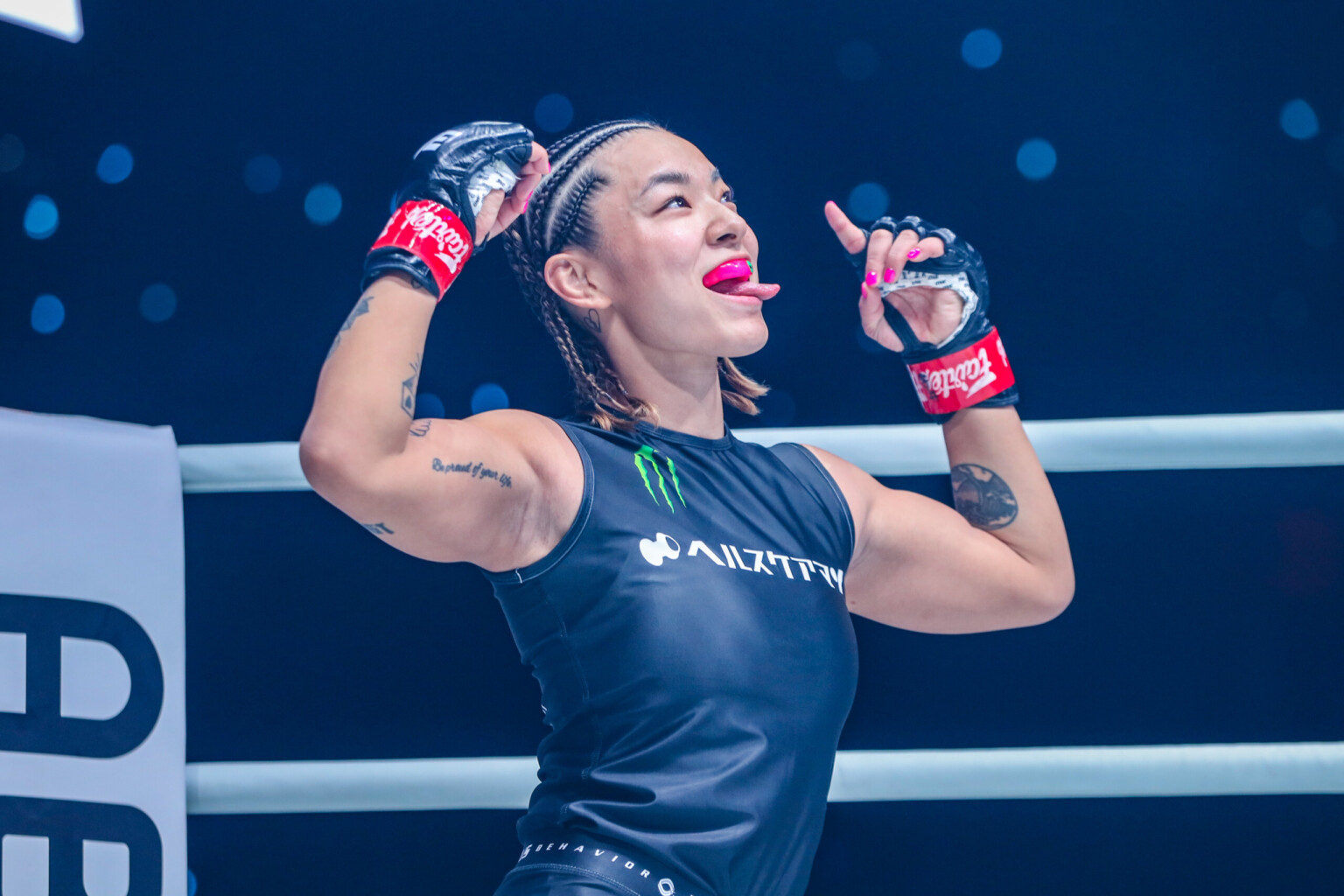
On the right arm, ENCOUNT reports a Western-style influence. Official fight photos show a dark circular design on the upper arm, with a concentrated centre and heavier shading around the edge. It stands apart from the surrounding skin rather than forming a full sleeve.
From a distance, the piece reads as a single dark emblem. Closer images reveal changes in tone and internal shapes, but not enough to identify every figure. Other photos show smaller marks lower on the arm, including an outlined symbol near the forearm and a darker design closer to the elbow. The right side combines those separate pieces with the larger round tattoo.
How the arm tattoos appear in fight photography
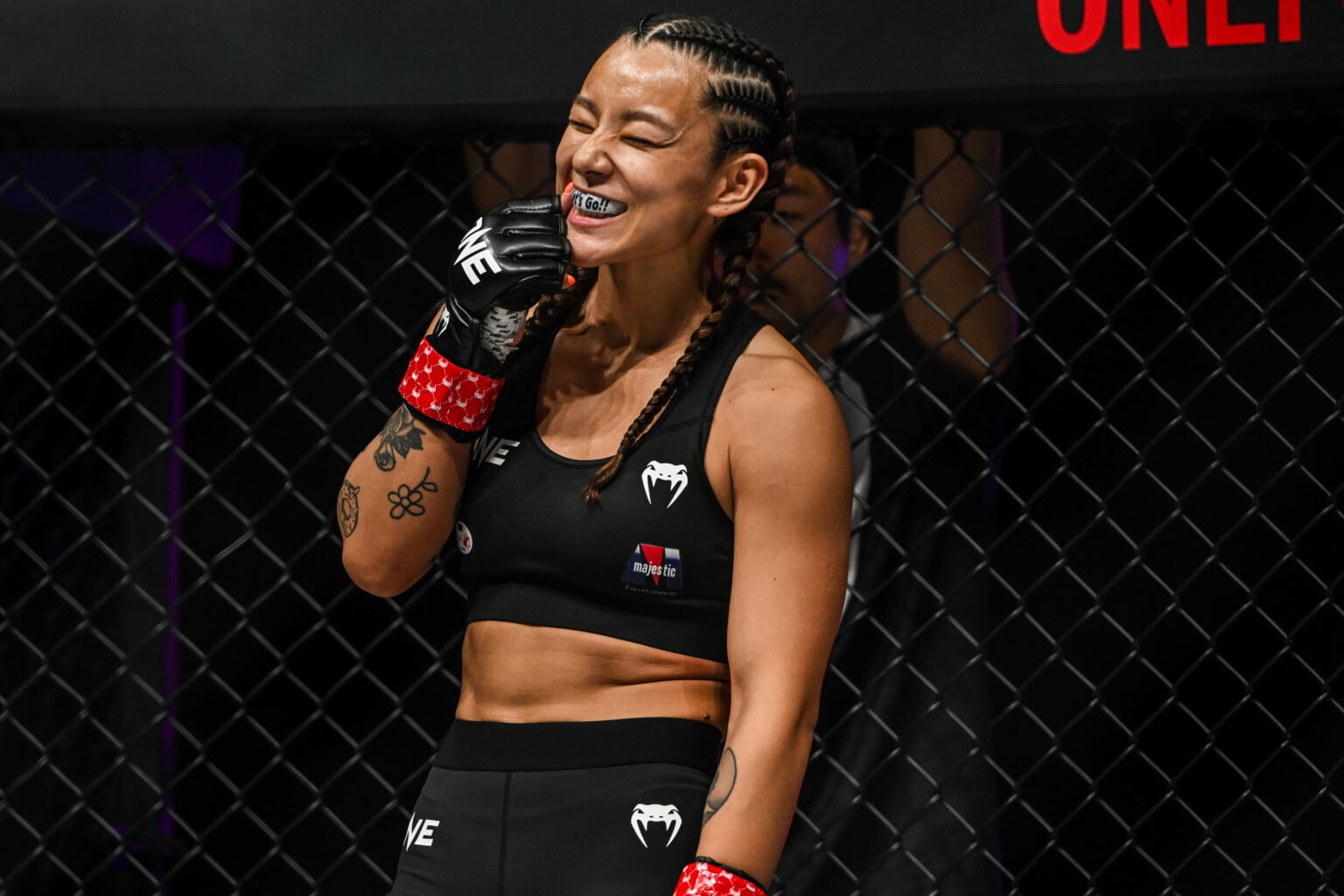
ONE Championship portraits and face-off photos often leave Hirata’s arms exposed, making it easier to compare their layouts. During a bout, gloves, wrist tape and movement cover or blur parts of the tattoos. Coloured arena light can flatten the shading, while a close training portrait makes smaller script easier to see.
The contrast between the sides still comes through: the left arm looks more connected and patterned, while the upper-right-arm circle reads as a separate focal design. The tattoos appear in athletic photographs alongside the action and equipment; those images document placement and visibility, not personal meanings.
The tattoo timeline and what is reliably documented

ENCOUNT describes the left arm as Japanese style and the right as Western style. A separate eFight report focuses on a newer tattoo visible on Hirata’s arm. Neither report gives a dated list of every piece, and the available photos do not establish when each design was added.
The record has grown as new images appear. A recent event shot may show a mark that earlier photos concealed, while another image may make an older design easier to see. That is not enough to date every tattoo or infer its meaning. Where Hirata or a named source has not explained a symbol, its significance remains unconfirmed.
The visual record in context
The collection appears in official athlete portraits, fight-night photography, fashion coverage and Japanese reports. A posed portrait offers a clear view of the arms; a cage-side shot shows the ink under competition conditions; a social photo may reveal a newer addition with little context about when it was taken.
Across those images, the left arm carries the denser Japanese-style work described by ENCOUNT. The right is centred on a darker circular design, with smaller marks and lettering around both arms. The fine details become visible only in close views.
A careful reading of the photographs
The photos place Hirata’s tattoos in the same frame as her training and competition. Athletic clothing, gloves and movement affect which parts can be seen, but the arm placement remains consistent across the images.
The documented picture is straightforward: Hirata has around 20 tattoos, with Japanese-style work reported on the left arm, Western-style ink on the right, and smaller symbols and script visible in close photographs. The sources describe the collection’s appearance; they do not provide a meaning for every piece.