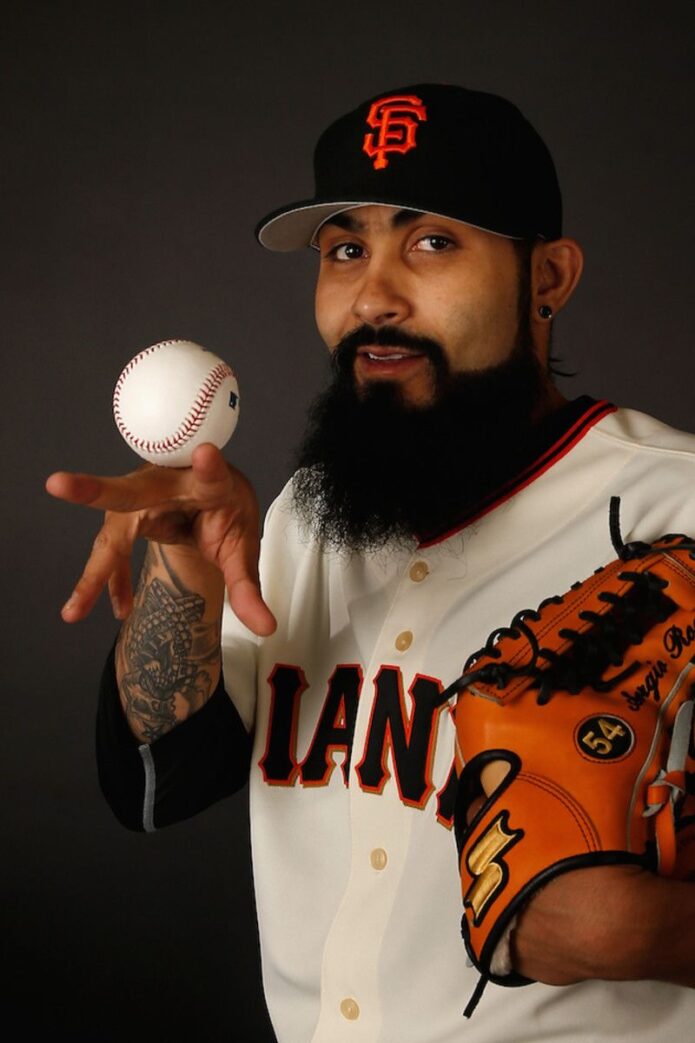
Sergio Romo has tattoos across his arms, neck, torso and back. He has explained several of them in interviews, including two short phrases, a group of demon and monster faces, joined American and Mexican flags, and a Sistine Chapel scene. The accounts below separate what Romo has said from details shown only in photographs.
Sergio Romo’s “Without struggle there is no progress” tattoo
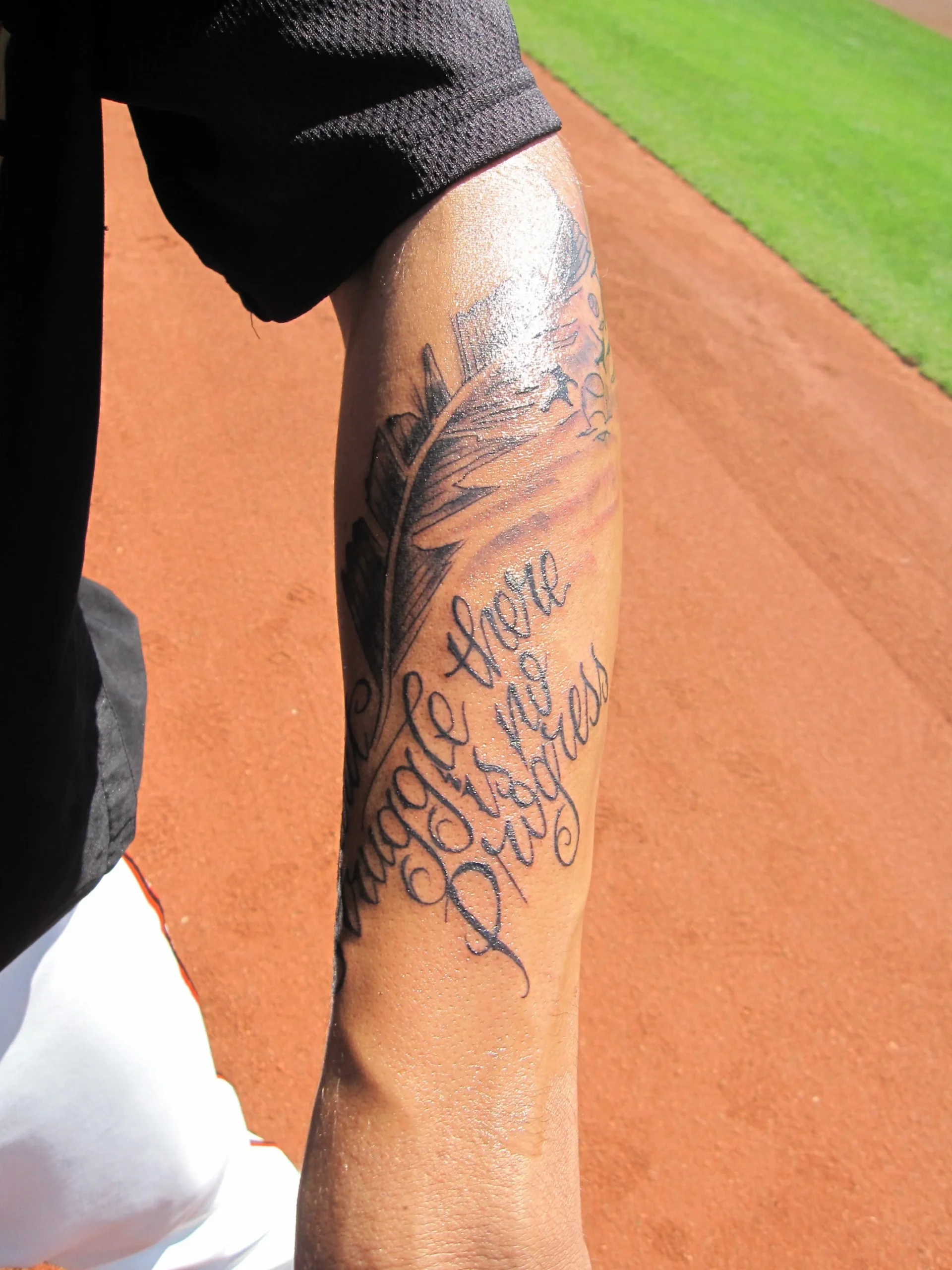
The script on Romo’s left forearm reads “Without struggle there is no progress.” Star Tribune reporting says he used it as a private reminder when a game grew tense. He described looking at the words on the mound and remembering that he had already made it through earlier struggles; fear didn’t have to decide his next pitch.
Some reports connect the phrase to Frederick Douglass, but they don’t establish that Romo chose it as a formal quotation. What he has explained is its personal use: a reminder that hardship can lead to growth. The cursive lettering runs along the forearm, where it can face him in his pitching stance.
The “Live free” lettering beneath his right ear
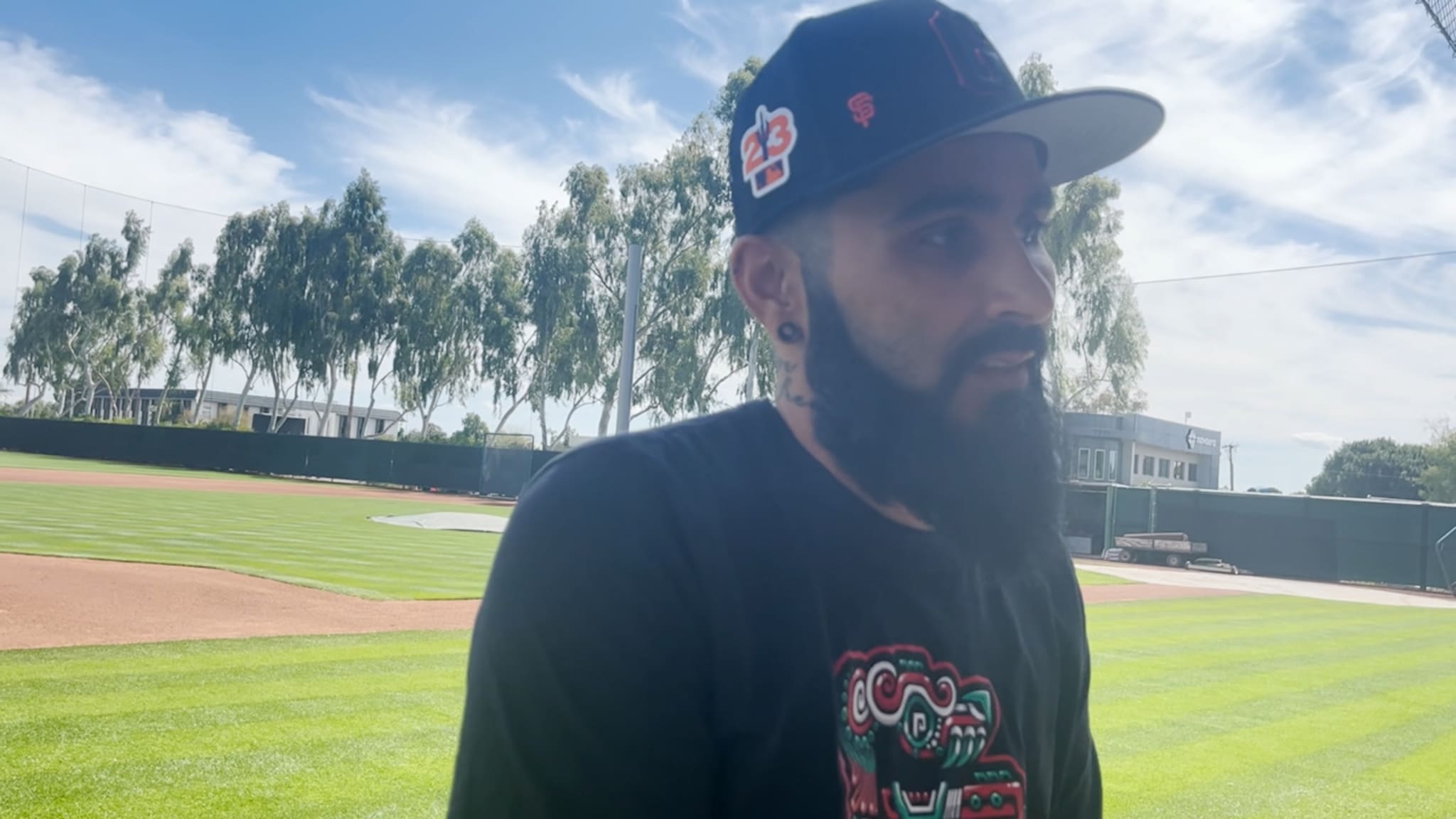
“Live free” sits on the right side of Romo’s neck, beneath his ear and partly framed by his beard. In a Star Tribune interview, he said the words reflect wanting to be himself without giving anxiety, stress or other people’s judgment too much control. The compact lettering is easy to see in close portraits, but its meaning comes from that explanation.
The demon and monster faces on the right arm
A Tampa Bay media guide describes the figures on Romo’s right bicep as different sides of his personality. The largest is his “inner demon”; a melting face is associated with fear and the risk of letting life pass without purpose. Romo has also linked the demon to how people described his intensity on the mound.
The black-and-grey faces sit among smaller lettering, ornamental shapes and shaded forms. The guide explains several of the central images, but it doesn’t assign a meaning to every mark. The right arm reads as a group of moods and fears, not one figure with a single story.
The tattooed arms and torso shown in Romo’s photographs
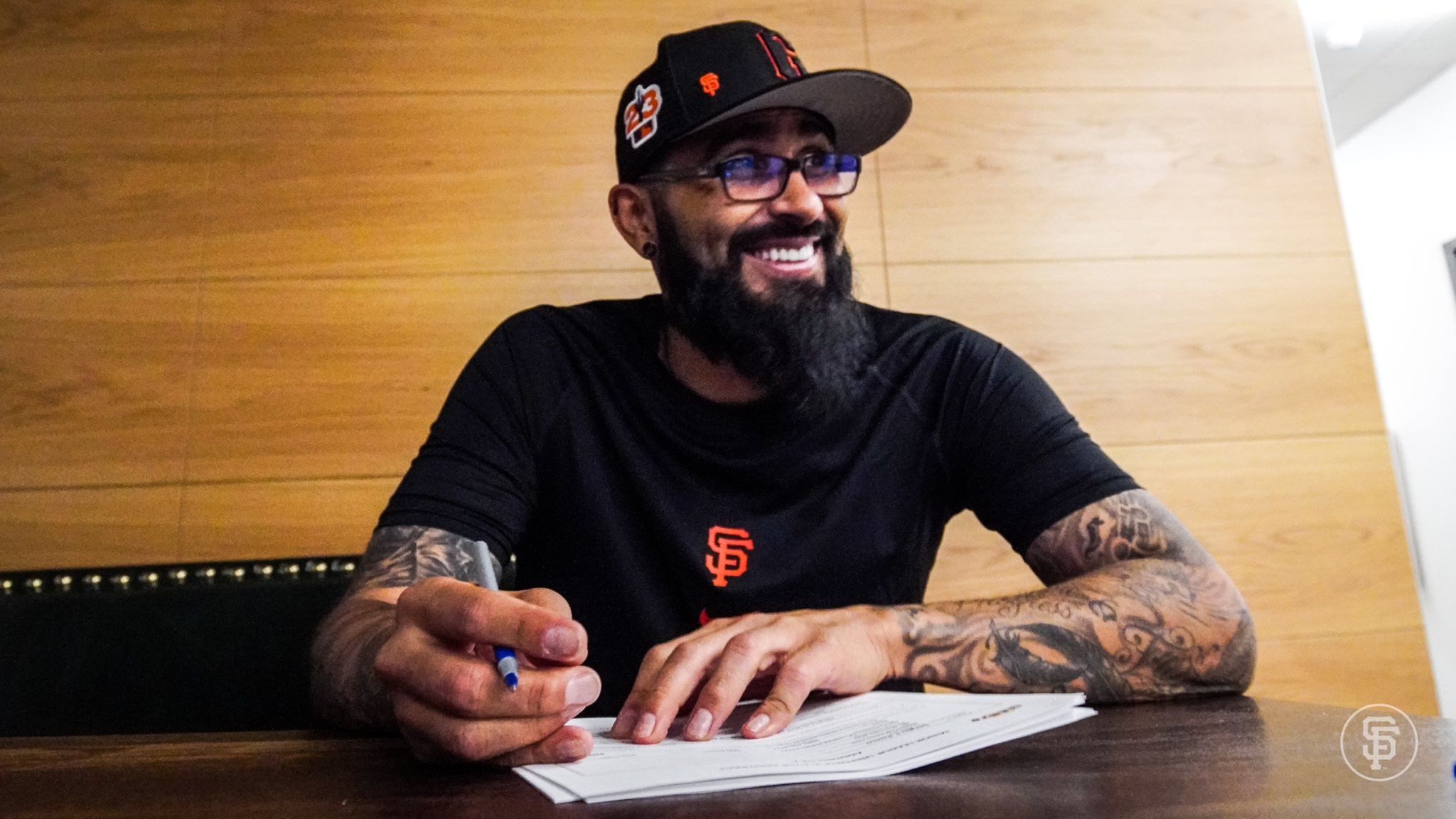
Romo’s back carries a large design that joins the American and Mexican flags. He has spoken about being born in the United States to Mexican parents and feeling connected to both backgrounds. He also played for Team Mexico in international competition, so the flags sit alongside a public part of his baseball history.
The joined flags cover a broad area of the back, unlike the shorter phrases on his forearm and neck. Photos don’t always show the full design, but reporting identifies the two flags as the central image. The available accounts support the heritage connection without explaining every detail in the composition.
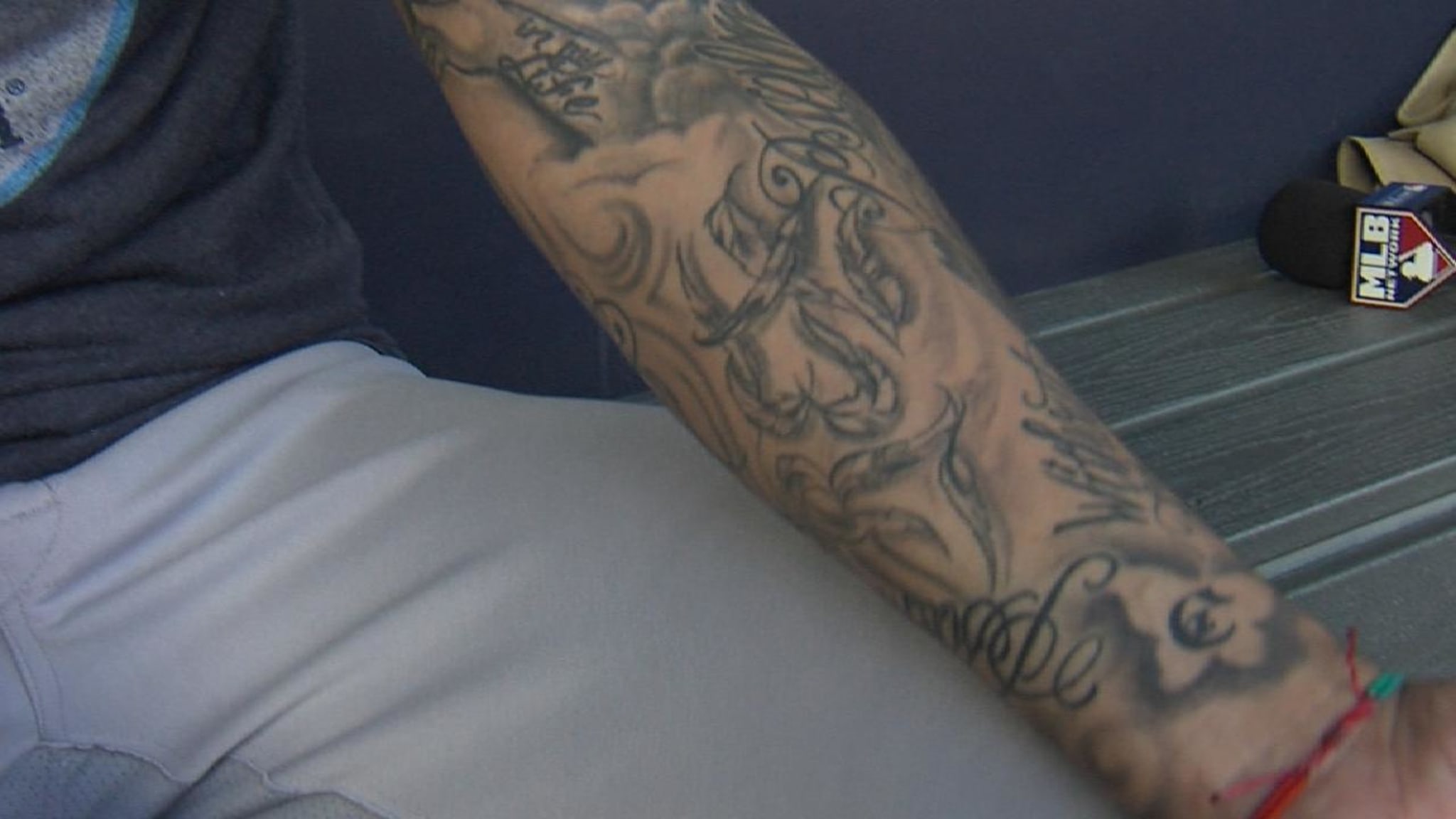
The forearm script and layered arm work

Close photographs show the forearm script among dense linework, shaded figures and smaller marks. Romo has also described a Sistine Chapel image with a sunset on his torso, linking it to the thought that “love is worth fighting for.” That explanation gives the scene a meaning he has stated himself; the surrounding photographs show its placement and visual contrast with the darker arm designs.
The people and ideas repeated in the artwork
The tattoos Romo has explained return to pressure, freedom, identity and fear. The forearm phrase is a reminder during games; “Live free” reflects how he wants to handle anxiety and judgment; the right-arm faces represent parts of his personality; and the joined flags reflect his Mexican American background. He connected the chapel scene with love worth fighting for.
His collection also includes smaller work that sources describe without a confirmed meaning. Romo’s comments are the clearest guide to the pieces above, while photos establish where the ink sits and what is visible.
How the separate pieces are organized
The short phrases sit on the left forearm and beneath the right ear. The demon and monster faces cover part of the right arm; the joined flags spread across the back, and the Sistine Chapel scene uses the torso. Each location gives the lettering or image a different scale.
No single photograph shows the full collection. A close arm image reveals script and linework but leaves out the back; portraits can show the neck and arms while the torso is covered. The published record is strongest on Romo’s own explanations and the visible placement of the designs.