Musicians

Tattoo guides for singers, rappers, DJs and musicians, with photographs, documented meanings and the stories behind their designs.

Cazzu lets every tattoo keep its own secret

Cazzu’s tattoos reward a closer look. There are words along her neck, flames across her hands and small details around her face, alongside a Hello Kitty and larger designs on her torso. She has said she lost count of them; one Spanish-language roundup puts the number above 50. Either way, there is no single theme tying every piece together.

That variety is part of the appeal. Some tattoos are playful, others connect to music, family or a turning point in her career. Cazzu has explained a few in interviews, while others are best left as what they are: visible designs whose meaning she has not spelled out.

The face heart marks the moment music became real
Cazzu face heart and cheek tattoo

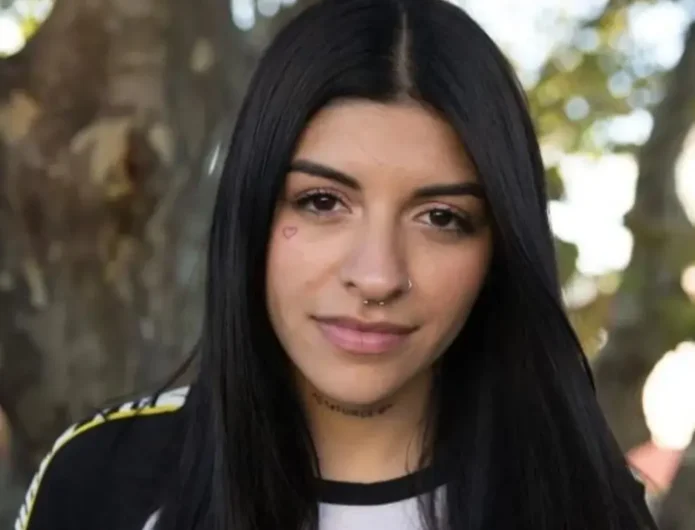
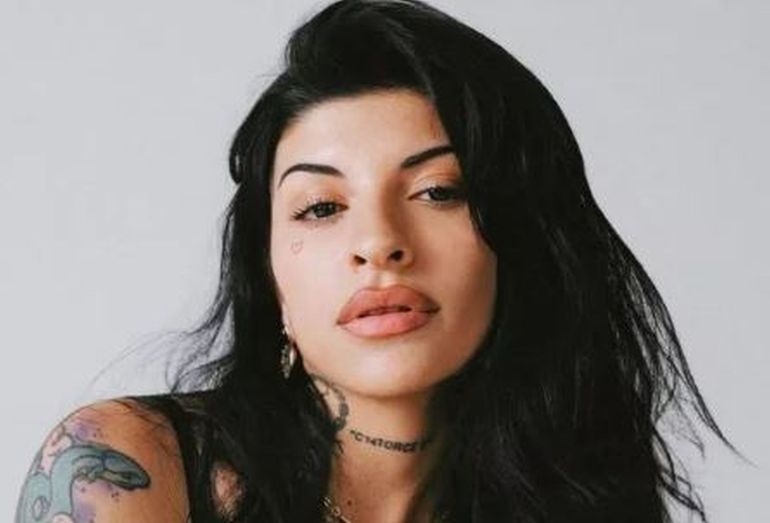
The small heart on Cazzu’s cheek is often the first tattoo people notice. In GQ Mexico’s tattoo tour, she said she got it after receiving her first payment from music. She was about 22, and the work she had been pursuing was finally paying her bills.

For Cazzu, the heart marked a turning point. There was still plenty she could not know about the future, but music had become a real way to support herself. It is a small design in a very visible place, so the reminder was never tucked away from view.

She has other tiny details around her face and lips in some photos, but this is the one with the clearest story. It marks the first time her career gave her tangible proof that the life she wanted was possible.

Her neck and hand tattoos bring the stage persona into focus
Cazzu arm and torso tattoos

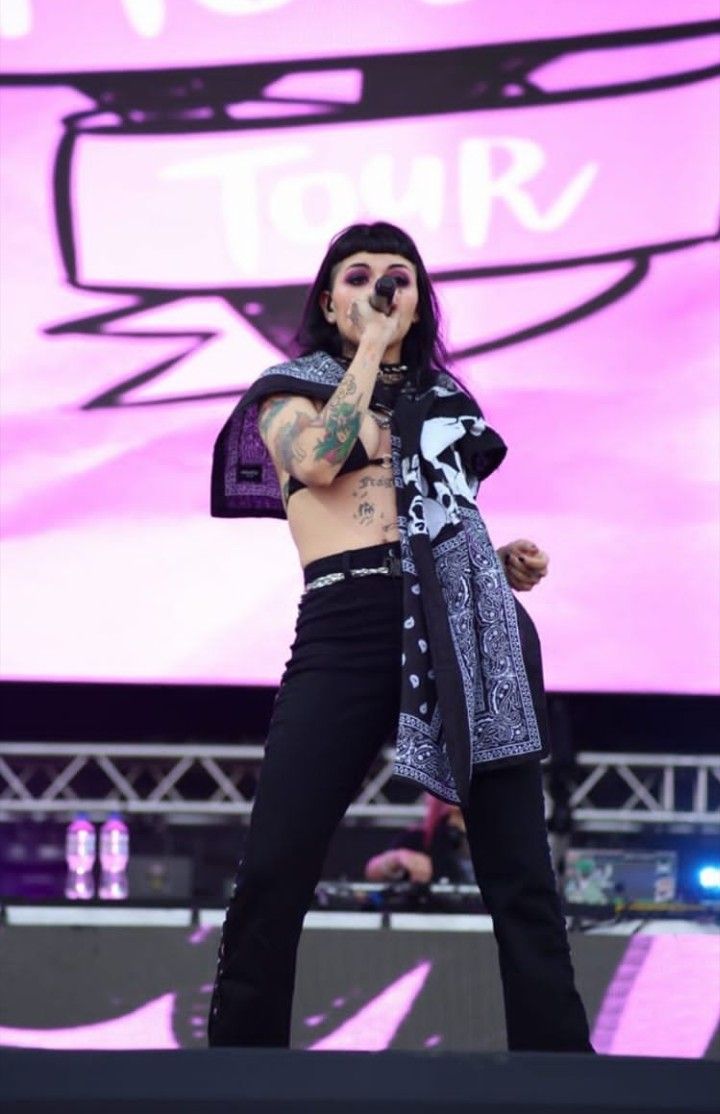
Text and graphic designs cover parts of Cazzu’s neck, often peeking out above a choker or collar. Tattoo coverage has identified the words “Fe” and “Error”; “Frágil” appears lower on her body. They are brief, pointed words, and they sit neatly alongside the contrast in her public image: a tough exterior with room for vulnerability.

The flames on her hands have a connection to performing. With a microphone in her grip, they can look as if fire is rising from it, turning a hand gesture into part of the show. That makes them work as both tattoos and a recurring detail in her stage presence.

The words and flames are easy to describe, but not every smaller symbol has a confirmed explanation. Leaving those meanings open is more honest than assigning each one a story.

Hello Kitty adds a playful note to the darker ink
Cazzu Hello Kitty and new stage tattoos

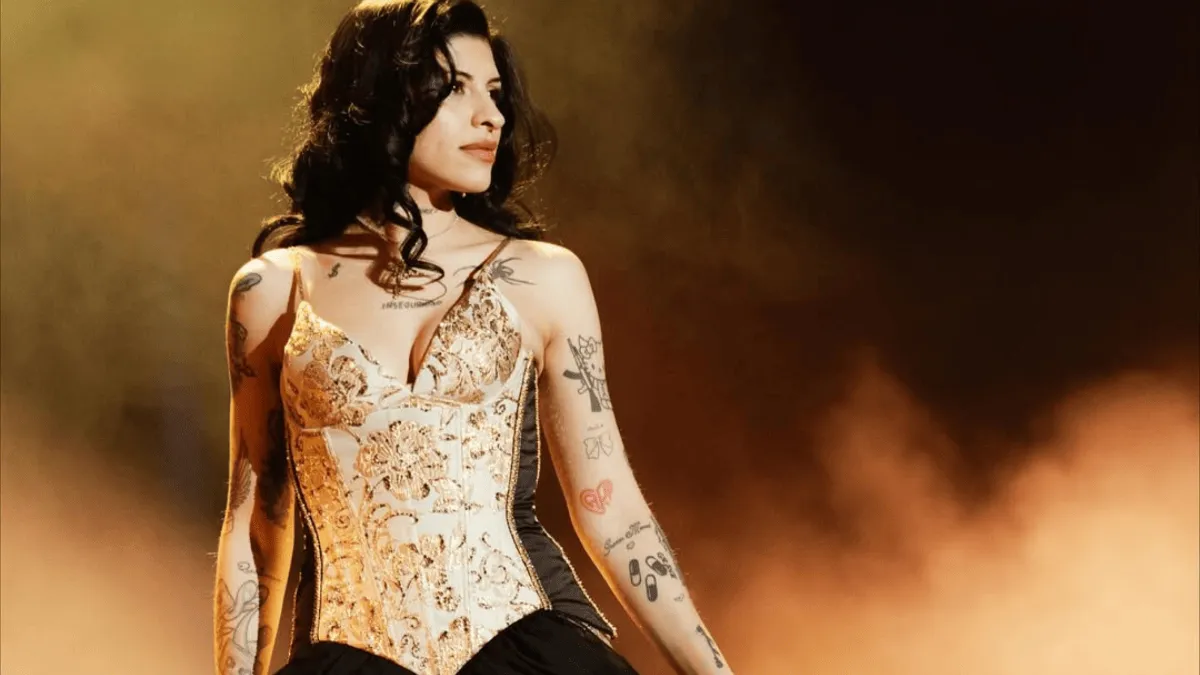
A Hello Kitty tattoo on Cazzu’s arm brings a lighter note to the collection. It can be easy to miss in the low light of a performance, where the bigger shapes tend to stand out. Once you notice it, the cartoon shifts the mood of the surrounding ink.

Cazzu often appears in heavy boots, dark leather, sharp makeup and elaborate stagewear. Hello Kitty gives that look a playful counterpoint. It does not need a grand explanation; sometimes a tattoo is there because its owner likes the character or the bit of fun it adds.

That change in tone runs through the collection. A delicate heart, bold lettering, flames and a cartoon do not have to match to feel personal. They leave room for different sides of Cazzu to show up at once.

The anime piece on her abdomen is a newer chapter
Cazzu anime-inspired abdomen tattoo

In 2025, Cazzu shared a new anime-inspired tattoo on her abdomen after visiting a favorite studio during the Nena Trampa era. Photos show a colorful design with fine lines running down the center of her stomach toward her pelvis. It is a bold placement, worn with the same ease she brings to her music.

Coverage does not consistently identify the exact character or reference, so “anime-inspired” is the clearest description. The style stands apart from her older text tattoos, with more color and movement across the front of her body.

New ink can shift the way an older collection reads. Before this piece, the words and face tattoo did much of the talking. The abdomen design adds another layer, making the collection feel more like a collage than a finished set.

“Inseguridad” and the spider carry a sharper edge
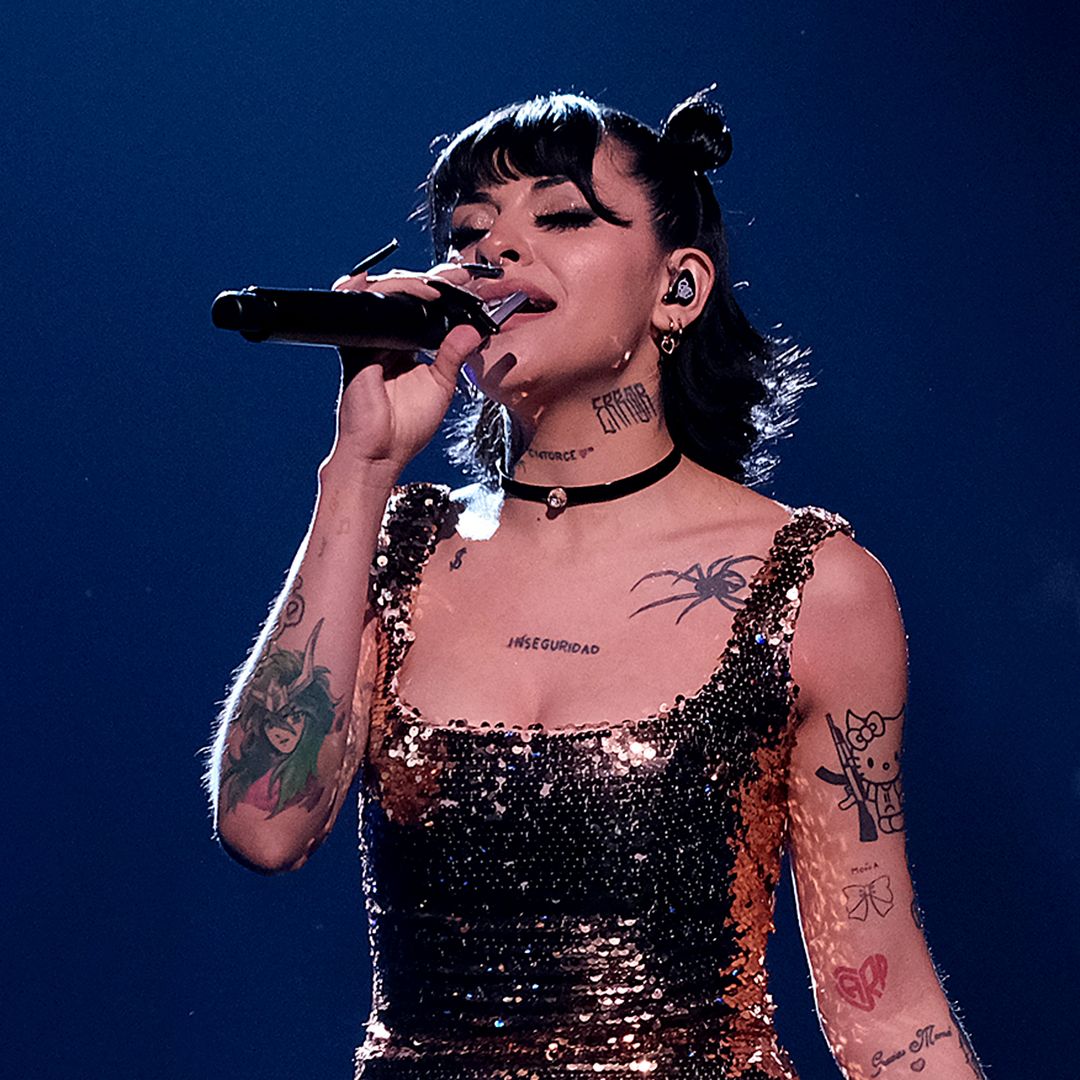
Cazzu Inseguridad chest and spider shoulder tattoo

Photos show the word “INSEGURIDAD” across Cazzu’s chest and a spider on her shoulder. “Inseguridad” means “insecurity” in Spanish, a stark word to put in such a visible spot. It takes a feeling many people keep private and makes it part of the image.

The spider brings a different kind of tension. It is a familiar tattoo motif, and its placement fits the darker, theatrical side of Cazzu’s styling. Without a direct explanation from her, there is no need to settle on one meaning.

These tattoos also change with their setting. Beside jewelry and stage clothes, or under concert lights, a design can read differently than it does in a still portrait. The marks are part of a larger image built through movement as much as through ink.

Her torso and arm work make the collection feel like a map
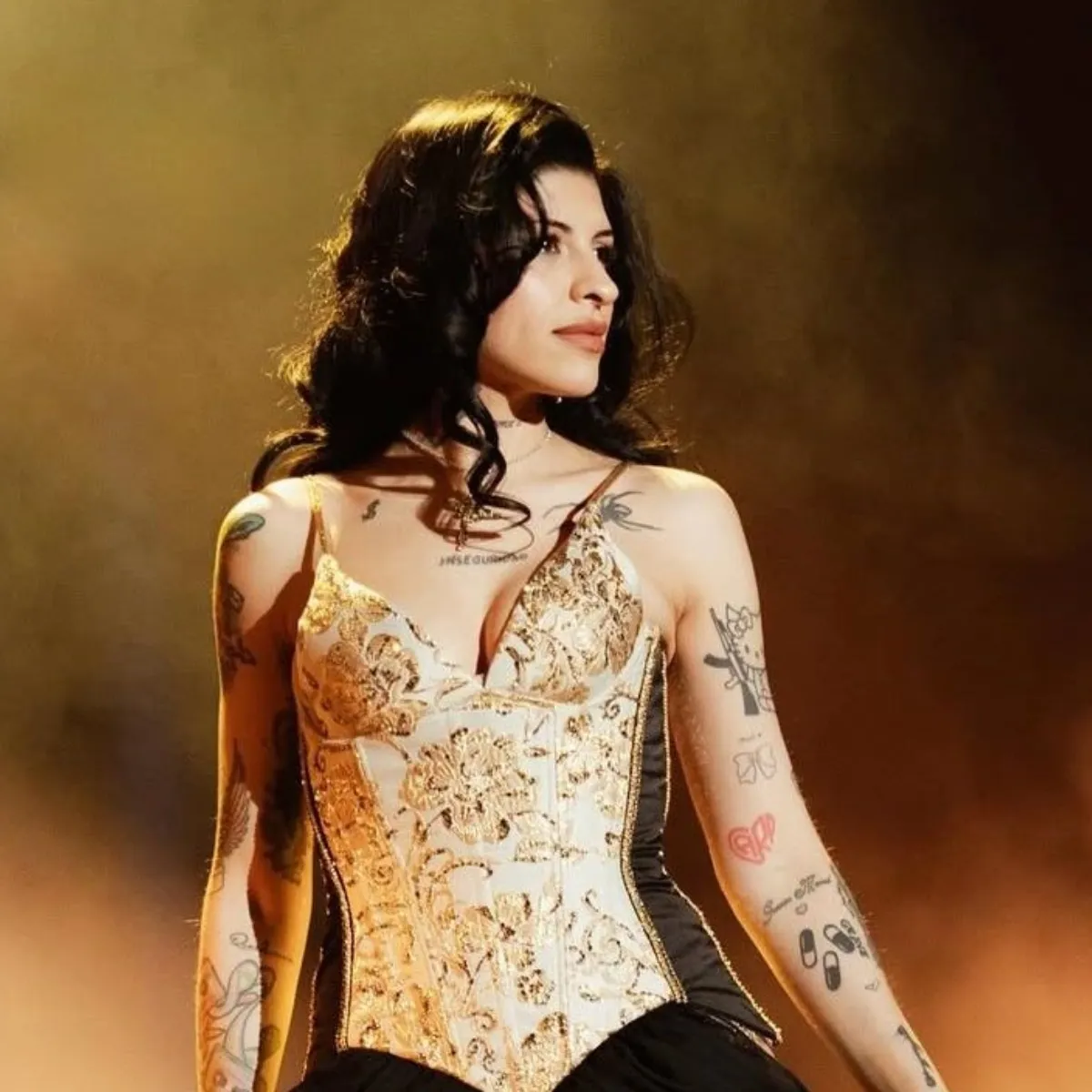
Cazzu stage arm tattoos

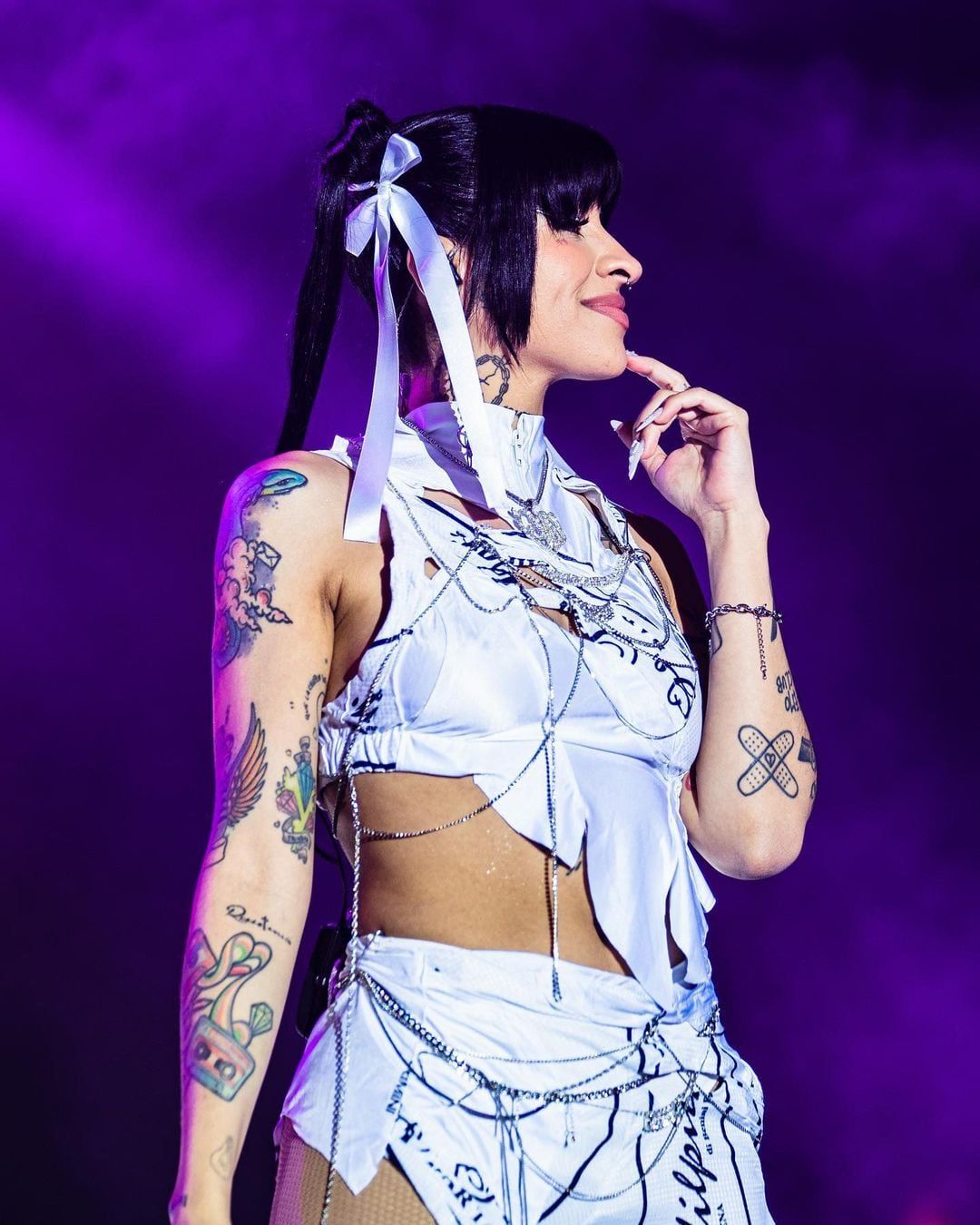
Concert and rehearsal photos reveal tattoos across Cazzu’s arms and torso. Some lettering and shapes can be picked out from a distance; others only show when she raises an arm, turns or wears a cropped top. Together they include words, small symbols, outlines and larger graphic pieces.

The idea of a map fits the collection. Cazzu has spoken about life in motion and becoming a collage of places and experiences. Her tattoos have a similar feel: they do not look like one matching sleeve planned all at once, but like pieces gathered as her work and life have changed.

Placement matters onstage, too. The hand and arm designs move with the microphone; tattoos on her chest and stomach appear with certain costumes, while the heart changes the balance of a close-up. Cazzu performs with her whole image, and the ink moves with it.

The tattoos connected to family are still being written
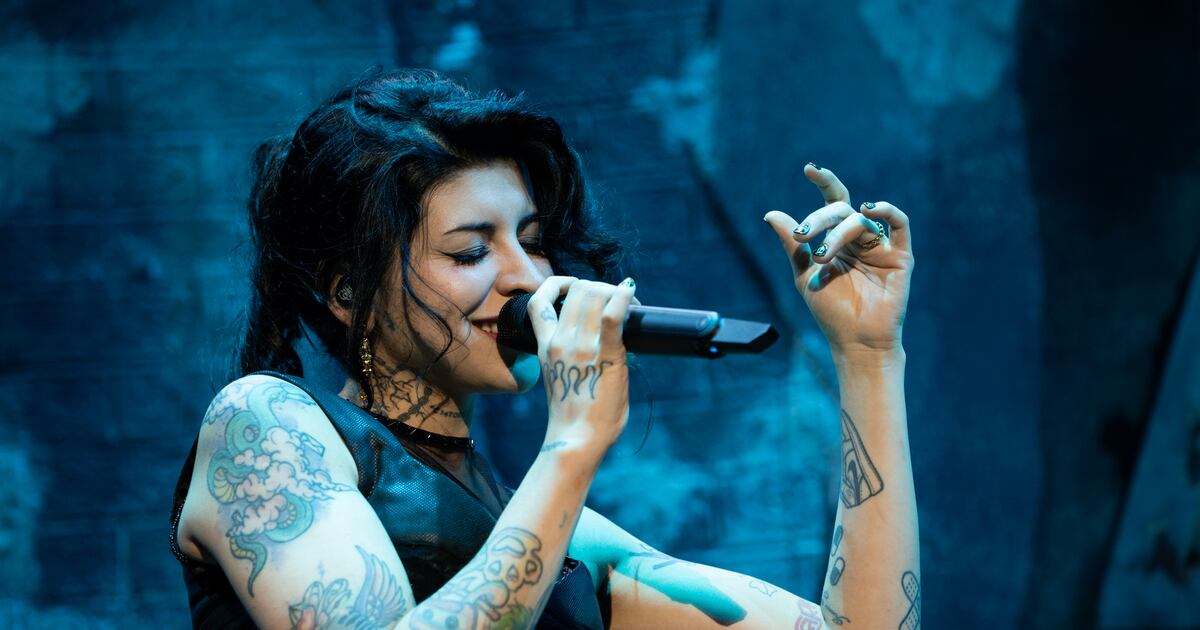
Cazzu live tattoos across her arms and torso

Cazzu has spoken openly about becoming a mother, but she has been thoughtful about what she might tattoo for her daughter, Inti. During the GQ tattoo tour, she said she had not found the right design yet. She does not seem interested in choosing a symbol simply because people expect a motherhood tattoo.

That leaves the story open. A future tattoo might connect to Inti, but Cazzu has said it needs to feel right to her. Until she shares more, it is best to leave that chapter unwritten.

The way she talks about her tattoos feels grounded: she knows which ones she wants to explain, which ones are just for fun, and which stories she is keeping to herself. Not every piece has to come with a public explanation.

Her collection also does not have to stay fixed to make sense. A small heart can sit beside a blunt word; Hello Kitty can share space with a spider; an anime design can arrive without replacing what came before. The newer pieces show that the person wearing the older ones is still changing.

The most honest way to read Cazzu’s tattoos may be to notice what she explains, respect what she keeps private and accept that some designs only flash into view onstage. The collection feels personal in part because it leaves a few questions unanswered.

Watch Cazzu explain the tattoos herself

GQ Mexico’s tattoo tour is the best place to hear Cazzu talk about the cheek heart and the thinking behind some of her most personal pieces.
More musician tattoo guides

Kalan.FrFr’s ink tells the story in chapters

Kalan.FrFr has around 25 tattoos, and he has said most of them mean something to him. Inked has photographed designs across his chest, forearms, hands and shoulders. Some relate to family, others to music, and some record what was on his mind when he got them.

He has also been open about regretting a few. Tattoos connected to people can feel different when those relationships change, especially when the name is still there. Kalan.FrFr does not pretend those pieces never happened; they belong to a particular chapter, which can matter even if he would not make the same choice now.

The clearest record comes from an Inked interview and close-up photos of his chest, arms and stomach. They show the large No Hard Feelings lettering, Arabic script about faith and fear, a tribute to his grandmother and plenty of smaller designs. Here is what he has explained.

No Hard Feelings is the tattoo he wanted everyone to understand

Kalan.FrFr No Hard Feelings abdominal tattoo and forearm tattoos

The biggest piece in the photos is No Hard Feelings, lettered across Kalan.FrFr’s upper abdomen. The decorative text is hard to miss, and it connects to the project he was working on at the time, which was also called No Hard Feelings.

For him, the phrase is more than a title. He described it as a way of moving through everything happening around him: losing friends and relationships, and dealing with things outside his control. If he cannot change something, he does not want it to keep him from moving forward.

The placement was deliberate. Kalan.FrFr said the stomach is one of the more painful areas to tattoo, but he chose it so the message would be seen. It is not hidden under a sleeve or reduced to tiny lettering; it sits across his middle as a statement he is willing to stand behind.

He also connects the phrase to confidence. Showing pride in his work does not make him arrogant, he has said. The tattoo gives him room to acknowledge how far he has come without apologising for it or downplaying his accomplishments to make other people more comfortable.

The surrounding arm and chest ink makes the photos look like a glimpse of a much larger collection. Smaller marks run along his forearms and hands, with other designs around his jewellery. He has not explained each one, so it is better to see the image as a map of his tattoos than to guess at every symbol.

His Arabic tattoo puts faith ahead of fear

Kalan.FrFr chest Arabic tattoo and No Hard Feelings tattoo

One of Kalan.FrFr’s clearest explanations is for the Arabic writing on his body. He says it means “your faith has to be greater than your fear.” He called the message self-explanatory, but those words still tell us why the design matters to him.

The script sits among the chest and stomach tattoos, close to other lettering and small designs. It is not a separate religious sleeve or a formal quote piece; it is one thought woven into the rest of his life and work.

The phrase fits the way he has talked about his career. Kalan.FrFr has described coming up in South Central Los Angeles, finding his voice and refusing to act like someone else for the music industry. In that context, putting faith ahead of fear is a practical reminder in a career full of uncertainty.

Placement adds to the collection’s rhythm. The chest script shows when he is shirtless, while the arm tattoos appear in short sleeves. The designs vary in size and lettering instead of following one perfectly matched pattern.

That mix gives the tattoos their character. They do not look as though they were planned in one sitting. They have gathered at different times, with the Arabic phrase among the clearest statements.

The arm and hand tattoos carry years of smaller stories

Kalan.FrFr arm chest hand and forearm tattoos
Kalan.FrFr arm and chest tattoos

Photos show tattoos on both arms, his hands and upper chest. Kalan.FrFr has not shared a meaning for every mark, but he has said each tattoo connects to something in his life. The collection mixes script, small symbols and larger shaded designs.

His first tattoo has a clear family story. He got it in a trap house in Compton, trading his PlayStation 3 to pay for it. His mother was angry when he came home, but the tattoo honoured his grandmother, which changed the conversation.

That is a revealing place to start. Kalan.FrFr’s first tattoo was not a polished celebrity appointment; it was improvised, local and tied to someone he loved. His process may have become more professional as his career grew, but the personal reason stayed.

His arms show how quickly the collection has grown. Ink runs along his forearms and toward his shoulders, with smaller details on his hands. From a distance it can look like one sleeve; close up, the designs feel more uneven and personal, with separate moments across different areas.

Music has influenced what he notices, too. Asked about iconic music tattoos, Kalan.FrFr mentioned Nipsey Hussle’s The Marathon Continues pieces and Michael Jackson tattoos. That does not mean every image on his own arms is a tribute to either artist, but it shows the kind of tattoo history he follows. Music, memory and identity meet in the collection.

He has also admitted to making some mistakes. His advice is to be careful with names: a relationship may be temporary, while the ink is not. That kind of honesty makes the collection more believable. It does not have to be a highlight reel where every design is presented as perfect.

Why a cover-up is the next chapter

Kalan.FrFr No Hard Feelings tattoo close-up

Kalan.FrFr has joked that a cover-up will be his next tattoo. After hearing him talk about regret, the line lands differently. He knows some designs are tied to people or moments that have changed, and he is comfortable admitting that living with permanent ink can be complicated.

A cover-up does not erase the old tattoo’s history. It is closer to editing a page while remembering what was underneath. That suits someone who sees tattoos as snapshots of different stages: the meaning may change, but the experience of getting the piece still happened.

The No hard feelings idea fits here too. It is about accepting what you cannot control and moving on without letting it decide your next step. If one of the older tattoos gets a new life under a cover-up, that would be another version of the same thought.

There is no complete public inventory of all 25 tattoos, and the available photos do not make every small design readable. The documented pieces include the tribute to his grandmother, the Arabic message about faith and fear, and the lettering on his stomach. The rest are best described by placement and appearance unless he has explained them himself.

That restraint makes the known stories stronger. No invented meanings are needed: there is a family tribute, a statement about faith and fear, a project title turned into a painful stomach tattoo, and a collection that holds both pride and regret.

There is a balance between the public and private sides of the ink. The stomach lettering is meant to be seen, especially when Kalan.FrFr is promoting a project or performing. The tribute to his grandmother began as something personal, even if it now appears in photos. The smaller arm and hand tattoos fall somewhere between the two: visible up close, but not explained to everyone.

That keeps the collection from feeling like one long advertisement. Some pieces belong to music; others belong to home, family, fear or old decisions. Even the cover-up he has joked about is part of the story, and it leaves room for the collection to change as he does.

Kalan.FrFr’s ink looks like a running diary: bold when it needs to be, imperfect when life gets messy, and honest about both.

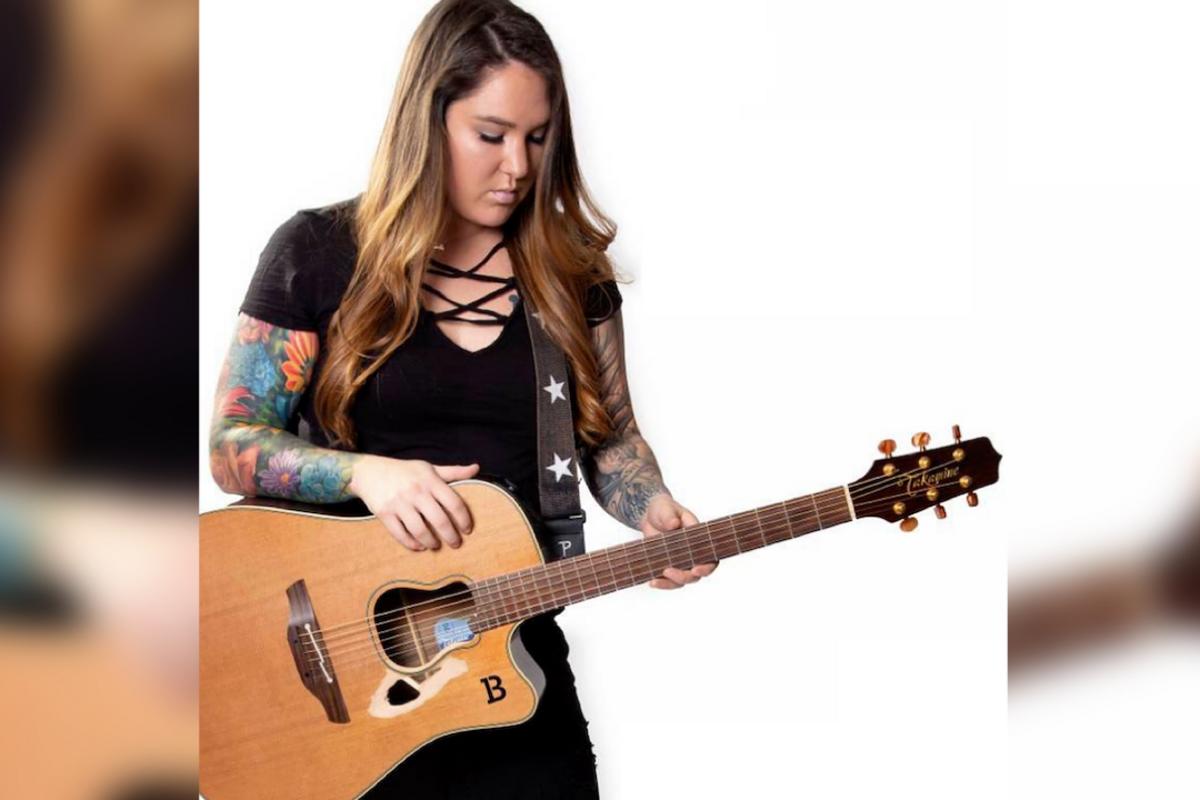
Allie Colleen lets her tattoos grow with the music

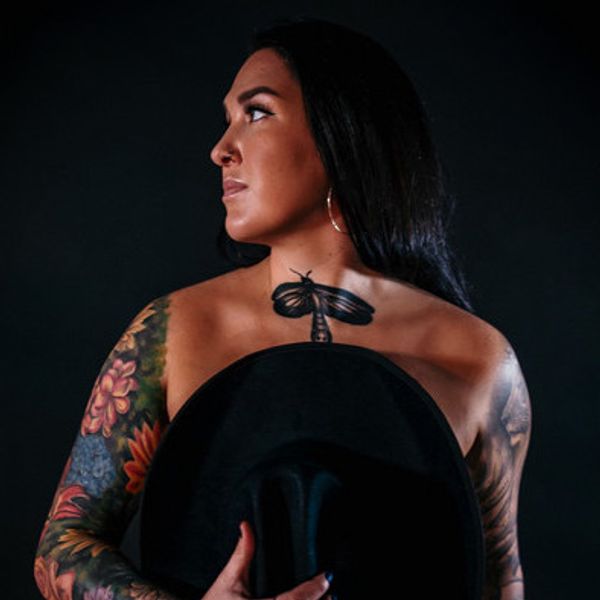
Allie Colleen’s tattoos can change the first impression you get of her. Onstage, her country voice and big personality come first. Then the sleeves show, the dragonfly at her chest catches the light, and the ink becomes part of the picture she makes with the music.

She has said she has more than 30 tattoos, though she does not keep a public tally. They are not a matching set drawn up all at once. Flowers, animals, small personal symbols and larger sleeve work sit alongside pieces she got simply because she liked them.

In interviews, Colleen has talked about her first elephant tattoo, how her ink marks different versions of herself and how some pieces are just cool. Photos also show a pocket watch, a rose and succulents, a dragonfly tattoo sits at the centre of her chest, and bright floral work across both arms. Here is what can be seen clearly and what she has explained.

The sleeves are the centre of Allie Colleen’s tattoo look

Allie Colleen dragonfly chest tattoo and floral sleeve tattoos

The floral work across Colleen’s arms is the biggest visual feature of her collection. Bright colours, leaves and dark outlines fill both sleeves from the upper arms toward her wrists. They read as full pieces, even though the tattoos were added over time.

In the same photo, a dragonfly sits at the centre of her chest. It is small beside the sleeves, but gives the look a focal point. Set above the neckline, it can show up in portraits and stage photos without a dramatic pose.

Colleen talks about the tattoos as pieces of her story rather than one big statement. The sleeves reflect that: not a single logo, but a group of images and memories that have found room beside each other.

They have also become part of her everyday style. A simple black top leaves the arms visible; a hat or country stage outfit changes how the colours read. The tattoos are not just for a certain kind of photo. They are part of what makes Colleen recognizable.

She has described getting tattoos as a personal choice she did not need to clear with her famous family. That attitude comes through in the finished sleeves: confident, but not overly calculated.

The pocket watch and rose pieces bring a softer side to the ink

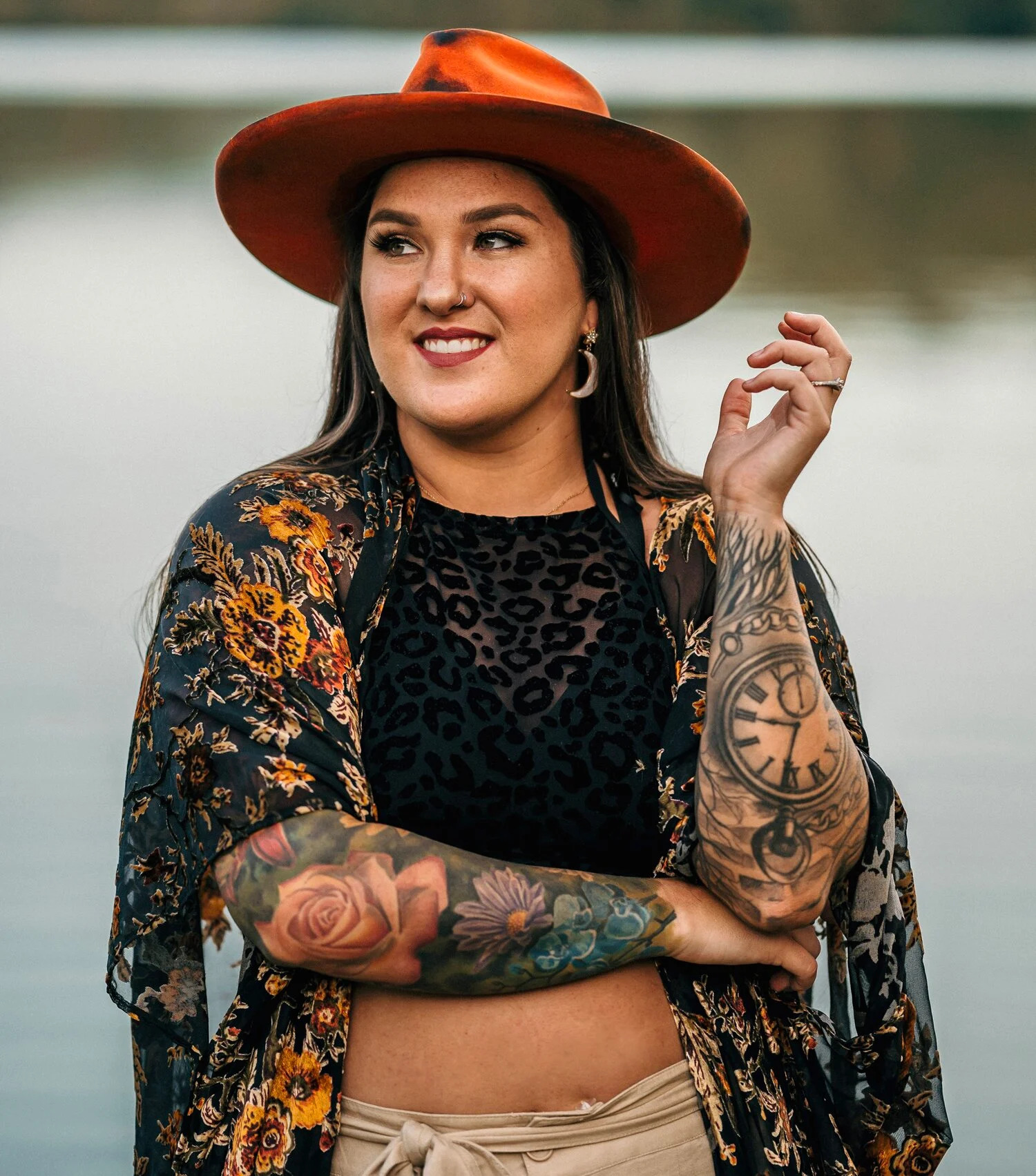
Allie Colleen pocket watch and rose tattoos on her arms

One clear photo of Colleen’s arms shows a pocket watch tattoo on one forearm and a rose with succulents on the other. The watch has an old-fashioned look, with a round face and detailed casing. Its mood differs from the bright flowers around it.

The rose and succulents bring a more organic feel. Leaves and blossoms spread over the arm, with colour layered beside darker lines. It looks less like one flower set in an empty patch and more like a garden that has kept growing.

Colleen has not given a fixed meaning for the watch or each flower, so there is no need to turn them into an invented timeline. What is clear is her taste for images with personality: a watch with some age to it, and plants that are soft but still hold their own beside the heavier sleeve work.

The darker outlines and larger shaded areas keep so many flowers from making the collection feel too sweet. The watch adds a vintage note; the plants make the sleeves feel alive instead of like a flat block of colour.

Those details work in motion, too. The watch can show when Colleen holds a microphone or guitar, and the flowers move with her arms instead of disappearing in a distant stage photo. A sleeve has to work beyond the close-up, while its wearer is doing something.

Her first elephant tattoo started the personal collection

Allie Colleen shoulder tattoo and arm ink

When asked about her first tattoo, Colleen named an elephant. She mentioned it while discussing the more than 30 pieces she has collected. It is a simple starting point, before the sleeves, flowers and later portraits.

She has also said tattoos can mark who she was at the time and who she is now. That helps explain the smaller pieces near her shoulders and upper arms. Not every design has to be a grand tribute; it can hold a feeling, a stage of life or an image she wanted to keep.

The shoulder photo shows smaller designs beside the more developed sleeve. Different line weights and shapes appear rather than one perfectly uniform pattern. With a collection this large, some areas will be more finished than others, and that unevenness makes the ink feel lived in.

Colleen has said some tattoos are simply cool. That belongs in the story too. The elephant may have a personal meaning, while another piece might just have looked right in the moment. Both can sit in the same collection.

She has also said she never felt the need to ask her parents what they thought about her body. The tattoos are choices she made for herself, not a performance for someone else.

Music and the tattoos sit comfortably side by side

Allie Colleen floral sleeve tattoos while playing guitar

A photo of Colleen playing guitar shows how naturally the tattoos fit into her working life. Both arms are visible, and the colourful sleeves become part of the scene without taking over the instrument or performance.

Her ink is part of how people recognize her as a country singer, but the music still leads. She can wear a plain black top, pick up a guitar and let the sleeves show without needing a special pose.

Colleen has talked about writing a song called Tattoos, which she described as a sexy pop song rather than a serious inventory of everything on her body. It is another hint at her attitude: ink can matter, but it can also be fun, stylish and playful.

The guitar photo shows the practical side of a sleeve. Parts of the design disappear behind the instrument or come into view depending on how she holds it. A portrait might highlight the roses; a performance shot catches more colour and movement. More than one photo gives a fuller sense of the work.

Not every tattoo has been explained, and public photos do not show every area equally well. That is normal for a collection this size. The safest inventory sticks to the elephant she has named, the floral sleeves, the watch, rose and succulents, the dragonfly and other clearly visible pieces.
She has two tattoos of herself

One of the more unusual things Colleen has shared is that she has two tattoos of herself. She said they represent where she was when she got them and who she is now. There is a bit of humour in it, but also a real idea: the tattoos hold different versions of her story.

Most people get a tattoo to remember someone else, a place or an event. Colleen’s self-portraits turn the focus inward. She joked that she did not know who else would get an Allie Colleen leg sleeve, which is a pretty good reason to do it herself.

The leg work is harder to see in available photos than the arms, but it adds another layer to the collection. Her tattoos are not limited to what appears in a waist-up portrait; the legs carry their own memories and designs.

That self-referential streak fits what she has said elsewhere. Colleen has not framed the tattoos as a way to meet someone else’s expectations. She got them because they mattered, looked good or marked a moment she wanted to keep.

Allie Colleen’s tattoos feel like a scrapbook with colour in the margins. They hold family and personal stories alongside pieces that simply looked cool, with floral sleeves that have grown over time. The collection remains recognizable even when the meaning of a small tattoo stays private.

The elephant gives the story a starting point; the watch, rose, succulents and dragonfly add detail. The sleeves show years of adding and changing, while the self-portraits make the collection a little more playful.

Colleen does not need every tattoo to come with a speech. Some mark a big moment, some are tied to a person, and some are there because she liked the design. Together they tell the relaxed story of a singer whose body art has grown alongside her music.

More musician tattoo guides

Yung Gravy turns his tattoos into the punchline and the keepsake

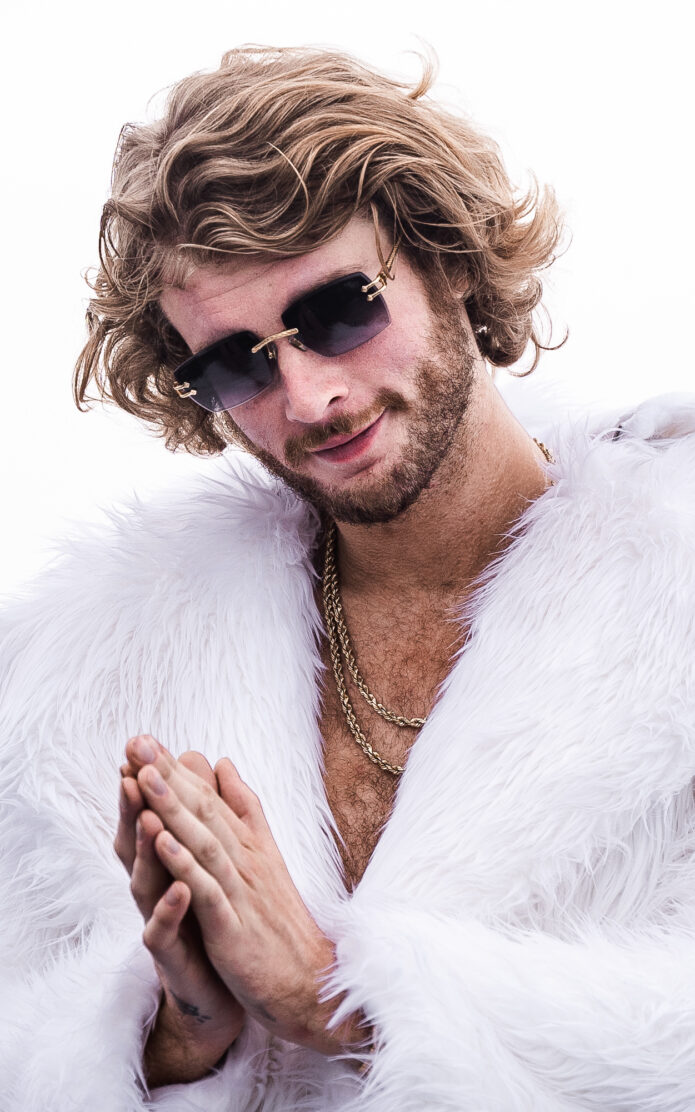
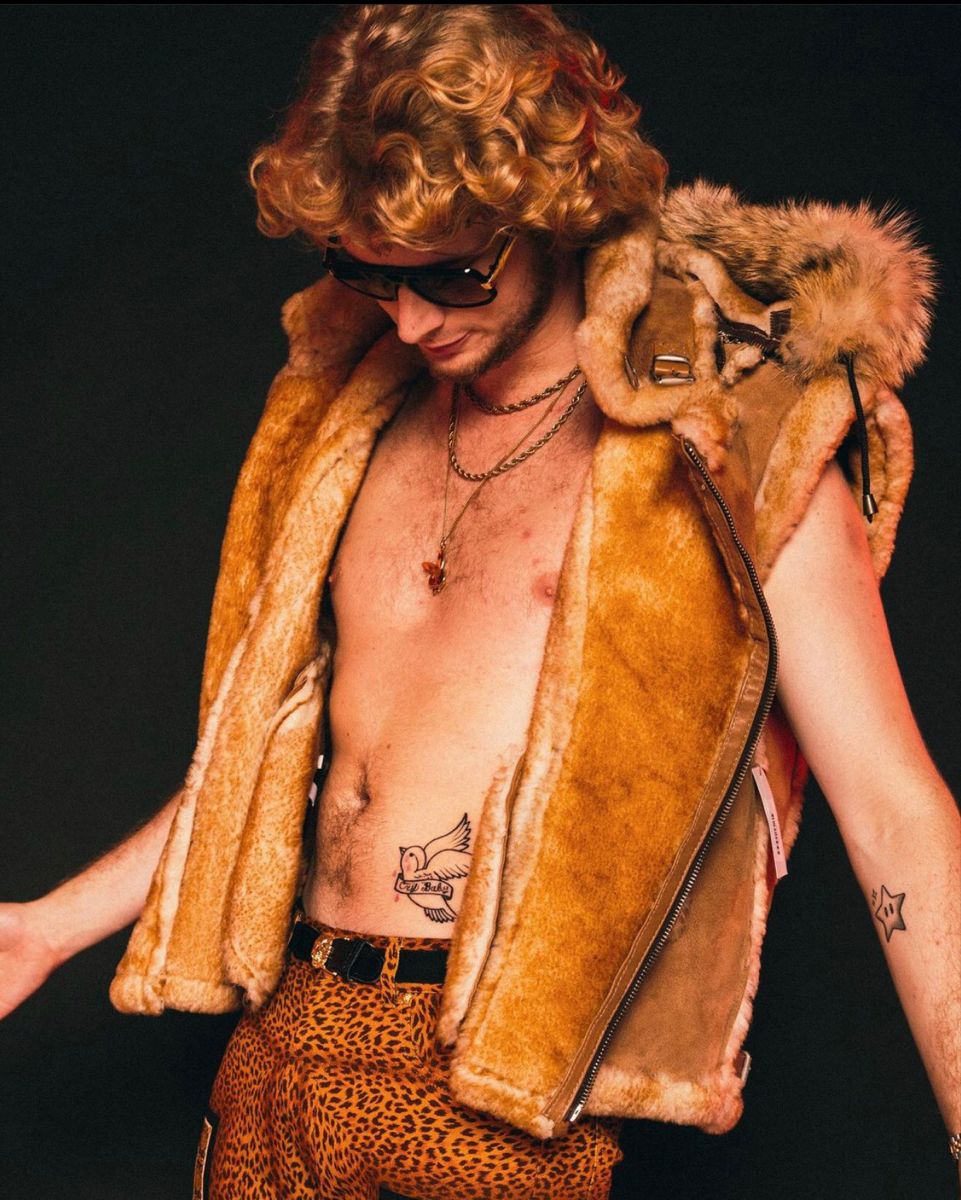
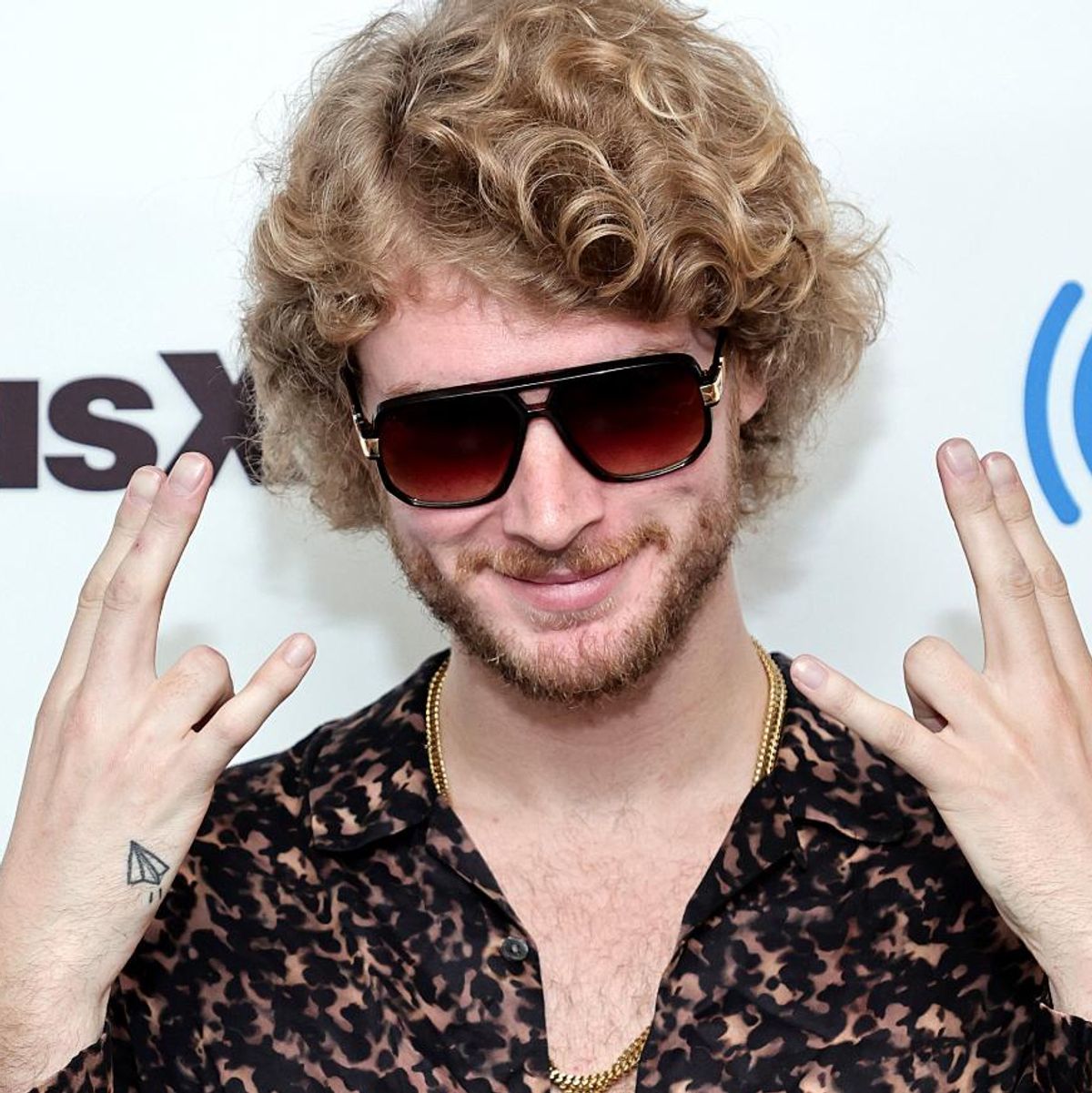
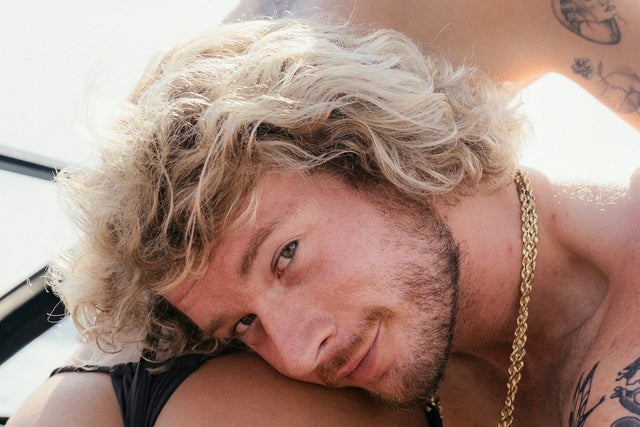
Yung Gravy’s tattoos share the offbeat, easygoing humour that runs through his music. They are not a carefully planned catalogue, and that loose quality is part of the appeal. Some came out of a joke, others out of friendship, and a few seem to have happened because the opportunity showed up while he was on the road. The public record is spread across interviews, short clips and photos, so it helps to separate what is confirmed from what is only suggested.

Yung Gravy dove and Cry Baby tattoo on the abdomen

The clearest story is the matching tattoo he got with T-Pain. Search results for an interview clip identify it as a Keith Haring Jordan tattoo, bringing Haring’s lively line drawings together with a familiar basketball reference. The shared design makes the moment memorable, though the available material does not pin down its exact placement.

The Haring influence gives the group a visual thread without making it feel like one large, single-theme piece. His figures use movement, repetition and bold outlines; the Jordan reference carries that energy into sports culture. Matching tattoos also say something about the friendship behind them. That is the kind of tattoo story Gravy seems to enjoy most: a laugh first, an explanation second.

Yung Gravy paper airplane tattoo on the wrist

Gravy has also been tattooed in laid-back settings. Search results describe a pre-show session filmed backstage, while another clip shows Steve-O tattooing a Jackass logo on him. That second piece is especially well documented: the video is on Gravy’s own YouTube channel. The Jackass logo is tied to a particular artist, meeting and very public bit of chaos, rather than being an unexplained mark.

Yung Gravy tattoo visible on the shoulder

That Steve-O session shows why a list of designs can miss part of the story. A logo may be small beside a portrait or a sleeve, but the circumstances give it weight: it captures a collaboration and the kind of spontaneous pop-culture moment Gravy likes to share. The joke is part of the keepsake; it is what makes the keepsake memorable.

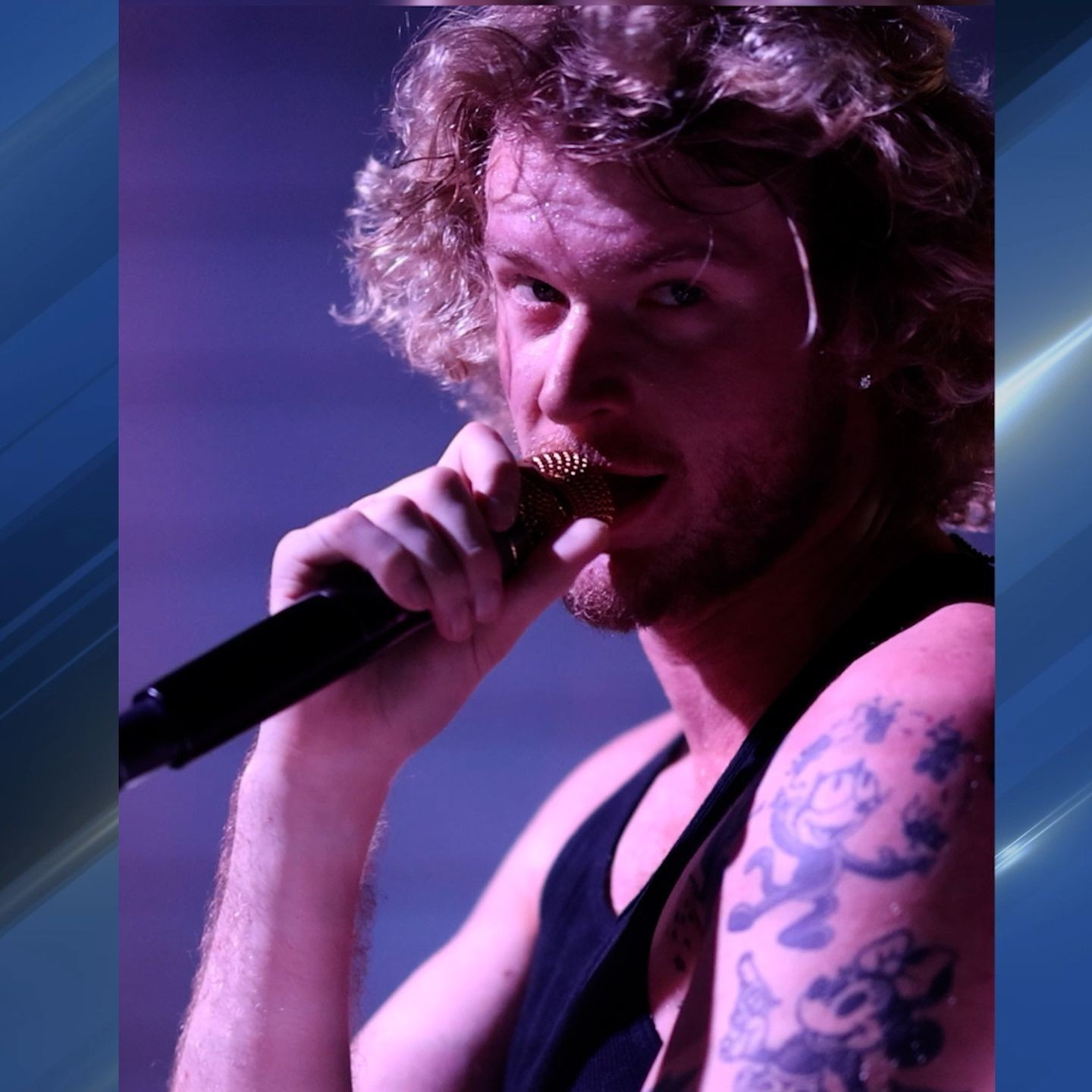
Yung Gravy cartoon tattoo on the arm during a live performance

Photos from red carpets, performances and informal video clips show the tattoos across different periods and settings. Taken together, they make clear that this is a changing collection, not just a look from one photo shoot. They also show why placement should be described with care: lighting, clothing and a tight crop can hide a detail in one image and reveal it in another.

There is a noticeable difference between the polished Icebox-era portrait and the rougher backstage footage. In the portrait, the tattoos are part of a styled appearance; in the video, they are simply there while he sits down with an artist before a show. Both views help explain the appeal. Gravy’s tattoos feel more like a running scrapbook than a brand identity.

People have also shared claims about hand tattoos and tributes, but a social-media caption alone may not establish who did a piece, when it was done or what it means. A careful guide should not turn a comment into a confirmed fact. The strongest documented details remain the Keith Haring Jordan tattoo with T-Pain, the Jackass logo session with Steve-O, and the other pieces seen around shows and interviews.

That care does not make the collection less interesting. It gives the confirmed stories room to stand out. The Keith Haring design is about a shared reference and a decision to get matching ink; the Jackass logo turns a performance into a souvenir; and the backstage clip captures the access and trust involved in letting someone tattoo you. Each story gives the ink a different reason to be there.

Gravy’s public persona leaves plenty of room for exaggeration, but the tattoo stories work best when the details stay grounded. Not every piece needs a grand statement. Sometimes one is a punchline, sometimes it comes from a friend, and sometimes it simply made sense in the room. That relaxed approach is why the visible collection feels connected even when its pieces look different.

It is hard to put the collection in chronological order because the public photos are not a complete archive. A portrait from one tour may show different marks from a later clip, and a jacket or shirt can cover the very spot readers want to identify. The Keith Haring Jordan design with T-Pain and the Jackass logo done by Steve-O have clearer accounts. For other tattoos, the public record leaves open when they appeared or what they mean.

The humour is useful context, not just decoration. Gravy’s public image can feel like a character, but the people in these tattoo sessions are real collaborators. A matching design records a choice shared by two people. A backstage session captures the short, strange stretch of time before a show. The Jackass logo carries the story of that meeting with Steve-O.

There is no need to give a funny design a solemn explanation. A pop-culture tattoo can matter because it marks a friendship, a shared reference or a particular time. The Keith Haring Jordan pairing is playful and specific: it points to an artist, a visual style and a matching decision. The Jackass logo has its own story because of how and where it was done.

For anyone trying to identify a particular tattoo, the approach is straightforward: start with a clear photo, compare it across appearances, and look for a direct interview or a named artist. Treat anything else as visible but undocumented until stronger evidence turns up. A little caution keeps a tattoo guide useful and avoids presenting a guess as fact.

Gravy’s ink sits somewhere between costume and diary. It helps create the wider visual world around him, but it is more than a wall of logos made for instant recognition. The pieces hold jokes, friendships and odd little moments. A short clip can explain more than a long list of guessed symbols, because the story is part of the ink’s history.

The photos also show a performer at ease with contrast. A carefully styled look can sit beside a deliberately silly tattoo story without either one cancelling out the other. The pieces do not have to match to feel connected; they share a willingness to let friendship, timing and everyday life leave a mark.

The clearest accounts are the ones with names attached: T-Pain, Keith Haring, Steve-O and Jackass. Those details give readers something concrete to follow. Other explanations can wait until Gravy or an artist speaks about them directly.

The collection is still growing. New sessions may reveal more about the placement of existing tattoos or add another chapter, while older photos may provide context for designs already seen. For now, the confirmed stories show how Gravy uses ink to remember people, places and ridiculous moments he wants to keep.

The documented tattoo inventory

The best-supported public record includes the matching Keith Haring Jordan design associated with T-Pain and the Jackass logo tattooed by Steve-O. Other tattoos are visible across his public appearances, but their names, dates or meanings are not consistently documented. A reliable inventory can note what is visible while leaving those details open until there is a clearer source.

Why the stories matter as much as the designs

For Gravy, a tattoo’s social story is part of the design. The matching piece links him to T-Pain; the Jackass logo connects him to Steve-O; and a pre-show session ties the ink to touring and the loose world around a concert. That gives us plenty to say without inventing symbolism. These tattoos work as souvenirs of collaborations, jokes and moments that might otherwise pass quickly. The story is part of the tattoo’s history.

Watch the tattoo conversation

The interview clip below is a useful companion to the documented stories, especially the matching Keith Haring Jordan tattoo.

More musician tattoo guides

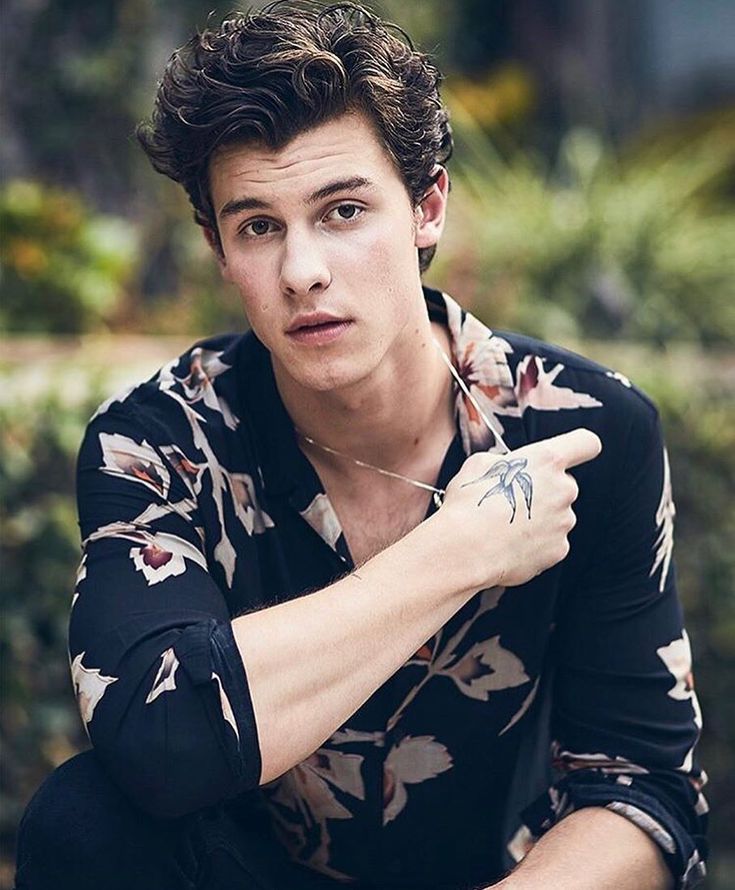
Shawn Mendes lets his tattoos tell the story

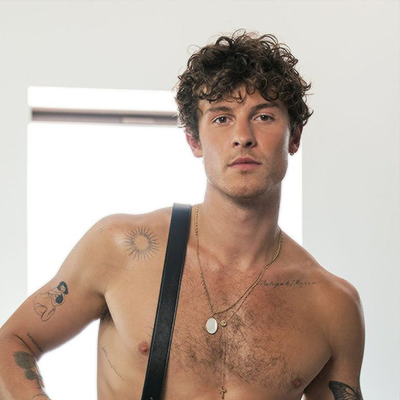
Shawn Mendes’ tattoos have come together over time, rather than arriving as one big statement. The early designs point back to home, family and music. Later ones are more playful and varied: a butterfly, a light bulb, tiny elephants, bits of script and, in newer photos, a large eagle across his chest. As a group, they read less like a checklist than a fine-line diary.

Tattoo coverage counts close to twenty pieces, but Mendes has not personally explained the meaning behind every design. Some stories come from his interviews or from the artists who worked with him; others are fan interpretations. It is useful to keep those apart as we look at the tattoos that have been photographed and described.

The guitar on his right forearm started the whole collection

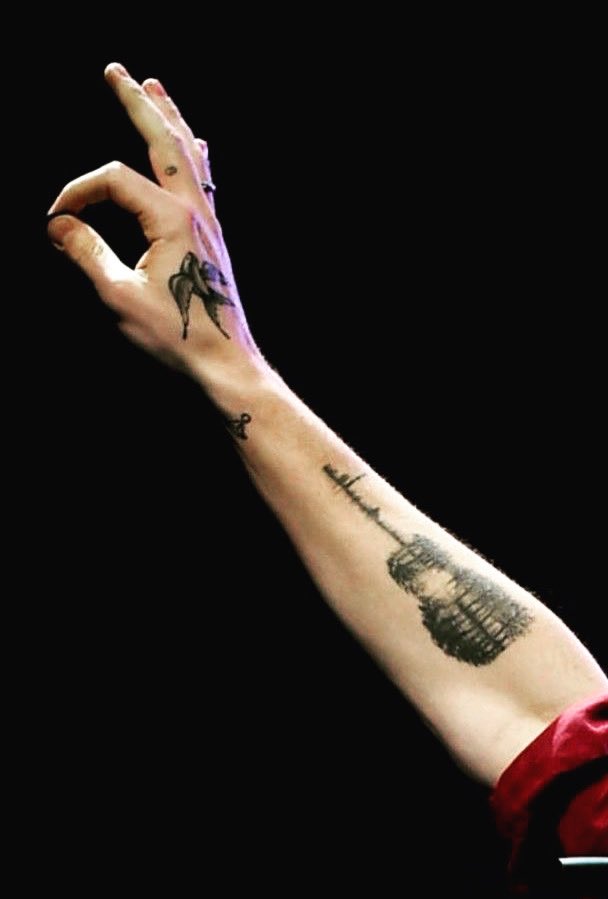
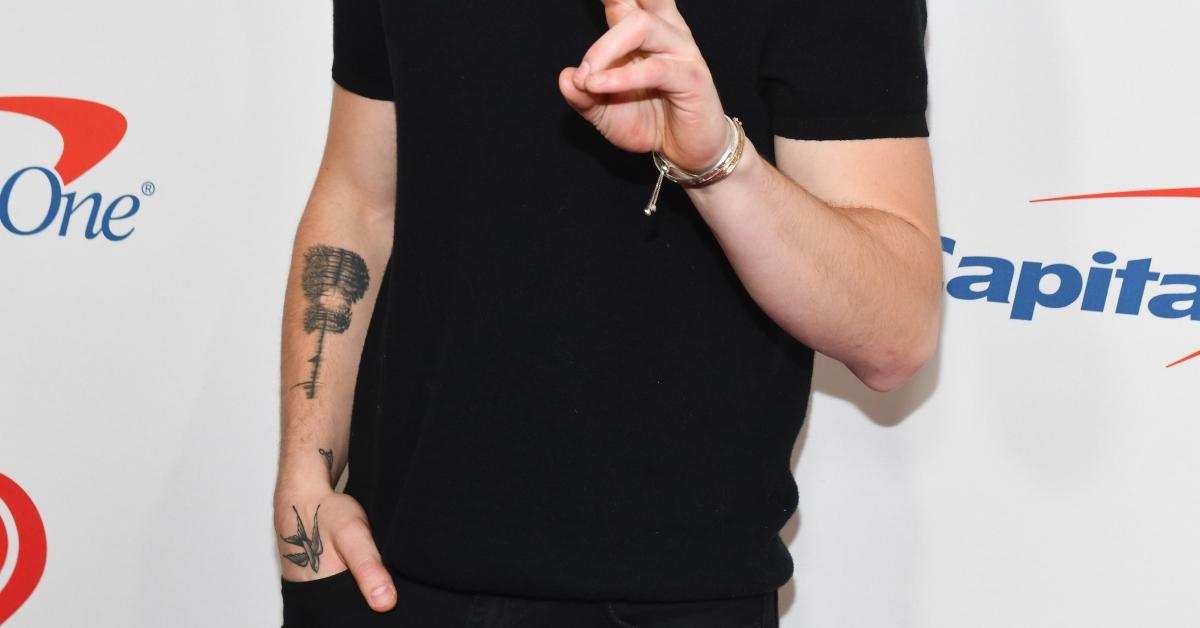
Shawn Mendes guitar tattoo on the forearm

Mendes got his first tattoo in 2016: a guitar-shaped design on his right forearm. Look closely and it is much more than an outline. Trees reflected on water fill the guitar’s body, and the CN Tower runs through its neck, tying the design to Toronto, where he grew up. A sound wave also records his parents and younger sister saying “I love you.”

It brings music and family together in one piece. The guitar links his career to home, while the waveform makes a private message part of the image. Mendes had spent a long time working out the idea before he got it. It is a fitting first chapter for a collection where nearly every tattoo has a story behind it.

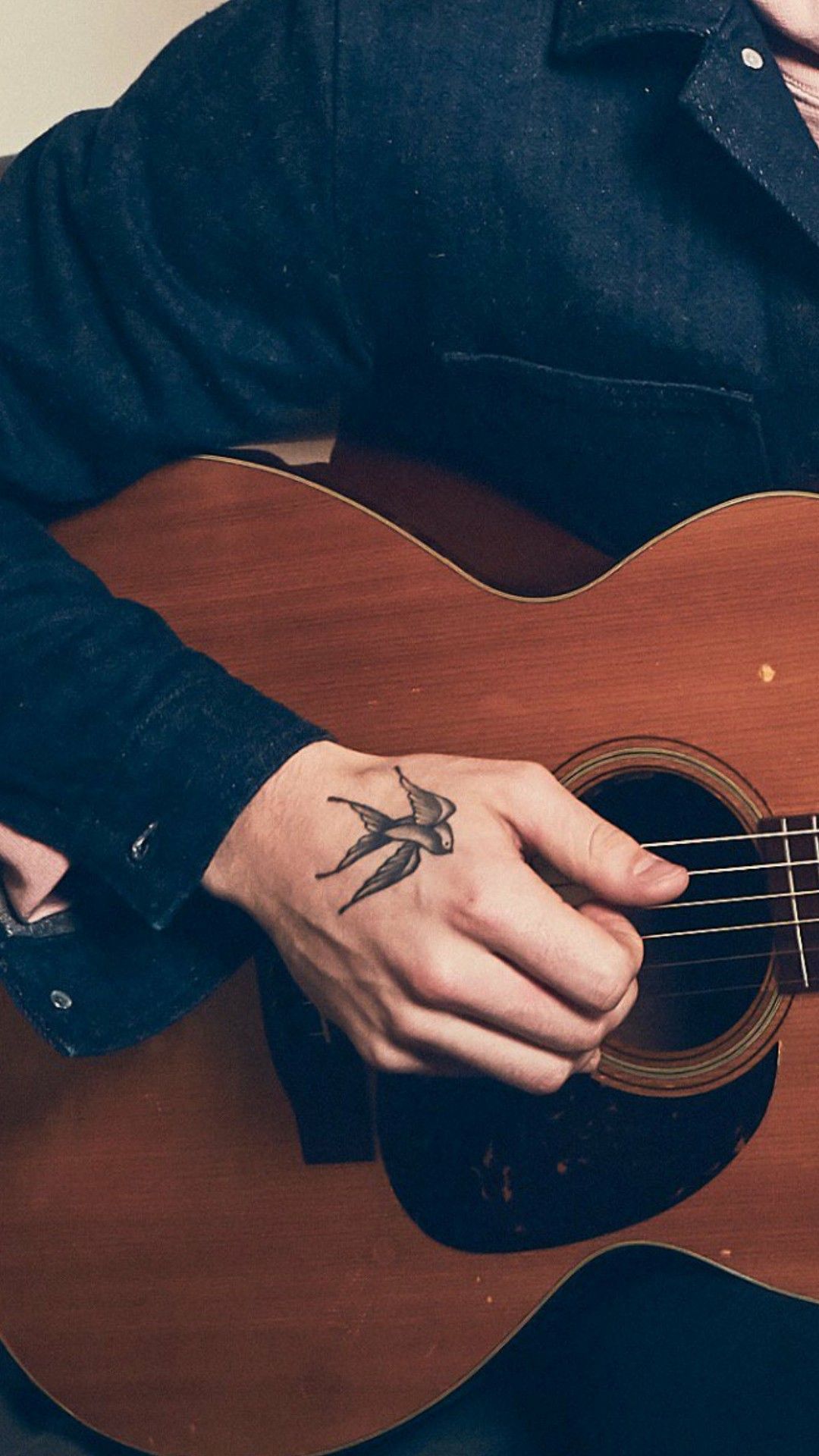
A small sparrow sits on his right hand

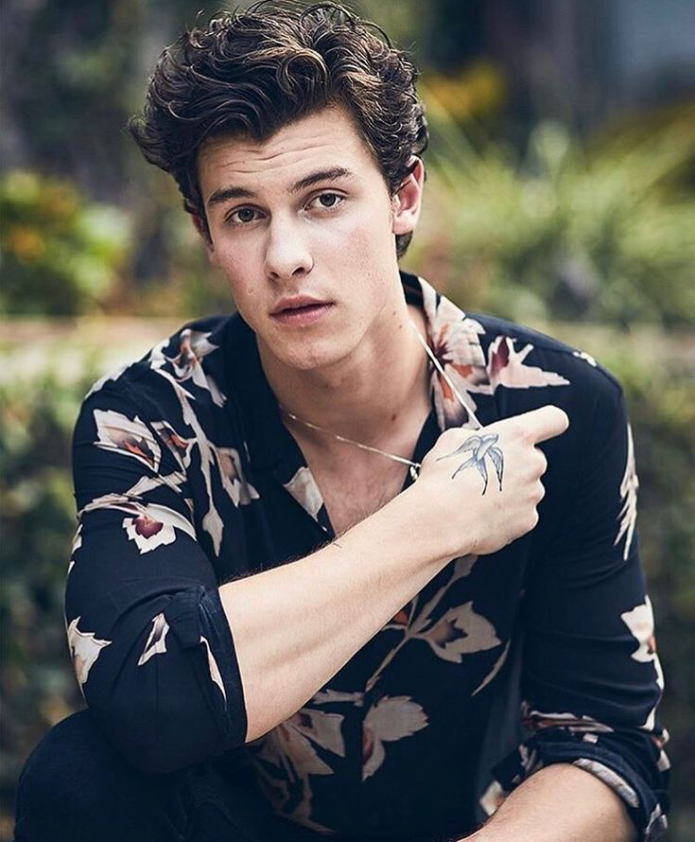
Shawn Mendes sparrow tattoo on the hand

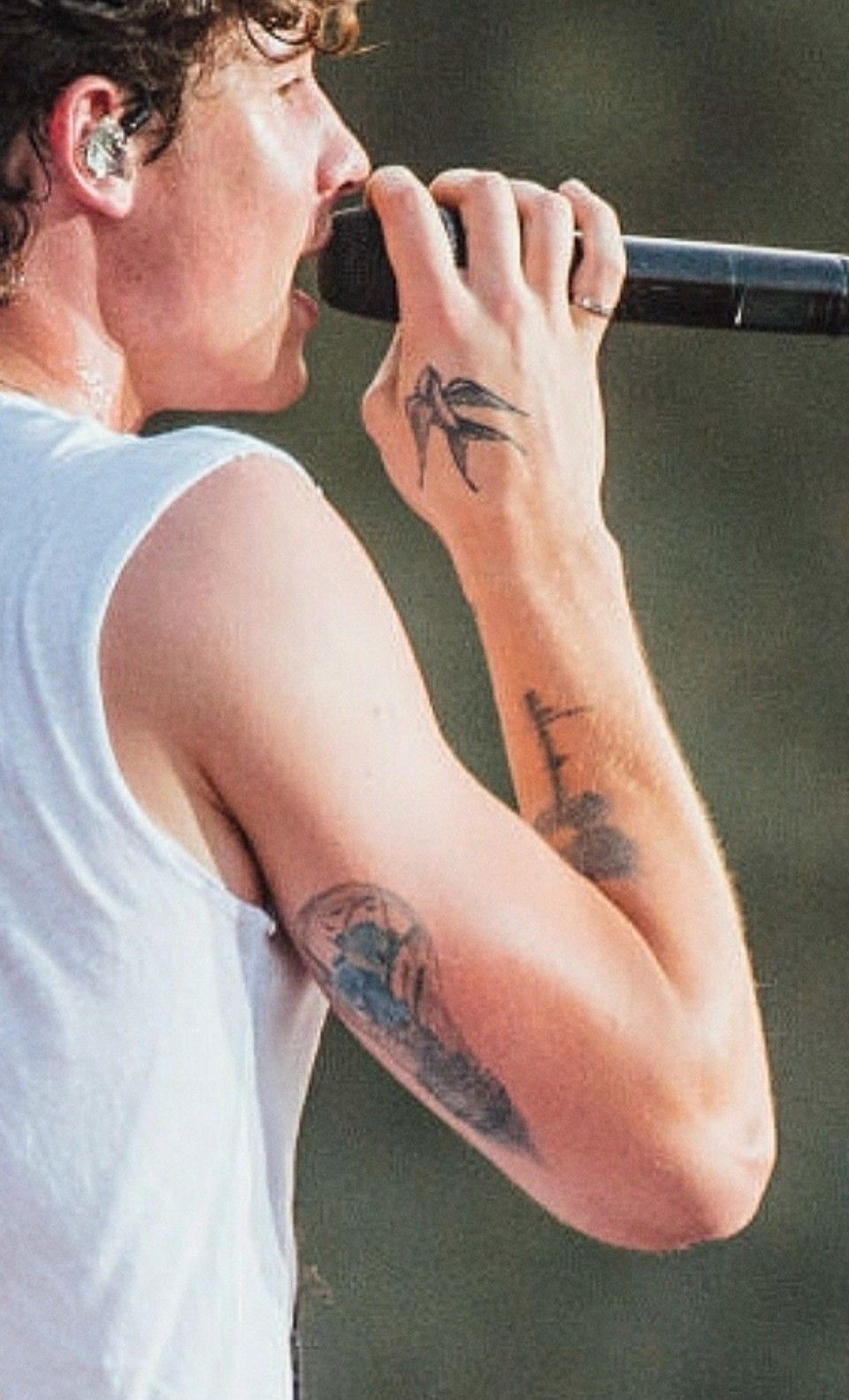
Mendes has a small sparrow on his right hand. It is delicate and can be hard to spot in performance photos, especially when he is moving his hands or holding a microphone. The bird adds a lighter image to the collection, though Mendes has not publicly given it one settled meaning.

Bird tattoos often get broad interpretations, from freedom to travel, but those ideas should not be put in Mendes’ mouth. What can be said with confidence is that the sparrow is on his hand and is among the smaller pieces he collected over the years, rather than part of one planned sleeve.

The number 8 marks his birthday

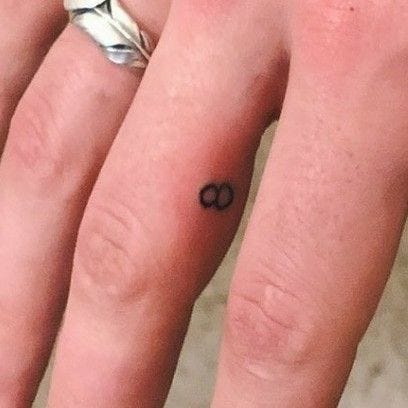
Shawn Mendes number eight tattoo on the finger

Mendes also has an 8 on his right middle finger. He was born on August 8, making it a simple birthday reference: a personal detail that takes up very little space.

The finger placement keeps it visible, unlike tattoos on his ribs or back, but it remains a small accent rather than the focus. It fits the everyday feel of several pieces in his collection. There is no need to read a larger philosophy into it; it is a number with a clear connection to his life.

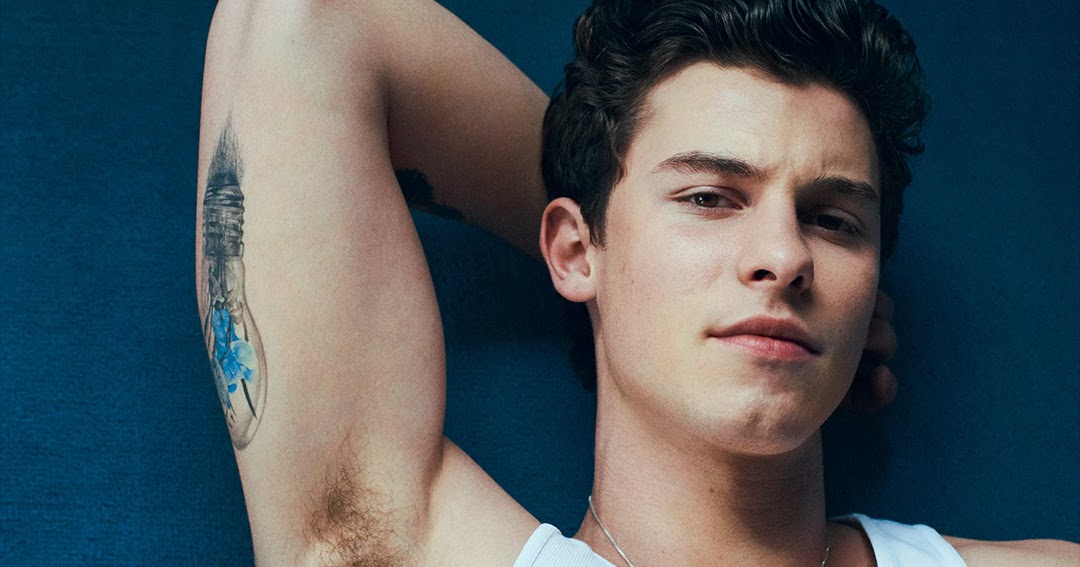
The Illuminate light bulb has roots and an orchid

Shawn Mendes lightbulb tattoo on the arm

On the back of his right arm, Mendes has a light bulb tied to the Illuminate era. It is more detailed than a plain bulb: roots grow from its base, and a blue orchid sits in the design. In an interview with British GQ, he said the roots were about staying grounded as success grew, while the orchid is his mother Karen’s favourite flower.

This is one of the collection’s clearest explanations. The design links an album to family and to a reminder about keeping perspective. From a distance the lines can look simple; up close, the roots and flower give it more to take in.

Matching elephant tattoos connect Shawn to his mother

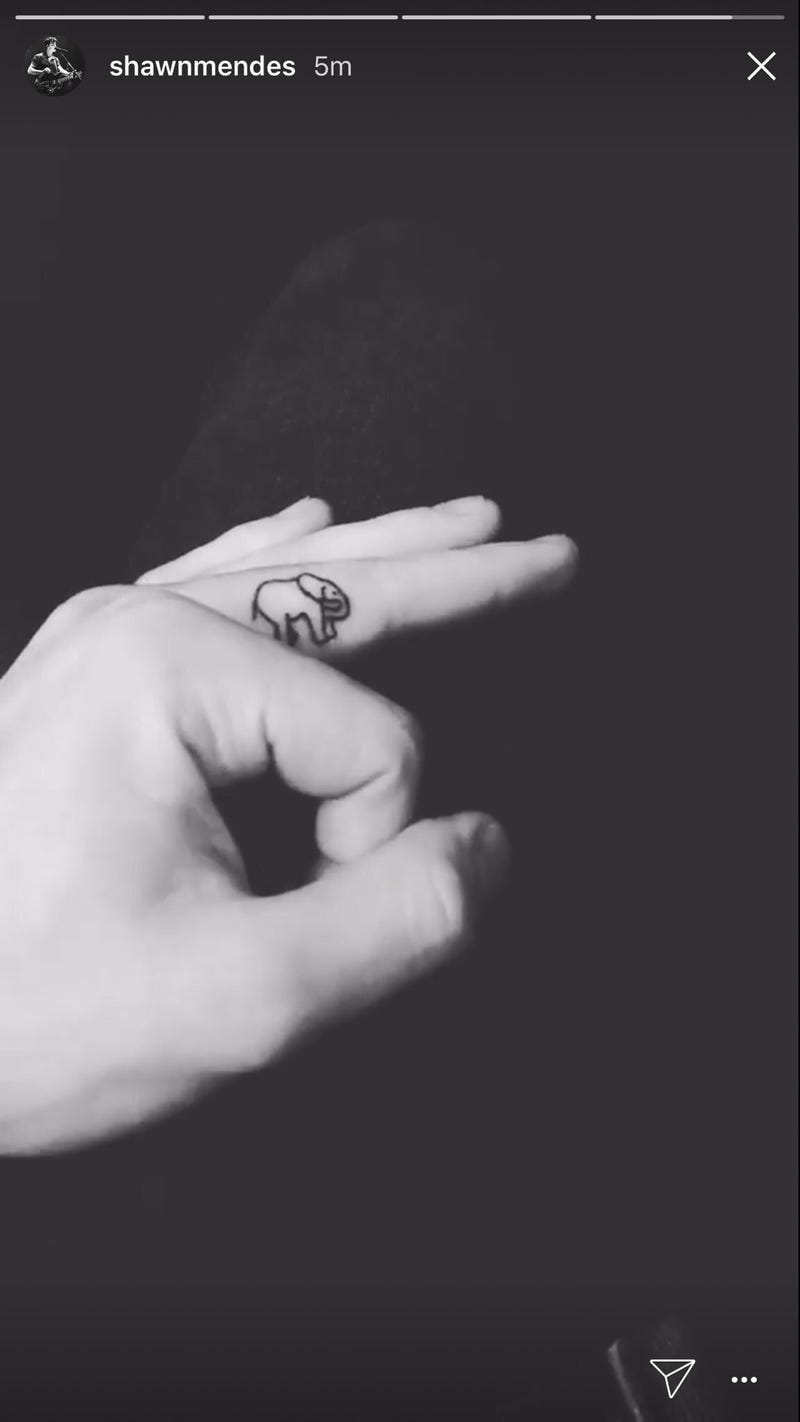
Shawn Mendes elephant tattoo on the finger

Mendes and his mother, Karen, share matching tiny elephant tattoos on their fingers. The matching detail is deliberately small. It feels like a quiet sign of their relationship, rather than a large tribute meant for everyone to see.

A close-up can catch the elephants, but they are easy to miss in everyday photos and do not change the overall look of his arms. They sit naturally alongside the number 8 and the sparrow: small designs with their own histories. The family connection is documented; broader ideas about what elephants symbolize are interpretations, not a meaning Mendes has stated.

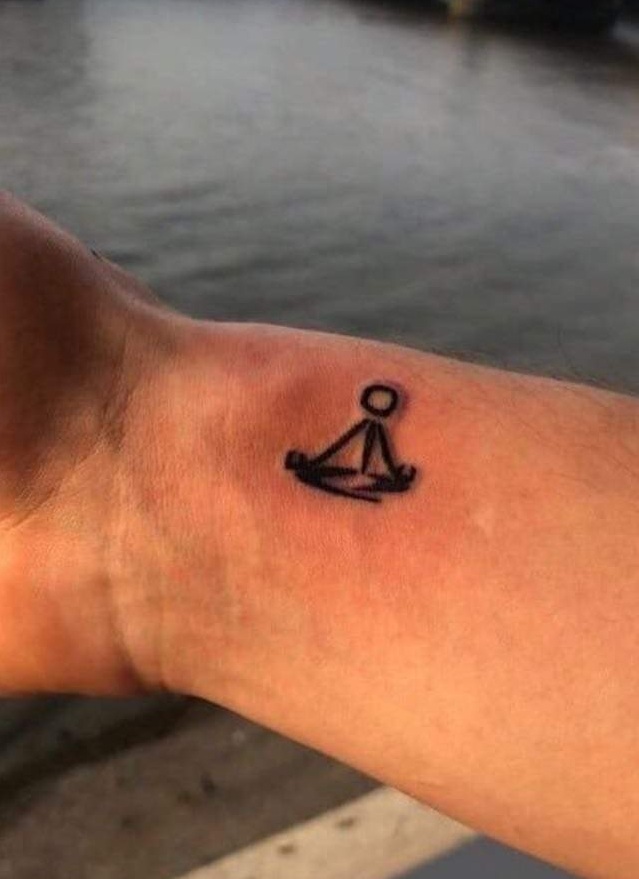
The meditating figure is a nod to mindfulness

Shawn Mendes meditating figure wrist tattoo

A small meditating figure sits on Mendes’ right wrist, close to the hand. It often appears when he is playing guitar or holding something. The simple image has a calmer feel than some of his more decorative tattoos.

Coverage has connected it to Mendes’ use of meditation during periods of anxiety and pressure. That context helps explain the subject, though it should not turn every part of his mental health into tattoo lore. The figure feels like a small pause in the middle of a busy collection.

The butterfly began as a fan drawing

Shawn Mendes butterfly tattoo on the bicep

One of Mendes’ best-known pieces is the butterfly on his left bicep. One wing looks like a butterfly’s; the other opens into flowers, giving the design a half-transformed, almost surreal look. The idea began outside a tattoo studio: a fan posted a photoshopped drawing, Mendes liked it and asked for the artwork. He later brought it to Toronto tattoo artist Livia Tsang.

That backstory makes the butterfly unusual in his collection. It began with a fan’s imagination and became a permanent design with Mendes’ blessing. The finished tattoo keeps the contrast between insect and flower, even after moving from an online edit onto skin. It is a vivid example of fan art becoming part of a real tattoo story.

“Aaliyah Maria” sits across his left collarbone

Shawn Mendes Aaliyah tattoo across the collarbone

Across his left collarbone, Mendes has the script “Aaliyah Maria”, a tribute to his younger sister, Aaliyah Mendes. He also has a small A behind his right ear. They are connected by the family reference, but they are separate tattoos: her full name in one place, a single initial in another.

The collarbone gives the name a clean horizontal line; it can show with an open shirt or disappear beneath a T-shirt. The A behind his ear is more discreet still. Together, the pieces let the tribute move between what is easy to see and what tends to show only in a close-up.

“Wonder” records an album era on his arm

Shawn Mendes Wonder tattoo on the arm

Around the release period of his fourth album, Mendes added “Wonder” in script on his right arm. A tattoo tied to an album can look like branding, but it can also mark a time in someone’s life. Here, the word joins other designs that connect his music to his body without turning everything into a logo.

The lettering is understated and does not compete with the guitar or light bulb. There is no widely confirmed explanation beyond the album connection, so it is best to leave it there. The tattoo marks an era; any further meaning is Mendes’ to share.

“Good Luck” faces people walking behind him

Shawn Mendes Good Luck tattoo on the arm

On the back of his left arm, Mendes has “Good Luck” in script. He has explained that he wanted people walking behind him to be able to read it. That gives the placement a lovely bit of purpose: it is a wish directed at other people, not just a message for himself.

The simple lettering suits the sentiment. Many tattoos are meant to feel private, while this one seems almost like a small sign offered to whoever happens to see it. There is nothing to decode; the words say what they mean.

What the wider tattoo timeline adds

Beyond the ten pieces pictured above, current guides mention a “Fe” tattoo on his shoulder, a small sunflower on his ribs, “good boy” on his inner arm, initials, an angel wing on his right shoulder, a red vertical line at the back of his neck, and a 2024 drawing of two figures embracing on his arm. In 2025, Mendes showed a new eagle across his upper chest. Artist Kane Navasard described the design as “soaring to new heights.”

The dates give the collection a loose timeline. The guitar came first in 2016, then the sparrow and other small symbols. The butterfly and “Good Luck” appeared in 2019, with family script and smaller motifs following in 2020 and 2021. The embracing figures arrived in 2024, and the eagle became the major recent addition. Much of the newer work is associated with Navasard’s fine-line style; Livia Tsang and Guanina Cotto also have important roles in the butterfly and embracing-figures stories.

Some explanations remain uncertain. The sunflower is sometimes linked to Camila Cabello, while fans have connected “good boy” to Mendes’ dog Tarzan. Those readings should stay labelled as speculation. Leaving a little room for uncertainty makes the confirmed stories stronger, not weaker. The eagle may suggest something beyond the artist’s “new heights” caption, but there is no confirmed meaning to add.

Taken together, the tattoos trace family, music, anxiety, luck and the people around Mendes. They are not designed to look tough or perfectly coordinated. Some are sweet, some are detailed, and several have a story that only becomes clear once you look closer. Each has its own place, while the collection still feels like something he built gradually.

Watch Shawn explain the tattoo that started it

This TODAY interview focuses on the meaning behind Shawn Mendes’ unusual first tattoo, making it a good companion to the story above.

More musician tattoo guides

Slim Jxmmi wears Rae Sremmurd history on his skin

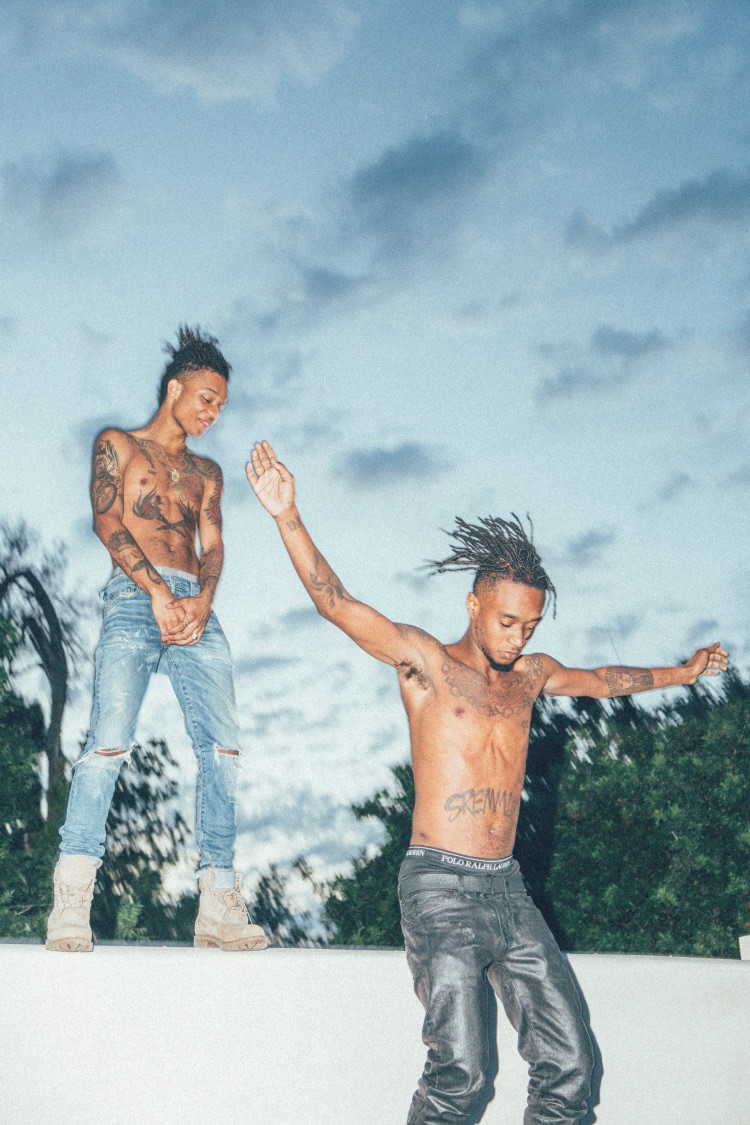
Slim Jxmmi’s tattoos echo the things that helped shape Rae Sremmurd: family, hotel rooms, noisy shows and a strong sense of identity. He and Swae Lee have never tried to look like interchangeable brothers. They share a duo, but they are two people moving in the same direction. Their ink makes the differences easy to see.

The clearest account comes from the brothers’ GQ tattoo tour. They recalled getting their first tattoos in a hotel room as teenagers, with the loose, slightly chaotic tone of brothers looking back on youthful choices. That history helps explain why Slim’s collection does not look like one carefully planned sleeve. It feels lived in. Some pieces show from the stage; others appear only when he is shirtless or turns toward the camera.
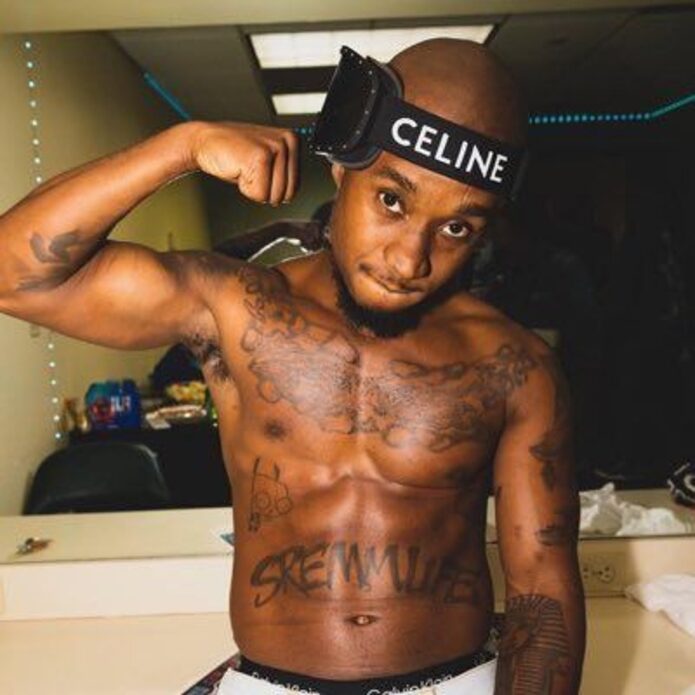
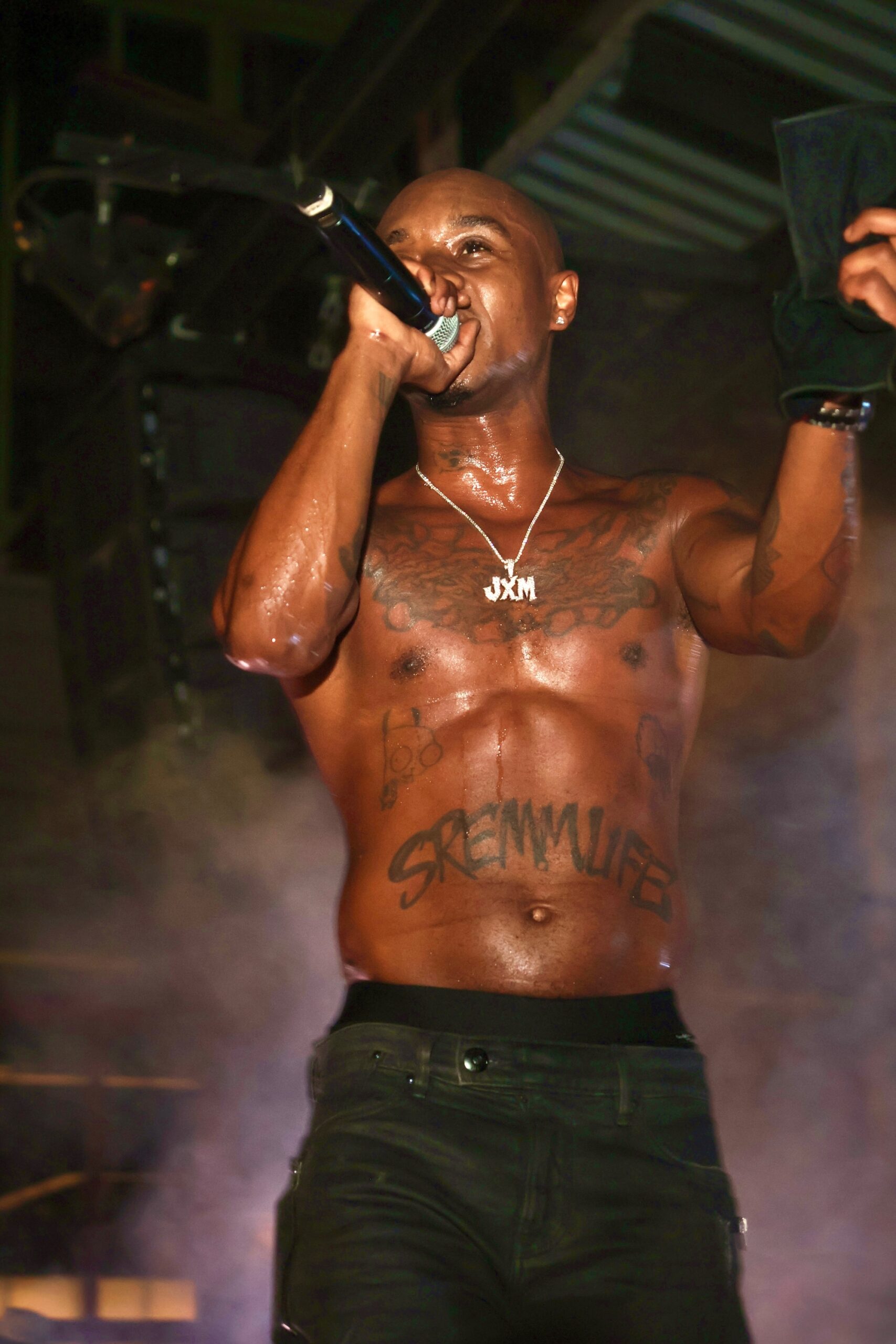
One piece is hard to miss: “SremmLife” across his chest. It links him to the group that made him known, but it feels more like a marker of a life chapter than merchandise. Around it, the designs across his chest, stomach and arms form a patchwork, not one perfectly matched composition.

The first tattoo started in a hotel room

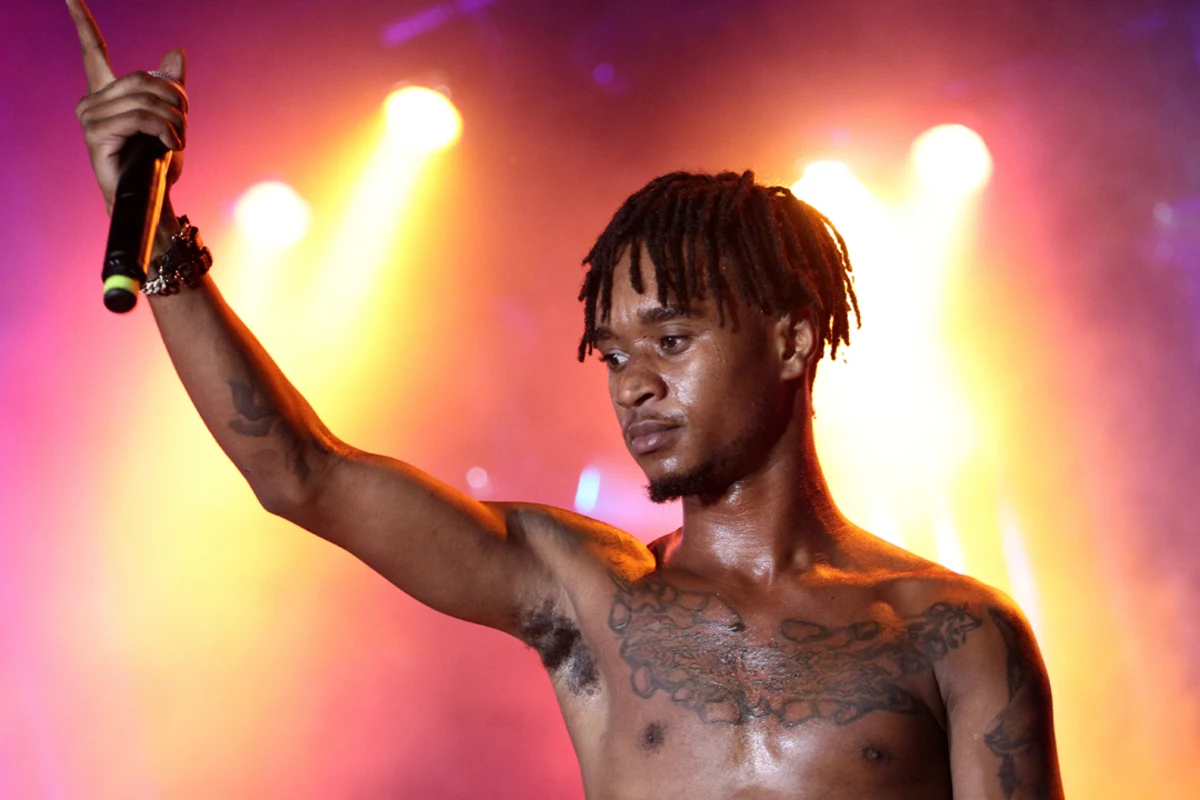
Slim Jxmmi festival chest tattoos

The first-tattoo story is less glamorous than the photos. In their GQ conversation, Slim Jxmmi and Swae Lee said they got their first ink in a hotel room at about fourteen. They were young and curious, without the long-range plan people sometimes describe after building a larger collection.

That detail gives the rest of Slim’s tattoos some context. They did not begin as one grand statement. The early choices sit alongside later pieces tied to Rae Sremmurd, touring and personal style. When an older tattoo shows through beside newer work, it becomes part of the timeline rather than something to cover up.

The festival photo shows how well his tattoos read in motion. Even in a quick performance shot, the chest lettering and darker marks across his upper body are clear. They are not fine details that vanish under the lights; the visible ink moves with the sweat, microphone and energy of a live set.

Slim has never turned the hotel-room memory into a neat origin story. It sounds like something he can laugh about now, which makes it feel all the more believable. Plenty of people get a first tattoo because the moment presents itself and only later work out how it fits with the rest.

“SremmLife” is the collection’s loudest anchor

Slim Jxmmi World Cafe chest tattoos

The SremmLife chest tattoo is the clearest link to Slim’s public identity. Rae Sremmurd’s early years turned the name into a whole world of music, clothes, late nights and Southern swagger. Across his chest, the connection is hard to miss, especially when he performs shirtless.

It also shows how Slim approaches being part of a group. The tattoo does not suggest that he is Rae Sremmurd on his own; it marks the life he shares with Swae Lee. Their stage name comes from “Ear Drummers” written backwards, and the duo has always depended on the brothers being recognised together. The lettering gives that shared history a place on the body.

He wears the design with an easy confidence and does not need to explain it each time it appears. Fans know what it refers to, and even a first-time viewer can tell it connects to music rather than being a random decorative phrase.

Slim has discussed the tattoo in the GQ tour, but there is no need to invent a deeper private meaning. It marks the life he built with his brother, right where everyone can see it.

His torso ink sits somewhere between branding and memory

Slim Jxmmi SremmLife torso tattoo

Photos from the Rae Sremmurd years show more than a single chest design. Slim’s torso has a scattered mix of lettering and darker shapes around the larger group reference. Some angles make the designs seem joined up; others show clear space between them. Calling it a traditional full chest piece would overstate it. It is better seen as a collection still taking shape.

The torso patchwork suits the way Slim dresses and performs. His style leaves room for contrast: bright colours, heavy jewellery, bare skin, sportswear and whatever else feels right that day. The tattoos follow the same loose logic. They do not all tell one visual story, which keeps the collection from looking too carefully managed.

Lighting changes what the viewer can see. A studio or backstage portrait may show a smaller mark beside the main lettering; onstage, that same piece can disappear into shadow while the chest text stays clear. The ink feels active rather than fixed because each photo captures a slightly different version of the same body.

The tattoos also hold onto the group’s early years. A design can outlast an album cycle, a fashion phase or a tour. Even as the music moves on, the lettering remains as a reminder of where Slim came from.

The arm tattoos make the collection feel less formal

Slim Jxmmi stage chest and arm tattoos

The arms add a more improvised feel to Slim’s collection. In a performance photo, the chest usually catches the eye first, but smaller arm tattoos keep the overall look from becoming one big logo. They break up the area around his shoulders and make the body art feel assembled over time.

Not every shape in the photos has a confirmed explanation. Tattoo galleries can turn a blurry mark into a confident claim, but the evidence here supports a simpler inventory: multiple arm and shoulder tattoos, a prominent chest inscription and other pieces visible in different photos. Slim has not publicly explained the meaning of every small mark.

That uncertainty does not make the images less useful. People can talk openly about a few major pieces and keep the rest to themselves. A camera can record a tattoo, but it cannot automatically record why someone chose it.
The arm placement also leaves room to add designs without changing the whole composition. New ink can sit beside the existing work without having to match it exactly. That is part of why the collection looks like a timeline: the main public statement sits alongside smaller choices made later.

Rae Sremmurd is part of the visual language

Slim Jxmmi portrait with visible tattoos

Slim’s tattoos make more sense alongside Rae Sremmurd’s shared visual world. The brothers have always had a high-energy, slightly unruly style. They came from Tupelo, Mississippi, built their sound around the Ear Drummers connection and turned that history into a brand without losing their individual personalities.
That is why the group-related ink does not make Slim look like one half of a matching set. His SremmLife lettering belongs to the duo, but the rest of the collection belongs to him. The scale, placement and mix of pieces differ from Swae Lee’s choices. Even when they appear together, their tattoos do not make them look like mirror images.
Putting the shared reference on his chest is practical, too. It shows in performance photos, music videos and quick backstage clips. Slim does not have to cover every inch of skin with the group’s name; one strong design carries the connection.

The tattoos sit between personal history and public image. They help fans recognise him while holding memories of the years the brothers built a life around music. That balance is more interesting than calling the ink either entirely private or purely promotional.

The newer photographs leave some designs open to interpretation

Slim Jxmmi live torso tattoos

Recent performance photos show Slim wearing the tattoos as part of the full look: bare torso, jewellery, movement and plenty of attitude. They are useful because they show the ink outside a controlled tattoo-tour setup. Some designs are sharp enough to identify, while others become dark fragments as the lighting changes.

A careful inventory sticks to what sources support: the chest SremmLife tattoo, the early tattoo story, visible chest and torso pieces, and the arm and shoulder work around the larger lettering. Small marks can look different from one image to the next, so their meanings should not be invented.

This is where the collection feels especially human. Someone may remember the story behind a major tattoo and forget the date of a smaller one. A design can start as an impulse and stay on the body long enough to feel as if it has always been there.

Slim also seems comfortable with tattoos that do not need a press release. The collection is visible without being presented as a checklist. Some pieces may be there because he liked the design or the moment, or wanted to keep a memory without making it public.

Why Slim Jxmmi’s ink feels like a timeline

Slim Jxmmi’s tattoos tell a story without looking like a storyboard. The first hotel-room tattoo points back to adolescence. The chest lettering marks Rae Sremmurd and the SremmLife era. The other torso and arm pieces record the years the duo moved through tours, videos, changes in style and bigger stages.

That mix feels more convincing than a perfectly coordinated sleeve because it has the rough edges of real life. Some marks can be read from the crowd; others appear only in a close photo. Some meanings are documented and others are not public. Keeping those separate makes the tattoos easier to understand, not less interesting.

The overall effect is relaxed but committed. Slim does not wear the ink to prove how tough he is. It moves with the same loose, restless energy as his music and style, and it looks different depending on the angle.

In the end, the simplest design may be the one that ties everything together. SremmLife is the headline, while the scattered work around it is the diary. The tattoos keep the group close while leaving the rest of the collection room to grow in its own direction.

Watch the Rae Sremmurd tattoo tour

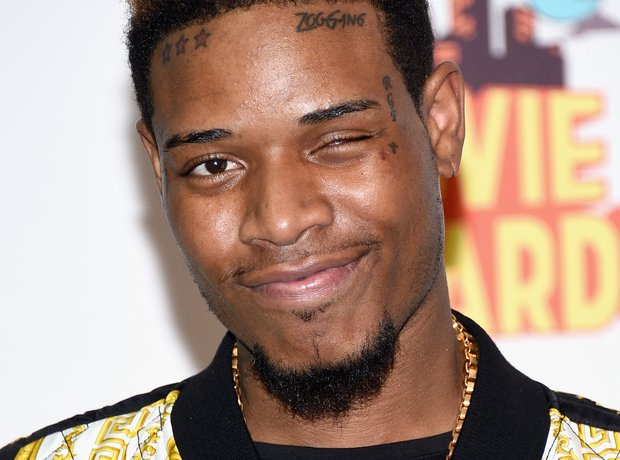
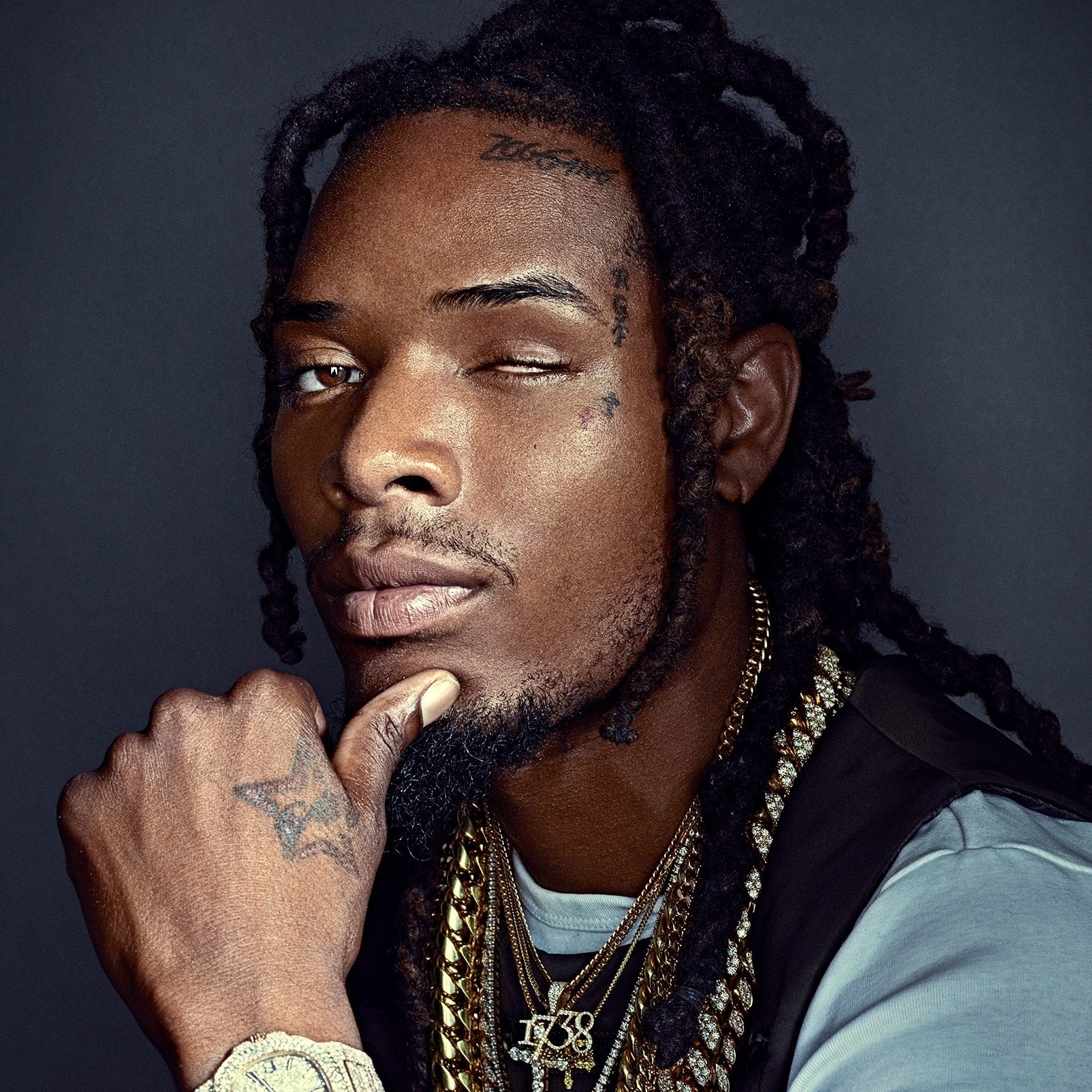
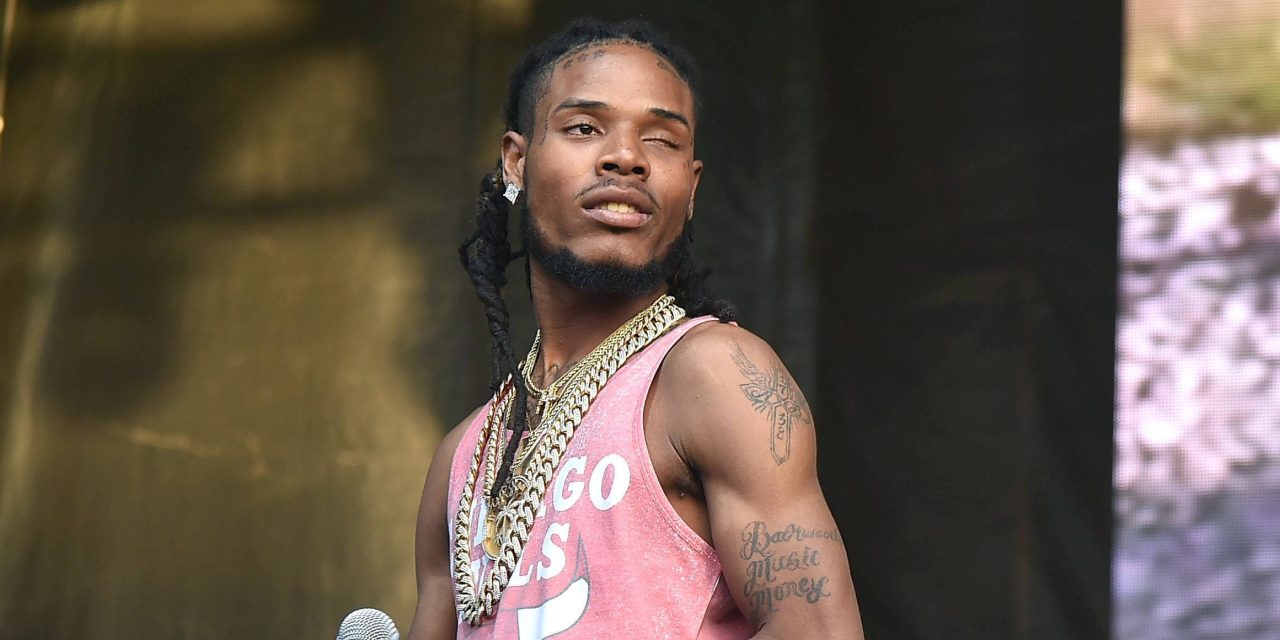
Fetty Wap’s ink never really sits still

Fetty Wap’s tattoos came together at the same pace as his career: quickly, boldly and without much interest in playing it safe. The “Trap Queen” rapper has ink on his face, neck, hands, arms and chest. He has been candid that he does not enjoy the tattooing process very much; what he likes is seeing the finished work.

That contrast gives the collection its character. Some tattoos connect to family, crew, faith, basketball or people he has lost. Others were impulsive or simply looked good to him at the time. Fetty Wap’s tattoos feel less like a carefully planned image than a diary written in different chapters.

His first tattoo was a team family mark

Fetty Wap first team family tattoo

Fetty has said his first tattoo was “Team Fam,” short for team family. He got it very young, earlier than he now thinks he should have, and laughs about promising his mother he would never tell her.

He still calls it one of his favourites, despite the embarrassment. It was never touched up, so the original roughness remains. The story matters more than perfect lines: this was before the hits, the face tattoos and the gold chains became part of his look. Family was the first thing he put on his skin.

It is a scrappy beginning, but it says more about him than a polished cover-up might. The tattoo stayed because the memory did.

The black cross came next, after a long break

Fetty Wap black cross tattoo

Fetty says about seven years passed before he got another tattoo. That pause is easy to miss when looking at the collection today, but it shows that he did not always expect to become heavily tattooed. The next piece was a black cross, which he has connected to the religious side of his upbringing.

The cross became a visual anchor for the work that followed. Once he began adding tattoos again, they spread across his body rather than staying on one arm. Religious symbols, crew marks, portraits and playful designs all ended up together without looking like they belong to different people.

He has also been clear that pain is the part of tattooing he likes least. Fetty does not romanticise the needle. He puts up with the discomfort because he likes the finished look, and because some pieces matter enough to be worth it.

Family and crew names show up across the face and neck

Fetty Wap family and crew face tattoos

Some of Fetty’s most recognisable tattoos are tied to his circle. On the left side of his face is RGF, a reference to Remy Boyz and the world around his music. He also has small crosses for his grandfathers and his son Aydin’s name.

That helps explain why the face tattoos do not feel entirely random. From a distance, they can blur into one bold field of ink. Up close, they resolve into separate pieces of family history: a crew initial, memorial symbols and a child’s name. Together they make a statement before he has said a word.

This is also the area he has discussed with the most regret. Fetty has called some of the neck work the dumbest thing he has done. It sounds harsh, but it is an honest reaction to a permanent choice with a very public footprint. He can wish he had not got a piece and still understand why he chose it at the time.

The star tattoos are part of the Fetty Wap look

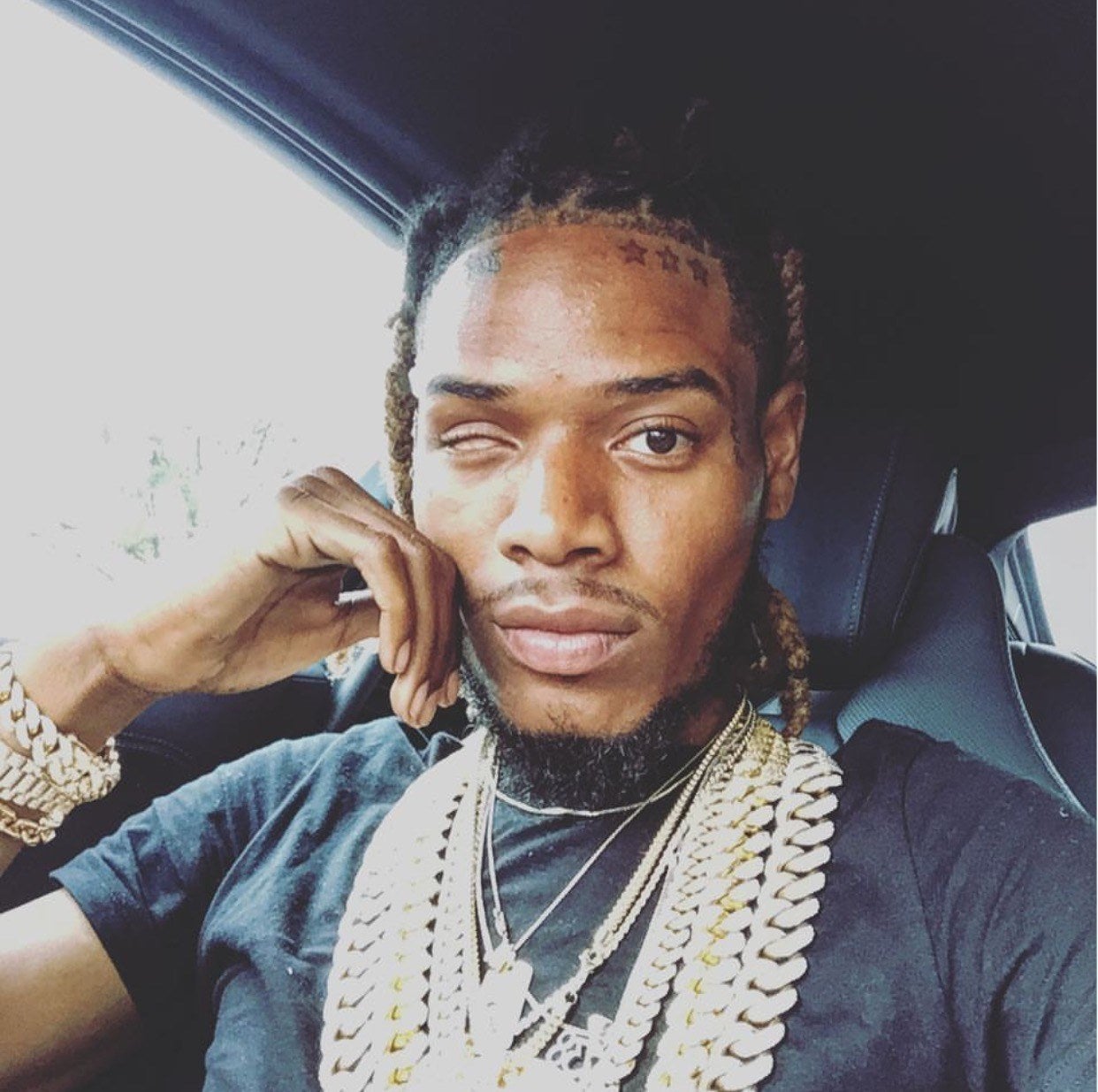
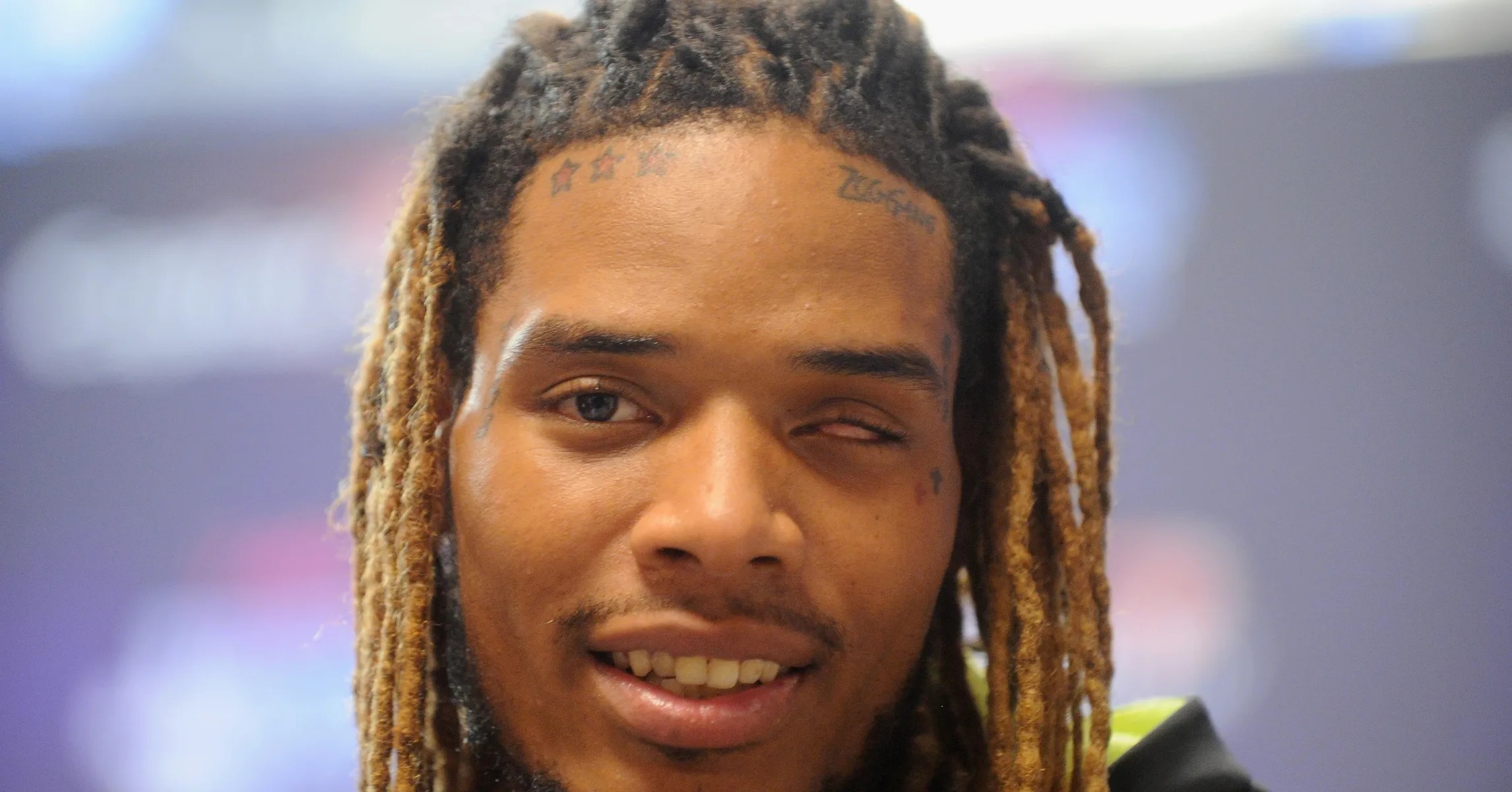
Fetty Wap three stars forehead tattoo

The stars on Fetty’s forehead helped make his look instantly recognisable during his first major run of success. They sit with small script and other symbols in a face tattoo layout that is easy to spot in photos and music videos.

Stars are a familiar design, but the forehead changes how they read. They are not hidden decoration; they become part of his stage presence, as noticeable as his two-tone dreads and jewellery. That is why people remember the stars even if they cannot name every tattoo.

There is a contrast between those outward-facing designs and the family pieces nearby. The stars help shape the image. The names and crosses are quieter in purpose, even though they sit in the same visible area.

His hand tattoo taught him a lesson about pain

Fetty Wap hand tattoo

Fetty has joked that he will never get another hand tattoo. The skin is thin, the area moves constantly and the pain is hard to ignore. Having many tattoos does not mean every placement feels equally manageable.

The hand piece also completes a chain of ink that helped make his style recognisable. The face and neck draw the eye first, then it moves down to his hands, arms and chest. The tattoo does not have to be large to contribute to the overall look.

His attitude toward it is easy to relate to. Plenty of tattoo collectors have a spot they would not repeat. Fetty seems to have found his: he likes the result, but he is not signing up for another round.

Forearm pieces carry the heavier stories

Fetty Wap right forearm tattoo

Fetty’s forearms make the collection feel more layered. Both arms carry a mix of names, faces, religious imagery and crew references. The placement gives artists space to work while keeping the tattoos visible in a short-sleeved shirt.

One arm includes a portrait-style tattoo associated with Michael Jordan. It fits the way Fetty talks about ink: the body can hold people and ideas that mattered to him, without every piece needing to fit into one matching sleeve.

The designs vary in weight. Some are dark and serious; others are small details added to fill a gap. That unevenness keeps the collection from looking like a catalogue page. It feels lived in, with older pieces beside newer ones and different artists leaving their own mark.

The inner forearm has the kind of ink you notice up close

Fetty Wap inner forearm tattoo

The tattoos on Fetty’s inner forearm can be easy to miss in a quick red-carpet photo, but they help make the overall collection feel complete. Smaller lettering and compact designs fit between the larger work on his chest and arms. The placement also means he sees them throughout the day, whether or not a camera does.

Not every piece needs to be a headline. Some tattoos are mainly for the person wearing them. The smaller forearm work balances the louder face ink and keeps the collection from being all spectacle.

The collection works best when you can see both sides: the public image and the private reminders underneath it.

Judas and the religious imagery add tension

Fetty Wap Judas arm tattoo

One of the more striking arm pieces is a Judas tattoo. Religious imagery appears elsewhere in Fetty’s collection, but Judas carries a different mood from a straightforward cross. It brings up betrayal, loyalty and the uneasy space between faith and human behaviour.

That tension suits the rest of his tattoos. They are rarely one-note statements. A memorial cross can sit beside a crew symbol; his son’s name can share space with something chosen because it looked cool. The collection leaves room for contradiction.

There is no need to force every symbol into one tidy explanation. Some tattoos tell you exactly what they mean; others create a mood. Judas stands out partly because it makes the arm feel darker and more complicated.

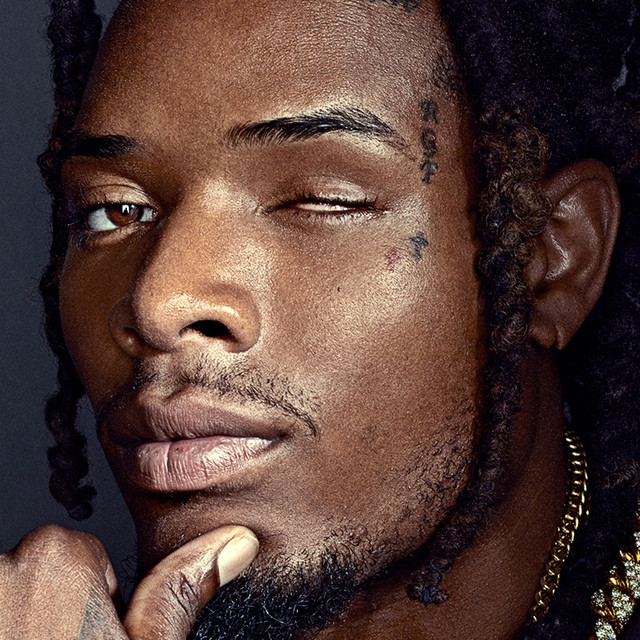
The left side of his face keeps the story visible

Fetty Wap left face tattoos

Fetty’s left-face tattoos bring together several threads: RGF, small crosses, family references and the stars around his forehead. The area has changed over time, and some designs have been covered or built around, but the overall look remains unmistakably his.

He has said he does not love every decision he made there. That reaction is part of the story, not a reason to ignore the tattoos. Face ink can capture a particular moment in an artist’s life, and Fetty’s face reflects a period when his music, crew and public image were all moving quickly.

The most personal pieces give the face work its weight. His son’s name and the memorial crosses sit alongside the visual rhythm of the stars and initials. Together, they make a group of separate marks into a look people recognise right away.

What Fetty Wap’s tattoos say as a collection

Fetty Wap Zoogang forehead tattoo

Fetty Wap’s ink was never meant to be a matching set. The first tattoo was about family; the cross added faith. Later designs across his face, neck, hands and arms followed his rise, his crew, his heroes and the people he wanted to remember.

There is a practical lesson running through the collection, too. He likes tattoos, but he knows they hurt. He likes how they look, but can admit when a placement was a bad idea. He can be sentimental about a rough first piece and critical of a more visible one. That honesty makes the collection more interesting than a perfect list of symbols and meanings.

The tattoos look loud because they are loud. But that look is built from small personal choices: Team Fam, his son’s name, a grandfather’s cross, a favourite athlete, a crew initial and designs that felt right at the time. It is messy in the same way real life is messy, and that is part of why it works.

Watch Fetty Wap explain his tattoos

Fetty’s GQ tattoo tour is the best place to hear the stories in his own voice. He talks about his first ink, the family and crew pieces, the face tattoos, the basketball tribute and the neck work he regrets. He also makes clear that liking tattoos and enjoying the process of getting them are two different things.

More musician tattoo guides

Skepta wears his London story on his skin

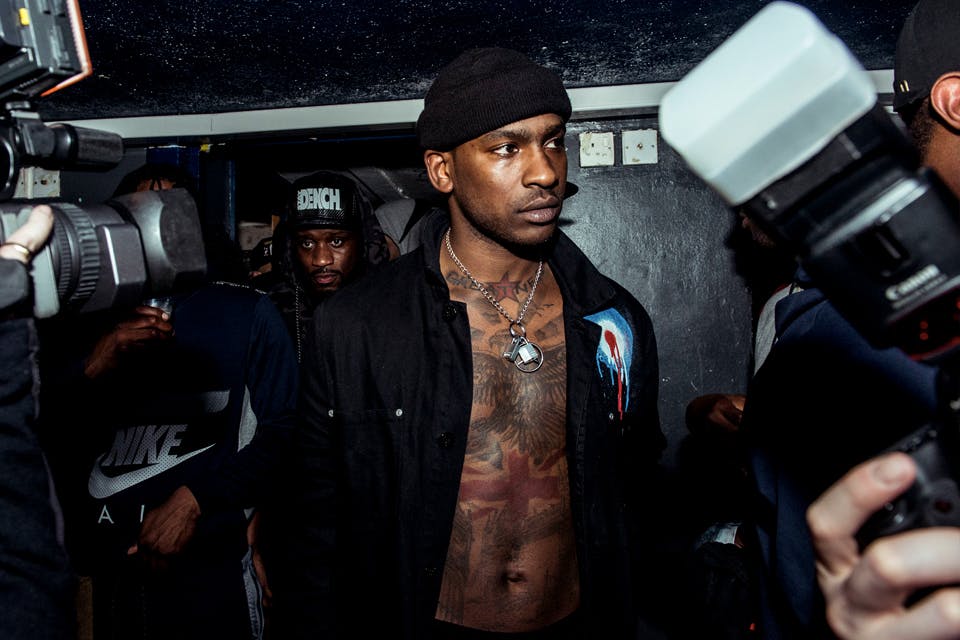
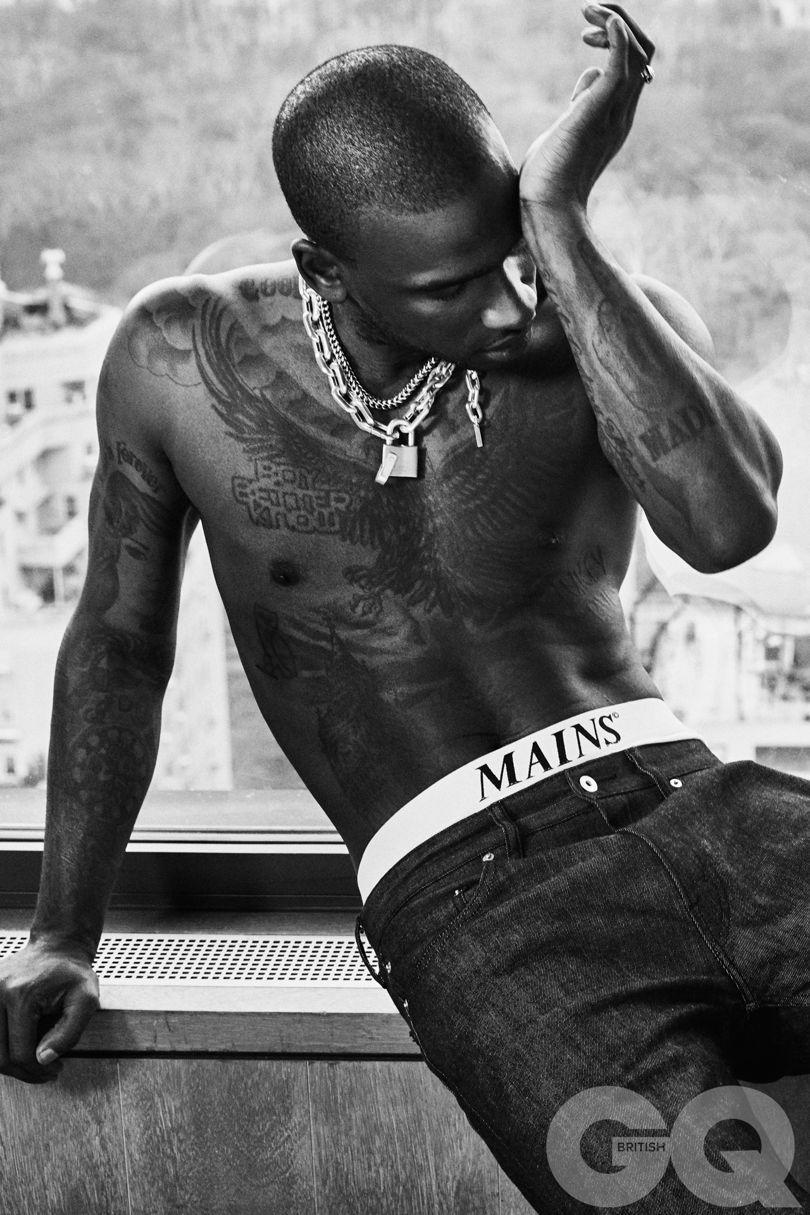
Skepta’s tattoos map where he comes from, who he has lost and the ideas he has carried through grime and beyond. They are not built around one colour or style. London landmarks, label identity, family, grief and ambition sit alongside a few designs that seem like private jokes until he explains them.

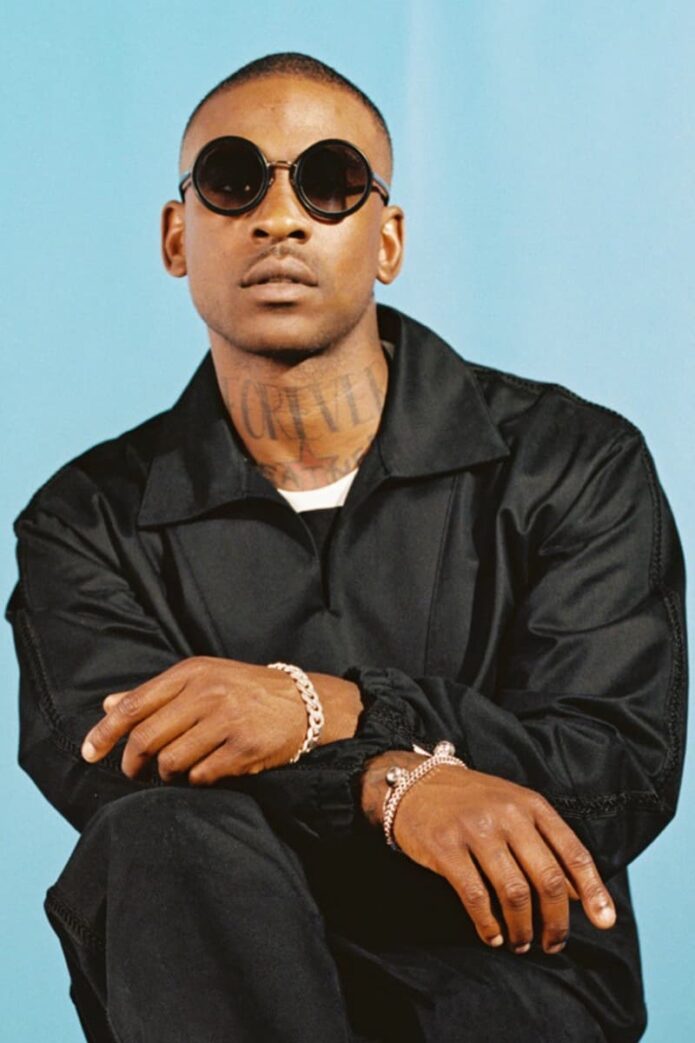
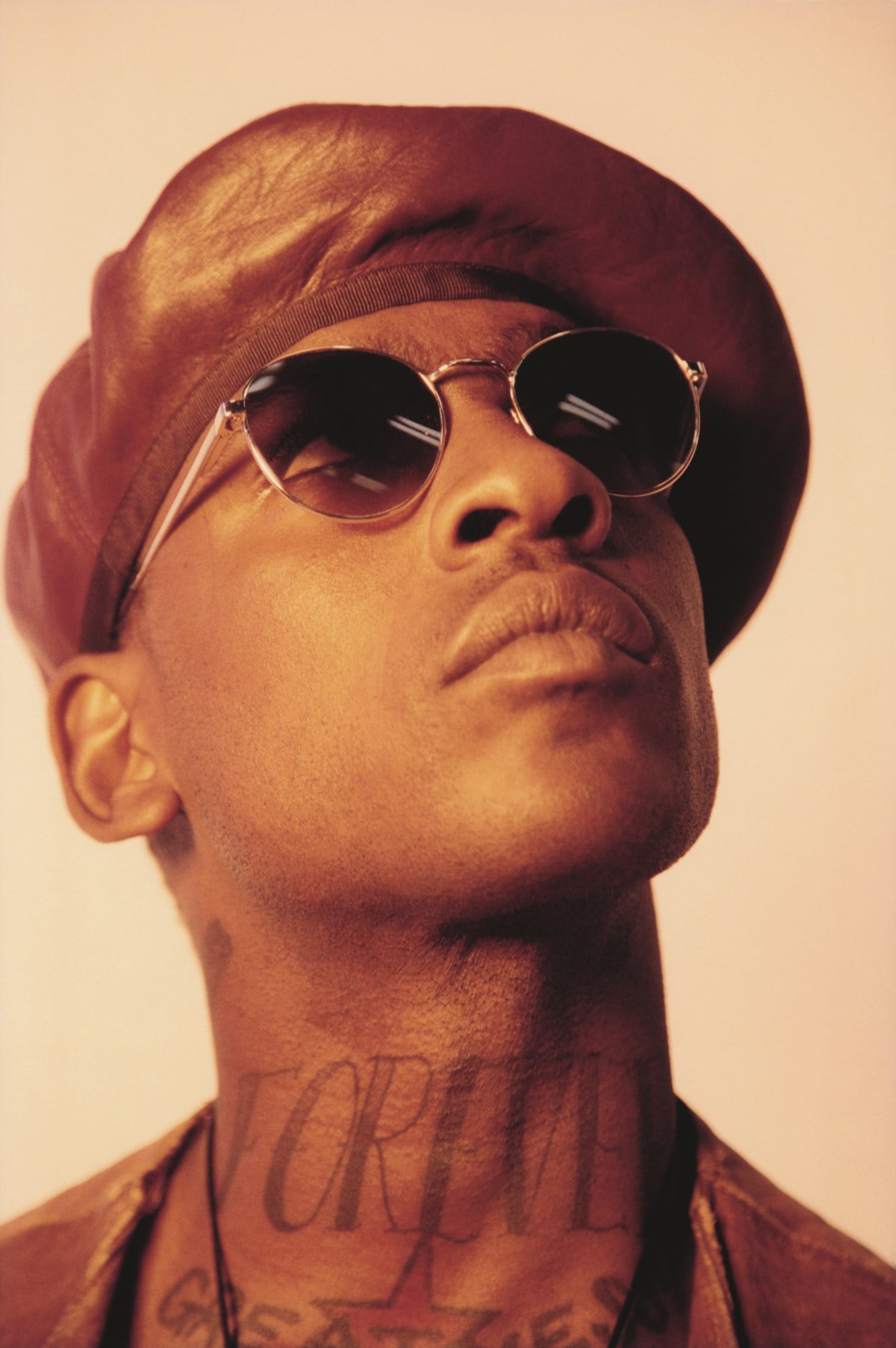
He has discussed his tattoos in interviews, and some of the details are unusually clear: FOREVER on his neck, London landmarks across his stomach, London and Boy Better Know imagery on his chest, and his stage name beside a lyric about seeing the bigger picture on his back. The overall feeling is proud, personal and rooted in South London.

FOREVER keeps the neck piece tied to No Fear Forever

Skepta Forever neck tattoo

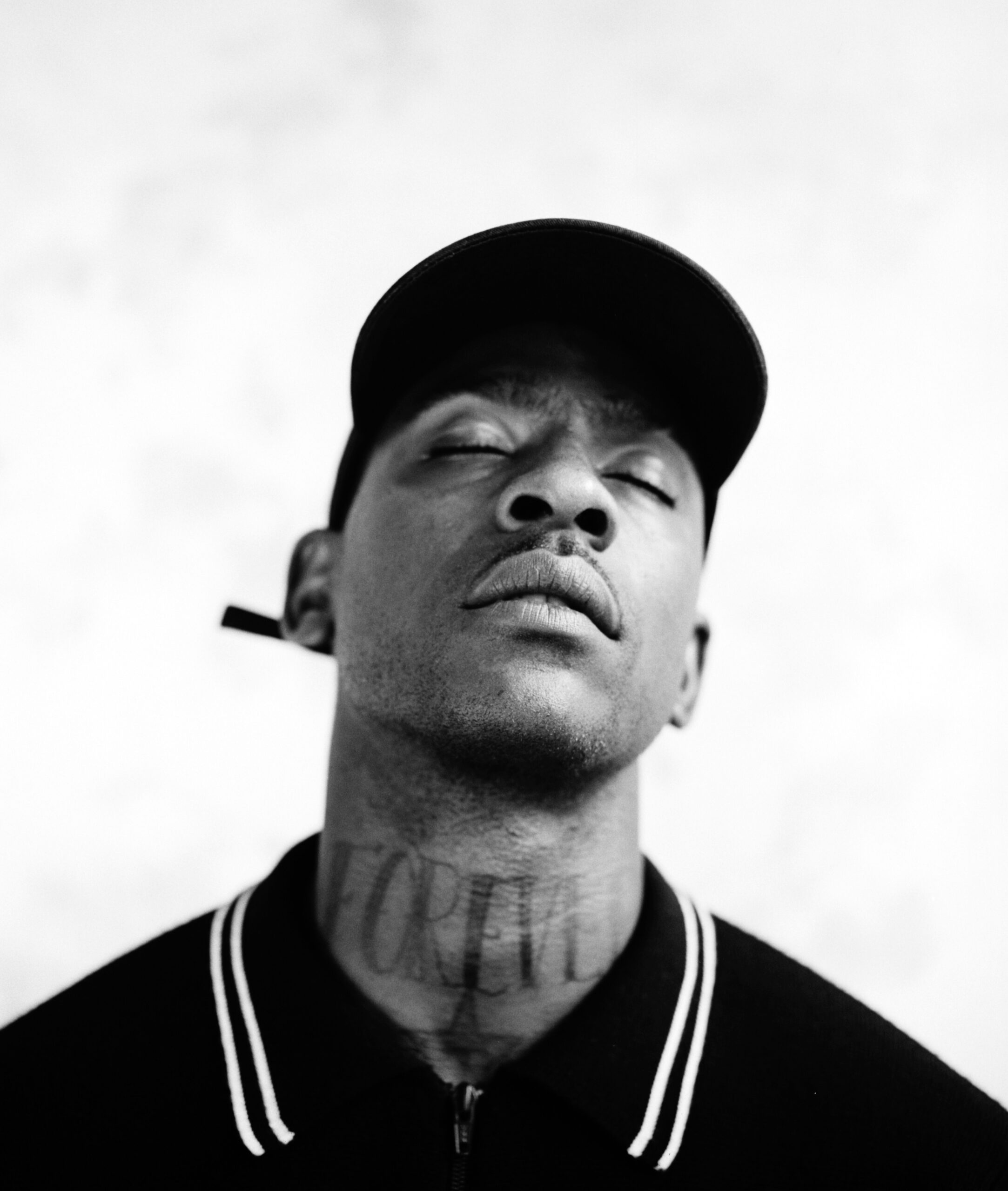
The word FOREVER runs across the front of Skepta’s neck. It was not chosen only because it looks strong in a photo; the tattoo connects to No Fear Forever, the clothing line associated with him. That turns a simple block of lettering into part of the world he has built beyond music.

Neck lettering is a confident choice because it is hard to hide under a T-shirt. It is there in interviews, onstage and in everyday conversation. For an artist who cares about a recognisable visual identity, the placement makes sense: the word becomes part of the first impression.

On its own, FOREVER could mean almost anything. With Skepta’s explanation, it points to a brand, a business and the idea of making something last. It is a piece of branding, but it still feels personal because that brand grew out of his creative life.

PAIN is a quieter mark on the wrist

Skepta Pain wrist tattoo

On the inside of Skepta’s left wrist is PAIN. Compared with the large London scenes and chest designs, it is a small, direct word. There is no long public explanation to rely on, so it is better not to invent one. It may read as a reminder of what he has survived and what ambition can cost.

The wrist is a practical place for it. Skepta can see the word while working, writing, driving or performing, but it does not dominate his appearance. It feels like a private note that happens to be visible to others, quite different from the neck tattoo’s immediate announcement.

Together, the two words hold a contrast: FOREVER points toward the future and what lasts; PAIN acknowledges the difficult parts underneath success. His collection does not pretend the journey was effortless. Even the shortest tattoos carry some tension.

Tower Bridge puts London across his stomach

Skepta Tower Bridge tattoo

One of Skepta’s largest city references is Tower Bridge on the left side of his stomach. The Thames and a small boat sit below the bridge, making it a compact London scene. It is easy to recognise, but it is more than a postcard.

Skepta has described the design as a way to show love for the city and country that shaped him. Tower Bridge connects north and south London, making it a fitting image for an artist whose music travelled far beyond the streets where grime developed. The tattoo carries both place and movement.

The stomach gives the scene room for its details. Unlike neck lettering, it is not designed to be read from across a room; the towers, water and boat can sit separately in a larger image. When it appears in photos, it reinforces a clear idea: London is not background decoration for Skepta. It is one of the main subjects.

That London thread continues with Big Ben on the other side of his stomach and an OVO owl above it. Drake tattooed Skepta’s Boy Better Know logo on his shoulder, and Skepta returned the gesture with the owl. It is a small, memorable exchange between two artists who recognised each other’s work.

The London flag sits at the centre of his chest

In the middle of Skepta’s chest is a red cross associated with London’s flag, with diagonal red lines that partly echo the UK flag. It makes another clear statement about place. The design is not subtle, and it does not need to be: the chest puts the symbol in a central, almost emblem-like position.

Beside Tower Bridge, the flag creates a visual conversation. One tattoo shows London through buildings and water; the other reduces the city to colour and shape. They point in the same direction without repeating each other. That connection becomes easier to see when the tattoos are considered together.

Skepta’s London references are tied to the music, language and creative community that shaped him. They recall the place that gave him a sound and a platform. They feel less like souvenirs and more like part of his identity.

LUKEY LIVES is a tribute rather than a slogan

Skepta Lukey Lives tribute tattoo

Below the left side of Skepta’s chest are the words LUKEY LIVES, a tribute to his friend Lukey Maxwell, who was fatally stabbed in North London. Skepta has explained that the phrase means Lukey remains in the hearts of the people who loved him.

This tattoo changes the mood. The London scenes are proud and the label references look ahead, while LUKEY LIVES is about remembering someone. The words acknowledge the loss without suggesting it did not happen; they insist that the person is not erased by it.

Its position keeps it near the other central chest imagery while giving it space of its own. People may ask about it, but the meaning belongs first to Skepta and those who knew Lukey. It is a tribute, not just another piece of lettering.

His mother’s portrait gives the right arm a personal centre

Skepta mother portrait tattoo

Skepta’s right arm carries a portrait of his mother, with two red roses underneath. Portrait tattoos can seem generic when the person is not identified, but here the meaning has been stated clearly: the design honours his mother and gives the arm an emotional centre.

The roses add colour to the black-and-grey portrait without forcing a sentimental feel. They also help it sit naturally among the rest of Skepta’s work, letting family share space with the louder symbols of career and London.

That balance matters. The neck and chest lettering can make the collection look bold from a distance, but the portrait shows there is more to it than image. Friends, relatives and losses are part of it. The public designs are attached to a private life.

Skepta’s tattoos are a London story in chapters

Skepta’s collection makes sense as a series of chapters. FOREVER and the label references belong to the world he created; Tower Bridge, Big Ben and the London flag place that world on a map. LUKEY LIVES and his mother’s portrait bring in the people who matter beyond the stage. PAIN, GREATNESS, GOOD and EVIL add an inner conversation.

Not every small tattoo has a detailed public explanation, and that is fine. The confirmed stories already say a lot without guessing at every mark. A careful guide should keep clear the difference between what Skepta has explained and what a photo merely shows.

There is a relaxed confidence to the collection. He is comfortable with large designs, visible lettering and images that make a statement before he speaks. Still, the tattoos do not form one polished corporate identity. They hold grief, humour, loyalty, pride and contradiction at the same time.

The strongest thread is place. London appears as a landmark, a flag, a memory, a music scene and a group of relationships. That is why the tattoos feel connected even when the designs look different: they point back to a life Skepta knows he built there.

Watch the story behind Skepta’s OVO owl

This short video covers the exchange behind Skepta’s OVO owl tattoo and the Boy Better Know tattoo Drake got in return.

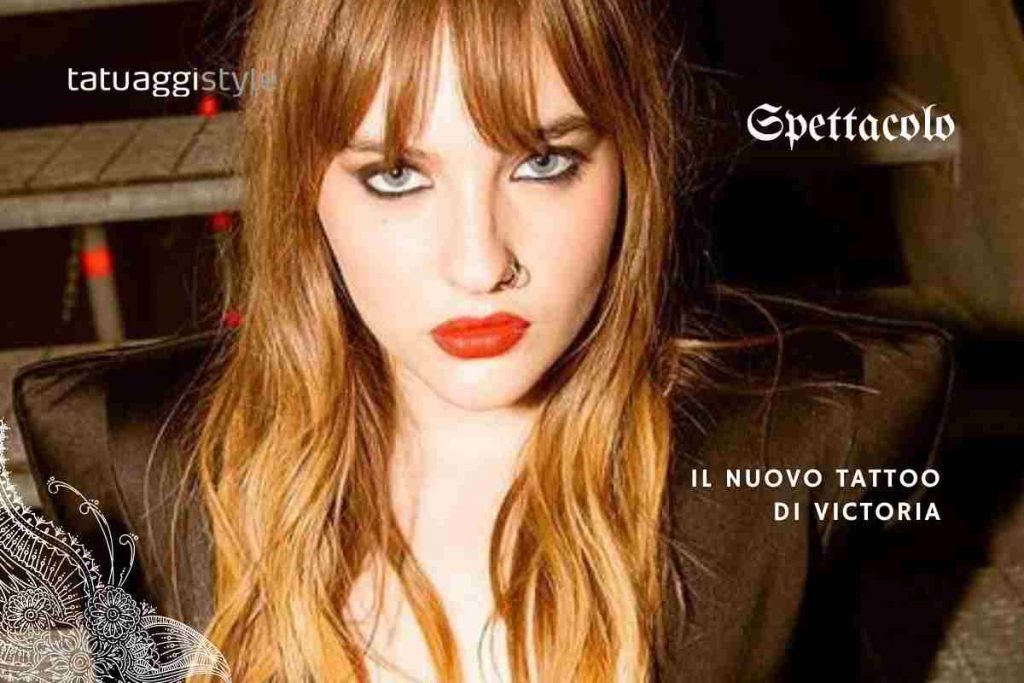
Victoria De Angelis keeps her tattoos close to the music

Victoria De Angelis has never treated tattoos like a checklist. The Måneskin bassist has small flashes of ink on her arms, ankle, spine and behind her ear, mixing the playfulness and attitude she brings to the stage. Some designs match with bandmates; others include a spine cross and newer pieces fans have followed through close-up photos.

There is no dependable public explanation for every mark, so confirmed details should stay separate from fan theories. Even so, the documented tattoos show a clear pattern: they are often compact, personal and easy to miss until Victoria turns or the camera catches the right angle.

Here is a closer look at the pieces identified in tattoo coverage and fan documentation.

The MÅ tattoo is a matching Måneskin mark

Victoria De Angelis matching MÅ tattoo and band tattoo

One of Victoria’s best-documented pieces is a small “MÅ” matching tattoo connected to Måneskin. Fan documentation places it on her right ankle and says it was done as a matching design with bandmates. The mark itself is simple, but that connection gives it more weight than a random pair of letters.

The spelling matters. It is not a generic monogram; it points to the group and the shared identity its members built before becoming an international touring act. An ankle is a natural spot for a matching tattoo: discreet, but always there when she looks down.

Matching tattoos can be treated too broadly as proof of friendship. In Victoria’s case, the clearest confirmed detail is the link to her bandmates. More specific claims about the moment or private meaning are not established. The small scale is part of the charm. It does not need to dominate her body to mark a relationship that has shaped her life.

An arrow through a heart links her to the band

Victoria De Angelis arrow heart tattoo

Another tattoo described as a match is an arrow heart on Victoria’s right arm. The compact design works as both a personal mark and a recognisable image in photos: an arrow passes through a heart, a familiar shape that feels different when shared between bandmates.

Some posts place it around her arm or wrist, and fan accounts have compared the members’ versions. The available photos do not always show the tattoos from the same angle, so it is safer to describe the design and its reported matching connection than to claim every detail is certain.

Visually, the arrow-heart balances the MÅ lettering. One points directly to the band name; the other suggests affection, loyalty or a shared joke without spelling out the story. Together, the tattoos feel personal rather than promotional.

There is something very Victoria about choosing a straightforward symbol and wearing it with confidence. Small ink can still carry a whole era of someone’s life.

The cross down her spine is one of the clearest large designs

Victoria De Angelis cross tattoo along her spine

Another widely shared tattoo is a clean cross along her spine. Unlike the matching ankle and arm designs, it creates a strong vertical line. The spine gives it a natural path, so even a relatively simple shape can look striking from behind.

“Cross” describes what is visible, but the meaning has not been clearly explained by a definitive source. It would be easy to assign a religious or spiritual story, but that would go beyond the record. The careful description is simply an elongated cross down her back.

The placement is part of the visual choice. A spine tattoo is usually hidden under everyday clothes and appears when Victoria wears an open-back outfit, turns away from the camera or shares a deliberate photo. That sets it apart from small hand or arm marks that can show during a performance.

The design adds a quieter note to tattoos otherwise associated with rock styling, stage energy and bold clothes. It is elegant without looking overly formal. That contrast is part of why fans return to the image when new photos show the piece more clearly.

The behind-ear tattoo stays easy to miss

Victoria De Angelis behind ear tattoo

Victoria has also been photographed with a small mark near or behind her ear. Hair can cover the placement, which may be why it prompts close-up discussion without a clear public explanation. The tattoo appears in selected portraits and fan-circulated images, but its exact design and origin are not consistently described.

Behind-ear tattoos have a different feel from a large back piece. They sit close to the face without announcing themselves straight away. The wearer can reveal one by moving her hair or turning her head, then hide it again without changing clothes. That suits Victoria’s approach to ink: expressive, but not a full costume.

Not every Pinterest caption should be treated as fact. The safest account is that photos show a small behind-ear tattoo, while the story behind it remains unclear. That is simply what the public record supports.

A newer tattoo appears in full-body and fashion photographs

Victoria De Angelis newer tattoo visible in full body photograph

Recent photographs show another tattoo in a lower, more intimate placement. The coverage is visual rather than explanatory: the design appears in a full-body image, but Victoria has not made a reliable public statement about its meaning or when she got it.

This kind of tattoo can be hard to identify because lighting, angle and photo quality all matter. A compressed social-media image may make a mark look like one shape; it can be difficult to read when enlarged. The useful fact is that the tattoo is visible, not a made-up account of every line.

It also shows that the collection is still changing. The MÅ and arrow-heart pieces are tied to Måneskin’s early shared history, while the newer tattoo belongs to a time when Victoria has a larger public life outside the band. The pieces do not need one theme to make sense together.

Some tattoos tell a story. Others are private choices that happen to appear in a photograph.

What the collection says without overexplaining it

Victoria De Angelis tattoos face visible portrait

Victoria De Angelis’s documented tattoos show that a collection does not need to cover every inch of skin to feel distinctive. The publicly identified pieces vary in placement: a matching ankle mark, a small arm design, a spine tattoo, a behind-ear piece and newer ink seen in later photos.

The matching designs are the clearest connection to Måneskin. The MÅ lettering and arrow-heart are associated with the band members, but they do not turn her body into merchandise. They work because they are small and personal. The spine cross creates a more dramatic line, while the harder-to-spot pieces keep the collection from feeling predictable.

It is tempting to write a full biography around every tattoo, but that often makes the account less accurate. The story that is already supported is enough: Victoria has chosen shared symbols, elegant placements and newer designs the public is still trying to identify.

Her tattoos feel casual, close to the body and deliberately hard to summarise. That suits a musician whose public image mixes sharp styling with a sense of freedom. Some marks connect her to the people she started with; others belong to Victoria alone.

For a wider look at Victoria and her bandmates, this Måneskin interview offers some context:

Visibility and importance are not the same thing in this collection. The spine cross is easy to see in a styled photo, while the MÅ letters may look like meaningless characters to someone who does not know the band. The behind-ear tattoo can disappear depending on her hair. That does not make one piece more serious than another; tattoos can sit in different parts of a person’s life.

For now, the most reliable inventory stays modest: matching Måneskin tattoos, the spine cross and newer pieces documented in photos. The meanings of some designs remain Victoria’s to explain if she chooses. Not every mystery needs an answer from the outside.

More musician tattoo guides

Two Chainz lets the ink do some talking

Two Chainz has never treated tattoos as a quiet hobby. Even in a sharp suit or behind dark glasses, his ink tends to find its way into the frame: a hand around a microphone, a neck design above a collar, a chest piece when his shirt comes off. The tattoos are part of his style, but they also hold details about the person behind the stage name.

In GQ’s tattoo tour, he talked through the early choices and the designs that still matter to him. His first tattoo came at seventeen: a heart with Twan inside a banner. A lion followed, tied to the idea of kingship. Later pieces brought in prayer, the South Side and people around him. The result feels like a series of chapters rather than a sleeve planned in a single afternoon.

That is part of the appeal. The tattoos are bold enough for his larger-than-life image, but their meanings tend to be direct. A name points to family, a lion to status and confidence, a prayer to words he wrote himself. The story is there if you know where to look.

The first tattoo put Twan on his skin

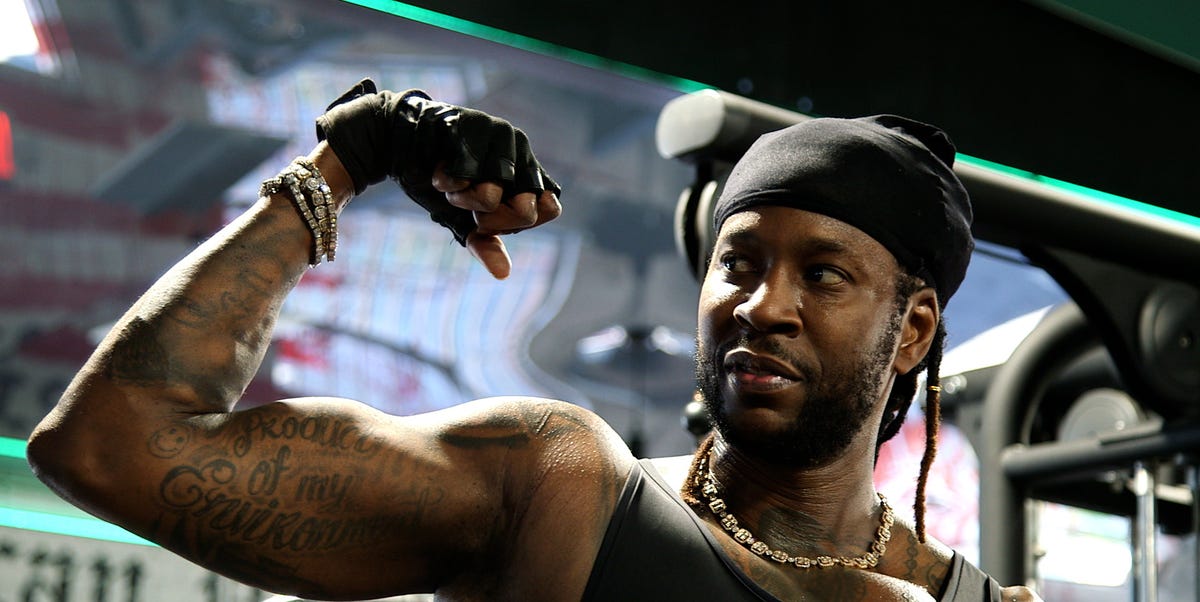
Two Chainz workout arm tattoos

Two Chainz has said he got his first tattoo at seventeen: a heart with “Twan” in a banner. It uses his real name, rather than the persona he later built around Two Chainz. The old-school design is simple: a name inside a heart, with a banner making the message easy to read.

There is more to that choice than might be obvious at first. Before the records, jewellery and oversized stage name, there was Tauheed K. Epps, the person his mother called Twan. His first tattoo began with home, not business.

He has also described the artist who did those early tattoos as someone known around Atlanta. That places the piece in a local scene, when tattooing was part of the culture around him rather than a carefully arranged celebrity appointment.

The heart is not meant to be mysterious. It is a straightforward marker of affection and identity, and that simplicity carries through some of his later tattoos too. Not every piece needs an elaborate theory; sometimes it means just what it shows.

The lion turned the collection toward kingship

Two Chainz neck and arm tattoos

The lion tattoo was Two Chainz’s second major piece. He has connected it to kingship, making it a natural step after the Twan heart: the first design says who he is, and the lion suggests how he wants to move through the world.

Lions are common in celebrity tattoos, but what matters is the meaning he gave his own. He did not describe it as just a fierce animal or something chosen only because it looked tough. He talked about being a king, which fits the confidence in his music and stage presence.

There is humour in the way he tells the story. Two Chainz can make a grand statement and then undercut it with a joke. That keeps the idea from sounding like a formal declaration. It feels more like a personal code: stand tall, know your worth and decide for yourself how seriously to take the world.

The lion also helped set the collection’s visual language. The tattoos could be large, symbolic and hard to miss, giving him another way to balance seriousness with style.

The chest carries the most direct phrases

Two Chainz chest tattoo detail

Some of Two Chainz’s tattoos read like short statements. One chest piece has “Last Life” above a row of stars. It sits where a logo might go, but the phrase feels reflective rather than promotional.

He has also named a South Side tattoo as one of his favourites. It ties him to Atlanta, its community and the part of the city that often runs through his music. It is more than a place label; it points back to the environment that shaped him before audiences knew his name.

Chest tattoos can stay under a shirt and then become part of the show when he chooses to reveal them. That makes them more flexible than face ink, which is visible in nearly every setting. Two Chainz is confident, but his most meaningful designs do not need to be on his face to make an impression.

The lettering also gives the collection a conversational feel. “Last Life” invites questions without needing a caption. The chest becomes a page in the middle of the story: enough room for a headline, with space for the rest to keep changing.

His prayer tattoo is personal because he wrote it

Two Chainz tattooed arms and gold chains

One of the most revealing pieces in the GQ tour is a prayer tattoo that Two Chainz wrote himself. His handwriting makes it different from lettering copied out of a font book. It adds a little vulnerability, even alongside an image usually built around control and confidence.

He has talked about the strength of the women in his family and how they raised the children around them. The prayer connects with that endurance. It is not a vague religious symbol; it is something he wrote and chose to keep on his skin because the words mattered to him.

Handwriting can look rougher than professionally lettered tattoos, and that can be part of its appeal. It preserves the shape of a real person’s writing instead of turning words into a perfect graphic. This prayer feels less like a sign on the wall and more like a note he did not want to lose.

That small bit of imperfection gives the tattoo its pull. A rapper known for polished videos and expensive styling still has a piece that looks deliberately human. It is a reminder that the collection is about more than image.

The T.R.U. connection sits inside the bigger identity

Two Chainz torso tattoo portrait

Two Chainz’s tattoos also reflect the people and crews around him. In GQ’s episode with T.R.U., the artists talked about the name’s meaning, The Real University, and the importance of individualism. That fits how Two Chainz wears his ink: connected to a community, while still clearly his own.

Group tattoos can look like branding from the outside. For the people who built a crew, though, a name or acronym can hold long nights, shared work and a time in life that might otherwise be hard to keep. The history behind it matters.

That is why every design does not need to match. The tattoos point to family, Atlanta, faith, ambition and his collaborators without being arranged like a corporate logo sheet. Their common thread is the attitude behind them.

Two Chainz has always left room for exaggeration. The nickname, glasses, chains and larger-than-life delivery are part of the fun. His tattoos carry that energy while still leaving space for quieter references.

There is room for style as well as meaning

It would be a mistake to treat every tattoo on Two Chainz as a solemn monument. Some pieces mean a lot; others were chosen because the design looked right at the time. He has spoken openly about getting tattoos for style, and that honesty makes the collection easier to follow.

The visual side is obvious. His ink sits alongside gold chains, rings, sunglasses and bright clothes. A tattoo can carry serious meaning and still be part of an outfit. That does not make it less genuine. People can hold family history on their skin and enjoy looking good.

Placement adds to that variety. Chest lettering reads clearly in a portrait. Smaller arm tattoos appear when he gestures, and neck designs give a formal outfit an edge. No single spot has to tell the whole story.

What holds the collection together is a mix of readable symbols and direct language. Hearts, lions, stars, prayer and place names speak quickly. You do not need to zoom in on every mark to feel the overall message: love, pride, ambition and a strong sense of where he came from.

Why the collection still feels like a timeline

Two Chainz’s tattoos make the most sense in order. The Twan heart is the teenage beginning. The lion brings in kingship. Chest phrases and the South Side reference connect the ink to place and ambition. The prayer in his own handwriting brings the story back to family and faith, while later crew references belong to the public life he built through music.

That progression is more interesting than a perfectly planned sleeve because it keeps the rough edges. The designs do not share one palette or style; they mark different moments, moods and reasons for getting tattooed.

His collection can be open and private at the same time. Two Chainz explains the pieces he chooses to explain; other marks remain visible but undefined. A clear photo can show where a tattoo sits, but it cannot tell us what he felt when he got it. That boundary is worth respecting.

In the end, the tattoos work like another form of autobiography. They carry his real name, his neighbourhood, his family’s influence and the confidence behind his stage identity. The ink does not replace the music; it gives it a little more context.

Watch Two Chainz talk through his tattoos

More musician tattoo guides