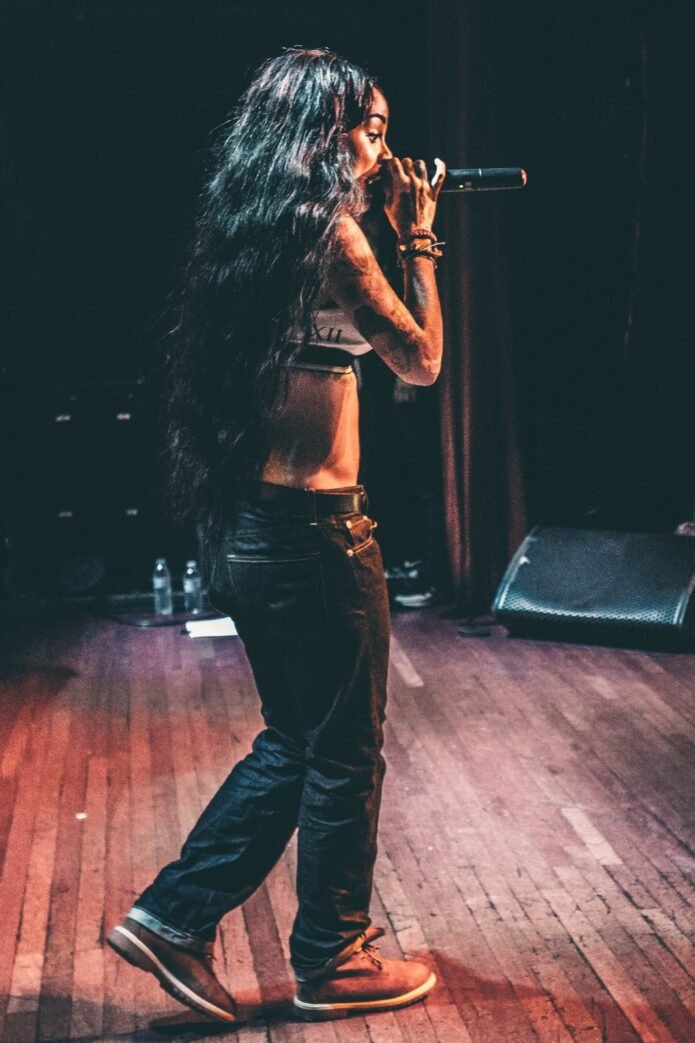
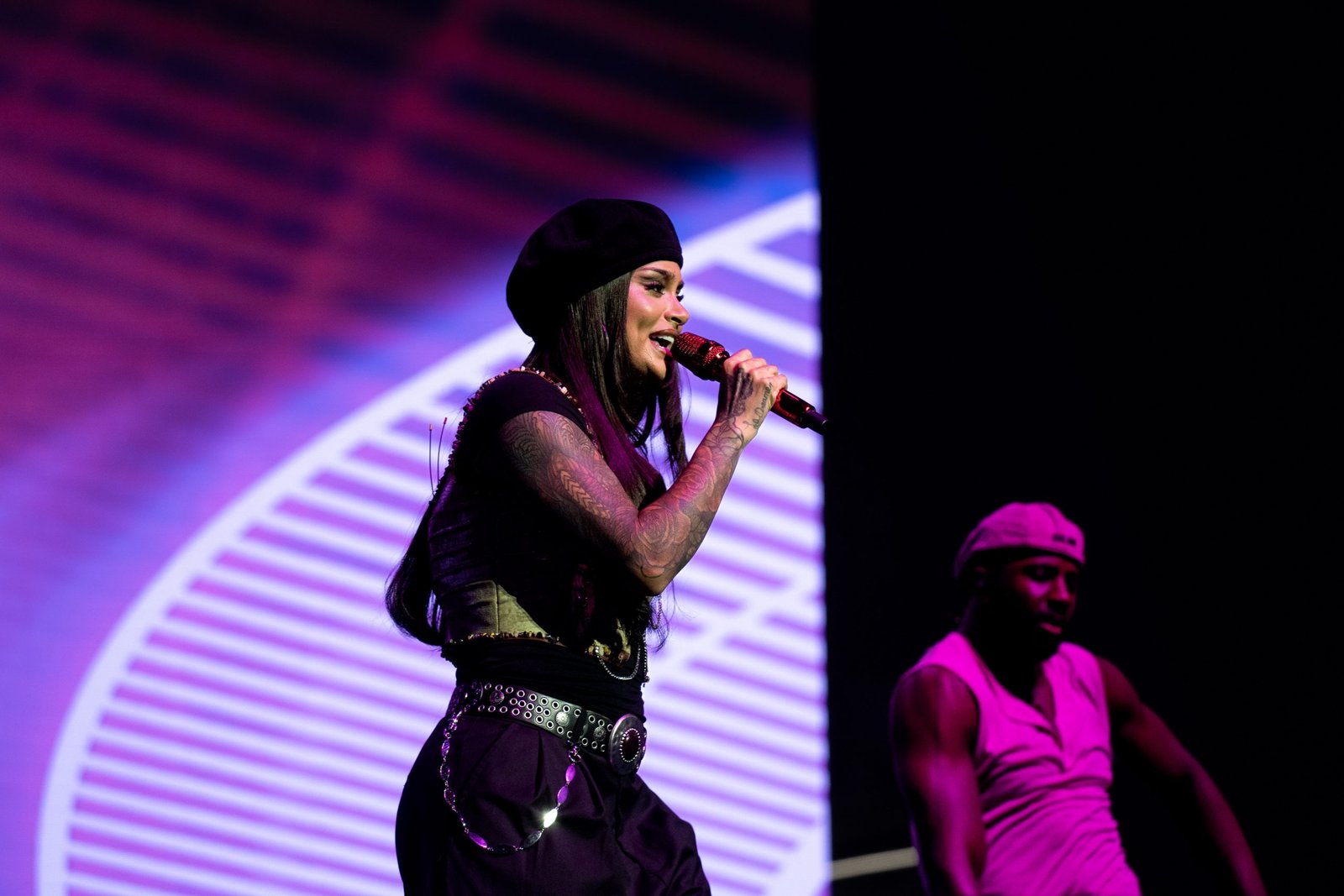
Kehlani’s tattoos span their face, neck, hands, arms, torso and legs, and the collection has changed over time. Teen Vogue mapped the designs by body area in 2020. More recently, Kehlani said they were considering removing some face tattoos, so older photos are only a snapshot.
Face tattoos
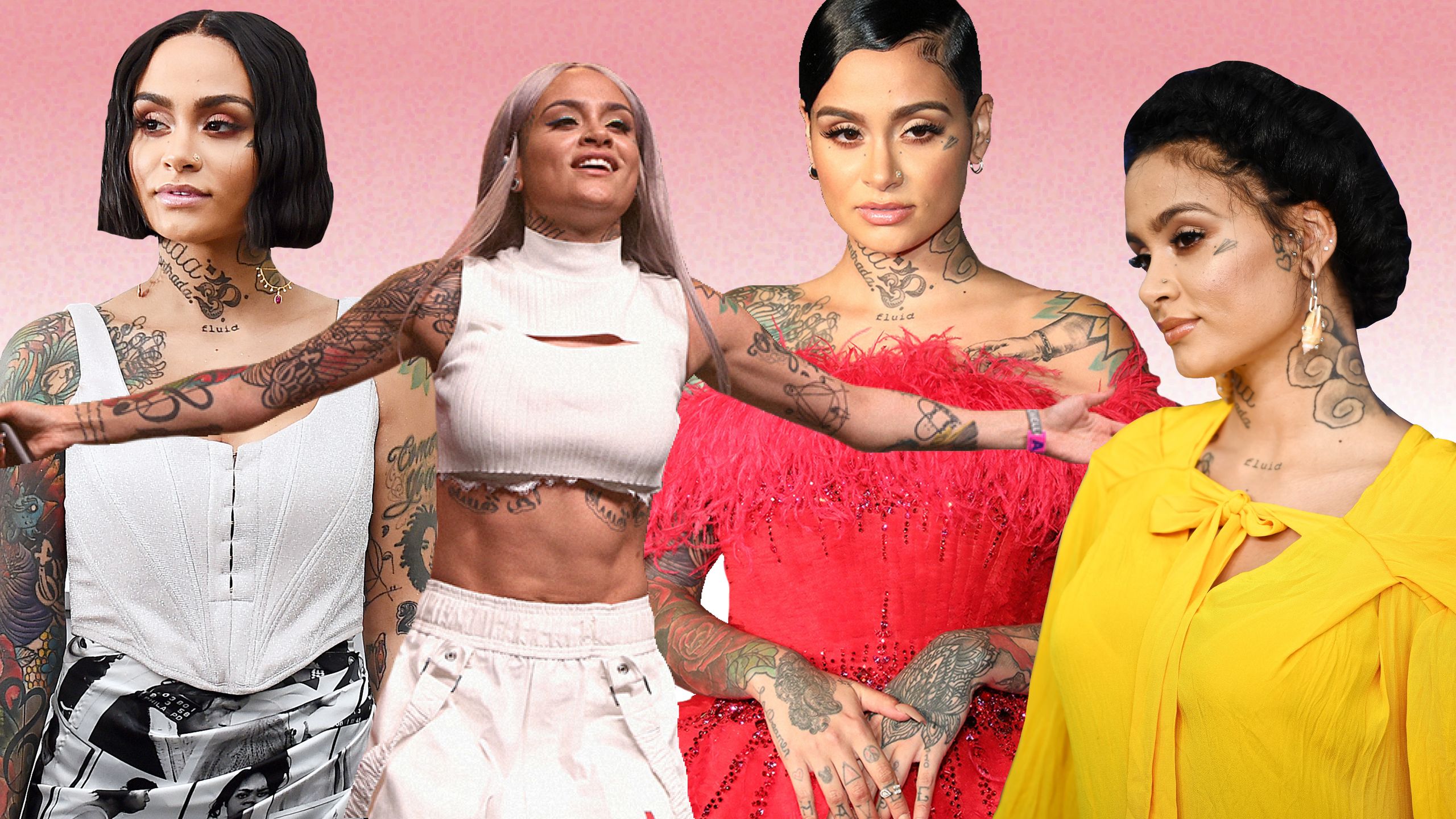
Kehlani has a queen-of-hearts symbol near the left temple, Espíritu Libre on the right, four dots beneath the eyes and a paper plane under the left eye. In a 2015 interview, they said the face tattoos hurt less than many people might expect, Teen Vogue reported.
In a 2026 interview with VICE, Kehlani said they were considering removing the face tattoos to feel fresher and have more freedom with their appearance. They also worried that face ink can leave a person looking locked into one style.
Perdida y encontrada on the neck
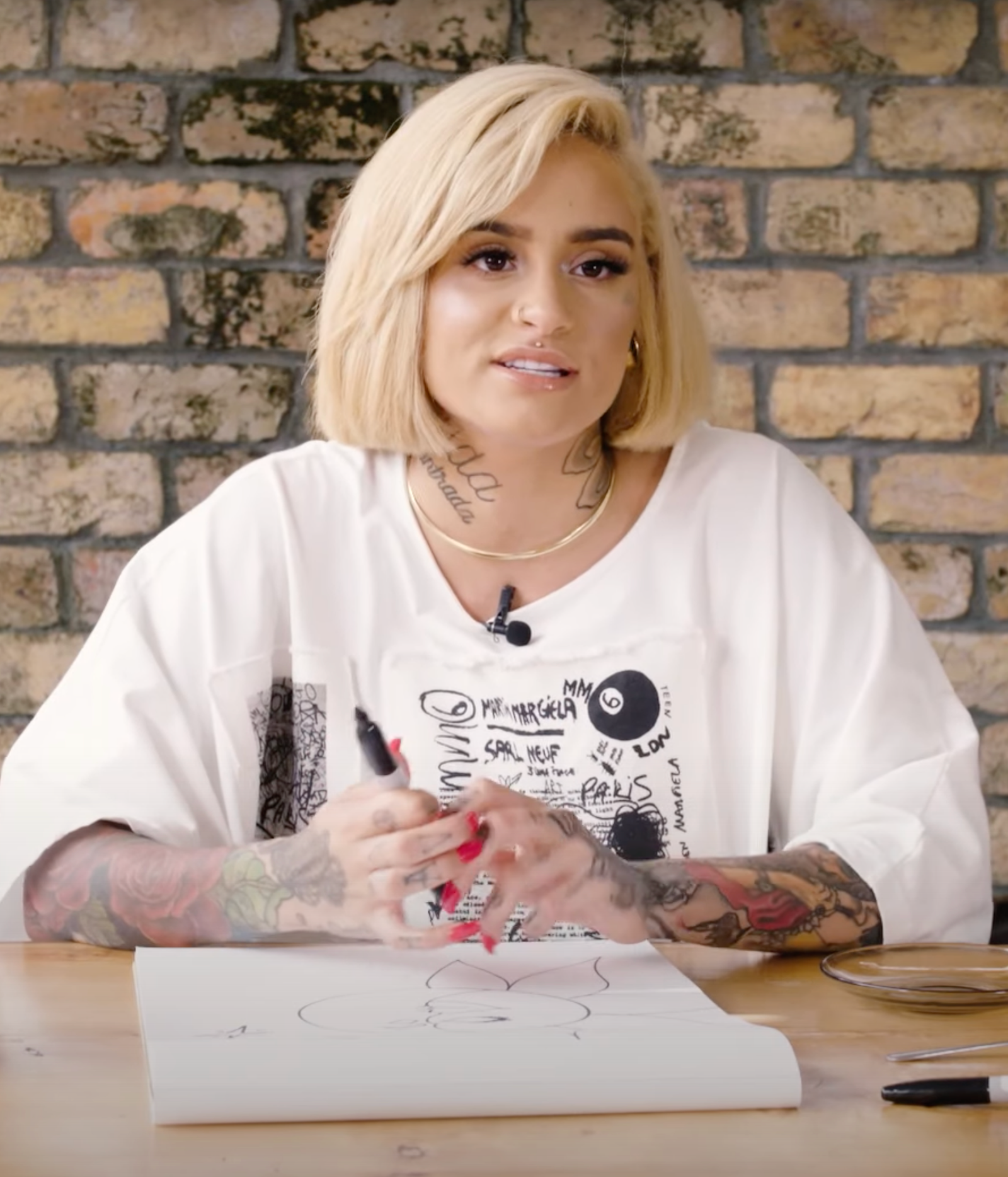
Kehlani got the phrase perdida y encontrada tattooed on their neck in 2016. Teen Vogue translated it as “lost and found.” Kehlani said it marked recovery after a major heartbreak and felt therapeutic, a reminder that getting lost didn’t mean they couldn’t find themselves again.
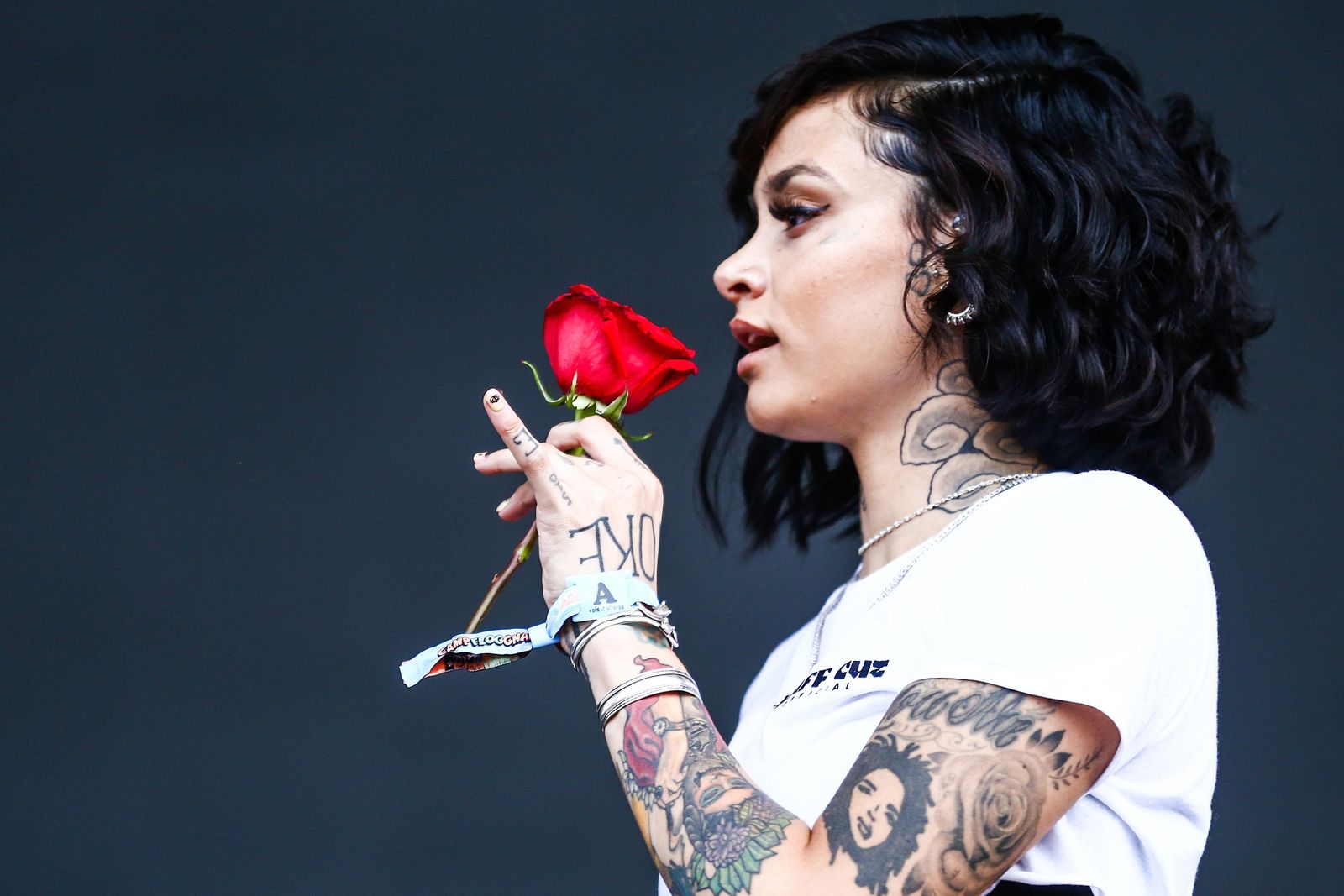
A Japanese-style cloud runs along the left side of Kehlani’s neck. Their throat bears a large Om symbol with the word fluid beneath it. Teen Vogue linked fluid to Kehlani’s discussion of sexual orientation. Hair and clothing can make these visible designs easier or harder to see in photos.
The WOKE hand tattoo and lotus cover-up
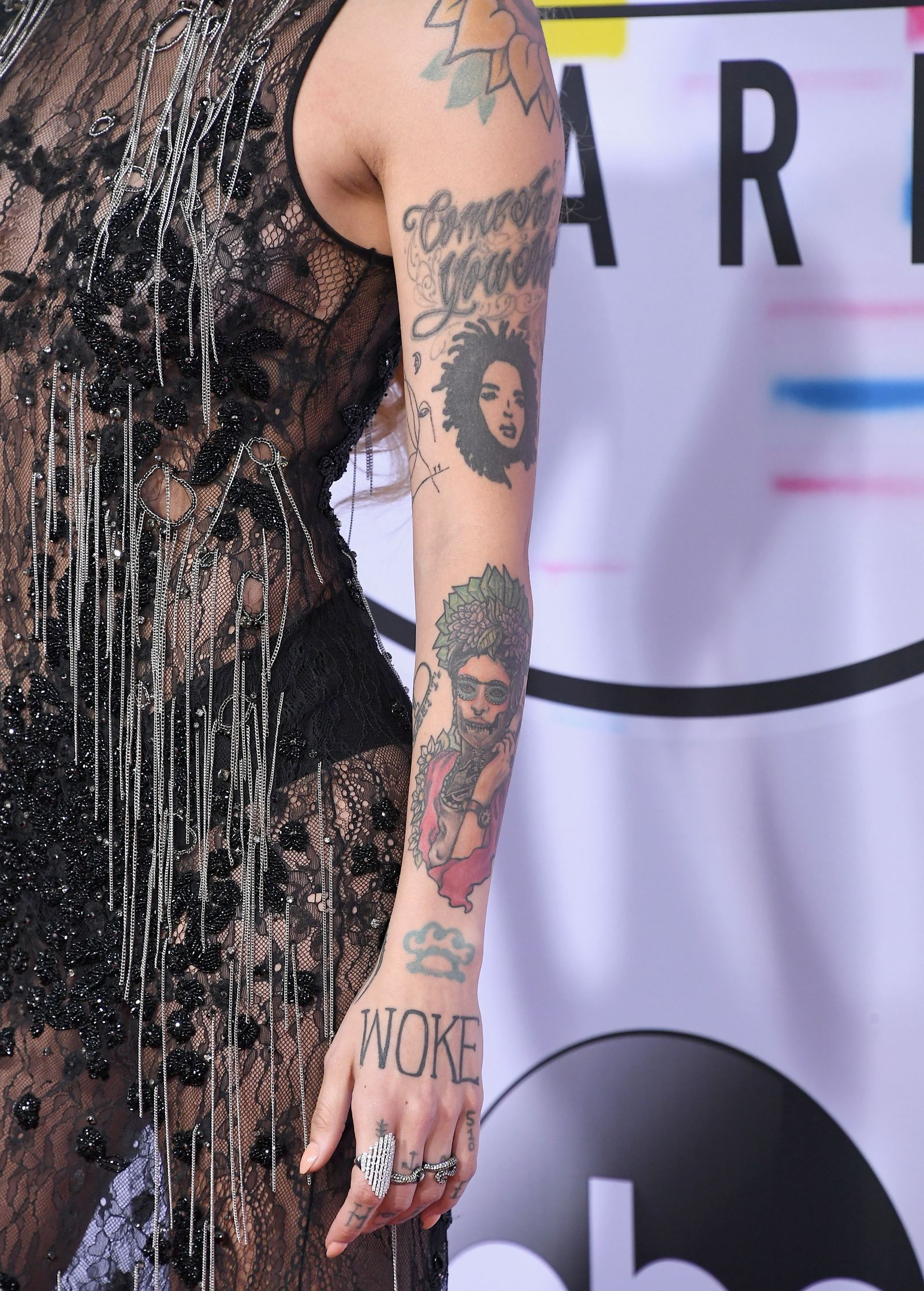
In 2018, Kehlani’s WOKE hand tattoo was covered by a double lotus, BET reported. They said they had once felt very sure of their own knowledge, but later felt the word had become too fixed a statement.
BET quoted Kehlani describing the lotus as a design that wrapped around and carried forward the idea behind WOKE. Teen Vogue credited the cover-up to Dillon Forte. The redesign changed the meaning of the tattoo as well as its appearance.
First hand tattoos and messages
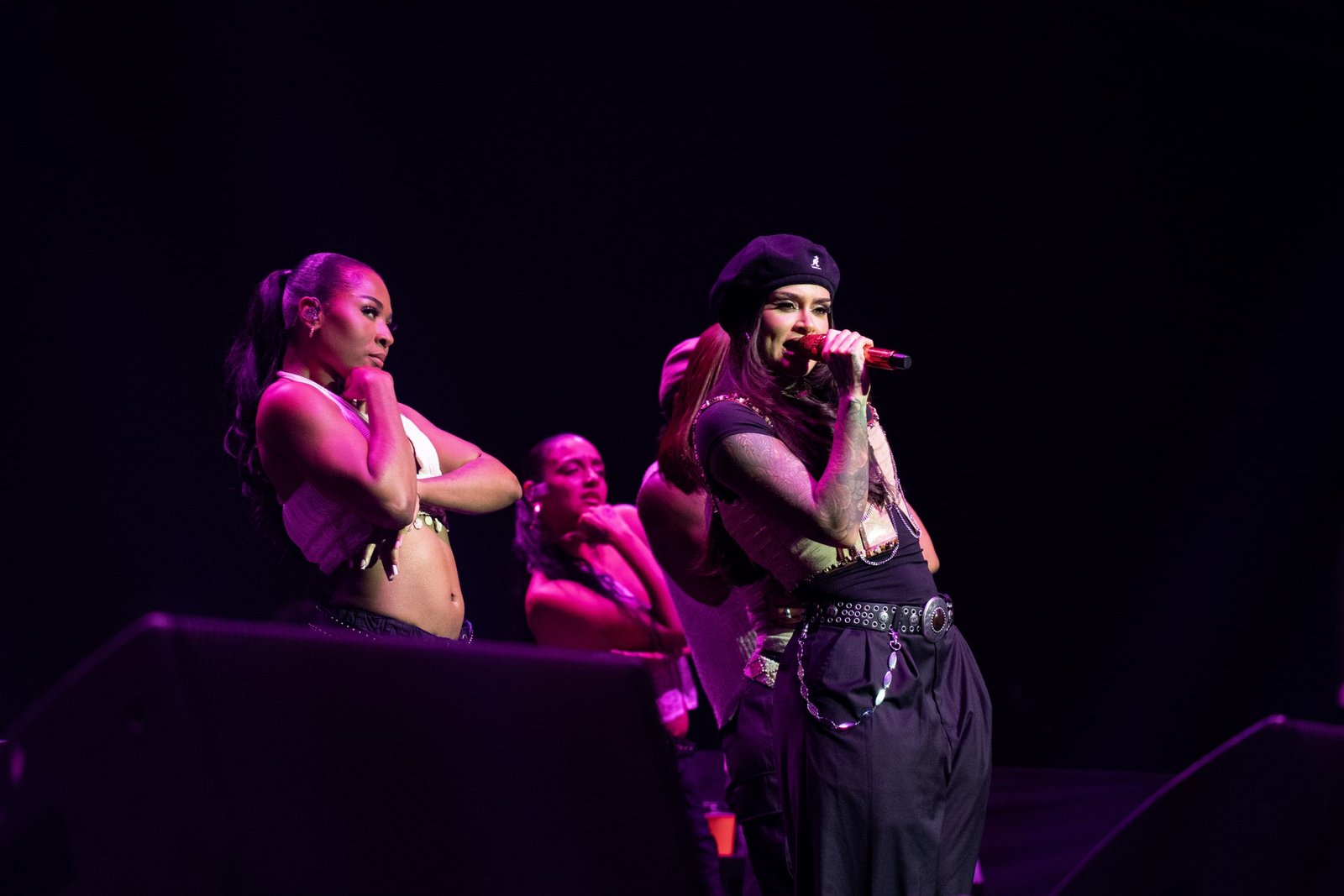
Kehlani told The Fader that their first tattoo was HAVE HOPE across the knuckles, Teen Vogue reported. They got it for a best friend who was moving away and whom they called a sister. Their hands later gained small symbols, including an arrow, anchor, Venus sign and the number 510.
Other hand tattoos include a peace sign, triangle, Mickey Mouse, heart, paisley pattern and the phrase La Dreamer. Teen Vogue said it was a nickname for a girl Kehlani met while in foster care. That explains La Dreamer; it doesn’t explain every tattoo on their hands.
The Maori family tattoo
During a 2017 trip to Australia, Kehlani flew in a New Zealand artist to create a traditional Māori tattoo. Teen Vogue reported that it represents whānau, or family. Six koru stand for four siblings living on earth and two who had died; two mangopare, or hammerhead sharks, represent guidance and strength through adversity.
Kehlani’s account explains the family symbolism and the artist’s connection to the design. The tattoo’s Māori tradition is part of that context too.
Arm portraits and music influences
Kehlani’s left arm has a sunflower on the shoulder, a portrait of Lauryn Hill with Come As You Are, and a portrait of Frida Kahlo. They said Frida had influenced their personality, strength and art, Teen Vogue reported. The Lauryn Hill portrait uses the cover of The Miseducation of Lauryn Hill; Kehlani said it reminds them to stay focused and make a great album.
The right arm has a colourful sleeve of peacock feathers and roses. Los Angeles artist Miryam Lumpini later enlarged and brightened the sunflower, Teen Vogue reported. Kehlani hasn’t given a specific meaning for the sunflower or the sleeve’s filler designs, so those meanings remain open.
Torso and leg tattoos
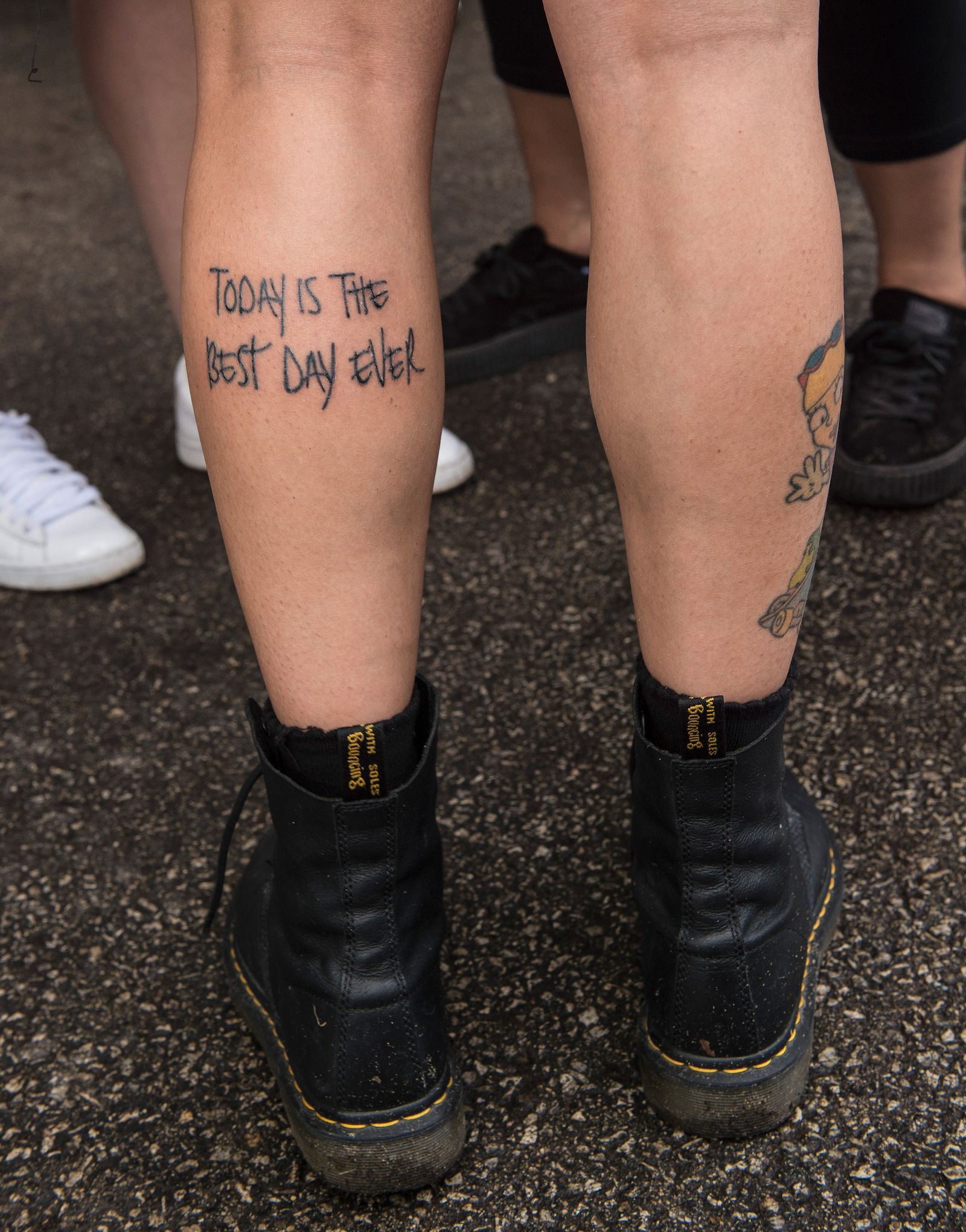
A large Tsunami tattoo spans Kehlani’s torso, a reference to the nickname Lani Tsunami. Other reported designs include marine animals and Arabic lettering translated as “forgive yourself.” Between the shoulder blades is a quote about surviving hardship. Teen Vogue also documented Today Is the Best Day Ever beside a portrait whose subject Kehlani hasn’t named.
Pop culture turns up on Kehlani’s legs too: Mia Wallace and Vincent Vega dancing in a Pulp Fiction scene, a longboard with a palm tree and waves, and Reggie Rocket from Rocket Power. Kehlani said Reggie reminded them of their tomboy childhood and helped them ignore other people’s judgments. Other reported designs include Betty Boop, an unidentified portrait, and a spider and rose pierced by a dagger.
How the collection has changed
Since Teen Vogue’s 2020 gallery, Kehlani has covered WOKE and discussed removing the face tattoos; other pieces have also been expanded or reworked. The gallery is a snapshot, so a tattoo shown there may not look the same now.
Kehlani’s collection includes phrases, portraits of artists, family symbols, pop-culture characters, Māori work and tattoos tied to personal changes. They have explained some designs. The photos show what others look like, but don’t establish what each one means.
Frequently asked questions
What happened to Kehlani’s WOKE tattoo?
In 2018, Kehlani covered the WOKE hand tattoo with a double lotus. They said their view of the word had changed and described how the lotus carried its idea forward. Teen Vogue identified Dillon Forte as the cover-up artist.
What does Kehlani’s Maori tattoo mean?
Kehlani said the Māori design represents whānau, or family. Its koru refer to siblings and the mangopare to guidance and strength.
What does perdida y encontrada mean?
Perdida y encontrada means “lost and found” in Spanish. Kehlani described the neck tattoo as a therapeutic reminder after heartbreak.
Are Kehlani’s face tattoos being removed?
VICE reported in 2026 that Kehlani was considering removing the face tattoos to feel softer and have more freedom with their appearance.
Kehlani’s tattoos reflect friends, family, music and culture, with many tied to personal growth. The face and hands show the most visible shifts: WOKE became a lotus, and Kehlani has discussed removing face ink. They’ve explained other pieces too, including the neck phrase, Māori family tattoo and portraits. The remaining photos show what the designs look like, but not what each one means to them.