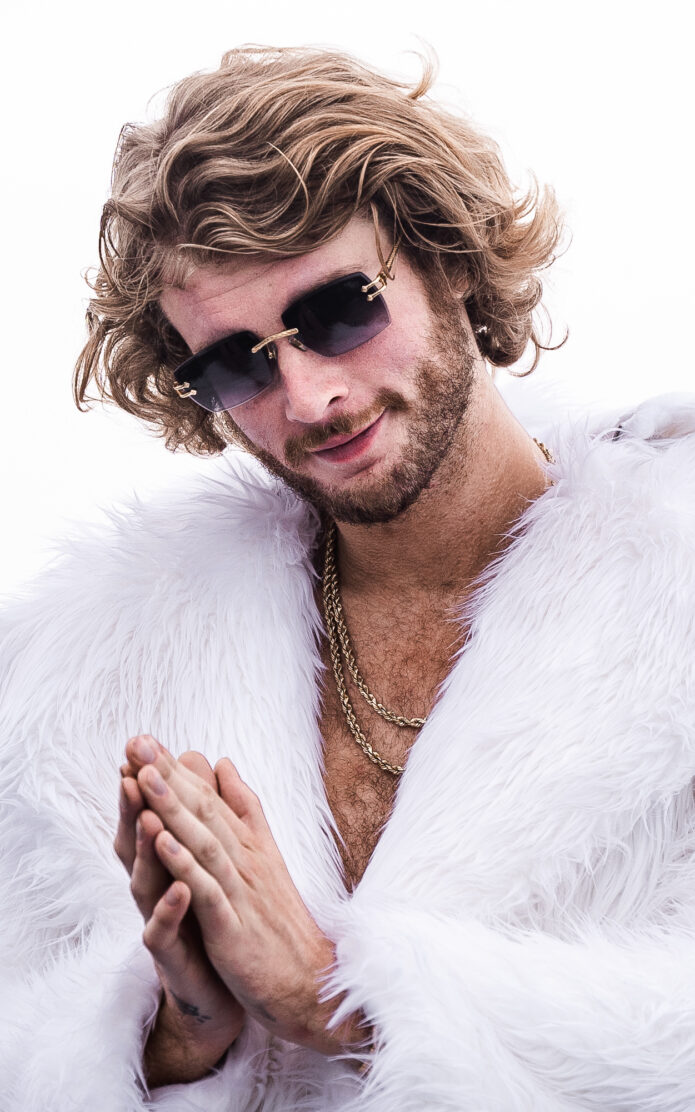
Yung Gravy’s tattoos share the offbeat, easygoing humour that runs through his music. They are not a carefully planned catalogue, and that loose quality is part of the appeal. Some came out of a joke, others out of friendship, and a few seem to have happened because the opportunity showed up while he was on the road. The public record is spread across interviews, short clips and photos, so it helps to separate what is confirmed from what is only suggested.
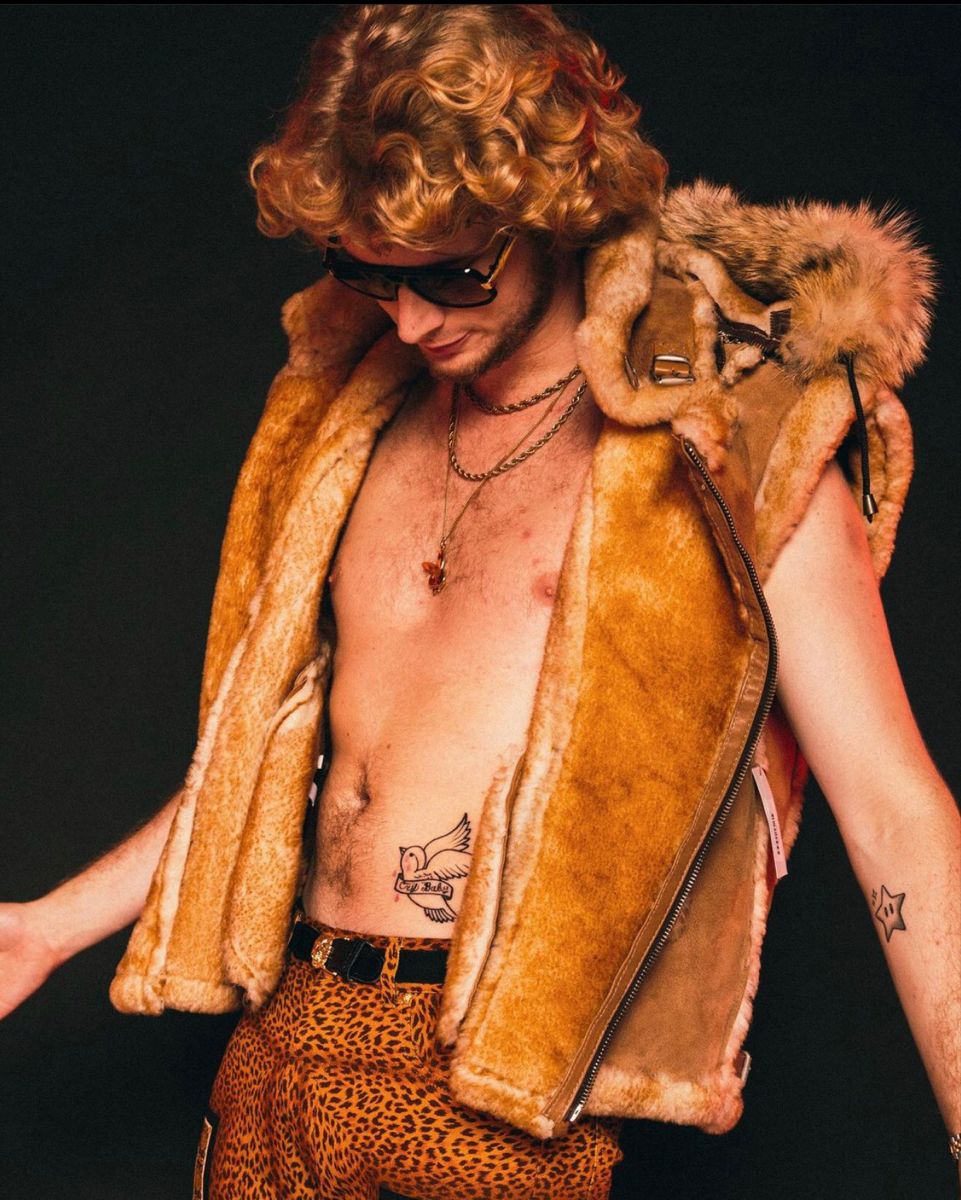
The clearest story is the matching tattoo he got with T-Pain. Search results for an interview clip identify it as a Keith Haring Jordan tattoo, bringing Haring’s lively line drawings together with a familiar basketball reference. The shared design makes the moment memorable, though the available material does not pin down its exact placement.
The Haring influence gives the group a visual thread without making it feel like one large, single-theme piece. His figures use movement, repetition and bold outlines; the Jordan reference carries that energy into sports culture. Matching tattoos also say something about the friendship behind them. That is the kind of tattoo story Gravy seems to enjoy most: a laugh first, an explanation second.
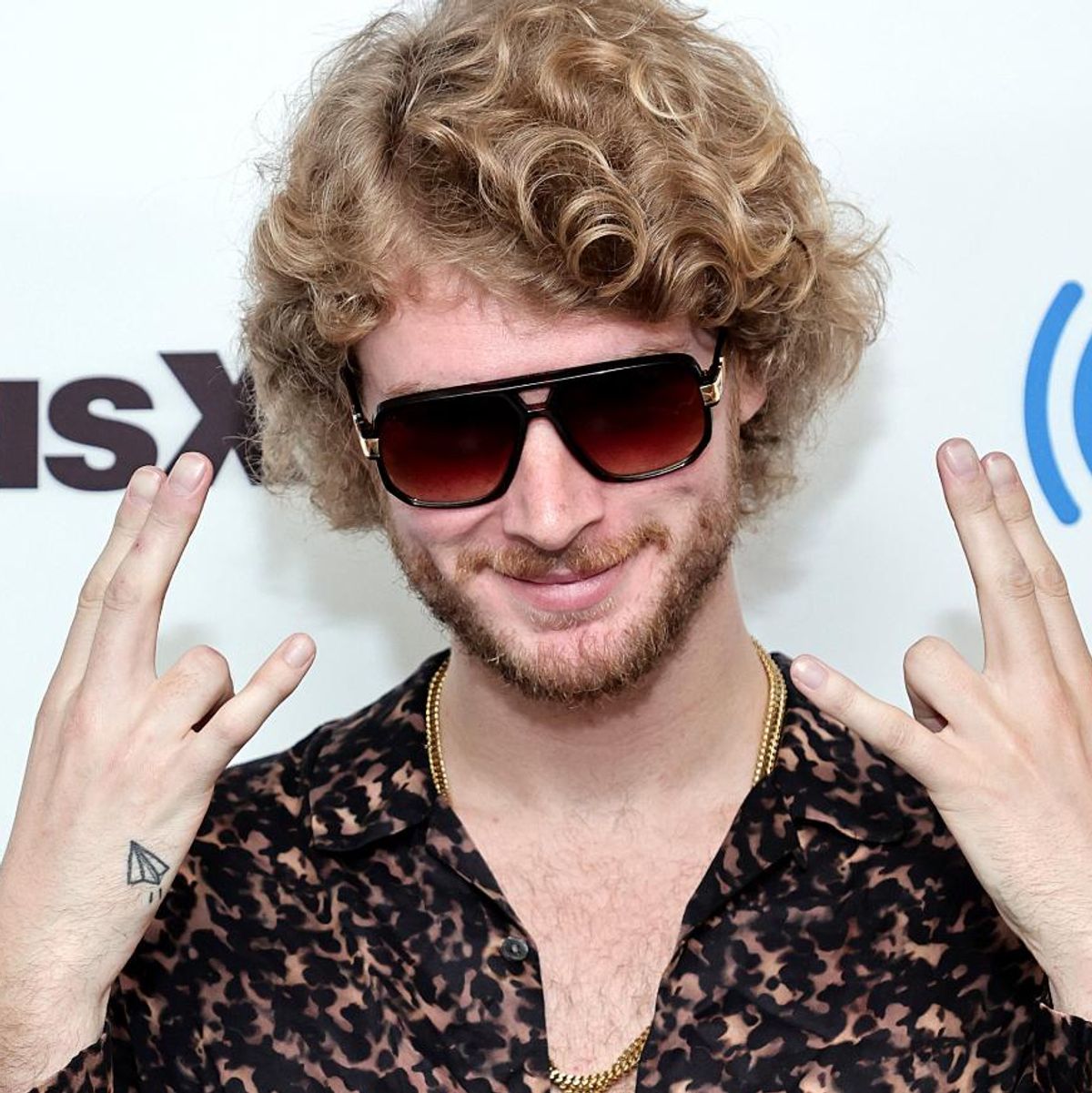
Gravy has also been tattooed in laid-back settings. Search results describe a pre-show session filmed backstage, while another clip shows Steve-O tattooing a Jackass logo on him. That second piece is especially well documented: the video is on Gravy’s own YouTube channel. The Jackass logo is tied to a particular artist, meeting and very public bit of chaos, rather than being an unexplained mark.
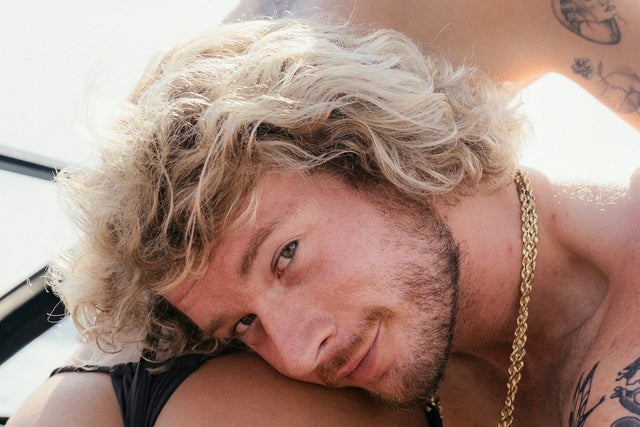
That Steve-O session shows why a list of designs can miss part of the story. A logo may be small beside a portrait or a sleeve, but the circumstances give it weight: it captures a collaboration and the kind of spontaneous pop-culture moment Gravy likes to share. The joke is part of the keepsake; it is what makes the keepsake memorable.
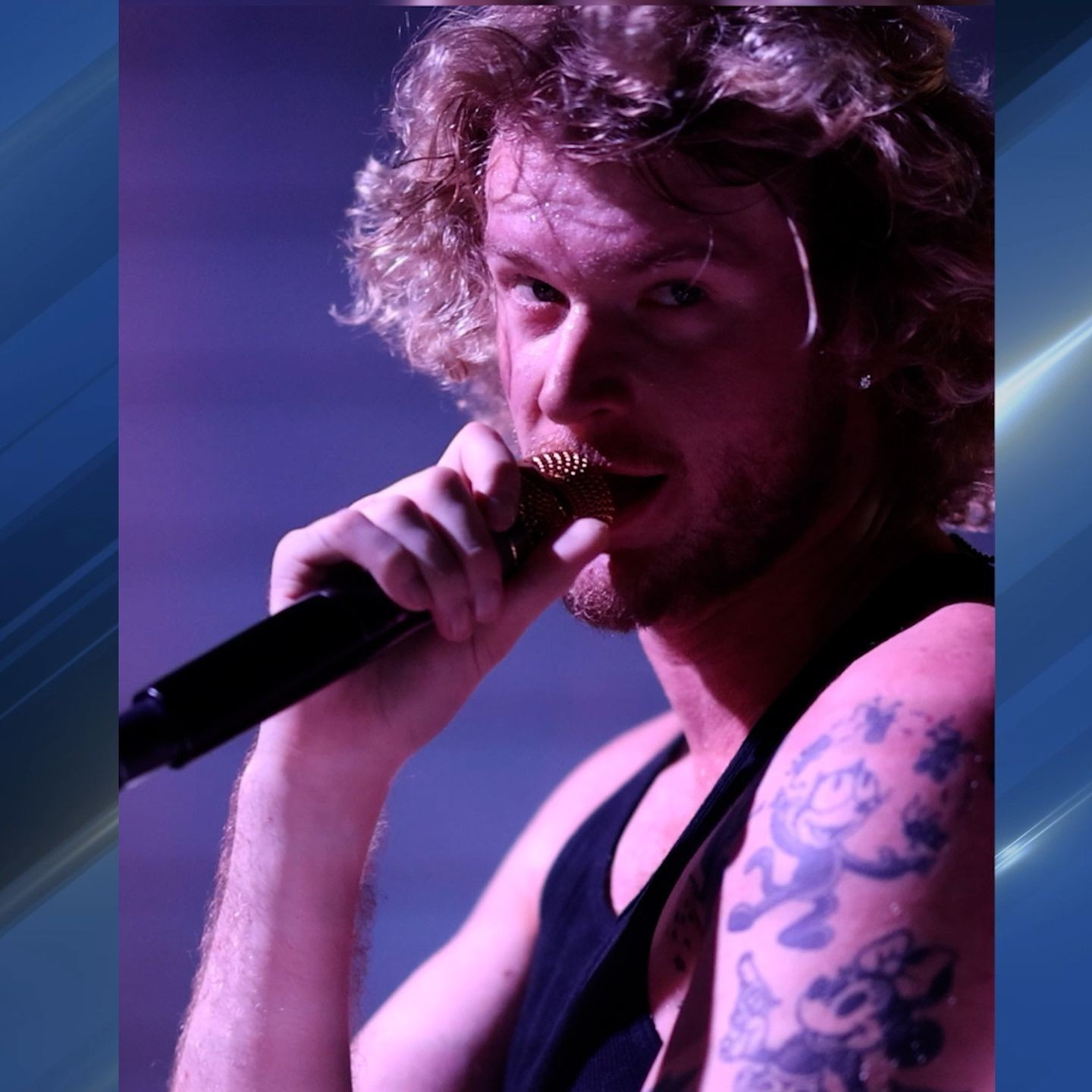
Photos from red carpets, performances and informal video clips show the tattoos across different periods and settings. Taken together, they make clear that this is a changing collection, not just a look from one photo shoot. They also show why placement should be described with care: lighting, clothing and a tight crop can hide a detail in one image and reveal it in another.
There is a noticeable difference between the polished Icebox-era portrait and the rougher backstage footage. In the portrait, the tattoos are part of a styled appearance; in the video, they are simply there while he sits down with an artist before a show. Both views help explain the appeal. Gravy’s tattoos feel more like a running scrapbook than a brand identity.
People have also shared claims about hand tattoos and tributes, but a social-media caption alone may not establish who did a piece, when it was done or what it means. A careful guide should not turn a comment into a confirmed fact. The strongest documented details remain the Keith Haring Jordan tattoo with T-Pain, the Jackass logo session with Steve-O, and the other pieces seen around shows and interviews.
That care does not make the collection less interesting. It gives the confirmed stories room to stand out. The Keith Haring design is about a shared reference and a decision to get matching ink; the Jackass logo turns a performance into a souvenir; and the backstage clip captures the access and trust involved in letting someone tattoo you. Each story gives the ink a different reason to be there.
Gravy’s public persona leaves plenty of room for exaggeration, but the tattoo stories work best when the details stay grounded. Not every piece needs a grand statement. Sometimes one is a punchline, sometimes it comes from a friend, and sometimes it simply made sense in the room. That relaxed approach is why the visible collection feels connected even when its pieces look different.
It is hard to put the collection in chronological order because the public photos are not a complete archive. A portrait from one tour may show different marks from a later clip, and a jacket or shirt can cover the very spot readers want to identify. The Keith Haring Jordan design with T-Pain and the Jackass logo done by Steve-O have clearer accounts. For other tattoos, the public record leaves open when they appeared or what they mean.
The humour is useful context, not just decoration. Gravy’s public image can feel like a character, but the people in these tattoo sessions are real collaborators. A matching design records a choice shared by two people. A backstage session captures the short, strange stretch of time before a show. The Jackass logo carries the story of that meeting with Steve-O.
There is no need to give a funny design a solemn explanation. A pop-culture tattoo can matter because it marks a friendship, a shared reference or a particular time. The Keith Haring Jordan pairing is playful and specific: it points to an artist, a visual style and a matching decision. The Jackass logo has its own story because of how and where it was done.
For anyone trying to identify a particular tattoo, the approach is straightforward: start with a clear photo, compare it across appearances, and look for a direct interview or a named artist. Treat anything else as visible but undocumented until stronger evidence turns up. A little caution keeps a tattoo guide useful and avoids presenting a guess as fact.
Gravy’s ink sits somewhere between costume and diary. It helps create the wider visual world around him, but it is more than a wall of logos made for instant recognition. The pieces hold jokes, friendships and odd little moments. A short clip can explain more than a long list of guessed symbols, because the story is part of the ink’s history.
The photos also show a performer at ease with contrast. A carefully styled look can sit beside a deliberately silly tattoo story without either one cancelling out the other. The pieces do not have to match to feel connected; they share a willingness to let friendship, timing and everyday life leave a mark.
The clearest accounts are the ones with names attached: T-Pain, Keith Haring, Steve-O and Jackass. Those details give readers something concrete to follow. Other explanations can wait until Gravy or an artist speaks about them directly.
The collection is still growing. New sessions may reveal more about the placement of existing tattoos or add another chapter, while older photos may provide context for designs already seen. For now, the confirmed stories show how Gravy uses ink to remember people, places and ridiculous moments he wants to keep.
The documented tattoo inventory
The best-supported public record includes the matching Keith Haring Jordan design associated with T-Pain and the Jackass logo tattooed by Steve-O. Other tattoos are visible across his public appearances, but their names, dates or meanings are not consistently documented. A reliable inventory can note what is visible while leaving those details open until there is a clearer source.
Why the stories matter as much as the designs
For Gravy, a tattoo’s social story is part of the design. The matching piece links him to T-Pain; the Jackass logo connects him to Steve-O; and a pre-show session ties the ink to touring and the loose world around a concert. That gives us plenty to say without inventing symbolism. These tattoos work as souvenirs of collaborations, jokes and moments that might otherwise pass quickly. The story is part of the tattoo’s history.
Watch the tattoo conversation
The interview clip below is a useful companion to the documented stories, especially the matching Keith Haring Jordan tattoo.