Musicians

Tattoo guides for singers, rappers, DJs and musicians, with photographs, documented meanings and the stories behind their designs.

Ozzy Osbourne Tattoos: OZZY Knuckles, Dragon and Sharon Rose

Ozzy Osbourne’s tattoos have been part of his public look for decades. The OZZY knuckles, the bright chest dragon and the rose for Sharon are easy to recognize; his arms carry older pieces with a rougher, less uniform look.

Some details are easy to confirm in years of photos. Others disappear beneath his hair, jewelry or a microphone. This article sticks to what the pictures show and to stories Ozzy has discussed, leaving unclear marks unidentified.

Ozzy’s tattoos started with the OZZY knuckles

The letters OZZY across his knuckles are probably Ozzy’s best-known tattoo. He has said he got them when he was young with a needle and pencil lead, not in a polished studio. That rough start is a long way from the carefully planned sleeves many rock stars have now.

The letters are plain and direct, and impossible to miss when he raises a hand onstage. Old photos show how the knuckles became part of his public look. They read like a quick choice that stayed with him through his career.
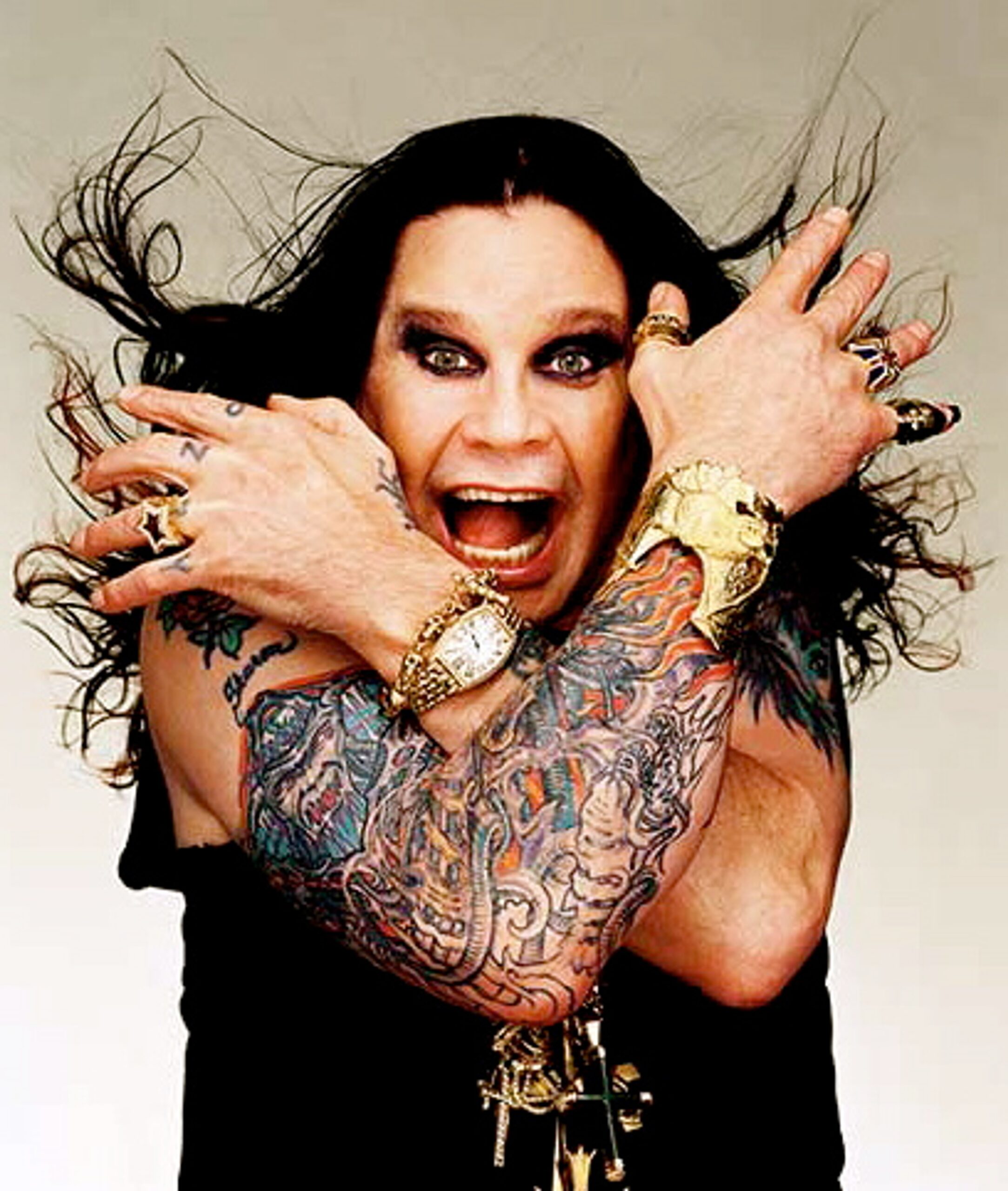
Ozzy Osbourne dragon, flames and claw sleeve tattoo visible in a portrait

The dragon and claw chest work is the big visual anchor

The large dragon on Ozzy’s chest usually draws the eye first. It has blue and red color, a fierce face and flame-like shapes that spread across the upper chest and shoulder. In some photos, it reads more like one painted panel than a group of small tattoos.

The lines can look different from one photo to another. The year, lighting and setting all affect what’s visible, especially under stage lights. The clearest description is a bold dragon-and-claw design across the chest and shoulder; some smaller details are hard to make out.

The colorful piece sits beside older black-and-gray tattoos. Faded outlines, lettering and smaller symbols share the same area, so the overall effect feels like a collection built over time rather than a matching set. That mix is part of its appeal.
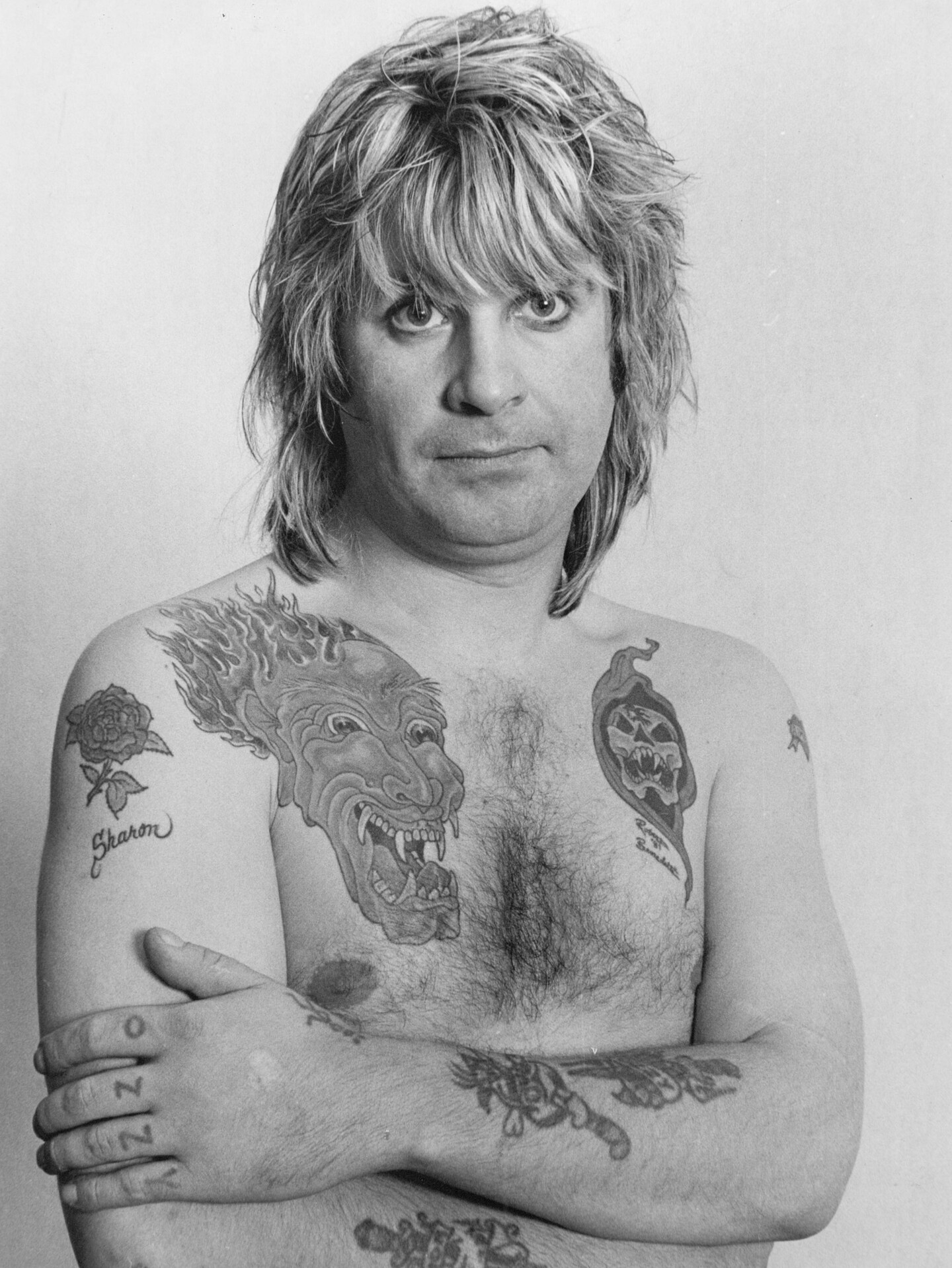
Ozzy Osbourne chest and arm tattoos visible in a black and white portrait

The black and white photos show how much ink is on his arms

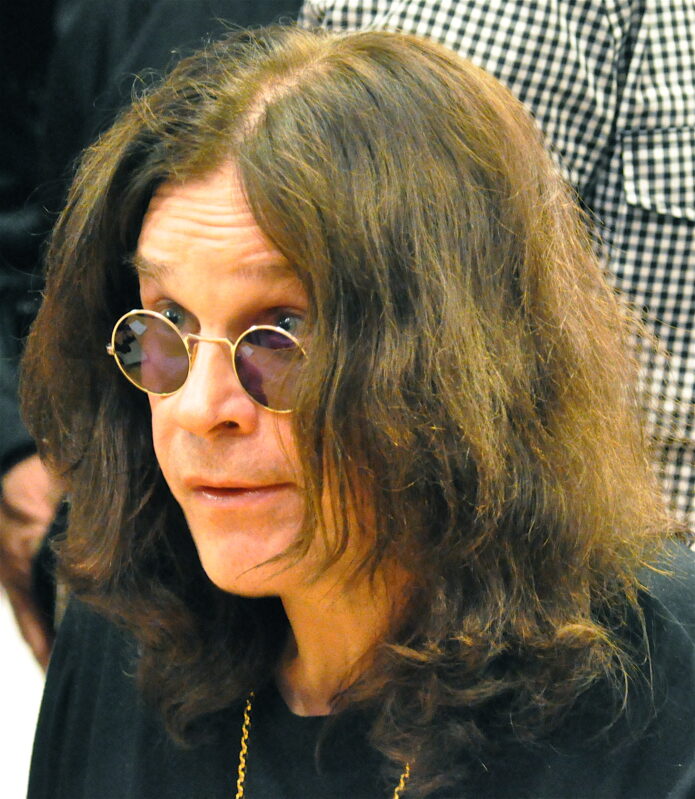
A clear black-and-white portrait shows several pieces at once: a flower and the name Sharon on one shoulder, the dragon across his chest, a darker design on the other side, and line work on his forearms that’s easy to miss in a live photo.

Without colored lights or a moving microphone, the arm tattoos are easier to see. They don’t form one tidy sleeve. There are gaps, older outlines and overlapping designs, giving the collection the uneven look of 1980s rock rather than a modern studio set.

The portraits also show how the ink has aged. Tattoos fade and skin changes; a sharp magazine photo can look softer decades later. The difference gives the collection a sense of time.

The Sharon rose is one of the clearest personal tattoos

The rose and Sharon lettering on Ozzy’s upper arm are among his easiest tattoos to identify. The flower appears in several portraits, and the name beside it makes the tribute clear. It honors Sharon, who has been beside him through his Black Sabbath years, solo career and family life.

Next to monsters and dragons, the rose is a simple, sentimental design. The flower keeps the tribute easy to read, while the surrounding ink gives it a darker rock-and-roll frame.
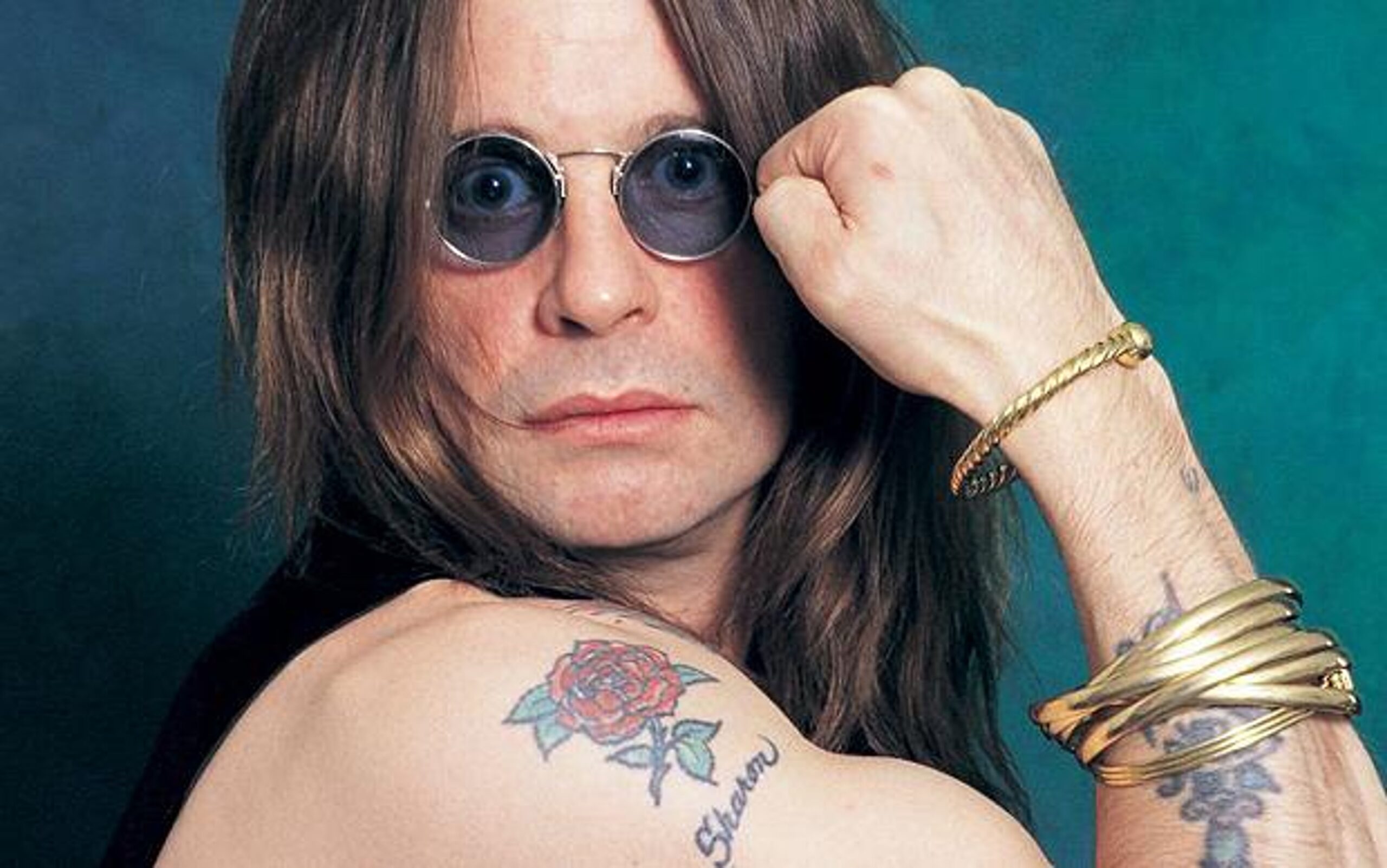
Ozzy Osbourne Sharon rose shoulder tattoo and forearm ink

His older portraits reveal the arm pieces more clearly

A useful photo from the 1990s shows Ozzy seated with both arms in view. It captures a large portrait-style design on his forearm, flowers and lettering higher up, and more ink running toward the wrist. The placement is easier to see here than in a recent crop showing only one shoulder.

The different styles are visible in the same shot: some pieces use careful shading, while others are simple black outlines. They weren’t planned as one coordinated design. Ozzy added them at different times, and the arms hold traces of those eras.
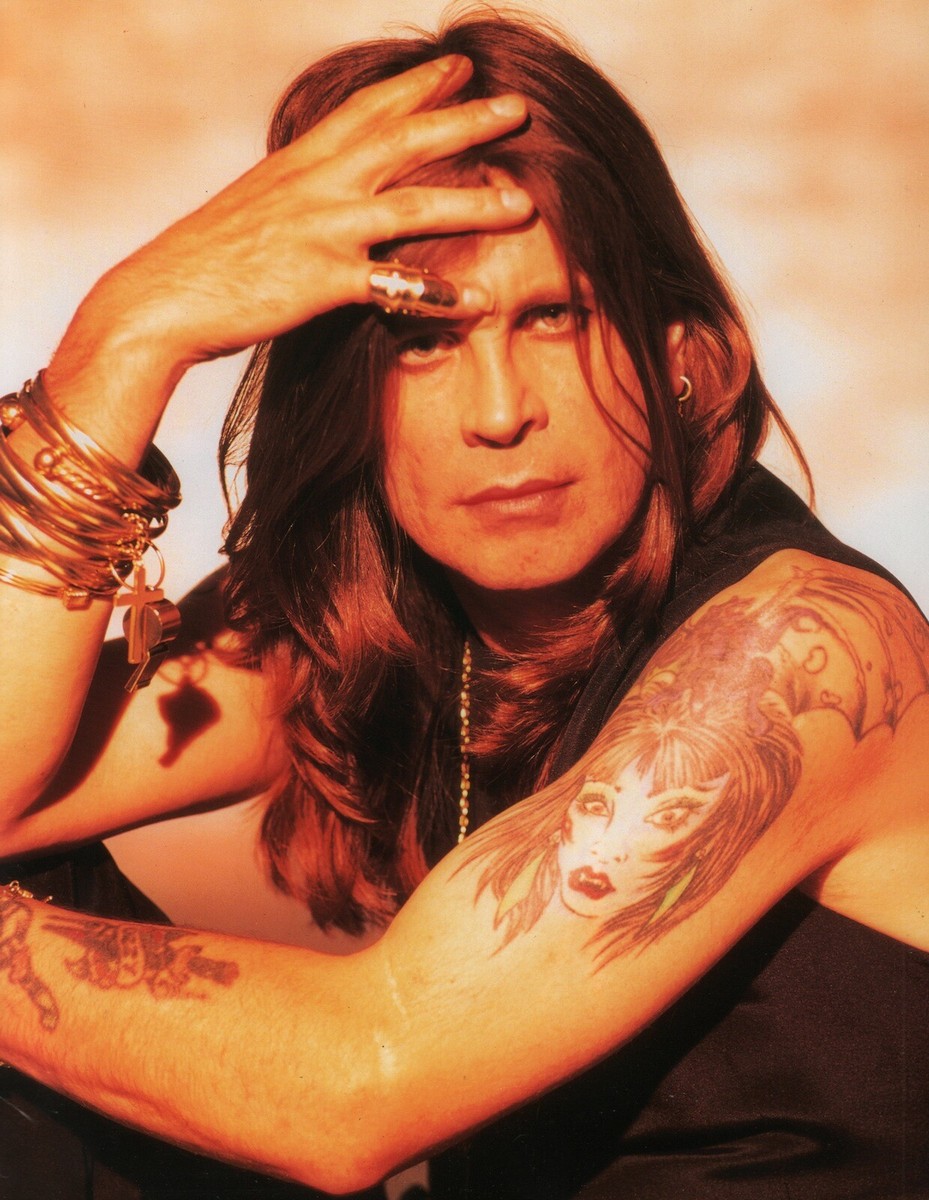
Ozzy Osbourne tattooed arms and hand ink visible in a 1995 portrait

Ozzy’s tattoos are not just about the chest piece

The dragon gets the attention, but it isn’t the whole collection. The OZZY lettering is on his hands; the upper arms have flowers, names and older designs; the forearms carry denser work, including a portrait and smaller symbols. Depending on the photo, more lines show around the wrists and lower arms.

Calling the collection a full sleeve can be misleading. With his arms crossed over his chest, some photos make them look almost completely covered. Other views show open skin and separate pieces. Both are accurate: the tattoos built up over decades.
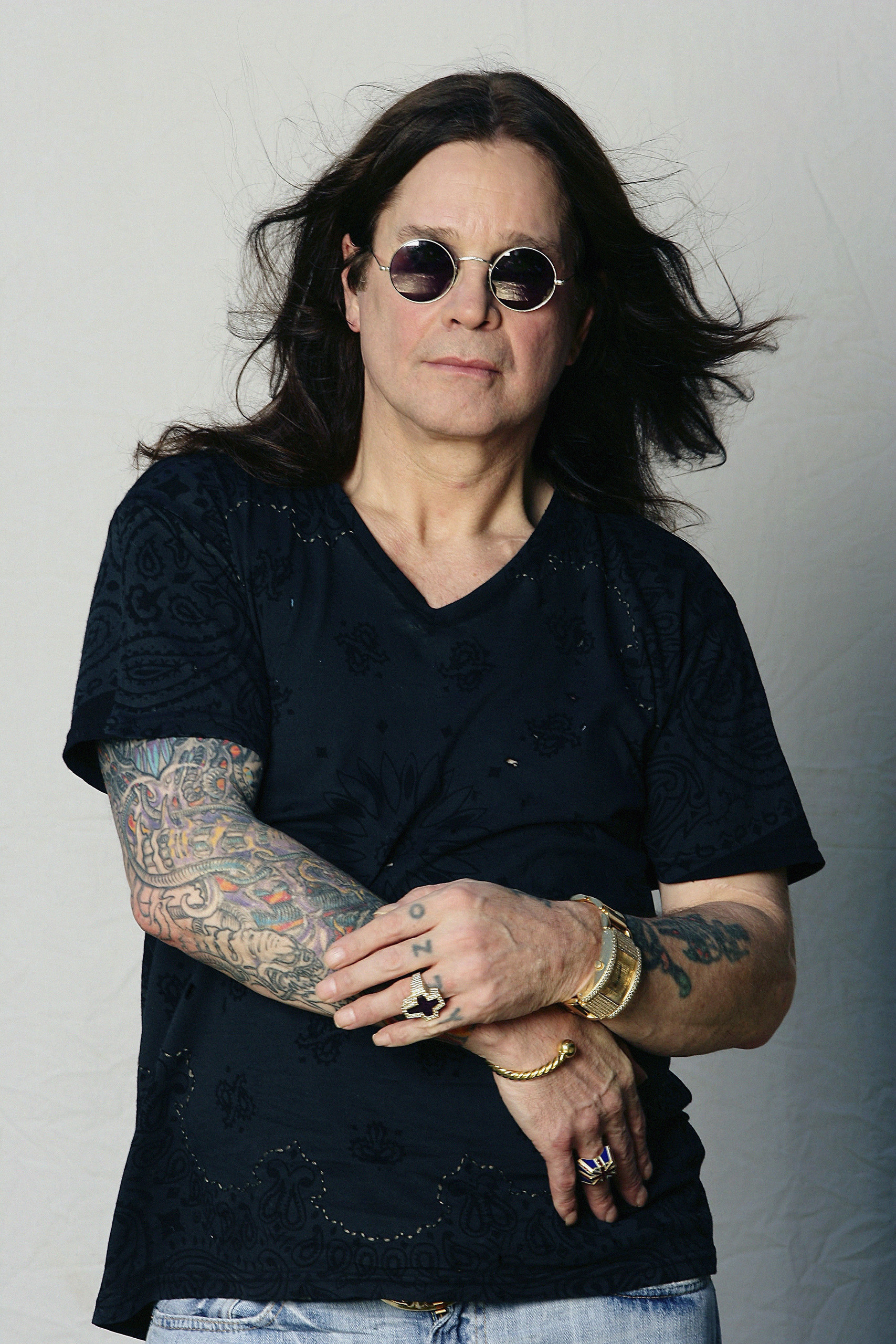
Ozzy Osbourne colorful arm tattoos and sleeve work visible in a portrait

What can we actually confirm about the meanings?

The story behind the OZZY knuckles is well established because Ozzy has told it publicly. The rose and Sharon lettering are easy to read as a tribute. The dragon and claw are clear visual motifs, but their exact meanings haven’t been consistently explained.

A tattoo can be worth looking at even when its owner hasn’t explained every detail. Ozzy’s pieces carry an old-school rock look: names, dramatic creatures and bold color, left to age rather than redesigned for a fresh social media photo.

For more heavy-music ink, see Rob Zombie’s horror-inspired tattoos, Lemmy Kilmister’s Ace of Spades ink or Zakk Wylde’s bat hand tattoo. Each has a different feel, but all three connect body art with stage identity.

Why Ozzy’s tattoo style still feels like him

Ozzy’s tattoos don’t look like they were chosen to follow one trend. Some are bright, others rough; the rose is sentimental, and the dragon and knuckle letters are dramatic. The chest piece gives him a signature image, the rose honors Sharon, and OZZY is written where everyone can see it when he raises a hand.

Together, the tattoos feel lived in rather than planned as a matching set. They appear in photos from different years, added at different points in his life. That age and variety are part of the appeal for anyone who likes body art with some history.

In short

Ozzy Osbourne’s best-known tattoos include the hand-poked OZZY knuckles, the colorful dragon-and-claw chest work, the Sharon rose and older arm pieces. The photos show how the ink grew alongside his career. Some designs are easy to identify; others are visible but don’t have a confirmed explanation.

The short video below shows Ozzy talking about tattoos. The larger pieces are easy to spot in the photos; the smaller marks are harder to pin down.
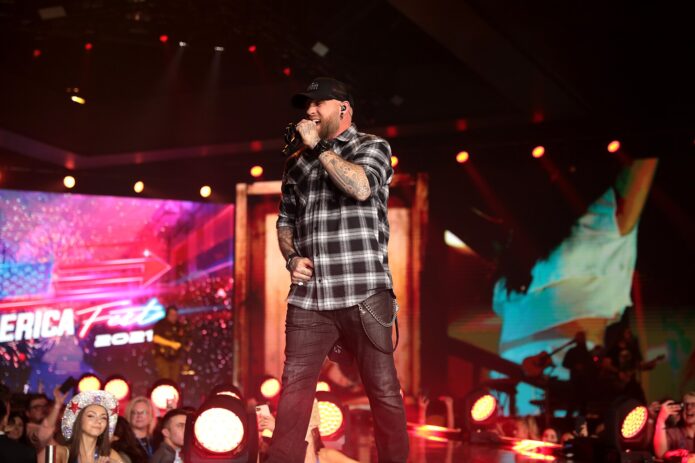
Brantley Gilbert Tattoos: Faith, Patriotism and Country Ink

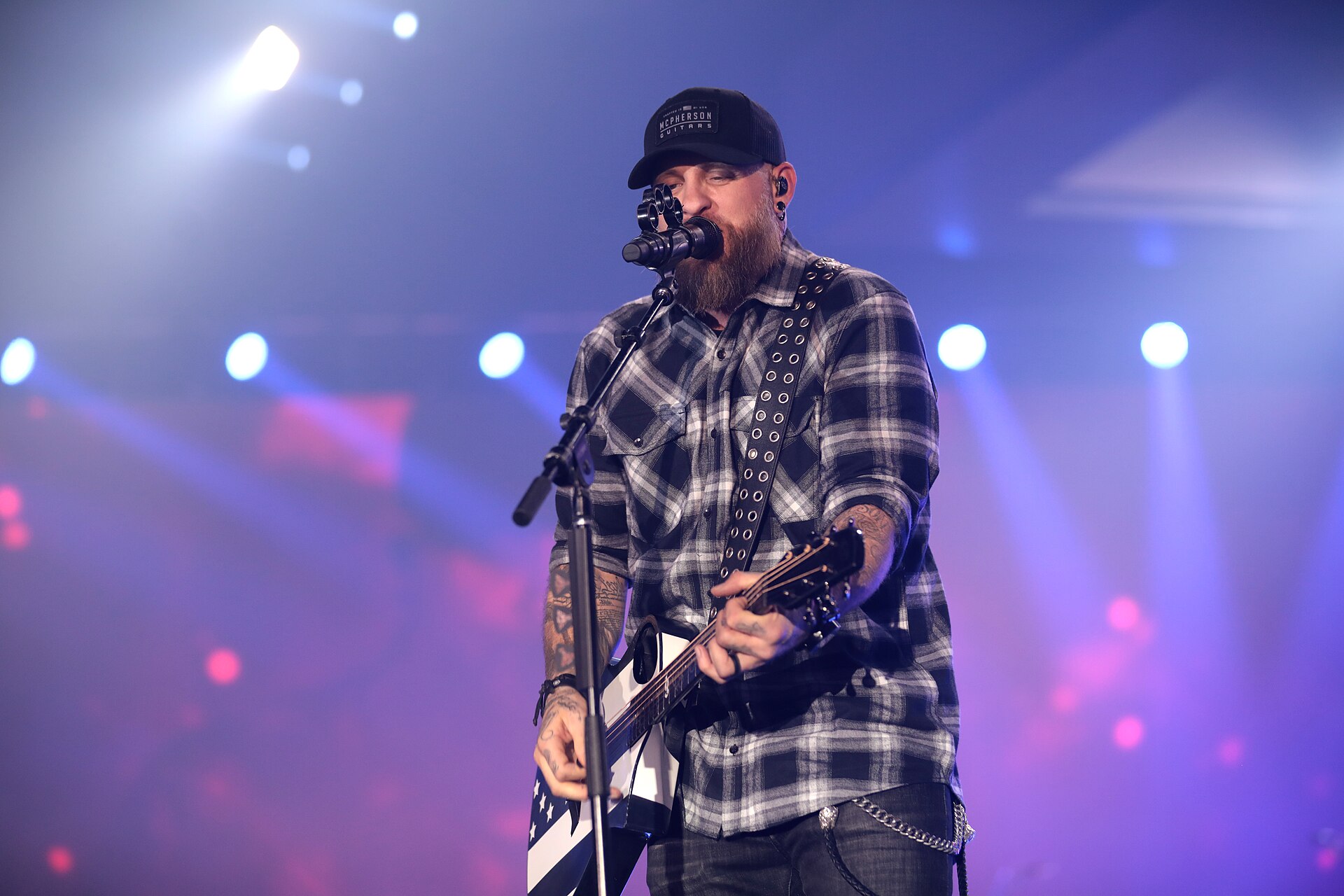
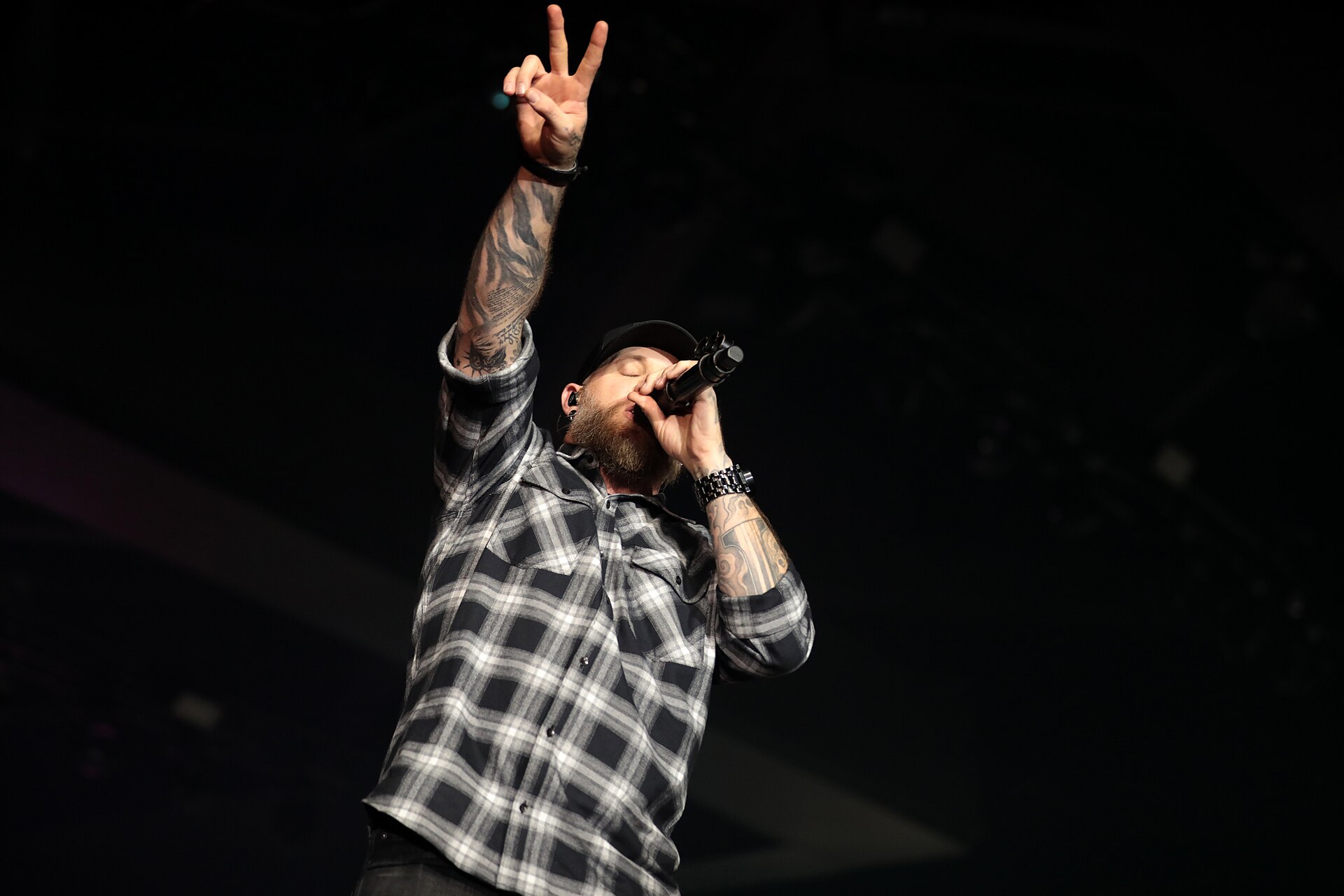
Brantley Gilbert wears most of his tattoos on his arms, where they show during live performances. The sleeves are bold and a little rough at the edges, and they’ve become part of his stage look.

Gilbert has talked about tattoos connected to faith, family, patriotism and the people around him. That doesn’t mean every design has a public explanation. Some marks are easy to see; others blend into the sleeves. It helps to keep his own comments separate from what can only be read in photos.

Brantley Gilbert’s arm tattoos are the main event

Most of Gilbert’s visible ink is on his forearms and sleeves. A single picture rarely shows the whole collection: close performance shots catch lettering or a small symbol, while wider ones show how the separate pieces sit together.

Brantley Gilbert forearm tattoos live on stage

This live shot shows both tattooed forearms, even with the microphone and stage lights in view. From a distance, the dark areas can blend together; closer photos make the separate lines and shapes easier to see.

Faith and belief show up in the collection

Gilbert’s tattoos are often discussed in connection with his Christian faith. He has spoken about faith and personal values, but that doesn’t confirm the meaning of every visible design. It’s more accurate to call faith one of the themes associated with his collection than to assign a story to each mark.

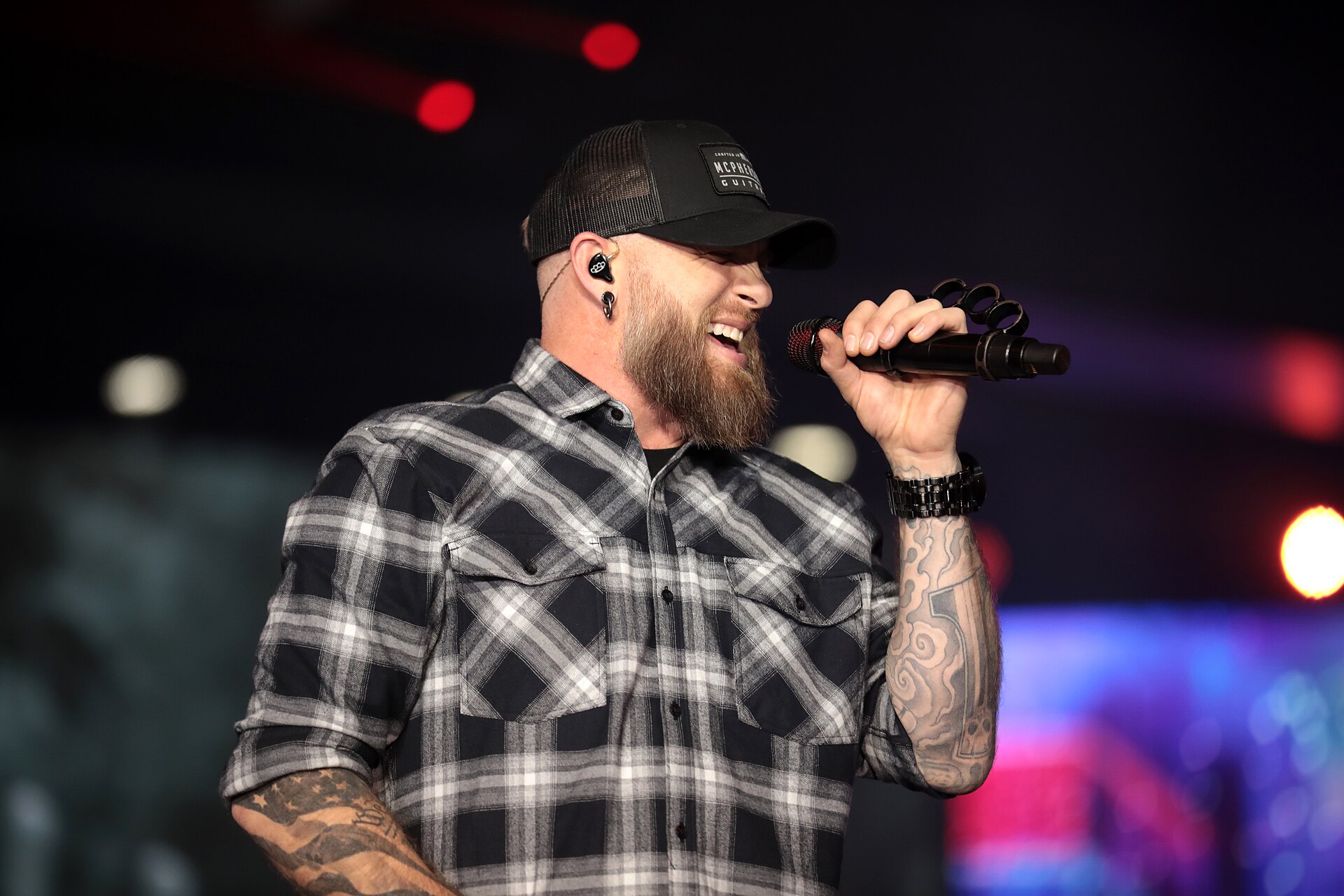
Brantley Gilbert sleeve tattoos while singing into a microphone

In this closer photo, the sleeve runs across the arm instead of sitting in one isolated patch. Most of the work uses black and gray. The microphone places Gilbert onstage, while the arm shows the tattoos clearly.
A photo can show what a design looks like, but it can’t establish what it means. Gilbert’s comments make faith part of the context; anything beyond what he has shared should stay open.

Patriotism, family and the people close to him

Patriotism is another theme in public discussions of Gilbert’s tattoos. His country identity and the people he has spoken about are part of the context, and coverage often presents the ink as a collection of personal reminders rather than unrelated flash designs.

Brantley Gilbert sleeve tattoo ink closeup

This close view shows the contrast between bare skin, dark shading and smaller lines. The full arm feels like a piece that grew over time, rather than a single design made all at once.

Fans also share BG Nation designs and other symbols connected to Gilbert’s community. Those fan tattoos aren’t necessarily part of Gilbert’s own collection, but they help explain why people notice when he adds a piece or talks about one.

The raised forearm tattoo is easy to spot onstage

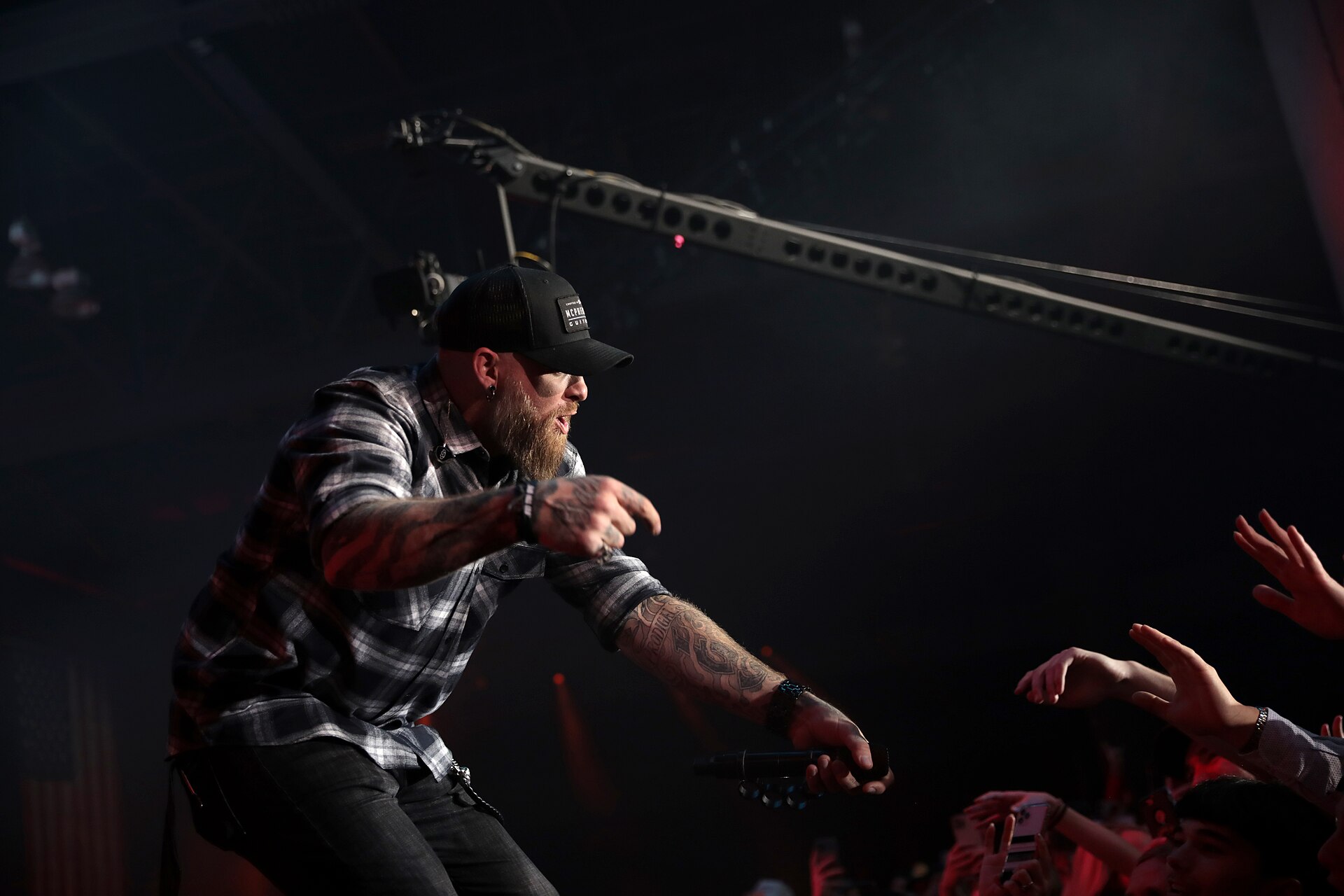
Gilbert’s hands and forearms show up in performance photos as he holds a microphone, lifts an arm or reaches toward the crowd. Those poses can make the tattoos look more dramatic than they would in a studio portrait, and they reveal how far the ink runs toward his hands.

Brantley Gilbert raised forearm tattoo during a live performance

The raised arm is bright enough here to make out the edges of the designs. You can see how the lines follow the forearm as it moves, detail that would be lost in a much darker or blurrier shot.

Gilbert often wears T-shirts or sleeveless clothes onstage, leaving his arms uncovered. The tattoos fit the grit in his country image without looking added for a photo shoot.

Close photos show more than a random concert snap

A crowd photo can show that a tattoo is there, but usually not enough detail to describe it. With this much ink, a low-resolution shot can make separate tattoos look like one dark block or hide the smaller lines altogether.

Brantley Gilbert tattooed arm reaching toward the crowd

The tattooed arm is large and clear in this frame. It shows the placement and overall shape under concert lighting, adding a wider view to the closer photos above.

The angles help explain the collection. A close-up shows individual lines; a live shot shows where the tattoos sit as Gilbert sings, plays guitar or reaches out to the crowd.

His guitar photos show how the sleeves fit his style

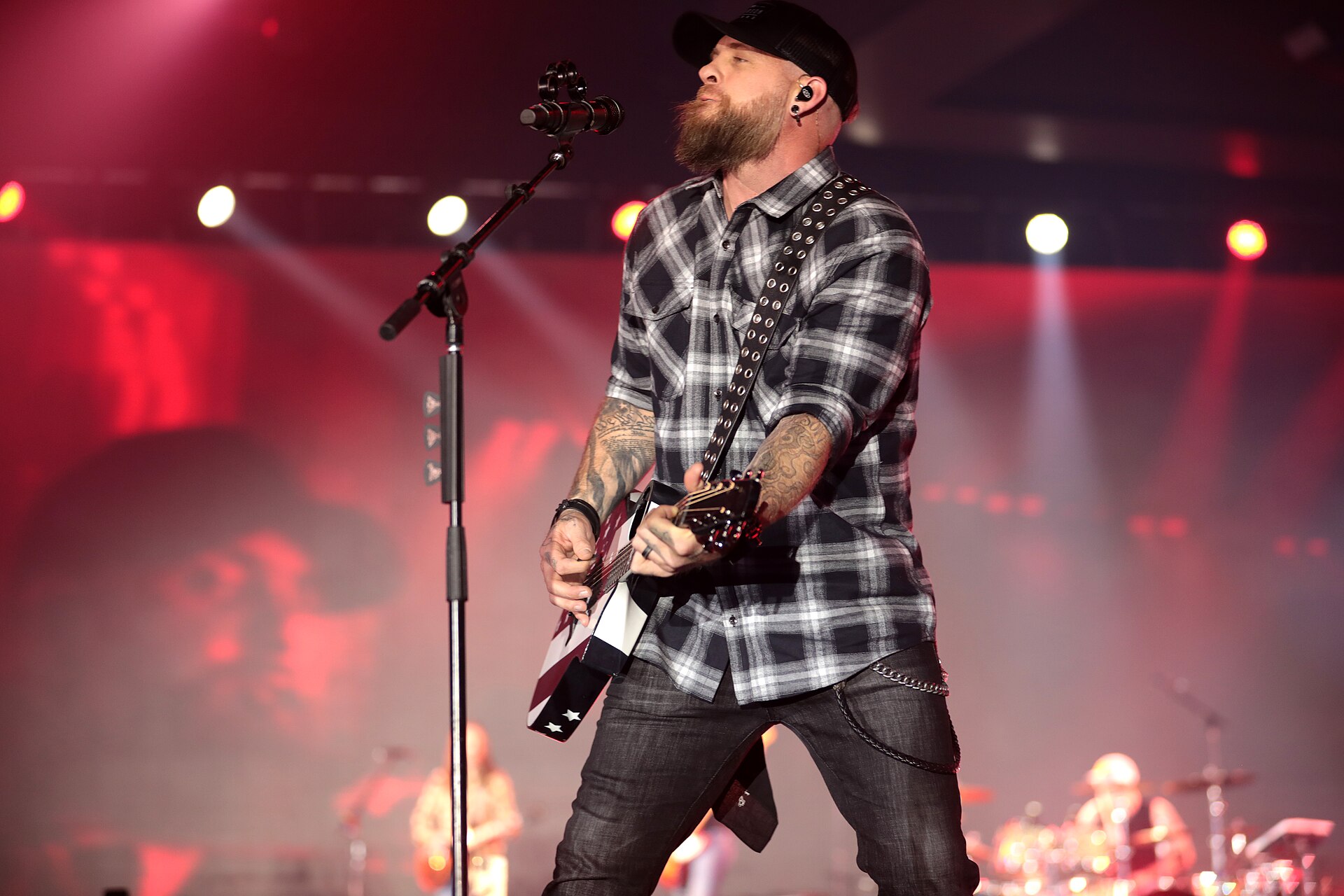
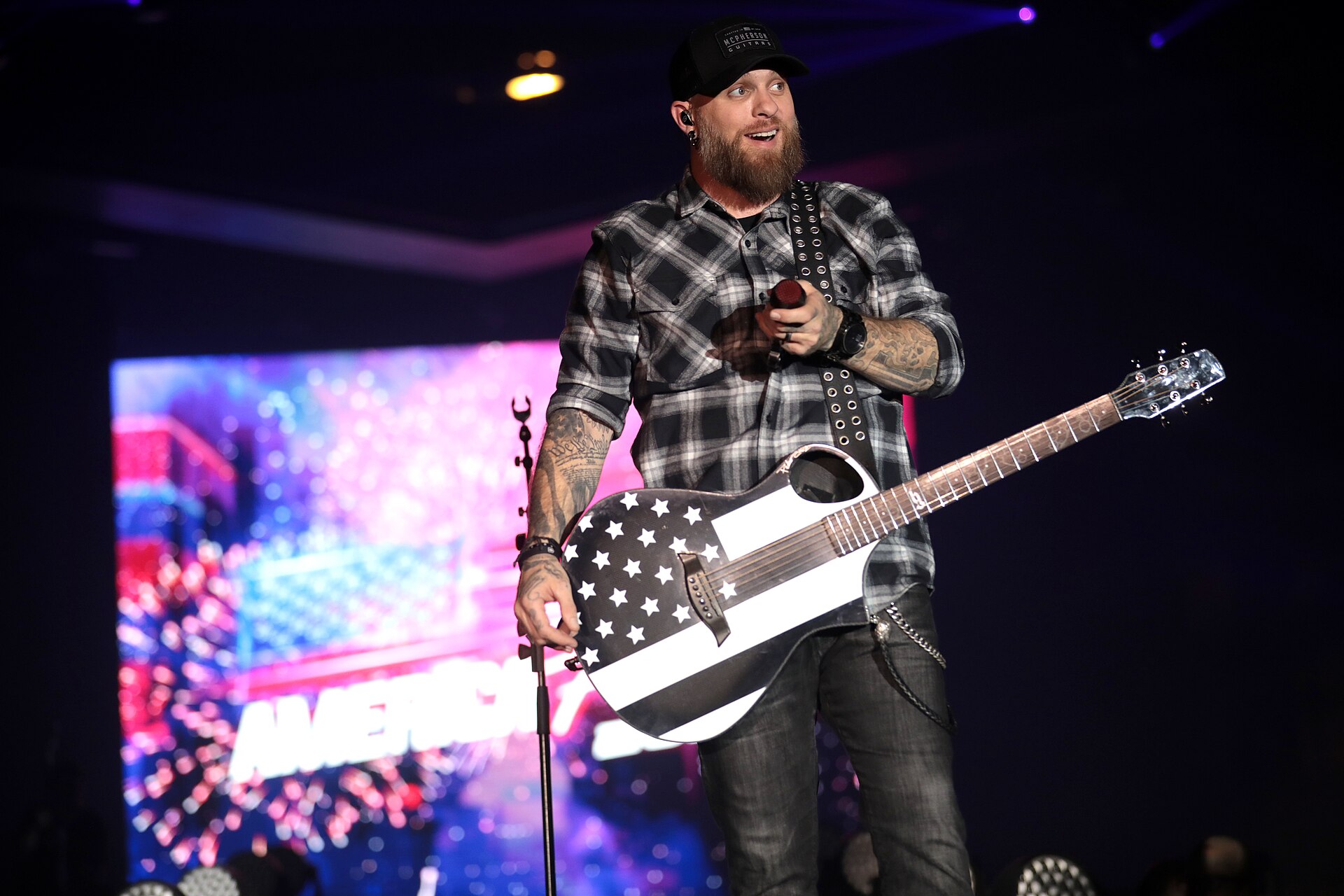
Gilbert’s arm tattoos are visible whether he is at a large outdoor show, holding a guitar or leaning into a microphone. The sleeves have a lived-in look that suits his stage clothes and songs.

Brantley Gilbert arm tattoos while playing guitar

The guitar gives a sense of scale: his tattooed arm is central in the frame, not a small detail at the edge. The instrument also makes the placement easy to see. Stage lights can make the ink look different from how it does in a close portrait.

One singer, several tattoo angles

No single photo shows every part of Gilbert’s collection. His arms look different when he sings, plays guitar, lifts a hand or stands still for a portrait. Each view reveals another part of the layout.

Brantley Gilbert arm tattoos in a clear stage portrait

This stage portrait gives another clear angle. The featured portrait at the top of the post is separate from the tattoo photos in the article, which show the designs from different positions.

What Brantley Gilbert has said about his tattoos

Gilbert has discussed his tattoos in interviews and tattoo tours. Faith, patriotism, family and the people who helped shape him are themes he has mentioned. They fit the subjects in his music, but they don’t explain every mark.

Some pieces have stories he has shared; others are easier to identify than to interpret. A few details may simply be private. The photos and interviews give fans plenty to look at without filling in blanks Gilbert has left open.

For comparison, see Andy Biersack’s tattoos, Scott Ian’s tattoos and Mike Dirnt’s tattoos. Their styles draw from different music scenes; Gilbert’s use of sleeves and personal symbols has a country feel.

Watch Brantley talk about the song and the ink

The short video below is about the story behind Gilbert’s song “Tattoos.” It gives you his own voice alongside the photos.

Gilbert’s tattoos have grown over time. The clearest photos show sleeves built from personal references, with a look that fits his country music career.

Maggie Lindemann Tattoos: Horror Ink, Hand Tattoos and More

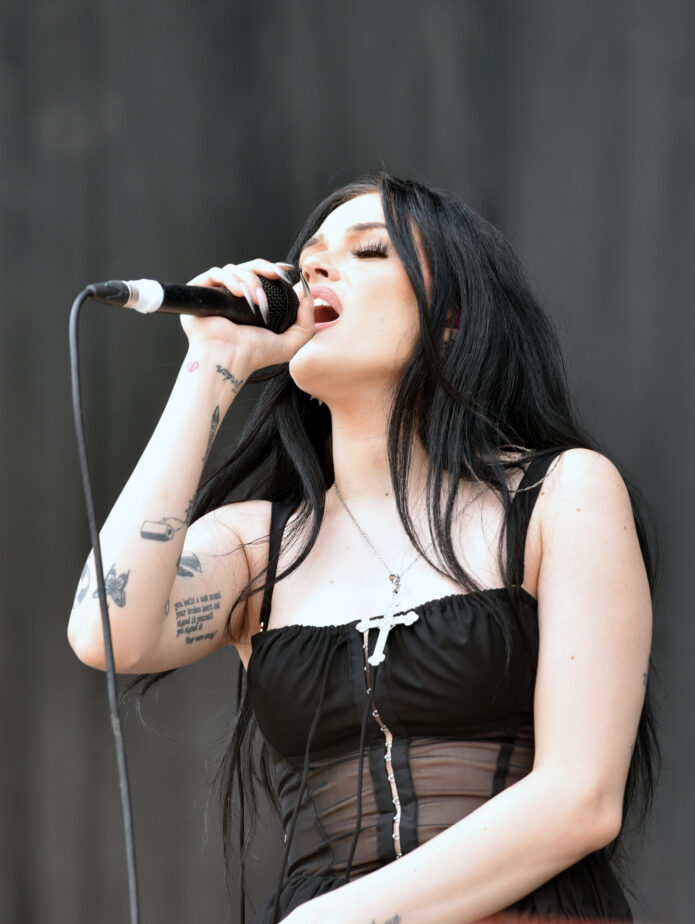
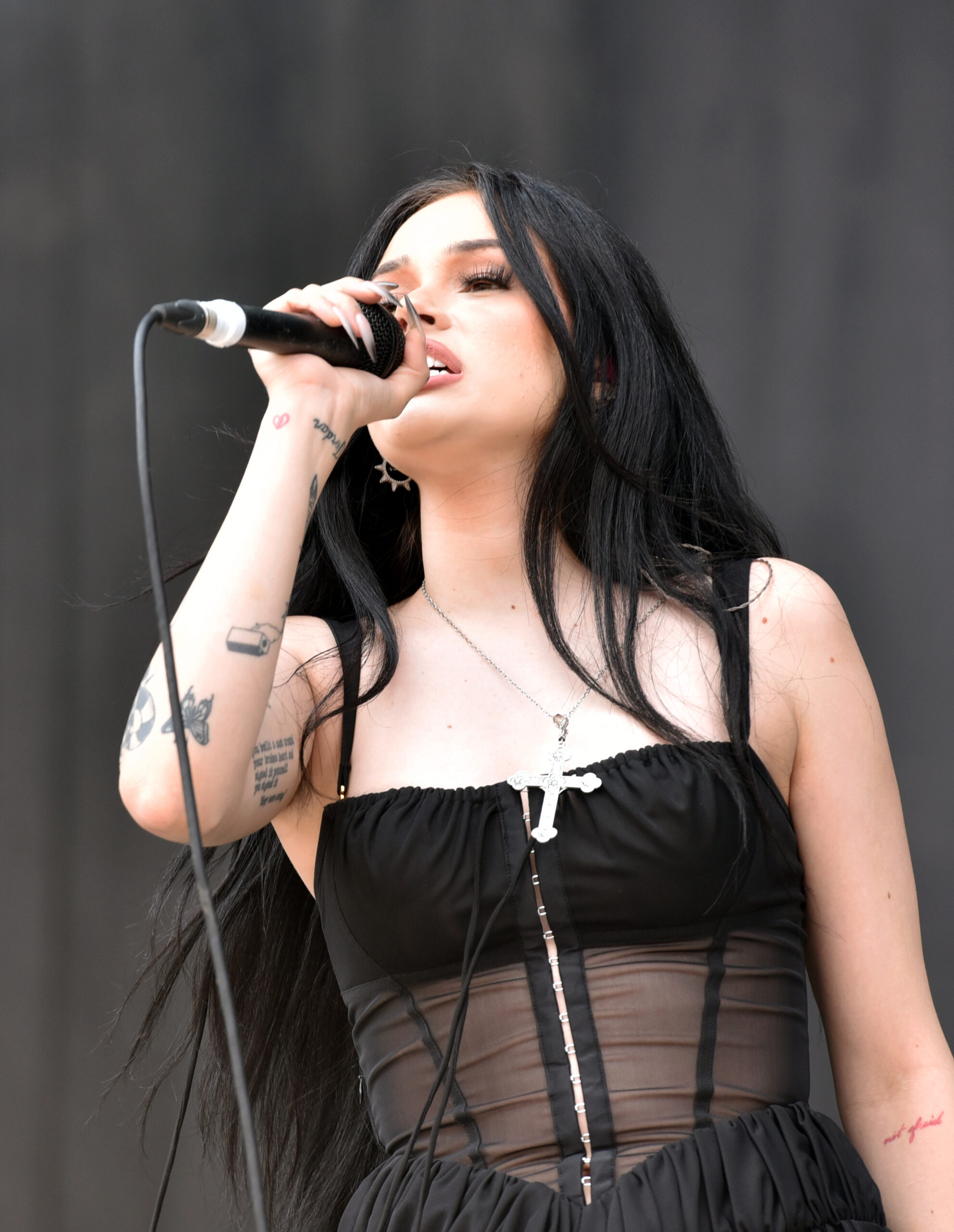
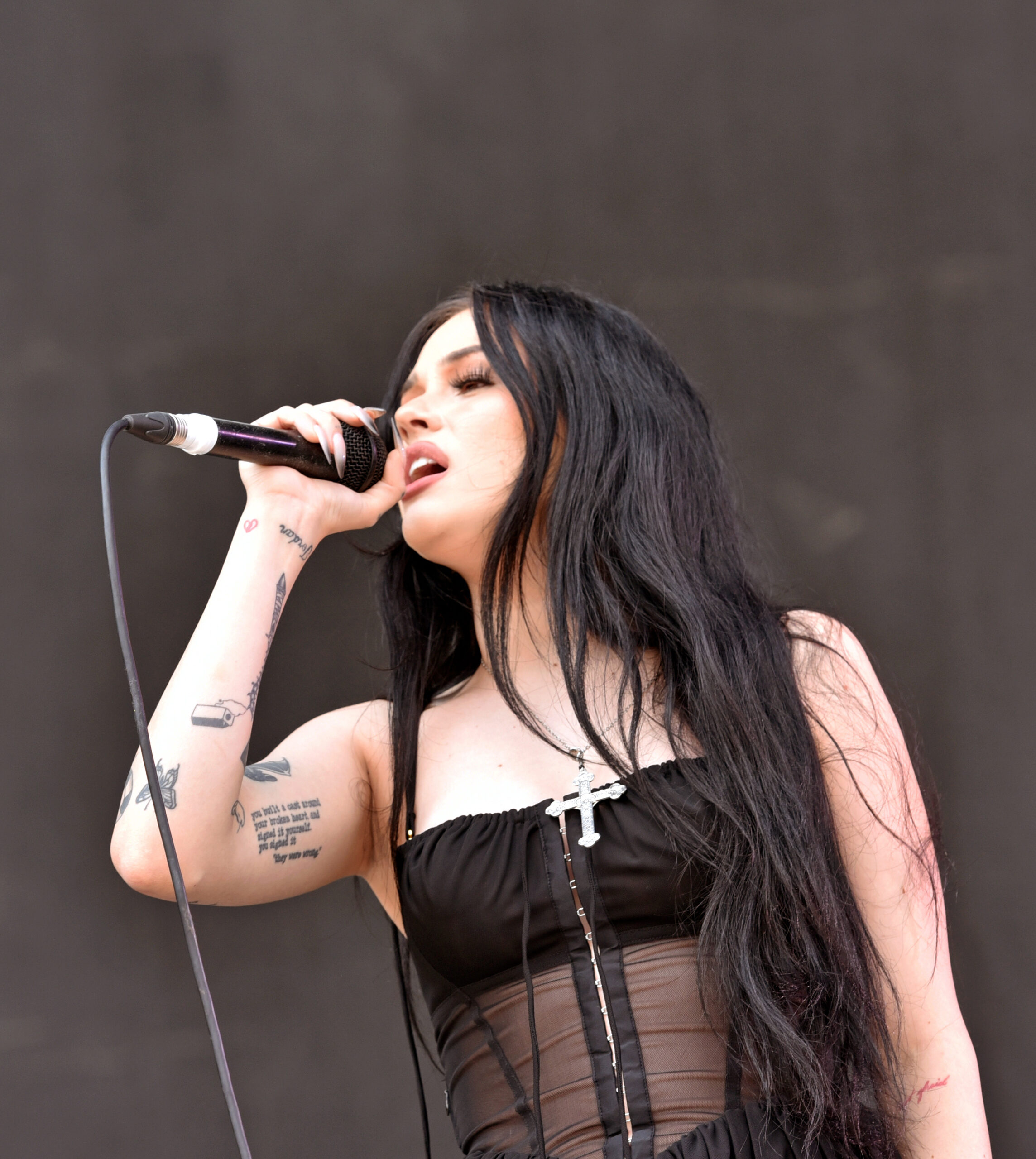
Maggie Lindemann tattoos range from horror characters and sharp lettering to small marks on her hands and legs. The designs don’t read as one planned sleeve; they look like pieces added over time, in different sizes and styles.

The photos make some pieces easy to identify, while interviews explain others. This guide stays with the visible tattoos and the meanings Lindemann has shared, leaving unclear details as unclear.

Maggie Lindemann tattoo quick answer

Public tattoo roundups count more than 40 tattoos across both arms, hands, fingers and legs. The collection includes horror references, bats, snakes, a butterfly, a broken heart, crosses, stars, small symbols and short phrases. The mood shifts from playful to anxious to defiant, much like her music.

There isn’t one official catalog that captures every tattoo at every point in time. New work appears, older pieces may be covered, and photos show different amounts depending on light and angle. The sections below group the clearer designs by area and recurring ideas.

The right arm is packed with horror-style pieces

Her right arm is one of the easiest places to see the playful, creepy side of her style. Photos show a bat, Oogie Boogie from The Nightmare Before Christmas, vampire fangs and a sad face. Even the lighter images have an odd edge to them.
One of the most discussed pieces is Oogie Boogie. It sits among darker linework and small symbols, so it reads as part of the arm rather than a separate novelty. The bat has a similar feel. It can be a horror reference, though bats can also suggest night or change; Lindemann hasn’t confirmed a specific meaning.
Photos also show a spiked wrecking ball, a nail, a snake and a butterfly. The butterfly looks delicate beside the heavier shapes, while the wrecking ball is blunt and destructive. That contrast says more about the range of images she likes than either tattoo would by itself.
Maggie Lindemann right wrist and forearm tattoos

This close view shows the wrist heart, forearm script and smaller shapes around the arm. The details are much easier to make out here than in a full-body shot, where the tattoos can blur together.

Lettering that stays close to the skin

Words are a recurring part of Lindemann’s tattoos. Depression & Obsession is associated with her upper-body ink. She has also been photographed with phrases such as not afraid, always and To This Day. Some are easy to place; others show up only in older photos.

A short phrase can read as a reminder, a public statement or both. not afraid and always are clear words, but Lindemann hasn’t given every piece a full explanation.

Other documented details include FEAR, BITE ME, small X marks, a music note, the letters CCH and the number 0067. Those marks are visible in tattoo roundups, though their meanings may be private and some may have changed over time.
Maggie Lindemann forearm script and lettering tattoos

The forearm photo shows the words beside smaller symbols instead of on a blank patch of skin. Together they give the arm a crowded, collected look.

Her hand and finger tattoos are small but loud

Lindemann has visible marks on her hands and fingers, including a cross, X shapes, tiny dots, astrology-style symbols and the phrase BITE ME. Small faces and other symbols can look different from one photo to another because hands are constantly moving and often photographed at an angle.

A cross might be religious or personal, or it may simply be an image she likes. The X marks and smaller symbols add detail without taking over the larger arm pieces. They give the hands a decorated look while leaving space between the tattoos.

Some lists also mention a tiny sword, an OK-style mark and a kaomoji-like face. Treat those as sightings in particular photos, not a permanent checklist: small tattoos can fade, get covered or look like something else from a different angle.
Maggie Lindemann hand and elbow tattoo details

The image shows the hand and elbow clearly enough to pick out several small marks. They sit around joints that bend and move, so their position can look different when her hand or arm turns.

The Sally hands and flower tattoo

One distinctive design associated with Lindemann shows Sally’s hands holding a thistle. It nods to The Nightmare Before Christmas without simply repeating the film’s most recognizable character. The hands give it a delicate, slightly eerie look, while the thistle has a rougher shape.

It feels more like a reference interpreted in her own way than a copy of a character logo. The flower and hands make the piece romantic, but still a little unsettling.
Maggie Lindemann arm tattoo closeup with visible ink

This close photo keeps the arm designs sharp and shows how they sit near one another. It’s clear enough to discuss placement and linework without relying on a blurry thumbnail.

Leg tattoos, ankle ink, and older references

Photos have shown a bat near Lindemann’s ankle, writing on her leg including the line 2015 sucked, and barbed-wire-style ink around an ankle. These pieces feel more casual than the larger arm tattoos, but they add their own small jokes and darker details.

The phrase about 2015 reads like a timestamp turned into a private punchline. The ankle bat has the same quick, mischievous feel: small, recognizable and easy to overlook beside the rest of the collection.

Older photos need a little context. A bent leg can make placement look different, and a tattoo may have been touched up or covered since the picture was taken. The image still documents what was visible at the time; it doesn’t prove the collection has stayed the same.
Maggie Lindemann full arm tattoo layout

The wider view puts the separate designs in context, from hand to upper arm. The small marks connect the horror images with the lettering and symbols around them.

Why the collection works so well

The tattoos shift in tone. Bats, fangs and Oogie Boogie bring horror imagery; the words carry more direct emotion; the hand marks feel personal; Sally’s hands and the thistle add a softer gothic note. A few blunt or playful designs keep the collection from feeling too serious.

Placement matters too. Some marks appear only when a sleeve moves or a hand turns toward the camera. They don’t all need to be centerpiece tattoos; a few are easy to miss until the angle changes.

The larger designs sit beside tiny symbols, short phrases and simple outlines. That mix leaves room for new work without making every tattoo match the others. The collection stays connected through its mood and placement.

FAQ about Maggie Lindemann tattoos

How many tattoos does Maggie Lindemann have?

Public roundups commonly put the count above 40. The number can change as she adds work or alters older pieces, so it’s best treated as an estimate.

Does Maggie have Nightmare Before Christmas tattoos?

Yes. Oogie Boogie has been documented, and coverage has also described Sally’s hands holding a thistle. Both fit the darker, playful side of her style.

What does her lettering say?

Visible or documented phrases include Depression & Obsession, not afraid, always and To This Day. Small lettering can be difficult to read, so wording and placement may vary by photo and date.

Where can you see her clearest tattoos?

Close photos of her hands, wrists, forearms and upper arms show the most detail. The gallery images here show the tattoos separately from the featured portrait.
For comparison, see Andy Biersack’s tattoos, Chad Smith’s tattoos, Scott Ian’s tattoos, Mike Dirnt’s tattoos, Brantley Gilbert’s tattoos, Kellie Pickler’s tattoos, Melanie Martinez’s tattoos and Halle Bailey’s tattoos. Their different styles make useful comparisons without needing to copy anyone’s exact design.

Watch Maggie Lindemann perform

This performance clip shows how the tattoos move when Lindemann sings and moves onstage. Hands, wrists and forearms can look different in motion than they do in still photos.

Ashnikko Tattoos: Sailor Moon Ink, Arm Art and More

Ashnikko’s tattoos mix black linework, script and small symbols with the color and unusual details she uses onstage. Clear photos show ink on her arms and wrists, though not every design has a public explanation.

Concert images can be misleading: body paint, glitter, costumes and harsh lighting can make a temporary mark look like a tattoo. This guide sticks to designs visible in clear photos and keeps uncertain details separate.

Ashnikko’s Sailor Moon tattoo

One of Ashnikko’s best-documented tattoos is Sailor Moon on her forearm. An interview with OOR describes seeing it while speaking with her, which gives the design a clearer source than a blurry social-media image. The reference fits the playful fantasy in her visual style.

Ashnikko script forearm tattoo

Close photos show lettering and other small marks around the forearm. They sit together as part of a larger collection, rather than as one isolated image.

Ashnikko hasn’t explained every piece. What can be said clearly is that the Sailor Moon tattoo is on her forearm and is among the better-documented examples of her fantasy-inspired imagery.

Arm tattoos that stand out on stage

Her upper-arm tattoos show in performance photos when she wears a sleeveless top or raises her hands. The dark linework and shapes are visible even when the lighting changes, and the photos make their placement easier to follow.

Ashnikko upper arm tattoos at the Warfield

The upper-arm placement can be covered by some outfits and exposed during a live set. That works with the changes in her styling, from soft and fairy-like to more aggressive.

Ashnikko arm tattoo on stage

In this stage photo, the dark linework stays distinct from the costume and glitter. Its position on the skin is consistent, so it reads as tattoo ink rather than a printed design.

Forearm script and smaller pieces

The forearms hold several of the smaller designs. One photo shows script along the arm; another catches a wrist tattoo and marks closer to the elbow. The lettering sits among other pieces instead of taking over the whole arm.

Ashnikko arm and wrist tattoos

The scale changes from one tattoo to the next. A wrist piece can look delicate from a distance, while the script becomes clearer when the arm turns toward the camera. The separate designs can have their own presence and still read together.

Concert photos sometimes hide parts of the lettering behind hair, gloves or movement. Without a clear view, it’s better to describe where the script sits than guess at the words or their meaning.

Ashnikko forearm tattoo while seated

In this seated portrait, Ashnikko’s arm is relaxed, making the placement easier to see than in a performance pose. The forearm pieces remain clear, and the upper-arm ink is visible without stage lights washing it out.

What the photos suggest about her tattoo style

The clear images show a preference for black ink, compact symbols, visible lettering and designs that sit alongside a larger visual style. The tattoos don’t form one geometric sleeve; they look like separate ideas collected on the arms.

The mix can bring to mind the shifts in Ashnikko’s music, from humor and fantasy to anger and vulnerability. A playful reference sits near darker linework; a small wrist design shares space with heavier upper-arm ink.

There are online discussions about possible newer tattoos on her stomach, thigh and lower body, but the images are too inconsistent or small to confirm. This article stays with the arm and forearm tattoos that can be seen clearly.
For comparison, see Andy Biersack’s tattoos, Chad Smith’s tattoos, Scott Ian’s tattoos and Mike Dirnt’s tattoos, along with the country-inspired work in Brantley Gilbert’s tattoo gallery. Their collections use different scales and placements, which makes the contrast with Ashnikko’s smaller mix easy to see.

Could Ashnikko add more tattoos?

There’s no way to know from the current photos whether she plans to add more. The clearest way to keep track is to rely on close-up images, interviews and official posts when a new design is visible.

The arm tattoos already documented include Sailor Moon, black upper-arm designs, script and smaller wrist marks. Together, they show how she combines different images and lettering without making the whole collection look like one matching set.

For another comparison across pop and alternative pop, see Melanie Martinez’s tattoos, Halle Bailey’s tattoos and Kellie Pickler’s tattoo collection. Their placements show different ways artists use tattoos as part of a visual style.

Watch Ashnikko

The official music video for “Special” is below.

Doyle Wolfgang Tattoos: Misfits Arm Ink, Shoulder Pieces and Stage Style

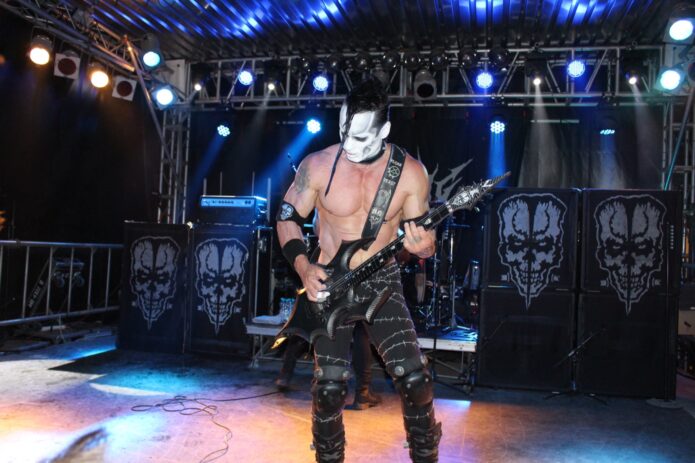
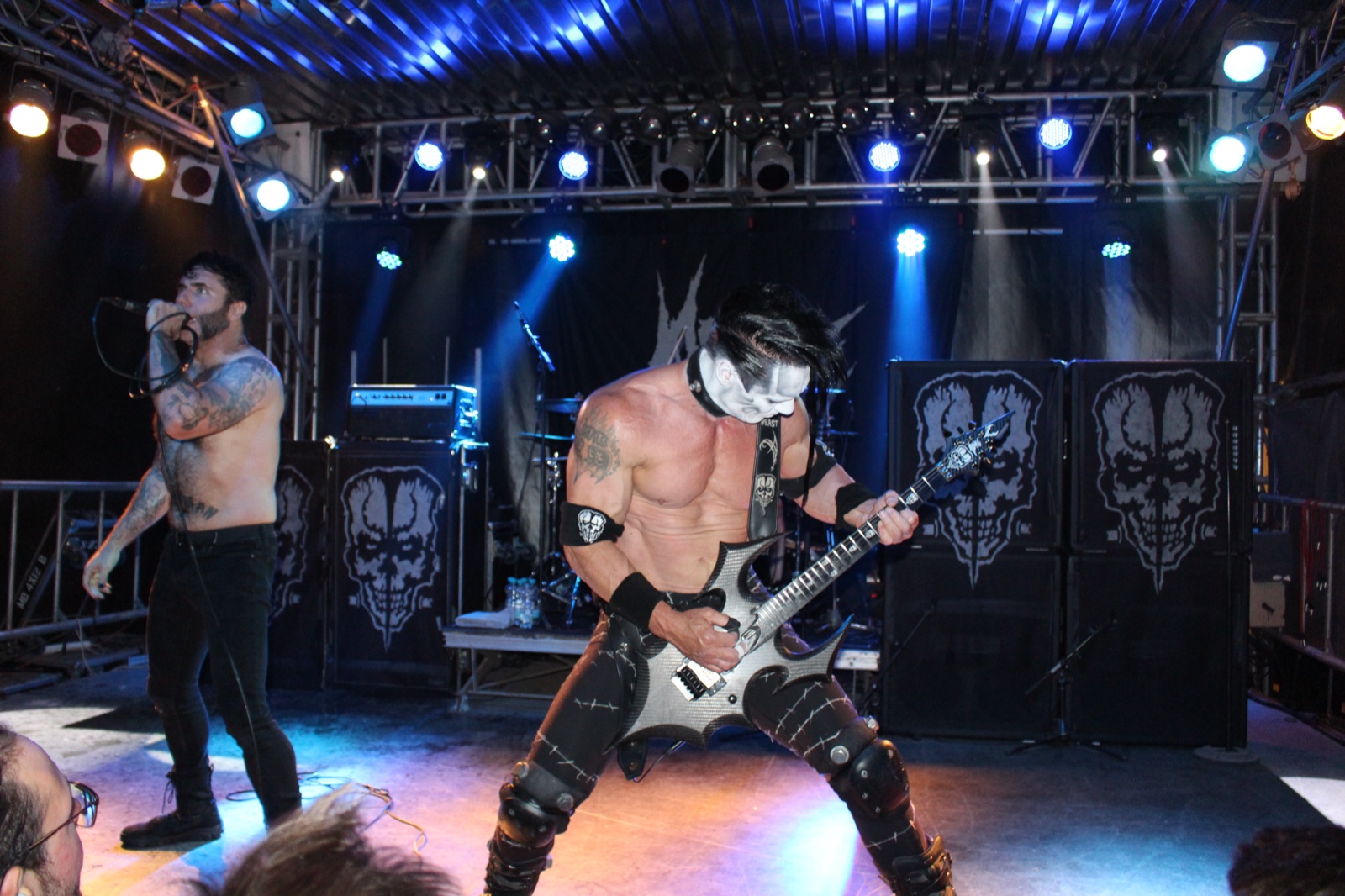
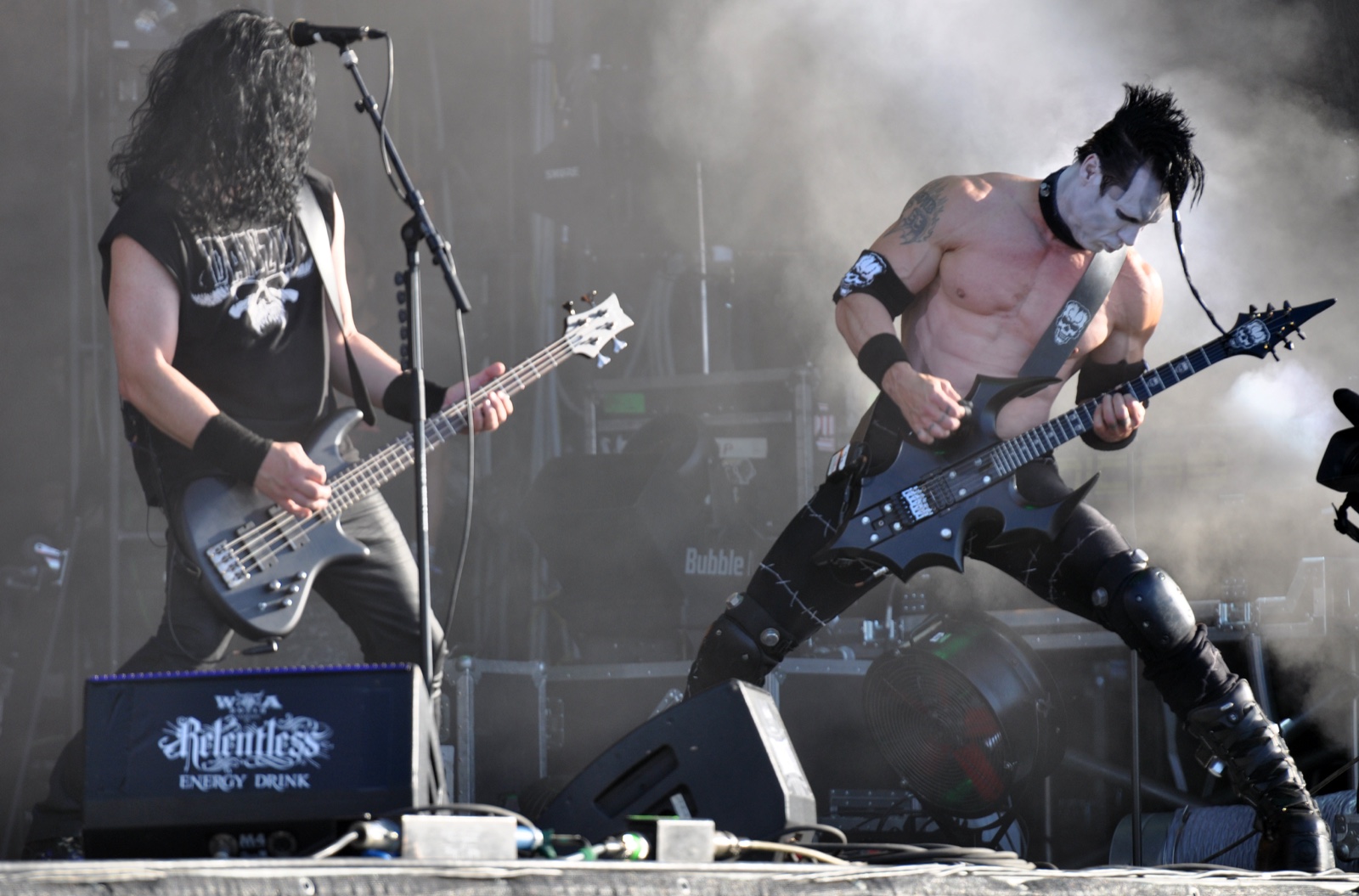
Doyle Wolfgang von Frankenstein is recognizable from the skull makeup, huge guitar and horror-punk stage look. Tattoos are part of it, but the photos show real ink across his upper arms, shoulders, forearms and hands. The dark shapes stay visible under stage lights and in motion.

This guide sticks to tattoos that can be seen clearly. Dramatic designs invite guesses about their meaning, but not every symbol has a public explanation. Placement, bold outlines and the way the ink sits with Doyle’s Misfits-era image are easier to describe than a story he hasn’t told.

Why Doyle’s tattoos suit the Misfits look

Doyle, whose real name is Paul Caiafa, became known for his work with the Misfits and later led the band Doyle. His stage image draws on horror comics, old monster movies and dark punk theater. The tattoos visible in performance photos fit that style without simply copying his skull makeup.

He often performs shirtless or in simple stage clothes, so jackets and accessories don’t hide the ink. Most photos are live shots rather than posed tattoo tours. You can see the designs as he plays, moves and grips the guitar, which makes their placement easier to judge.

Upper-arm tattoos are the clearest pieces

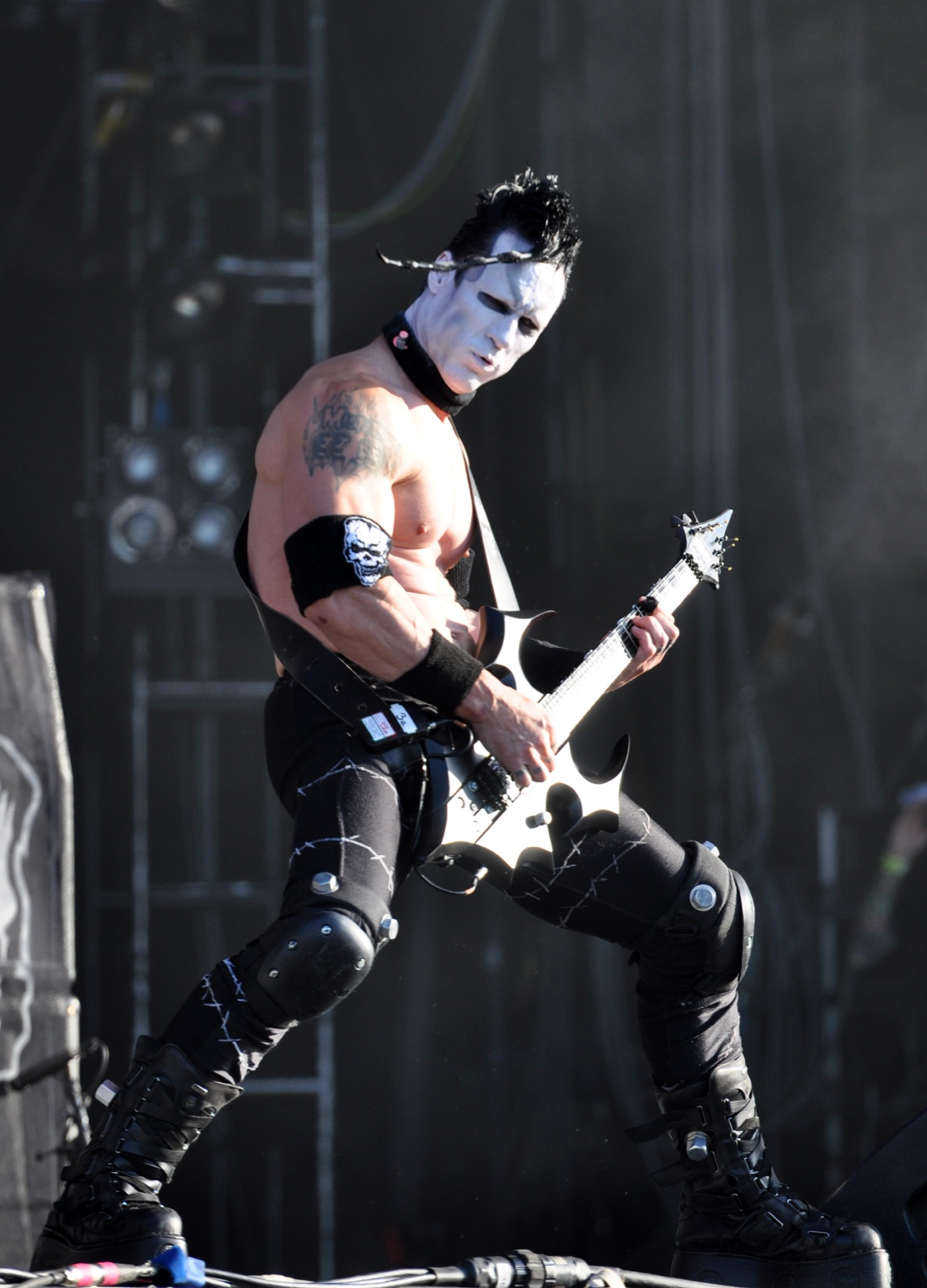
The upper-arm tattoos stand out most in the available photos. They look dense and traditional, with dark outlines, rounded forms and shading that holds up against black clothes and stage lighting. Some views show a large design wrapping around the arm; others catch smaller details near the shoulder and biceps.

Doyle Wolfgang von Frankenstein upper arm tattoos

The designs are large enough to see from a distance. As Doyle turns, bends and moves the guitar, the arm ink remains part of his silhouette.

Close views also show the tattoos beside black armbands and the guitar strap. Those layers can make the area look heavier, but the ink remains visible on the skin underneath the stage gear.

Shoulder ink and the bare-chest stage view

Doyle’s shoulders show in photos when he raises his arms or leans into a riff. The angle changes from shot to shot, so it’s hard to read the shoulder work as one complete picture. The darker forms are clear enough to show that the tattoos extend beyond a single upper-arm piece.

A bare chest leaves open skin between the arm and shoulder tattoos. The look is built around strong pieces on the arms, rather than a fully covered torso. It has more in common with classic punk and metal placement than a planned map covering the whole body.

With the makeup above and the guitar strap across his shoulder, the tattoos draw the eye down the arm. That combination is one reason the full image reads clearly in concert photos.

Arm tattoos under bright festival lights

Outdoor festival photos show the arm lines differently from club shots. Daylight and front lighting make some details easier to see, while the rest of the image keeps the rough look of a live set. The ink appears worn in, in keeping with the older punk style.

Doyle Wolfgang von Frankenstein shoulder and arm tattoos

When Doyle reaches across his guitar, smaller marks on his hands and forearms come into view. They’re easy to miss in wide shots, but the photos show the ink continuing below the sleeves and shoulders, into the parts of his arms that move as he plays.

The tattoos work with, not underneath, the makeup

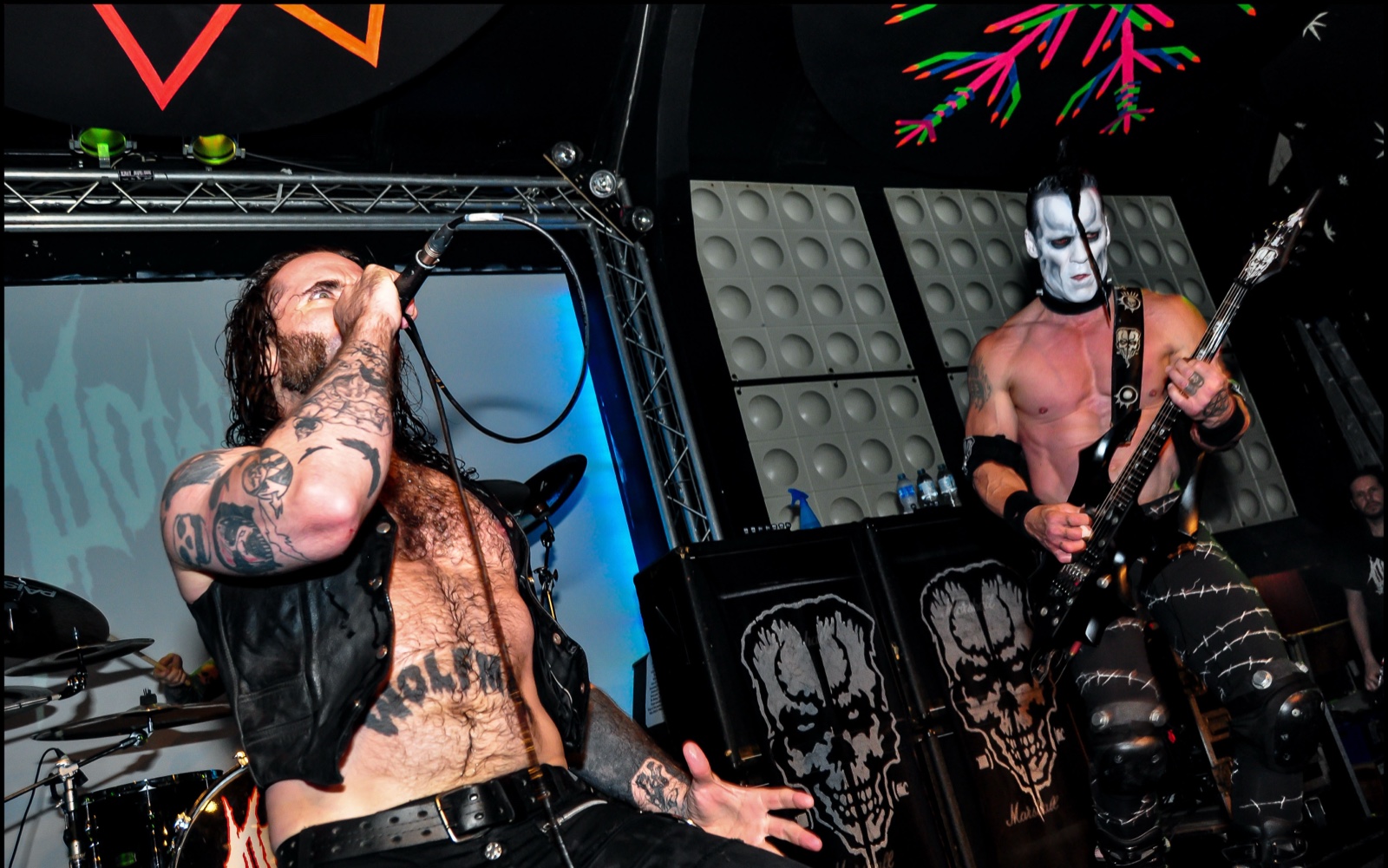
The skull makeup can make a photo look like a horror poster, but the tattoos still stand out. The pale face and dark eyes draw attention first; the eye then follows the guitar and the inked arms. Together, those elements create a recognizable outline even from far away.

Doyle Wolfgang von Frankenstein arm tattoo details onstage

The tattoos also show in photos where Doyle isn’t centered or another band member is in frame. They appear to be a lasting part of his style, not just something added for the stage character. The horror imagery fits, but the ink remains visible on its own.
Older Misfits energy and newer live photos

Across photos from different years, Doyle’s bare arms, dark tattoo shapes and forceful stage presence remain familiar. The images don’t show every piece from the same angle, so they work best as views of a collection that has changed over time.

Doyle Wolfgang von Frankenstein live chest and arm tattoos

A wider shot with Steve Zing shows the tattoos in the full performance scene. The arm ink is visible beside the guitar, black clothing and monster graphics. Shoulder and upper-arm tattoos stay in view while Doyle plays.

What is confirmed and what is just visible

Photos clearly show tattoos on Doyle’s upper arms, shoulders, forearms and hands. They show dark, traditional-looking shapes that sit naturally beside the horror and punk imagery around him. A picture alone can’t confirm who designed each tattoo, when it was done or what every symbol means.

The collection doesn’t need a made-up backstory. The ink adds texture and weight when Doyle holds the guitar, and it sits alongside the makeup and stage clothes without disappearing into them. The simplest description is also the safest: these are bold tattoos on a performer whose work has long made room for monsters.

Doyle compared with other rock tattoo styles

Doyle’s look sits between classic punk imagery and modern metal presentation. Rob Zombie’s tattoos use horror in a more polished, theatrical way, while Bam Margera’s tattoos reflect a more chaotic skate and TV-era style. Machine Gun Kelly’s tattoos show a newer approach to making ink part of a performer’s image.

Quick Doyle Wolfgang tattoo guide

  • Most visible areas: upper arms, shoulders, forearms and hands.
  • Overall feel: dark and bold, with an old-school look that fits beside horror makeup and Misfits imagery.
  • Best photos for detail: shirtless stage shots and daylight festival photos, where colored lighting doesn’t hide the arm work.
  • What not to overstate: the meaning, artist and date of each piece aren’t confirmed by every photo.

Final take

The heavy ink on Doyle’s upper arms and shoulders looks like part of his long-running visual style. The makeup, venue and guitar may change, but the dark tattoos remain easy to recognize in both small-club photos and wide festival shots. The designs speak for themselves without requiring a detailed meaning for every piece.

The video below shows Doyle visiting Kat Von D at High Voltage Tattoo. It adds a little context to his connection with tattoo culture, though it doesn’t explain the meaning of each design.

Evan Seinfeld Tattoos: Neck Ink, Chest Pieces and Biohazard Energy

Evan Seinfeld’s tattoos cover his chest, neck, arms, hands and head. There are blackwork panels, lettering, skulls, monsters, animals and portraits, and the collection has changed over time. Much of it is visible in stage photos, though those images don’t explain every design.

Some pieces have been discussed publicly; others are only identifiable by their shapes. This guide keeps those apart. A knuckle word or a small mark near the eye may be easier to interpret than a large chest panel, but it still doesn’t tell the whole story on its own.
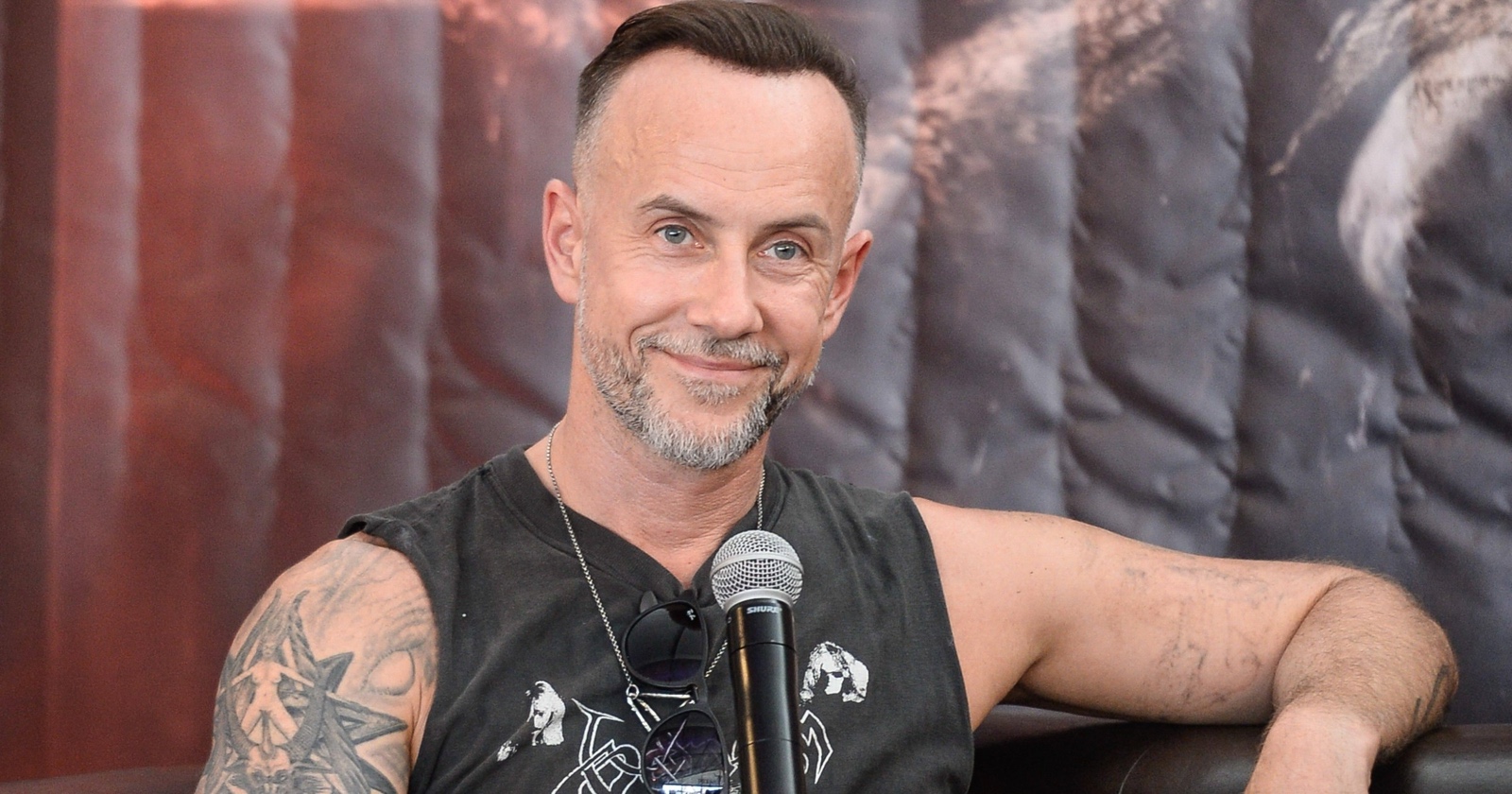
How Evan Seinfeld started collecting ink

Seinfeld has said his first tattoo was a small Biohazard design on his shoulder, done when he was 17. The early piece connects the collection to the band that shaped much of his life.

He is best known as a founding member of Biohazard, but his work has also included acting, photography, writing, directing and business. The tattoos touch on different parts of that life: music references, portraits, monsters, animals, lettering and symbols. They’ve accumulated in different styles rather than being planned as a matching set.

The chest and neck pieces are the first thing you notice

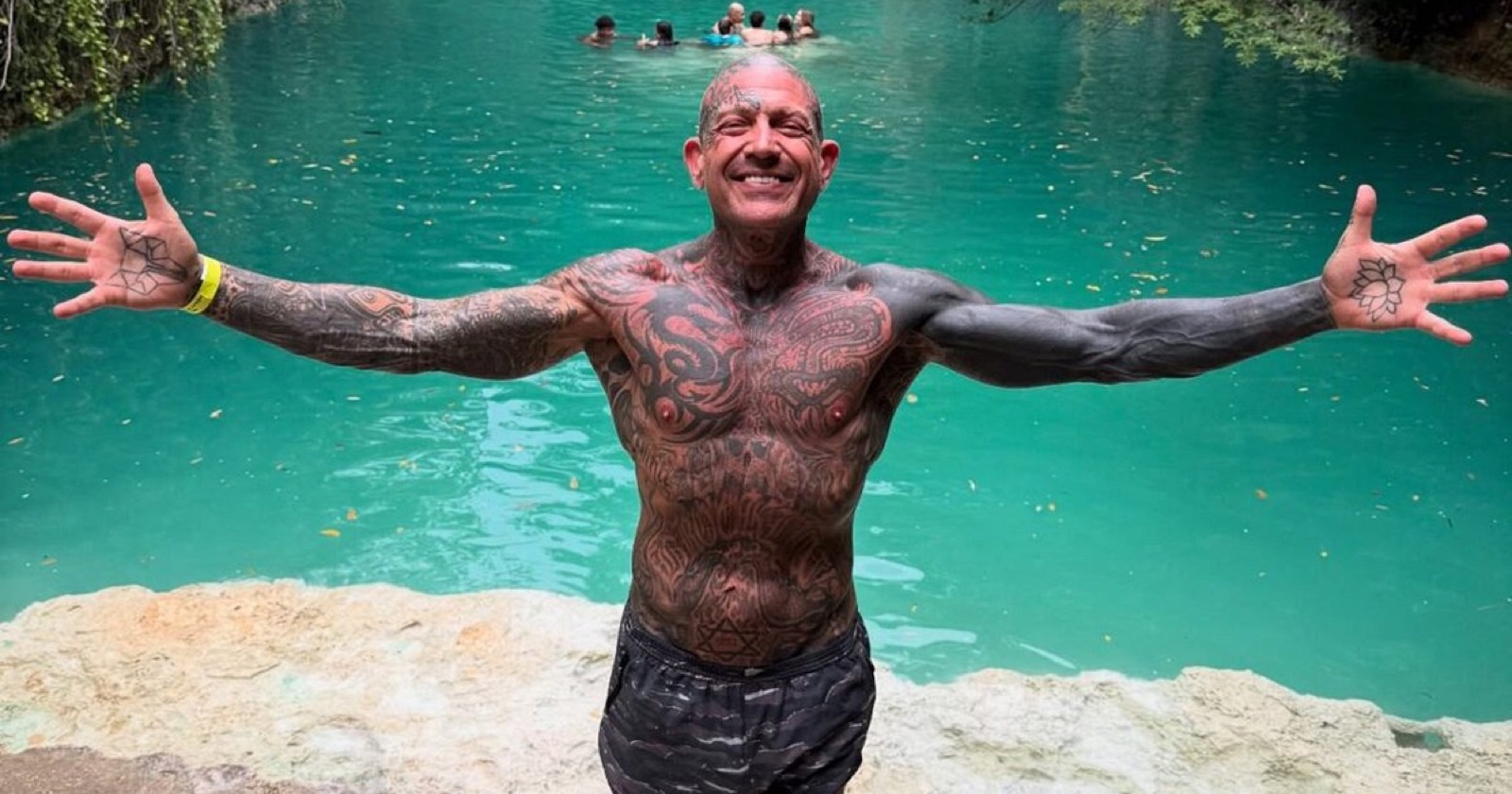
In clear live photos, Seinfeld’s chest is almost covered. The designs run from the collarbones toward his stomach, with swirling lines, faces, skull-like shapes and dense black sections reaching into the shoulders. From a distance, it reads as a layered composition rather than one simple symbol.

Evan Seinfeld chest, neck and arm tattoos

The neck work makes the upper body look even denser. Dark faces, a skull-and-crossbones-style image, an owl-like shape and other shaded forms run into the chest. Some designs have been named in tattoo galleries, but the photos don’t confirm a story for every line.

Public tattoo coverage has identified his son’s name on his neck. The lettering sits among the monsters and skulls, and gives the design a more personal detail.

Evan Seinfeld showing full torso and arm tattoos

The head and face tattoos bring a different kind of edge

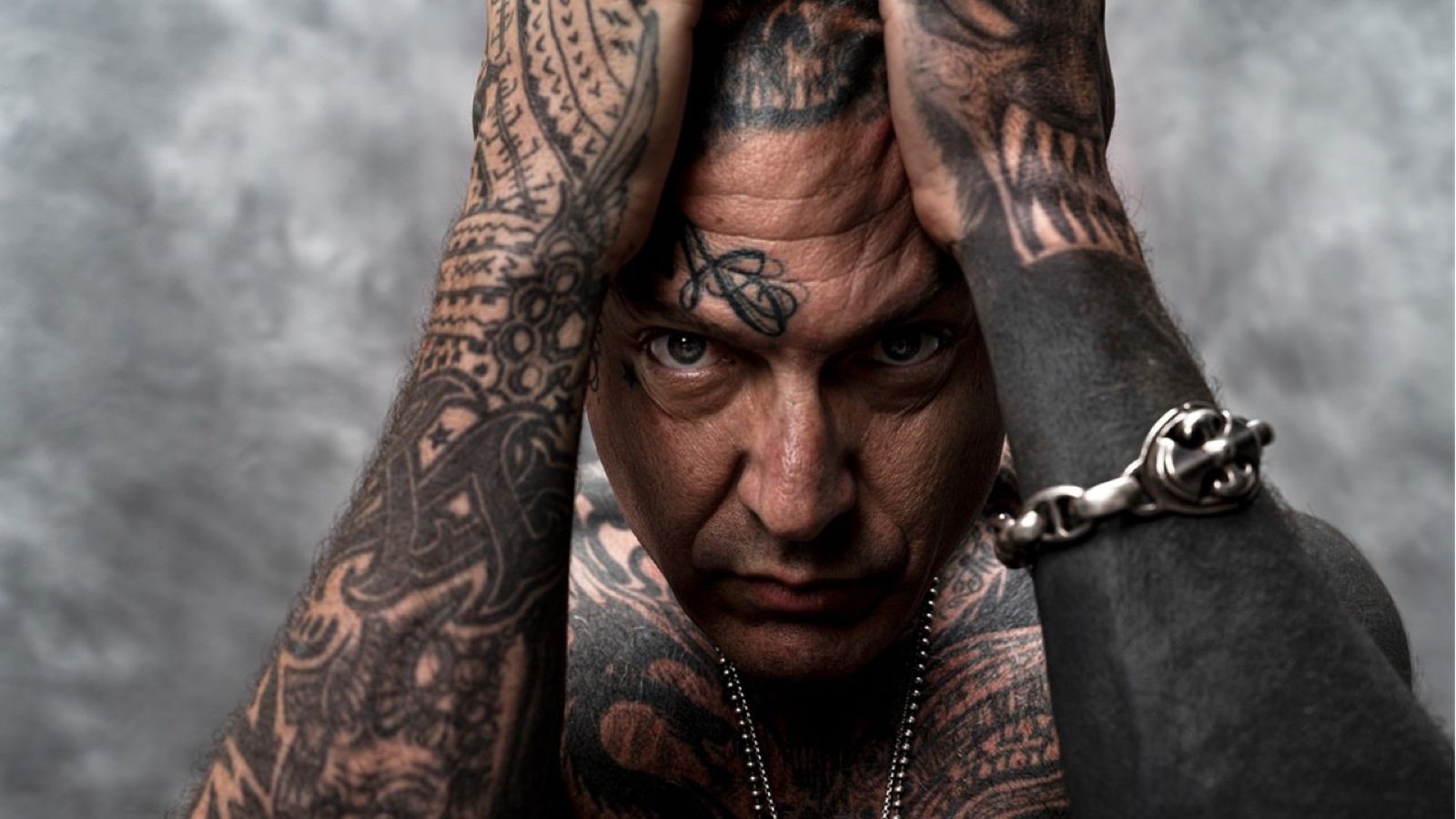
Seinfeld has tattoos across his scalp and around the sides of his head, with patterns continuing into his neck and face. Close-up photos also show a small star-like mark under the eye. These pieces change his silhouette and are easy to see under stage lights.

Evan Seinfeld face, head and neck tattoos

Tattoo coverage identifies the writing near his ear as “Vengeance.” The phrase “the spyder” has been linked to an old professional nickname and appears near his shoulder blade in the same public catalog. Short lettering can be more specific than a large graphic: it may point to a name or identity from a particular period.

Arms, cover-ups and the blackwork effect

Seinfeld’s arms combine creatures, faces, band references and lettering. He has spoken about tattoos he later wanted to change; one cover-up replaced an ex-girlfriend’s name with a demon head. The new design became part of the darker work around it.

The older ink still affects the shape of the arm. In some places, a new design covers an outline; elsewhere the darker sections shift the balance of the sleeve. The result looks like work added in stages rather than a clean reset.

Evan Seinfeld shoulder, arm and chest tattoos

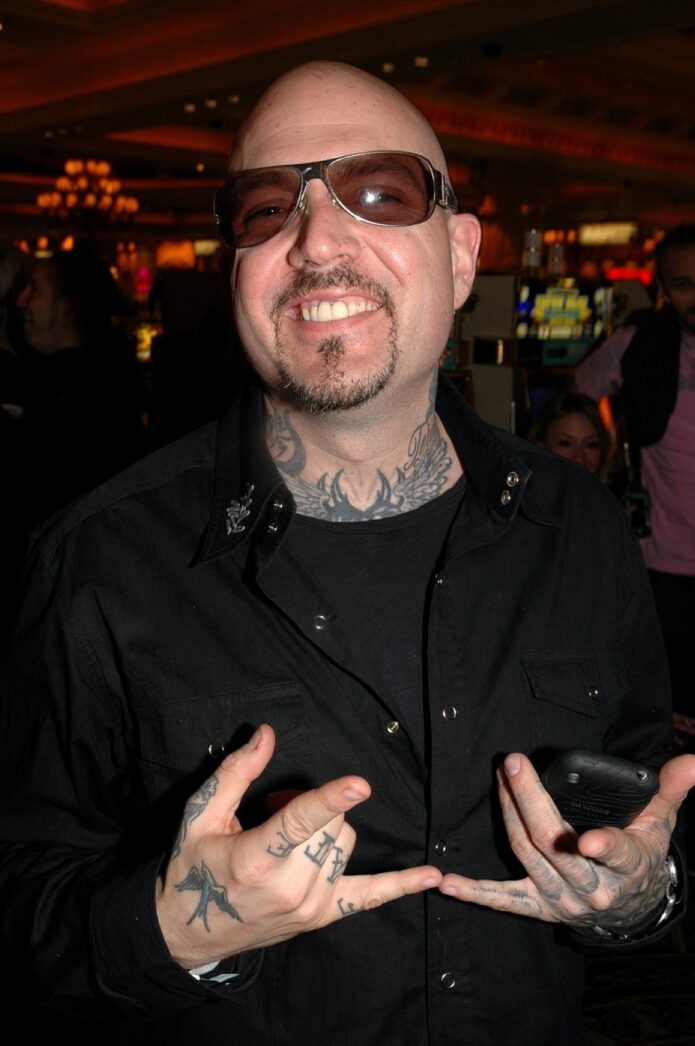
Close photos also show words and marks on his hands. “FATE” has been identified across his right-hand knuckles, and tattoo coverage describes the name “Lupe” across the other hand. Finger patterns, small stars and dark wrist ink fill the spaces between them.

Evan Seinfeld torso, neck and arm tattoo details

Portraits, animals and the pieces with a personal feel

The collection includes more than skulls and demons. Photos and tattoo catalogs point to portraits, birds, dragons, snakes, an eagle, a spider and fantasy or cartoon-like creatures. A portrait of Lupe Fuentes has been described on Seinfeld’s ribs, along with the Spanish phrase “mi amor mi vida,” or “my love, my life.”

Other reports describe a large spider across his back, a fierce eagle on his shoulder and dragons on his legs and chest. Older photos aren’t sharp enough to map every detail, but they show the range: names, creatures, music references and images chosen at different times.

What Evan’s tattoos seem to say about his style

The collection reads more like a timeline than a matching set. The Biohazard tattoo points to his music roots; lettering records names and identities; portraits refer to relationships; and cover-ups show how designs can change. The monsters and dark faces give the different pieces a shared visual mood.

That doesn’t mean every skull has a hidden story. Some designs may have been chosen because Seinfeld liked the image or the artist’s work. The clearest accounts are those tied to his own comments, including the first Biohazard tattoo and the cover-up. Other pieces are best left as visible details unless he has explained them.

For comparison, Lemmy Kilmister’s tattoos use simpler rock-and-roll symbols, while Mick Thomson’s tattoos have a colder metal look. Machine Gun Kelly’s tattoos show another way a musician’s image can change when the ink becomes part of the performance.

Quick Evan Seinfeld tattoo guide

  • Most visible areas: chest, neck, head, shoulders, arms and hands.
  • Common motifs: skulls, demon faces, reptiles, birds, dragons, lettering, portraits and heavy blackwork.
  • Personal details reported in public coverage: his first Biohazard tattoo, his son’s name, Lupe’s name, a Lupe portrait and “mi amor mi vida.”
  • Best way to view the collection: start with the full torso, then look at the neck, hands, head and cover-up areas.

Final take

Seinfeld’s tattoos don’t follow one tidy theme. They include music history, family, relationships, old nicknames, cover-ups and darker imagery, all added over time. From a distance, the chest and neck dominate; close photos show the smaller choices that make the collection personal.

The video below shows Seinfeld getting a flaming-skull tattoo in a Miami Ink segment. It gives a closer look at how one piece was made, under studio lighting.

Nergal Tattoos: Blackwork Sleeves, Neck Ink and Behemoth Style

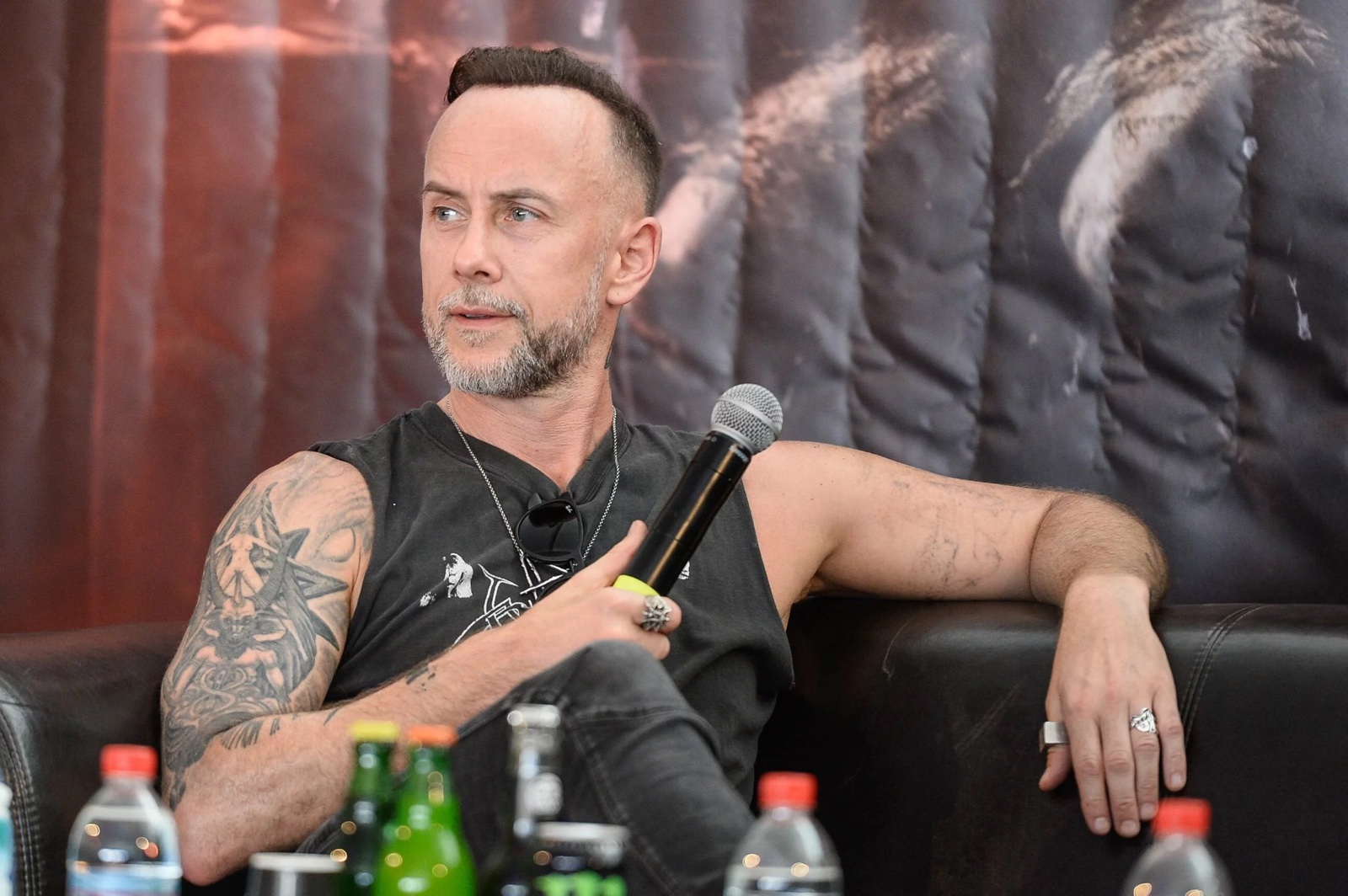
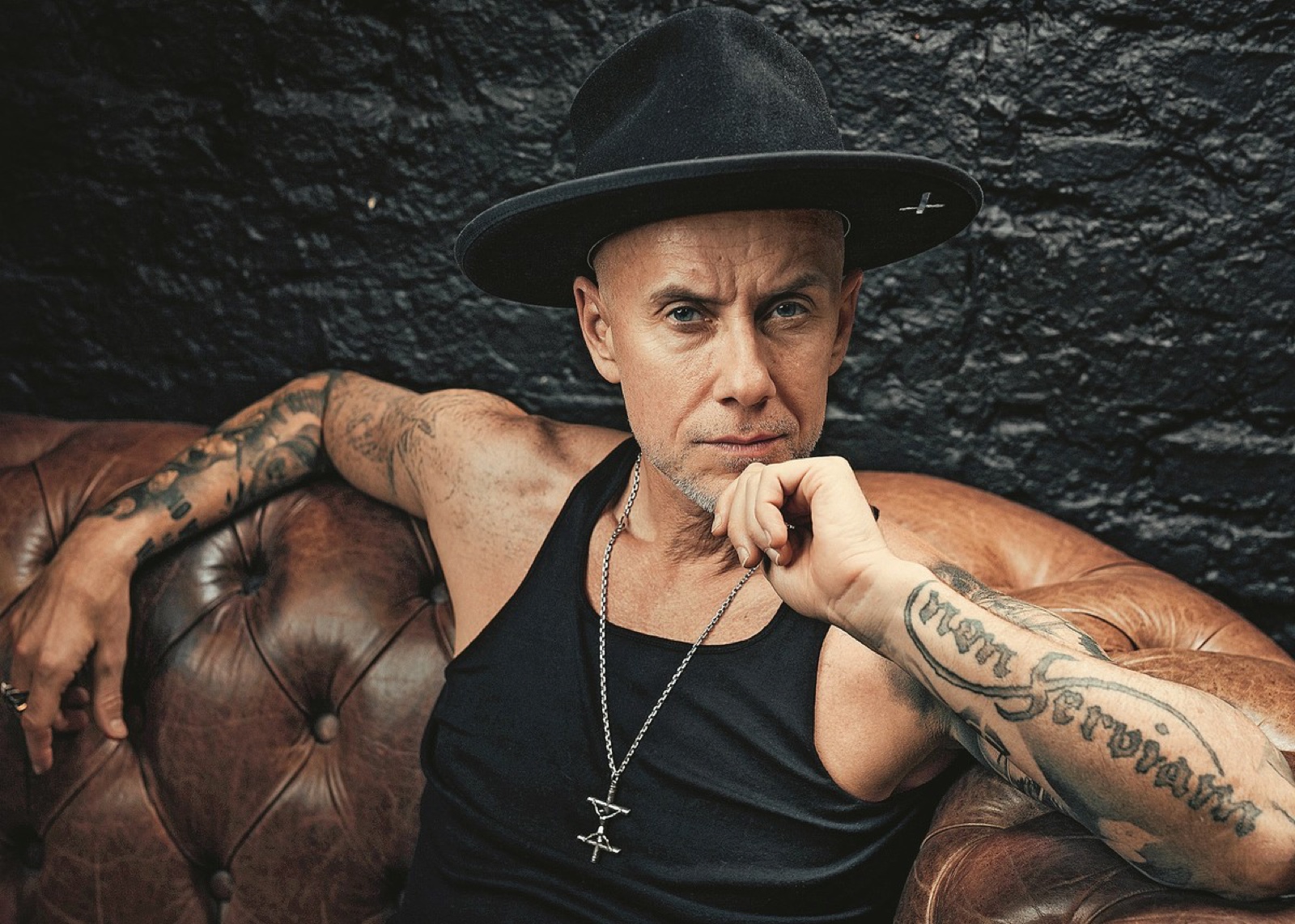
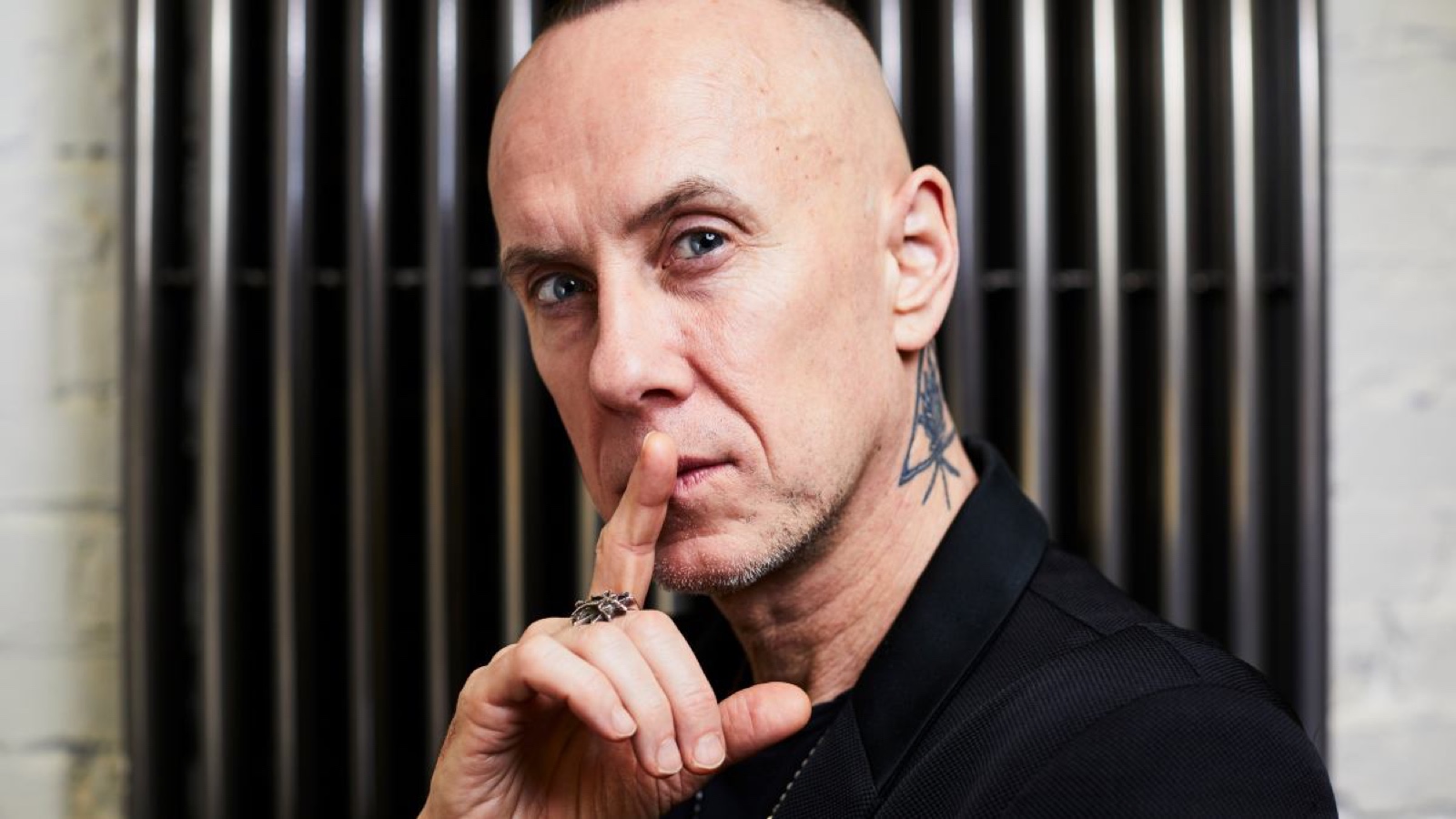
Nergal’s tattoos remain visible through much of Behemoth’s stage gear and corpse paint. Adam Darski has dense black-and-gray work across both arms, from the shoulders toward the wrists, plus neck tattoos and smaller marks that show when he plays guitar.

The collection uses large dark shapes, shading and areas of open skin. That makes it readable from a distance without turning each sleeve into one solid panel. The overall look fits Behemoth, but not every tattoo has a public explanation.
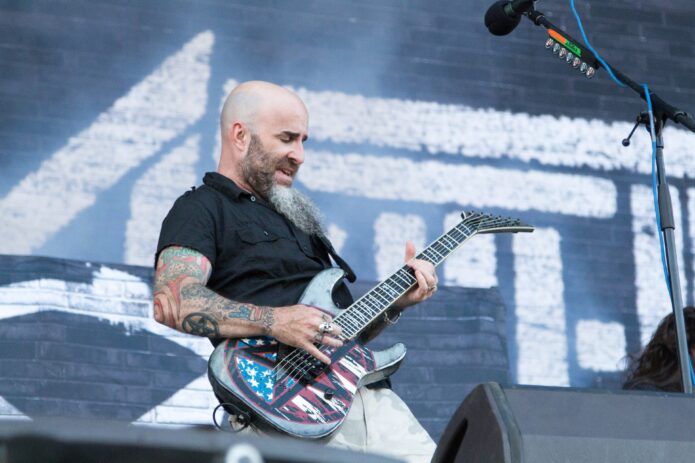
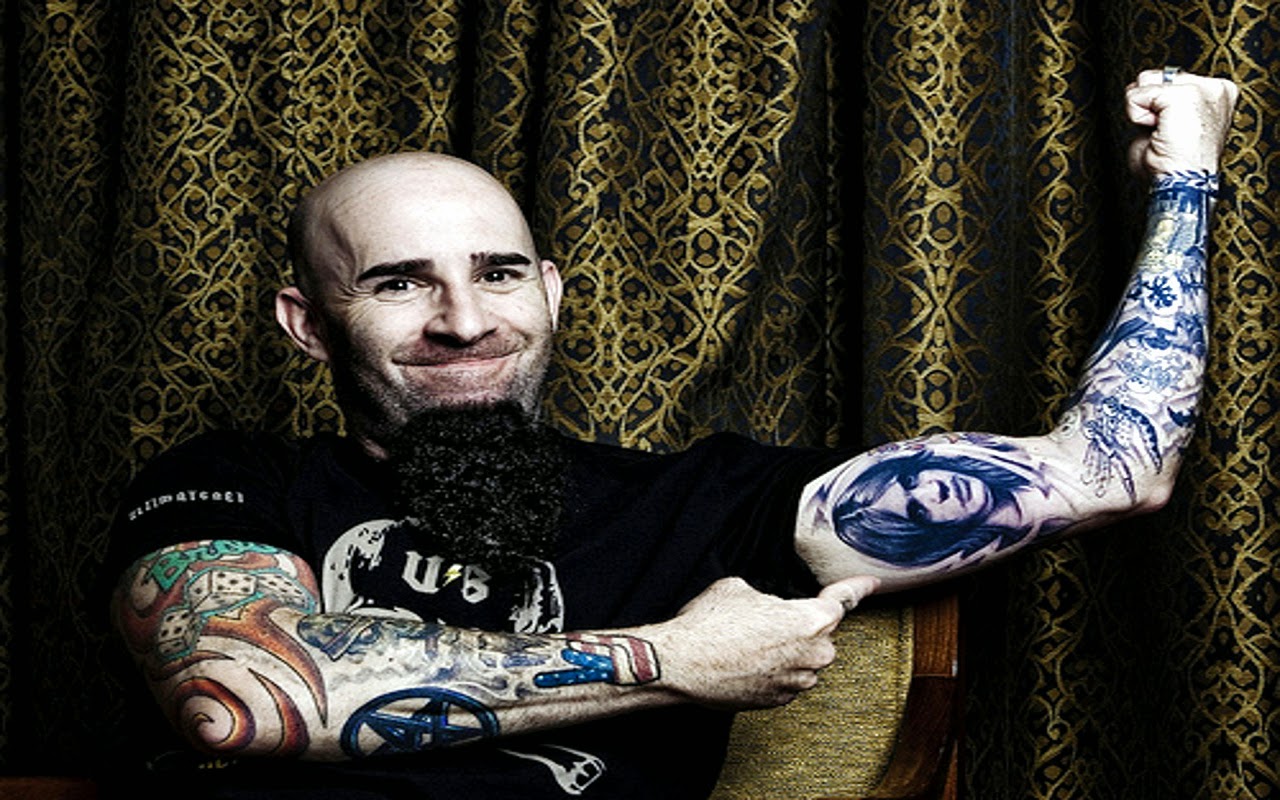
Nergal’s tattoos at a glance

  • Main areas: both arms, shoulders, forearms and neck.
  • Overall style: black-and-gray work with heavy outlines, dark fills and large connected pieces.
  • Best detail to study: how the designs wrap around the arms instead of sitting like separate stickers.
  • Stage effect: the ink remains visible under strong lights, even with body paint and dark clothing.
Nergal upper arm tattoos in interview

From this angle, the sleeve looks like one dark panel. Up close, lighter gaps and changes in shading separate the shapes. The upper arm is especially dense; smaller sections on the forearm keep the whole design from reading as a single block.

The sleeves are the main event

Nergal’s arms get the most attention. Both are heavily tattooed, but they don’t mirror each other or look planned as a matching pair. One photo may show a large shape near the shoulder; another brings out a face or symbol lower on the arm.

The shifts between black, gray wash and open skin give the sleeves their movement. Some areas are dense, while others leave room around the forms. The result looks full without every part carrying the same weight.

Nergal forearm tattoos in portrait

This side view shows the wraparound design on the right arm. The lines keep their shape as the arm turns, while a front-facing photo shows only one side. The triceps and forearm details are easier to see from this angle.

For tattoo references, the balance of large and small shapes is more useful than copying one symbol. A major piece gives the sleeve weight; smaller marks connect it to the rest of the arm. The design needs to be planned for a moving arm, not just a flat image.

Blackwork, shading and that heavy metal contrast

Nergal’s sleeves use a lot of black, but they aren’t solid fill. Photos show bold outlines, gray shading and lighter areas that separate one part from another. Those changes in tone keep the details readable.

That contrast also stands up beside Behemoth’s costumes, guitars and lighting. The larger shapes remain visible when the stage is washed in red or blue, while fine, pale lines might disappear.

Nergal geometric neck tattoo close-up

The close view brings the smaller lines nearer. Shading and open areas sit beside the hand and wrist, and the designs have to hold their shape when the arm bends, grips a microphone or wraps around a guitar.

Neck ink that changes the whole look

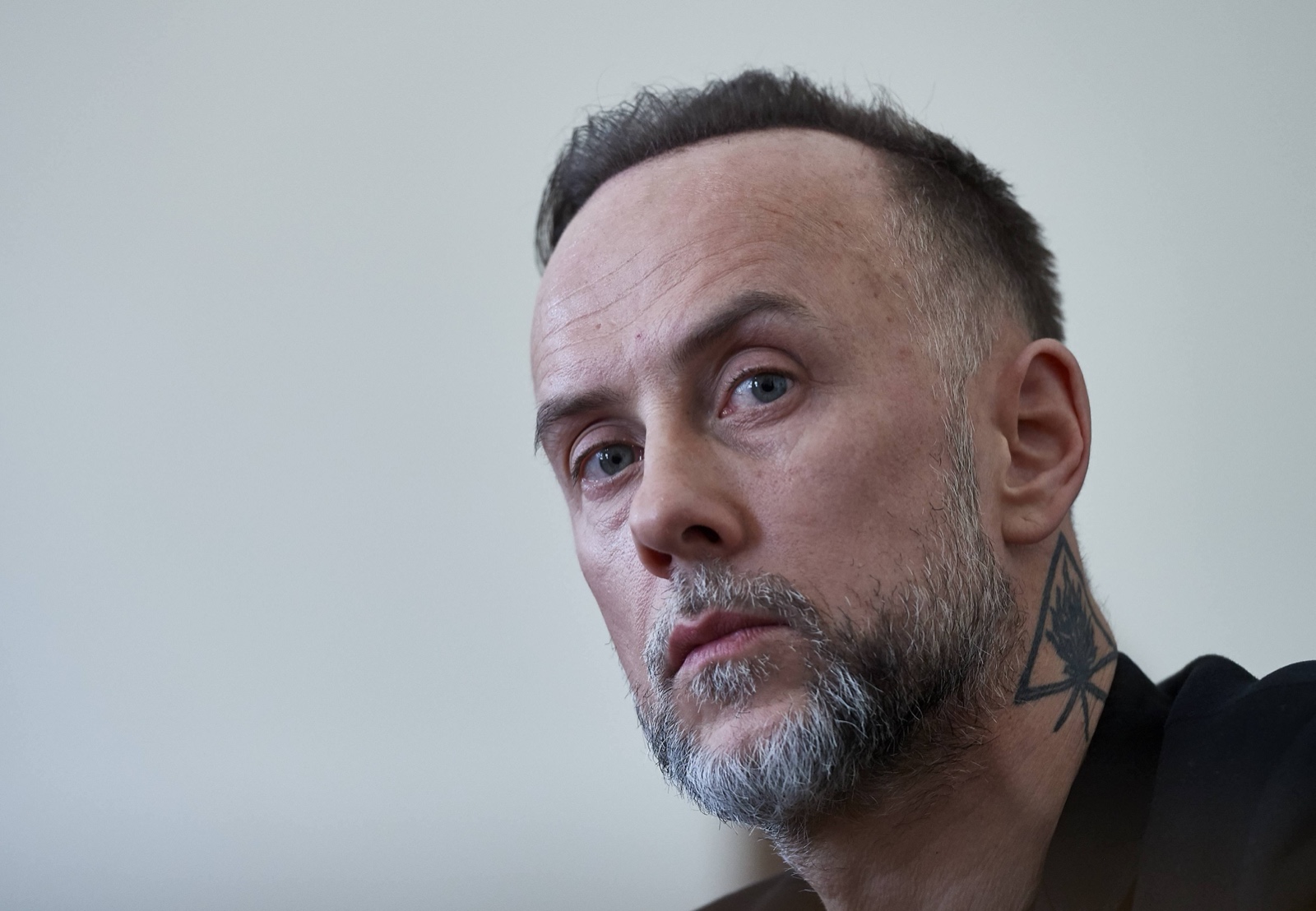
The neck tattoo is another part of Nergal’s look that’s easy to spot. In close portraits, dark angular lines rise from the side of his neck toward his jaw. The ink sits above the collar, so it remains visible even when the rest of his body is covered.

Neck tattoos move with the skin and show in most photos and outfits. Nergal’s uses the same dark, graphic style as his arms, connecting the pieces without making his whole body look like one uniform panel.

Nergal neck tattoo portrait

This concert shot shows how the tattoos sit with his stage clothes. The arm ink remains visible beside the black clothing, and the neck tattoo shows above the collar. Placement is part of what makes these pieces easy to see.

What the photos can, and cannot, tell us

A dramatic sleeve can invite stories about every symbol, but a photo can’t confirm those meanings. Nergal has discussed tattoos in a Tattoo Life interview, and the video below is another source of his comments. Still, not every design has a public explanation.

The photos do show a clear pattern: large blackwork, connected shapes and tattoos that remain visible while he performs. They also show heavy coverage on the arms and visible ink on the neck. Meanings beyond that should come from Nergal himself, not a guess based on a concert image.

Nergal shoulder and upper arm tattoos

This wider shot shows the arm beside the guitar, costume and crowd. The lighting competes with the tattoo, but the overall placement is clear. Closer, well-lit images give a better view of individual lines.

Face paint is not the same as a face tattoo

Nergal’s stage makeup can make the whole look seem more extreme. The black-and-white face paint is part of Behemoth’s performance and can change from show to show. It shouldn’t be mistaken for permanent ink. The tattoos that are easiest to confirm in these photos are on the arms, shoulders, forearms and neck.

That distinction matters when using the photos as tattoo references. Makeup can be changed between shows; a neck or sleeve tattoo is permanent. The images can help with composition and contrast, but not every dark line onstage is ink.

In this photo, the exposed arm carries most of the tattoo detail. Black-and-gray designs sit against pale makeup, dark clothing and a busy background. Even there, the sleeve remains readable.

How to borrow the idea without copying Nergal

If you like the style, start by thinking about the flow: a main upper-arm piece, smaller designs around it and open skin to break up the dark sections. Decide how much of the forearm you want visible before booking. It’s easier to plan the layout than to fill gaps in a crowded sleeve later.

A sleeve or neck tattoo is hard to hide and will shape how people read your style. Find a tattooer who can draw for the shape of your arm, and look at healed work as well as fresh tattoos. Once healed, you can see whether the spacing and contrast still hold up.

For other rock and metal references, compare James Hetfield’s tattoos, Zakk Wylde’s tattoos and Randy Blythe’s tattoos. The site also has galleries for Duff McKagan, Frank Carter, Andy Biersack, Corey Taylor and Scott Ian. Their galleries show different ways to build a sleeve.

Final take on Nergal’s tattoos

The arm sleeves and neck ink carry the same dark, graphic style as Nergal’s music and stage look. The designs stay readable without needing a detailed explanation for every symbol. The arms are the largest pieces; the neck tattoo makes the look visible above the collar.

The photos also show how spacing matters. Open skin keeps the blackwork from flattening out, and the forms still read as Nergal moves onstage.

Watch Nergal talk about his tattoos

The video below is a Tattoo Life interview about Nergal’s tattoos.

Scott Ian Tattoos: AC/DC Tributes, Metal Ink and More

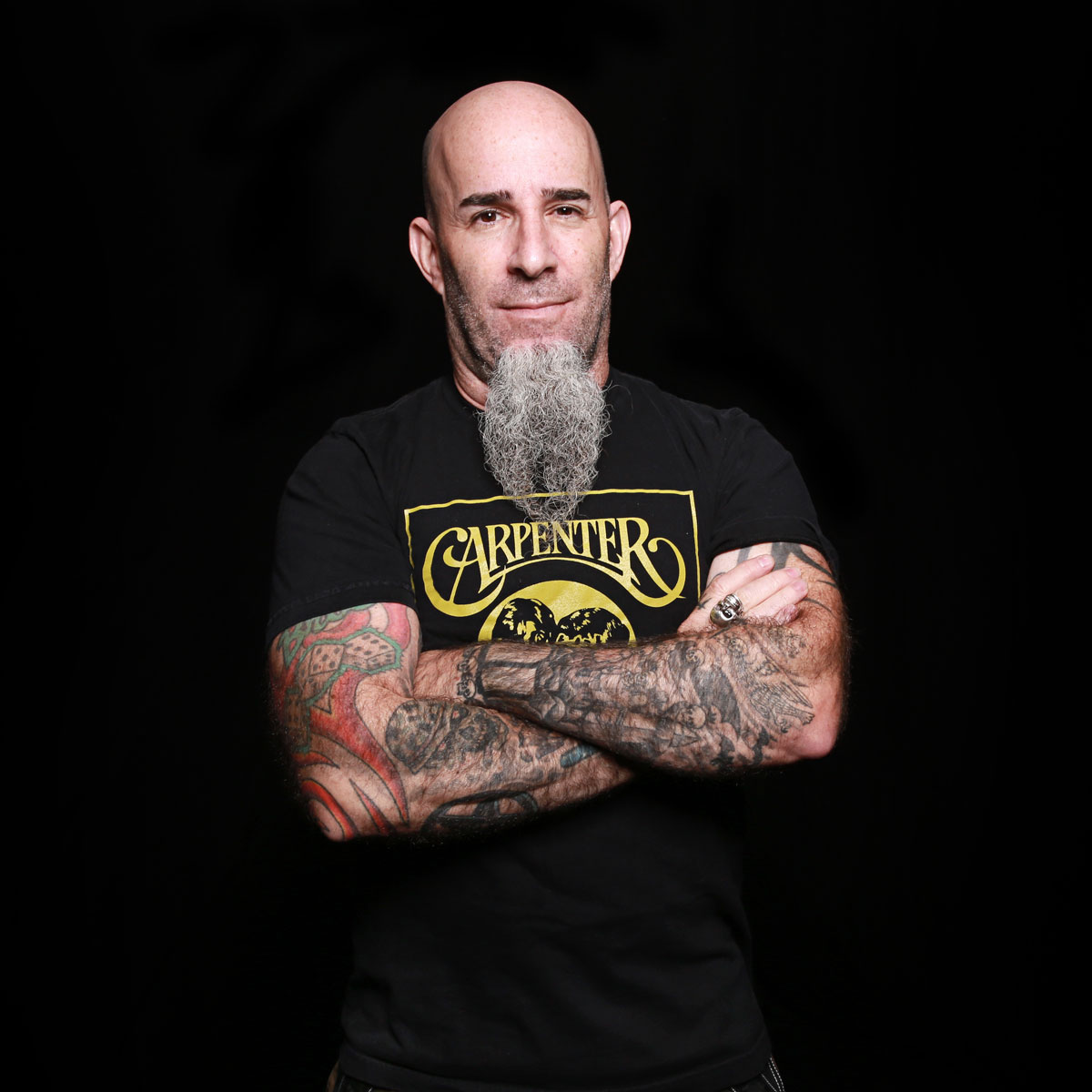
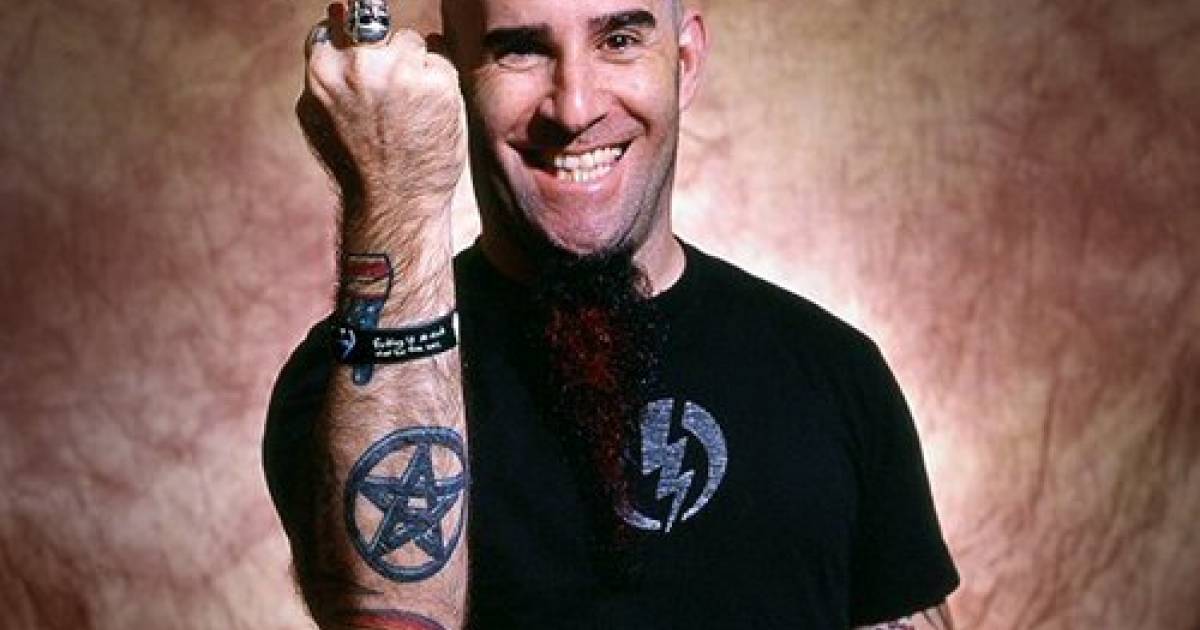
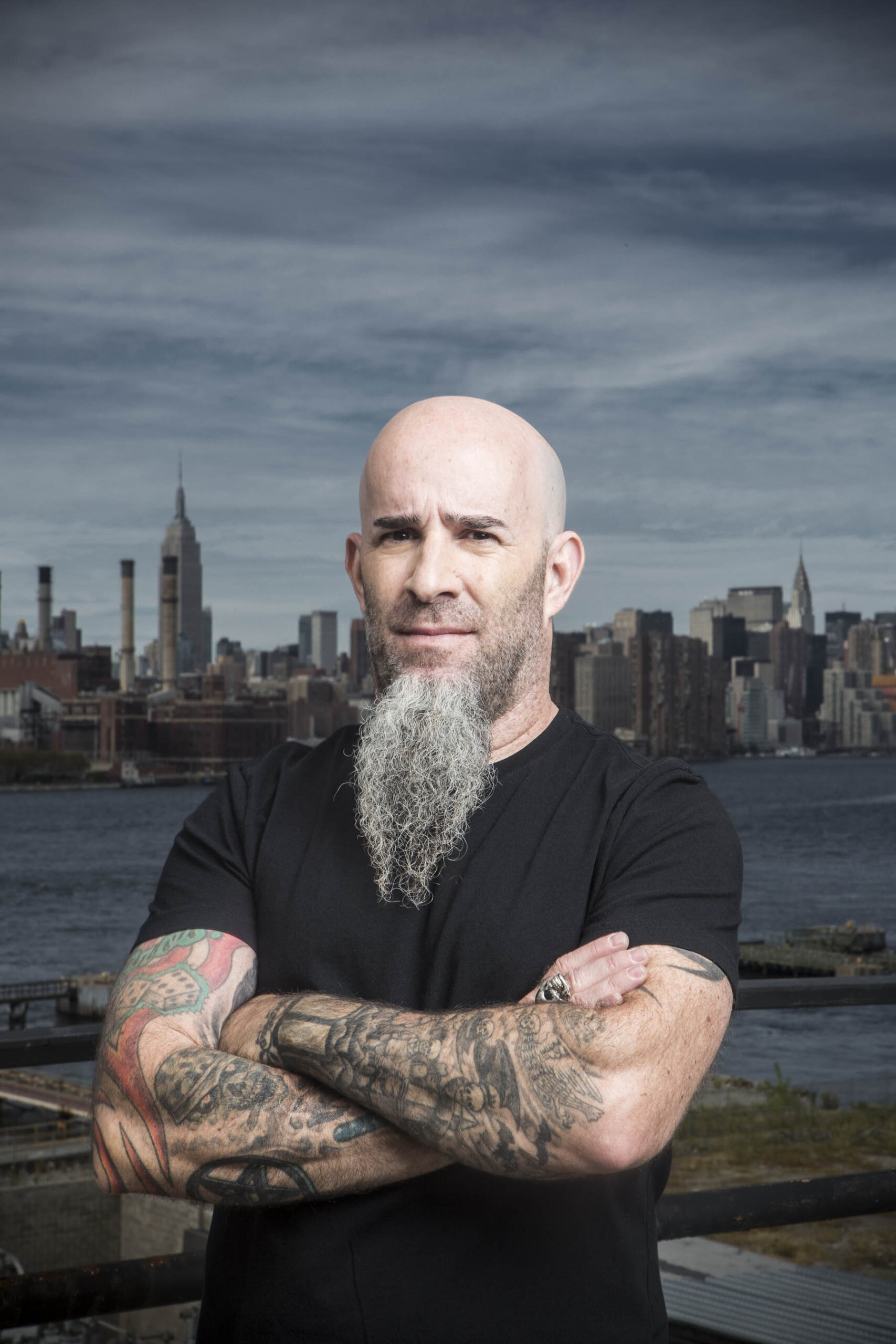
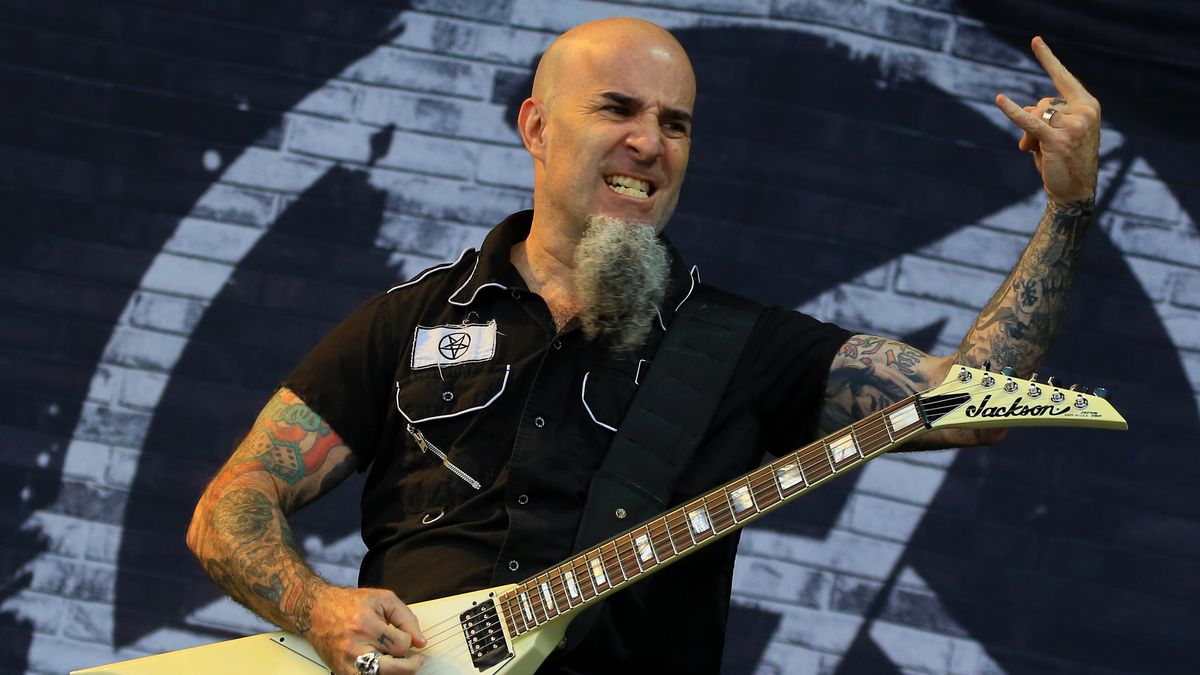
Scott Ian’s tattoos trace his years in heavy music. His arms carry portraits of AC/DC’s Angus and Malcolm Young, a Gene Simmons demon, a Dimebag Darrell tribute, the American metal horns symbol, Japanese kanji and smaller designs with their own stories.

Ian has discussed the tattoos in interviews, so there’s more to go on than appearance alone. The photos below focus on his arms and hands, while the text separates his explanations from details that are only visible.

The short version of Scott Ian’s tattoo story

Ian’s largest tattoos honor musical heroes. Kat Von D created the Angus and Malcolm Young portraits, Paul Booth worked on the Gene Simmons demon, and Bob Tyrrell did the Black Tooth tribute after Dimebag Darrell was killed. Ian has also mentioned a small 666 on his knuckle, kanji for patience from a trip to Tokyo, and an American metal horns design on his picking hand.

The pieces point to hard rock, thrash, friendship and the people who made Ian want to play guitar. They aren’t a matching set; they cover his arms and hands in different styles, added over time.

Angus and Malcolm Young on his biceps

The color portraits of Angus and Malcolm Young are among Ian’s best-known tattoos. He has said Angus was a major inspiration when Anthrax was starting, and Malcolm’s rhythm playing helped shape how he thought about guitar. Angus is on the right biceps and Malcolm on the left.

Scott Ian full sleeve tattoos in flexing portrait

This stage photo shows how much of the upper arm the portraits cover. It isn’t a close-up, but the image is sharp enough to make out the color and placement. At a smaller size, a portrait can blur into a dark patch; here, the faces remain readable.

Scott Ian tattooed arms crossed portrait

Ian got the Angus portrait on L.A. Ink, and Kat Von D made both Young portraits. Ian wanted the tattoos to reflect the familiar Angus look, including the devil-horned stage image associated with AC/DC’s Highway to Hell era.

Scott Ian raised forearm tattoo close view

The biceps give the portraits a rounded surface, while the surrounding sleeve work connects them to the rest of the arm. They remain visible when Ian bends his arms or plays guitar, without needing a band logo or large lettering.

The Gene Simmons demon piece

Ian asked Paul Booth to imagine Gene Simmons with his makeup stolen by a real demon. The result leans toward horror art rather than a straightforward portrait. At the time of the interview, it was described as unfinished, with more shading still needed on a snake head running down toward the foot.

Ian has said KISS was one of the reasons he wanted to be in a band. He saw them as a teenager and left the show with a clearer idea of the life he wanted. The tattoo turns that influence into a dark, theatrical image rather than a simple portrait.

Black Tooth and the Dimebag Darrell tribute

The Black Tooth tattoo is a tribute to Dimebag Darrell. Ian got it after Darrell was killed, and Bob Tyrrell did the piece. The name refers to the Black Tooth Grin drink associated with metal culture and Dimebag’s Pantera years.

Ian has said that he got the tattoo alongside other people as a tribute. It marks a shared loss, which gives it a different feeling from a portrait of a personal hero.
Scott Ian tattooed arms city portrait

This Rock im Park photo shows Ian playing guitar with the ink visible around his forearms. The designs wrap around the arms instead of ending on one flat surface, so the full coverage is easier to see as he moves.

American metal horns on the picking hand

Ian also has an American metal horns design tied to Erik Brunetti, the artist and founder of Fuct. Ian has said the symbol began as a T-shirt design and that he told Brunetti he would get it tattooed. He placed it on his right picking hand, which he describes as the source of his playing power.

Scott Ian tattooed arms playing guitar

Hand tattoos are easiest to see in live photos, when Ian reaches across the guitar. Here, the hand and forearm ink sit beside the instrument and appear as part of the performance.

Kanji, the 666 knuckle tattoo and smaller details

Ian got kanji symbols meaning patience while he was in Tokyo. He has joked that he doesn’t have much patience for the pain of getting tattooed. He has also mentioned a 666 on his knuckle, one of the earlier late-night tattoos Kat Von D did for him.

Those small pieces sit beside the larger portraits and sleeves. Some came from travel or friends; others were quick ideas that stuck. Together they show that the collection grew over time.

The Mr. Bungle bunny logo

In 2021, Ian showed a new Mr. Bungle bunny logo on the back of his upper left arm. Sara Lou Tattoo did the piece in Los Angeles. It connects to another band he has been involved with, beyond the better-known Anthrax and AC/DC references.

The design also fits the wider pattern: many of Ian’s tattoos point back to music, friends and the scenes that shaped him. Even the playful bunny has a specific place in that history.

What the concert photos show best

Different photos show different parts of Ian’s collection. One may catch the outside of an upper arm, another the inside forearm or picking hand. The set here uses several moments onstage so the views aren’t all the same.

The portraits stand out for their realistic color, while the surrounding work uses rougher black and gray. The variety makes the arms look lived in, fitting Ian’s stage style without tying everything to a single trend.

Why his ink still feels personal

The tattoos point to influences and relationships Ian had before he got them. AC/DC shaped his ideas about rhythm guitar and stage energy; KISS helped him imagine life in a band; the Dimebag tribute marks friendship and loss. Smaller designs hold onto travel, humor and the people he chose to trust with the work.

The range includes a portrait for an influence, a symbol connected to playing guitar and small pieces with their own histories. Ian’s arms bring those choices together without making them look like one design.
For another heavily tattooed musician, compare the Andy Biersack tattoos guide. Chad Smith’s tattoos offer a different stage-focused collection.

Watch Scott Ian talk about his tattoos

This L.A. Ink video shows the story behind Ian’s Angus Young portrait.

Final take

The Angus and Malcolm Young portraits lead the collection, with the Gene Simmons demon, Black Tooth tribute, American metal horns, kanji, 666 knuckle mark and Mr. Bungle bunny filling in the story. Each design points to a band, friend, place or period that mattered to Ian. That gives the tattoos a personal history beyond their size or style.

Chad Smith Tattoos: His Arm Ink and Stage Style

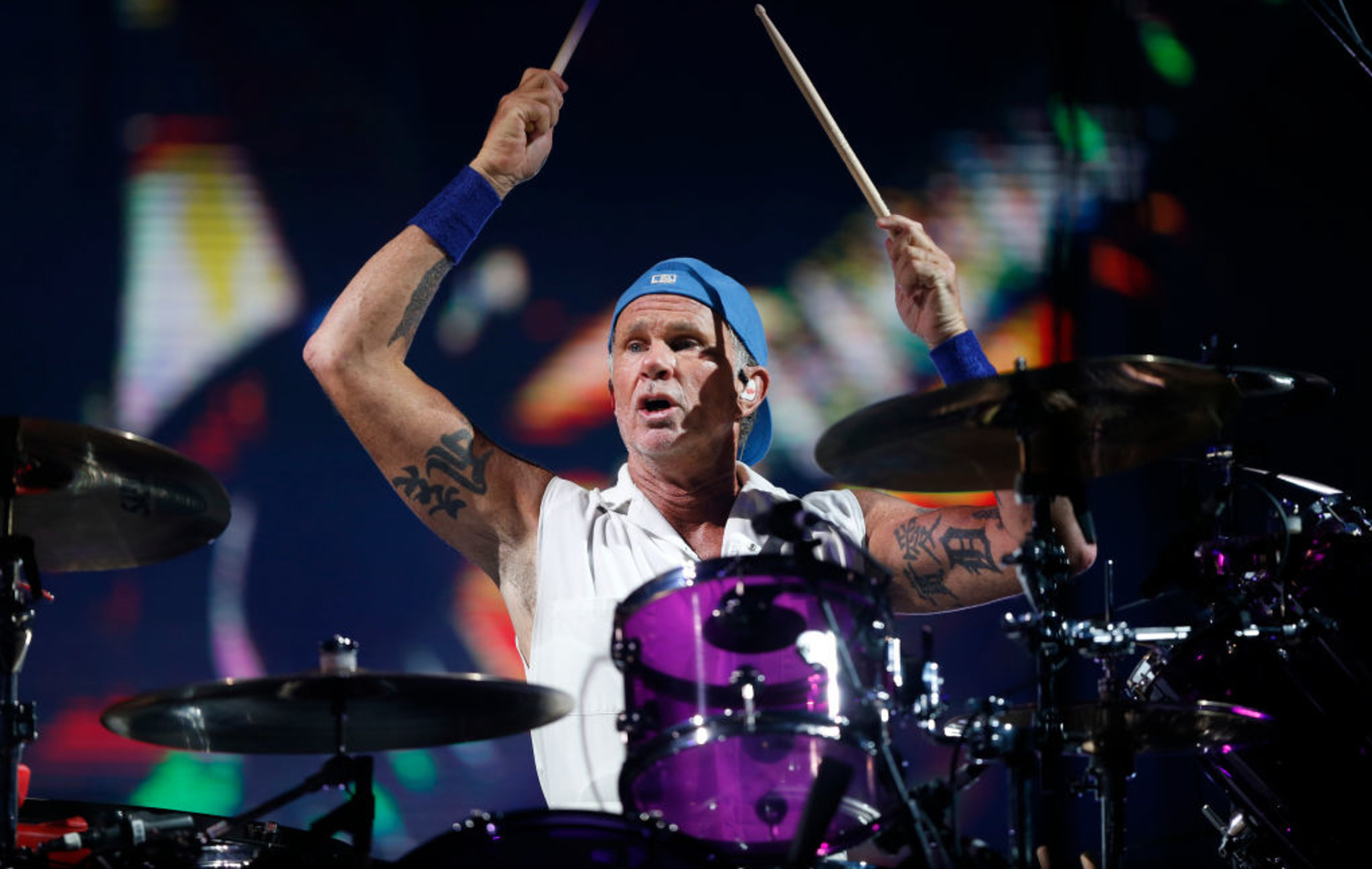
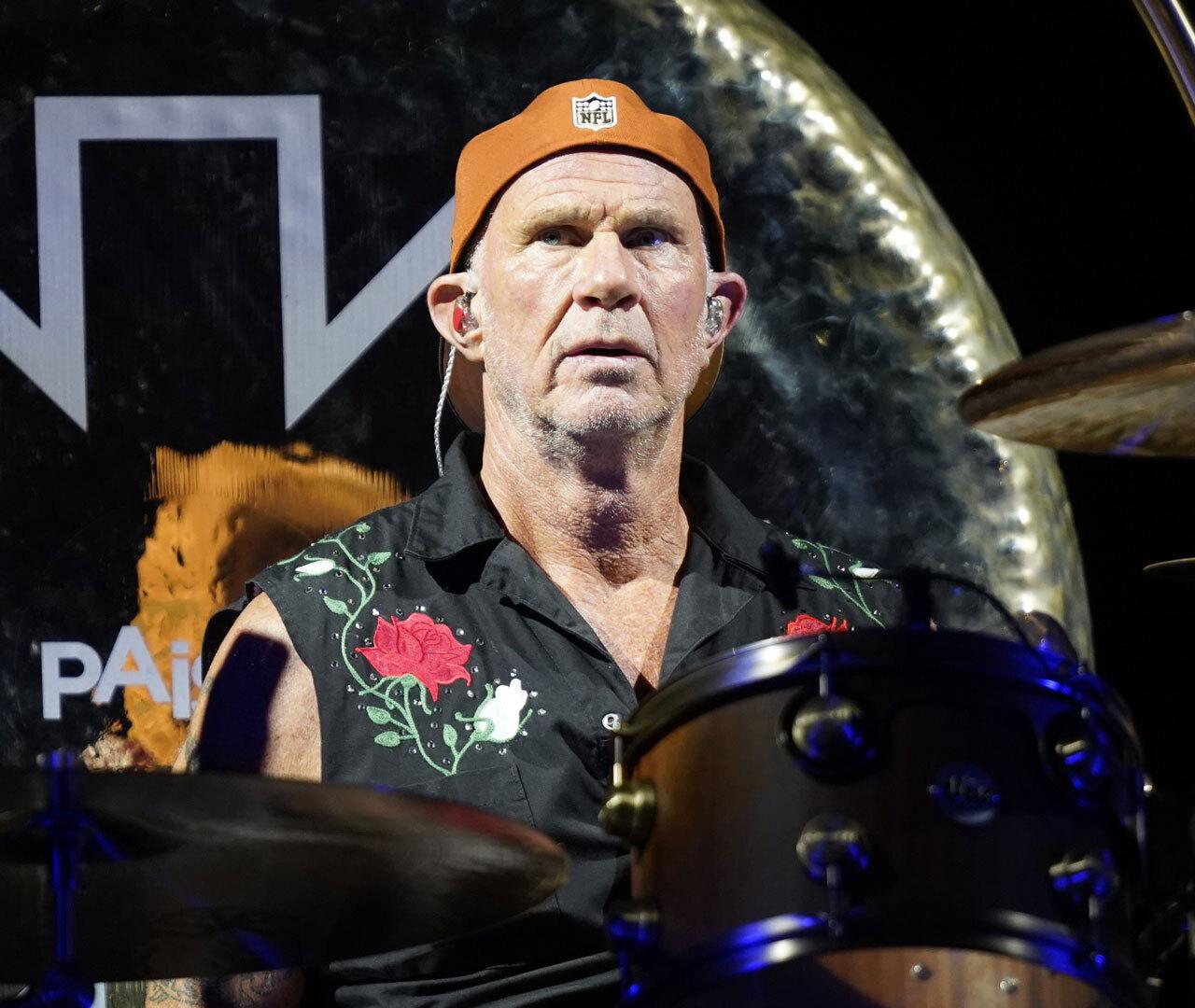
Chad Smith is known for his drumming, and tattoos are part of his stage look. In sleeveless shirts, the ink across his upper arms and forearms is easy to see. The pieces include bold shapes, lettering and shaded designs that hold up under stage lights.

This gallery sticks to photos where Smith and the tattooed areas are clear. Wide performance shots show where the ink sits; closer images show more of the linework. Some designs are difficult to identify, so the descriptions stay with what’s visible rather than guessing at their meanings.

Chad Smith’s tattooed arms

The tattoos cover large sections of Smith’s arms, from the upper arm toward the elbow and forearm. Dark outlines and open skin sit beside one another, giving the coverage a patchwork look. Older pieces appear next to newer additions.

Chad Smith tattooed arms in portrait

In this performance photo, Smith’s arm faces the camera instead of sitting behind the drum kit. Several shapes are visible on the upper arm, with darker work below. The image is clear enough to show broad coverage rather than one isolated emblem.

There isn’t a reliable public catalog of every tattoo. A distant stage shot can make several designs look like one, so it’s safer to describe the visible placement than to assign a story to each shape.

Ink seen behind the drum kit

Smith’s arms are in constant motion as he plays, and cymbals, sticks, microphones and drums can block the view. Sleeveless clothes leave enough skin exposed to show the extent of the tattoos.

Chad Smith arm tattoos during a Red Hot Chili Peppers show

This concert photo shows ink on his exposed arm while he plays. The tattoos remain visible as his hands move, and they’re easy to cover when he wears a shirt offstage.

The broad arrangement is clearer than the smaller details: dark outlines, shaded sections and several images close together. That’s enough to describe the amount of arm ink without inventing a list of symbols.

Upper-arm designs and old-school rock style

Several photos show Smith’s upper arms in cut-off shirts or sleeveless stage tops. The heavy shapes have the look of classic rock tattoos: they stay visible under bright light, sweat and movement.

Chad Smith raised arm tattoos while drumming

Against a dark background, the outlines stand out and follow the curve of his arm. The full-size image keeps separate sections from flattening into a gray blur.

Fans sometimes connect a rock musician’s tattoos to band history, family or artwork they’ve seen elsewhere. Unless Smith has explained a design, those meanings remain guesses. The photos show the tattoos; they don’t confirm the story behind them.

A closer look at the visible details

Some photos show Smith with his drum kit, while others bring the arm close enough to see smaller lines. Comparing angles helps because a tattoo can look different when the arm turns or is partly hidden by a drum.

Chad Smith upper arm tattoo close view

Here the ink is easy to distinguish from his clothes, shadows and equipment. It covers the exposed upper arm and continues around its side. You can see changes in tone and line weight, though not enough to identify every symbol with certainty.

A sharp photo makes it possible to discuss placement and style without repeating rumors as facts. If Smith gives a full account of the tattoos, that would be the right source for their meanings.

How the tattoos fit his stage image

Sleeveless shirts put the arm tattoos on display, while wristbands and drumsticks move around them as Smith plays. The ink adds dark lines and shapes to his stage look without needing a flashy outfit.

Chad Smith arm tattoos on stage

This live shot shows the tattoos with the drum kit instead of as a posed close-up. The arm stays visible while Smith plays, and the angle can be compared with the closer photos above.

Concert photos show the ink in motion and under colored lights. That’s how many fans see Smith’s tattoos: as part of his working musician image, rather than a separate look saved for a portrait.

What is confirmed and what is still unclear

Public images clearly show several things: Smith has tattoos across his arms, with larger shaded areas and smaller details. They’re visible in performance photos, especially when he wears sleeveless clothes. The ink is concentrated on the arms rather than the face or neck.

A complete list of symbols, dates, artists and meanings isn’t publicly confirmed. Repeated claims can circulate online without a supporting interview, so this guide avoids naming every blurry shape or assigning a personal story to it. The photos support the visual description, and not more than that.

For another heavily tattooed rock musician, see our Frank Iero tattoos guide. His style is different, but the arm placement also forms part of his stage image.

Watch Chad Smith in action

Smith’s arms move constantly as he plays, bringing the tattoos in and out of the light. The video below shows him performing with the Red Hot Chili Peppers.

Sebastian Bach Tattoos: Arm, Wrist and Leg Ink Explained

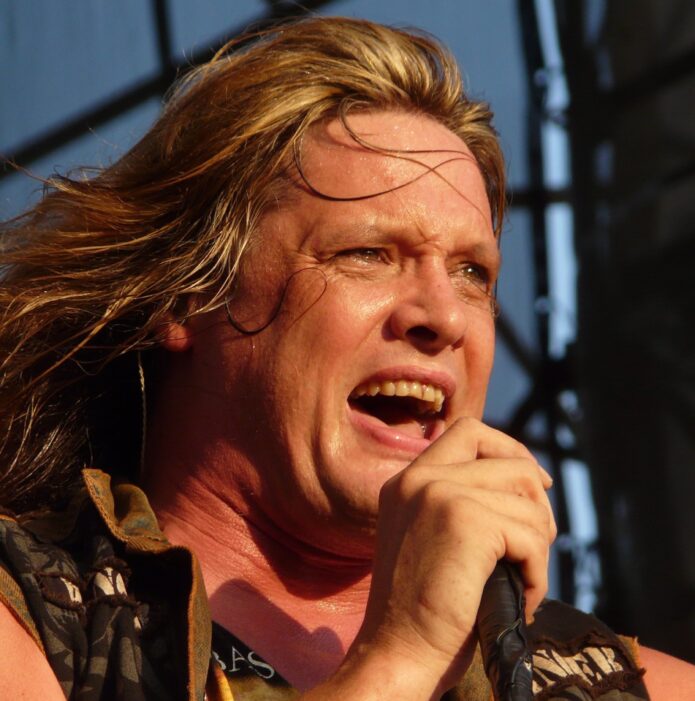
Sebastian Bach’s arm tattoos show when he pushes up his sleeves or performs in a sleeveless shirt. The ink includes color, lettering and shaded designs across his upper arms and forearms.

Public descriptions of Sebastian Bach tattoos vary. Concert and close-up photos show the clearest details, while some of the smaller pieces are hard to confirm. This guide describes what the images show and marks the less certain claims as such.

Sebastian Bach’s upper-arm tattoo

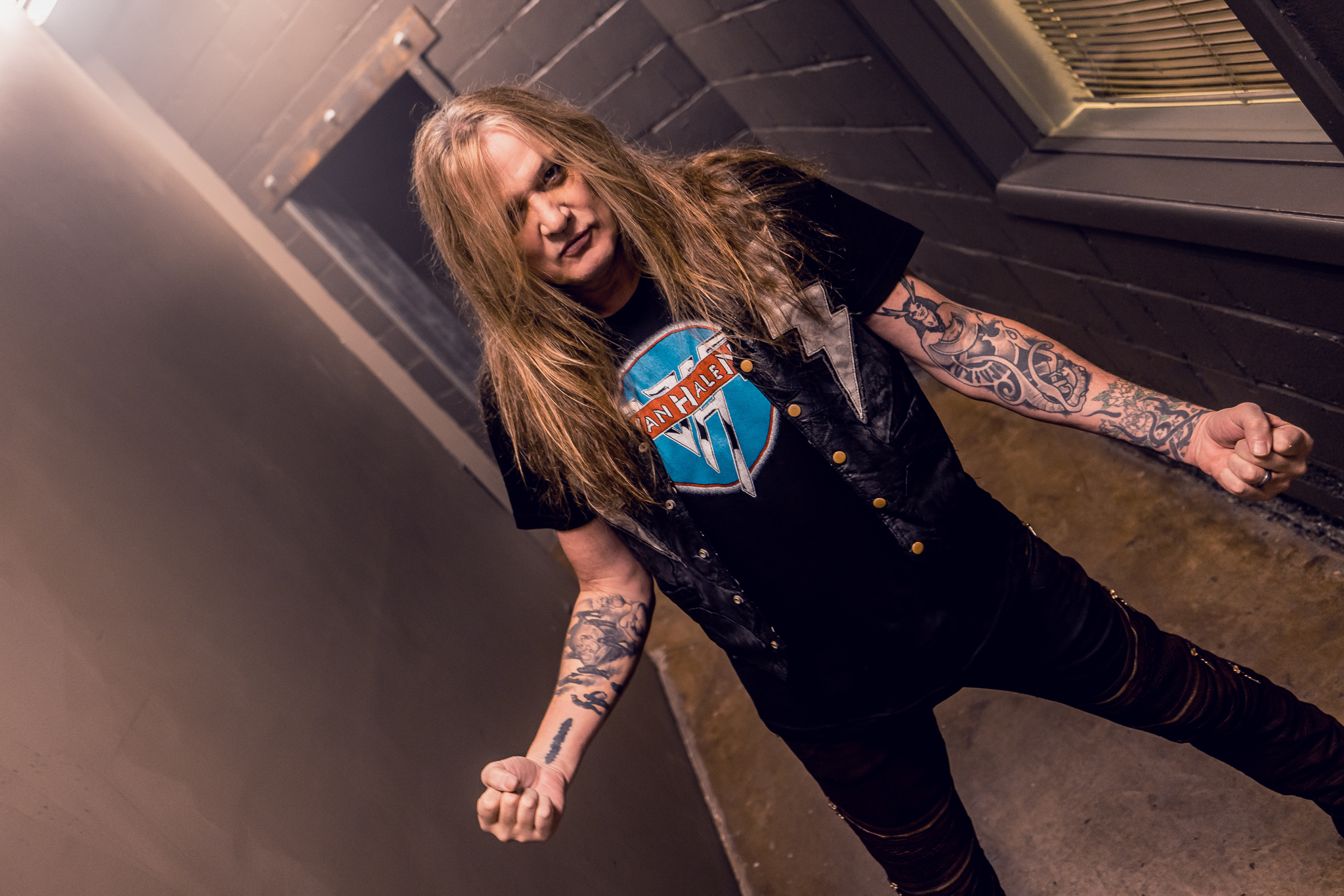
Sebastian Bach tattooed arms backstage

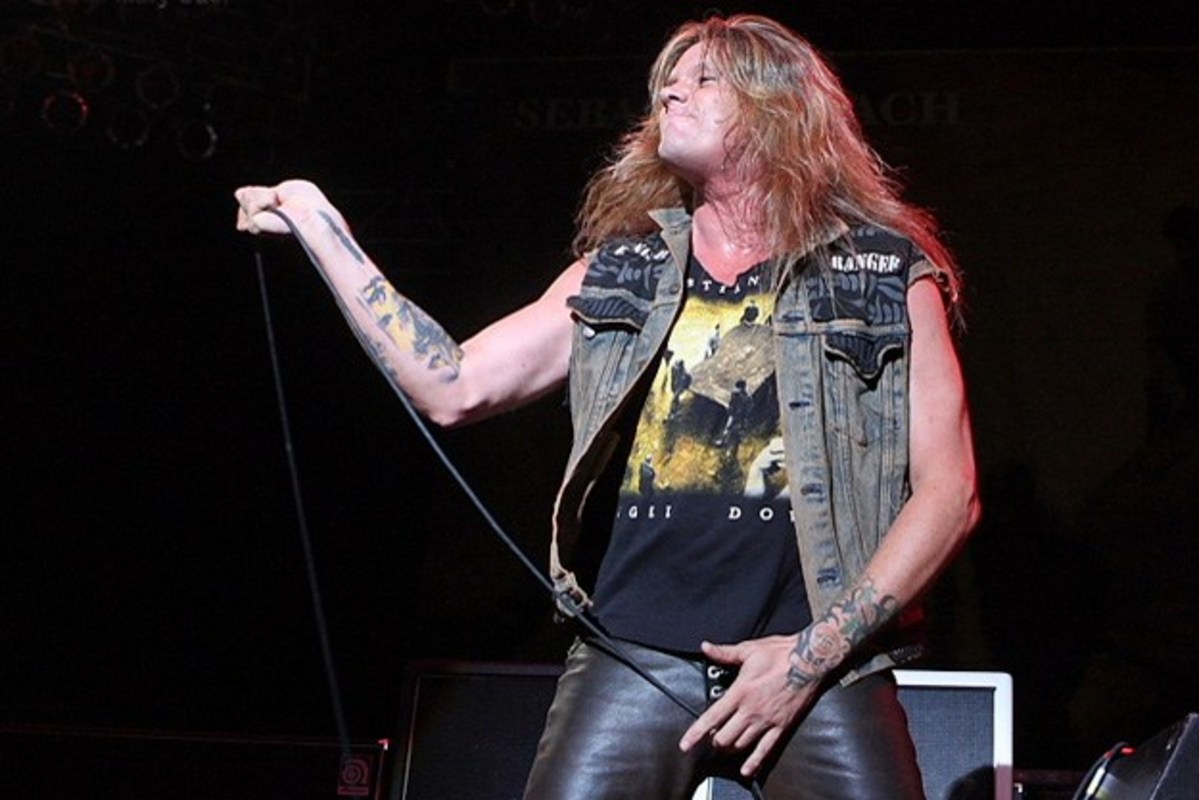
This close stage photo shows a sizable tattoo on Bach’s upper arm. It has dark outlines and warm color, and continues below the edge of his vest. The sharp image makes it easier to distinguish the ink from the surrounding shadows.

Bach hasn’t given a reliable public explanation for this design. The photo shows connected shapes with older-looking shading rather than one small symbol. Its high placement also means a shirt or jacket can cover it, which may be why it is missing from some portraits.

The forearm script and shaded pieces

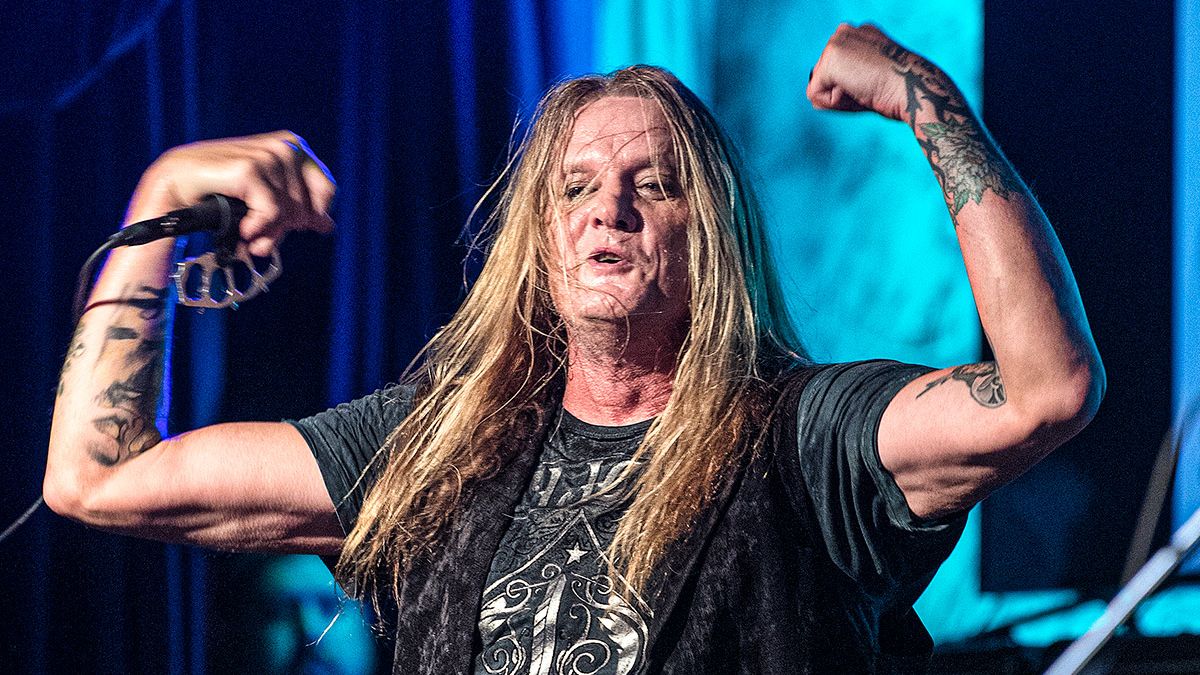
Sebastian Bach flexed arm tattoos

This closer photo shows more of Bach’s forearm. His watch covers part of the design and the crop cuts off another section, but the colored center and darker surrounding work are still visible.

The flash brings out the color and outlines more than stage lighting does. Depending on the angle, the same ink can look different, which may explain why descriptions of Sebastian Bach’s arm tattoos don’t always match.

Another clear look at the tattooed arms

Sebastian Bach forearm tattoos during a live performance

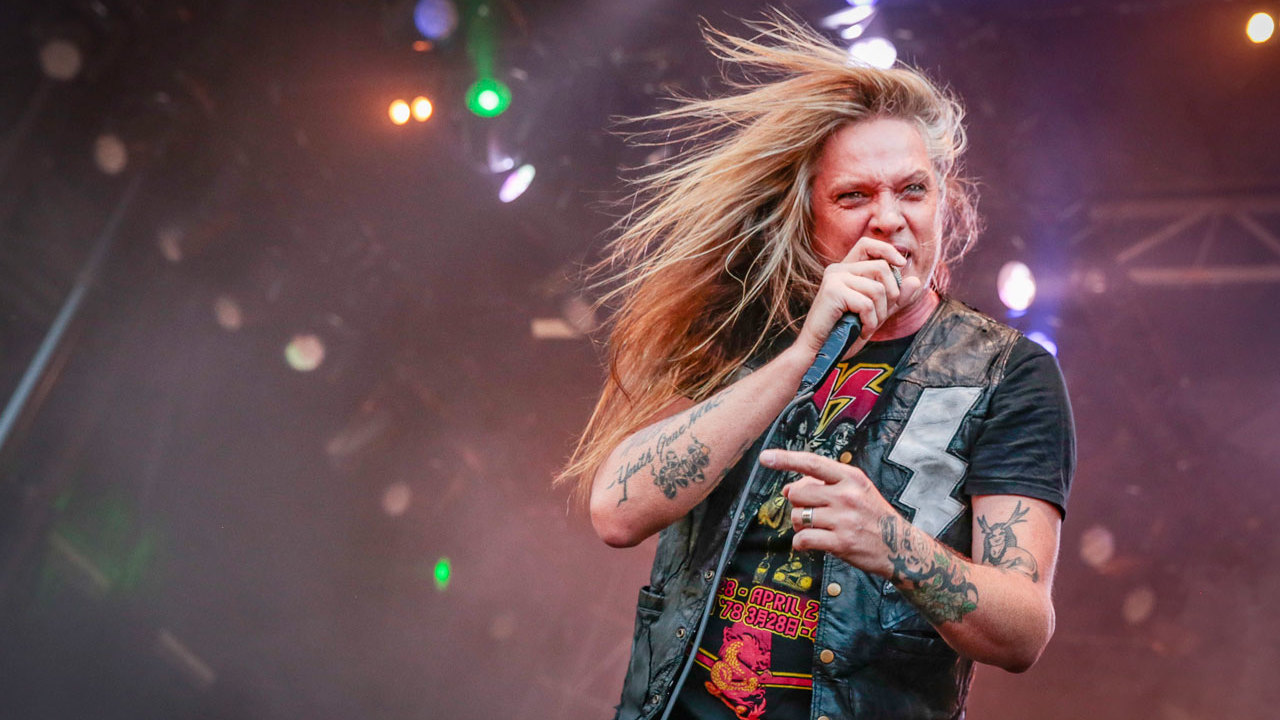
Here the tattoos are visible on the arm holding the microphone. A dark design runs along the forearm, with another patch higher up. Although the shot is wider than a portrait, the arm is close enough to the camera for the ink to read.

The photo shows layered arm work in color and black shading. It doesn’t give each piece a name or a confirmed story, so it’s better to leave the smaller shapes undescribed.

The older stage photos still show the same ink

Sebastian Bach tattooed arms in close live performance

This older performance photo shows the tattoo on the outside of Bach’s upper arm. It becomes clearer when he lifts the microphone or pulls back his vest. Stage lighting softens the color, but the shape remains visible.

Across different years, the ink appears and disappears under leather, sleeves and long hair. The photos show how the tattoos have built up over time rather than as one matching set.

The later forearm look

Sebastian Bach forearm tattoos in a vertical stage portrait

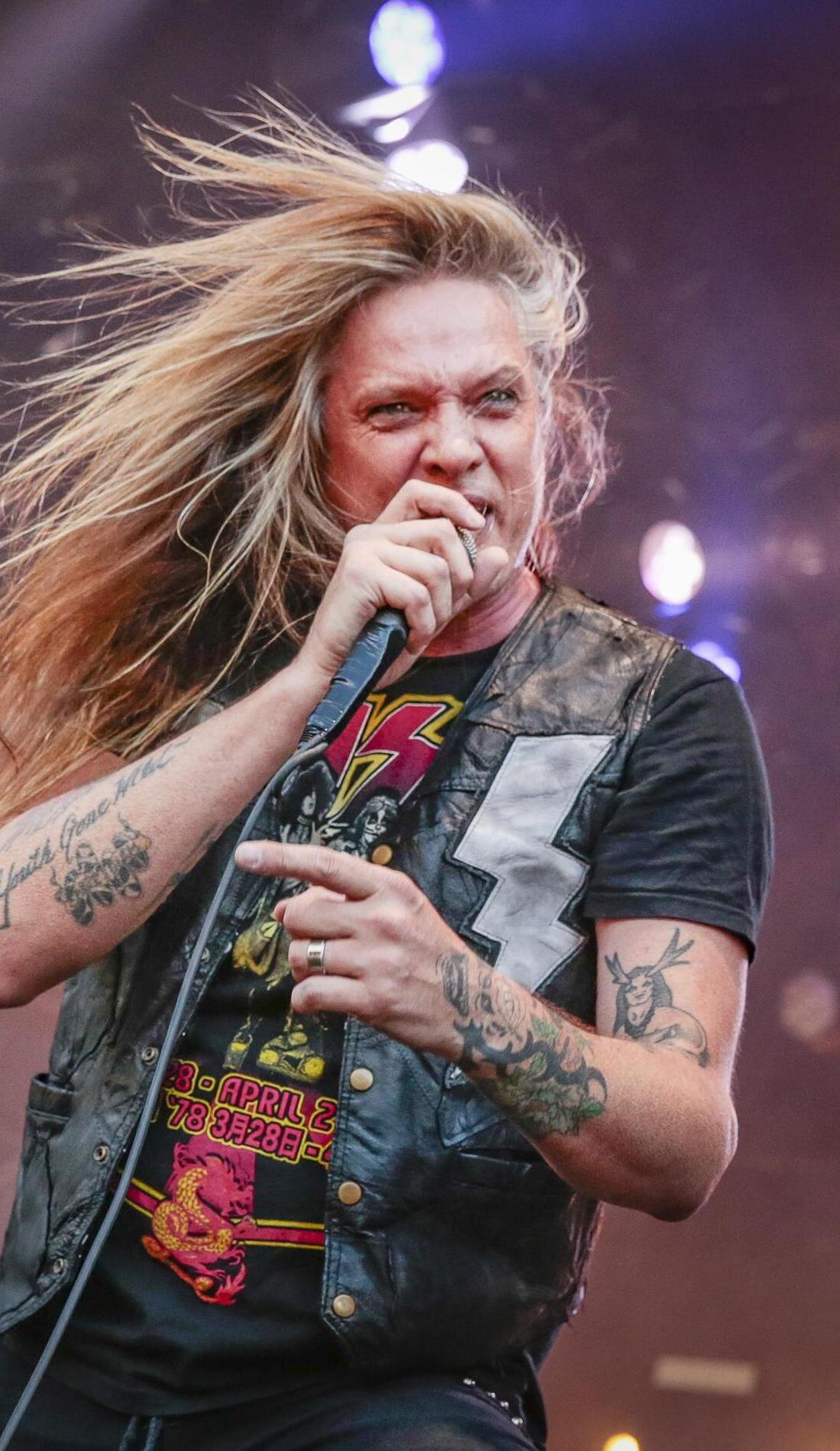
A more recent concert photo shows tattoos on both forearms as Bach leans toward the crowd. The designs look dark and filled in beside the smaller pieces mentioned in older write-ups. His hands are moving and the light is busy, but the ink remains clear.

This is a useful view of how the designs sit in motion. The forearm work follows the length of the arm and looks longer when Bach bends his elbows. For comparison, Tom Araya’s tattoos use a very different layout, though both collections show well under stage lights.

The clearest pieces tend to be where Bach bends his arms or leaves skin exposed beside a vest. Upper-arm tattoos show in close shots; forearm pieces appear when he reaches for the microphone. An arm covered by clothing may look bare in one photo and heavily tattooed in another.

Seeing a tattoo doesn’t tell you its story. For dates or personal meanings, a direct interview, a statement from Bach or a reliable account from the tattoo artist would be needed. Without that, those details remain guesses.

A few details need a little caution

Online descriptions mention a tattoo on Bach’s left wrist, a mouth design with eyes, red lips and a tongue, and a tribal-style piece with flowers. Fan coverage has also described a Roadrunner tattoo on his thigh. These may refer to real tattoos, but there isn’t a clear close-up for each one.

Tattoo galleries often repeat the same caption until it sounds official. In Bach’s case, photos strongly support substantial arm and forearm work, but they don’t confirm the exact name, date or meaning of every piece. The visual record is clearer than the backstory.

The overall look

Bach’s tattoos favor larger areas, bold outlines and visible color. The shapes remain readable from a distance, which suits a performer who spends much of his time under lights and in motion.

Some pieces look colorful and clear, while others soften in older concert photos or disappear beneath a vest. The changing views make it look like a collection built over time rather than a single sleeve designed at once.

Final take

The best-documented Sebastian Bach tattoos are on his upper arms and forearms. Public photos show colorful, shaded pieces and lettering; fan descriptions add possible wrist, thigh and mouth designs. The images are clear, but the meanings are less certain.

The closest photos offer the best starting point. They show Bach’s arm ink directly, while a red-carpet portrait may hide it altogether.