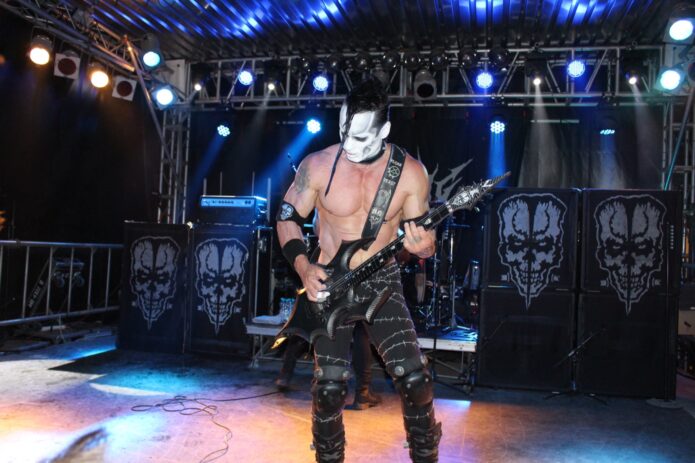
Doyle Wolfgang von Frankenstein is recognizable from the skull makeup, huge guitar and horror-punk stage look. Tattoos are part of it, but the photos show real ink across his upper arms, shoulders, forearms and hands. The dark shapes stay visible under stage lights and in motion.
This guide sticks to tattoos that can be seen clearly. Dramatic designs invite guesses about their meaning, but not every symbol has a public explanation. Placement, bold outlines and the way the ink sits with Doyle’s Misfits-era image are easier to describe than a story he hasn’t told.
Why Doyle’s tattoos suit the Misfits look
Doyle, whose real name is Paul Caiafa, became known for his work with the Misfits and later led the band Doyle. His stage image draws on horror comics, old monster movies and dark punk theater. The tattoos visible in performance photos fit that style without simply copying his skull makeup.
He often performs shirtless or in simple stage clothes, so jackets and accessories don’t hide the ink. Most photos are live shots rather than posed tattoo tours. You can see the designs as he plays, moves and grips the guitar, which makes their placement easier to judge.
Upper-arm tattoos are the clearest pieces
The upper-arm tattoos stand out most in the available photos. They look dense and traditional, with dark outlines, rounded forms and shading that holds up against black clothes and stage lighting. Some views show a large design wrapping around the arm; others catch smaller details near the shoulder and biceps.
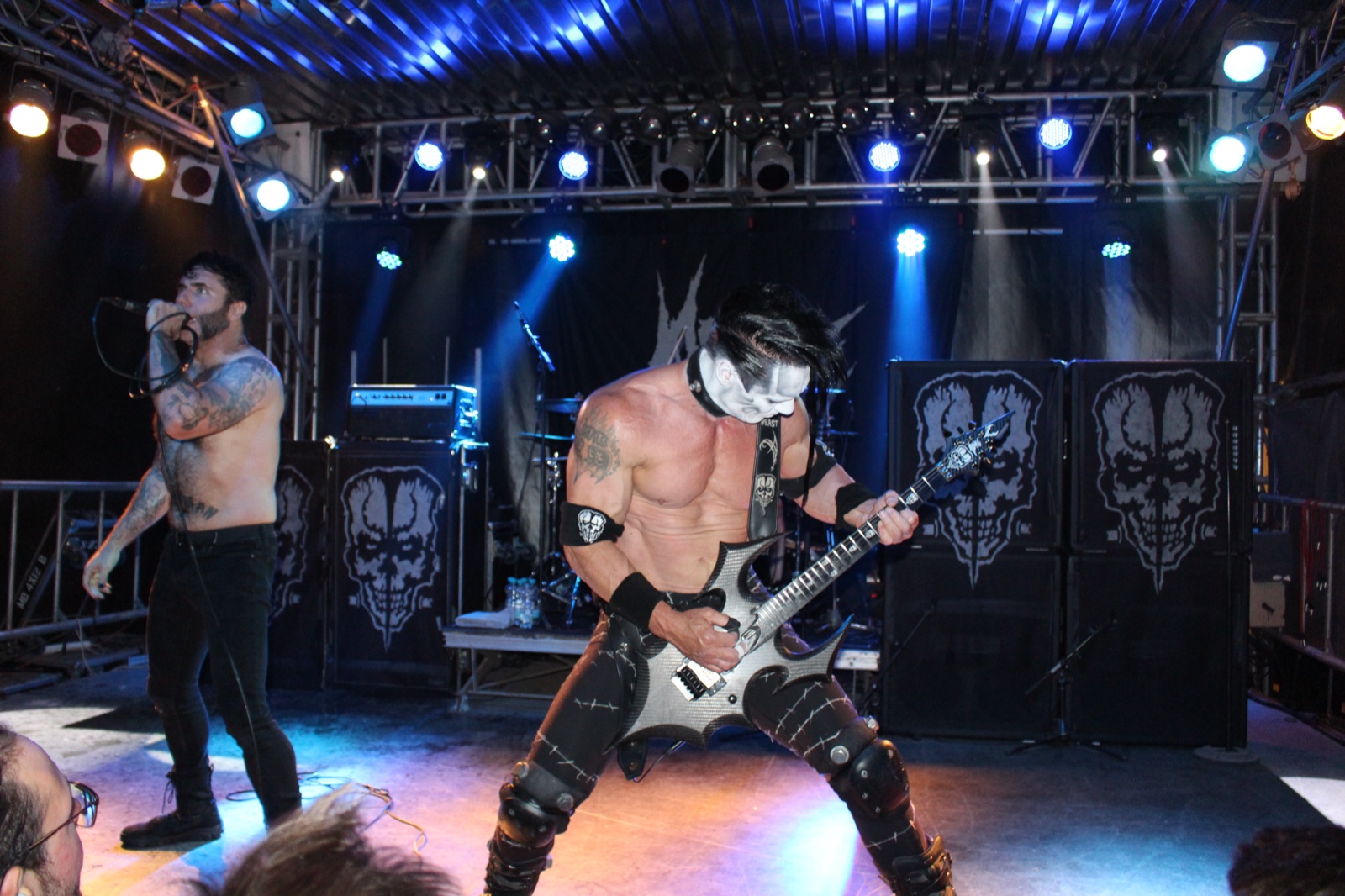
The designs are large enough to see from a distance. As Doyle turns, bends and moves the guitar, the arm ink remains part of his silhouette.
Close views also show the tattoos beside black armbands and the guitar strap. Those layers can make the area look heavier, but the ink remains visible on the skin underneath the stage gear.
Shoulder ink and the bare-chest stage view
Doyle’s shoulders show in photos when he raises his arms or leans into a riff. The angle changes from shot to shot, so it’s hard to read the shoulder work as one complete picture. The darker forms are clear enough to show that the tattoos extend beyond a single upper-arm piece.
A bare chest leaves open skin between the arm and shoulder tattoos. The look is built around strong pieces on the arms, rather than a fully covered torso. It has more in common with classic punk and metal placement than a planned map covering the whole body.
With the makeup above and the guitar strap across his shoulder, the tattoos draw the eye down the arm. That combination is one reason the full image reads clearly in concert photos.
Arm tattoos under bright festival lights
Outdoor festival photos show the arm lines differently from club shots. Daylight and front lighting make some details easier to see, while the rest of the image keeps the rough look of a live set. The ink appears worn in, in keeping with the older punk style.
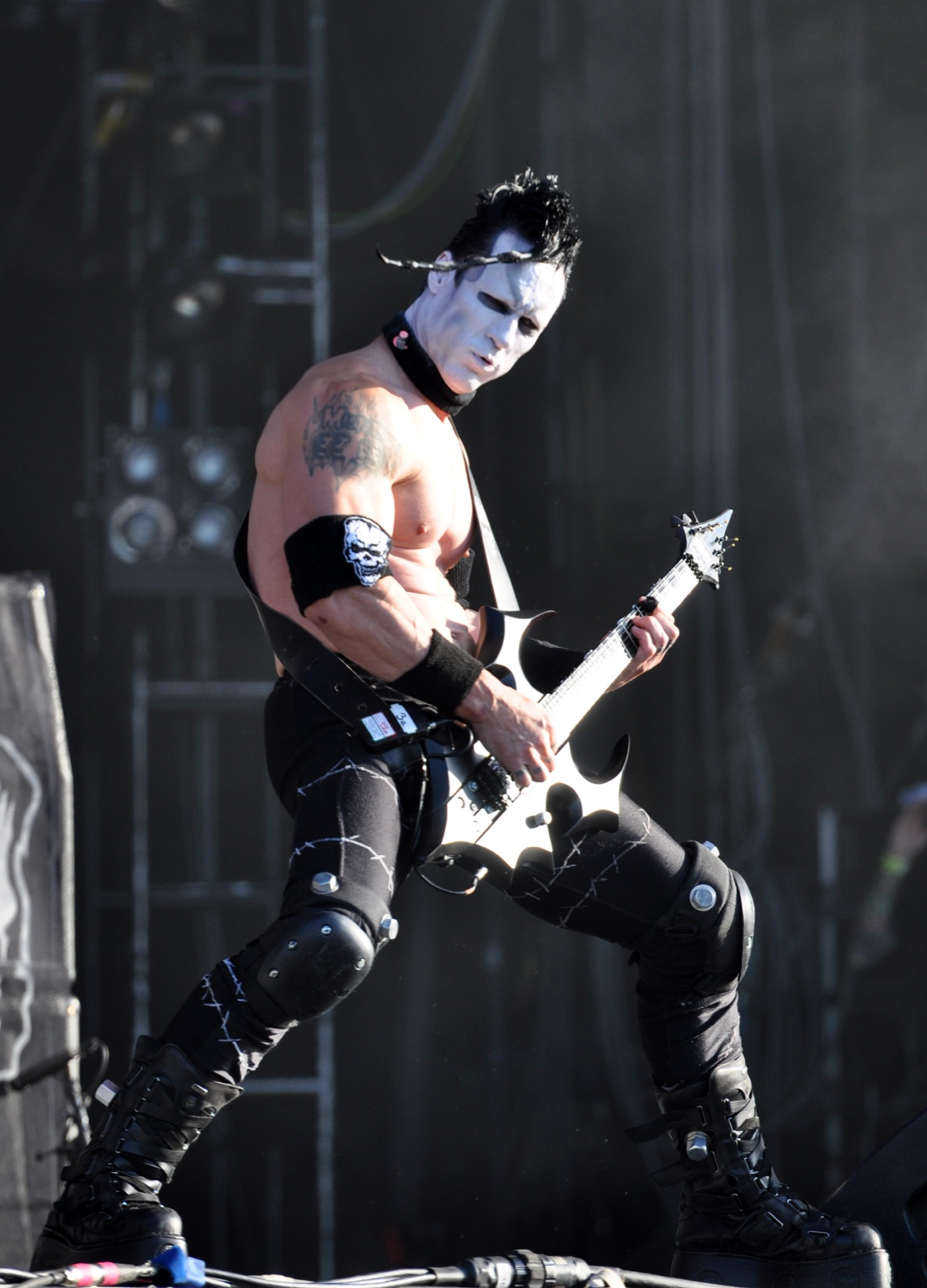
When Doyle reaches across his guitar, smaller marks on his hands and forearms come into view. They’re easy to miss in wide shots, but the photos show the ink continuing below the sleeves and shoulders, into the parts of his arms that move as he plays.
The tattoos work with, not underneath, the makeup
The skull makeup can make a photo look like a horror poster, but the tattoos still stand out. The pale face and dark eyes draw attention first; the eye then follows the guitar and the inked arms. Together, those elements create a recognizable outline even from far away.
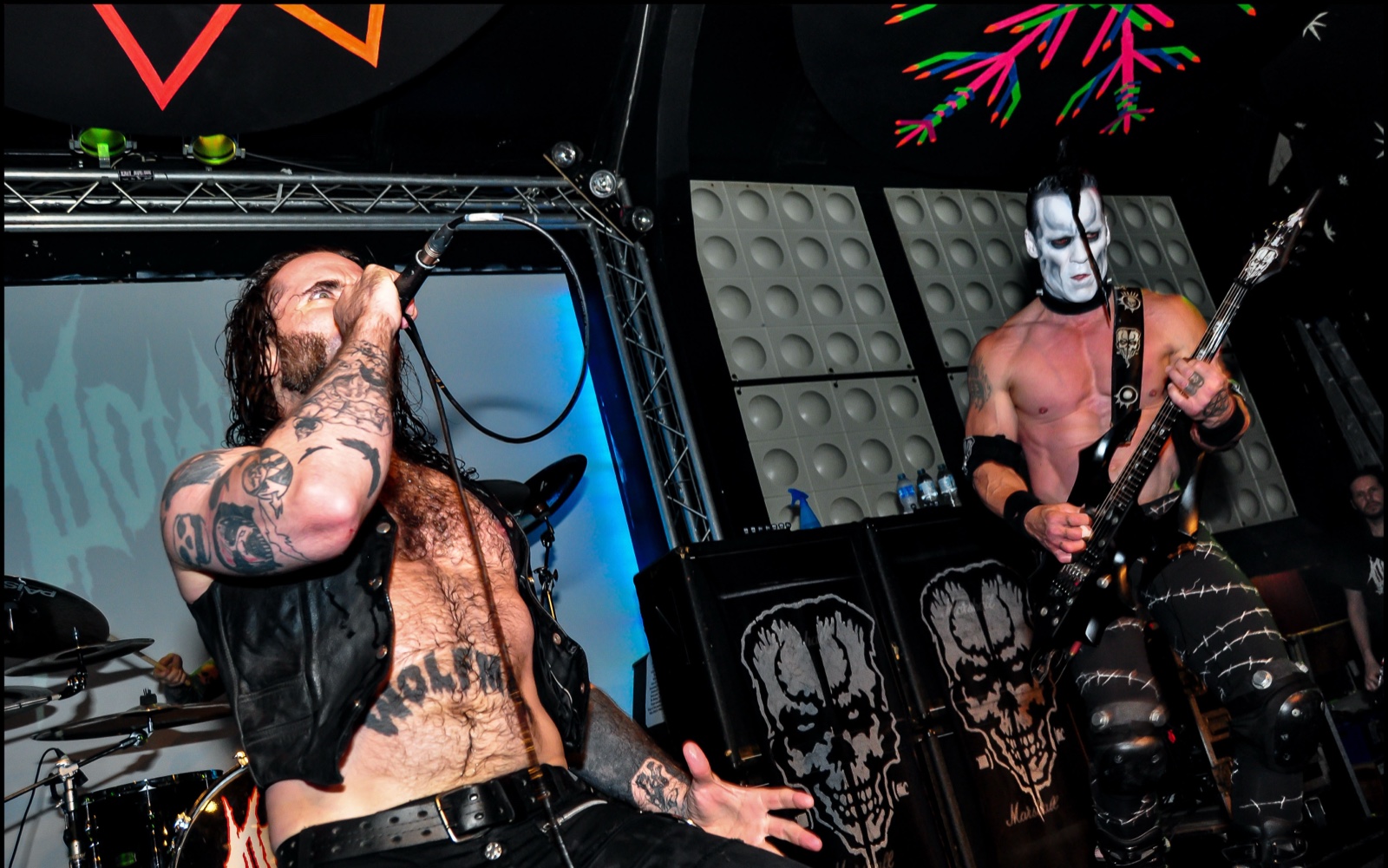
The tattoos also show in photos where Doyle isn’t centered or another band member is in frame. They appear to be a lasting part of his style, not just something added for the stage character. The horror imagery fits, but the ink remains visible on its own.
Older Misfits energy and newer live photos
Across photos from different years, Doyle’s bare arms, dark tattoo shapes and forceful stage presence remain familiar. The images don’t show every piece from the same angle, so they work best as views of a collection that has changed over time.
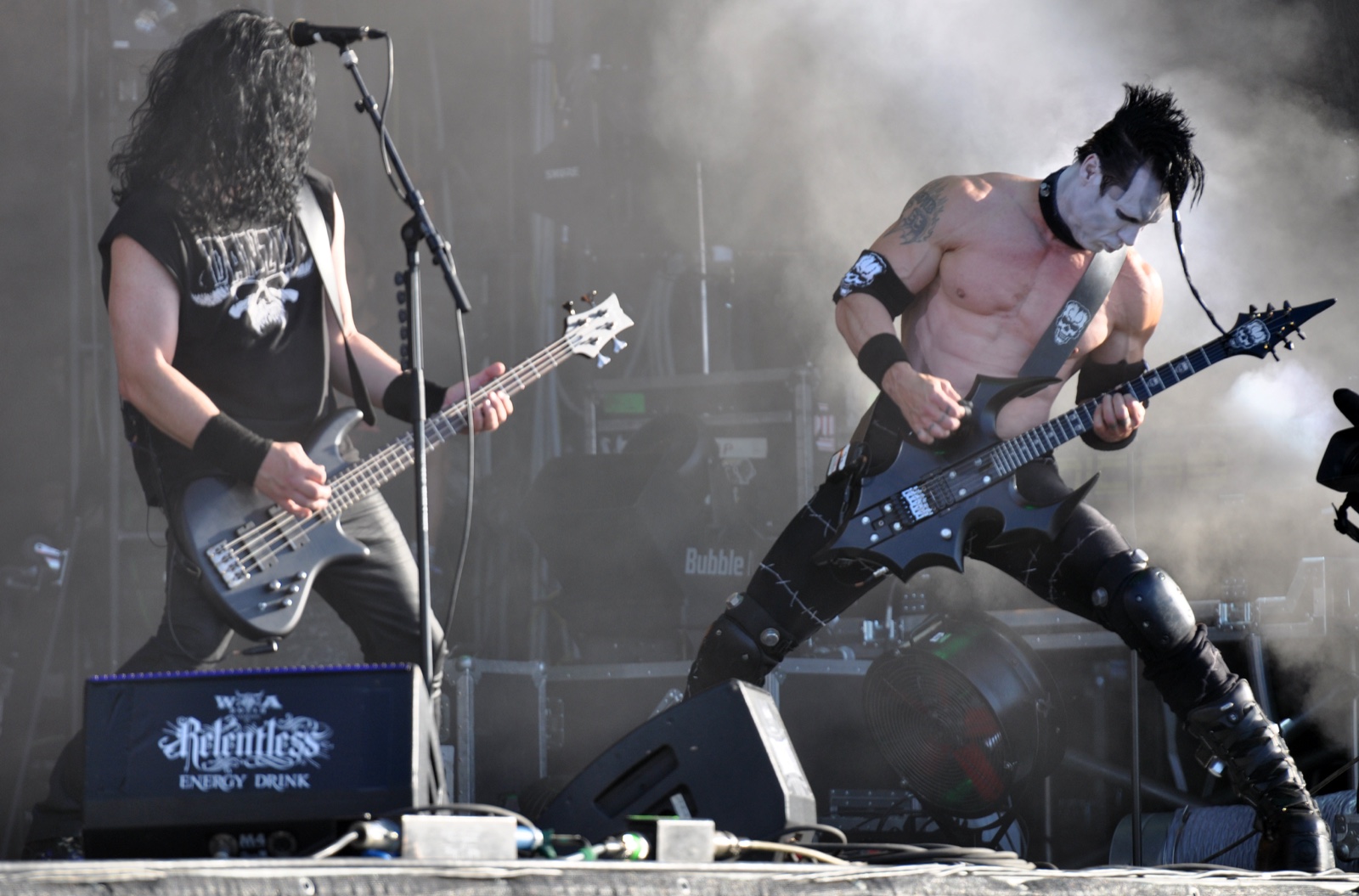
A wider shot with Steve Zing shows the tattoos in the full performance scene. The arm ink is visible beside the guitar, black clothing and monster graphics. Shoulder and upper-arm tattoos stay in view while Doyle plays.
What is confirmed and what is just visible
Photos clearly show tattoos on Doyle’s upper arms, shoulders, forearms and hands. They show dark, traditional-looking shapes that sit naturally beside the horror and punk imagery around him. A picture alone can’t confirm who designed each tattoo, when it was done or what every symbol means.
The collection doesn’t need a made-up backstory. The ink adds texture and weight when Doyle holds the guitar, and it sits alongside the makeup and stage clothes without disappearing into them. The simplest description is also the safest: these are bold tattoos on a performer whose work has long made room for monsters.
Doyle compared with other rock tattoo styles
Doyle’s look sits between classic punk imagery and modern metal presentation. Rob Zombie’s tattoos use horror in a more polished, theatrical way, while Bam Margera’s tattoos reflect a more chaotic skate and TV-era style. Machine Gun Kelly’s tattoos show a newer approach to making ink part of a performer’s image.
Quick Doyle Wolfgang tattoo guide
- Most visible areas: upper arms, shoulders, forearms and hands.
- Overall feel: dark and bold, with an old-school look that fits beside horror makeup and Misfits imagery.
- Best photos for detail: shirtless stage shots and daylight festival photos, where colored lighting doesn’t hide the arm work.
- What not to overstate: the meaning, artist and date of each piece aren’t confirmed by every photo.
Final take
The heavy ink on Doyle’s upper arms and shoulders looks like part of his long-running visual style. The makeup, venue and guitar may change, but the dark tattoos remain easy to recognize in both small-club photos and wide festival shots. The designs speak for themselves without requiring a detailed meaning for every piece.
The video below shows Doyle visiting Kat Von D at High Voltage Tattoo. It adds a little context to his connection with tattoo culture, though it doesn’t explain the meaning of each design.