Musicians

Tattoo guides for singers, rappers, DJs and musicians, with photographs, documented meanings and the stories behind their designs.

Taylor Momsen Tattoos: The One Black Star She Kept

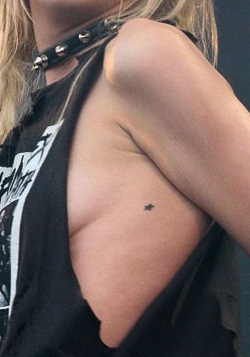
Taylor Momsen’s rock-era photos are full of crosses, stars, smudged makeup and dramatic body art. Most of those marks aren’t permanent tattoos. The one consistently confirmed piece is a small black star on her left side, near her chest.

Momsen has said she got it when she was 16 and later described the decision as one she made very young and very drunk. There’s no confirmed grand explanation behind the star, so it’s best to leave the story there.

The cross tied to Going to Hell belongs to the album artwork. Stars in magazine shoots were styling, and the XXXX mark used in The Pretty Reckless imagery was temporary. They’re part of her visual history, but they don’t add to her tattoo count.

Taylor Momsen’s confirmed black star
Taylor Momsen tattoos: Inline tattoo evidence

The confirmed tattoo is a small, solid black star on Momsen’s left side, close to her chest and below the arm. Tattoo-focused reports identify it as the one permanent design they could verify.

It can show when she wears a low-sided top or lifts her arm, then disappear under a shirt. The placement is less visible than a forearm tattoo, and the star itself is simple: a filled shape, without lettering or fine-line detail.

What the two photos actually show

Taylor Momsen in a contextual photograph: Inline contextual performance photo; not tattoo evidence; not tattoo evidence

The first photograph gives a close side view; the second shows more of the performance setting. Neither turns every dark mark or logo into a tattoo. In side-chest photos, an arm, strap or fold of clothing can hide the star, and a tight crop can make it look larger than it is.

The reliable description stays modest: one small black star on her left side. The available images don’t confirm extra stars or a larger symbol system.

The cover concept and the camera
Taylor Momsen in a contextual photograph: Inline contextual photo; not tattoo evidence; not tattoo evidence

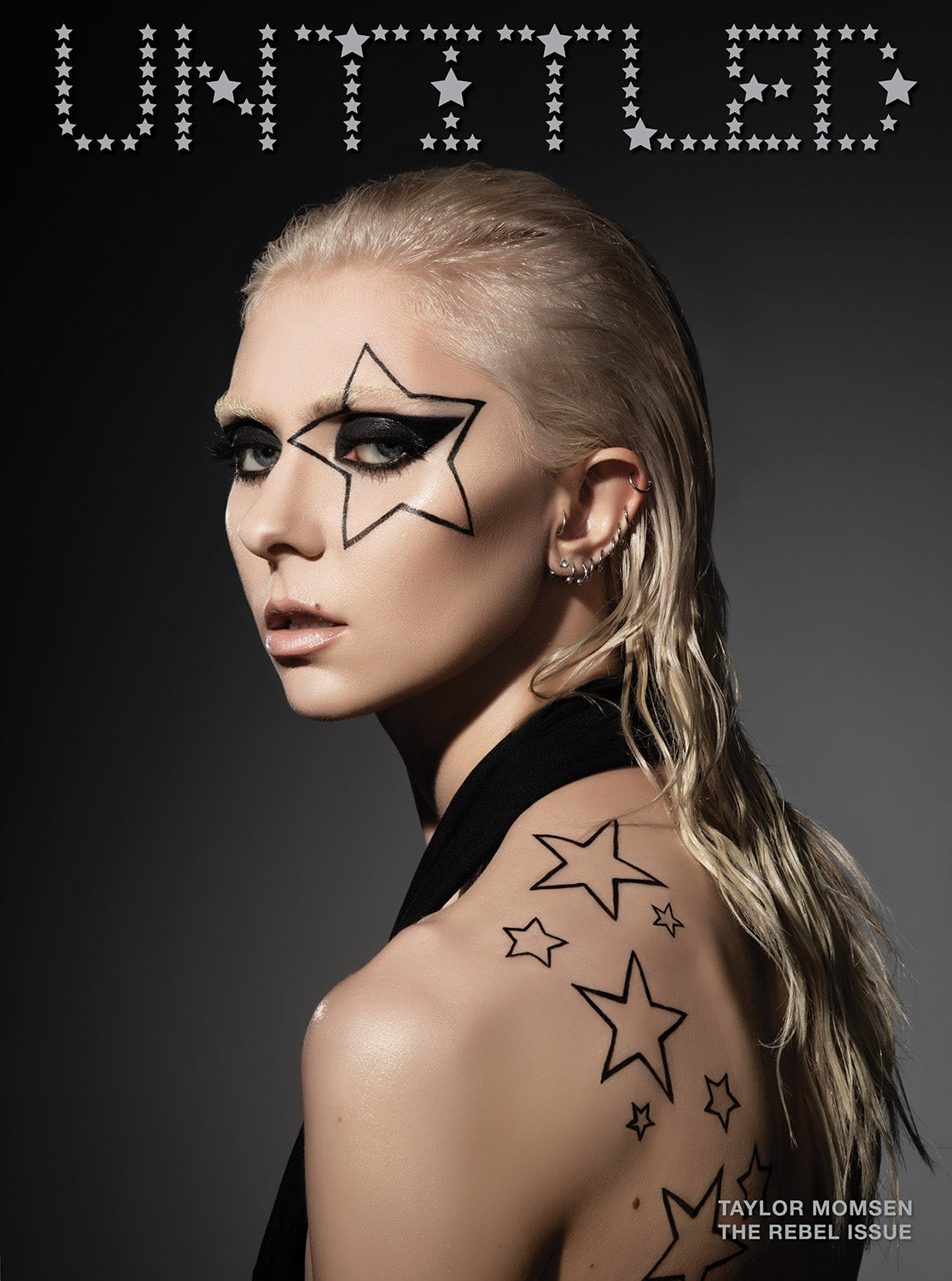
The cover image shows a large star-shaped mark around Momsen’s eye and outlined stars across her shoulder and back. They belong to the shoot’s styling, not a record of permanent ink.

The same shape does a different job on her chest: there it’s a tattoo; around the eye and across the shoulder, it’s part of the camera look. Paint, makeup and temporary markings can read as ink in a still image, so a design needs more than one themed photograph to count as a tattoo.

Taylor’s rock-era look

Taylor Momsen in a contextual photograph: Inline contextual photo; not tattoo evidence; not tattoo evidence

This portrait is another style reference, not evidence of extra tattoos. Black clothing, heavy texture and dramatic makeup can make permanent ink hard to separate from the rest of Momsen’s look. The styling has changed over the years; the confirmed tattoo count hasn’t.

Onstage style and the band’s temporary mark

Taylor Momsen in a contextual photograph: Inline contextual performance photo; not tattoo evidence; not tattoo evidence

The XXXX mark associated with The Pretty Reckless is part of the band’s visual identity, but it has been described as temporary. A symbol can be strongly tied to a musician without being permanent body art.

Trying a mark temporarily can help you decide whether you want to keep it. A band logo or stage symbol may fit one era of your life; give it time before making it permanent.

Why simple shapes can age well

A filled black star is easy to recognize and doesn’t depend on tiny details. That makes it a straightforward design, not a guarantee that it will never need care. Side-chest skin moves, clothing rubs against it and sunlight reaches it when the area is uncovered.

Placement changes with posture, too. A tattooer can check a stencil while you stand, sit and lift your arm, so the design follows the body instead of looking centered only on a flat image.

What’s actually confirmed?

The tattoo-focused coverage consistently confirms one permanent design: the small black star on Momsen’s left side. The Going to Hell cross is album artwork, the stars in the cover photos are styling, and the band’s XXXX mark is temporary. Those distinctions keep the tattoo count accurate while leaving room to take inspiration from the imagery.
More musician tattoo guides

Jade Thirlwall Tattoos: Arabic Spine Ink, Ankle Heart and Little Mix Tribute

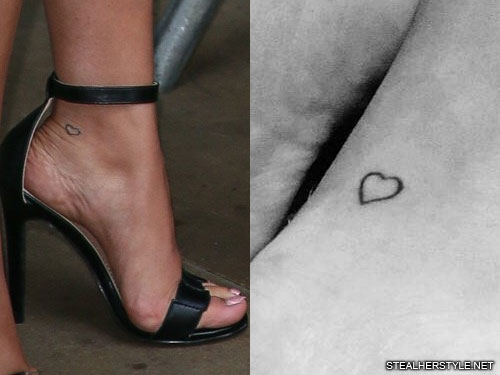
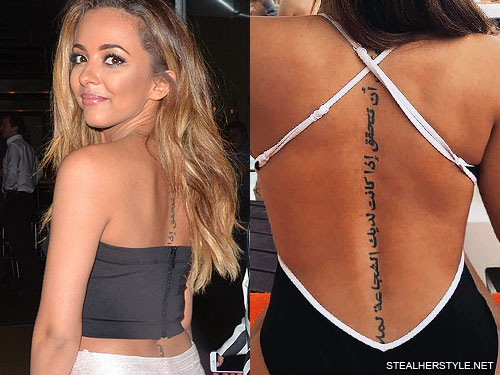
Jade Thirlwall’s tattoos are mostly fine-line and easy to cover. The best-documented pieces include Arabic lettering down her spine, smaller script near her ribs, and an outline heart she got with friends on her ankle.

Her designs connect to family and heritage, friendship and Little Mix. Some are easiest to see in open-back outfits or close-up photos, and not every reported piece has an equally clear image.

Jade Thirlwall’s Arabic spine tattoo

Jade Thirlwall tattoos: Jade Thirlwall’s Arabic spine tattoo

Jade says the Arabic phrase down her spine means, “Anyone can achieve their dreams if they’ve got the courage.” She chose it to honor her grandfather and her Egyptian and Yemeni heritage. The wording and family connection give the script a specific meaning.

The long, narrow lettering runs down the centre of her back. It appears in open-back dresses and swimwear, though clothes usually keep it covered.

If you’re considering script in a language you don’t read, have a fluent speaker and a professional translator check it before it goes on a stencil. The letters need enough space to stay legible as the tattoo ages; a small reference image can be misleading.

The smaller Arabic script near her ribs

Jade Thirlwall tattoos: The smaller Arabic script near her ribs

Photos also show a smaller Arabic design around Jade’s side and ribs. Fine lettering and stage clothes can make it easy to miss; it reads as a quieter companion to the spine piece.

The compact design follows the curve of her body, but ribs move with breathing and can be sensitive during a session. Fine lettering needs enough size to remain readable, so making a phrase too small can work against the delicate look.

The matching heart tattoo on her ankle

Jade Thirlwall tattoos: The matching heart tattoo on her ankle

After a trip to Ibiza, Jade and friends got matching outline hearts on their ankles. The design is simple: one small heart, clean lines and no extra decoration.

Matching tattoos can share a motif without being exact copies; size, line weight and placement can vary. Ankles show the ink with sandals and hide it under socks or boots. Friction can wear a fine outline, so a touch-up may eventually be needed.

Jade’s heart marks a trip and the people who shared it. It doesn’t need a longer explanation to feel personal.

Jade’s stage style and public image

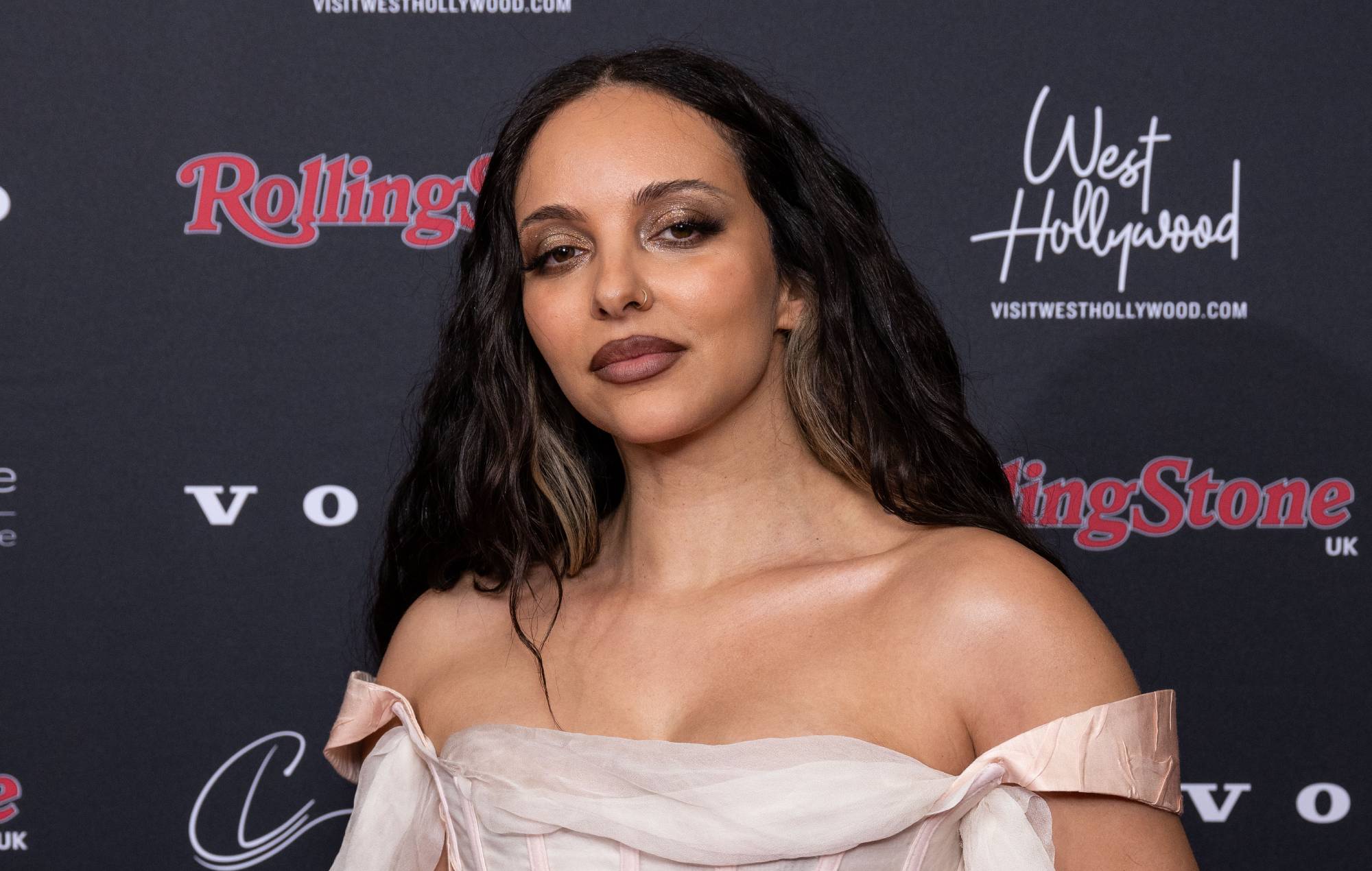
Jade Thirlwall in a contextual photograph: Jade’s stage style and public image; not tattoo evidence

Since Little Mix, Jade’s public styling has changed while her tattoos remain fairly understated. Reports describe the Arabic spine and rib pieces, the ankle heart, a henna-style design on her right foot, and a leg tattoo linked to Little Mix’s tenth anniversary. Some are hard to inspect in clear close-up photos, so those descriptions remain reported details.
The tattoos can disappear under clothes or become visible in a particular pose. Performance photos don’t always show enough to identify a design clearly.

Jade Thirlwall’s solo-era look

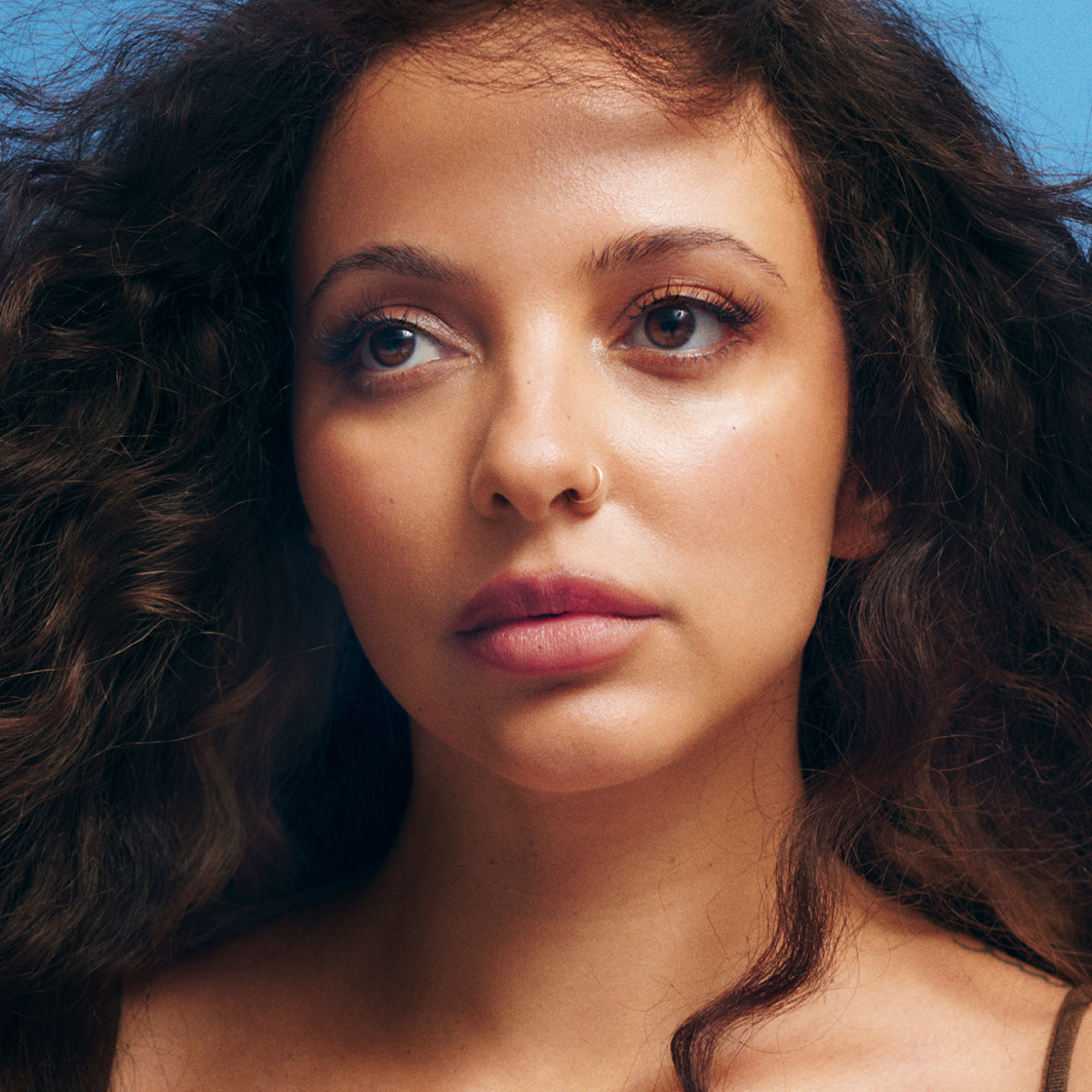
Jade Thirlwall in a contextual photograph: Jade Thirlwall’s solo-era look; not tattoo evidence

In solo-era photos, the contrast is clear: Jade’s styling can be bright and theatrical while her tattoos stay small and personal. An open back, bare ankle or close-up can bring one into view without making the ink the centre of the outfit.

More musician tattoo guides

B.I. Tattoos: Stars, Balloons and the Small Ink He Keeps Personal

Small, playful details with a personal edge

B.I. has said he has four tattoos in total, mostly phrases or images he liked in his early twenties. He’ll talk about some of them, but doesn’t attach a long explanation to every mark. In an Allure interview, he described tattoos as both fashion and memory.

What B.I. has said about his favorite piece

His first tattoo, which he got at 20, is on his left deltoid—the area he calls his “wing.” He described a mix of small stars, colorful balloons and a paper airplane. He called it cute and said it reminds him how pure he was at that age.

The shoulder piece can stay under a sleeve or show when his arm moves or a shirt has a wider cut. B.I.’s account gives the design a personal point in time; it doesn’t require a more elaborate reading of each image.

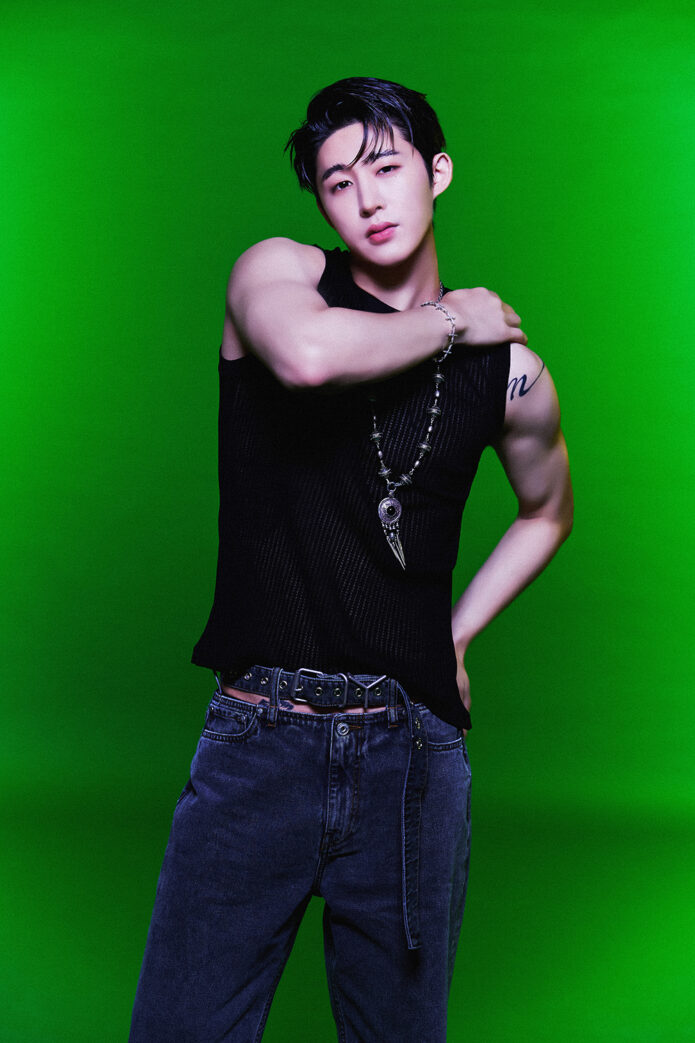
The small upper-arm tattoo visible in B.I. portraits

B.I. tattoos: B.I. upper-arm tattoo portrait

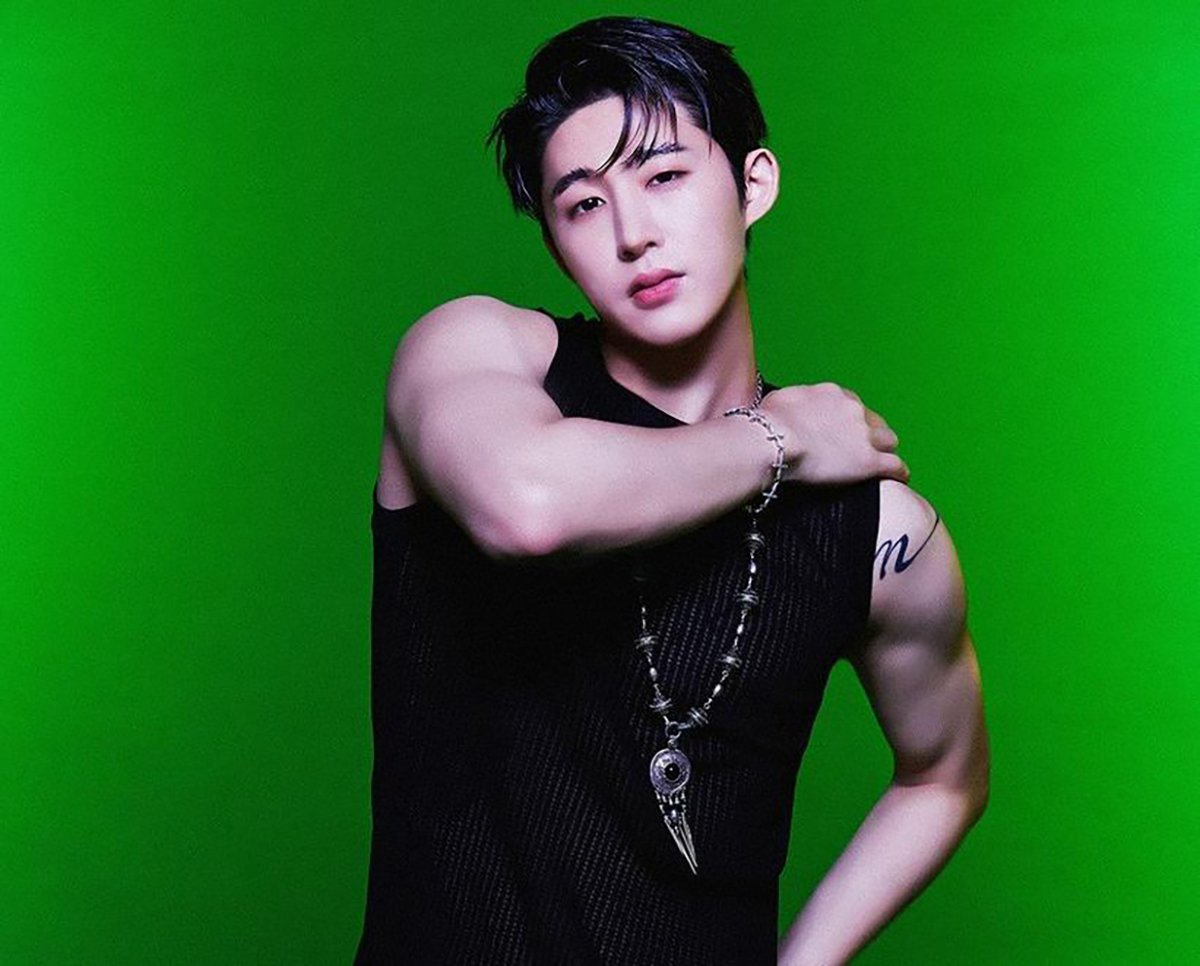
A later music and fashion portrait shows a separate, small black curved mark near his upper arm. It looks letter-like, but the photo only establishes its shape and placement. Its meaning hasn’t been publicly explained.

A closer performance view of B.I.’s smaller tattoos

B.I. tattoos: B.I. performance photograph showing smaller forearm tattoos

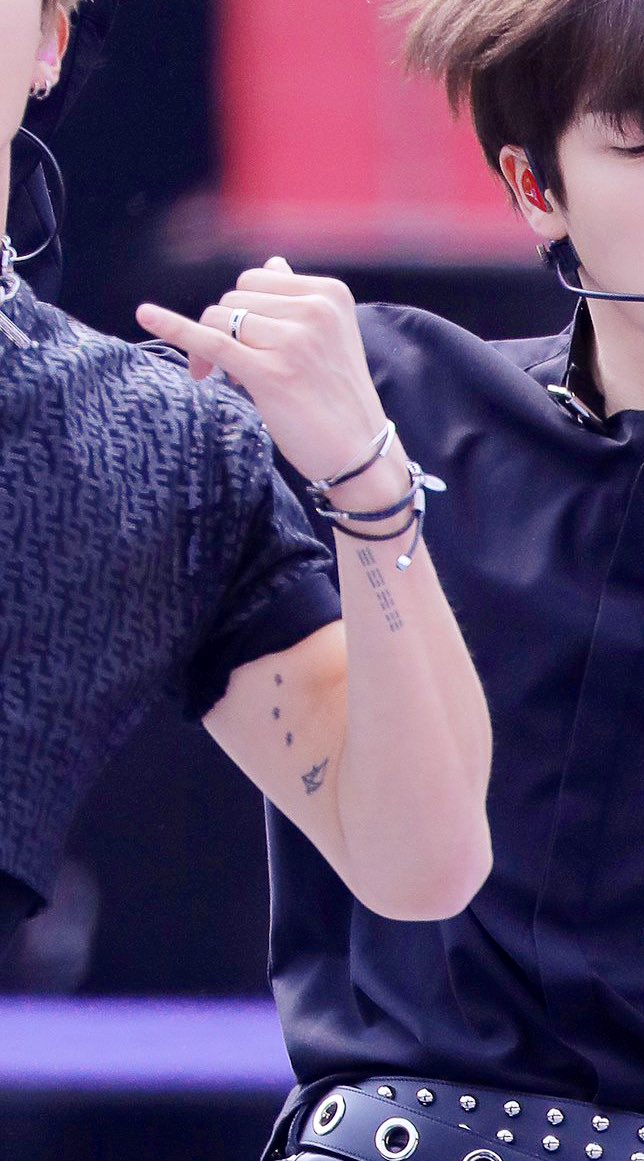
A performance photograph shows several dark marks on the exposed forearm, including a short vertical line of tiny symbols and smaller shapes farther down. The crop isn’t clear enough to identify each design or its meaning, so the image supports a description of placement and scale, not a full inventory.

Why the visual style feels lighter than his music

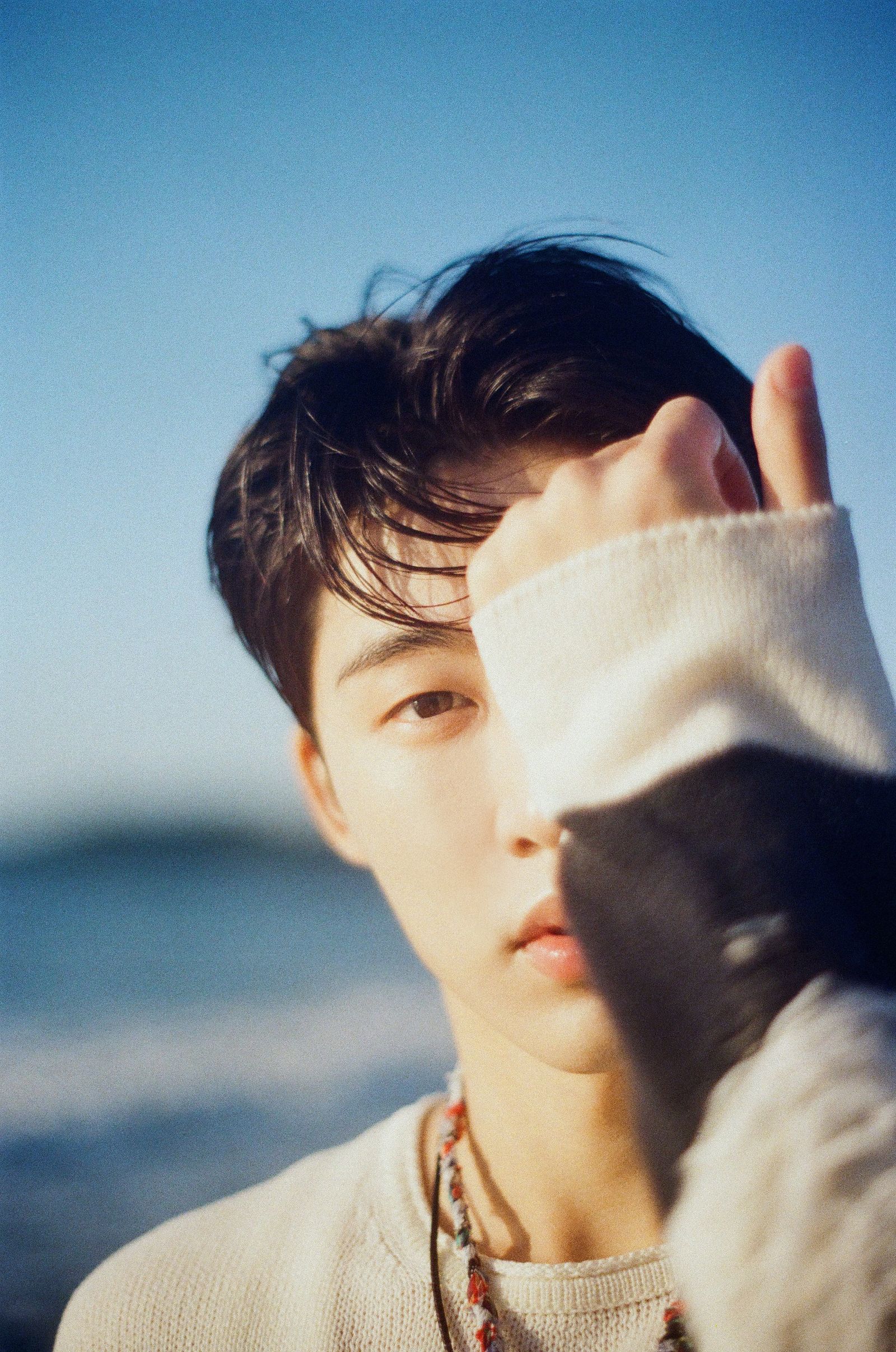
B.I. in a contextual photograph: B.I. Allure editorial portrait in a garden setting; not tattoo evidence

The first tattoo he described is colorful and playful; the separate upper-arm mark is a simple black shape. That contrast sits beside music with a more serious mood, but there’s no confirmed link between a particular tattoo and a song.

The private side of his image

B.I. in a contextual photograph: B.I. Allure close portrait, contextual photo only; not tattoo evidence

B.I. has said pain and concern about what his mother might think have kept him from getting more tattoos. Allure also placed his comments in the context of South Korean television, where tattoos have historically been covered with clothing, makeup or bandages. That doesn’t show why he chose any particular placement, but it does help explain why some ink may be hidden in broadcasts.

How to borrow the look without copying the photo

B.I. in a contextual photograph: B.I. Allure lede portrait, contextual photo only; not tattoo evidence

If you’re drawn to the mix, decide whether it’s the small scale, the playful motifs or the shoulder placement you like. A deltoid curves and moves, so test a design around the arm before settling on its shape. Give small symbols enough space, and ask the artist which details or colors will stay clear as the tattoo heals and ages.

The simple idea behind the collection

B.I. has said he has four tattoos, but his clearest public account is of the first one. Portraits show other marks without explaining them. The available record lets us describe what he has shared and leaves the rest open.

More musician tattoo guides

Jackson Wang Tattoos: Team Wang Ink, Lanterns and a Tattoo Collection in Motion

Jackson Wang’s tattoos cover very different parts of his life: fencing, family, luck, a childhood festival and Team Wang. In a 2020 SuperELLE feature, he spoke about eight newer designs. In a WIRED interview, he estimated his total at 13, 14 or 15 rather than giving a fixed count.

His own interviews explain some pieces; magazine photos help show where others sit. Where the images don’t make a design clear, the article sticks to what can be seen.

Jackson Wang’s rib tattoos are the first thing you notice

Jackson Wang tattoos: Jackson Wang Team Wang rib lettering

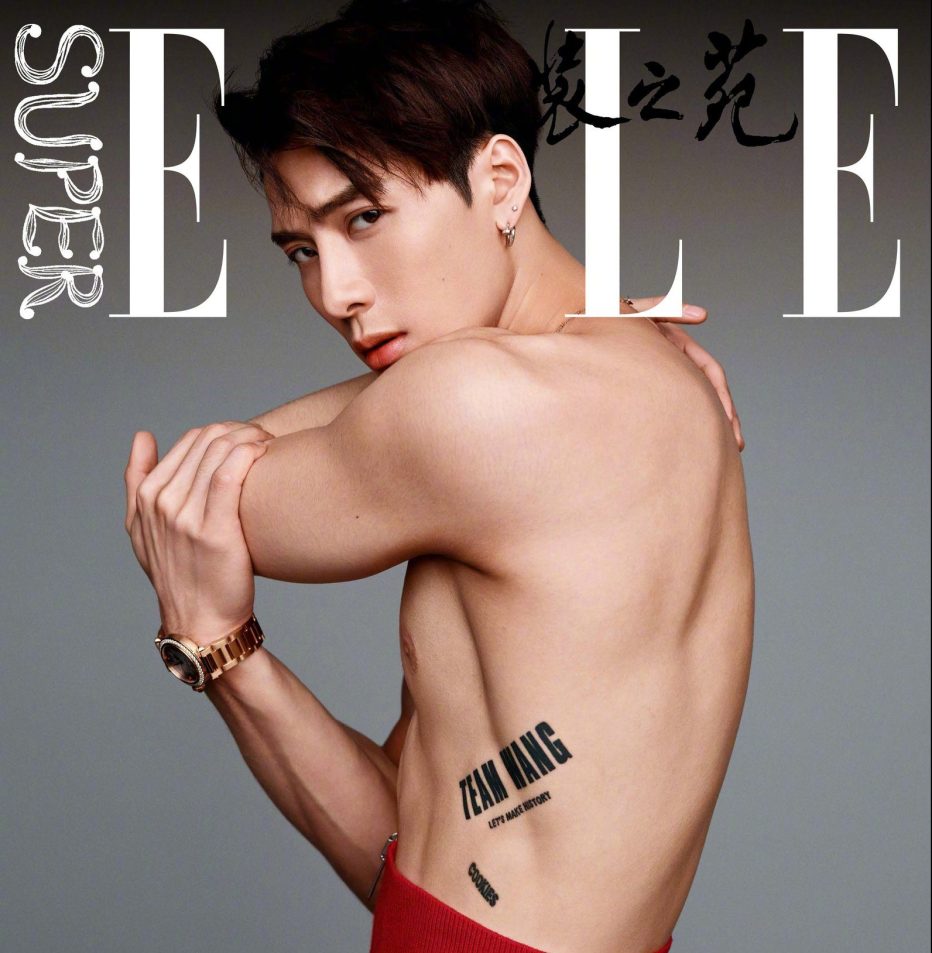
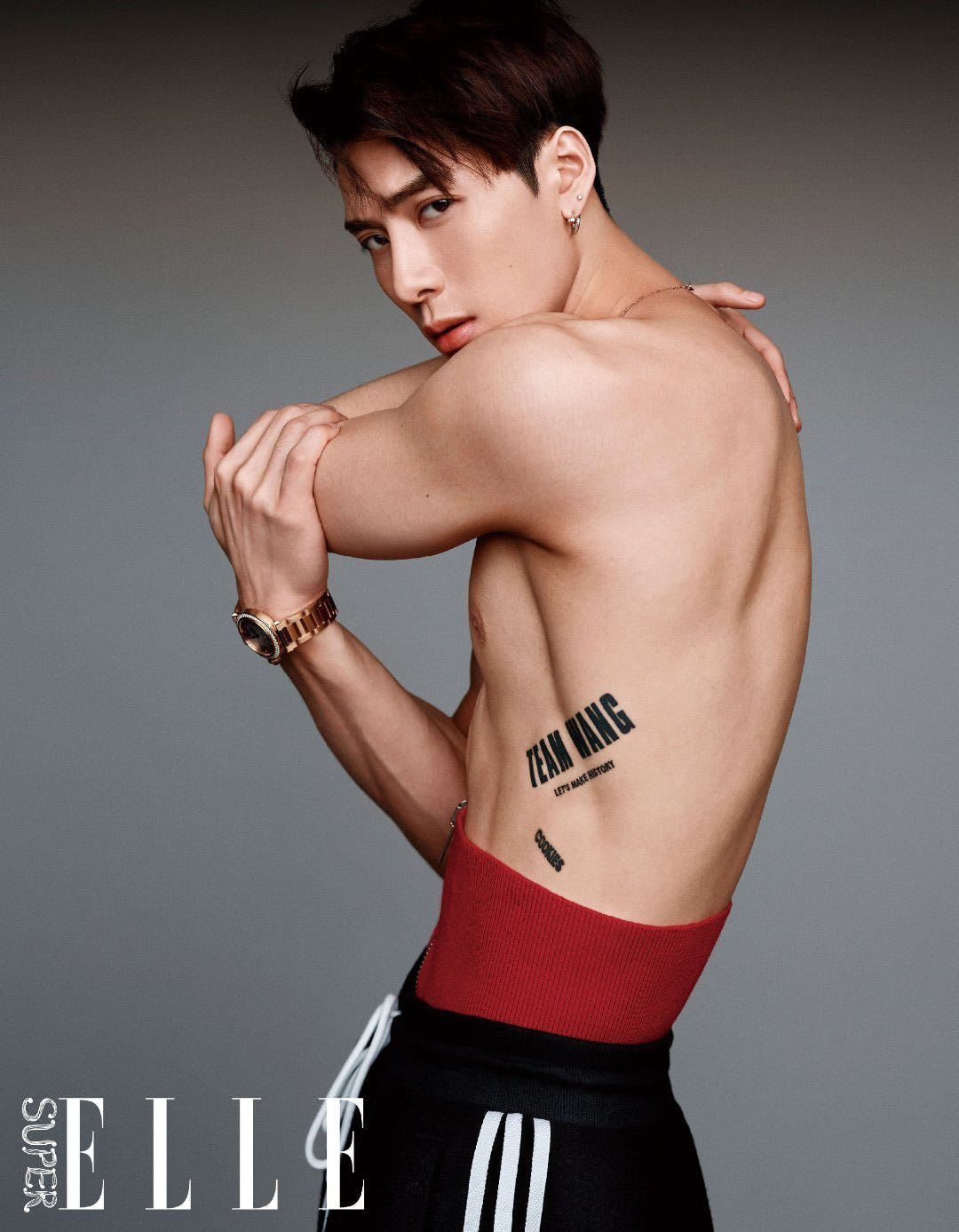
The boldest text runs along Jackson’s left ribs: TEAM WANG in tall capitals, LET’S MAKE HISTORY below and COOKIES farther down. Team Wang is his company and creative world; the phrase is linked to the brand, and “Cookies” refers to its fashion collections.

The words follow the curve of his torso. The size difference gives them an order without turning them into one block: the brand name first, the smaller phrase underneath, then the separate lower word.

Jackson Wang’s side-view rib tattoos

Jackson Wang tattoos: Jackson Wang side view of rib lettering

A second SuperELLE photograph shows the same rib tattoos from the side. The torso narrows toward the waist, and the lettering follows that shape. It is another view of one layout, not a new set of TEAM WANG tattoos.

The exposed skin and dark lettering make the design prominent in the editorial shot. Under a shirt, the same pieces can disappear.

Jackson Wang’s Olympic rings and family tattoos

Jackson Wang tattoos: Jackson Wang Olympic rings and forearm symbols

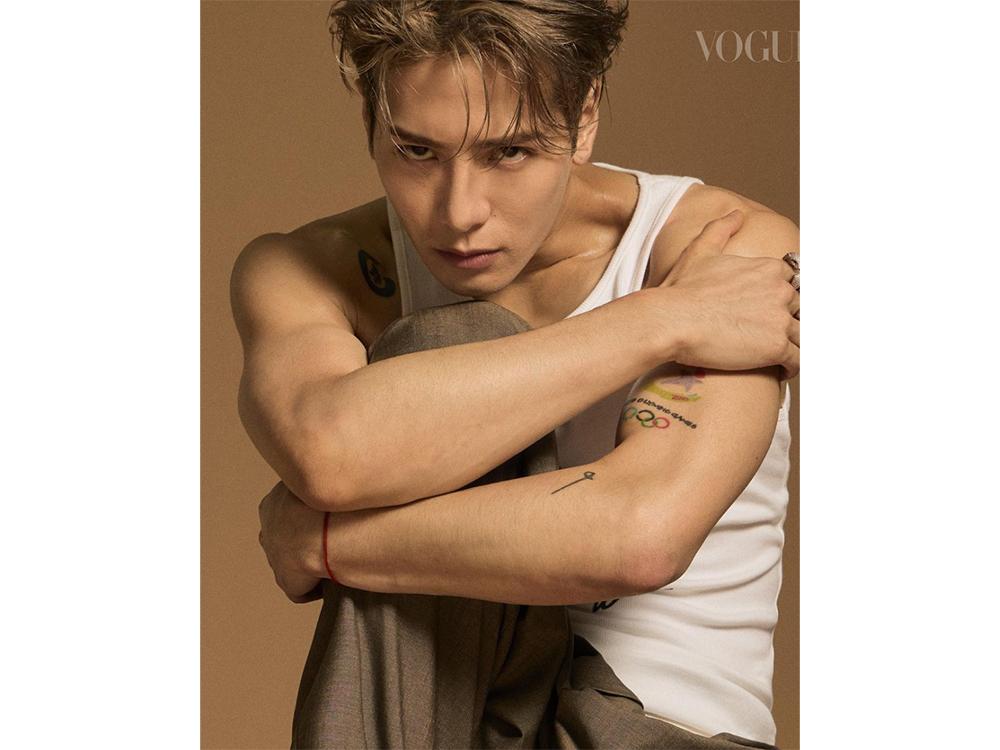
Jackson competed as a Hong Kong sabre fencer before music and fashion. His forearm photos show colored Olympic rings beside a fencing sword, a more specific reference than a sports logo on its own.

He has also described a mouse for his mother and a rooster for his father, with dates attached to those family designs. In GMA and magazine coverage, he said he spent time thinking about what mattered to him and the image he wanted to put into the world.

The 福 shoulder tattoo

Jackson Wang tattoos: Jackson Wang shoulder and arm tattoos

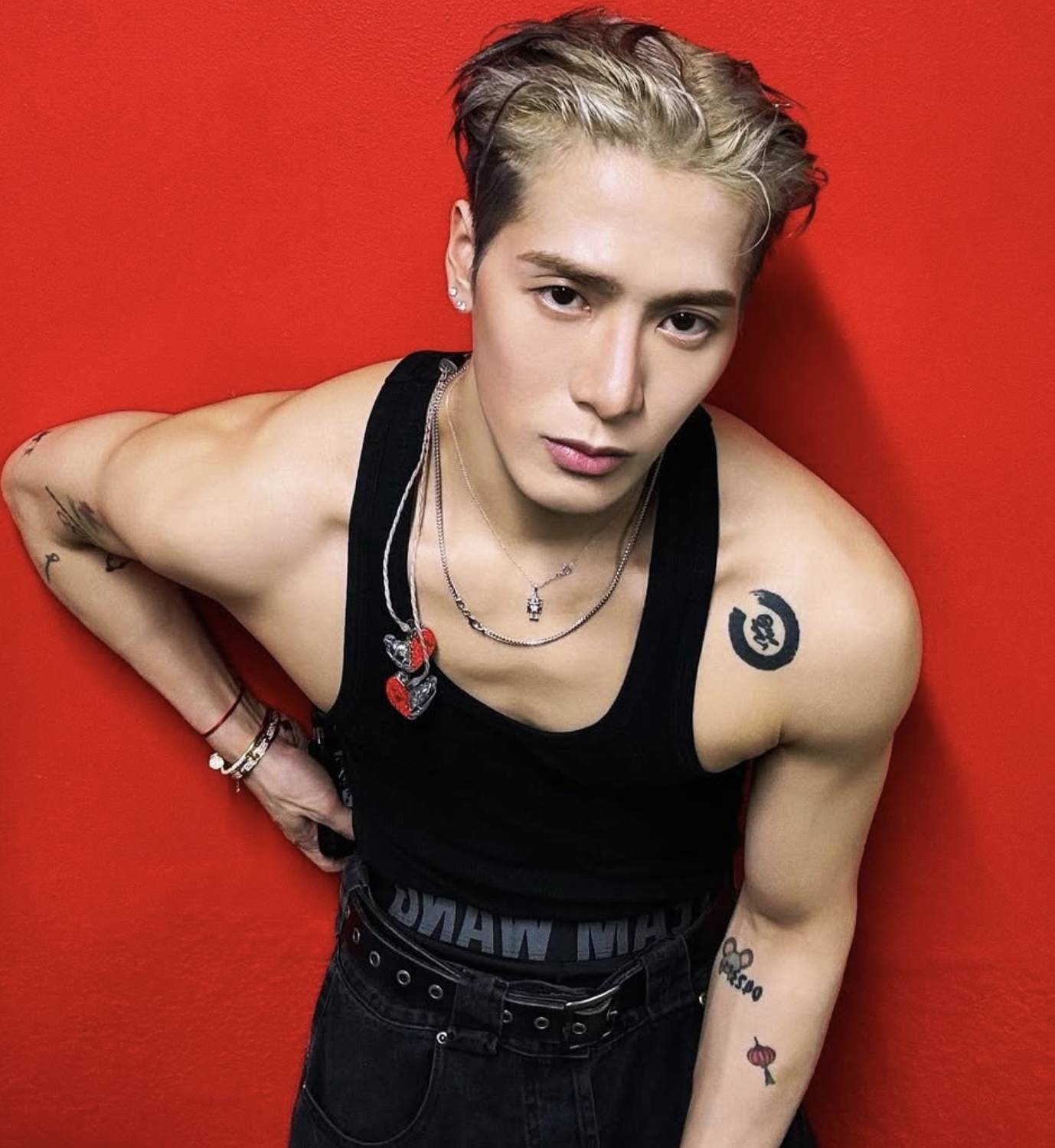
The Chinese character 福 on Jackson’s right shoulder is commonly associated with fortune or luck. He said its direction points toward him, echoing the Lunar New Year custom of displaying the character upside down to suggest that luck has arrived.

It is smaller than the rib lettering and can show with a sleeveless top or stay covered under a shirt. Anyone considering a character tattoo should confirm the meaning and orientation with a knowledgeable speaker before the stencil is placed.

A closer look at the branded rib tattoo layout

Jackson Wang tattoos: Jackson Wang closer crop of the branded rib tattoo layout

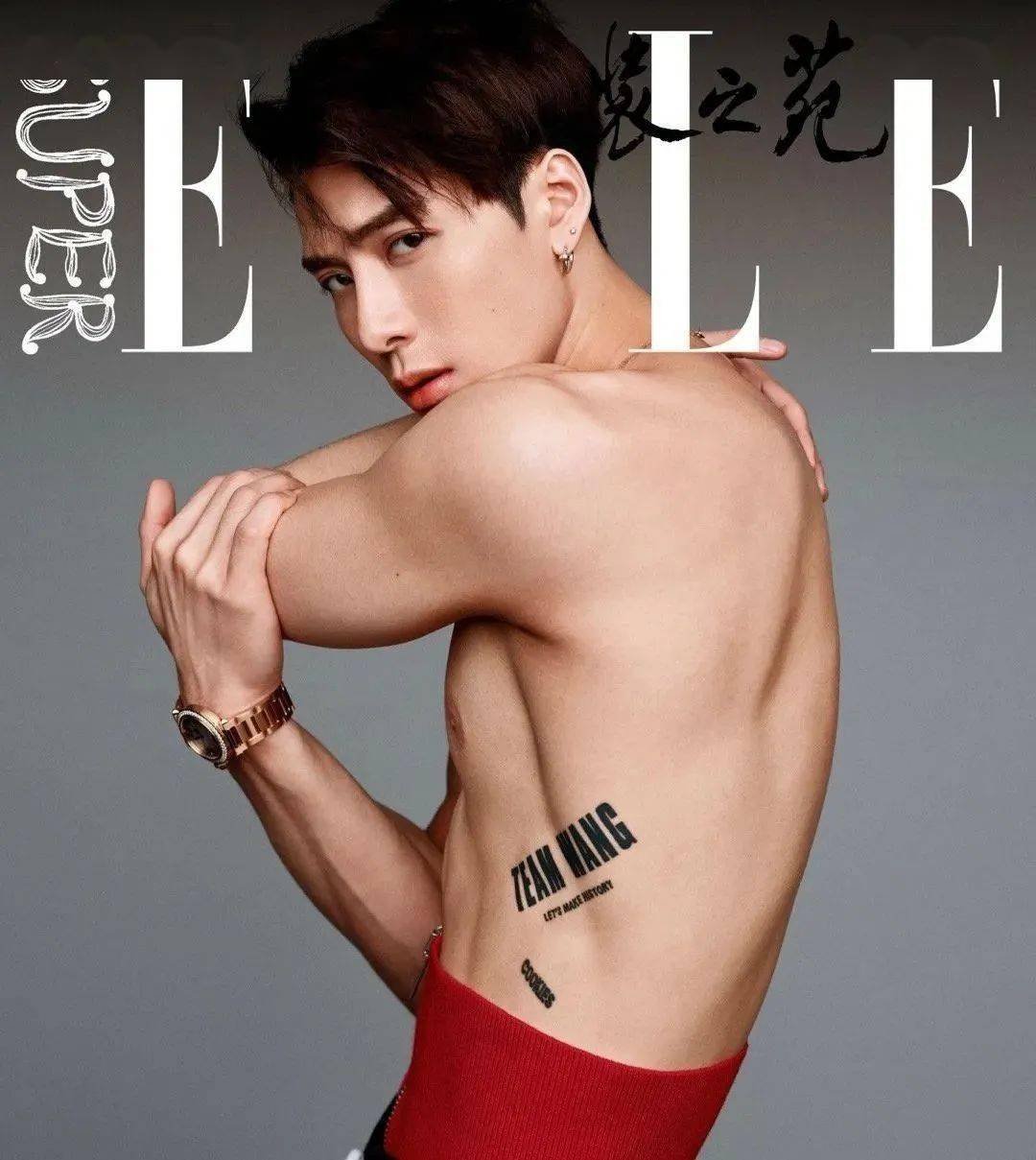
A tighter SuperELLE crop brings the same rib layout closer: TEAM WANG above LET’S MAKE HISTORY, with COOKIES lower down. The crop makes the smaller wording easier to read; it doesn’t show additional pieces.

The main phrase follows the side of the torso, while the smaller line stays tucked underneath. Seeing the wider and closer photos together helps explain the layout without counting each view as a separate tattoo.

Jackson’s editorial style

Jackson Wang in a contextual photograph: Jackson Wang Metal Magazine editorial portrait, contextual photo only; not tattoo evidence

The Metal Magazine portrait here is contextual, not evidence of another tattoo. Jackson’s styling can change how much of the collection shows: a sleeveless top reveals shoulder and forearm designs, while a jacket can cover most of them.

A childhood memory in Jackson’s collection

Jackson has described the lantern as a memory from the Mid-Autumn Festival when he was around seven or eight. Other children carried lanterns in a park, and he didn’t have one. When he got home, he found mooncakes, food and lanterns waiting, including a Superman-shaped lantern.

He has also described it as a reminder of the Moon Festival in Asia. The tattoo connects the festival to a specific childhood moment, including both the disappointment in the park and the surprise at home.

The Buzz Lightyear story that went sideways

Jackson says he is a big Buzz Lightyear fan and wanted the character represented on his legs. In a WIRED interview, he recalled that he and the tattoo artist drank heavily during the session; the finished tattoos looked nothing like Buzz, despite the artist being well known.

He tells the story with a laugh. It is one of the rougher outcomes in a collection that also includes designs tied to family, sport and childhood.

Why the meanings matter

The rings and sword point back to fencing; the mouse and rooster represent his parents; 福 refers to luck; the lantern holds a festival memory; and the rib lettering marks Team Wang. The stories vary in weight, and the Buzz Lightyear tattoos don’t fit a tidy theme.

Borrow the structure, not the artwork

If one of Jackson’s designs appeals to you, borrow the placement or mood rather than the artwork. Make text large enough to read, check a character’s direction, and decide which pieces you want visible. Those choices matter more than copying a photo.

More musician tattoo guides

Tyla Yaweh Tattoos: Broken Hearts, Face Ink and a Collection Built on Memories

Tyla Yaweh has estimated that he has around 100 tattoos, so no list can capture every mark. The designs he has discussed range from broken hearts and face lettering to chest wings, a neck motto, unfinished initials and a Jim Morrison portrait he is still working on.

In interviews with Inked and Elite Daily, he has explained some pieces; photos help show their placement. When a mark is visible but he hasn’t identified it, the description should stop at what the image shows.

Tyla Yaweh’s broken-heart tattoos are the starting point

Tyla Yaweh tattoos: Tyla Yaweh under-eye broken heart and shoulder tattoo close-up

The broken heart is a recurring design in Tyla’s collection. He told Inked he has many of them and likes the image; he didn’t describe it as a literal announcement that he was heartbroken.

One small broken heart sits under his eye among other face marks. Close-up photos show a dense arrangement near his eyes and cheeks, but they don’t make every shape clear.

The “Good Vibes” eyelid tattoos

Tyla Yaweh tattoos: Tyla Yaweh front portrait showing eyelid-area face lettering and chest ink

Tyla says the words on his eyelids read “Good Vibes,” a tribute to XXXTentacion’s “Bad Vibes” eyelid tattoos. The placement is hard to hide. He has also named “GG4L” above an eyebrow; photos show “LOVE” on the cheek, though shadows and cropping can make small face marks hard to read.

Separating the tattoos he has named from the ones only visible in photos keeps the description grounded.

The wings, lips and “1995” across his chest

Tyla Yaweh tattoos: Tyla Yaweh chest wings, 1995 neck lettering and torso tattoos

His chest has large wings, red lipstick-like marks and the number “1995” high near the neck. The wings take up the most space; the red shapes add color to a collection that otherwise leans on black ink.

The photos show where these designs sit, but Tyla hasn’t given a specific explanation for “1995.” It’s better to leave that meaning open.

Face lettering, cheek marks and the “Yaweh” tattoo

Tyla Yaweh tattoos: Tyla Yaweh close portrait showing cheek and forehead tattoo layout

In an Inked interview, Tyla described getting “Yaweh” tattooed on his head after a night of drinking and said he was done after that. He has also named a hangman-style design spelling “Yaweh” as one of his favorite pieces.

The lettering is direct and close together, but there’s no need to turn every mark into a polished part of one plan. Tyla has described some choices as spontaneous.

Tyla Yaweh’s neck motto and visible face lettering

Tyla Yaweh tattoos: Tyla Yaweh front fashion portrait showing neck motto and face lettering

The neck tattoo reads “Fuck The Rules.” Tyla calls it his personal motto and said it didn’t hurt. He also has an unfinished T on one shoulder and half a B on the other; he stopped when his shoulder started shaking and says he doesn’t regret leaving them incomplete.

His stomach has an unfinished Jim Morrison portrait, the only portrait tattoo he has specifically named. Tyla connects Morrison’s move from a small town to California with his own decision to pursue art. The portrait is still a work in progress.

Tyla Yaweh’s music and crew

Tyla Yaweh in a contextual photograph: Tyla Yaweh contextual group photograph, not tattoo evidence; not tattoo evidence

This group photo is contextual, not evidence of another tattoo. In an Elite Daily interview, Tyla described his tattoos as memories: some are tied to a day, a place or a person, and others are ideas he decided to keep.

The collection moves between tributes, jokes, mottos and unfinished work. The useful reference is his willingness to let different pieces carry different stories. Copying the face layout would miss what makes those choices personal.

More musician tattoo guides

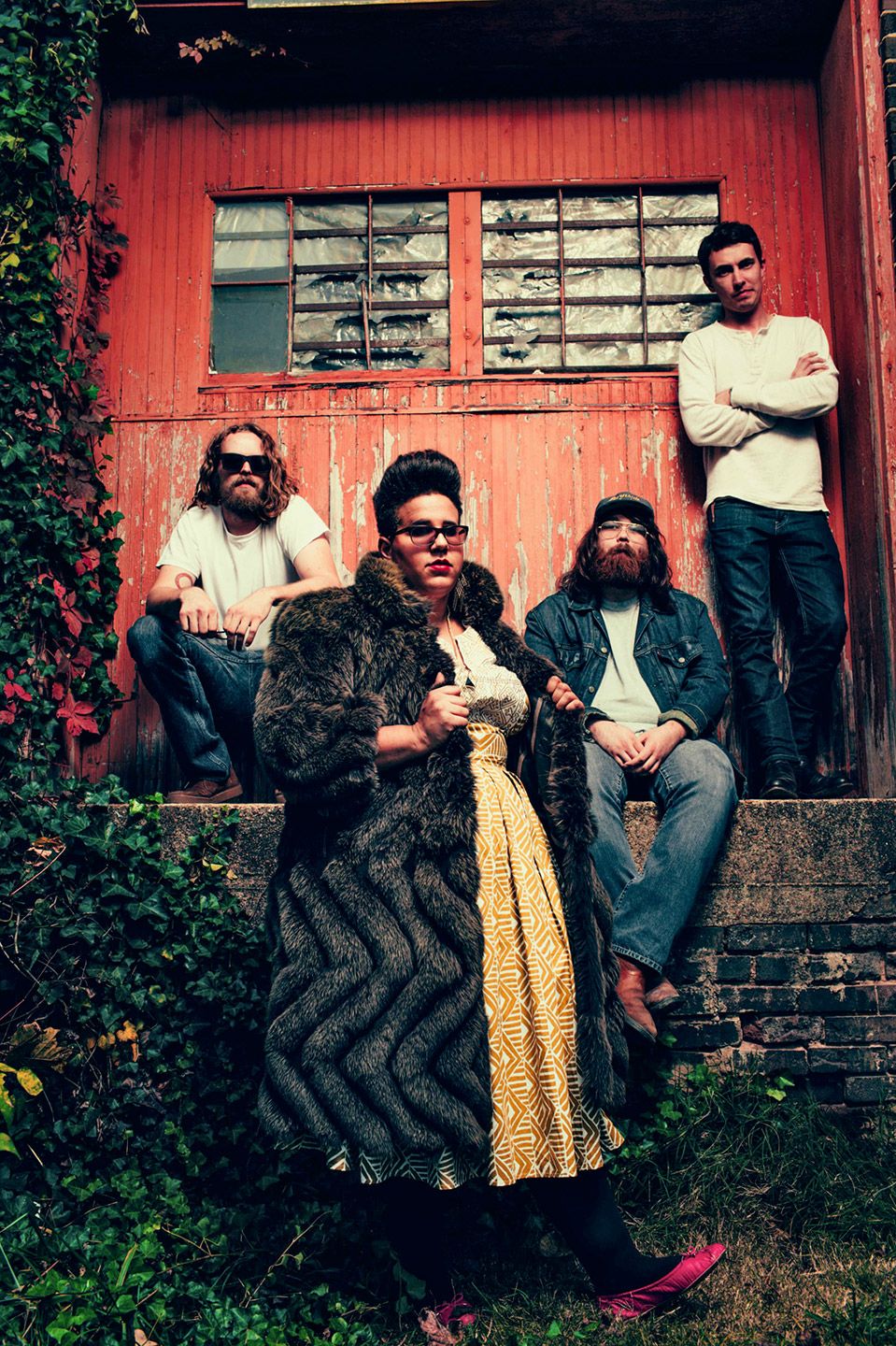
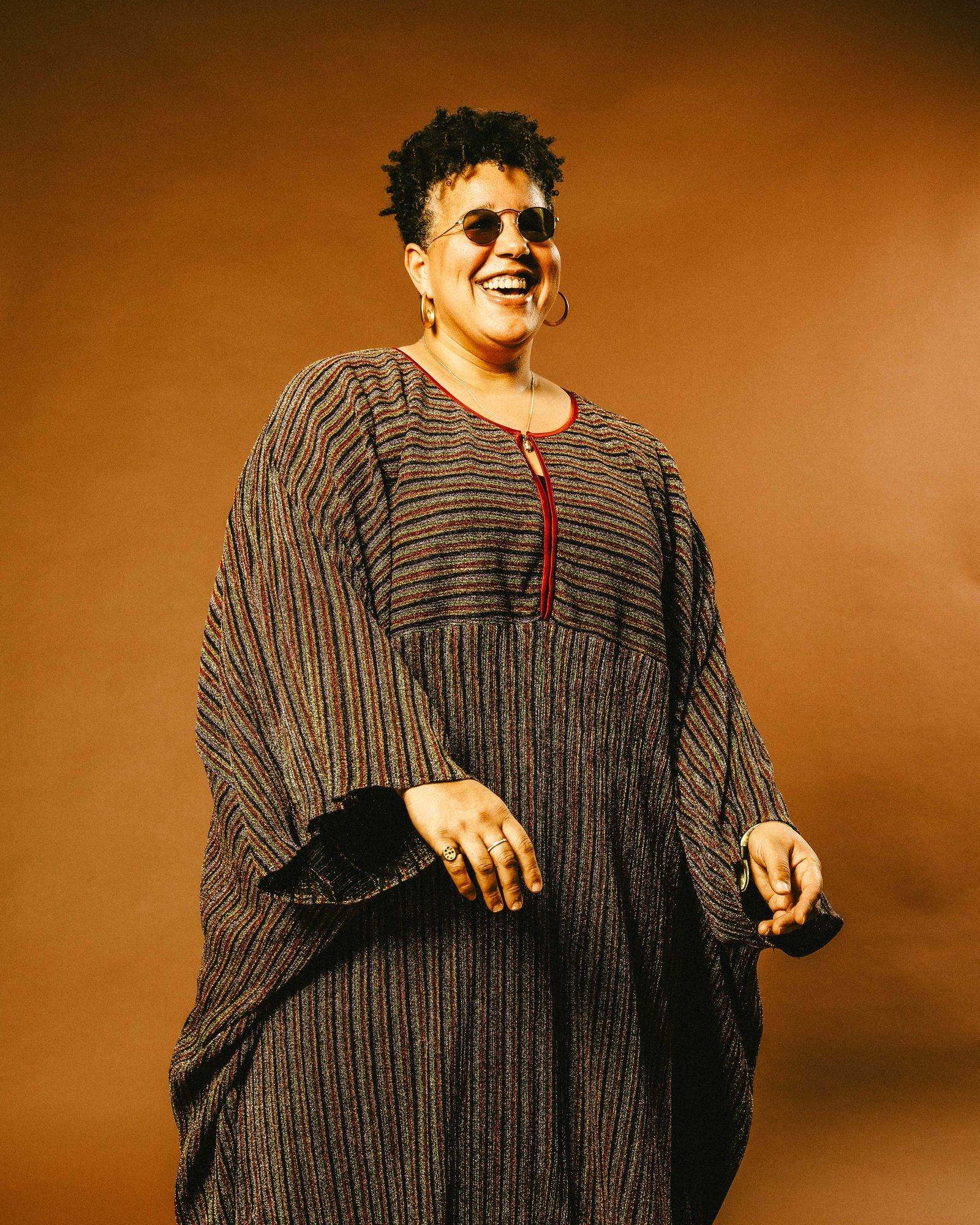
Brittany Howard Tattoos: The Alabama Arm Tattoo and More

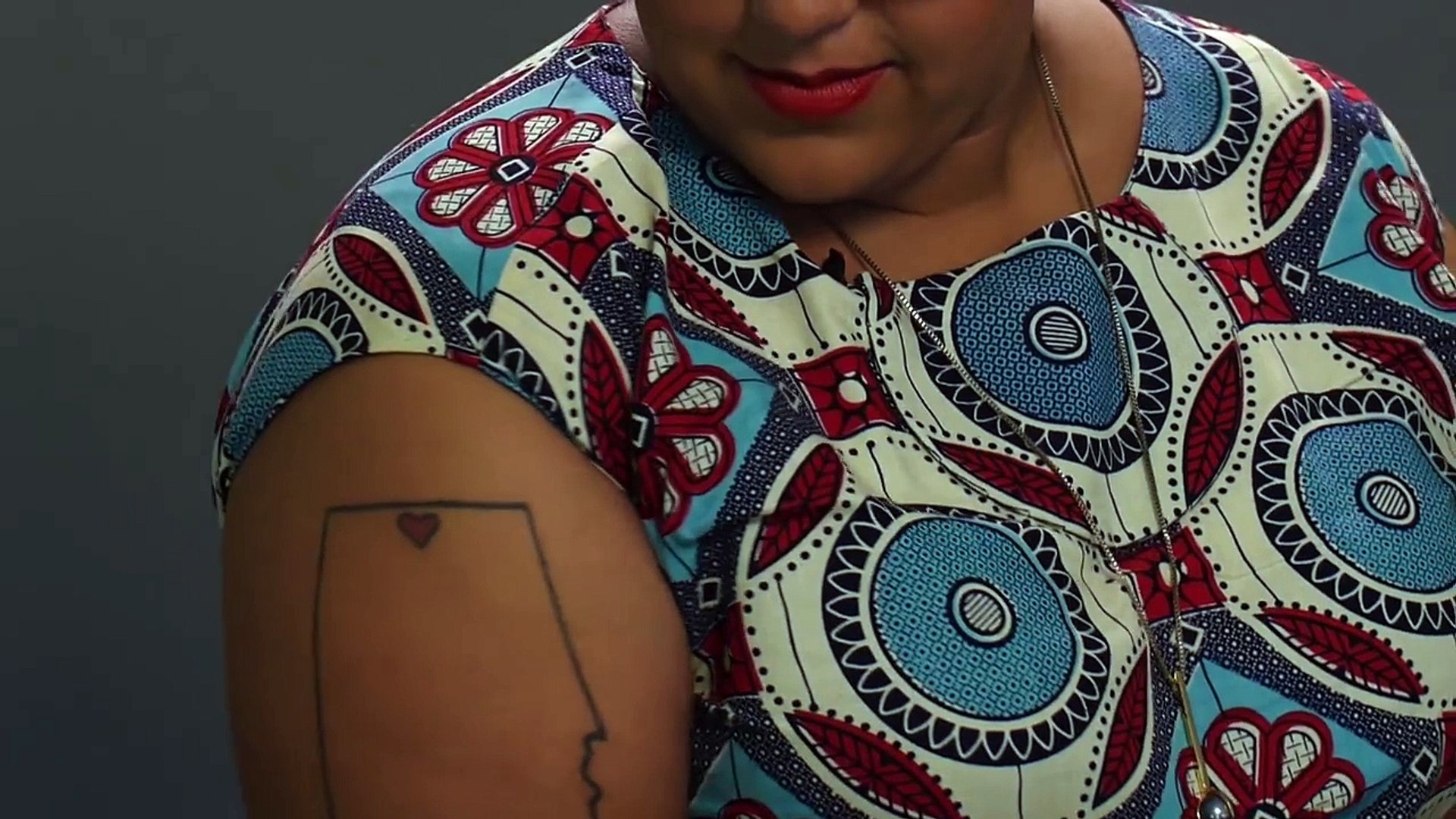
Brittany Howard’s best-known tattoos are an Alabama outline on her arm and two fine black lines near her left eye. The state shape points back to Athens, where she grew up, and to the years she began touring. The lines are visible in close-up, though their meaning hasn’t been publicly explained.

Both designs are small and spare. One carries a clear connection to home; the other changes the look of her face without covering it in ink.

Brittany Howard’s Alabama tattoo is about home

Brittany Howard tattoos: documented Alabama home-state tattoo evidence

Close-up view: the outline of Alabama is visible on Howard’s arm. The image shows a simple map shape, without shading or a larger background design.

In a Glamour video, Howard said she got the tattoo around the time she started touring. Being away from home made her think more about Athens and the place she had left. The outline gave her a reminder of home while she was on the road.

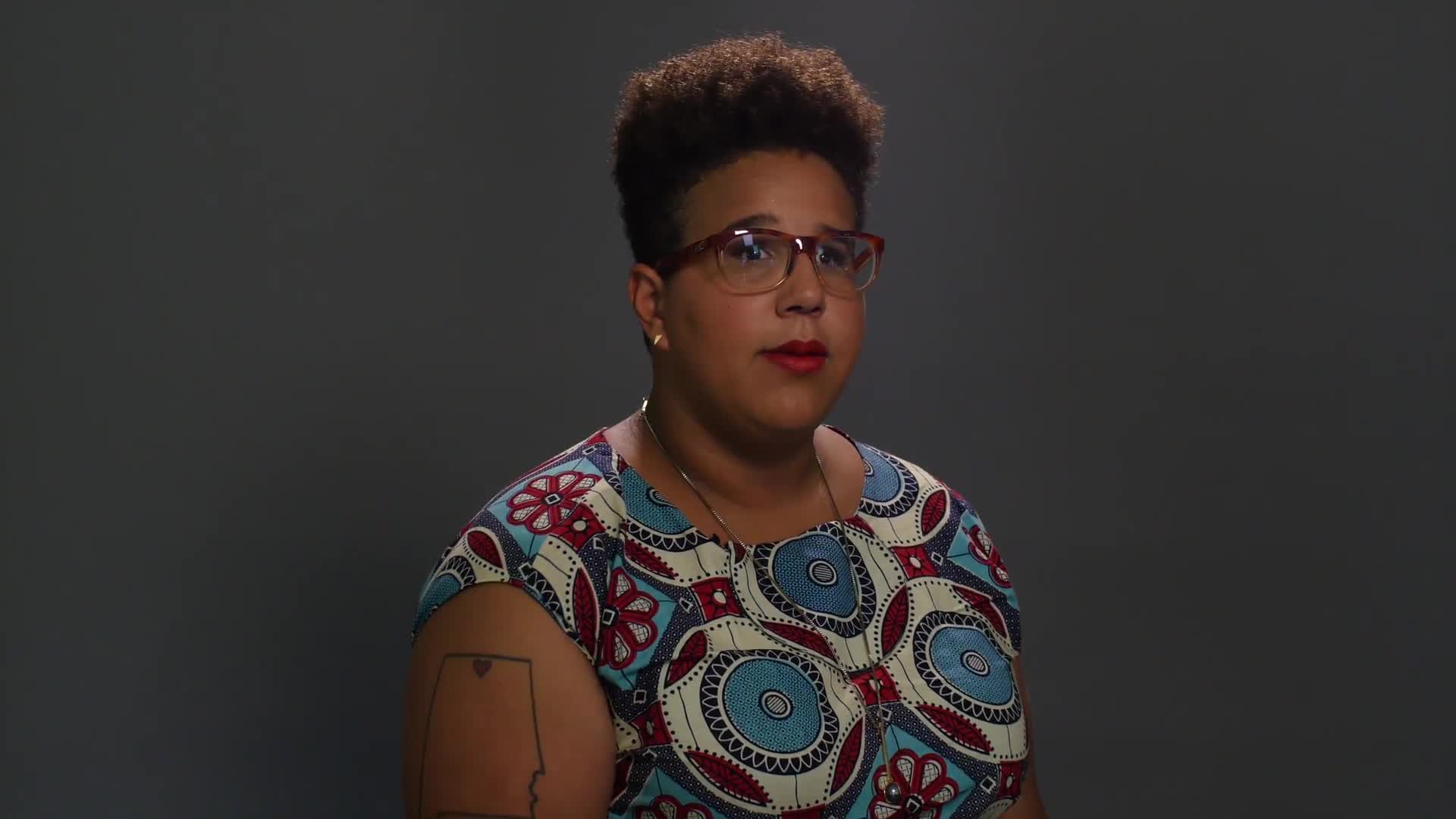
Vanity Fair described a heart on the state tattoo; another profile noted a star marking Athens. Those small details aren’t clear in every photograph, but the reporting agrees on the main point: the design represents Alabama and where Howard is from.

The design stays simple on purpose

Brittany Howard tattoos: second documented Alabama tattoo view

Another close-up: this video still offers a second view of the Alabama outline and heart detail on Howard’s upper arm.

The state shape does most of the work. It has no heavy background or extra lettering, so the design stays easy to read. Some map tattoos add roads, rivers or coordinates; Howard’s version relies on the outline and a small mark or two.

Its position lets it show when she’s playing guitar or moving onstage, without turning the tattoo into the focus of every photograph.

The tattoo came from a touring life

Brittany Howard tattoos: documented left-eye-lines tattoo evidence

The lines are easy to miss: The New Yorker describes two thin black lines running from the outer corner of Howard’s left eye toward her ear. They’re subtle in this portrait and aren’t visible in every image.

The lines are a different kind of tattoo from the Alabama outline. They don’t depict a place or object; they sit close to the eye in two narrow strokes. Makeup, glasses, stage lighting and photo quality can make them hard to see.

Their meaning hasn’t been confirmed in the reporting. The reliable description is their shape and placement; anything beyond that would be guesswork.

Different ideas can live together

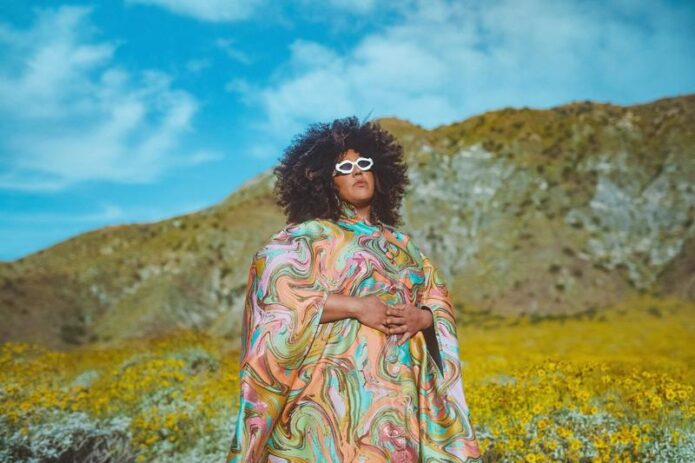
Brittany Howard in a contextual photograph: context around the documented home-state tattoo, not tattoo evidence; not tattoo evidence

Separate editorial portrait: this Vanity Fair photograph gives context for Howard’s style. It isn’t a close-up of another tattoo.

The Alabama outline and the face lines don’t appear to be parts of a matching set. One recalls a hometown; the other is a small mark beside the eye. A collection can grow over time without every piece sharing the same style or subject.

A useful idea to borrow

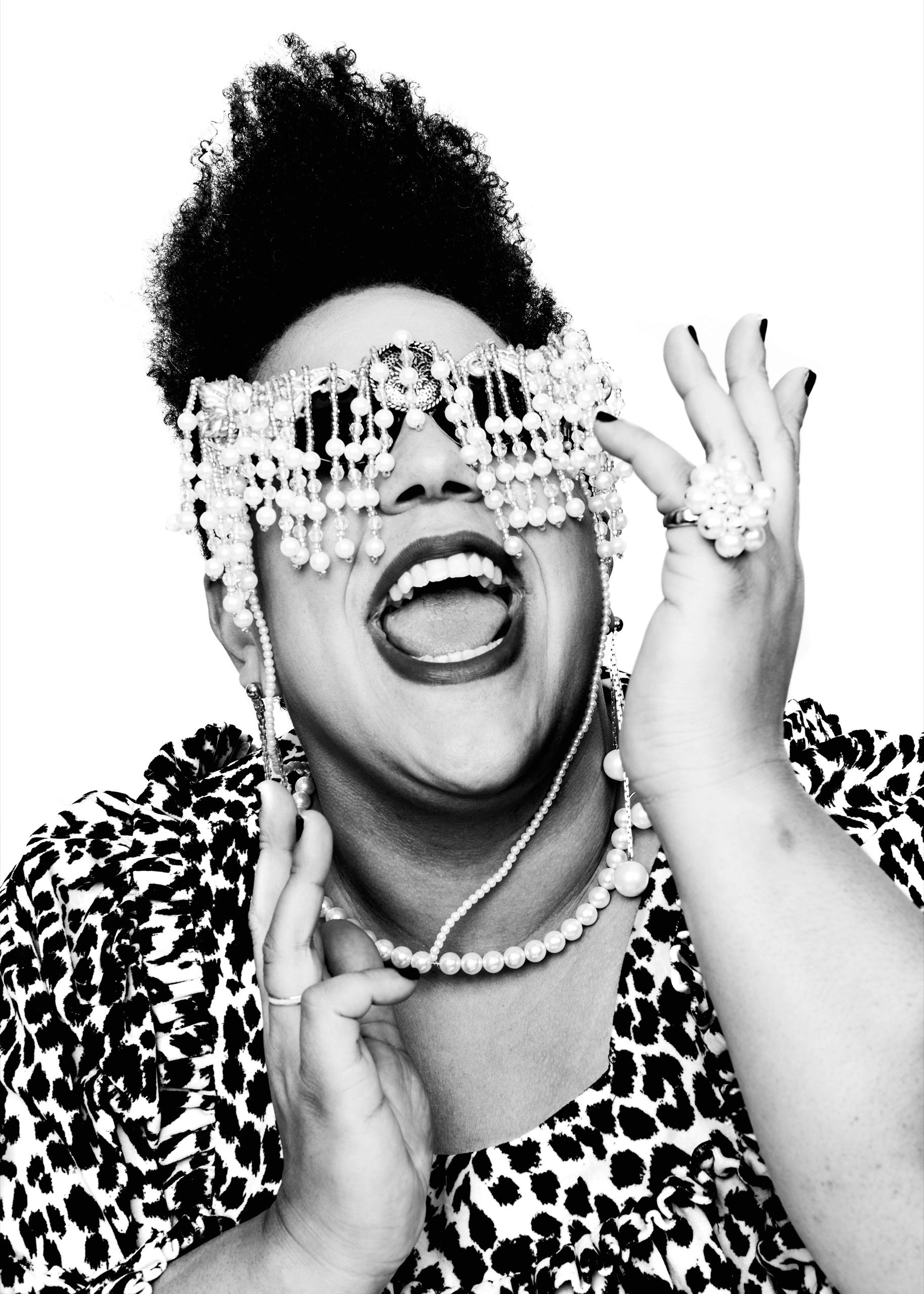
Brittany Howard in a contextual photograph: music-career context, not tattoo evidence; not tattoo evidence

Music-setting portrait: this Pitchfork image shows Howard backstage and gives background on her public style. It doesn’t show the arm tattoo close up.

If you want a state tattoo, think about what would make the place yours: a town, a star, a river or another detail with a specific connection. Without that, a map can look like a travel souvenir.

Keep scale and placement in mind. A small outline needs enough room for its shape to remain legible as it heals and ages; a tattooer can simplify details that won’t hold up. The forearm is easy to see, while an upper-arm design can appear in flashes. Howard’s placement keeps the design visible without making it her whole image.

A high-visibility choice

Face ink is hard to cover, even when the design is tiny. Before choosing a similar mark, look at it in ordinary light and from different angles. A few millimeters near the eye, temple or hairline can change how it sits with the rest of the face.

Fine lines also need careful placement on a curved, moving surface, and they can change as they heal and fade. Howard’s two strokes are restrained, but the location still makes them a visible choice.

The meaning is clear even where the details aren’t

Howard has spoken about the Alabama tattoo and its connection to home, touring and Athens. The two lines near her eye are documented, but the sources don’t give a confirmed explanation for them.

That leaves a clear difference between what’s known and what isn’t. The map has a story she has shared; the face lines can remain private. There’s no need to fill in the gap with a theory.

A relaxed collection with a strong point of view

Howard’s tattoos pair a recognizable hometown outline with a quieter mark near her eye. One points to Alabama and the time she spent on the road; the other is known mainly by its shape and placement. Both are easy to describe without guessing at more than she has shared.

More musician tattoo guides

Sophie Ellis-Bextor Tattoos: The Family Heart and More

Sophie Ellis-Bextor’s best-documented tattoo is a red heart with a banner reading “Family” on her right upper arm. It’s a traditional flash design, easy to recognize even when it appears briefly in a performance photo.

The word also recalls Familia, her album title taken from the Spanish word for family. The reporting doesn’t say the tattoo was made for the album, but both point to the same subject.

The heart and Family banner

The tattoo has a black outline, a bright red heart and a pale banner across its middle. It sits high on the right upper arm, where a sleeveless top can show it and an ordinary shirt can cover it.

Sophie Ellis-Bextor tattoos: documented Family heart tattoo evidence

The familiar heart-and-banner shape keeps the design legible. The lettering is direct, and there’s no need to guess at a hidden message: “Family” is the word across the heart.

A little context

Ellis-Bextor has five children with musician Richard Jones. During lockdown, their home became the setting for her Kitchen Disco performances, which mixed singing and dancing with the interruptions of family life.

Sophie Ellis-Bextor in a contextual photograph: live-performance context image; not tattoo evidence

That background helps explain why the tattoo draws attention, but it doesn’t prove when or why she chose it. It’s the one clearly documented design in the coverage reviewed here; the surrounding family stories are context, not evidence of additional tattoos.

The disco side of the picture

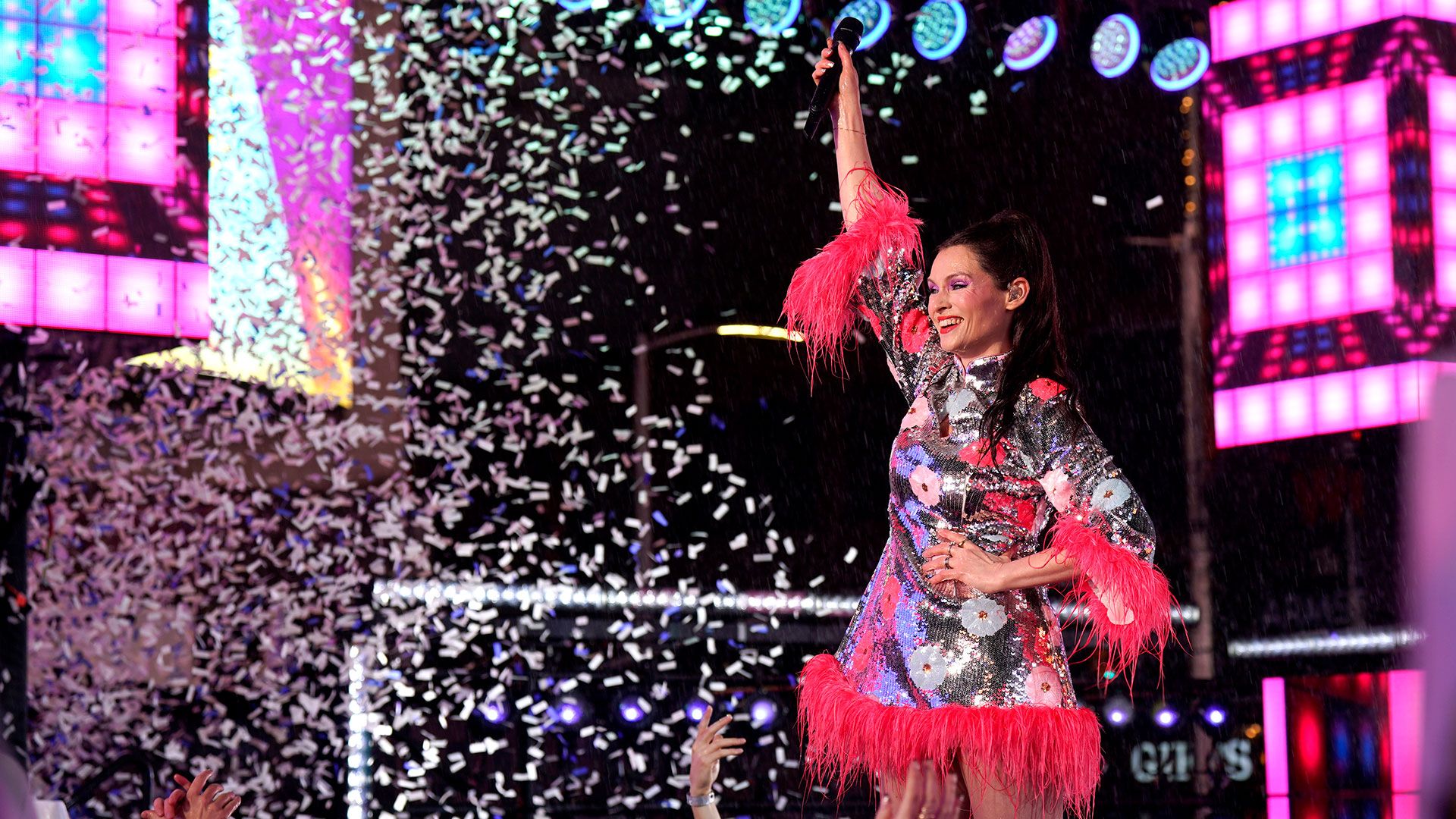
Performance photos put the heart beside a very different look: bright lights, sequins, fringe and stage movement. They show Ellis-Bextor’s changing style, though the tattoo itself may be hidden by clothing or hard to see in the lighting.

Sophie Ellis-Bextor in a contextual photograph: stage and performance context image; not tattoo evidence

The contrast is simple. The stage styling can change from one show to the next; the small red heart and banner remain familiar. A performance portrait gives a sense of that setting, but it should not be mistaken for a close-up of the ink.

Why the visual record is bigger than one close-up

Sophie Ellis-Bextor in a contextual photograph: red-carpet style context image; not tattoo evidence

Not every portrait documents a tattoo. A red-carpet image can show Ellis-Bextor’s makeup and clothing without revealing anything about her body art. The record supports one confirmed heart design, so there’s no reason to turn contextual photos into a longer inventory.

If you’re drawing inspiration from it, the useful part is the clear symbol and word. A familiar heart, a flower, a small animal or a handwritten phrase can carry a personal meaning without needing elaborate decoration.

From club pop to Kitchen Disco

Ellis-Bextor first became widely known through dance-pop, including “Murder on the Dancefloor” in the early 2000s. The song reached a new audience after its use in Saltburn. During lockdown, Kitchen Disco brought that pop performance into her home, with family life sometimes visible in the background.

Sophie Ellis-Bextor in a contextual photograph: Murder on the Dancefloor resurgence context image; not tattoo evidence

The home performances joined spectacle with everyday details: a familiar room, a glitter ball and children occasionally appearing off camera or in the background. That context fits the “Family” message, though the article’s sources don’t tie the tattoo to a particular performance or career moment.

What the message gets right

The heart and banner use a classic tattoo format, but the word makes this version specific. Its upper-arm placement also gives Ellis-Bextor some choice about when it shows.

For a similar design, start with the idea you want to carry, then choose lettering, color and placement that keep it readable at the intended size. The best version doesn’t need extra details unless they add something personal.

More musician tattoo guides

Molly Brazy Tattoos: Bow, Skull, Elephant and More

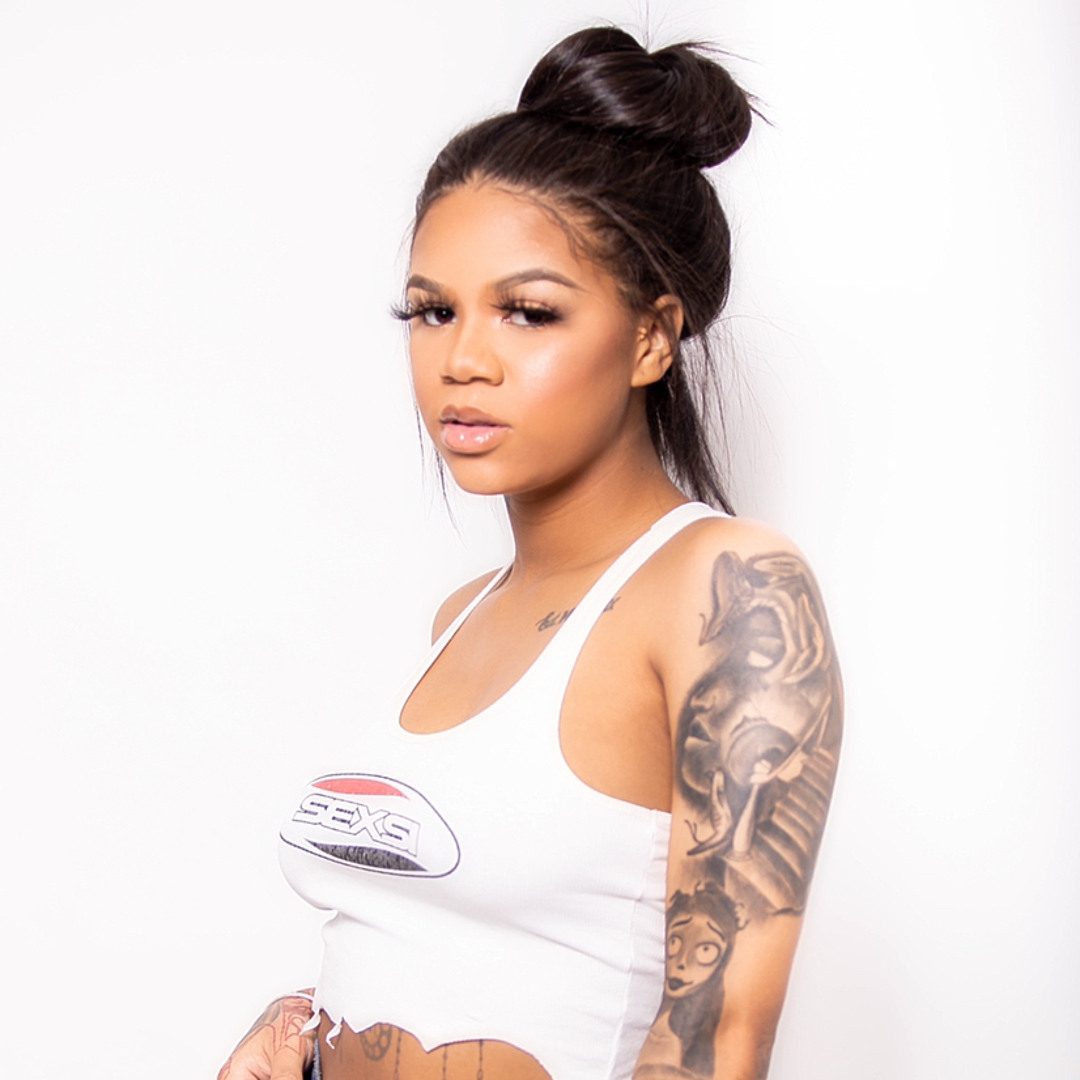
Molly Brazy’s tattoos range from a black-and-gray sleeve to a red rib bow, a skull-jaw design on her hand and a name on her wrist. The different styles don’t form one matching set; some pieces are personal, while others stand out for their shape.

The available photos show where several tattoos sit, but they don’t explain the private meaning of every design. Here, the descriptions stick to what’s visible or identified in reporting.

The tattooed left arm

A clear portrait shows a large black-and-gray sleeve covering Molly’s left upper arm. The design is made of layered figures and shading, rather than one isolated symbol.

Molly Brazy tattoos: documented left-arm sleeve tattoo evidence

Heavy shadows and smaller interior lines follow the curve of the arm. The sleeve has room for several elements, while the red bow and wrist lettering still read as separate tattoos.

Her hand and forearm work

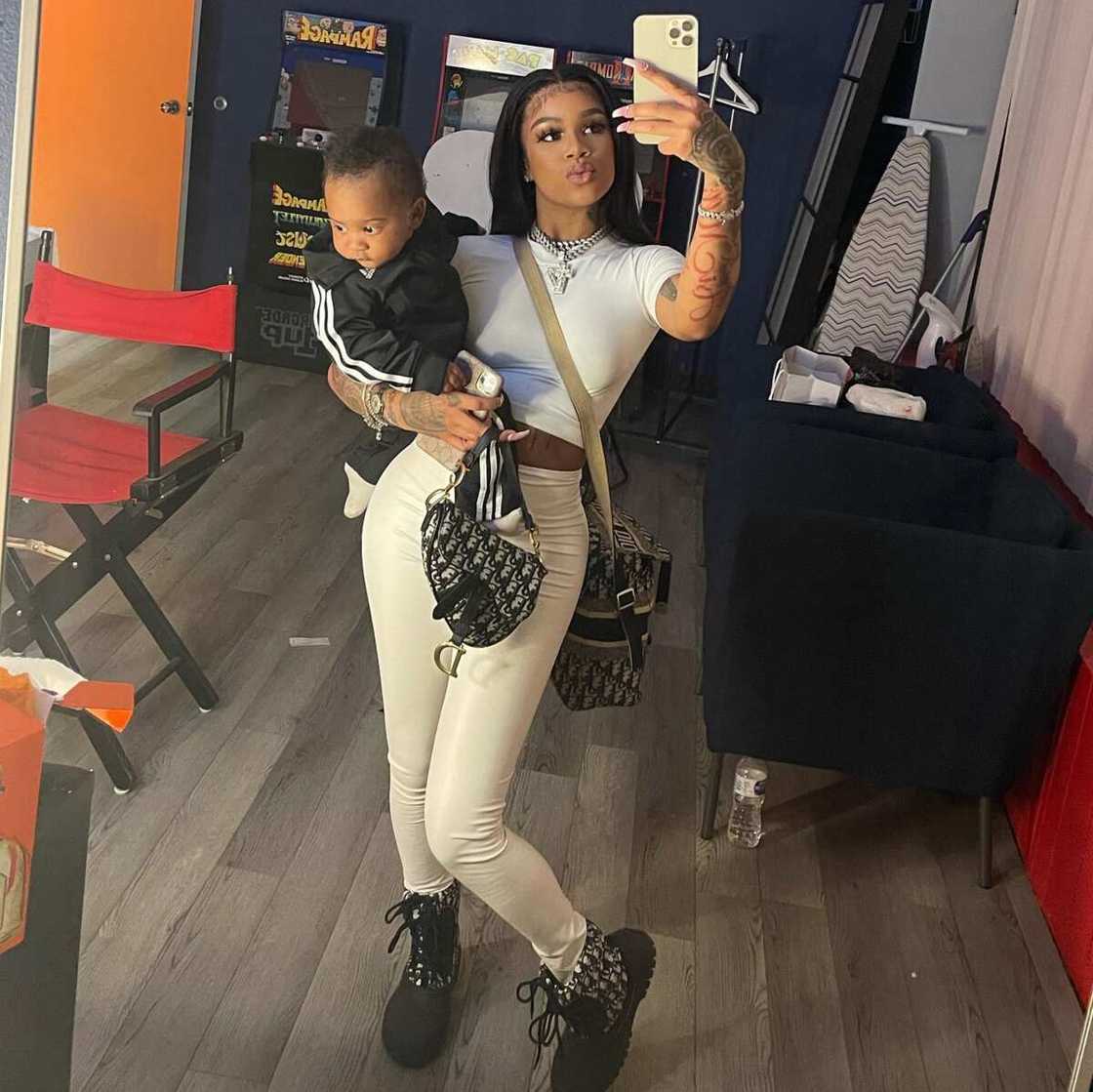
In an everyday photo, Molly holds her child as her hand and forearm ink shows in a mirror. The image isn’t a studio close-up, but it gives a view of the tattoos in a regular setting.

Molly Brazy tattoos: documented hand and forearm tattoo evidence

The skull jaw on the back of her left hand is one of the clearest designs. Tattoo guides describe rows of teeth and dark bone shapes; in some photos she holds that hand across her face, so the tattoo reads almost like a mask.

The name “Rodney” appears in compact script on her right wrist. Tattoo guides identify it as her brother’s name. Its lettering is smaller than the skull design, but the wrist placement keeps it visible.

The red bow, the machine gun, and the elephant

Other documented designs include a red bow on the right side of her ribs, a machine gun on the right bicep and a large ornamental elephant below the chest.

The bow uses a red fill and pointed ribbon tails. The gun has a dark, vertical silhouette on the bicep. Below the chest, the elephant sits within a larger black-and-gray arrangement of lines and shading.

Elephants can carry many associations, but the sources don’t explain why Molly chose this design. The photos support a description of the image and placement, not a claim about her private meaning.

A glimpse of the thigh tattoo

A FADER portrait shows part of a black-and-gray tattoo on Molly’s upper thigh. The piece sits near the edge of the frame, so the photo confirms its placement but doesn’t support a full description.

Molly Brazy tattoos: documented upper-thigh tattoo placement evidence

The thigh can hold a larger design under clothing, while the hand and wrist tattoos are visible in everyday gestures. Molly’s photos show both levels of visibility, but only the details that can be seen clearly should be treated as confirmed.

What the photos show about her style

Molly’s public style changes across portraits and performance photos. The sleeve reads as dense black-and-gray work, the hand skull is easy to spot in a gesture, and the red bow adds color.

Molly Brazy in a contextual photograph: performance context photo, not tattoo evidence; not tattoo evidence

The FADER’s reporting places her in Detroit’s online rap scene, where freestyles and videos helped build her audience. In interviews, she also spoke about making positive changes while staying true to herself. That context helps locate the images, but it doesn’t explain the meaning of each tattoo.

Life outside the stage frame

Another portrait shows Molly with her child in a casual room. The arm and hand tattoos are visible, though the photo works as everyday context rather than close-up evidence for a particular piece.

Molly Brazy in a contextual photograph: interview and everyday-style context photo, not tattoo evidence; not tattoo evidence

That distinction matters with tattoo photos. A candid image can show how ink appears with clothing, a phone or a hand movement; it may not show enough to identify every design. The clearest tattoo evidence remains the arm sleeve, hand skull, Rodney wrist lettering, red bow, machine gun, elephant and upper-thigh glimpse.

Ideas to borrow without copying the set

Molly’s collection shows how different designs can sit together. A family name can share space with a skull, while the red bow and red lettering add color among darker work. The styles don’t have to match to make sense as one person’s collection.

If you’re planning a tattoo, choose a design that will stay readable at its size and placement. The skull jaw has a strong outline; the bow uses a simple shape and color. Those are visual choices you can consider without copying her actual tattoos.

More musician tattoo guides

Shenseea Tattoos: Dragon Hand Ink, Back Leaf and Strength Lettering

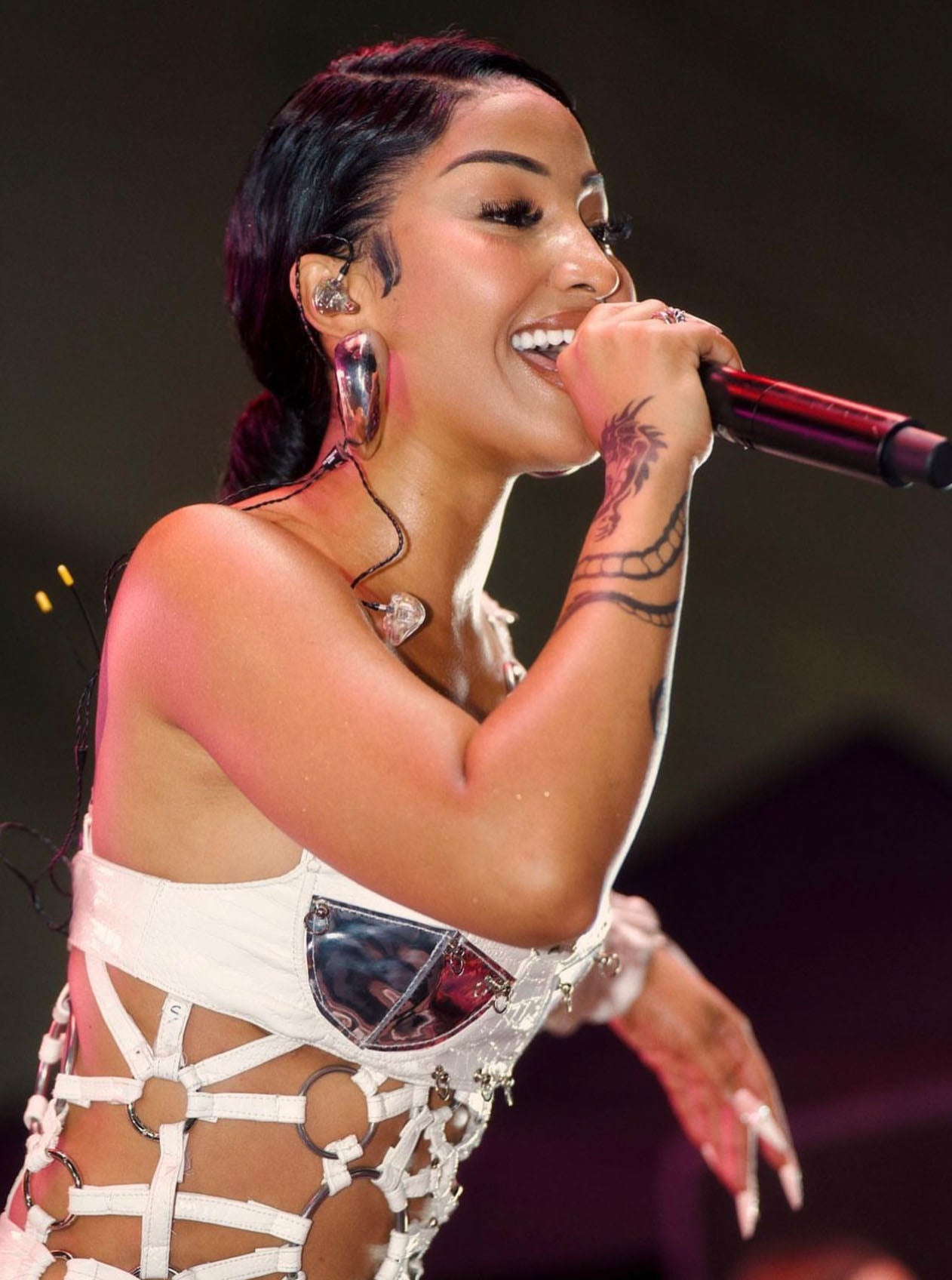
Shenseea’s visible tattoos include a dragon across her right hand and wrist, a cannabis leaf with “Live Love Laugh” on her upper back, and arm lettering with “strength” and a date in Roman numerals. A second forearm design spells her name beside a small heart.

In a Cruz Show interview, Shenseea said she likes dragons and connects them with strength. Tattoo artist Rogério Araújo also identified the hand piece as his work. The photos show the designs and placements, but not every mark has a confirmed explanation.

The dragon on her right hand and wrist

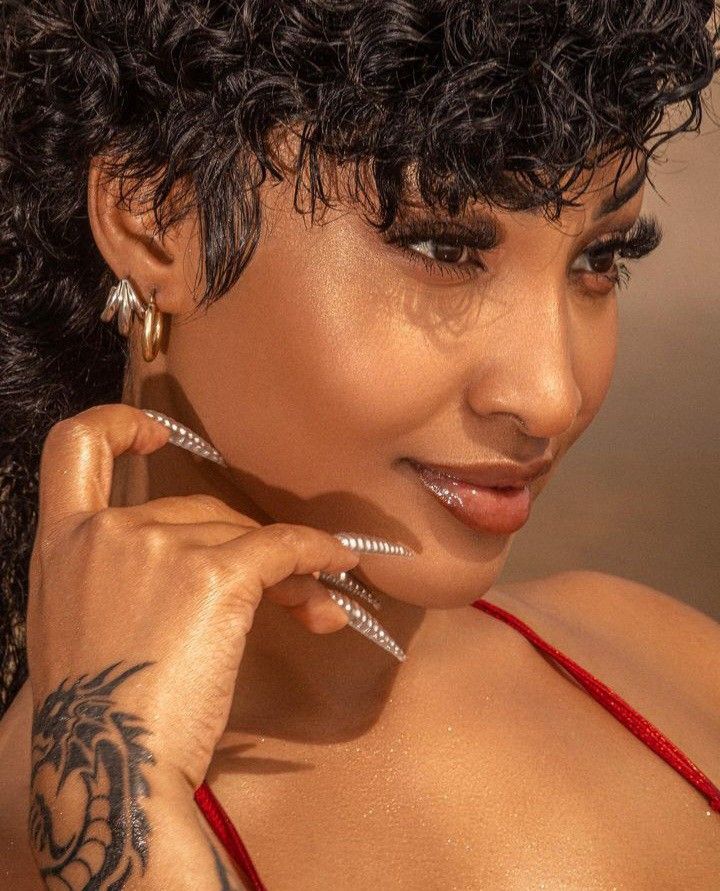
Shenseea tattoos: Shenseea's dragon hand and wrist tattoo

The dragon’s head sits on the right hand, with its curved body running down and around the wrist. In close photos, the lines read as one continuous creature rather than several separate marks.

Shenseea has said dragons have been part of her personal logo since she entered music. Araújo’s report lists associations such as wisdom, power, protection and wealth, but those are general dragon meanings, not a confirmed translation of her tattoo.

A close view of the dragon tattoo

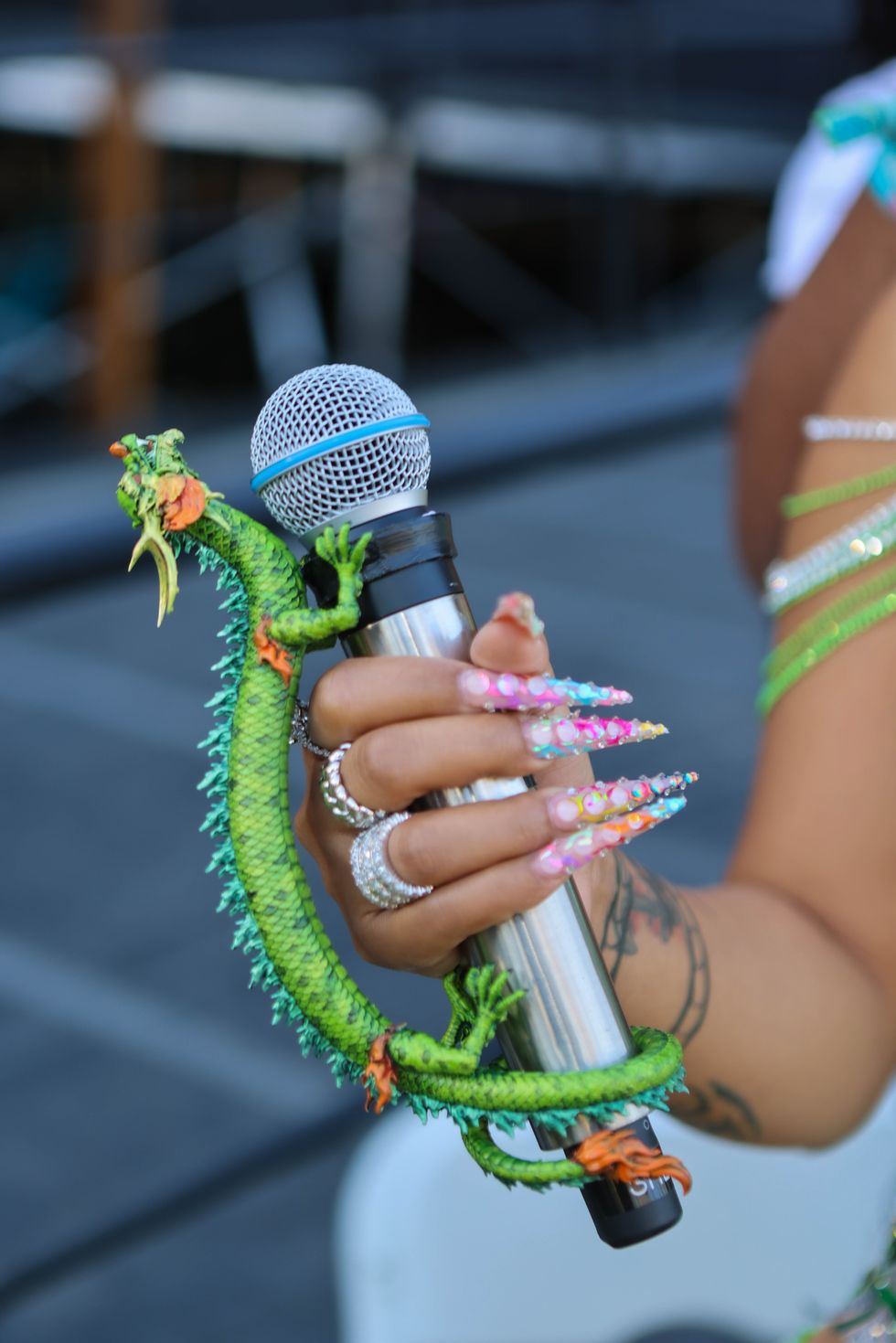
Shenseea tattoos: Shenseea's dragon tattoo in performance photos

Performance photos show how the dragon moves around the hand and wrist while Shenseea holds a microphone. The light can soften the lines, but the outline remains visible. It’s also a reminder that a hand design looks different when the wrist turns or the fingers move.

The upper-back cannabis leaf tattoo

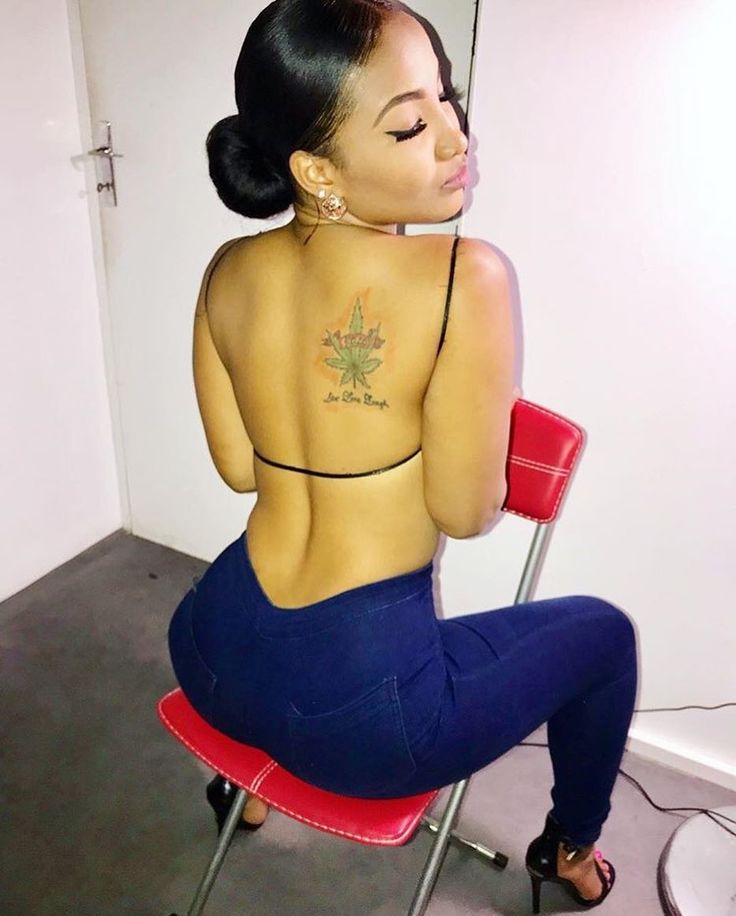
Shenseea tattoos: Shenseea's upper-back cannabis leaf tattoo

A photo Shenseea shared while promoting a skincare product shows a cannabis leaf centered between her shoulder blades, with “Live Love Laugh” beneath it. The placement can show with a backless top and stay covered by ordinary clothing.

The leaf and phrase form one design, with the smaller lettering below the shaded image. The sources describe what’s visible but don’t establish a specific personal story behind it.

The “strength” lettering on her arm

Shenseea tattoos: Shenseea's visible arm tattoo and strength lettering

Another arm tattoo pairs the word “STRENGTH” with a date in Roman numerals. The straight, text-led layout differs from the dragon and leaf. The available sources don’t identify the date’s meaning, so it’s best left at the documented design.

Roman numerals need to be checked carefully before tattooing. For any lettering, size and spacing matter: if the characters are too small or crowded, they may become harder to read as the ink settles.

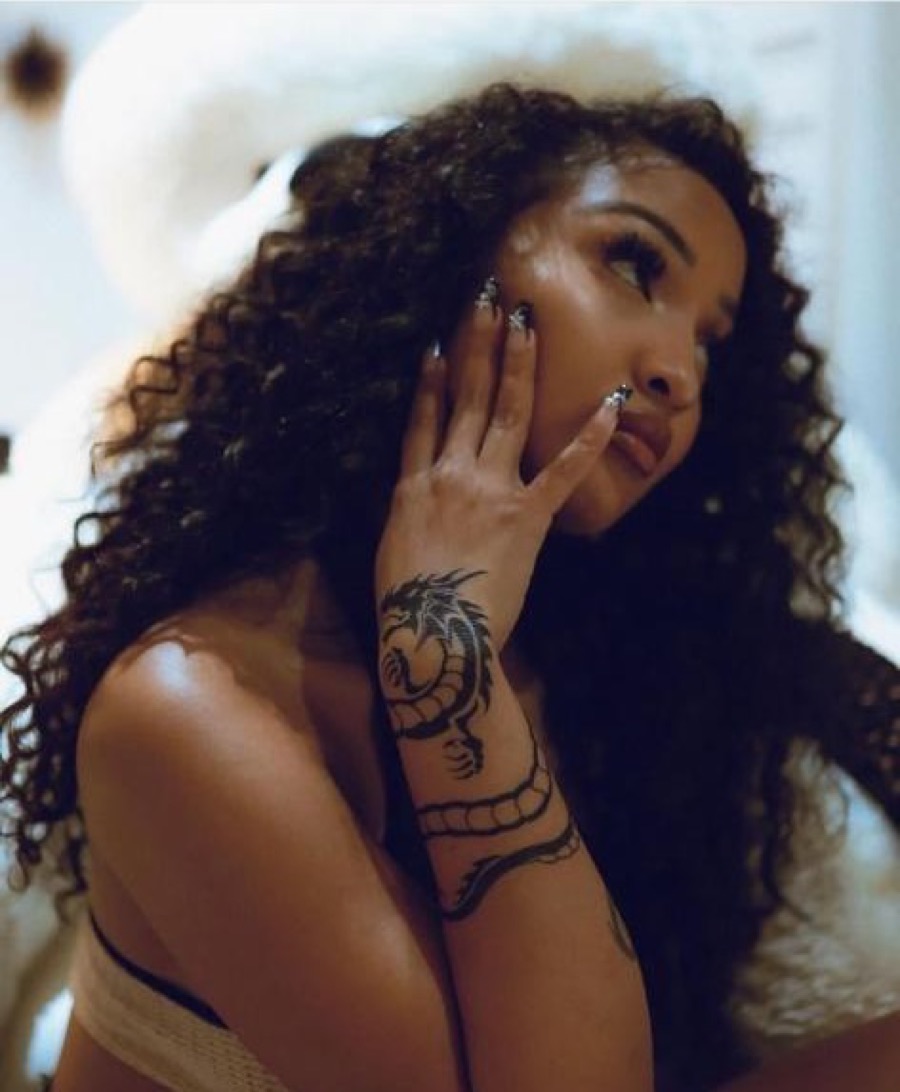
A second look at the dragon tattoo

Shenseea tattoos: Shenseea's dragon tattoo from a second angle

From this angle, the dragon wraps around more of the wrist than a front view suggests. Photos also show “SHENSEEA” across the forearm with a small heart beside it. The name is direct lettering, separate from the creature design.

Her performance style

Shenseea in a contextual photograph: Shenseea style portrait contextual image, not tattoo evidence; not tattoo evidence

The tattoos appear in different ways depending on clothing and pose. The dragon sits beside jewelry and long nails; the back design shows with open-back clothing; the arm lettering can be covered or visible. This portrait gives style context, not a close view of another tattoo.

Ideas to borrow without copying

Shenseea’s designs use different placements and formats: a creature on the hand and wrist, an image with words on the upper back, and lettering on the arm. If one element appeals to you, adapt the placement or shape to your own idea instead of copying the tattoo exactly.

For a wraparound design, check the stencil from several angles with the wrist straight and bent. For lettering, test the size at its actual placement and confirm every character. The goal is a design that reads clearly on the body, not just on a flat sketch.

The bigger picture around her style

The clearly documented tattoos include the right-hand dragon, the upper-back leaf and phrase, the arm lettering and the forearm name with heart. Other marks may appear in photos, but a brief glimpse doesn’t establish what the design is or what it means.

That leaves a varied set of confirmed designs without forcing them into one theme. Some are easy to see; others stay covered. The dragon is the most prominent, while the lettering and back piece offer a different scale and placement.

More musician tattoo guides

Tom Rasmussen Tattoos: Blue Diamond Ink and a Bold Visual Style

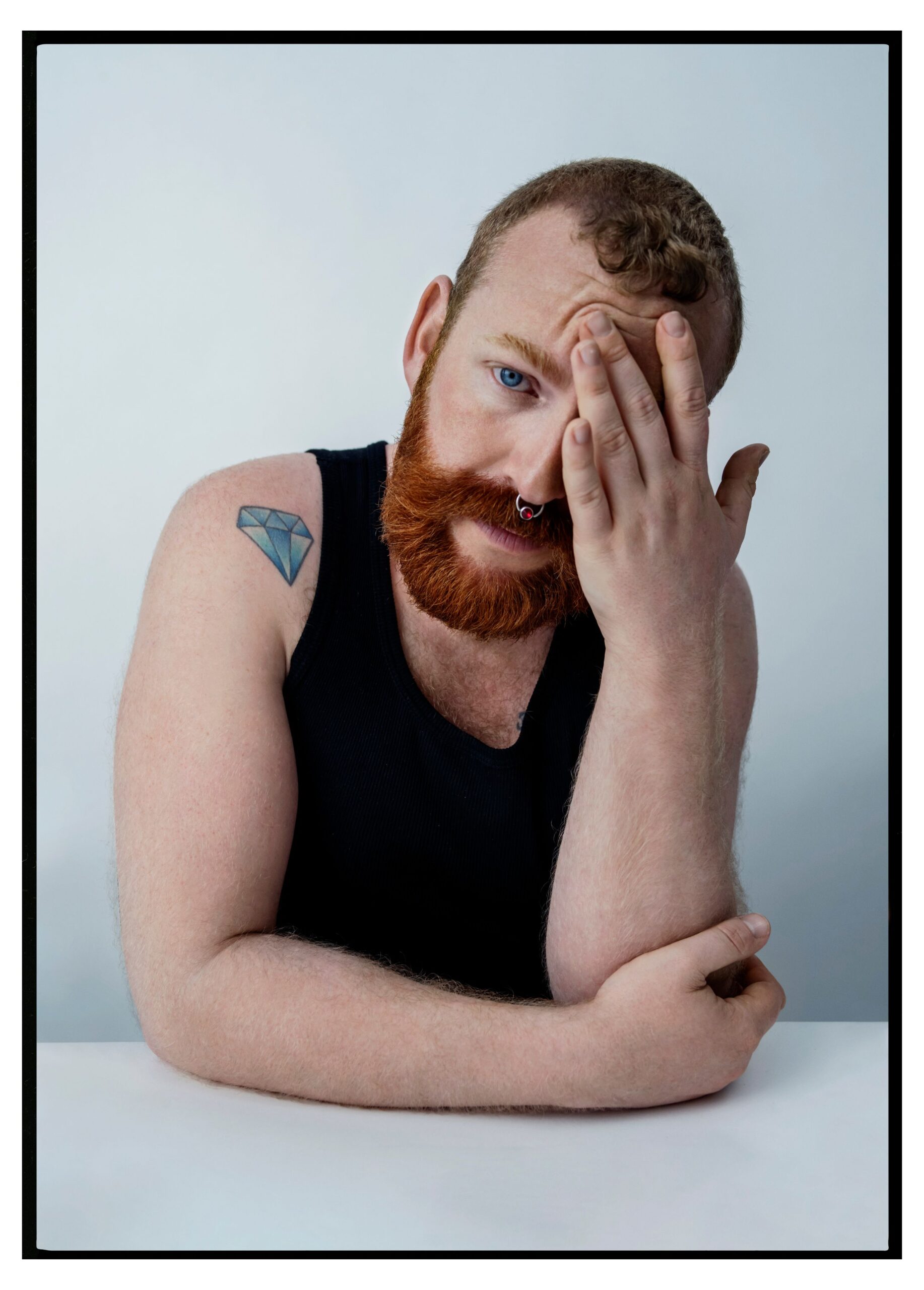
Tom Rasmussen has one especially clear tattoo in public photos: a bright blue diamond high on the left shoulder. It appears in a Tim Walker portrait for Vogue.

The photograph shows the design’s shape and placement, but not what it means. Tom hasn’t publicly explained it, and a second tattoo story is harder to verify.

The blue diamond on Tom Rasmussen’s shoulder

The diamond sits where the left shoulder meets the upper arm. In the Vogue portrait, its saturated blue and clean outline stand out against the skin and elaborate styling. It is geometric, with no visible lettering or illustration. Tom hasn’t shared a specific meaning for it, so the image gives us its appearance, not its story.

Tom Rasmussen tattoos: inline

The shoulder lets the design disappear under a T-shirt or show with an open top. The curve of the arm also changes how the diamond looks as Tom turns; in a flat image it reads like a crisp shape, while on the body it follows the shoulder.

One tattoo, three different readings

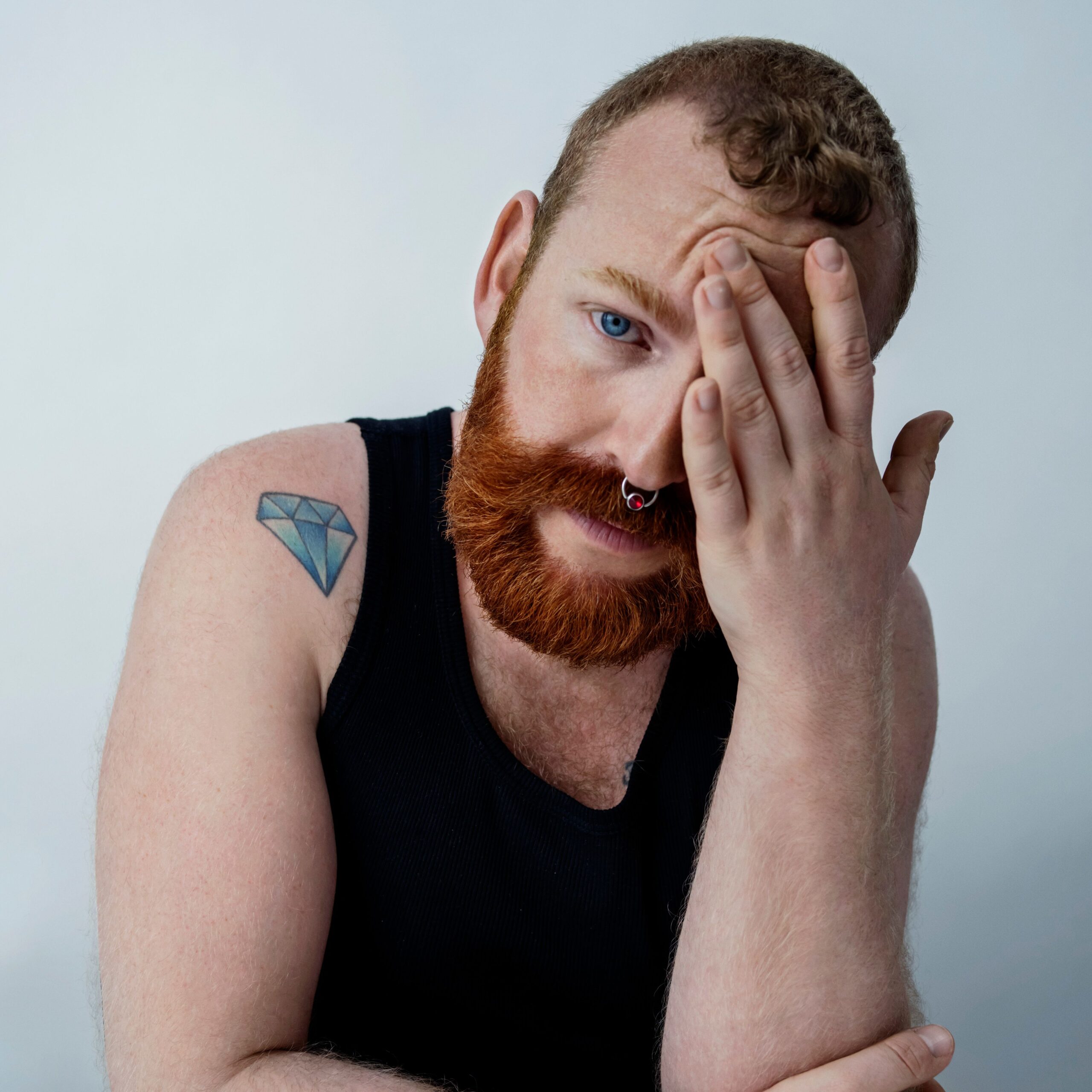
The same Tim Walker portrait appears in wide, square and tall crops. The wide frame places the diamond among the full styling, while the square crop brings Tom’s face, hand and shoulder closer together. The tall portrait gives the tattoo more room without losing the pose around it.

Tom Rasmussen tattoos: inline

In the square crop, Tom’s hand partly covers their face and the red beard becomes a strong patch of color. The diamond is only one part of the image. It stays easy to spot because its silhouette and blue color hold up across the different crops.

The Celine Dion detail

A Dazed search result about Tom’s earlier drag persona, Crystal Rasmussen, quotes a story about a Celine Dion name tattoo on their bum. The original page wasn’t available to check in full, and there is no clear image confirming the placement, so this remains a reported detail rather than something we can verify visually.

If the account is accurate, it has a different feel from the blue diamond: private, playful and deliberately unexpected. The two stories don’t need to point to one fixed theme. A tattoo collection can include a clean graphic shape and a joke chosen for its own sake.

Tom Rasmussen’s sculptural visual language

Tom is a nonbinary musician who previously performed as Crystal Rasmussen. Interviews around Body Building and Live Wire return to visibility, vulnerability, joy and the body. Clothing, pose and color are part of that public work too.

Tom Rasmussen in a contextual photograph: inline; not tattoo evidence

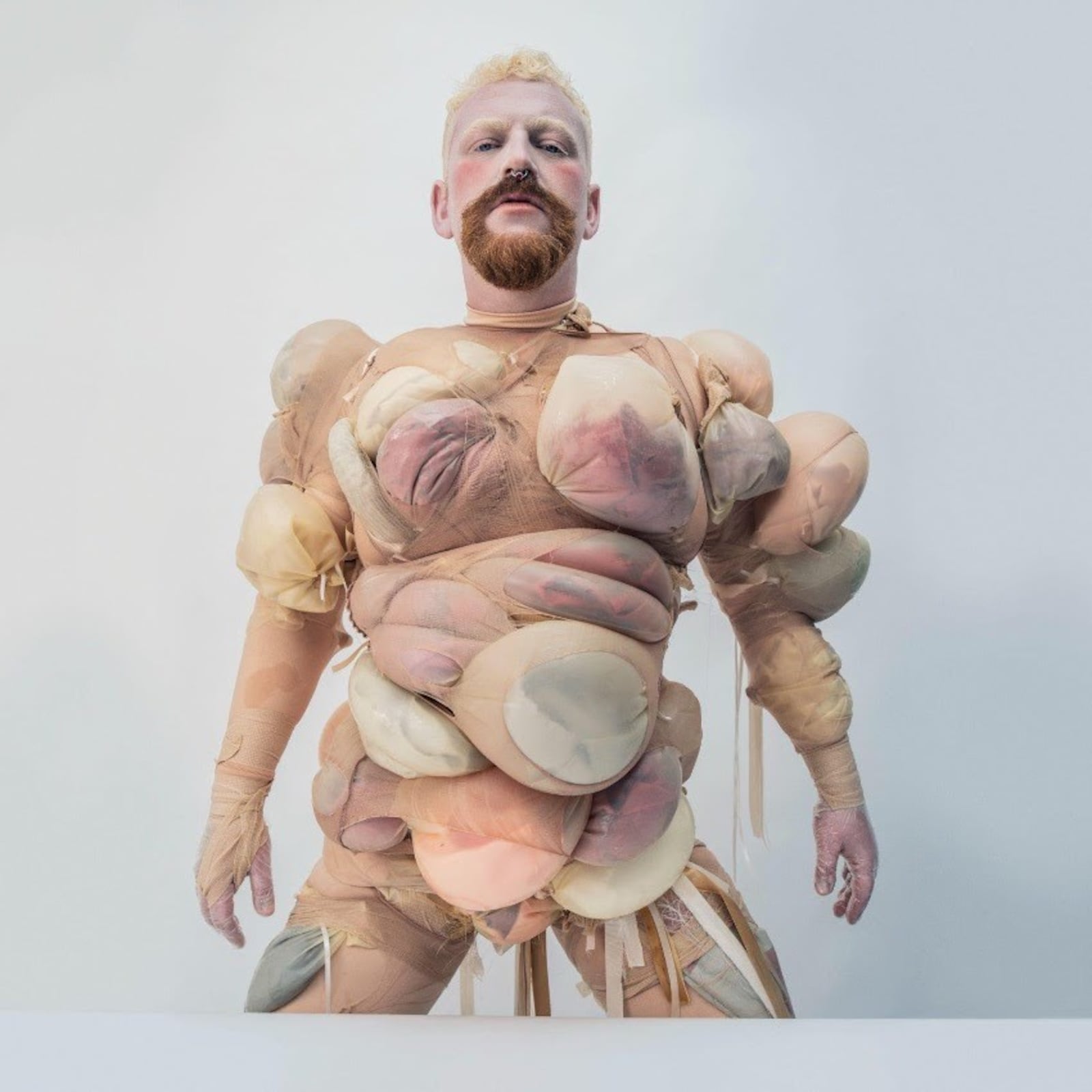
This AnOther portrait shows Tom in a padded, flesh-toned sculptural costume. It doesn’t confirm a tattoo detail, but it gives context for the diamond: a simple geometric mark can sit alongside elaborate, almost architectural styling without trying to compete with it.

The pop-world around the records

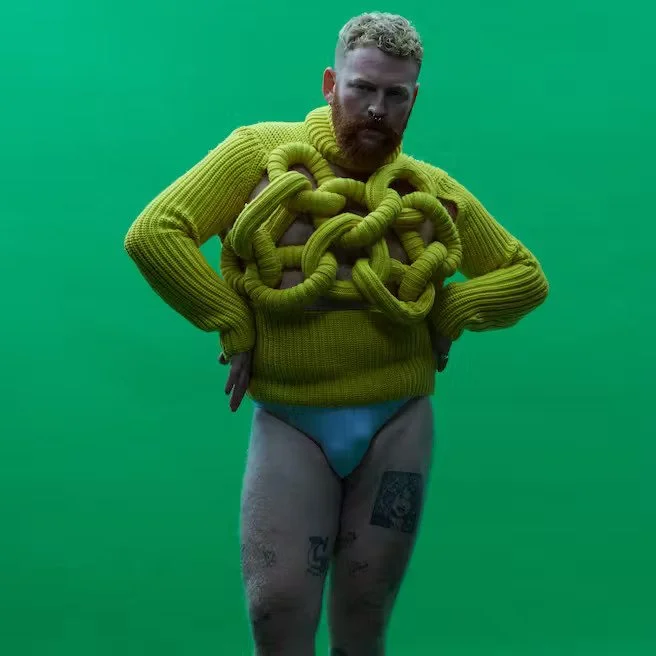
A portrait from the Institute of Contemporary Arts puts Tom in bright yellow and green. It isn’t evidence of another tattoo; it shows how much the surrounding colors and clothes can change the feel of a portrait. The blue diamond belongs to the same visual world, even when the rest of the image takes a different direction.

Tom Rasmussen in a contextual photograph: inline; not tattoo evidence

Interviews about the records also touch on vulnerability, visibility and making room for joy. That context doesn’t explain what the diamond means. It does leave space for the ink to be one part of Tom’s work, rather than a symbol expected to explain all of it.

What to take from Tom Rasmussen’s style

If you’re drawn to the blue diamond, consider its simple geometry, saturated color and shoulder placement. Compare the portrait crops to see how the design reads from different angles. For blue ink, healed examples give a better sense of the finished shade than a fresh tattoo, since the color can soften as it heals.

For a closer look at Tom’s sound and the world around Live Wire, here is the official “Never Look Back” video with Romy.

More musician tattoo guides