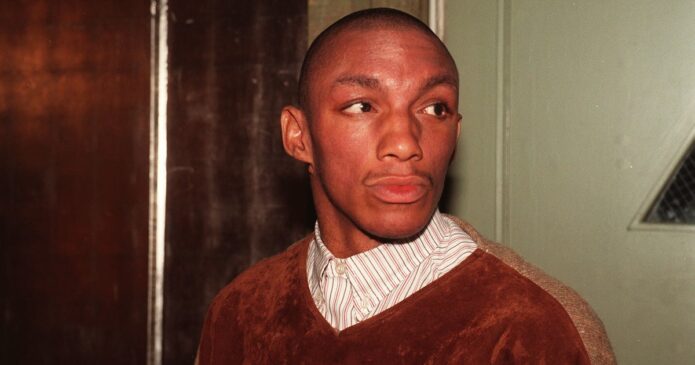
Tricky, born Adrian Thaws, has described his tattoos as a record of where he’s been. In a 2026 Inked interview, he linked them to particular times and places. His ink covers his chest, arms and hands, but it doesn’t follow one tidy style.
The stories he has shared are more specific than any full body map: cherry blossoms he got in Japan in the 1990s, a dot he and a friend made between his thumb and forefinger as kids, and a back piece he once described as a painting. He has also talked about people getting tattoos of his face, name and lyrics.
Tricky’s Tattoos Don’t Read Like a Flash Sheet
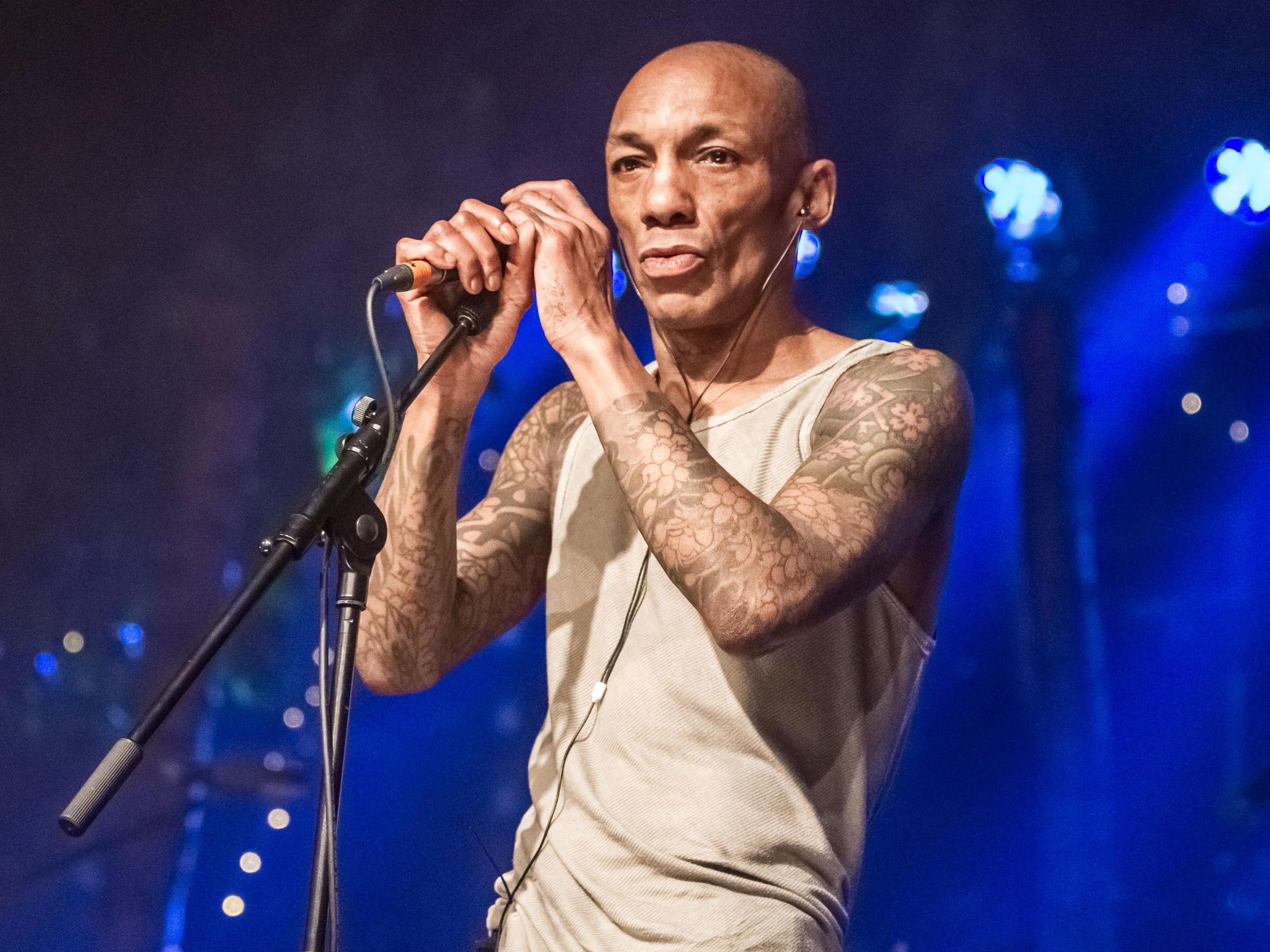
Photos show floral work, dark shading, lettering and broad black shapes. The pieces don’t all use the same visual language; they look like marks added at different points in his life.
That makes the collection more useful as inspiration than as a template. A tattoo can hold onto the time or place that mattered when you got it without needing to match everything already on your skin. Space between designs also lets each one read on its own.
Tricky’s Floral Tattoos From Japan
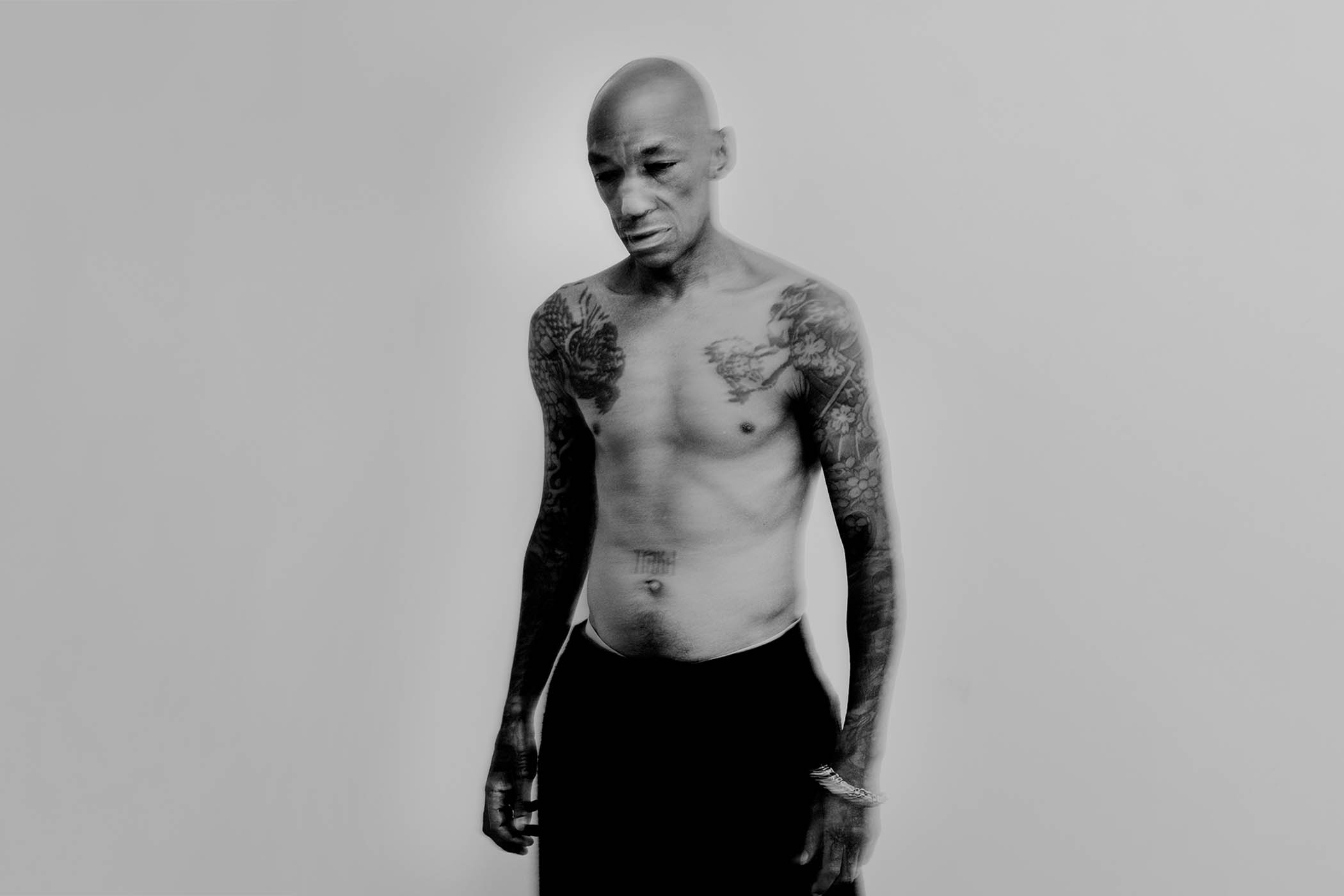
Tricky has said he got cherry blossoms in Japan in the 1990s, when he didn’t see many other people with that kind of tattoo. The memory gives the flowers a clear anchor: they’re tied to a trip and to what he noticed at the time.
If you’re drawn to a flower or travel tattoo, think about the particular place or moment you want it to bring back. The image can be simple; the connection is in the detail you choose.
The Tattooed Hand and Forearm Details
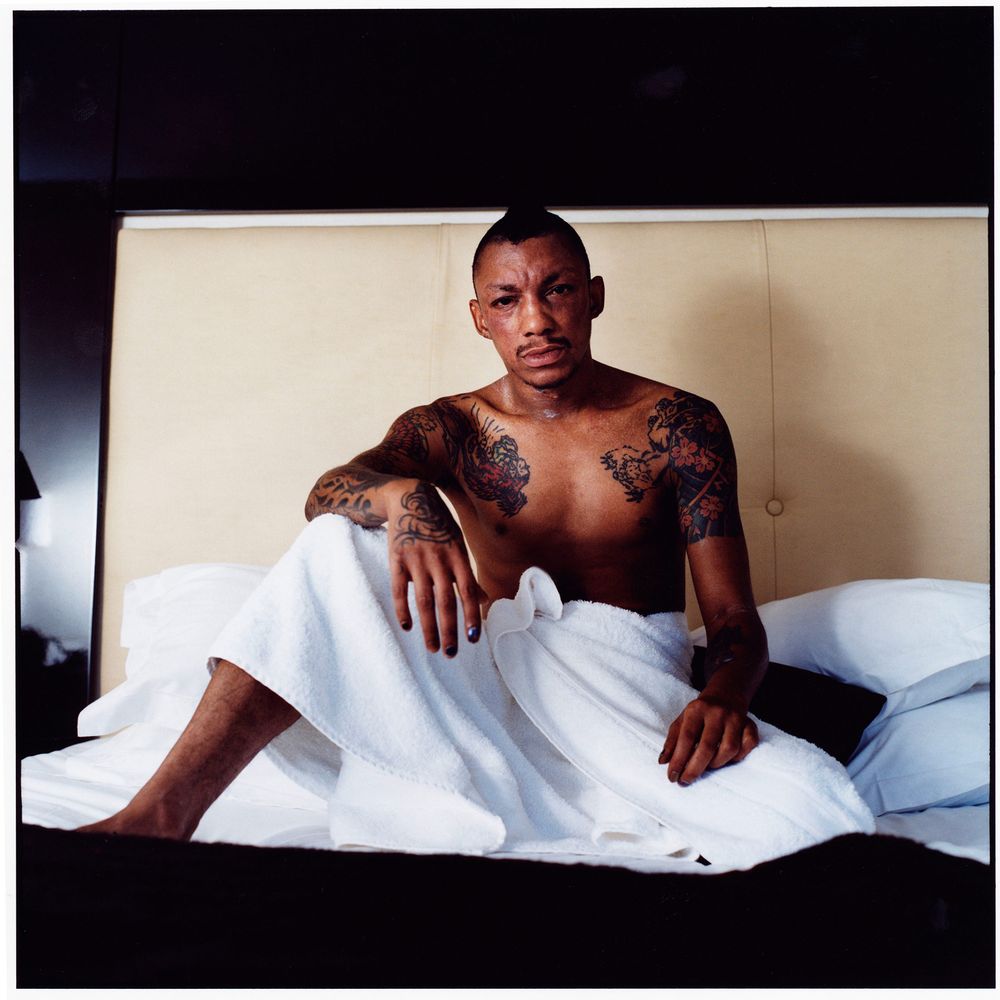
His first tattoo story is much less planned. As a child, he and a friend used a needle and ink to make a small dot in the web between his thumb and forefinger. He told Inked he no longer remembered exactly why; it was something they did at the time.
Hand tattoos are hard to hide and the skin gets plenty of wear. A tiny mark in that webbing may soften, so placement and a simple design matter. Tricky’s story also shows that a tattoo can stay part of your history without needing a polished explanation.
Tricky’s Dense Chest and Arm Tattoo Work
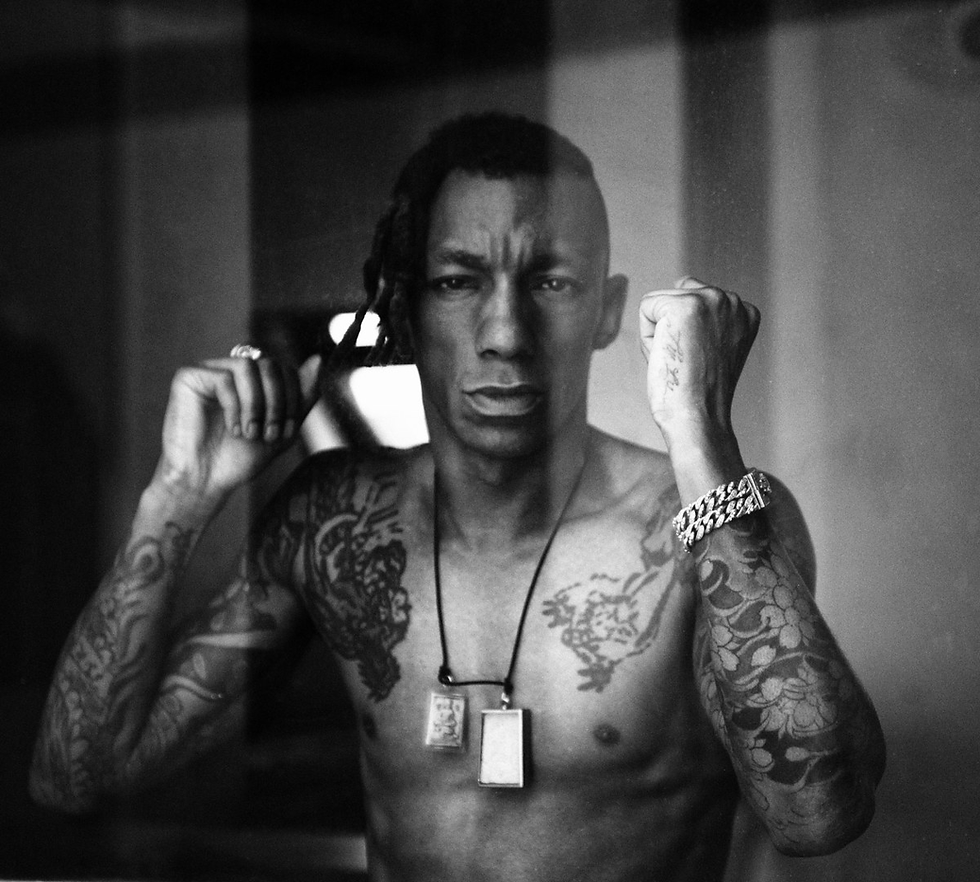
In a 2017 conversation about tattoos, Tricky mentioned a newer piece on his back and described it as a painting on his skin. He placed the appointment in Texas, then wondered if it might have been in Japan. The location stayed uncertain in his telling.
A painterly reference needs room for texture and loose edges. You don’t need a full back piece to use that approach: choose a smaller image with something for the artist to interpret, then talk about which details will still read at that scale.
Where the Music Sits Around Tricky
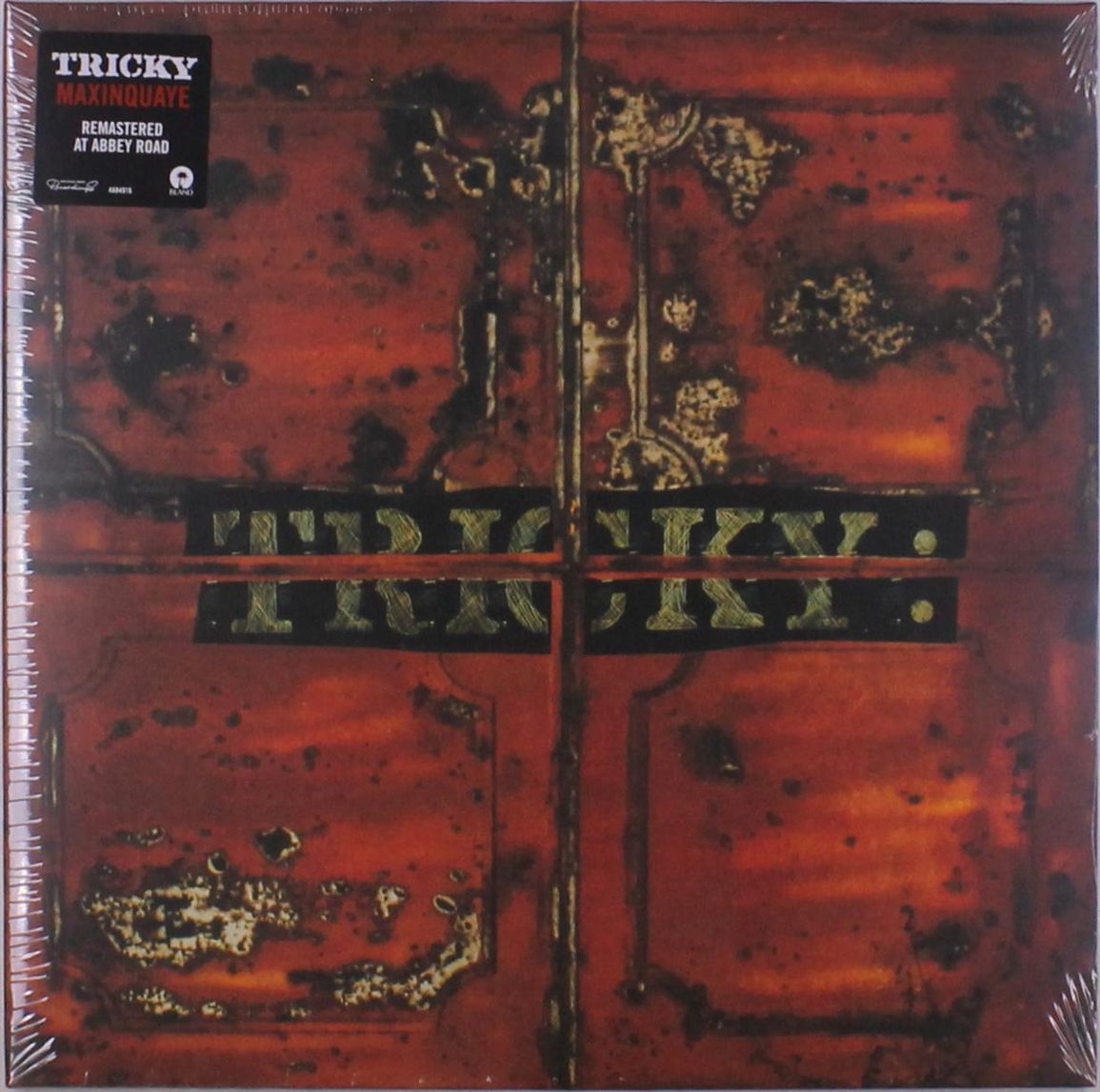
Tricky’s music often sets soft vocals against heavy bass, or warmth against unease. The tattoos can be read in a similar way: flowers sit beside dense black work, and personal memories share space with marks whose original meaning may have faded.
A music tattoo doesn’t have to quote a lyric. A shape from an album cover, a venue detail or a fragment of handwriting can carry the reference, even if other people don’t recognize it.
How to Use the Ideas Without Copying the Body Map
Start with the part of Tricky’s story that actually connects with you. It might be a place you remember, a small mark shared with someone, or an image with a painterly feel. You don’t need to copy his flowers or the amount of coverage.
Then choose the placement for how you want to live with it. A hand mark stays visible; a back piece can remain private until you show it. Bring the artist the reference and the reason it matters, and decide together how the design should fit your body.
Why This Collection Still Feels Personal
Tricky has called tattooing a kind of lived history. The stories he shares leave some details uncertain and others unexplained. That openness lets each mark belong to its own moment without forcing the whole collection into one tidy theme.