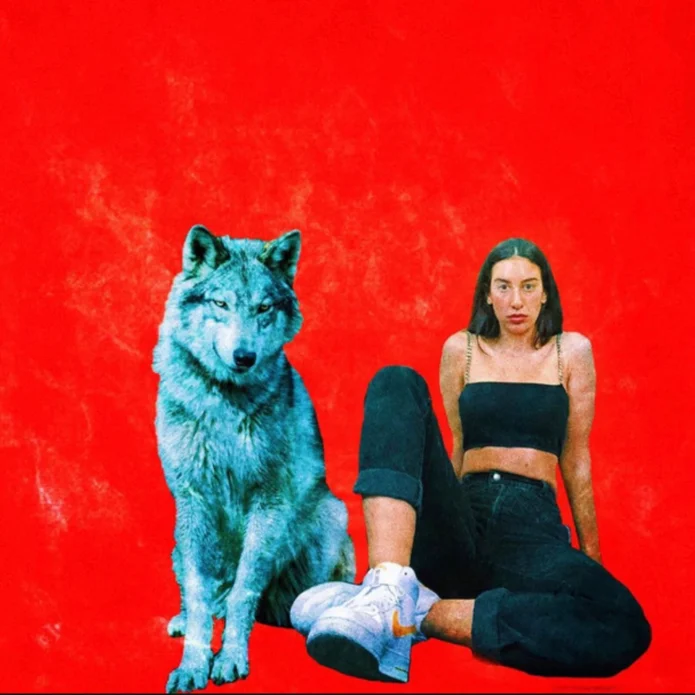
Julia Wolf’s tattoos fit the same strange, romantic, slightly spooky corner of pop culture as her music. Her arms aren’t covered in one giant blackout project or a neat collection of matching fine-line symbols. They read more like a scrapbook of obsessions: horror faces, fantasy references, little flashes of text, and pieces that look like they were chosen because they felt right in the moment.
The best-known example is the phrase “Twilight is my drug” curling across her knuckles. It sounds like a joke until you see it on her hand, where the lettering feels deliberately dramatic and a little ridiculous in the best way. Wolf has also been photographed with a Twilight logo and a dagger grazing the knuckle area, while the rest of her arms carry a mix of recognizable characters and darker illustrated imagery.
That mix is what makes Julia Wolf’s ink worth looking at. There isn’t one rigid style rule holding everything together. The collection feels personal, pop-culture-heavy, and open to the kind of odd little idea that would make a boring tattoo planner nervous. If you like tattoos with a sense of humor, a bit of goth atmosphere, and plenty of room for references that mean something to you, there’s a lot to borrow here.
The Twilight knuckle tattoo and Julia Wolf’s arm collection

Wolf’s knuckle tattoo is the obvious starting point because it has a clear phrase, an unmistakable reference, and a placement that makes the design hard to ignore. The words Twilight is my drug are laid out in curled, decorative lettering across the fingers. It isn’t trying to look minimal or invisible. The tattoo has a theatrical shape, and the hand placement gives it the same energy as a favorite lyric written somewhere everyone can see.
What makes the idea work is that it doesn’t pretend to be more serious than it is. A lot of fandom tattoos are built around a logo, a quote, or a character rendered as faithfully as possible. Wolf’s tattoo has that reference point, but the wording gives it personality. It’s a confession, a punchline, and a piece of fan art at the same time. If you wanted to adapt the concept, you could use the name of a film, book, game, or fictional world that has stuck with you for years. The important part is the emotional honesty, not copying the exact phrase.
The rest of the visible collection makes the hand tattoo feel less like a one-off gag and more like part of a bigger visual language. The Los Angeles Times described a mosaic of tattoos across Wolf’s arms, including Ghostface, Zero from The Nightmare Before Christmas, and a skeleton in a casket. Those are very different images, but they all sit comfortably in the same dark, playful universe.
That word, mosaic, is useful when you’re thinking about building a sleeve without forcing it to look like a single finished mural. A mosaic sleeve can grow over time. One tattoo can be a character, the next can be a prop, and the gap between them can stay open until something else clicks. It gives you room to collect ideas instead of making one huge decision on day one.
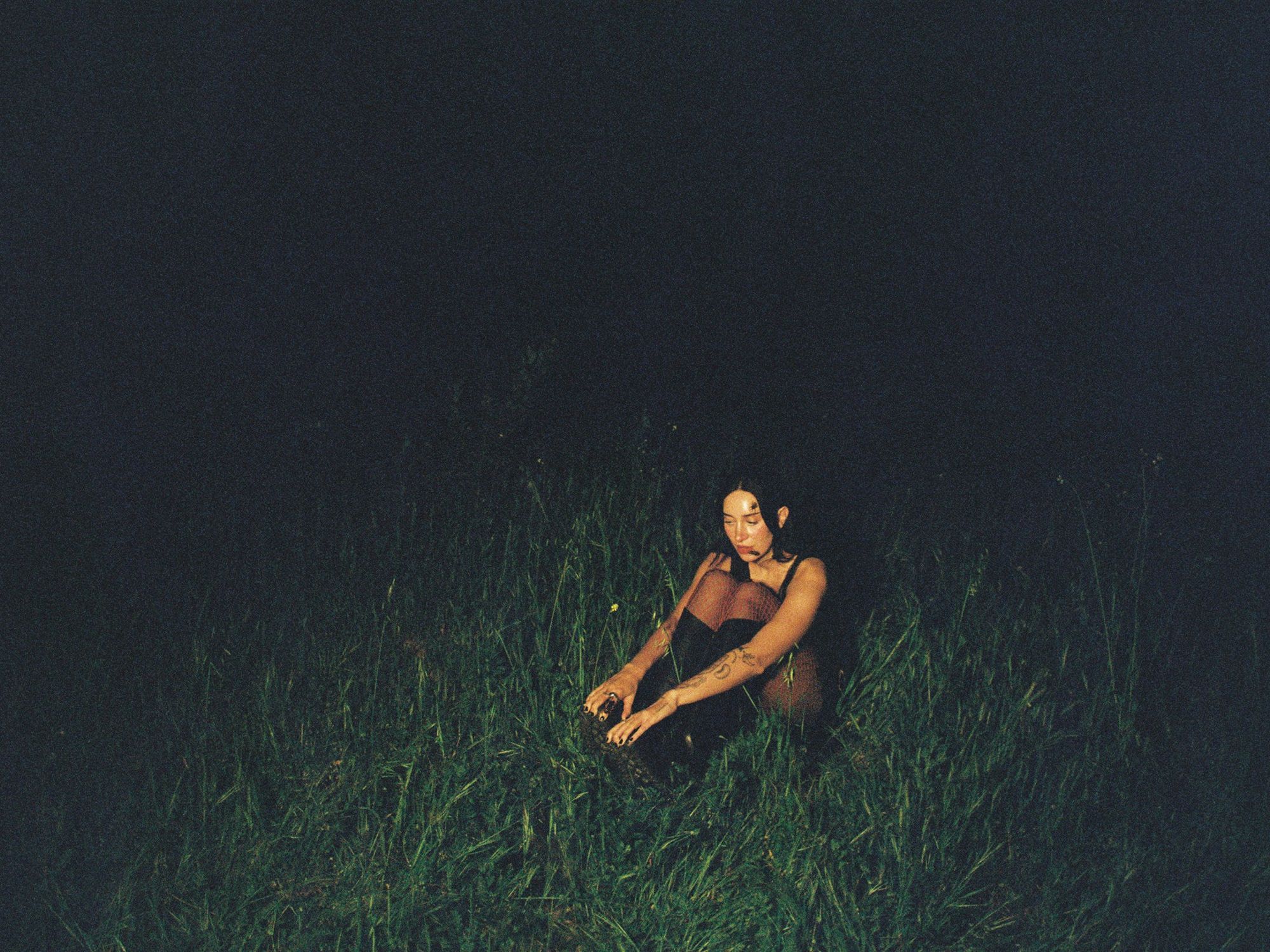

The mood around Julia Wolf’s music
Ghostface, Zero, a skeleton in a casket, a Twilight logo, and a dagger don’t share one drawing style. They do share a mood. Each one carries a little darkness, but none of them has to become heavy or grim. That balance is the trick. Horror references can be creepy, funny, nostalgic, or all three at once depending on the drawing and the placement.
For a tattoo inspired by Wolf’s arm collection, start with the reference that actually matters to you. Don’t choose a skull just because it is easy to find on Pinterest. Think about the movie you watched too young, the character you still quote, or the fictional world you return to when you need comfort. The reference gives the tattoo its meaning, while the artist’s linework decides whether it feels soft, sharp, cartoonish, or genuinely eerie.
Wolf’s choices also show why a collection doesn’t need one perfect theme. The common thread can be your taste rather than a specific subject. If your ideas are all a little weird, all tied to old movies, or all connected to a certain kind of music, that may be enough. A good tattoo artist can help with scale, spacing, and visual balance without sanding off the personality that made you want the tattoo in the first place.
The visual world around Julia Wolf
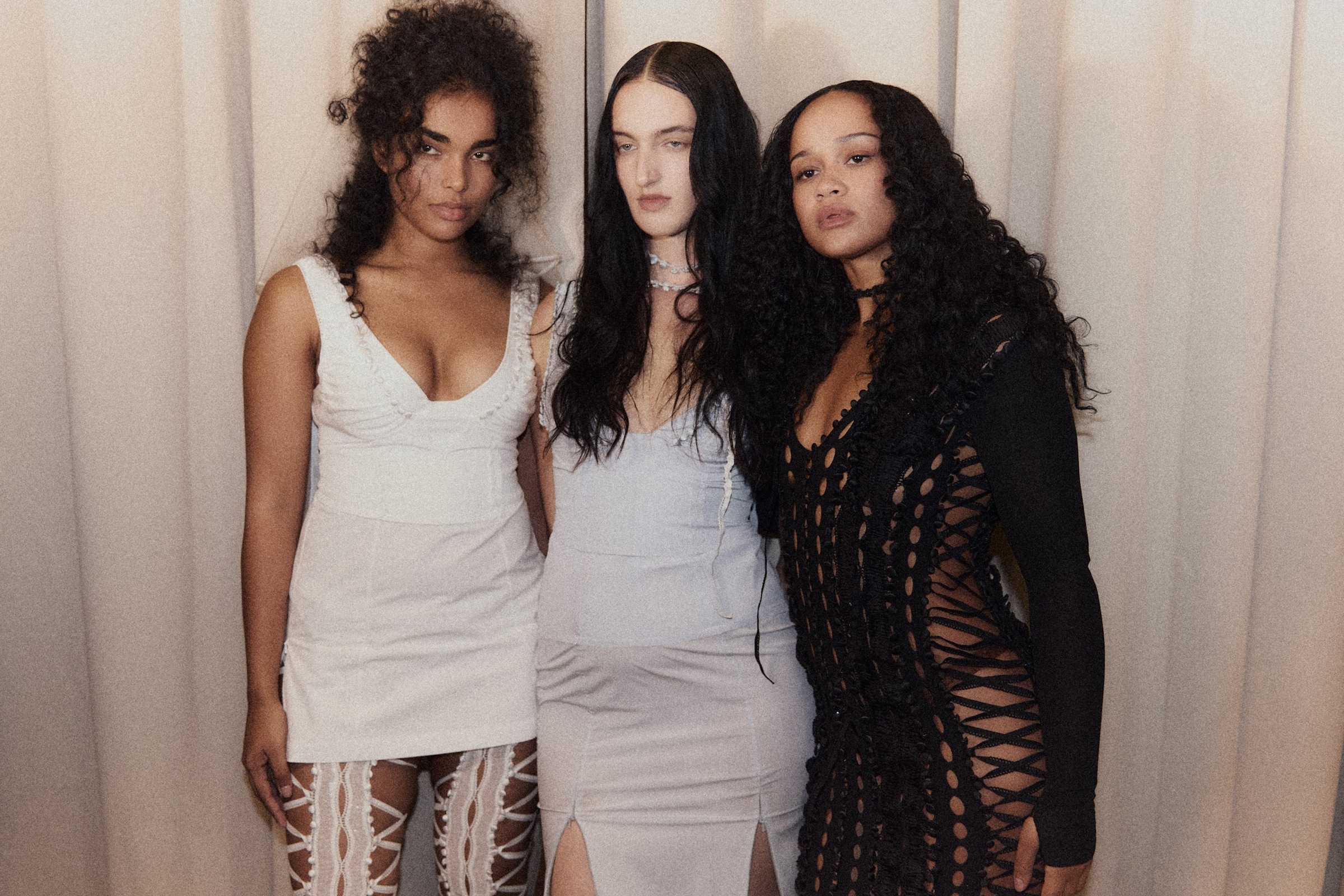
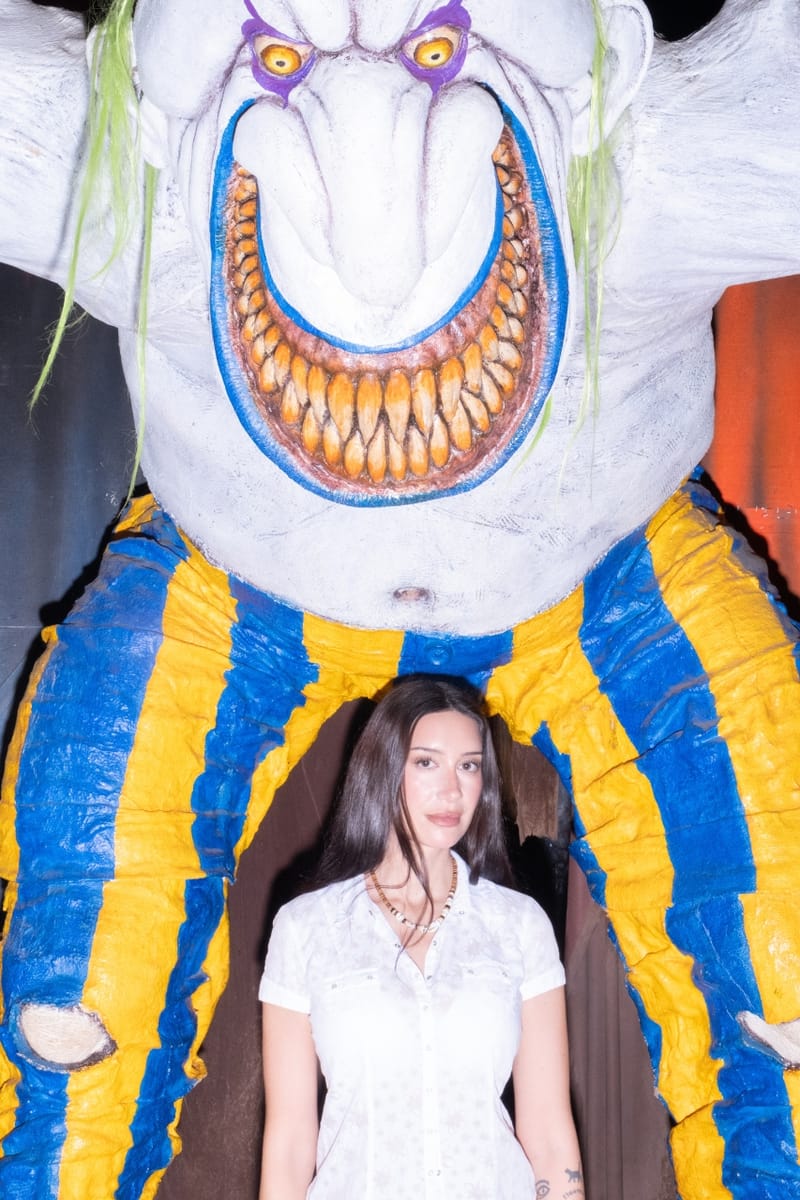
The atmosphere around Wolf’s tattoos matters because her visual style has never felt separated from her music. Her imagery often leans into bedrooms, monsters, fantasy, and the messy emotional side of being young and online. The tattoos land in that world naturally. They don’t look like a separate brand exercise bolted onto an otherwise polished image.
That doesn’t mean every tattoo has to match your clothes or your social feed. It does suggest that the strongest celebrity-inspired tattoo ideas usually start with a mood. Maybe you like Wolf’s combination of gloomy references and bright pop instincts. Maybe you like that her collection can look a little chaotic without feeling random. Either way, the useful part is the attitude: let the tattoo be specific enough to feel like yours.
A contextual photo can help explain the mood without pretending to prove a tattoo detail. The difference matters. Tattoo evidence should show the tattoo clearly. A fashion or music portrait can support the story, but it can’t replace a close view of the ink. That same rule is useful when you’re saving reference images for your own appointment. Keep the close-ups separate from the mood boards so your artist knows which details are confirmed and which ones are just inspiration.
A flash-sheet beginning in Australia
Wolf’s Twilight tattoo has an especially good origin story because it came from a flash sheet during her first show in Australia. The promoter arranged a tattoo session, and the design became a permanent souvenir of that moment. That kind of situation can produce some of the best tattoos: you’re traveling, the opportunity feels unusual, and the design is tied to a specific chapter instead of a vague plan to “get something someday.”
Flash doesn’t have to mean generic. A flash sheet is often where an artist’s personality is easiest to see. It shows the shapes they enjoy drawing, the references they keep coming back to, and the amount of detail they can deliver at a readable size. If you like the idea of a quick, decisive tattoo, look through an artist’s flash before asking for a custom piece. You may find the exact mix of humor and mood you were trying to describe.
There’s also a practical lesson here: a meaningful tattoo doesn’t need a long explanation attached to it. The Australia connection gives the Twilight design a memory, but the image doesn’t need to show a plane ticket, a date, or a map. The reference is enough. Your own version might be tied to a tour, a move, a friendship, or a weekend that changed how you saw a certain piece of art.
Placement, attitude, and the rest of the look
Hands and knuckles are high-commitment placements. They’re visible, they move constantly, and they can be harder to keep looking crisp as the years pass. Wolf’s hand lettering works because it treats that visibility as part of the point. If you want the same attitude without going straight to your fingers, the wrist, forearm, or upper arm can give a similar sense of presence while leaving you more room to hide the piece when you need to.
Character tattoos also benefit from breathing room. A face like Ghostface or a figure like Zero needs enough size for the important shapes to stay readable. Tiny details can look great in an artist’s sketch and turn into gray noise once they’re reduced to skin. Ask your artist what size the design needs to hold up, then let the placement follow that answer.
The dagger and Twilight imagery around Wolf’s knuckles show another useful idea: small tattoos can still create a visual rhythm. A sharp object, a logo, and curved lettering each have a different silhouette. That contrast keeps a group of small pieces from turning into a row of identical stickers. If you’re planning several tattoos, vary the outline before you worry about matching every line weight.
Making a favorite reference your own
Start with a short list of references you genuinely care about. Pick one or two that have survived the test of time. Then decide whether you want a recognizable portrait, a logo, a prop, a quote, or an image that only makes sense to you. Wolf’s tattoos show that all of those can live together when the collection is allowed to grow naturally.
Bring your artist clear reference material, but don’t bring ten different tattoos and ask them to make all of them fit into one tiny space. Show the image you like, explain what matters about it, and be honest about the parts you don’t want copied. You might love the mood of a horror character but prefer softer lines. You might want the drama of hand lettering without putting words on your fingers. Those details give the artist something useful to work with.
Think about aging before you book the appointment. Small lettering needs enough room between the characters. Fine details need enough contrast to stay visible. Hands and fingers may need touch-ups. None of that should scare you off, but it should be part of the conversation. A strong tattoo idea can survive a change in size or placement if the core feeling is clear.
A collection that keeps its humor
The most memorable part of Wolf’s tattoos isn’t one specific character or logo. It’s the permission to be a little too into the things you love. The Twilight knuckle lettering is direct and funny. The arm pieces bring in horror, fantasy, and darker illustrated shapes. Together, they make a collection that feels like a real person built it over time.
That’s the takeaway if you’re planning your own work. Choose the reference because it has stayed with you, not because it happens to be trending. Let the artist make the design work for skin and placement. Leave room for the next idea. And if the tattoo makes you grin every time you see it, that’s probably a good sign.