admin

Hailey Bieber’s tiny tattoos keep family dates close to the skin

Hailey Bieber’s tattoos are tiny and easy to overlook until you pay attention to the details. The model and Rhode founder has more than twenty small designs across her wrists, hands, forearms, neck, and collarbone. Rather than one large sleeve or a dramatic central image, her collection feels like a set of personal notes: family dates, friendship, faith, heritage, and little designs that fit moments in her life.

That’s what makes her ink interesting. Fine-line pieces can disappear under a bracelet or sleeve, then show up in a close-up photo. Hailey and some of her tattoo artists have explained a few meanings; others are guesses repeated by fan guides. A useful overview keeps those two things separate while showing how many designs connect to people she cares about.

The Roman numerals mark her parents’ wedding date
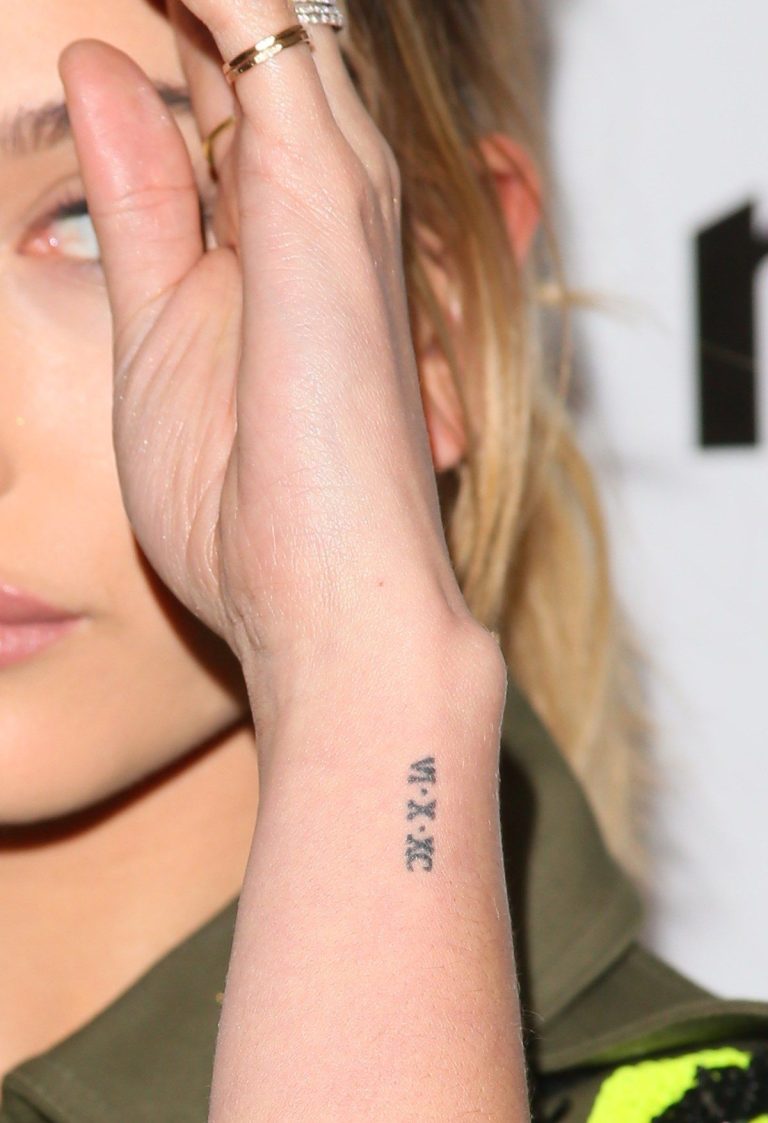
Hailey Bieber Roman numeral wrist tattoo
One of Hailey’s best-documented tattoos is the date VI·X·XC in Roman numerals on her wrist. It marks June 10, 1990, the wedding day of her parents, Stephen and Kennya Baldwin. The design captures her style: small and delicate, with a personal meaning that doesn’t need to be written out in large letters.

The piece is associated with tattoo artist JonBoy, whose work often uses fine lines and compact placement. The wrist keeps the date close at hand, while still making it more private than a large family portrait. Her parents’ anniversary is one of the clearest confirmed meanings in Hailey’s collection. It’s a good example of her tattoos serving as reminders rather than statements.

A ribbon joined the collection as a tiny new addition
Hailey Bieber ribbon tattoo
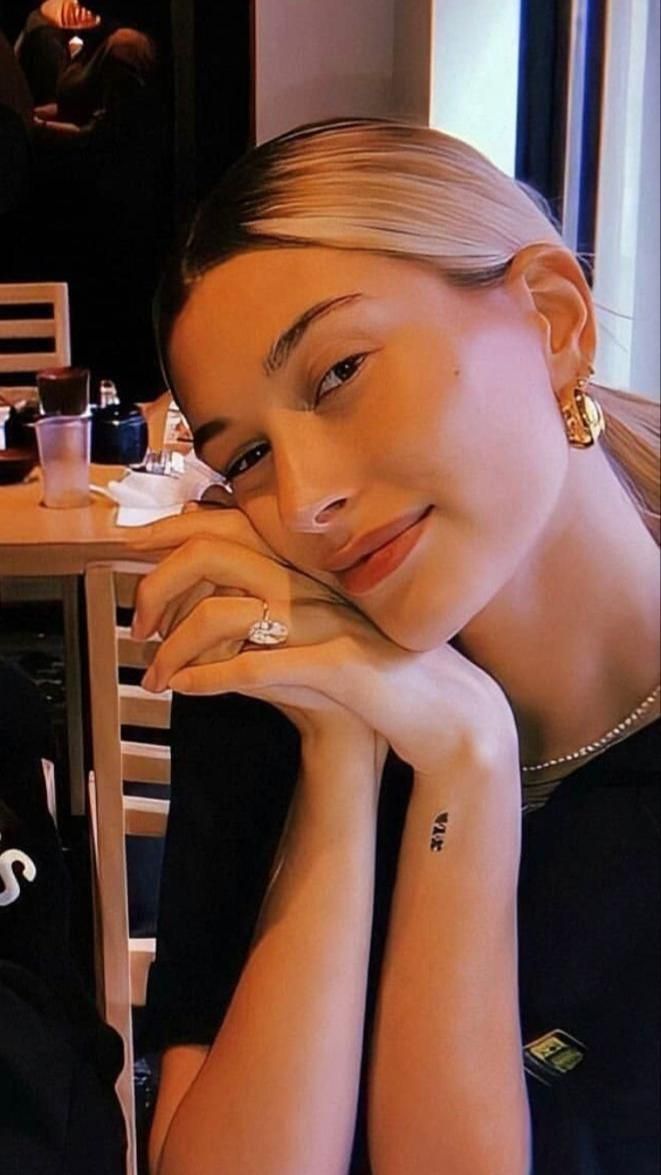
In late 2023, Hailey showed a small black ribbon tattoo and called it a “tiny baby tat.” Its simple design fits with the rest of her fine-line pieces without competing with them. That’s part of the appeal of micro tattoos: each one can be added like another note in a small journal.

The coverage confirms that Hailey called the ribbon a new addition, but it doesn’t give a definite meaning for it. A ribbon might suggest remembrance or celebration, or it may simply have appealed to her as a shape. Without an explanation from Hailey, it’s best to describe what’s visible instead of guessing at the reason. Not every tiny tattoo needs a public backstory.

Her forearm holds celestial and directional details
Hailey Bieber forearm tattoo symbols
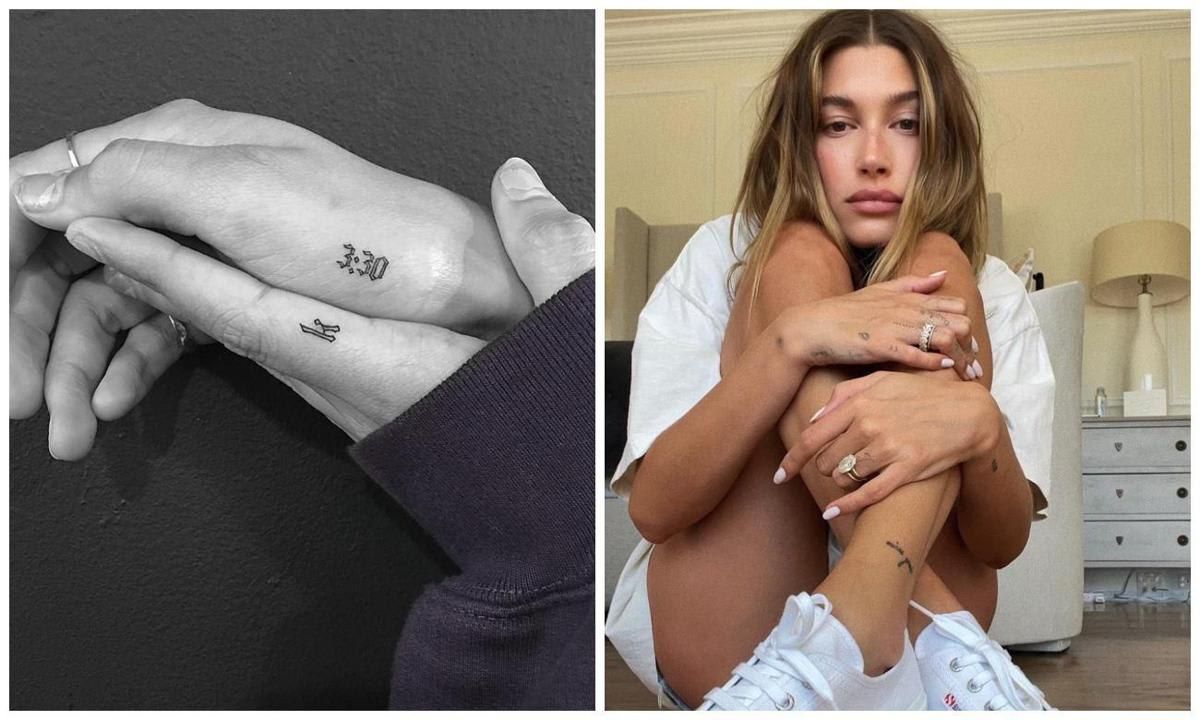
Hailey’s forearm and hand include a few small celestial and directional designs. One documented piece pairs a crescent moon and a star with an arrow, all joined by a dotted line. The symbols have plenty of space around them, so they can be read on their own or as a group.

That light arrangement is typical of her collection: a few small marks instead of one solid block. The moon and star are visible, but their personal meaning hasn’t been clearly confirmed. Fans may connect them with astrology, guidance, or a timeline, but those are interpretations. The most reliable description is a celestial design above the wrist on her forearm.

Her heritage appears in small lettering
Hailey Bieber heritage tattoo
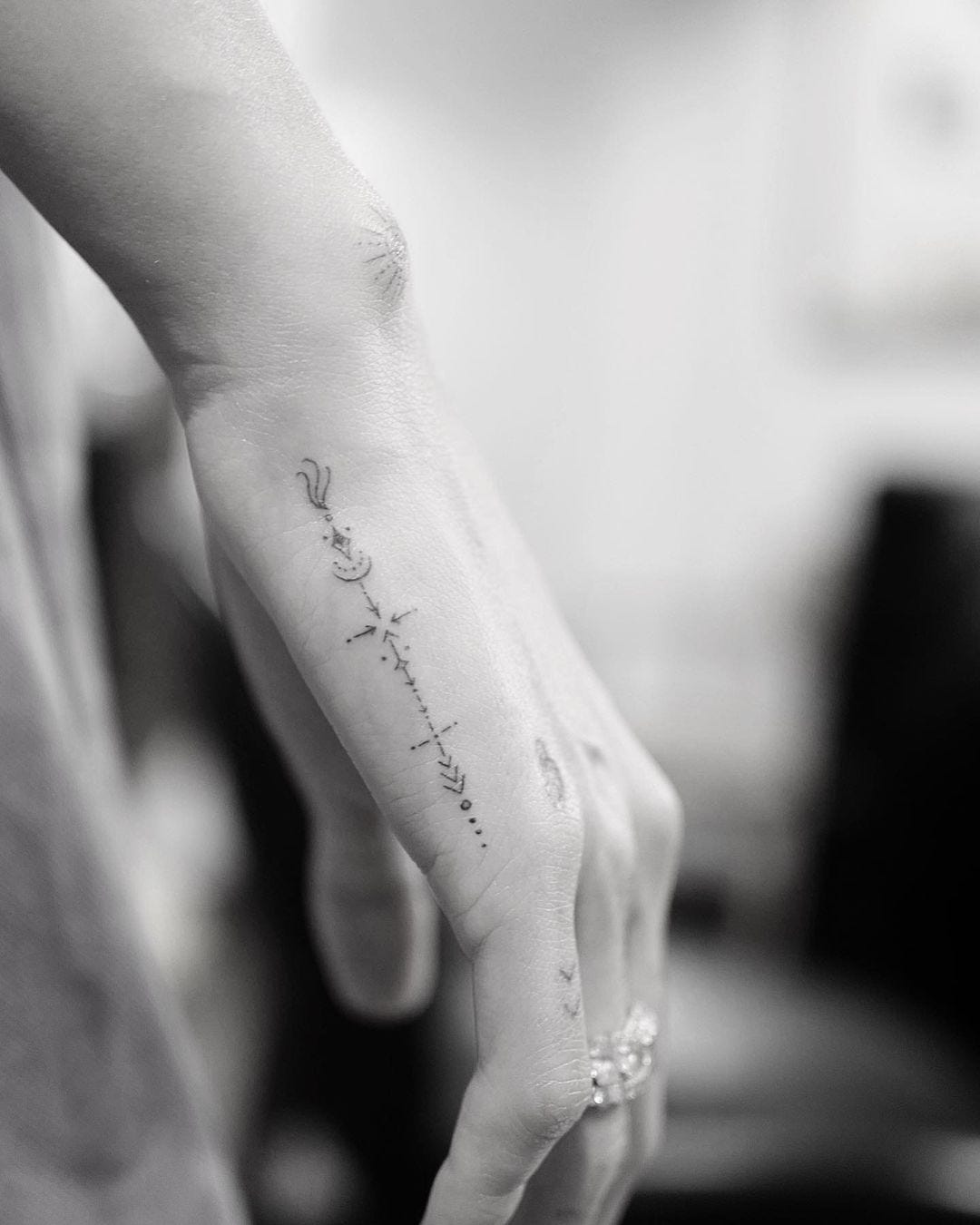
Small words and place names also help Hailey keep family history close. Tattoo guides identify “Minas Gerais” as a reference to her Brazilian heritage through her mother’s side of the family. It’s a short phrase, but it points to a place and the family roots she carries with her.

The small scale matches her other tattoos. Rather than choosing a large flag or emblem, she uses a phrase that can sit quietly on her skin. That makes her collection look different from celebrity tattoos built around chest pieces and sleeves. Heritage is there as a detail, not a billboard.

Friendship tattoos add a shared language
Hailey Bieber friendship tattoo collection
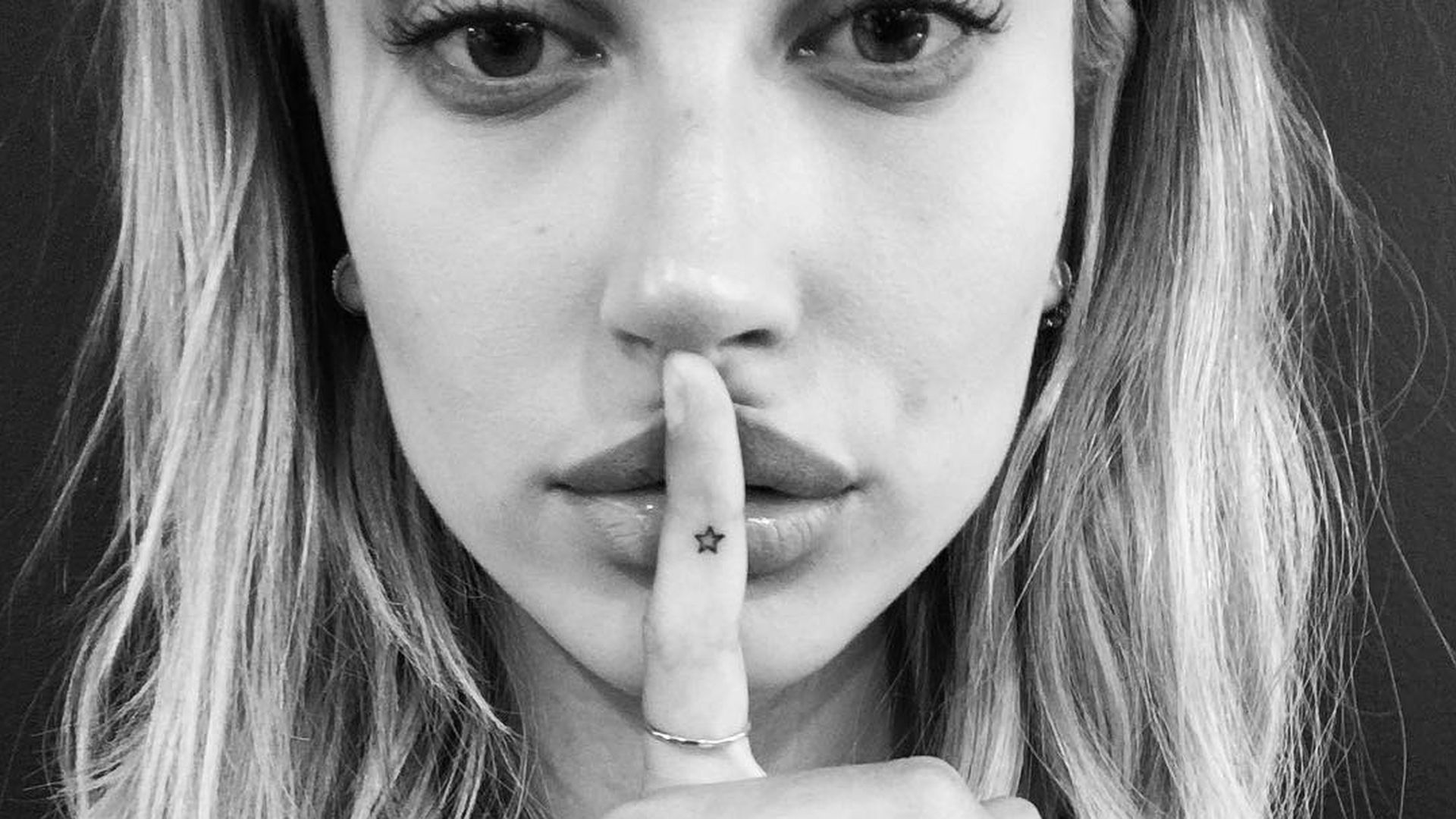
Some of Hailey’s tattoos are shared with friends. Guides have discussed “Gente,” a word she shares with her friend Mari Fonseca. Like the date for her parents’ anniversary, it turns a relationship into a small mark she can carry with her. The point seems to be keeping the connection close, not explaining it to everyone else.

Matching tattoos can raise questions about when they were done, who made them, and whether both people still have the same design. The documented link between Hailey and Mari is enough to describe the tattoo without adding details that haven’t been shared. It also fits the wider pattern of using small words and symbols to remember people.

Faith and short words sit near the neck

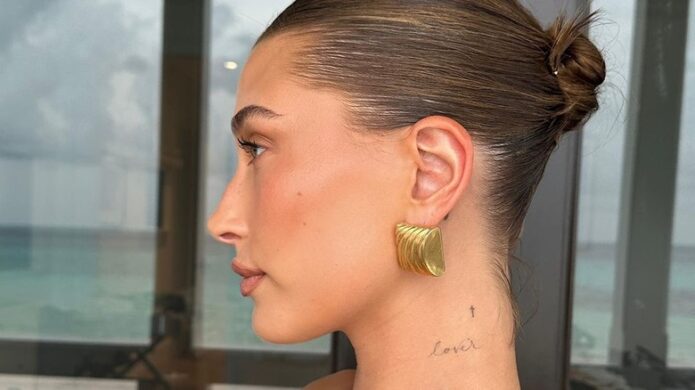
Several guides point to faith-related words and symbols in Hailey’s collection, including “PRAY” and “lover” beneath a cross on her neck. These are easier to read than the moon or Roman numerals, but their exact meaning still depends on what Hailey has chosen to explain. A word can matter to someone without having one fixed public interpretation.

A small neck tattoo feels different from a piece on an ankle or rib. It’s more visible when her hair is tied back, but a collar can cover it. The modest scale keeps that visibility understated. Her ink is personal language in a very small typeface.

The collection includes a peach and other playful symbols

Hailey is also known for a small peach emoji tattoo on her forearm, along with stars, hearts, and other tiny designs seen in tattoo roundups. The playful pieces keep the collection from feeling too serious. Family dates and heritage can sit beside a simple icon without having to follow one grand theme.

That variety is part of the appeal. Celebrity tattoos don’t all have to connect to a single idea, and Hailey’s feel more like a series of moments. One can honour her parents, another can mark a friendship, and another might simply make her smile. The collection feels considered without needing an explanation for every piece.

Artists JonBoy and Dr. Woo shaped the fine-line look

Hailey’s fine-line tattoos are often associated with JonBoy and Dr. Woo, both known for delicate, precise work. Their association helps explain some of the visual consistency across designs that don’t share a single subject. Thin lines, open spacing, and clean symbols let new pieces sit alongside older ones without making the collection feel heavy.

That doesn’t mean one artist did every tattoo. Tattoo guides and press photos don’t provide a full record of each appointment. The careful description is that JonBoy and Dr. Woo are associated with notable pieces, not that they made every mark. It’s fair to credit their work while leaving the gaps in the record clear.

Her ink is built around memory more than shock

Hailey’s tattoos aren’t designed to overwhelm. They reward a closer look. The clearest meanings involve her parents, heritage, friends, and faith. The ribbon fits in because it adds another small detail without changing the overall feel.

That works with her public style. The tattoos can show up in beauty photos, streetwear looks, and close-up product campaigns without taking over the image. They invite questions, while leaving some answers for the people closest to her. Their small scale lets Hailey choose when to share the story.

What remains unconfirmed

Public guides list more than twenty tattoos, but there isn’t one authoritative source confirming every design, placement, artist, and date. Some pieces are clear in photographs; others come from fan guides that repeat information without pointing to an original interview. Meanings for the moon, star, ribbon, and several other symbols remain uncertain unless Hailey or the artist has explained them.

A grounded inventory can include her parents’ wedding date in Roman numerals, the ribbon, the celestial forearm design, Minas Gerais, the Gente friendship tattoo, faith-related words, and the peach and small-symbol pieces. That gives readers a useful picture without pretending to be a complete record. The missing details are part of the privacy Hailey’s tattoo style seems to protect.

Hailey Bieber’s tattoos keep the important things close

Hailey Bieber’s ink is easy to miss because the designs are deliberately delicate. Look closer and they form a record of family dates, Brazilian heritage, friendship, faith, and small personal choices. The tattoos don’t need to be loud to mean something. They’re reminders she can see herself, which a camera may catch when it gets close enough.

That’s the thread tying them together: not one grand story, but many small reasons. Her parents’ anniversary sits alongside a new ribbon. A word for a friend appears near a religious symbol. A peach or star adds a playful note to more serious pieces. Hailey’s tattoos feel less like a brand and more like bookmarks in a private life.
Watch a guide to Hailey Bieber’s tattoo meanings

More celebrity tattoo guides

Olivia Rodrigo’s tiny tattoos hold big tour memories

Olivia Rodrigo’s tattoo history is smaller than the internet sometimes suggests. The permanent pieces most clearly documented are tied to friendship and live-music memories: a tiny heart on her pinky, matching stars connected with the end of the GUTS World Tour, and a few small marks that come and go in photos. Around those real tattoos is a much bigger mix of temporary tour designs, fan-made stickers, and stage styling.

That distinction matters. Rodrigo has worn temporary tattoos during the GUTS era, and she has also shown permanent designs that are intentionally tiny. A clear guide separates them instead of counting every purple sticker or concert design as lifelong ink. Her permanent collection is intimate; her temporary tattoo language is much louder.

Olivia Rodrigo matching pinky heart tattoo

The matching pinky heart tattoo

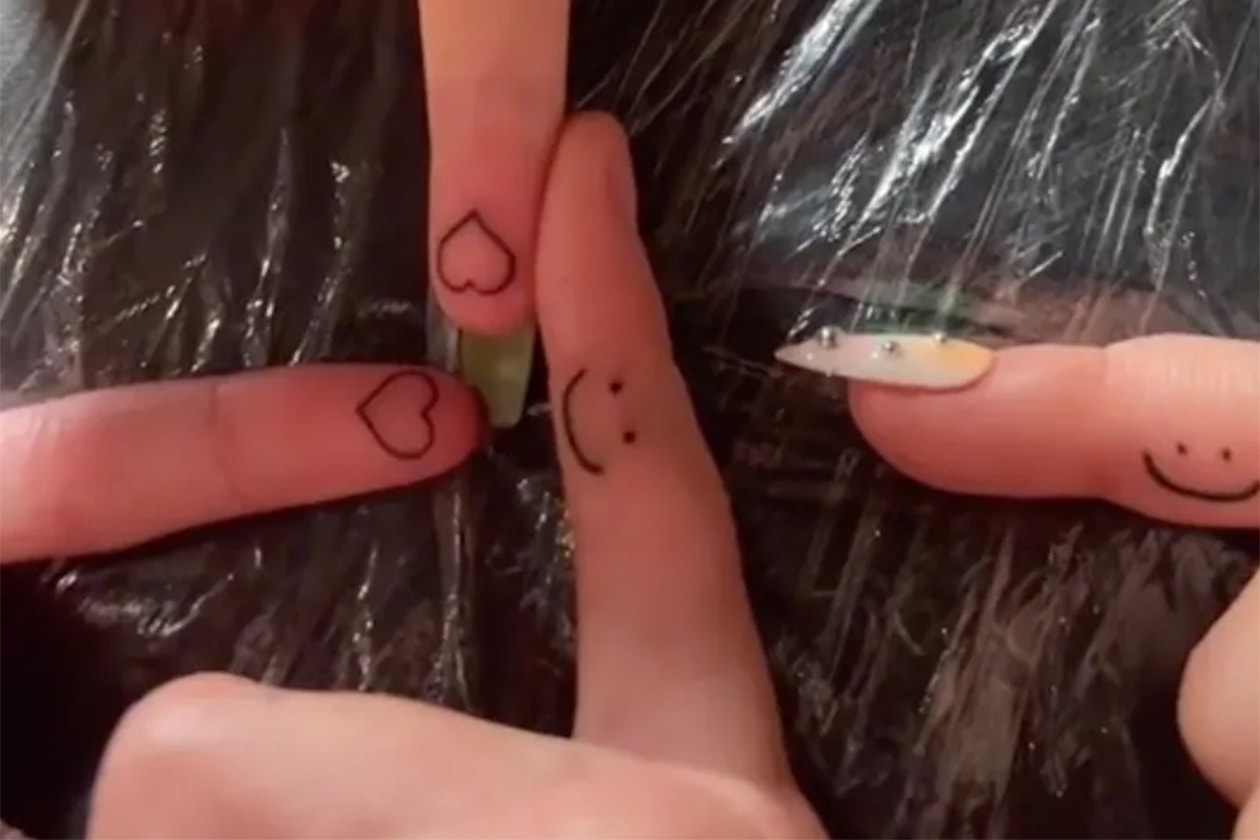
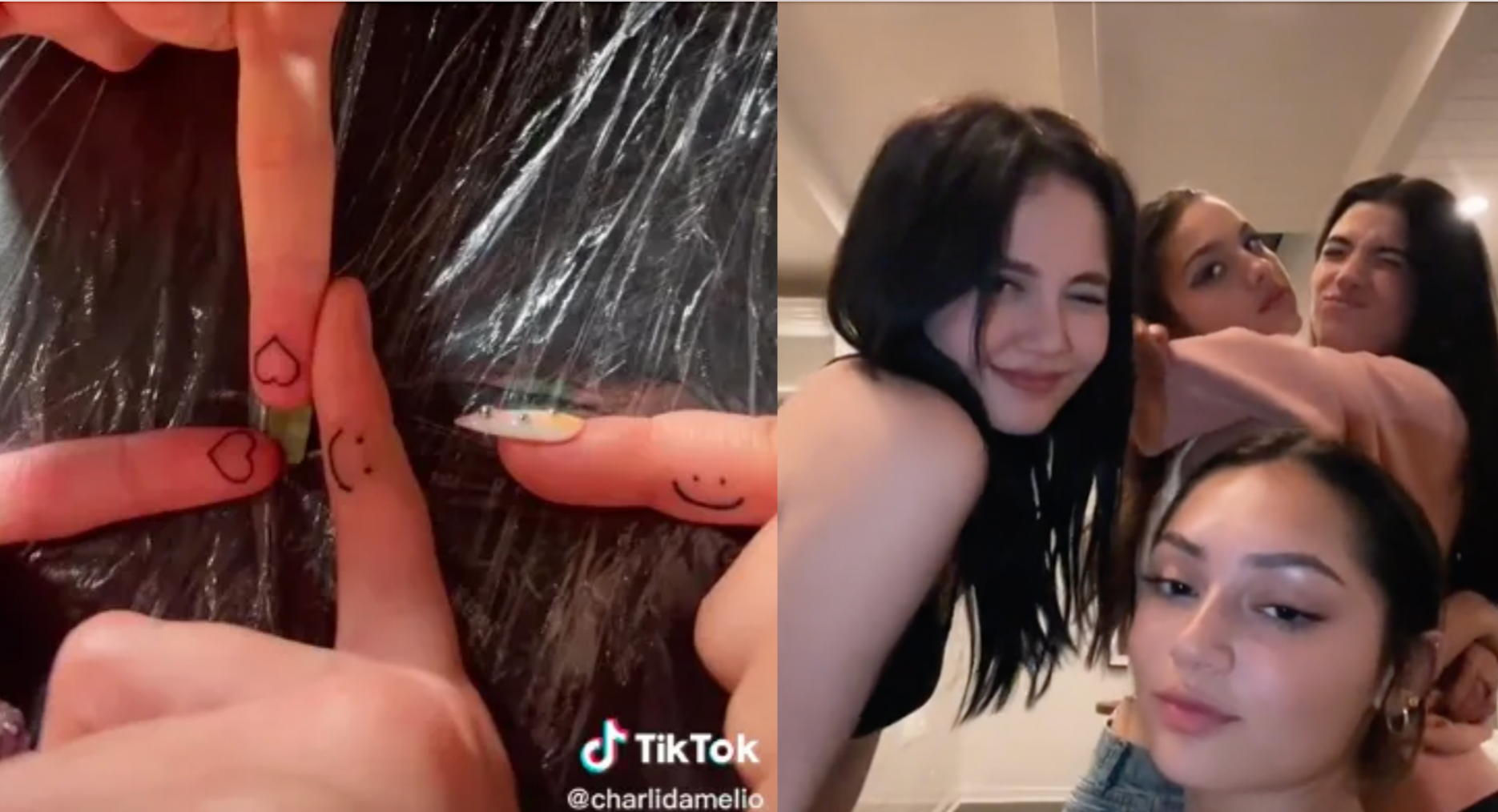
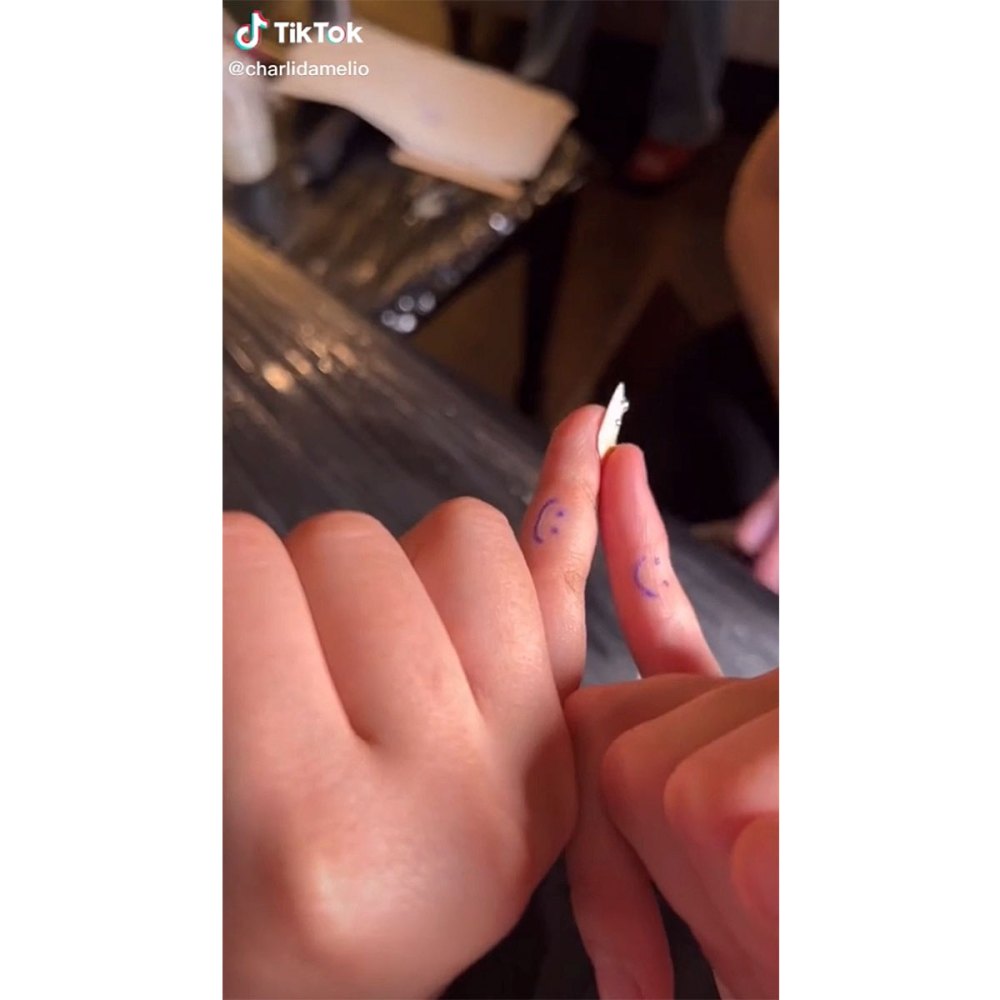
In March 2022, Olivia Rodrigo got a matching tattoo with Charli D’Amelio, Iris Apatow, and Avani Gregg. Rodrigo and Apatow chose delicate heart outlines on their pinkies, while D’Amelio and Gregg got small smiley faces on their index fingers. The group went together, turning a simple tattoo appointment into a keepsake of their friendship.

The heart is tiny, but its social meaning is clear. It was done with friends rather than as a symbol for a solo career. Rodrigo was already becoming a major pop star, but the photo is about four friends putting their fingers together to show their matching designs.

Finger tattoos often fade because the skin is washed, rubbed, and constantly moving. Later photos showed the heart looking softer and more worn, almost like a faint marker line. That doesn’t make it any less real; it means the tattoo changed as the friendship marker settled into life on the body.

Olivia Rodrigo faded friendship heart tattoo

Why the heart matters more than its size

Rodrigo’s pinky heart isn’t tied to a song title or album logo, and it isn’t branded as part of the SOUR or GUTS eras. That makes it feel personal rather than promotional. It marks a relationship with friends at a particular moment, even as Rodrigo’s career was becoming very public.

There’s something honest in the way the tattoo has softened. Tiny hand and finger tattoos rarely stay as crisp as they look on the day they’re done. The lines can blur or fade, and Rodrigo’s heart became a reminder that body art isn’t a frozen graphic. It ages along with the person wearing it.

Small doesn’t mean disposable. The faint heart can still hold the memory of the appointment, the friends who were there, and the version of Rodrigo who was choosing a permanent mark while her life was changing quickly.

The matching star tattoos from the GUTS tour

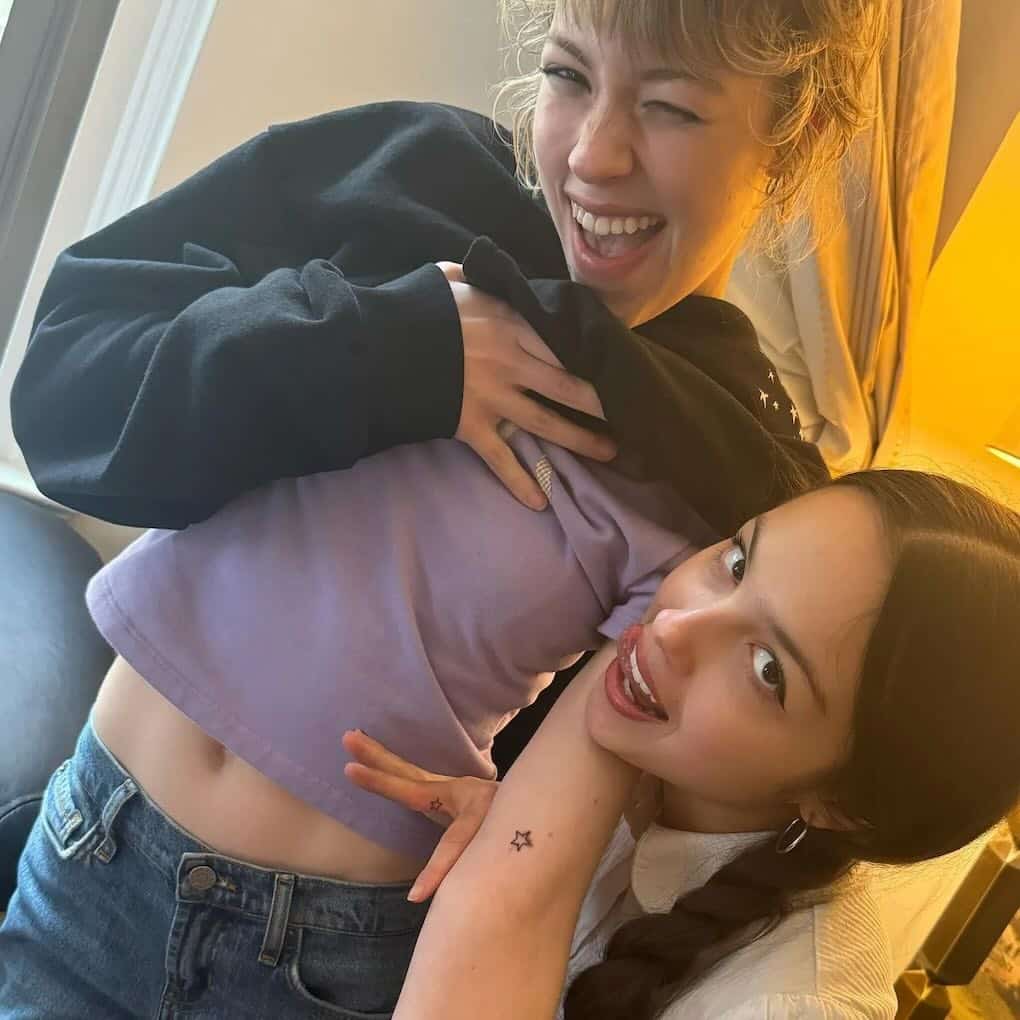
After the GUTS World Tour, Rodrigo showed matching star tattoos with members of her touring circle. Teen Vogue described them as a way to remember the end of the tour, and Rodrigo joked that one of her hand tattoos was already beginning to fade. The stars suited the tour’s cosmic imagery, glitter, and the feeling of finishing a long run of shows.

The stars were described as real tattoos, separate from the temporary designs fans could buy or wear at concerts. They connect Rodrigo with the people who shared the tour, much like the pinky heart does with her friends: a small permanent mark holding a group memory.

Public coverage hasn’t always listed the exact placement or everyone who got a matching star. It’s safest to describe them as star tattoos connected to the tour rather than guessing which dancer has one on which hand. The larger meaning is clear: they mark the end of a demanding shared experience.

Olivia Rodrigo matching tattoo group

Her temporary tattoo world is a separate thing

The GUTS era also built a whole language around temporary tattoos. Fans could wear purple designs tied to lyrics, butterflies, stars, and the words “spill ur guts.” Makers created hand-drawn sets inspired by Rodrigo’s songs and logo, and Rodrigo herself wore temporary pieces for the Daisy Chain Fields festival partnership in 2026.

Those designs shouldn’t be added to the permanent tattoo list. Temporary ink can be part of styling, fan participation, or an event, and still matter culturally. But it doesn’t mean Rodrigo permanently tattooed the same phrase or logo.

It’s easy to see how people mix the two up. Temporary designs can look polished and photograph clearly against the skin. A purple “OR” logo or lyric sticker may look just like a real tattoo in a concert selfie. Context helps: tour merchandise, sticker sets, and festival collaborations point to temporary wear unless Rodrigo says otherwise.

Olivia Rodrigo GUTS star finger tattoo

The stars suit Rodrigo’s music without being album branding

Stars are a familiar image for pop tours, but Rodrigo’s matching tattoos have a more personal meaning because she shared them with people around her. They mark the end of months of travel, rehearsals, performances, and backstage routines. The design can echo the GUTS era without turning into merchandise.

That distinction matters in celebrity tattoo coverage. A musician can have a real tattoo that fits a tour’s look without it being a marketing decision. Rodrigo’s stars sit between personal memory and stage imagery: they belong to the people who got them, even if fans recognise the visual style.

The stars also feel like a chapter marker, while the heart records a friendship outside the touring world. One marks the shared work of making a large show happen; the other captures a moment between friends. Both are small, but they hold different kinds of closeness.

What is actually documented

The clearest record includes the matching pinky heart, the tour stars, and other small marks that have appeared in photos. The heart has the clearest origin story because the group appointment was widely photographed. The stars have a documented connection to the end of the GUTS Tour, although public accounts don’t always name everyone involved or give the exact placements.

Temporary GUTS stickers, fan-made lyric designs, festival collaborations, and stage makeup shouldn’t be counted as permanent tattoos. Rodrigo’s visual style is consistent enough that temporary and permanent designs can look alike, but the difference matters for anyone looking for a factual inventory rather than inspiration-board guesses.

Rodrigo hasn’t shared a reliable official total. Tiny designs can show clearly in one photo and disappear in the next, so it’s more accurate to give a documented minimum than pretend there’s a final number.

How the tattoos fit her quieter public style

Rodrigo’s songs are emotionally direct, but her tattoos are generally understated. She doesn’t need a large back piece to make a point. A pinky heart or a star shared with the people who finished a tour can keep a memory close without explaining it to everyone.

That contrast is part of the appeal. The permanent tattoos feel like souvenirs from relationships and shared work, while temporary designs let her play with a bigger visual language when the moment calls for it. One is intimate; the other is theatrical.

It also fits the way Rodrigo moves between settings: maximalist onstage, casual offstage. A tattoo can be an emotional anchor in one context and a colourful accessory in another. The small permanent pieces stay close while the temporary ones do the shouting.

Olivia Rodrigo tattoo checklist

  • Pinky: a tiny heart outline matching Iris Apatow’s tattoo from the 2022 group appointment.
  • Hand or finger: matching star tattoos connected to the end of the GUTS World Tour.
  • Other small marks: additional details appear in photos, but there is no complete official list.
  • Temporary designs: GUTS lyrics, logos, butterflies, stars, and festival pieces aren’t permanent tattoos.
  • Public total: no fully confirmed number is available; the matching heart and tour stars are the best-documented pieces.

Olivia Rodrigo’s tattoos tell a compact story about friendship and memory. The heart marks her friends, and the stars mark the people who shared a demanding tour. Temporary designs let Rodrigo and her fans build a bigger, brighter world for a night. The permanent ink stays small because the memories still have plenty of room.

Watch Olivia Rodrigo talk about her new era

This Zane Lowe interview isn’t a tattoo tour, but it offers context on the era and the relationships reflected in Rodrigo’s 2026 music.

More musician tattoo guides

Grimes finally made the face tattoo she had been thinking about for years

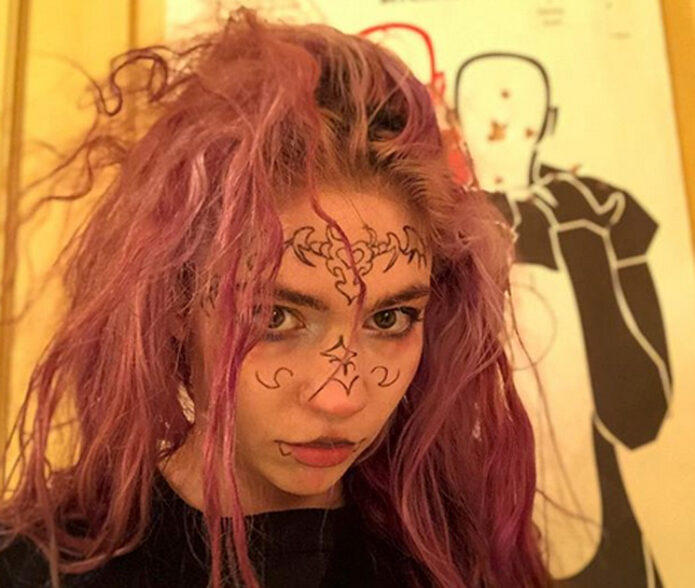
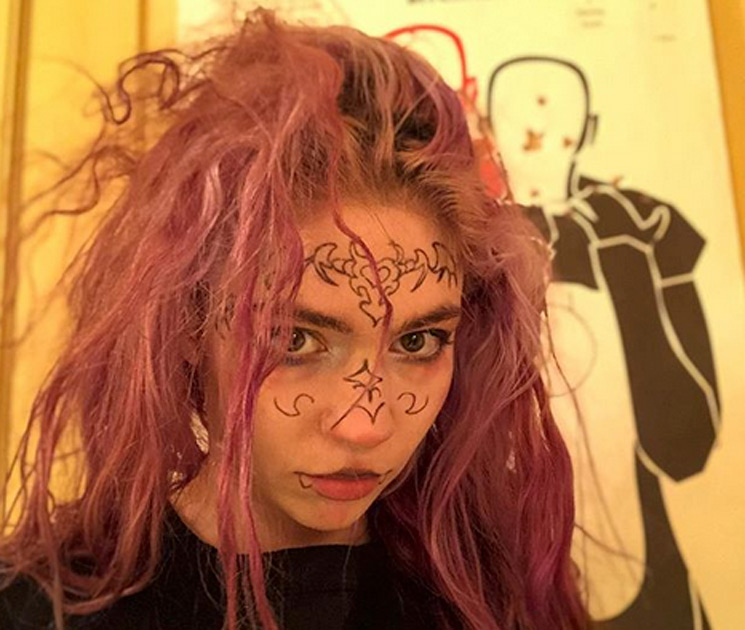
Grimes has never used tattoos as simple decoration. Her body art is closer to world-building: a line can look like circuitry, white ink can resemble an alien scar, and a tiny symbol can carry a private joke for years. Her newest piece makes that approach especially clear. In 2025, she revealed a large purple-ish ring tattoo around her left eye, a delicate face tattoo she said she had been thinking about for about a decade.

The design appeared around the time of her “Artificial Angels” visuals, which may be why many people missed it at first. Grimes said she had spent “like 10 years emotionally working up to a face tattoo,” but had drawn on her face so often that literally no one noticed, not even my parents. It’s a very Grimes detail: a major permanent decision hidden in plain sight.

The face tattoo took years to arrive

Grimes left eye face tattoo
The new design curves around the outer corners of Grimes’ left eye in a rounded, almost orbital shape. It looks purple or reddish depending on the light, and the fine lines feel more like a drawn halo than a bold black tattoo. Reports called it circular, while close-up photos show how it frames the eye without covering the brow or cheek.

That placement changes the effect. Face tattoos often read as a loud statement, but this one can blend into makeup, styling, or a grainy video frame, then stand out in a bare-faced selfie. Grimes has called it her favourite tattoo, and her comments suggest she values its subtle, innovative design as much as its shock value.

She credited Gylophomancer, a Los Angeles artist associated with cybersigilism, for the work. Grimes described the artist’s approach to face tattoos as “truly novel and innovative.” Cybersigilism is a loose contemporary style that blends ancient-looking symbols with futuristic, cyberpunk, and ornamental shapes. Her eye ring fits that feel without becoming a dense emblem.

Her full-back white-ink piece looks like alien scars

Grimes white ink alien scars back tattoo
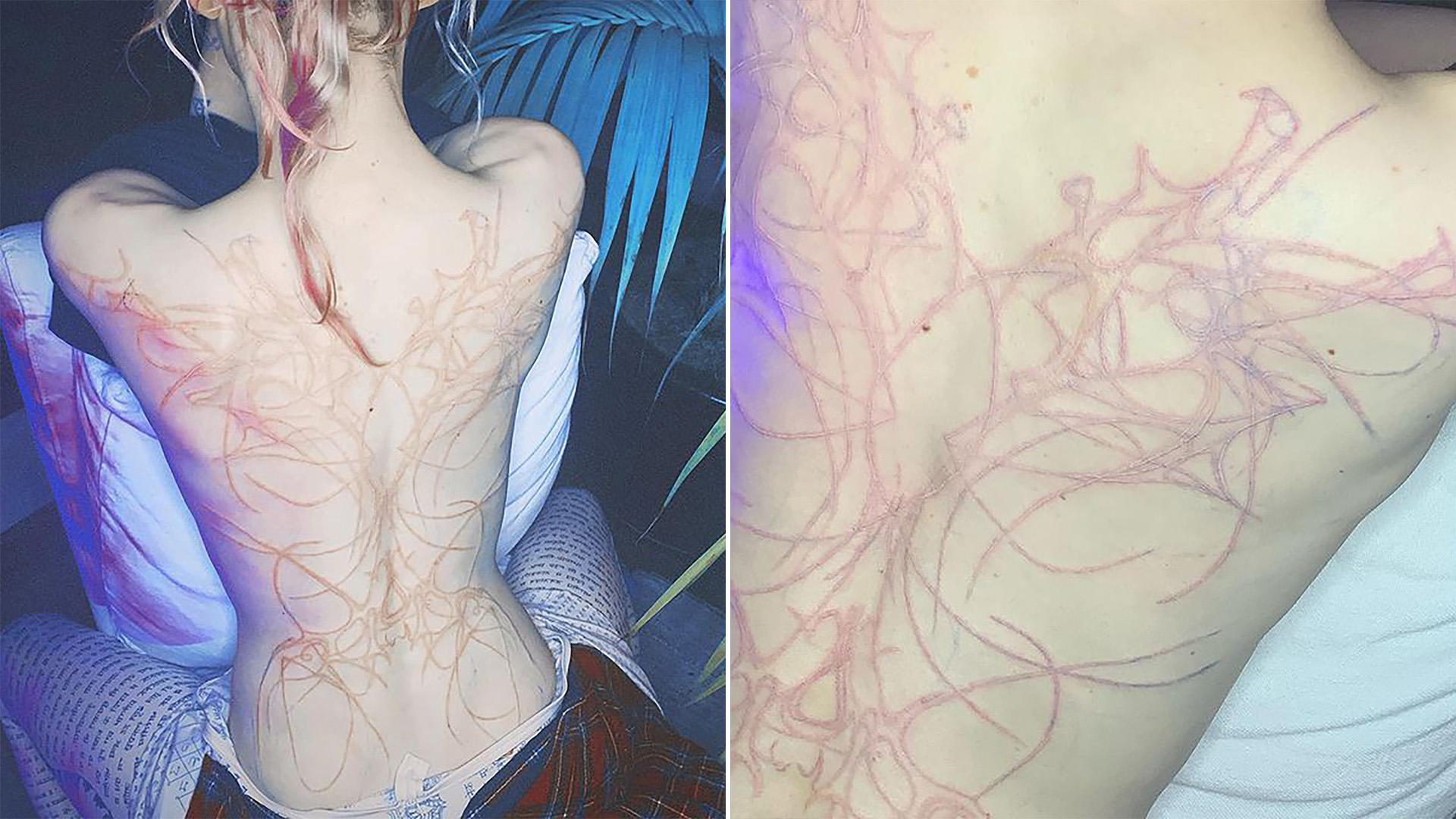
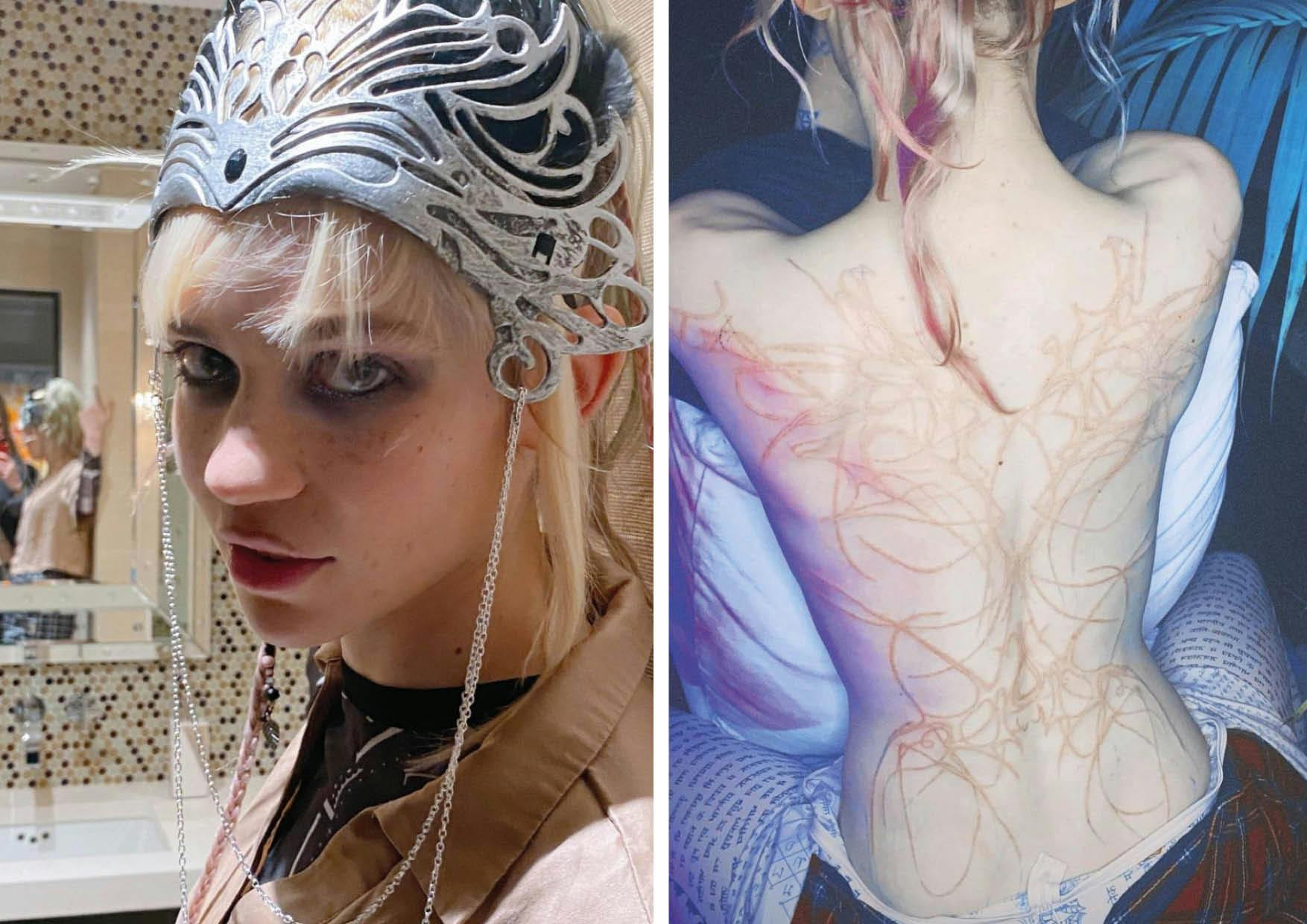
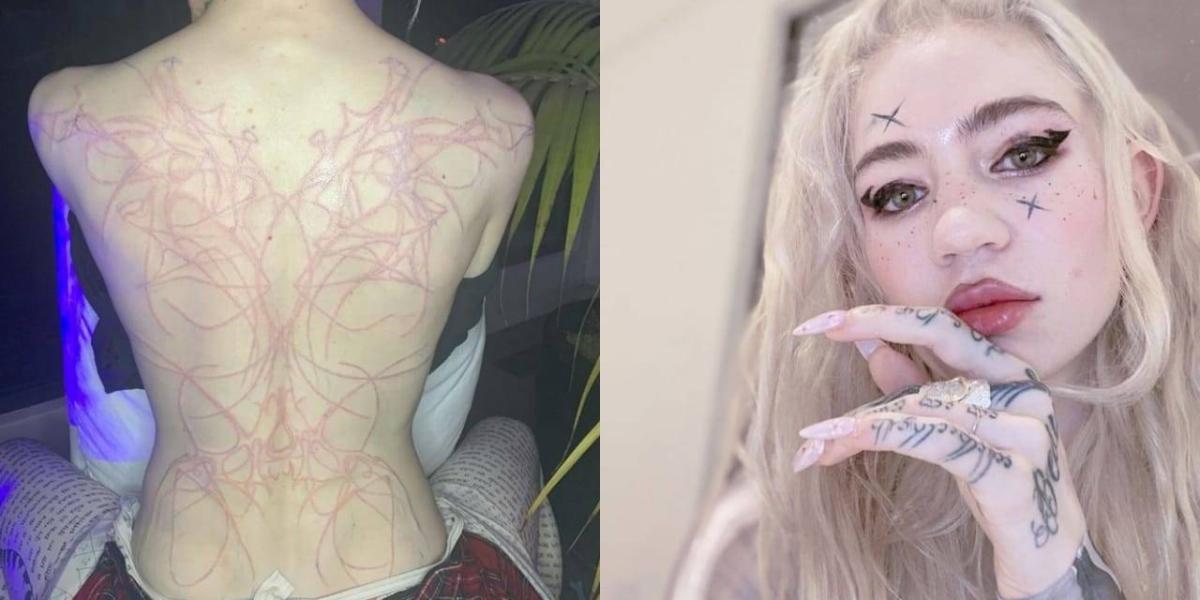
Years before the eye tattoo, Grimes shared one of pop culture’s more unusual large-scale tattoo reveals. In 2021, she showed a nearly full-back design in white ink and called it “beautiful alien scars.” The lines stretch across her shoulders, follow her spine, and continue toward her lower back. In photos, the tattoo looks pale and raised rather than like a standard dark outline.

The design came together through a hybrid process. Tattooist Tweakt drew the initial foundation, then digital artist Nusi Quero expanded the forms with ideas from 3D rendering before the work was tattooed. That combination gives the piece a symmetrical, almost grown-not-drawn look. It suggests biology, a futuristic interface, and a scarification fantasy all at once.

Grimes has also talked about the pain and healing. White ink can be difficult to photograph, particularly when the skin is red or swollen, so the first photos didn’t show the finished contrast as clearly as later ones. The result is deliberately understated. You often see the design only when the light catches it, which fits her preference for tattoos that reveal themselves slowly.

White ink continues across her shoulders and chest

Grimes white ink shoulder and back tattoo
The back tattoo is part of a broader experiment. Grimes has described her shoulders, chest, and back as heavily covered in white ink, although public photos don’t make it easy to count the separate pieces. Some marks only show from certain angles, and some may belong to larger connected designs rather than standalone tattoos.

That uncertainty is worth keeping. Tattoo roundups can turn a few photos into a confident map of someone’s whole body, but Grimes’ work doesn’t fit neatly into one. What can be seen is a wider white-ink style: thin lines, futuristic marks, and shapes that look more like scars or luminous body paint than conventional flash.

In 2025, she also showed a smaller white, hand-poked design across the back of her right shoulder and trapezius. Reports link it to Gylophomancer and describe it as another “white scar.” It seems to extend the alien-scar idea of the larger back tattoo, but in a more contained area.

The ear tattoo is small but easy to miss

Grimes ear and face tattoos
One of Grimes’ older documented tattoos sits behind her right ear. It consists of a few fine lines and can disappear beneath her hair. That placement suits her collection: personal, a little cryptic, and not necessarily meant to be noticed from across a room.

The ear tattoo also shows how her body art developed over time. The face ring might look like a sudden change, but Grimes was already comfortable placing ink where it only appears with a certain haircut, pose, or close-up. The newer piece is easier to see, but it keeps that same sense of choosing when to reveal it.

Hand, knee, and small symbol tattoos add the private details

Grimes white ink tattoo detail
Older tattoo records also point to a few smaller pieces. Grimes has shown rough-looking marks she did herself on her hands. She has also been associated with a small “ФАЙ” tattoo above her right knee. The Cyrillic letters have appeared in tattoo lists for years, but the personal meaning hasn’t been explained clearly enough to claim more than the public record supports.

The words “GINO” and “NANO” behind her knees have been described as party or dare tattoos. Grimes once joked that she was lucky the person tied to the story turned out to be good. It gives the collection a little messiness: not every tattoo is a major art statement; some are just traces of friendship, impulsiveness, and a funny night that went on longer than expected.

There are also reports of small hand and finger symbols, including a pinkish hand-poked design mentioned in fan-maintained records. Those sources can help point to marks visible in newer photos, but they don’t settle every placement or meaning. The safest read is that her hand tattoos have changed over time, with some older designs faded, altered, or perhaps being removed.

Why Grimes’ tattoo style feels different

Grimes white ink shoulder and back tattoo detail
Across the documented pieces, the common thread isn’t a single symbol. It’s the contrast between futuristic design and skin that looks almost fragile. The eye tattoo forms a small orbit; the back piece resembles alien scarring; the shoulder work carries on the white-ink experiment. Even the hidden lines behind her ear and rough marks on her hands feel like fragments of a larger visual language.

Grimes also gravitates toward tattoos that complicate the idea of permanence. White ink can fade into the skin. Fine lines can disappear under hair or makeup. A face tattoo can sound dramatic but look almost invisible in a music video. That tension between being seen and staying private may be the most consistent idea in her collection.

It’s tempting to count every mark, assign it a meaning, and make a tidy list. Grimes’ tattoos don’t quite work that way. Some have clear stories, like the Triforce design she has been associated with since childhood gaming memories. Others are reported without explanation. The clearest account comes from visible details and timing: the full-back alien scars, the newer white shoulder design, the hidden ear tattoo, the knee lettering, and the eye ring that turned a long-discussed plan into reality.

Grimes’ tattoos keep evolving

Grimes alien scars back tattoo reveal

Grimes white ink alien scars tattoo

The new face tattoo doesn’t replace the older pieces; it gives the collection a new focal point. A subtle ring around her eye now sits alongside near-invisible white ink, rough hand-poked marks, and a back design that looks like it came from a science-fiction anatomy book.

That’s why the face piece landed so strongly. It isn’t just a celebrity getting a face tattoo for attention. It continues a decade-long habit of making her body look a little unfamiliar. Grimes waited until the idea felt right, chose an artist whose work suited her interests, and got a tattoo that can be unmistakable and surprisingly easy to miss at the same time.

The simple truth is that her tattoos aren’t a finished checklist. They’re an ongoing visual experiment. New work might clarify an old idea, cover older marks, or blend into the pale futuristic texture she has been building for years.

The collection also blurs the line between serious art and casual marks. The same person who sat through a long white-ink back session can keep a tiny dare tattoo behind a knee. That contrast makes the inventory feel human. Photos from different years may show a different mix of faded ink, new work, makeup, and deliberate concealment. Reading the tattoos as a timeline rather than a fixed list gives the clearest picture of how Grimes keeps changing the visual rules around her body.

Watch Grimes’ face tattoo appear in “Artificial Angels”

More musician tattoo guides

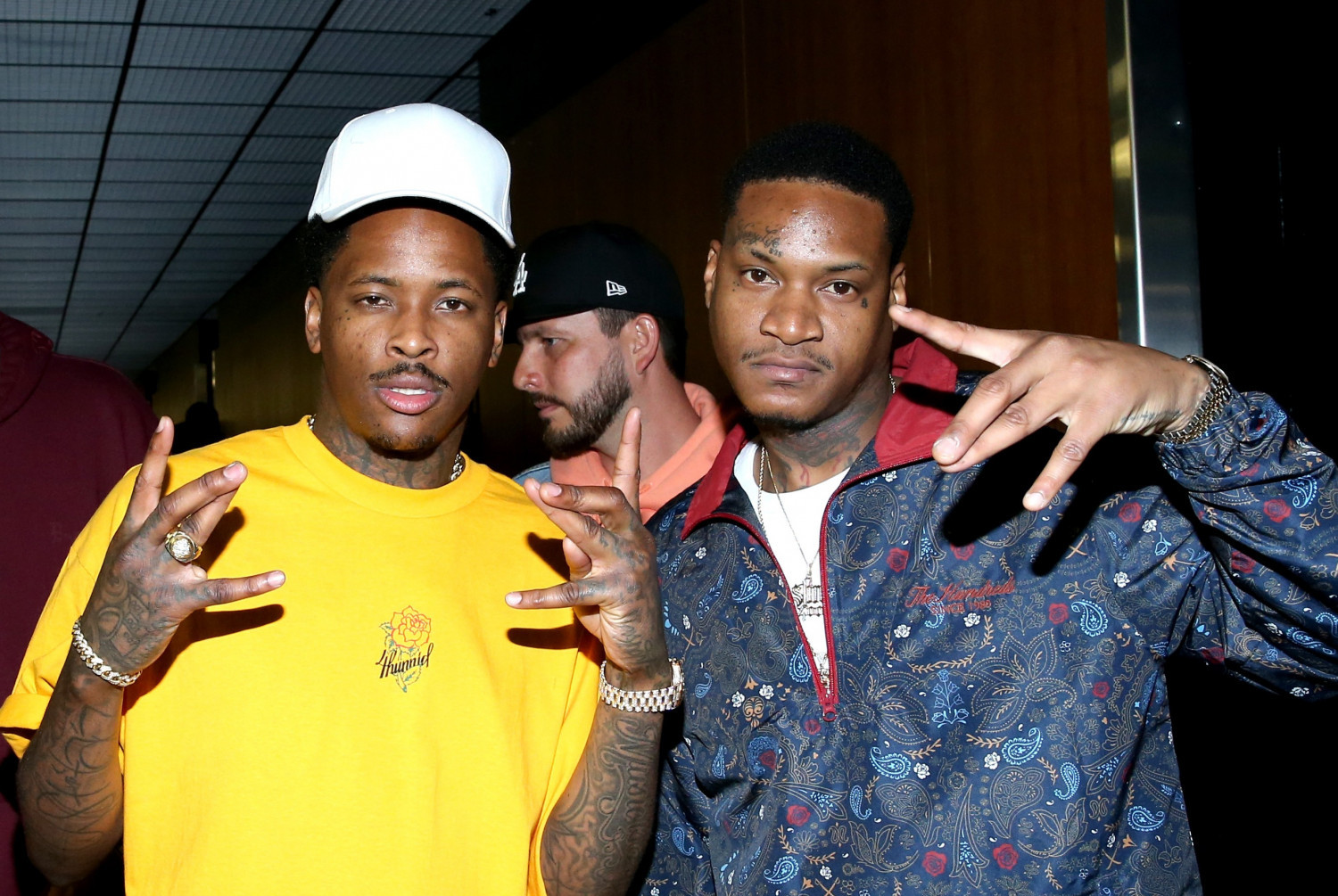
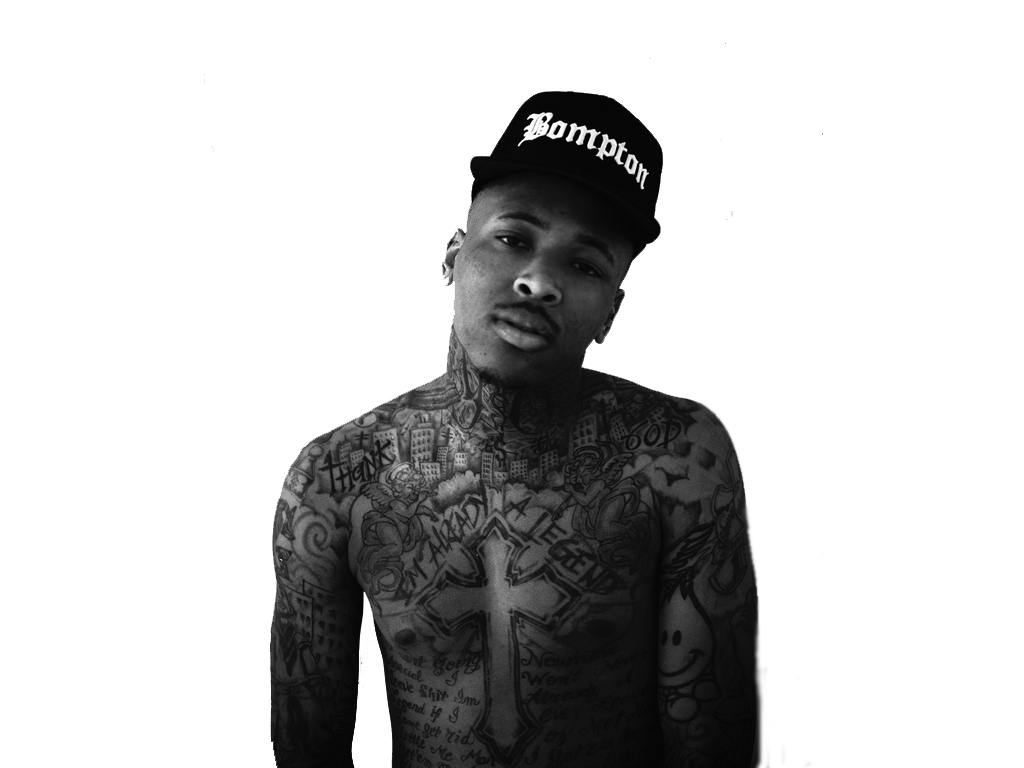
YG carries Bompton, family and hard lessons in his tattoos

YG’s tattoos have the same bold energy as his music, but they aren’t random. Over the years, the Compton rapper has used his skin to record family, faith, his neighbourhood, loss, and lessons from growing up in Los Angeles. Some designs are easy to read; others sit in a dense mix of script, portraits, crosses, and symbols.

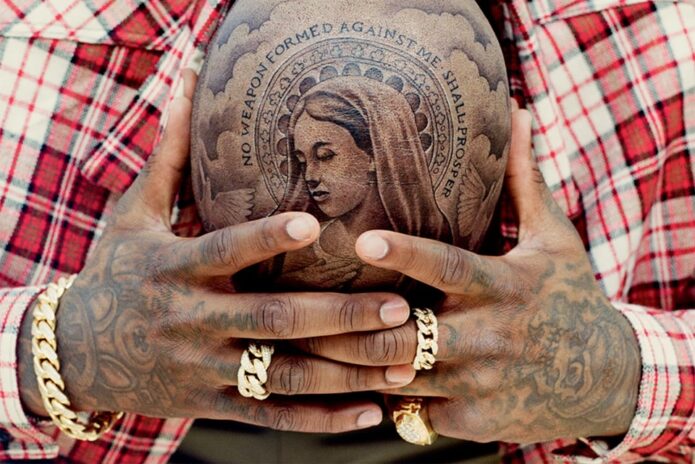
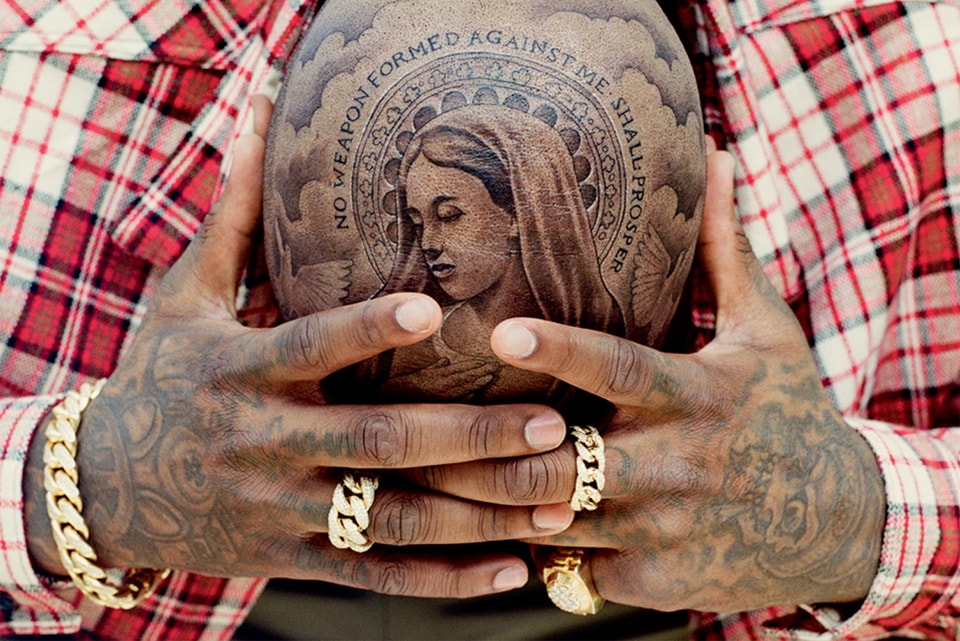
There’s no fully reliable public count, and the collection has changed over time. Interviews and photo shoots do document several recurring pieces: a cross on his chest, “Trust Nobody,” the Pushaz forearm tattoo, references to Bompton, a Virgin Mary on his scalp, a large side seal, family names, and tributes to people close to him.

The chest cross started with family

One of YG’s most important tattoos is the cross on his chest. He has said his first tattoo was a cross with his parents’ names and the word “forever”. He got it at 16, making it less a fashion choice than the starting point for the collection that followed.

That detail changes how the rest of his chest reads. The religious imagery isn’t there just to look tough. It sits alongside family names and personal history, keeping the people who raised him close as his public life has grown.

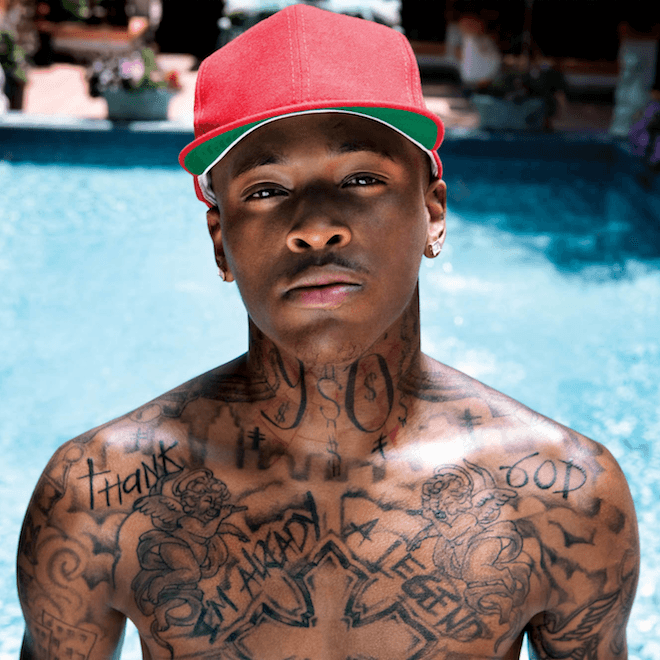
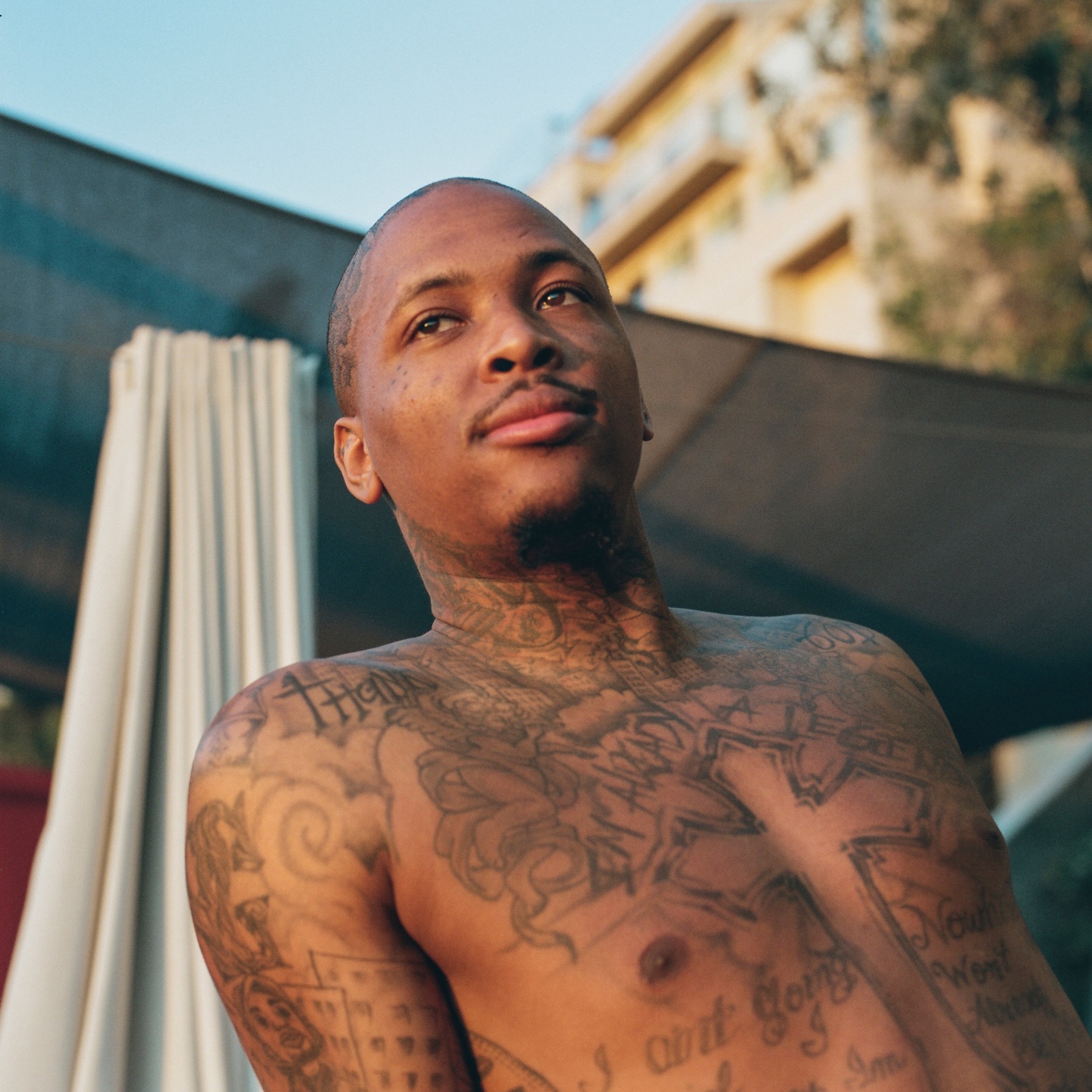
Later photos show the chest filling in with more script, crosses, and symbols. Some lettering is hard to make out because designs overlap, but the pattern is clear: YG puts the things he wants close on his torso, from his parents and faith to reminders of where he came from.

“Trust Nobody” is one of his clearest messages

YG Trust Nobody tattoo
In older photos, the words “Trust Nobody” run across YG’s upper body. Without context, it might look like familiar rap-era lettering, but his comments about the life around him give the phrase more weight. His tattoos often hold both ambition and caution, and this one reads almost like a personal rule.

YG has spoken about feeling like a “lost angel” and learning to move through a world where loyalty can be complicated. The tattoo is direct and a little guarded, carrying the hard-earned perspective that comes through in his music.

It also sits naturally beside his religious tattoos. A cross next to a warning about trust suggests someone trying to hold onto belief while staying alert. Together, the designs make his skin feel like a personal archive rather than a collection built around one visual theme.

The Pushaz forearm tattoo marks his clique

YG Pushaz forearm tattoo
In a Highsnobiety interview, YG identified the “Pushaz” tattoo on his forearm as a mark of his clique. It’s one of his clearest explanations: the design is about his affiliation, the people around him, and the world that was there before his records took off.

The placement works in practice as well as meaning. It shows when he performs, poses, or reaches for a microphone, so the word stays visible without him having to point it out. It sits among other lettering and symbols, but the name itself is clear enough to become part of his public image.

YG’s explanations are most useful when he spells out what a tattoo means. “Pushaz” isn’t offered as a vague aesthetic; he connects it directly to his group. That helps explain why some pieces remain central while others blend into the larger design over time.

Bompton appears as a place and a state of mind

YG Bompton All Stars side tattoo
Compton appears again and again in YG’s tattoos. The city is part of his life and public identity, but he often uses the word “Bompton” to make the reference more specific to his own world.

The Fader has documented a large “Bompton All Stars” seal along his side, designed like the five-point logo of Converse. Its placement turns a familiar neighbourhood reference into something like a sports emblem. It signals pride, while carrying the weight of the place that shaped him.

Photos also show “Thank God” and “In YG We Trust” among the script across his chest and neck. It isn’t always easy to see where one tattoo ends and another begins, but the ideas keep returning: gratitude, self-belief, and hometown identity all share the same visual space.

The Virgin Mary on his scalp is hard to miss

YG Virgin Mary scalp tattoo close-up
One of YG’s most striking tattoos is a large Virgin Mary on his scalp. It can’t hide under a short haircut and adds to the religious imagery already visible on his chest.

The scalp piece changes the outline of his look. A shirt can cover his torso, but the tattoo stays visible in close-up photos and performances. It also shows how his willingness to wear visible ink developed over time rather than appearing all at once.

There’s no need to assign it one definite meaning. The Virgin Mary could represent faith, protection, family, or simply an image that matters to him. The design and placement are documented; his personal explanation is less clear. That distinction matters when describing someone else’s body art.

Memorial tattoos keep friends close

YG Slim 400 memorial calf tattoo
YG’s tattoos also include tributes. Inked has noted a Slim 400 portrait on his left leg, done by tattoo artist Tat2Nene. It serves a different purpose from the louder “Trust Nobody” and “Bompton” designs: it’s about remembrance.

Portrait tattoos take technical skill, but the emotional weight is just as clear. A memorial portrait doesn’t only aim to look like someone; it keeps their face present in future rooms, tours, and years. YG’s collection returns often to the idea of carrying people with him.

Other names and tributes appear in photos, though not every detail is clear enough to catalogue confidently. The most reliable inventory sticks to pieces that have been discussed directly or photographed clearly instead of treating every blurred line as a confirmed memorial.

His tattoos mix faith with street language

YG shirtless chest and faith tattoos
What sets YG’s collection apart is how many different kinds of language share the same skin. Religious symbols sit next to neighbourhood slogans; family names sit beside warnings. A scalp portrait can appear alongside a side seal and a forearm mark for his clique.

Those pieces don’t have to contradict one another. Most people build a tattoo collection one moment, influence, friendship, or hard year at a time. What emerges is rarely a neat brand identity; it’s a stack of memories that gradually becomes a style.

The collection feels lived in rather than staged. Even in polished photos, the tattoos look like they came from different artists and different periods, with different levels of explanation. Some are deeply personal, some are declarations, and some have simply become part of the story.

The timeline matters more than a perfect count

YG full tattoo collection portrait
YG started getting tattoos young, and his interviews show that the process continued as his life changed. The first cross gives the collection a family-centred starting point. The forearm lettering and Compton references connect him to his circle and hometown, while later portraits and larger designs carry the weight of success, grief, and public life.
A number alone can’t explain YG’s tattoos. A count might tell you how much skin is covered, but not why certain words remain visible, why a memorial portrait matters, or why a neighbourhood emblem can feel as personal as a family name.

YG wears his history in layers. His ink is bold, sometimes blunt, and often easy to read from a stage. Under the large lettering are themes he returns to in conversation: family first, faith close, loyalty tested, and a lasting connection to the place that made him.

Some smaller details are harder to make out in photos. A haircut changes how the scalp tattoo looks, shirts cover chest lettering, and different lenses can flatten the side seal into the rest of his torso. That’s part of following a collection that’s grown over time: the tattoos aren’t one big reveal, and one caption can’t explain every meaning. The clearest picture comes from combining YG’s own explanations with photos that show where each piece sits.

Seen together, the collection is less about adding tattoos than keeping certain truths visible. The designs overlap, but the through-line is clear: YG keeps connecting public success to private history. That’s why the most memorable piece isn’t always the largest; sometimes a family name or a short phrase carries the most weight.

Watch YG explain the stories behind his tattoos

More musician tattoo guides

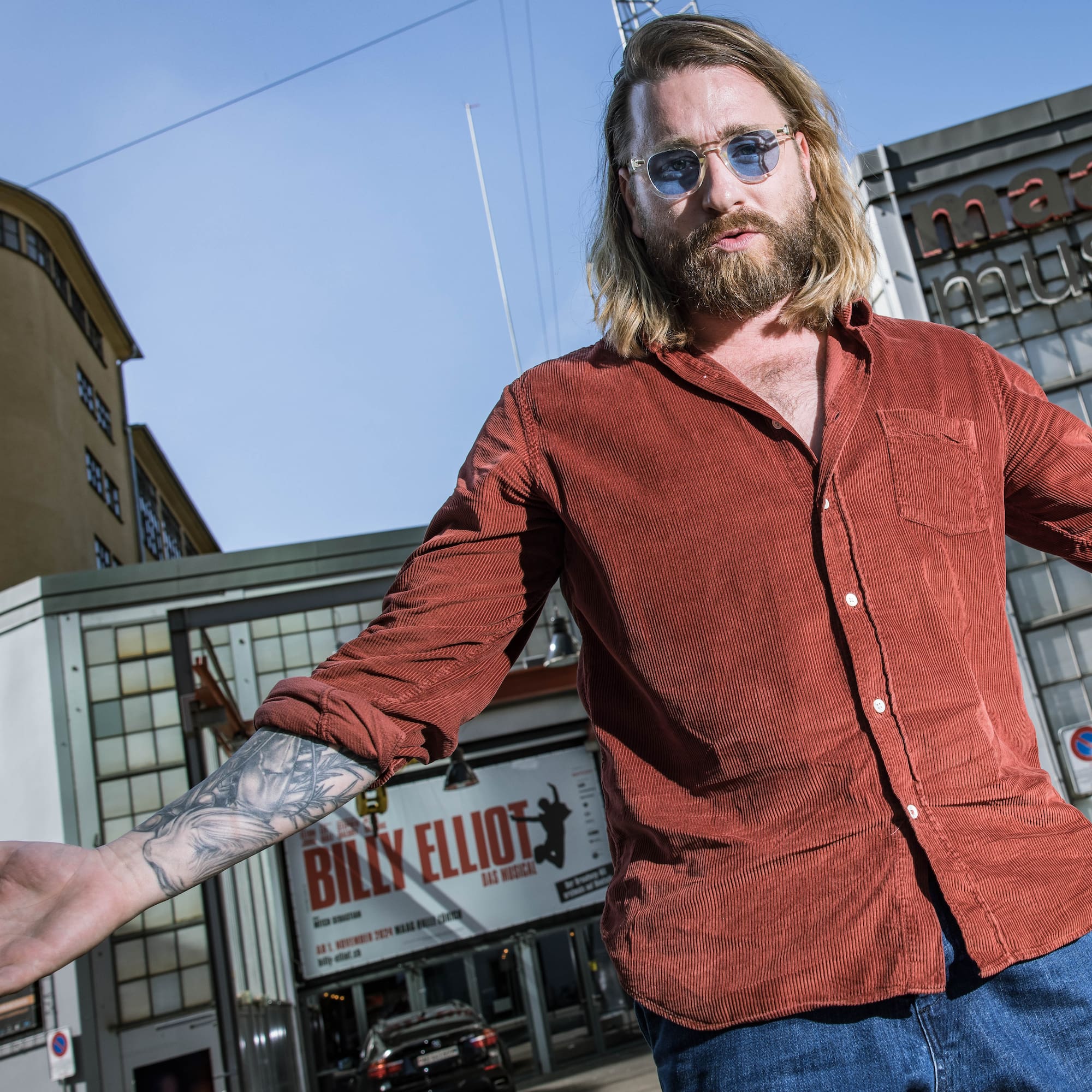
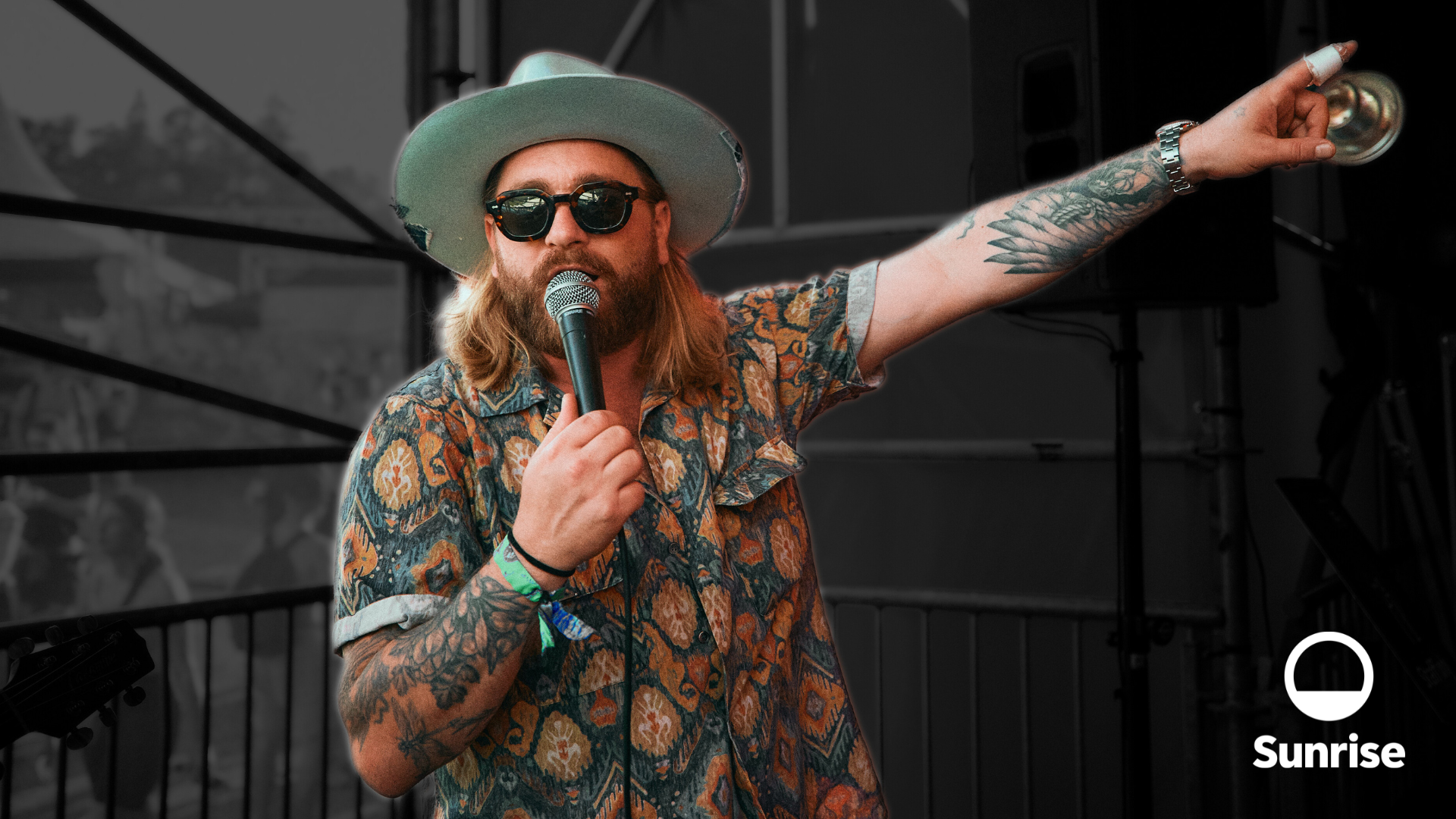
Baschi’s tattoos read like a life story, from his mother’s drawings to Endstation

Baschi talks about his tattoos as chapters in a life, not just decoration. The Swiss singer has said that every piece should carry a story: a person he wants to remember, an earlier version of himself, or something his future self might need. That gives the collection a warm, slightly old-school feel.

Rather than one large image, the tattoos make a loose autobiography across his arms, forearm, feet, and other small spots. The best-documented pieces include tattoos drawn by his mother, a sailing ship, a family name, his first tattoo in memory of his father, and the messages “Endstation.” and “Glück.” on his feet.

His mother drew the tattoos on his upper arms

One of the most personal parts of Baschi’s collection is the work his mother designed. On SRF’s Inked, he explained that the tattoos on his upper arms were drawn by her. That changes how the designs feel: they aren’t simply studio flash or a trend picked from a wall, but family artwork he carries with him.

Baschi has said that his tattoos have meaning, and this may be the clearest example. A parent’s drawing can be rougher and more intimate than a polished studio design. It carries the maker’s presence, even when the original sketch is no longer around.

The upper arm is a fitting place for family art. A sleeve can cover the designs when he wants privacy, but they’re easy to show in a tattoo interview or onstage in a sleeveless shirt. His family ink isn’t hidden for good; he gets to decide when it shows.

The griffin was his first tattoo and a tribute to his father

Baschi first griffin tattoo
Baschi’s first tattoo was a griffin, a mythical creature that also connects to his name. He has said he got it at 18, when he wanted something bold and rebellious. It also became a tribute to his father, who had died a couple of years earlier, and includes his father’s initials.

That blend of teenage energy and grief makes the piece memorable. It wasn’t conceived as a traditional memorial; it started with the excitement of a first tattoo and took on a deeper family meaning.

The griffin can also read as a kind of self-portrait. It’s a fantastical creature that suggests strength and protection, while the initials anchor it to someone real. It’s a big image with a very personal reason behind it.

The microphone marks the moment music became serious

Baschi microphone tattoo
Another early tattoo is an old-school microphone. Baschi has said he was 18 or 19, had moved to Los Angeles, and was beginning to commit to singing when he spotted the design in an artist’s book. His girlfriend at the time suggested another tattoo, and he chose the microphone.

It’s a simple image, but the timing gives it more meaning. The microphone marks the point when music shifted from an interest to a direction. The griffin looks back toward family; the microphone looks ahead. It became a permanent reminder of his ambitions before his music career had fully taken off.

Microphones are easy-to-read symbols for musicians, but Baschi’s is tied to a specific moment: deciding whether he could build a life around singing. It captures that ambition before the records, stages, and years of touring arrived.

The Sly and the Family Stone lyrics stay close to his ribs

Baschi has a lyric tattoo on his ribs from Sly and the Family Stone’s “Everybody Is a Star.” It includes the words “I love you for who you are,” followed by the idea that you don’t have to become someone else to be loved. He has said the song’s honesty reached him while he was working at his aunt’s deli in Potrero Hill and listening closely to older records.

Rib tattoos can be difficult to sit through, and the placement gives this one a private feel. The lyric stays close to his body instead of being displayed for everyone to read. That suits it: it’s a thought he wanted to keep with him, not a slogan for a crowd.

He has admitted he might not choose the same tattoo today, while still calling the sentiment beautiful. That honesty makes it more interesting. A tattoo can preserve an earlier belief without freezing someone in time; this one records what Baschi needed to hear then.

“Only the Poets” connects the collection to his first album

Baschi has “Only the Poets” tattooed across his chest as a tribute to his first album and to James Baldwin. In a speech, Baldwin said, “Only the poets know the truth about us,” a line that stayed with Baschi long enough to become part of his body.

It’s one of his most visible music tattoos, but it means more than the album title. It brings together an early career milestone and a literary influence. The phrase can keep taking on meaning, whether it’s about songwriting, honesty, observation, or the challenge of making private feelings public.

Across his chest, it reads like a personal banner. It signals what kind of artist he wants to be without naming a genre. The words point less to fame than to his belief in what art can do. That idea can stay with him as his music and life move into new chapters.

The sailing ship is about an earlier life

Baschi sailing ship forearm tattoo
Baschi has a sailing ship on his forearm. Asked about it, he gave an unexpected answer: he said he had been a sailor in a previous life. Whether someone takes that literally, spiritually, or as part of his humour, the tattoo lets him talk about adventure and uncertainty.
A ship feels natural for a musician who moves between cities and stages. It suggests changing weather, a route you can’t fully control, and carrying on when the destination isn’t in sight. Baschi has linked it with adventure and life’s unpredictability, which is more useful than pretending the image has one fixed dictionary meaning.

The forearm placement means the ship can come up in everyday conversation. It shows when he rolls up a sleeve, reaches for a microphone, or gestures in an interview. Like the microphone, it belongs to a particular time but can gather new meaning as his life changes.

“Endstation” and “Glück” look toward the end of life

Baschi tattooed arm detail from the Inked interview
One of Baschi’s most striking ideas is the pair of words on his feet. “Endstation.” is on one foot and “Glück.” on the other. The first means “final stop” or “terminus”; the second means “luck” or “happiness.” Together, they make a message he wants to see at the end of his life.
He has said that, on his deathbed, he wants to look down and see that he reached the end and that things turned out well. It’s a rare tattoo that looks ahead to a final moment instead of marking something that has already happened.

Foot tattoos are easy to cover and easy to forget about until you need them. That feels intentional here. The words are for Baschi first, not for an audience, like a small signpost waiting at the bottom of his body.

His partner’s name is deliberately discreet

Baschi forearm tattoos in a studio interview
Baschi has a small “Alana” tattoo on his forearm for his wife, Alana Netzer. He has said he chose a discreet spot because it was meant for her, not as a large public declaration.

That contrasts with “Only the Poets.” One tattoo speaks across his chest; the other is easy to miss among the larger designs. Both are about relationships, but in different ways: the album phrase is a public statement about art, while the name is a private promise carried in plain sight.

Baschi has said the name tattoo matters because it’s permanent. That simple thought explains why a small piece can mean so much. It isn’t trying to compete with the larger work; it’s meant to stay close and personal.

Baschi’s collection is a timeline, not a matching set

Baschi tattoo collection portrait
Together, the tattoos form a loose timeline. The griffin brings him back to his father; the microphone marks his commitment to music. The Sly and the Family Stone lyric preserves a younger emotional truth. “Only the Poets” records his first album and connection to Baldwin. The ship speaks to adventure, while “Endstation” and “Glück” imagine the last thing he might see.

The pieces don’t have to match, and that’s part of their appeal. Some are large, some are discreet, and some came from family drawings rather than a professional portfolio. They look collected over time, not planned in one sitting.

That also helps explain why Baschi is thoughtful about meaning. He isn’t saying every tattoo has to be profound; he says each one should have a reason. Sometimes it’s grief, sometimes a song, a relationship, a joke about a past life, or a reminder of who he hoped to become.

His tattoos are personal without being precious. They can be sentimental and funny at once, bold onstage but intended for one person. That balance makes the collection worth following: every piece has a story, but they’re told in the way a real person might tell them.

Watch Baschi explain the stories behind his tattoos

More musician tattoo guides

Matt Heafy’s Japanese Tattoo Story Keeps Growing

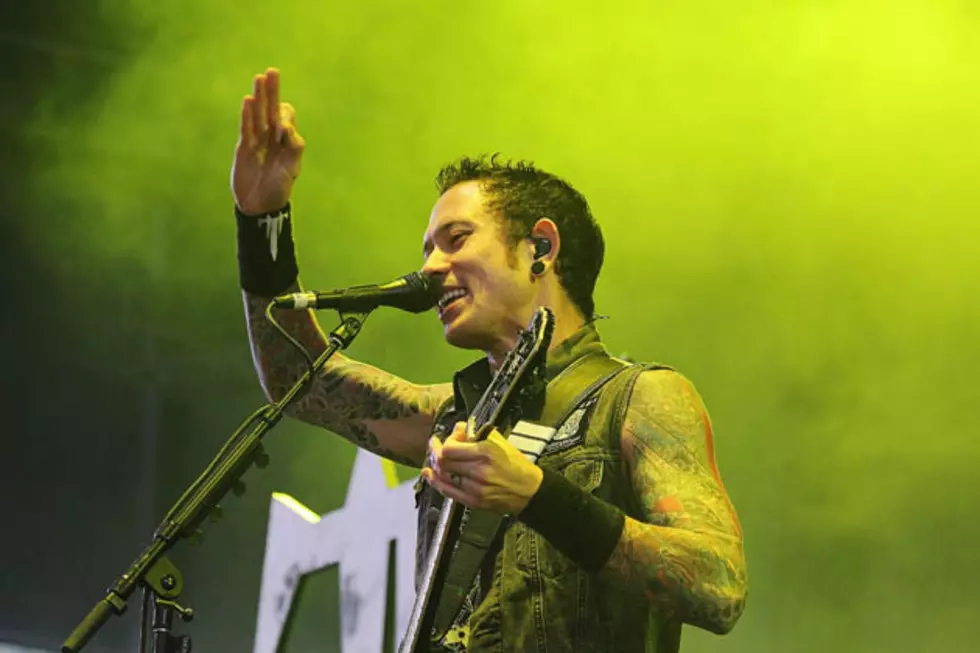
Matt Heafy’s tattoos have developed alongside Trivium rather than appearing as one finished statement. What began as visible work on his arms grew into a much larger Japanese-inspired project across his back, arms, legs, and lower body. He has spoken openly about the stories behind the designs, which makes the collection easier to follow than much rock-star ink. The photos change from year to year, but the same ideas keep returning: Japanese mythology, demons, gods, creatures, and family symbolism.

Heafy’s own tattoo-tour video is the best place to hear the stories in his words. Earlier interviews and reports help fill in the timeline, including the sessions with Kahlil Rintye at Tattoo City and later work by David Bruehl. Some meanings remain personal, so this guide separates what Heafy has identified from what can only be seen in live photos.

The Japanese body suit started with a much bigger idea

Matt Heafy arm tattoos at Nova Rock
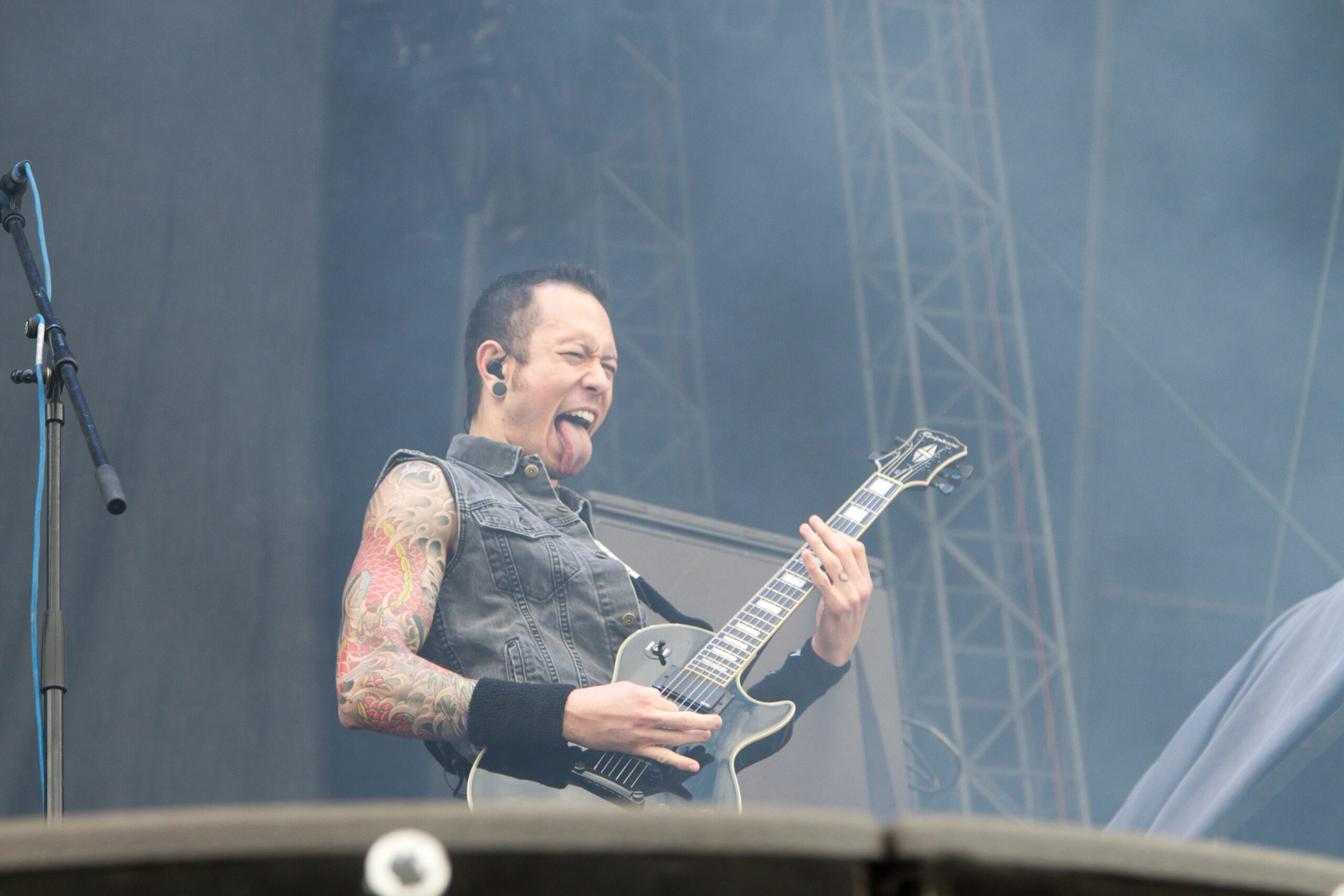
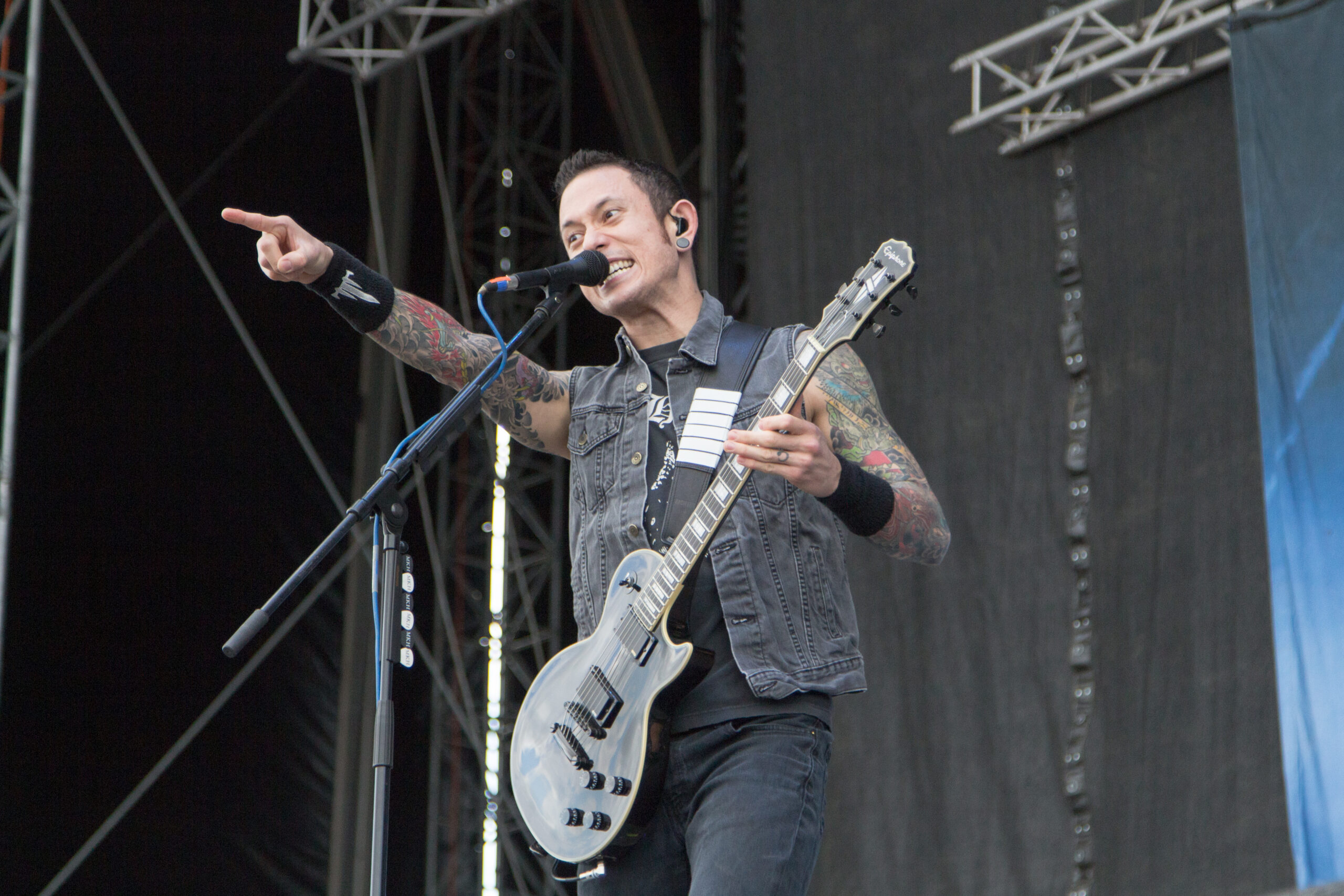
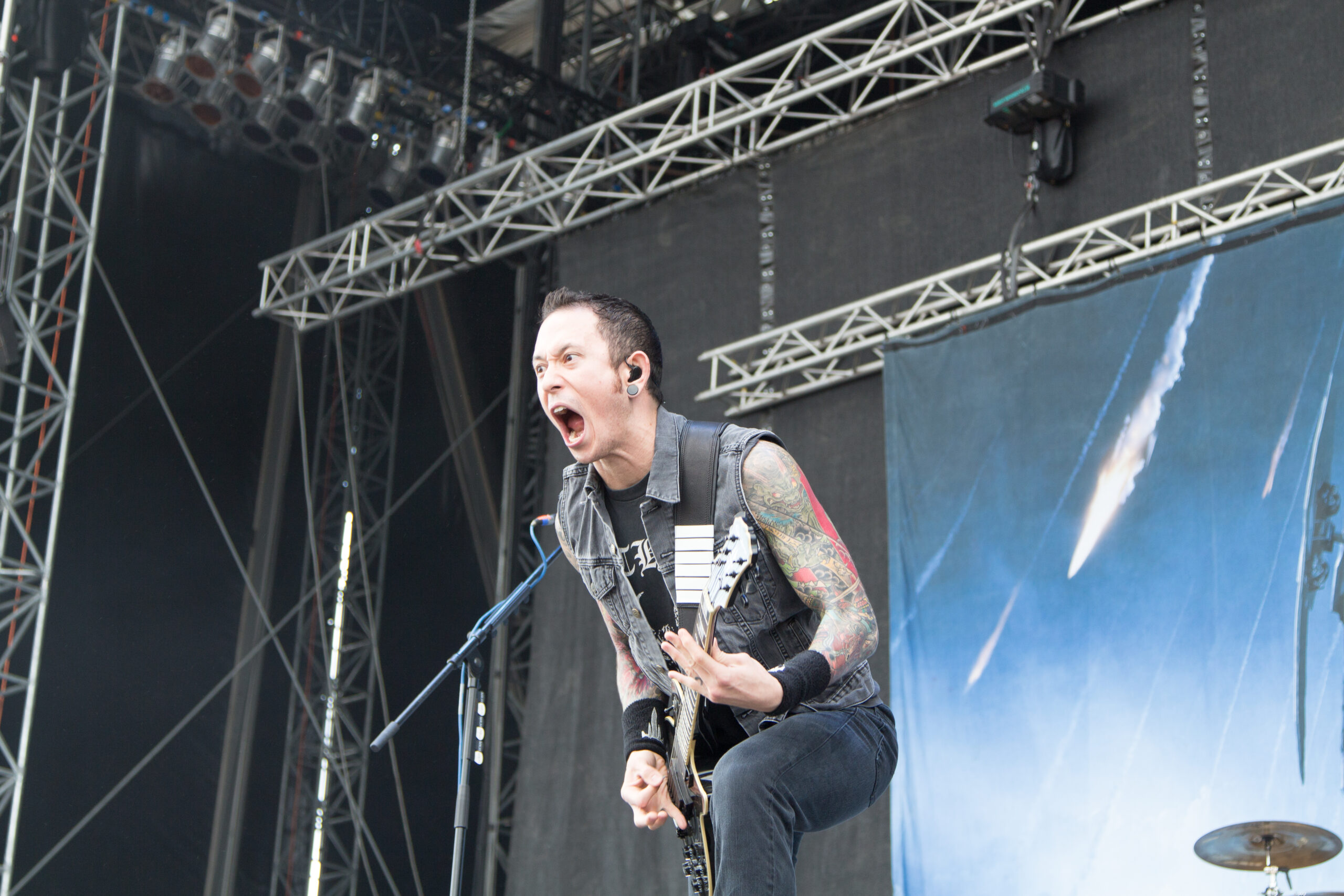
Heafy has described the plan as a connected Japanese suit, not a random collection of separate pieces. The background is designed to carry across larger areas of skin and help each figure stand out. Photos from the Nova Rock period show dense colour and linework already on his arms; later work on his back makes the overall scale easier to see.

That context matters. One close-up can make an arm look like a conventional sleeve, but Heafy has described a wider project connected by Japanese art and old stories. He says the narrative behind each figure matters as much as the image itself, whether it’s a dragon, demon, or something else.

His back piece is built around Japanese mythology

Matt Heafy colorful arm tattoos
The back is the largest documented part of Heafy’s tattoo project. Loudwire reported in 2015 that Kahlil Rintye’s work at Ed Hardy’s Tattoo City covered his back and arms. Later updates show it continuing over time rather than being finished in a single session. Photos can’t explain every symbol, but they show a deliberate composition that uses the whole back as its canvas.

Heafy has pointed to ancient Japanese stories as the key to understanding the work. Calling it only a “dragon tattoo” misses the larger idea: the creatures belong to a visual language, and the background helps make the story feel complete. He has also discussed demons, sometimes as frightening figures and sometimes as a way to explore the difference between real and imagined threats.

Raijin and Fujin brought the newer color to his torso

Matt Heafy colorful shoulder and arm tattoos
A more recent chapter added Raijin and Fujin, the Japanese gods of thunder and wind. Reports and Heafy’s own social posts identify the pieces as work by David Bruehl. They fit the larger suit because they come from the mythology Heafy has explored for years, while bringing a vivid, colour-heavy focus to newer sections of his body.

Heafy has called it a front-suit piece, which helps explain why its placement shifted in progress photos. A tattoo project this large takes a series of sessions. One photo may show it looking unfinished; the next can look much fuller. The process becomes part of the story alongside the finished art.

The arm sleeves show the older layers of the collection

Matt Heafy arm sleeve tattoos onstage
His arms are the easiest place to see how the collection has developed. Concert photos show both packed with images, bright colour, bold outlines, and background work reaching toward the shoulders. The sleeves don’t hide that the tattoos were added over time. Different periods sit together, with the Japanese influence giving them a shared feel.

In earlier interviews, Heafy has talked about drawing on Japanese art and specific stories. The arm work is more than stage decoration; it reflects a long-running interest. Photos also show why he has kept extending the suit: once a large section is finished, the empty edges become part of the design to solve.

The wedding-band tattoo is small but unusually personal

Matt Heafy hand and arm tattoos at Hellfest
Not every important tattoo is a giant back panel. Blabbermouth’s coverage notes a Japanese Ensō wedding-band tattoo on his left hand. The Ensō is an existential circle associated with Zen ideas, and Heafy has said he uses it as his wedding band. That gives the small mark a different weight from the larger mythology pieces.

It’s a reminder that the collection moves between public spectacle and private shorthand. A back piece might be photographed for a magazine, while a hand tattoo can carry a direct family meaning every day. The contrast makes the inventory feel more personal. Heafy’s ink is not only about looking intense onstage; it also records relationships and personal philosophy.

It’s tempting to reduce his tattoo history to “full body suit,” but the photos show a more interesting process. The collection has a clear structure and still leaves room for small marks and shifts in emphasis. His arms are busy because they make the first impression onstage. The back can look quiet from a distance, then become dense when the camera moves closer. Newer front-suit work turns open space around older tattoos into part of the composition.

The artists help explain how the look has changed. Kahlil Rintye’s work is associated with the early large-scale back and arm sessions reported by Loudwire. David Bruehl’s later Raijin and Fujin designs bring another burst of colour and a direct link to Japanese gods. Heafy has also credited other artists over the years, so it would be inaccurate to assign every line to one person.

Heafy’s explanations also keep the guide grounded. When he talks about old stories, demons, and the meaning of the Ensō, he gives viewers a way into the designs without turning every symbol into a guess. The wedding-band Ensō is especially useful evidence because its meaning is explicit: it’s a personal symbol on his hand, not just another dramatic image in the suit.

Together, the tattoos record how Heafy thinks about music, family, mythology, and identity. The collection is theatrical enough for a festival stage, but the stories underneath it are patient and specific. He has returned to the work over several years, lived through the awkward in-between stages, and kept adding context as new sessions happen. That’s why a tattoo tour suits the project: you can see the art, hear the explanation, and understand that a full-body design keeps growing.

When comparing photos, it’s safer to follow the placement than to invent a complete catalogue. Concert pictures show strong continuous colour on the upper arms and shoulders. The older Tattoo City report and Heafy’s later updates help trace the back piece. The newer gods belong to the front-suit chapter, while the Ensō remains a small but meaningful mark on his hand. This leaves room for future sessions without pretending that every detail has already been named.

Heafy is still adding to the story in public, one session at a time.

His progress photos also make the project unusually easy to date. They let readers compare the early arm colour, the developing back, and the newer front work without mistaking one old concert photo for the final version of his tattoos.

What the collection says about Matt Heafy’s timeline

The clearest way to read Heafy’s tattoos is as a timeline. Early arm work established his interest in dense Japanese-inspired imagery. Kahlil Rintye’s sessions expanded it across his back and arms. Later, David Bruehl’s Raijin and Fujin designs brought more mythology and colour to the front of his body.

That timeline is why the collection looks different in photos from one tour to another: the work is still being built. A 2024 tattoo tour can explain a design that was only partly visible in a 2014 concert photo, while the 2015 report on his back piece fills in part of the gap. The unfinished stages belong to the story; they aren’t mistakes to hide.

There’s also a clear line between documented details and fan guesses. Heafy has named the artists, discussed the Ensō, and identified the Raijin and Fujin project. Other shapes are visible but not always named. A careful guide leaves those meanings open unless he has explained them publicly.

Watch the story behind Matt Heafy’s tattoos

Heafy’s own tattoo-tour video is the best companion to these photos because it lets him tell the stories in his own voice.

More musician tattoo guides

Henry Rollins Keeps His History in Black Ink

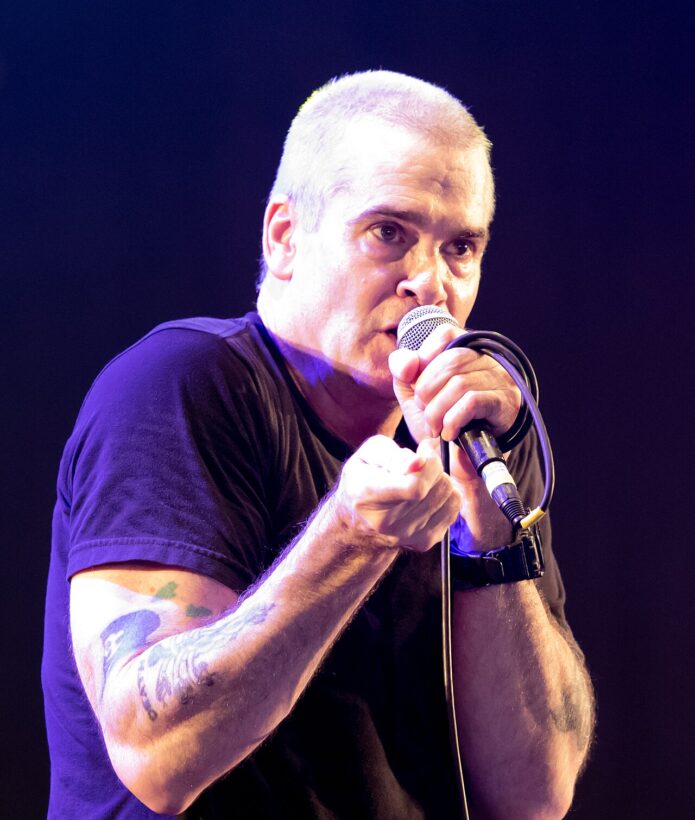
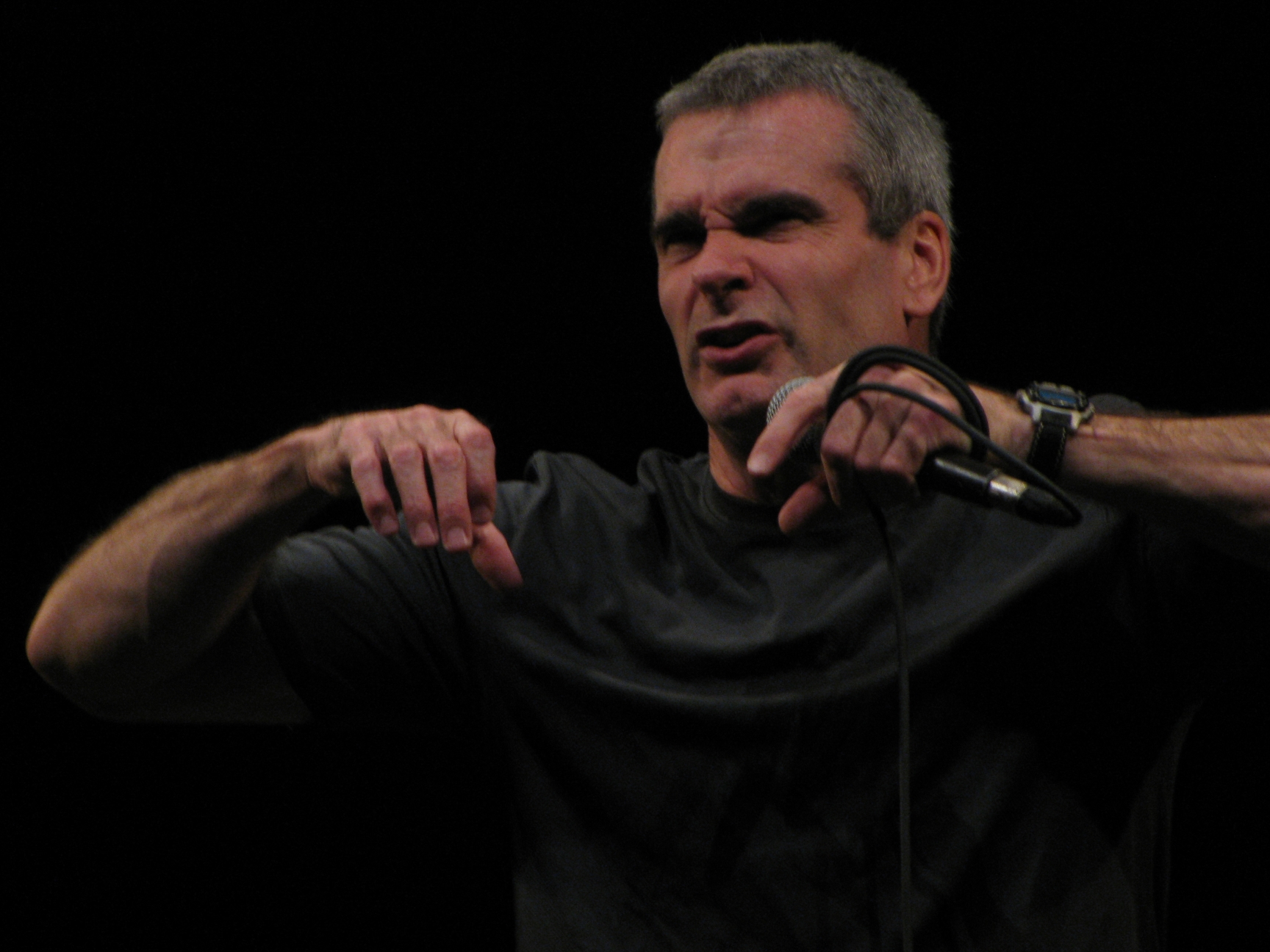
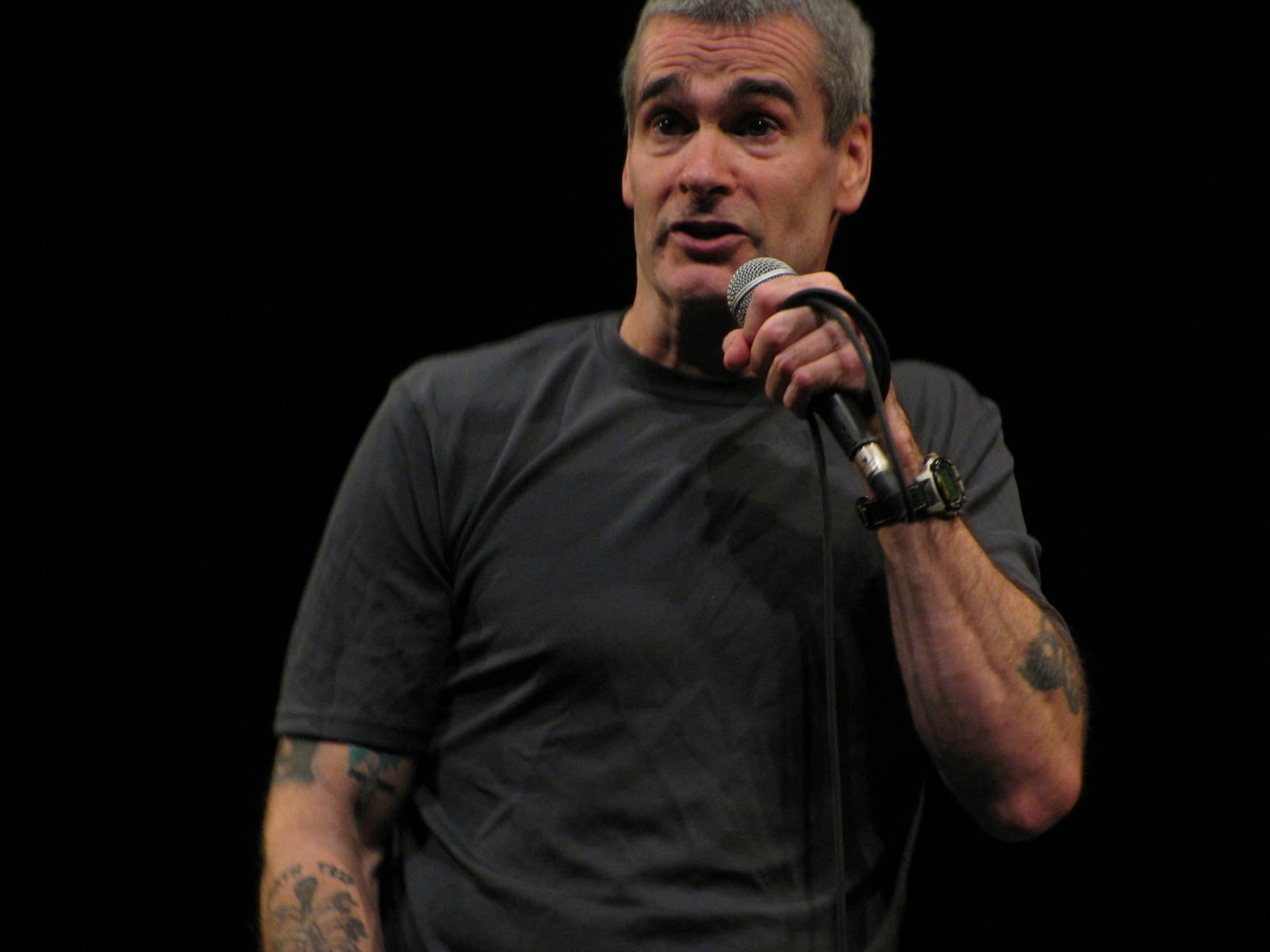
Henry Rollins has never used tattoos as decoration. On him, the ink feels like a personal map of the music, friends, and ideas that stayed with him as life changed. The mostly black-and-grey designs are blunt and direct, much like the voice he developed through Black Flag, Rollins Band, spoken-word tours, and years of writing. This guide sticks to tattoos that are clearly visible or have been discussed in interviews and fan archives, rather than guessing at every blurred mark in a concert photo.

The clearest pieces include the Black Flag bars, the Misfits Crimson Ghost, an Einstürzende Neubauten logo, a portrait of his grandfather, a heart marked “Jamia,” and the larger back piece associated with tattoo artist Rick Spellman. Rollins has described his tattoos as products of a particular era and identity, so the story is as much about memory and time as it is about placement.

The Black Flag Bars Are the Starting Point

Henry Rollins Bronson arm tattoos
The Black Flag bars are the tattoo most closely tied to Rollins’s public image. Raymond Pettibon’s design became one of punk’s most recognisable symbols, and Rollins carried it from his years in the band into the rest of his life. It sits near the back of his neck, where it can disappear in an ordinary portrait but show clearly when he turns toward the camera or leans forward onstage. It’s a compact design with a long history behind it.
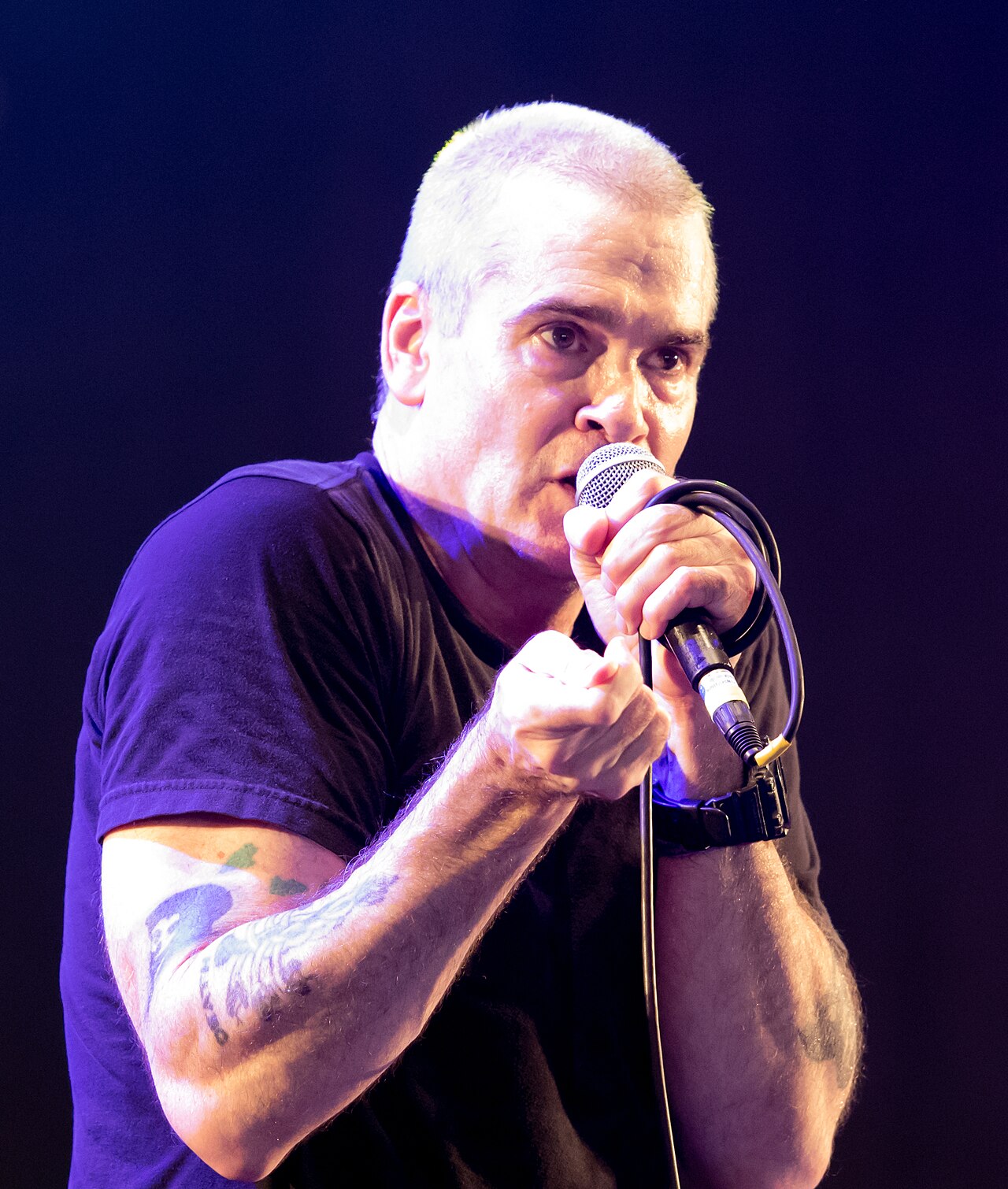
Rollins has talked about getting the bars after the band’s visual language had become part of his world. The tattoo doesn’t claim that he created the artwork; it connects him to the band, a period, and the community around it. In that sense, the bars work almost like a signature. It looks blunt because the memory itself is blunt.

The Misfits Skull Connects Him to Horror Punk

Henry Rollins Bronson sleeve tattoos
Another often identified design is the Crimson Ghost, the skull mascot of the Misfits. It sits naturally alongside Rollins’s other punk references, with the same mix of menace, theatre, and underground shorthand. It’s also easy to recognise from a stage, which is why it appears so often when fans compare older and newer photos.

The Misfits tattoo isn’t tied to one lyric or album as much as a shared visual language. Horror imagery, stark lines, and a little rebellion all come together in the skull. Rollins’s tattoos aren’t one conventional, colour-filled sleeve; they’re separate statements gathered over decades.

The Einstürzende Neubauten Mark Adds an Industrial Edge

Henry Rollins Wacken arm tattoos
Rollins has also been identified with an Einstürzende Neubauten logo. It fits his interest in noise, industrial music, and artists who push against familiar forms. The mark is usually described as an arm tattoo, adding a different musical reference to a collection otherwise known for American hardcore and punk.

A band logo can be a souvenir, but it can also keep a creative influence close. For Rollins, it points to a broader listening life. Its placement helps, too: arm tattoos show up naturally in performance photos, without every image needing to be staged as a tattoo reveal.

His Grandfather’s Portrait Makes the Collection Personal

Among the most intimate designs is a portrait of Rollins’s grandfather, reported on his left bicep. Portrait tattoos can be hard to identify from a distance, especially under harsh stage lights, but the family connection has been reported often enough to make this one of the stronger entries in the inventory.

The portrait shifts the mood of the collection. Black Flag, the Misfits, and Neubauten are public cultural references; a grandfather is a private relationship carried into public view. It also shows why counting only logos misses the point. Rollins’s tattoos hold music history and family history side by side, without needing to match stylistically.

The Jamia Heart Sits in Plain Sight

Henry Rollins Portland tattoos
A heart bearing the name Jamia has been identified on Rollins’s right hand. Hand tattoos are direct: they show during conversation, writing, and performances. This one is small next to his back piece, but its placement gives it a strong presence. It’s a name rather than a band symbol, making it one of the collection’s more openly affectionate details.

There’s no need to invent a dramatic backstory. The documented detail is the heart and the name; anything beyond that is speculation. That caution matters because photos can tempt people to fill in gaps. A reliable inventory separates what Rollins has shown from what viewers only think they can make out.

The Large Back Piece Is the Biggest Visual Statement

Henry Rollins 1987 session tattoos
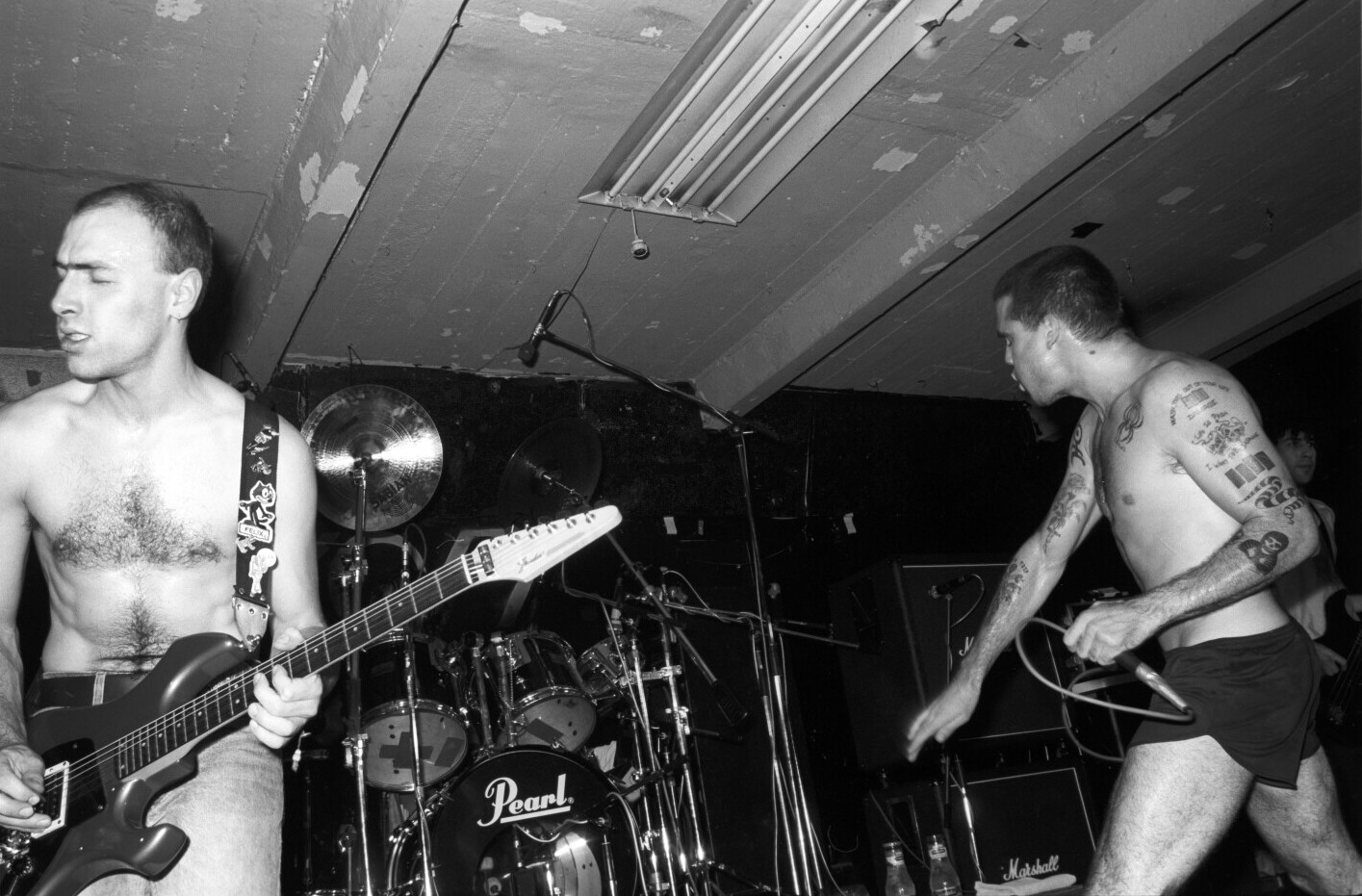
Rollins’s back is often described as a large black-and-grey piece, with a bold sun and the words Search and Destroy appearing in accounts of his tattoos. The work is associated with Rick Spellman, whose style helped shape it. The back is harder to document than an arm because it usually appears only when Rollins is shirtless or turns away from the camera, so different photos show different parts.

The sun gives the piece a central image visible from a distance; the lettering makes it more specific. “Search and Destroy” carries punk’s confrontational energy, but it can also sound like a personal rule: keep moving, keep questioning, don’t settle. The back piece feels like the closest thing Rollins has to a manifesto on skin.

Early and Later Photos Show the Collection Growing

Henry Rollins 1987 session tattoos two
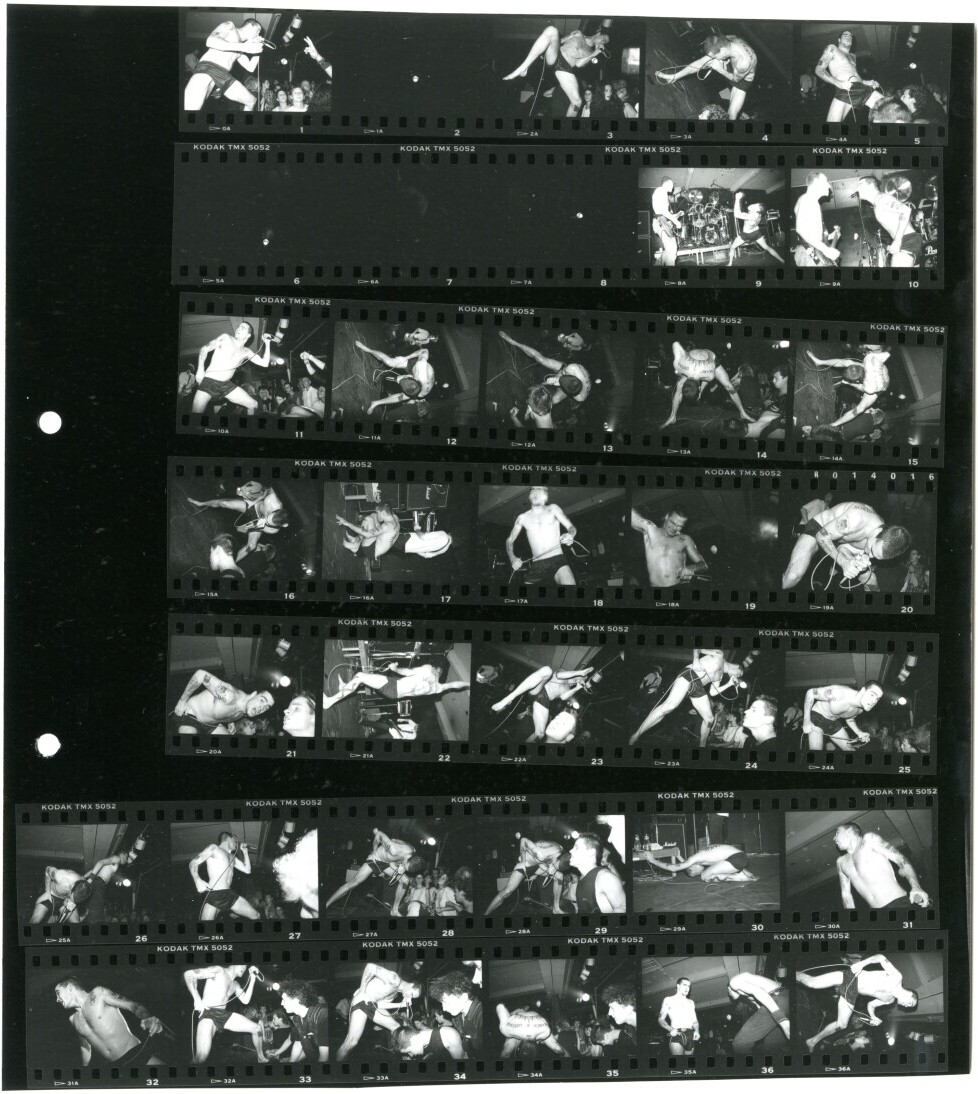
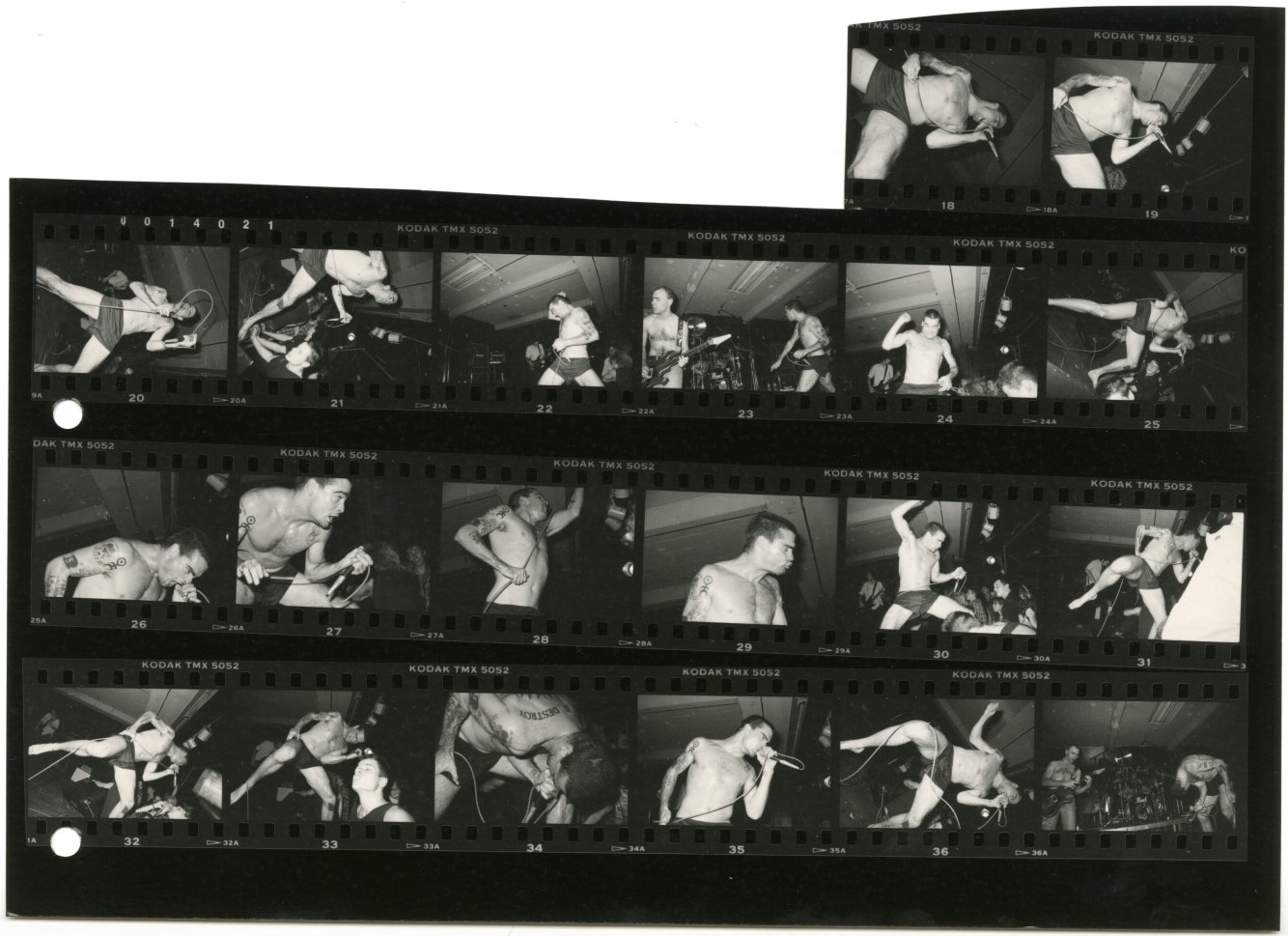
Photos from the 1980s through the 2010s help tell the story because Rollins’s tattoos developed over time instead of arriving as one finished look. Early images show fewer visible marks; later portraits and performances reveal more established work on his arms and back. The change is gradual, as you’d expect from a collection built across a long career.

Concert photography also affects what can be confirmed. A sleeveless stage photo may show the arm logos but hide the back. A spoken-word portrait might show his neck and shoulders while leaving his hands out of frame. That’s why several photos and interviews give stronger evidence than one supposedly definitive image.

What Can Be Confirmed and What Still Needs Caution

Henry Rollins 1987 session tattoos three
The clearest inventory includes the Black Flag bars, Misfits skull, Einstürzende Neubauten logo, grandfather portrait, Jamia heart, and a substantial back piece often described with a sun and “Search and Destroy.” Smaller marks may appear in photos, but they shouldn’t be listed as fact unless Rollins or a reliable source identifies them.

That balance is part of what makes the collection interesting. Rollins doesn’t seem to treat tattoos as a constantly changing fashion project. They record loyalties, family, influences, and a particular sense of self. The designs are mostly monochrome, a little rough around the edges, and tied to the life he actually lived. For fans, the ink feels like an archive worn on the body.

The record is uneven in a very human way. Some designs are easy to name, some appear only briefly, and some have been explained by Rollins while others remain private. The most useful approach is to keep the confirmed pieces together without turning every shadow in a photograph into another tattoo. That leaves room for the collection to change and still gives readers a grounded account of what can be seen.

When comparing photos, repeated appearances matter more than any one pose. The Black Flag bars and Misfits skull are the clearest punk markers, while the Neubauten symbol and family portrait point beyond the band history. Older images help show how the tattoos sat on his arms before later coverage made the larger work easier to see. A bent arm, flat light, or stage angle can change how a design looks, so this guide sticks to details that can be matched across available photos. The back piece is described carefully for the same reason: it’s a major part of the collection, but not every detail is equally legible in public images. The strongest evidence comes from designs that appear clearly more than once.

That care matters on a tattoo site. Clear placements and details that can be matched across photos are more useful than guesses about blurred shapes.

Watch Henry Rollins Talk About His Tattoos

More musician tattoo guides

Sabrina Carpenter’s Tiny Tattoos Carry Big Personal Stories

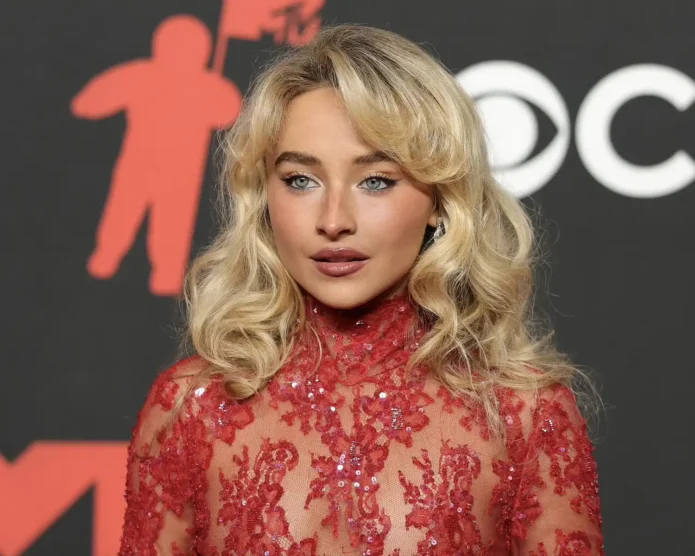
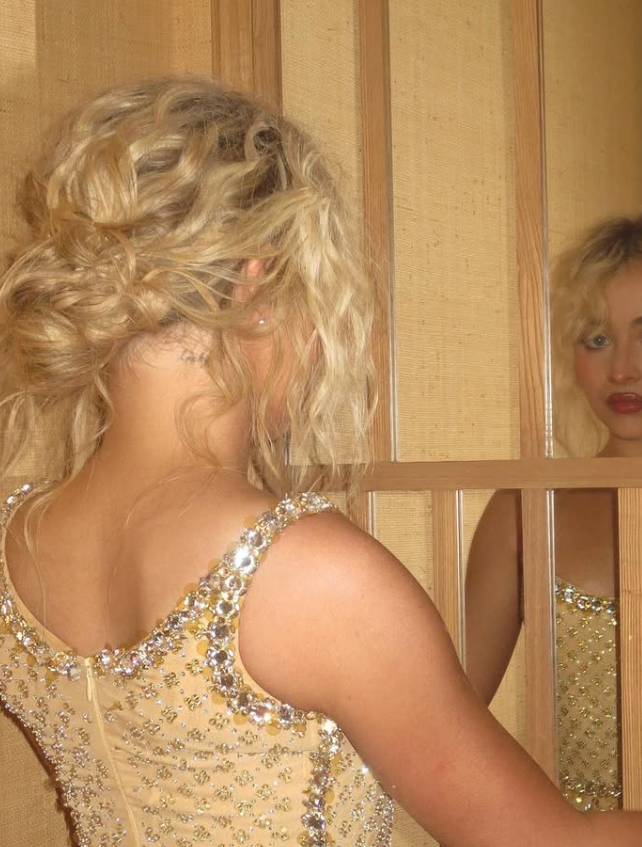
Sabrina Carpenter’s tattoos are easy to miss, and that seems intentional. She has five known pieces, most of them tiny fine-line designs tucked behind an ear, along her neck, around her ribs, or high on a shoulder. They don’t take over a red-carpet look. You may spot one when her hair moves, a top shifts, or she shares a close-up.

The stories behind the designs are just as personal. Carpenter’s ink connects to a childhood teddy bear, her sister, the long climb toward pop success, and the album era that changed her career. Los Angeles tattoo artist Dr. Woo did most of the work, giving the collection its delicate single-needle look.

Here’s what’s been documented, including the tattoo Carpenter has explained herself and the newer shoulder piece that turned an album title into a small signature.

“Lucky” started the collection on her neck

Sabrina Carpenter Lucky neck tattoo
Carpenter got her first tattoo in December 2020, at 21: the word “lucky” in black cursive on the right side of her neck. It’s small enough to cover, but it can show with certain hairstyles and open-neck outfits.

“Lucky” was the name of Carpenter’s childhood teddy bear, a detail she shared with NME. She has also connected the word with gratitude for her career and the people around her. The tattoo does both: it remembers a childhood comfort object and reminds her not to take her good fortune for granted.

Carpenter has said, “My first tattoo has to be something that I won’t regret,” and that idea comes through in the design. A single word can age more easily than a trend or a complicated symbol. It also suits her preference for fine lettering. The tattoo is personal without asking anyone to solve a puzzle.

It’s a fitting start to the rest of her collection. Carpenter didn’t begin with a large statement; she chose a quiet word with a private story, then added other small designs tied to their own memories.

The little heart behind her ear stays mysterious

Sabrina Carpenter heart tattoo behind left ear
Her second known tattoo is a tiny heart behind her left ear, made from a less-than sign and a three to form the familiar <3 emoticon. It’s a small horizontal black mark that can disappear under her hair.

Unlike “Lucky,” Carpenter hasn’t explained this one publicly. The interviews and tattoo coverage reviewed for this article don’t confirm a date, artist, or personal story. That gap is part of what makes the design interesting. Not every tattoo needs a polished explanation for a magazine.

The <3 symbol belongs to an older internet language of affection, which gives it a playful, almost teenage feel. That suits the rest of Carpenter’s collection: the ideas can be meaningful while the designs stay light. Some pieces hold a memory; others are simply nice little things to keep close.

The matching butterfly is a sister tattoo

Sabrina Carpenter matching butterfly ribcage tattoo
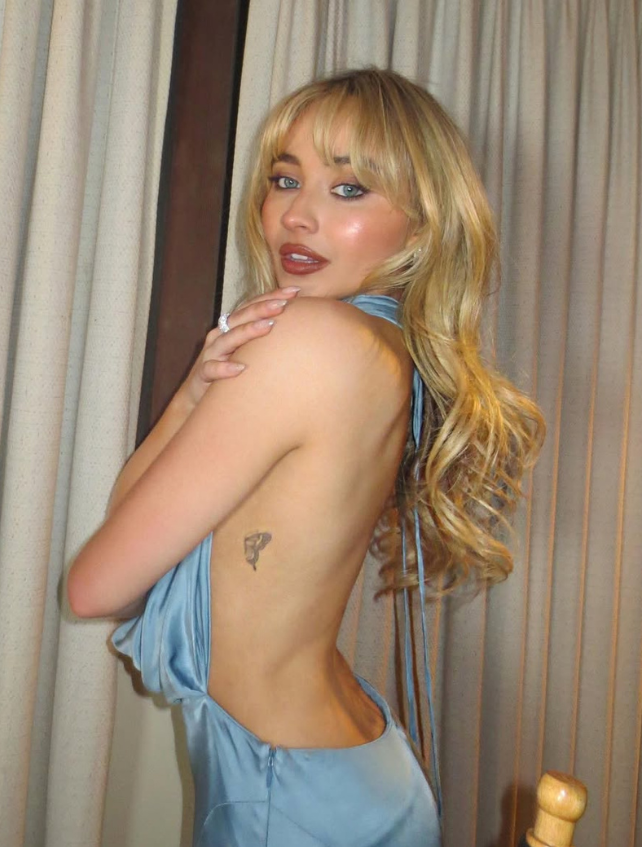
In early 2022, Carpenter and her older sister Sarah got matching butterfly tattoos on their left ribcages. Each sister has half of a wing, making the pieces a pair rather than exact copies. Carpenter chose black ink; Sarah’s version is red.

The butterfly is one of the clearest ways family shows up in Carpenter’s tattoos. It’s small and pretty, but what matters is that the design was made to work as a pair. When the sisters are apart, each still carries half of the image. It marks their connection without turning into a large matching statement.

Dr. Woo is credited with the fine-line work. The outline is thin, the shape is clean, and the tattoo sits neatly along the ribs instead of taking up a large area. It can disappear under everyday clothes, then show when Carpenter wears a cropped top onstage.

The black-and-red split is a small detail that keeps the matching idea from feeling copied and pasted. The sisters share the same basic image while still having tattoos that feel like their own.

“At last” marks the slow rise she waited for

Sabrina Carpenter at last shoulder tattoo
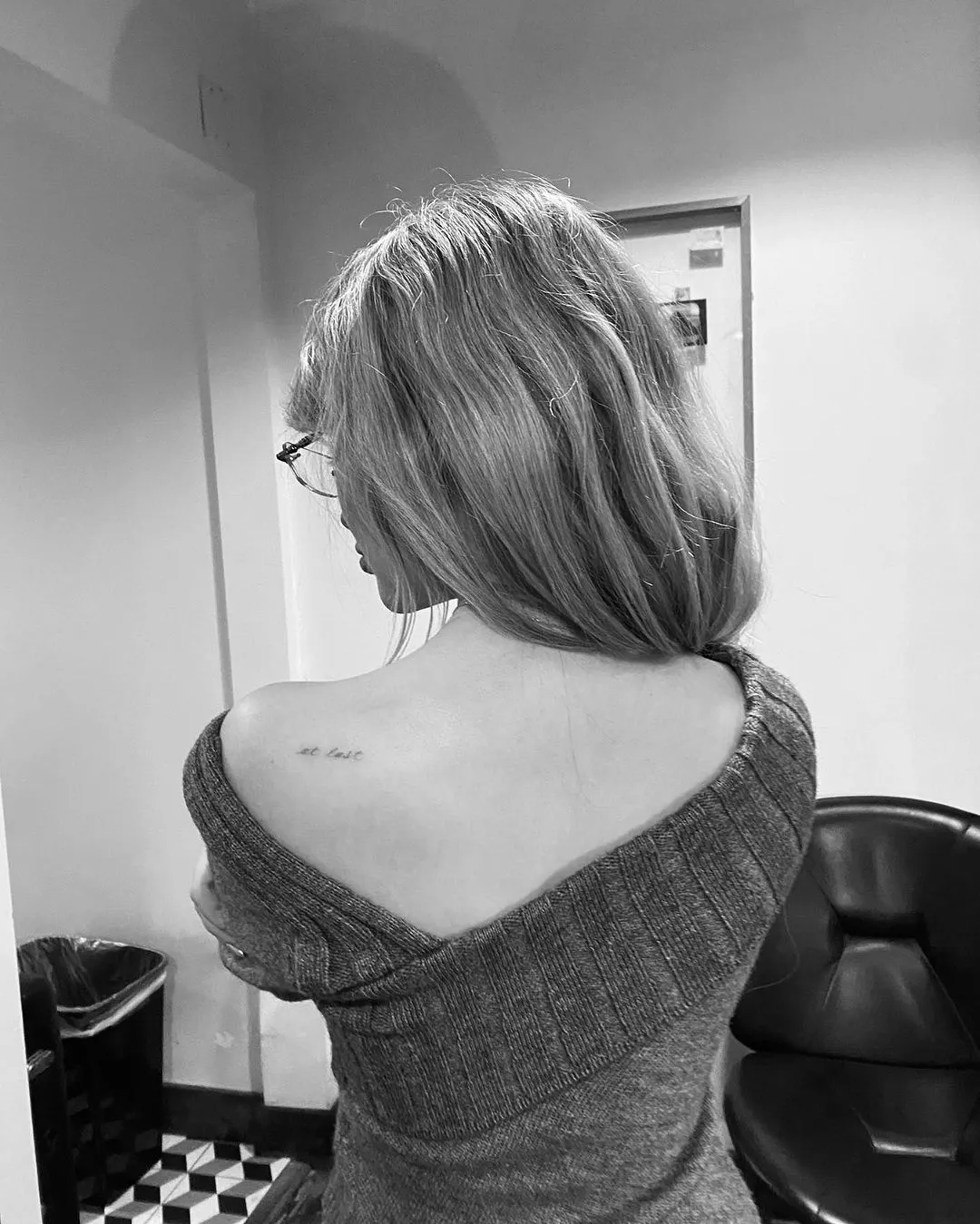
Carpenter welcomed 2024 with a new script tattoo: “at last” on her upper left shoulder. Dr. Woo is credited with the piece, whose delicate black lettering matches her earlier work.

The phrase is often read as a nod to Carpenter’s slow rise. She spent years acting and recording music before “Feather,” “Nonsense,” “Espresso,” and her other recent releases brought her to a much larger audience. The short wording captures the feeling of finally arriving after a long time working toward it.

Carpenter has talked about being a “tortoise” and learning to value a slow climb instead of seeing it as failure. In that light, “at last” feels less like a victory lap and more like a private exhale. It marks the moment without pretending the road was easy. The phrase holds patience as well as celebration.

Some fans have wondered whether it also refers to Etta James’s song “At Last,” which Carpenter has covered and named among the songs she learned early. That’s possible, but Carpenter hasn’t confirmed it as the main reason. The safest reading comes from her broader comments: the tattoo connects music, patience, and finally being recognised.

Short n’ Sweet turned an album era into ink

Sabrina Carpenter Short n Sweet right shoulder tattoo
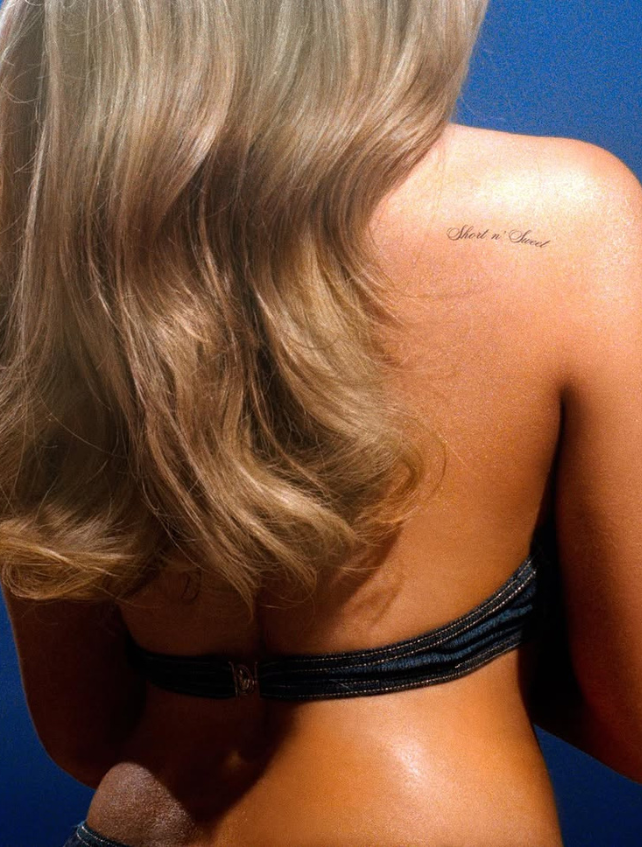
Carpenter’s fifth known tattoo is “Short n’ Sweet” in cursive on her upper right shoulder, added to mark her sixth studio album of the same name. It mirrors the lettering on the other shoulder, but its meaning is more directly tied to her public work.

That doesn’t make it a piece of merchandise. An album title can stand for a whole period of someone’s life, and “Short n’ Sweet” arrived as Carpenter’s music broke through to a much larger audience. The tattoo is a small timestamp for the album, the tour, and the songs that changed her reach.

The script looks more like a handwritten note than a logo, so it sits beside “At last” without crowding either shoulder. Even though the references differ, Carpenter’s choices have a pattern: simple words, fine lines, and placements she can keep private until she decides to show them.

What Sabrina Carpenter’s tattoos have in common

All five designs follow a similar rhythm. They’re small, sentimental, and easy to hide. The words point to gratitude, patience, music, or family. The symbols are familiar at a glance, while the personal meaning comes from the story behind each one.

There’s a difference between the public and private references. “Lucky” belongs to Carpenter’s childhood; the butterfly is tied to Sarah; “at last” reflects her long career before the breakthrough; and “Short n’ Sweet” marks a particular album era. The heart stays hers alone because she hasn’t explained it.

That mix makes the collection feel lived-in instead of planned. Some tattoos preserve a memory, some mark a moment, and one can remain unexplained. None has to be large to matter. They read like tiny footnotes to the life Carpenter was already living.

Carpenter’s usual styling can also keep the tattoos out of frame. A shoulder script may sit under a strap, a neck word may disappear into her hair, and the ribcage butterfly only shows when she wants it to. That privacy feels deliberate: she shares enough to give the designs context without making every inch of skin public. The collection stays intimate even when the photos travel widely. Small ink lets her choose when the story comes forward.

Sabrina Carpenter tattoo inventory

  • Right neck: “lucky,” her first tattoo, connected to her childhood teddy bear and gratitude.
  • Behind the left ear: a tiny <3 heart; its meaning hasn’t been confirmed publicly.
  • Left ribcage: half of a black butterfly matching her sister Sarah’s red version.
  • Upper left shoulder: “at last,” linked to her slow rise and possibly Etta James’s song.
  • Upper right shoulder: “Short n’ Sweet,” marking the album era.

That’s the complete five-piece list supported by the coverage reviewed here. The collection is small but clear: childhood, family, patience, and music, kept close in fine lines and handwriting.

Watch a breakdown of Sabrina Carpenter’s tattoos

This video walks through the known designs and their reported meanings.

More musician tattoo guides

A Family Tree, a Lennon Tribute and Ant McPartlin’s Other Tattoos

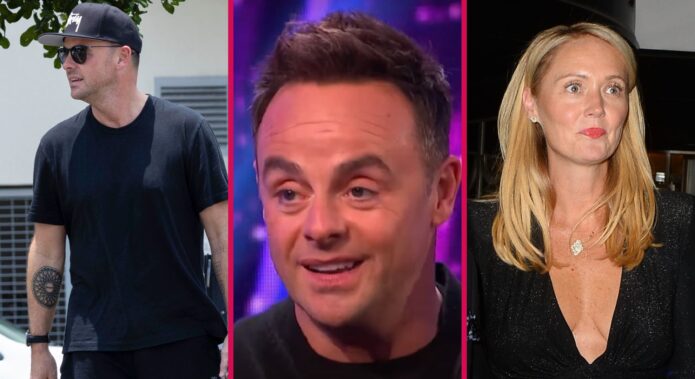
Ant McPartlin’s tattoos can be hard to spot when he’s wearing a suit, so they tend to make headlines when he rolls up his sleeves. There’s a family tree, a John Lennon tribute, a rose and arrow, dog designs, recovery-related ink, and a chest tattoo for his wife, Anne-Marie.

The collection has grown through some major changes in his life. Ant has spoken about recovery, marriage, and family, and those subjects appear in the tattoos. He also has a sense of humour about them. Not every mark comes with a big speech or a confirmed explanation. That blend of certainty and mystery makes the collection feel lived-in.

The family tree is the centre of the collection

Ant McPartlin family tree shoulder tattoo with names
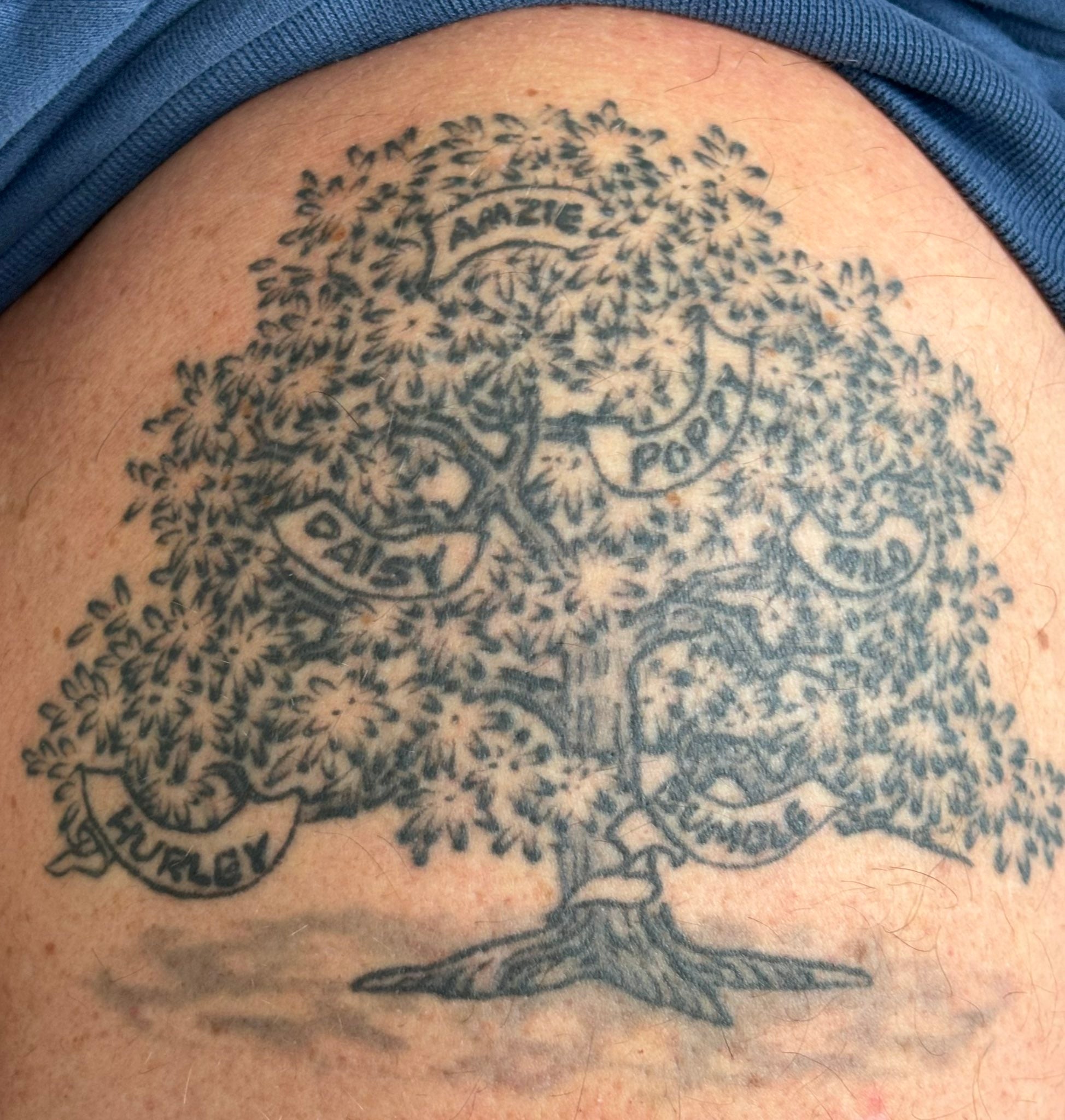
The largest and most personal design is the family tree tattoo on Ant’s shoulder. Its branches hold the names of the people and animals closest to him. Public photos show names linked to his wife Anne-Marie, her daughters Daisy and Poppy, their son Wilder, and the family dogs Milo, Bumble, and Hurley.

There was a brief online fuss when fans thought Hurley’s name had been left off. Hurley is the Labrador Ant shares with his former wife Lisa Armstrong. Ant clarified that the name was there, but a newborn covered it in the original photo. His reply was simple: Hurley was on the tree too.

That small correction says a lot about the tattoo. It isn’t a generic tree picked from a tattoo design book; its branches carry the names of the people and dogs in his family. The shoulder piece works like a private family chart that happens to appear in public photos.

Wilder’s arrival also helps explain why the tattoo drew attention. The design was shown around the time Ant and Anne-Marie welcomed their son, tying the newest name to a major family moment. The tree has a timeline as well as a meaning.

His John Lennon tattoo turns a song into a tribute

Ant McPartlin John Lennon Imagine tattoo on his forearm
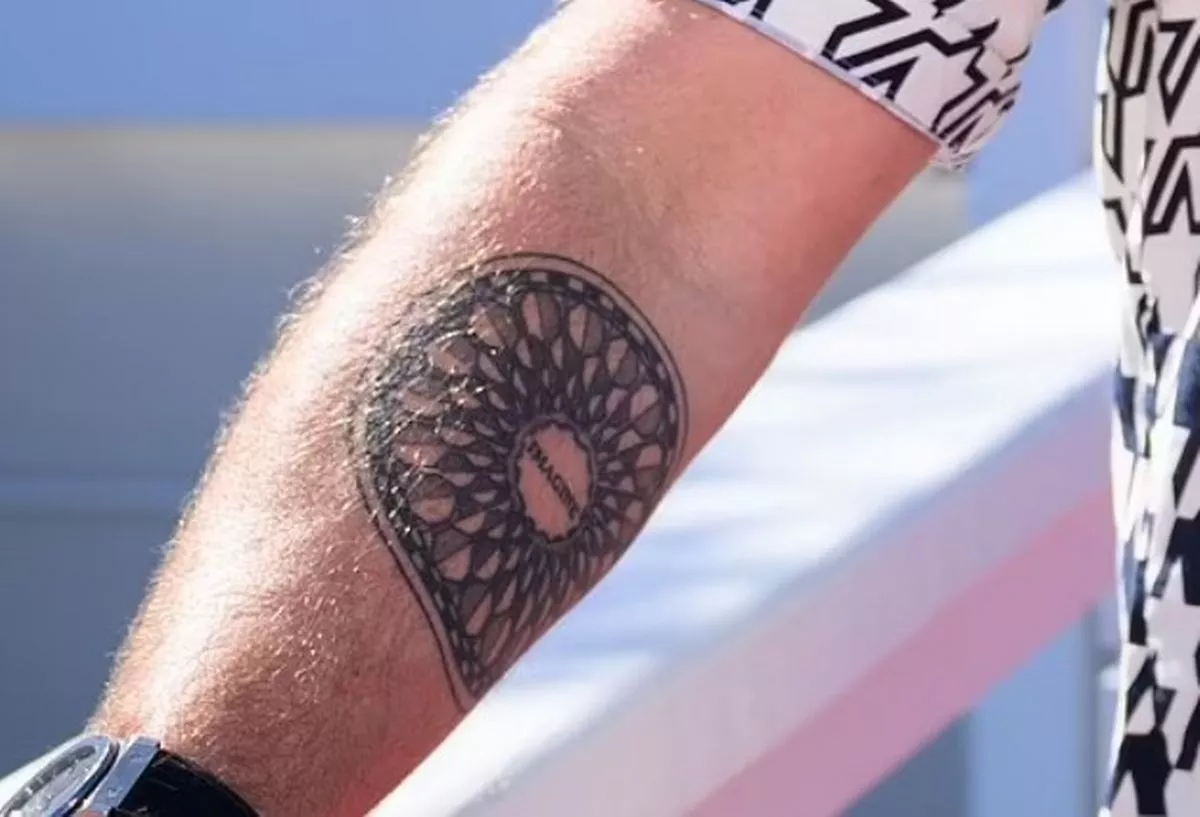
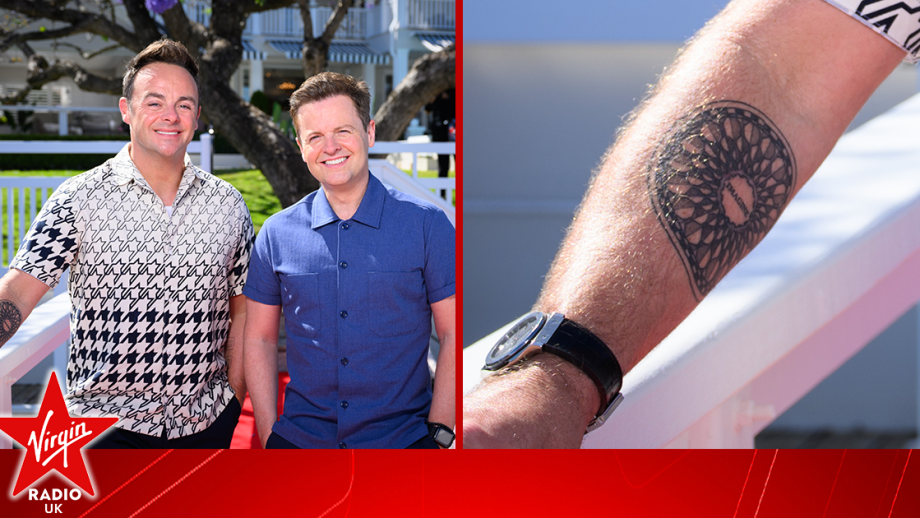
On his right forearm, Ant has a large circular tattoo based on the Imagine mosaic at Strawberry Fields in Central Park. “Imagine” sits at the centre, surrounded by a black-and-white pattern echoing the memorial’s tiles. The circle gives the reference a shape of its own instead of looking like a photograph copied onto skin.

The tattoo was revealed before an I’m a Celebrity series and quickly became one of the easiest pieces to identify. It also fits Ant’s long-standing interest in music. Rather than a generic guitar or lyric, he chose a particular place, image, and word with history behind them.

From a distance, the design can look like a mandala or wheel. Up close, the centre clarifies the reference. The word “Imagine” is what identifies it, while the surrounding pattern gives the forearm a dark, graphic look.

There are two ways to read it. The straightforward one is a John Lennon tribute. It can also suggest hope, especially alongside Ant’s family and recovery tattoos. Its meaning is personal, while the reference is deliberately public.

Anne-Marie appears close to his heart

Ant McPartlin forearm tattoo visible at a public event
Ant has several tattoos linked to his wife. The clearest is “Amzie” across his chest above his heart. Amzie is Anne-Marie’s nickname, and the placement makes the connection plain. It’s a small, direct tribute rather than a symbol that needs decoding.

He also has a simple letter A inside a heart on his chest, added in 2021. One design uses a nickname and the other an initial, but both point to the same person. Neither tries to hide who inspired it.

Reports from the same period also show a sun with black wings on his stomach. Ant hasn’t offered the same detailed explanation for every part of it, so it’s best to leave that uncertain instead of turning a guess into a fact.

Anne-Marie’s presence isn’t limited to one tattoo. Her nickname appears in the family tree, the chest piece, and the heart initial. The repeated reference feels like an ongoing thread, not a one-off gesture.

The rose and arrow carry different kinds of meaning

Ant McPartlin rose and arrow tattoos on his forearm
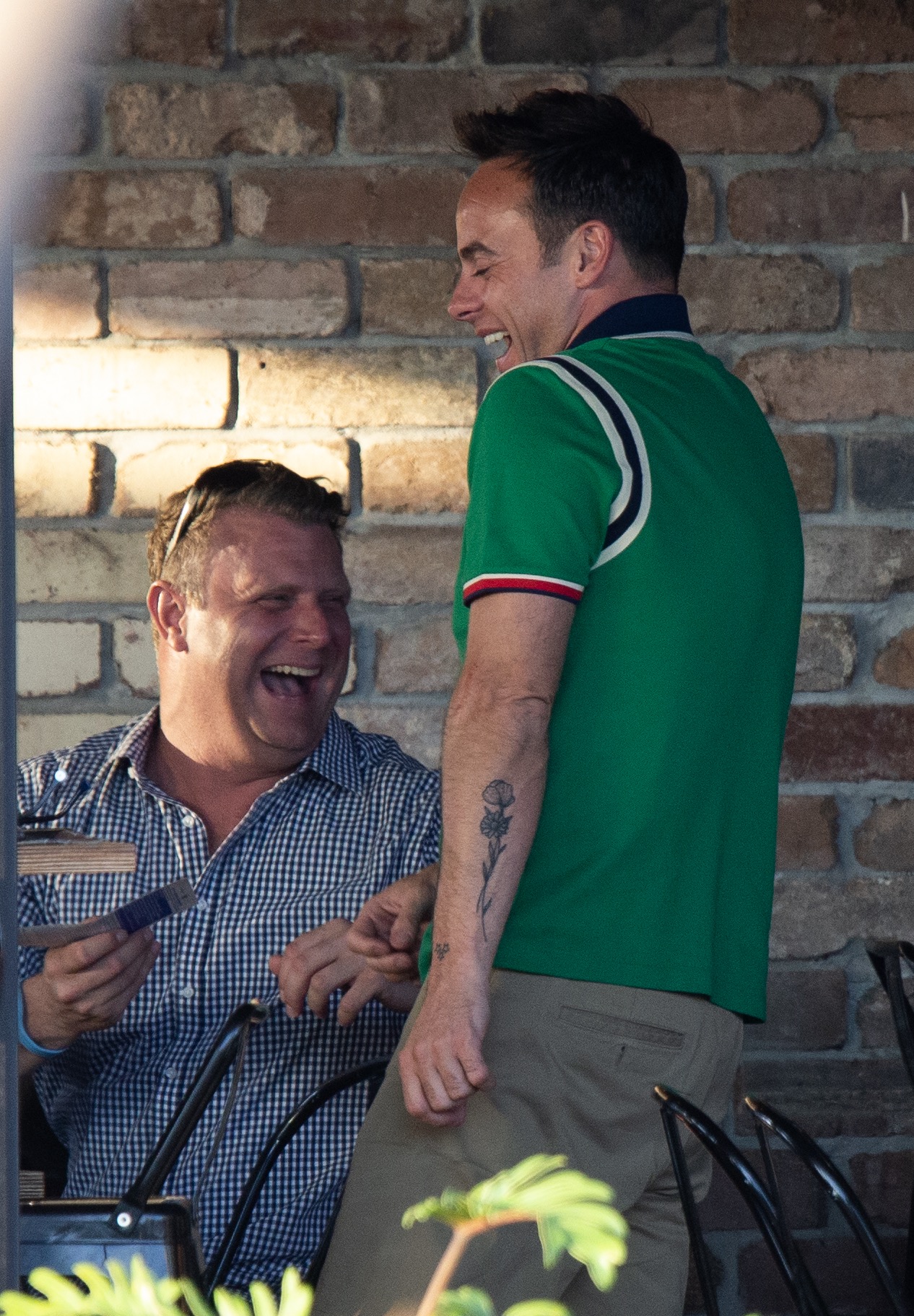
Ant’s arms include a rose tattoo and an arrow tattoo, one on each forearm. The pair balances visually even though the designs are separate. Roses are often associated with love, while Ant has described the arrow as personal and positive.

That’s as far as the confirmed explanation goes. People often assign arrows a universal meaning—direction, momentum, or getting through a difficult stretch—but Ant hasn’t settled on one specific interpretation publicly. The safest description is the one he has given: it means something positive to him.

The rose has a softer look than the Lennon mosaic. Its long stem runs vertically, while the arrow points across the skin and gives the arm a sharper line. Together, they keep the collection from becoming one solid block of dark shapes.

These designs are simple, but they’re part of Ant’s everyday image. His arms show on television, in holiday photos, and whenever he presents in short sleeves. Simple symbols become part of his familiar on-screen look.

His dog tattoos are a proper family tribute

Ant McPartlin forearm tattoo detail and visible arm ink
Ant’s love of dogs shows up beyond the family tree. He has a design of three cartoon dogs on his forearm, representing Milo, Bumble, and Hurley. These aren’t anonymous pet portraits; the dogs are treated as part of the family.

The design helps explain why Hurley’s apparent absence caused a reaction. Fans who knew the story were looking for his name, and Ant wanted them to know Hurley hadn’t been forgotten. The full family-tree photo settled it by showing the name where it had been covered.

There’s more warmth here than the phrase “pet tattoo” suggests. The dogs appear in the same family picture as the children and Anne-Marie. They’re alongside the people, not treated as a separate novelty.

It’s a very Ant detail: sentimental, a little chaotic, and impossible to explain without mentioning the dogs. The pieces make more sense together than in a quick list.

The harder years left a few quiet reminders

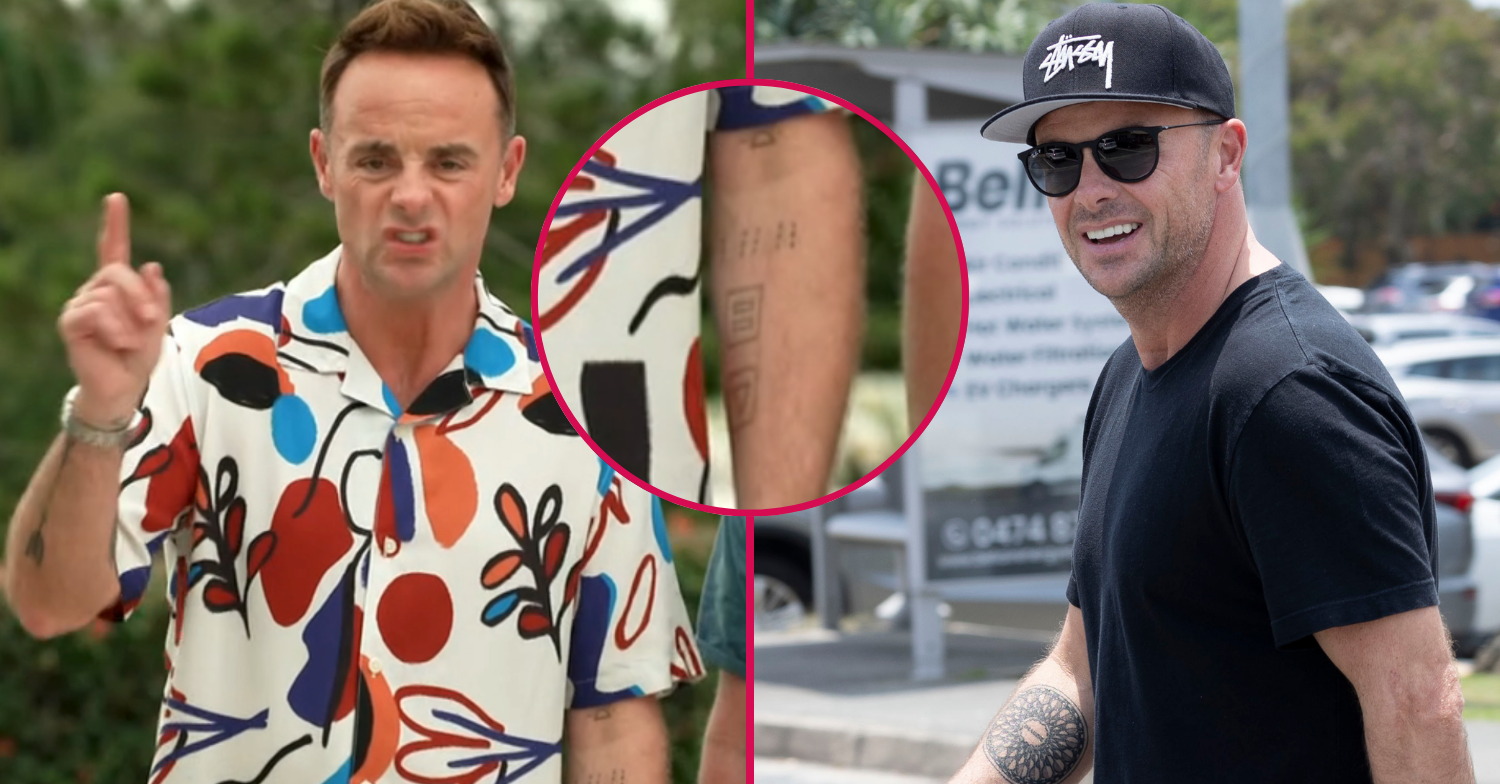
Some of Ant’s tattoos are linked to his recovery from alcohol and drug addiction. A small design near his wrist is often identified as the Alcoholics Anonymous symbol, although reports note that Ant hasn’t personally confirmed every detail of that interpretation. Small stars and other marks appear around his arms, along with the letters “S&H”, which coverage has connected to his sobriety story.

A little caution matters here. The recovery context is well documented, but Ant hasn’t captioned every shape himself. Some meanings come from people interpreting photos, and those should stay labelled as interpretations.

The placement makes sense, though. Wrist tattoos are hard to ignore and easy to see during everyday routines, so they can work as personal reminders. The family pieces look outward to the people Ant loves; the recovery-related marks may serve as quieter notes to himself.

Some pieces stay in the background

Alongside the main designs, Ant has smaller tattoos and lettering that don’t always come with an explanation. Some show only when his sleeves are pushed up; others are easy to miss in TV footage. They may matter, but a careful inventory still separates clear details from guesses.

His collection includes small stars, stacked lettering, geometric marks, and a circular wrist symbol linked to recovery. Public coverage describes the rose, arrow, family tree, dog tattoos, and Lennon tribute most clearly. Other marks add texture without a confirmed story attached to them.

That incomplete record is one reason celebrity tattoo lists can be tricky. A photo may show a shape, but only the wearer can explain why it’s there. Not every line needs a made-up meaning. Sometimes Ant simply hasn’t said.

The collection keeps its own balance

Taken together, the tattoos are less about one style than about the people and ideas Ant carries with him. The family tree and dog designs keep home life visible. Anne-Marie’s nickname and the heart initial mark his marriage. The Lennon piece connects him to music, while the rose and arrow add simpler designs with personal weight.

Recovery is another thread, expressed through small marks rather than one large statement. That seems fitting for someone who has spoken about difficult years and moving forward. These tattoos can be reminders, tributes, and parts of his visual identity at once.

There’s no need to pretend the collection was planned as one grand sleeve. The tattoos arrived at different times, for different reasons, and with different amounts of explanation. That’s what makes the collection feel human: a family tree, a Lennon tribute, his wife’s nickname, beloved dogs, and a few symbols whose full stories remain his own.

Watch the tattoo story on video

More celebrity tattoo guides

Nick Mayhugh’s Tattoos Run With His Story

Nick Mayhugh’s tattoos are hard to miss, but what makes them interesting is how closely they track his life. He wears large, confident pieces on his arms, with smaller details on his hands and wrists that make more sense when he explains them. The designs recall football, people who supported him, and goals that lie ahead as much as moments from his past.

Mayhugh has said he got his first tattoo at 17, with his mother signing the consent form. Since then, his collection has grown along with a career that moved from para football to sprinting, from early uncertainty to Paralympic gold medals and world records. The ink is part of his story. It helps him keep track of where he’s been and what he still wants to do.

The Team USA tattoo tour offers a useful look at the pieces Mayhugh has explained himself. Portraits and race photos show plenty of other details, but not all of them have a public meaning attached. This guide sticks to what’s documented and describes the visible work without assigning a secret story to every line. That care makes the collection feel personal, not incomplete.

His first tattoo came with his mother’s permission

Nick Mayhugh arm tattoos while celebrating with the American flag
Mayhugh has said his first tattoo came when he was 17, with his mother signing the consent form. That family detail makes the beginning of his collection feel different from the usual story about sneaking into a shop or getting ink on a dare.

It also gives the later work a starting point. At 17, Mayhugh wasn’t yet the athlete people know from the Paralympic track. He was a young person making his first permanent choice about what to carry on his skin. He hasn’t spoken as much about the design itself, so it’s better to leave that part open rather than guess.

What he has shared is that the first tattoo began a habit of using ink as a marker. Later designs connect to sport, family, goals, and people who influenced him. The collection grew with his life instead of appearing all at once as a finished image.

That gives the tattoos a grounded feel. Not every piece needs an elaborate explanation. A first tattoo can simply be the beginning, and its meaning can become clearer when you see what came after. Mayhugh’s collection reads like a timeline before it reads like a style statement.

Ronaldinho gave his football years a permanent place

Nick Mayhugh full arm sleeve tattoos in a Team USA portrait
One of the best-documented references in Mayhugh’s collection is a Ronaldinho tattoo. Before sprinting became his main event, he played para football and looked up to Ronaldinho. The tattoo keeps that earlier connection visible as his career moves in a new direction.

It’s more than a sports fan’s tribute. Football shaped Mayhugh as an athlete before he turned his focus to track and field. This design remembers that route rather than treating it as a chapter he wants to leave behind.

In photos, the Ronaldinho image appears among a larger mix of tattoos on his arms. It looks less like a separate portrait and more like one panel in a sleeve that’s still developing. The football tattoo reminds us his story began before the starting line.

There’s something very Mayhugh about keeping that influence close. He now talks about sprint times and medals, but the tattoo points back to the athlete who came before those achievements. It keeps an earlier version of him in the picture.

His hands bring butterflies, script and floral work into view

Nick Mayhugh hand butterfly and script tattoos from his tattoo tour
One of the most striking shots from Mayhugh’s tattoo tour is a close portrait with his hands covering much of his face. It brings attention to the tattoos across his fingers, wrists, and the backs of his hands: script, butterflies, floral shapes, and dense black linework.

The photo shows how much of the collection sits in places that are hard to hide. Hand tattoos are visible when a person gestures, ties a shoe, holds a relay baton, or raises a hand to their face. For Mayhugh, the designs become part of everyday movement.

The Team USA material doesn’t give every small design a public meaning. Some lettering can be seen but is too small to read confidently. The butterflies and flowers are clear enough to describe, while their individual significance is Mayhugh’s to explain if he chooses.

That mix of clear and private detail fits the collection. Some pieces make an obvious reference; others add personal texture. The hands photo makes that balance hard to miss. They look busy, but not random, like a scrapbook that’s grown over time.

Placement matters, too. Arms can disappear under a shirt; hands come forward with the person. His hand tattoos make self-expression part of the gesture.

Tally marks and future spaces connect the ink to competition

Nick Mayhugh track portrait showing his arm and neck tattoos
The tally marks on Mayhugh’s wrist are one of the clearest athletic references. In the tattoo-tour photos, they sit above a larger floral design beside a line of text about saving spaces for Paris and Los Angeles. The idea is straightforward: leave room on the wrist for milestones that haven’t happened yet.

Unlike a date or medal tattoo, this one is unfinished on purpose. The marks can grow as his career continues, and the blank space is part of the message. He has left room for future achievements rather than treating the collection as complete.

Mayhugh’s career gives that idea extra weight. He won three gold medals at Tokyo 2020, then faced the complications of changing classifications, new events, and new goals. A forward-looking tattoo can hold that uncertainty. The next result still matters, even after major wins.

The tally marks also fit the routine of an athlete, whose days are counted in repetitions, races, seasons, and small improvements. Lines on the wrist turn that habit into an image. It isn’t flashy, but the context makes it clear.

Beside the larger arm work, the wrist tattoo offers a quieter note. The most hopeful piece may be the one that deliberately leaves room for more.

The arm work is built from layers rather than one single theme

Nick Mayhugh shoulder and arm tattoos in a Puma portrait
Mayhugh’s larger arm tattoos are where the collection starts to read as a whole visual system. Photos show heavy black-and-grey work from the shoulders down, with lettering, flowers, faces, and ornamental shapes packed close together. Not every design has its own explanation, but it’s clear the sleeve was built in layers.

The tattoos don’t look like one giant piece designed in a single sitting. They seem to have come from different periods of his life. The football image, hand work, wrist marks, and athletic reminders sit together without being forced into one logo or pattern.

The Puma portrait helps show the scale. Dense shading covers the shoulder and upper arm, while forearm lettering and smaller designs keep the whole surface from becoming one flat block. The sleeve has movement because the shapes don’t all speak at the same volume.

It’s useful to separate visible details from confirmed meanings. We can describe a black-and-grey sleeve without deciding that every animal, flower, or shape stands for something specific. Mayhugh has explained some key pieces. The others can remain part of the visual language.

That restraint keeps the article honest and gives his own stories room. The tattoos don’t need invented meanings to be worth looking at.

How the tattoos fit the bigger picture

Together, Mayhugh’s tattoos tell a story about movement. He went from football to track, and from asking his mother for permission at 17 to making space for future Games as an adult athlete. Heroes, goals, and everyday reminders all travel on the same hands and arms that power his races.

Tattoo ink stays in place while sport keeps changing. Records fade from the headlines. Classifications change. Training plans get rewritten. The tattoo remains, but its meaning can stretch as Mayhugh grows into a new version of himself.

The through-line isn’t one design; it’s the habit of marking progress. The Ronaldinho tattoo recalls an earlier influence. The tally marks record what has happened and leave space for what could come next. The hand designs bring that personal visual language into ordinary gestures.

That’s why the collection feels more thoughtful than a quick list of motifs. The ink is visible, but not every story is meant to be understood at a glance. Some pieces point to public influences, some to family, and some are simply designs he liked enough to keep. There’s room for all three kinds of tattoo on the same body.

Watch Nick Mayhugh explain his tattoos

Mayhugh’s Team USA tattoo tour is the best place to hear him explain the designs in his own words.

More athlete tattoo guides