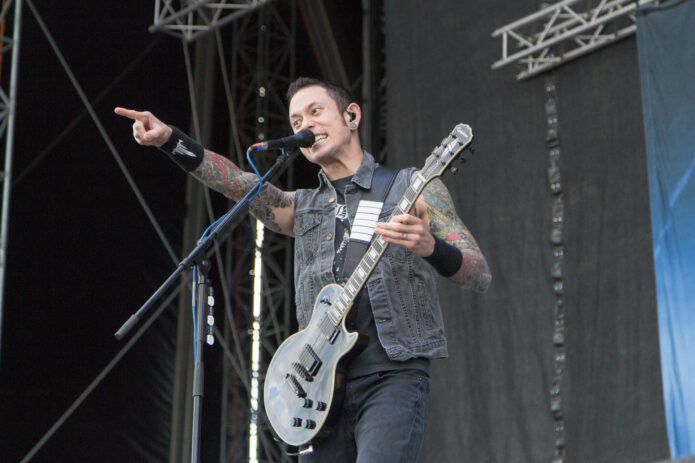
Matt Heafy’s tattoos have developed alongside Trivium rather than appearing as one finished statement. What began as visible work on his arms grew into a much larger Japanese-inspired project across his back, arms, legs, and lower body. He has spoken openly about the stories behind the designs, which makes the collection easier to follow than much rock-star ink. The photos change from year to year, but the same ideas keep returning: Japanese mythology, demons, gods, creatures, and family symbolism.
Heafy’s own tattoo-tour video is the best place to hear the stories in his words. Earlier interviews and reports help fill in the timeline, including the sessions with Kahlil Rintye at Tattoo City and later work by David Bruehl. Some meanings remain personal, so this guide separates what Heafy has identified from what can only be seen in live photos.
The Japanese body suit started with a much bigger idea
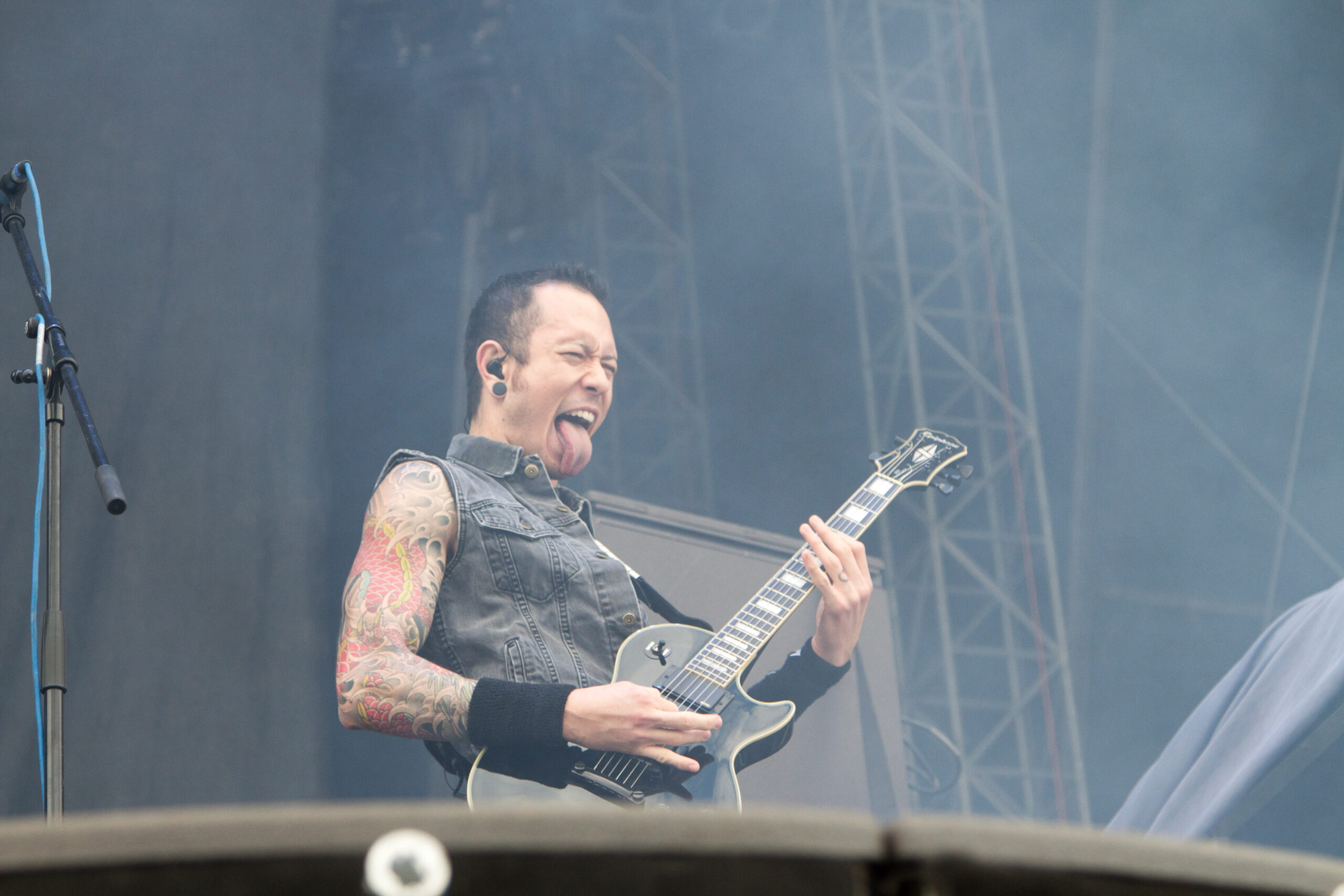
Heafy has described the plan as a connected Japanese suit, not a random collection of separate pieces. The background is designed to carry across larger areas of skin and help each figure stand out. Photos from the Nova Rock period show dense colour and linework already on his arms; later work on his back makes the overall scale easier to see.
That context matters. One close-up can make an arm look like a conventional sleeve, but Heafy has described a wider project connected by Japanese art and old stories. He says the narrative behind each figure matters as much as the image itself, whether it’s a dragon, demon, or something else.
His back piece is built around Japanese mythology
The back is the largest documented part of Heafy’s tattoo project. Loudwire reported in 2015 that Kahlil Rintye’s work at Ed Hardy’s Tattoo City covered his back and arms. Later updates show it continuing over time rather than being finished in a single session. Photos can’t explain every symbol, but they show a deliberate composition that uses the whole back as its canvas.
Heafy has pointed to ancient Japanese stories as the key to understanding the work. Calling it only a “dragon tattoo” misses the larger idea: the creatures belong to a visual language, and the background helps make the story feel complete. He has also discussed demons, sometimes as frightening figures and sometimes as a way to explore the difference between real and imagined threats.
Raijin and Fujin brought the newer color to his torso
A more recent chapter added Raijin and Fujin, the Japanese gods of thunder and wind. Reports and Heafy’s own social posts identify the pieces as work by David Bruehl. They fit the larger suit because they come from the mythology Heafy has explored for years, while bringing a vivid, colour-heavy focus to newer sections of his body.
Heafy has called it a front-suit piece, which helps explain why its placement shifted in progress photos. A tattoo project this large takes a series of sessions. One photo may show it looking unfinished; the next can look much fuller. The process becomes part of the story alongside the finished art.
The arm sleeves show the older layers of the collection
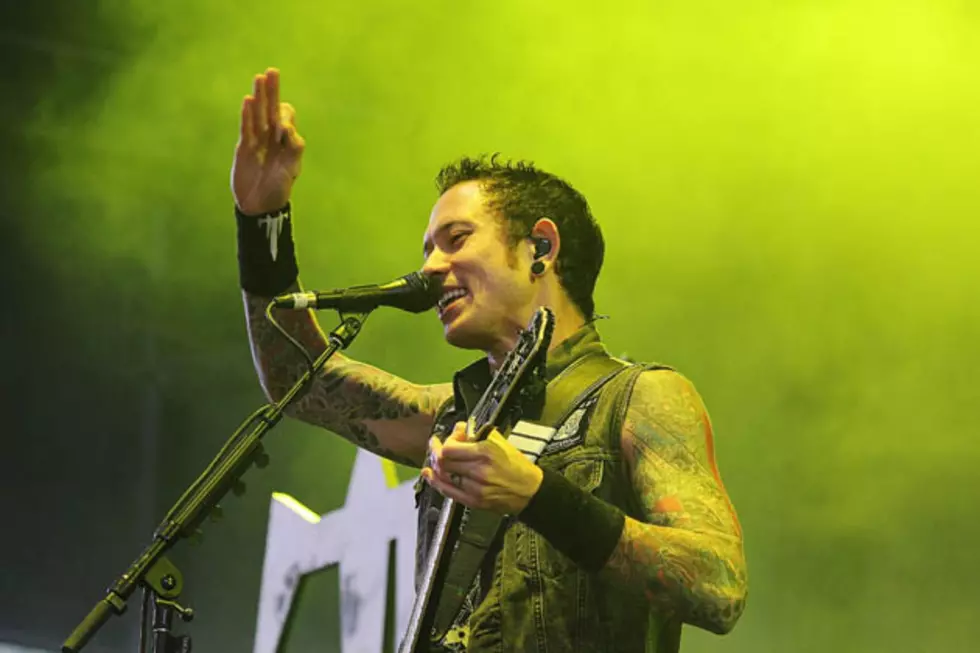
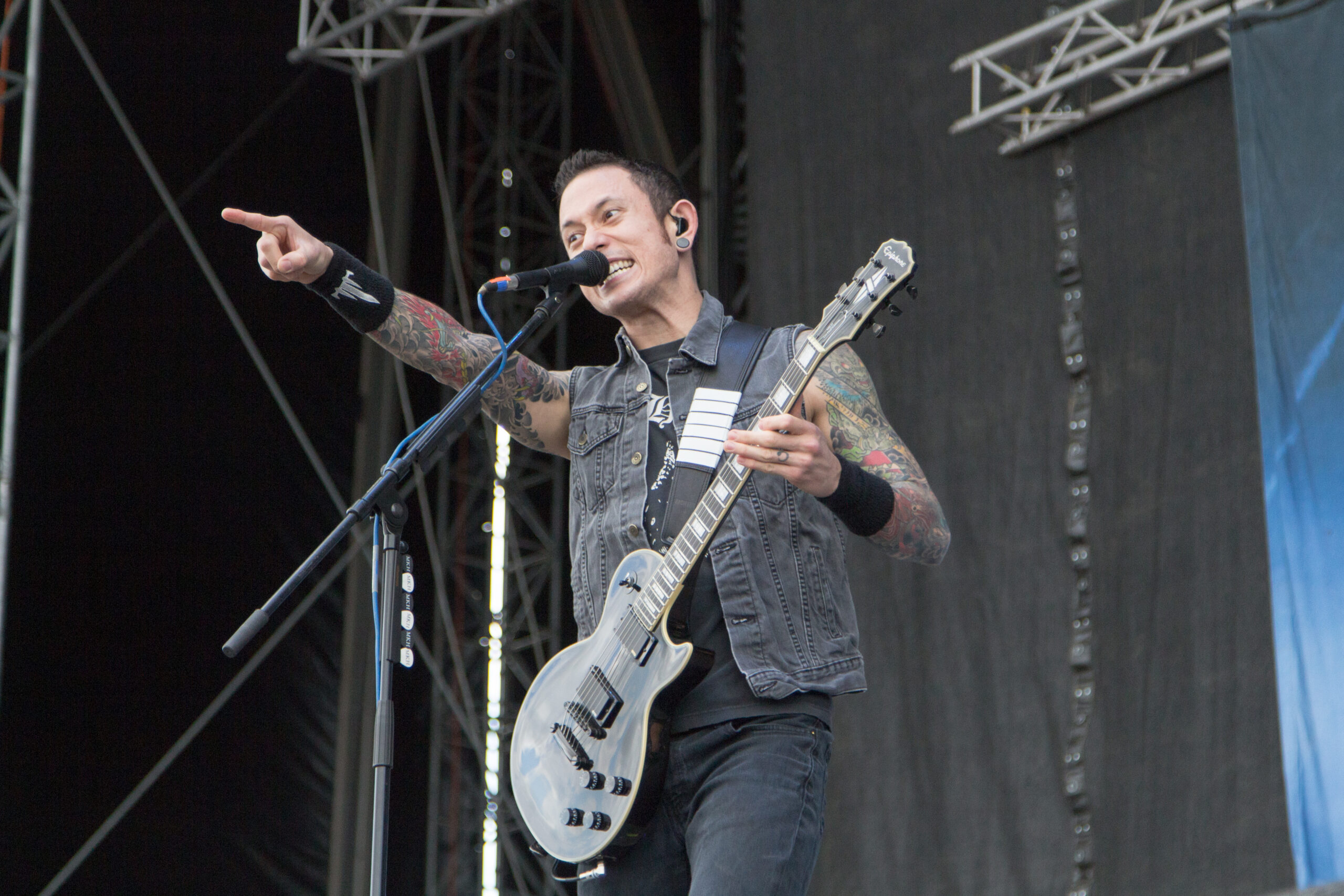
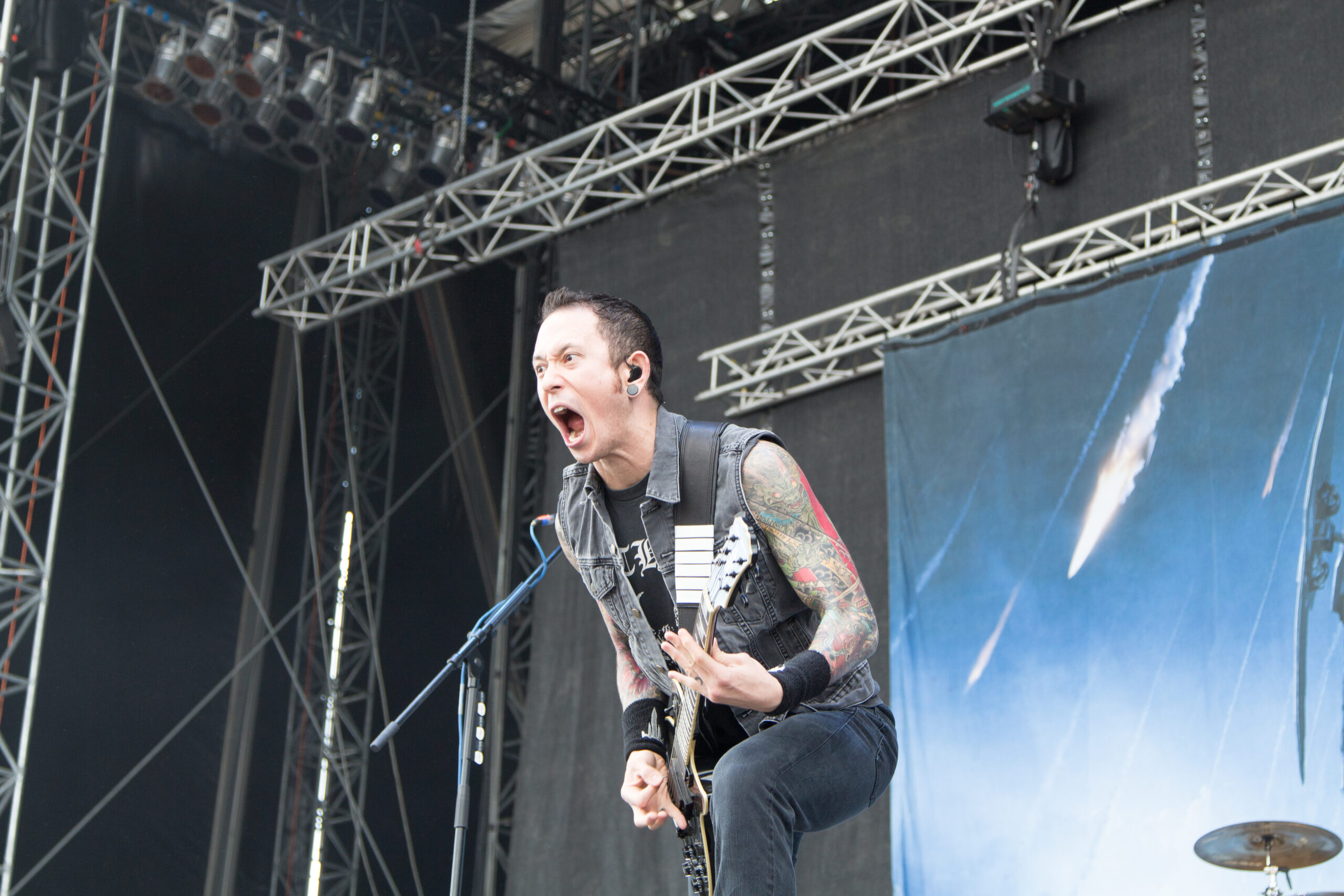
His arms are the easiest place to see how the collection has developed. Concert photos show both packed with images, bright colour, bold outlines, and background work reaching toward the shoulders. The sleeves don’t hide that the tattoos were added over time. Different periods sit together, with the Japanese influence giving them a shared feel.
In earlier interviews, Heafy has talked about drawing on Japanese art and specific stories. The arm work is more than stage decoration; it reflects a long-running interest. Photos also show why he has kept extending the suit: once a large section is finished, the empty edges become part of the design to solve.
The wedding-band tattoo is small but unusually personal
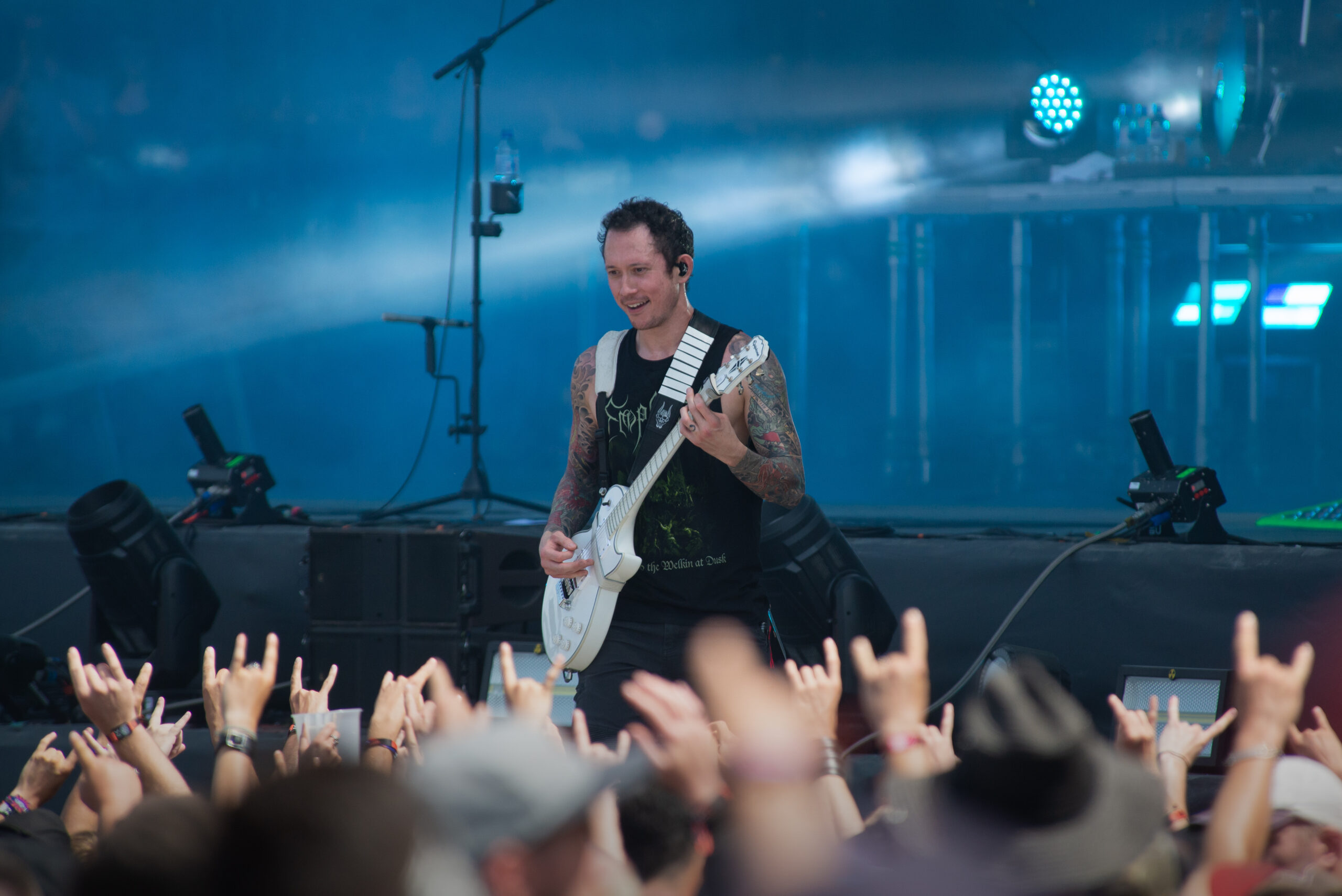
Not every important tattoo is a giant back panel. Blabbermouth’s coverage notes a Japanese Ensō wedding-band tattoo on his left hand. The Ensō is an existential circle associated with Zen ideas, and Heafy has said he uses it as his wedding band. That gives the small mark a different weight from the larger mythology pieces.
It’s a reminder that the collection moves between public spectacle and private shorthand. A back piece might be photographed for a magazine, while a hand tattoo can carry a direct family meaning every day. The contrast makes the inventory feel more personal. Heafy’s ink is not only about looking intense onstage; it also records relationships and personal philosophy.
It’s tempting to reduce his tattoo history to “full body suit,” but the photos show a more interesting process. The collection has a clear structure and still leaves room for small marks and shifts in emphasis. His arms are busy because they make the first impression onstage. The back can look quiet from a distance, then become dense when the camera moves closer. Newer front-suit work turns open space around older tattoos into part of the composition.
The artists help explain how the look has changed. Kahlil Rintye’s work is associated with the early large-scale back and arm sessions reported by Loudwire. David Bruehl’s later Raijin and Fujin designs bring another burst of colour and a direct link to Japanese gods. Heafy has also credited other artists over the years, so it would be inaccurate to assign every line to one person.
Heafy’s explanations also keep the guide grounded. When he talks about old stories, demons, and the meaning of the Ensō, he gives viewers a way into the designs without turning every symbol into a guess. The wedding-band Ensō is especially useful evidence because its meaning is explicit: it’s a personal symbol on his hand, not just another dramatic image in the suit.
Together, the tattoos record how Heafy thinks about music, family, mythology, and identity. The collection is theatrical enough for a festival stage, but the stories underneath it are patient and specific. He has returned to the work over several years, lived through the awkward in-between stages, and kept adding context as new sessions happen. That’s why a tattoo tour suits the project: you can see the art, hear the explanation, and understand that a full-body design keeps growing.
When comparing photos, it’s safer to follow the placement than to invent a complete catalogue. Concert pictures show strong continuous colour on the upper arms and shoulders. The older Tattoo City report and Heafy’s later updates help trace the back piece. The newer gods belong to the front-suit chapter, while the Ensō remains a small but meaningful mark on his hand. This leaves room for future sessions without pretending that every detail has already been named.
Heafy is still adding to the story in public, one session at a time.
His progress photos also make the project unusually easy to date. They let readers compare the early arm colour, the developing back, and the newer front work without mistaking one old concert photo for the final version of his tattoos.
What the collection says about Matt Heafy’s timeline
The clearest way to read Heafy’s tattoos is as a timeline. Early arm work established his interest in dense Japanese-inspired imagery. Kahlil Rintye’s sessions expanded it across his back and arms. Later, David Bruehl’s Raijin and Fujin designs brought more mythology and colour to the front of his body.
That timeline is why the collection looks different in photos from one tour to another: the work is still being built. A 2024 tattoo tour can explain a design that was only partly visible in a 2014 concert photo, while the 2015 report on his back piece fills in part of the gap. The unfinished stages belong to the story; they aren’t mistakes to hide.
There’s also a clear line between documented details and fan guesses. Heafy has named the artists, discussed the Ensō, and identified the Raijin and Fujin project. Other shapes are visible but not always named. A careful guide leaves those meanings open unless he has explained them publicly.
Watch the story behind Matt Heafy’s tattoos
Heafy’s own tattoo-tour video is the best companion to these photos because it lets him tell the stories in his own voice.