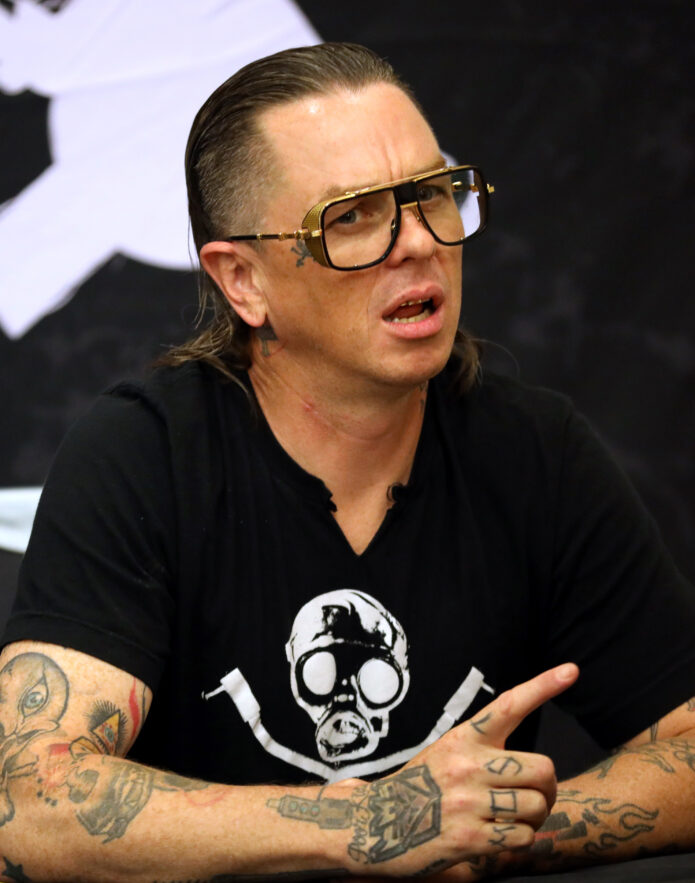
Sid Wilson’s tattoos are part of the look he has built around Slipknot and DJ Starscream. Even without the stage mask, the ink makes him easy to recognize. The face and neck stand out first; his hands and forearms add lettering, symbols, color and smaller details.
There isn’t one theme tying every piece together. A face tattoo sits beside a Transformers symbol, while old-school flames run into block lettering. The “MUST KILL” knuckles share space with other hand designs linked to his interest in the franchise. The collection feels assembled over time, not planned as one matching sleeve.
Wilson has shared stories behind some of the older pieces. He has said his first tattoo was a dead dolphin, done with a needle and thread when he was in high school. He also explained that a former Slipknot member used to write the knuckle phrase on his fingers before shows. Looking at Sid Wilson tattoos means paying attention to both the bold designs and the stories he has told about them.
Sid Wilson’s face and neck tattoos set the tone
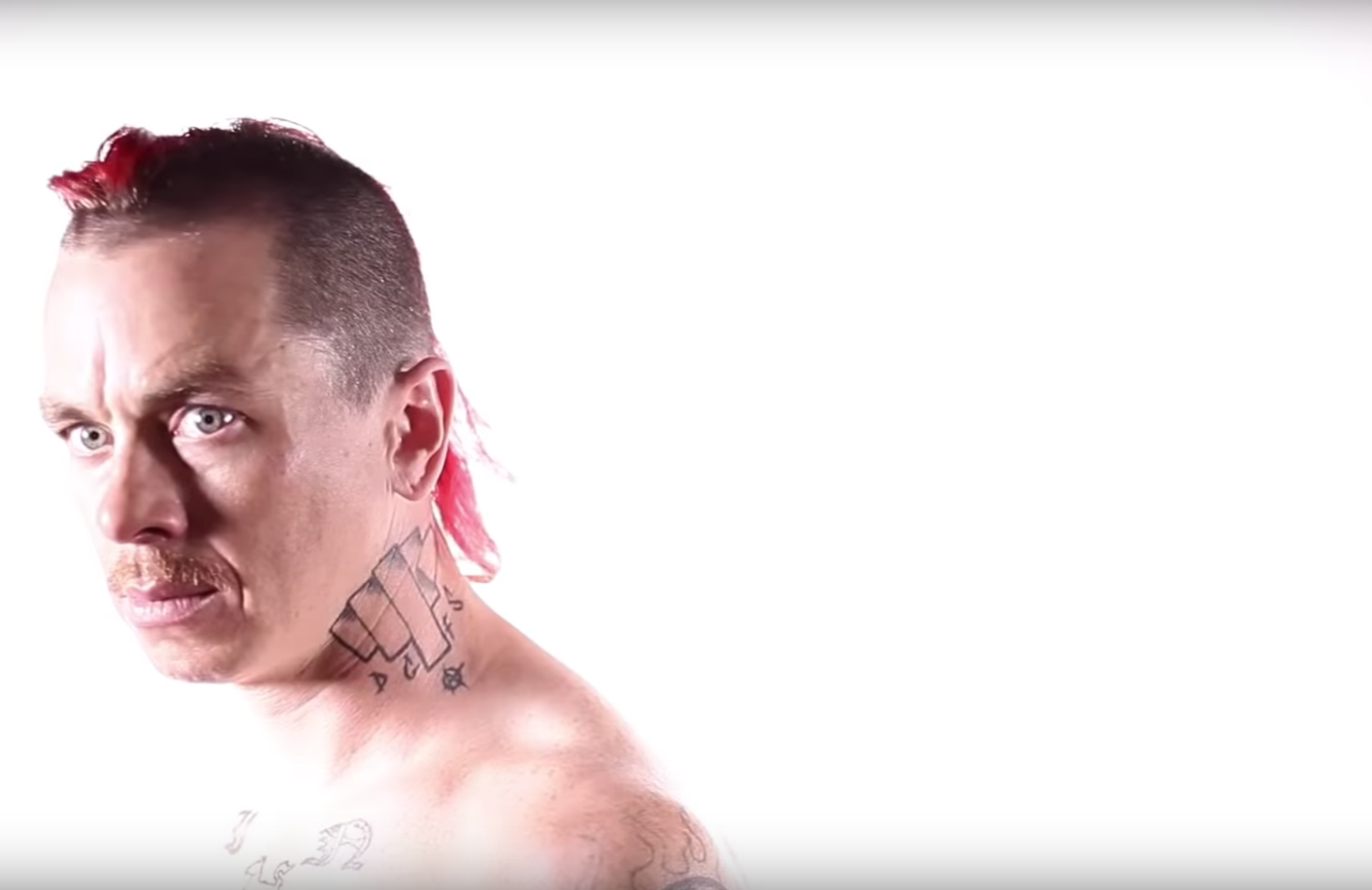
The face and neck set the first impression. Small marks near Wilson’s eyes and a larger design on one side of his face make his features look more graphic, especially when his hair is pulled back or he wears glasses. Ink around the neck carries the design down toward his shoulders instead of stopping at the jaw.
A small mark near the eye can change the feel of a portrait. On Wilson, the tattoos add to the restless, slightly cartoonish look also seen in his masks and stage characters. They’re sharp and direct, with little attempt to look delicate.
There’s an interesting contrast between those face tattoos and Wilson’s work with Slipknot. He spent much of his career performing behind a mask. When photos show his uncovered face, the ink gives viewers a link between the musician and DJ Starscream, the persona he performs as.
Face tattoos need an especially clear reason before you book the appointment. They’re difficult to hide, change how strangers read you and can blur as the skin ages. Wilson’s placement fits a public image already shaped by heavy music, masks and visual shock. That doesn’t make it right for everyone; the choice needs to fit the wearer’s life.
The MUST KILL knuckle tattoos are the detail fans spot first
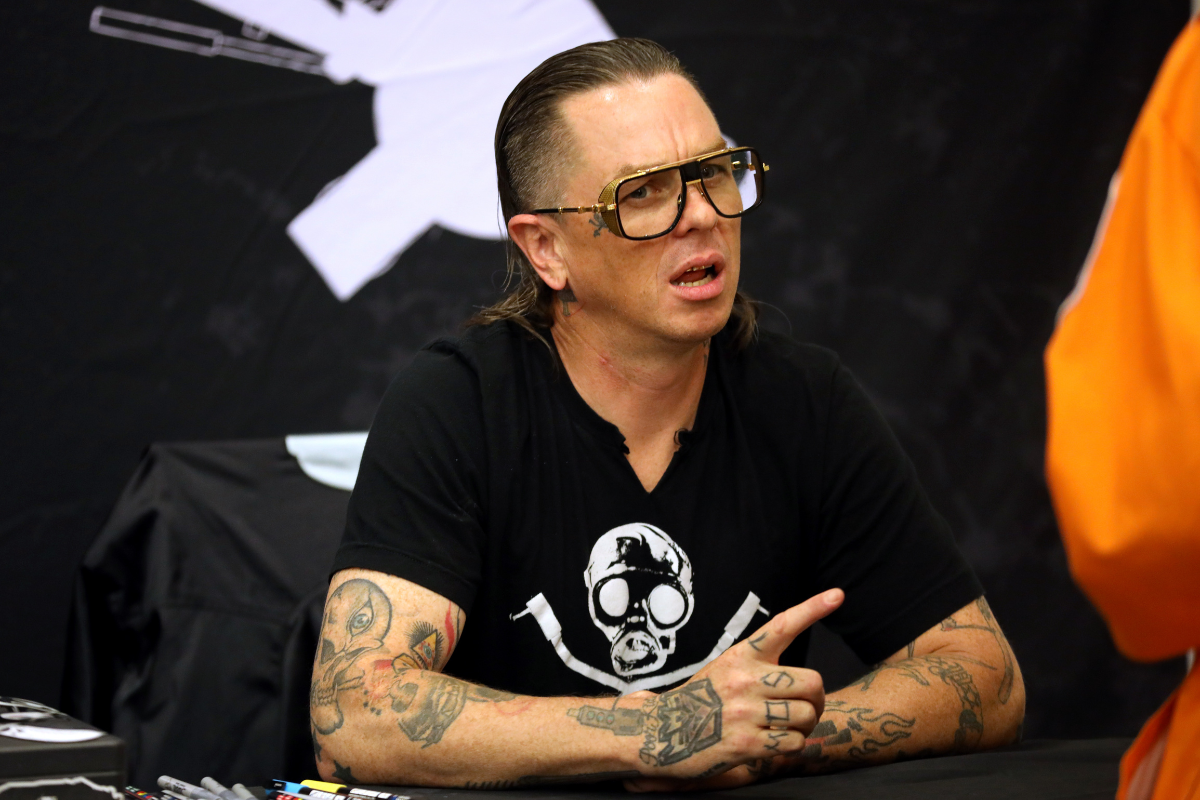
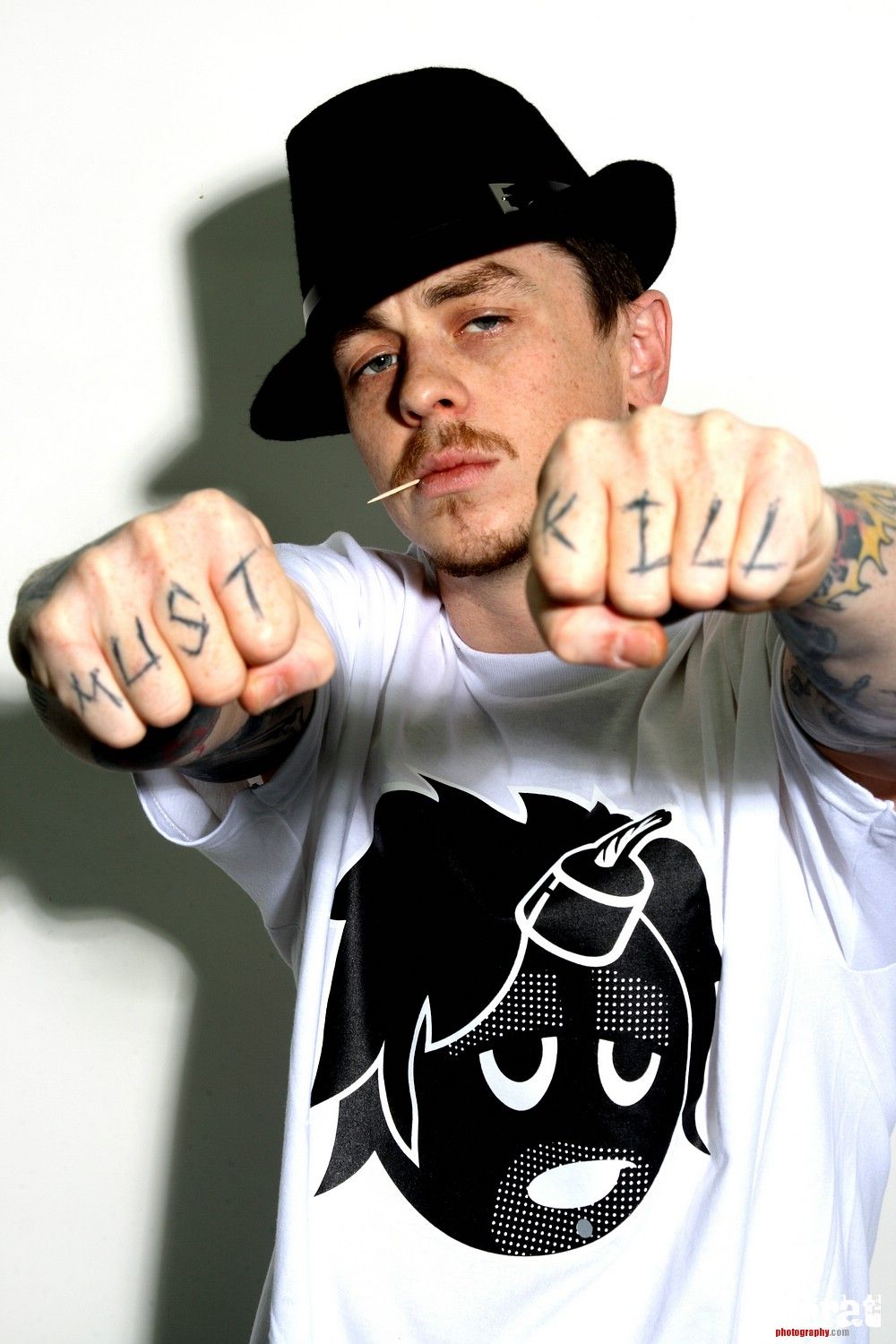
The “MUST KILL” knuckles are among the easiest parts of Wilson’s hands to recognize. Heavy, rough letters stretch across the fingers, visible when he points at a camera or raises his hands onstage. The uneven, hand-drawn look gives the words their edge.
Wilson has said a former band member used to write the phrase on his knuckles before shows. The ink could smear or wash off, so Wilson eventually had the words tattooed. That history ties the phrase to Slipknot’s early years; it began as part of a pre-show routine and became permanent.
Knuckles are a hard place to tattoo. The skin bends, fingers keep moving and the hands take plenty of friction. Small lettering can fade faster there than it might on the upper arm. The rough style suits the placement, and the heavier lines help the words stay readable when his hands are turned or partly closed.
Hand lettering does not have to be perfectly clean to look intentional. If you’re considering words across your fingers, keep the phrase short and work with an artist who knows how that skin moves. Leave room for the letters to age; a thin design can look elegant on a stencil and fade with years of use.
His forearm tattoos mix Transformers symbols with old-school color
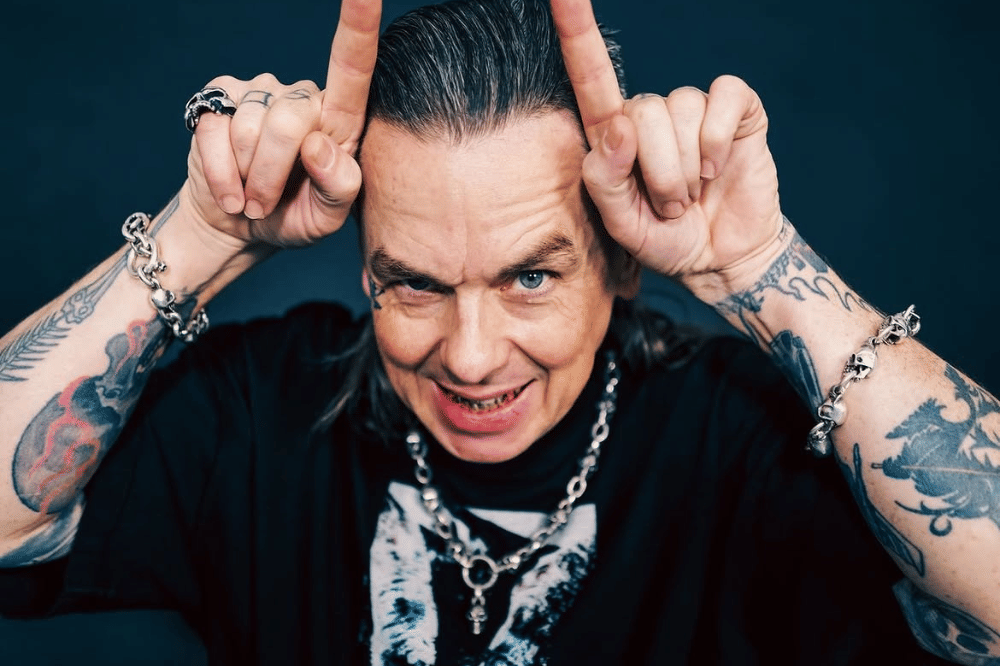
Wilson’s forearms are easier to study when he wears a sleeveless shirt or raises his hands toward the crowd. The ink includes block shapes, flames, stars and symbols set at different angles. Some pieces use red, yellow or green; others rely on thick black outlines and darker shading.
Transformers is a clear thread through the collection. Wilson has spoken about his long-running interest in the franchise, and the symbols on his hands fit the DJ Starscream name. They’re placed where people can see them, in keeping with a performance identity built around strong visual cues.
The forearms also have an older tattoo style: firm outlines, saturated color and designs that read from a distance. Some symbols have a comic-book feel, while the skulls, flames and mechanical shapes keep the overall look from becoming too playful.
Color tattoos need a strong outline and a clear silhouette if you want them to stay readable. Wilson’s older pieces show how black borders can frame a design and keep colors distinct. If you’re planning an arm, leave space between the images too. Open skin can stop bright pieces from blending into one busy patch.
Chest and shoulder tattoos connect the face and arms
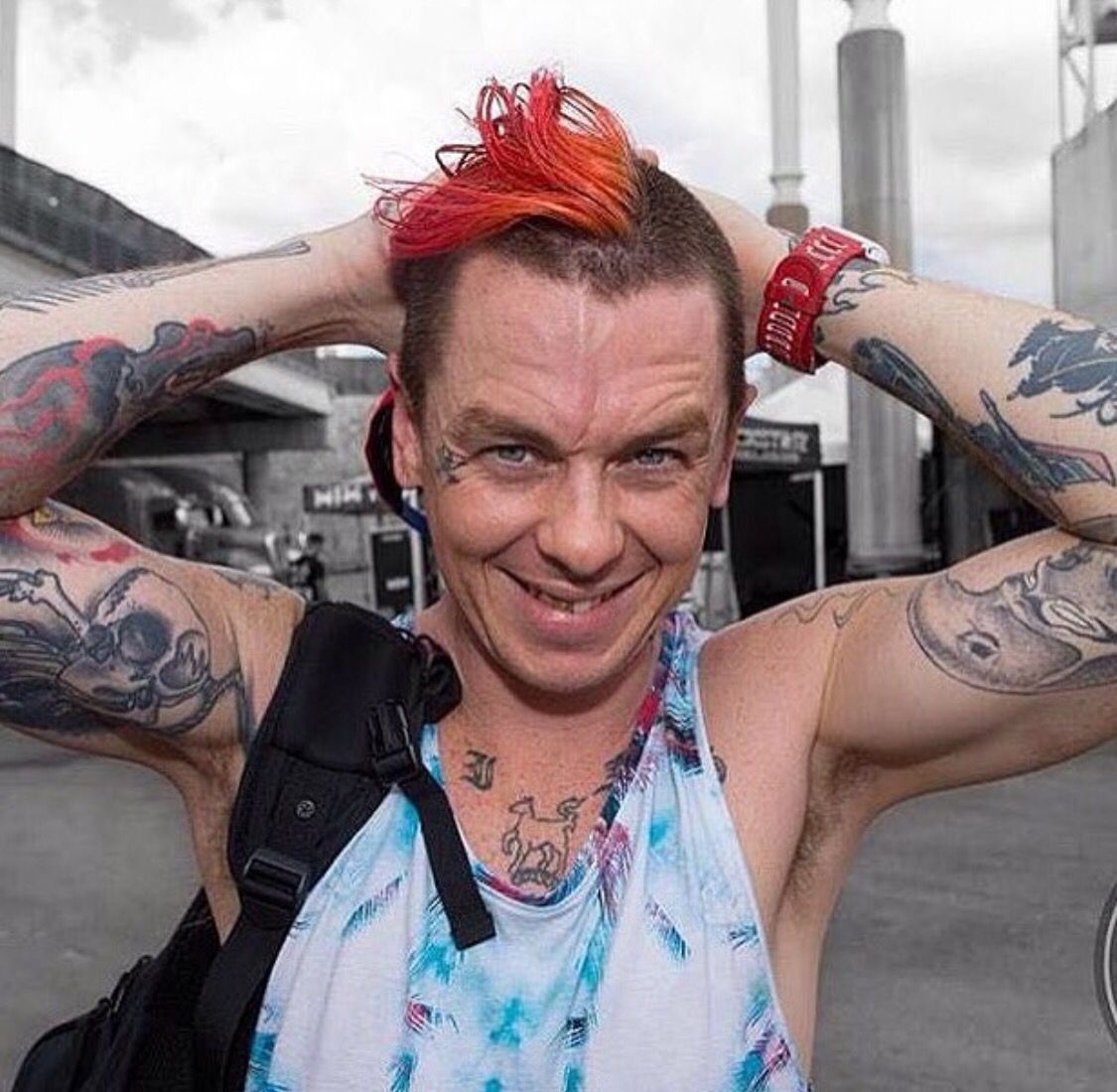
In a tank top or open shirt, the shoulder and chest tattoos extend the collection beyond the face and hands. They carry the eye from his neck across the upper body and down the arms, giving the ink a broader shape.
Some of this work looks softer and more faded than the hand tattoos. That difference shows the collection at different stages. Tattoos from different years don’t have to match exactly; a bold outline can sit beside older grey shading if the placement works.
Signing-event and interview photos are useful for this area because Wilson is often seated with his arms forward, showing his hands, wrists and lower forearms. Stage lighting can flatten the shading. A quieter portrait may show the small marks near his face and how the neck tattoo meets the shirt line.
The design lesson is about flow. A tattoo collection can feel connected when the eye has a route from one area to the next. Wilson’s tattoos draw that path from face to neck, shoulders and hands. You don’t need to cover every area; think about where the next piece will sit beside the ones already there.
Sid Wilson’s tattoo style feels like a collection built over time
Wilson’s tattoos look like they accumulated with different interests and stages of his life. The hand lettering, Transformers symbols, face marks and colored forearm pieces don’t have the uniform look of a single-session design. That variety is part of what makes the collection feel personal.
His first tattoo story has a different feel from the more deliberate work. He has said the dead dolphin was done with a needle and thread while he was in high school. The knuckle words also preserve a specific memory: a phrase written before Slipknot shows became permanent ink.
The tattoos sit alongside a performance character without turning every piece into branding. Wilson’s masks, hair and stage names have changed, but the ink remains underneath them. It gives the different versions of him a point of connection.
If you’re using Sid Wilson tattoos for ideas, borrow the approach instead of tracing a design. Think about a film, game, band memory or family story that already matters to you. A collection can reveal a person one piece at a time.
The face and neck shape Wilson’s public image; the knuckles keep a Slipknot-era routine in view, while the Transformers symbols connect with DJ Starscream. The colored forearm work adds another look to the mix. His tattoos are bold, but the stories aren’t all the same.
The pieces share a few visual habits, especially heavy outlines and symbols on the hands and arms. Their placement gives the collection a center at the face and neck, with color across the forearms. The result doesn’t rely on one uniform style.
If you want a similar collection, start with one area that feels right. Choose the piece with the strongest personal reason, leave it room and decide on the next tattoo later. Wilson’s ink feels lived-in because it grew over time instead of following one trend board.
An early interview shows Wilson speaking as DJ Starscream: