YG’s tattoos have the same bold energy as his music, but they aren’t random. Over the years, the Compton rapper has used his skin to record family, faith, his neighbourhood, loss, and lessons from growing up in Los Angeles. Some designs are easy to read; others sit in a dense mix of script, portraits, crosses, and symbols.
There’s no fully reliable public count, and the collection has changed over time. Interviews and photo shoots do document several recurring pieces: a cross on his chest, “Trust Nobody,” the Pushaz forearm tattoo, references to Bompton, a Virgin Mary on his scalp, a large side seal, family names, and tributes to people close to him.
The chest cross started with family
One of YG’s most important tattoos is the cross on his chest. He has said his first tattoo was a cross with his parents’ names and the word “forever”. He got it at 16, making it less a fashion choice than the starting point for the collection that followed.
That detail changes how the rest of his chest reads. The religious imagery isn’t there just to look tough. It sits alongside family names and personal history, keeping the people who raised him close as his public life has grown.
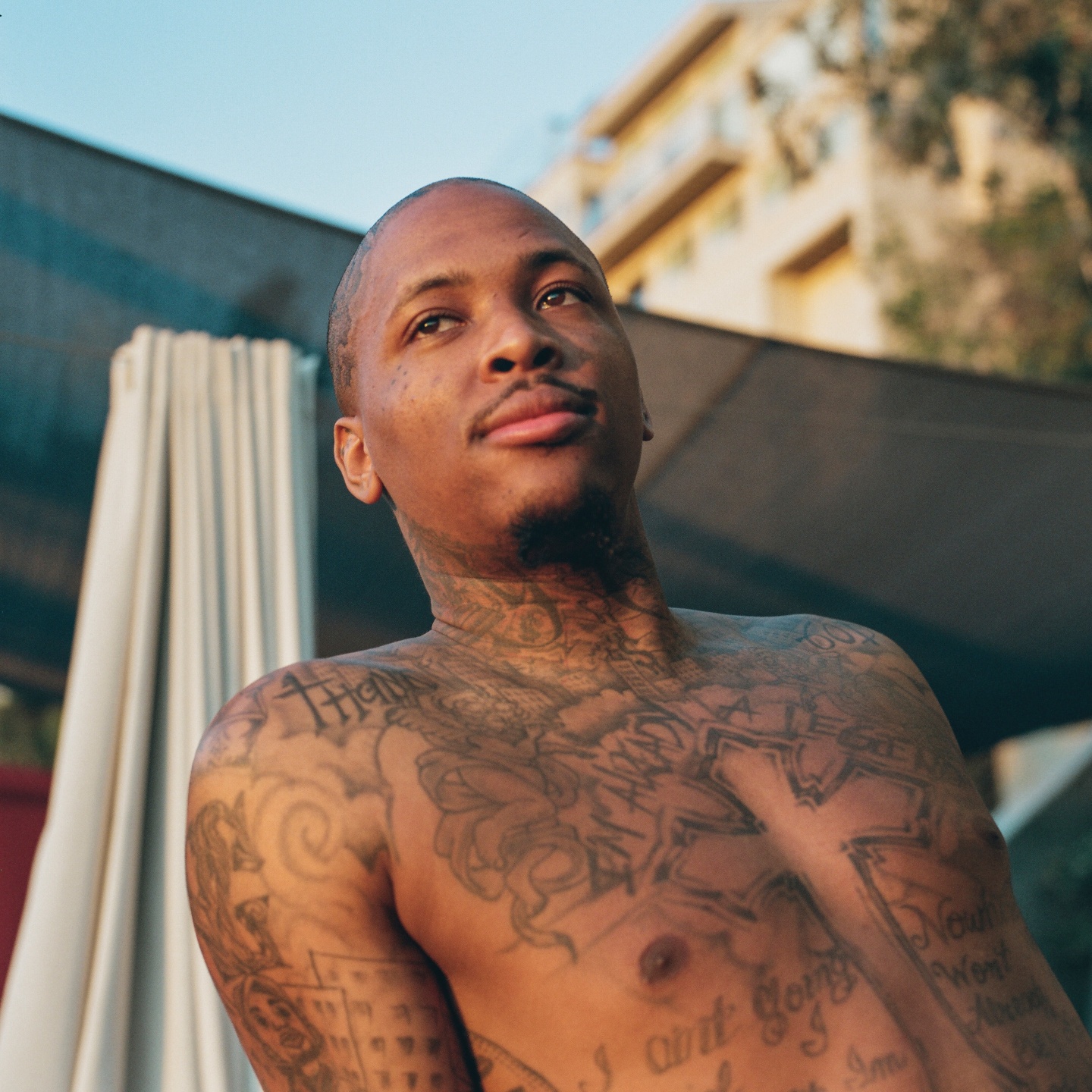
Later photos show the chest filling in with more script, crosses, and symbols. Some lettering is hard to make out because designs overlap, but the pattern is clear: YG puts the things he wants close on his torso, from his parents and faith to reminders of where he came from.
“Trust Nobody” is one of his clearest messages
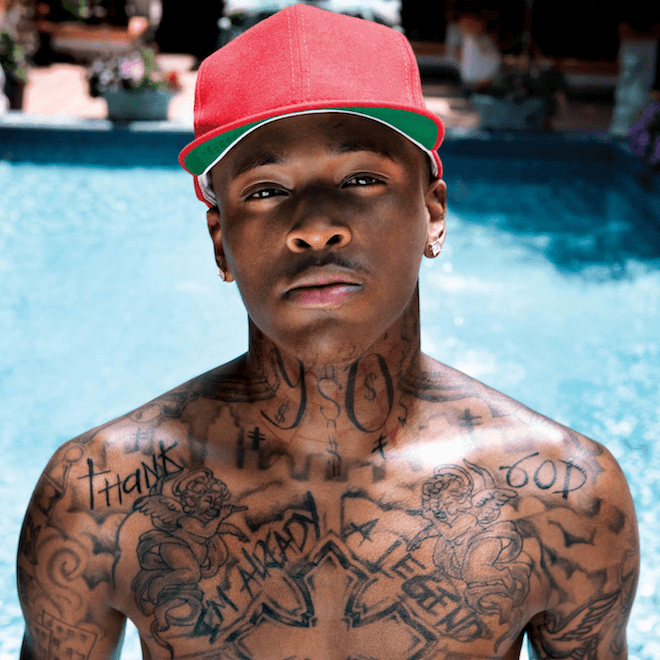
In older photos, the words “Trust Nobody” run across YG’s upper body. Without context, it might look like familiar rap-era lettering, but his comments about the life around him give the phrase more weight. His tattoos often hold both ambition and caution, and this one reads almost like a personal rule.
YG has spoken about feeling like a “lost angel” and learning to move through a world where loyalty can be complicated. The tattoo is direct and a little guarded, carrying the hard-earned perspective that comes through in his music.
It also sits naturally beside his religious tattoos. A cross next to a warning about trust suggests someone trying to hold onto belief while staying alert. Together, the designs make his skin feel like a personal archive rather than a collection built around one visual theme.
The Pushaz forearm tattoo marks his clique
In a Highsnobiety interview, YG identified the “Pushaz” tattoo on his forearm as a mark of his clique. It’s one of his clearest explanations: the design is about his affiliation, the people around him, and the world that was there before his records took off.
The placement works in practice as well as meaning. It shows when he performs, poses, or reaches for a microphone, so the word stays visible without him having to point it out. It sits among other lettering and symbols, but the name itself is clear enough to become part of his public image.
YG’s explanations are most useful when he spells out what a tattoo means. “Pushaz” isn’t offered as a vague aesthetic; he connects it directly to his group. That helps explain why some pieces remain central while others blend into the larger design over time.
Bompton appears as a place and a state of mind

Compton appears again and again in YG’s tattoos. The city is part of his life and public identity, but he often uses the word “Bompton” to make the reference more specific to his own world.
The Fader has documented a large “Bompton All Stars” seal along his side, designed like the five-point logo of Converse. Its placement turns a familiar neighbourhood reference into something like a sports emblem. It signals pride, while carrying the weight of the place that shaped him.
Photos also show “Thank God” and “In YG We Trust” among the script across his chest and neck. It isn’t always easy to see where one tattoo ends and another begins, but the ideas keep returning: gratitude, self-belief, and hometown identity all share the same visual space.
The Virgin Mary on his scalp is hard to miss
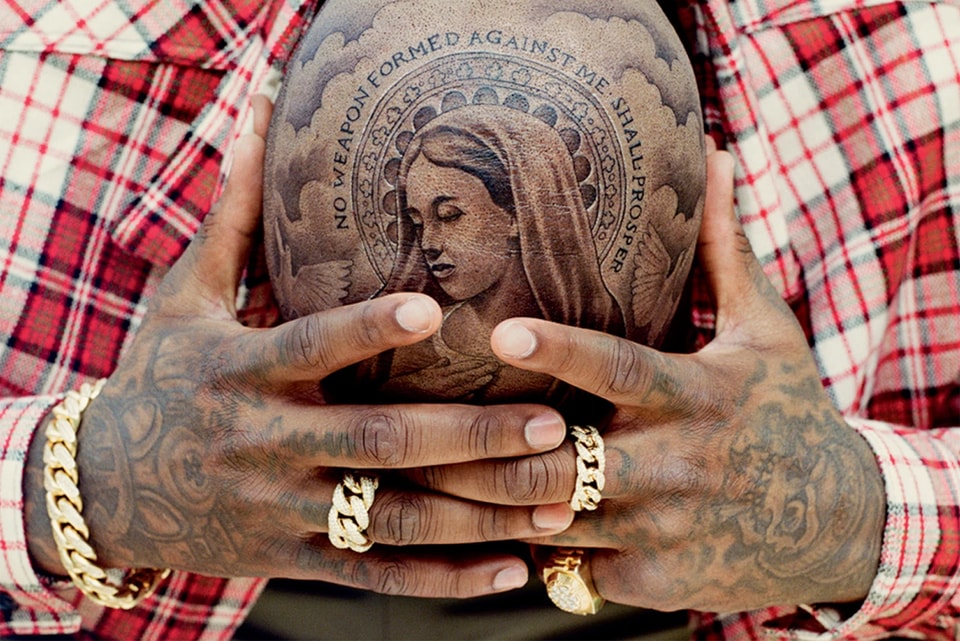
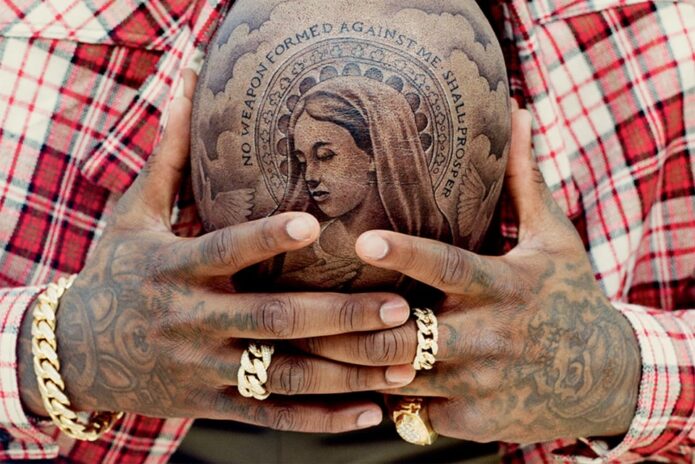
One of YG’s most striking tattoos is a large Virgin Mary on his scalp. It can’t hide under a short haircut and adds to the religious imagery already visible on his chest.
The scalp piece changes the outline of his look. A shirt can cover his torso, but the tattoo stays visible in close-up photos and performances. It also shows how his willingness to wear visible ink developed over time rather than appearing all at once.
There’s no need to assign it one definite meaning. The Virgin Mary could represent faith, protection, family, or simply an image that matters to him. The design and placement are documented; his personal explanation is less clear. That distinction matters when describing someone else’s body art.
Memorial tattoos keep friends close
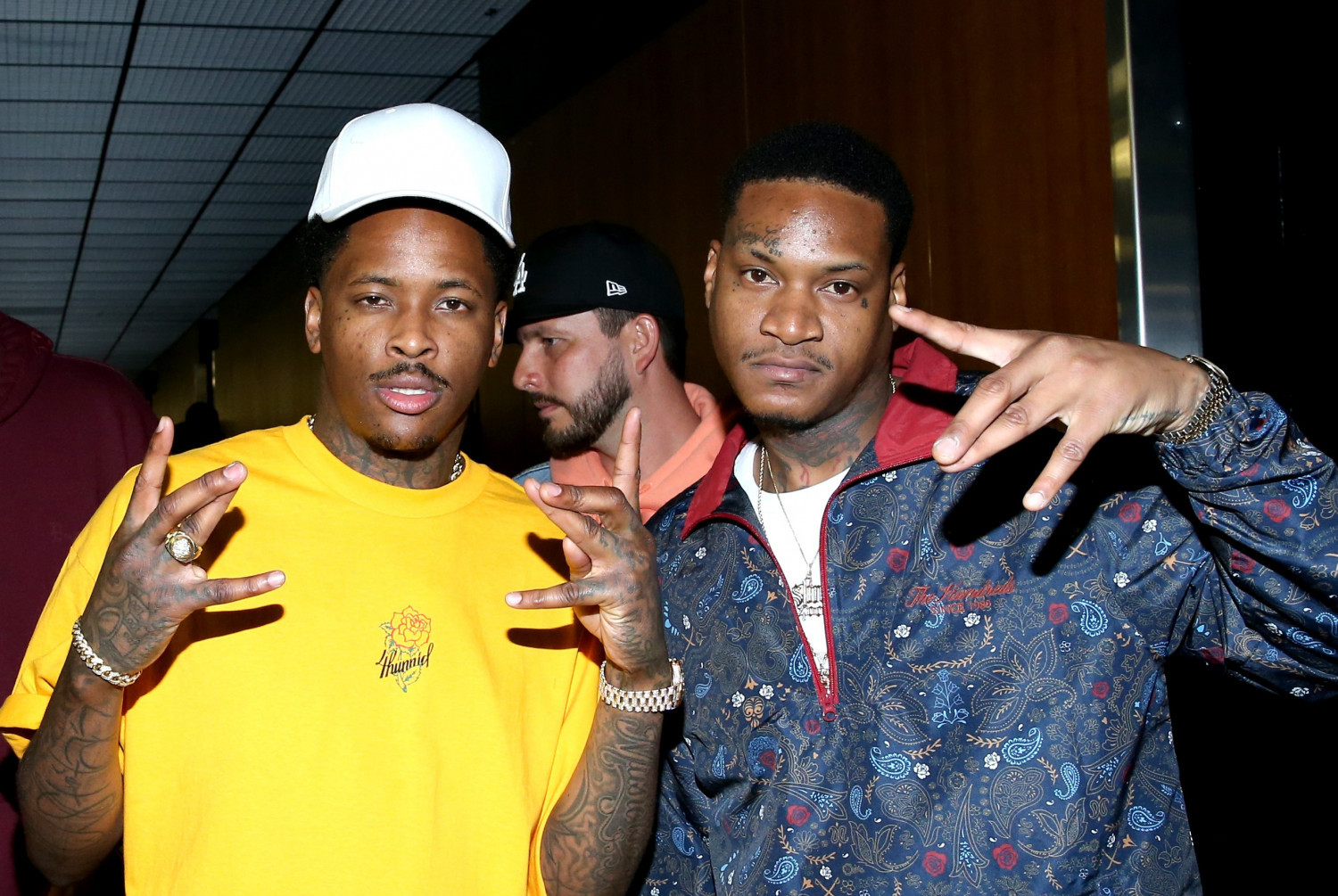
YG’s tattoos also include tributes. Inked has noted a Slim 400 portrait on his left leg, done by tattoo artist Tat2Nene. It serves a different purpose from the louder “Trust Nobody” and “Bompton” designs: it’s about remembrance.
Portrait tattoos take technical skill, but the emotional weight is just as clear. A memorial portrait doesn’t only aim to look like someone; it keeps their face present in future rooms, tours, and years. YG’s collection returns often to the idea of carrying people with him.
Other names and tributes appear in photos, though not every detail is clear enough to catalogue confidently. The most reliable inventory sticks to pieces that have been discussed directly or photographed clearly instead of treating every blurred line as a confirmed memorial.
His tattoos mix faith with street language
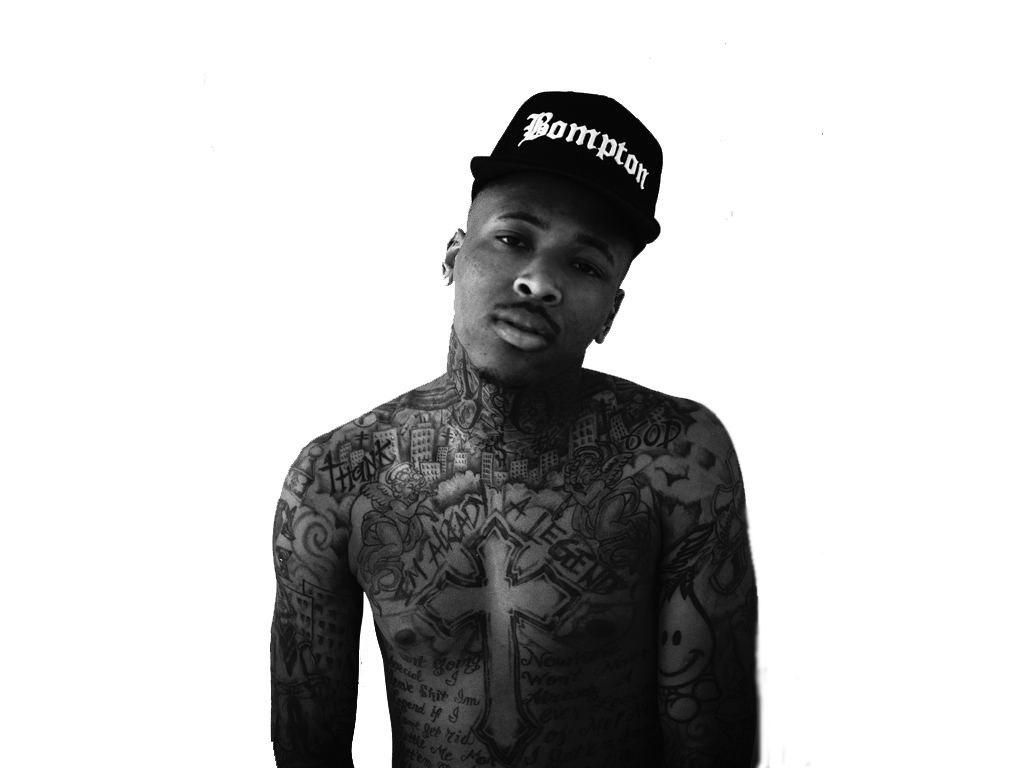
What sets YG’s collection apart is how many different kinds of language share the same skin. Religious symbols sit next to neighbourhood slogans; family names sit beside warnings. A scalp portrait can appear alongside a side seal and a forearm mark for his clique.
Those pieces don’t have to contradict one another. Most people build a tattoo collection one moment, influence, friendship, or hard year at a time. What emerges is rarely a neat brand identity; it’s a stack of memories that gradually becomes a style.
The collection feels lived in rather than staged. Even in polished photos, the tattoos look like they came from different artists and different periods, with different levels of explanation. Some are deeply personal, some are declarations, and some have simply become part of the story.
The timeline matters more than a perfect count

YG started getting tattoos young, and his interviews show that the process continued as his life changed. The first cross gives the collection a family-centred starting point. The forearm lettering and Compton references connect him to his circle and hometown, while later portraits and larger designs carry the weight of success, grief, and public life.
A number alone can’t explain YG’s tattoos. A count might tell you how much skin is covered, but not why certain words remain visible, why a memorial portrait matters, or why a neighbourhood emblem can feel as personal as a family name.
YG wears his history in layers. His ink is bold, sometimes blunt, and often easy to read from a stage. Under the large lettering are themes he returns to in conversation: family first, faith close, loyalty tested, and a lasting connection to the place that made him.
Some smaller details are harder to make out in photos. A haircut changes how the scalp tattoo looks, shirts cover chest lettering, and different lenses can flatten the side seal into the rest of his torso. That’s part of following a collection that’s grown over time: the tattoos aren’t one big reveal, and one caption can’t explain every meaning. The clearest picture comes from combining YG’s own explanations with photos that show where each piece sits.
Seen together, the collection is less about adding tattoos than keeping certain truths visible. The designs overlap, but the through-line is clear: YG keeps connecting public success to private history. That’s why the most memorable piece isn’t always the largest; sometimes a family name or a short phrase carries the most weight.
2 thoughts on “YG carries Bompton, family and hard lessons in his tattoos”